
The exhibition 《Korea Artist Prize 2019》 is being held at the National Museum of Modern and Contemporary Art, Seoul, from October 12, 2019, to March 1, 2020. The artists selected as finalists for this year are Ayoung Kim, Hyesoo Park, Jewyo Rhii, and Young In Hong.
 
In 《Korea Artist Prize 2019》, Kim's speculative fiction Porosity Valley 2: Tricksters' Plot combines migration of different layers occurring globally and the pseudo-myths of Mongolia and associates them with the influx of Yemen refugees seeking shelter on Jeju Island. Park looks into the generally accepted notions and values with regard to the individual and society in Korea from a variety of perspectives. Her work invites us to observe the definitions and categories of 'we' set by the individuals, namely, their understandings of groups.

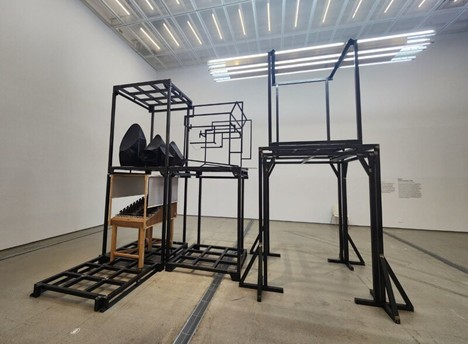
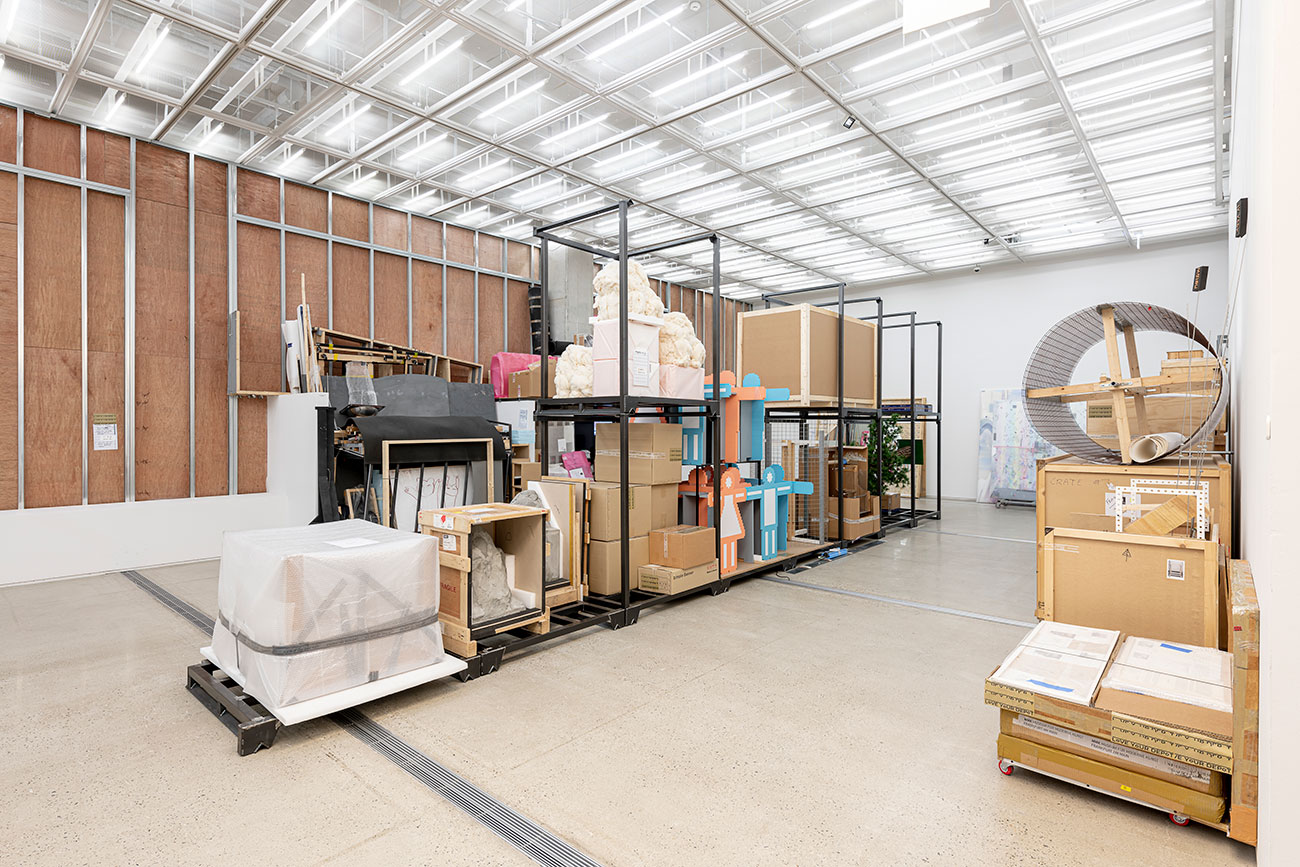
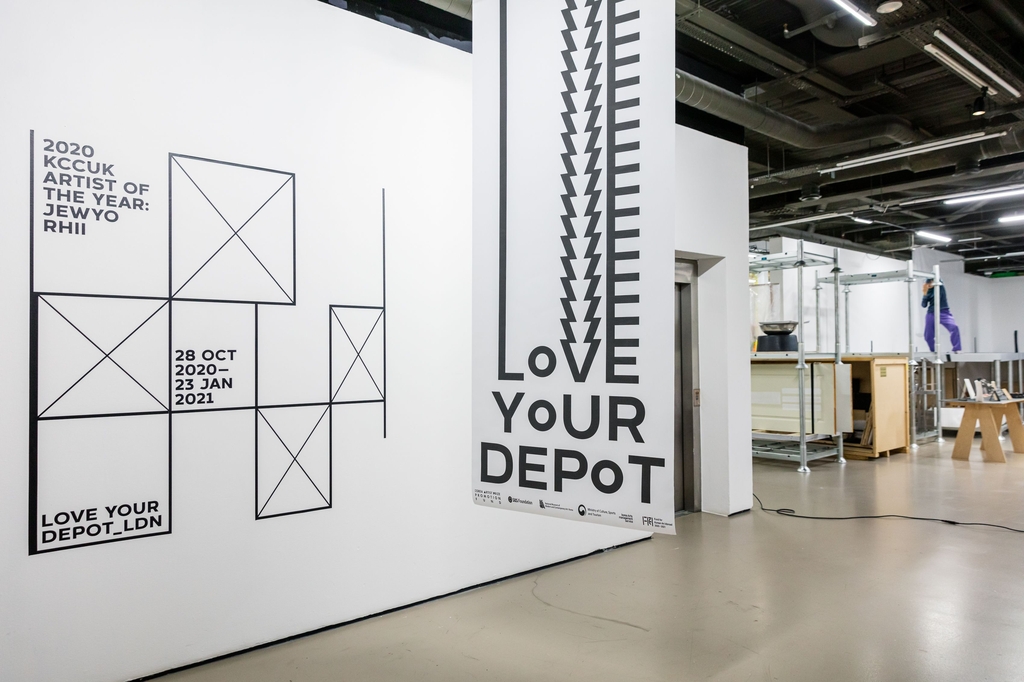
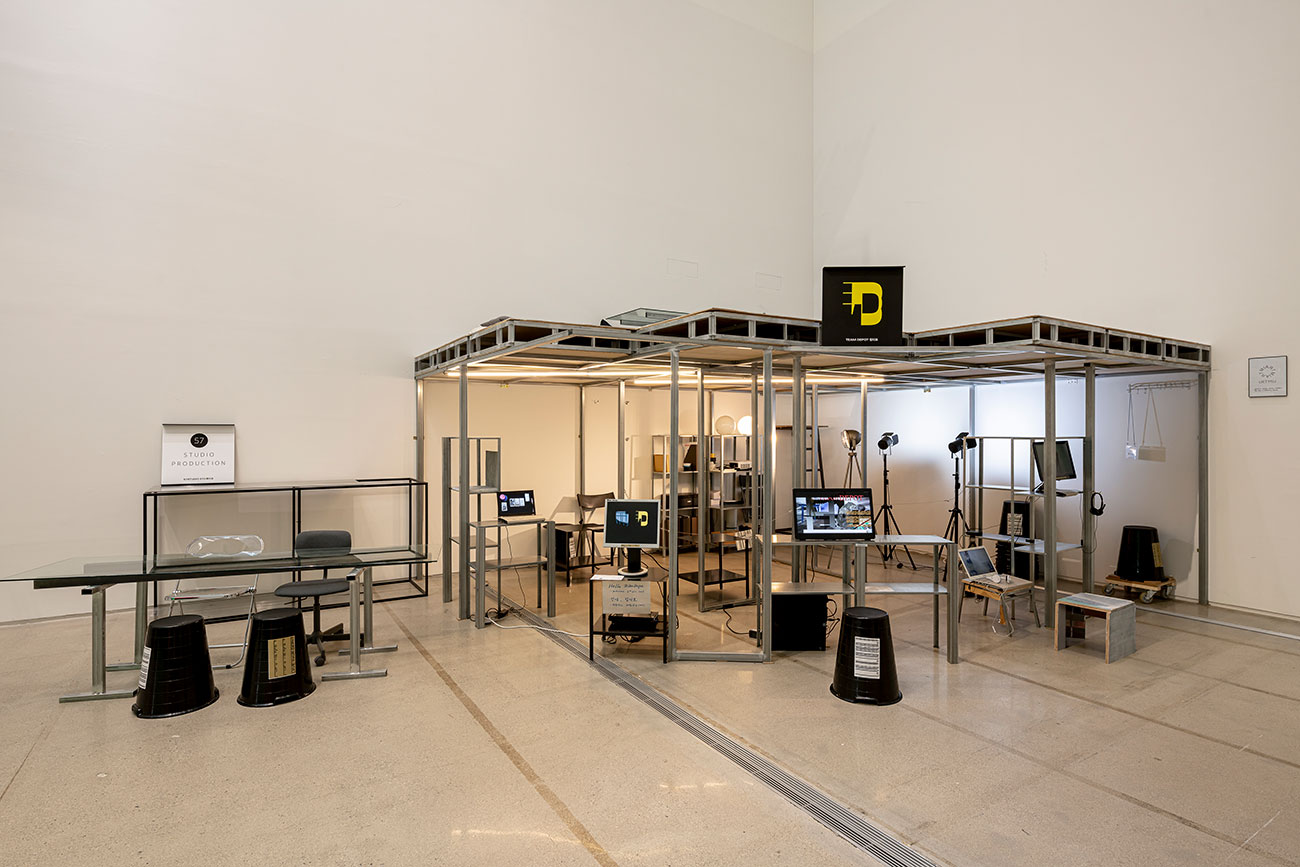
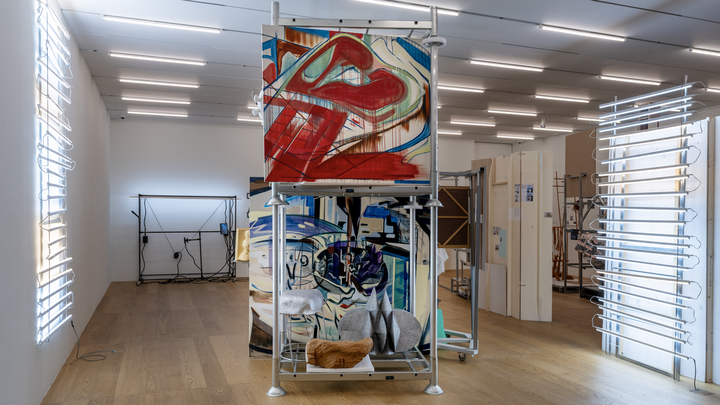
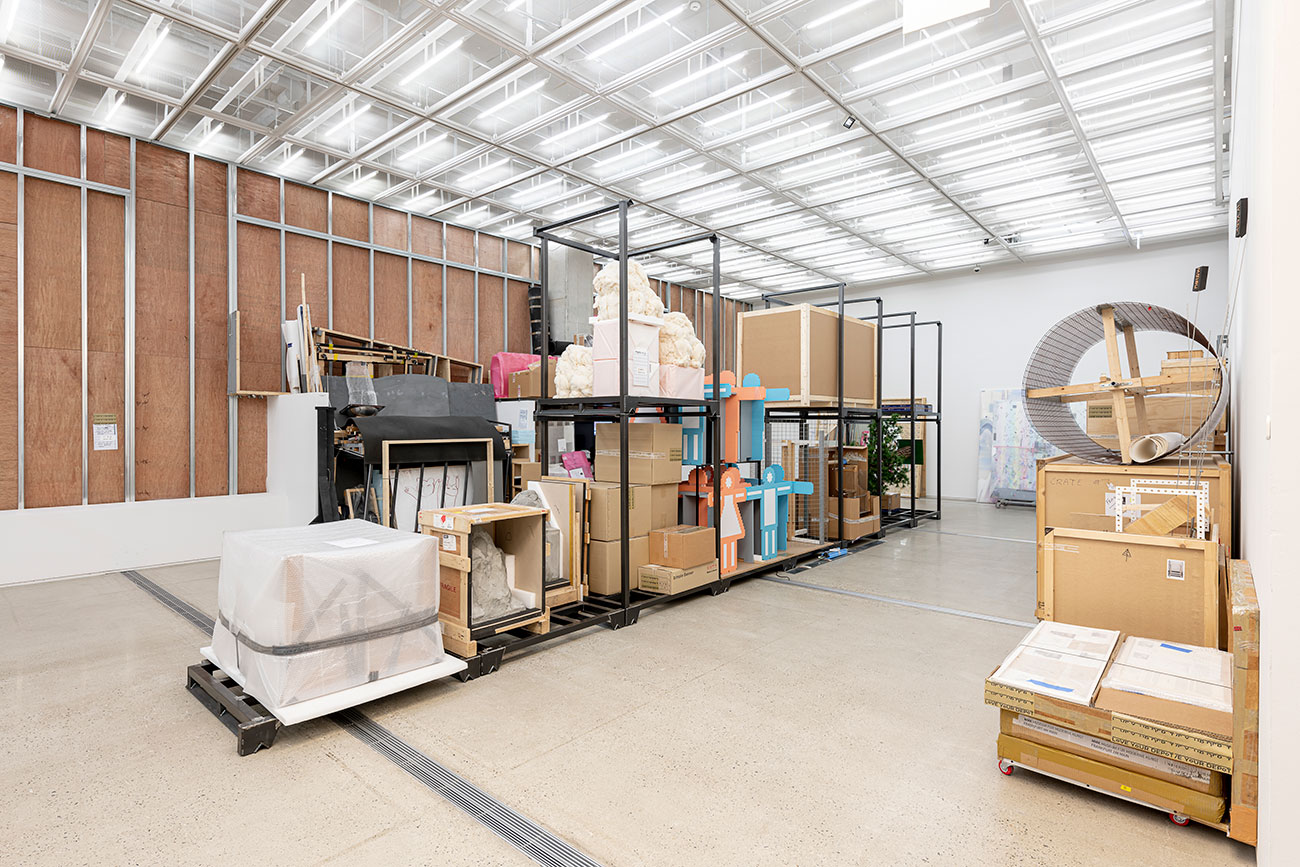
Rhii builds a storage system, Love your depot that operates as both storage for works of art and a workspace for art-making. This system is an alternative proposal designed to seek ways of delaying the death of works created by artists and of sharing art within the space realized by the artist. Driven by the worldwide prevalence of nationalism and social inequality, Hong has had an interest in animals who communicate in ways different from humans'. The artist's specific inquiry into the bird is reflected in her new work, Sadang B.

Utilizing various mediums and addressing a range of subjects, the artists have approached social and aesthetic issues from different angles. Showcasing the works of these artists who occupy a pivotal position in the Korean art scene, 《Korea Artist Prize 2019》 enables viewers to read the directions towards which contemporary art of fluidity and diversity is leaning and to encounter the conditions of our times visually embodied.


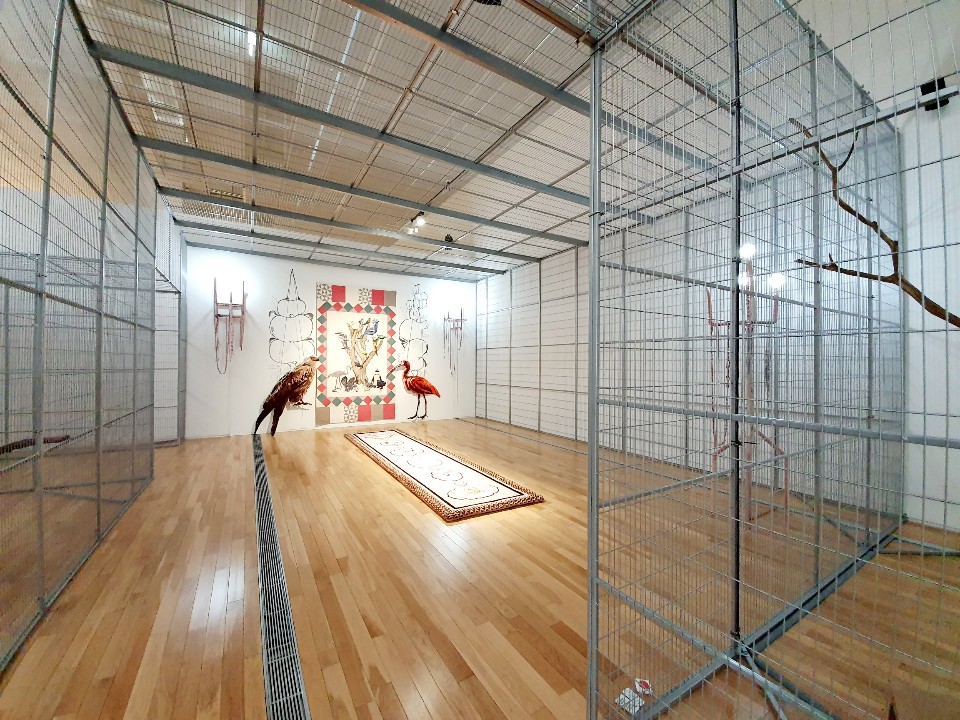
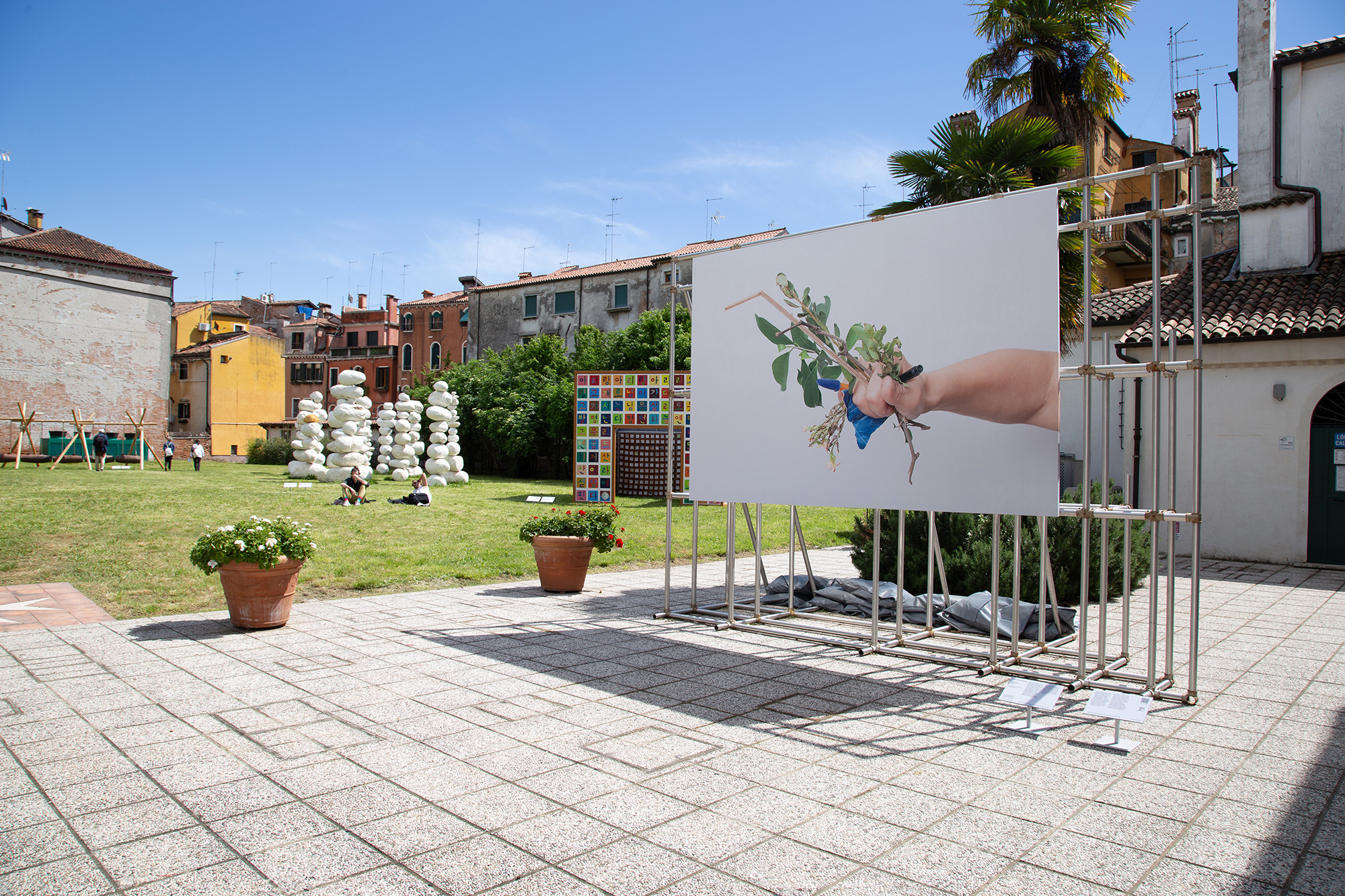
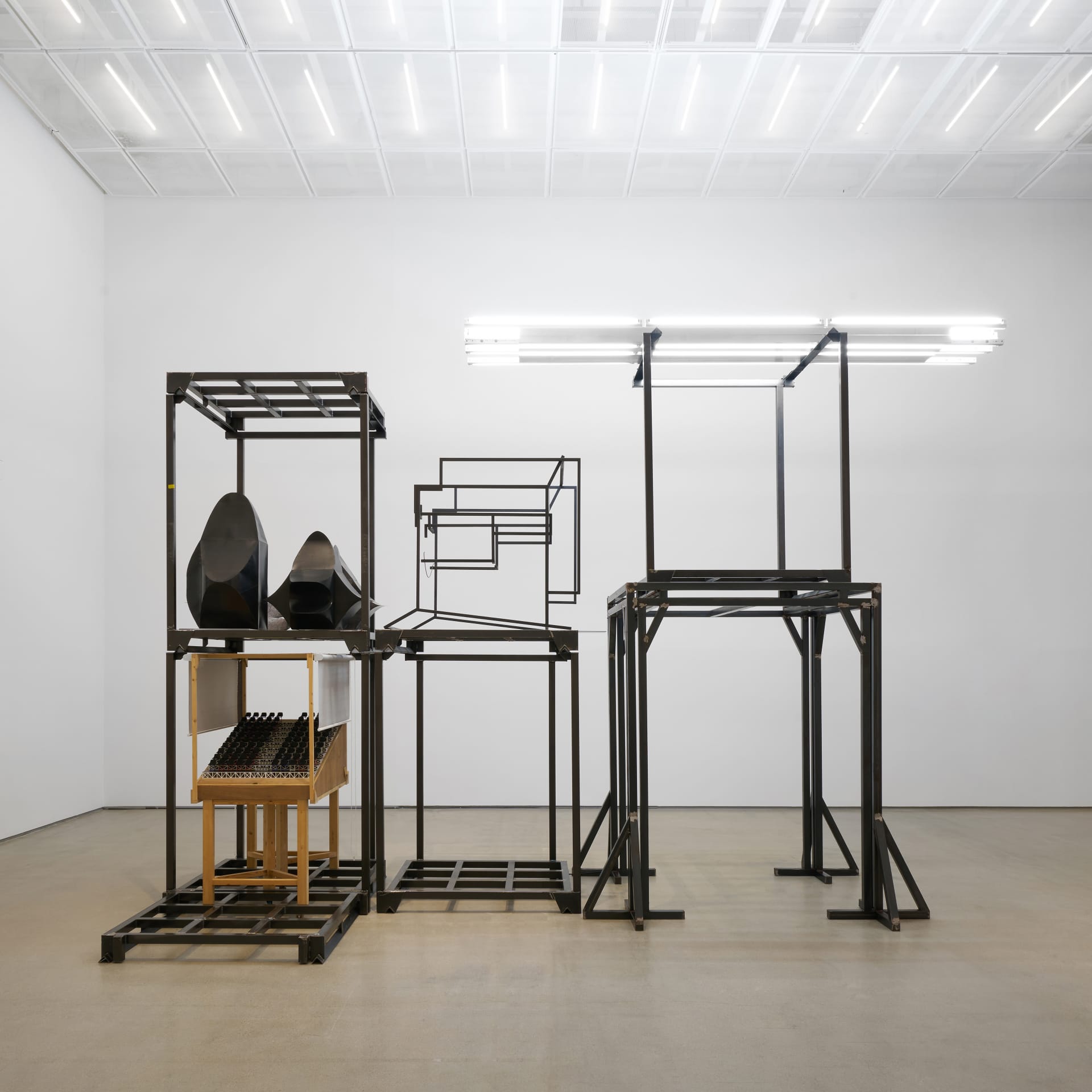
Young In Hong, To Paint the Portrait of a Bird, 2019, Steel mesh structure, video projection, wood, speaker, fur fabric, embroidery on cotton, scrap fabric, polyester, copper pipe, electric cable, plastic balls, Dimension variable ⓒ MMCA

Young In Hong: For equality, another way of communication

Based in the UK, Young In Hong (1972- ) works in Europe and Korea. Her work has been shown in institutions such as Gwangju Biennale(2014) and the Institute of Contemporary Arts in London(fig-2, 2015). Her continuous exploration of how to embody the idea of 'equality' through art has been conducted using diverse mediums including installation, performance, drawing, embroidery, and sound.

Having witnessed how the current pervasiveness of nationalism and social inequality throughout the world has dramatically intensified, Hong has been led to think that an entirely different way of communication is urgently needed. Her attention was directed at animals who communicate in completely different ways, and particularly her study of communication of the birds has fed into her new work.

Sadang B consists of three new pieces: To Paint the Portrait of a Bird is a large-scale installation questioning the hierarchy between humans and animals; The White Mask is a video documentation of an improvisational performance of 'becoming animals' carried out by a music ensemble from Club Inégales; Un-Splitting is a group performance in the communal area outside the gallery representing women's low-waged labor.

Each one of these three pieces represents a different ritual, a space beyond dichotomic opposition and contradiction as in animal vs. human or reason vs. instinct. All three pieces attempt to revisit a forgotten space and time behind the mainstream representations of history.


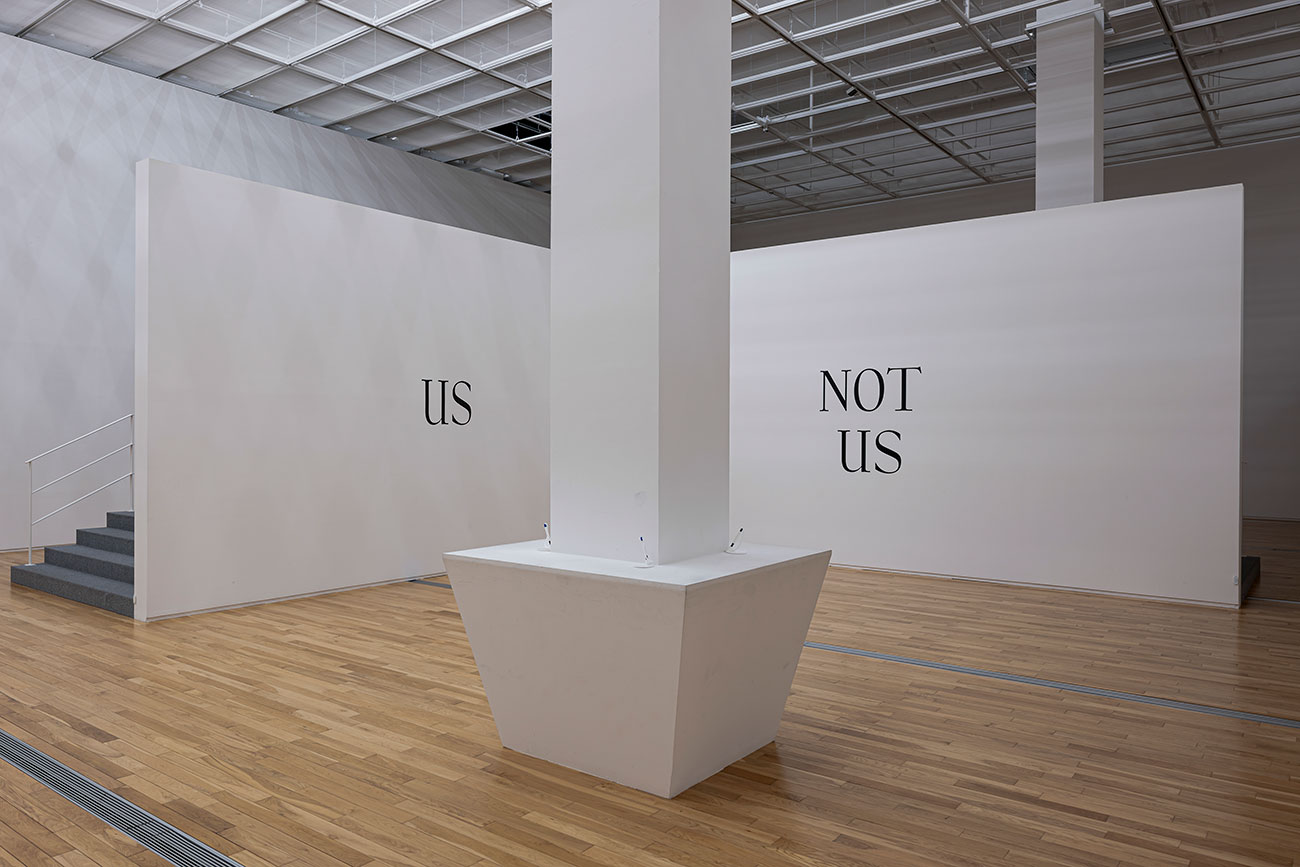
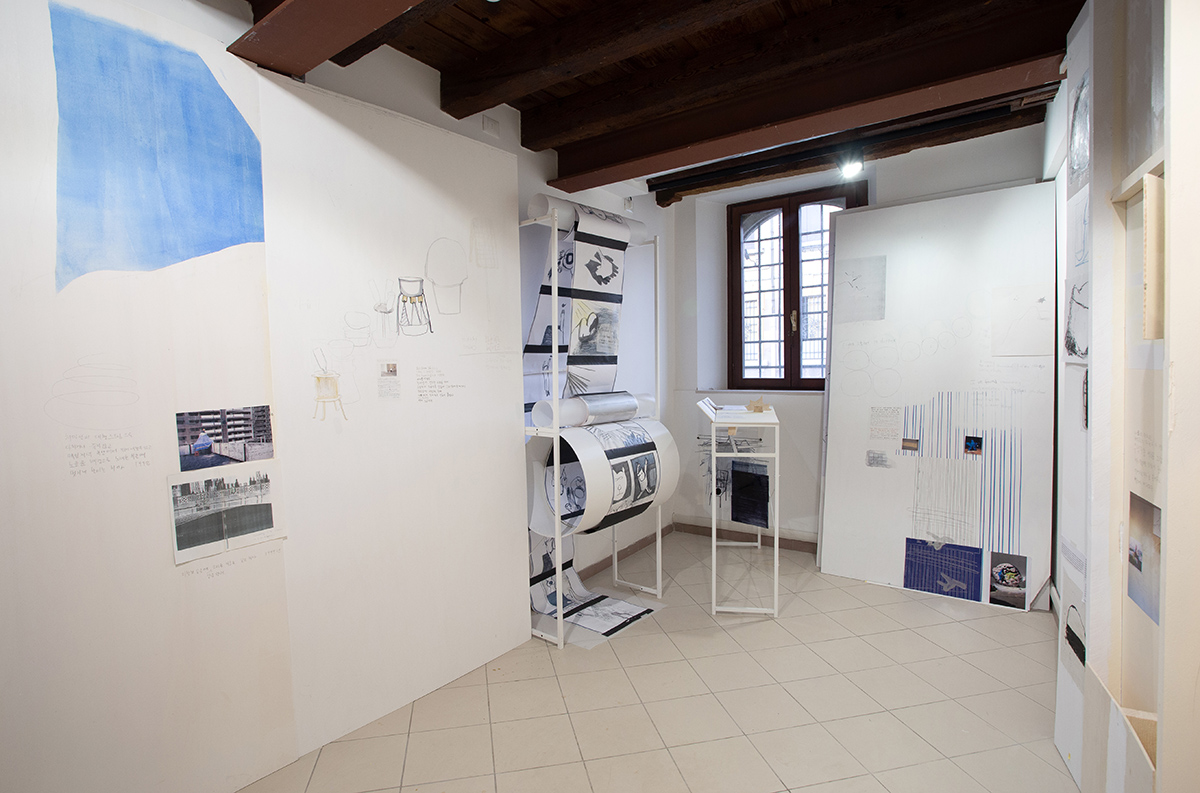
Hyesoo Park, No Middle Ground, 2019 ©MMCA

Hyesoo Park: Who is your 'we'? Who is our 'you'?

Hyesoo Park (1974- ) has questioned the universal values and unconscious thoughts that are affecting our society and groups within it and further gave form to the values of the individuals' memories and lives through her solo shows including Nowhere Man, Now Here is Nowhere, Definition of Botong, and The Dream You Thrown Away. For the visual realization of these perceptions and intangible values, the artist observes our surroundings, gathers data by doing meticulous researches, and when in need collaborates with experts in related fields.

Park's new work made for this exhibition starts from the question, “Who is your 'we'?” This question invites one to examine individuals' definitions and categorizations of 'we' namely, their understandings of groups. Prior to the production of the work, the artist conducted a survey on one's perception of 'we' among a representative sample, and the output of the survey is analyzed by an expert and interpreted by the artist to be reflected in this work.

Forum Theatre 'URI' by the artist and various collaborators is performed at an installation located at the center of the gallery which also serves as a flexible space for discussion. Here, a viewer's role is extended and redefined as a participant and a performer as he/she engages more fully with the exhibition and the work.


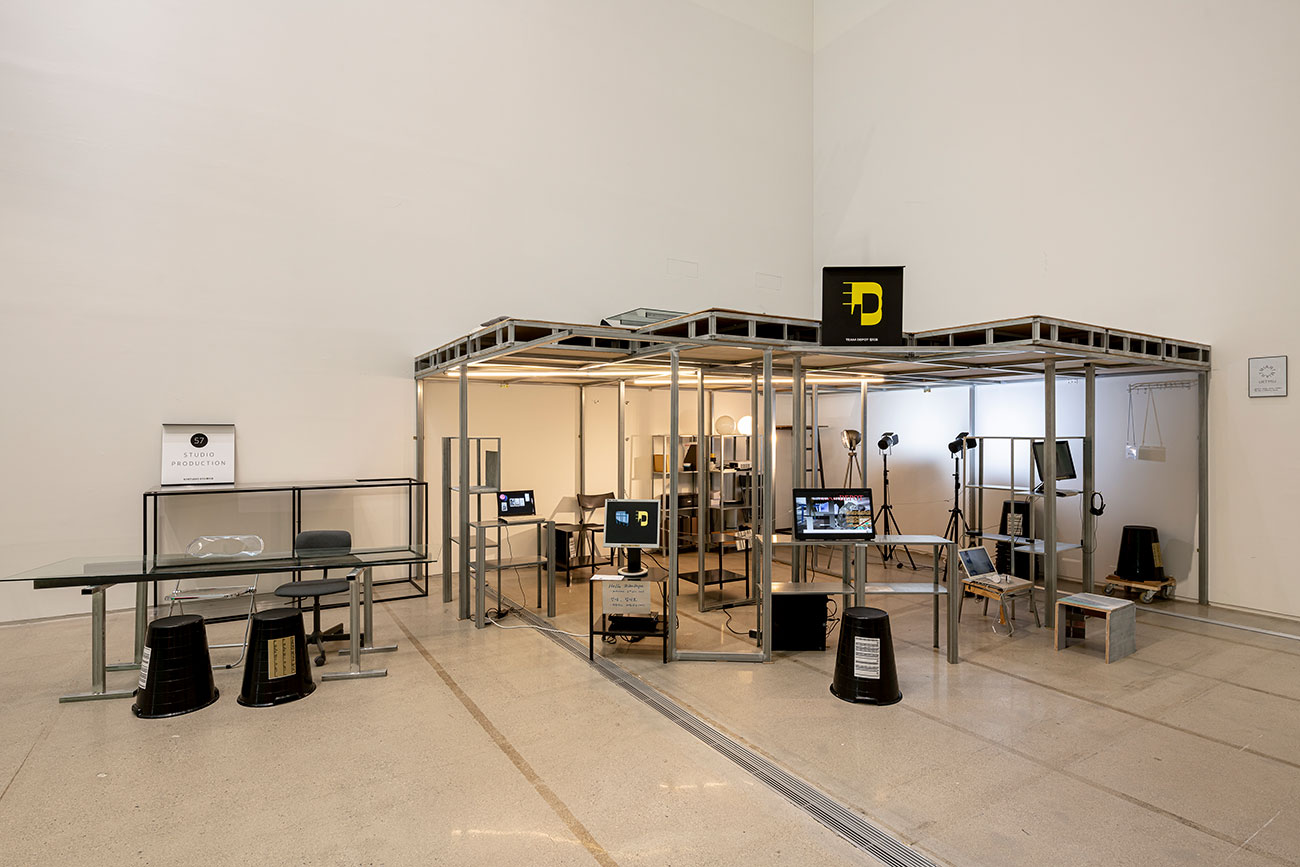
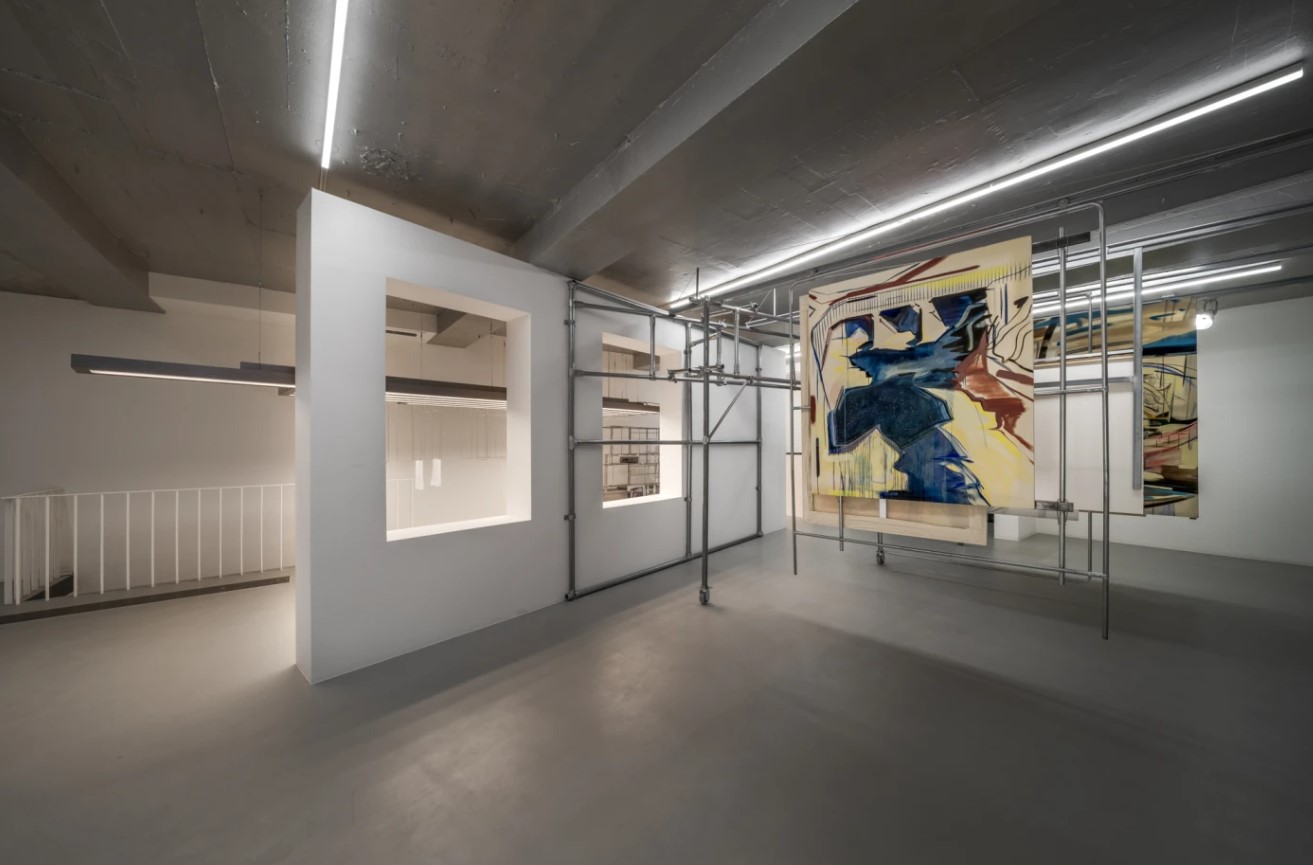
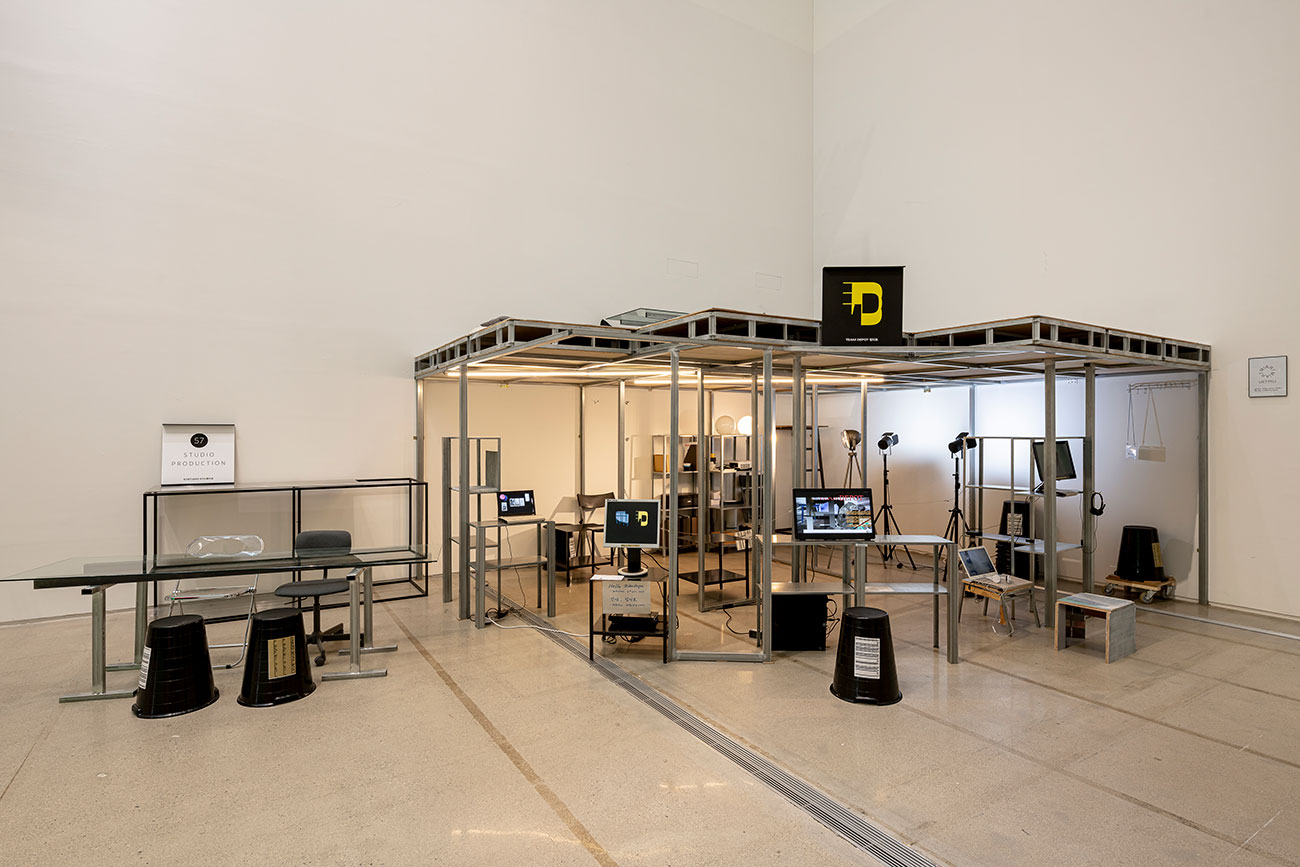
Jewyo Rhii, Love Your Depot , 2019 ©MMCA

Jewyo Rhii: Somewhere for delay, continuation, and creation

Jewyo Rhii (1971- ) has forged the psychological and physical compounds of variable, ephemeral, and mundane materials. As exemplified by her major works such as Night Studio, Two, and Commonly Newcomer, Rhii is interested in the implications of different combinations exploring the intersections of the private and public boundaries. Both in Korea and abroad, the artist's activities are not confined to exhibitions but extend to a range of areas including performance and publication as well.

In this exhibition, Rhii presents her new work, Love your depot, a proposal and a prototype for the storage system that she plans to actualize in the near future. Her exhibition space is occupied largely by artist storage, a lab, and a contents development center called 'Team depot'. In this place, both the works of the artist and those of others are stored, studied, and documented in diverse ways by participants stationed in the gallery.


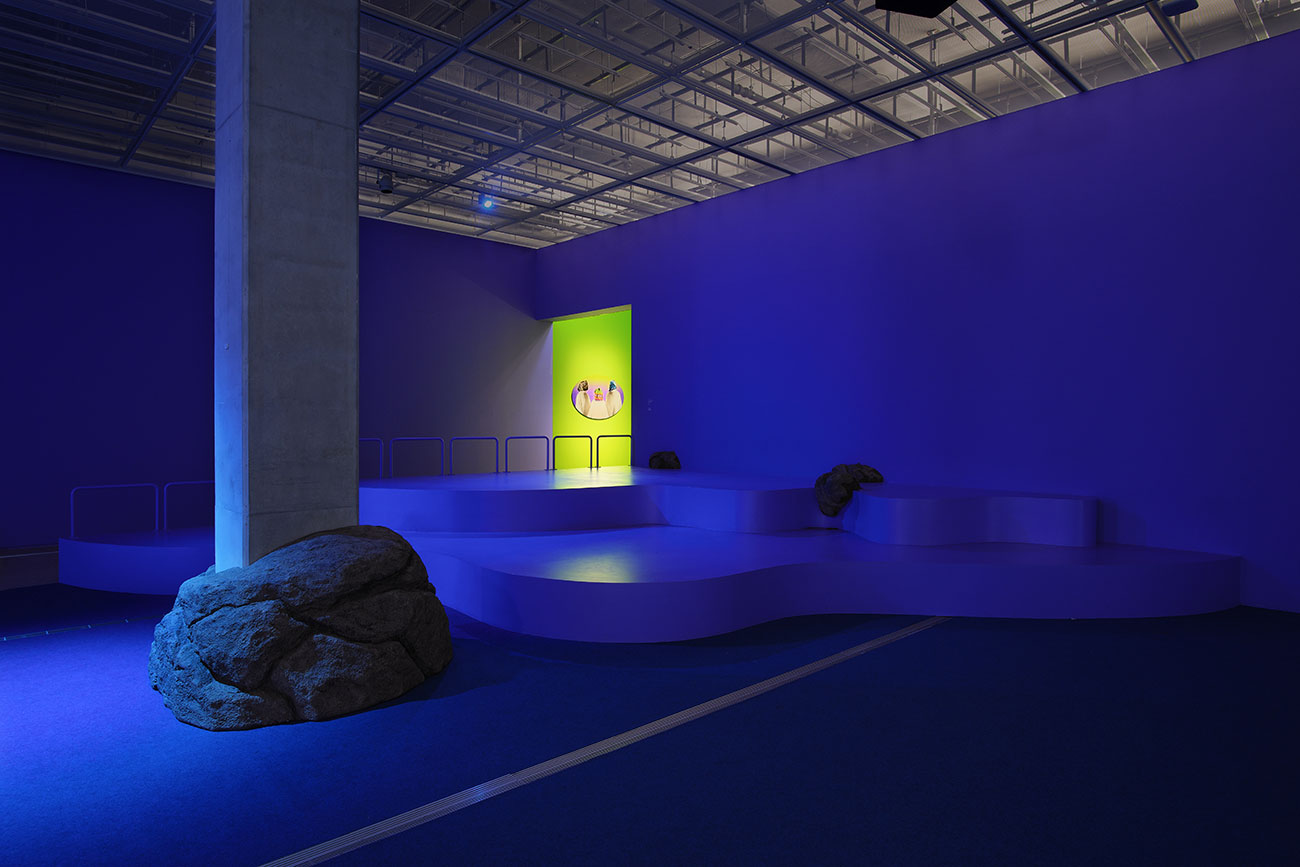
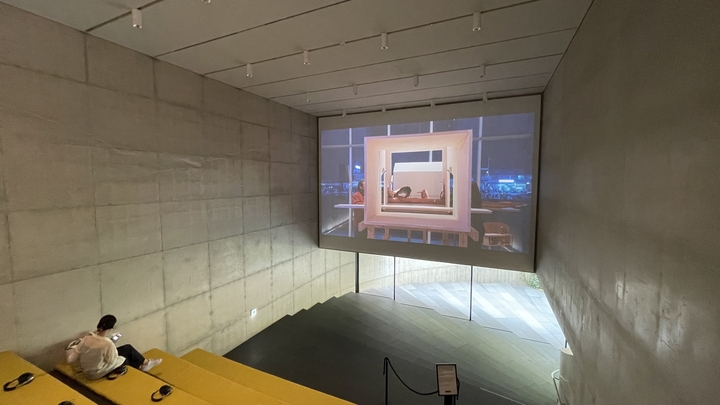
Ayoung Kim, Porosity Valley 2: Tricksters’ Plot, 2019, Two-channel video, 24’30” ©MMCA

Ayoung Kim: Migration both vertical and horizontal, to be on the boundary

Ayoung Kim (1979- ) has explored present-day issues concerning the modern and contemporary history of Korea, petroleum politics, territorial imperialism, and the migration of capital and data through her videos, performances, and installations shown at the exhibitions including the 《56th Venice Biennale: All the World’s Futures》(2015, Venice, Italy) and in her solo show at 《Palais de Tokyo》(2016, Paris, France).

In works such as PH Express and Zepheth, Whale Oil from the Hanging Gardens to You, Shell, the artist represented the factual and the fictitious and introduced her unique methodology to integrate multilayered visual elements into strong overlapping narratives in which space and time are rearranged.

The most central among Kim's new works for this exhibition is a video work, Porosity Valley 2: Tricksters' Plot, a sequel to Porosity Valley: Portable Holes(2017). With respect to the migration journey of Petra Genetrix, a mineral and data cluster, this piece transcribes the related migrations of refugees and data into a multi-faceted fiction.

Kim's recent works show her uninterrupted interest in migrations, transportations, and crossings happening around the globe. In her new work, the artist focuses her interests in the region of Asia, in Mongolia especially, and combines her work with its mythic stories known as traditional totemic tales of rocks and earth of the region.

References