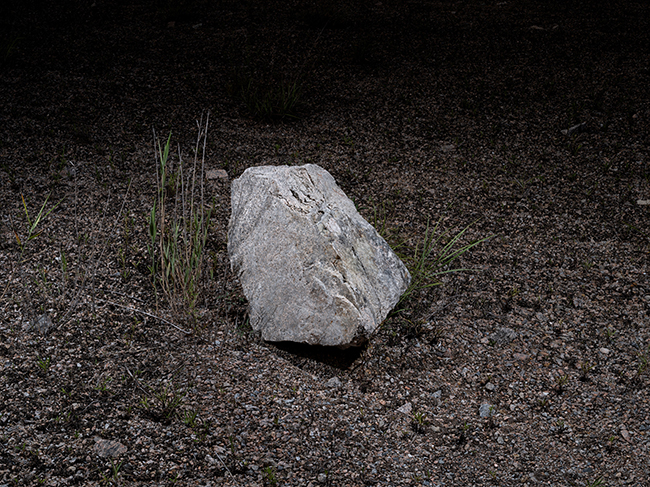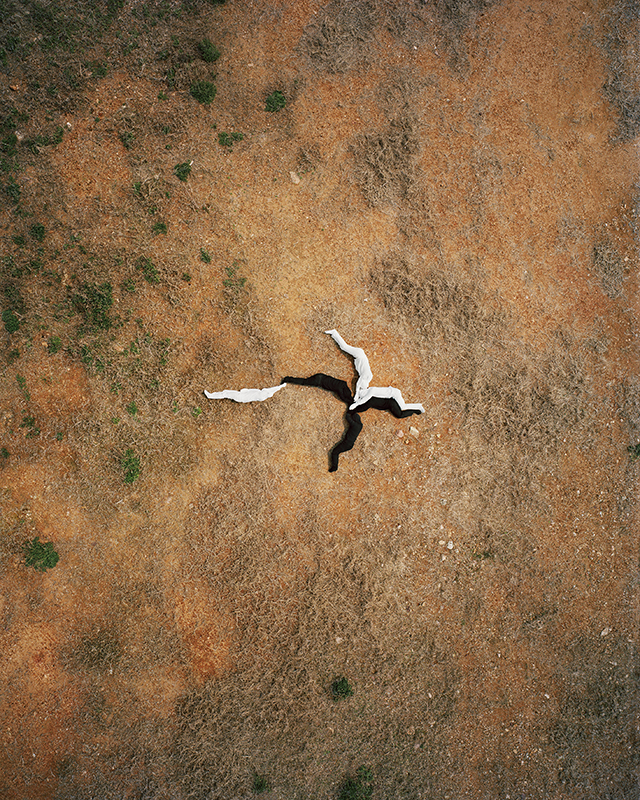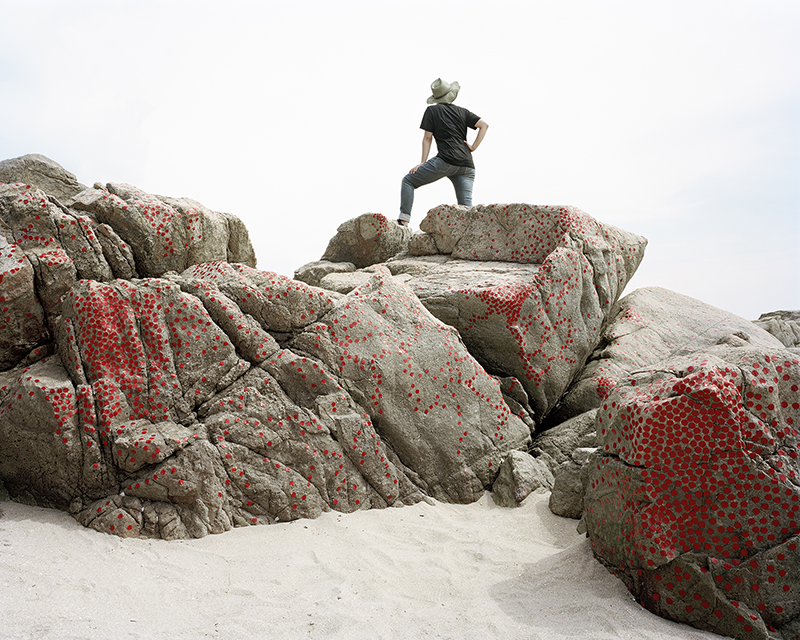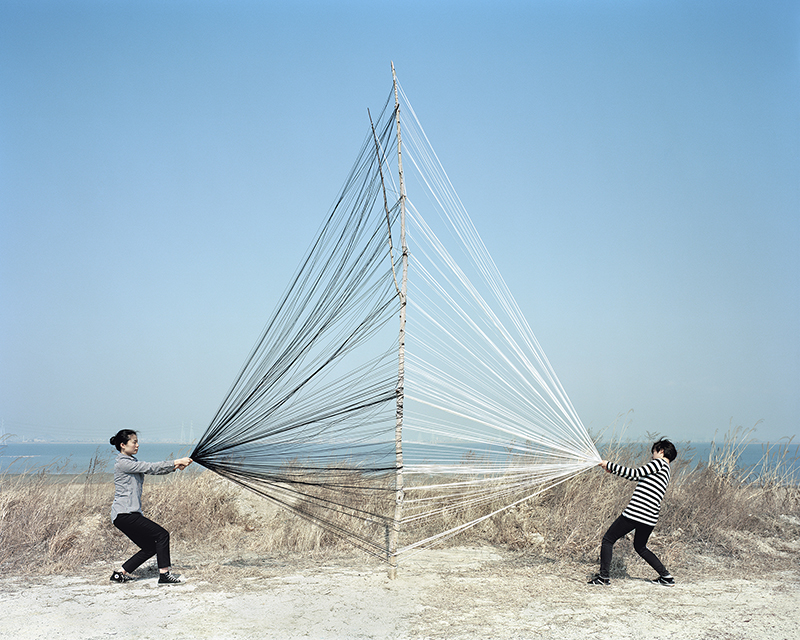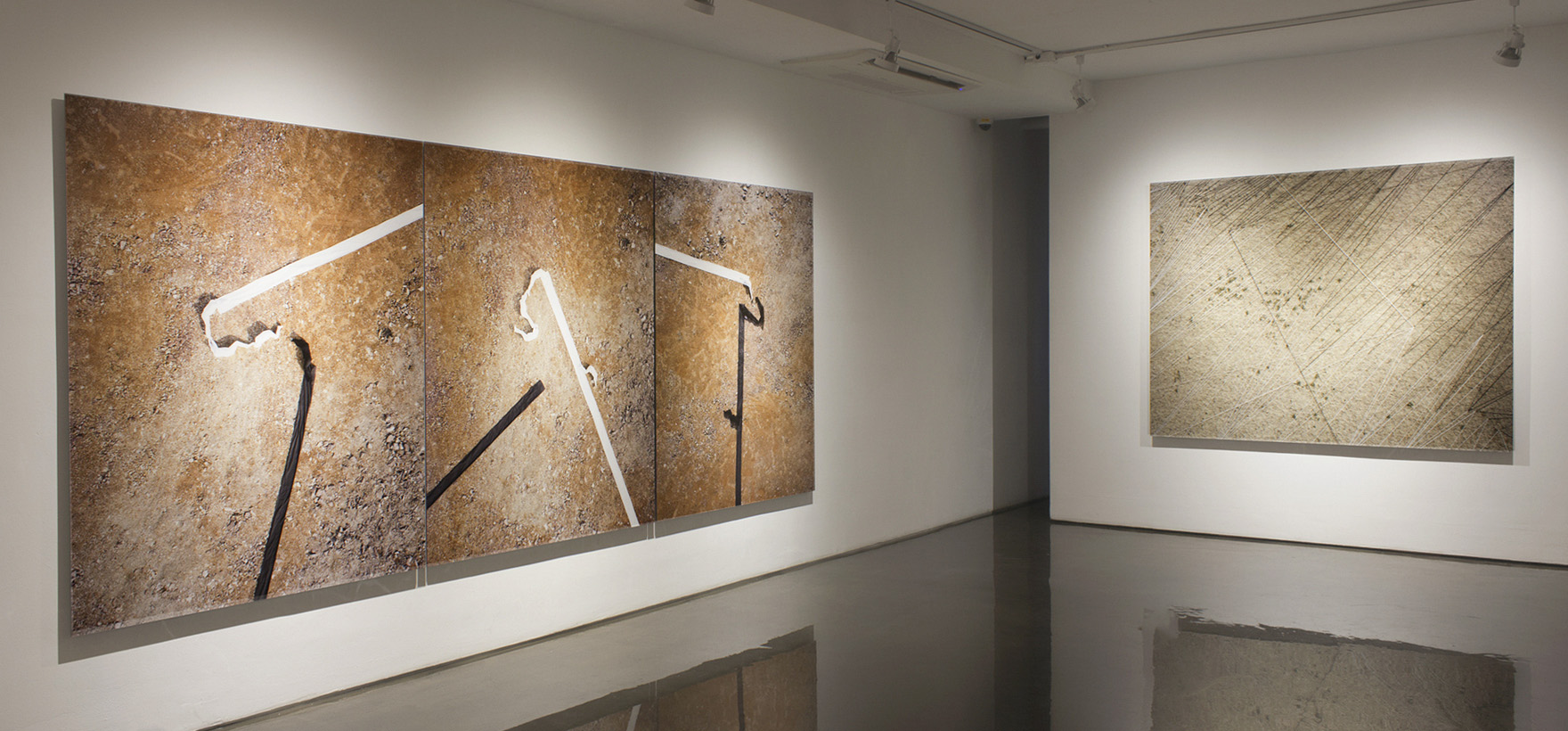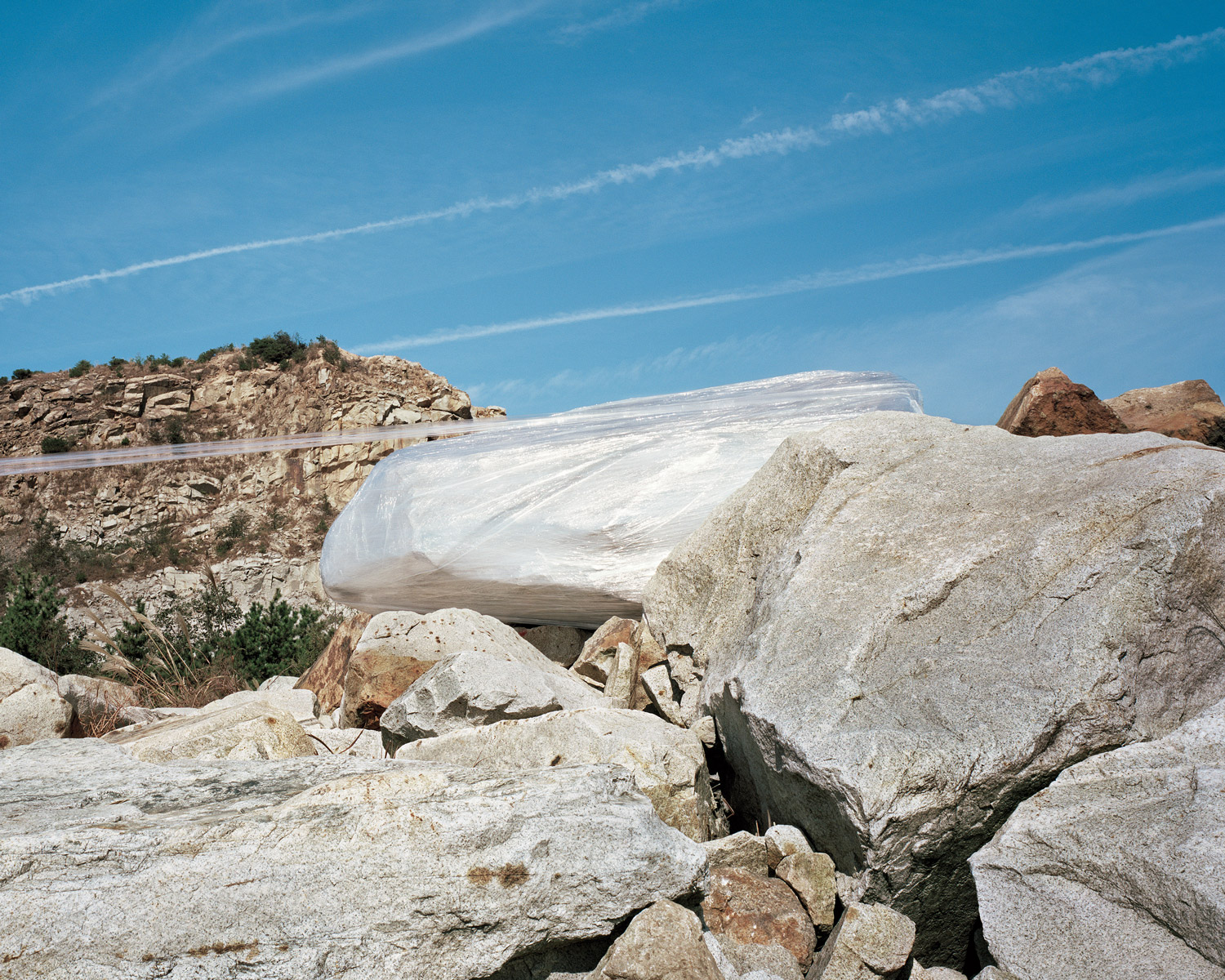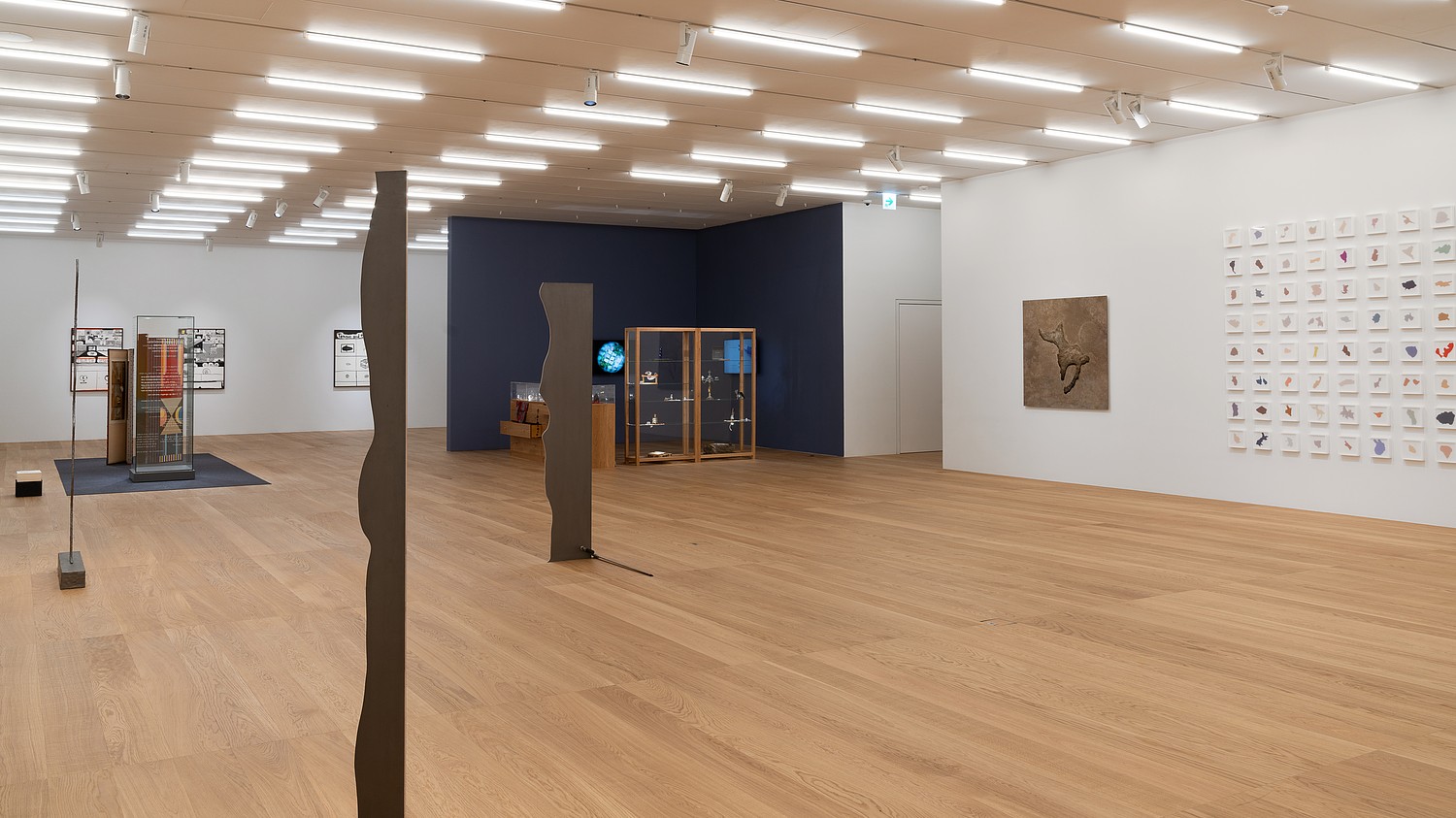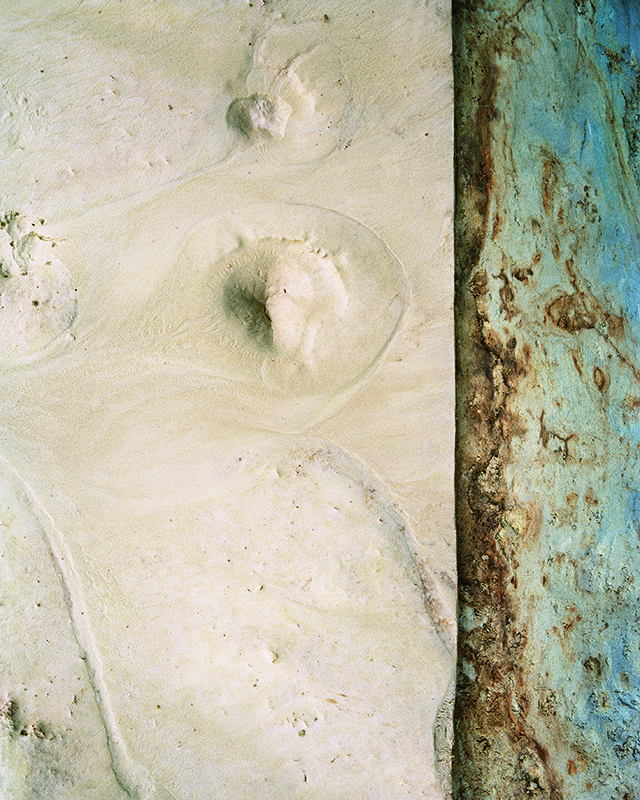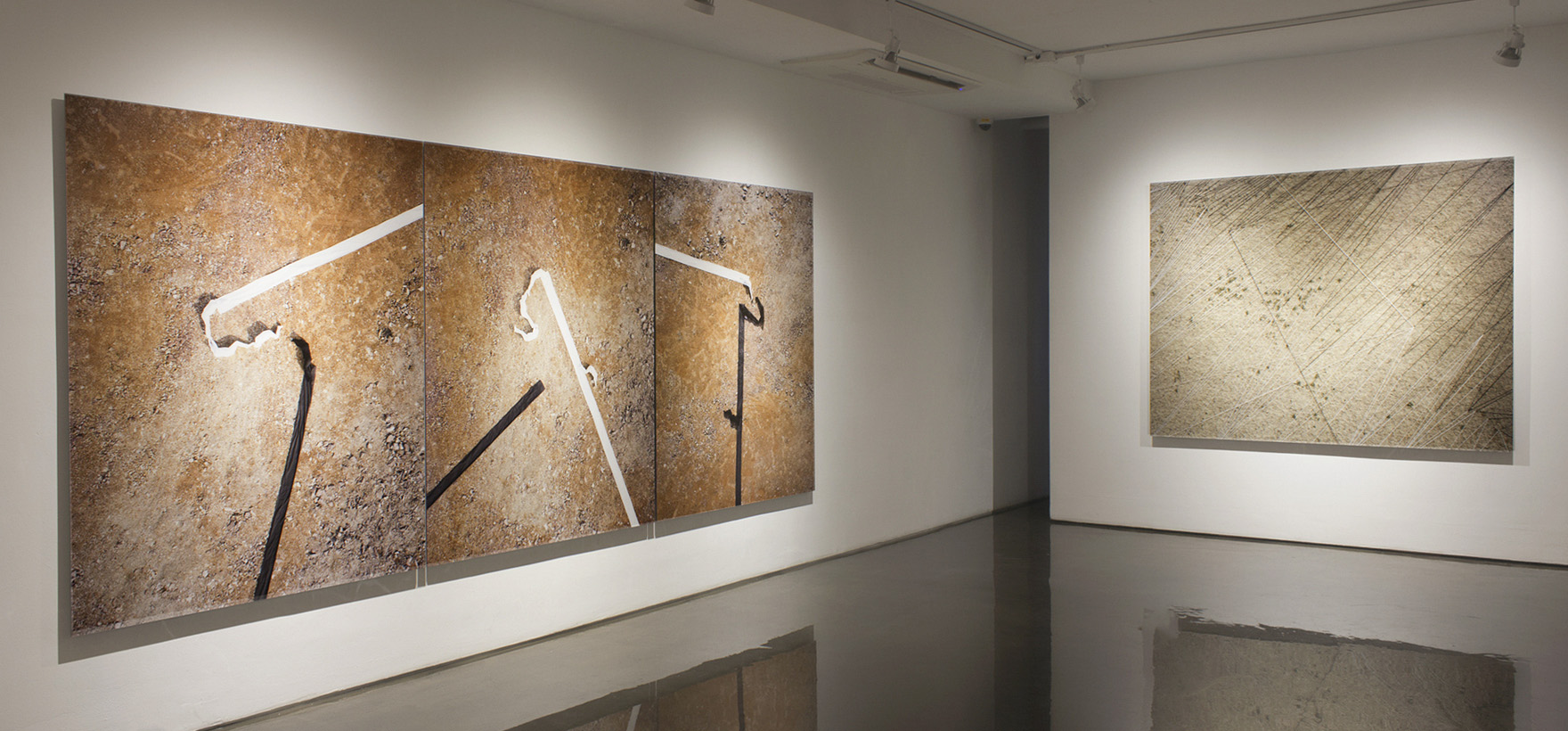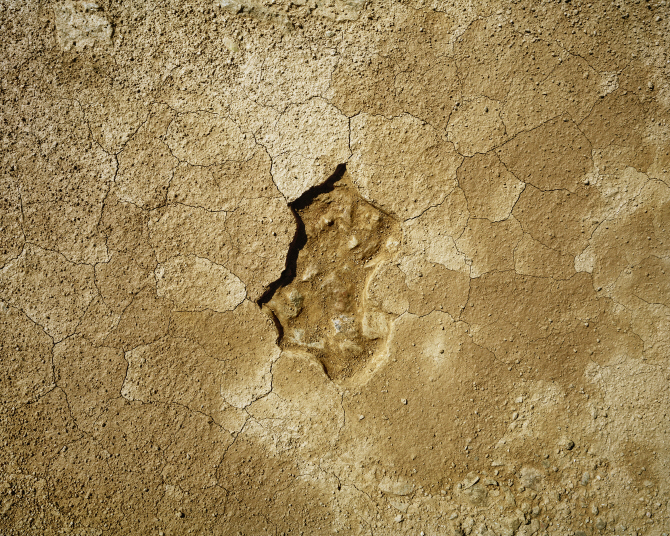

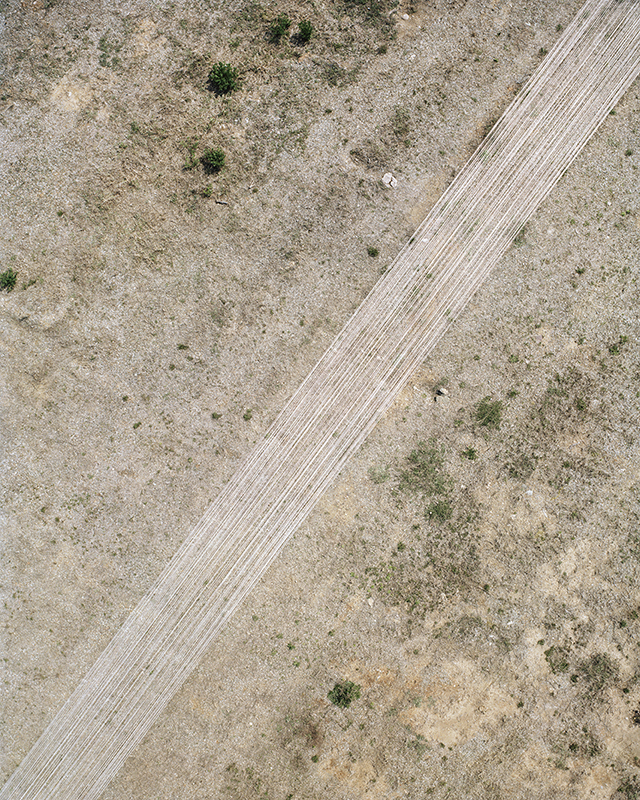
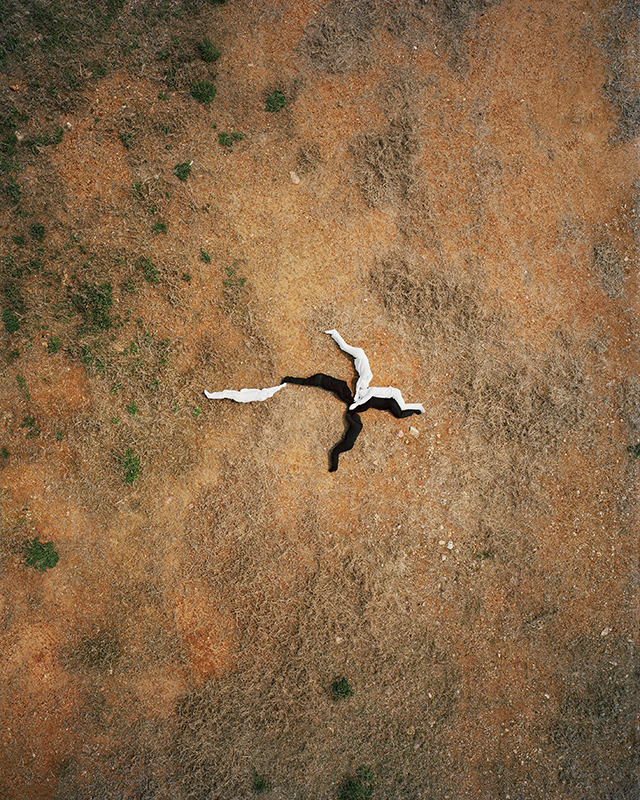
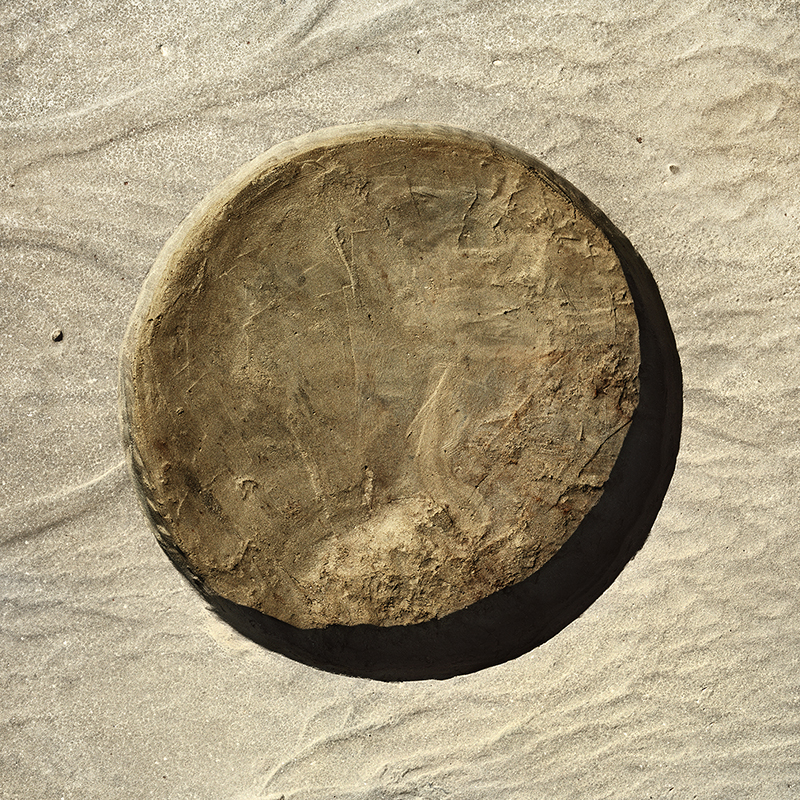
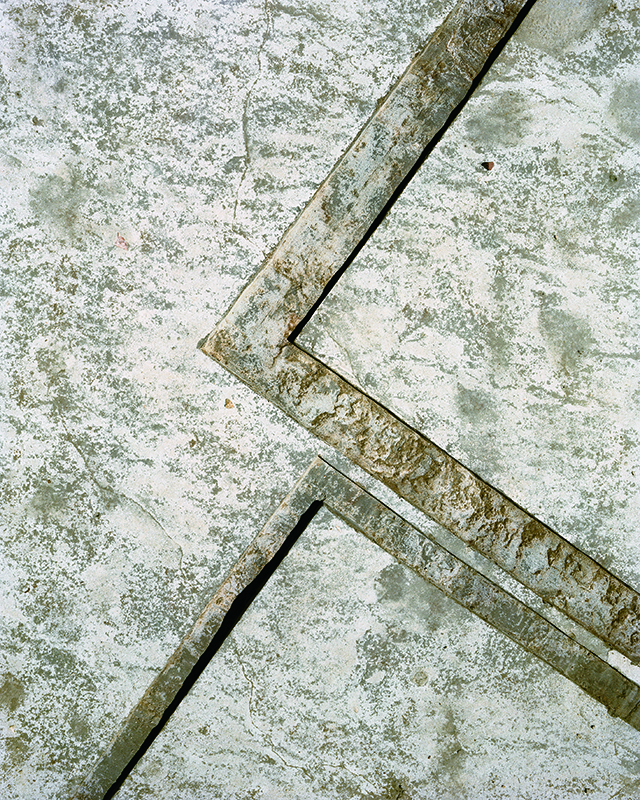
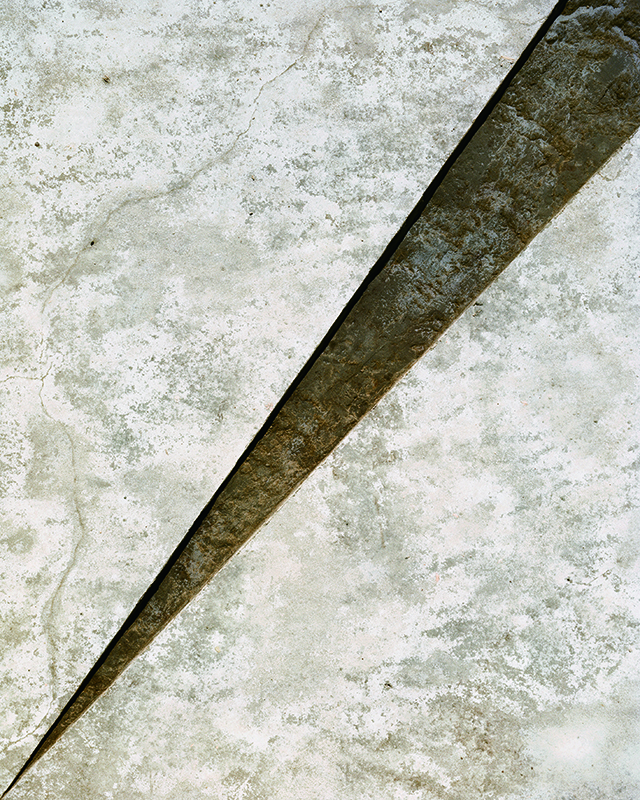
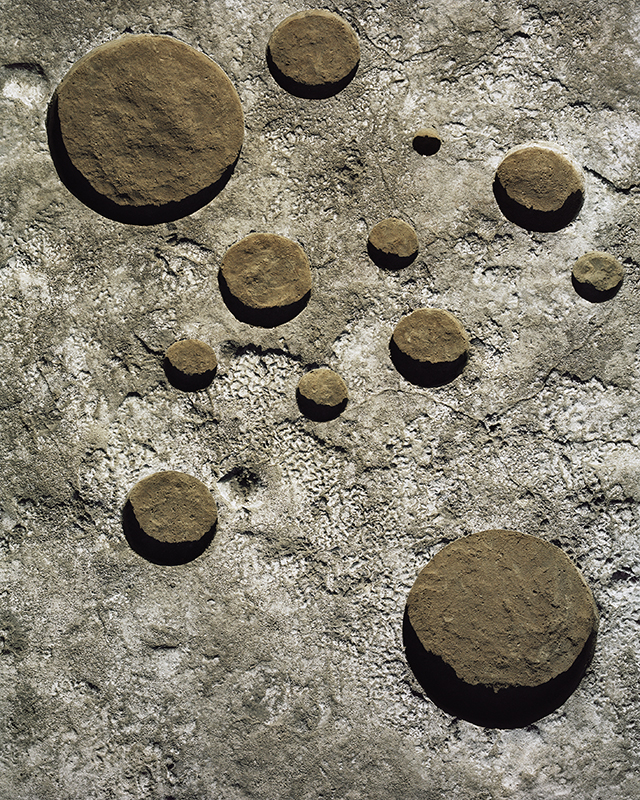
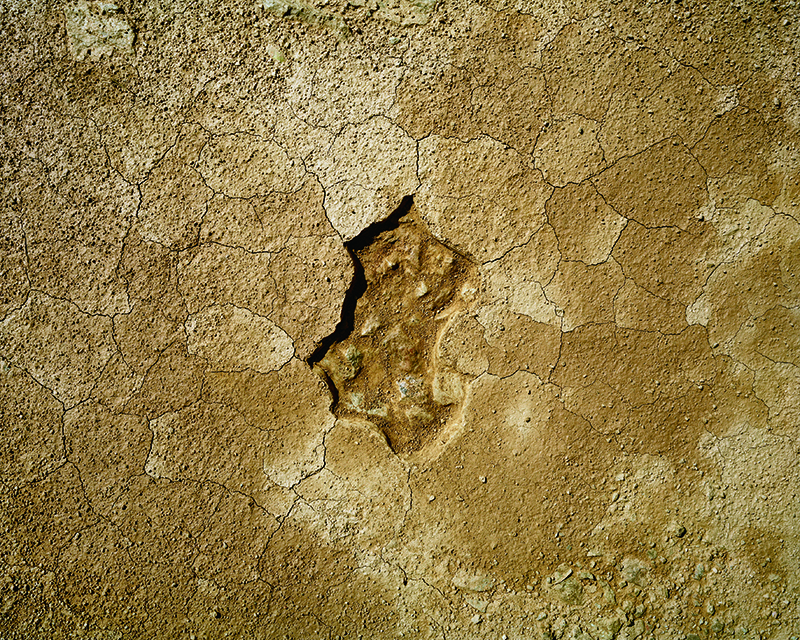
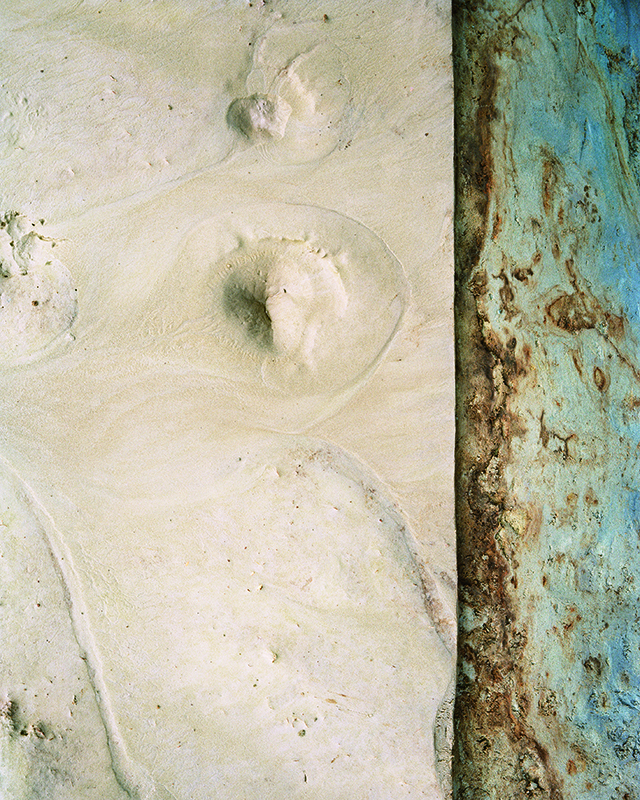
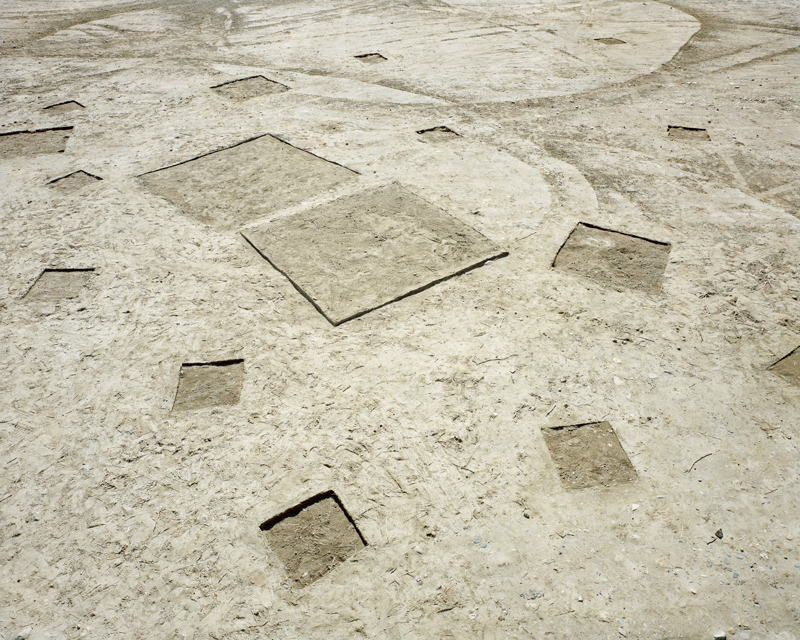
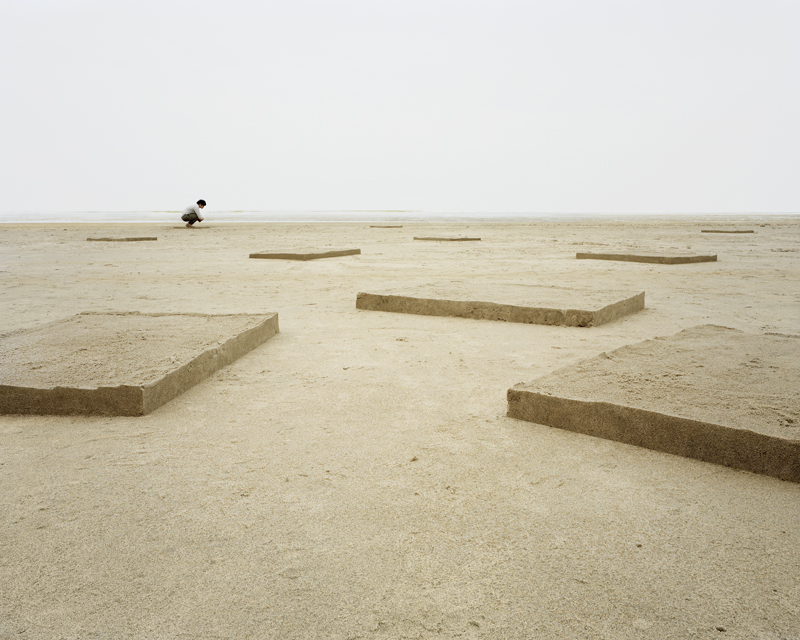
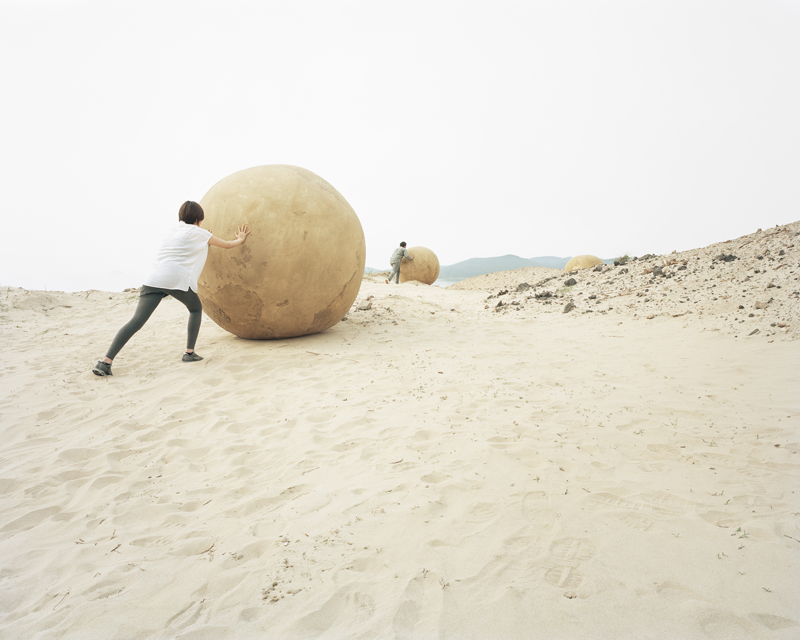
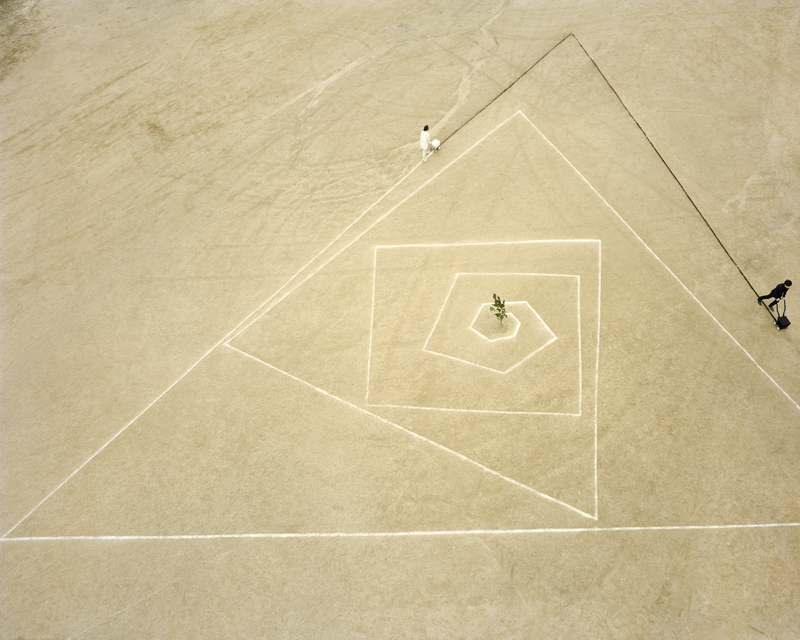
Installation view of 《Dig and Cover》 © GALLERY LUX

Hyongryol Bak’s Panoptic Photographic Strategy
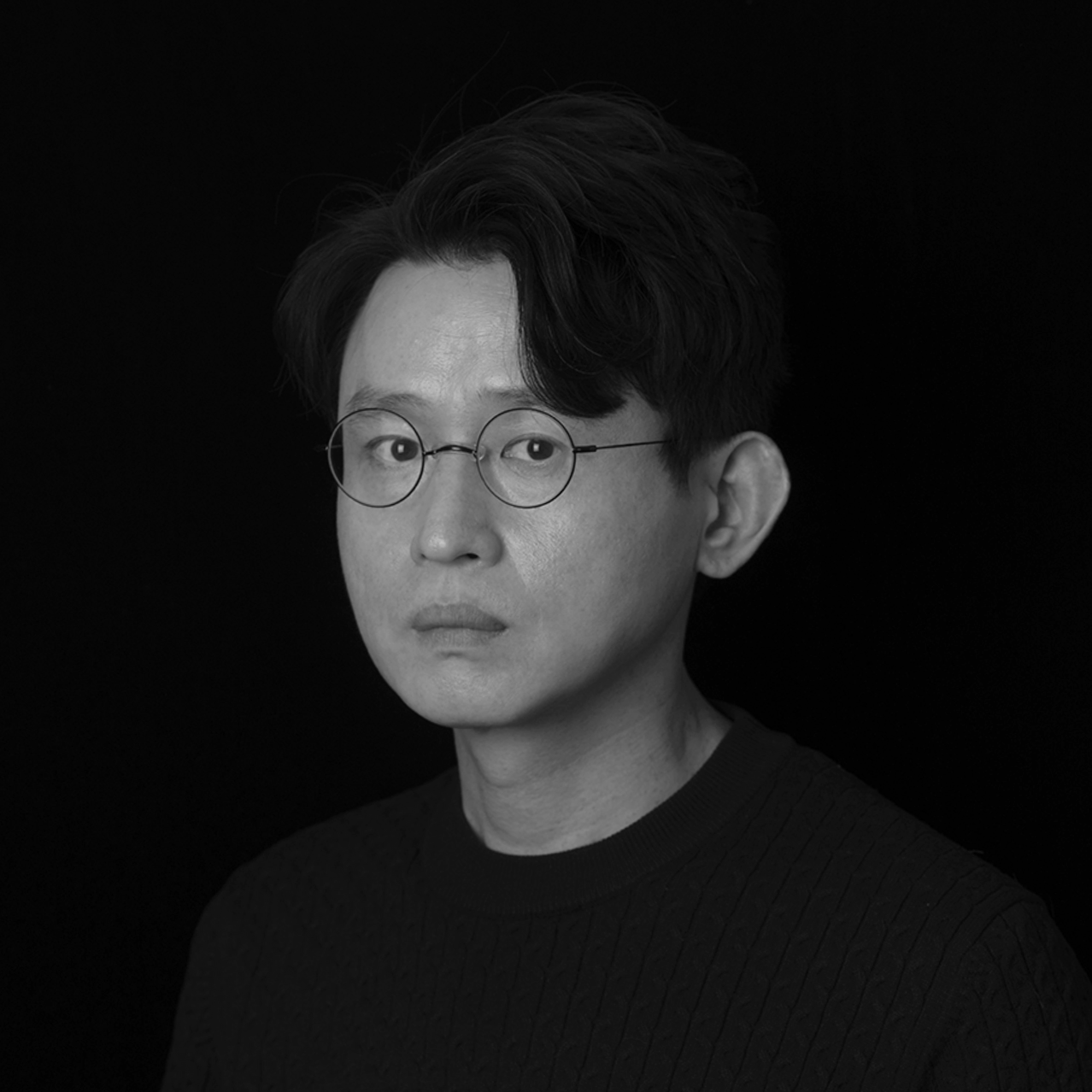
Yeonha CHOI (Independent Curator)

Landscape photography must be understood in terms of the organizational system of space.
Without asking who owns and uses that space,
how it was created and how it has been transformed,
one cannot grasp the meaning of landscape photography.
– J.B. Jackson

Hyongryol Bak, Paper – Tearing, 2016 © Hyongryol Bak

Having long reflected on the relationship between landscape and the power that organizes it, Hyongryol Bak presents his sixth solo exhibition, 《Dig and Cover》. The artist’s labor—through which he has persistently struggled to render visible both the land and the human desires surrounding it—reaches a heightened density and refined formal precision in this exhibition, presenting one outcome of what may be called Bak’s ongoing ‘land project,’ which he has steadily developed since 2009. For him, “land” carries multiple implications. It is the site from which his work originates, while simultaneously serving as the impetus that instilled in him the journey of “digging” as a defining artistic virtue.

On a macro level, it raises enduring socio-economic questions surrounding land, while also articulating his photographic inquiry into landscape as an artist. In this sense, for Bak, “land” functions as both the foreground and background that underwrites the beginning and entirety of his practice. Conceptualizing land as both a site where power operates and a space of resistance, Bak analyzes acts of everyday practice and presents new landscapes. In doing so, particular attention must be paid to his photographic strategy, which seeks to capture these dynamics through a form of panopticism.

As is well known, the dominant sentiment associated with landscape photography has typically been romantic and pastoral, or oriented toward preserving the mystery of nature within a timeless realm. Accordingly, rather than transforming or distorting nature, it has been customary to seek out “nature as it is” and photograph it in accordance with established art historical models and universal conventions. In contrast, through his notion of “land-scape,” Bak locates value in examining the relationship between land and humans across domains such as urban planning, architecture, real estate economics, and geography. He suggests that the historical structures produced by humanity’s endless acts of “DIG AND COVER” constitute the very landscape of land.

Thus, in his photography, it becomes crucial to attend to the issues surrounding land. Bak’s slow, deliberate, prolonged, and repetitive actions—aimed at capturing the land, remarking upon it, and perceiving its figure—are fundamentally attuned to the inherent properties of land itself. Through such acts, he attempts a “remark” on the human desire for permanence achieved through the domination of land, while encouraging viewers to reconsider, both from afar and up close, the figurated conditions of land that have been rendered into measurable forms, thereby paradoxically reflecting the human gaze that has long sought to govern it.

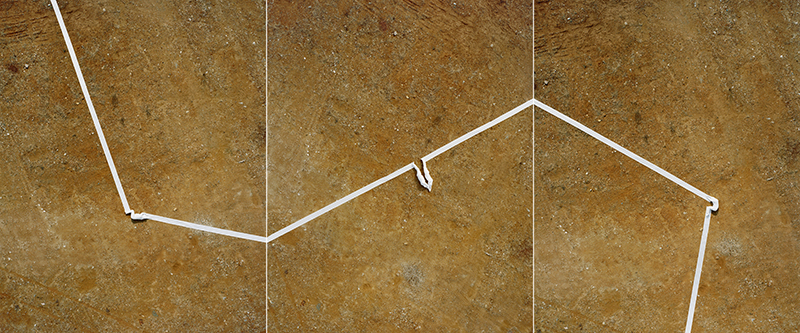
Hyongryol Bak, Figure Project_Earth #59(1,2,3), 2016 © Hyongryol Bak

What merits particular attention is that his photographs simultaneously embody the nobility, beauty, and grandeur traditionally associated with landscape photography, while also powerfully containing cultural texts. By selecting and reconstructing human values and actions reflected in the land, he forms a kind of text—yet in fact offers no explicit explanation. Because photographs never speak, the text within them ultimately belongs to the viewer to decipher. The questions entangled between the artist’s intention and the land-scape are as layered and dense as the arduous journey he undertakes to produce a single image. The persuasive force of Hyongryol Bak’s performative photography, along with his play with form, derives from the accumulation of labor embedded in actions that may appear “pointless.”

Perhaps this seemingly weak and meaningless, endlessly repeated play—one that appears to capture nothing and articulate nothing—can instead be understood as a mode of appropriation that resists all the systems of everyday life we experience. Through such ostensibly “useless acts,” Bak raises a range of questions about the situations he inhabits and the social landscape he experiences. This is precisely why the artist’s seemingly trivial play becomes an “event.” Devising his own form of play in a discreet manner that harms no one, the strength of its message can be understood along the same lines.

His photographic actions—collecting discarded flowerpots to cultivate his own garden in public spaces, repeatedly digging and covering vacant lots, at times wrapping the ground in plastic or fabric, or drawing on the land with thread—may be understood through what Michel de Certeau described as “tactics” (trace) or “making do” (faire de la perruque). Yet his gaze resembles that of CCTV cameras embedded in urban space—a detached, elevated viewpoint observing from above. The notion of panopticism, which Certeau presents as a mode of modern power, draws from the principle of the Panopticon proposed by Jeremy Bentham.

By ascending on a crane to view, discern, and organize space from above, Bak’s perspective constructs and orders all acts under observation into objects of discourse. He positions himself at a vantage point that separates the subject from the object, seeking to reconstitute knowledge about it. Such an outlook overlaps with the perspective of contemporary urban planners engaged in a kind of territorial “land-grabbing.” It is, in other words, the gaze of modern power that subsumes land by establishing it as an object of knowledge and accumulating information about it.

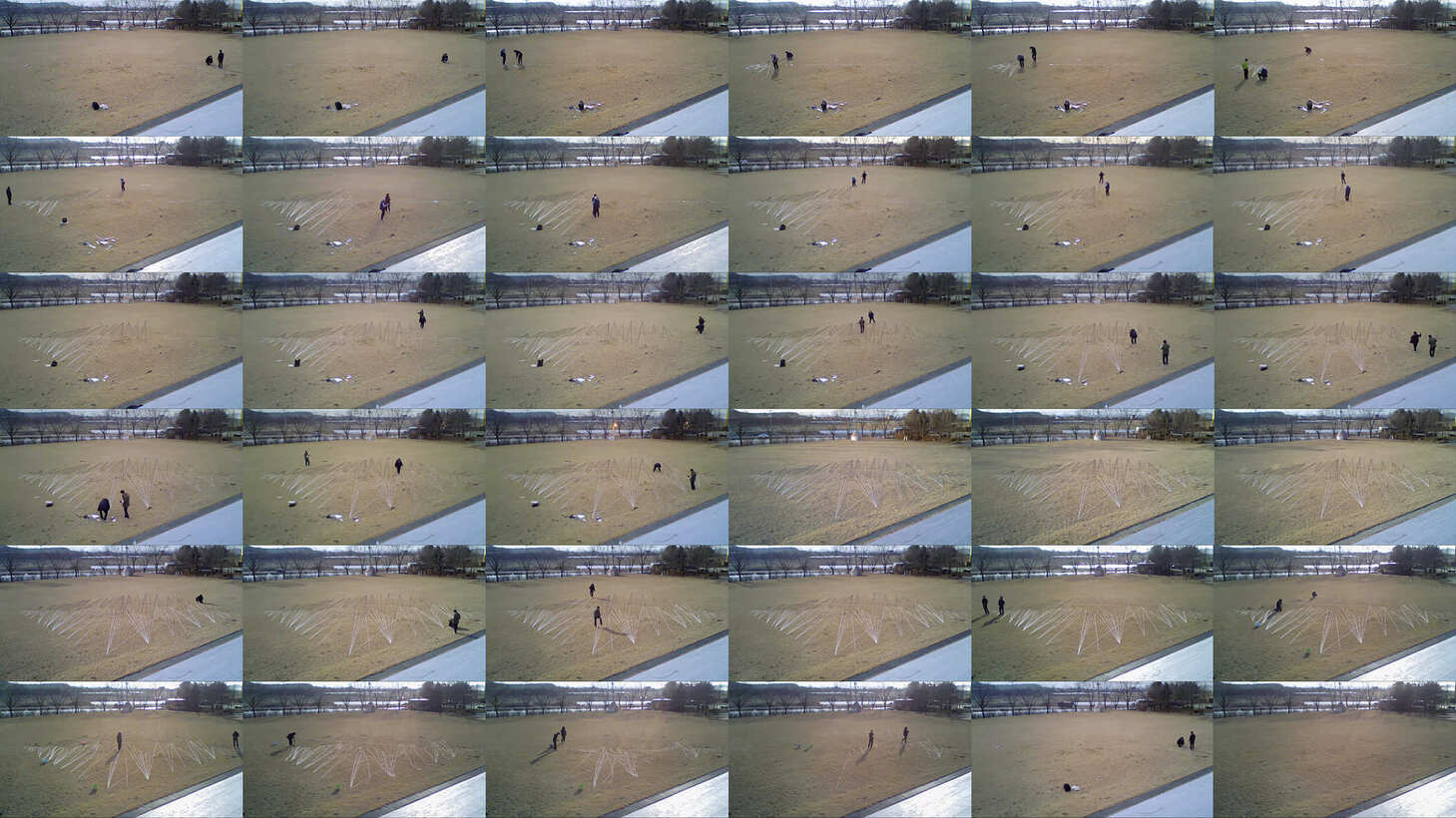
Hyongryol Bak, Work Process_Earth #25, 2014 © Hyongryol Bak

Like the camera’s viewpoint, which faithfully realizes linear perspective—the rational method of spatial representation developed since the Renaissance—Hyongryol Bak’s landscape strategy, converging in the form of the Panopticon, becomes particularly significant at this juncture. Panoptic vision is the gaze of power that supervises everything, objectifies the space of others, and renders it into discourse; it is also the operative principle of panopticism through which capital has occupied land. In line with the tactics proposed by Michel de Certeau—who attended to possibilities that escape subsumption by capital and power through invisible everyday practices—Bak attempts a gentle form of resistance by drawing new, even reckless maps upon the land.

If the perspective of power partitions the city, Bak’s panoptic vision resonates with Certeau’s notion of practice, which seeks to “develop a theory of everyday practices and lived experience, and of the uneasy familiarity of the city, by tracing diverse forms of resistance and stubborn maneuvers without stepping outside the domain in which discipline is exercised, in order to evade it.”

For an artist who has wandered for long periods in search of land, vacant lots—removed from human management or abandoned and left in ruins—must have held a particular allure. His land-scape photographs, which encounter the land, establish connections with it, and prompt the folding and unfolding of lines of thought, call forth another becoming and lines of flight, demonstrating a resolute form of escape. By constructing heterogeneous relationships between humans and land, he foregrounds conditions and situations rather than essence, moving fluidly across photography, installation, sculpture, and performance, while capturing the meanings that emerge in between.

This may be regarded as a distinctive feature of Hyongryol Bak’s practice. His slow and extended journey reveals the very order of capitalism itself, while posing the question of how its arrangement might be altered (even if it ultimately cannot be changed), and articulates an alternative understanding of these networks in both ethical and aesthetic terms—thereby heralding new possibilities for landscape photography.

References