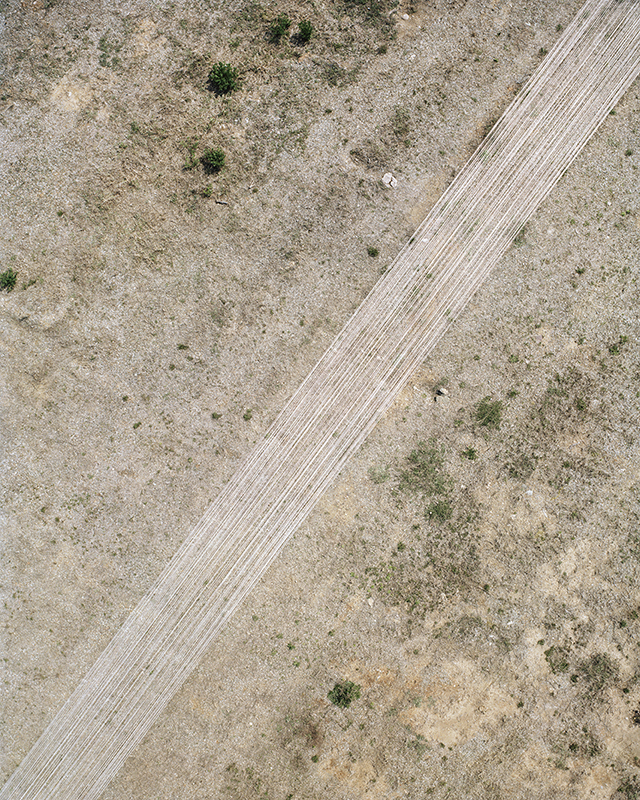
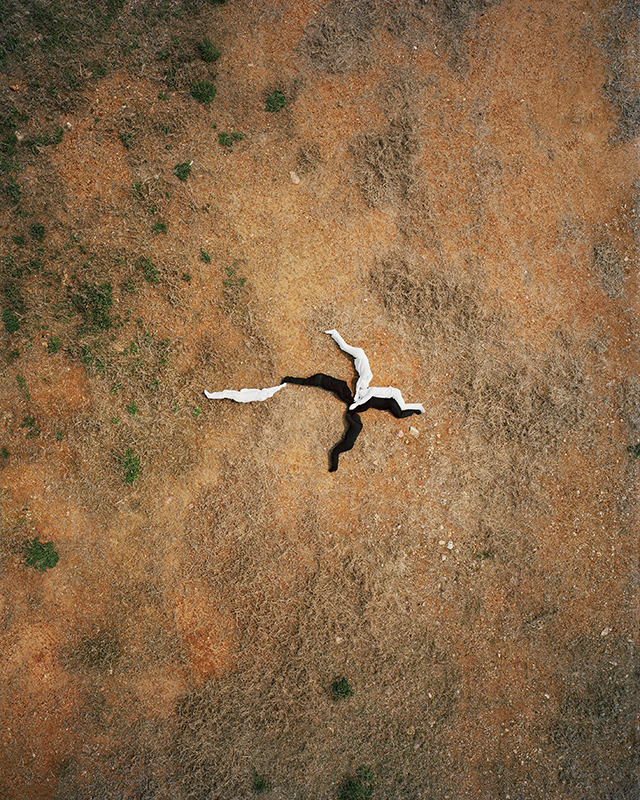
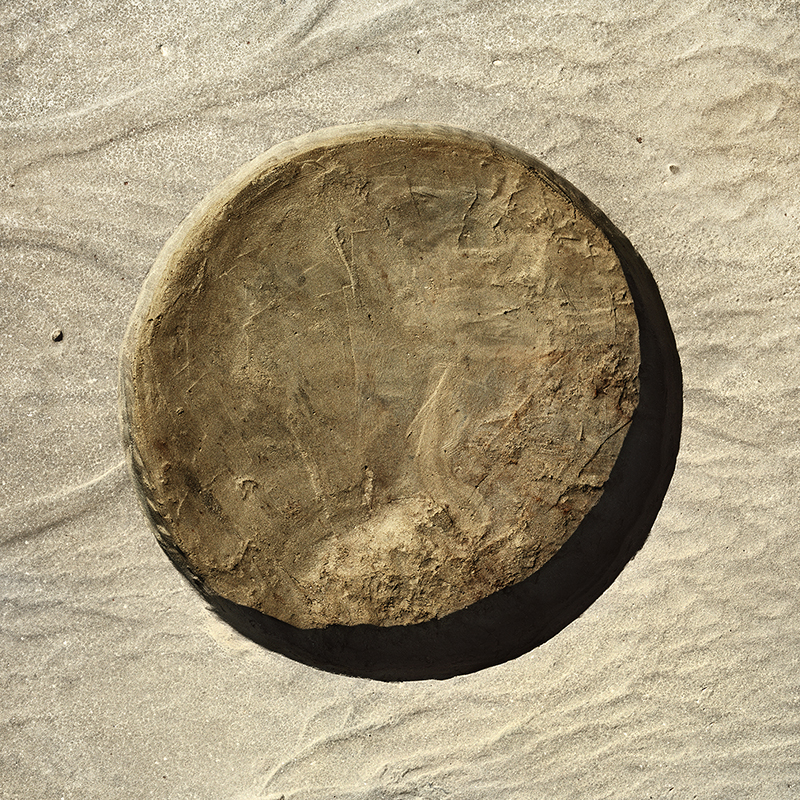
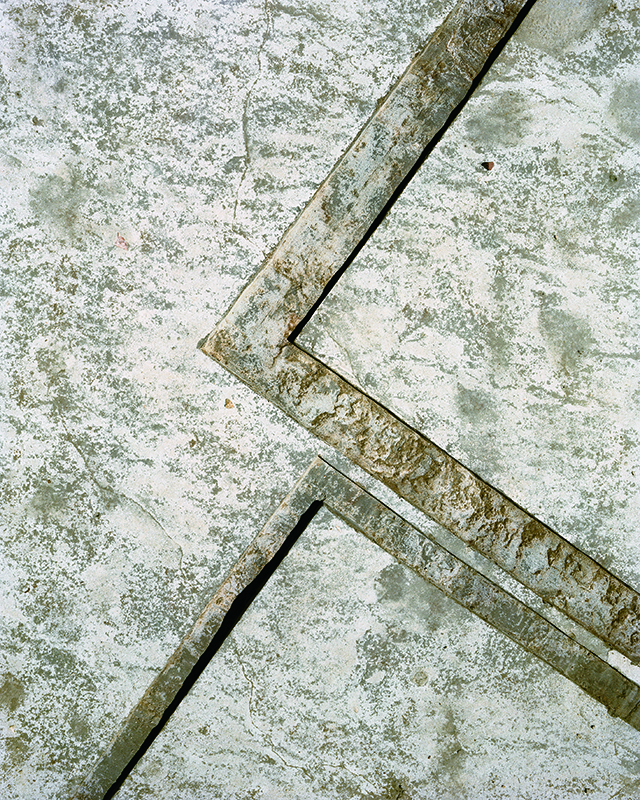
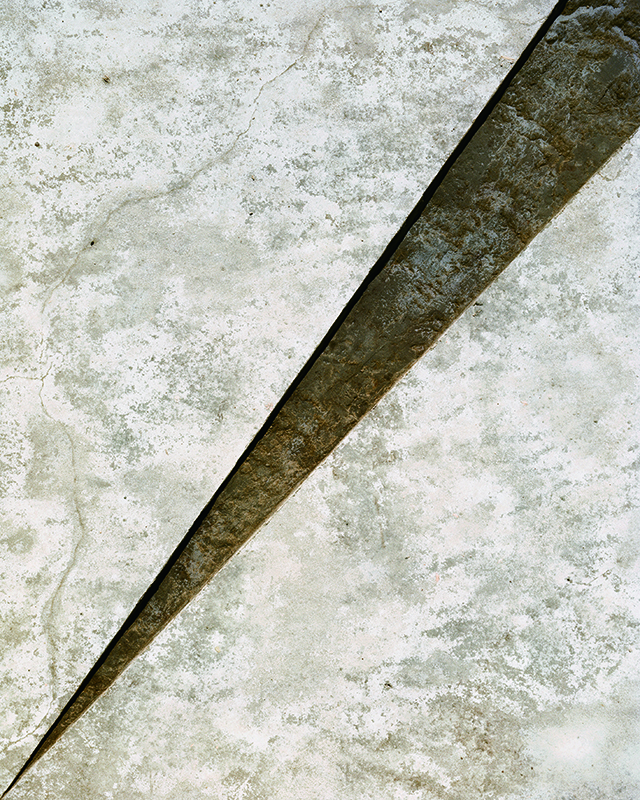
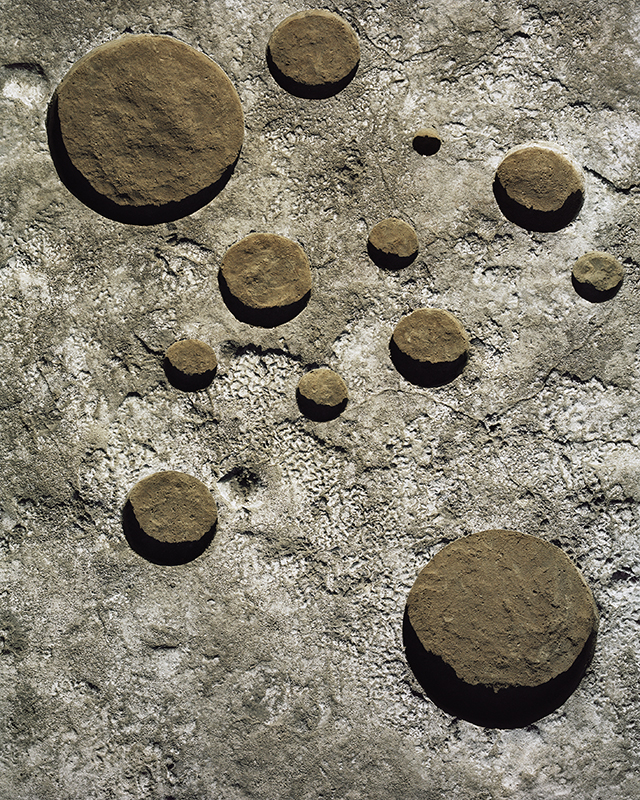
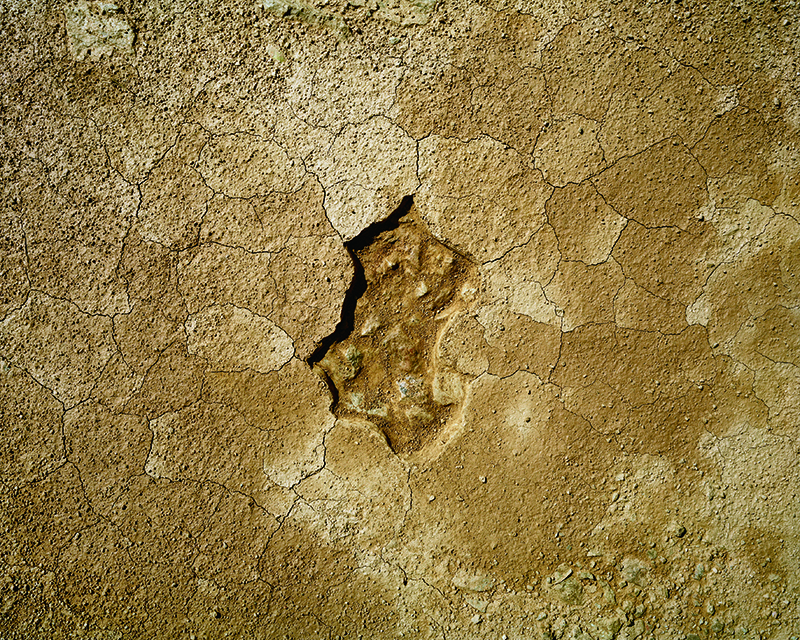
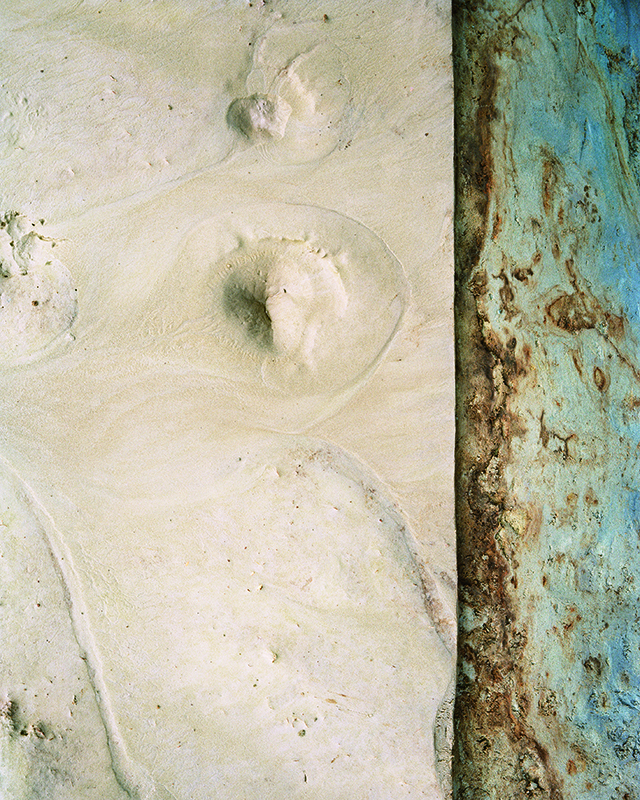
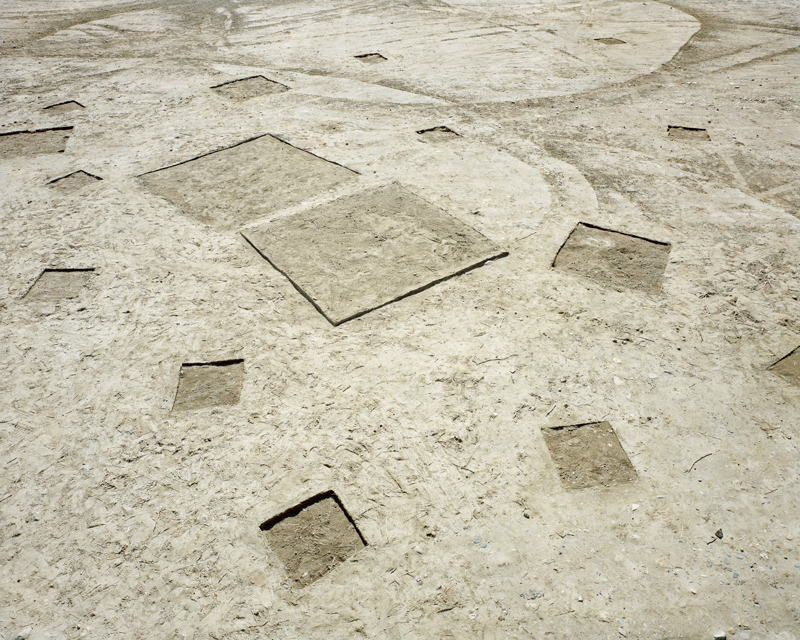
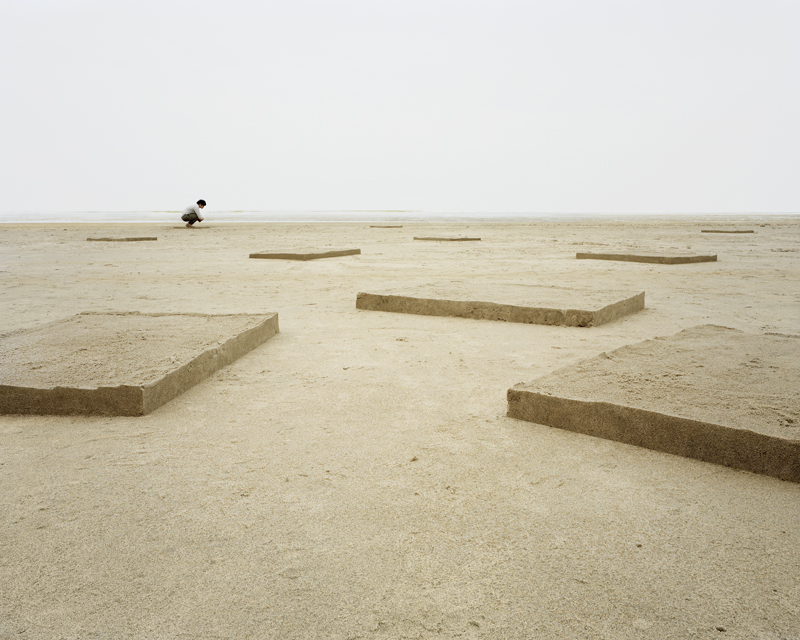
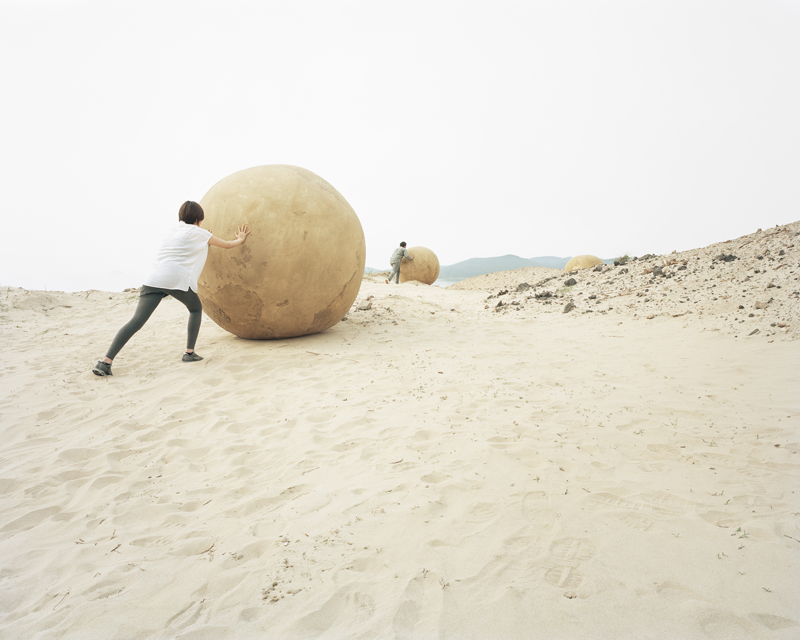
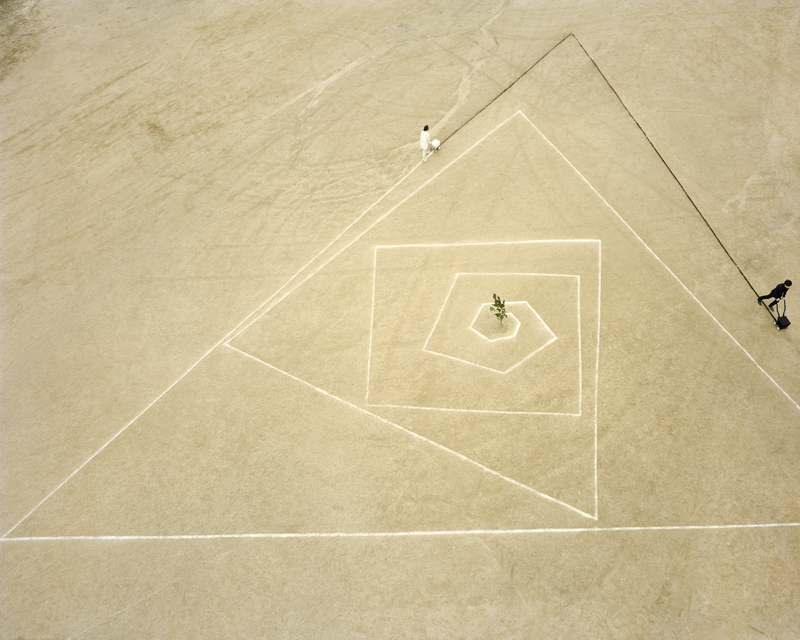
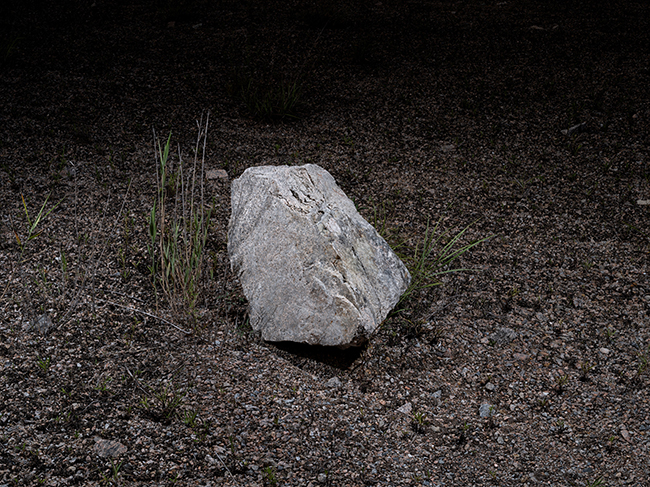
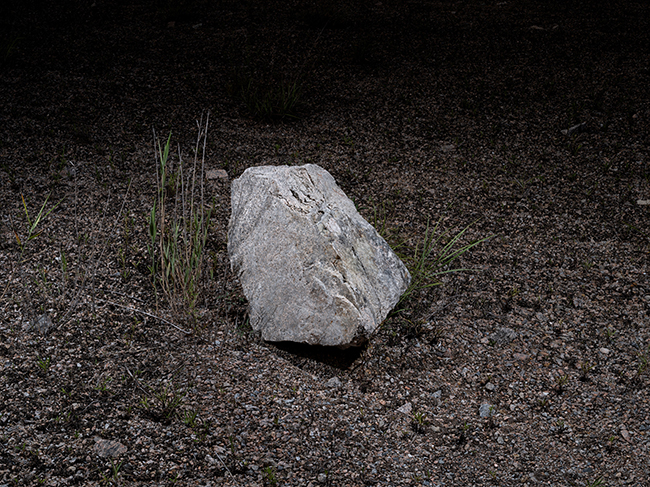
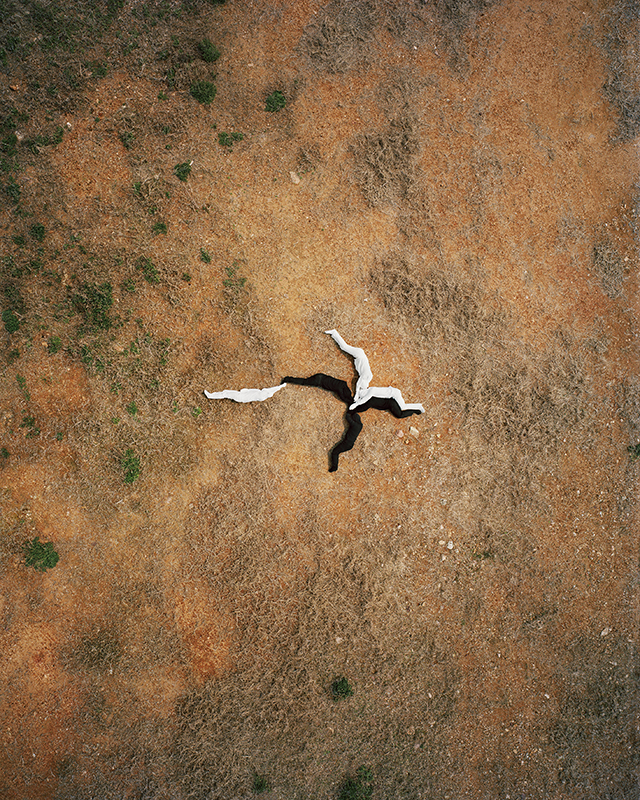
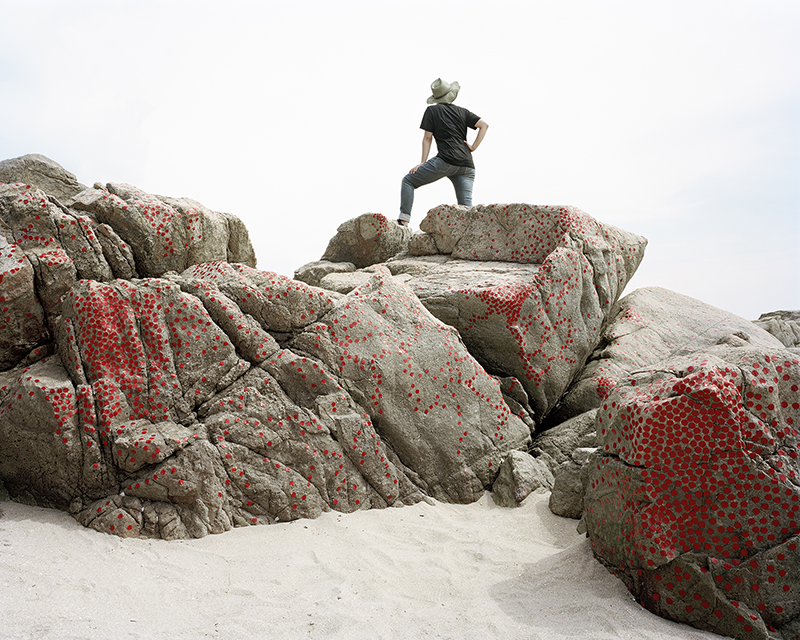
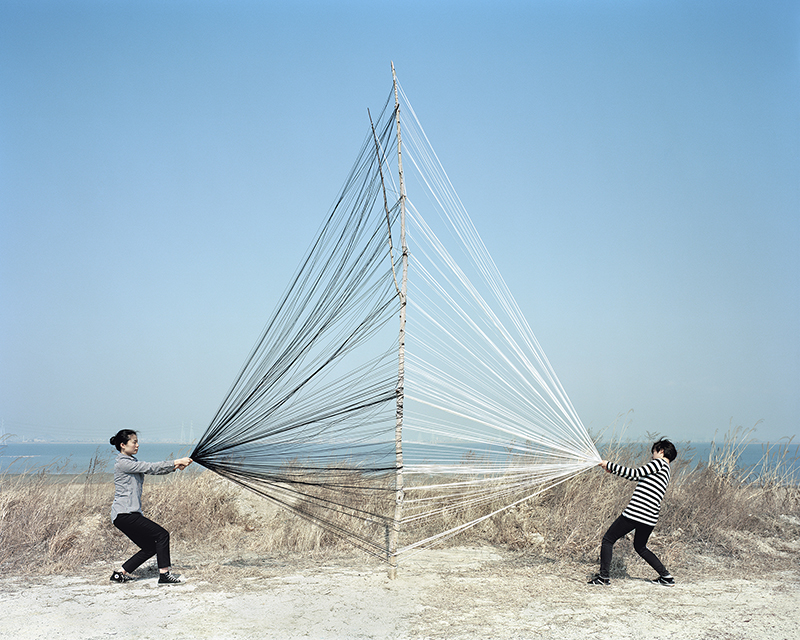
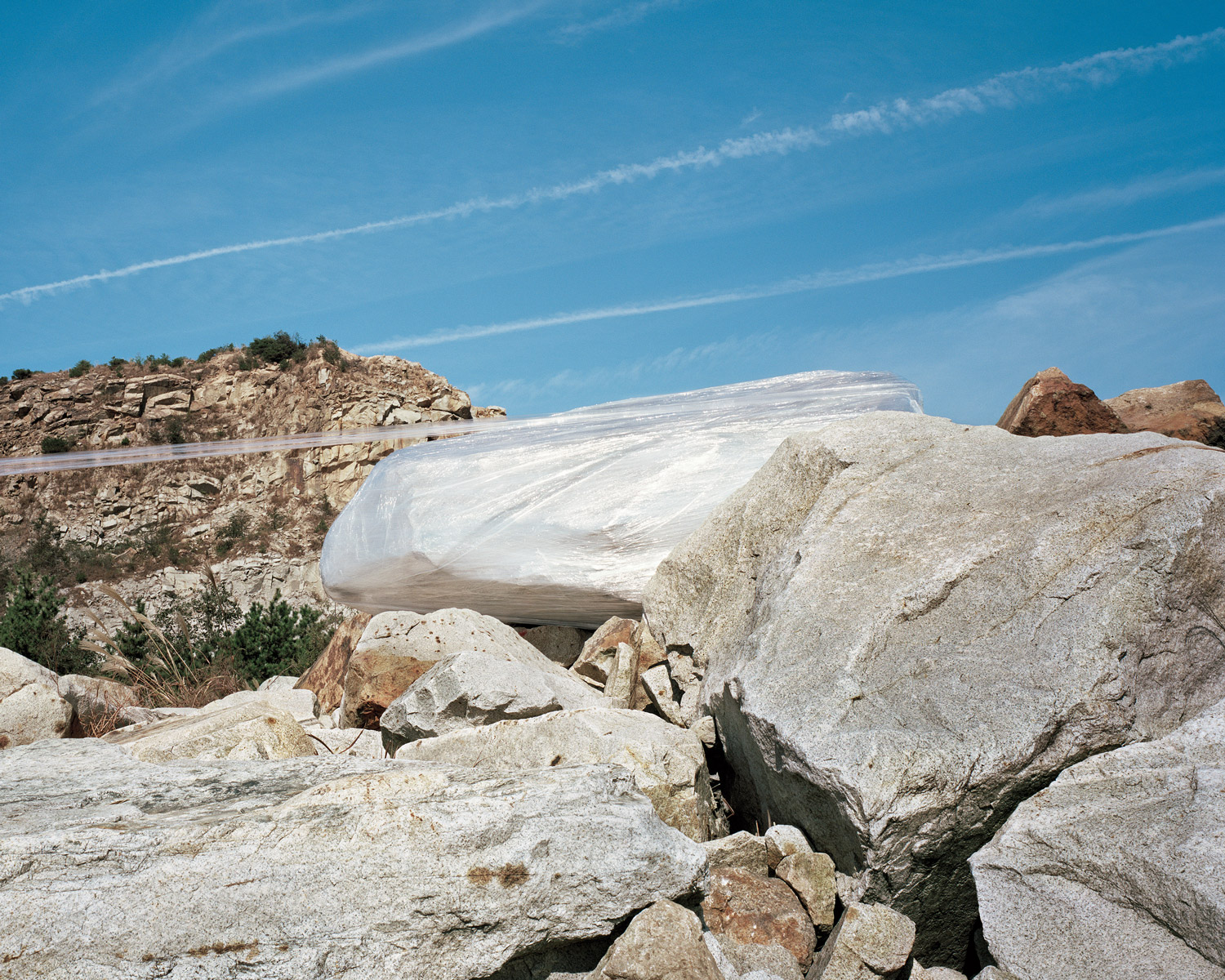
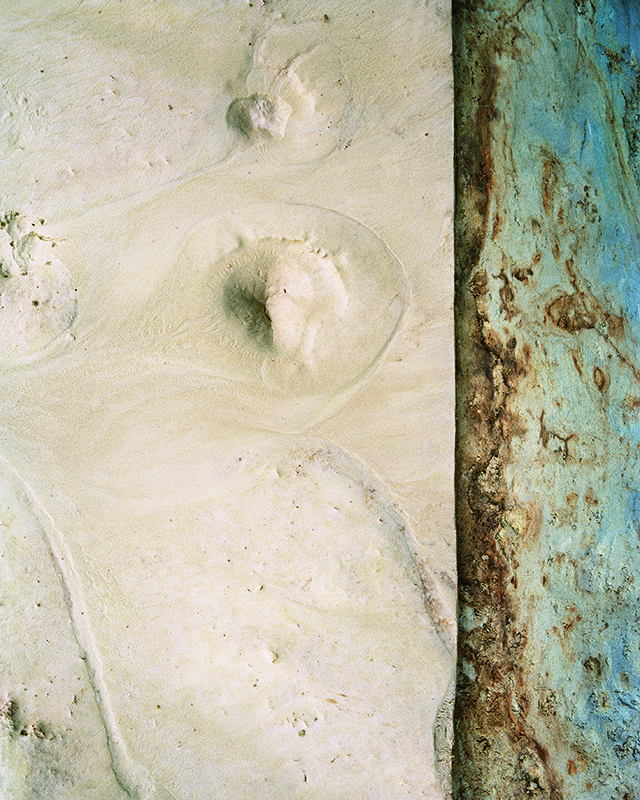
As noted above, the narrative that Hyongryol Bak constructs through the individual, the cluster, and the whole amplifies the viewer’s awareness of an event that may have occurred between nature and humans. That “event” is clearly the indiscriminate damage inflicted upon nature through human domination and violence; however, he never directly presents images of damaged nature. Instead, by showing stones and their clusters, grass and their totality, he proposes a metaphor—a “narrative of the individual and the collective”—composed of stories of origin, disintegration, and restoration. When this metaphor reaches the viewer, they come to recognize for themselves the “event” that has taken place between humans and nature.
If the artist were to directly depict damaged nature, viewers might feel a sense of guilt, but the likelihood of that leading to a voluntary commitment not to harm nature would be diminished. This is because viewers have already seen countless images of destruction and have become sensorially desensitized. Rather than coercing this dulled sensitivity regarding environmental issues, the metaphor generated by Bak’s narrative gently stimulates it, waiting for voluntary reflection and resolution.
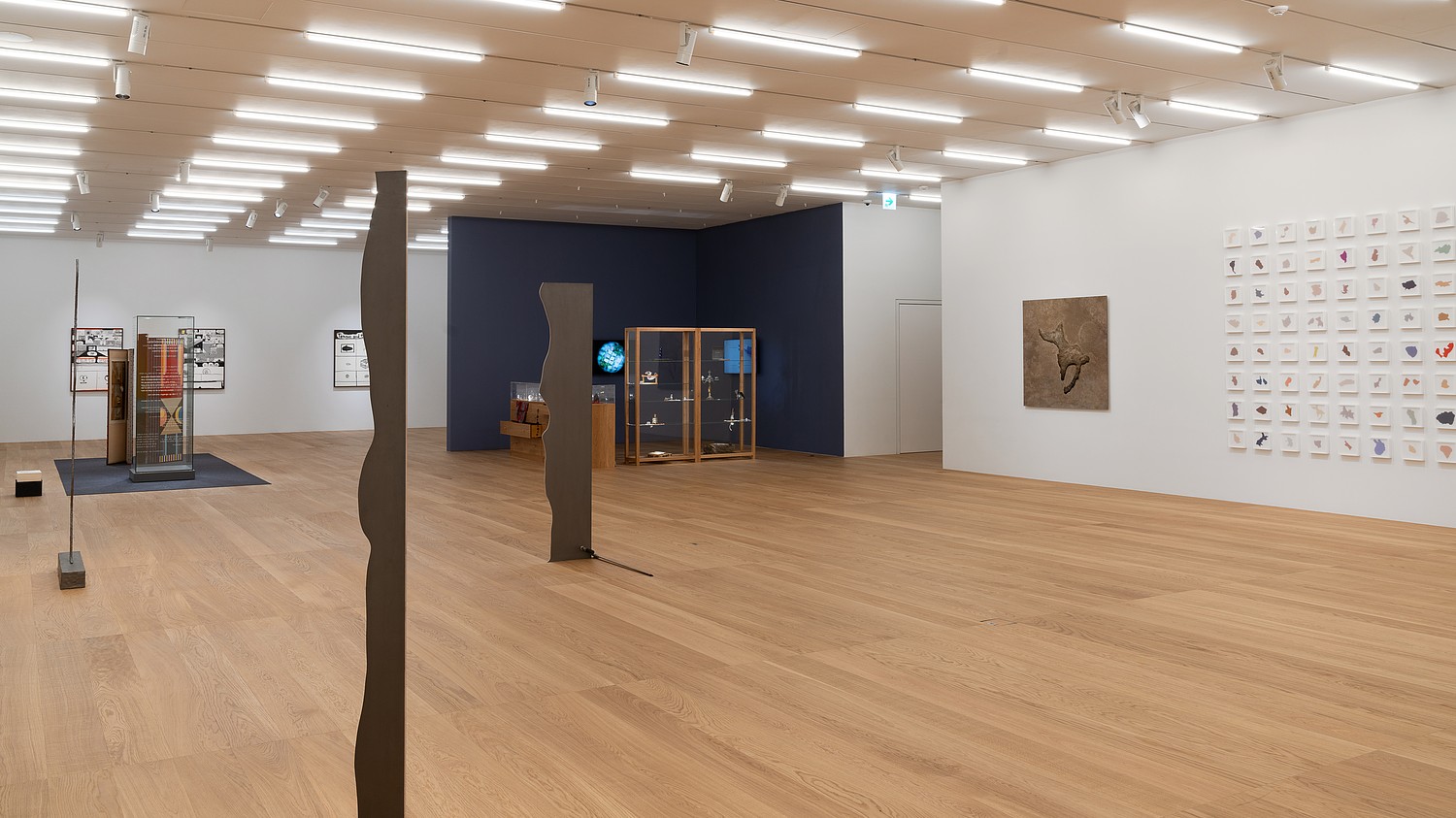
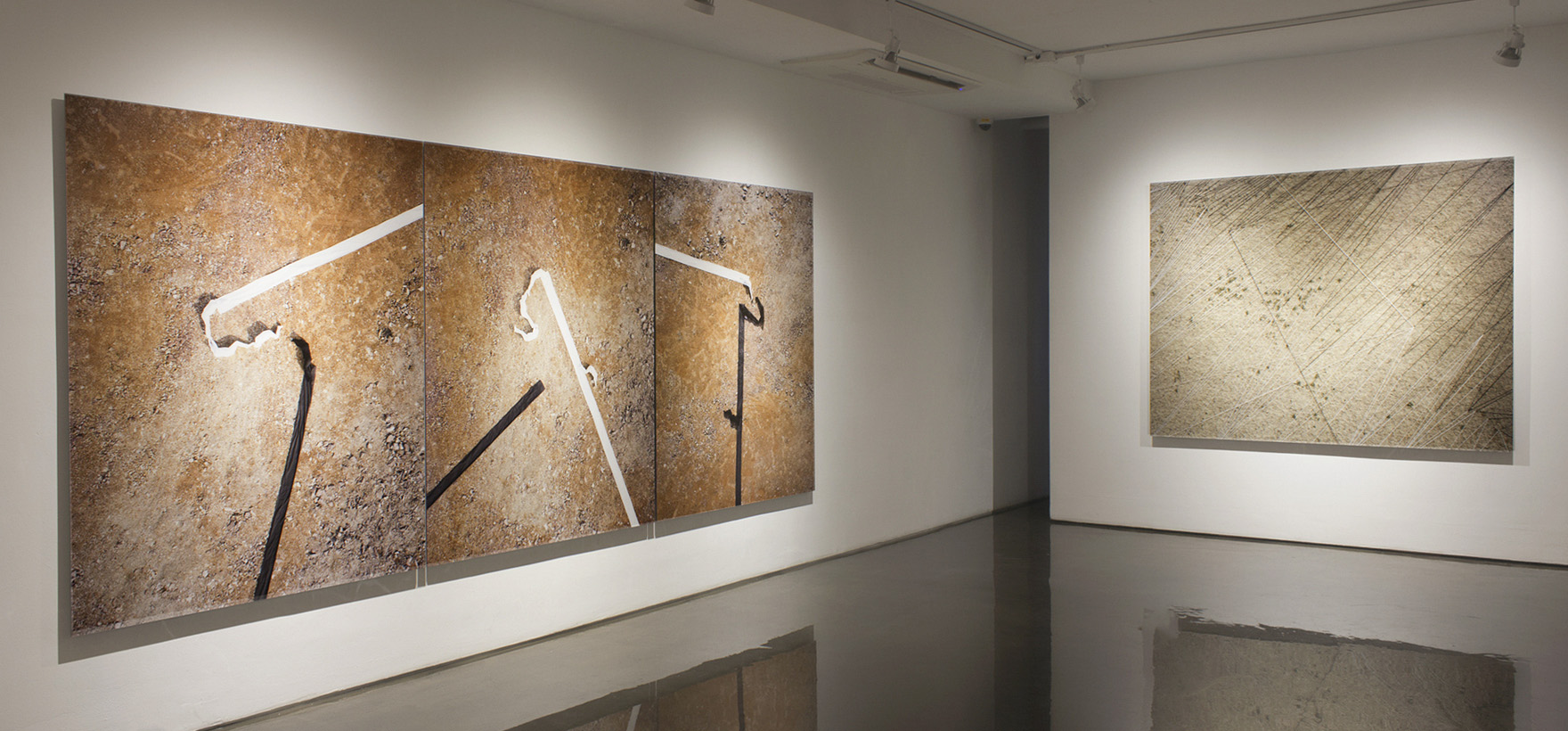
As such, viewers entering the exhibition gradually arrive at the artist’s intended “concept” through observing patterns inscribed on piles of stones, cracked fissures, isolated rocks or pebbles, puddles on the ground, and the repetitive arrangement of a single blade of grass alongside their corresponding overall images and installation works. Any incomplete understanding that may arise due to the spatial limitations of the exhibition is effectively supplemented by another work—the photobook—which presents Bak’s “narrative of the individual and the collective” in a clear and sequential manner.
A Beautiful and Delicate “Concept”
Moreover, his work is highly aesthetic. The question of how an artist expresses their concept is closely tied to the viewer’s affective experience, and is as essential as the “concept” itself. By presenting his ideas in an aesthetically compelling manner, Bak draws viewers in. When a “concept”—whether sublime or wondrous—is conveyed beautifully, the viewer is freed from a passive mode of interpretation in which they feel compelled or forced to agree. It is at this point that the conditions emerge for the separation between production (poiesis) and perception (aisthesis), as emphasized by Jacques Rancière in discussions of artistic expression.
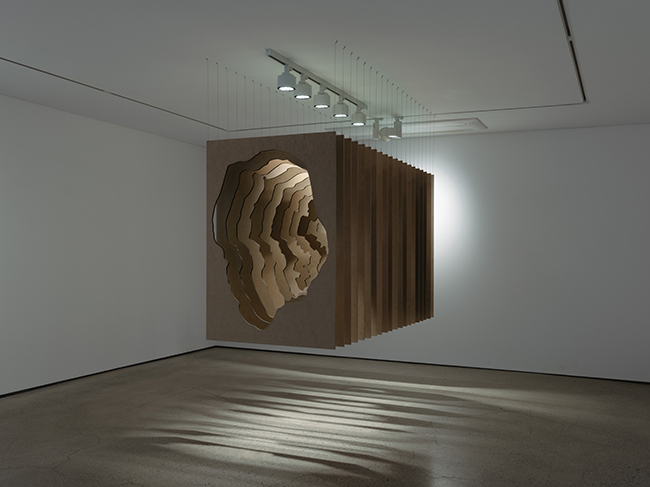
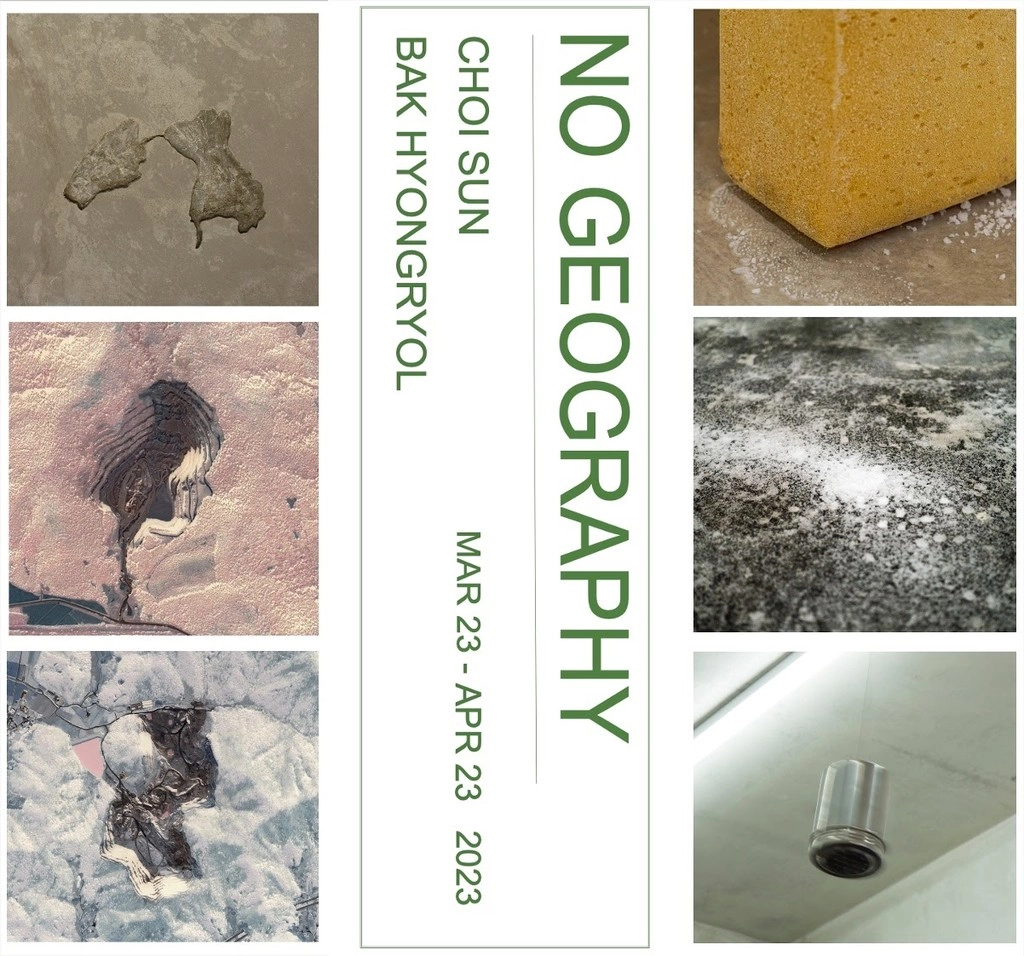
The contour line–shaped installation on the third floor of the exhibition is itself so refined in its form and arrangement that it can be described as aesthetic in its own right. Alongside the intricately constructed contour forms, the composition that considers the natural light entering through the windows, and the subtle arrangement that draws the exterior landscape into view through a small opening, beautifully realizes the “concept” the artist seeks to convey—namely, a reflection on the relationship between humans and nature.
‘NoWhere Meteorite’, a collage work in which images of stones collected from sites of development are assembled against a black void to resemble cosmic meteorites, is rendered with delicate adjustments that enhance its visual beauty. The poignant contrast between the aimless drift of stones scarred by the violence of development and their mysterious suspension like celestial bodies evokes a sense of tragic beauty. Furthermore, the juxtaposition of humanity and the cosmos—of smallness and vastness—confronts viewers with the limits of their own existence, while revealing the futility of the desire to possess nature.
According to Hyongryol Bak, his recent work ‘Being a Mountain’ departs from the observational viewpoint of his earlier works, instead entering into the mountain to adopt an internal perspective. From this insider’s gaze, he captures unexpectedly beautiful forms and compositions within barren development sites. Bak’s aesthetic montage—drawn from the labor of seeing within the landscape—creates a striking contrast between the violence of development and the beauty of the landscape, thereby drawing the viewer’s attention and immersion while effectively conveying the artist’s “concept.”
The Aesthetic Expression of a Subjective “Concept”
Another crucial factor that enables Hyongryol Bak’s “concept” to be effectively conveyed to the viewer is the artist’s sense of subjectivity. I believe that Bak’s subjectivity is fundamentally formed through his resistance to the “indexicality” of the photographic medium and his determination to foreground his own “concept.” This attitude is particularly important for photographers working with a medium inherently associated with objectivity. Rather than adopting an ambiguous stance that attempts to conceal one’s subjectivity under the guise of unconsciousness, contingency, or objectivity—an effort that ultimately fails—a more effective mode of communication lies in a self-aware position that clearly articulates one’s “philosophy” and “concept.”
Without accepting one’s own subjectivity, one risks failing to recognize the subjectivity of the object itself and becoming subsumed by an externalized perspective. Subjectivity becomes especially necessary in the relationship between nature and humans, for if the conflicts between the two arise from the destruction and degradation of nature, then the emergence of a responsible subject capable of addressing these issues is essential. Objectivity is only possible when grounded in a firm sense of subjectivity that humbly acknowledges the object as an equally valid subject. Otherwise, such objectivity merely produces another “other,” leading to a reversal in which, while ostensibly oriented toward the object, it excludes the human—particularly the artist, the agent of manipulation in art.
A more serious problem arises when, despite the continued presence of human subjectivity, a theatrical illusion of its absence is staged, resulting in a self-satisfied but false claim to objectivity. This condition corresponds to the “ecstasy” of illusion described by Jean Baudrillard. Within this confusion of misrecognition, the absence of subjectivity and irresponsibility begin to take root. Régis Debray points to one of its symptoms in the tendency to treat humans and animals as equivalent beings.
In this era marked by the loss of subjectivity, Bak’s exhibition responds to the inherent objectivity of photography through both photographic and non-photographic means, thereby transforming what might otherwise remain a purely conceptual “objective” vision into a subjective one. Grounded in his own subjectivity, Bak clearly articulates his “concept” and “philosophy,” while embedding throughout the exhibition traces of the inevitable struggle between the artist and the photographic medium—manifested not only in photographs but also through collage and installation. In this exhibition, he successfully demonstrates his identity as an art photographer by presenting aesthetic conceptual works in which the nouns “subjectivity,” “concept,” and “metaphor” are activated through the verbs of artistic manipulation and viewer participation.