Theater and Life
How many performances must a human being give in the course of a lifetime? This is not a statement about a specific genre. As we live our lives, we inevitably perform countless acts within our relationships with others. Theater may well be another face of the individual living through life. Chang Sungeun’s recent solo exhibition takes “theater” as its title. In English, it is called “Writing Play,” evoking the strong nuance of a play script being written. Like the script of a theatrical performance, each individual writes their own play throughout life. The theater proposed by the artist reflects upon the phases of life that precede genre itself, while also looking back on her previous works.
“Theater is something that cannot be done in reality. Theater is neither reality nor something idealized, but a story that attempts to beautifully convey what cannot otherwise be communicated. Theater takes place so frequently within everyday life, so why should we perceive it negatively? What we truly need is an honest and wholehearted theater.”
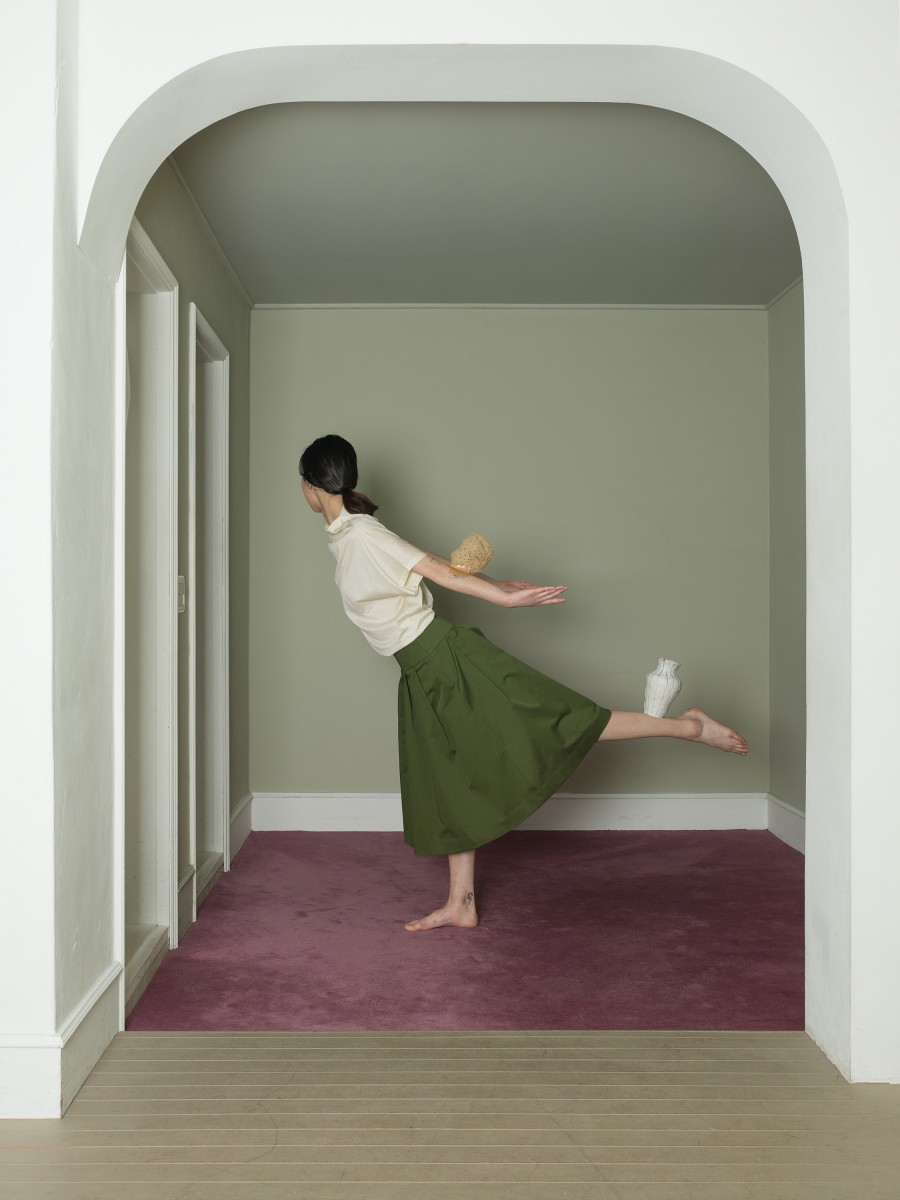
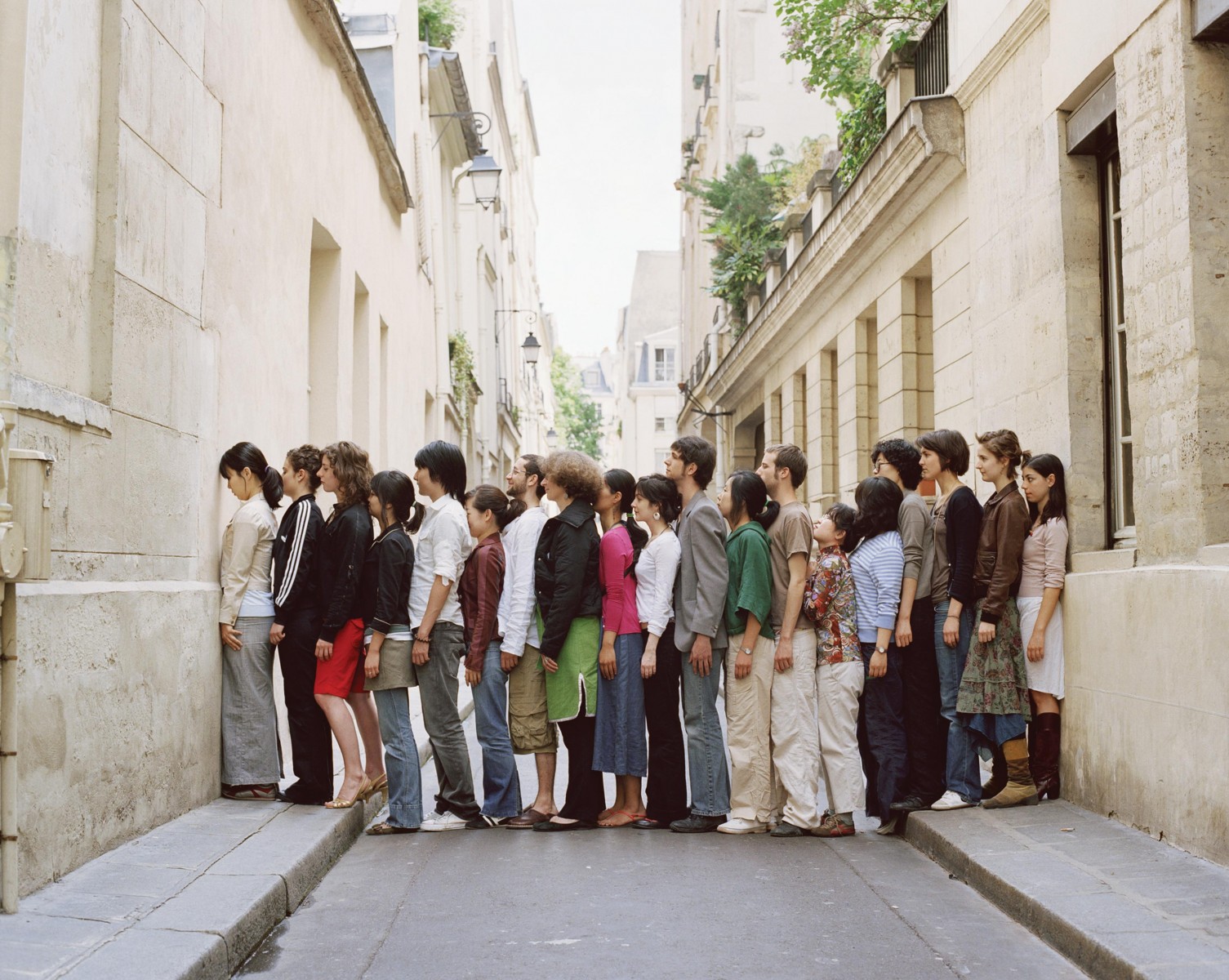
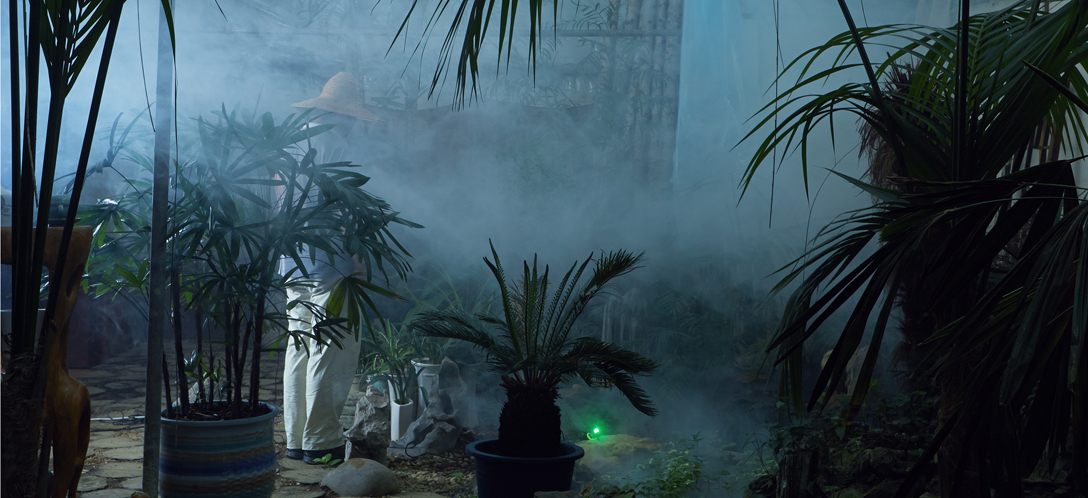
Theater has continually existed within her photographs. Using the physical setting of life itself as a backdrop, her photographs have constructed invisible tensions through the presence of the body as a character. Here, place has maintained a deep relationship with the body insofar as it functions as a space of life. Theatrical moments emerge from situations in which bodies and bodies, bodies and places, and bodies and objects encounter and interlock with one another. The forces hovering between body and place connect to immeasurable interior states that had previously remained difficult to grasp in her recent works.
In this exhibition, 《Writing Play》, the relationships once explored between place and body in her earlier works, along with the tensions and forces that densely occupied those intervals, disappear. The artist’s theater—which once sought to measure even the “height of life” through bodies situated within space—now burrows into the body itself, into the very existence of the human being.
Place and Theater
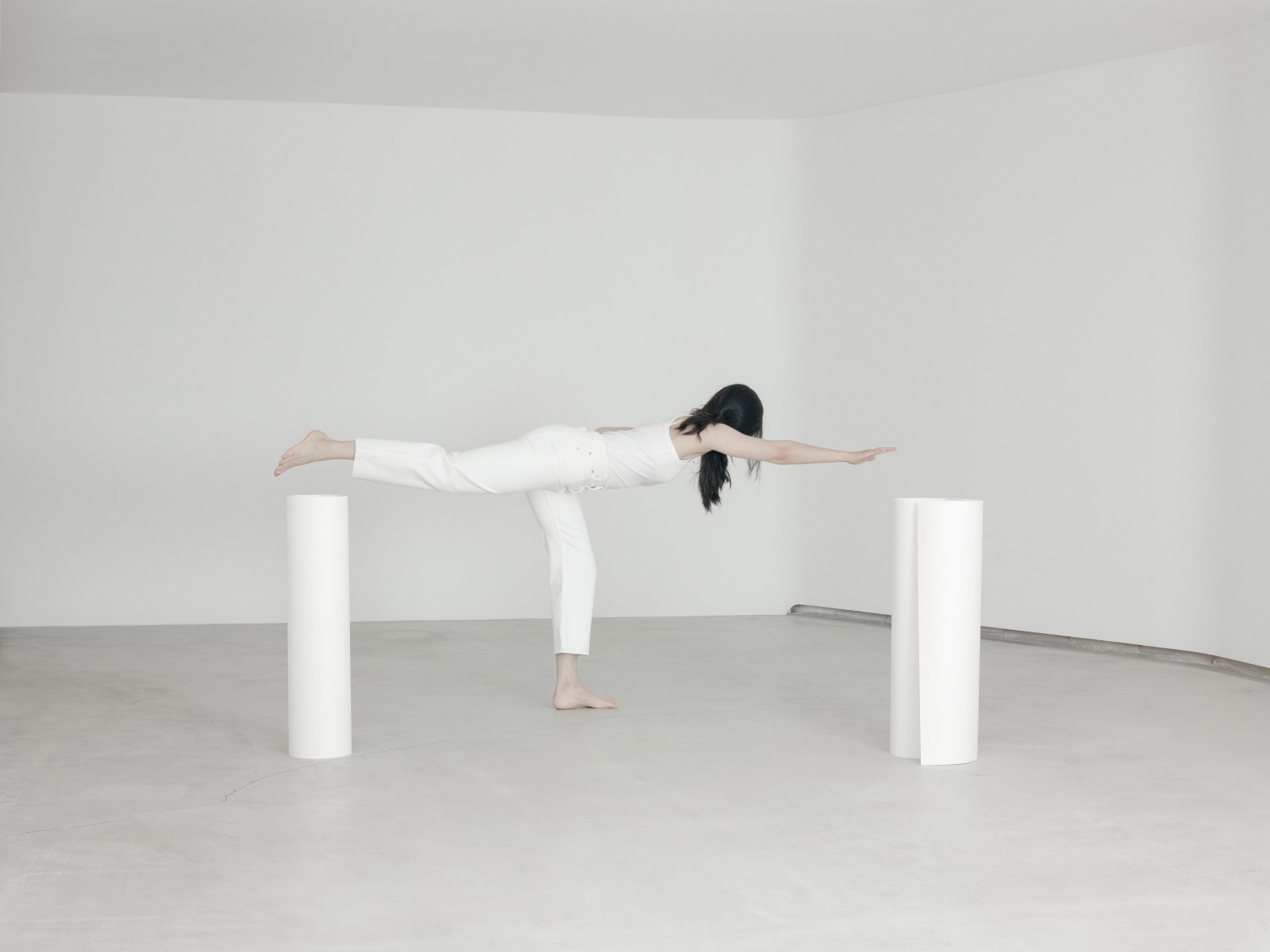
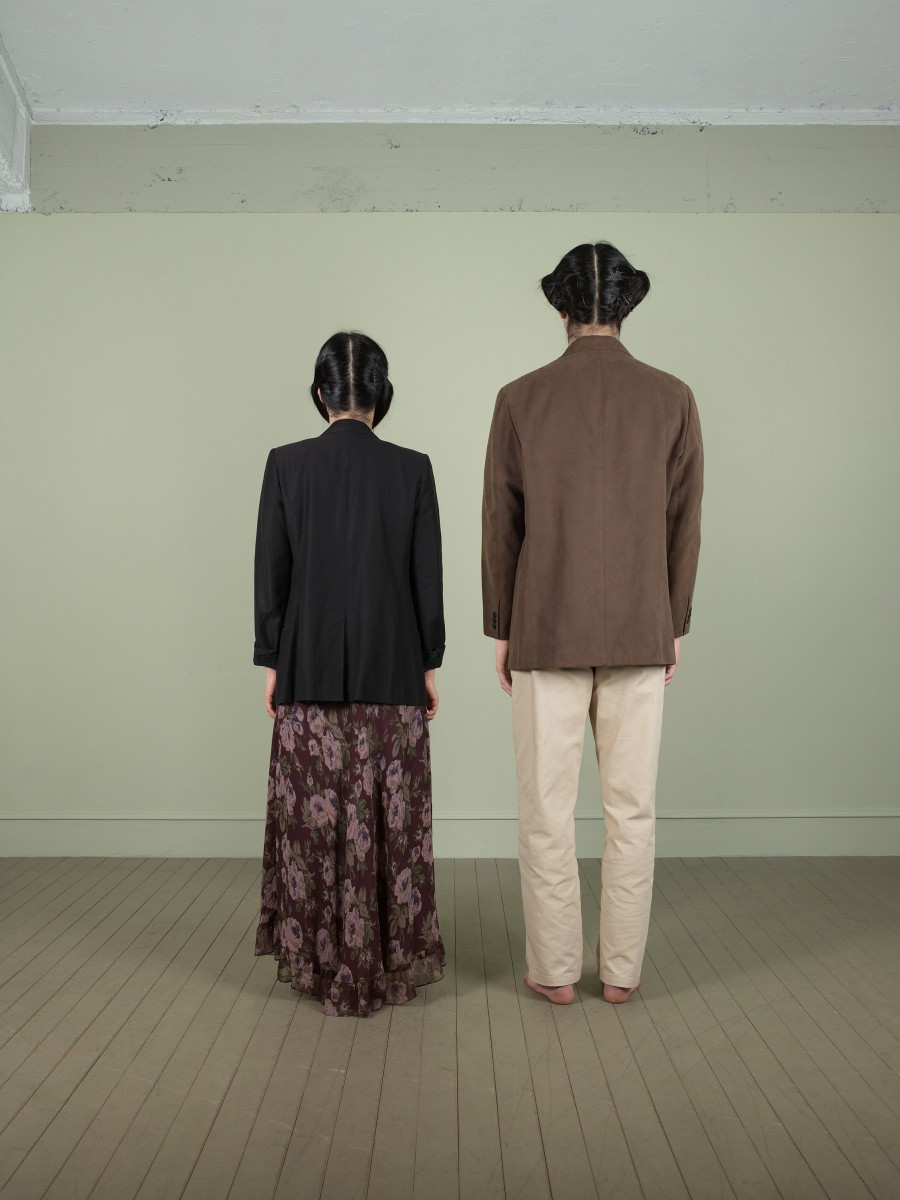
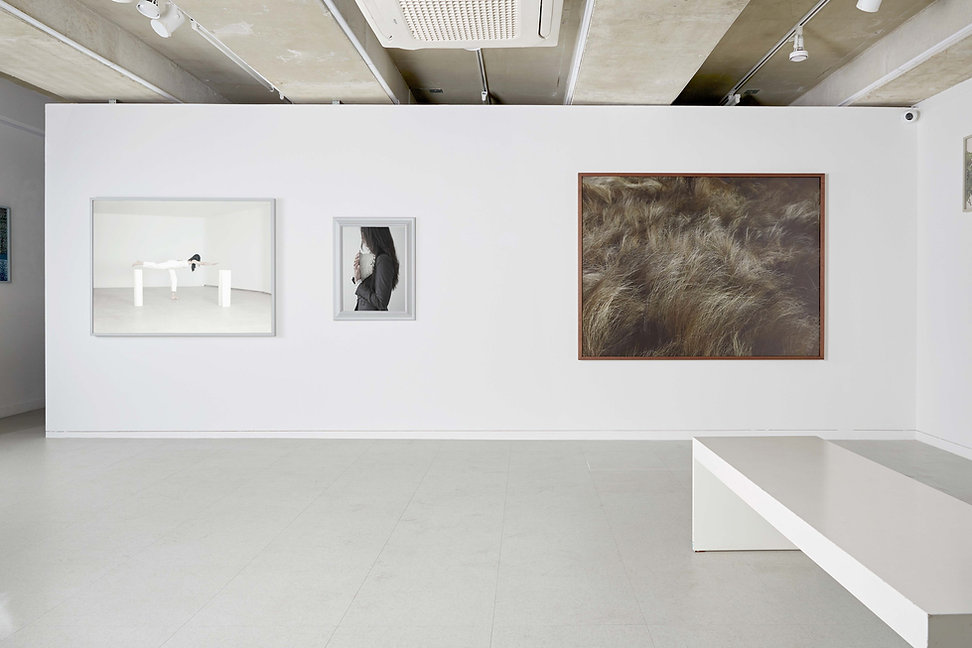
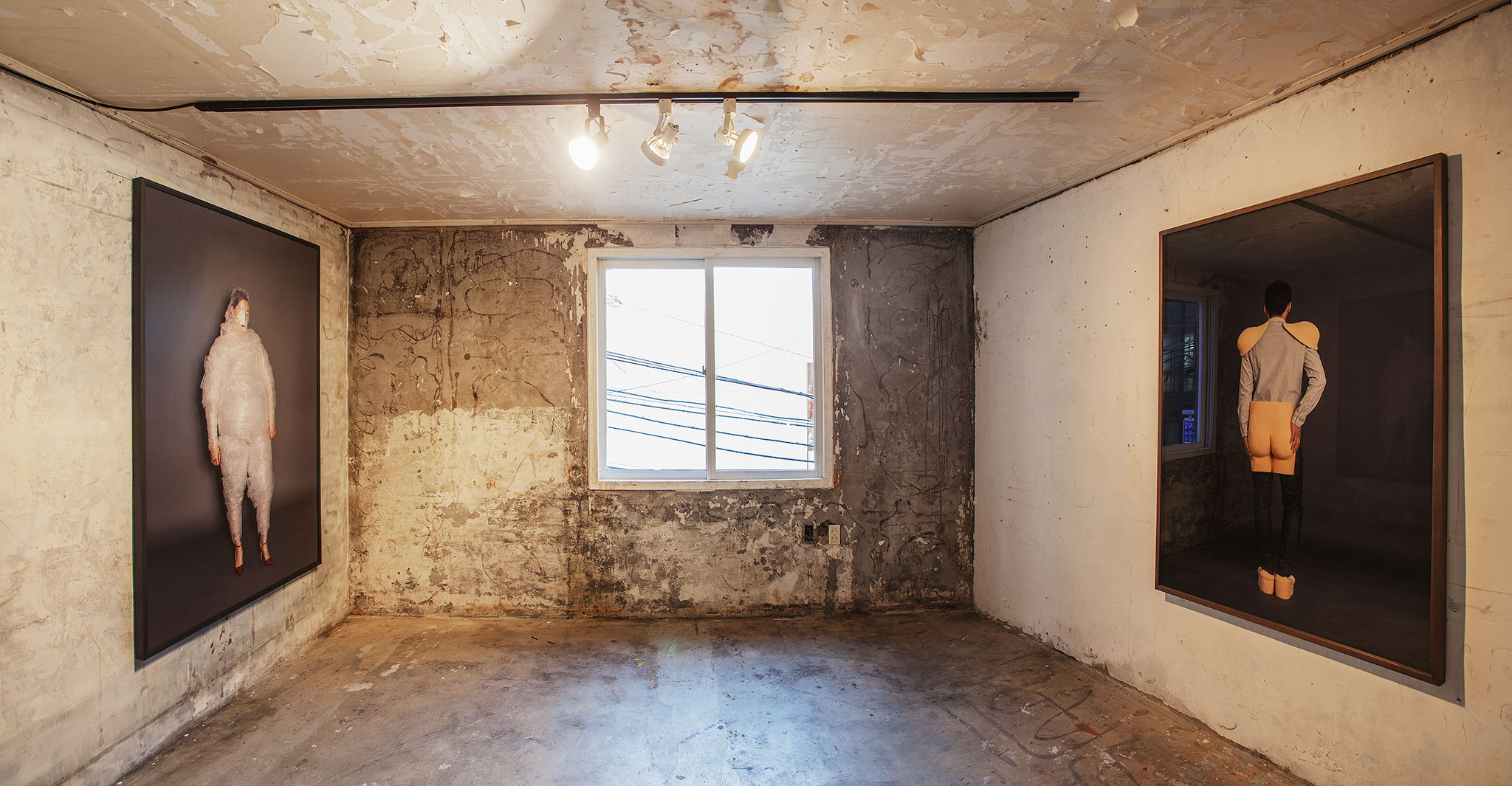
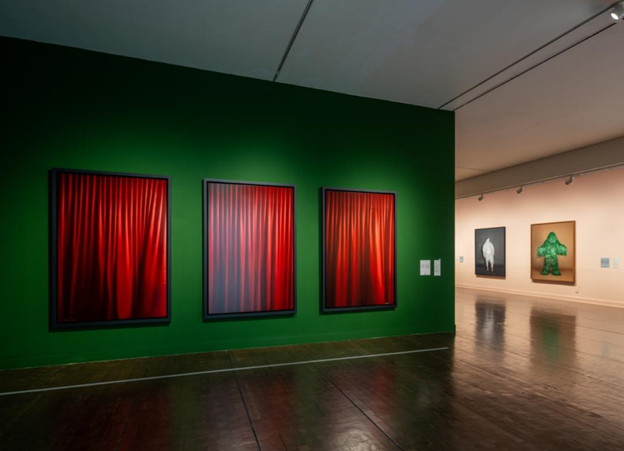
In the photographic works presented in 《Writing Play》, bodies are placed alone within empty frames. As though peering into a play script still being written, we encounter bodies suspended within the void of the photographic frame. These are bodies not yet situated within a place, yet already containing space within themselves. In her previous works, there had always been a specific place within the photographic image, functioning both as background and as something intimately connected to the figures inhabiting it. In these recent works, however, the site in which the body might reside is left as an empty space within the frame. The bodies contained within the photographic frame are imagining the place in which they will eventually be situated—a concrete place called, perhaps, an “art space.”
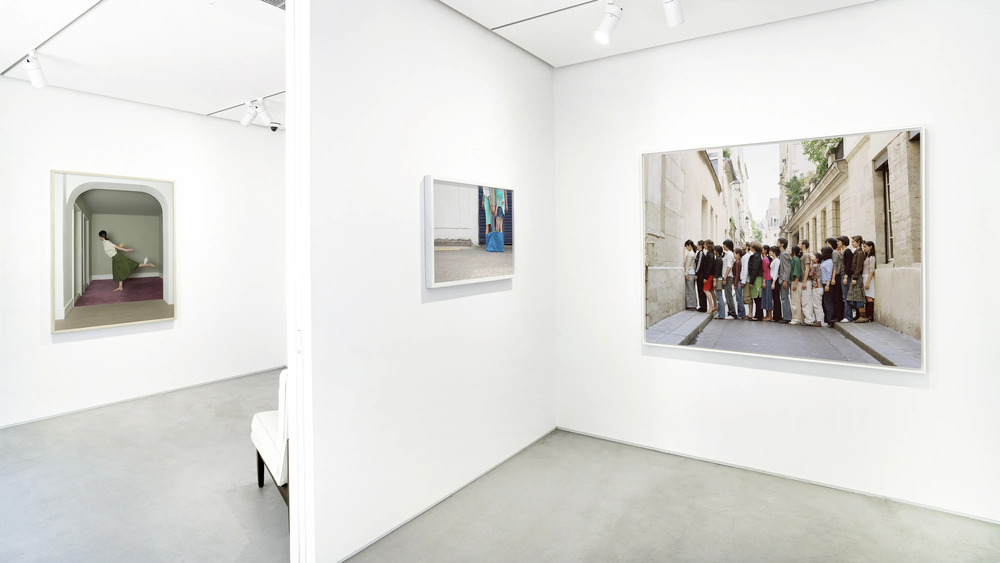
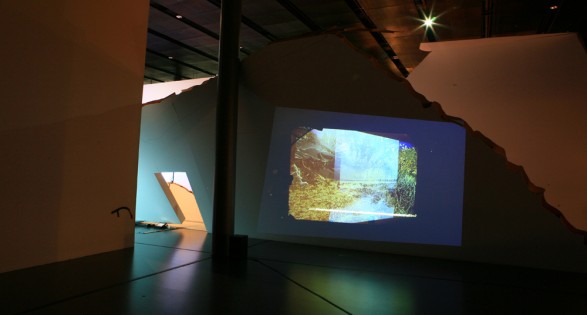
These are the physical and psychological places of the exhibition space itself: partitioned rooms, low walls, closed windows, secluded corners. This place becomes the stage upon which the “theater” unfolds, while the characters entering into relation with it are the more than ten photographs themselves. The places that once existed inside the photographic frame in her earlier works are now displaced beyond the frame and transformed into reality itself. As a result, the blank spaces left around the bodies establish relationships between concrete place (perhaps the art space itself), abstract place (the photographic background), and the body (the protagonist within the photograph), all divided and connected through the boundary of the photographic frame.
Between place and body, the subtle relations of force that exist within this interval are softened through the empty spaces surrounding the protagonists. These blank areas are spaces calibrated to contain the imaginative weight that emerges when the photographs inhabit a place. At the same time, they function as intermediary zones in which unfamiliarity, tension, rupture, and distance between the “external” and the “internal” may be absorbed and mediated.
Body and Disguise
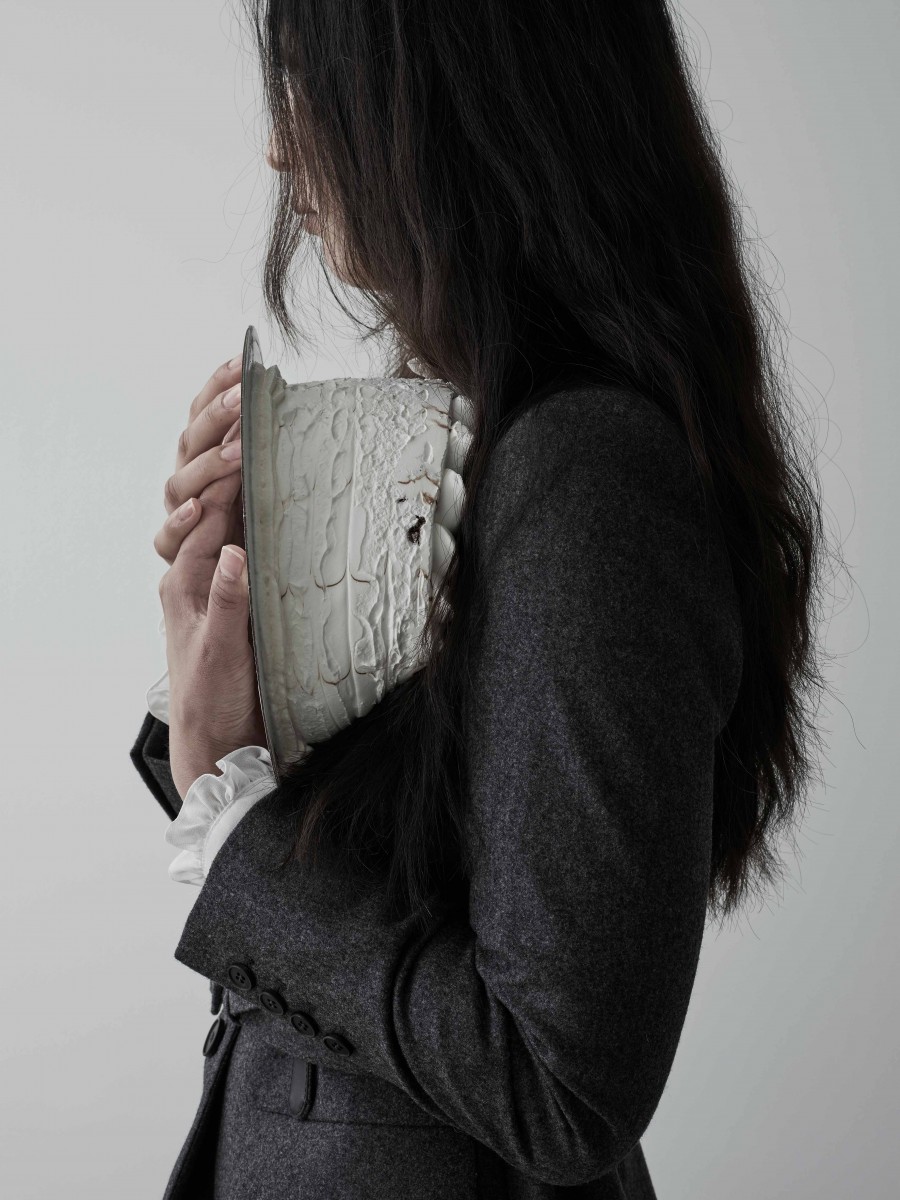
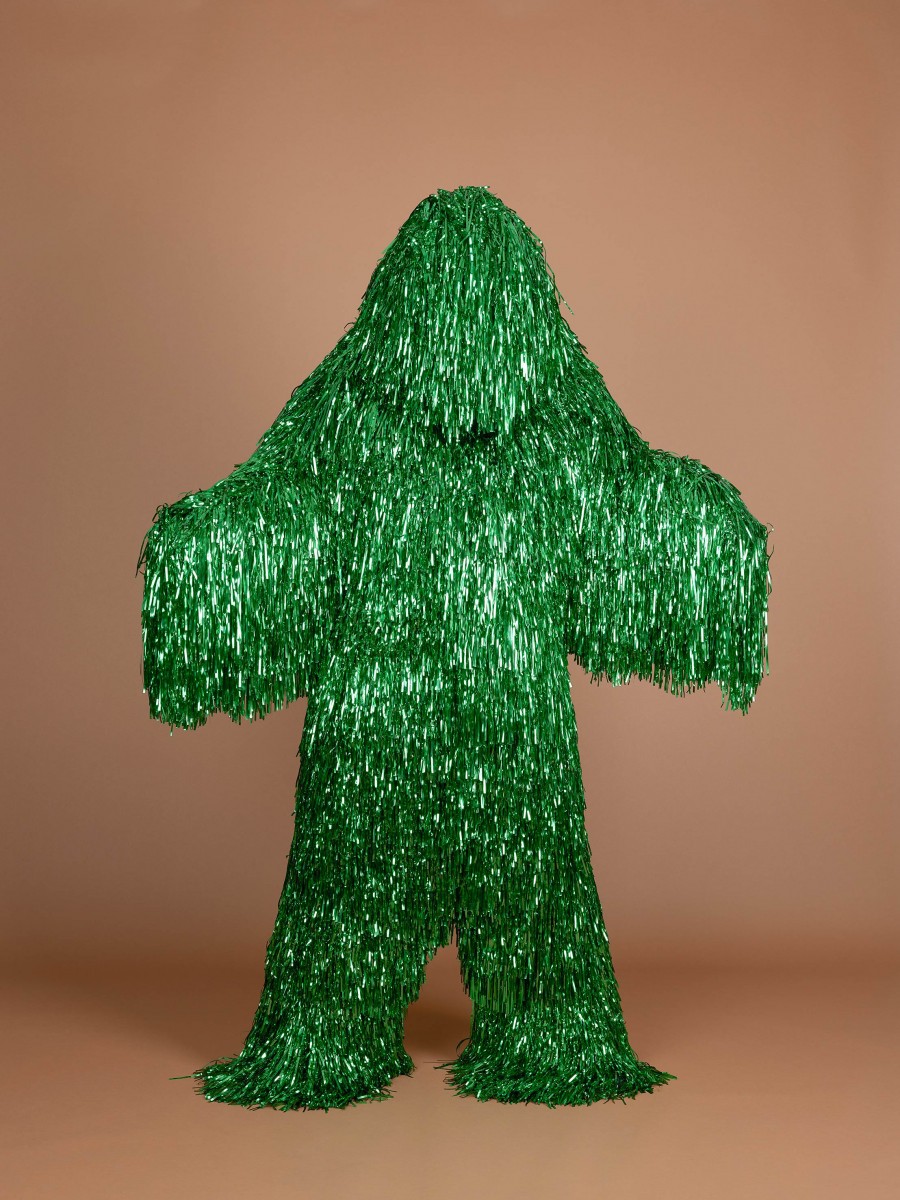
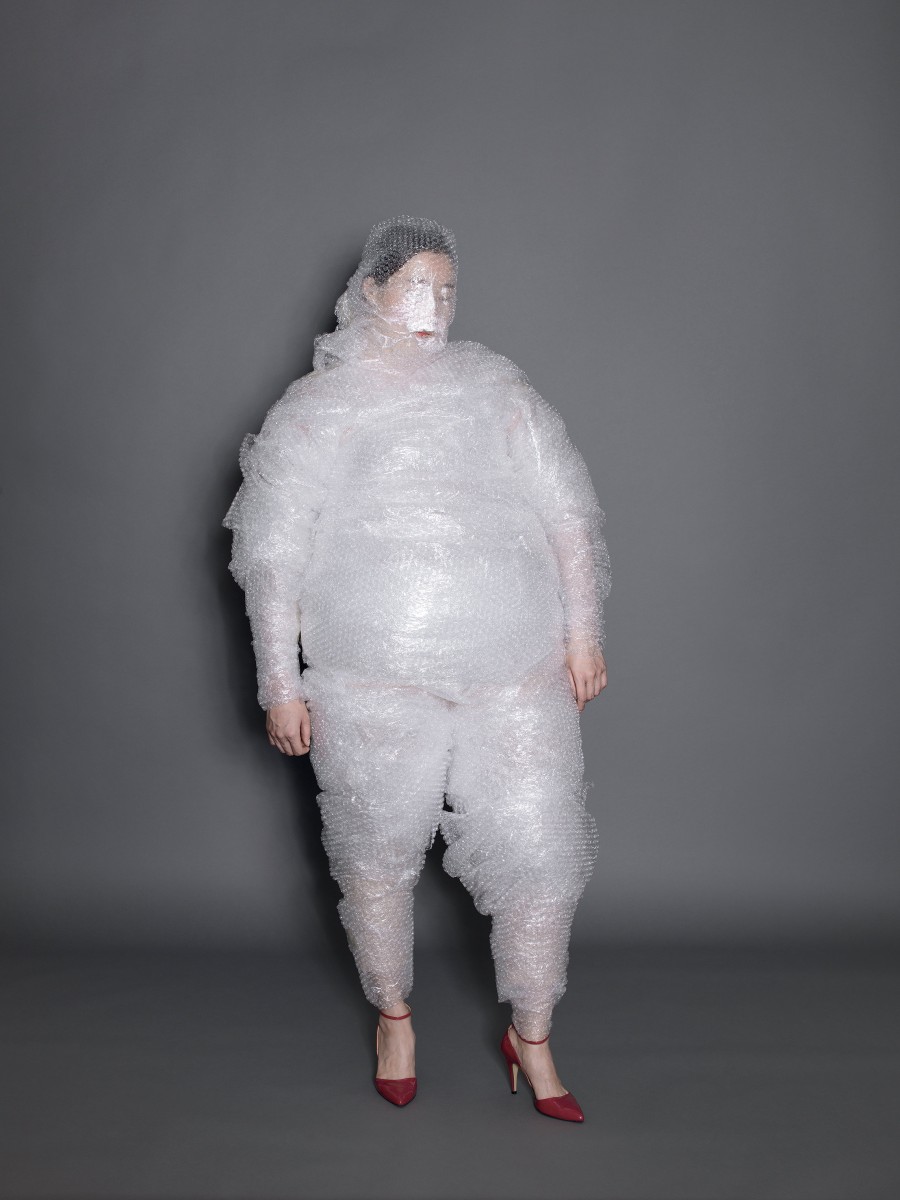
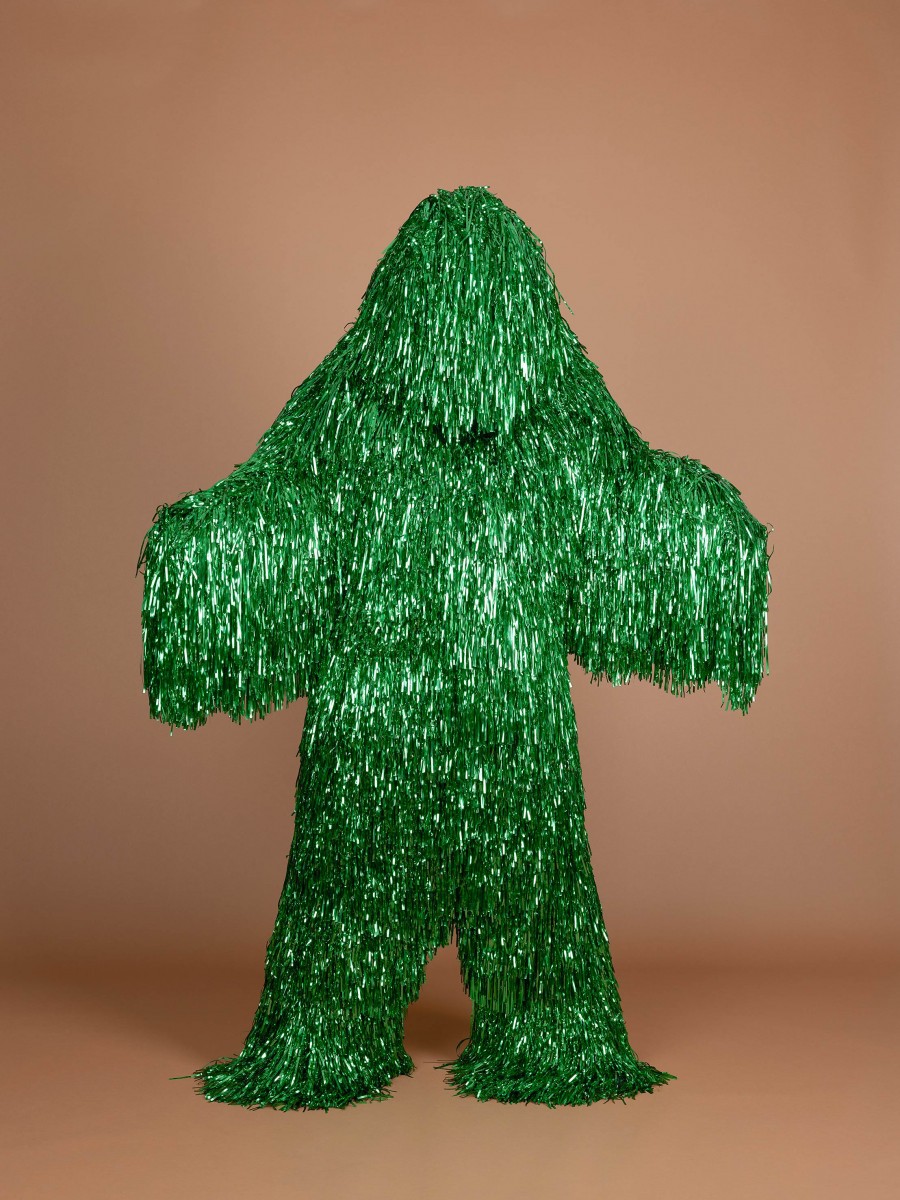
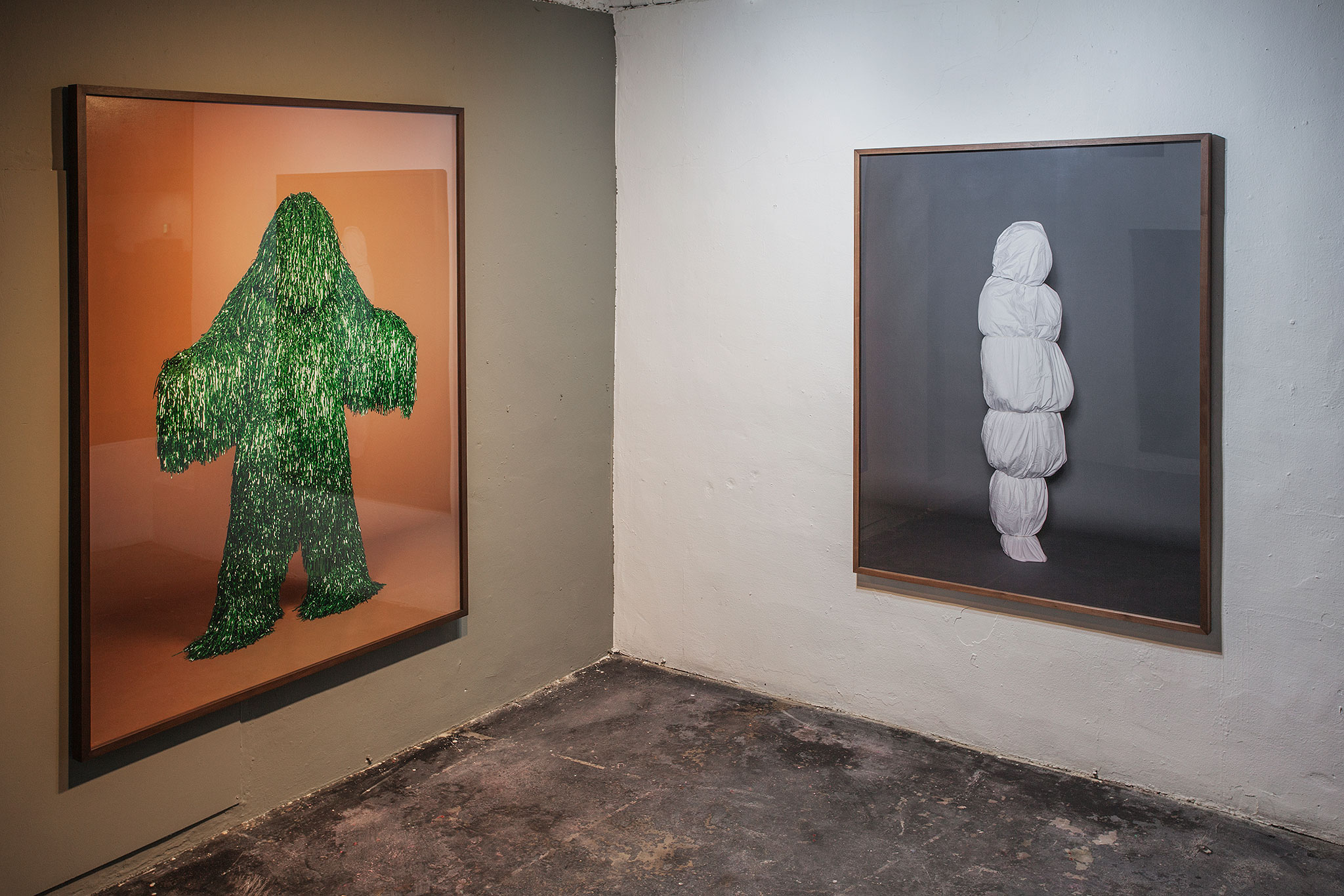
Looking closely at the bodies in the photographs, the physical substance of the body is concealed behind other masks, layered and obscured again and again. At times, the body appears through exaggerated mise-en-scène, while at other moments it is partially substituted as though it were an object. In the two photographs Bubble and Pompom, the body is wrapped in thin translucent layers or buried beneath piled forms. From this concealed body, what does this disguised being reveal? Although the body appears through excessive materiality, the invisible body simultaneously appeals to the reality of its own existence. What emerges here is the inner world that animates the body, as well as emotional states that can never be fully exposed.
Though outwardly exaggerated in appearance, these forms seem as if emotions concealed within have surfaced uncontrollably. The artist disguises the body in order to emphasize human emotions that cannot be completely expressed—in other words, interior states of being. The bodies in the photographs appear clownish and somewhat strange, like pierrots. Looking at these works recalls another image: the Romantic painter Jean-Antoine Watteau’s Portrait of Pierrot. Even beneath the exaggerated smile of the pierrot dressed in inflated white clown garments, profound sadness is conveyed. Likewise, in the French film Children of Paradise, the pierrot comically reveals states of the soul that are difficult to express through ordinary language in reality.
In the artist’s photographs, the disguised body unfolds the vulnerable human interior like a theatrical performance, much like a pierrot. What these lightweight materials and ridiculous outward appearances ultimately contain is the fundamental emotional condition of human beings who cannot fully communicate with the world.
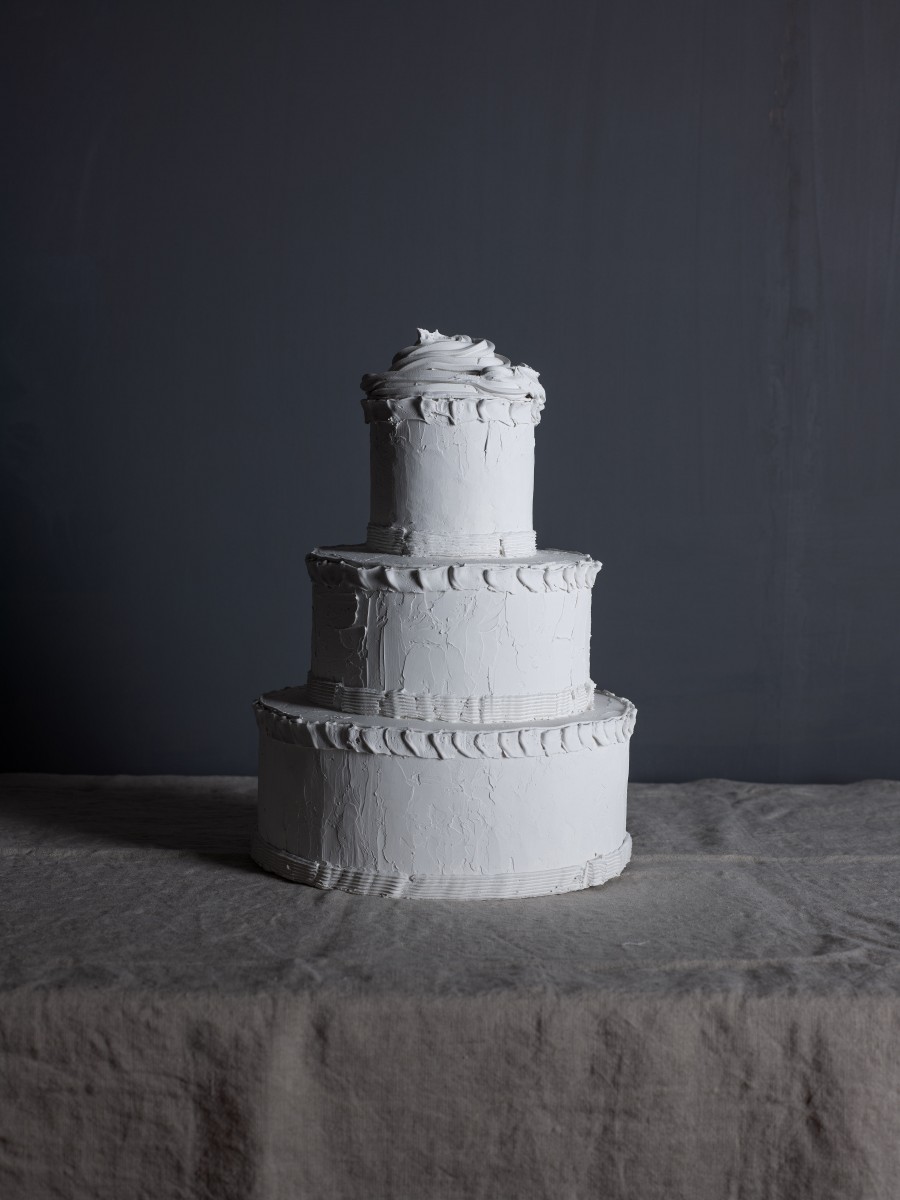
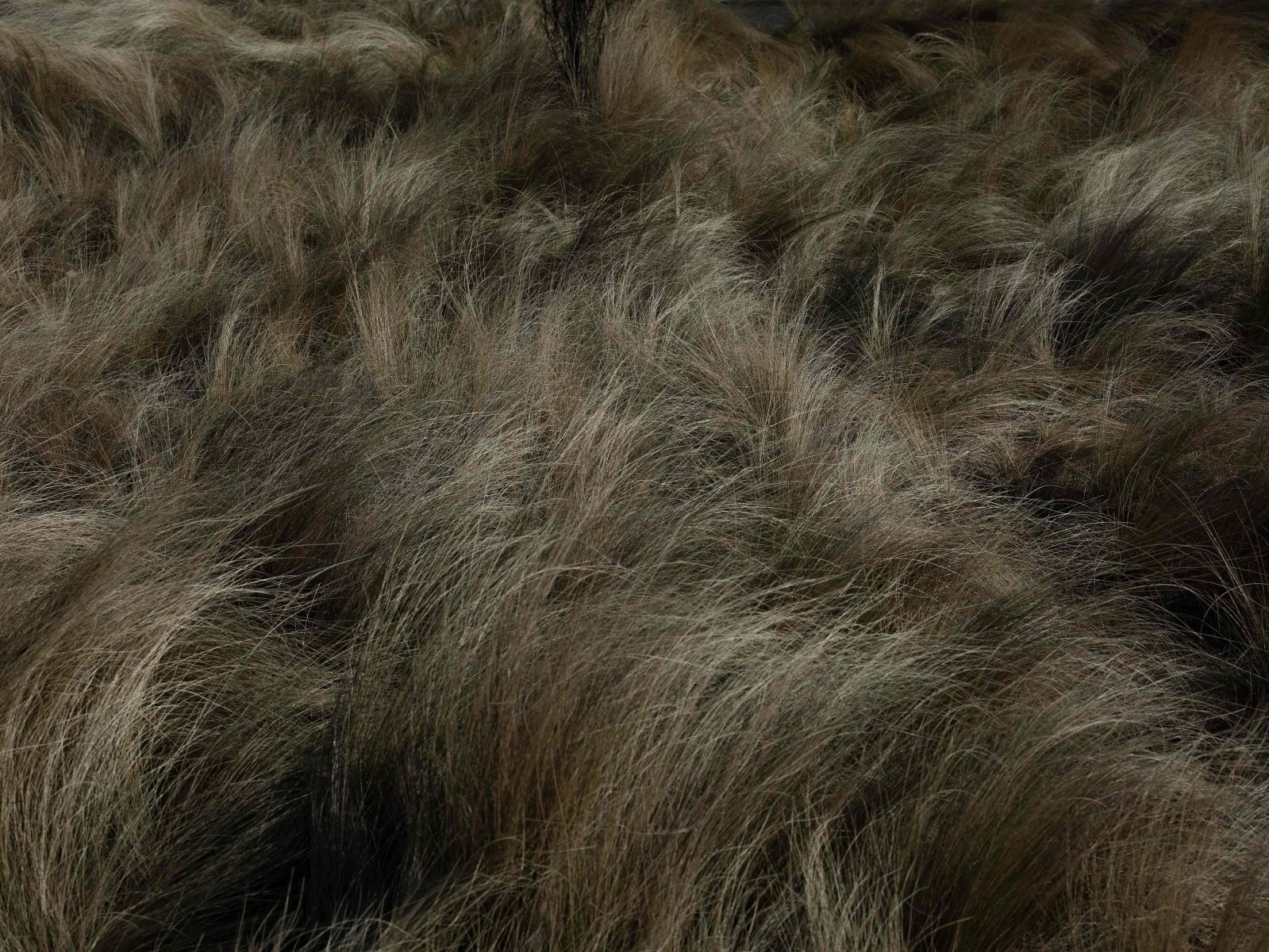
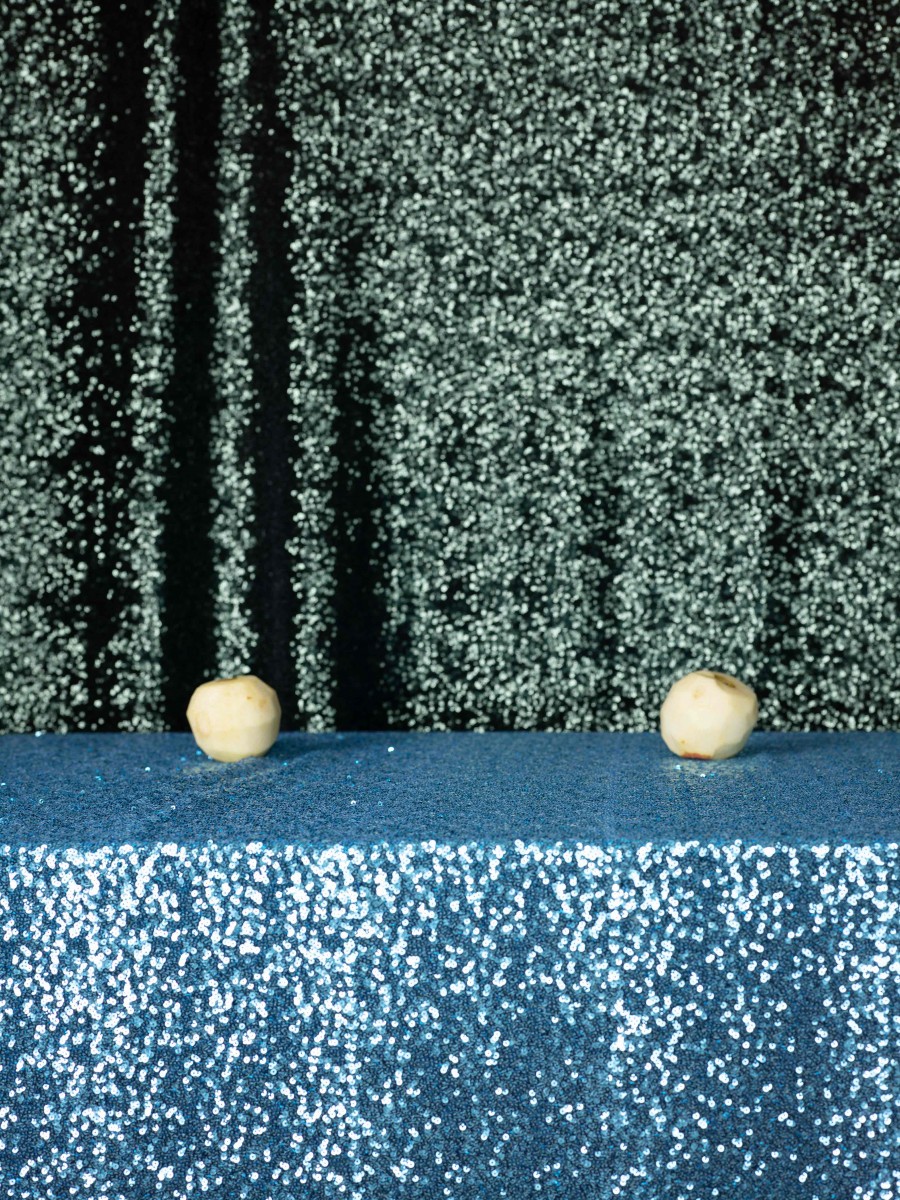
In Disposition, in which a male model strikes a pose, it is impossible to determine whether the flushed face signifies embarrassment or intoxication. From this state of disguising the face in redness, the viewer’s gaze traverses the weight of the body. Rather than remaining on the materiality of the body itself, the gaze penetrates it and arrives at the inner emotional condition signaled by the flush. The ways in which bodies are disguised throughout the photographs are manifold: they become excessively exaggerated through layers of materiality surrounding the body, as in Bubble and Pompom; partially transformed by inner emotional states, desires, or ideals, as in Disposition and Replacement; or they feign the absence of the body itself through plants, objects, and states associated with death, as seen in Flowerpot3, Witching hour, and Empty Room.
All of these acts of illusion become poetic photographs contemplating existence, theatrical sculptures, and performances enacted by breathing beings. The immobile posture of bodies layered in disguise seems to willingly assume the condition of fragile and hollow objects. The gaze directed toward them contemplates, from the finitude of life, the condition of death that exists beyond emptiness.
The weight and tension of life that had previously been visualized between place and body in Chang Sungeun’s earlier works dissolve inward into the body itself within this theater. The body thus revealed conceals its substance behind thin veils, constructing another kind of bodily space capable of containing emotion. Chang’s theater moves beyond the act of performing (play) toward a reflection on things that simply exist in themselves. It is a journey that intensifies the force of imagination, as though layering upon the surface things that could never exist within reality. And what of our own gaze as we confront these works? Do forgotten emotions not emerge once another layer has been peeled away? Ironically, emotions of the interior that cannot be explained are witnessed precisely through these disguised bodies.
What she disguises is the beauty of emotions that even our own bodies are incapable of fully revealing. In doing so, her works recall the countless overlooked beings and fleeting moments forgotten within our lives. The “truly honest and wholehearted theater” the artist seeks to present is the strength and beauty contained within people who continue to endure an age marked by despair and emptiness. “Beauty is truth, truth beauty,—that is all / Ye know on earth, and all ye need to know.” wrote John Keats in Ode on a Grecian Urn. There is no particular reason why these lines of the Romantic poet come to mind, except that her photographs vividly point toward the fullness of emotion in life and toward an inexpressible beauty.