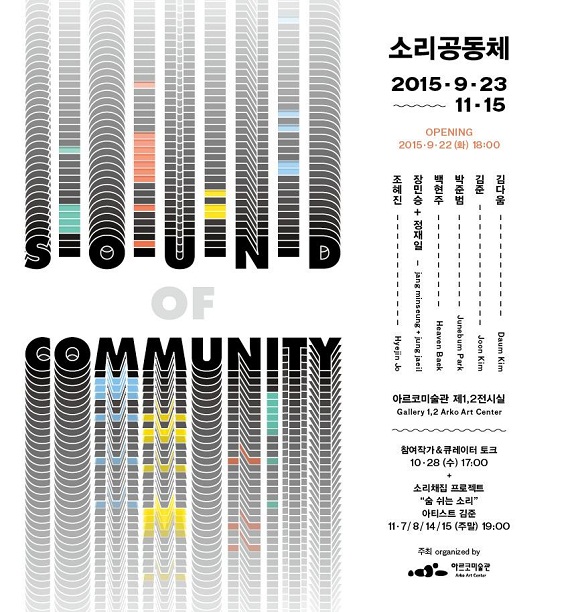
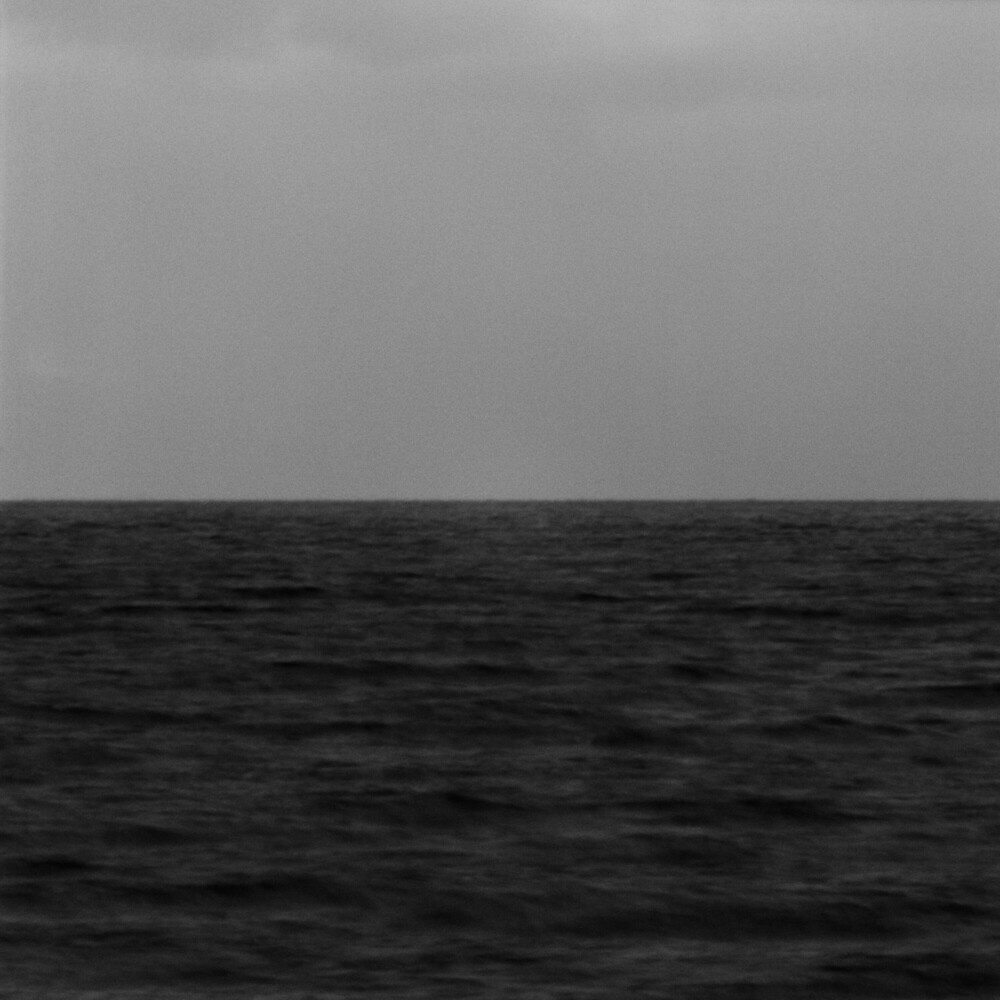
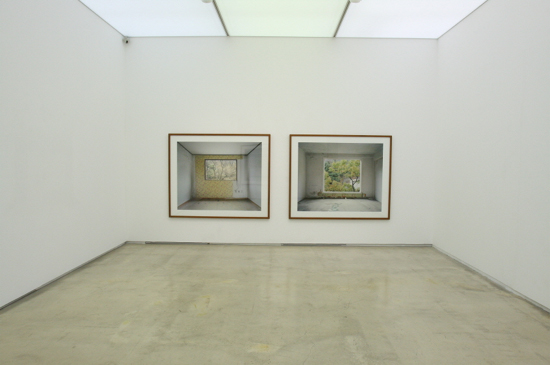
Dates are fixed for individual exhibition of Jang Min-seung who used to drop by Willing N Dealing to view exhibitions. When the artist first entered the office area for meeting, he took a picture of a cheap bookshelf we brought from a recycling center. And soon afterwards, I could find the same picture displayed in 《New Wave》exhibition at Kumho Museum among many other pictures taken by the artist.
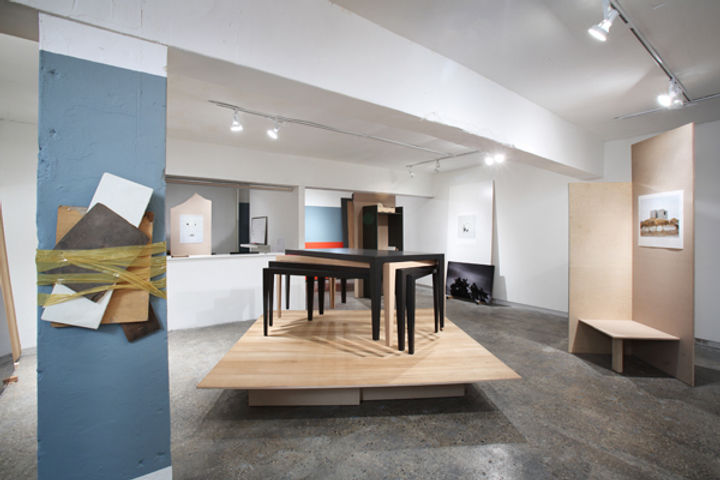
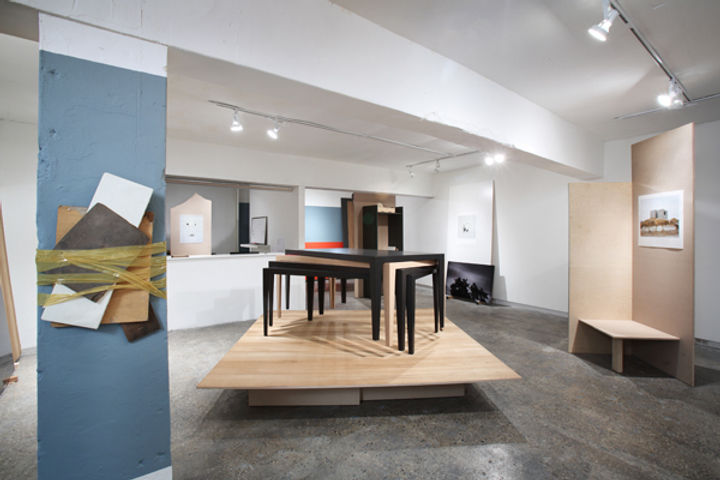
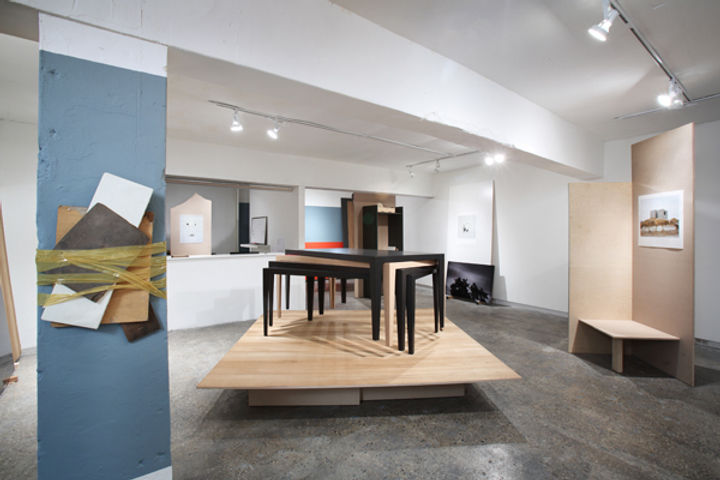
Preparing this exhibition, he must have taken pictures of discarded panels and furniture pieces nearby Space: Willing N Dealing. His photo works, printed or in file types, are placed here and there among all sorts of furniture pieces provided for the exhibition; as if they were those panels thrown away in the corners of a neighborhood. It seems that his interest nowadays is heavily focused on the fate of furniture pieces that can be told through the wave of time those furniture pieces have gone through by looking into their structure, usage, location and so on.
After the exhibition opened, he would say “I wonder how the fate of these furniture pieces will get changed by finding a new owner.” Though whether or not actual purchase may take place during the exhibition is unknown, it is quite certain that they began a new stage of life with this exhibition. For whatever the reason, be it the title or the artist’s words, everything in the place seems reborn; leftover materials, previously made furniture pieces, photos, and all.
This individual exhibition at Willing N Dealing in March 2014 is a story of furniture pieces told by the artist Jang Min-seung. When he worked on ‘T1’ series first in 2005, he created sculpture-like pieces borrowing the structure of furniture. These were understood as objet both functional and artistic which worked as normal tables and at the same time poured out artistic aura overwhelming the space. When Jang Min-seung first created this furniture, he used highest quality material and introduced polished color impression, design sensation, and furniture craftsmanship which resulted in rather heavy and serious work of process. As a natural result, of course, those furniture pieces were popular among customers despite the price tag was relatively higher than ordinary furniture products. One day, the artist imagined those tables placed in a common household away from the exhibition hall.
It came to his mind, then, these tables do not have characteristics of common furniture products that can perform functionally and form people’s daily living culture. It was not easy to imagine these furniture series with such strong function as an objet to be in a shape to fit any environment or be easily used by anyone. Gradually, he started to look at furniture pieces in the view of their original functions and tried to navigate their cultural aspects, becoming the environment itself in a natural way as opposed to boasting their existence and appearance in a certain setting. He started to survey environments surrounding the furniture items rather than their function or appearance for some time.
Various contents were recorded in pictures and places were associated to the culture; e.g., places on which furniture items are laid, materials that form furniture items, contact between furniture structure and environment, and more. Furniture is a structural objet used by man, man experiences its function naturally by using it, and man reflects common human behavior to use the furniture.
Jang Min-seung uses photos as a mediator between furniture and space. These photos, in his terms, are an image inventory collected in the course of creating the furniture pieces. Various types of materials often seen in the photos, laid on natural landscapes, are mostly those structural items thrown away after use. Having been used to their limits, those structures yet maintain some forms of furniture or certain shapes and those abandoned crude structures fill the spaces of this city in their own way. The panel with ‘Do Not Take Away’ wording, which is used as the representing image for this exhibition, seems to hold hope for reuse as it is.
Other than a few visible clues revealing who will use the panel for what purpose, the potential energy of this panel is in fact limitless. It may be destined to be shredded and become source for paper, may rust away in a secondhand store undetected, or may be reformed as a new type of furniture in someone’s talented hands. The artist takes a close look at these materials and recognizes their state as part of their history. The spot next to the electric pole where this panel is laid on is one of the many stages that appear in the flow of such history.
Multifaceted consideration on furniture served as an experience for the artist to materialize “be more, seem less” in creating ‘T2’, the send series of furniture pieces. When closely looked, it can be seen that balance of existence of furniture pieces within a space was regulated by using less expensive materials, taking utility more into account, and creating further simplified types of models. Upon a pedestal made of plain plywood, 4 pieces of furniture are laid in folds for display rotating the perception toward objet, furniture, and material. That is to say furniture is presented as objet itself, materials become functional furniture pieces and at the same time each furniture piece becomes material for objet.
Photos taken and brought by the artist get moved into the space in an unusual method. Some pictures are ‘laid’ on the floor. Some are ‘attached’ on the side of furniture pieces. Images that are ‘played’ in data form also use furniture surfaces instead of walls for presentation. We can observe in this exhibition space that raw forms of items, commonly considered as materials, perform complete functions, and photos as media that were understood as complete genre are recomposed into a part of furniture. Also, functional excellence of complete furniture pieces are making its way into the zone of objet by uncovering functions beyond their use to fit people’s body.
While regarded as part of the furniture, objet in irregular form inside the furniture does not operate as its frame. Such chaotic expansion of relationship setup accidentally reveals additional function according to the artist’s intention. And inside the more flexible space, the artist combines materials, furniture, and objet freely to use them as necessary and apply interpretation as he likes.
We may take this opportunity to call the role of an artist to our mind. It seems Jang Min-seung the artist is trying to induce grounds against prescribed customs and rules in the flow of art. He demonstrates diversified routes of work escaping from the role of a visual artist prescribed through education. He studied sculpture but admires music work; passionate in creating furniture pieces while focusing on taking pictures. He must be enjoying his life as an artist free from traditional boundary of visual arts and as a being who takes pleasure in the art itself and who enthusiastically defines his role to acquire richness in life within the global structure. He also shows us that anything with uncertainty can become a new form and valuable in existence. For this reason, he invites us to dream a world with much greater potential than the one we are sensing now and today.