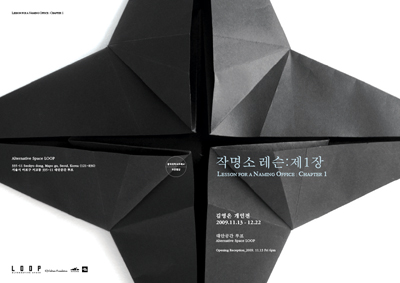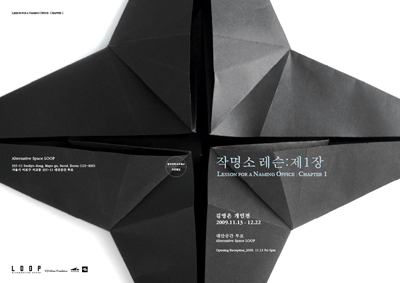






Poster image of 《Lesson For a Naming Office: Chapter 1》 © Alternative Space LOOP

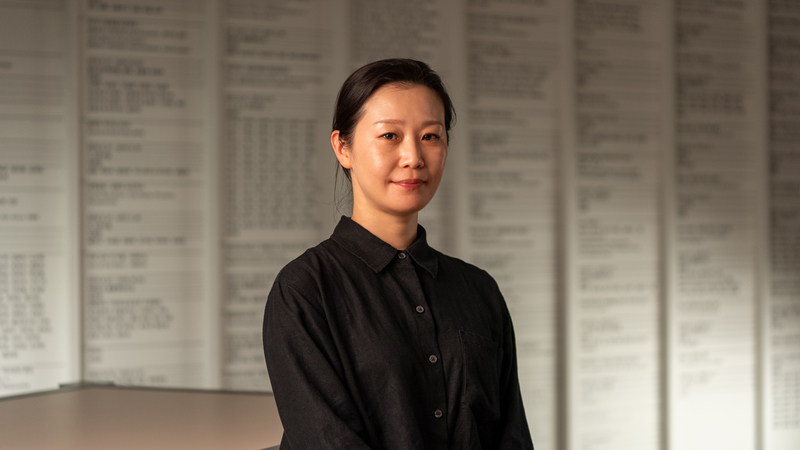
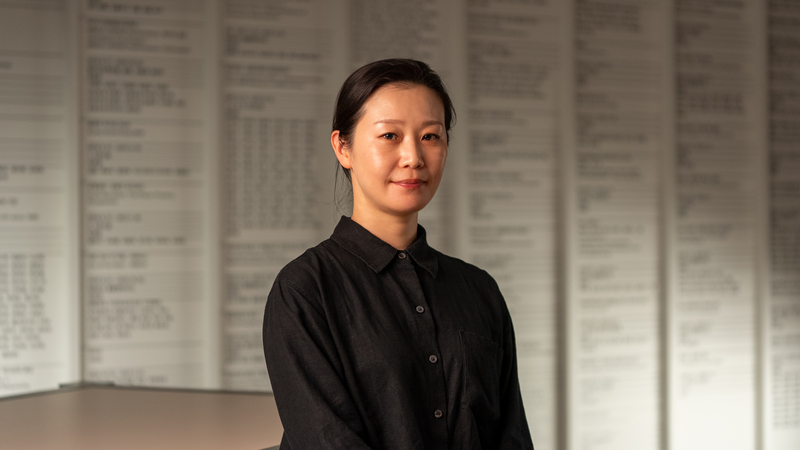
YoungEun Kim’s current exhibition presents the first story from Lesson For a Naming Office: Three Treatments, a three-part narrative project.

The publication consists of three stories written in the form of treatments—a hybrid form situated between synopsis and screenplay—: Oral Ground, A Corner Revolving Infinitely, and The Units of the World according to ;. This exhibition visualizes the first story, Oral Ground, through video and installation. While writing the three texts, YoungEun Kim kept the following rules in mind:

Ⅰ. Sound will reveal itself only through intermediaries.
Ⅱ. Proper nouns are not singular; they contain one another.
Ⅲ. Symbols are fixed, yet they will remain free.

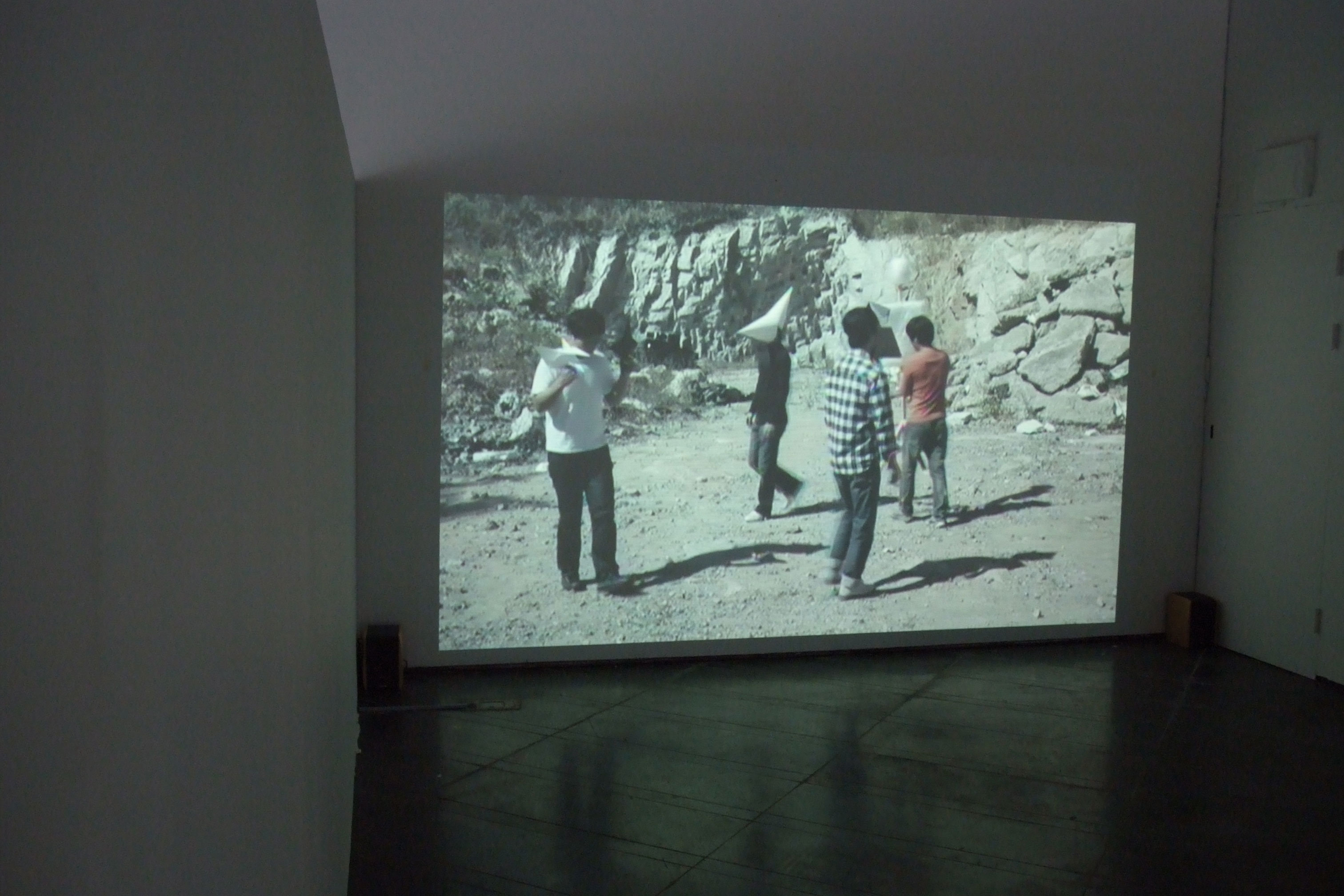
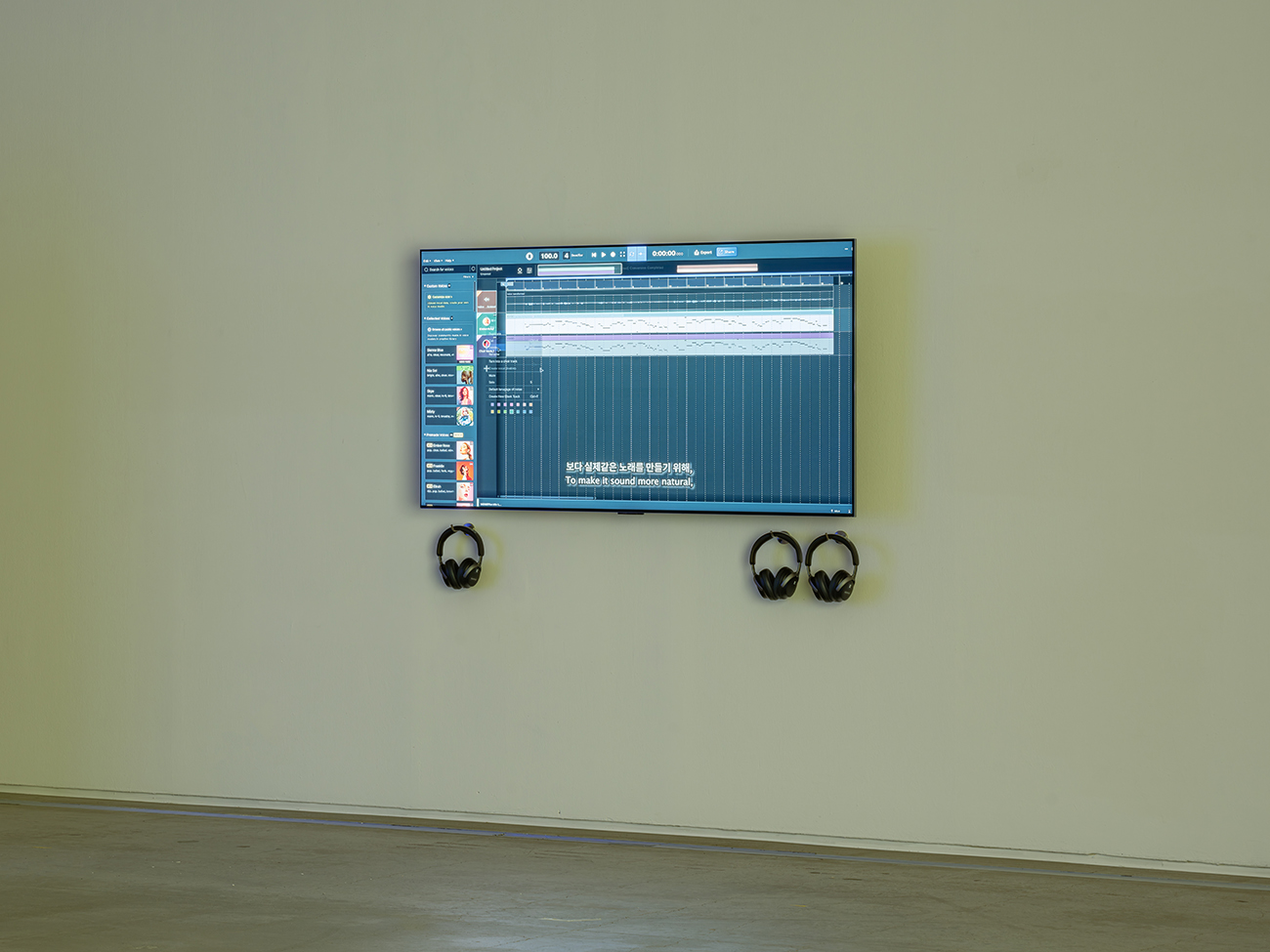
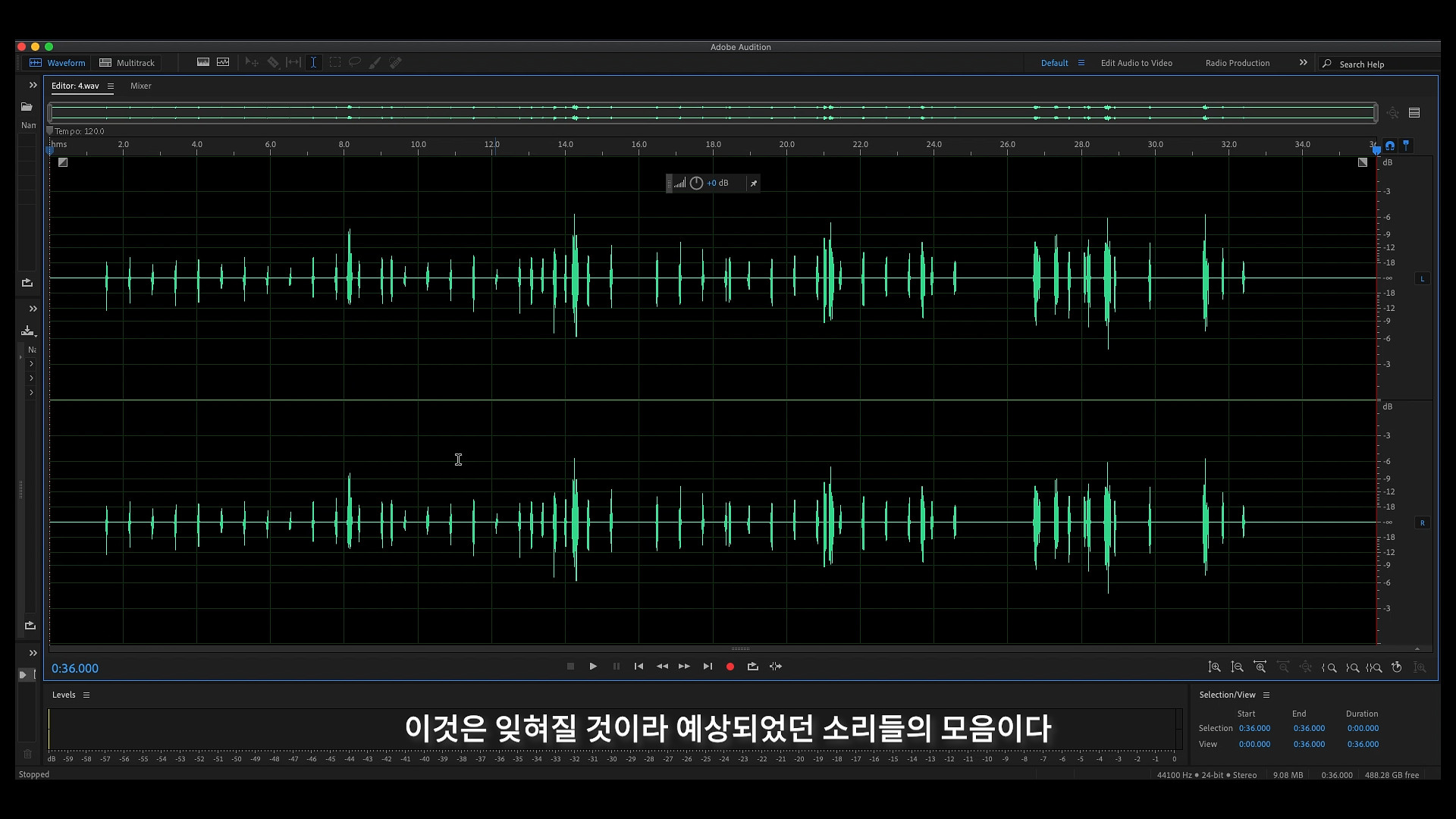
A familiar melody begins to play. “Mi-sol-re~ re-do-re-mi-si~ si-re-fa~ si-re-sol~♪♬♩” The protagonists of the music video, who do not appear to have been cast with much care, unexpectedly deliver impassioned performances, and despite the loose visual composition of the video, traces of the director’s earnest attempts to construct a plot are visible throughout.

The story of the music video follows S, a being without a fixed form, who firmly believes that there once existed a master it served somewhere, and sets out on a journey to find them. Alongside S are the intermediaries Bird and Star, who assist in the search—though their true intentions remain unknown.

The work above, borrowing the structural framework of a song by the Carpenters, sufficiently encapsulates YoungEun Kim’s exhibition 《Lesson For a Naming Office: Chapter 1》. Having long been interested in the structures inherent in language and seeking to redefine them, YoungEun Kim more actively attempts in this exhibition to dismantle and reinterpret the linguistic systems constructed by society. To explain this endeavor, the artist turns to a song by the Carpenters.

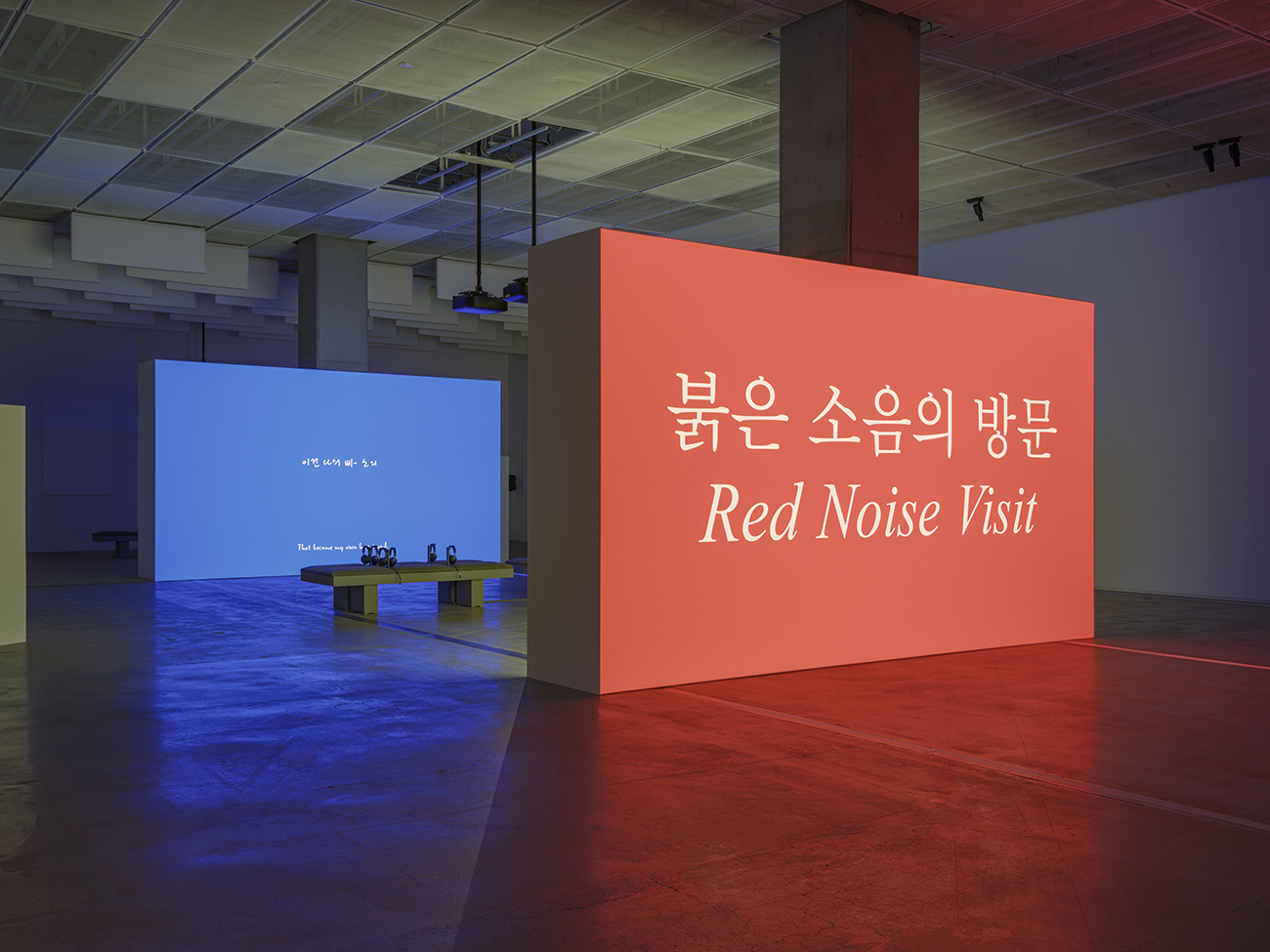
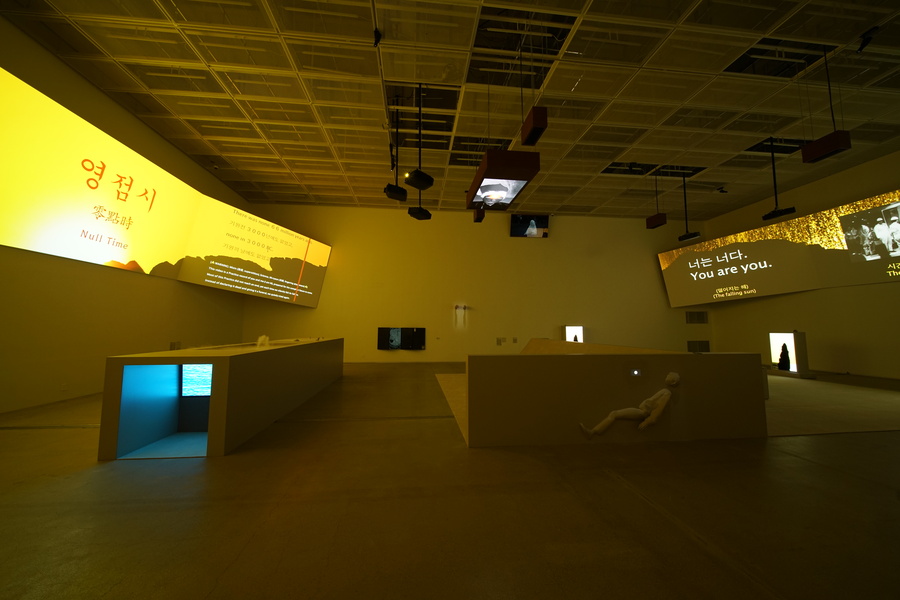
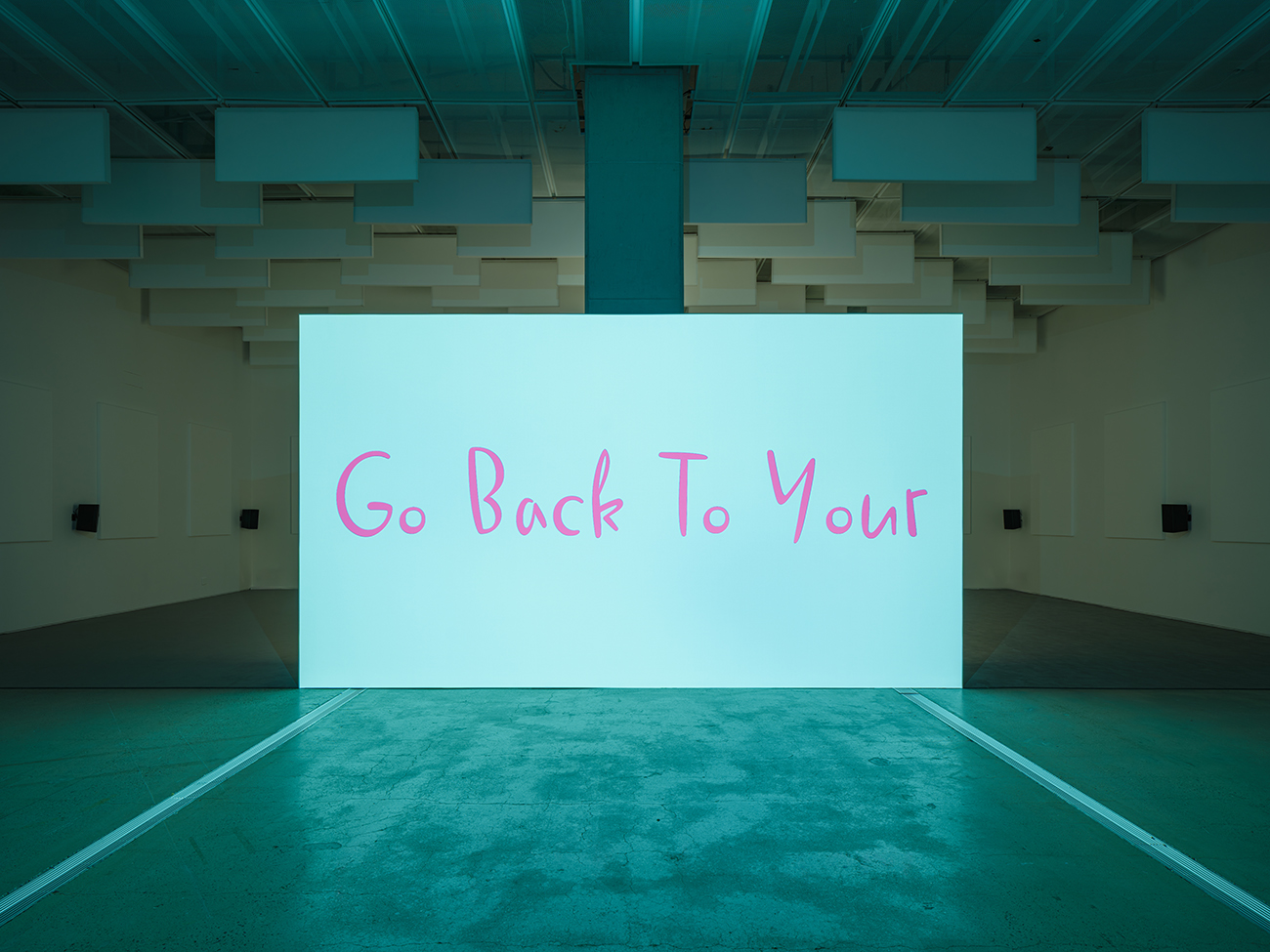
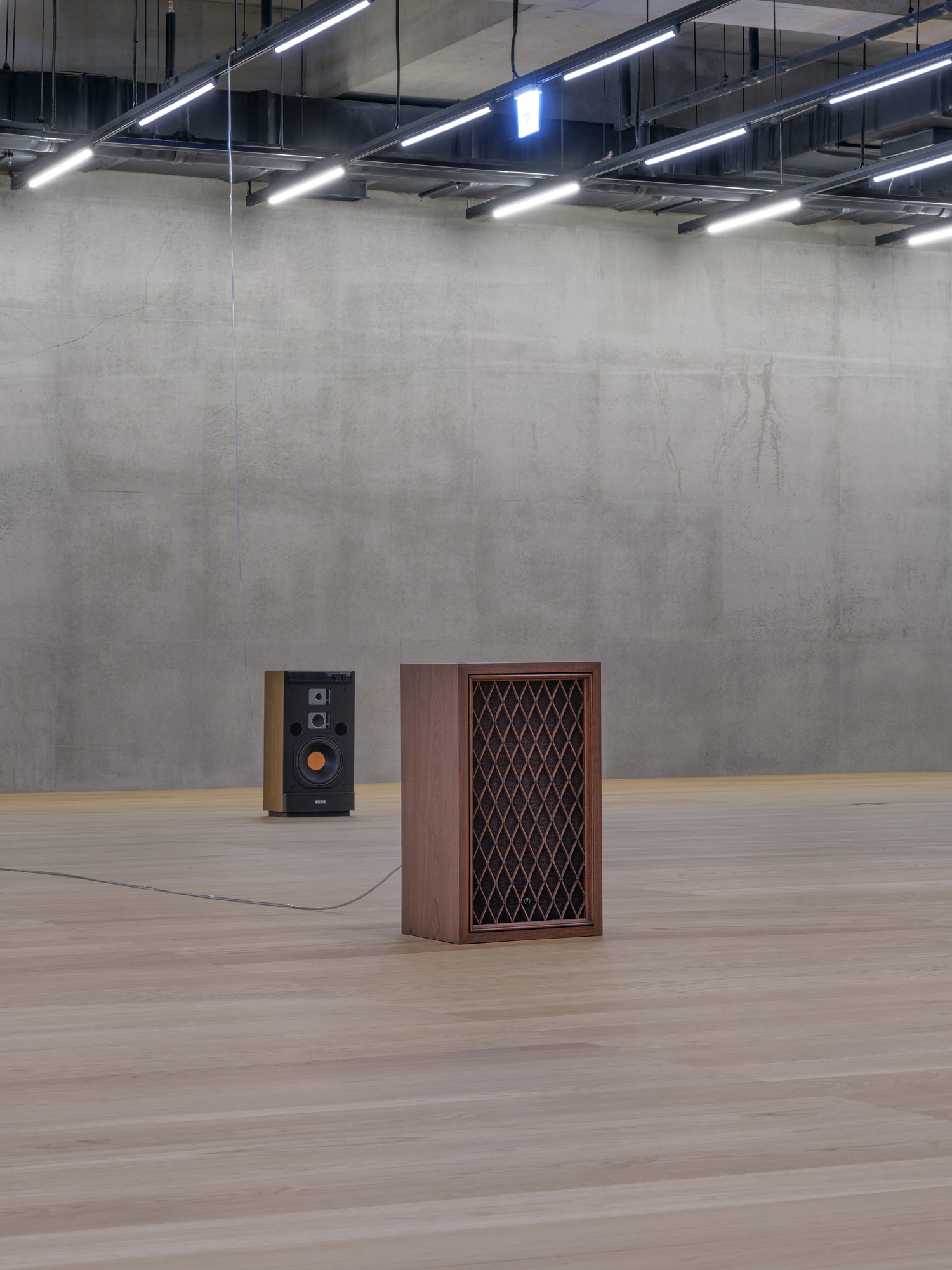
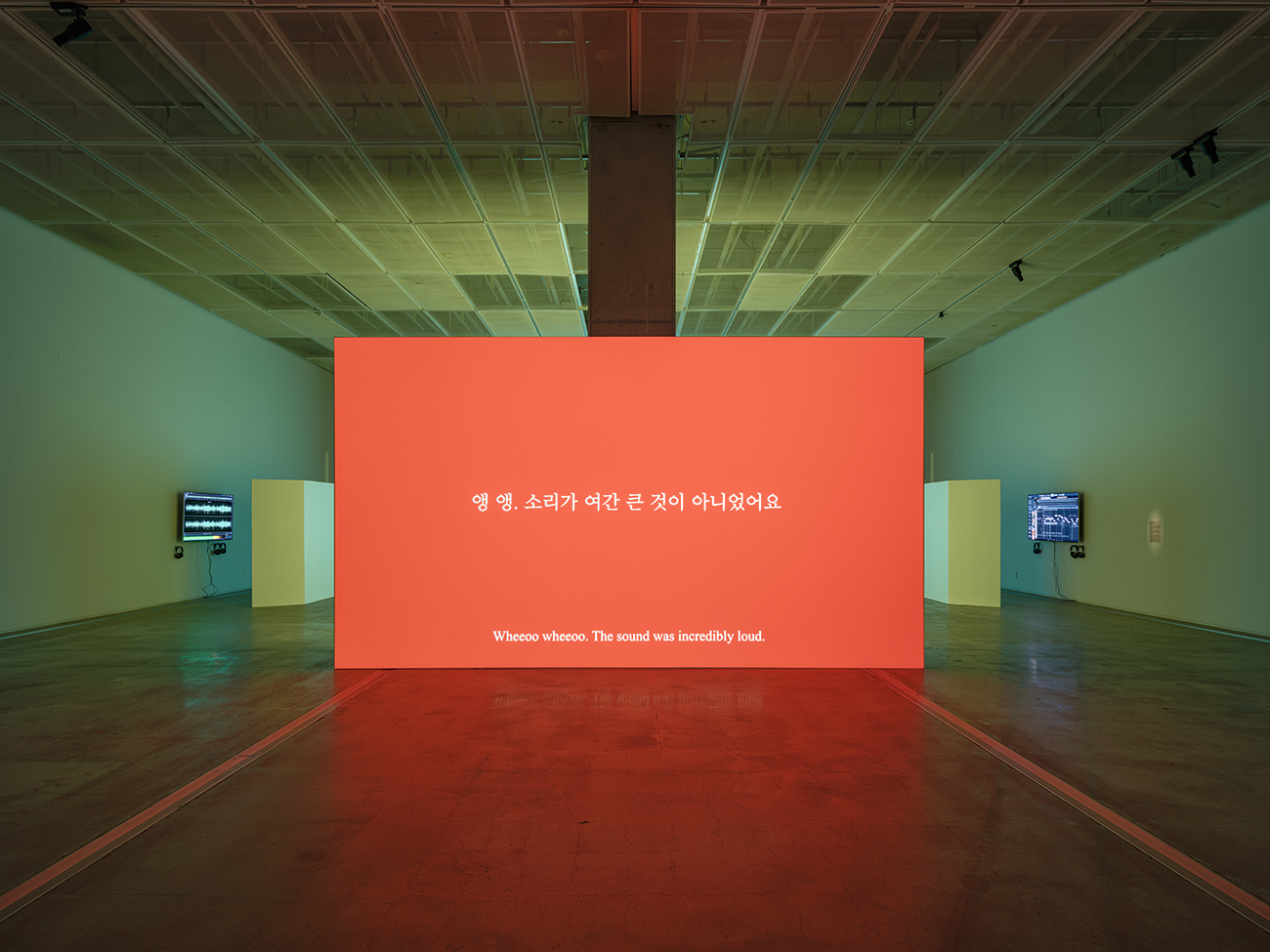
Installation view of 《Lesson For a Naming Office: Chapter 1》 © Alternative Space LOOP

“In the Carpenters’ song, there appears an ‘I’ who longs to move closer to ‘you.’ Without revealing its own form, this ‘I’ produces songs about ‘you’ through the mediation of ‘birds and stars.’ Here, the ‘I’ takes on the role of a ‘formless sound,’ ‘you’ becomes the ‘object,’ and the ‘birds and stars’ function as ‘phonetic symbols.’ Close to You thus becomes a song sung by a ‘formless sound’ in search of its master.”
—Excerpt from the artist’s note

In this way, the protagonists within YoungEun Kim’s music video perform fervently in order to posit the relationship between sound and meaning from the structuralist perspective of language. In fact, language, as a form of social convention, is an objective system of signs independent from the positions or environments of individuals.

In other words, the meanings carried by linguistic signs do not emerge through the active assignment of meaning by individuals, as is commonly assumed, but through the differences and relationships between signs and the rules that organize them.

Accordingly, Ferdinand de Saussure understood language itself as something whose referent had already been lost, composed of the signifier (sound/pronunciation) and the signified (meaning/concept), while the differences between signs made the correspondence between signifier and signified possible. Jacques Lacan, however, argued that the coincidence of signifier and signified is only possible during infancy, before the acquisition of language, and thus insisted upon the fundamental rupture between the two.

According to Lacan, infants do not yet experience the split between signifier and signified precisely because they do not yet recognize the signifier itself. The moment a child learns language and leaves behind the Imaginary to enter the Symbolic order—the world of language—the separation between signifier and signified inevitably occurs.

In this sense, the first gateway into the world of language for a child is the “name.” The instant the child is called by a name bestowed by the Other, the child “registers itself” into the world of signifiers and comes to experience the rupture between signifier and signified. The exhibition title 《Lesson For a Naming Office》 thus implies this first moment of rupture encountered by the child upon entering the Symbolic order.

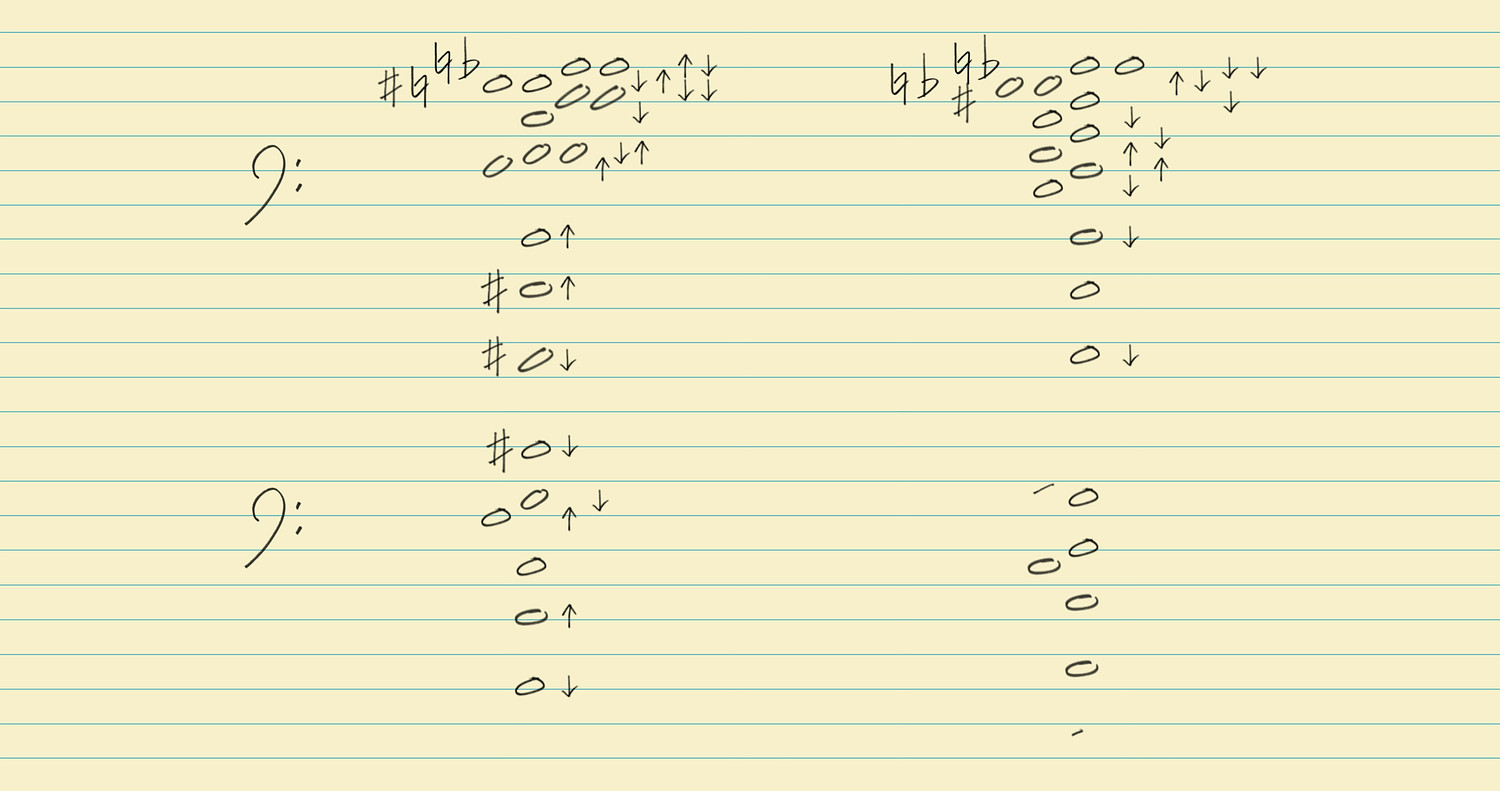
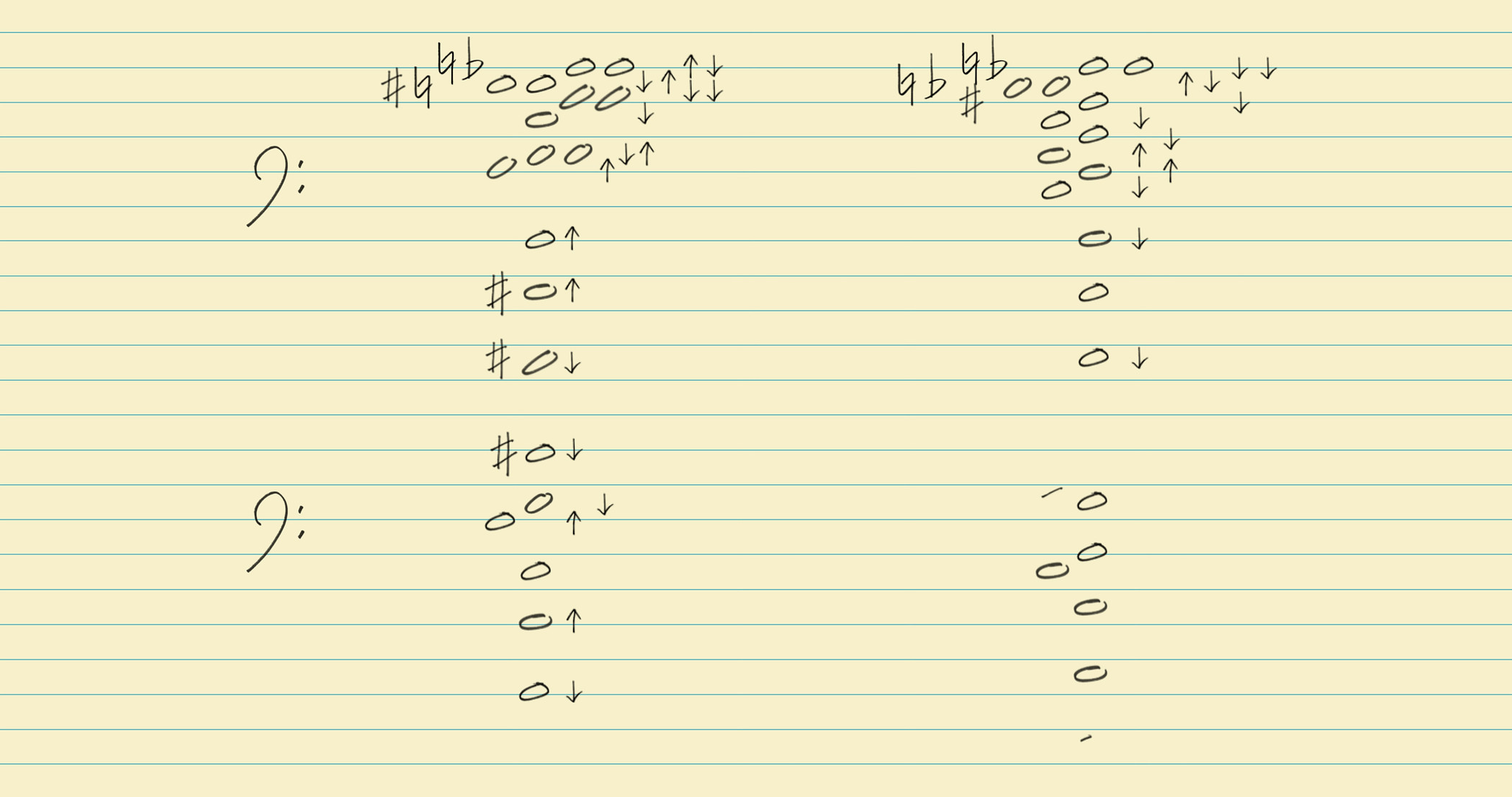
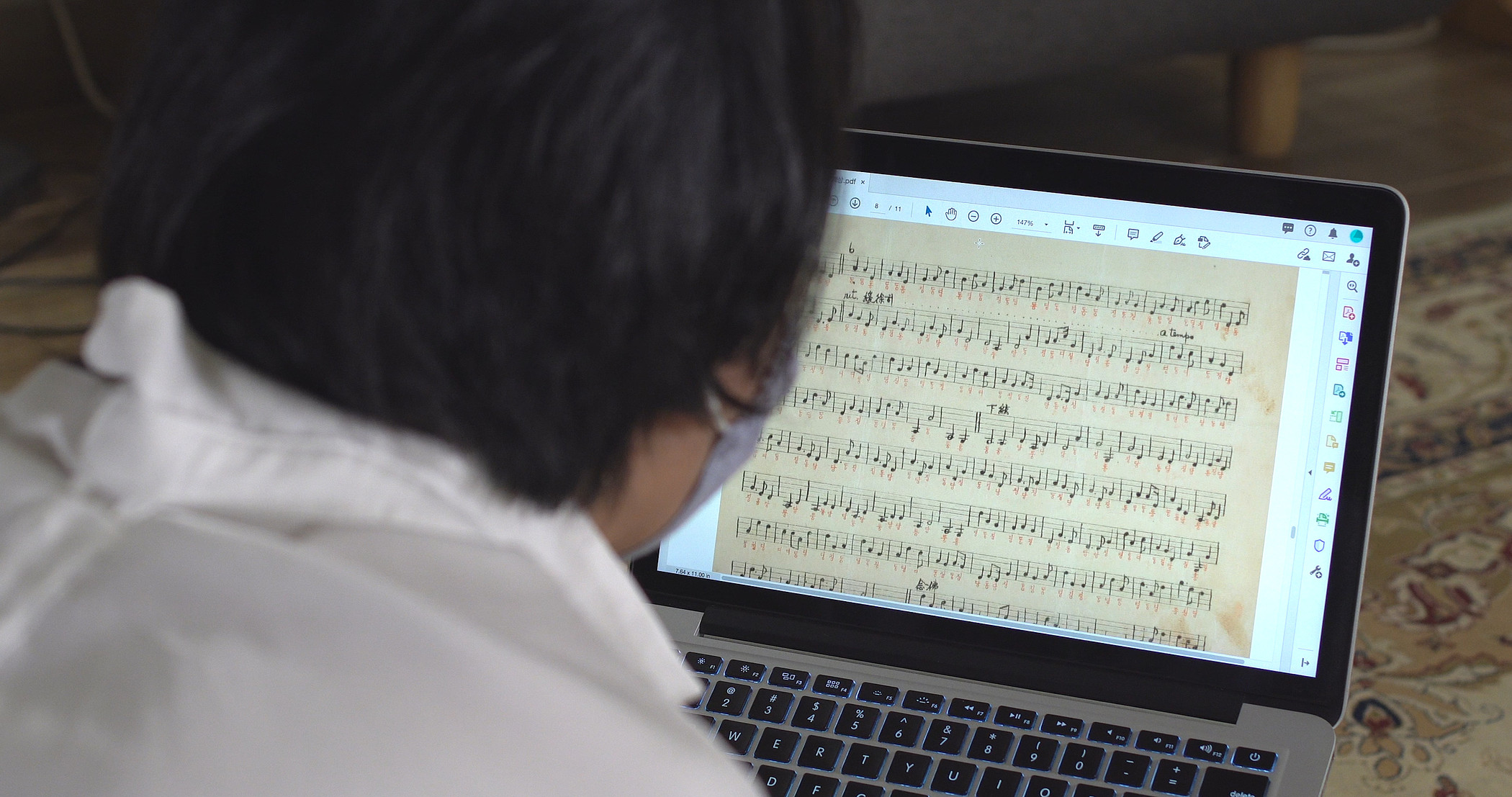
Beyond the audiovisual moving-image work, various installation pieces also introduce S (sound), S1 (sign), the Master (object), and Birds and Stars (phonetic symbols). The protagonists within these installations appear to have gathered in order to interpret the musical score as one gigantic phonetic symbol, presenting the score of Close to You in a primordial state prior to its existence as song.

Through this, YoungEun Kim suggests that just as a word loses its original meaning when pronounced repeatedly, sound and signs, the more they attempt to locate their own identities, lose their assigned meanings and instead generate another endless chain of meanings.

What is particularly intriguing is that language precedes all of these works. That every work by YoungEun Kim, which focuses on the various phenomena hidden within the structural limitations of language, is grounded in rigorously constructed text, could not be more paradoxical. Ultimately, perhaps YoungEun Kim herself resembles S, the protagonist of the music video, endlessly longing to move closer to someone who can never truly be reached.

Even without borrowing the words of famous philosophers, most of us have likely experienced the frustration of failing to properly communicate what we intended to say to another person. But what if such meaning is fundamentally destined to be lost? It is often said that knowing something no one else knows is far lonelier than being the only one who does not know what everyone else does.

To those who speak so earnestly with tightly closed mouths, YoungEun Kim quietly asks: “What are you talking about?”

References