Still, There Is No Afterward
In the suspended time following the Sewol Ferry Disaster, as the causes of the tragedy seemed on the verge of being uncovered only to repeatedly return to the beginning once again, individuals struggled ceaselessly to move that frozen time forward.
In a reality where no one could trust anything, where there seemed to be nothing one could do for those suffering, and above all, where the fact that what had already happened could never be undone remained inescapable, many people groaned under a sense of helplessness. Some suppressed their heavy and complicated emotions, while others expressed them in their own ways.
Over the past three years, this disaster was not merely a social incident, but a storm within everyday life that profoundly shook us all. The waves of helplessness and anger that accumulated within us over several years slowly transformed our ways of thinking, altering how we perceive phenomena and the perspectives through which we view the world.
The aftermath of the Sewol Ferry Disaster cannot be returned to what existed before, and neither can our transformed hearts easily return to their previous state. As we began to sense everything anew, we came to see differently, accepting as truth that reality does not reside upon the surface, and regarding distrust as something inevitable.
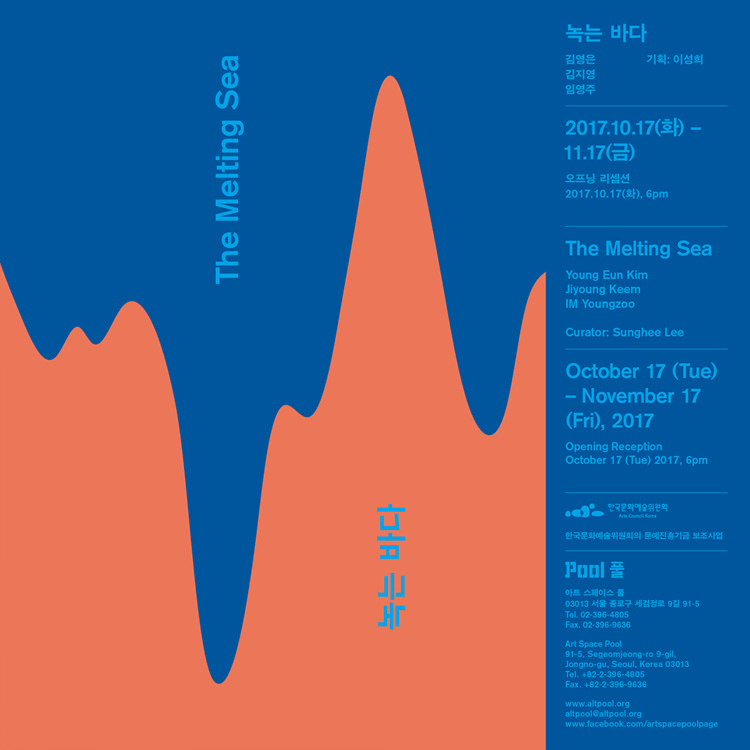
The exhibition title carries multiple layers of meaning. Alongside the question of whether we can ever return the frozen “sea” to one once again stirred by waves, it also contains the wish for such a transformation to become possible. At the same time, it reflects the desire not to turn away from the shadowed images and underlying darkness that now arise whenever we see, pronounce, write, or think of the word “sea.”
We hope that the day when words whose meanings have changed—words we hesitate to write or swallow back after beginning to utter—can once again be spoken and written naturally, is not too far in the future. If we are to reconstruct the world after that day and once again speak of hope and possibility, where must we begin?
While contemplating how our present condition might be expressed through the language of art and questioning what, exactly, should be done, the world nevertheless changed, if only slightly. In the early stages of planning this exhibition last autumn, the working title was “Bystanders and Accomplices.”
The idea stemmed from the belief that merely observing a social structure so fragile and disastrous that it was impossible to determine where things had first gone wrong—and continuing to watch the unfolding events without action—was itself a form of complicity that would endlessly reproduce similar problems. The exhibition initially sought to consider, from an artistic perspective, how one might resist the “repetition of history.”
As time passed, however, we witnessed citizens taking action and raising their voices, and we stood alongside them. After passing through that autumn and winter, by the time spring arrived, we found ourselves watching the presidential impeachment trial unfold live through the news.
Regardless of how one evaluates the achievements and limitations of the candlelight protests, they at least instilled in citizens the possibility of escaping the helplessness that nothing would change no matter what they did.
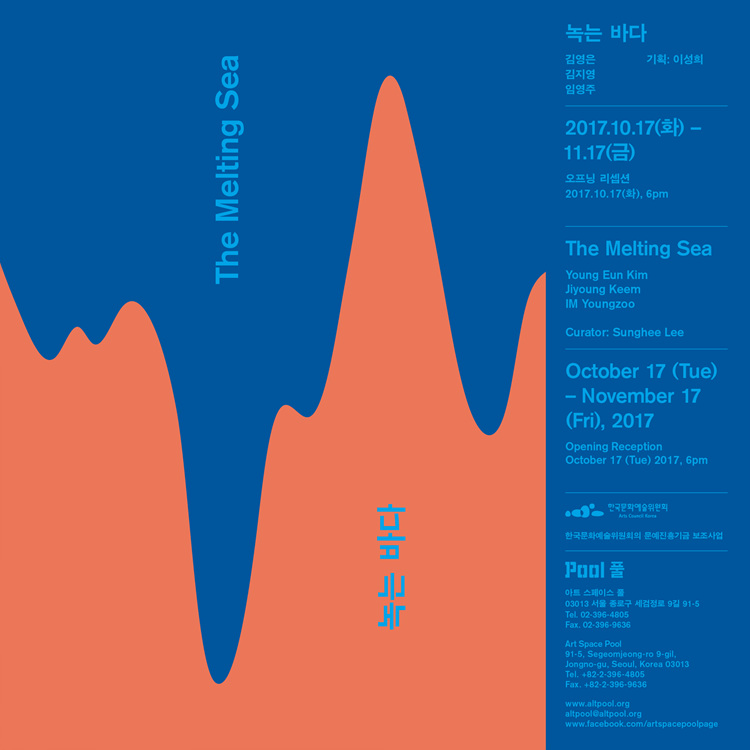
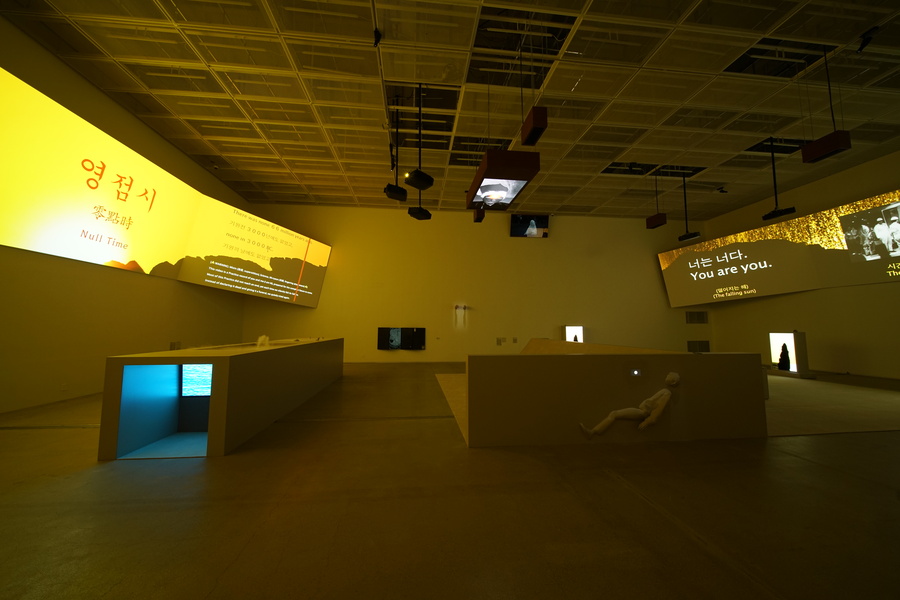
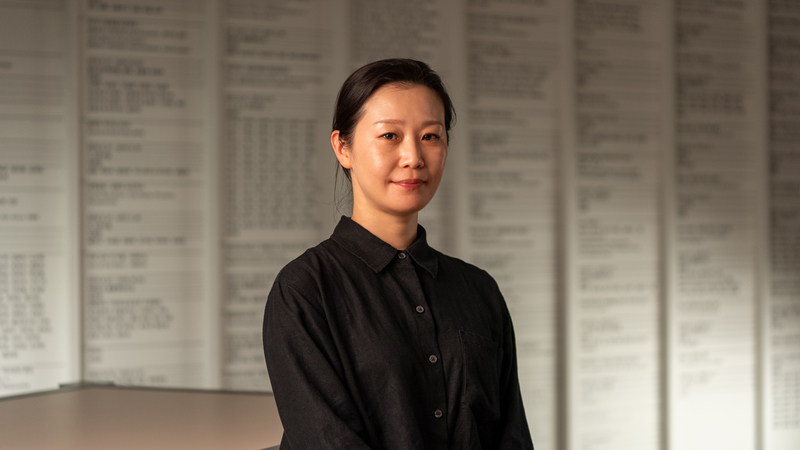
This exhibition is a small attempt to sense and render present the three years following the Sewol Ferry Disaster, seeking answers to what has changed and what must still be remembered and recalled. The three artists—Keem Jiyoung, IM Youngzoo, and YoungEun Kim—each present, through differing perspectives and viewpoints, the altered temporalities they have experienced both as artists and as individuals.
Works that attempt to confront and remember the events that must be faced in order to avoid the repetition of history through the realm of empathy, works that reconsider situations in which even the targets and directions of criticism have been lost amidst distortions fostered by the media, and works that draw viewers once more into the voices of citizens gathered in the public square—all become interconnected and responsive to one another at certain points.
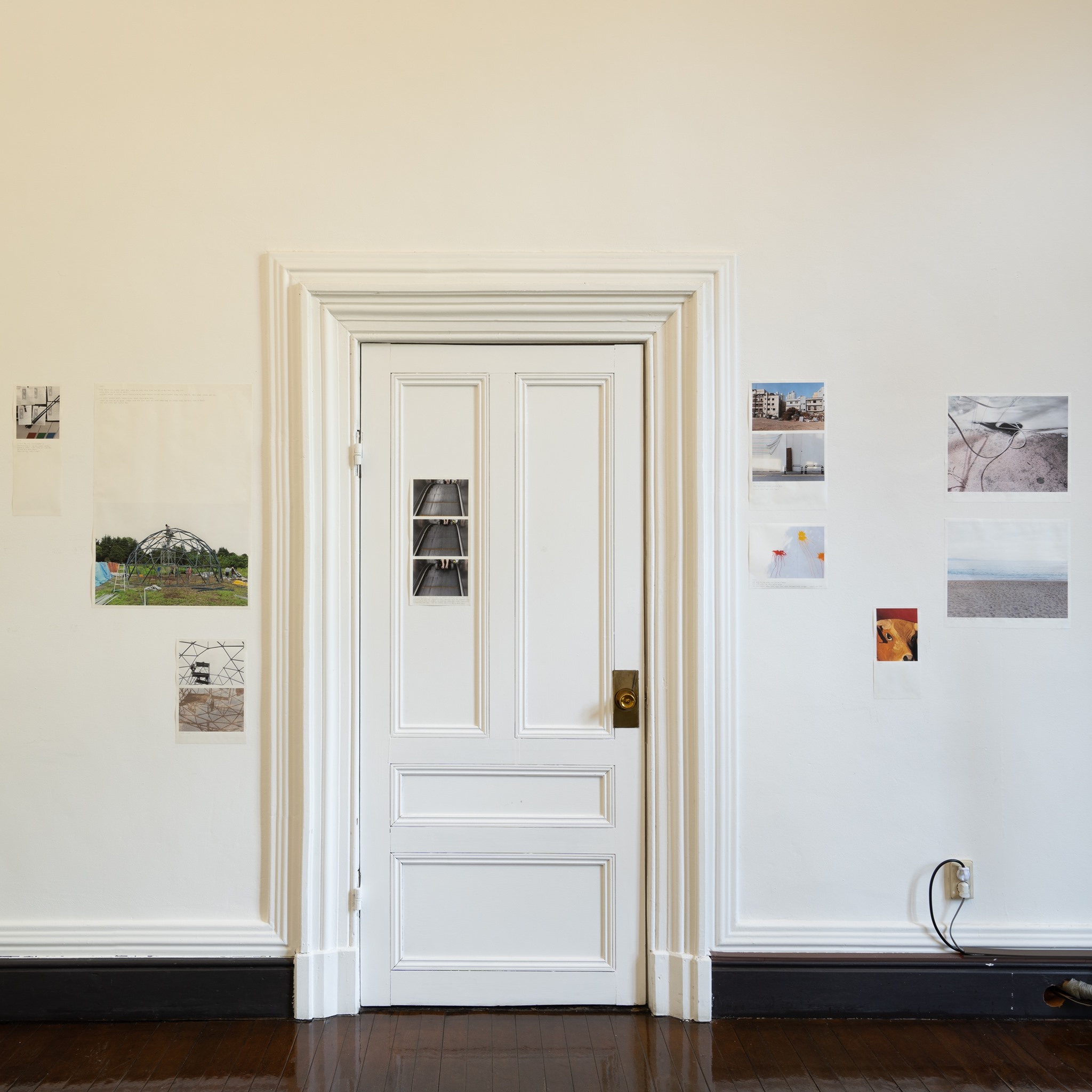
Keem Jiyoung juxtaposes previous incidents caused by structural problems similar to those underlying the Sewol Ferry Disaster, rendering them in the form of landscape paintings. Upon closer inspection of the sensuous surfaces, faded into bluish tones, signs of collapse or explosion emerge here and there.
At first glance, these landscapes appear to depict ruins produced by the same accident at the same moment in time, yet in reality they portray separate incidents occurring repeatedly over the course of several decades. Alongside these paintings, the artist places text works in the format of news articles so that viewers do not receive the landscapes merely as sensory images.
At the beginning of each text, the weather forecast for the day of the incident is recorded. This hauntingly evokes how an otherwise ordinary day—clear or cloudy, rainy and then brightening—suddenly became a tragic one. In doing so, the work emphasizes that these disasters were not natural calamities caused by extreme weather or unavoidable catastrophe, but man-made tragedies born of structural failures.
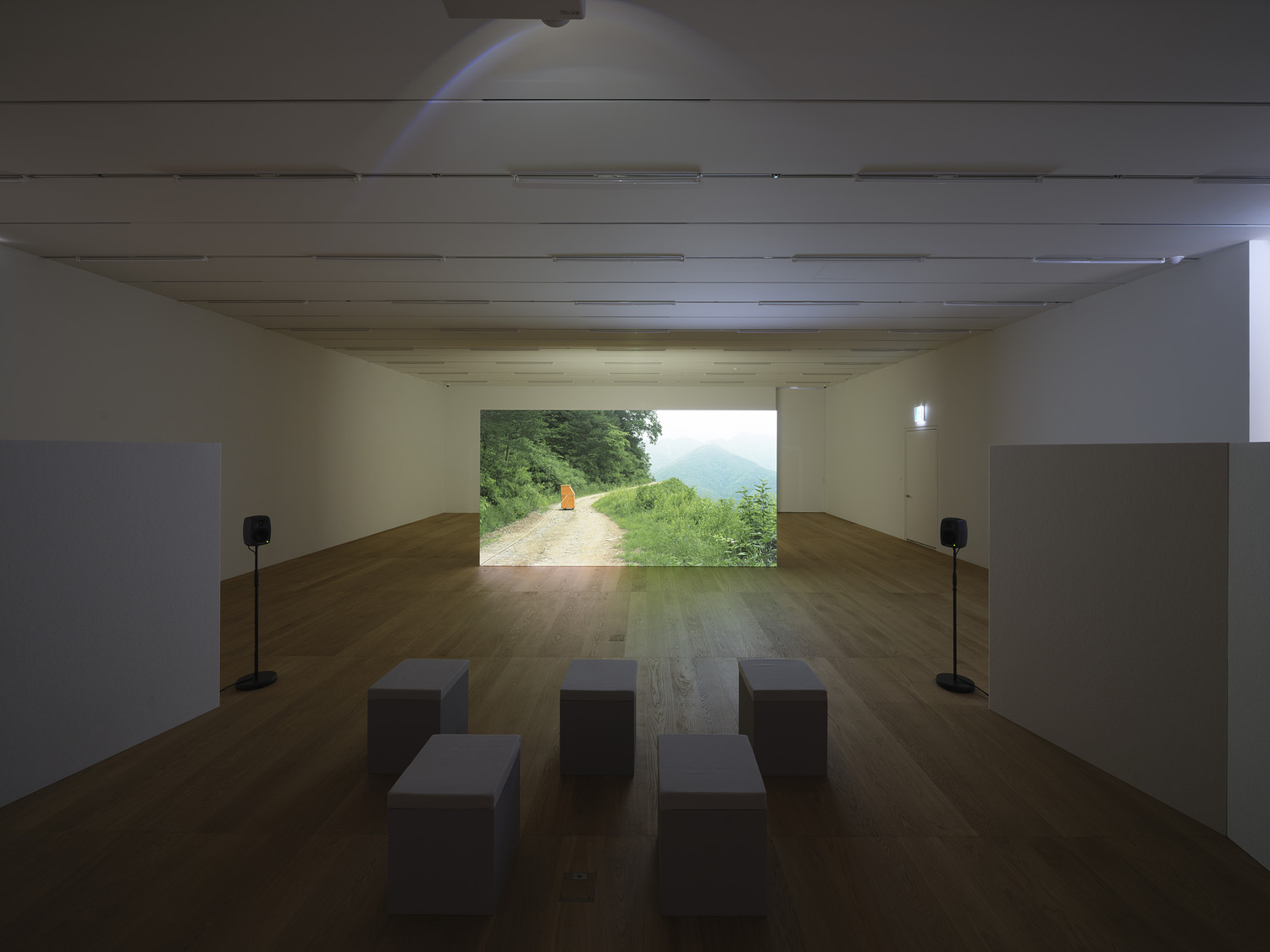
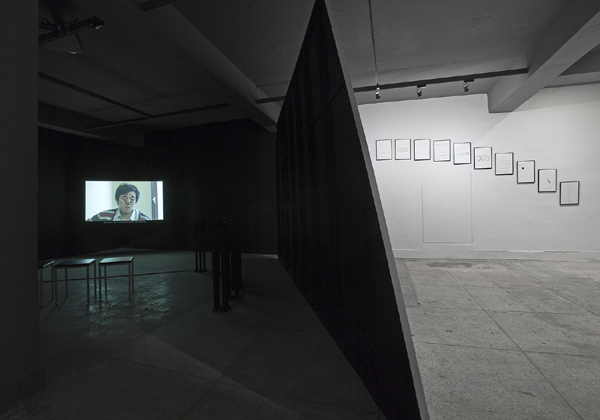
Elements of weather forecasting also appear in IM Youngzoo’s Generally Fair (2017). The artist examines the strategies employed by weather reporting and the mechanisms through which they operate, moving across the boundaries between rationality and superstition, belief and distrust.
While Keem Jiyoung references existing news reports and constructs her own journalistic texts in order to evoke the recurring structural problems repeated across different incidents, IM Youngzoo juxtaposes the nature of mass media—which presents us with distorted mirrors of accidents and disasters—with the contradictory reality in which we fail to hold such mirrors toward ourselves.