

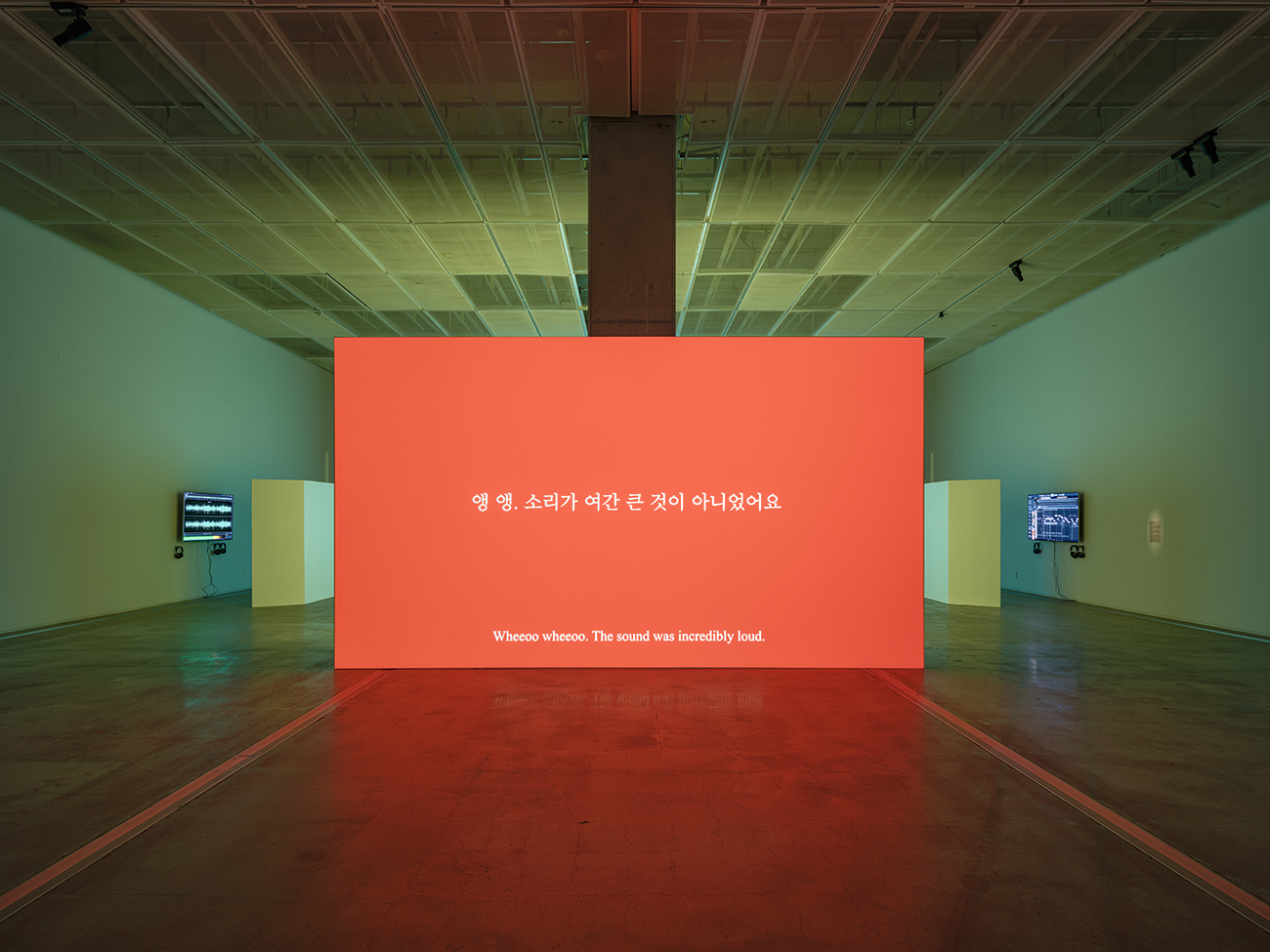
It has been quite some time since encountering a body of new work by YoungEun Kim in the context of a solo exhibition. The exhibition title, 《Frames of Sound》, stripped of rhetoric and symbolism, feels unmistakably characteristic of the artist. Without inviting unnecessary speculation, it directs attention solely toward the meanings and relationship between the two words: “sound” and “frame.”

While Kim has long explored and engaged sound from a variety of perspectives, this new exhibition appears less concerned with treating sound as a sculptural medium or an object of auditory representation than with the historical institutionalization and music-historical discourses that have defined it.

Looking back, even within the genealogy of “sound art,” where works are often readily grouped according to formal affinities, Kim’s practice has tended not toward sound performance itself, but rather toward revealing the social contexts surrounding particular situations in which sound circulates, along with the cultural imaginaries and mnemonic elements evoked through them.

In this regard, the exhibition may be understood simultaneously as a research program that “rewinds” the history of sound as socially constructed knowledge, and as a kind of “work upon works” or “exhibition upon exhibitions” that grants a coherent trajectory linking the legacy of the artist’s earlier works to her more recent practice.

Although terms such as sound, tone, acoustics, music, hearing, and listening may initially appear synonymous, one quickly realizes that each points toward a distinct phenomenon.

If one attempts to sharply distinguish the particular essence and implications of each term from within the bluntness of the language commonly used to describe sound-based practices in visual art, it becomes possible to follow with greater tension the norms and usages surrounding the “sound” addressed in this exhibition.

In this sense, the exhibition becomes a polyphonic space that tightens, cleanses, and loosens our ears. Grounded in YoungEun Kim’s sustained artistic inquiry into sound, music, and musicology, the exhibition traces the process through which “sound became sonified” within the course of modernization, while simultaneously offering an occasion to collectively imagine those forms excluded from official auditory culture.

The task of translating what is often regarded as the private domain of sensation and taste into the terrains of institutions, systems, and cultural politics—and differentiating them through the triangular narratives of modernization, colonization, and Westernization—has belonged to the artist acting in the role of a cultural researcher, yet through the exhibition it becomes a task shared with viewers.

Regardless of whether the exhibition consciously intends a pedagogical practice, to encounter it as a viewer is to undergo a new form of listening training, as well as an experience of unlearning in which existing bodies of knowledge are dismantled and recomposed from multiple perspectives.


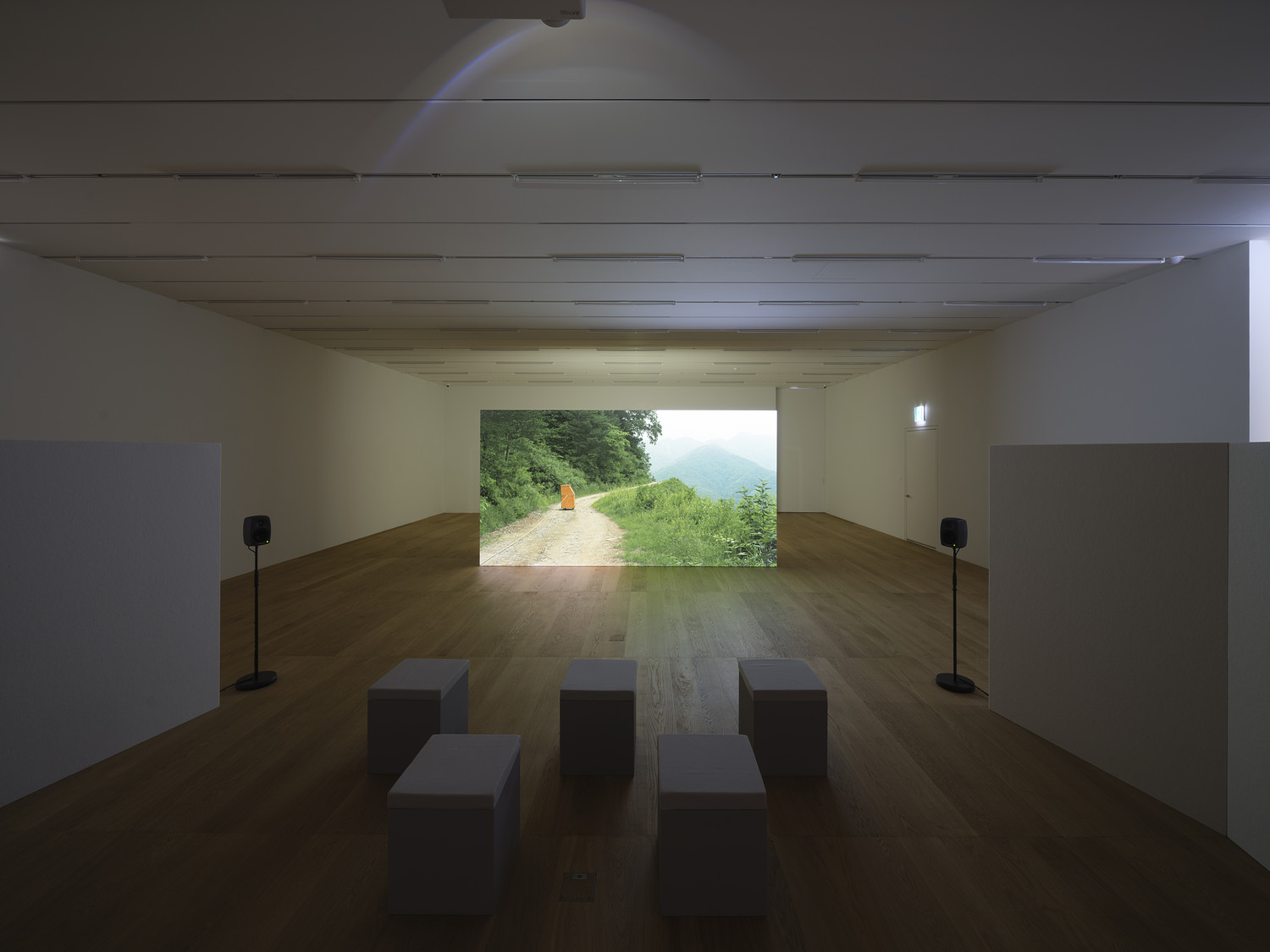
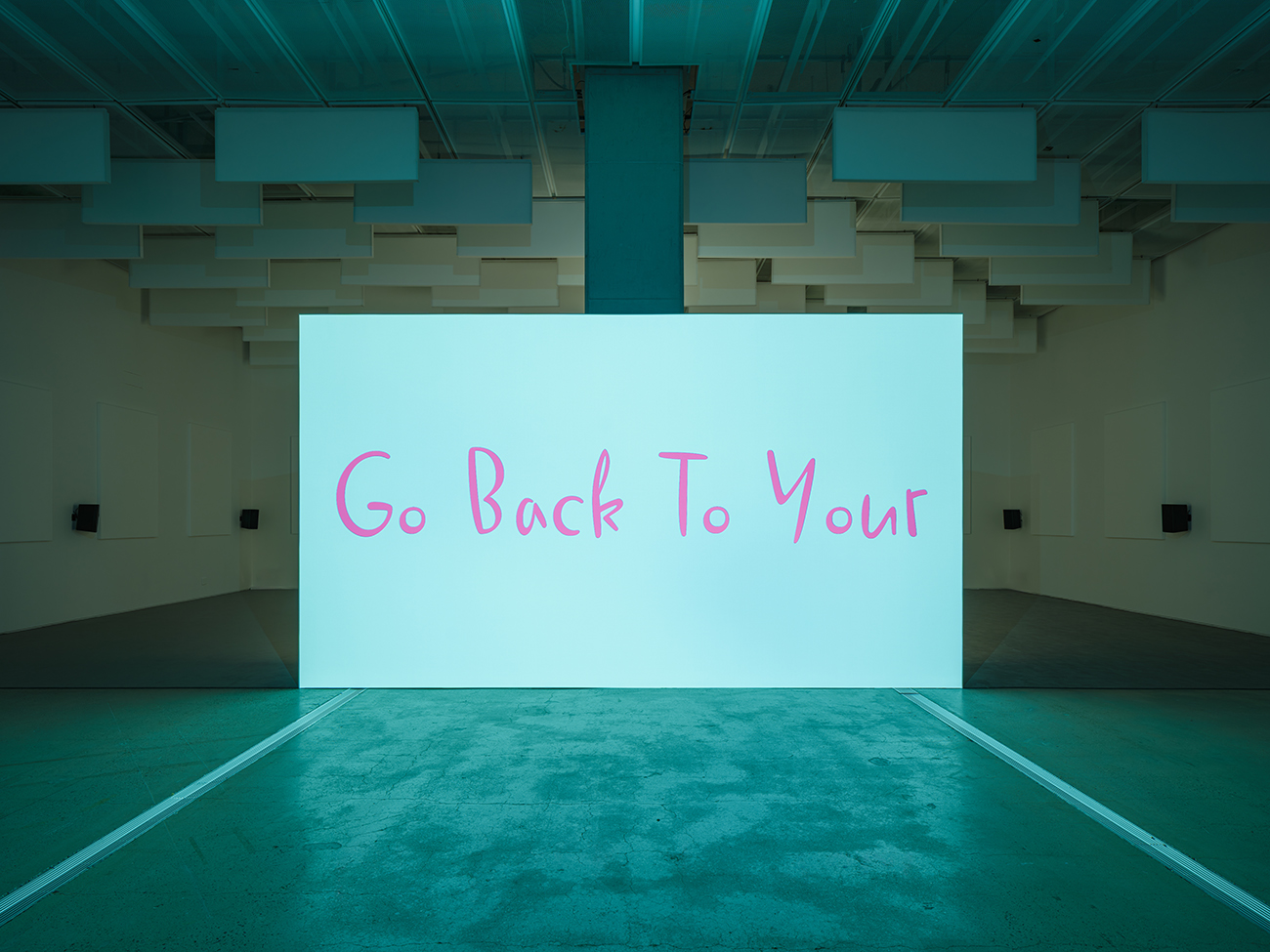
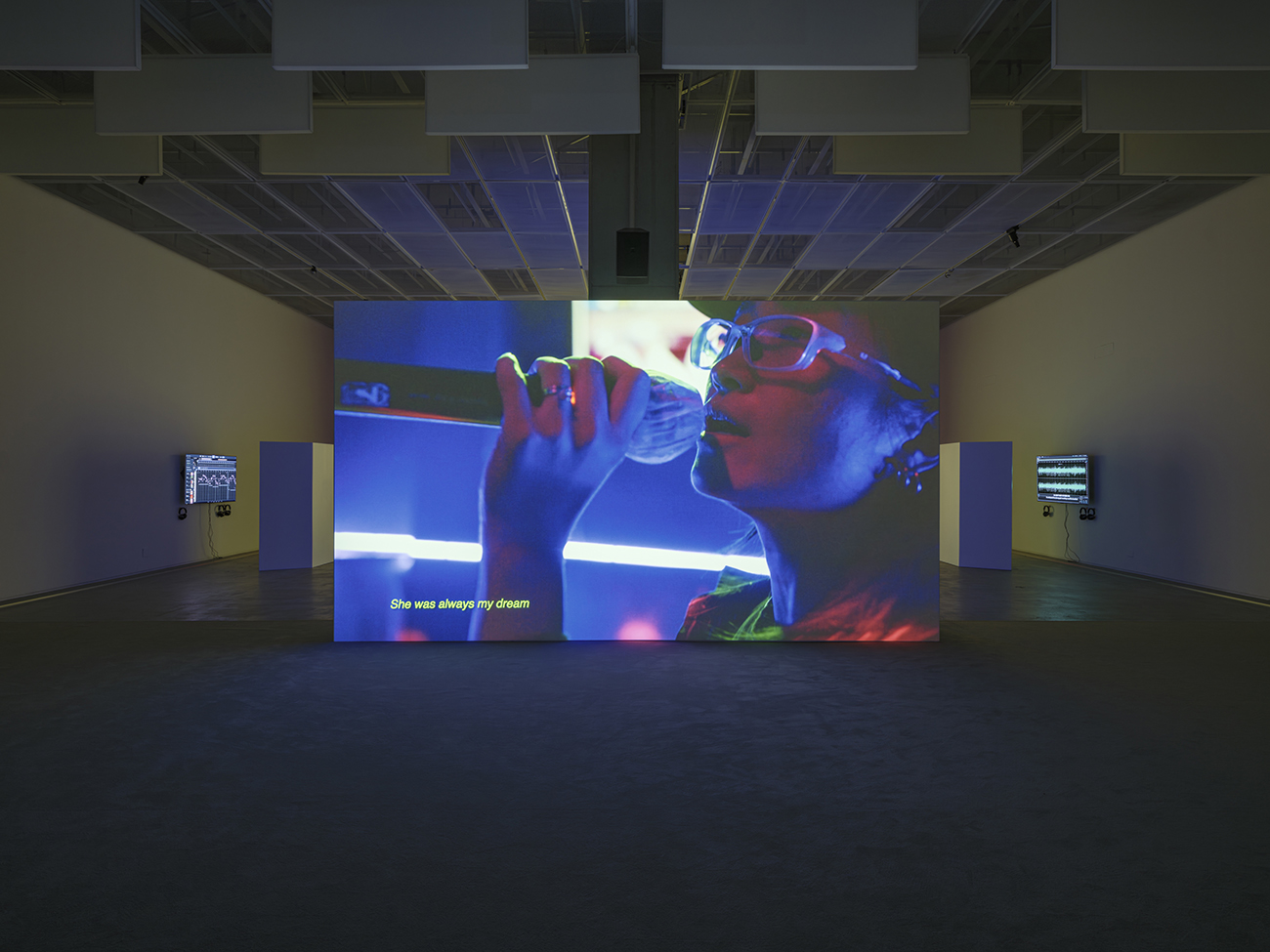
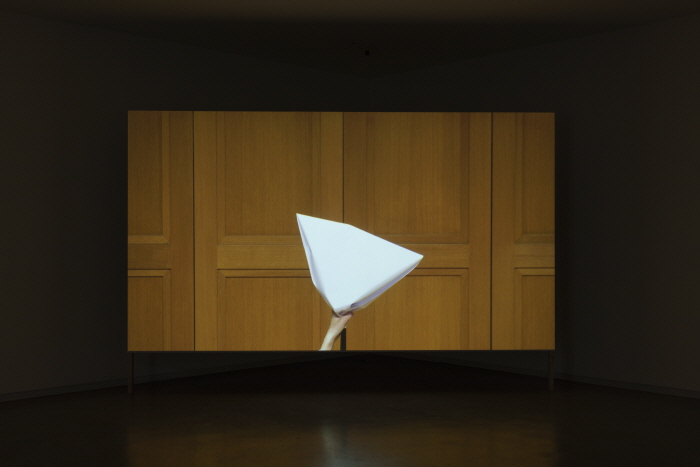
YoungEun Kim, Brilliant A, 2022, Single-channel video, multi-channel sound, 16 min 56 sec © YoungEun Kim

Meanwhile, the ethnographic methodologies employed throughout the work, the extensive body of archival and textual research, and the sustained efforts devoted to documentary reconstruction may themselves be understood as a legitimate process—and perhaps even a necessary performance—through which the artist’s inquiry is mediated deeply into the viewer’s consciousness.

The works comprising 《Frames of Sound》 continually generate new questions while adopting gestures akin to rigorous historical investigation, artistic reconstruction, and acoustic experimentation.

These questions may concern cultural hegemony, the asymmetrical positions between those who establish manuals and those who are compelled to follow them, or the ruptures and dispersions of cultural networks and information that emerge across time and space. Yet as one extends these considerations further, one inevitably encounters broader and more encompassing questions provoked by the exhibition itself.

Sound functions here as a single example—a primary channel through which the artist is able to refine questions and communicate hypotheses with precision.

But within the process of modernization, as imported frameworks rapidly took hold and came to regulate both everyday life and artistic forms, fragmenting and recombining across numerous disciplinary divisions, were sound and music truly the only things that became omitted, flattened, or tacitly erased?

One begins to infer those habits of living and marginalized forms that failed to establish adequate correspondences within the Western institutional systems transplanted and adapted through colonial Japan.

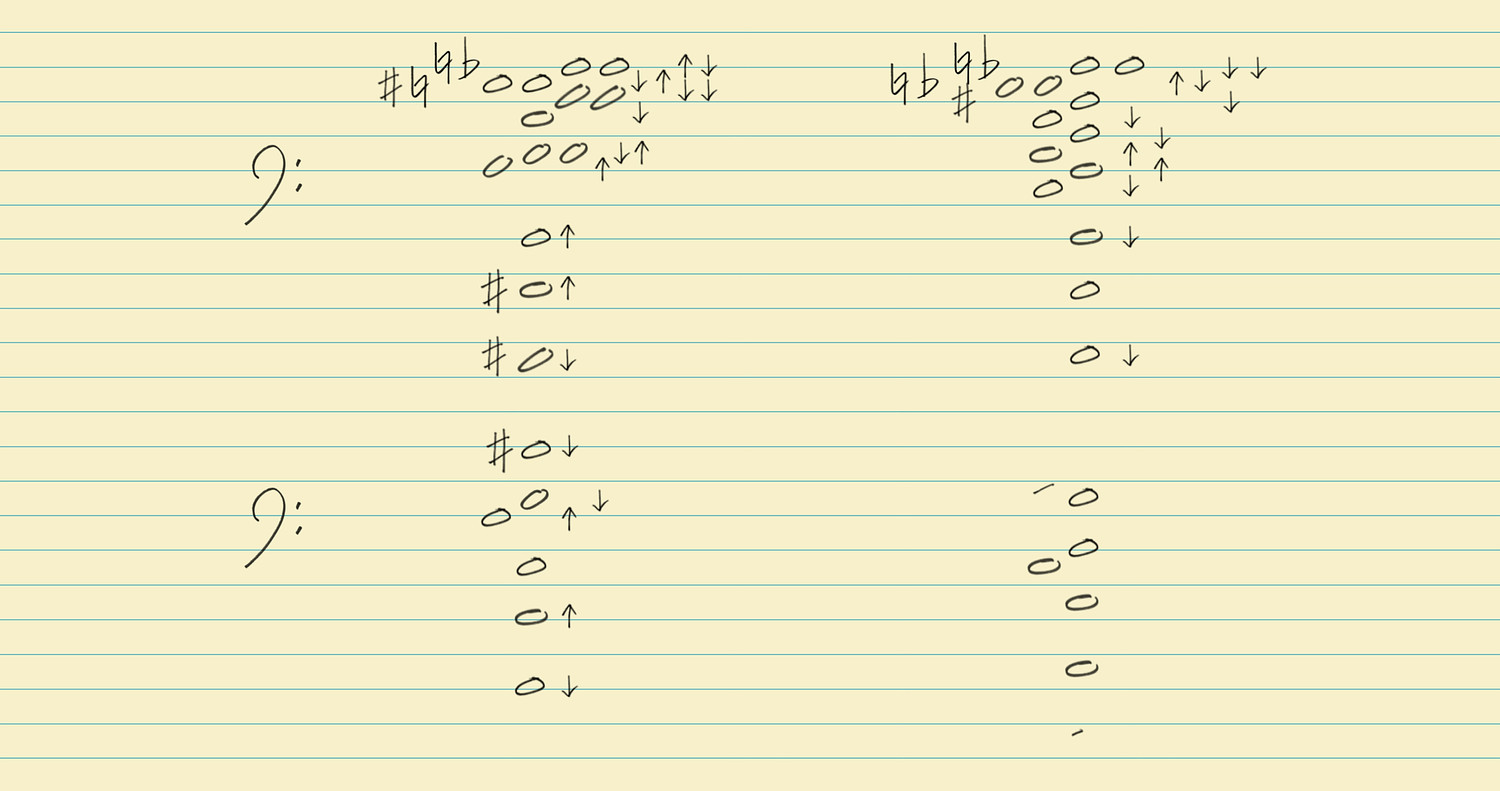
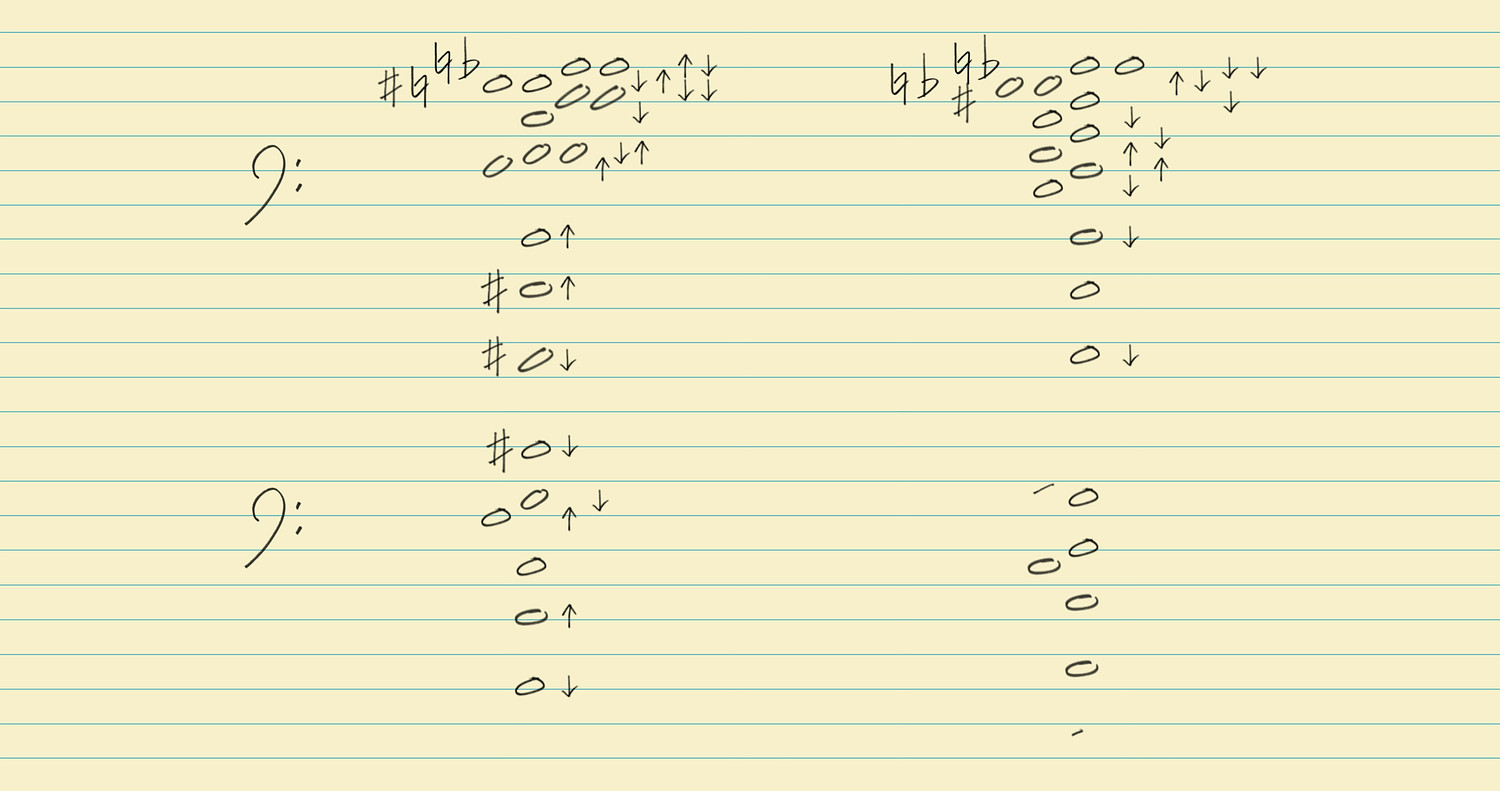
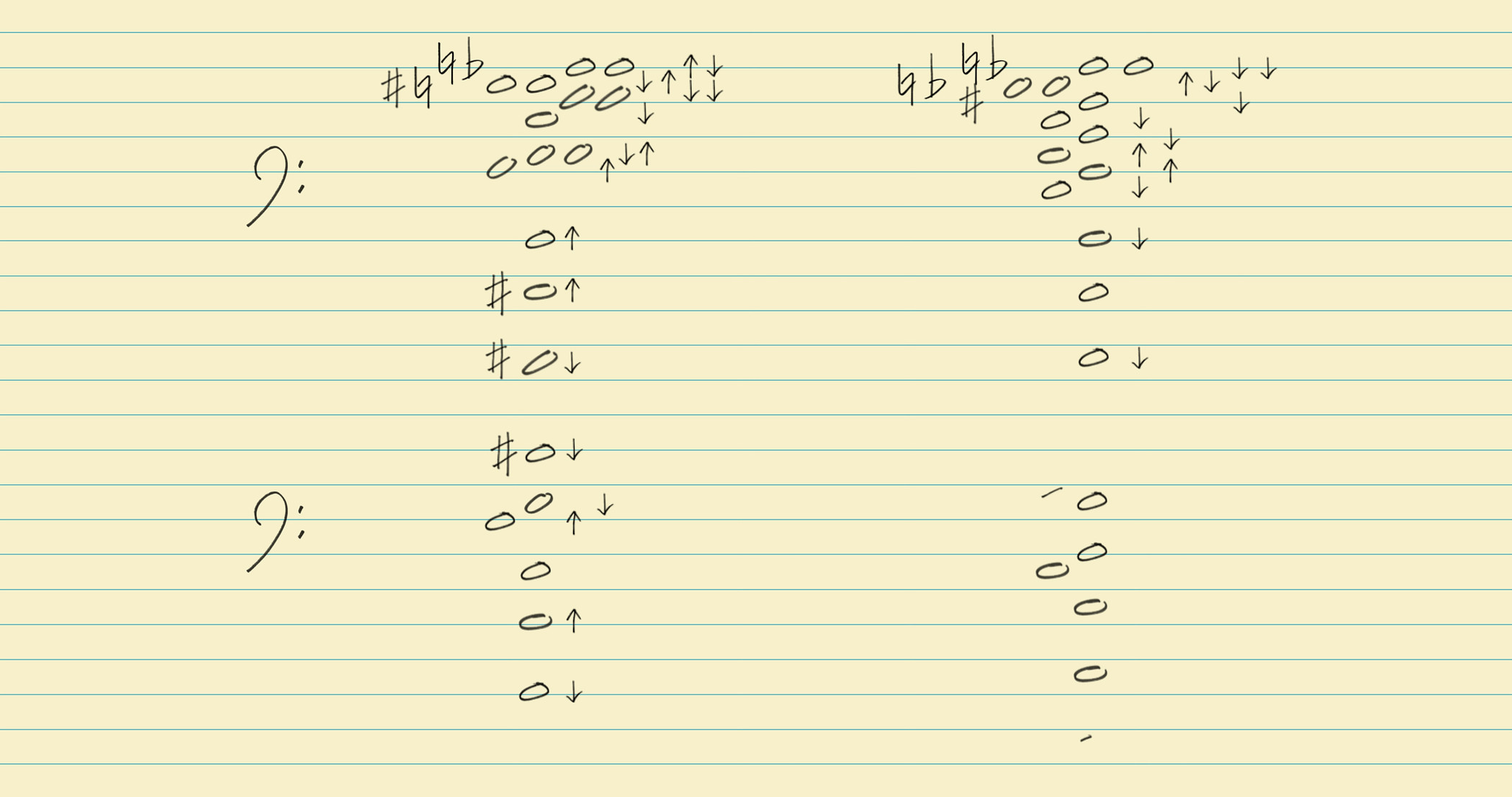
In that process, who is responsible for uncovering and pressing play on those things that never received proper names, those awkwardly forced into place, those concepts hardened through mistranslation, scales unable to enter the five-line staff, and resonances and traces that remain impossible to describe? If restoration or faithful reproduction is not the goal, then what forms of artistic revival and imagination become necessary?

To what extent can artists today accept such practices as part of the work of art itself, and communicate them both within and beyond the museum? These questions continue to unfold, one after another. 


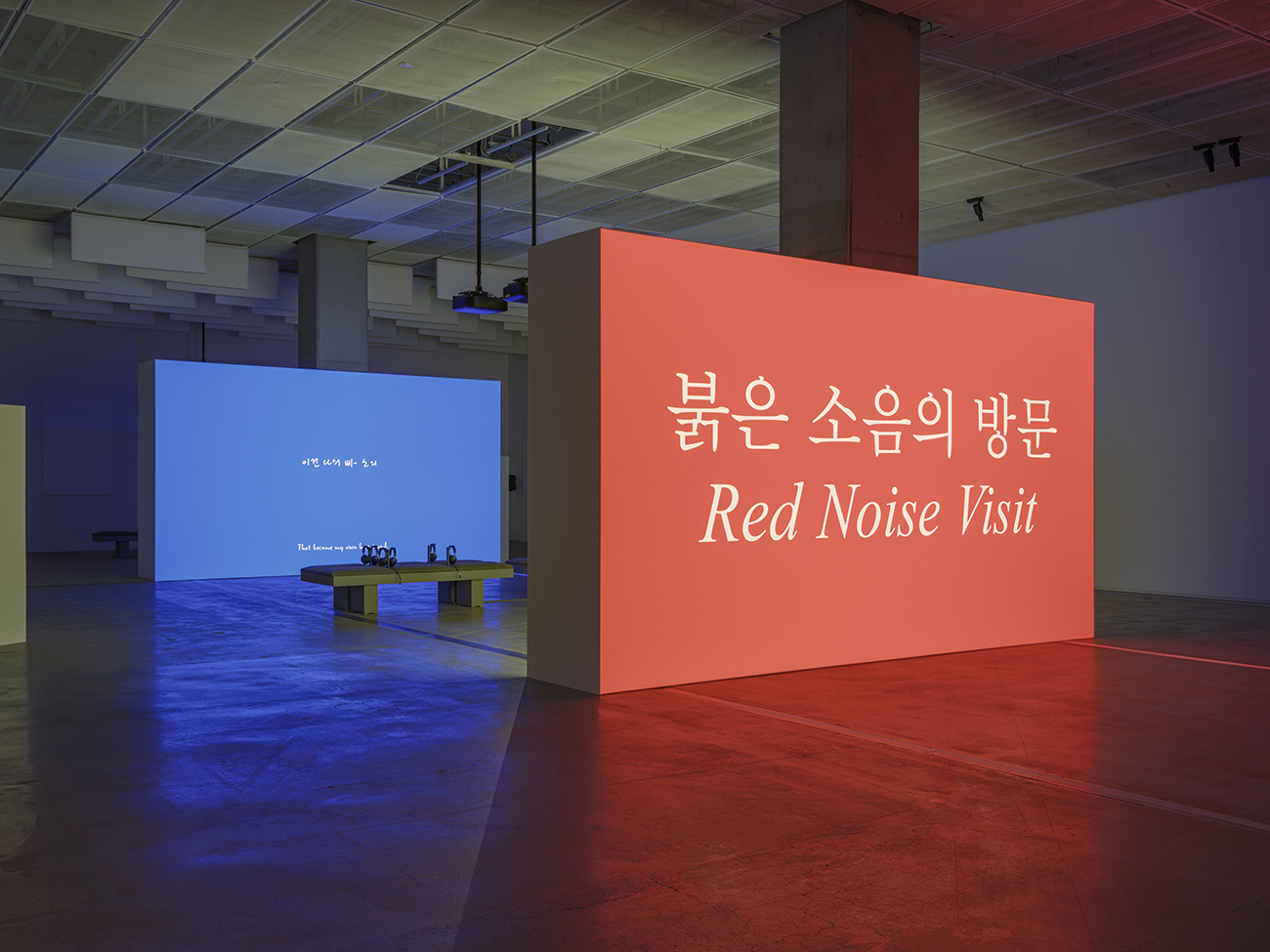
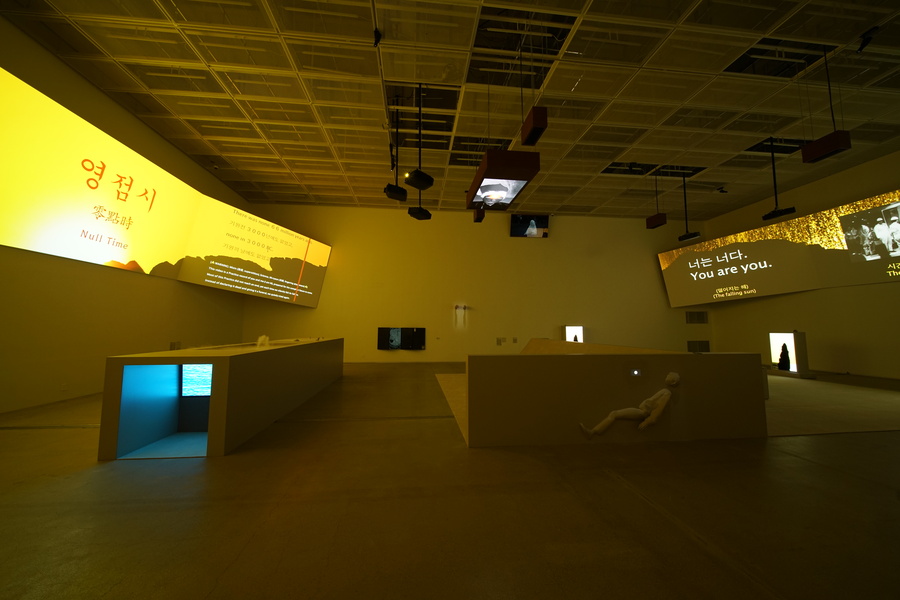
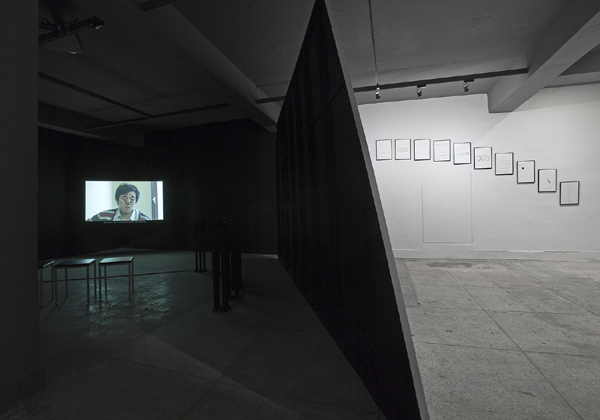
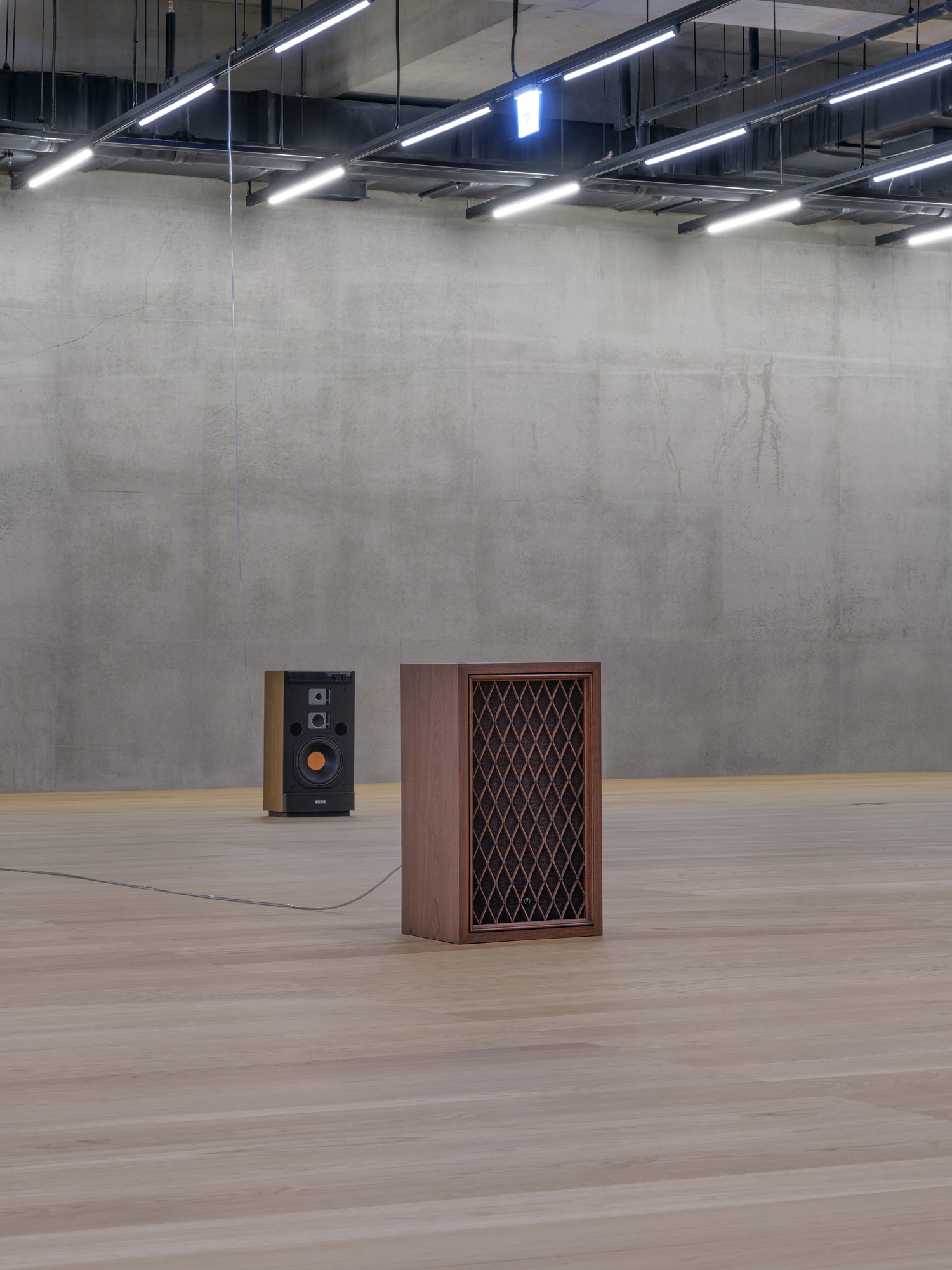
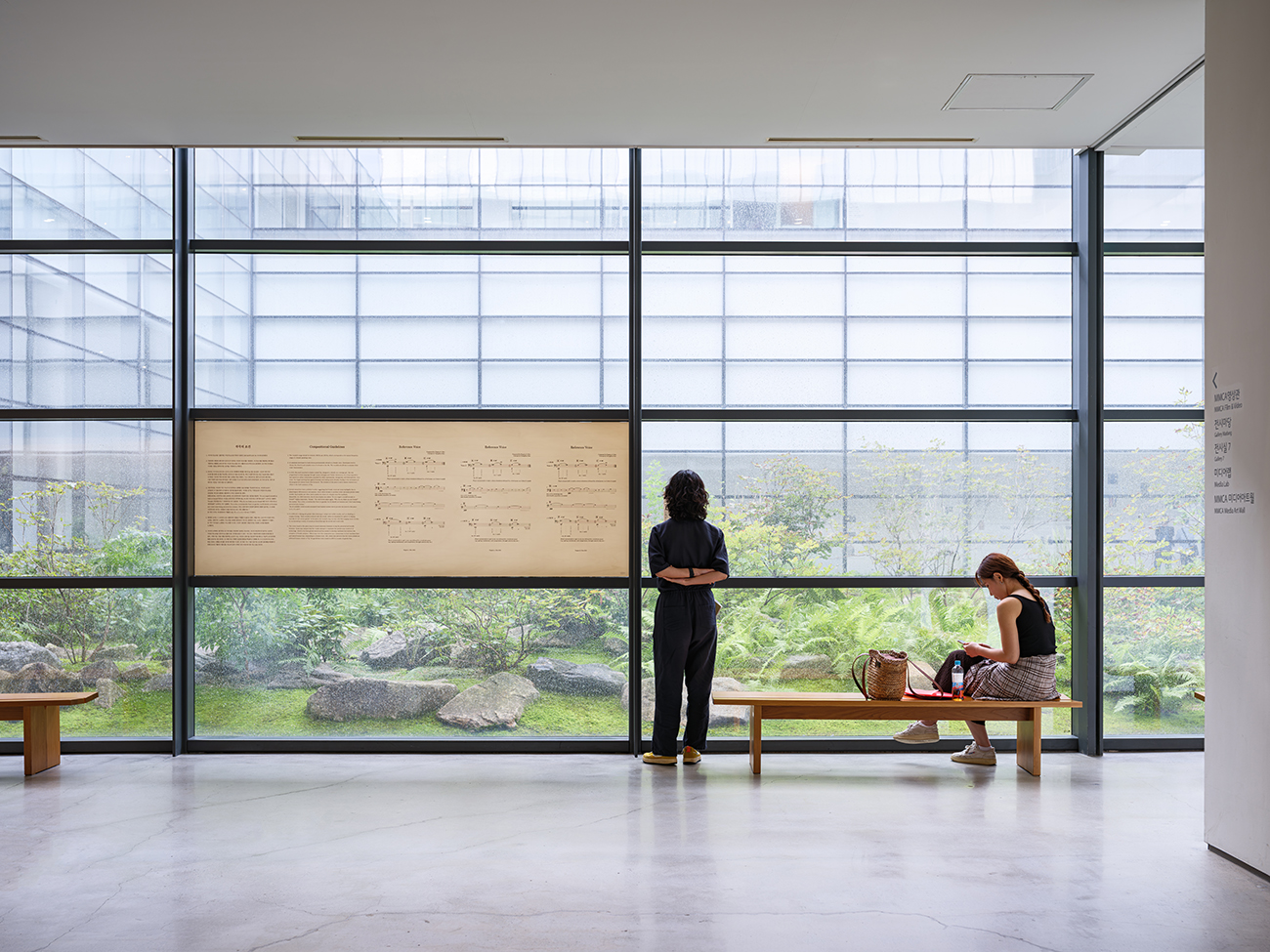
Installation view of 《Frames of Sound》 © SONGEUN

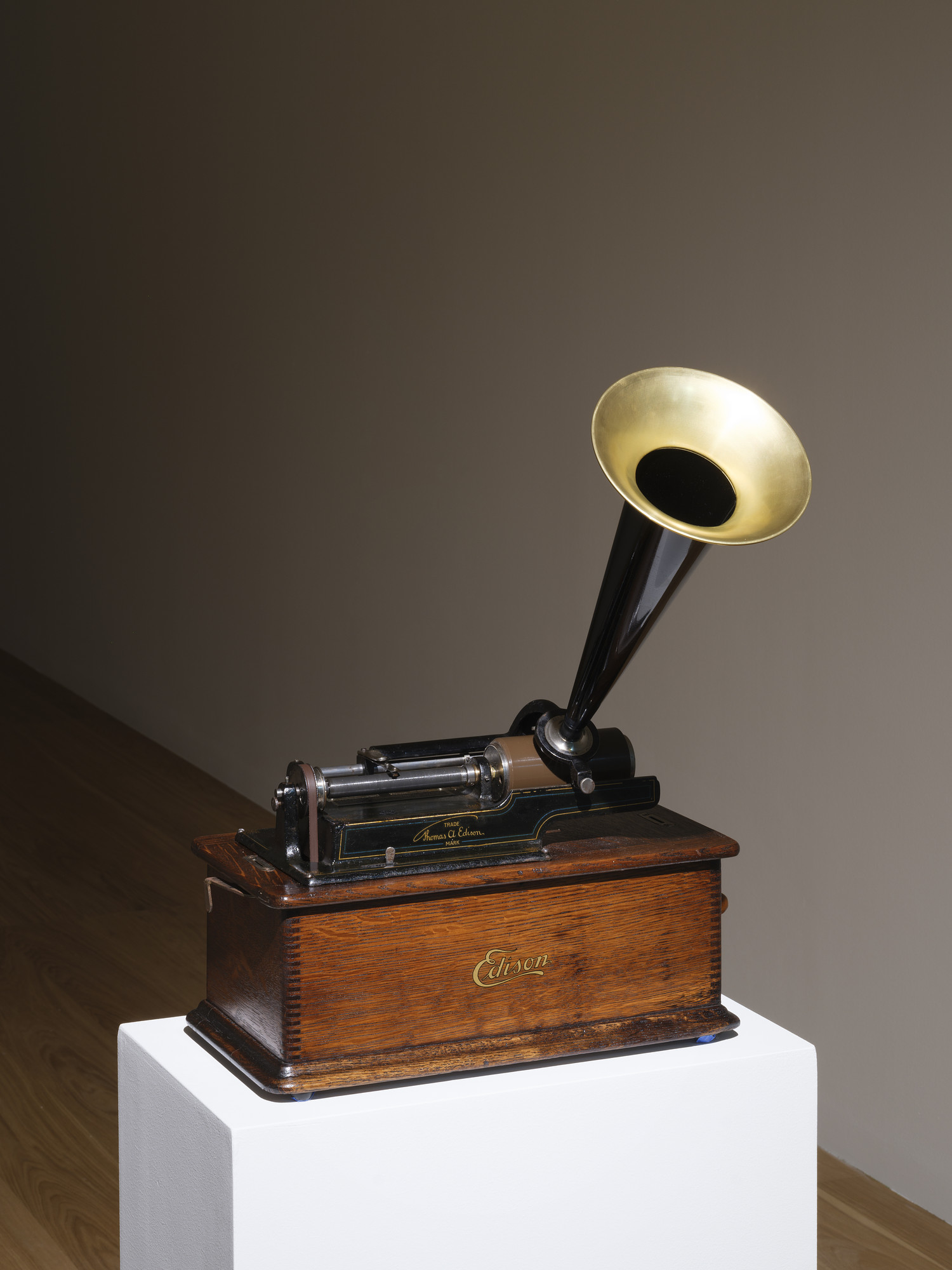
Lee Jiwon, the collaborating curator of the exhibition, summarizes the project as a series of questions concerning the many ways of “transferring sound.” But what does it mean to transfer something? It may refer, quite literally, to geopolitical movement, to the symbolic transposition of sound within the space of musical notation, or to forms of mobility enabled by acoustic technologies.

Yet sound itself is neither a transportable material nor medium, nor information capable of being fully recorded. In itself, it is merely a physical phenomenon, neither inherently good nor bad. What enables sound to shift positions into tone, music, or the disciplinary status of musicology are institutional systems grounded in international standards and expert consensus regarding notation, recording technologies, performance, and playback.

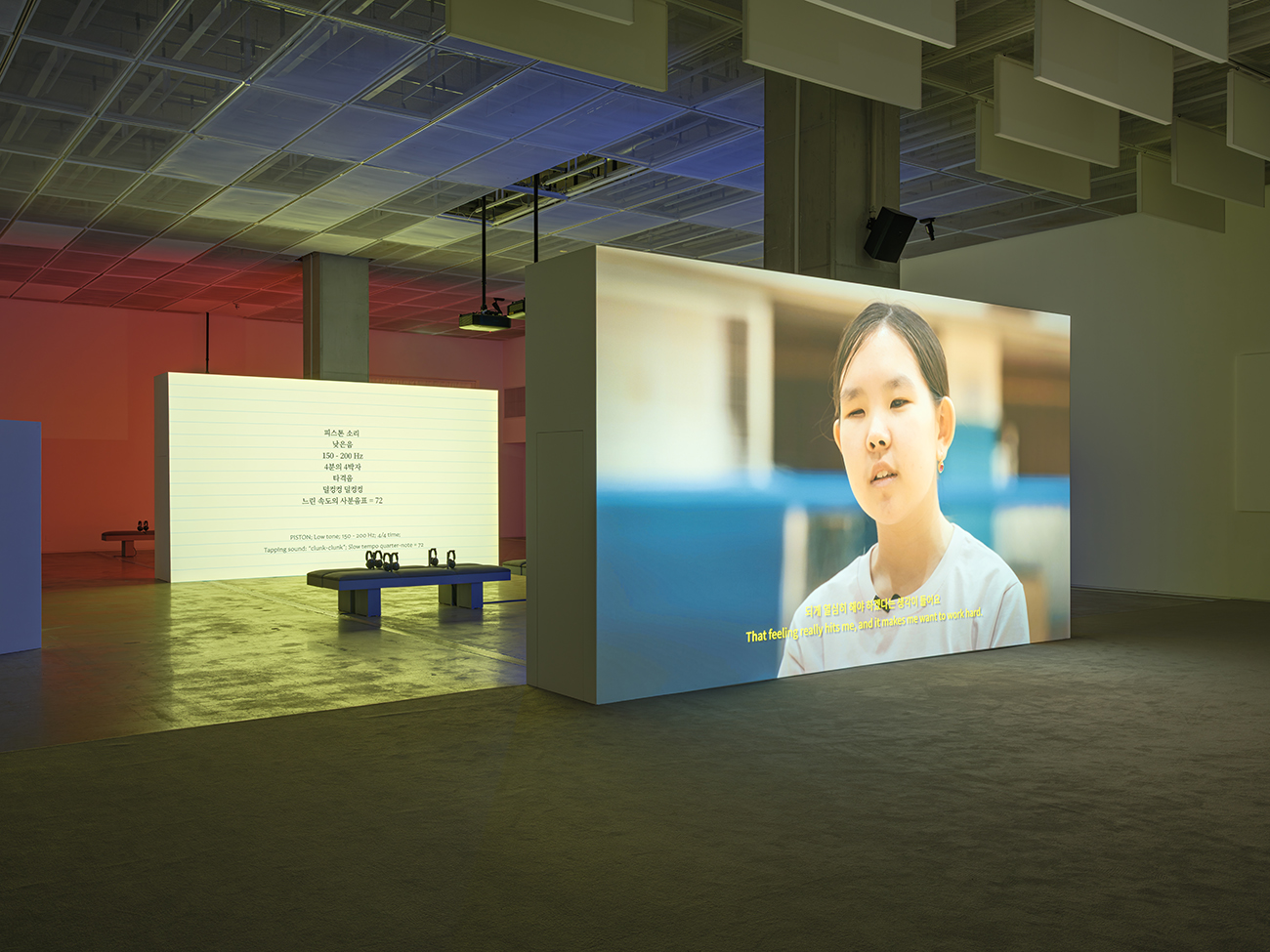
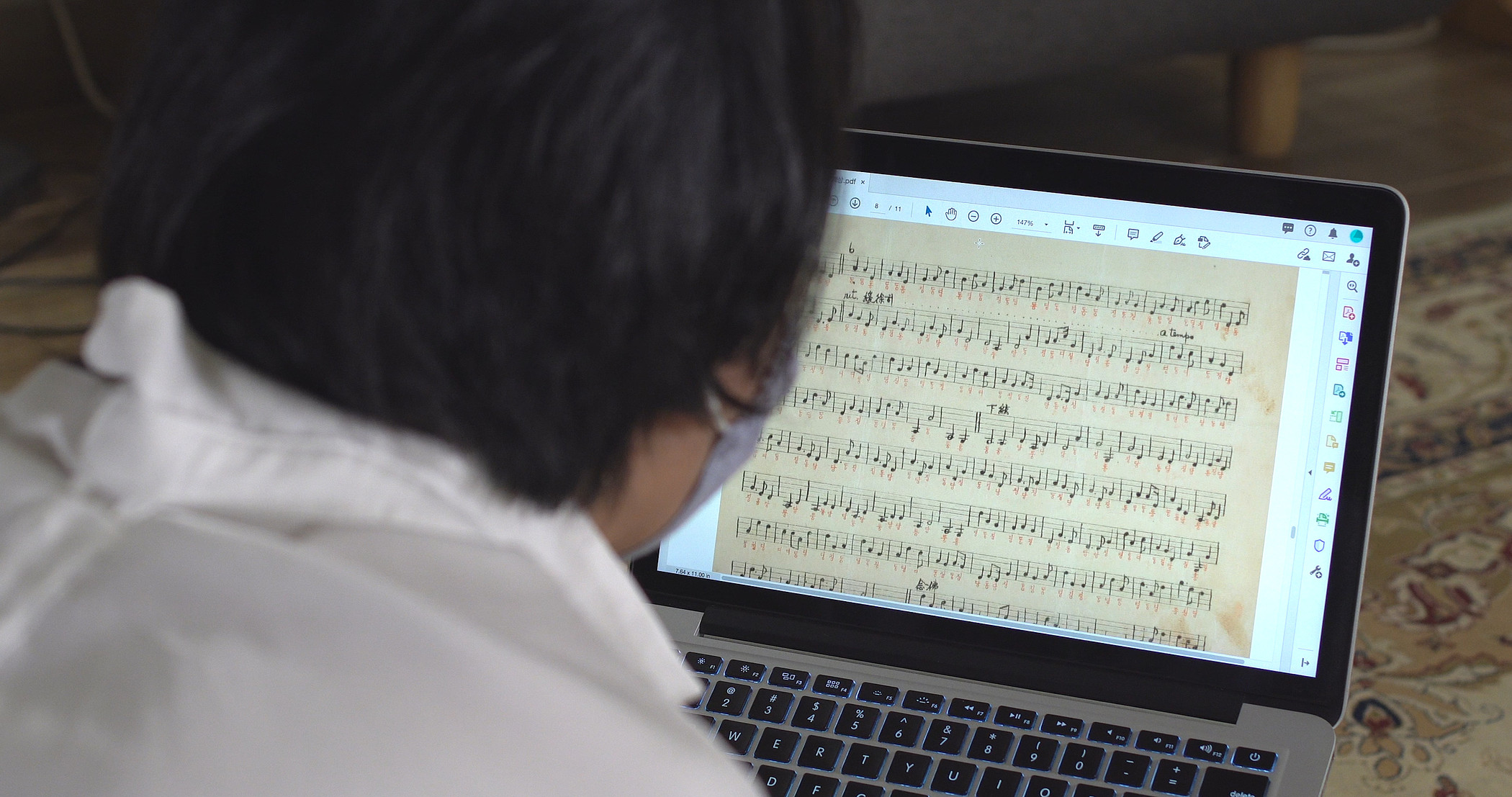
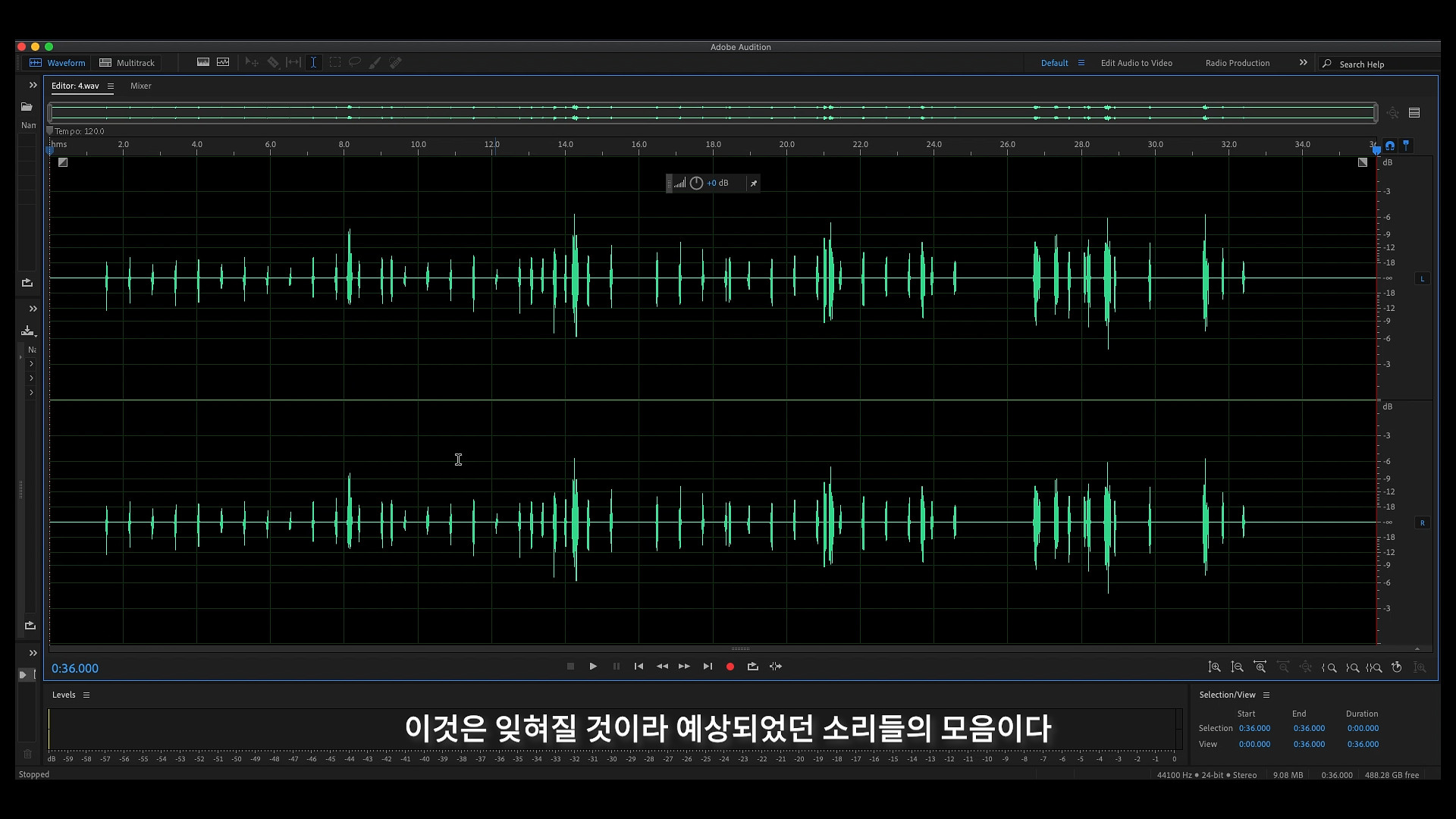
The introductory works Ear Training and Brilliant A address the processes through which sounds in their natural state are translated into institutionalized scales and rhythms, listened to, and represented in the form of musical notation, while also examining the problem of internationally standardized pitch.

Yet as one follows these staged scenes, one paradoxically comes to recognize the complexity of the world and the singularity of individual perception—things that can never be fully contained within agreed systems of notation, standardized instrumental usage, or technical performance.

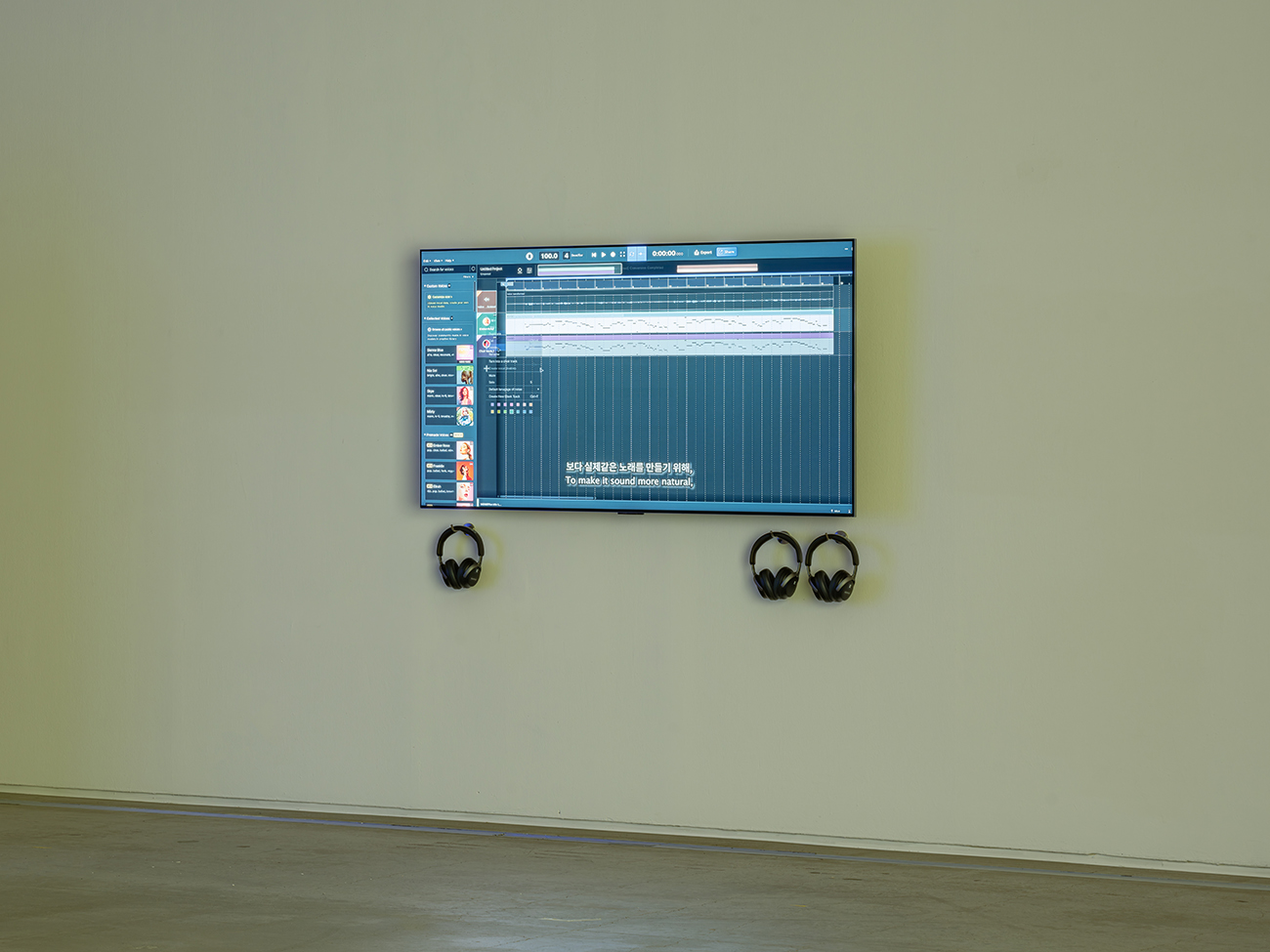
For a long time now, all kinds of sonic information have been converted into digital data, becoming sound sources manipulable into virtually anything. Even so, it remains difficult to claim with certainty that such data can preserve or explain the totality or context of any given sound.

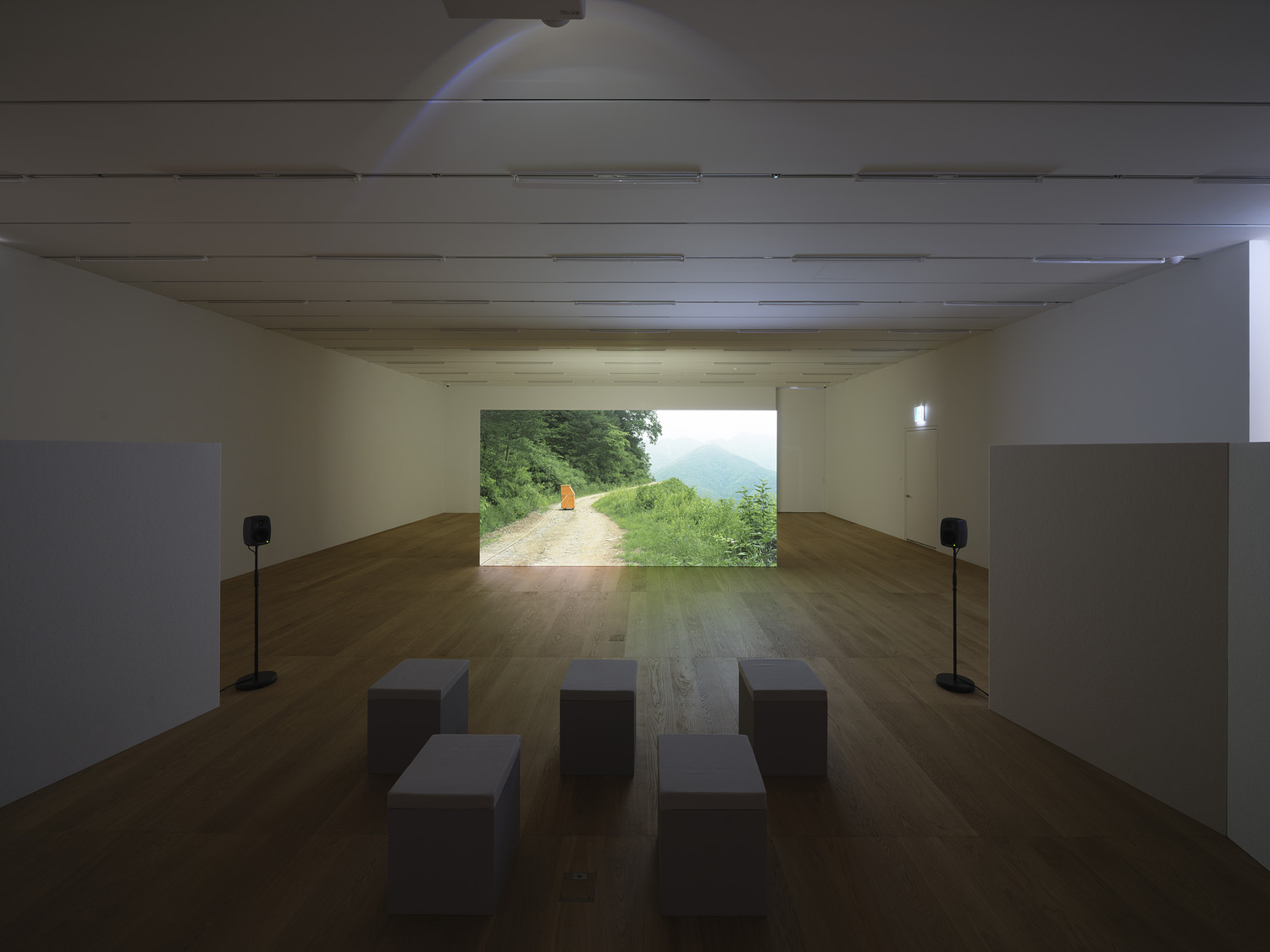
Works such as A Story of Oseonbo and the To Future Listeners series likewise illuminate the history of music as something repeatedly transformed and reshaped across long spans of time. Yet these works concerning the transfer of sound were likely not created in order to assert the truth of an original source or reconstruct what has been lost.

Rather, they remind us that listening itself is a dynamic process requiring supplementation, interpretation, discernment, and integration on the part of the subject.

Leaving the exhibition, one finds oneself continuing to ruminate—outside the bounds of exhibition time—upon those things that have operated beyond unquestioned frameworks of sensation and knowledge, upon sensations too subtle ever to be fully expressed, and upon artistic states moving like dissipating echoes.


YoungEun Kim, Ear Training, 2022, Single-channel video, stereo & binaural sound, 15 min © YoungEun Kim

It remains uncertain just how much freedom we have gained from the modernizing programs that confine the countless things permeating the world within the categories of the “visible” and the “audible.”

One thinks of today’s commercial music meticulously engineered to cling immediately to the ear, of foreign traditional musics naturalized over the course of a century, of Western classical music now established as part of our own cultural landscape, and of the sounds of objects represented through ASMR.

Today, the frames of sound continue to proliferate and diversify at an ever-accelerating pace, making it increasingly difficult to determine where our musical ears are situated or from where they originated. In this sense, the act of “listening” may now function more than ever as a form of self-training.

By reversely diagramming the very process through which frames of sound are constructed, the exhibition indirectly reveals the ways in which the world is organized and perception itself delimited. Following the artist’s journey of tracing connections between sounds scattered across differing times and spaces and making new discoveries through them, one begins to wonder how much wider—or sharper—one’s own ears may have become.

May this have been an experience in which the frameworks of sound prescribed by the era and the angles of listening each of us has constructed fell out of alignment with one another.


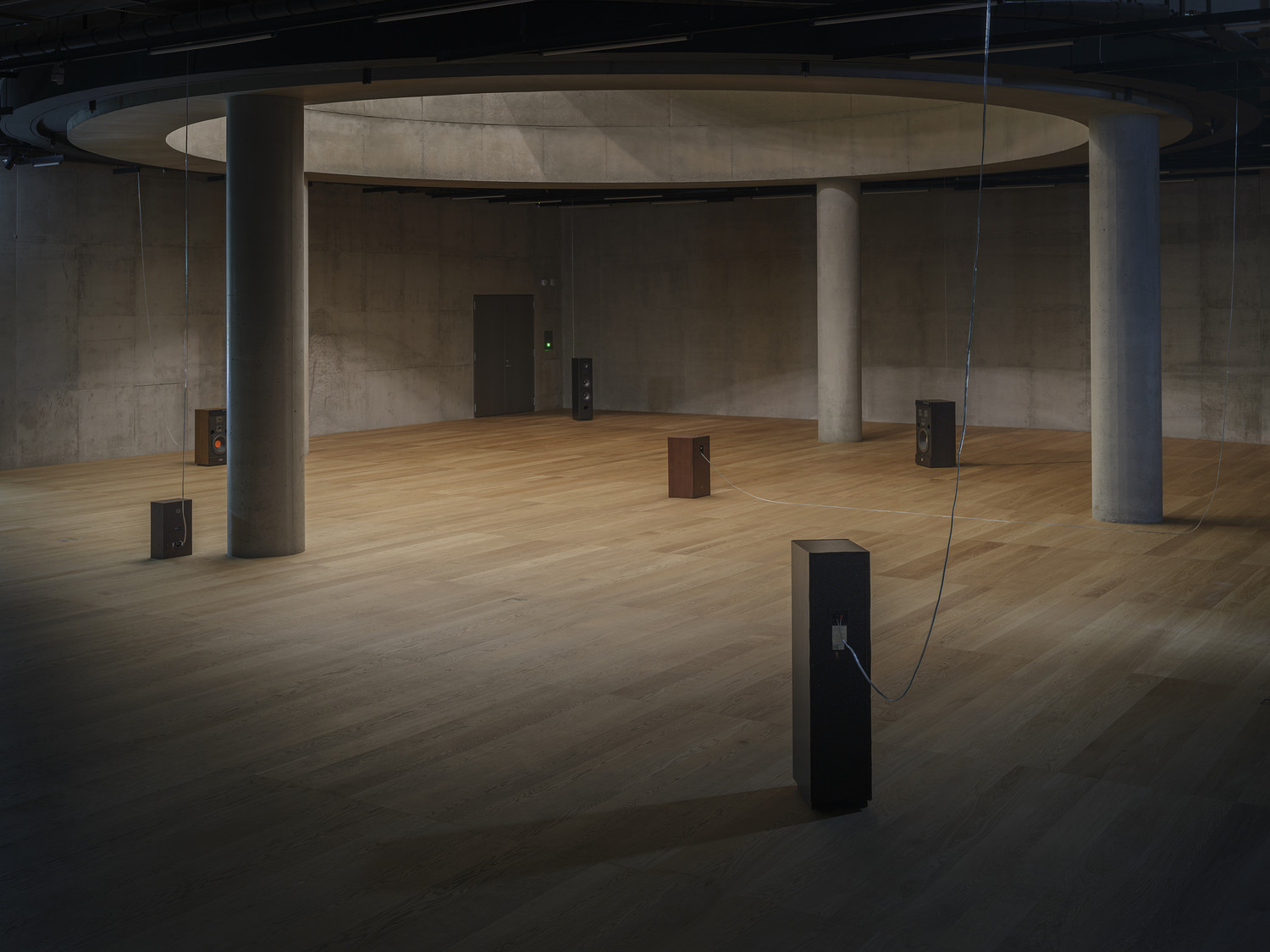
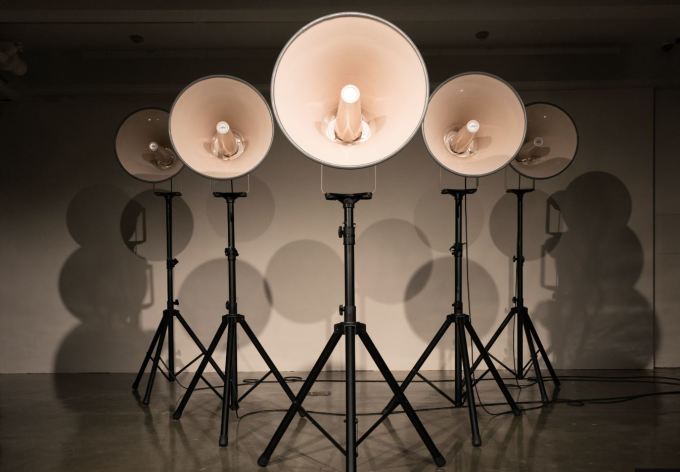
YoungEun Kim, Tearful Twist, 2022, Multi-channel sound installation, 5 min loop © YoungEun Kim
References