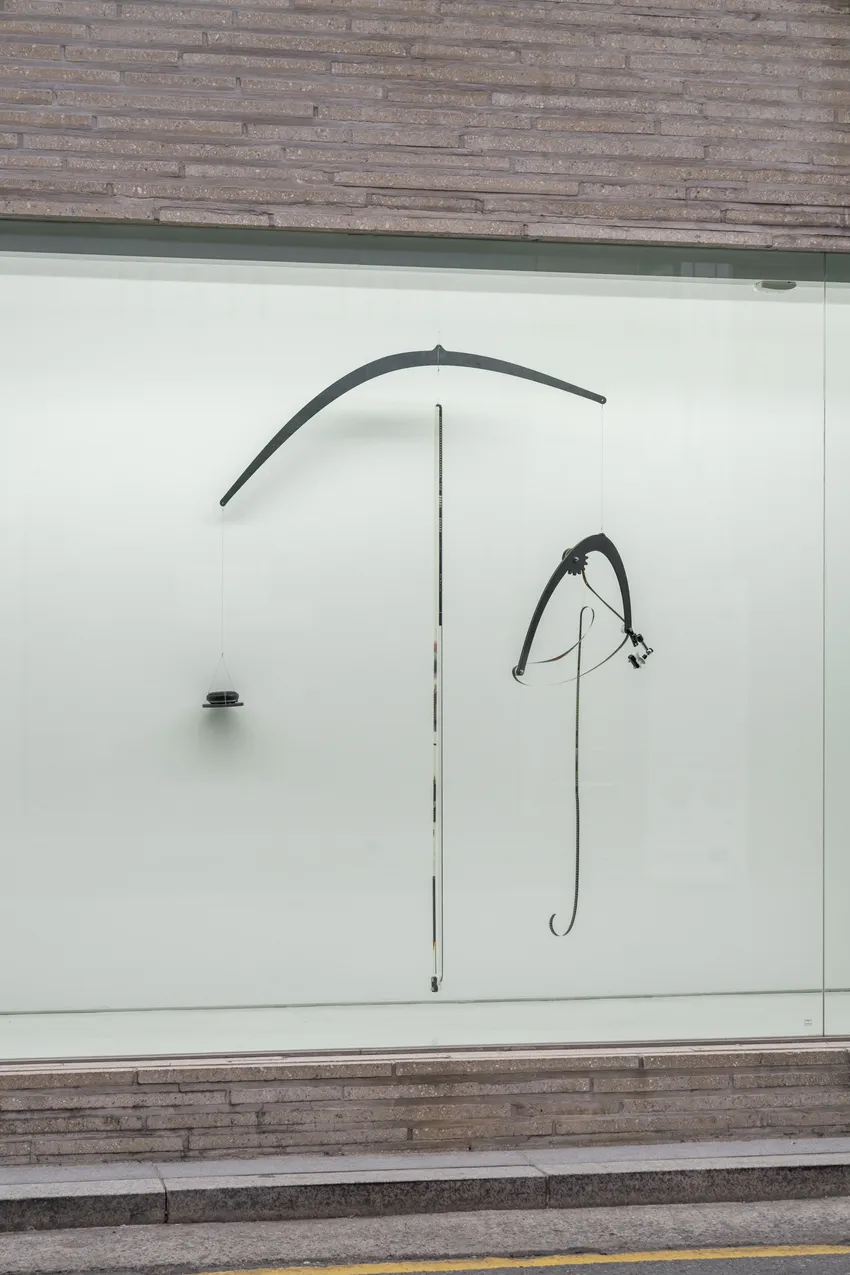
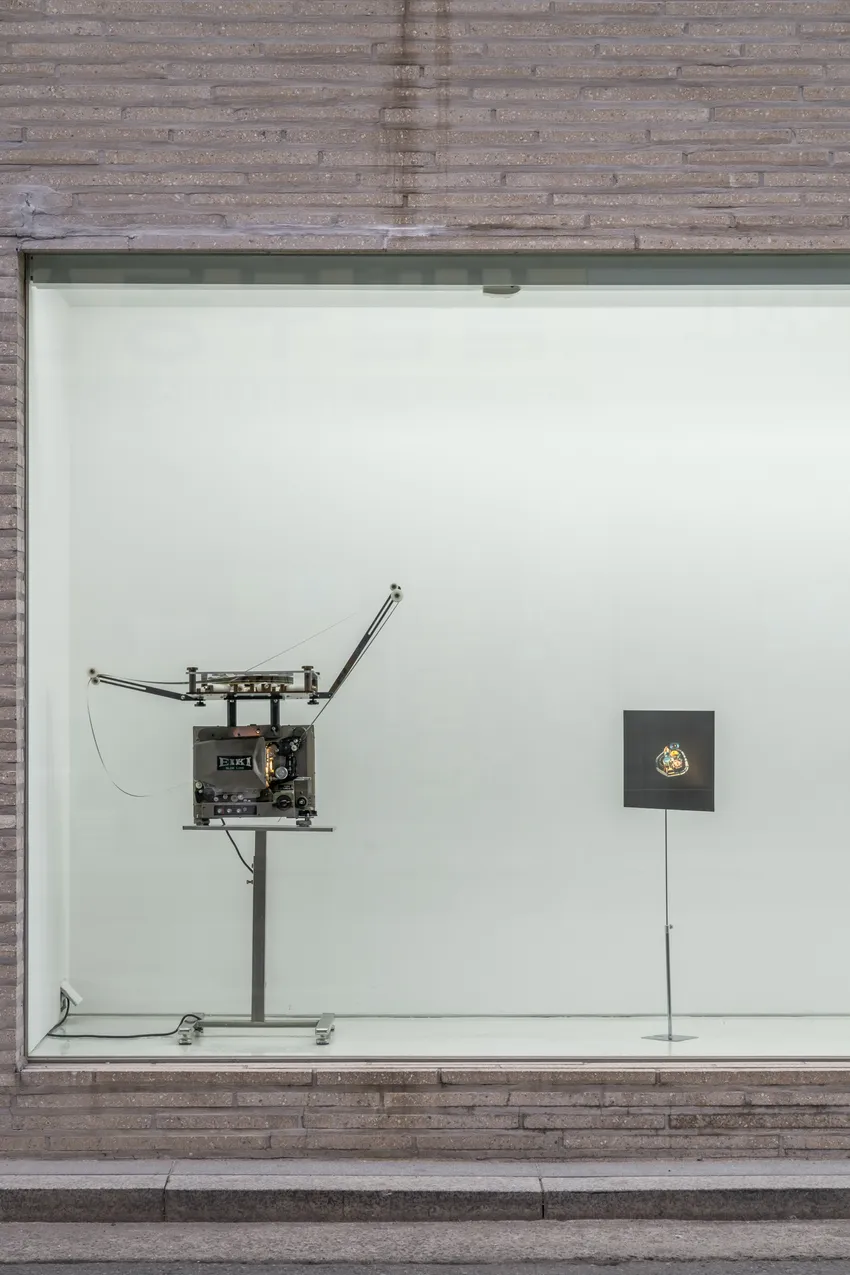
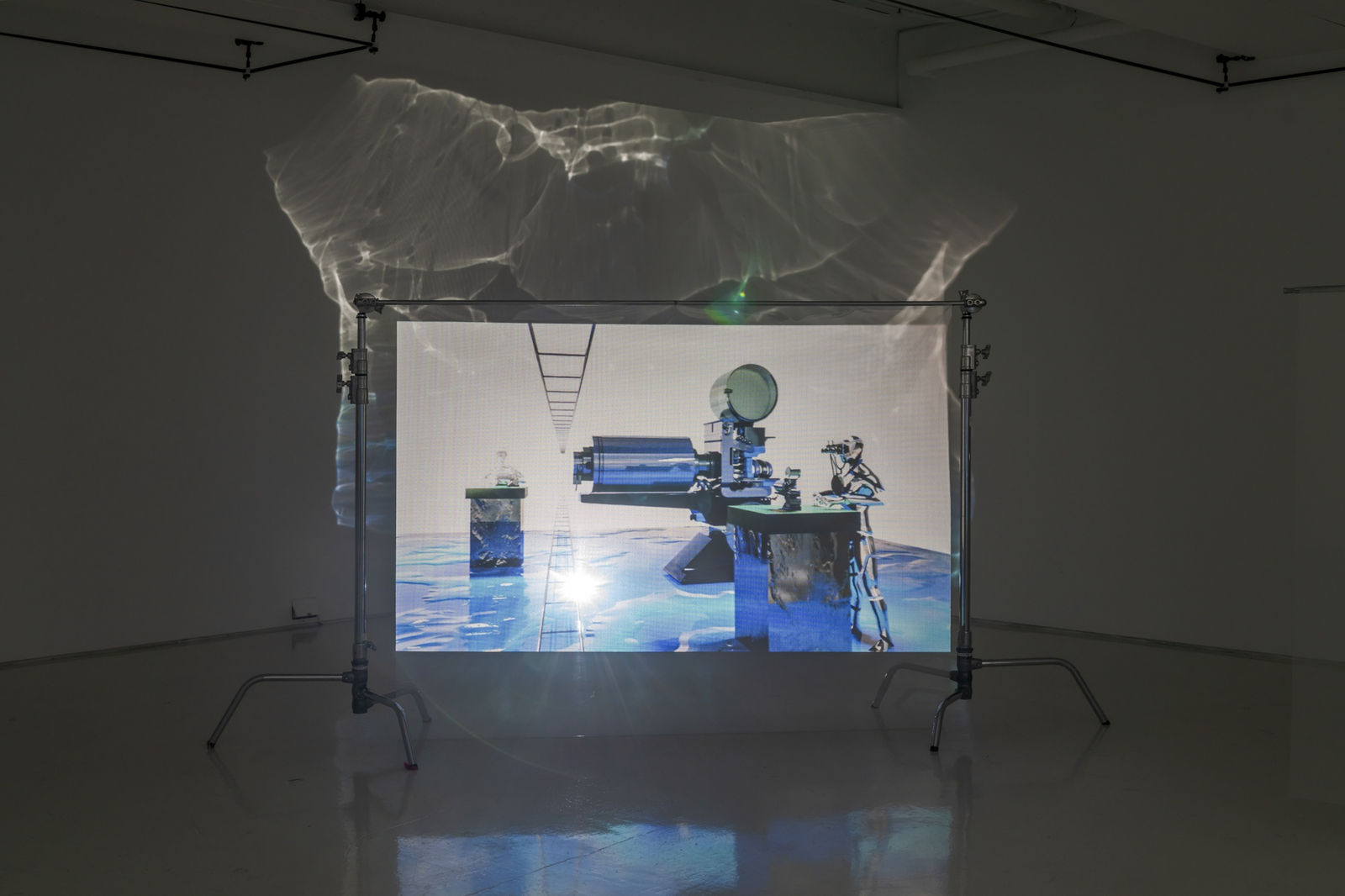
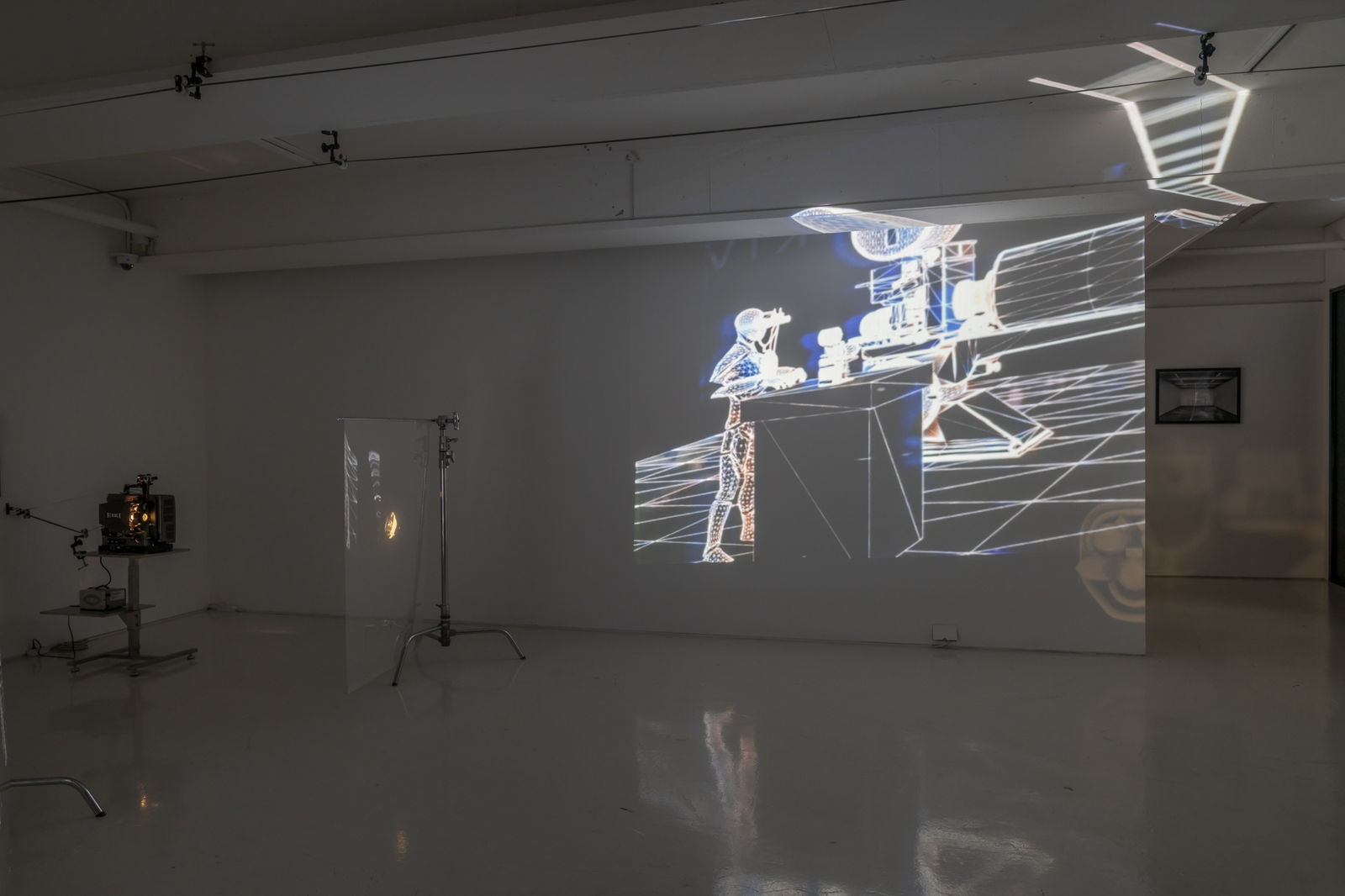
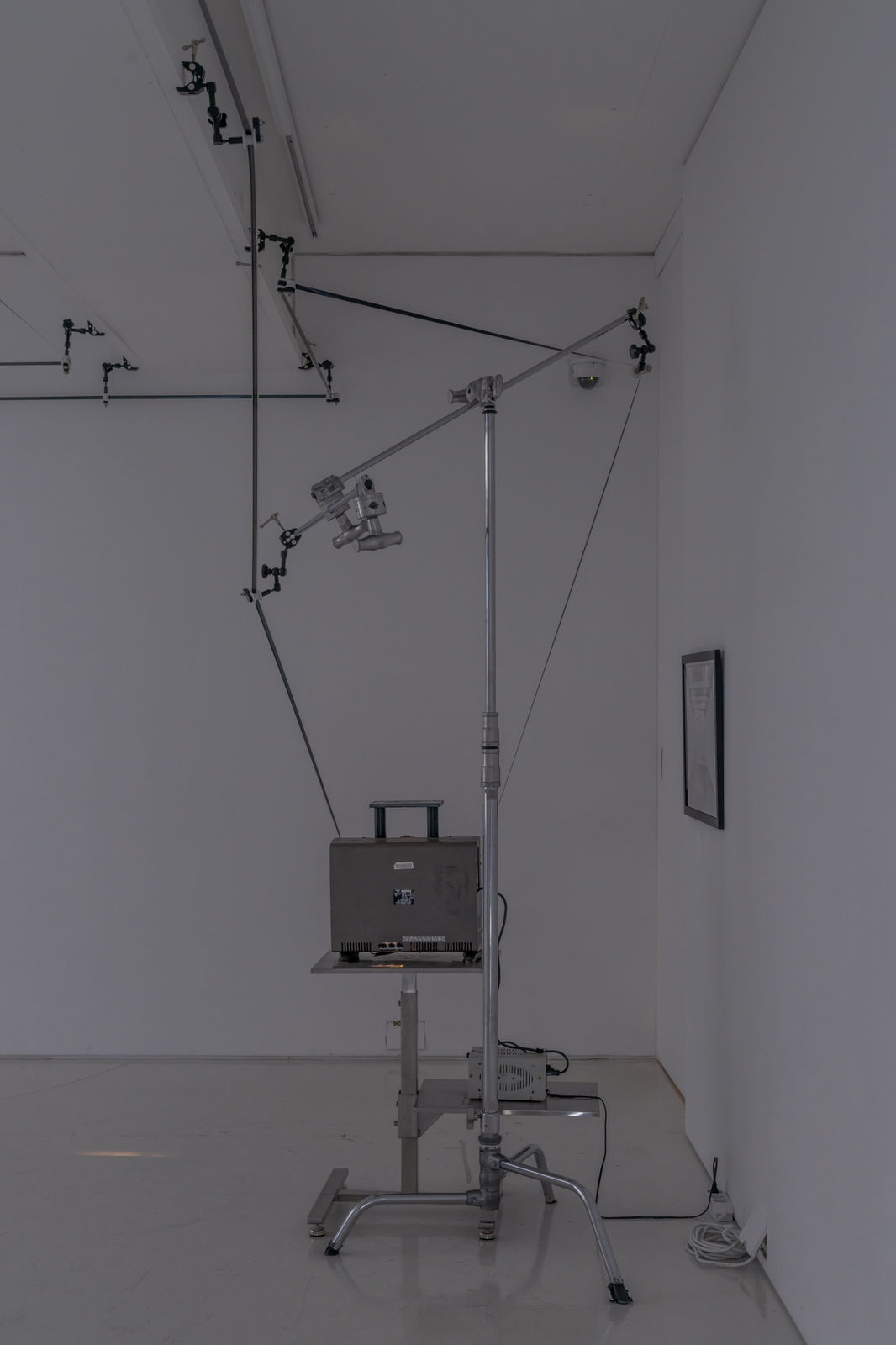
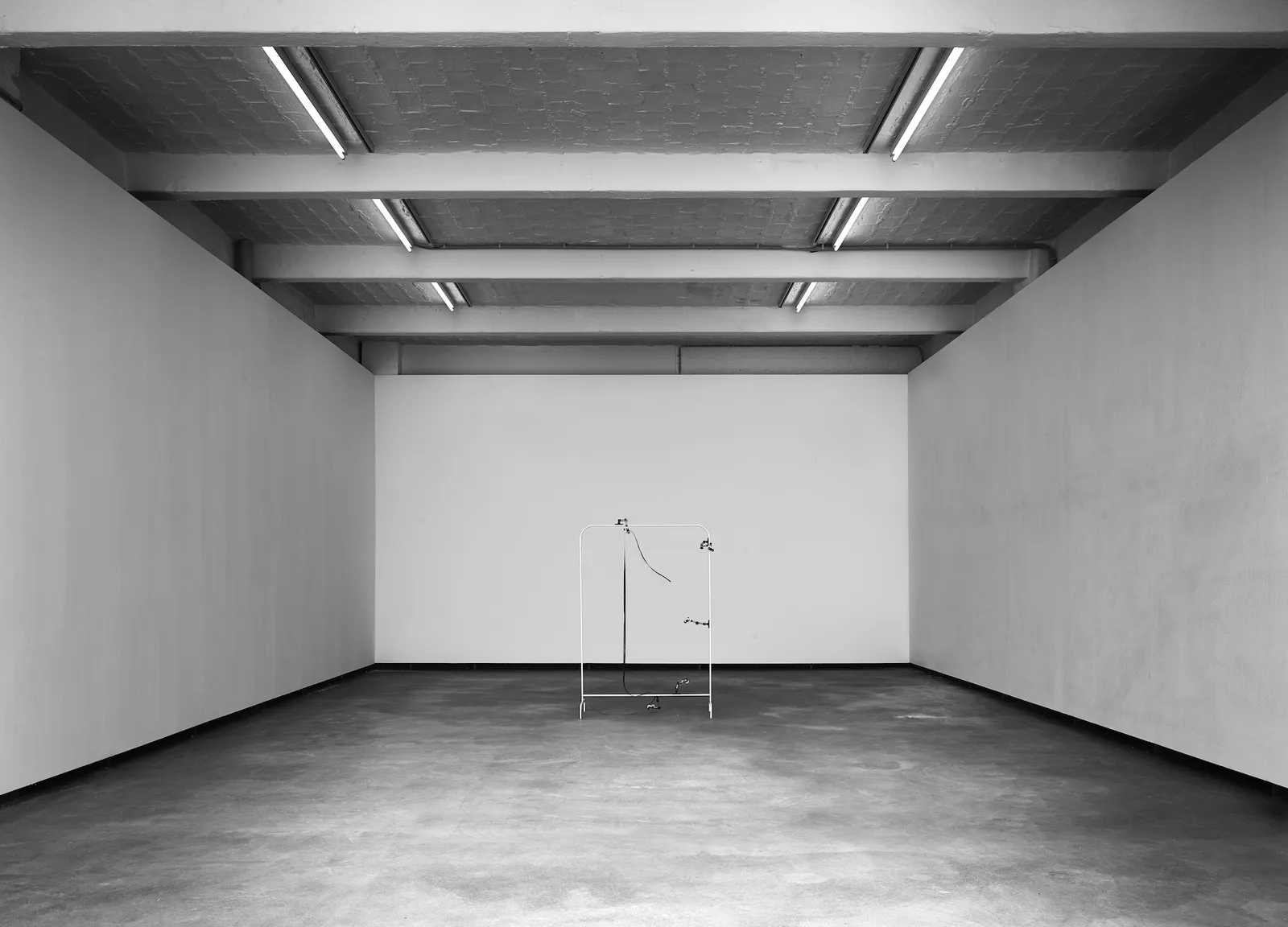
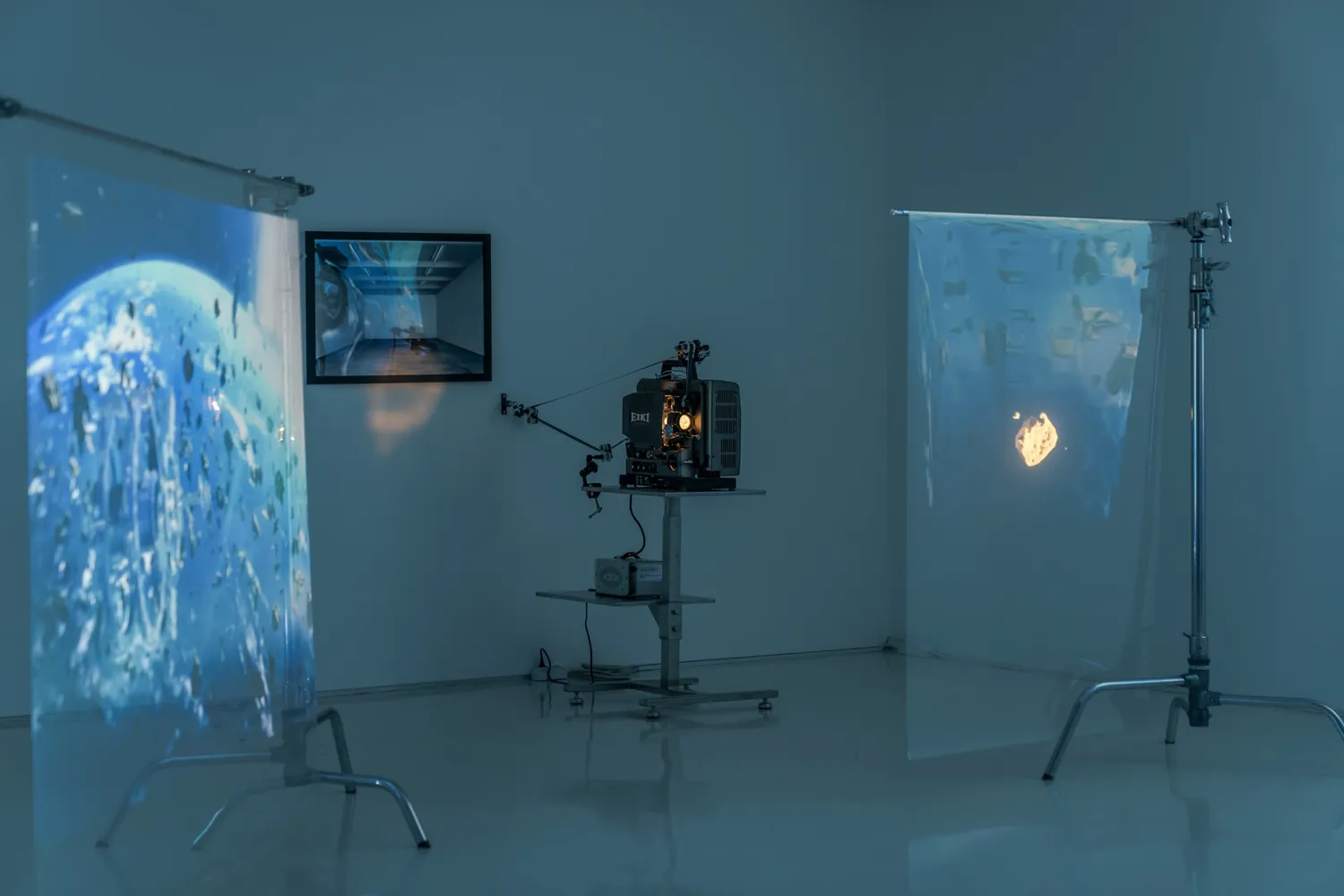
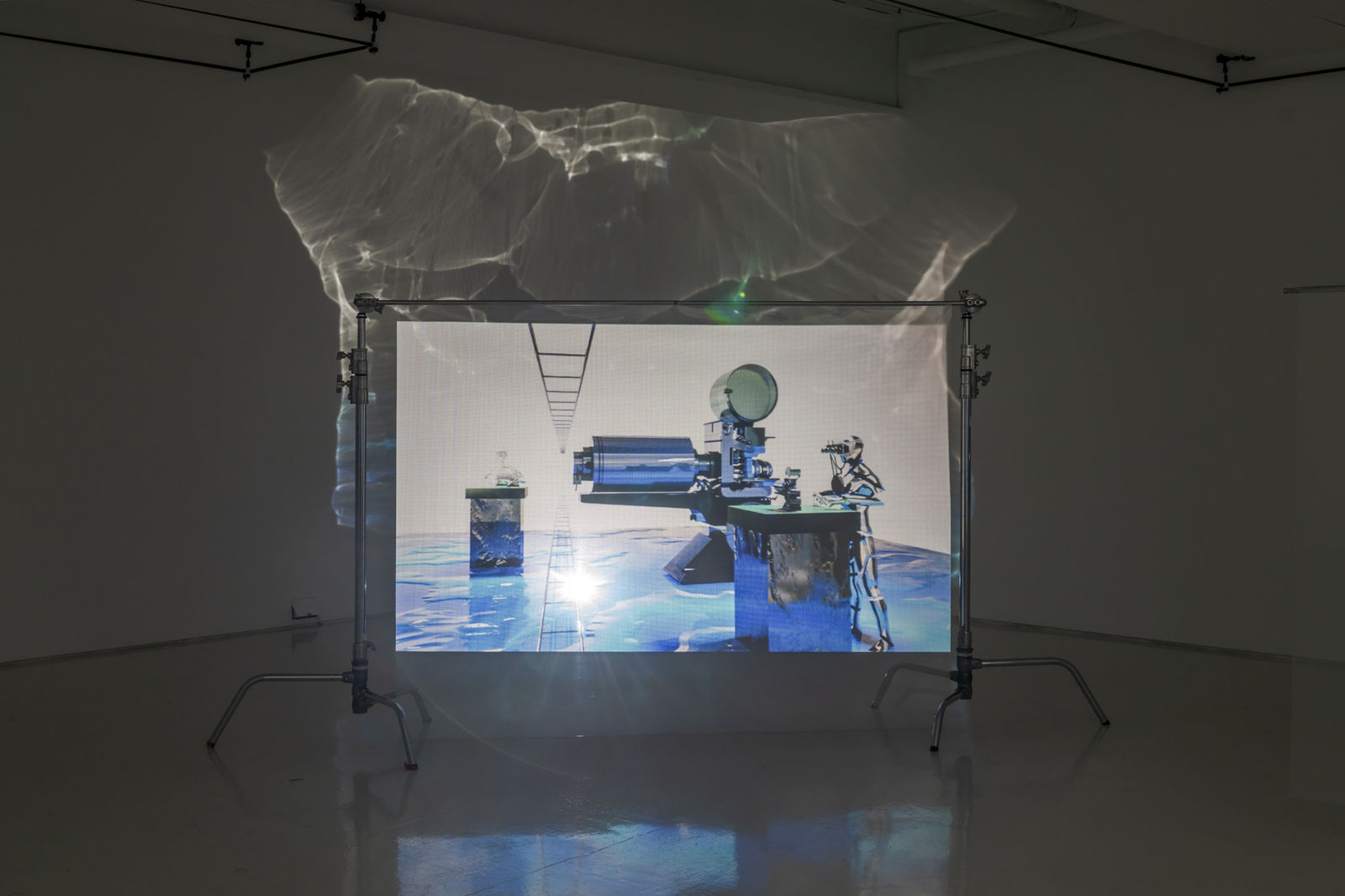
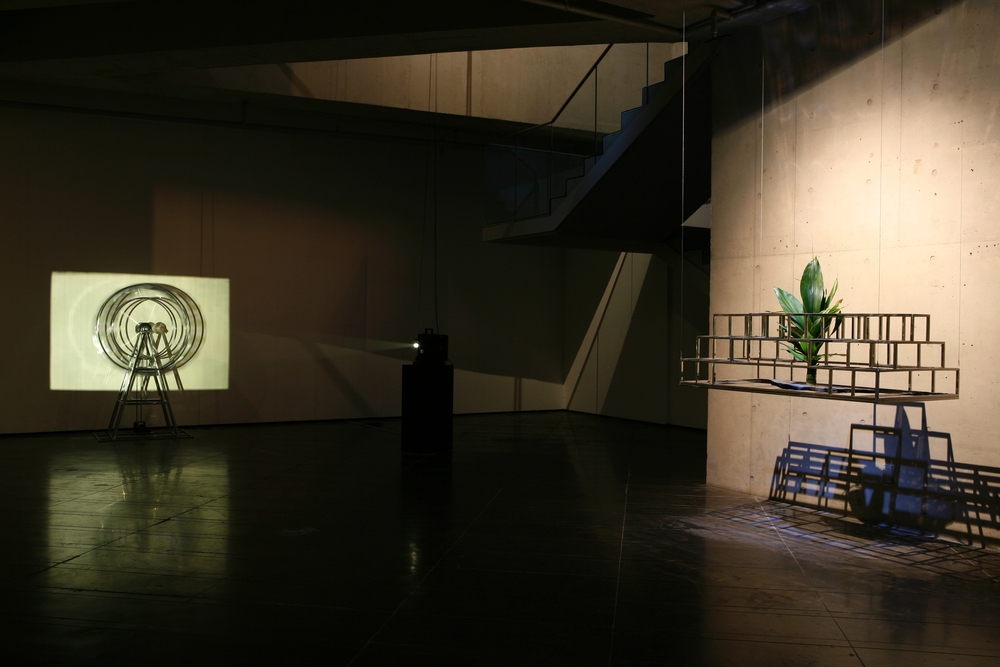
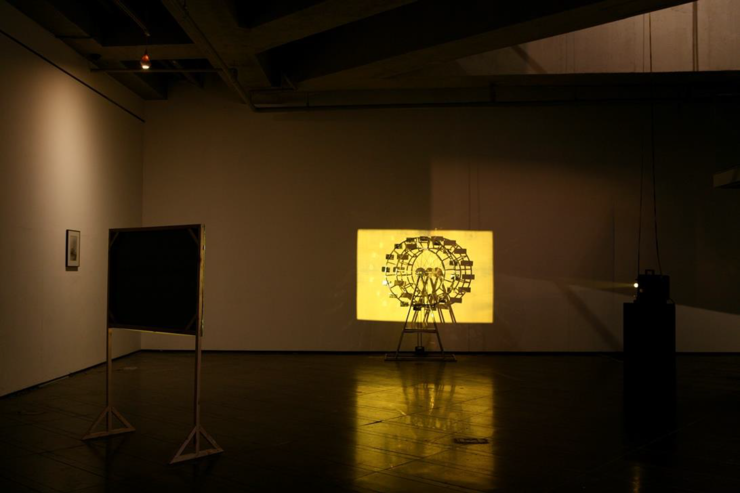
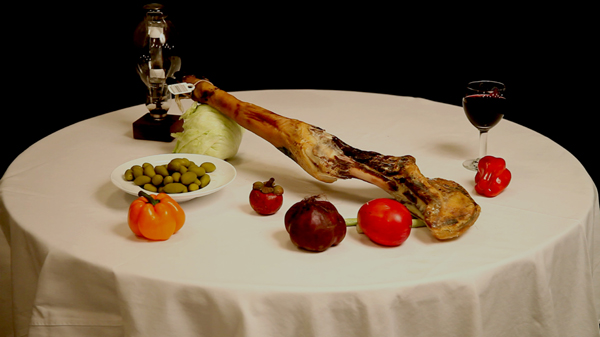
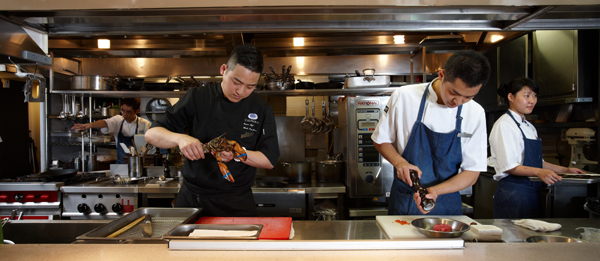
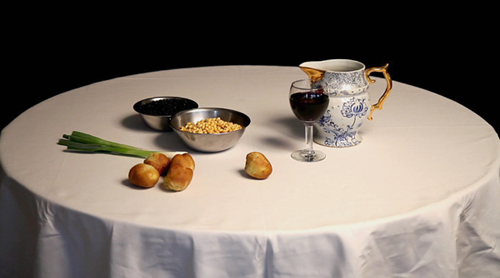
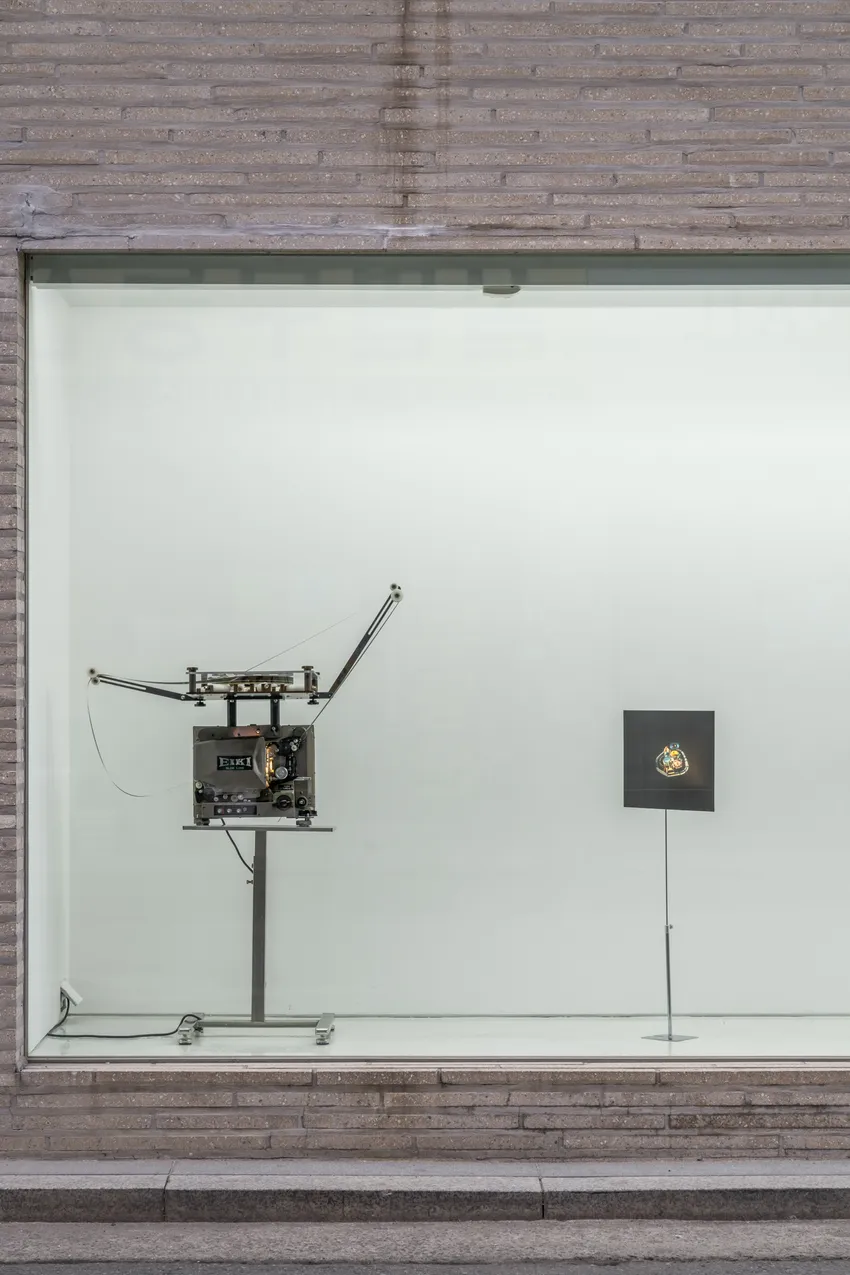
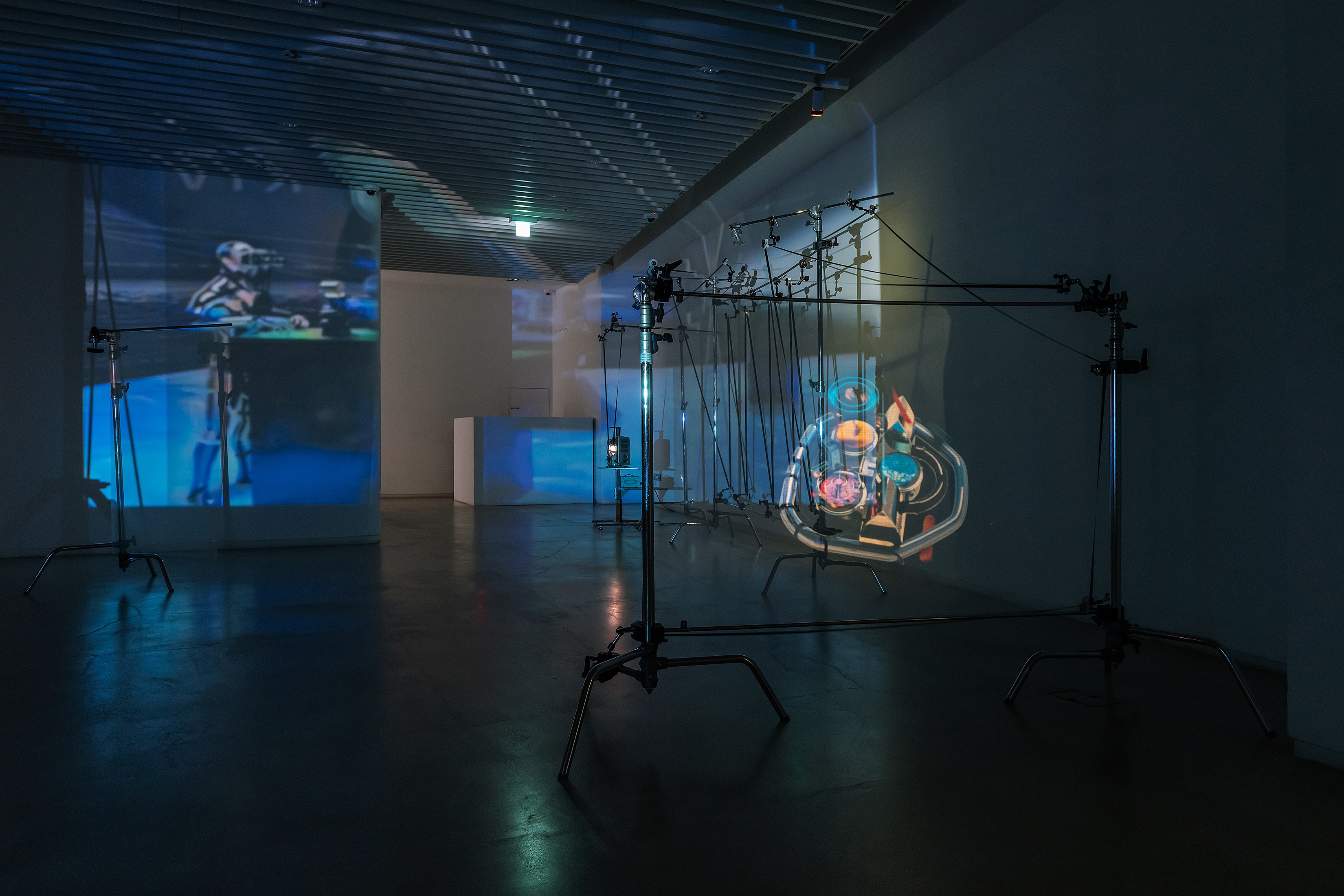
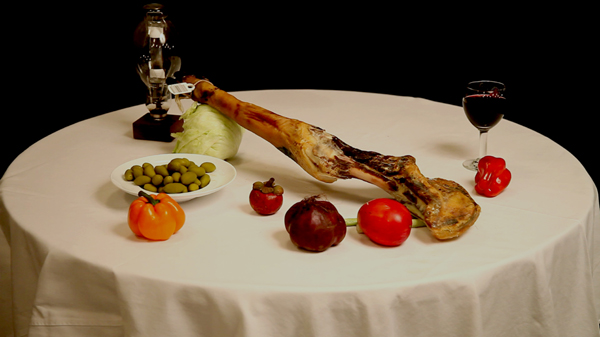
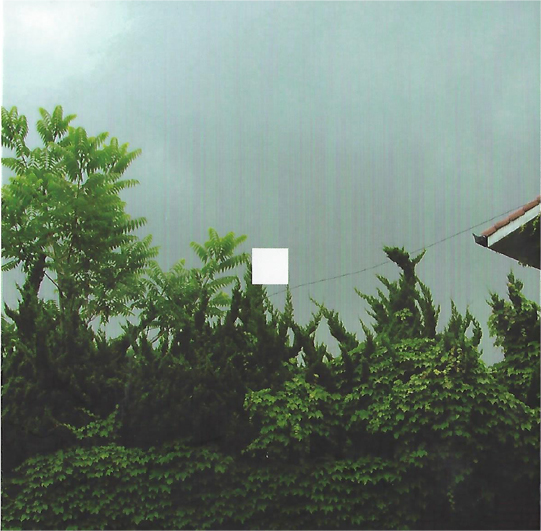
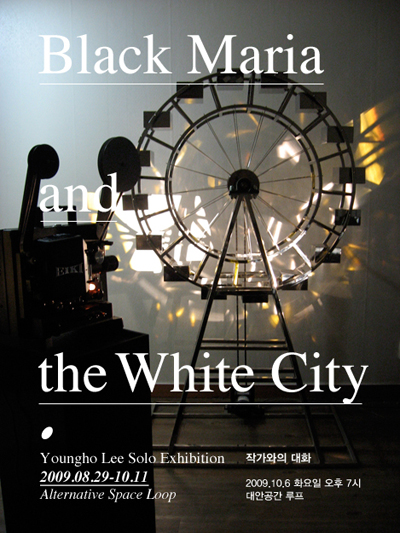
Youngho Lee, Tracing, 2011 © Youngho Lee

From Exhibition to Feast

1. Cooking and Deviation

“Don’t overwhelm yourself so much. Why not go home today, cook something with a relaxed mind… and perhaps invite a few friends over to enjoy it together?” During my student years, when I was deeply immersed in architecture, this was something I occasionally heard from my advisor whenever stress began to build as I received critiques on design proposals I had worked on all night.

At the time, I did not understand what he meant. But now, having reached the age my professor was then, I realize that perhaps he was suggesting that I organize the multiplicity of architectural ideas in the same way one compensates for the contingency and variability inherent in cooking through praise or criticism.

Or perhaps he was encouraging me to study the craft of expert chefs who integrate complex concepts into deceptively simple recipes. When one recalls that truly exceptional cuisine is not achieved merely by gathering together a variety of ingredients, the professor’s advice begins to make sense. Simply mixing ingredients together cannot produce genuine integration; such crude and clumsy cooking is not only tasteless but unpleasant.

On the other hand, if one skillfully combines just a few common ingredients and draws out an original flavor through genuine craftsmanship, then perhaps one begins to understand the true meaning of cooking. These days, I sometimes find myself saying similar things when criticizing amateur students who understand design merely as an additive process.

It is an attempt to encourage a healthy contamination among heterogeneous elements that together constitute the part and the whole. Architectural design, too, can only achieve true refinement when materials, details, façades, and spatial composition all work harmoniously together.

Like cooking, architecture emerges beautifully through the process of removing unnecessary ingredients and flavors, and stripping away those elements that conceal the natural taste of the raw materials themselves.


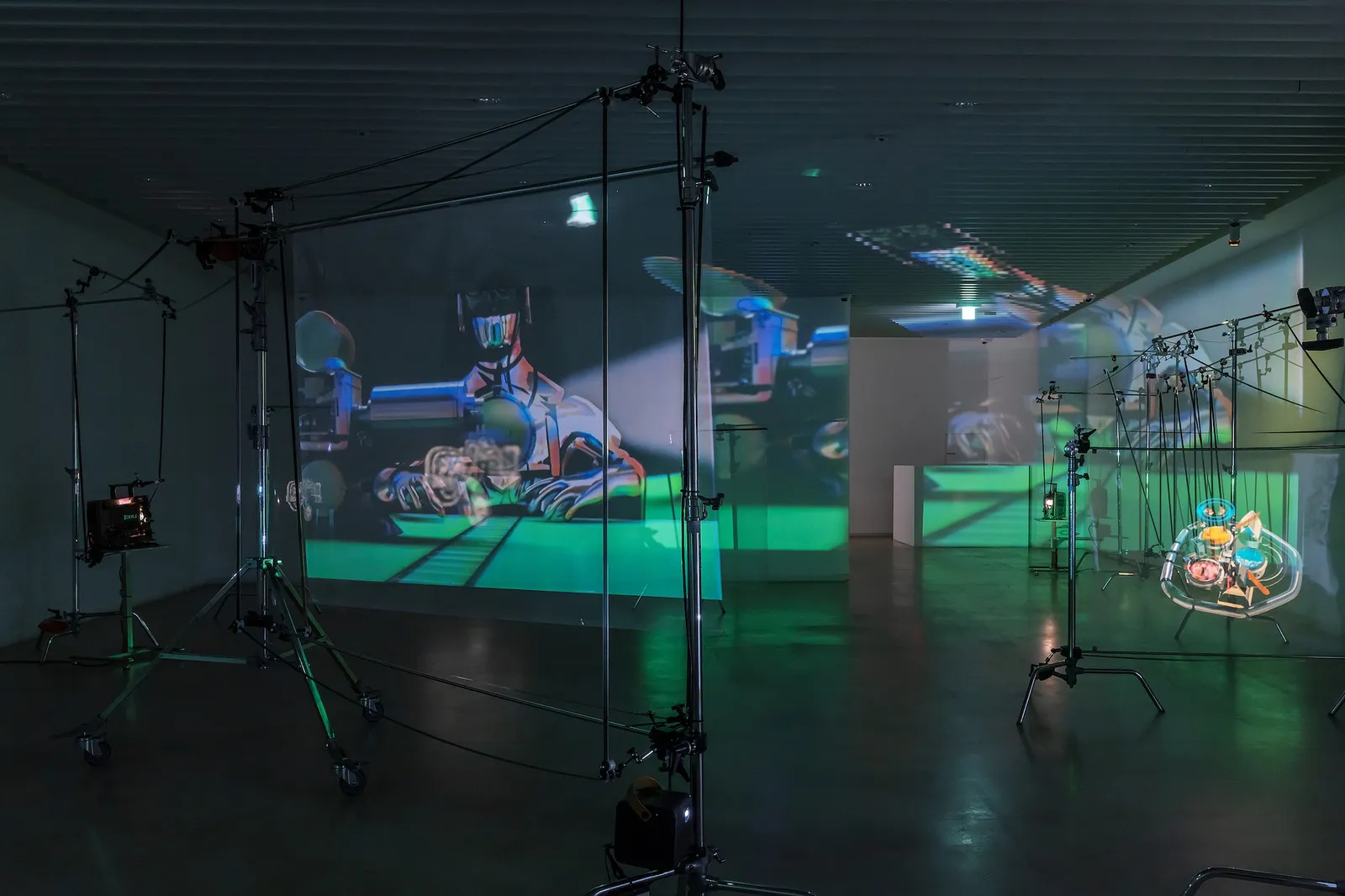
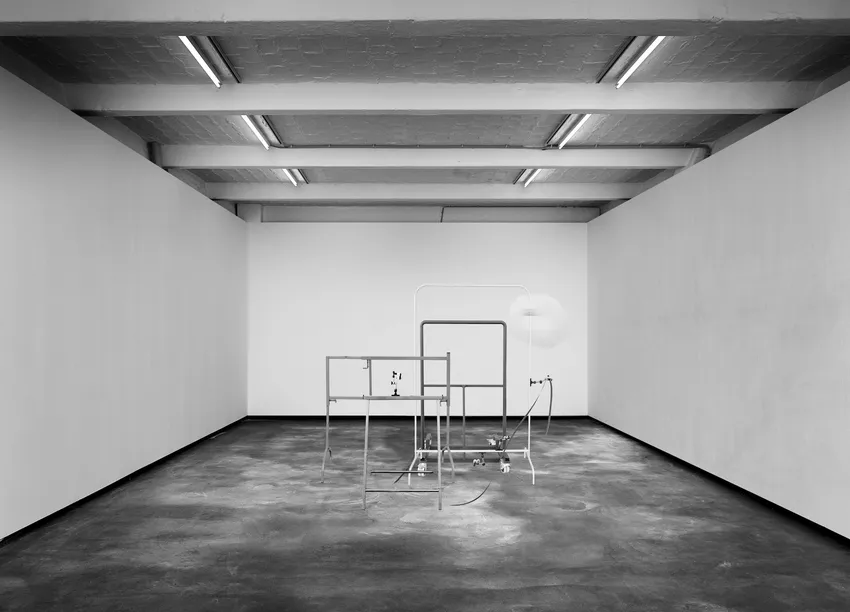
Youngho Lee, Tracing, 2011 © Youngho Lee

2. Collision or Contamination

The relationship between architectural design and cooking discussed earlier is deeply rooted in an analogical framework that expects the modes of cooking to be understood as acts of design within architecture through the transference (epiphora) of the contents and forms belonging to cuisine into architectural practice.

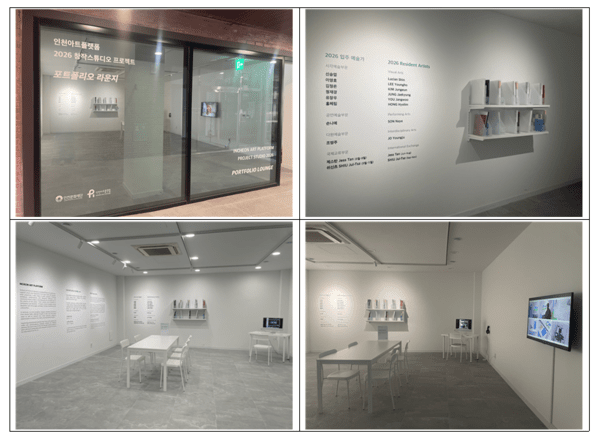
However, the underlying intention of this exhibition — in which cooking, music, and moving images attempt to recreate contemporaneity through an “alliance between domains” — must be understood within a different context. Within this context, the reason cooking in particular draws such attention is not simply because the subject matter itself feels novel, but because sensory engagement related to food may be considered more comprehensive across all three domains.

In other words, while music stimulates auditory perception and moving images stimulate visual perception, food is a medium perceived through all five senses. Sight, taste, smell, hearing (the sound of food being chewed), and even touch all prepare themselves to receive food. In this respect, expectations for this exhibition space — where music, moving images, and cooking coexist — become especially compelling.

Attention turns toward how the everyday acts of seeing, listening, and eating might be rediscovered, and how these three seemingly unfamiliar domains, while maintaining their individual independence in terms of both content and form, may generate entirely new meanings through mutual collision. Nevertheless, any attempt to harmoniously combine these three domains inevitably becomes a reckless challenge.

In order to understand such a complex and abstract undertaking, there is little meaning in approaching each field through rigid knowledge systems, rational understanding, or conventional perceptual habits. Rather, focus may instead be placed on the collisions produced through the montage of content and form — that is, as Sergei Eisenstein suggested, on the oppositions and conflicts generated when forms intended to express the content of reality become symbolized differently from reality itself, thereby functioning as catalysts for the production of new meanings.

In other words, the contents carried by each domain must interlock or rebound against one another within the exhibition space, allowing each to mediate the others and encouraging the coexistence of these three forms of expression to produce meanings exceeding any singular interpretation.

Alternatively, embracing a surrealistic sense of distraction akin to Lautréamont’s “chance encounter of a sewing machine and an umbrella on a dissecting table, along with miscellaneous objects” may provide viewers with a point of departure for new modes of understanding.

That is, by juxtaposing or allowing interference among two or more heterogeneous elements, ordinary perceptual operations become distorted, unsettling the rigid perceptual structures conditioned by exhibitions centered solely on “seeing.” Based upon these distorted perceptual structures, it may also become possible to experiment with various spatial conditions — such as the mutual interference of spatial volumes, or the formation of spaces with differing qualities through the manipulation of openings and the introduction of light within fixed interiors.

Whatever the method, the crucial point is that the exhibition should not become a sadistic game detached from reality, but rather a means of concretizing and revealing the essential nature of objects and the phenomena surrounding us.

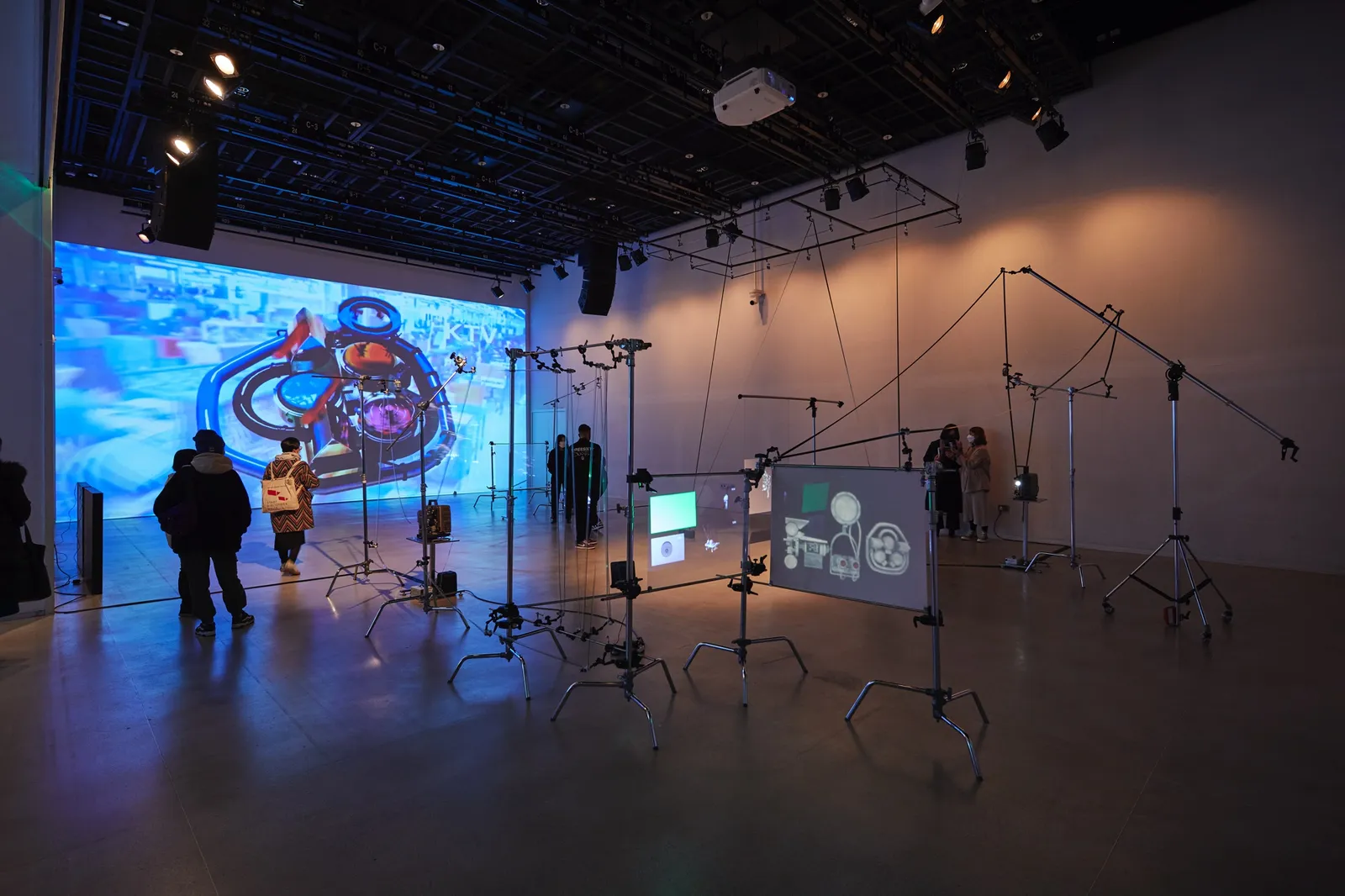
What ultimately matters here is the exhibition space as a “vessel for producing diverse meanings” — a space in which viewers may recognize the essence of phenomena while simultaneously experiencing, in layered ways, ordinary and exceptional facts, environments, and the interactions among these three domains.


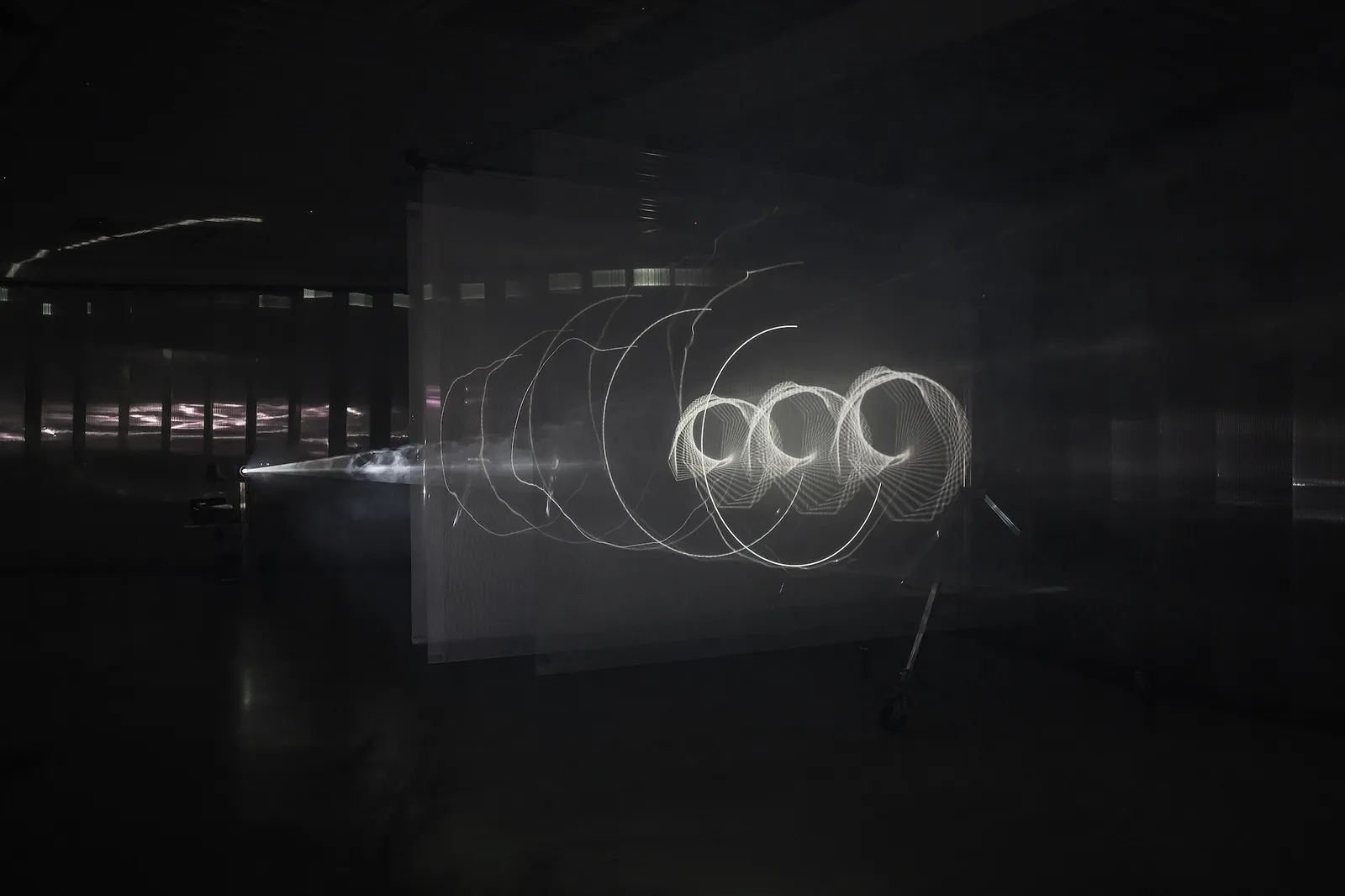
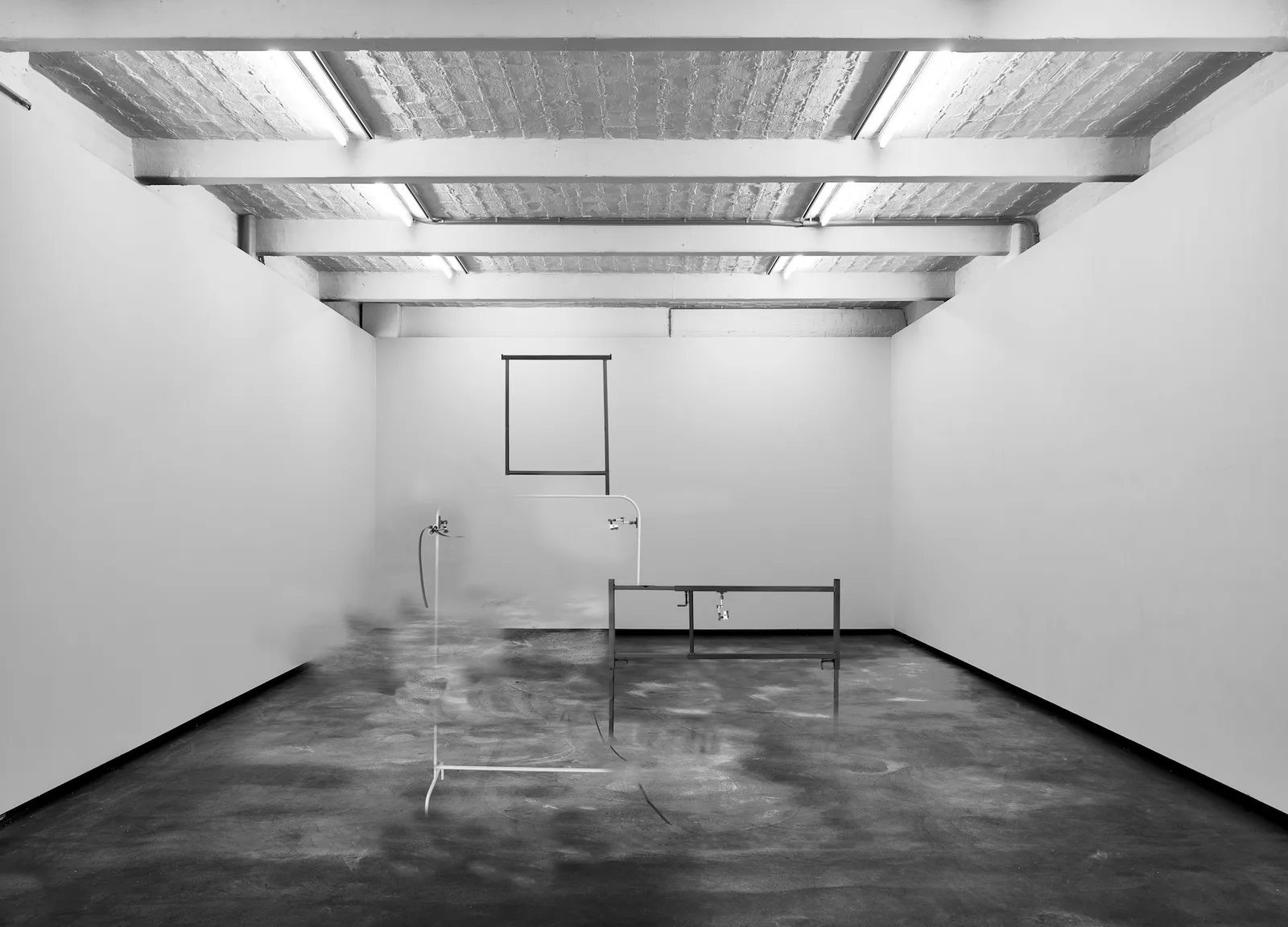
Youngho Lee, Tracing, 2011 © Youngho Lee

3. Taste versus Style: From Exhibition to Feast

What may be even more significant than the history of cooking itself is the history of taste. Cuisine has constructed culture by being imagined through the sensory history of taste and by compensating for what is absent through accumulated experience. Here, the word “taste” carries a dual meaning: flavor and aesthetic sensibility (or style).

In his essay Taste and Style, Pi Cheon-deuk describes taste as something immediate, superficial, sensual, and grounded in reality in relation to style. Yet he does not regard the two as opposing concepts; rather, he speculates that they may share the same etymological origin.

He further reflects that while taste must be physically experienced, style can simply be contemplated from afar, and because he easily tires of taste, he ultimately wishes to live for style instead. But what of contemporary culture? Does it truly possess a refined elegance capable of filling one’s heart merely through contemplation?

Certainly not. Everything today drifts in a state of confusion, like a vast cloud of dust in which all things are mixed together. This condition of confusion is characterized by the fact that “differences are intermixed.” As a result, it has become difficult to grasp the hidden structures within culture without directly experiencing and immediately reacting to them.

Likewise, an exhibition in which cooking, music, and moving images are intertwined inevitably recalls the Chimera described in Jorge Luis Borges’s Book of Imaginary Beings. In other words, it suggests a process in which the inherent identities of each domain are dismantled and their fragments are endlessly recomposed.

Thus, the defining characteristic of this exhibition may be summarized as the “assimilation of heterogeneity” or the “re-signification of difference.” What becomes particularly compelling, however, is the very moment at which these three domains collide.

At the instant of collision, will they merely mix with yet another fragment to generate new meanings, or, through contaminating one another, might they rediscover what Eisenstein inferred in montage theory as the “production of meaning through Chinese characters”?

This question emerges because cooking, by its very nature, is fated to resemble the labor of Sisyphus: less a matter of experimentally discovering unknown facts than an endless effort to uncover new truths from what has already been experienced and known (or to negate what was previously understood), to grasp their essential nature, and to reduce them into new forms capable of producing yet other tastes and styles.

References