



Solo Exhibitions (Brief)
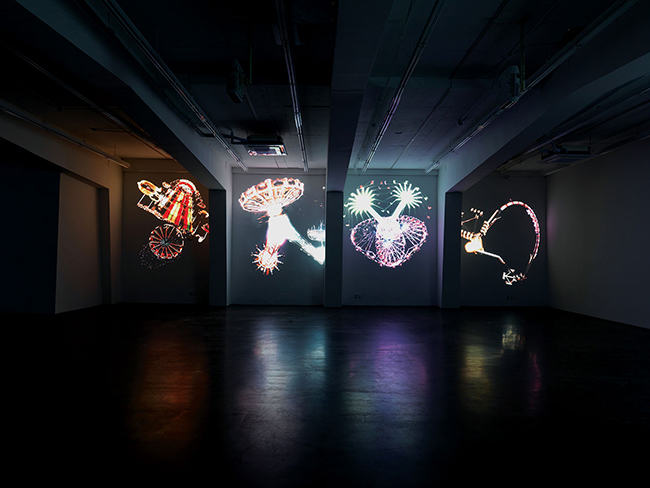
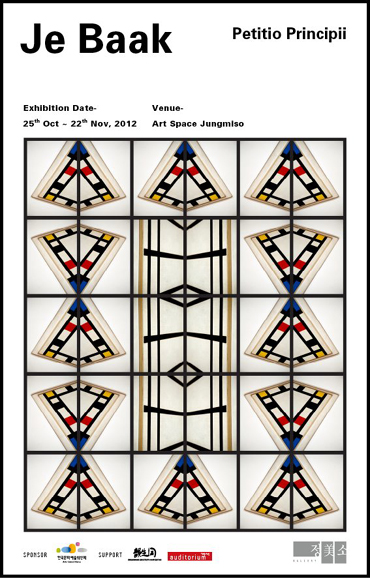
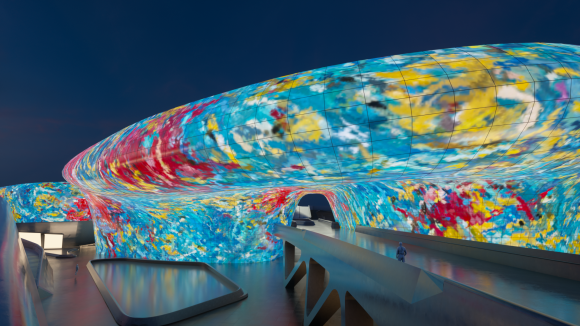
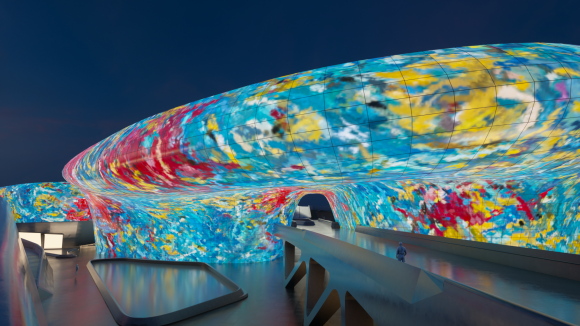
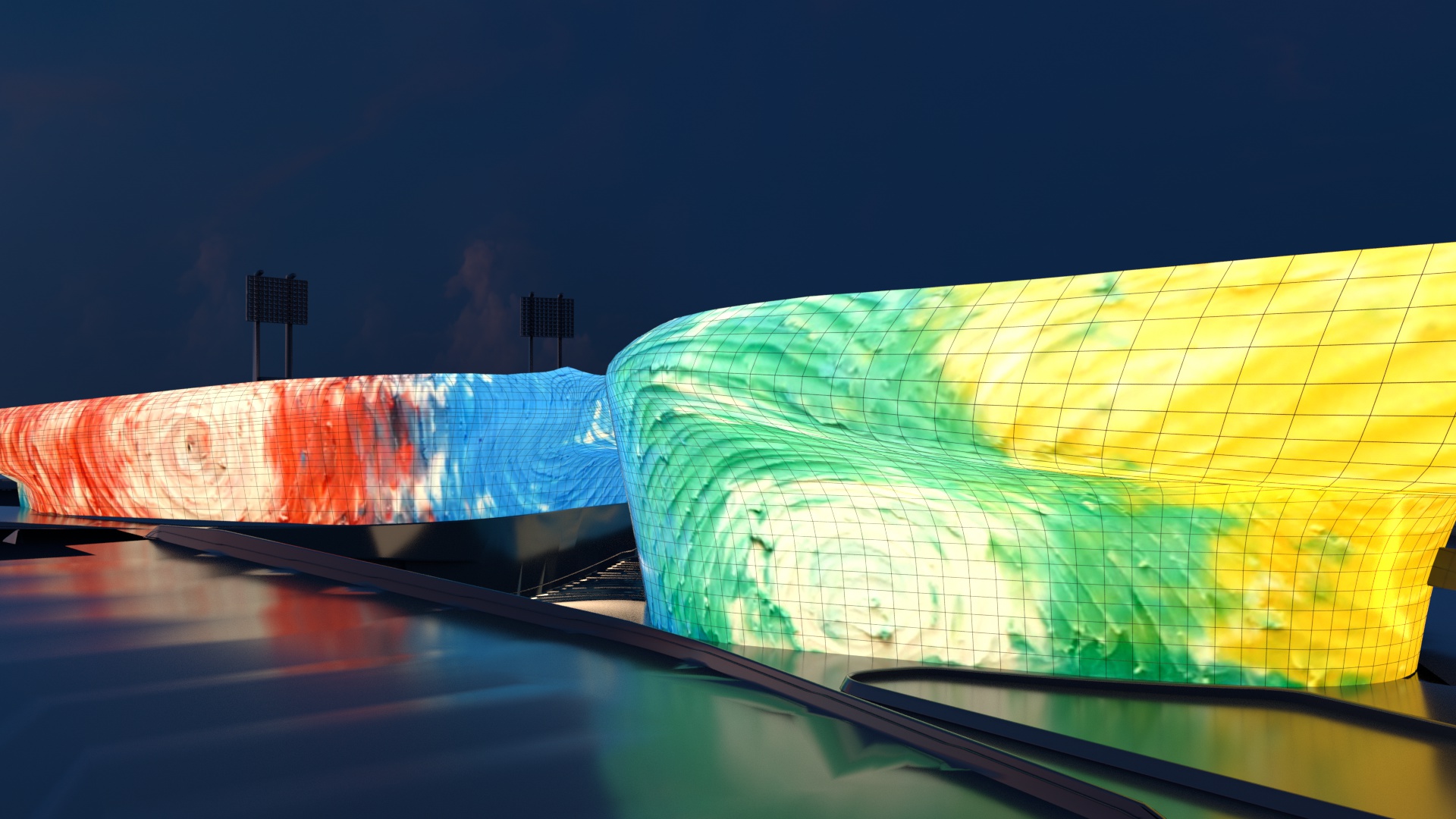
Je Baak has presented solo exhibitions at major institutions and venues in Korea and abroad, including Art Club 1563 (Seoul) in 2010, HADA Contemporary (London) in 2012, Kumho Museum of Art (Seoul) in 2013, Hyundai Motor Studio Seoul in 2019, and DDP (Seoul) in 2022.
Group Exhibitions (Brief)
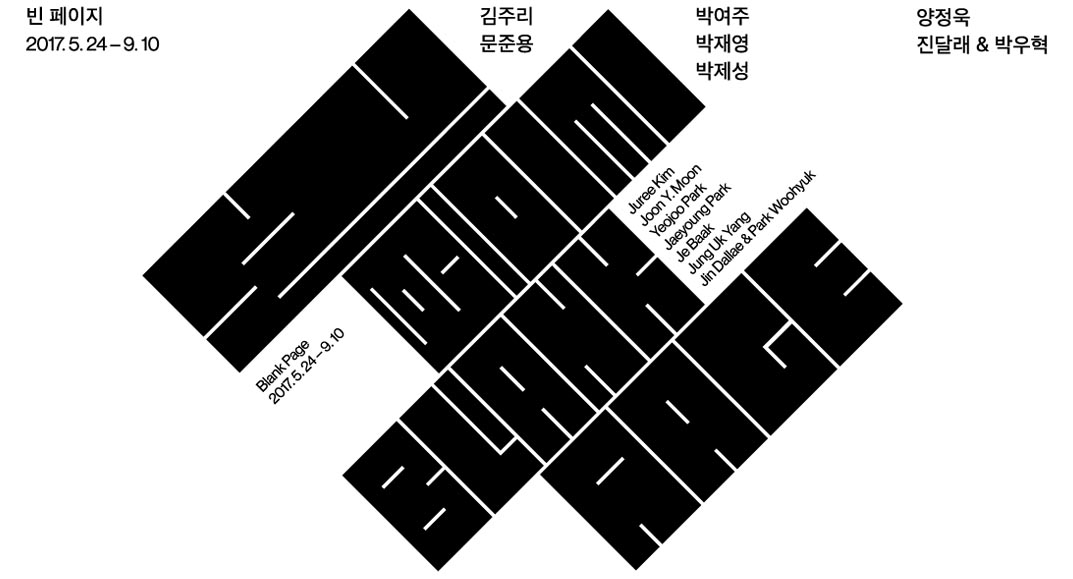
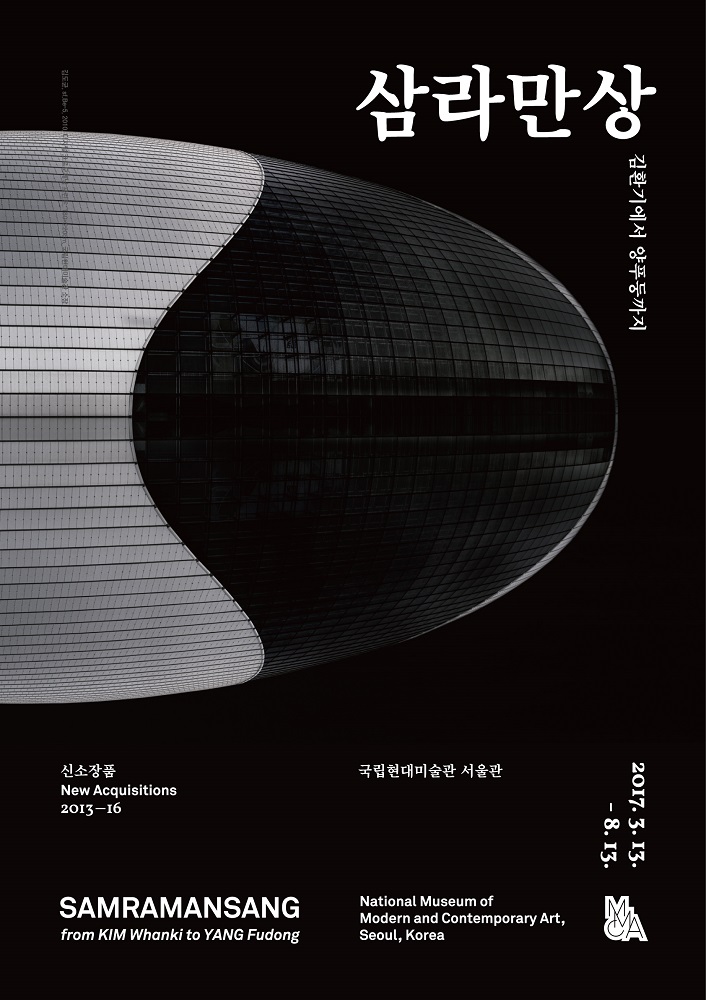
Je Baak has participated in group exhibitions at major Korean institutions including the National Museum of Modern and Contemporary Art, Kumho Museum of Art, Seoul Museum of Art, Sejong Center for the Performing Arts, Seoul National University Museum of Art, Wumin Art Center, Art Center Nabi, and Seoul Arts Center, while also presenting works internationally at venues such as Saatchi Gallery (London), Asia House (London), the Korean Cultural Centre (London and New York), Ars Electronica (Linz), and the National Museum of Modern Art in Rome.
Awards (Selected)
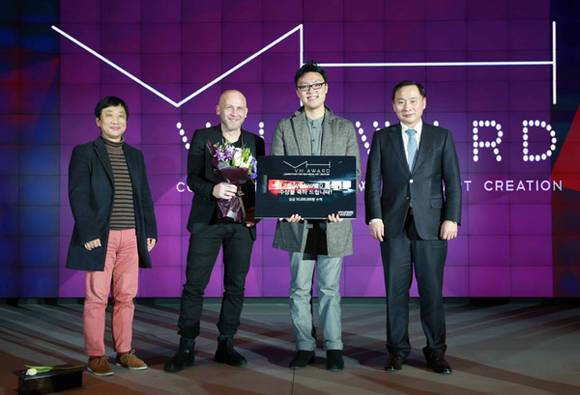
Je Baak received the Grand Prize at the JoongAng Fine Arts Prize (2010), the VH Award Grand Prix (2015), the Seoul Metropolitan Government Good Light Award Grand Prize (2017), the IF Design Award (2021), and the IDEA Design Award (2021), and was selected for 《Young Korean Artists》 at the National Museum of Modern and Contemporary Art (2013) and Kumho Young Artist (2013).
Residencies (Selected)
Je Baak was selected as a resident artist for the 7th Kumho Art Studio program at Kumho Museum of Art in 2011.
Collections (Selected)
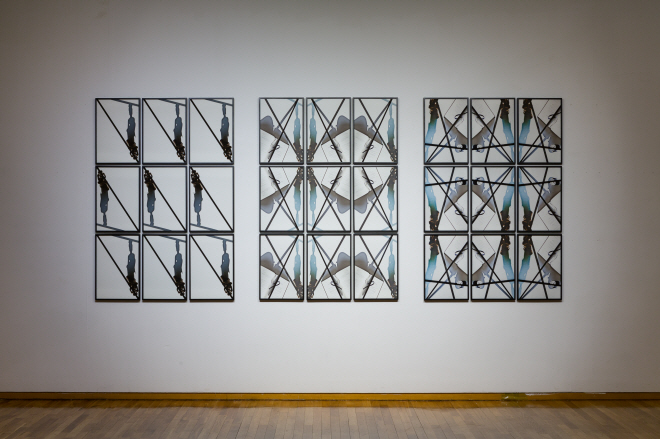
Works by Je Baak are included in the collections of the National Museum of Modern and Contemporary Art, Seoul Museum of Art, Seoul National University Museum of Art, Kumho Museum of Art, the Art Bank of the National Museum of Modern and Contemporary Art, Hyundai Motor Group, DDP, and Incheon International Airport.