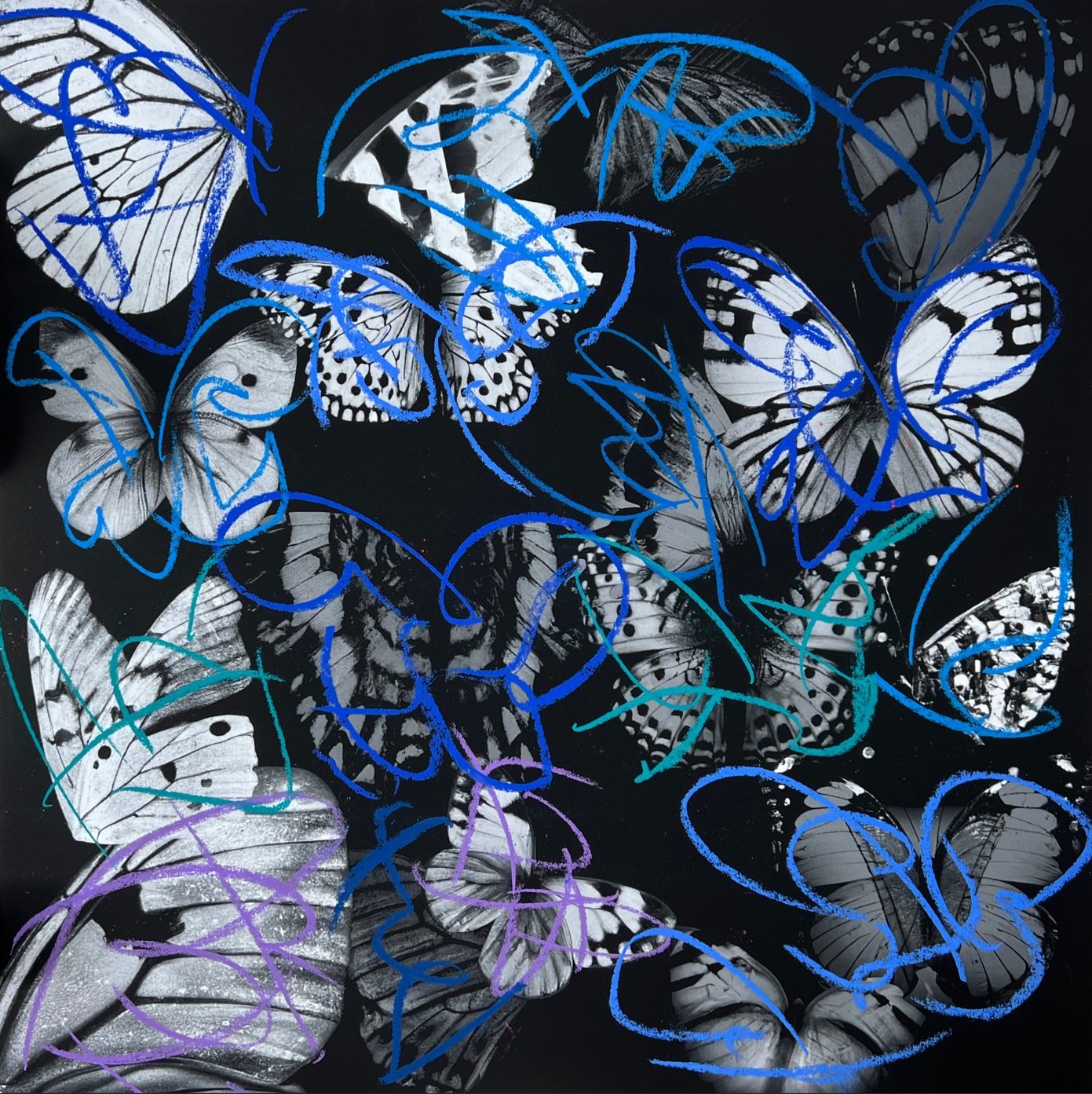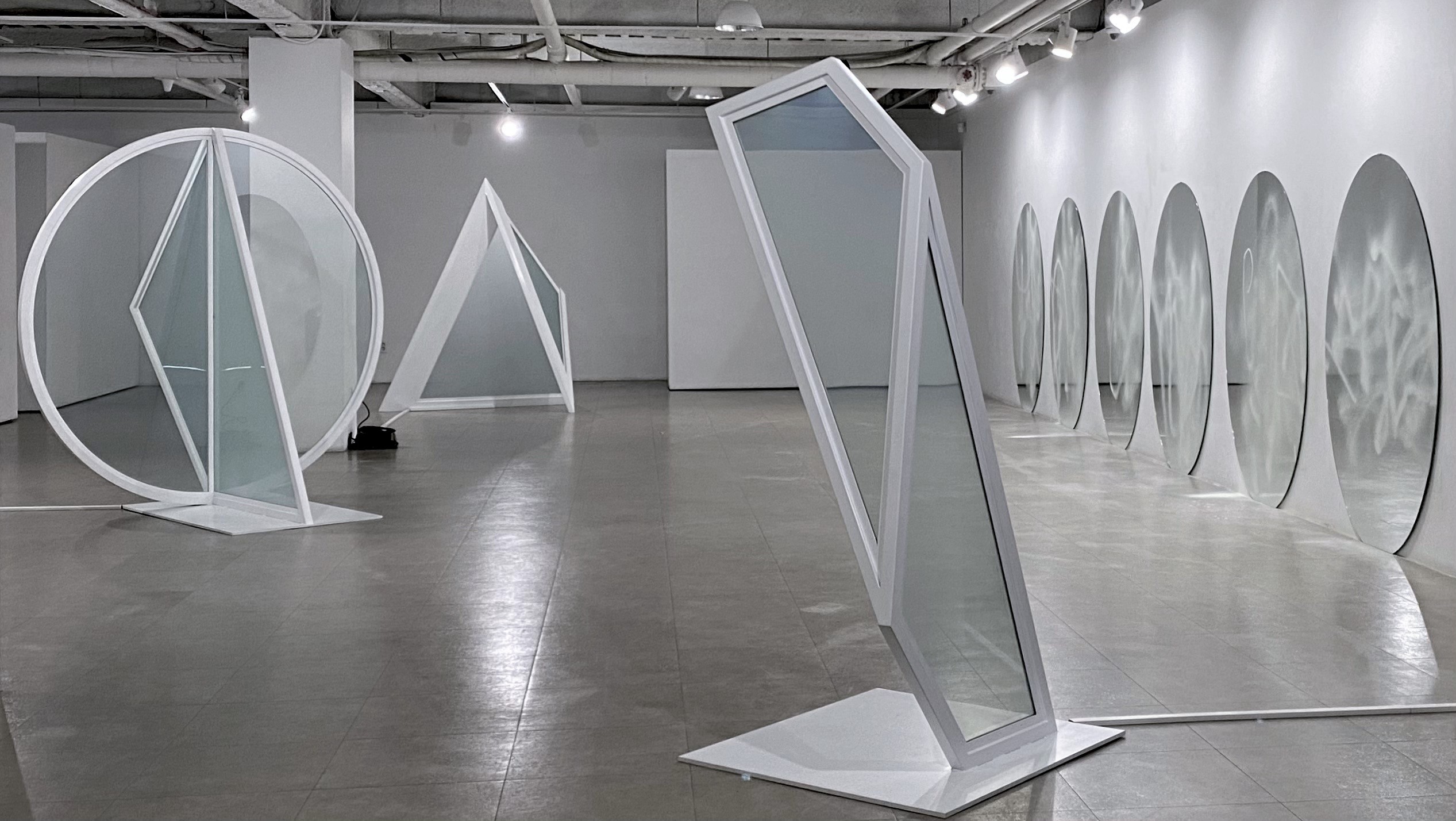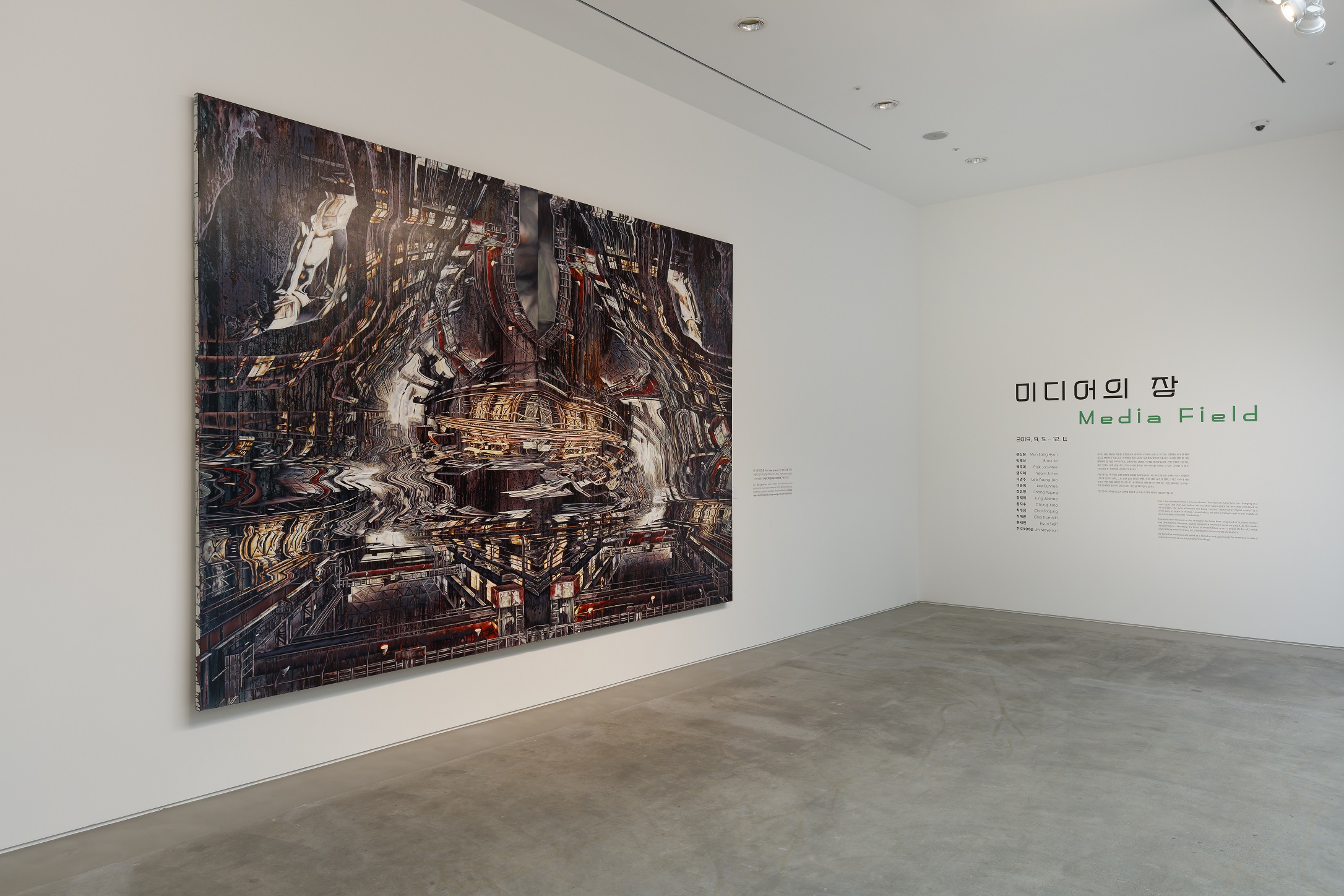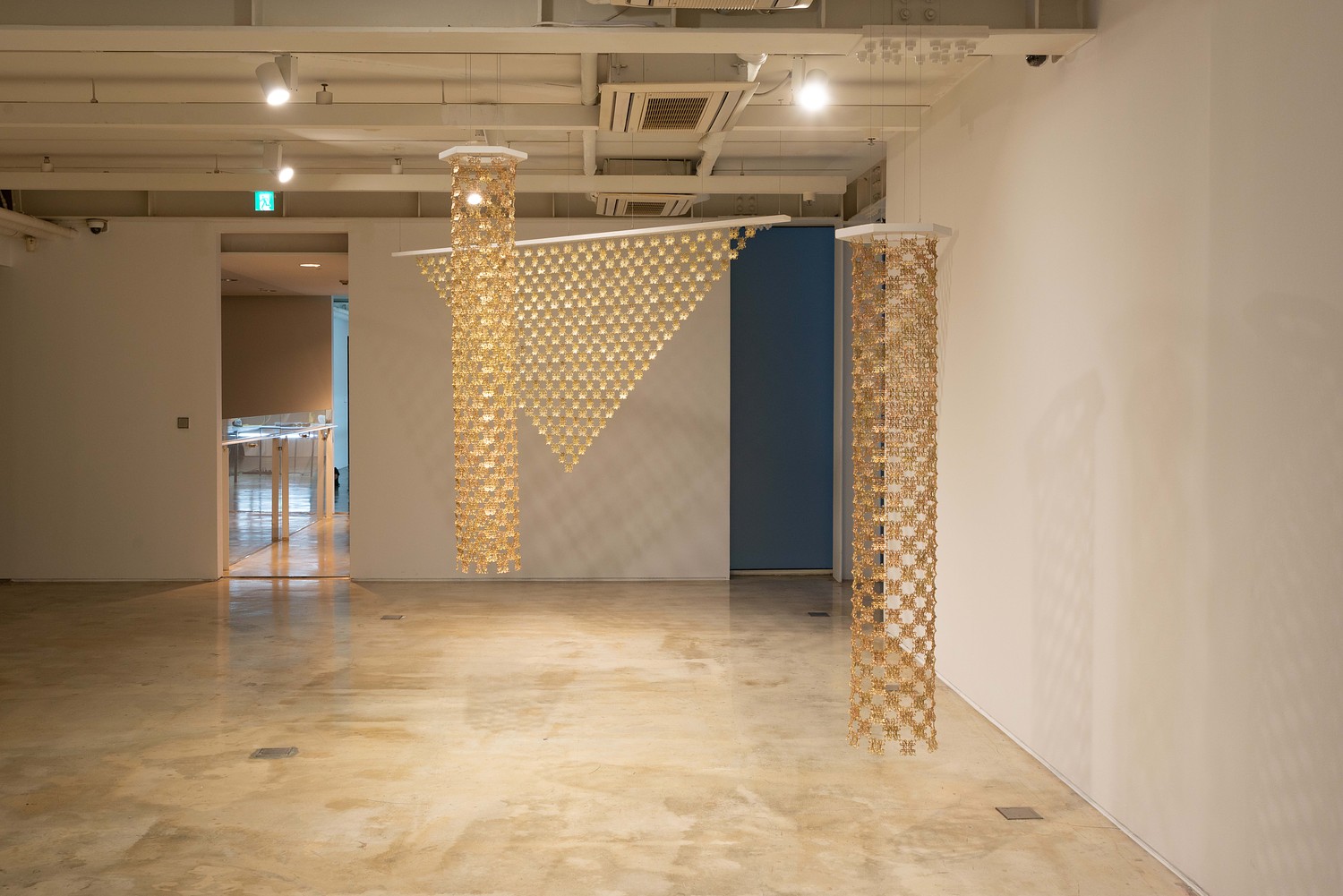


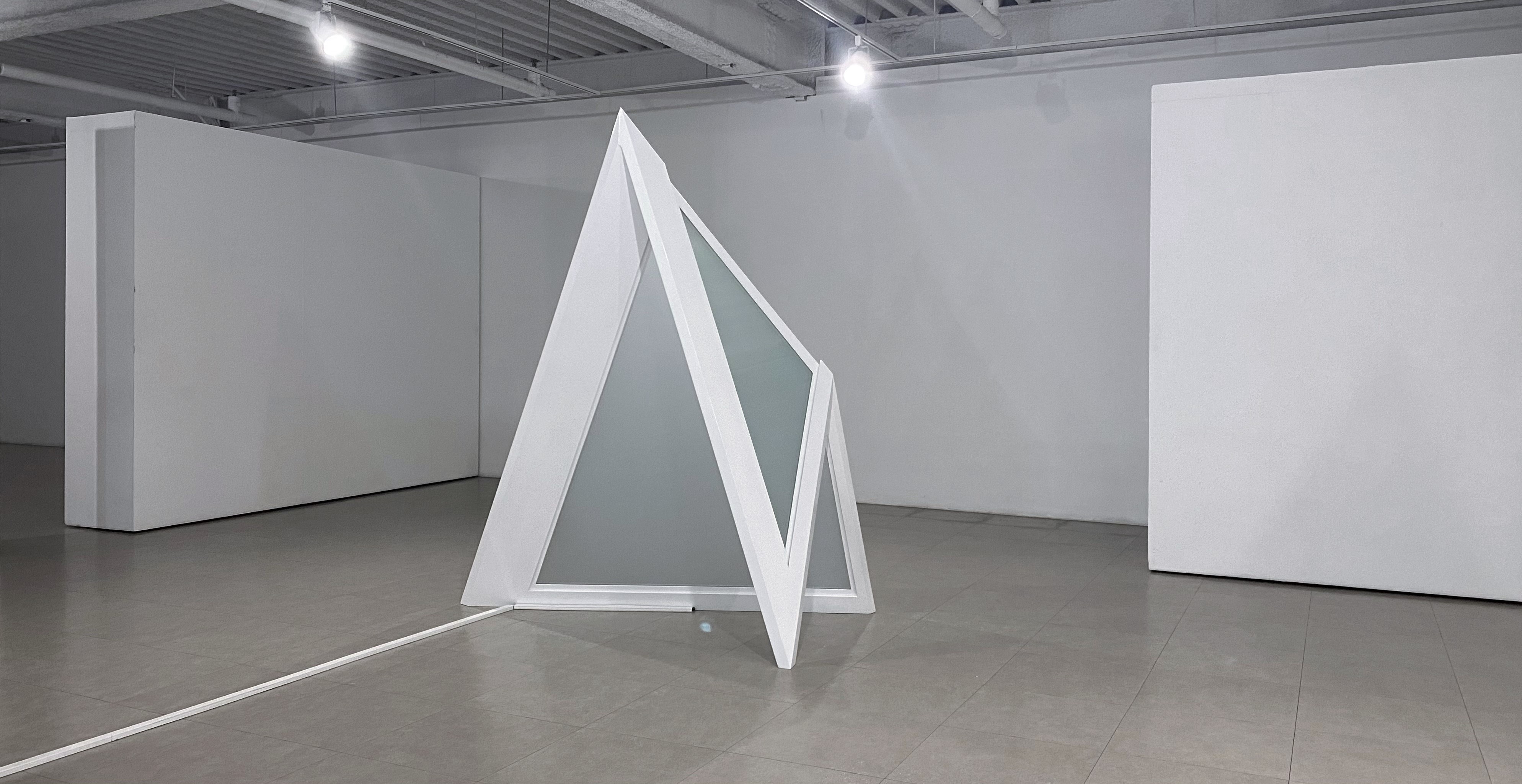
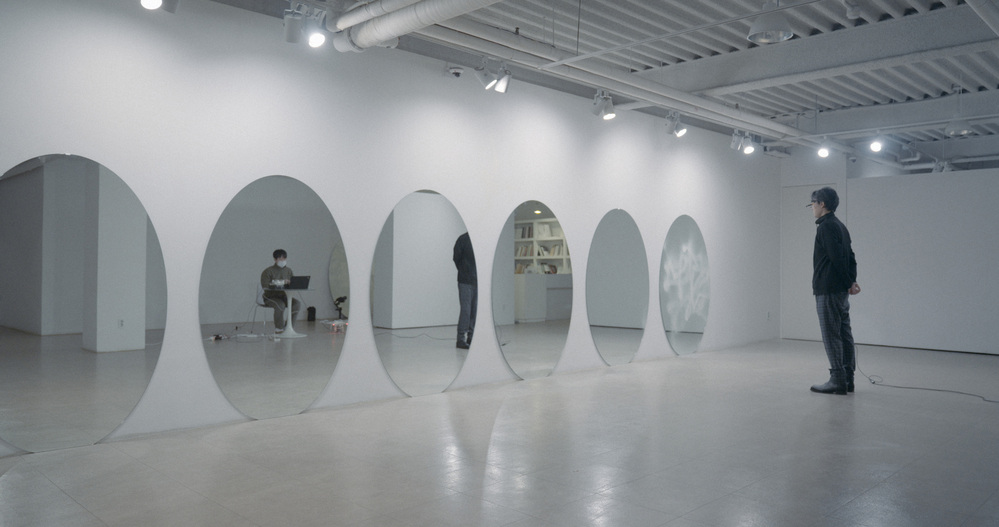
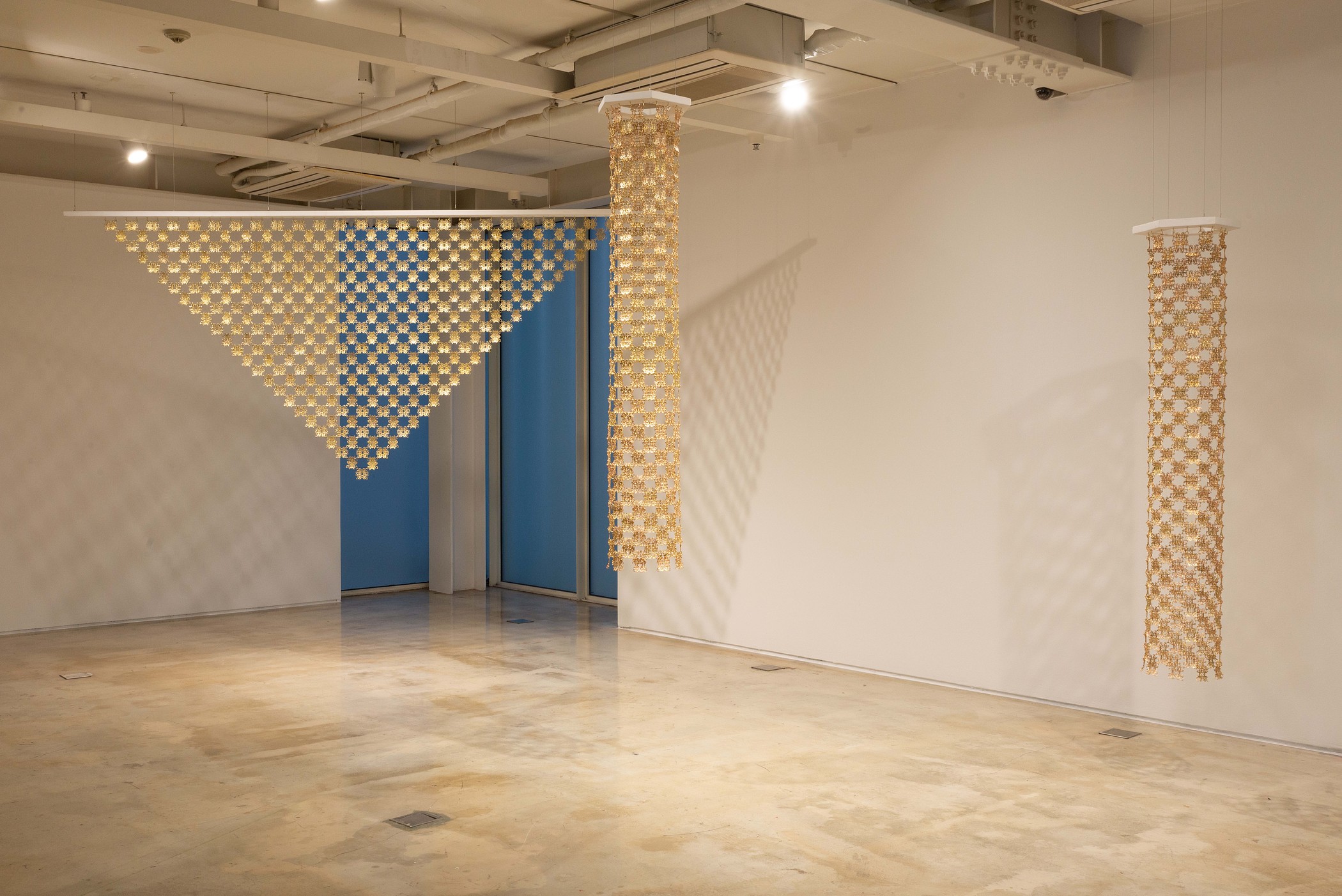
The reason for invoking metaphors drawn from concrete aspects of everyday life familiar to contemporary audiences is that the themes consistently explored by artist Je Baak throughout his work are not fundamentally different from them. Whether the subject concerns systems, culture, or technology created by humanity, Je Baak encourages viewers to reflect upon the essential truths obscured by the things we believe to be absolute, excessively depend upon, and ultimately become subordinate to.

Through this process, he seeks to offer a moment in which lost subjectivity may be rediscovered. Yet this does not arise from any grand ambition to morally instruct modern people for their lack of reflection or to present definitive answers.

Rather, it begins with the artist posing introspective questions to himself throughout the course of his life: Am I truly the subject of all the things I believe myself to see, feel, know, and enact? In order to encourage viewers to confront such questions themselves, Je Baak constructs new contexts within his work.

The methods through which these new contexts are created differ slightly from work to work depending on whether the focus is placed upon the object, the medium, or the self situated between them. At times, new contexts emerge through acts such as erasing or recombining parts of an object; at other times, interpretation changes according to the position from which the object is viewed.

In still other works, the artist actively employs media — the intermediary between the self and the object — to generate entirely new contexts. These methods are not mutually exclusive, and often coexist within a single work. A Towel, the work that marked the beginning of his artistic practice, sequentially presents childhood photographs from which the artist has removed his own figure, before eventually revealing the original images once again.

Through this process, the work becomes an attempt to explore the meaning of his own existence and to reaffirm his sense of self.


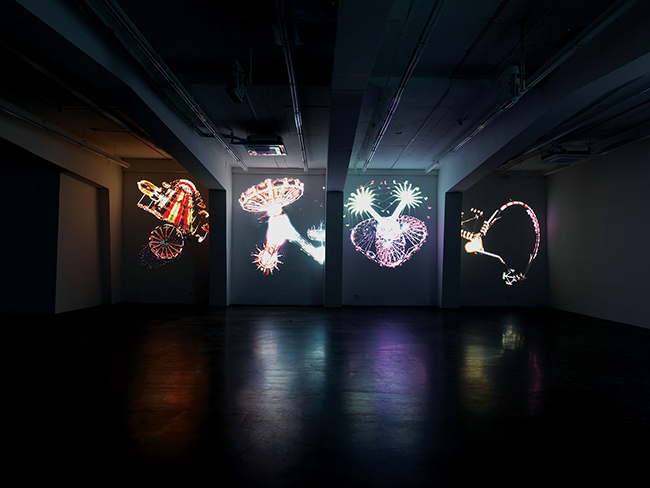
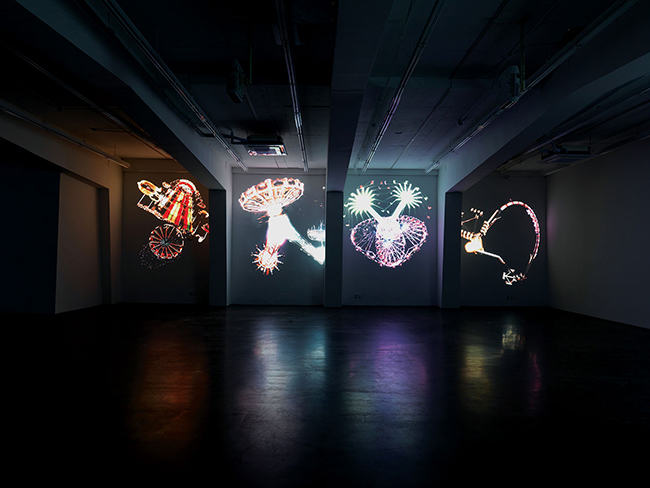
Je Baak, The Structure of, 2010, Video installation, 1080p HD (vertically installed), stereo sound © Je Baak

Thereafter, Je Baak consistently presented a range of works employing methods that encourage viewers to perceive things from new perspectives by erasing or transforming elements within an object. The video series ‘The Structure of’, which brought him significant attention within the Korean art scene after receiving the Grand Prize at the 2010 JoongAng Fine Arts Prize, combines various amusement rides into forms that appear to float through outer space, conveying a sense of emptiness generated through the endless repetition between pleasure and fear.

The installation work Ritual – Reduction and Separation, exhibited in 《Young Korean Artists》 in 2013, involved sanding away the printed surfaces of banknotes before attaching them to the museum wall and displaying the resulting powder alongside them. Through this process, the artist separates the symbolic function assigned to currency and returns it to its original condition as mere paper.

What was initially devised simply as a convenient medium for material exchange between people has now become the ultimate object of pursuit, even in an era where physical money itself no longer circulates and value exists only as numerical abstraction — revealing the futility of a society driven by materialism. 

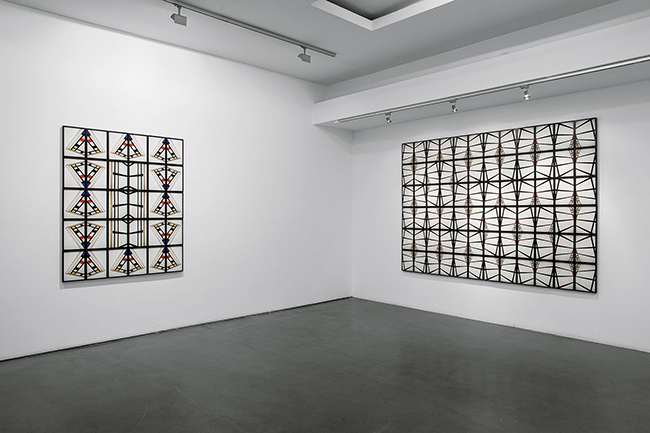
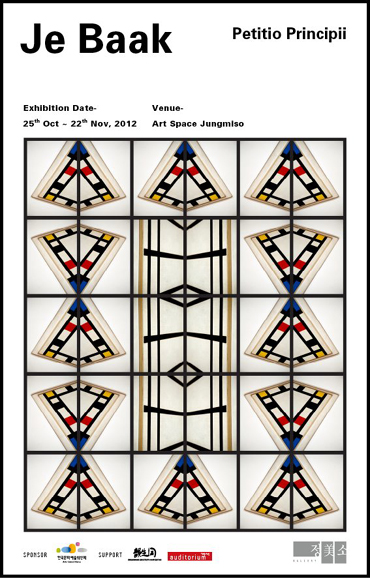
Meanwhile, the artist’s attempts to actively reposition himself as the subject observing the object, seeking to interpret new contexts through altered perspectives, are particularly evident in the ‘Petitio Principii’ series first presented in 2012. In this series, Je Baak photographs the abstract paintings of Piet Mondrian — composed solely of vertical and horizontal lines and primary colors emblematic of absolute modernism — from various angles, transforming the originally rigid geometries into patterns of diagonally distorted forms.

Through this process, the artist demonstrates how things we believe to be “absolute” can easily collapse depending on how we choose to look at them.

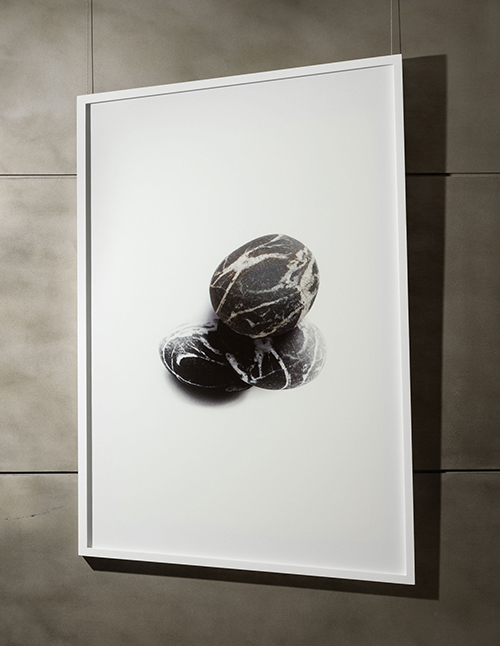
Finally, one of the representative works through which Je Baak focused most intensely on the role of media itself is the ‘Stupa’ series. In these works, the artist repeatedly photographs stones, places additional stones atop the printed images, and re-photographs them from new viewpoints.

By actively utilizing the characteristics of photography as a medium, the series conveys the artist’s introspective reflections while simultaneously questioning the absoluteness of the original image.

In ‘Stupa,’ the image of the initial object gradually becomes blurred through repeated cycles of reprinting, its original meaning fading as layers of time and space continuously accumulate.


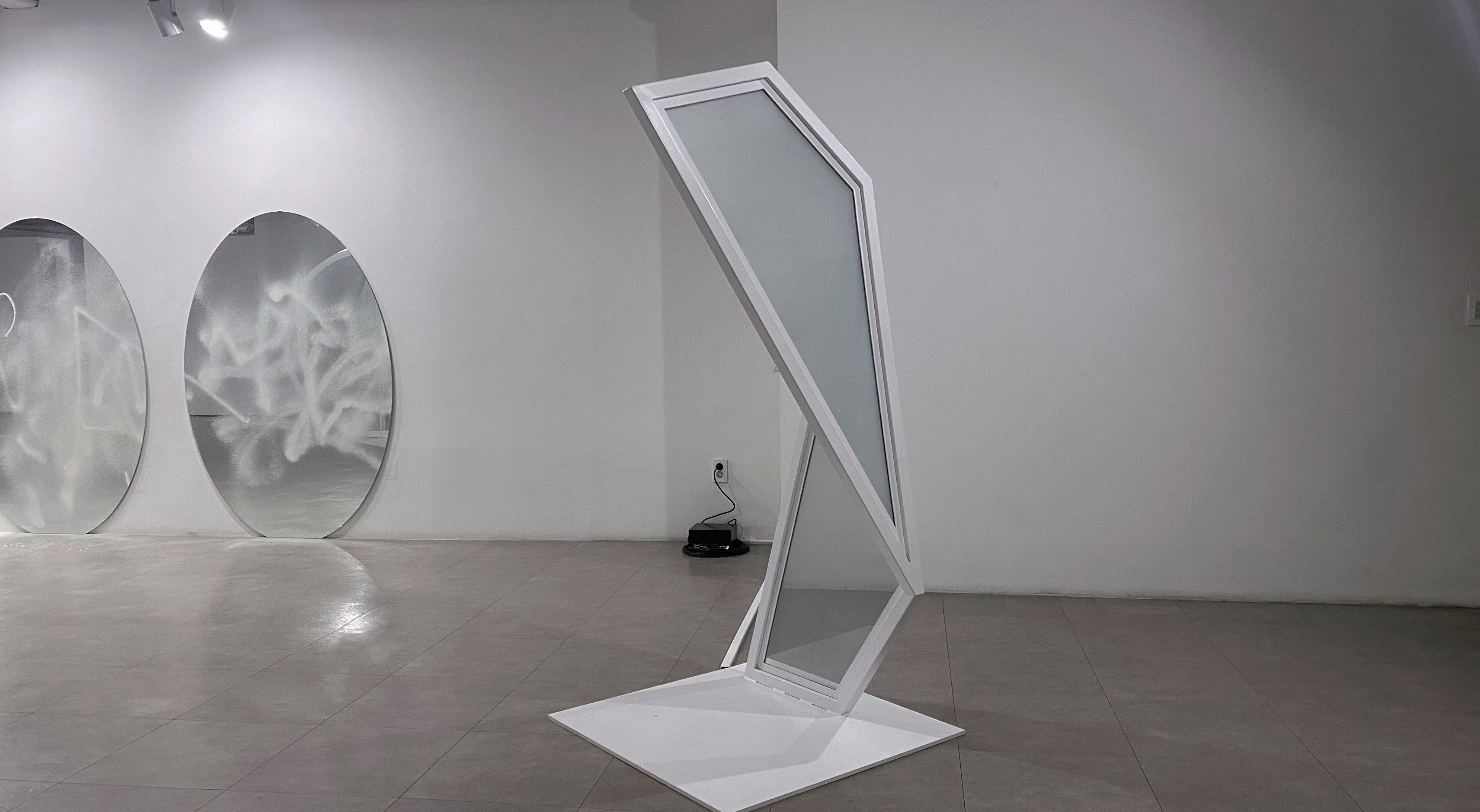
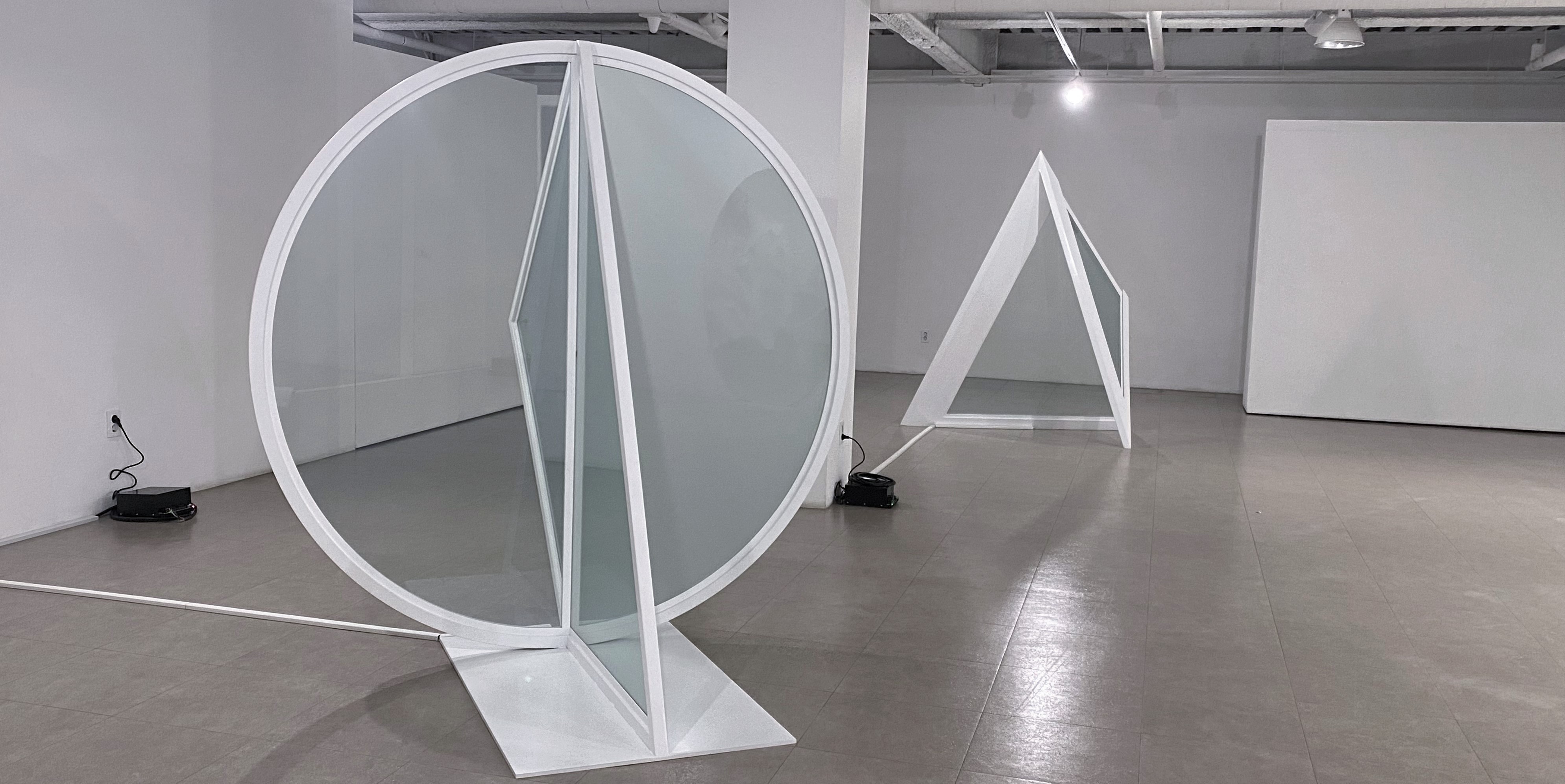
Je Baak, Stupa, 2014, Glass in irregular frame, giclée print © Je Baak

If what Je Baak ultimately seeks through his work is to move closer to essence and complete a sense of subjectivity, then underlying the modes of thinking and attitudes through which he approaches these questions is the influence of Eastern philosophy — including Buddhism — which he absorbed naturally from an early age.

His works possess a level of insight and depth distinct from many other artists who merely claim to reflect Eastern philosophy. Rather than employing superficial visual motifs that simply evoke an “Eastern atmosphere,” Je Baak’s visual outcomes are refined and contemporary, while Eastern philosophy is comprehensively embedded within the logical processes and systems through which those works are produced.

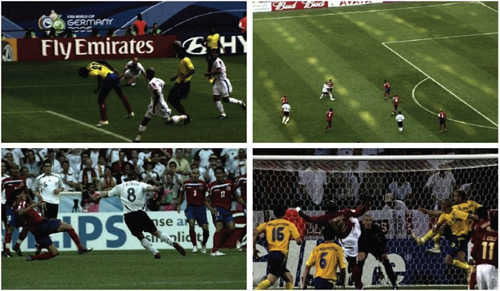
Eastern philosophy often suggests that genuine freedom and subjectivity are attained through painful processes of emptying and erasure. In the ‘Gong’ series, which applies the concept of emptiness (空), the artist removes the soccer ball from footage of soccer matches, drawing attention to players violently colliding and moving within a situation where there is, in fact, nothing left to pursue. Though originating from the same footage, the work generates an entirely new sensory experience.

The aforementioned ‘Petitio Principii’ series resonates with the Buddhist concept of dependent origination (緣起說), which emphasizes the causal interconnectedness and interdependence of all things, while also aligning with the Buddhist mode of introspection that seeks answers by returning inquiry back toward the self.

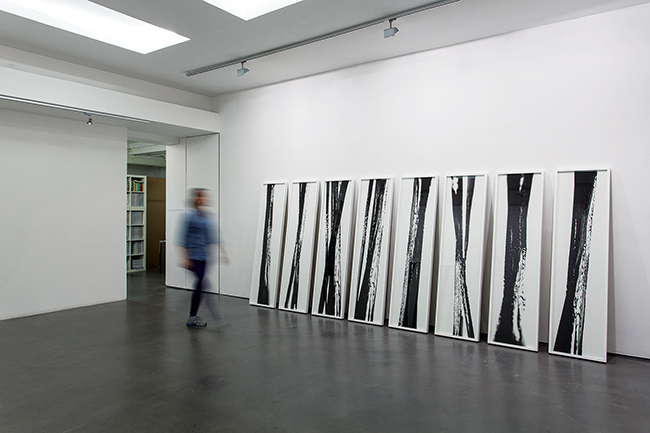
The ‘Karmic Diary’ series, presented in the solo exhibition 《RITUAL-MEDIA-KARMA》 at HADA CONTEMPORARY in the United Kingdom in 2014, emerged during a period in which the artist underwent self-reflection and redefined the conceptual foundations of his practice. These works involve repetitive processes performed almost like acts of spiritual discipline, akin to the ritual repetition of 108 prostrations in Buddhism.

Taken together, Je Baak transforms the kinds of philosophical inquiries and paradoxical questions historically posed within Eastern philosophy concerning the meaning of life into contemporary forms suited to the present moment through the use of visual media. Indeed, Je Baak himself has stated that he wishes to reinterpret Eastern philosophy within the context of contemporary daily life and express it through contemporary artistic language.


Je Baak, Petitio Principii 202, 201, 2012, Giclée print © Je Baak

The artist’s determination to remain faithful to both the content and process of his work naturally leads him toward the selection of diverse media. By choosing and combining whichever medium — photography, installation, sculpture, video, or otherwise — most effectively conveys the conceptual essence of a given work, Je Baak produces a wide range of visual outcomes that transcend conventional disciplinary boundaries.

As a result, during periods when he primarily presented video works, he was sometimes introduced within the limited framework of a “media artist,” while later, upon presenting sculpture, installation, and two-dimensional works, some viewers mistakenly assumed that he had shifted into entirely different artistic contexts.

Yet when one looks beyond the formal surfaces of his works and instead examines their conceptual foundations, it becomes clear that the artist Je Baak has consistently been pursuing the same core inquiry throughout.

As reflected in his statement, “I hope my work resembles the questions asked by a child who knows nothing,” the artist seeks to provide viewers with opportunities to reconsider essence and subjectivity through questions that are simple and lucid, yet which we have too easily overlooked precisely because they seemed so self-evident.

Ultimately, his refusal to become fixated upon or constrained by any single medium, and his efforts to freely employ a broad range of media according to the needs of each work, are deeply aligned with the central themes of his practice: the pursuit of genuine freedom and subjectivity through continual self-reflection and questioning.

Without settling into complacency, Je Baak continues expanding his artistic universe by marking new points across differing coordinates through diverse forms of work. Because it remains impossible to predict what kinds of new points he will draw next in order to complete his own image, observing the evolution of his practice is compelling — and, at the same time, something one eagerly anticipates in trust of his insight.


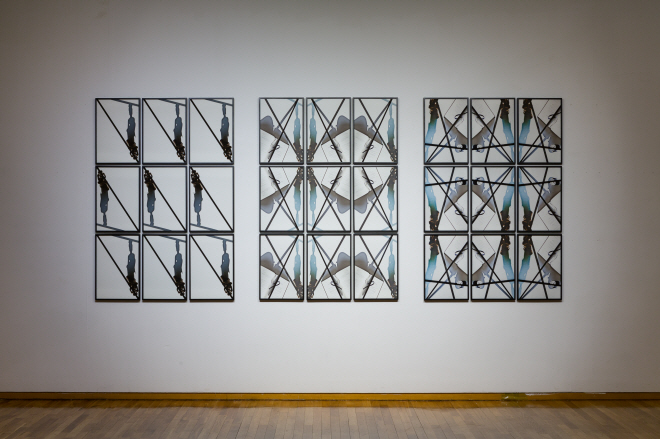
Je Baak, Karmic Diary, 2014, Giclée print, 46 × 184 cm each © Je Baak
References