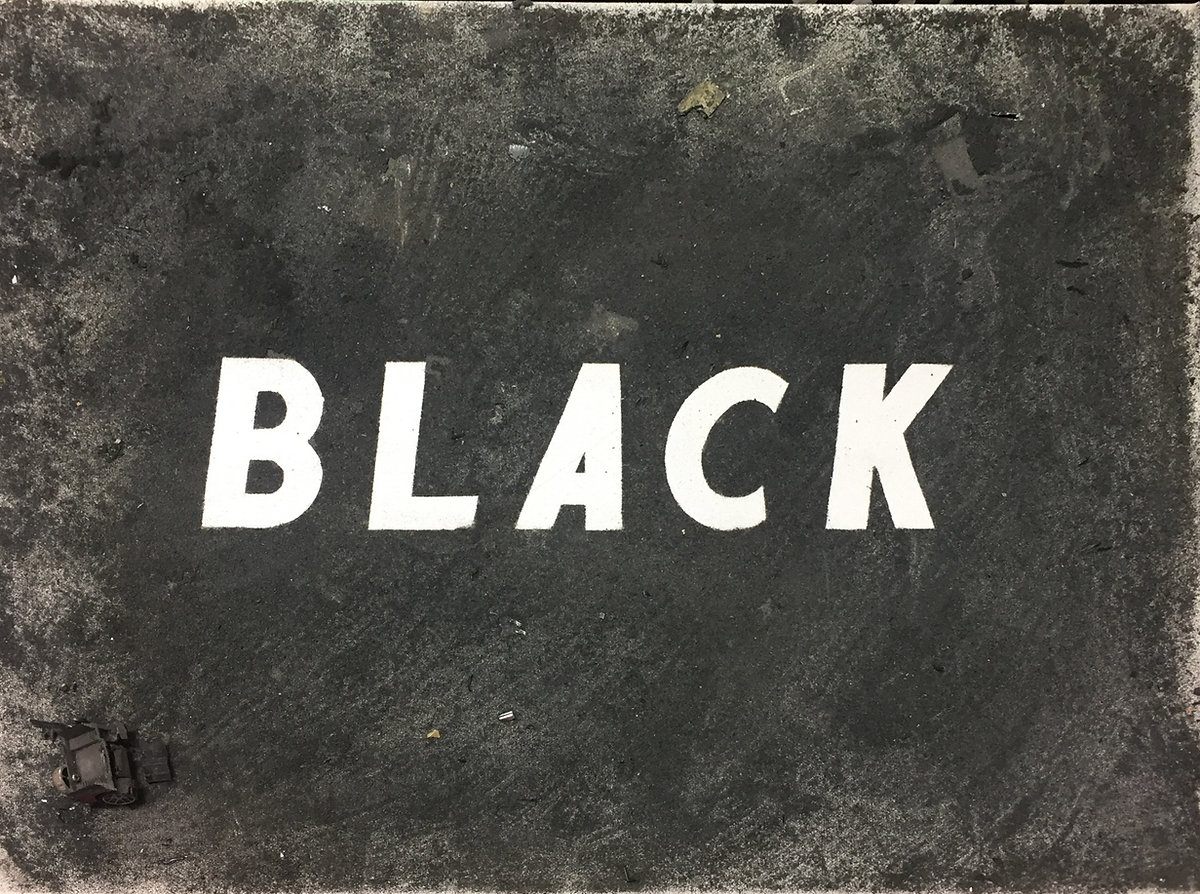
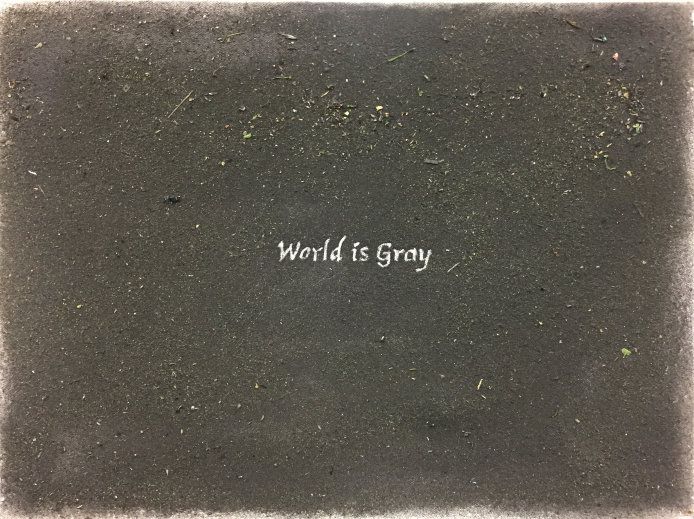
But why does Shin insist on grinding intact objects down into powder? During graduate school, while discussing the representation of bricks and chairs in a painting class, he became interested in semiotics—particularly the distinction between drawing a chair, writing the word “chair,” and presenting an actual chair itself.
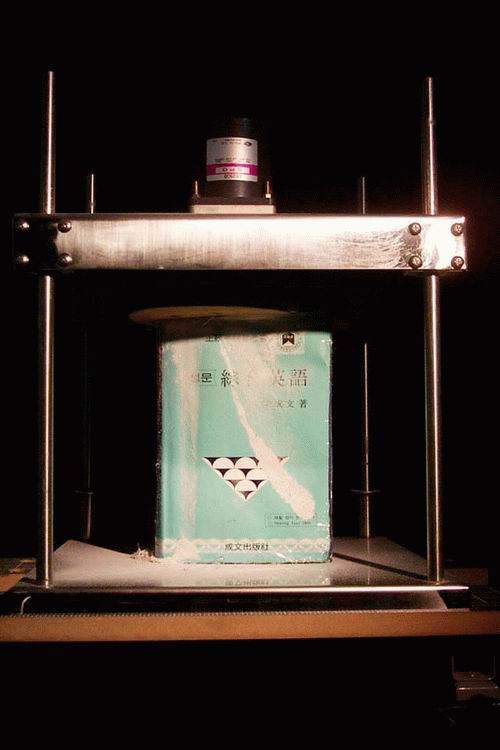
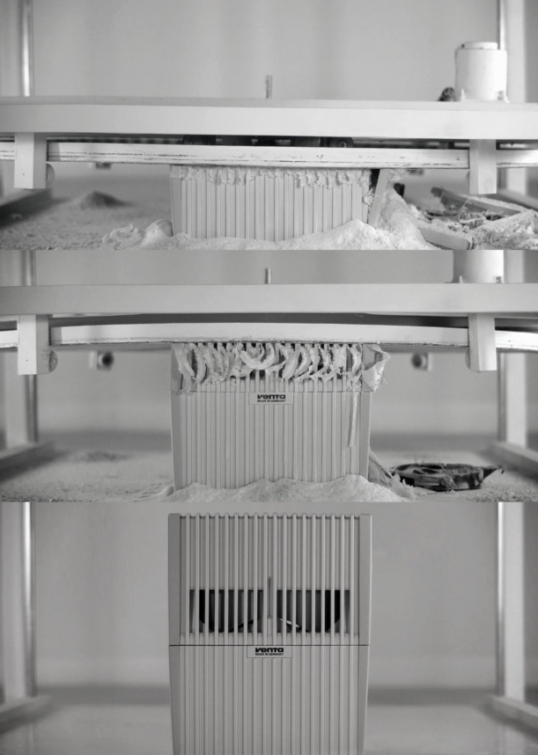
From this, he arrived at the idea that what was still missing was the chair in its molecular or atomic state: the powder of the chair. At first, he experimented by manually grinding books and Walkmans and collecting the resulting dust. Yet after several days, he began searching for equipment capable of replacing such exhausting labor, eventually constructing his own grinding machine.
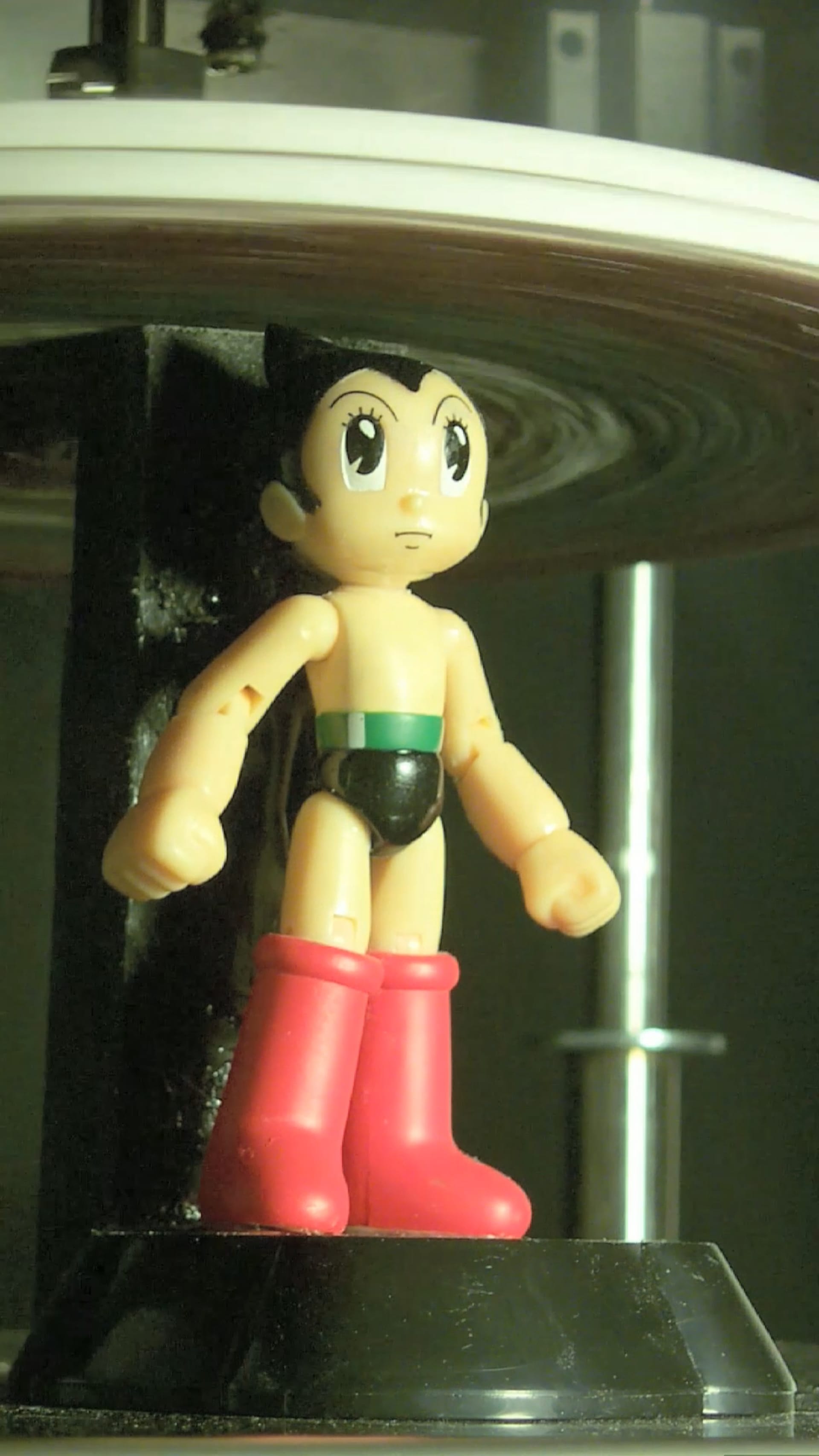
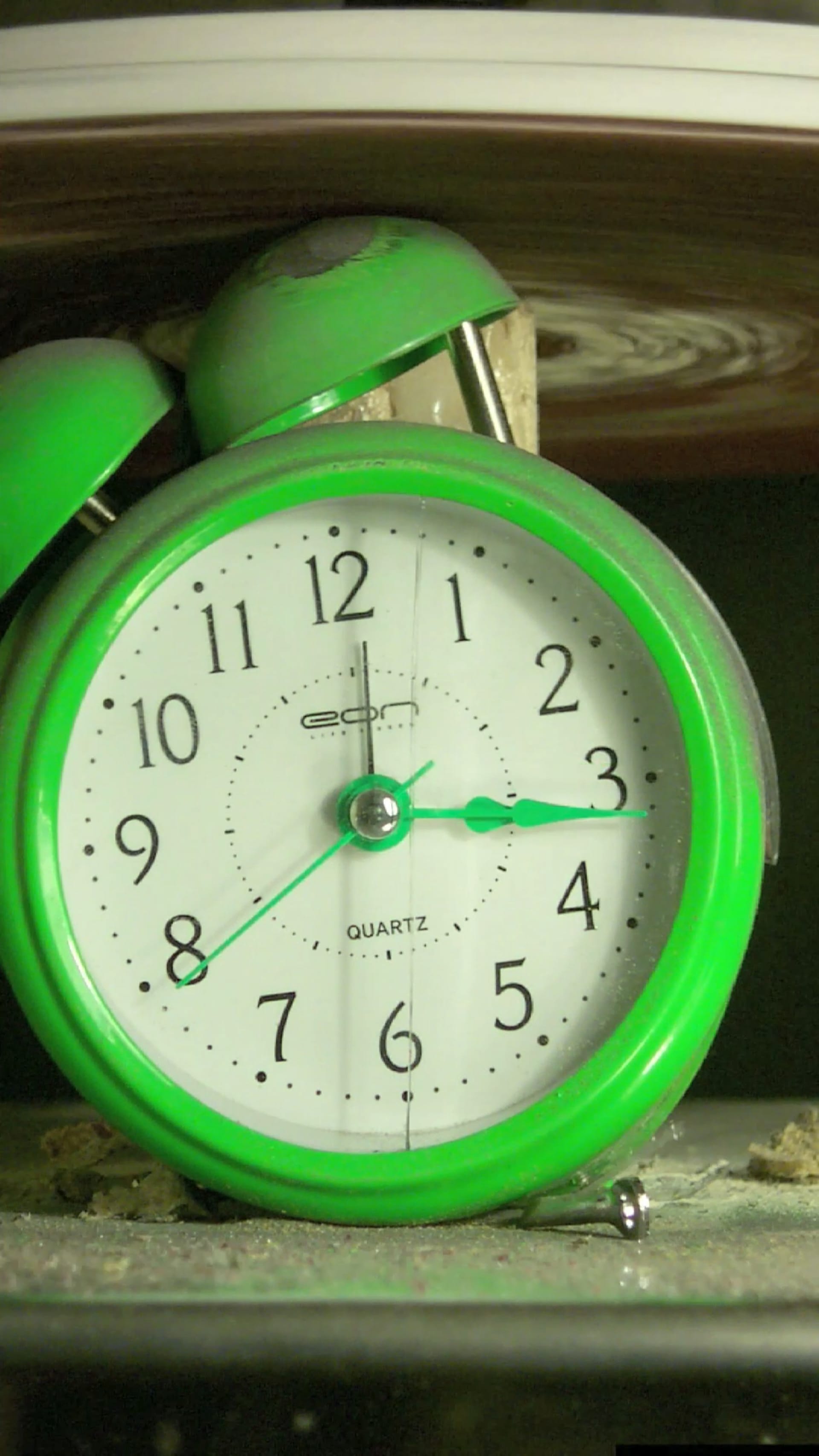
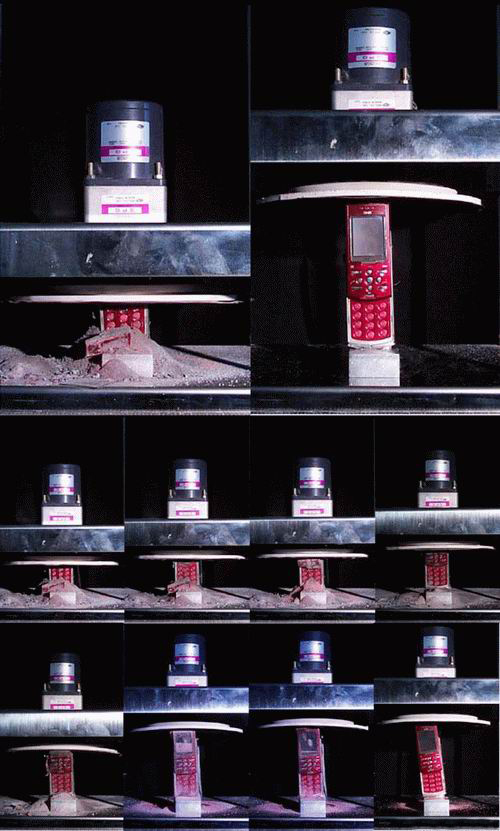
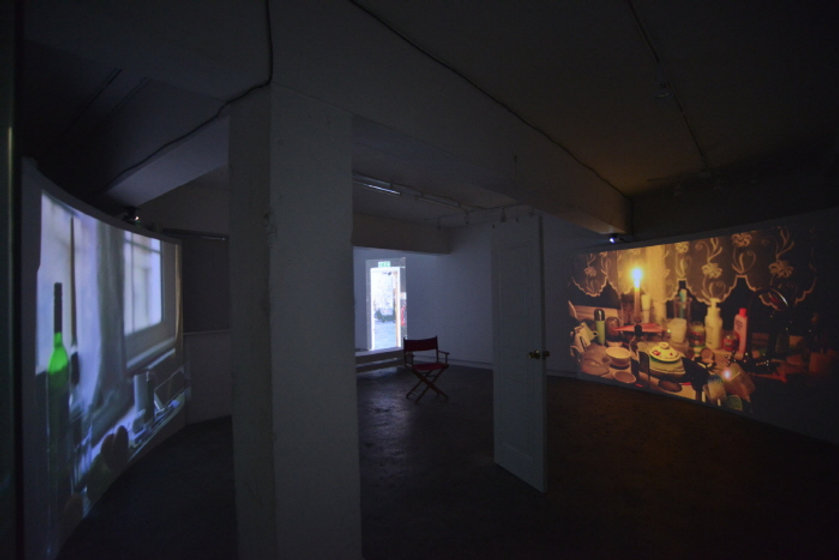
Using the time-lapse function built into a digital camera he had purchased in 2000, he then filmed everyday objects—records, books, City Phones, and other familiar items—as they were gradually ground away.
He initially began simply by collecting powder, but gradually came to realize that all things, including human beings, ultimately return to dust. From there, he sought to engage more deeply with the religious, cultural, and historical implications embedded within this realization.
Much like the Buddhist principle “Form is emptiness, emptiness is form” (色卽是空 空卽是色), all concrete forms and vivid colors within these works ultimately dissolve into gray powder. In this sense, the title suggests that gray dust itself constitutes the truth and reality underlying all things.
Likewise, the process through which objects are destroyed and restored—the cycle of generation and disappearance—embodies the idea that “the origin of all things is fundamentally the same.”
The criteria by which he selected objects were primarily whether he believed they represented their era, while at the same time they were also things he personally desired to possess. The series began with a CD of The Blue Danube, followed by keyboards, computer mice, Ultraman figurines, coins, iPods, smartphones, and PlayStations.
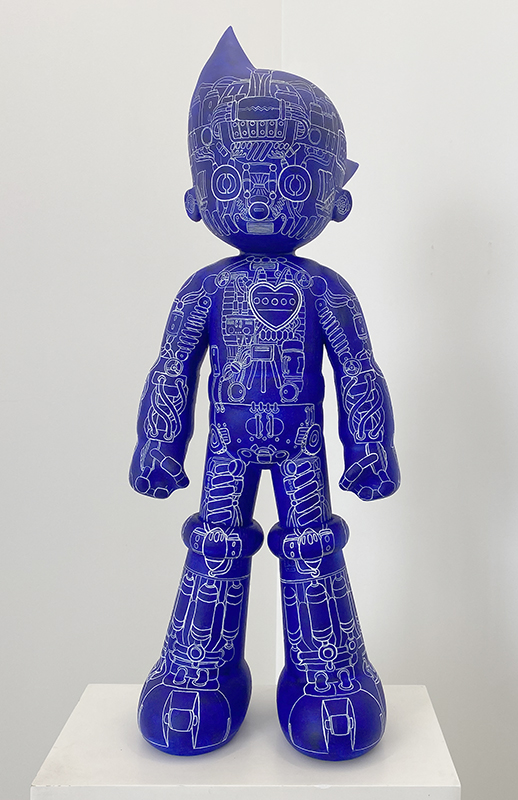
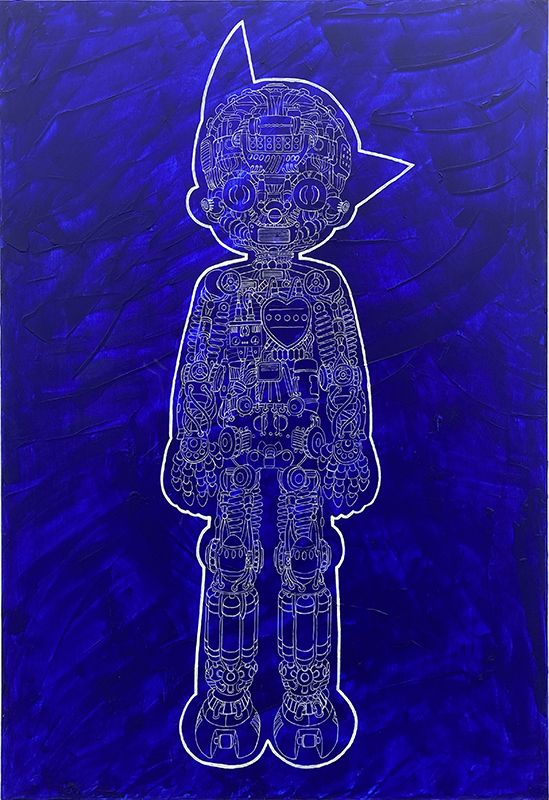
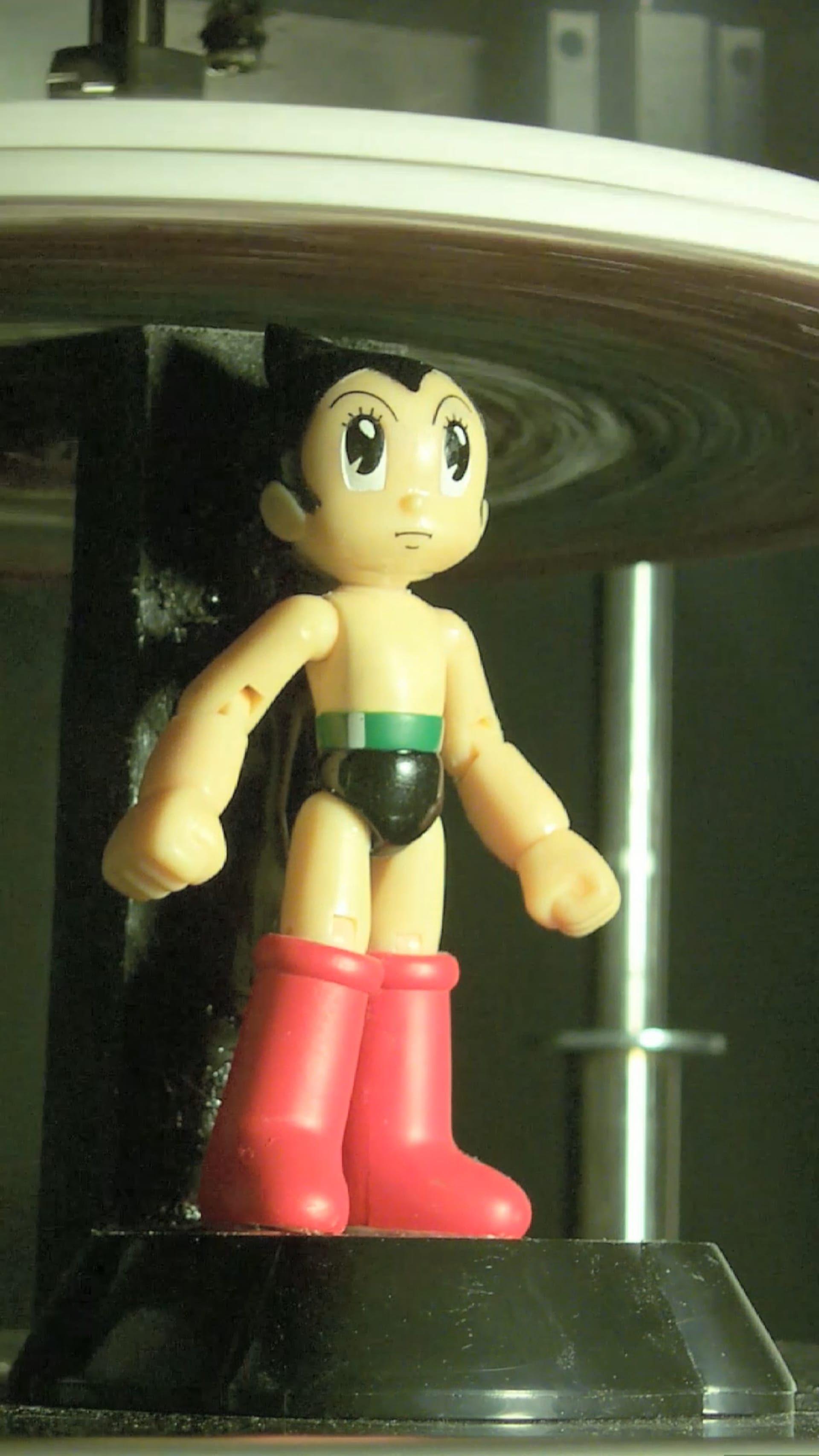
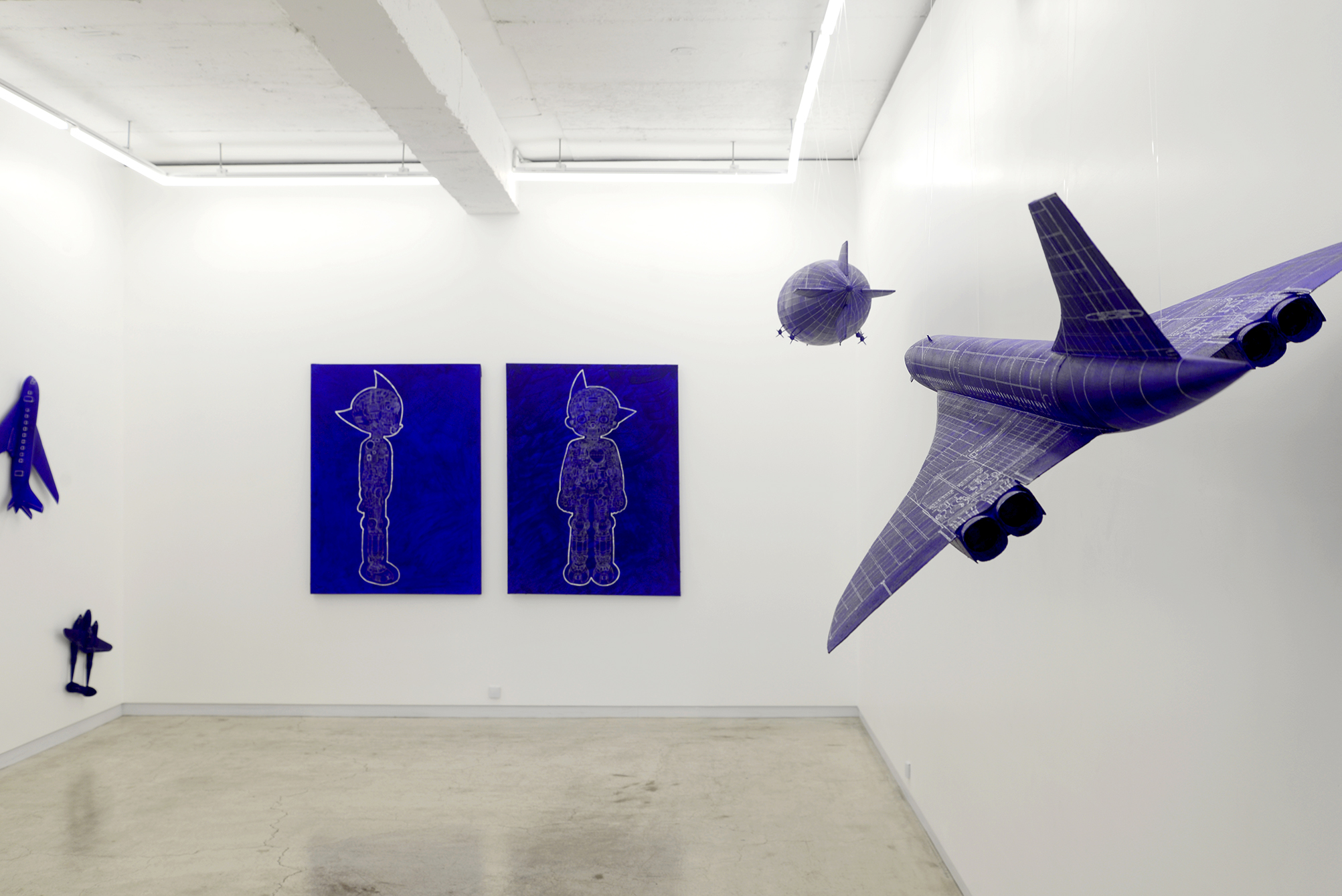
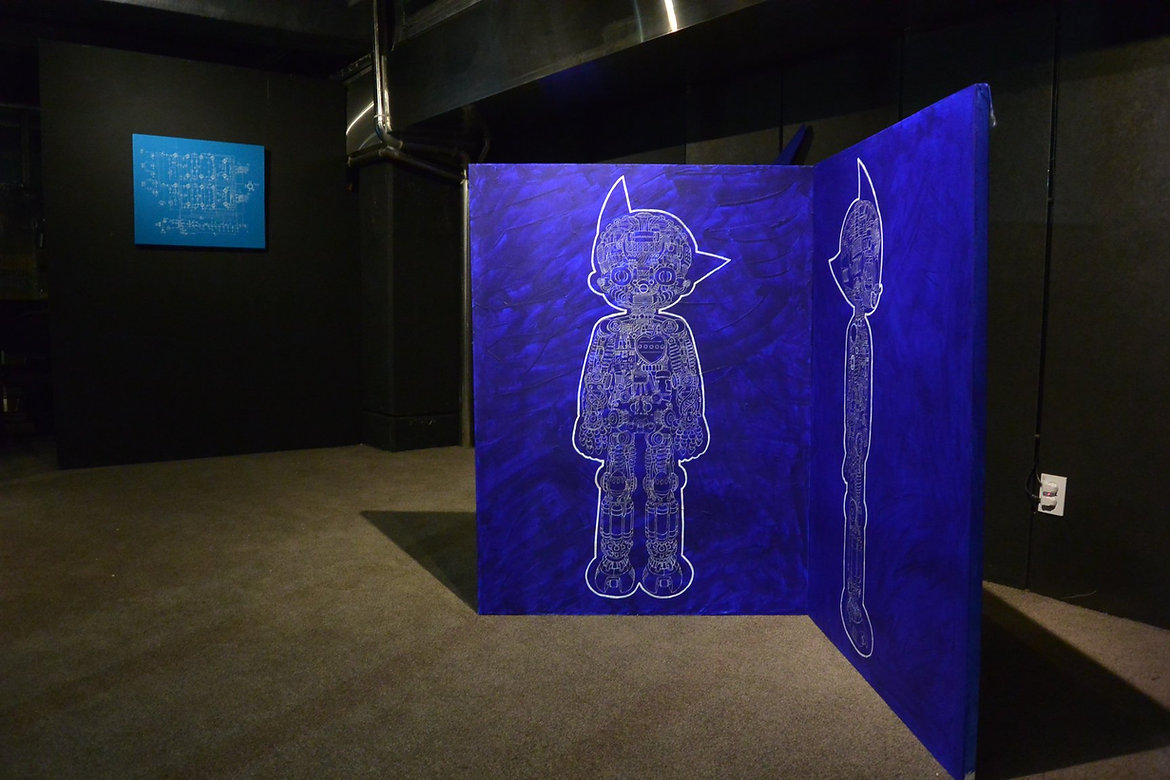
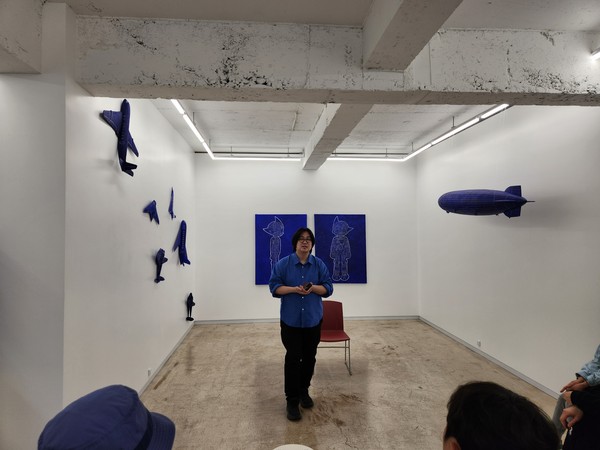
These objects function as representative symbols of contemporary society, serving not merely as items for collection or possession, but also as reminders of the futility and meaninglessness of ownership and existence itself. Created in reference to 2006, the year Astro Boy was born within the comic narrative, Astro Boy carries a dual significance: simultaneously futuristic and marked by a fin-de-siècle spirit of resistance.
As one of the quintessential collectible items, the lifeless figurine appears imbued with a kind of artificial vitality. In Alarm Clock, he grinds a clock, yet the underlying subject is time itself. The work seeks to express the meaning of time—perhaps the most essential presence within human life, yet something impossible to grasp or resist.
The year 2006, when this series was produced, also marked the emergence of many Korean contemporary artists who would later gain international prominence. Young artists in their twenties and thirties, beginning to move beyond the dark memories of the IMF financial crisis of the late 1990s, started pursuing new aspirations in the mid-2000s.
Through experiments with subject matter, material selection, modes of production, and exhibition formats, they became a kind of signal flare announcing Korean contemporary art more fully to the global art world. The promising young artist once in his late twenties is now a mid-career artist in his forties and a professor at an art university, yet he continues to dream of new possibilities.
Although he has refrained from producing the ‘Approach the Truth’ series for more than a decade in order to avoid self-repetition, he now envisions works that reveal aspects of twenty-first-century Korean society through automobiles, airplanes, and even houses. Recalling the memory of witnessing a giant airplane suddenly disappear in a television magic show, one cannot help but root for Shin as he pursues these new ambitions.
Shin Kiwoun’s work was featured in the exhibition 《What Things Dream About》 at MMCA Seoul.