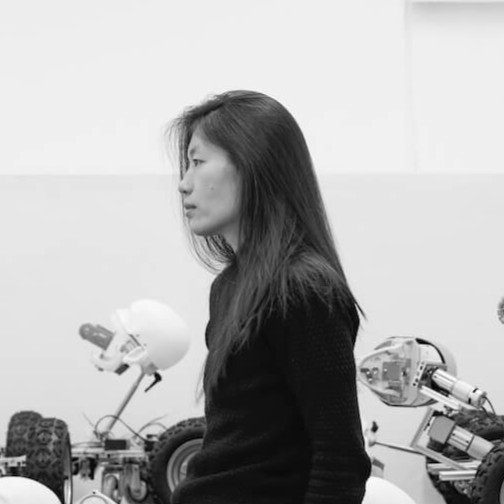
Geumhyung Jeong’s practice begins with an exploration of the relationship between humans and objects, yet it cannot be reduced simply to a question of technology and the body. What matters in her work is not merely how humans use objects, but how they project desire and emotion onto them.
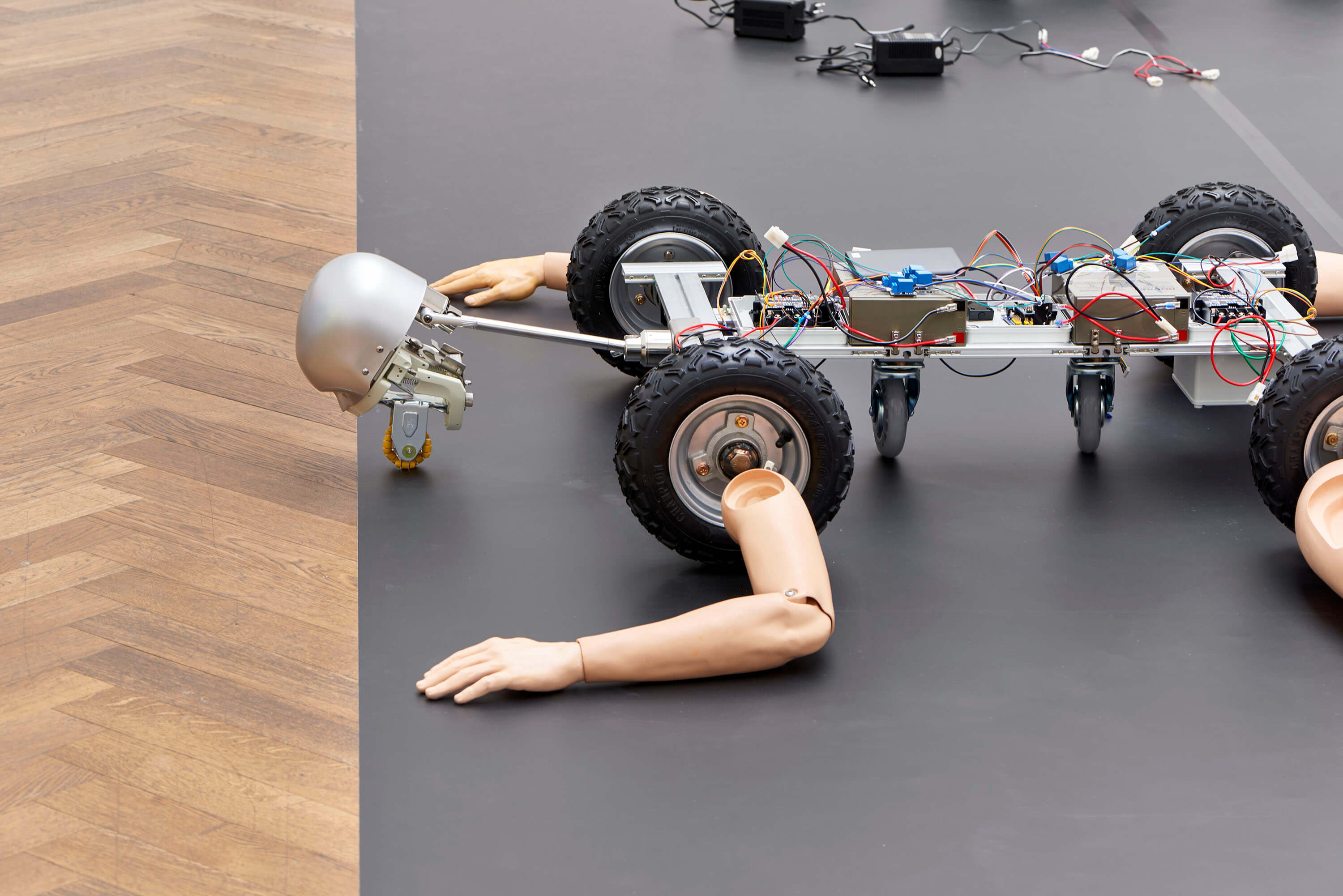
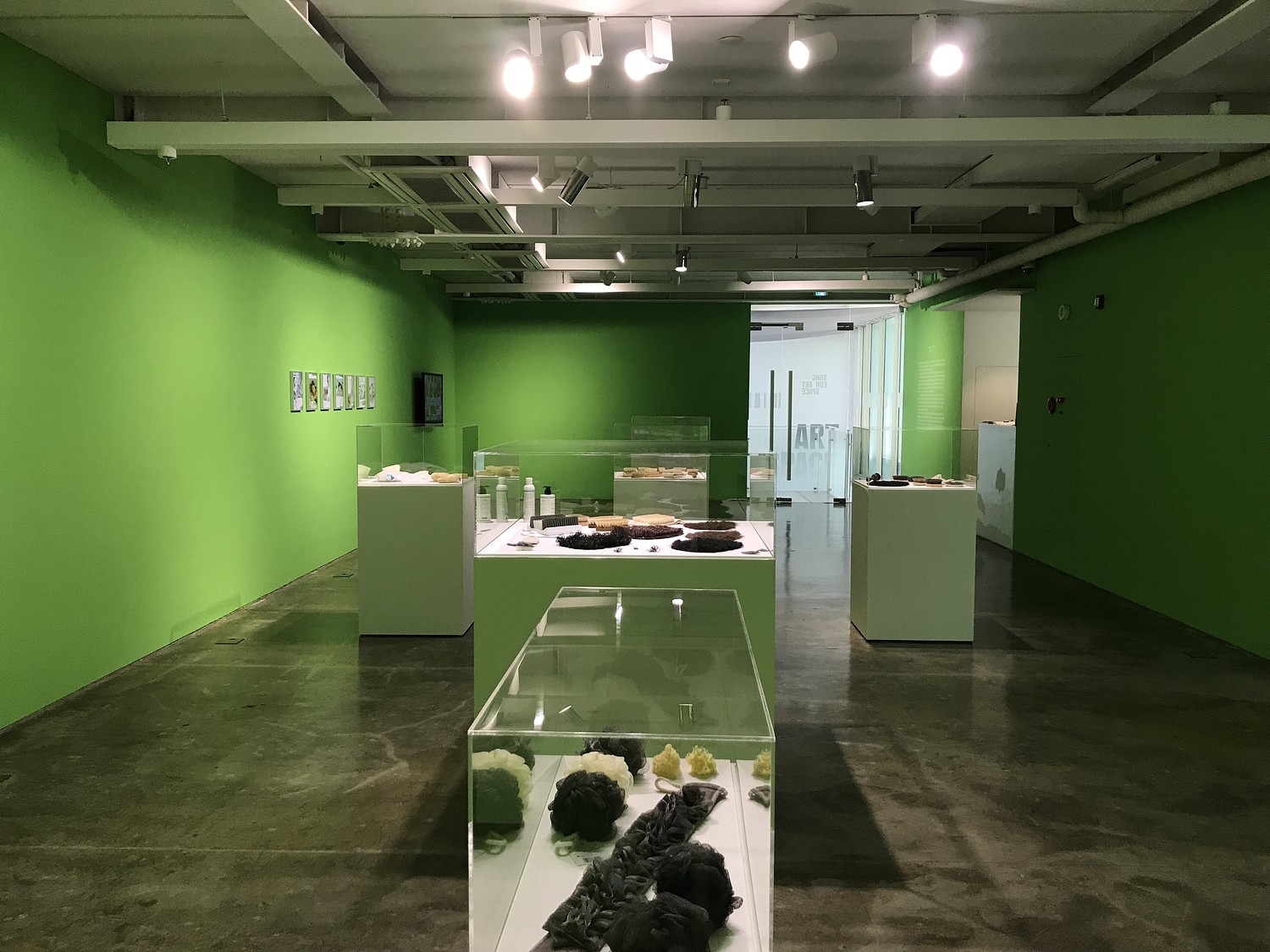
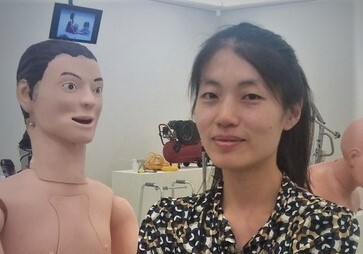
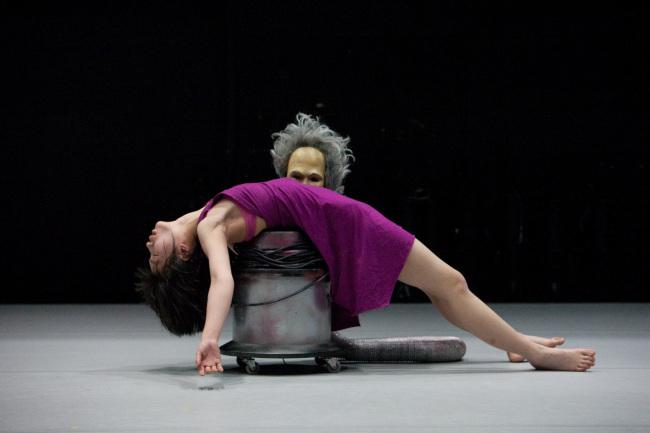
Medical mannequins, exercise equipment, vacuum cleaners, beauty tools, and remote-control devices are transformed beyond their original functions into entities that interact with the artist, revealing human desire, anxiety, intimacy, and the impulse to control. While Jeong treats functional objects as if they were living beings, she simultaneously exposes the fact that they ultimately cannot escape the fantasies imposed upon them by humans.
Rather than optimistically imagining coexistence between humans and machines, her work instead reveals the fragile structure through which humans depend upon and emotionally invest in objects.
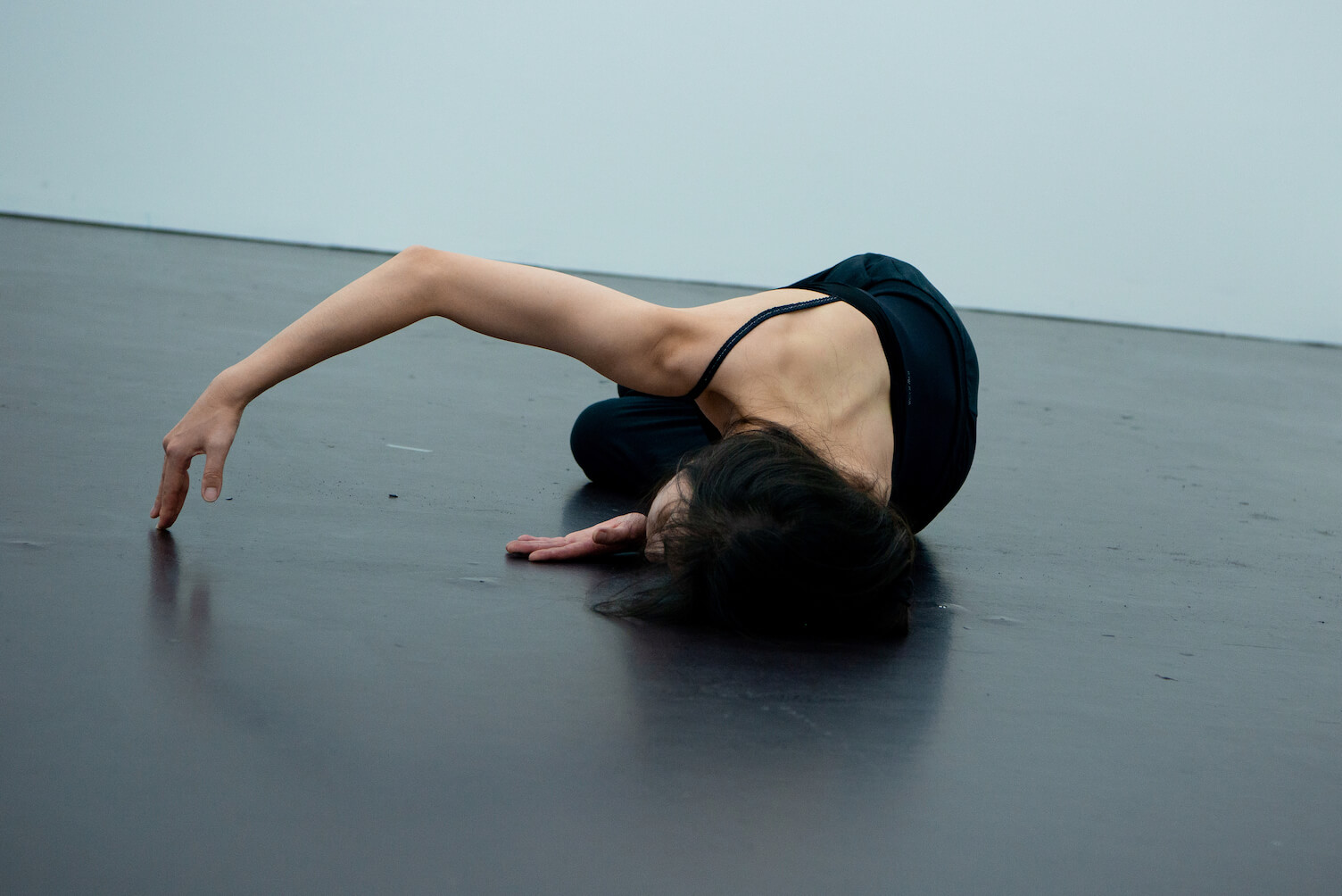
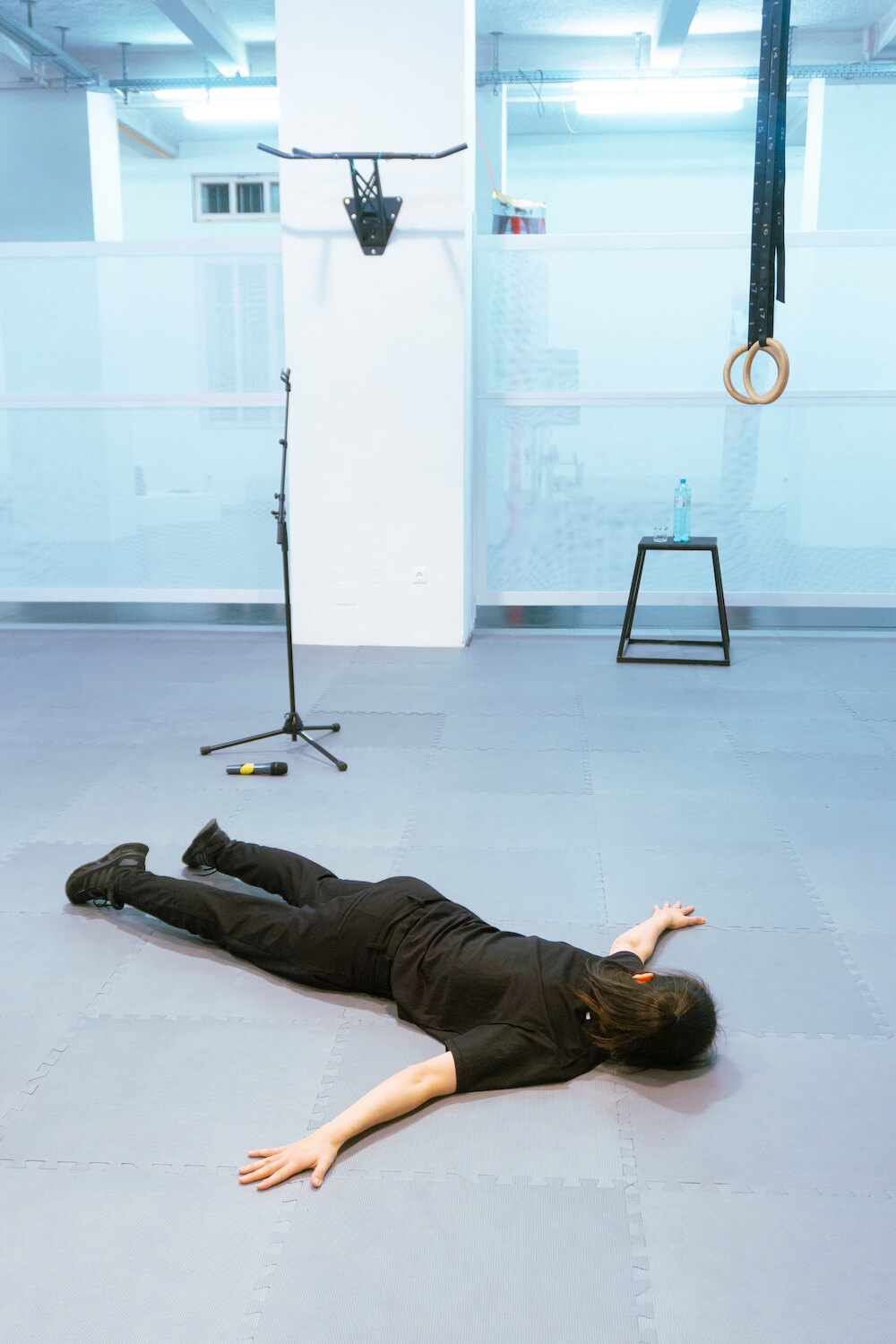
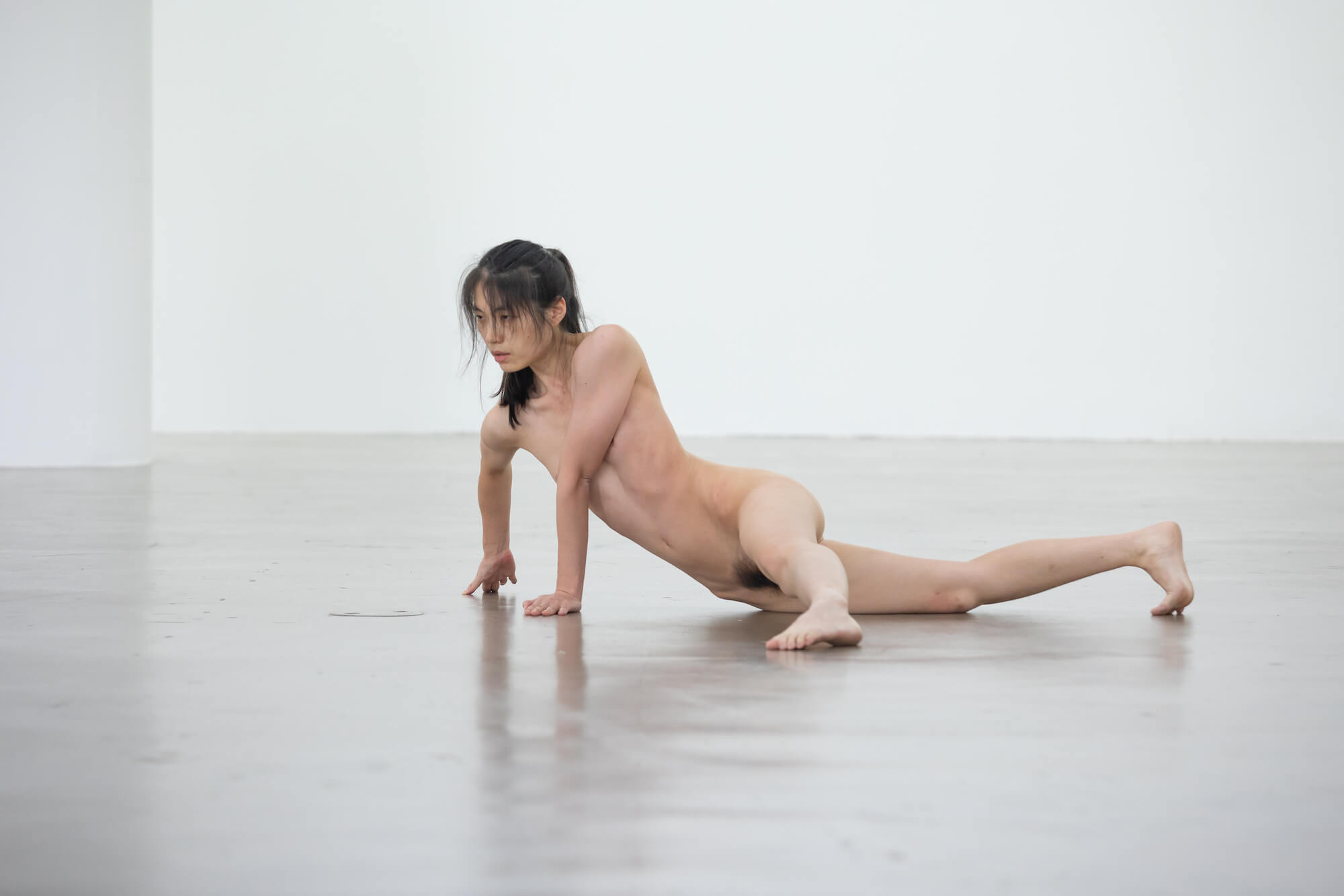
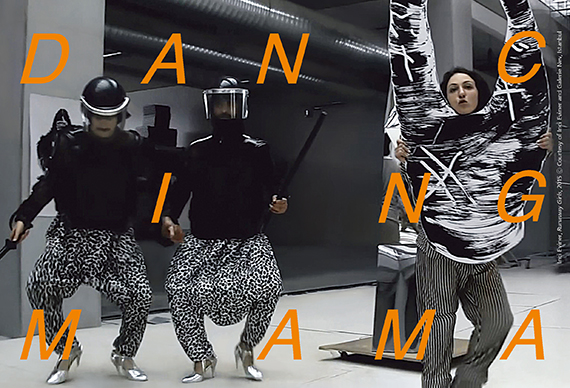
In her early performances, Jeong constructed relationships with objects through the centrality of her own body. In works such as 7 Ways, Oil Pressure Vibrator, and Fitness Guide, she manipulated exercise machines, industrial equipment, and medical devices to exaggerate or distort bodily movement, allowing audiences to witness the subtle tension between humans and objects.
From CPR Practice to Rehab Training and Fire Drill Scenario, Jeong continually returned to structures of training, simulation, repetition, and failure. Simulations based on imagined emergency situations—such as CPR instruction or disaster response drills—function as key conceptual devices within her work.
By persistently destabilizing the boundaries between the real and the artificial, training and reality, operation and malfunction, Jeong reveals how the systems and technologies we believe we have mastered are built upon fundamentally unstable foundations.
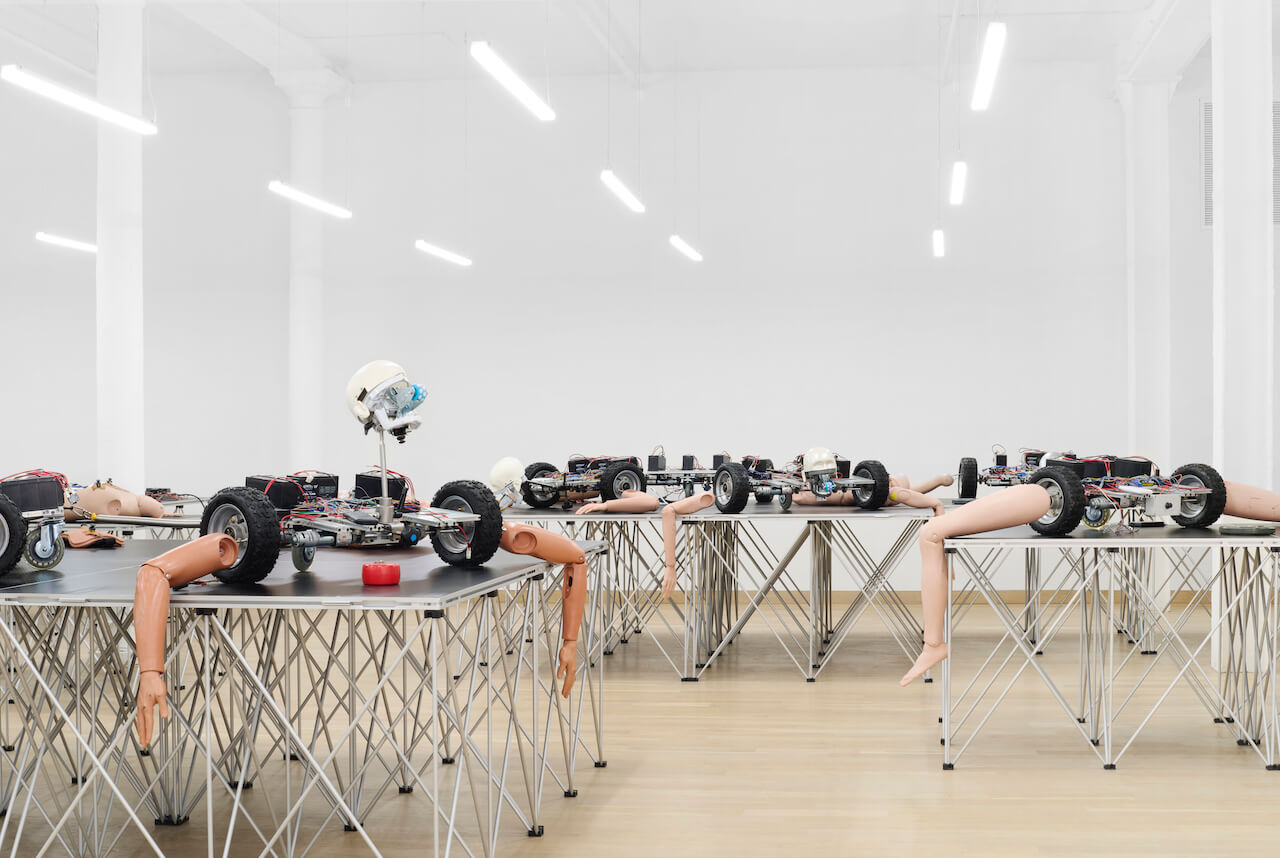
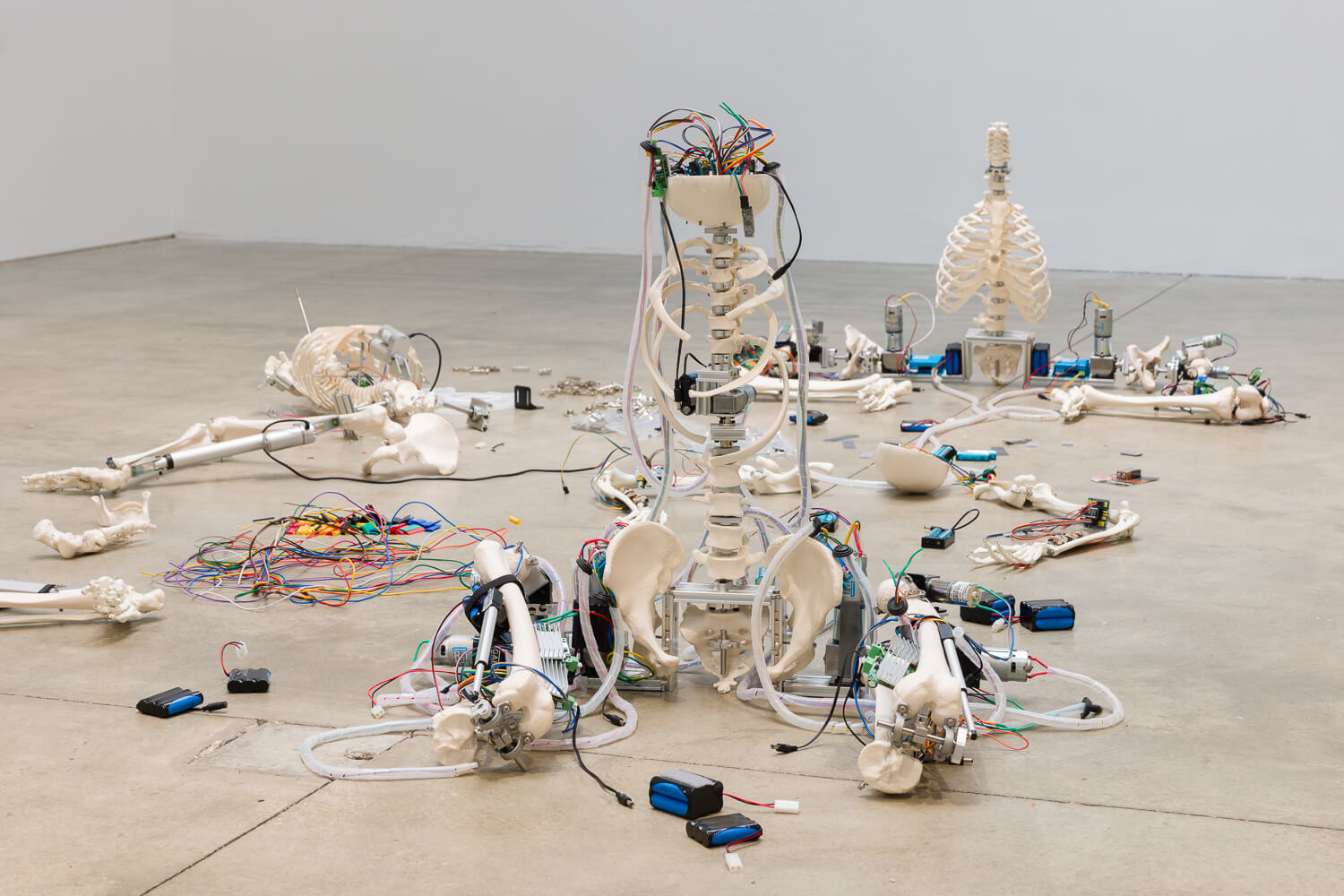
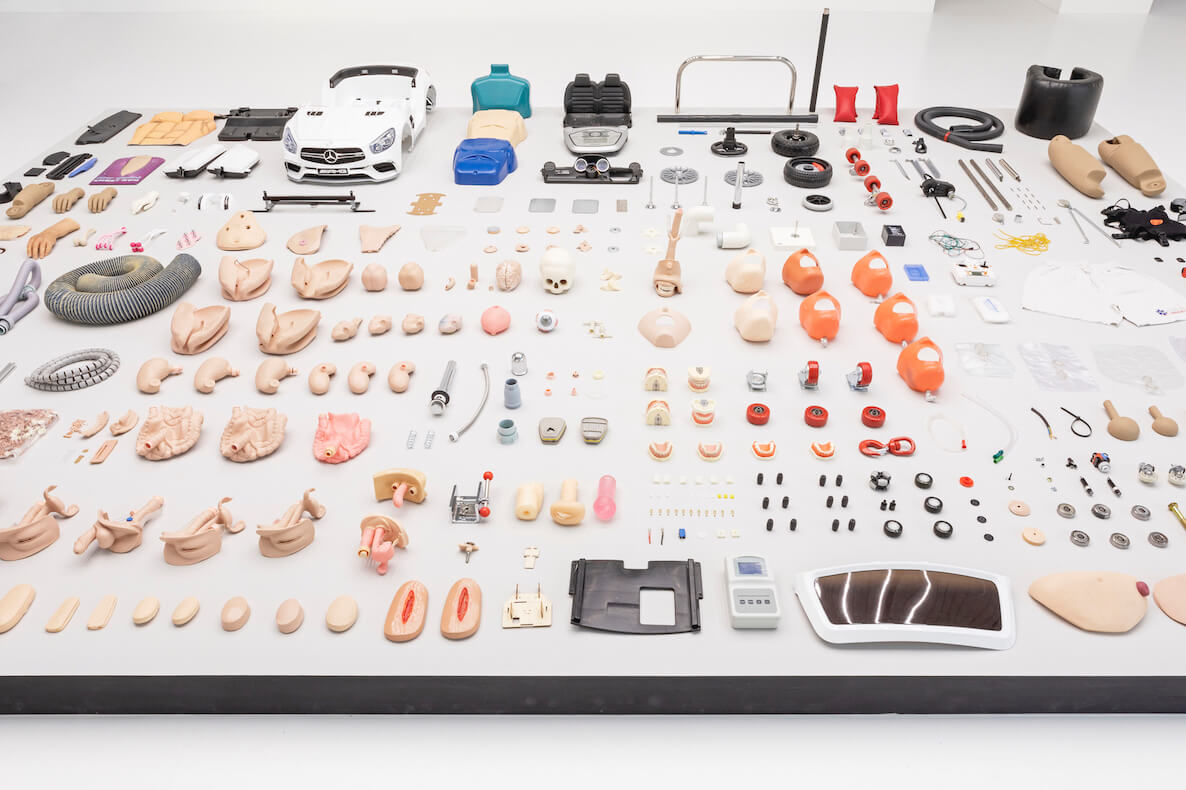
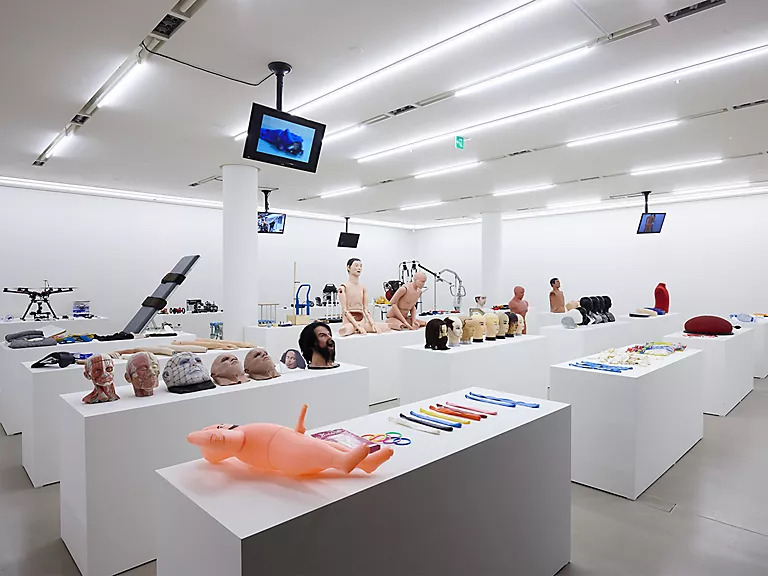
Following 《Private Collection》 in 2016, the center of gravity in Jeong’s practice gradually shifted away from the performer’s own body toward dolls, machines, components, and toys. This was not simply a change of medium, but rather an expansion of her investigation into how human desire accumulates and proliferates within material forms.
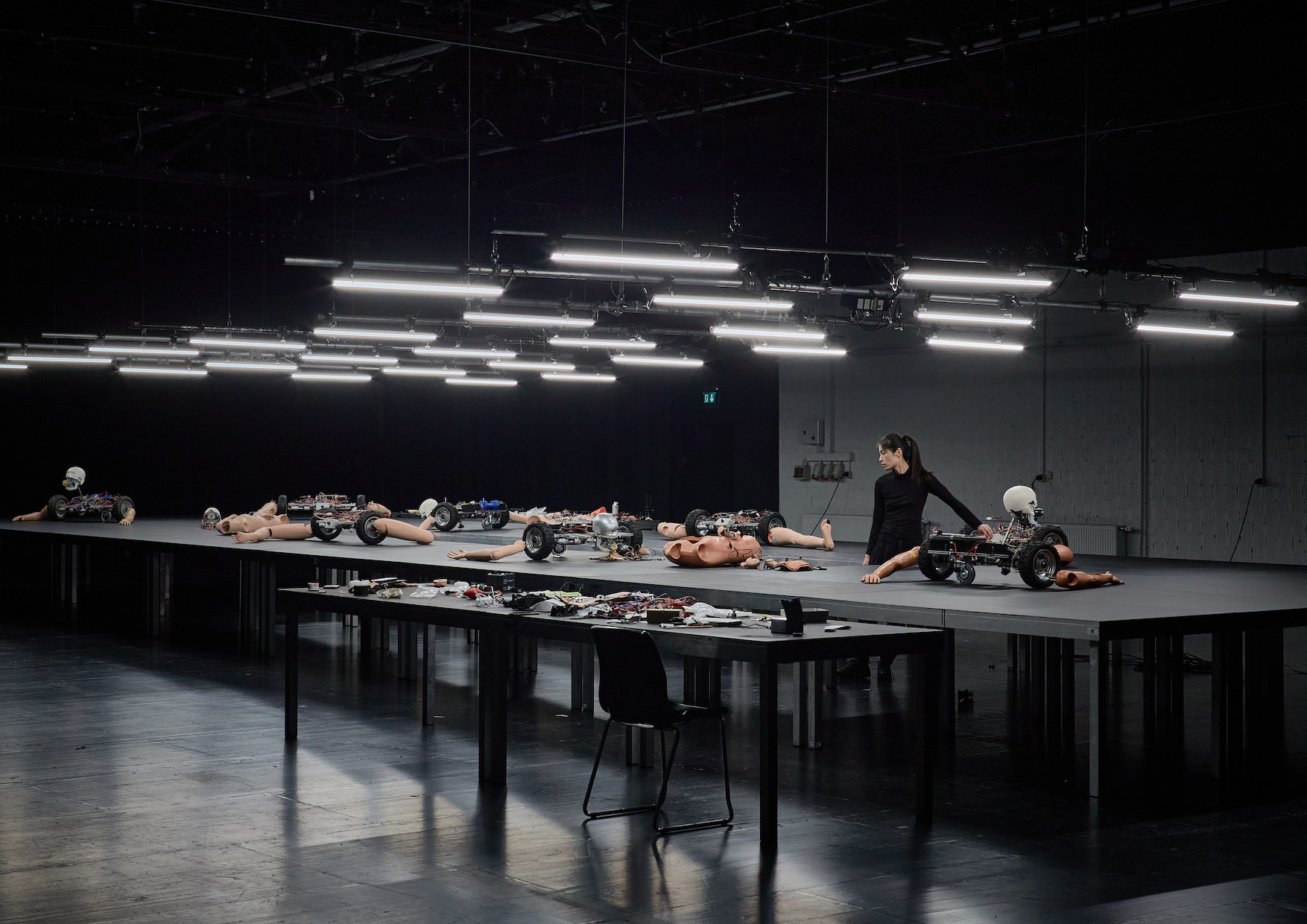
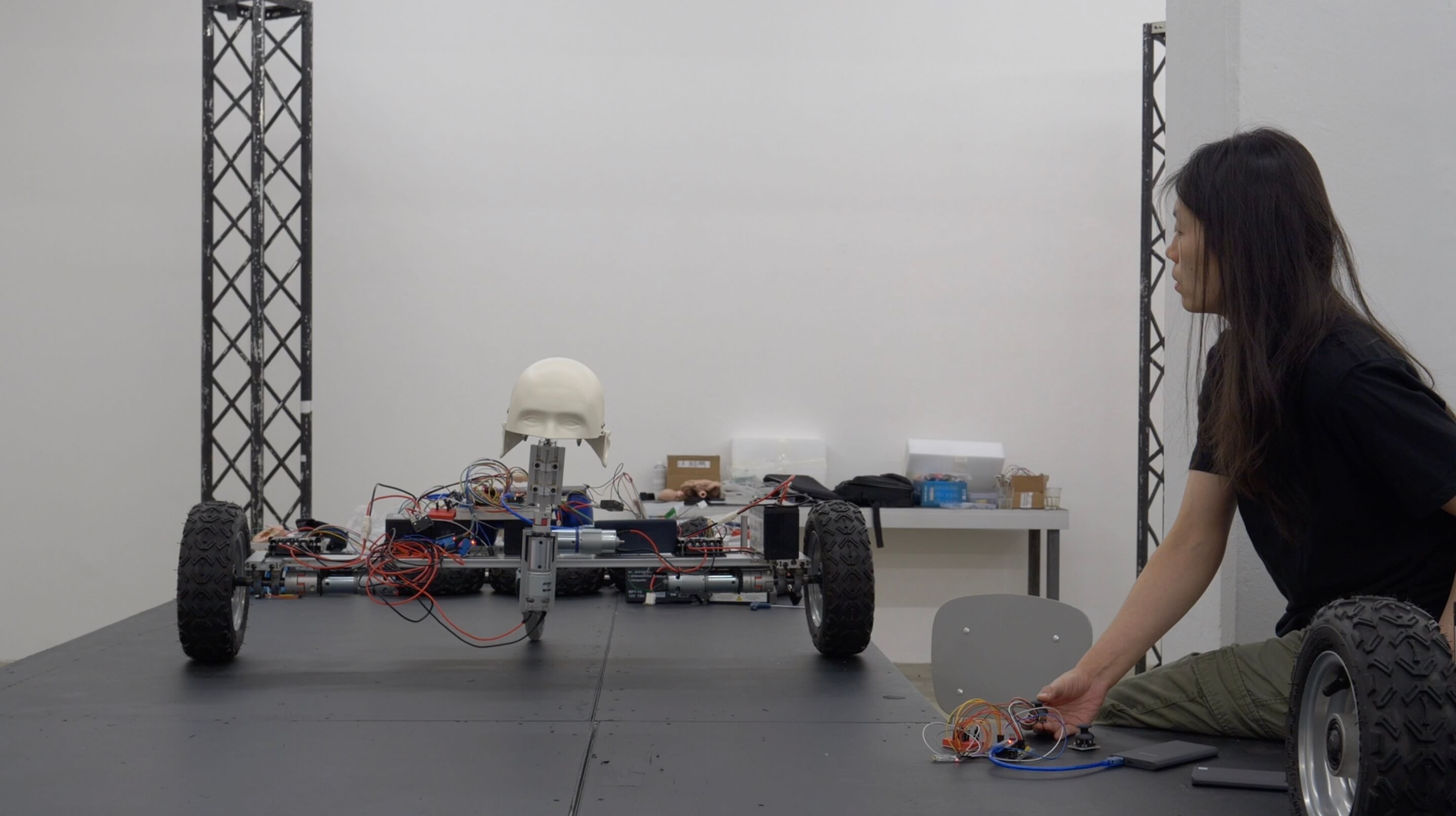
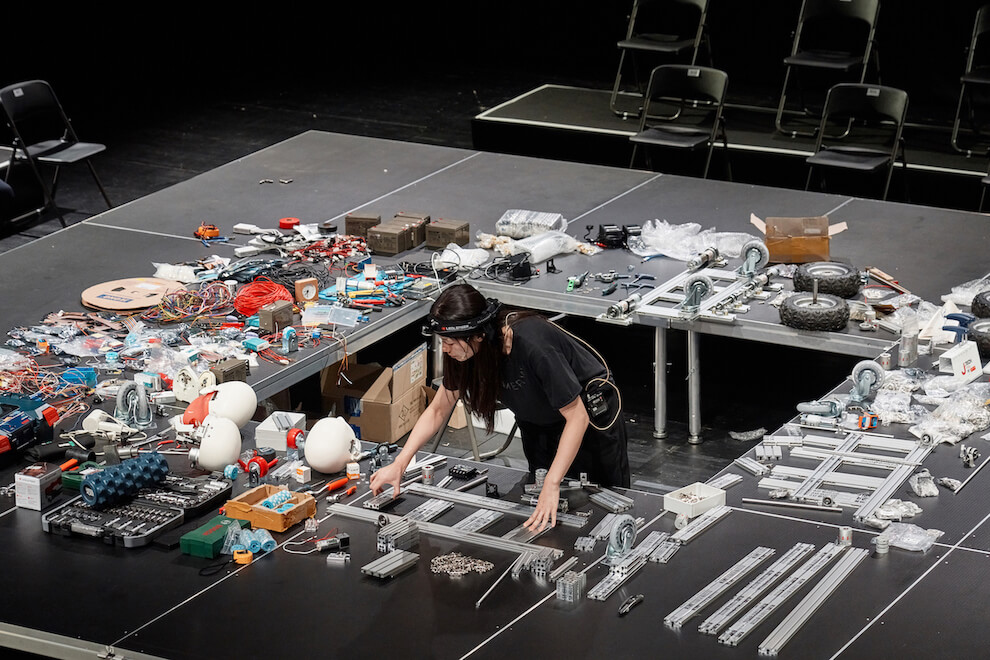
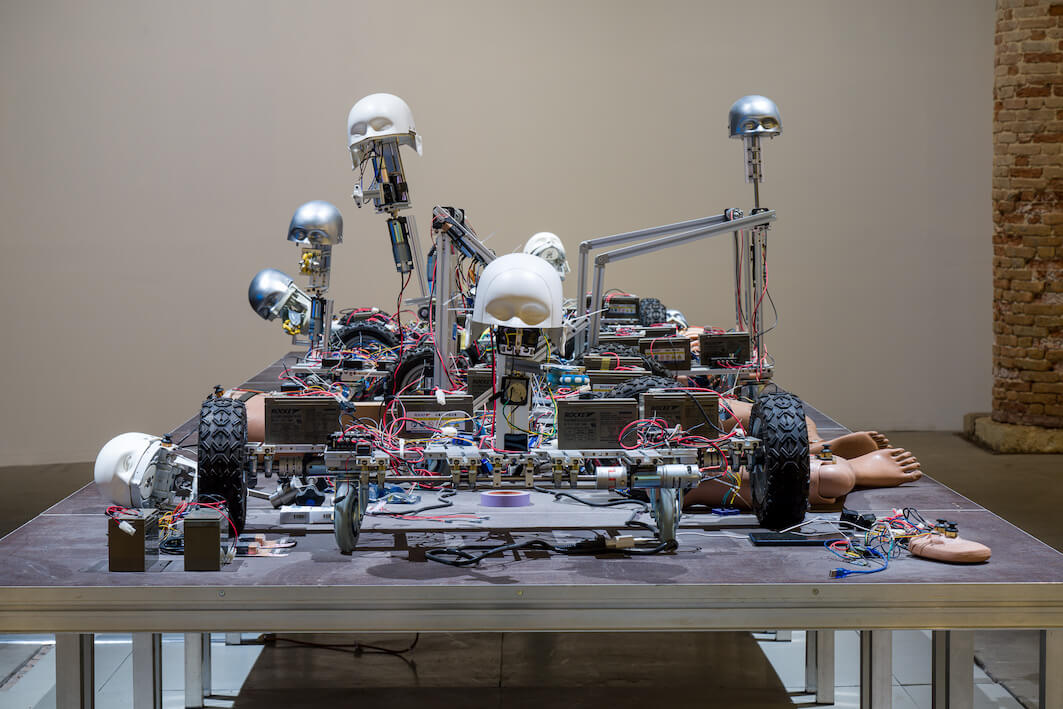
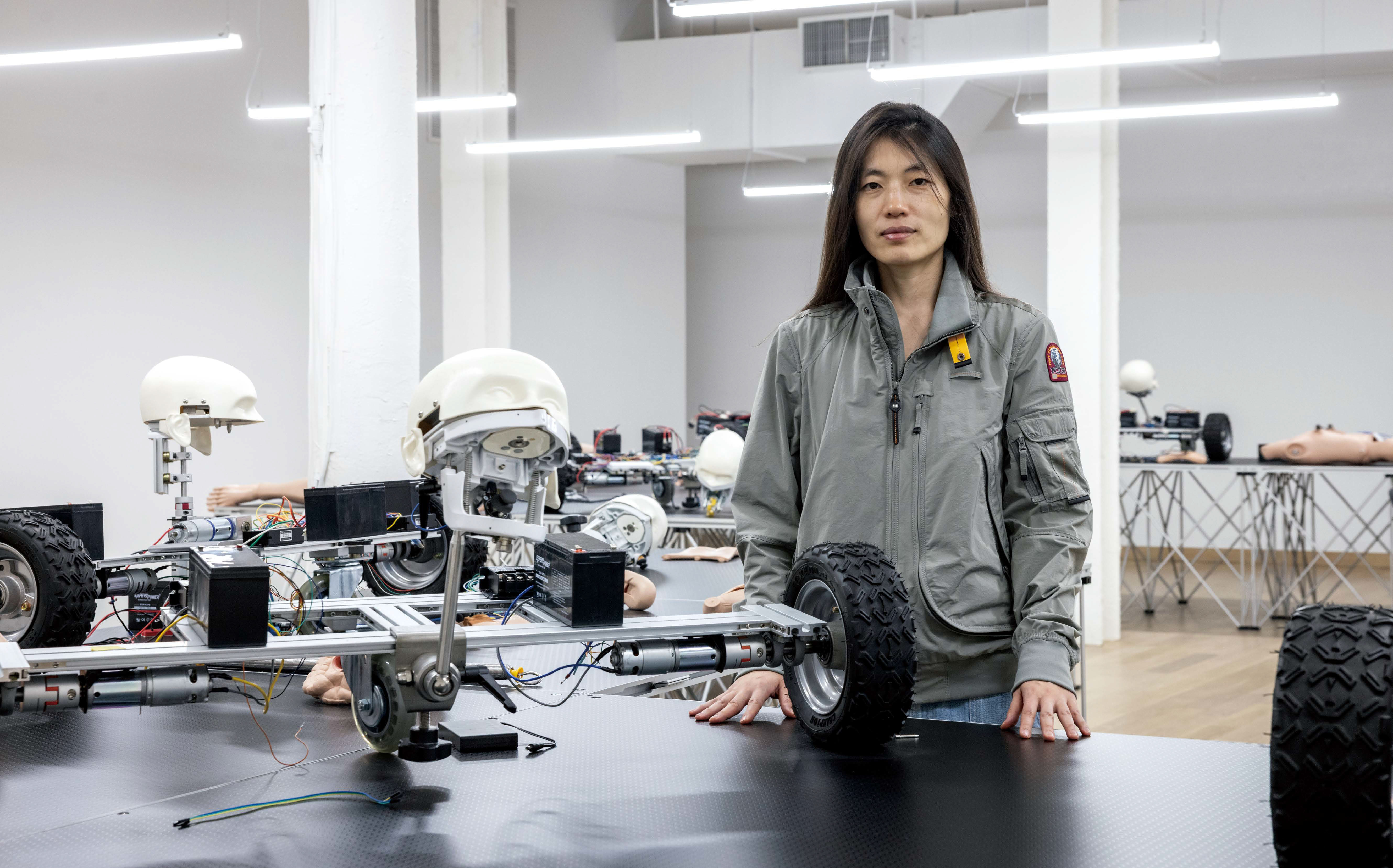
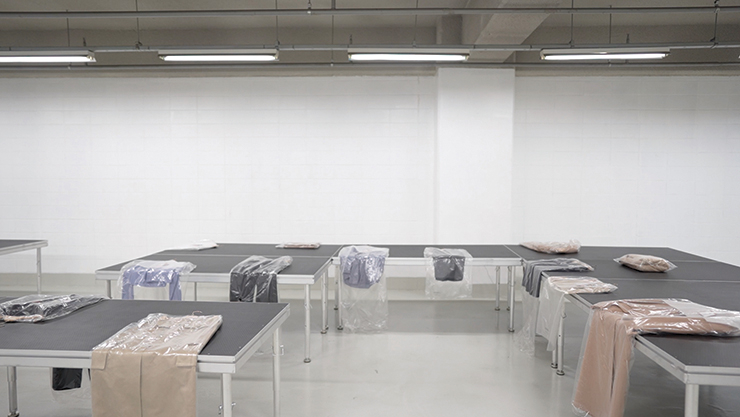
The objects arranged within the exhibition space no longer function merely as props or performance tools, but as inventories containing traces of the artist’s desires, failures, and obsessions. Machine parts awaiting assembly, mannequin limbs arranged like dissected organs, and robots repeatedly repaired and upgraded all simultaneously reveal humanity’s persistent desire to complete something, alongside the impossibility of ever arriving at a truly complete form.
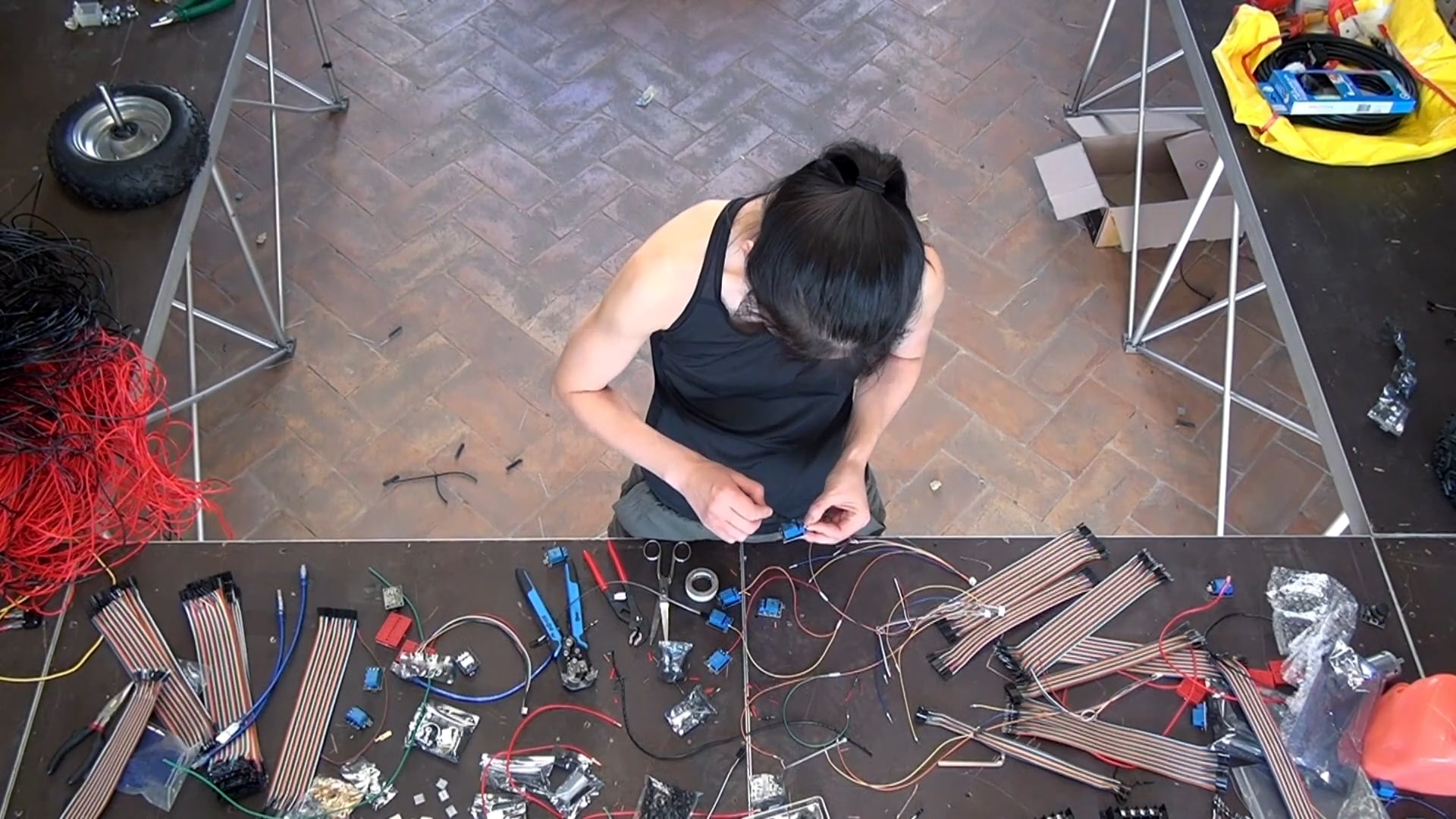
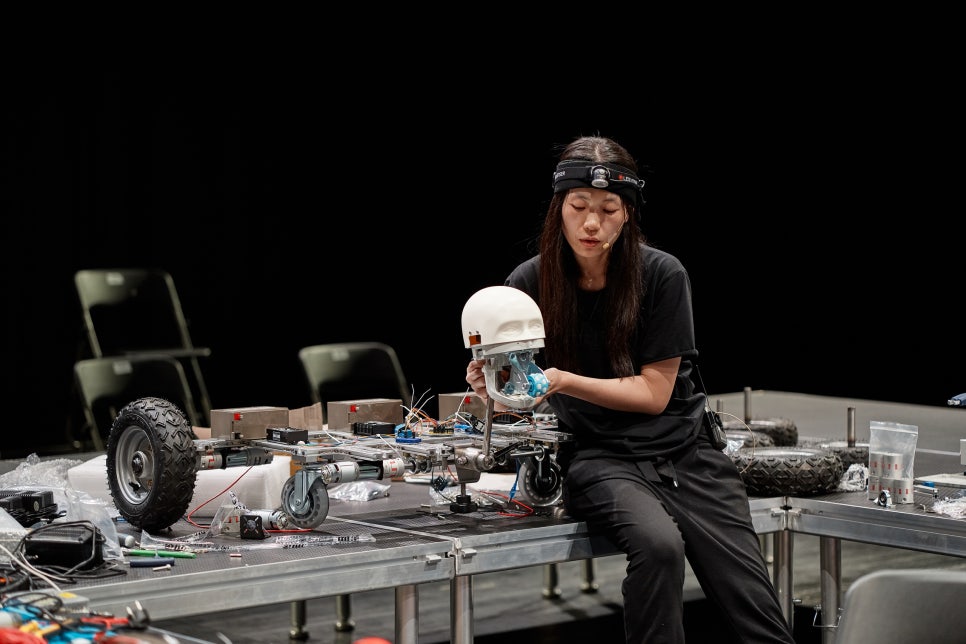
In her recent works, Jeong moves fluidly between performance and exhibition, demanding from audiences not simple spectatorship but an experience of witnessing. Rather than presenting a finished result, her performances expose processes of failure, trial and error, and malfunction as they unfold, inviting audiences to inhabit those incomplete moments together with her.
This approach resists treating the relationship between humans and technology as a form of futuristic spectacle, instead confronting viewers with the vulnerability, absurdity, and fragility of the human body, perception, and desire.
Ultimately, Jeong’s work explores the structures of contemporary human desire through relationships between humans and objects, persistently revealing landscapes of irrational emotion and obsession operating outside systems centered on function and efficiency.