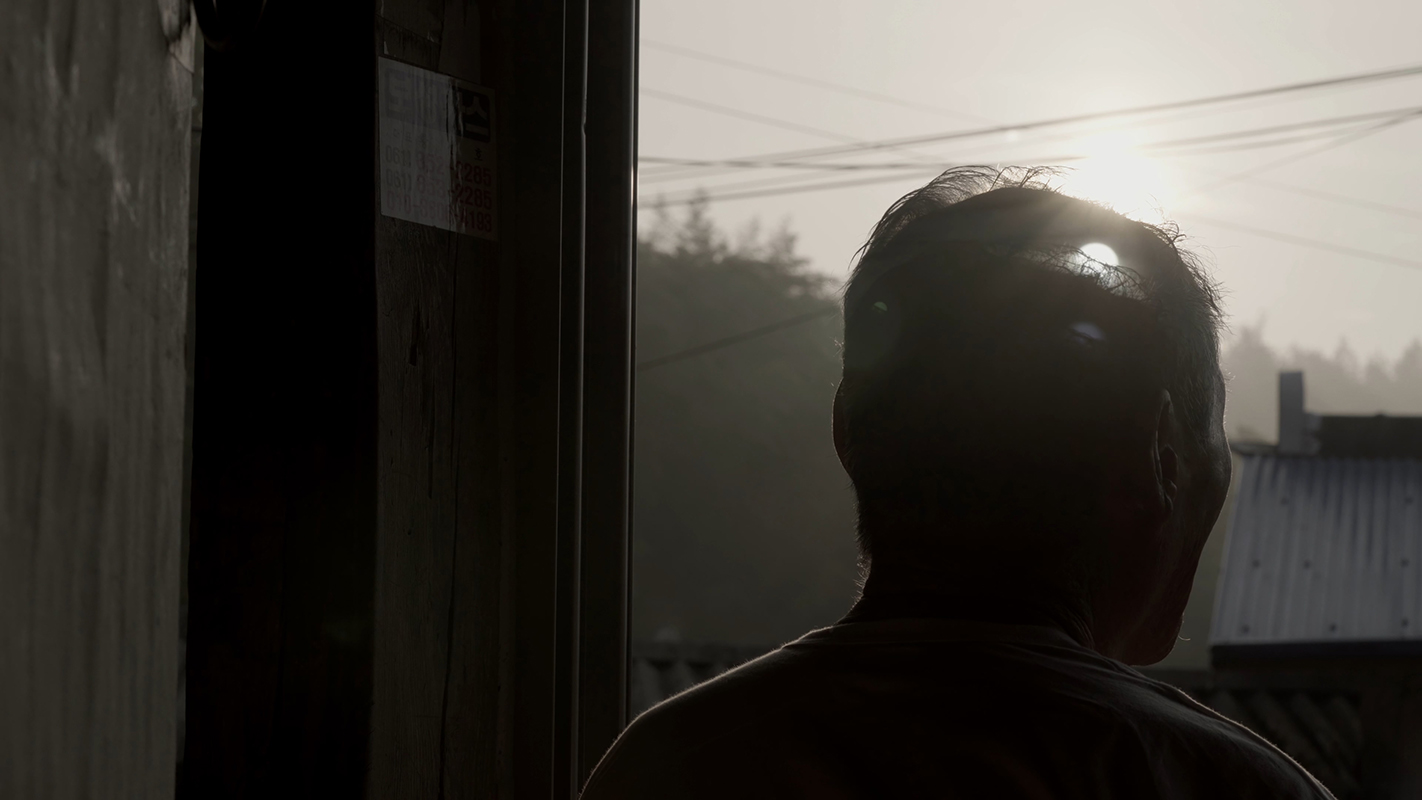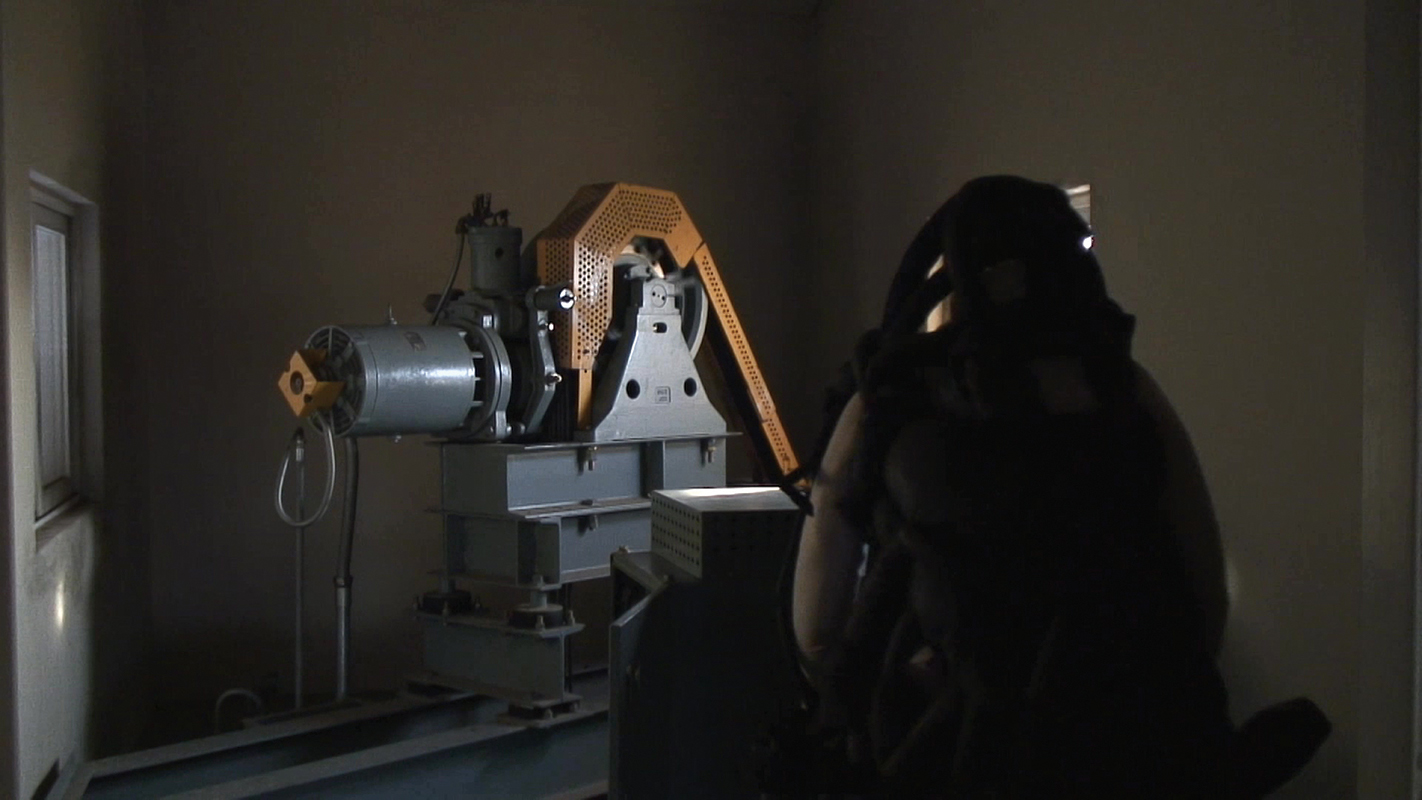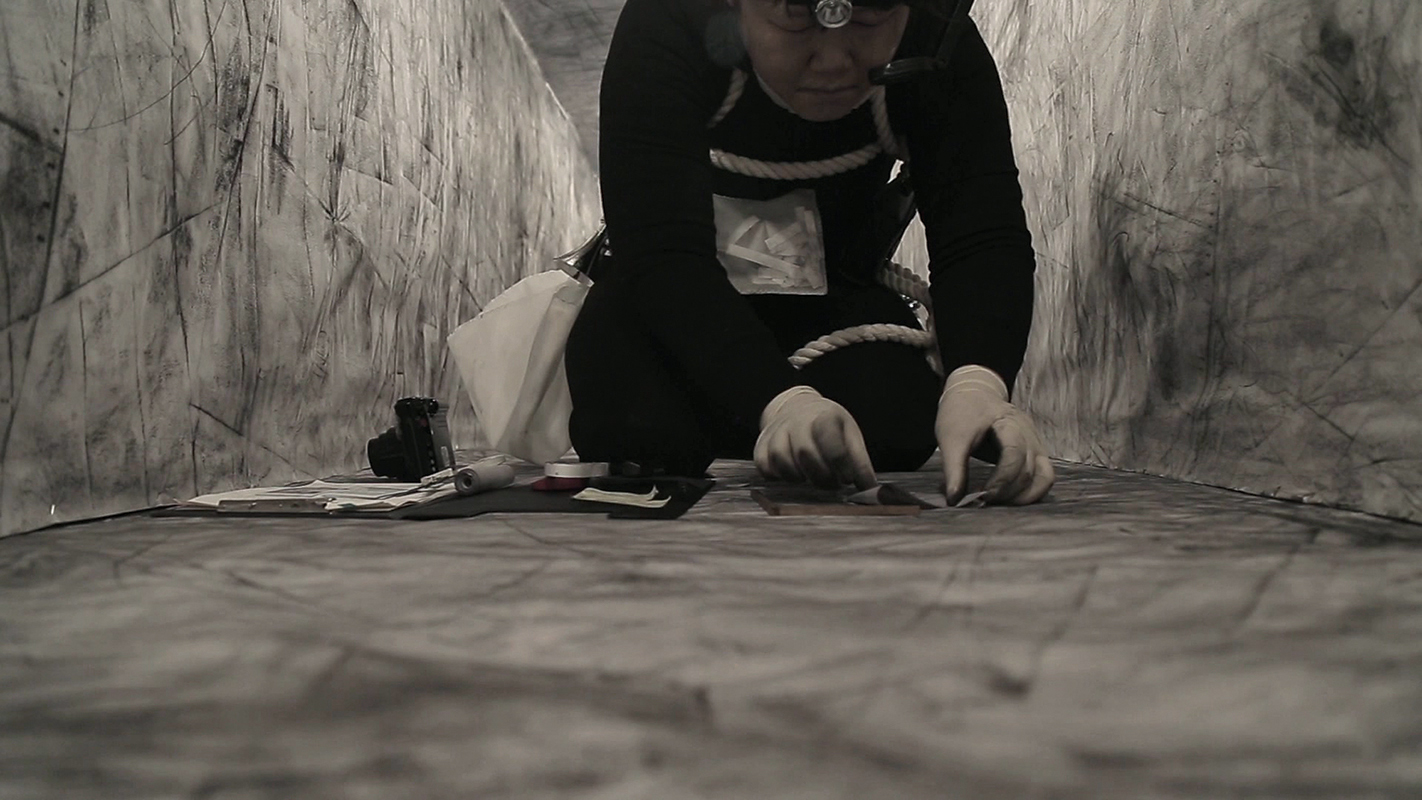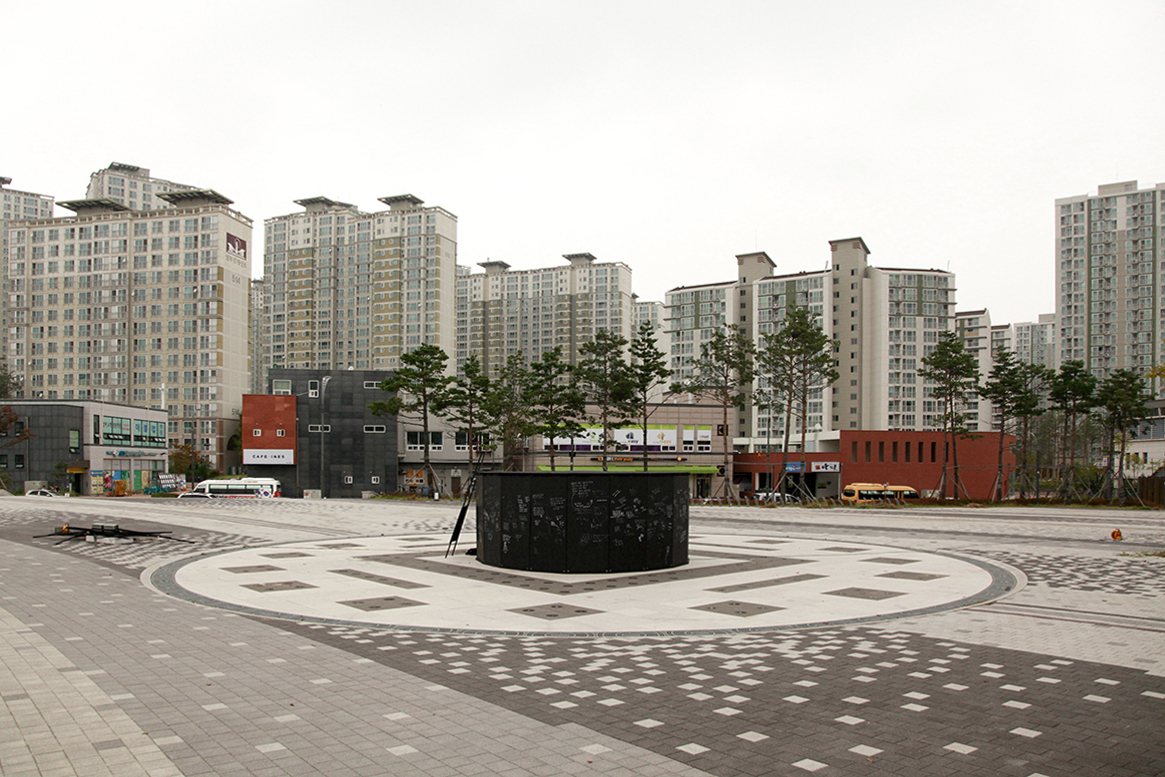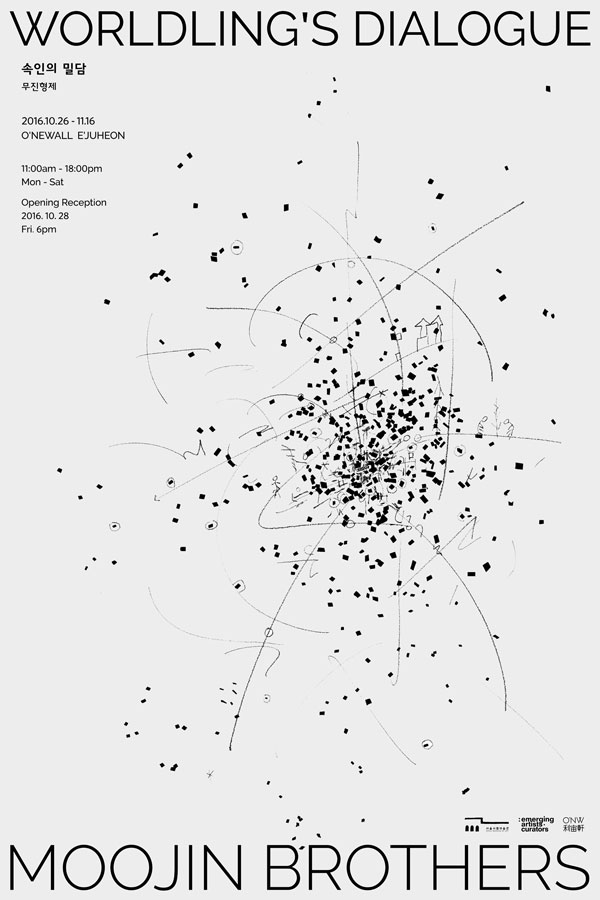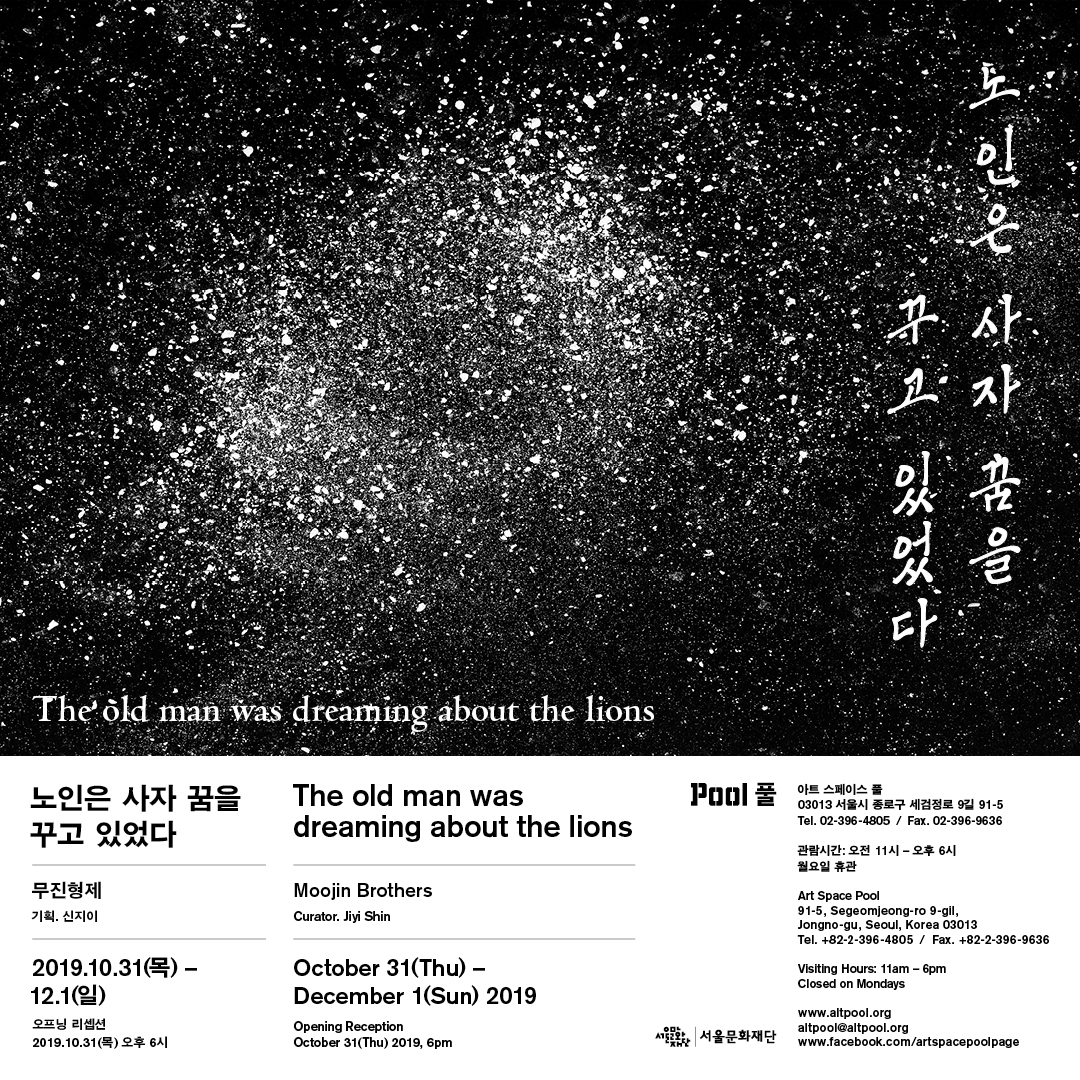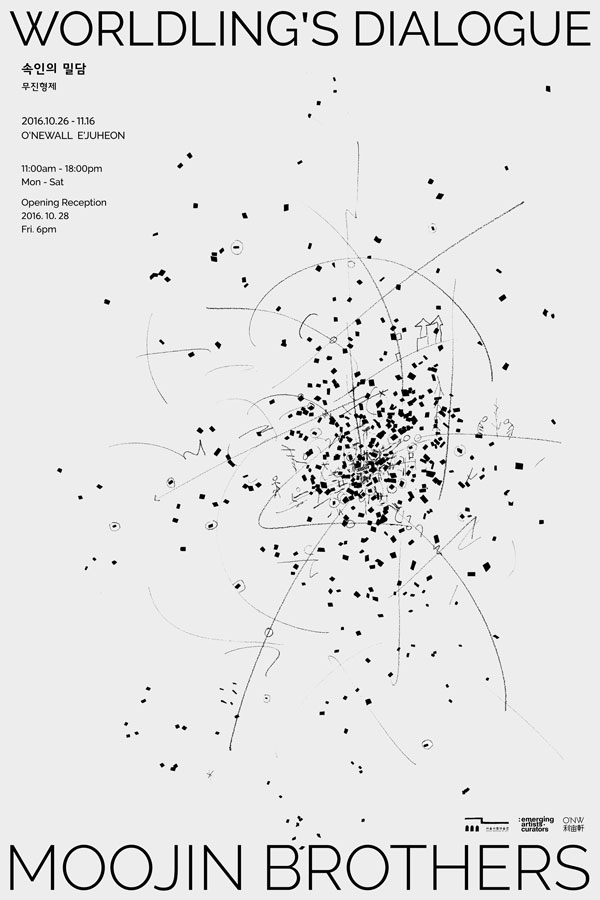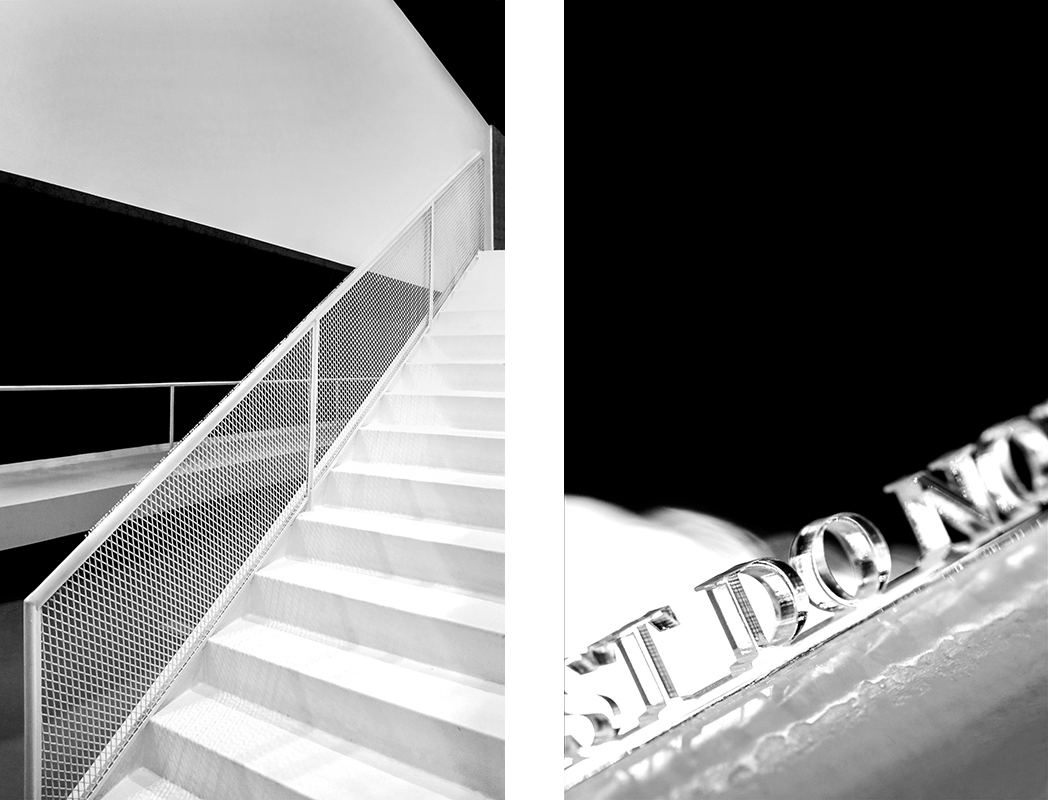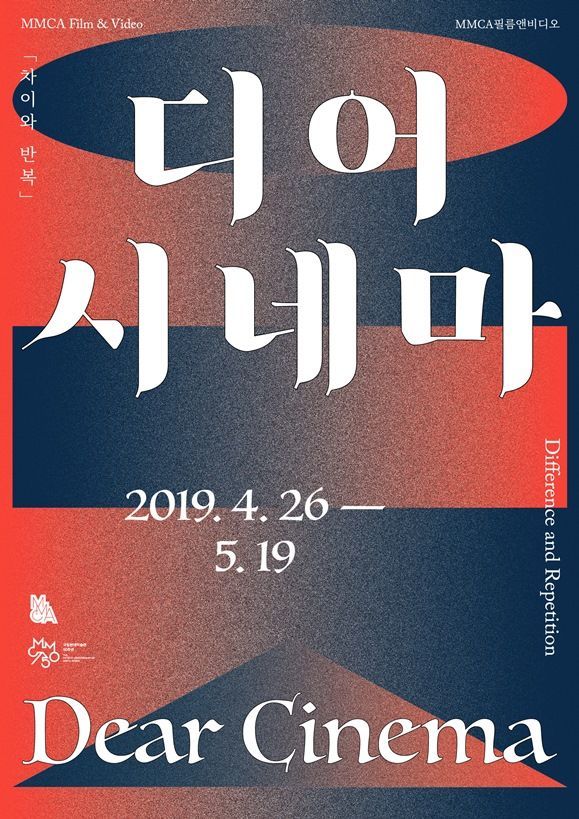

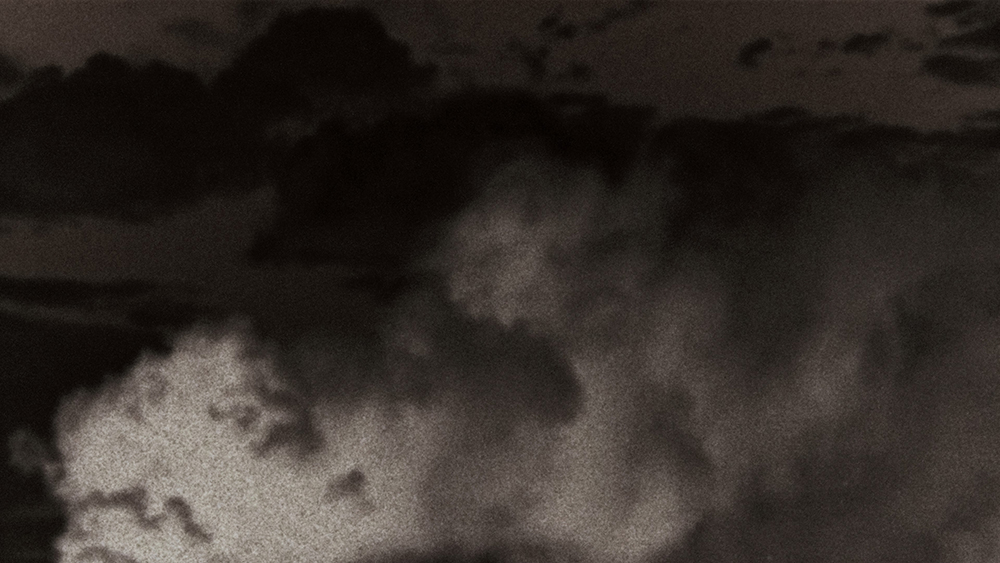
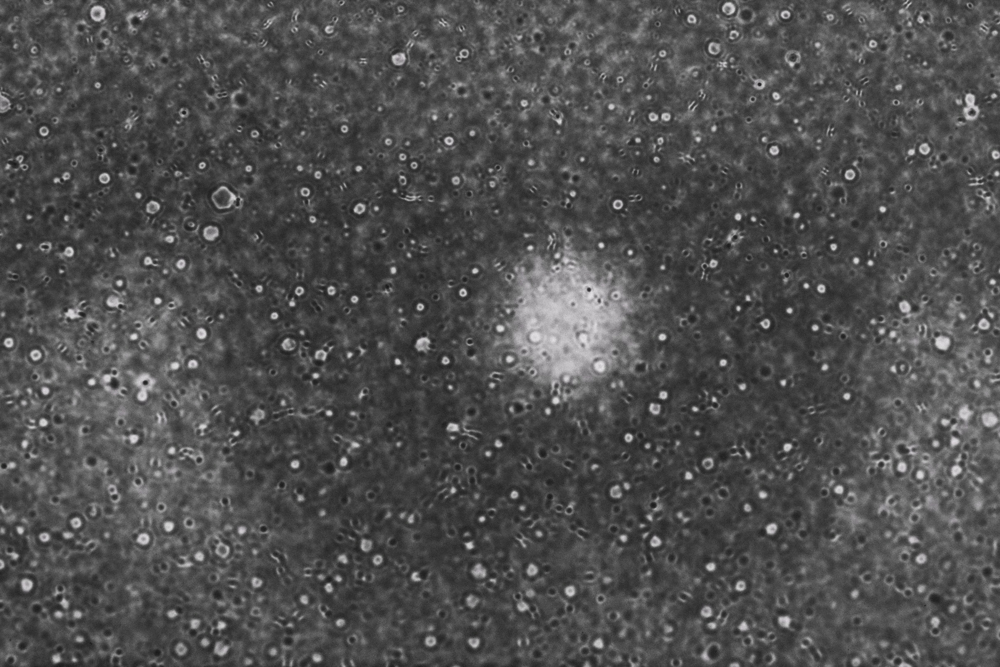
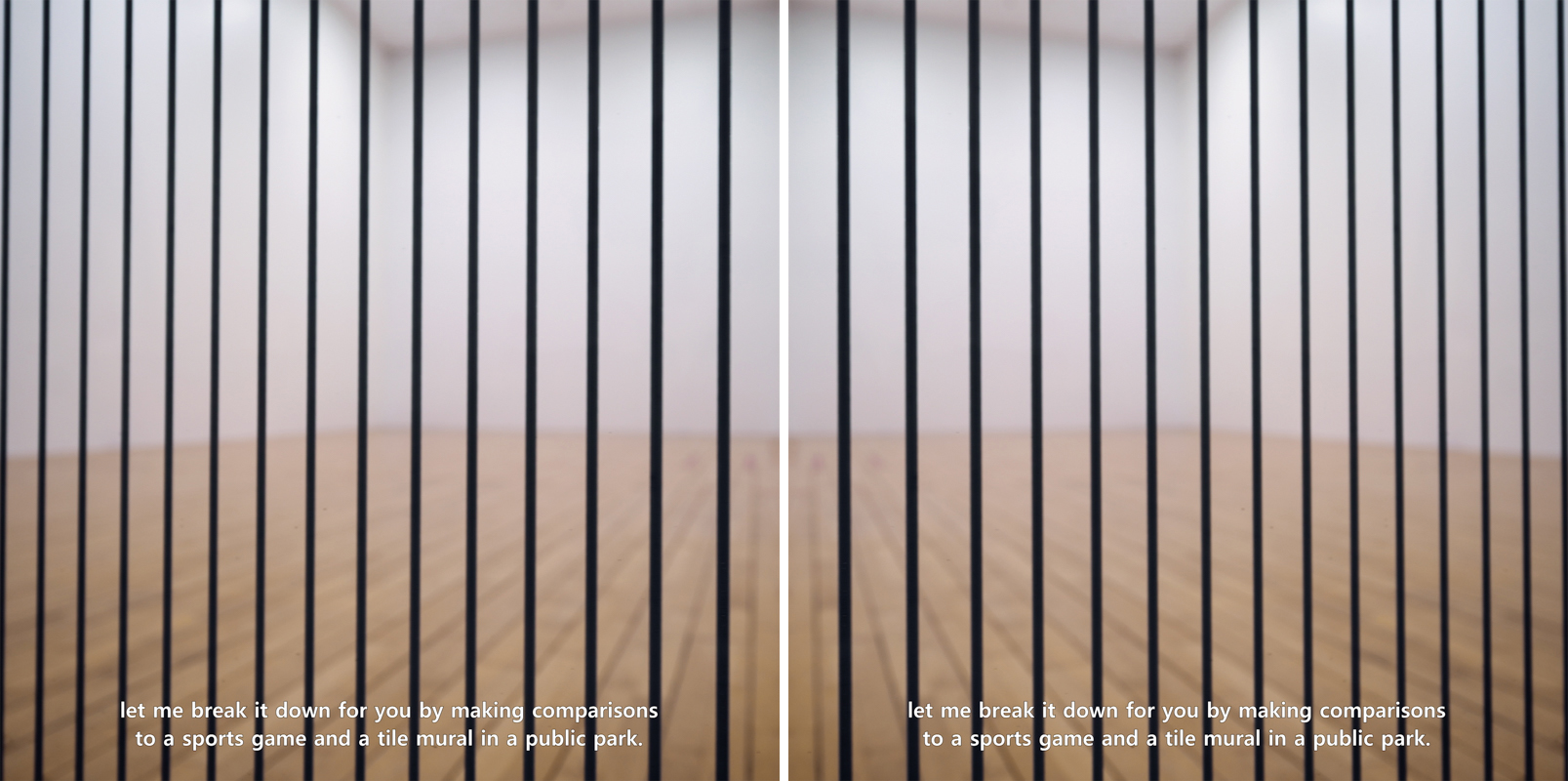
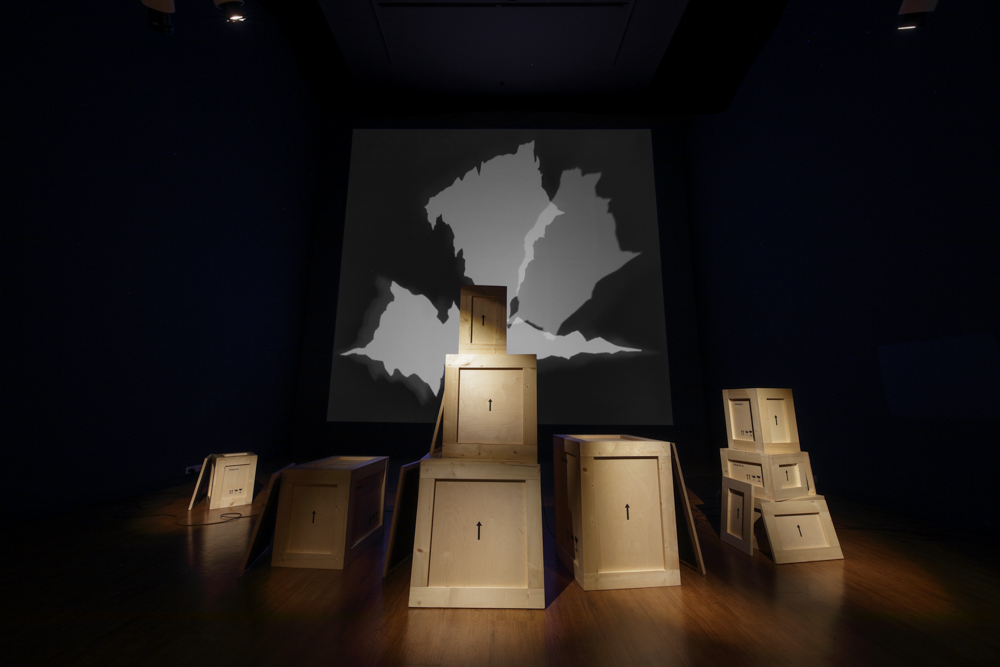
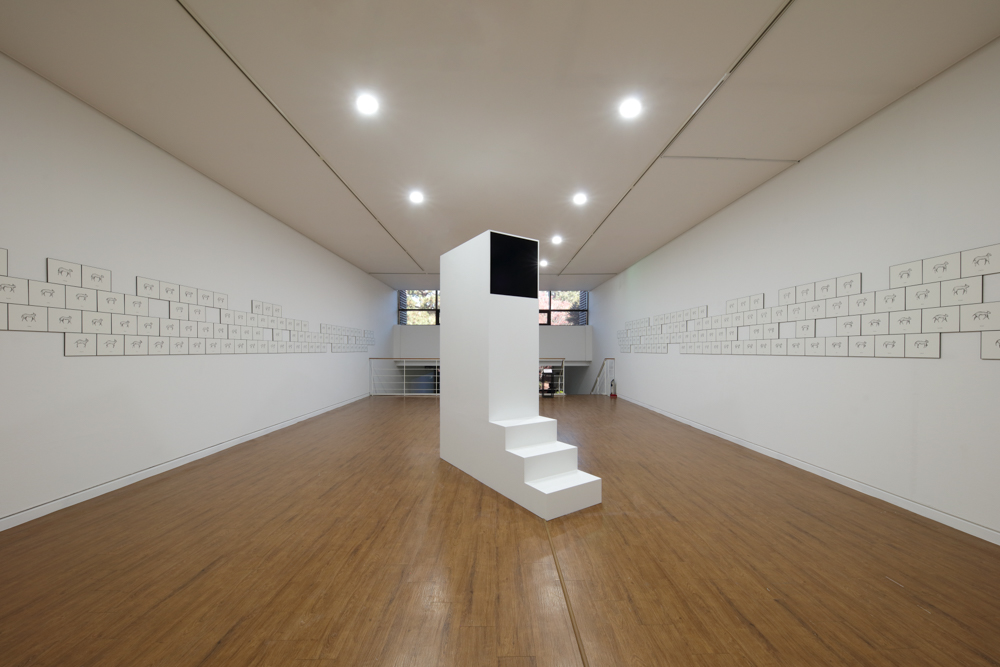
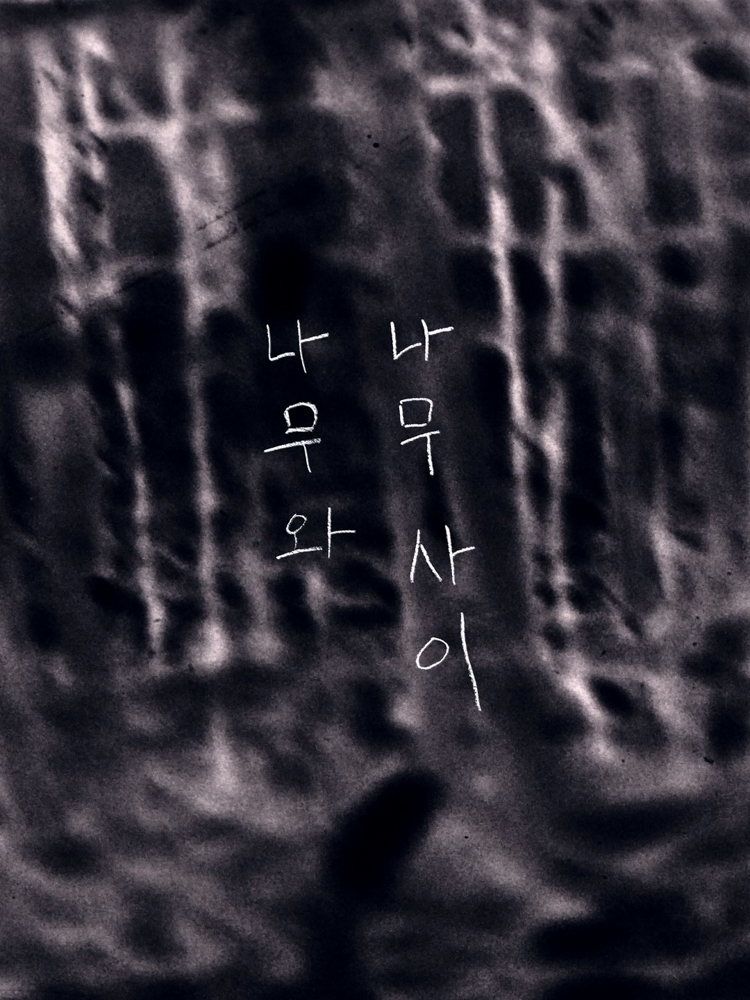
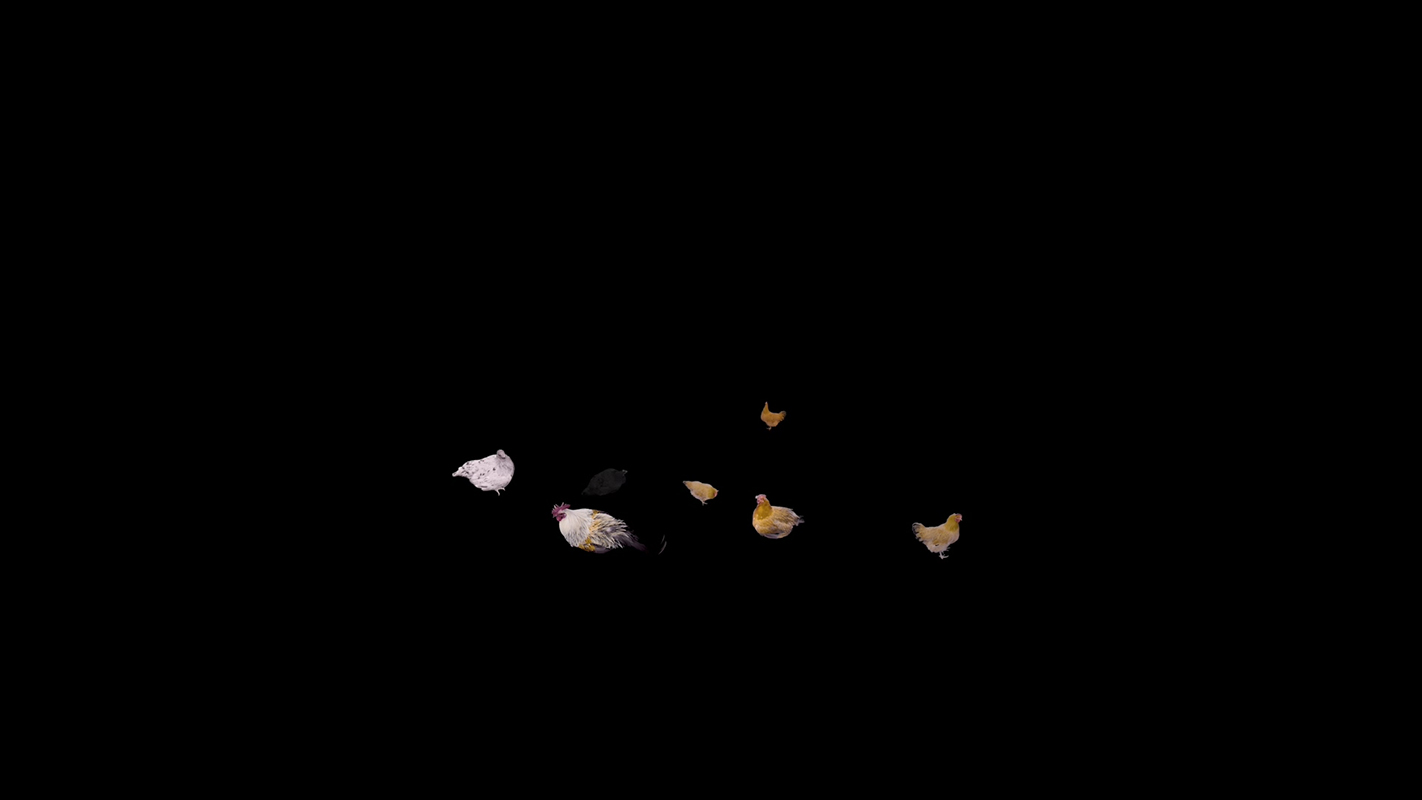
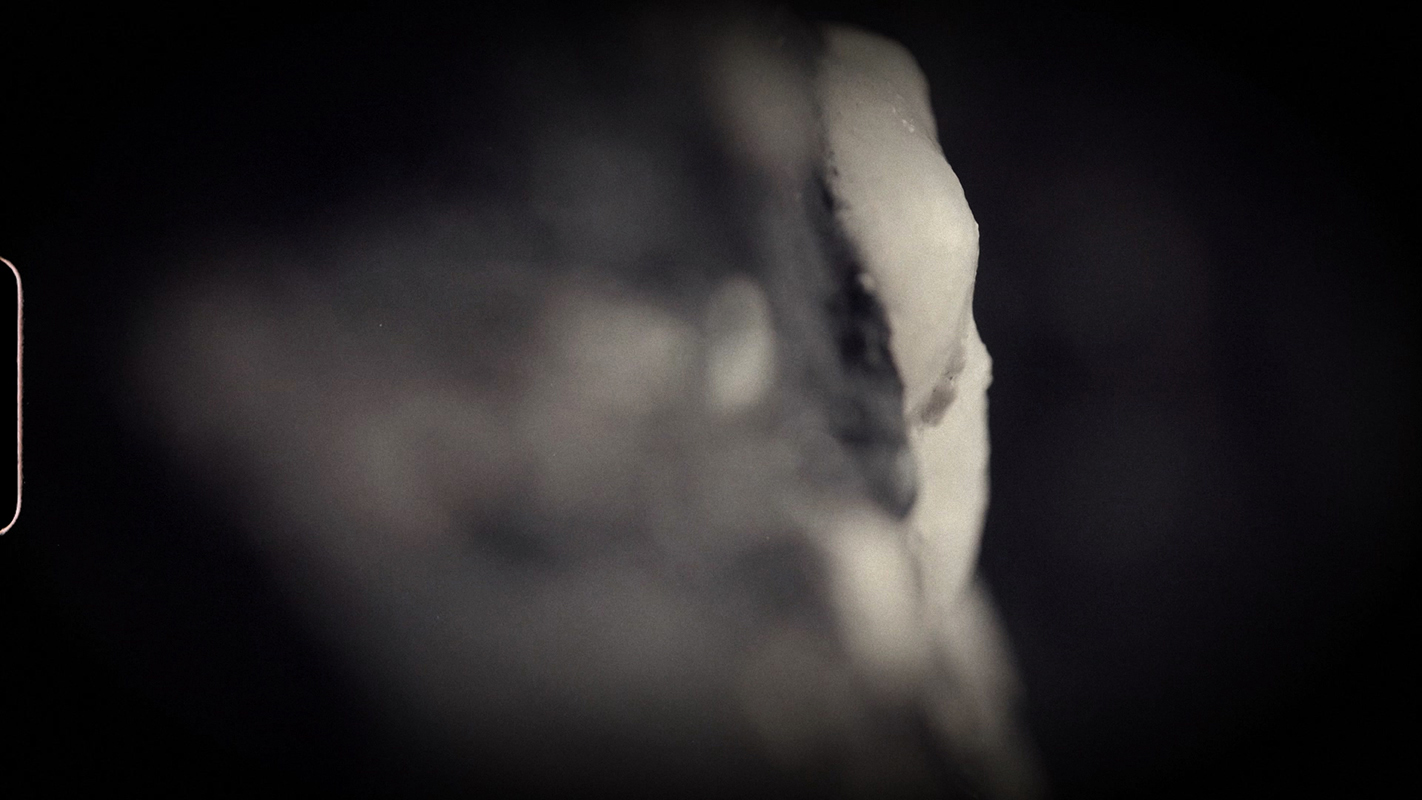
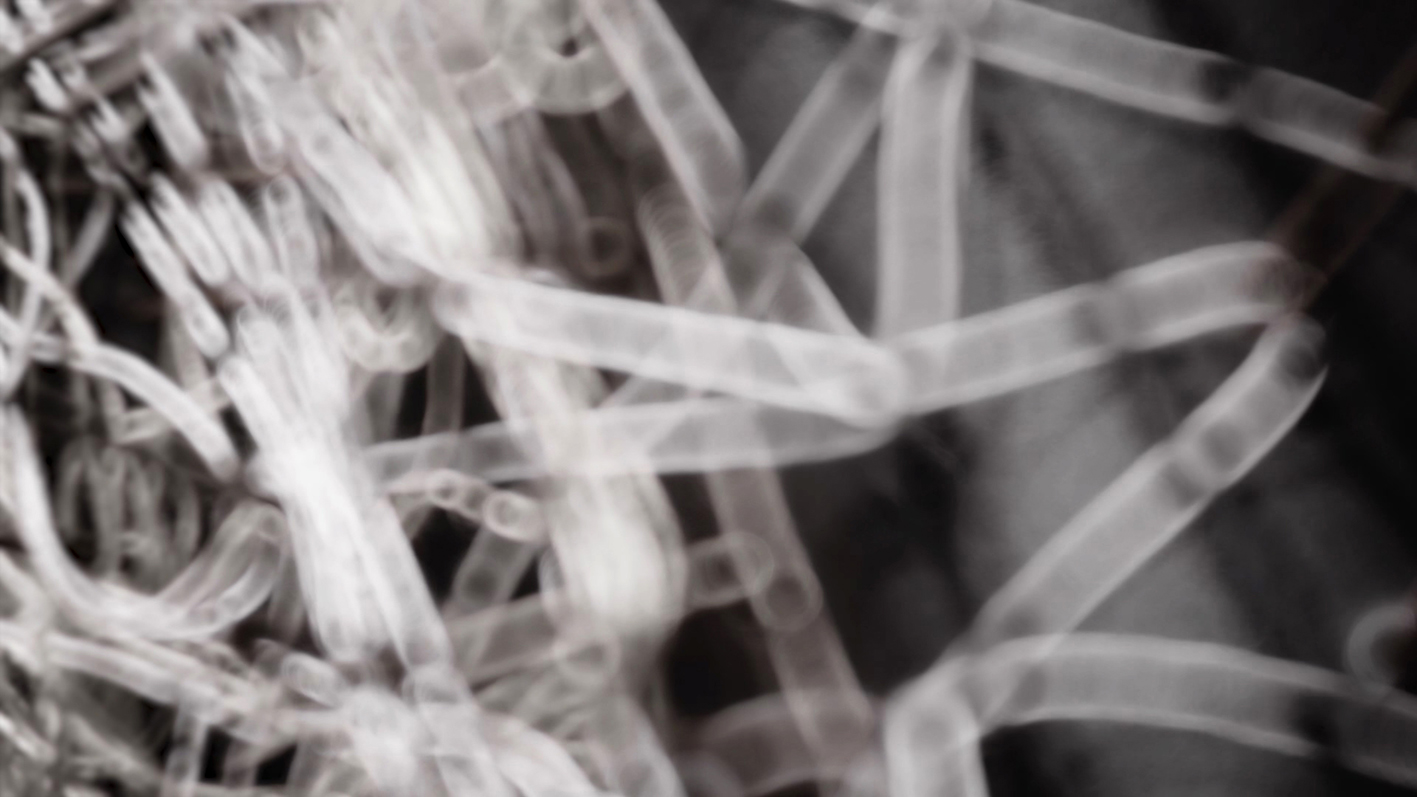
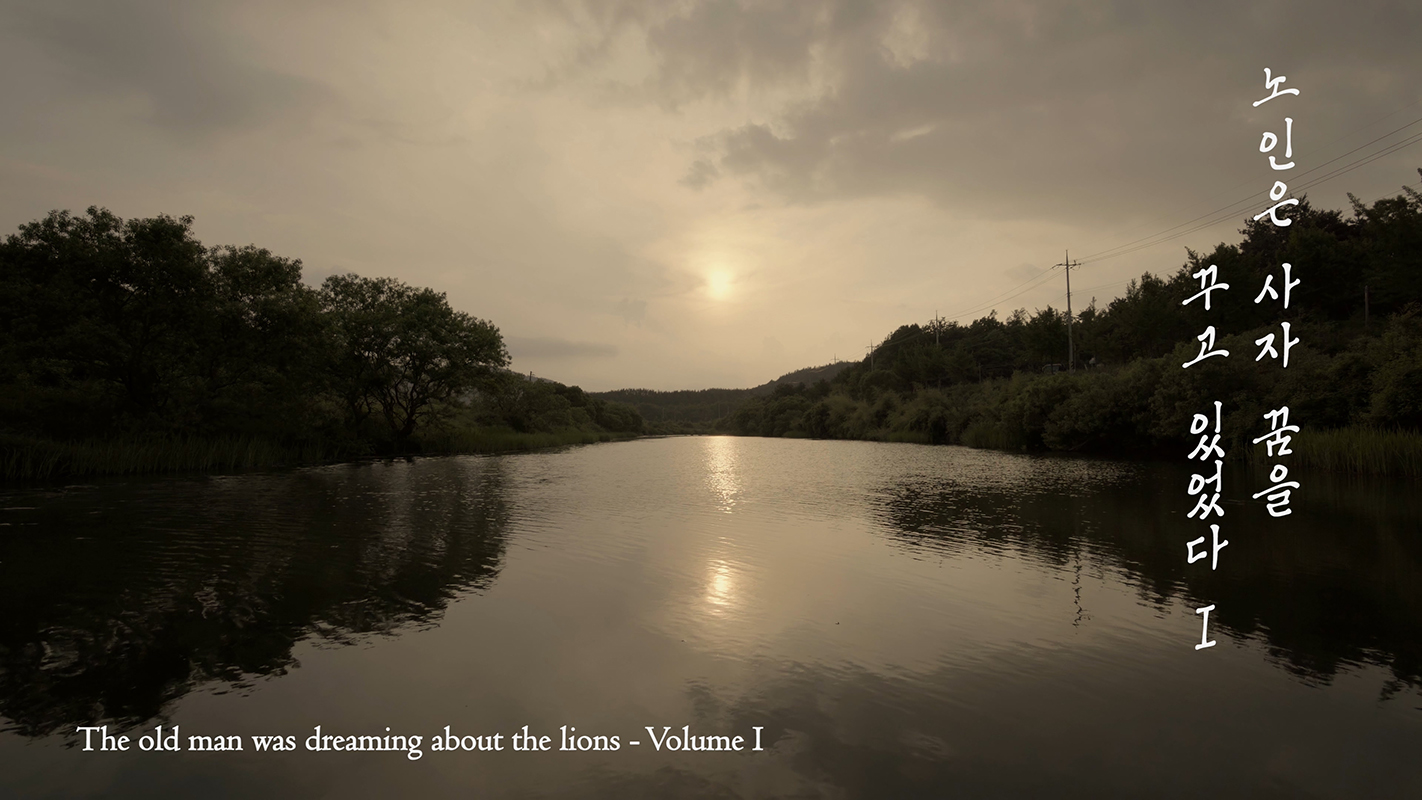
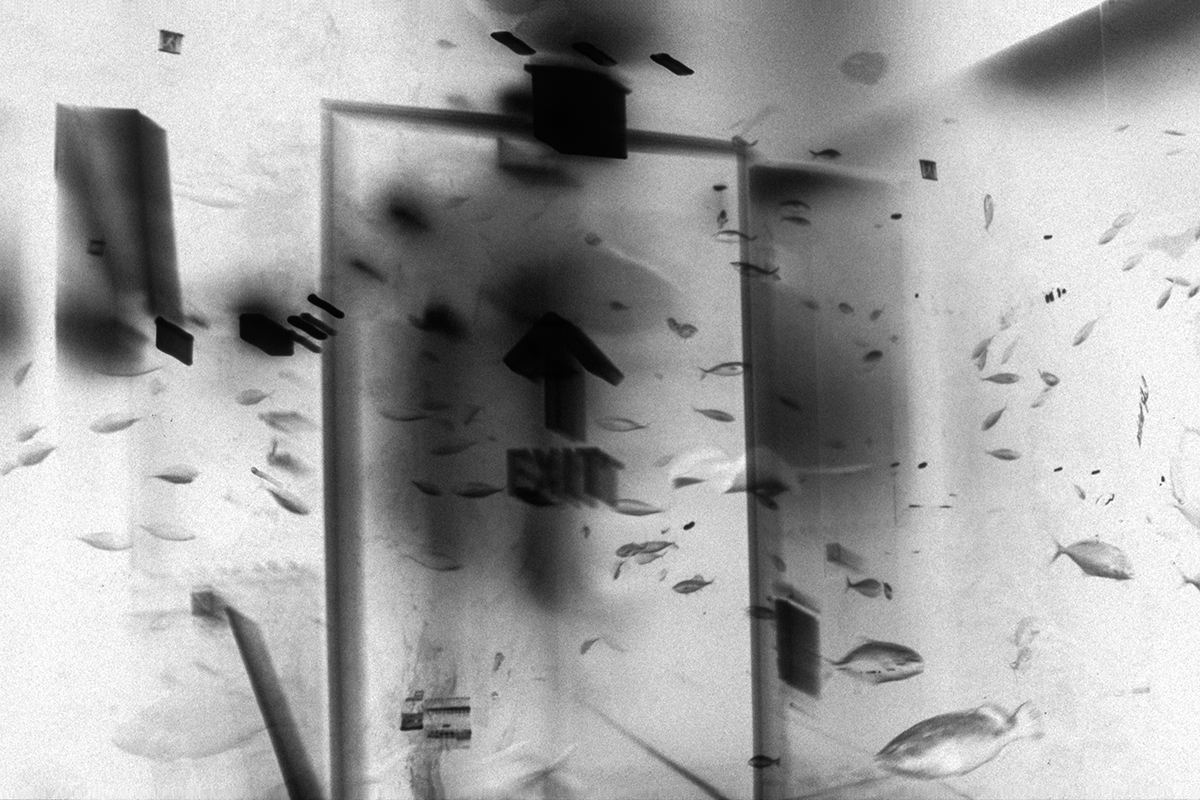
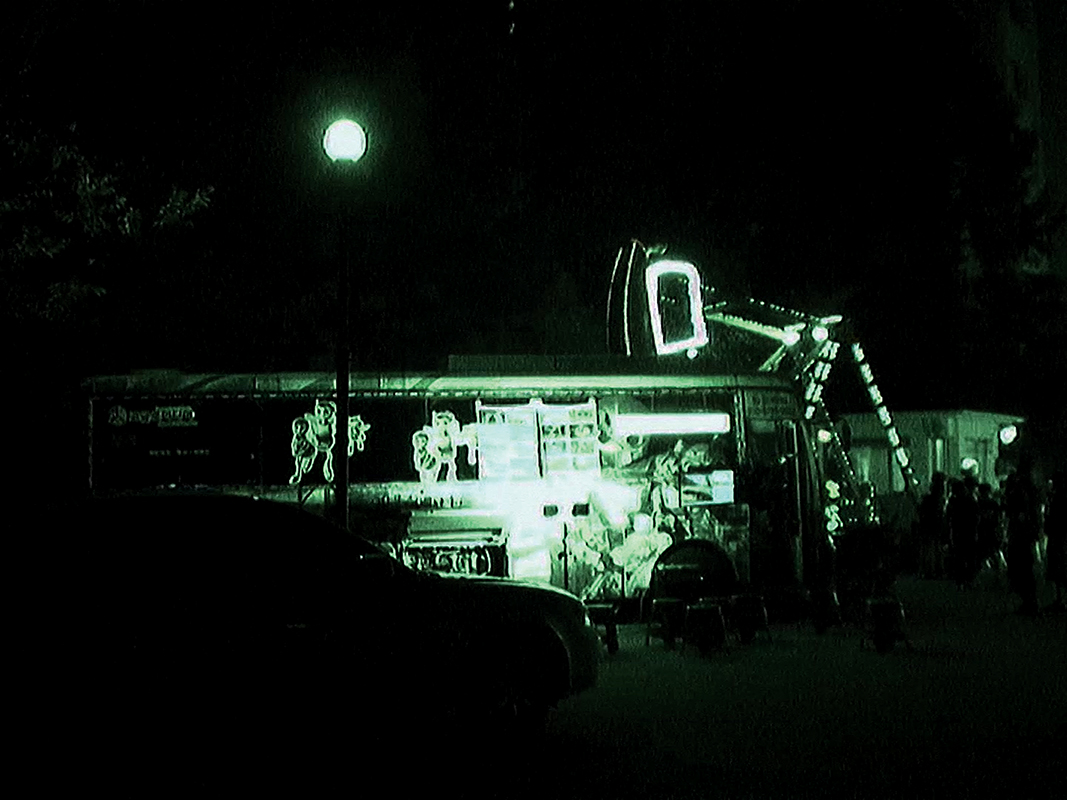
Poster image of 《Worldling's Dialogue》 © O'NewWall Ejuheon

Moojin Brothers’ solo exhibition 《Worldling's Dialogue》 will be presented at O'NewWall Ejuheon from October 26 to November 16, 2016.

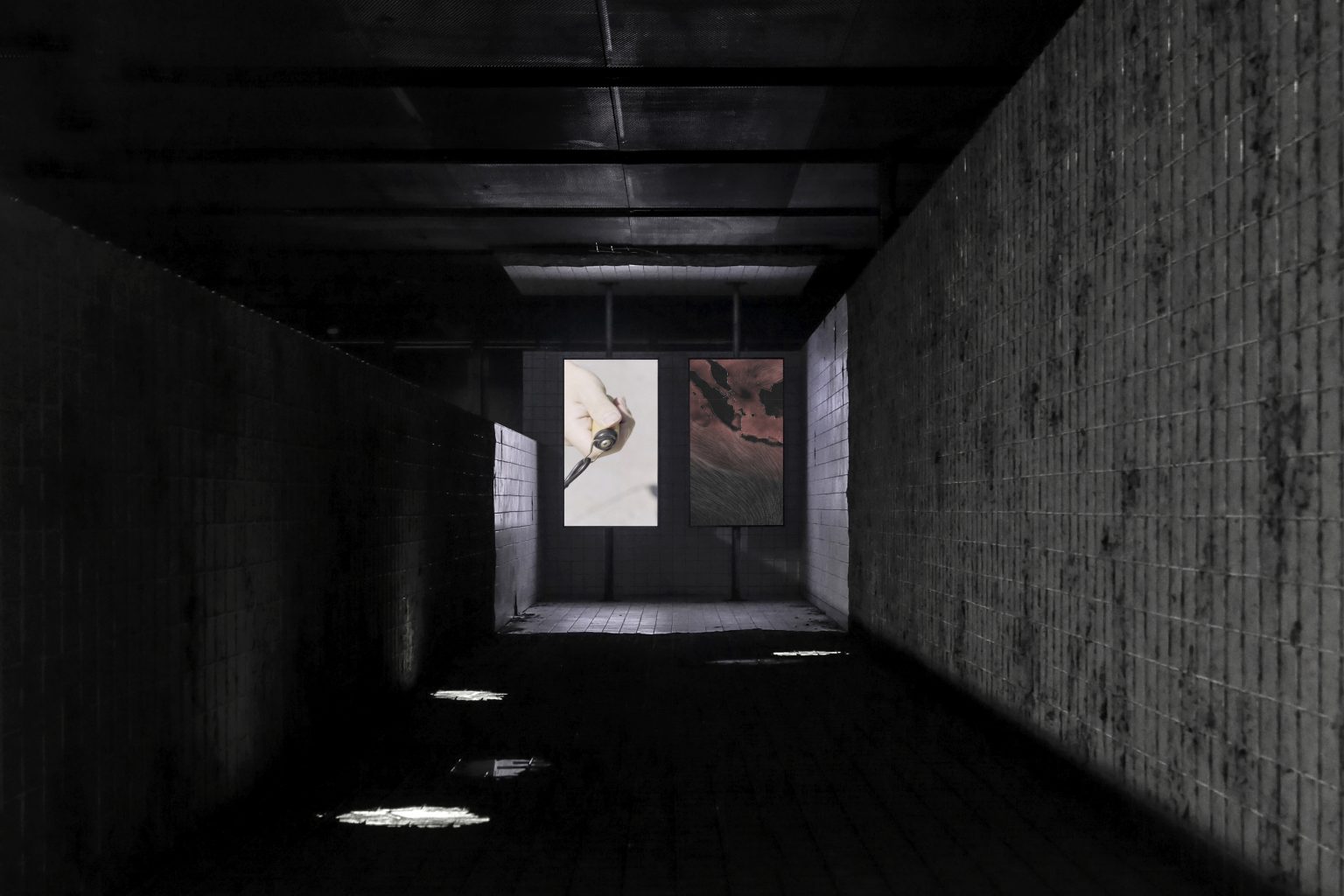
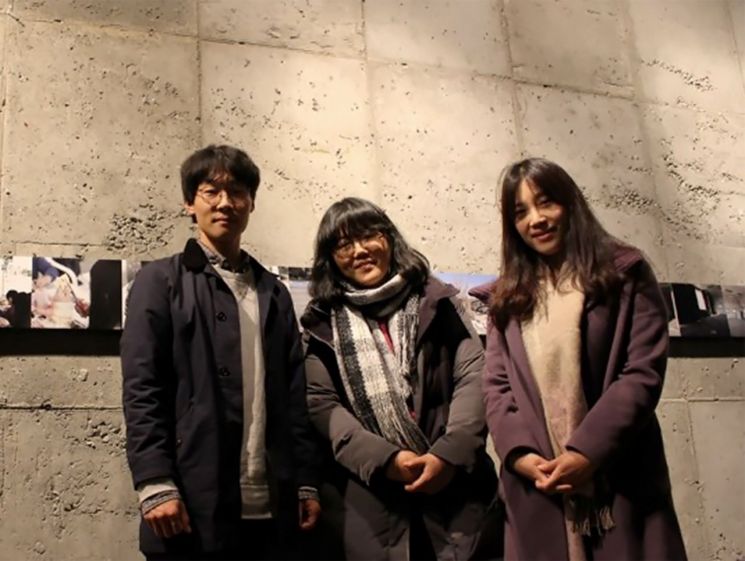
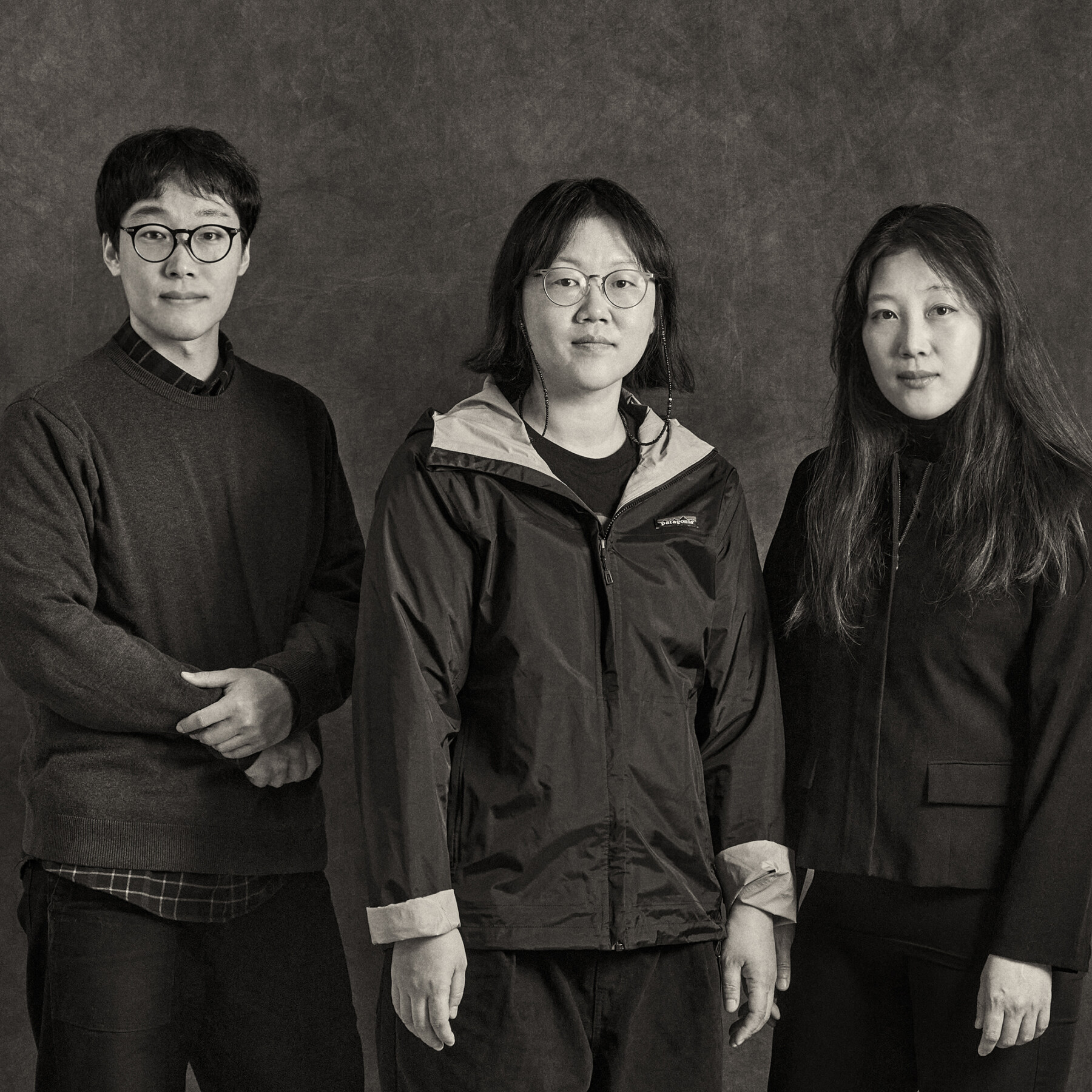
Comprised of three artists whose practices are rooted respectively in literature, visual art, and photography, Moojin Brothers presented four video installations that reconfigure the stories of ordinary people—workers, artists, youth, and the elderly—through a lens of literary imagination and a sensibility that is at once uncanny and unfamiliar.

For 《Worldling's Dialogue》, the collective dispersed the narratives they have cultivated over the years throughout the intimate spaces of a traditional hanok in Seongbuk-dong. The speakers inhabiting these stories appear to quietly gaze at one another, exchanging hidden narratives of their own. There is no conspiracy or secret behind why these stories remain concealed.

Rather, they have simply settled beneath the surface of history, much like languages that disappeared forever while no one was paying attention. Before encountering the works, visitors pass through a crimson curtain and enter the daecheong, the main hall of Ejuheon. The space beyond the curtain is empty and seemingly vacant, yet its atmosphere is filled with the murmuring echoes of stories suspended in the air.

The light illuminating the space guides viewers calmly into another time and place, like the glow of a confessional. In the anbang, located to the left of the main hall, two brothers from the new work Scriptures of the Wind (2016) continue their daily routines with unwavering diligence. The brothers are occupied with preserving and maintaining a strange material left behind by their father.

Their display cabinets are therefore filled with objects whose nature even they do not understand. Rather than uncovering the identity of these materials, they remain isolated from the world, surrounded by them as though they were relics inherited from their father.

The brothers’ blind devotion to these enigmatic substances bears an uncanny resemblance to the condition of a younger generation struggling within systems already given to them. As a means of liberating these figures, Moojin Brothers invokes the mythical creatures found in Jorge Luis Borges’ The Book of Imaginary Beings.

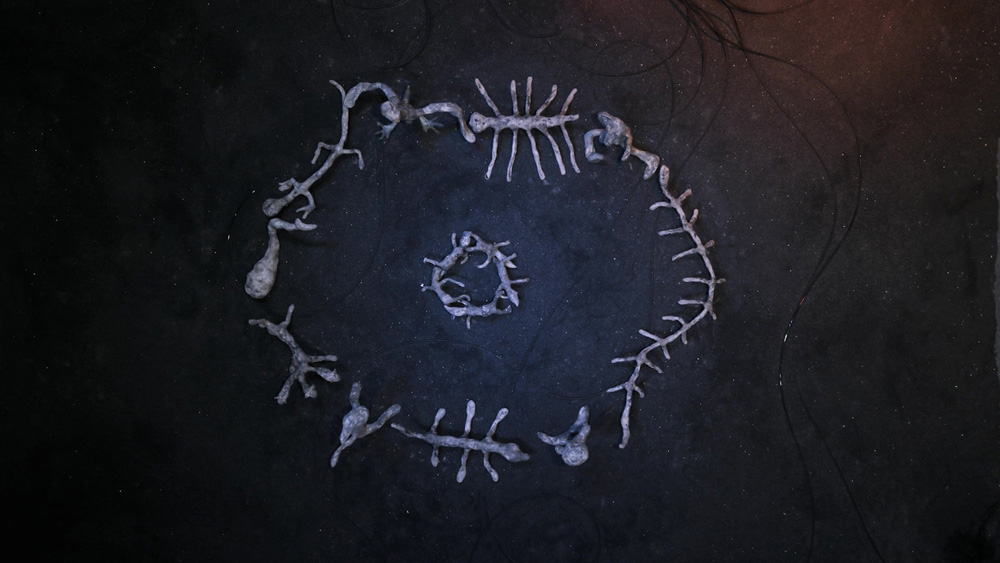
Fictitious entities often become the most effective mediators through which reality may be transcended. Scriptures of the Wind (2016) marks the collective’s first experiment with stop-motion animation. The fragmented narrative structure that runs throughout the work and the distinctive texture of its imagery create a powerful synergy with the unique qualities of stop-motion, amplifying the work’s dreamlike and disjunctive atmosphere.

Moojin Brothers, Scriptures of the Wind, 2016 © Moojin Brothers

Just as the Ouroboros in Scriptures of the Wind (2016) forms an endless circular loop of time, the object installed alongside Mumming Age (2012) in the room across from the main hall symbolizes the temporal consciousness of the woman in Room 1902—a sense of time whose origin, course, and duration remain unknowable.

She embodies an artist who, despite being tormented by auditory hallucinations in a shabby studio, refuses to abandon her practice. Passing through this “shadow of time,” visitors encounter the entrance to the tunnel of The Last Sentence (2015). There sits Worker M, alone and exposed. Any effort to escape the damp and dilapidated room has vanished as if it had never existed.

One emerges from the tunnel in a state of uneasy uncertainty—wondering whether M can be comforted at all, and whether such consolation is even possible. Stepping through the crimson curtain once more, the viewer arrives in the small courtyard of Ejuheon. As a breath of fresh air is taken in, a nearby reconstruction site stretching toward the sky comes into view.

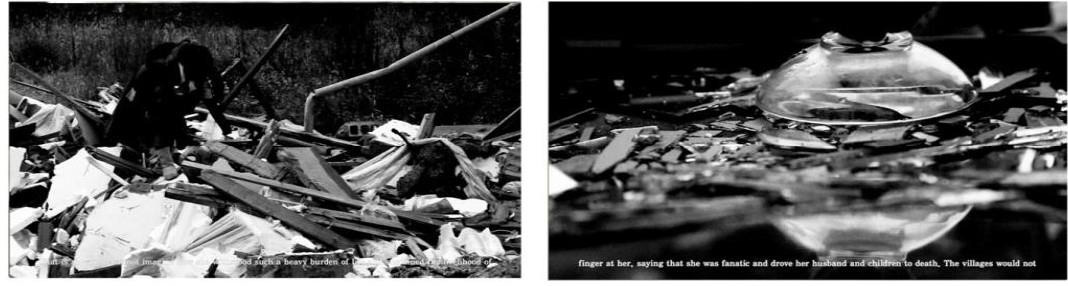
At that moment, Eetto Eetto Grandmother from The Heap (2015), discovered in one corner of the courtyard, appears crossing over the ruins of a collapsed village with the silhouette of an ominous prophet.

In this exhibition, Moojin Brothers move beyond the format of a simple screening, employing theatrical elements through objects and drawings placed throughout the exhibition space. These components allow viewers to engage more intimately with the fictional reality the artists have constructed and to experience it as a tangible sensory environment.

Moojin Brothers, The Heap, 2015 © Moojin Brothers

The characters who inhabit Moojin Brothers’ works all seem to be governed by a peculiar sense of calling. Yet this is ultimately an identity bestowed upon them by the artists themselves, much as Moojin Brothers has given each protagonist a name. If there are dimensions of their lives that remain beyond the artists’ grasp, what might those unseen aspects look like?

The brothers in Scriptures of the Wind (2016) may still dream of a joyful reunion with their father, while the woman of Room 1902 in Mumming Age (2012) may have become so immersed in her art that she has entered a state of ecstatic self-forgetfulness.

The protagonists’ seemingly directionless acts of devotion can be understood as fantasies shaped by the conditions of life imposed by reality itself—conditions that Moojin Brothers has observed and translated into narrative form. Under the premise that the past creates the future, countless sacrifices have been made. Yet what kind of future have they ultimately brought us to?

The past reaches the future through experience. It is composed of fragmented memories and tangled encounters with the world; the future remains an imagined projection, endlessly anticipated despite persistent uncertainty. Between these two temporalities lies the present, a space so constricted that breathing itself can feel difficult.

It is within this precarious present that Moojin Brothers discovers yet another story on the verge of disappearance and illuminates it through a new vocabulary of images. In doing so, they allow us to reclaim a measure of the present for ourselves. After all, life is sustained, more often than not, by a succession of seemingly insignificant moments.

Meanwhile, an artist talk with Moojin Brothers was held at O'NewWall Ejuheon on November 12, 2016. The event offered an opportunity to revisit the collective’s earlier works and to discuss the collaborative processes behind their artistic practice, with particular attention to the relationship between moving-image production and visual art. Further information was available through O'NewWall.

References