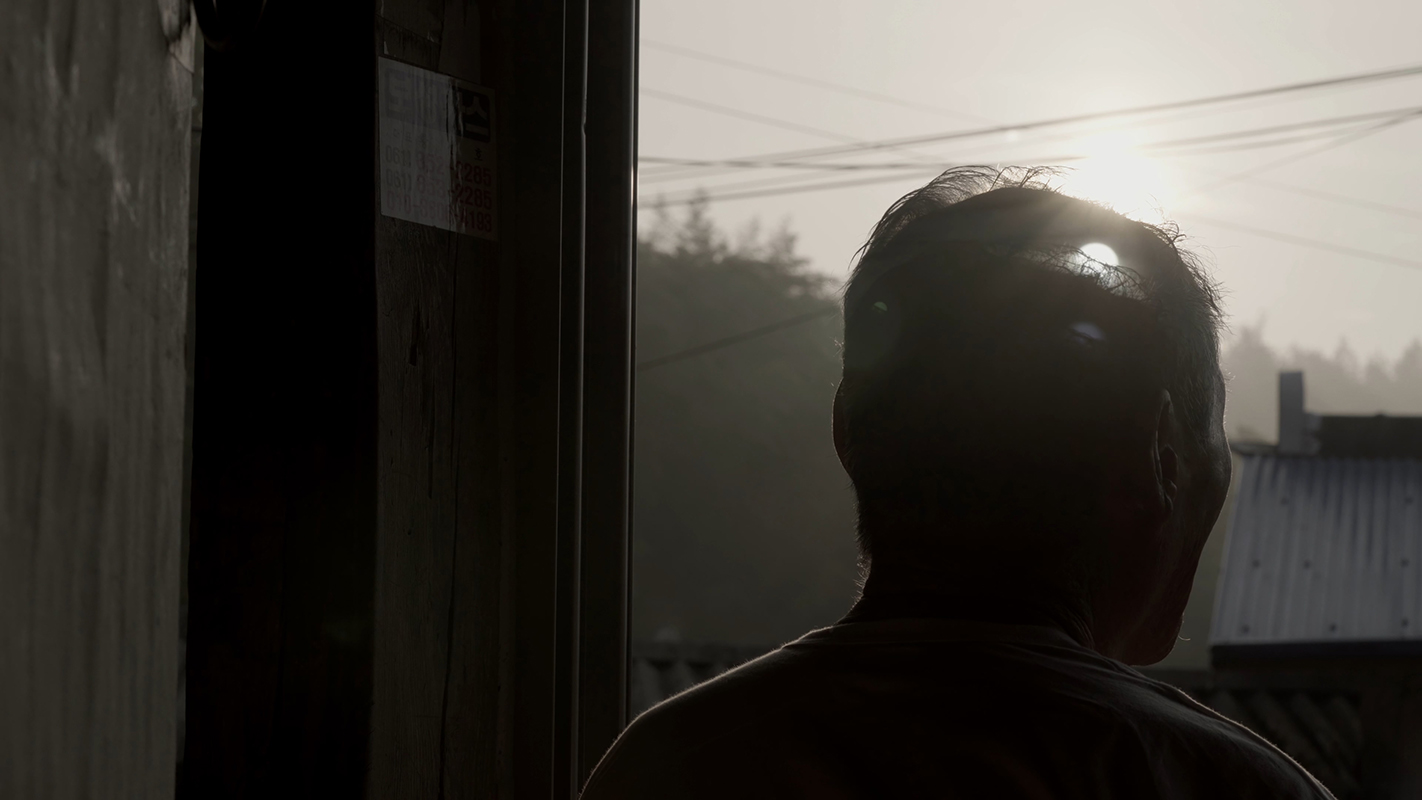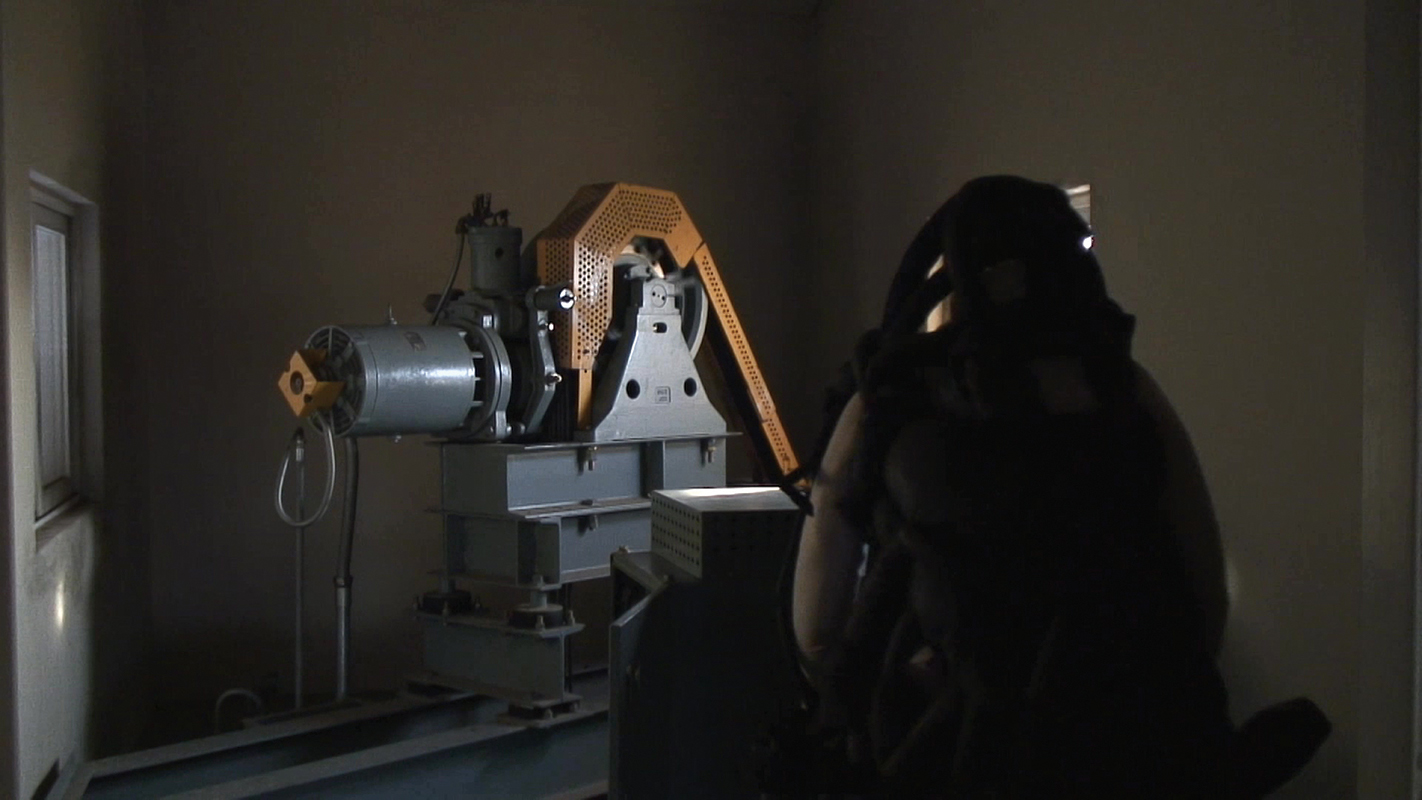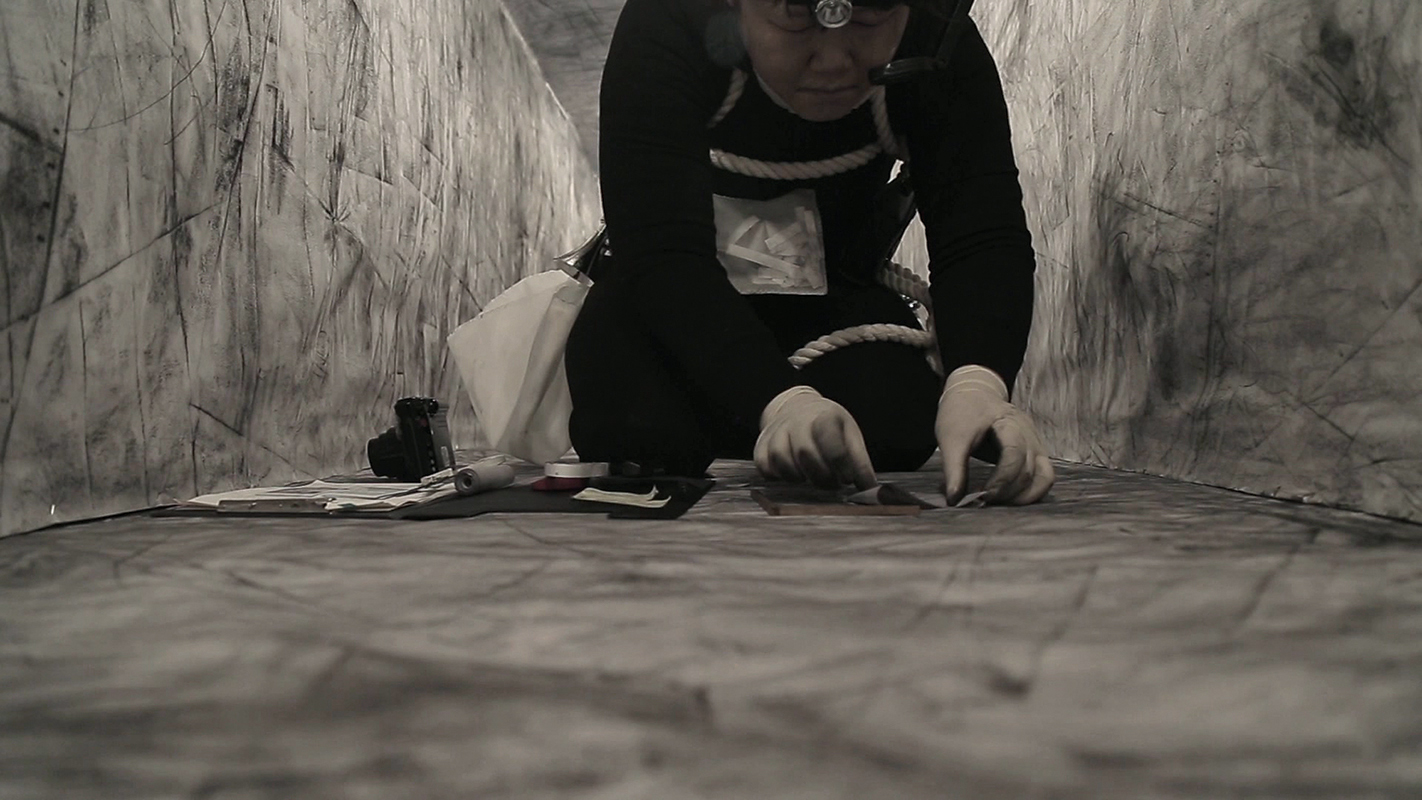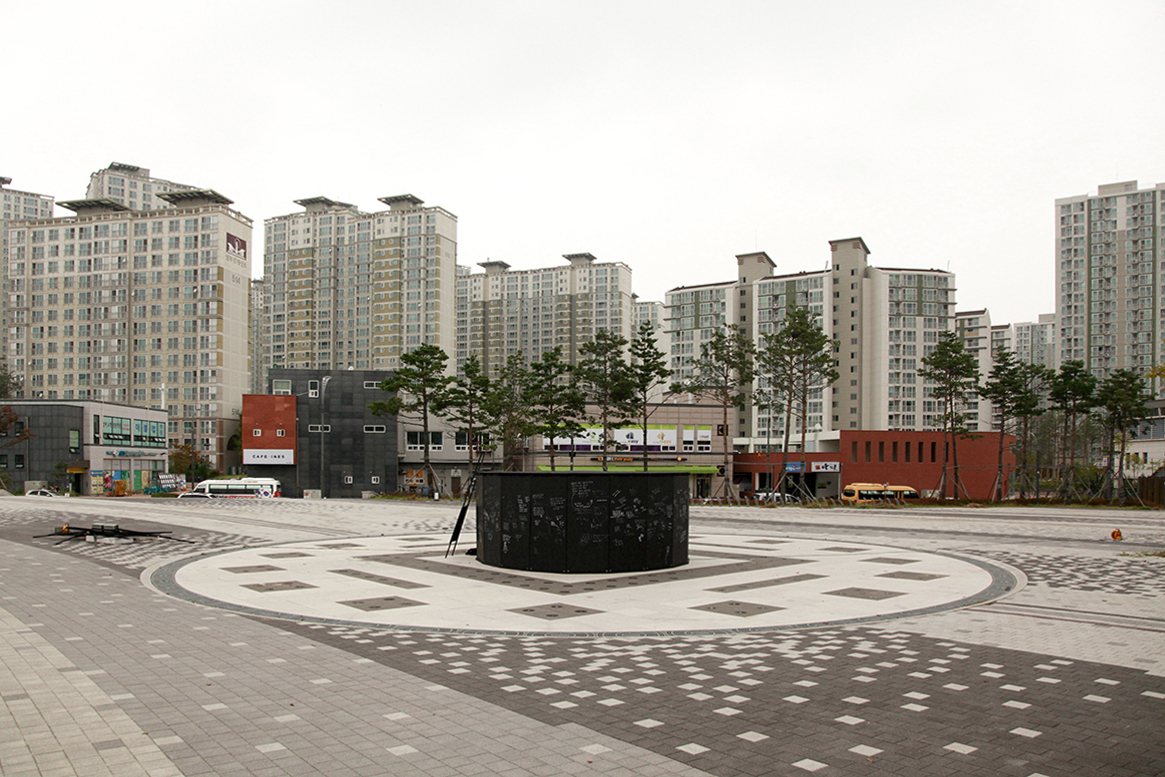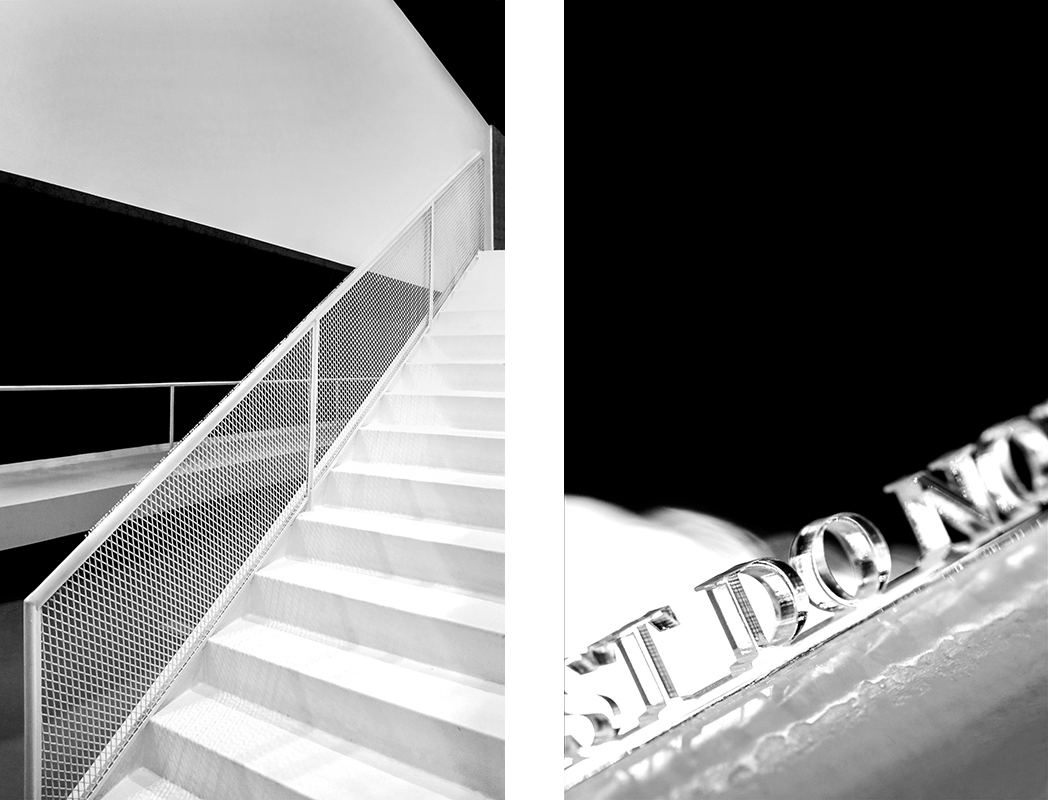

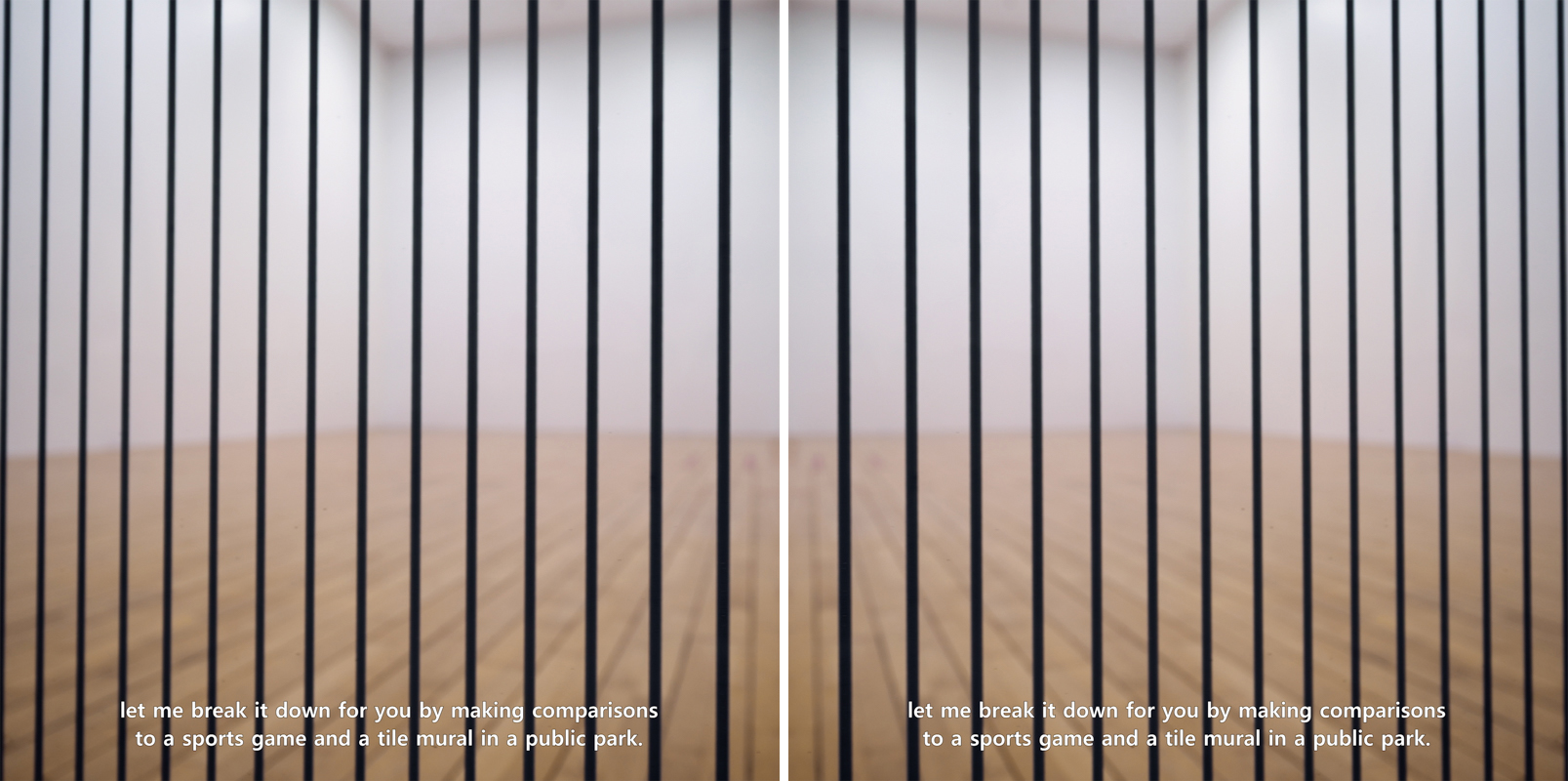
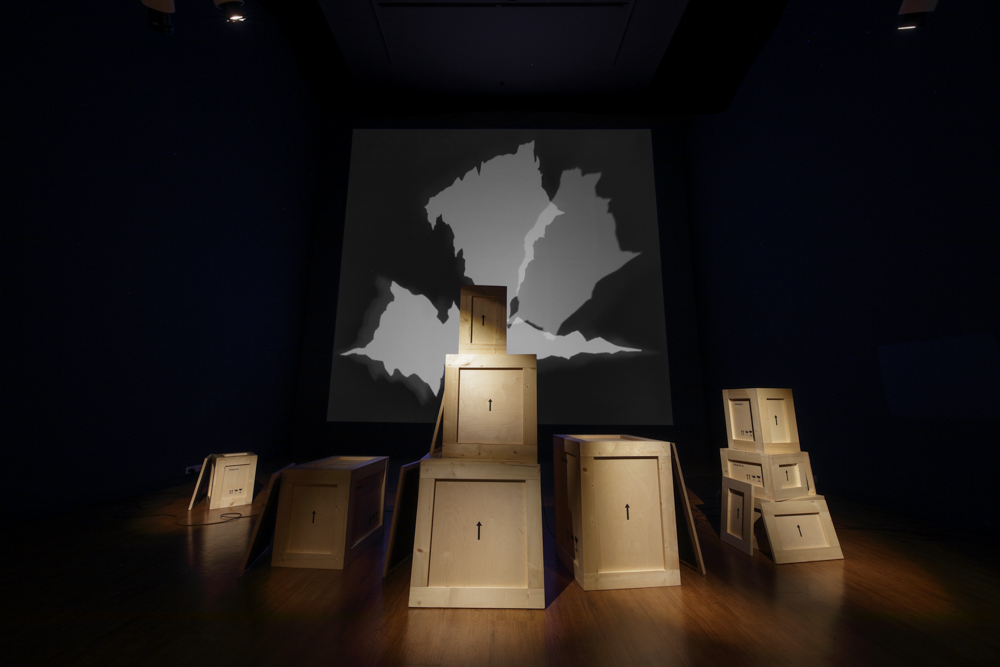
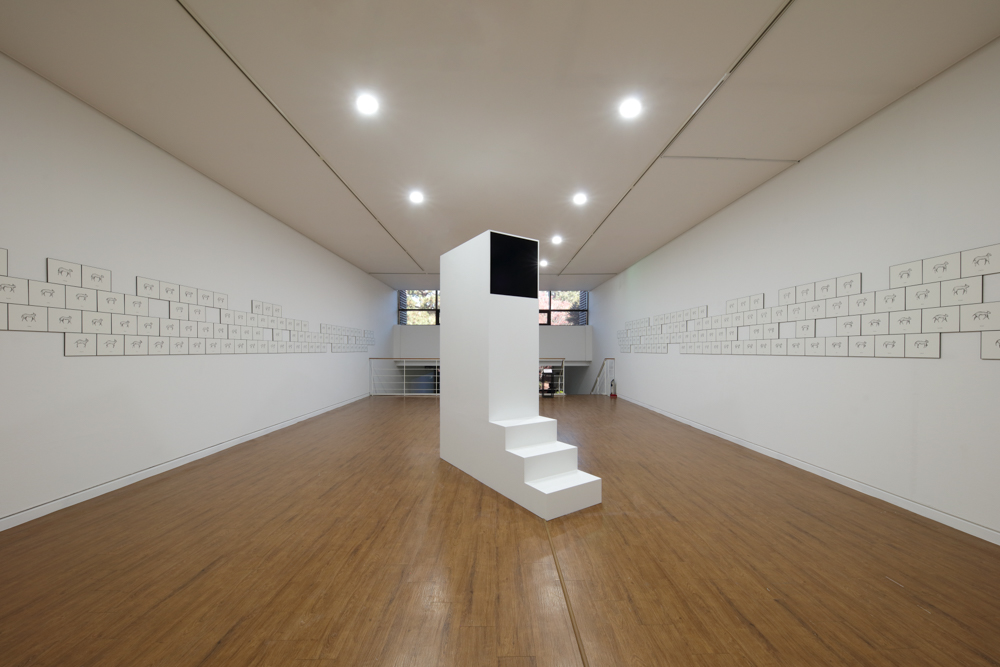
Installation view of 《As to the beast》 © Hapjungjigu

I once came across a phrase that read: “When a dog bites a person, it is an accident; when a person bites a dog, it is news.” The phrase lingered in my mind, perhaps because I immediately recognized why the latter had become an “event.” What makes it noteworthy is not the violence inflicted upon the dog, but rather the disruption of an assumed human order—the fact that a person has bitten a dog.

The statement concerns an abnormal situation brought about by a human subject, not the injury or suffering of the animal itself. Indeed, even when a dog experiences violence, humans rarely regard the incident as an event.

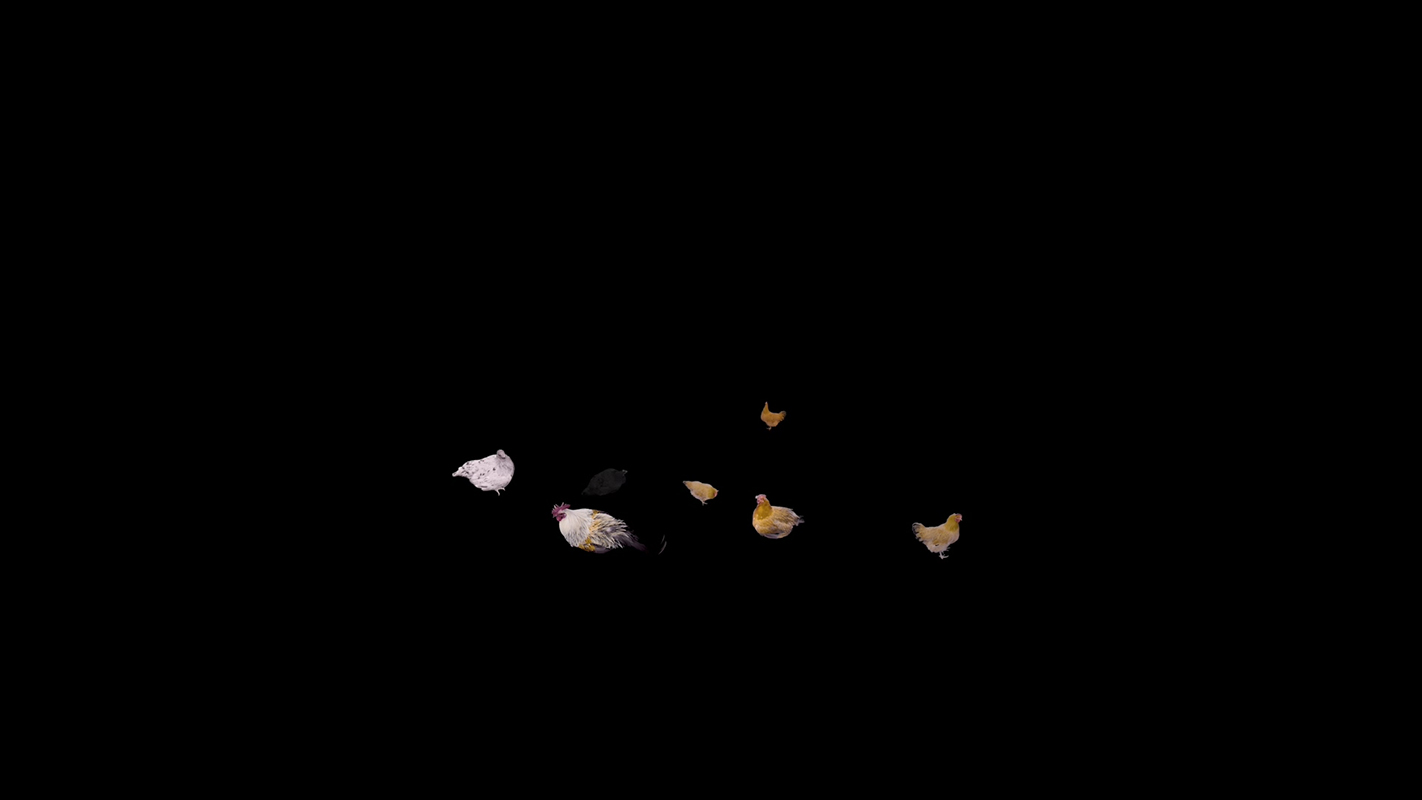
If they did, perhaps chickens endlessly laying eggs beneath fluorescent lights or cattle spending their entire lives confined within narrow metal enclosures awaiting slaughter would not have become conditions that continue to worsen. Why are there living beings whose reproduction depends upon systematic violation? Why were tens of millions of pigs buried alive beneath the earth?

For the most part, these questions are neither asked nor even consciously recognized. Instead, they are simply accepted. Thus, beneath the same sky as our ordinary daily lives exists another daily reality—one so devastating that it repeats itself endlessly, often without even being acknowledged as a form of wrongdoing. 《As to the Beast》 began from an inability to turn away from the gap between these two realities.


Installation view of 《As to the beast》 © Hapjungjigu

I would like to begin with the familiar yet distant concept of coexistence. Since the earliest stages of human history, people have lived alongside animals and cultivated crops; perhaps companionship is therefore the most familiar form of “coexistence” available to us.

Yet even this seemingly intimate relationship is far from uncomplicated. One need only think of the trembling grief of losing a companion animal, or the everyday reality of sacrificing one form of life in order to protect another, such as a cherished houseplant. Coexistence is not nearly as beautiful as its meaning might suggest. Wherever love resides, sorrow and suffering inevitably accompany it.

The exhibition examines coexistence across the two floors of the gallery. According to the logic proposed on each level, coexistence takes shape in the following ways. On the first floor, humans grieve and silently despair over memories of failed attempts to coexist with their companion beings.

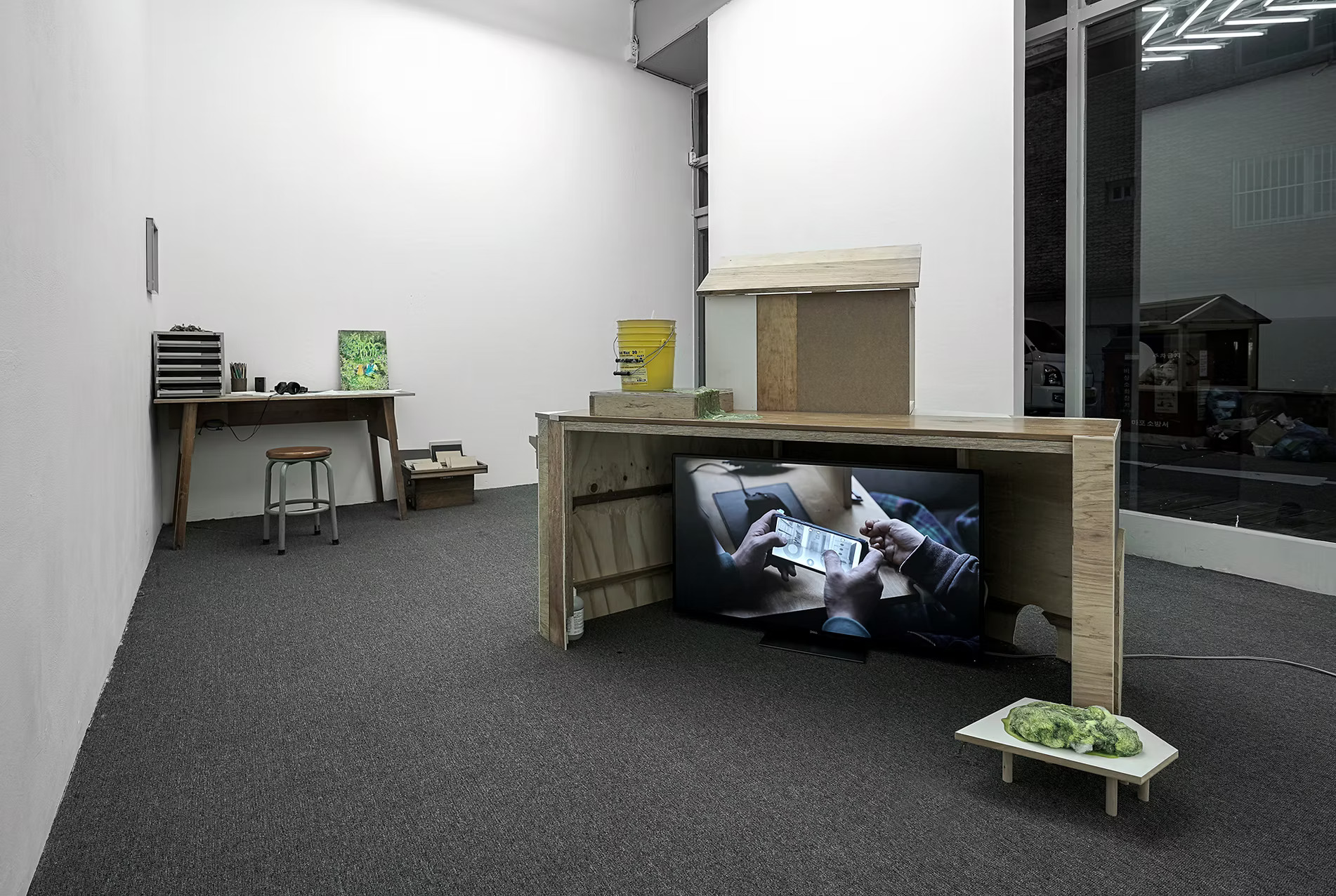
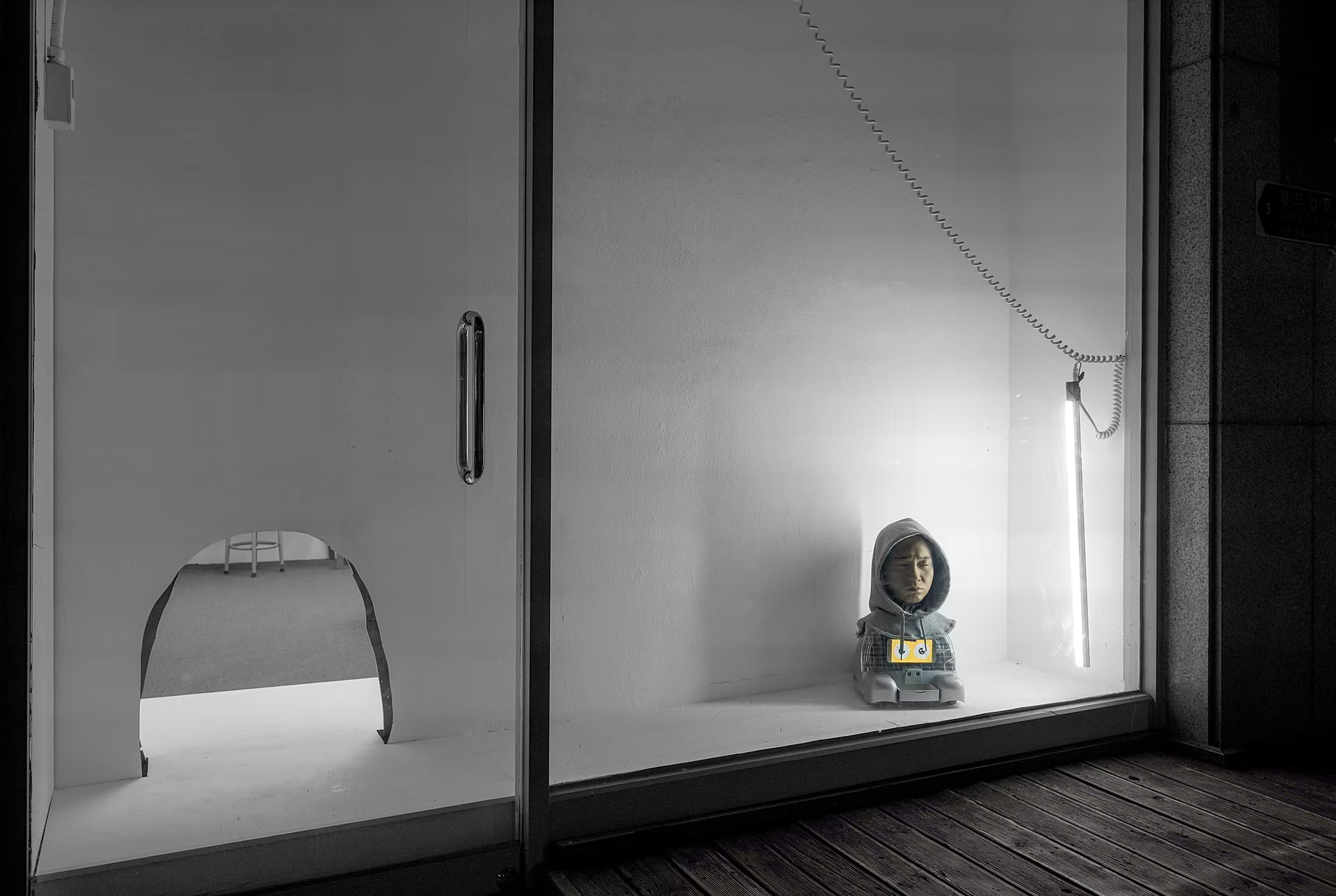
After the death of their dog Bamse, Gwon Dong Hyun and Kwon Sea Jung created Seddy, a pet-care robot with a male appearance, for Dodo, another dog showing signs of decline. Their documentary video work Seddy: How to Meet Dodo, filmed from the perspectives of both Dodo and Seddy, follows the awkward yet affectionate daily life shared by the aging dog, whose mobility has become limited, and the CCTV-equipped robot.

Scenes in which Dodo approaches the slowly rattling Seddy—moving almost as sluggishly as an elderly dog itself—and attempts a subtle act of disruption by licking treats from its face, or the drill protruding through Seddy’s eyes as a consequence of its construction, suggest a reversal of the relationship between caregiver and cared-for.

Song Hee Kim’s four-meter drawing I Am Going to Kill the Snails Now documents her arduous year-long struggle with snails while cultivating napa cabbages. Among the various insects concealed within the plants, the artist’s hands tightly hold the snails, while her expression reveals the discomfort and moral unease of confronting the act of killing.

Whenever she worried that she might soon lose her companion dog Hodu, Kim Songhee recorded fragments of their daily life. Over time, these records—drawings, diary entries, and dummy books—accumulated until they filled entire filing cabinets.

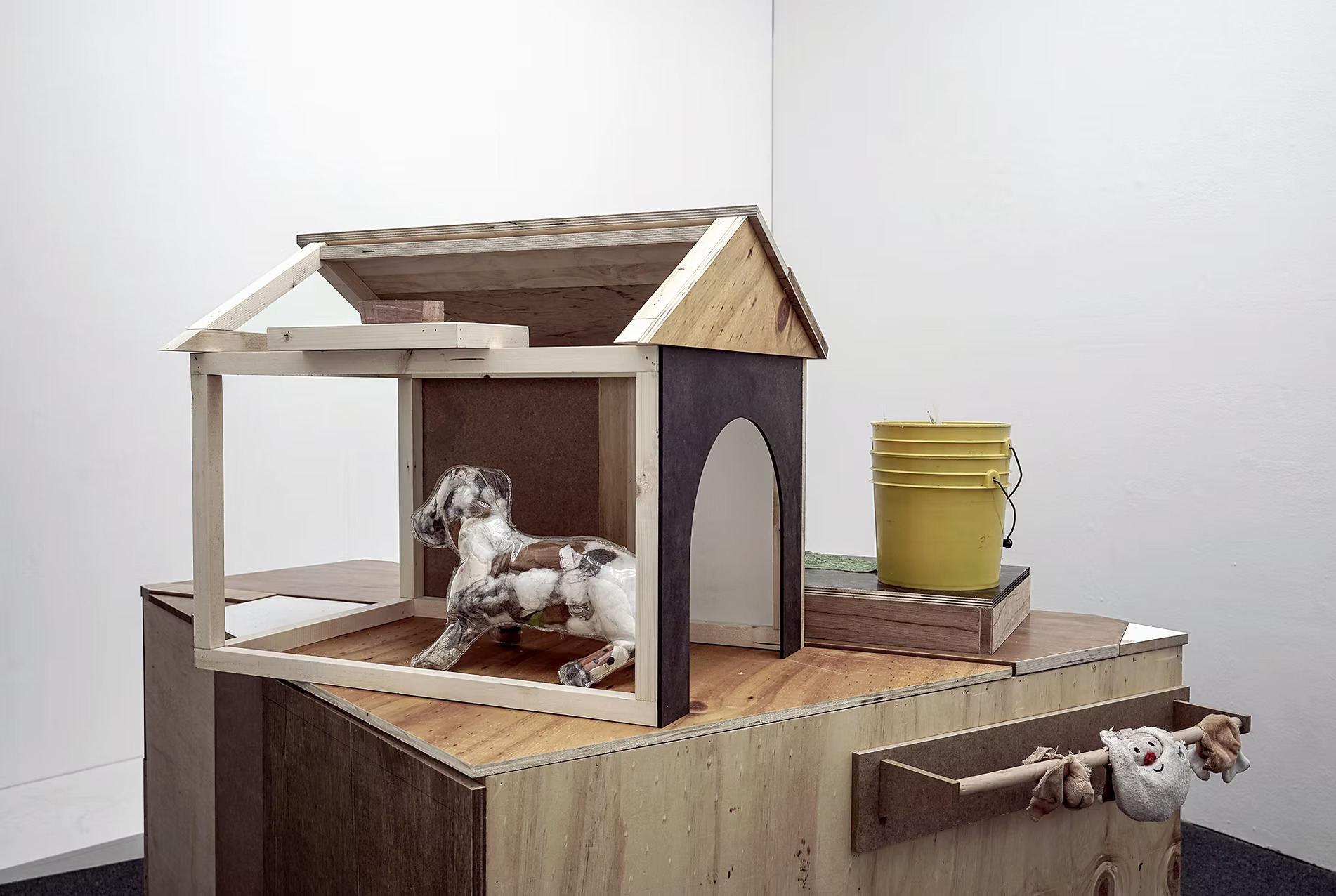
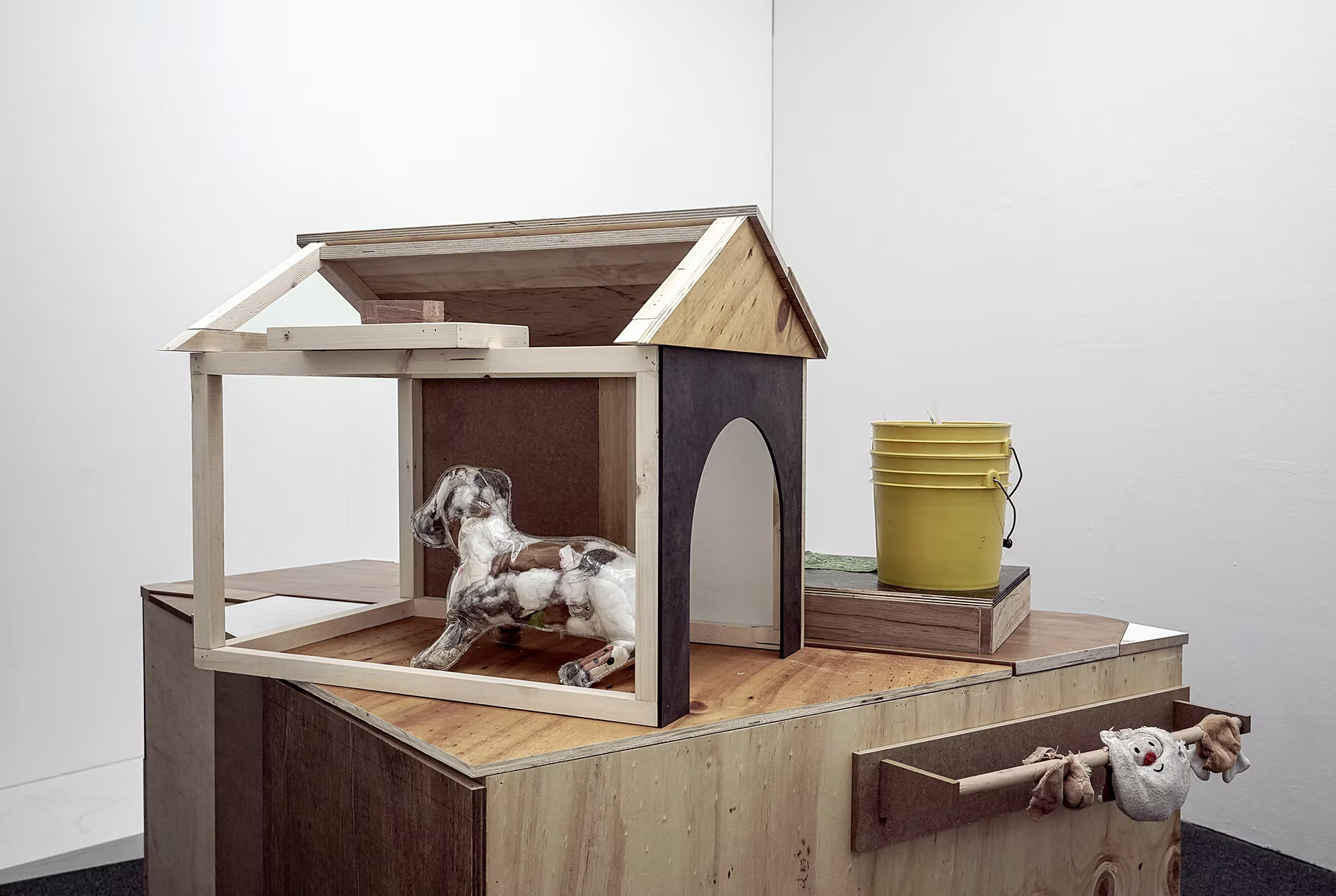
In Dog House (2021), Gwon Dong Hyun and Kwon Sea Jung collect the small byproducts generated through caring for their dogs, Rude and Somttongi—jelly cleaners used while cleaning the house, button-shaped clumps of fur gathered after laundry and drying, and plastic toy dogs. These remnants are assembled together and combined with leftover wood fragments from the artists’ studio, forming a sculptural record of companionship and care.

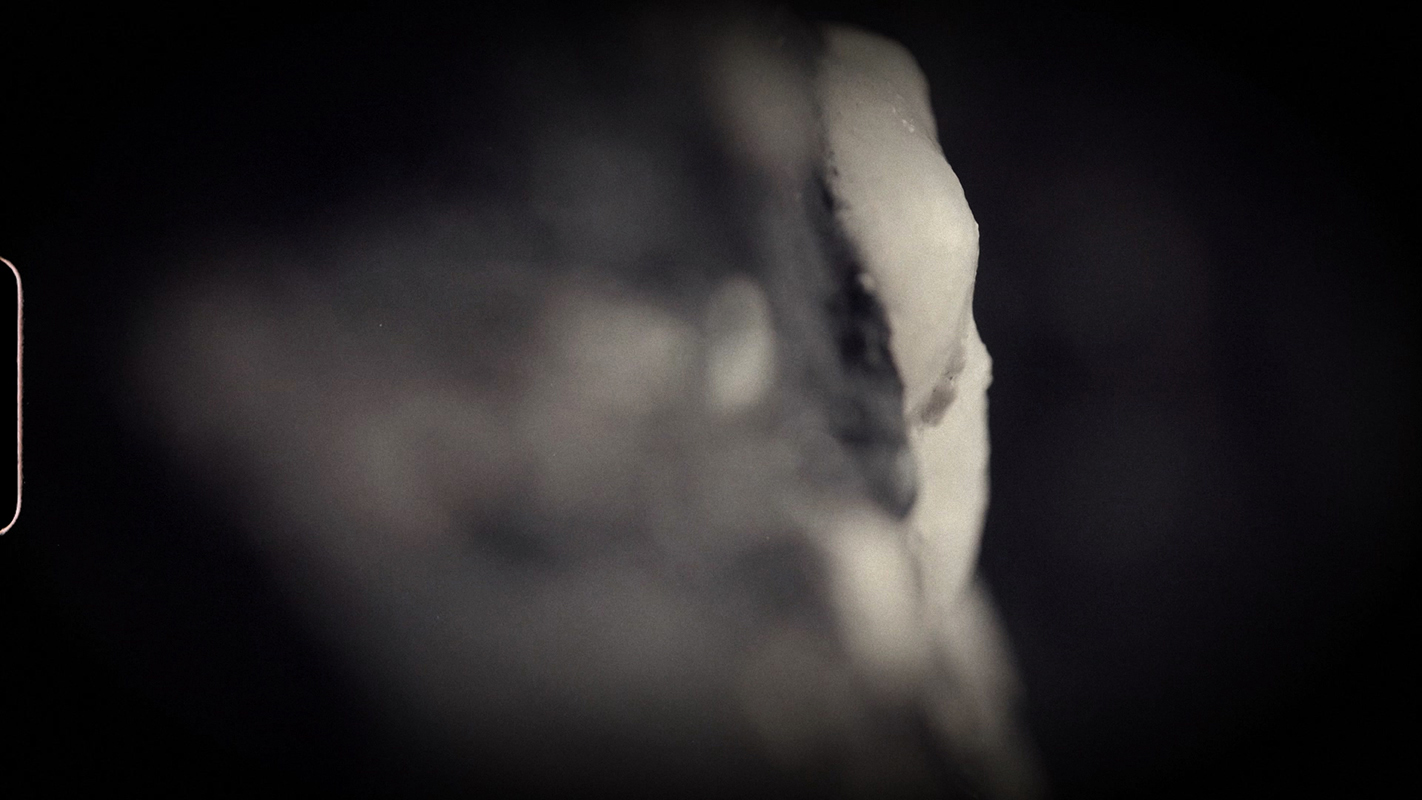
Ki Seok Kang’s Grab and Release begins with the verb “to care for” as it relates to companion animals. By cross-cutting between two performances—one in which ice is protected and another in which it becomes the object of play—the video asks what it means to maintain something in a “good state.”

Is care the effort to shield the ice from light so that it does not lose its form, or is it the act of melting, cracking, and sharing a fleeting moment together with it? In doing so, the work questions whether the very notion of “care”—understood as giving attention to something, monitoring it, and maintaining its well-being—may in fact be a concept shaped from the perspective of those who hold power.

The three artists and artist groups presented on the first floor continue to navigate both artistic practice and everyday life, aware that one day they may look back on the present with regret and grief. Yet precisely because of this awareness, they persist in finding ways to coexist with their companion beings in the here and now.


Installation view of 《As to the beast》 © Hapjungjigu

The second floor shifts the focus. While the ground floor explored the variables of happiness and the spectrum of pain embedded in companion relationships, the upper level addresses the desires pursued through the instrumentalization of animals and the spectrum of structural exploitation that accompanies them.

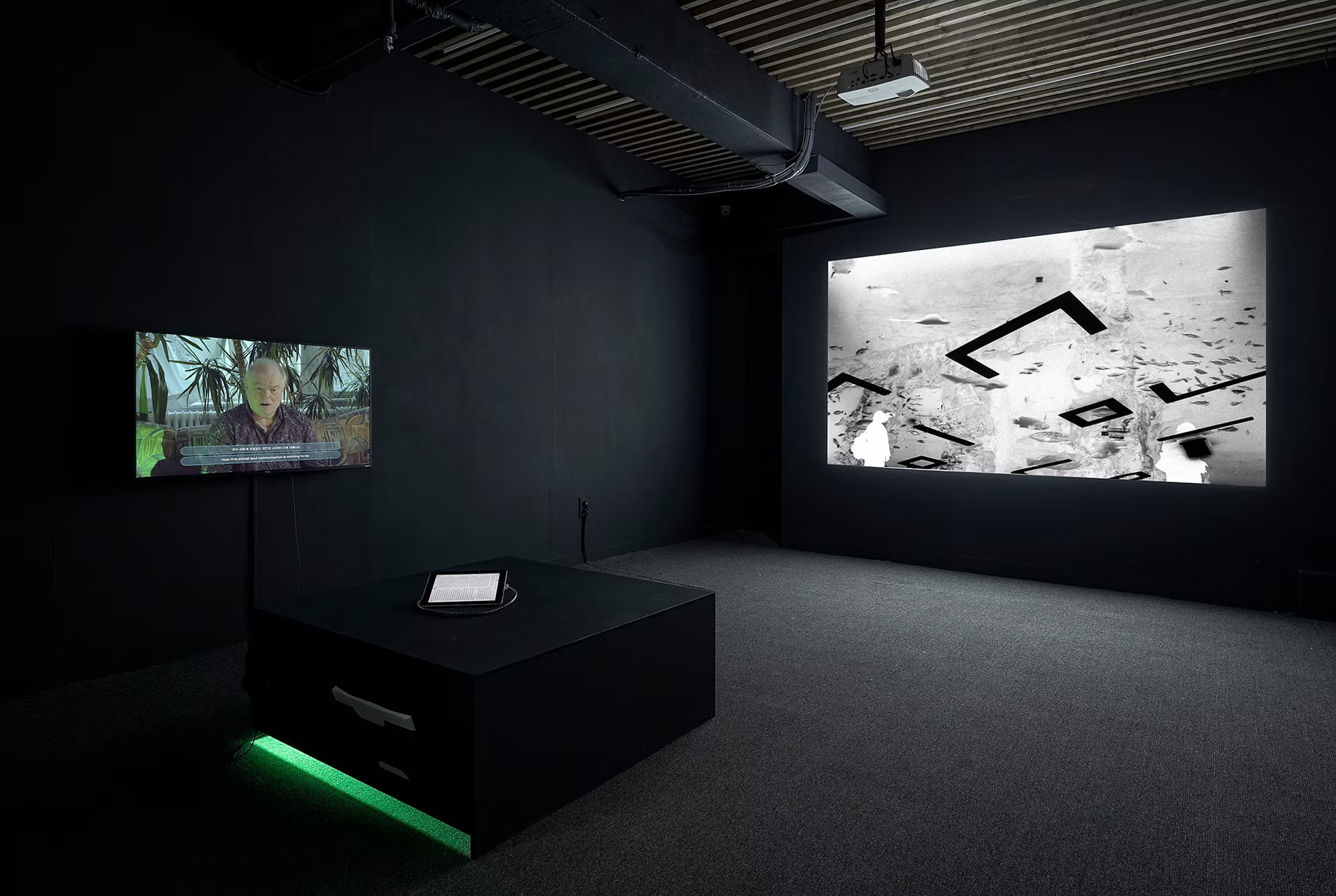
Mooni Perry’s documentary video work Missing: When My Dog Can’t Even Come Back As a Ghost (Trailer) evokes the human desire that compels people to seek out dead-animal communicators in an attempt to reconnect with missing animals they cannot forget.

Meanwhile, in the text “Recentering the Human,” written for Mooni Perry, Syl Ko and Lindgren Johnson, together with Mooni Perry’s 3D animation, repeatedly emphasize the need to reposition ourselves within an ethical order if we are to move beyond systems of prejudicial thought.

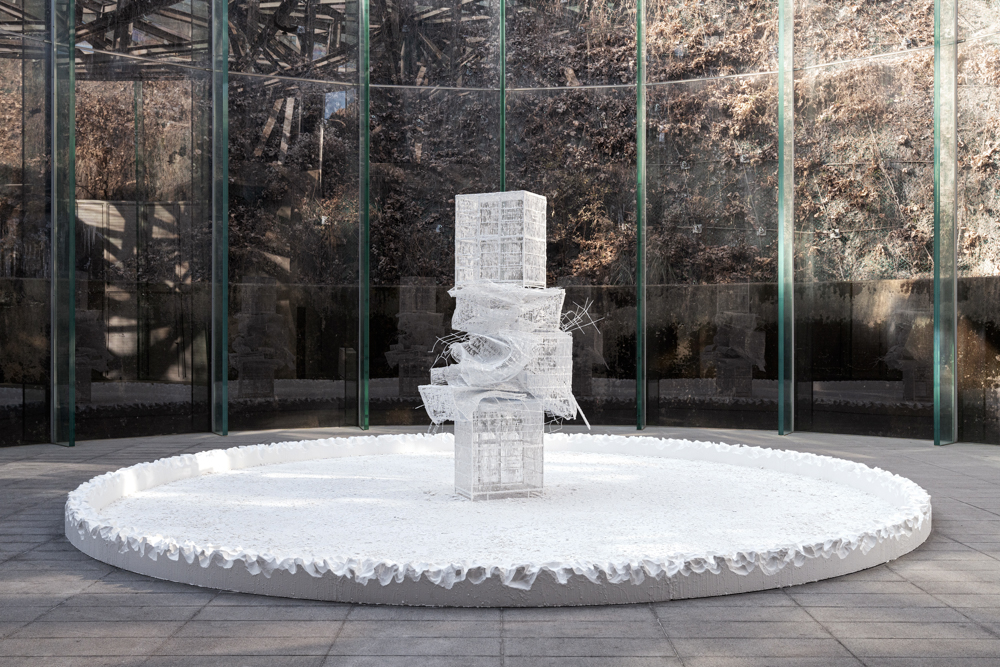
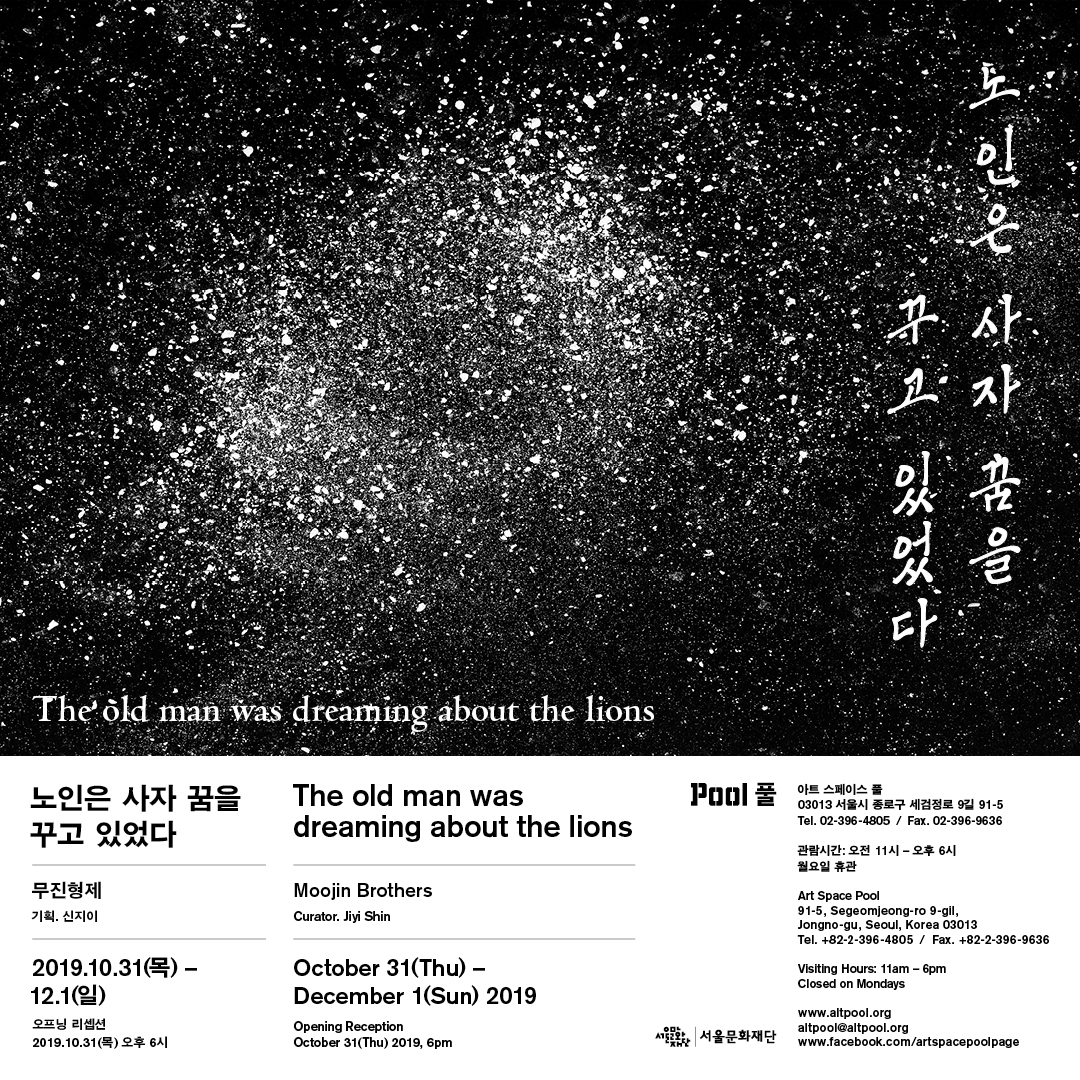
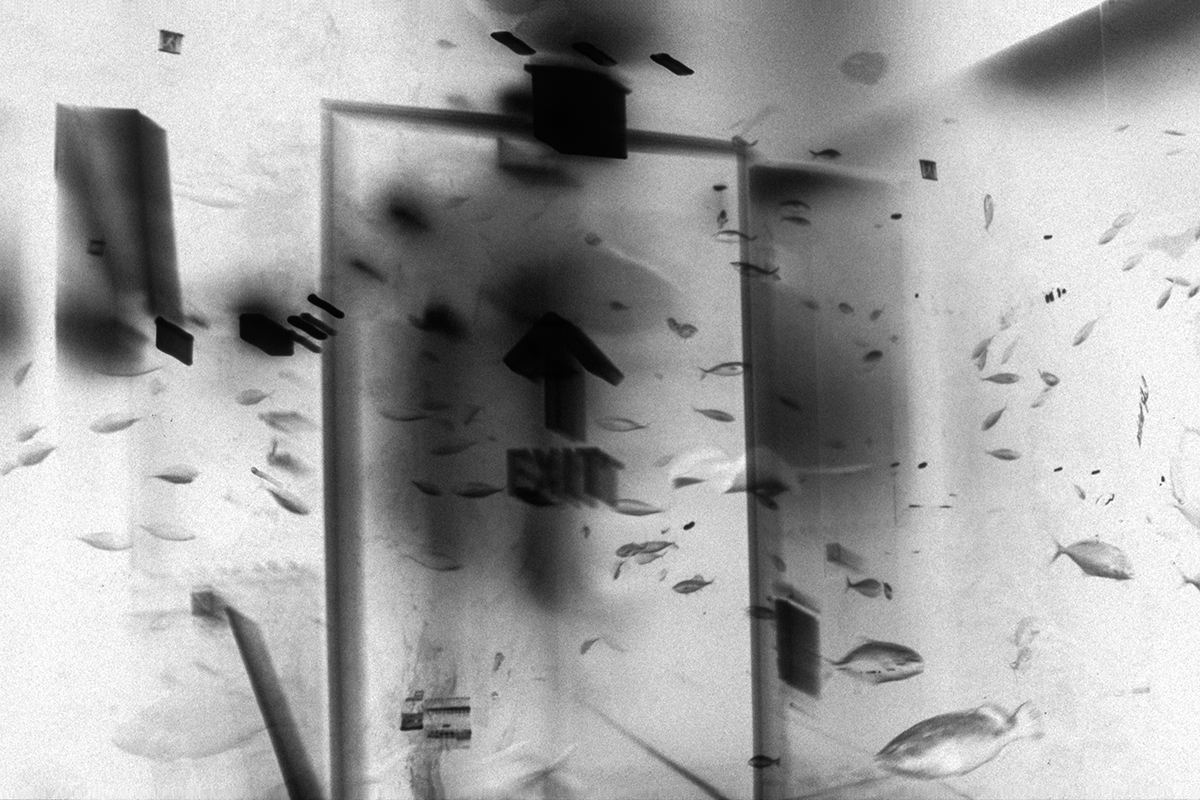
Finally, Moojin Brothers draws a connection between Jules Verne’s Twenty Thousand Leagues Under the Sea and the aquarium housed within Lotte World Tower. Both the protagonist of the novel and the employees of the aquarium construct and maintain stable systems through acts of classification.

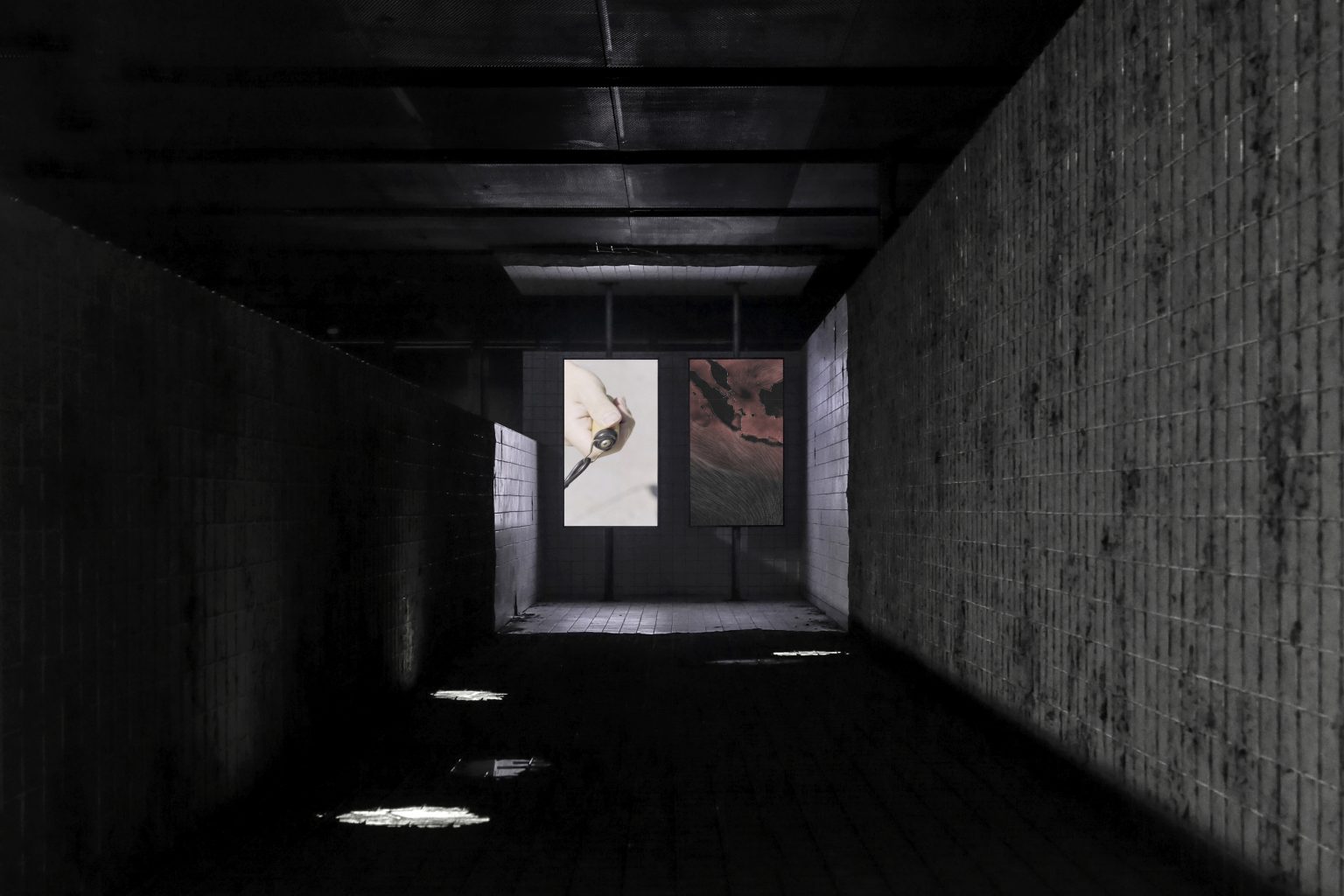
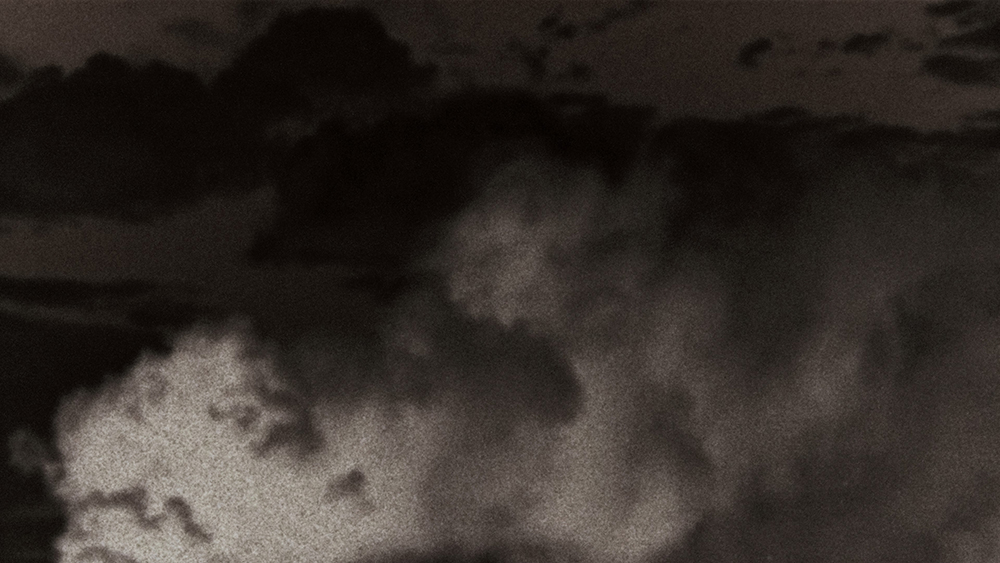
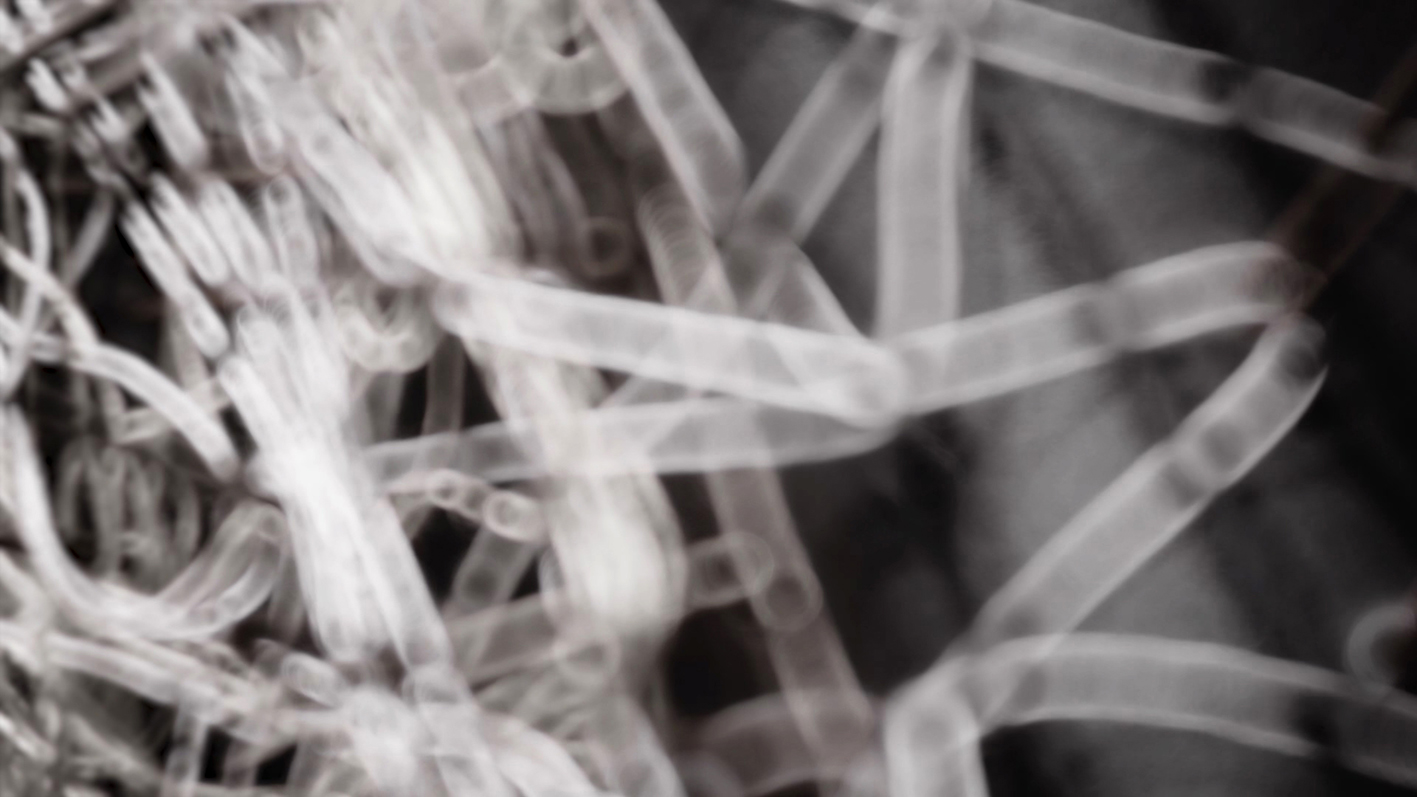
In order to visualize the human desire that extends from the depths of the sea to the open sky, the artists superimpose images of aquariums and aerial landscapes onto more than eighty fragments of film in The Trace of the Box - Now, Curiosity About the World (2018).

Alongside the video, they present drawing-objects—Object for The Trace of the Box - Now, Curiosity About the World 1, 2, 3 (2018)—that visualize the form of Lotte World Tower as a submarine-like structure and expose systems that define and safely manage their subjects through classification. The sea, shaped by classificatory systems, and the sky, swollen with human desire, ultimately pose the same question: “Is this truly a problem that concerns only the non-human?” 


Installation view of 《As to the beast》 © Hapjungjigu

One must remember that the seemingly peaceful streets, populated by supposedly normal people, have helped bring about a world that exploits humans and annihilates non-human beings alike. Even if it is difficult to imagine the eyes of an animal coughing up blood while one quietly eats a bowl of soup, at the very least this tranquility should appear strange.

A silent bloodshed continues to settle indiscriminately upon both human and non-human lives, yet we have become capable of regarding it not as an event but as an ordinary part of daily existence. A possible line of rupture with the world order that has been solidified over thousands of years can be found in a novel by Han Kang. “I’m not an animal anymore, sister.”

Her words recall the human as an animal—one that has endured a process of domestication beginning in a childhood too distant to remember. It is an attempt to live in this world as a being driven by its own living blood, even at the cost of piercing the eyes bestowed by the present order and becoming a blind beast. To arrive at the beast is, perhaps, to arrive at an uncompromising form of coexistence from which no one is exempt.

References