

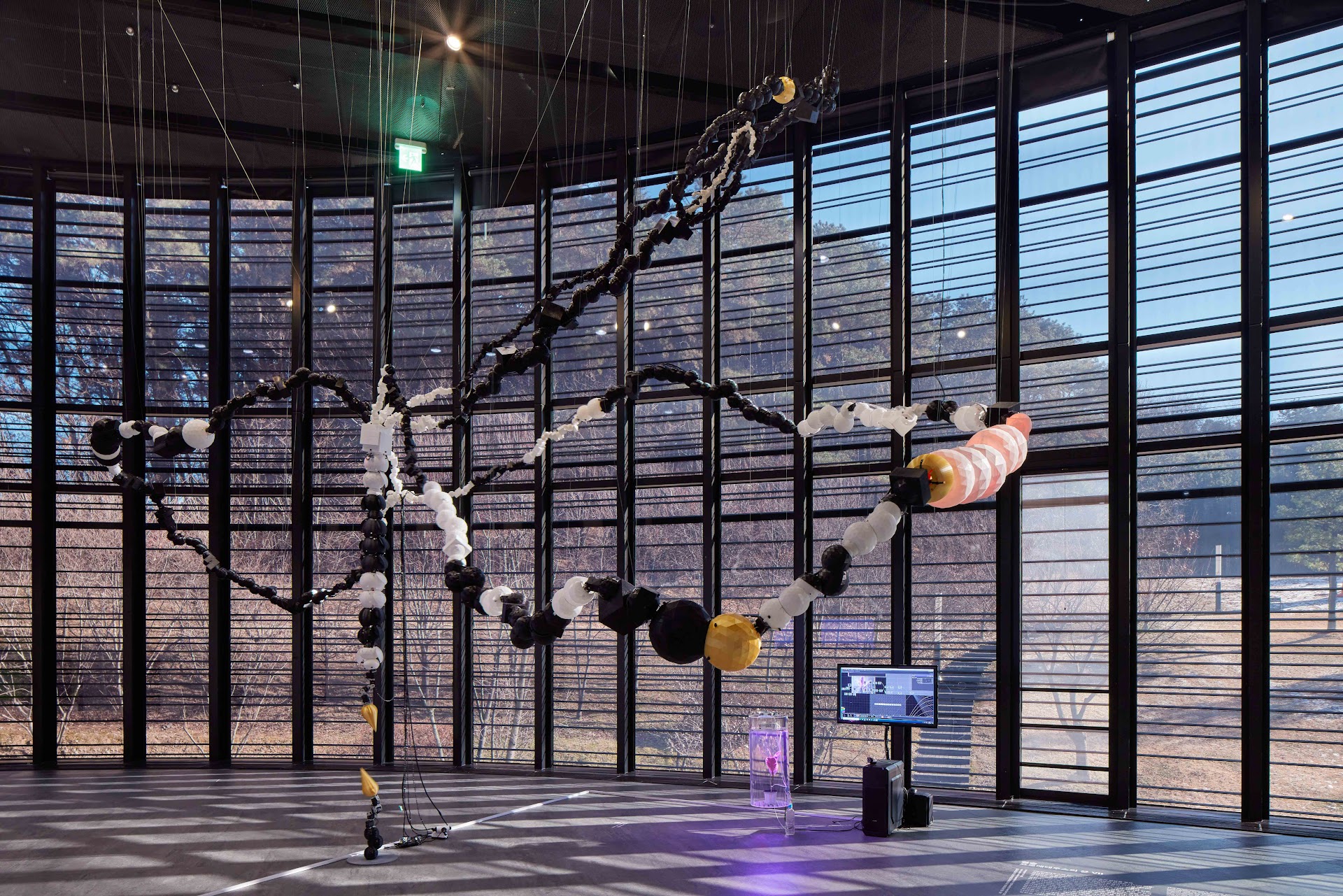
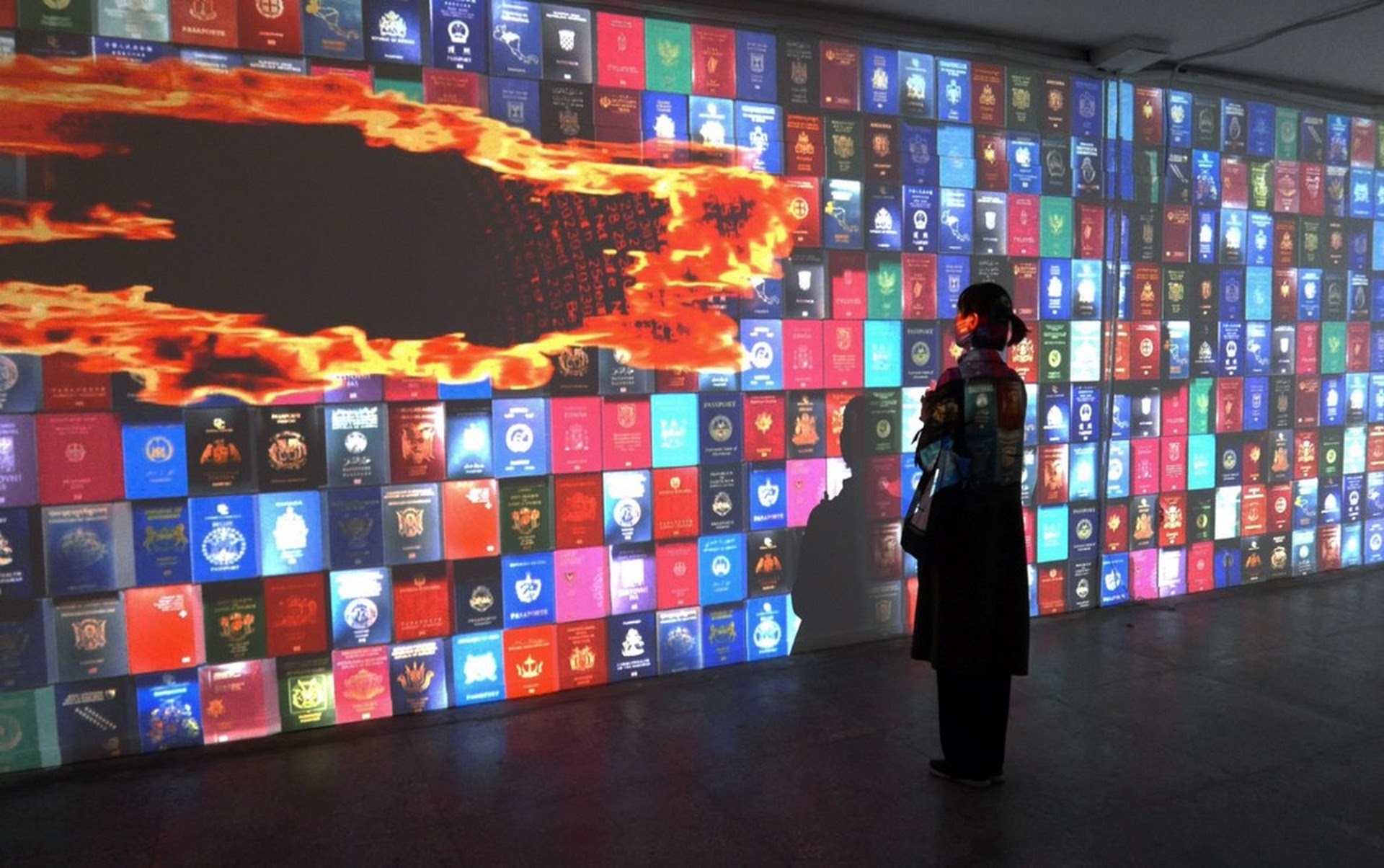
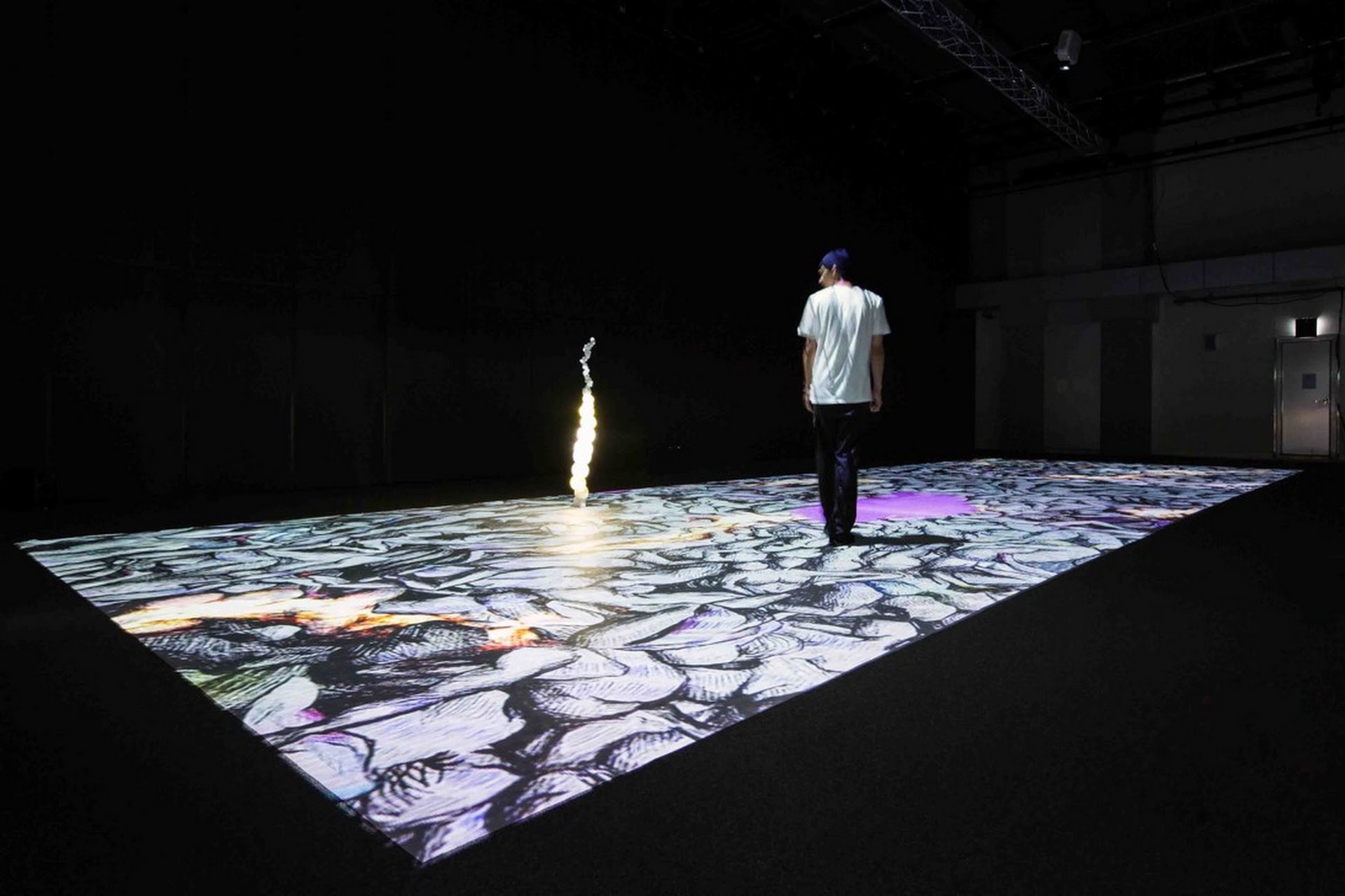
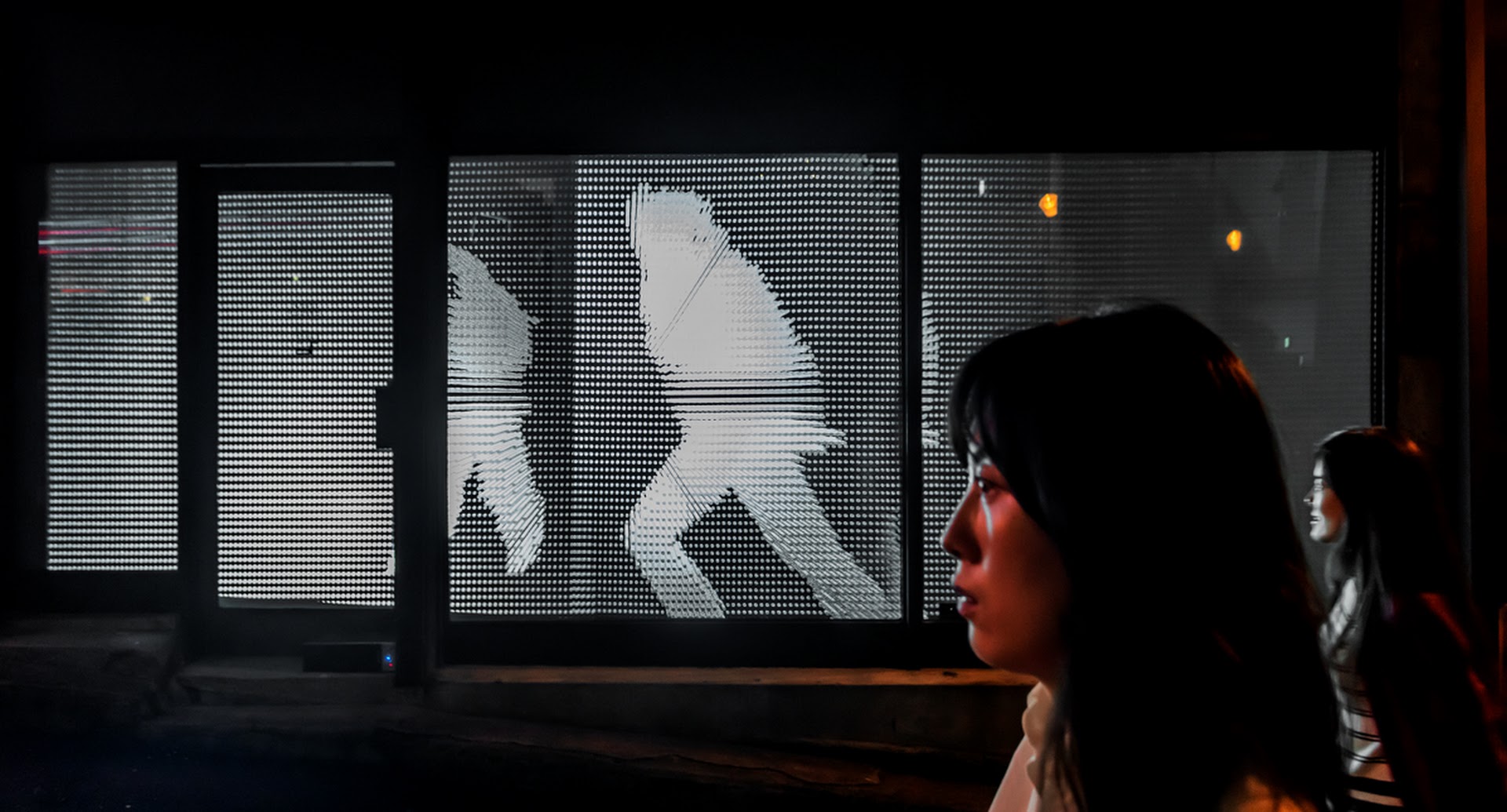
Solo Exhibitions (Brief)
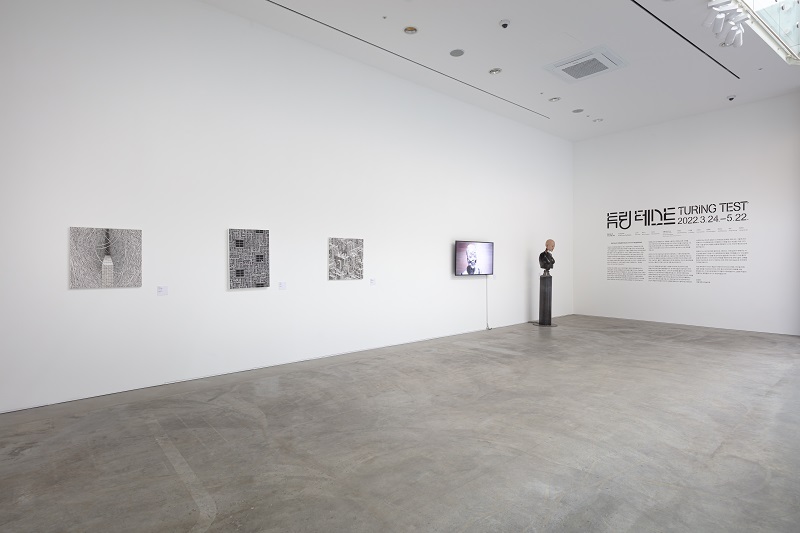
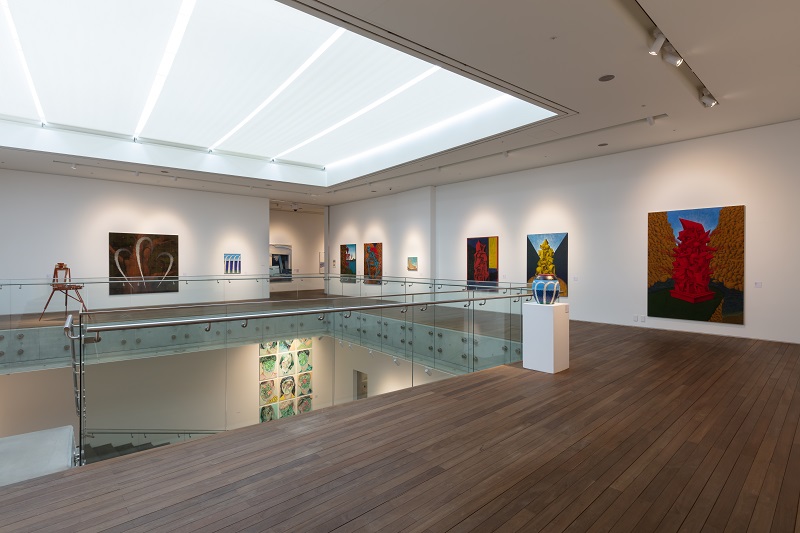
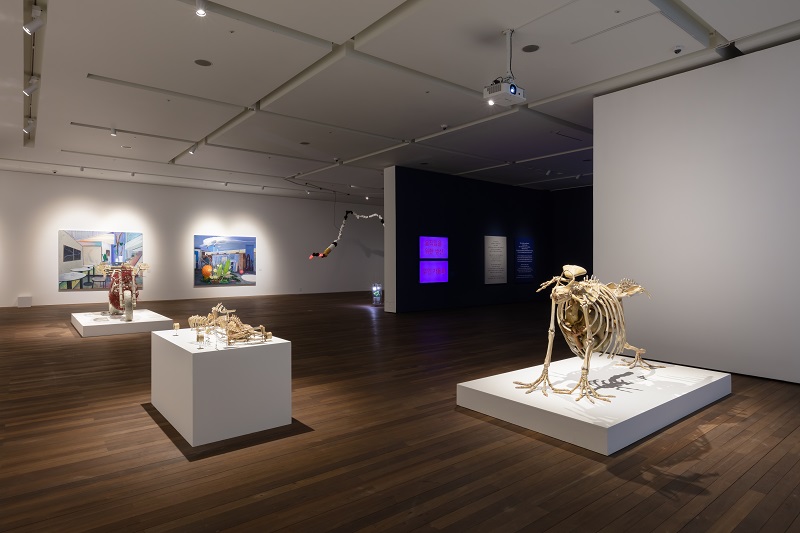
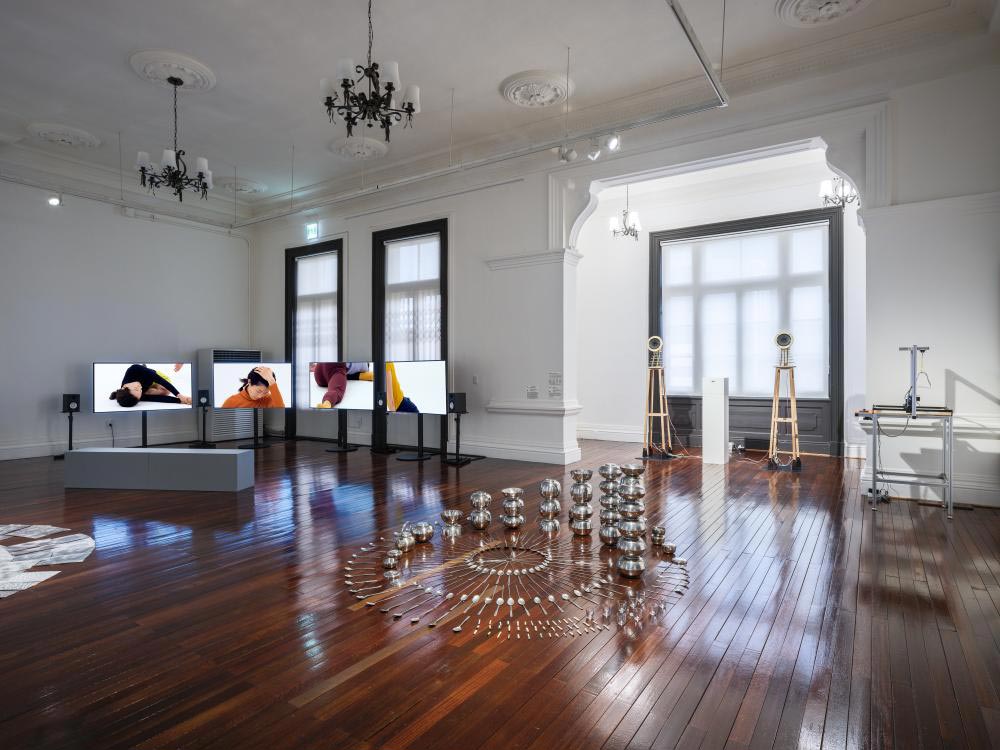
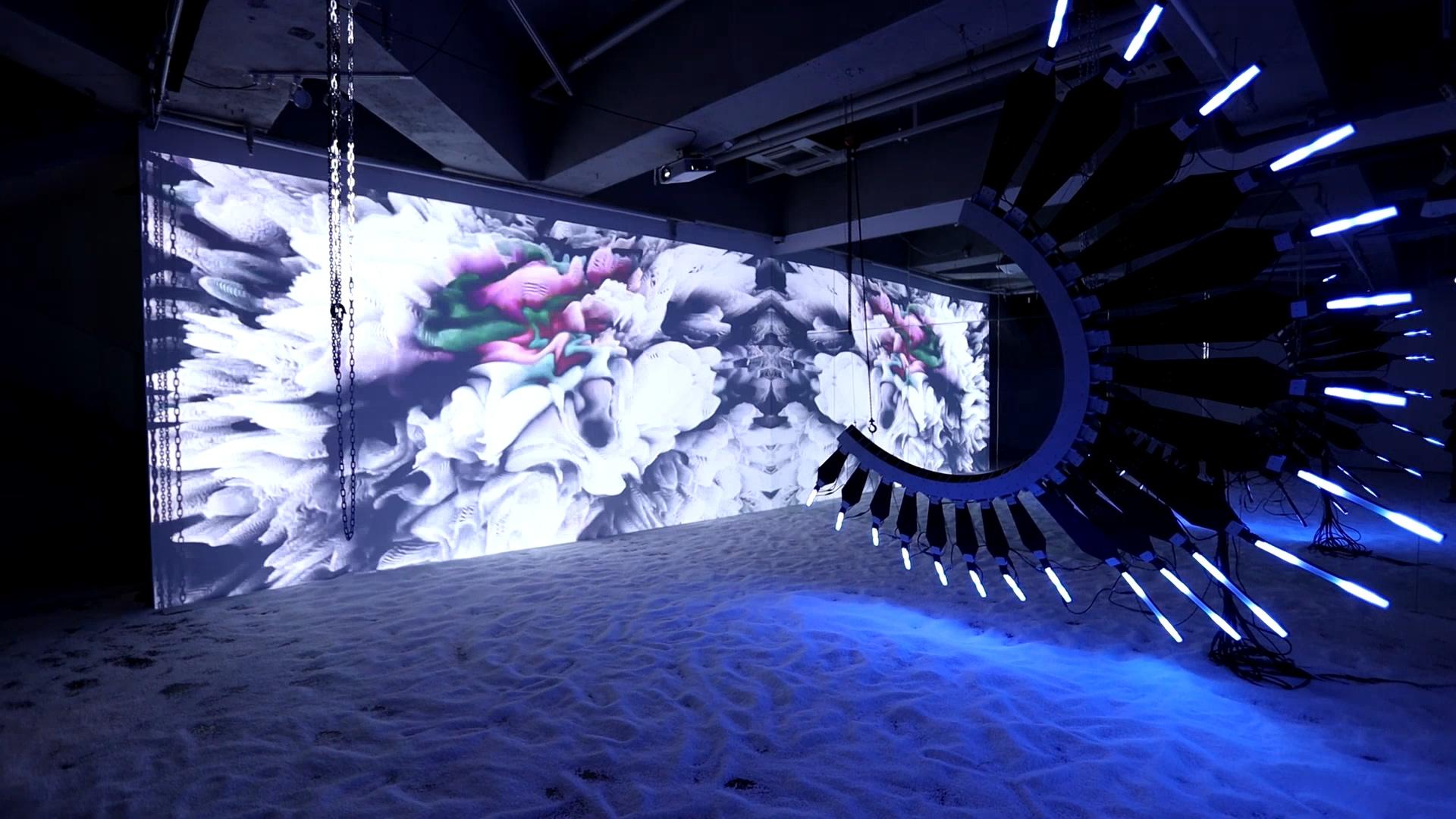
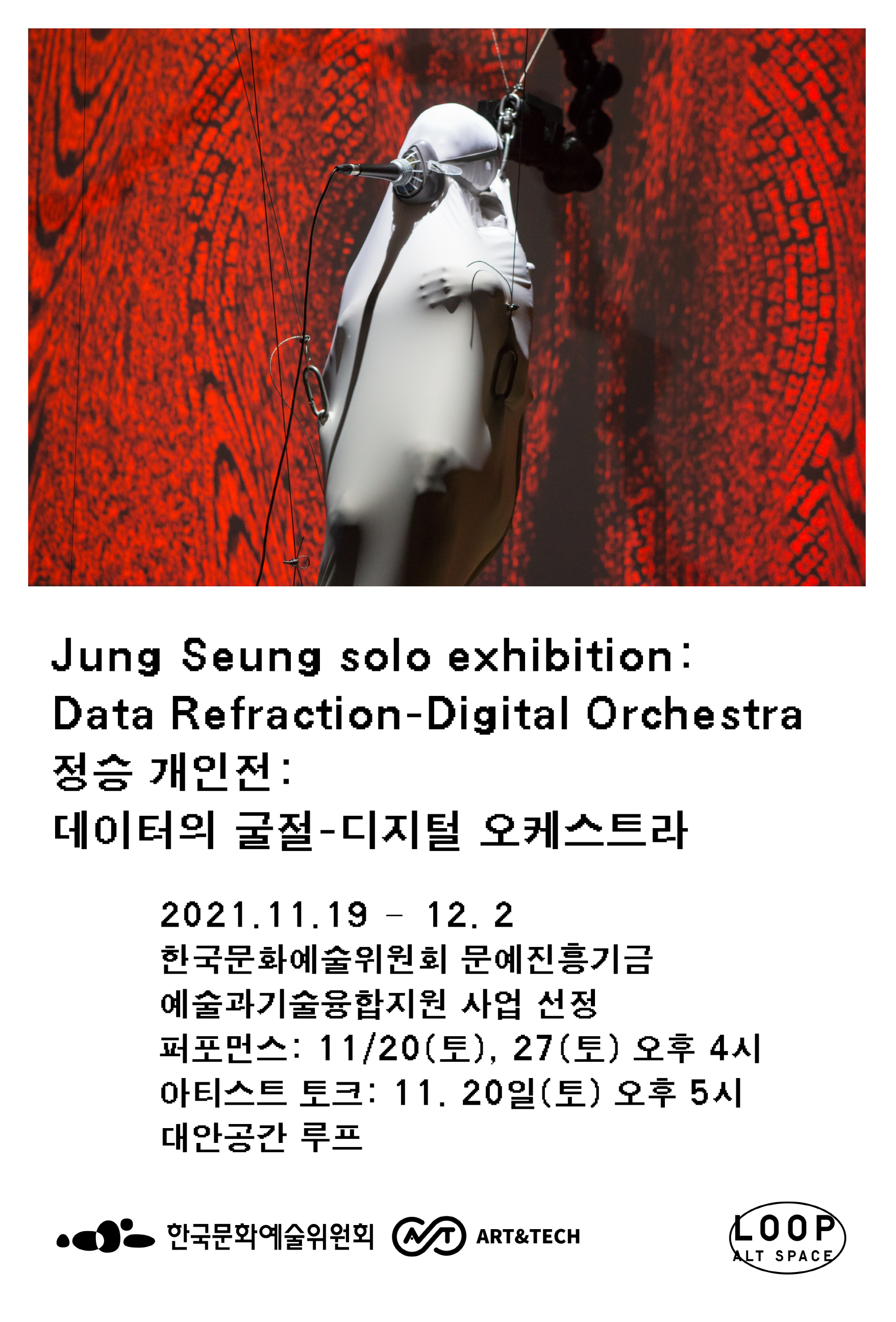
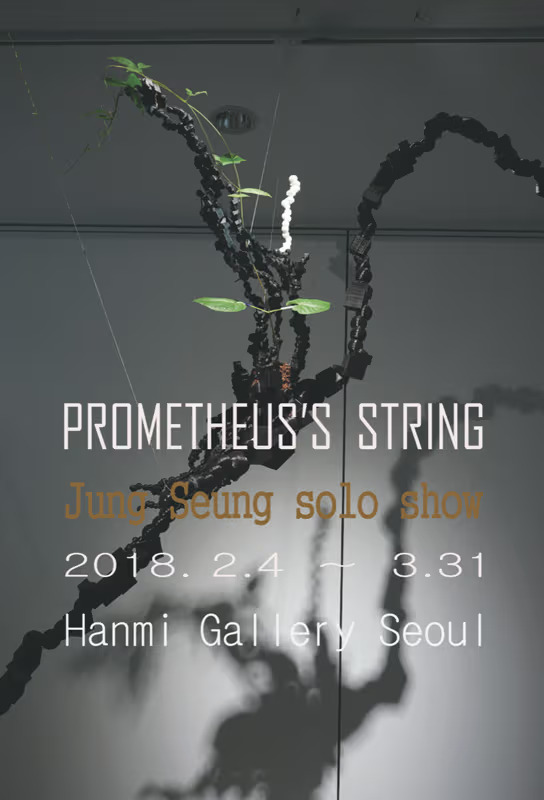
Since his first solo exhibition at Kunstdoc Gallery in 2008, Jung Seung has presented solo exhibitions at major venues in Korea and abroad, including Brain Factory, Cheonggye Art Studio, Amado Art Space, Alternative Space LOOP, Centre Culturel Coréen in Paris, AKI Gallery in Taipei, and Oil Tank Culture Park in Seoul.
Group Exhibitions (Brief)
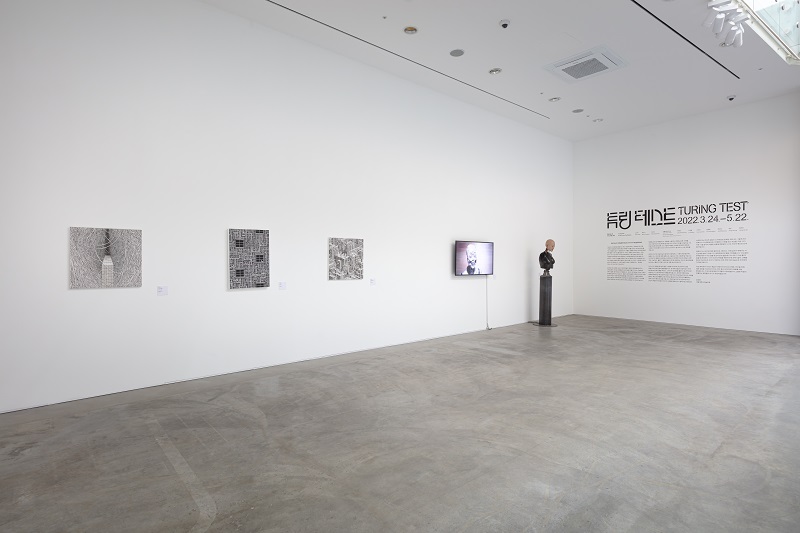
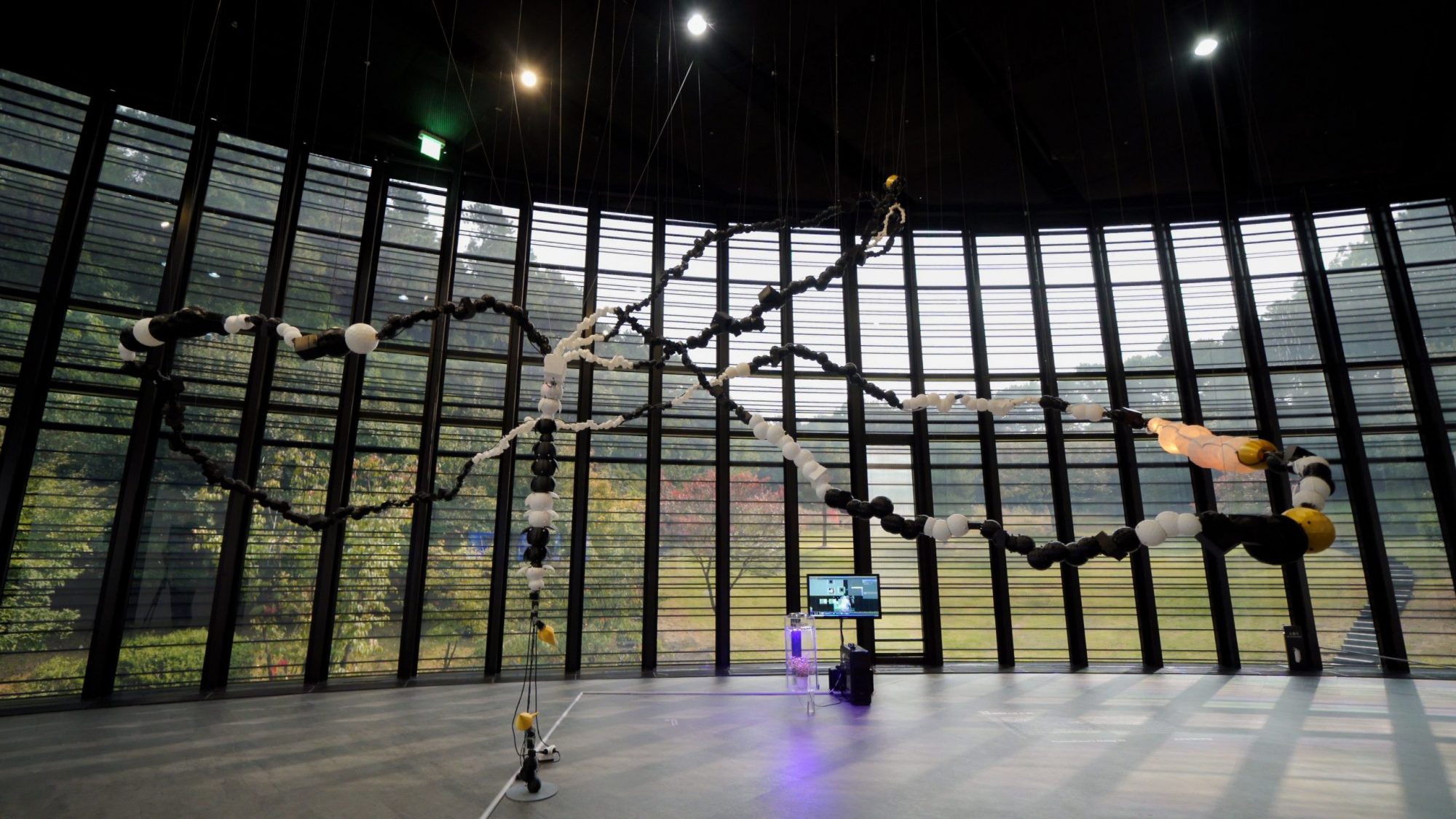
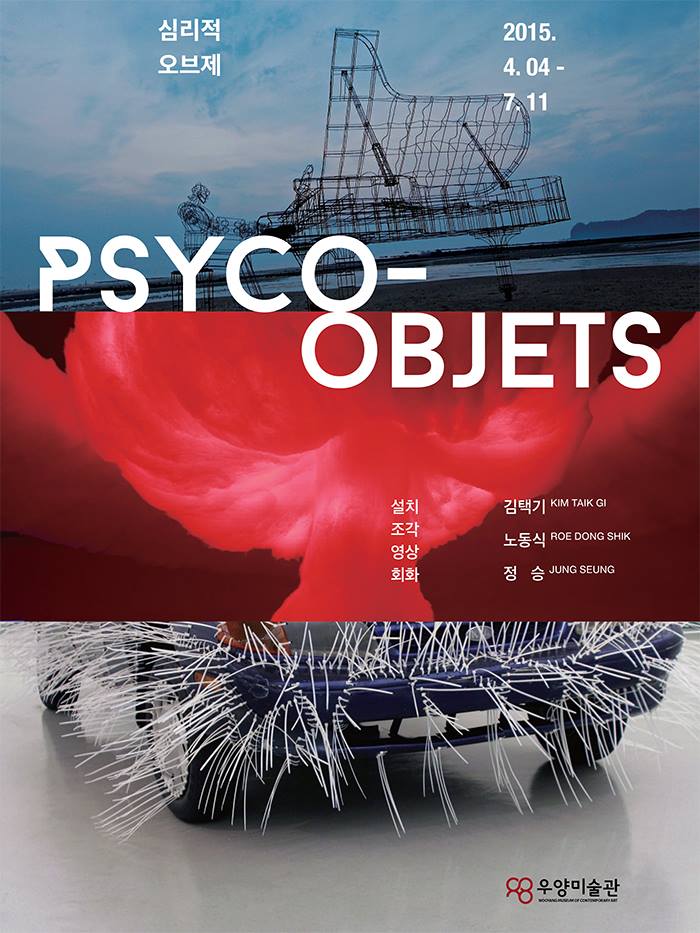
Jung Seung has participated in exhibitions at the National Museum of Modern and Contemporary Art, Korea (MMCA), Seoul Museum of Art (SeMA), Seoul National University Museum of Art (SNUMoA), Nam June Paik Art Center, Culture Station Seoul 284, Saatchi Gallery in London, and Kunstmuseum Bonn in Germany.
He has also taken part in the Busan Biennale, the Gwangju Media Art Festival, and a number of international exchange exhibitions between Korea and Germany, Australia, and Japan, continuing his practice across diverse international contexts.
Awards (Selected)
Following the Encouragement Prize at the Shinsegae Art Award in 2007, Jung Seung was selected for the Joongang Fine Arts Prize and the National Arts Council Korea’s Emerging Artist Program in 2008, and subsequently received consecutive selections for the ARKO Art & Technology Showcase, Production Grant, and Follow-up Support Programs between 2020 and 2023.
Residencies (Selected)
Jung Seung has participated in domestic residency programs including SeMA Nanji Residency, Incheon Art Platform, and Seoul Art Space Geumcheon, as well as international residencies and exchange programs such as Art OMI (USA), Taipei Artist Village, Taipei Digital Art Center (Taiwan), and K-NRW Transfer (Germany).
Collections (Selected)
Jung Seung’s works are included in the collections of the Art Bank of the National Museum of Modern and Contemporary Art, Korea (MMCA), Seoul Museum of Art (SeMA), and CAN Foundation.