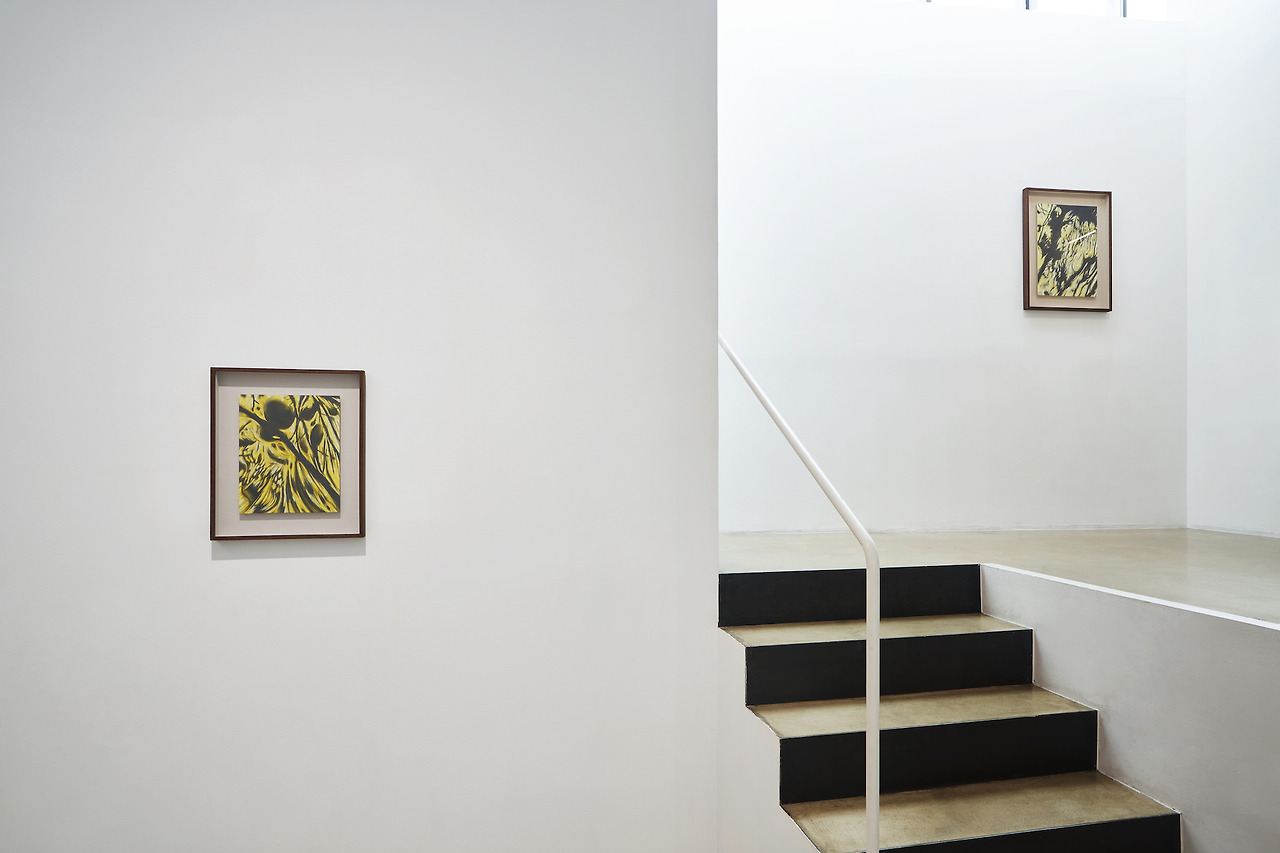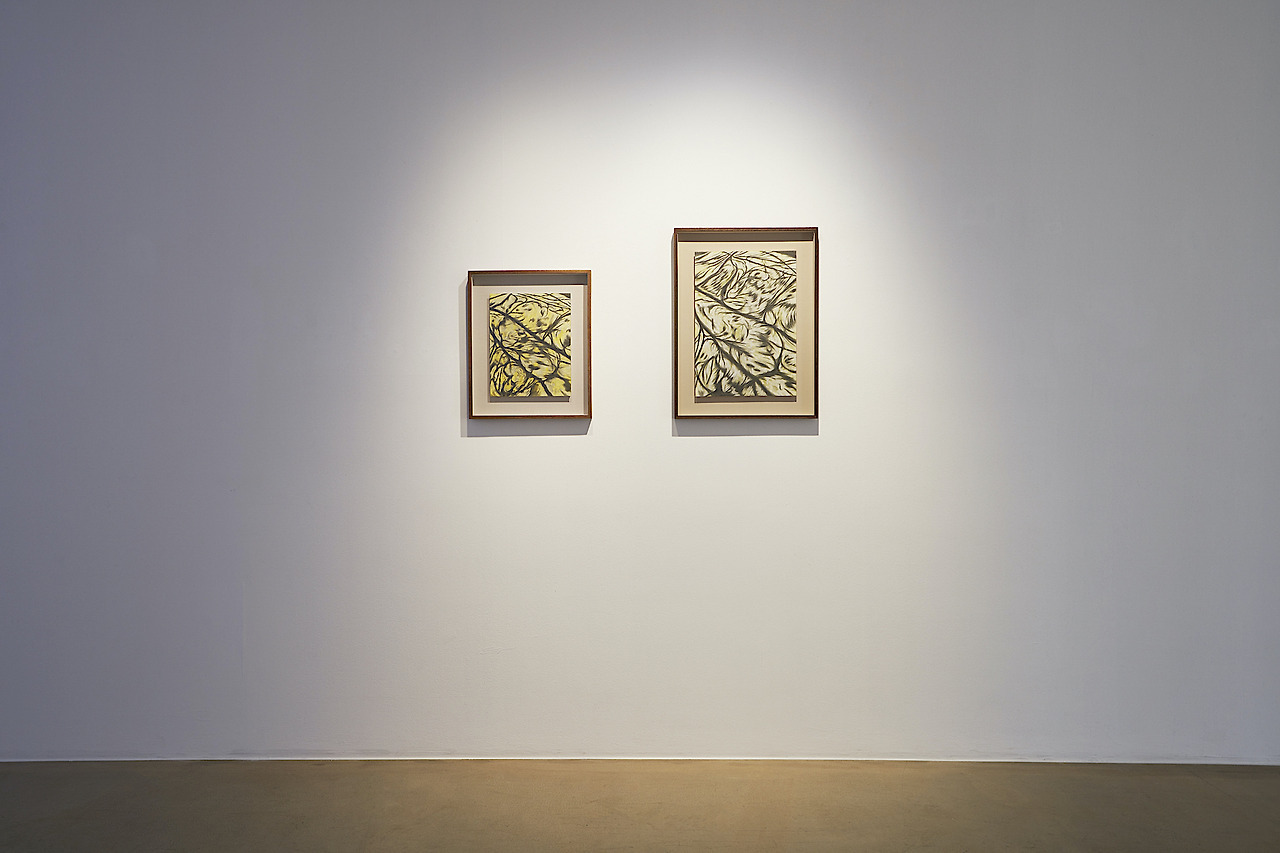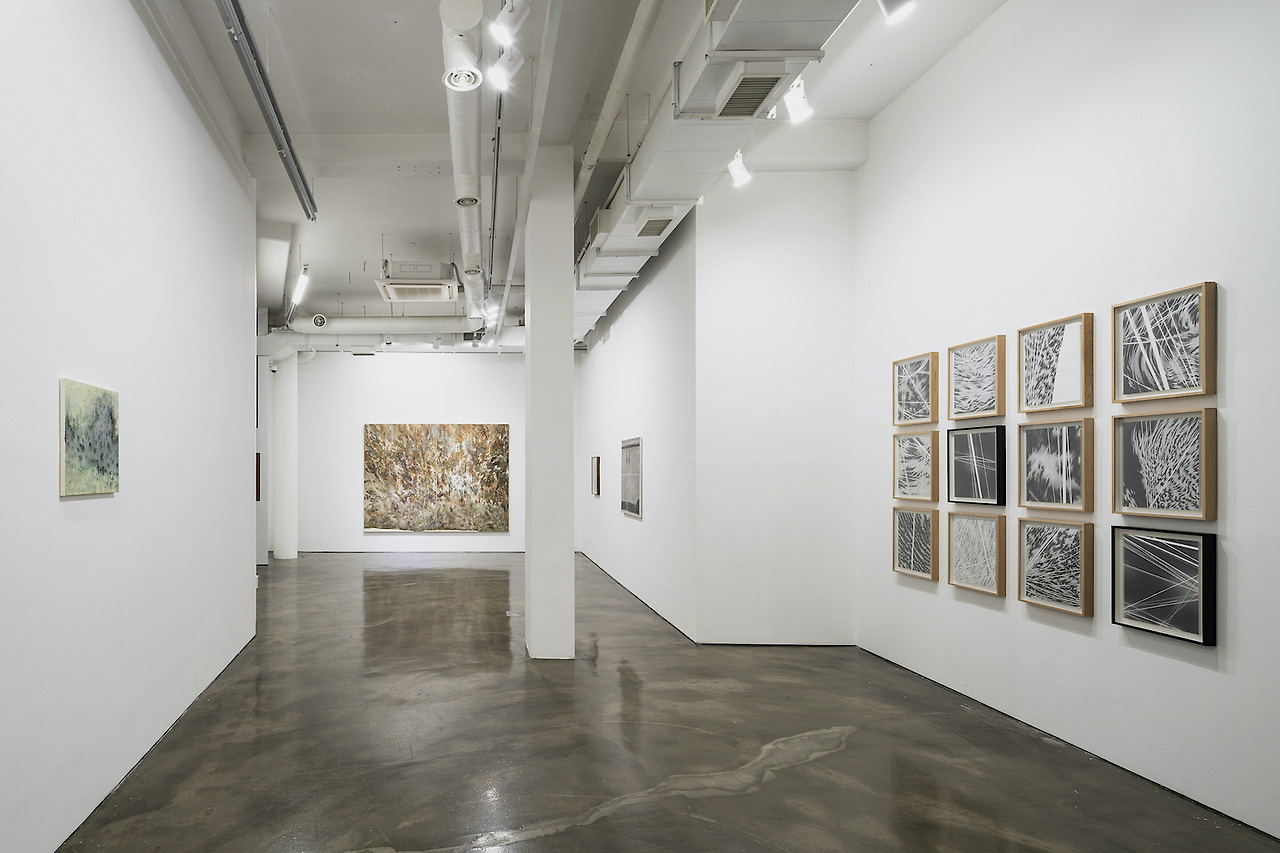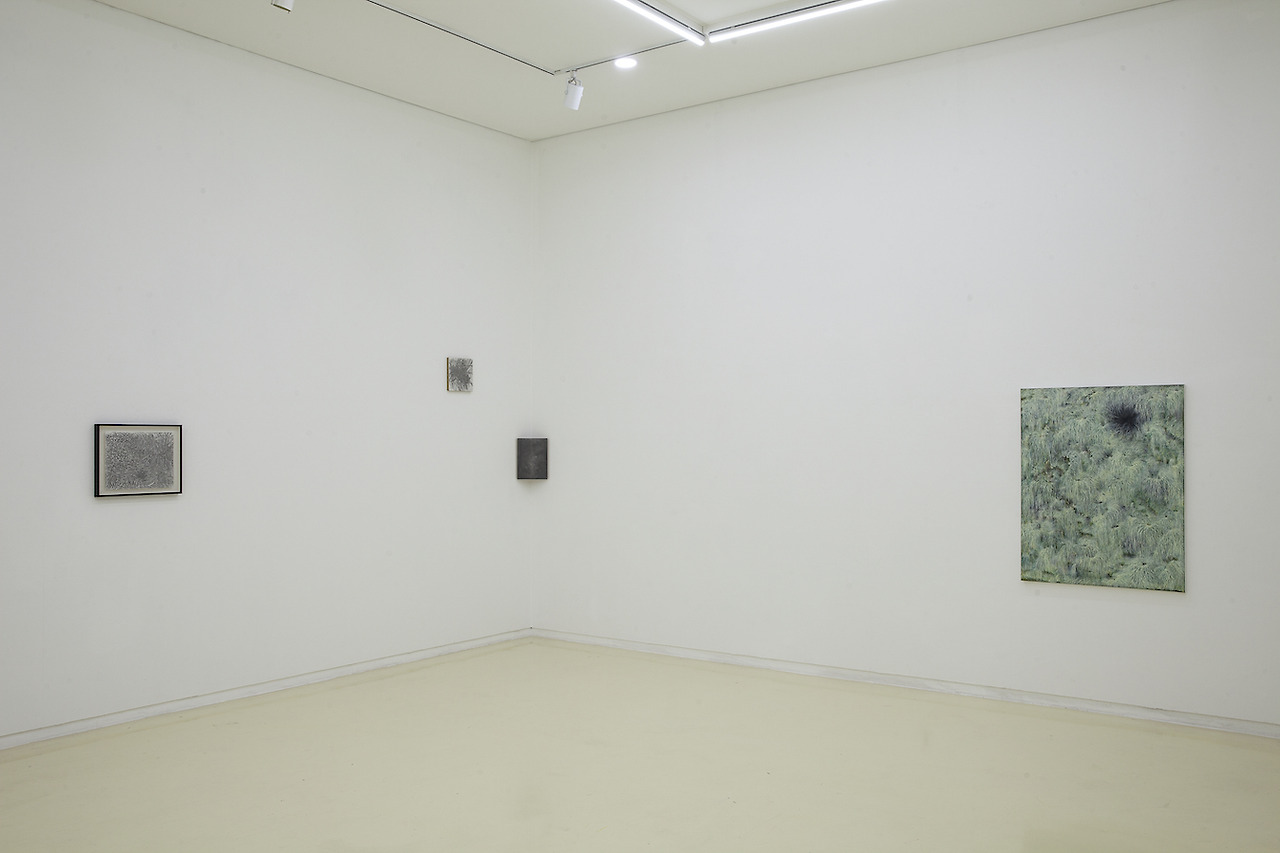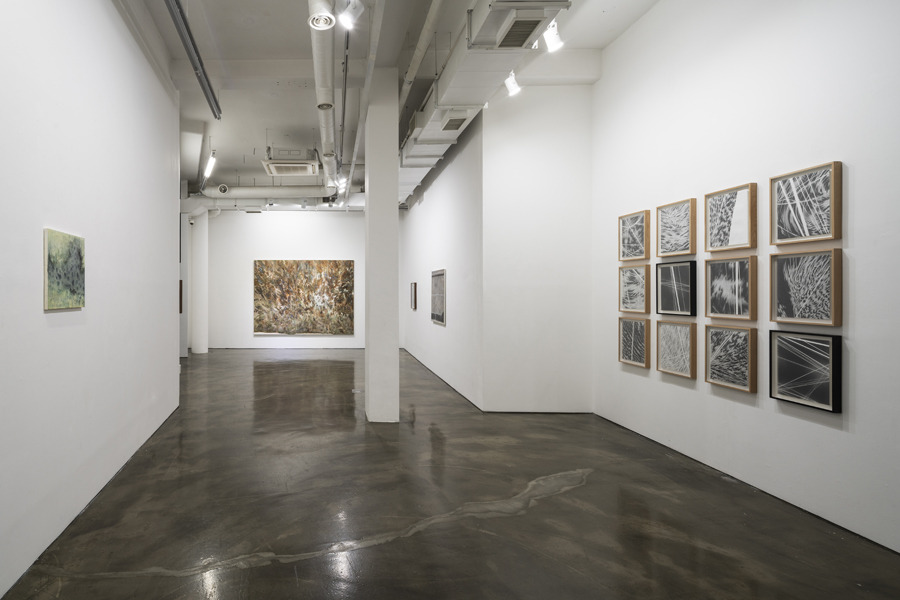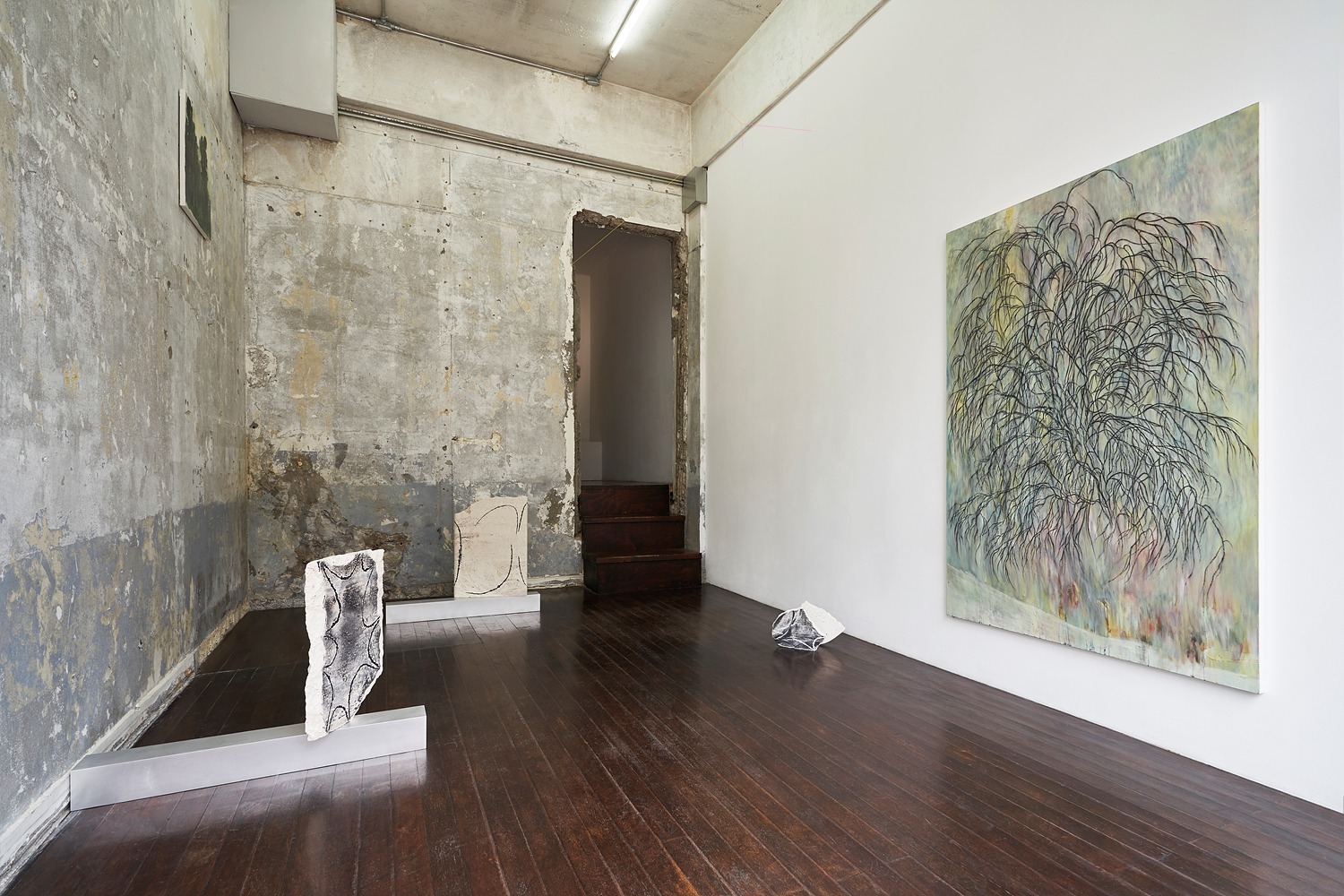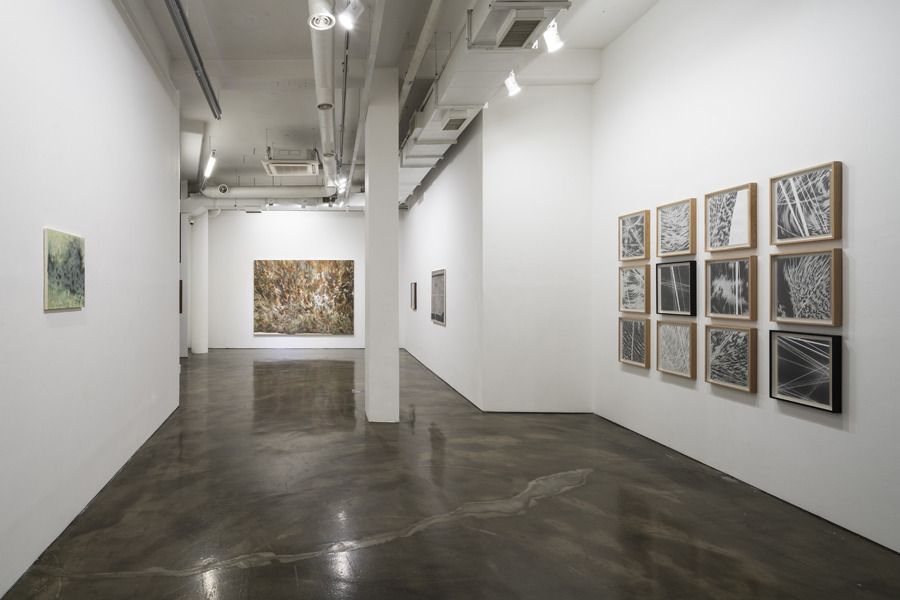


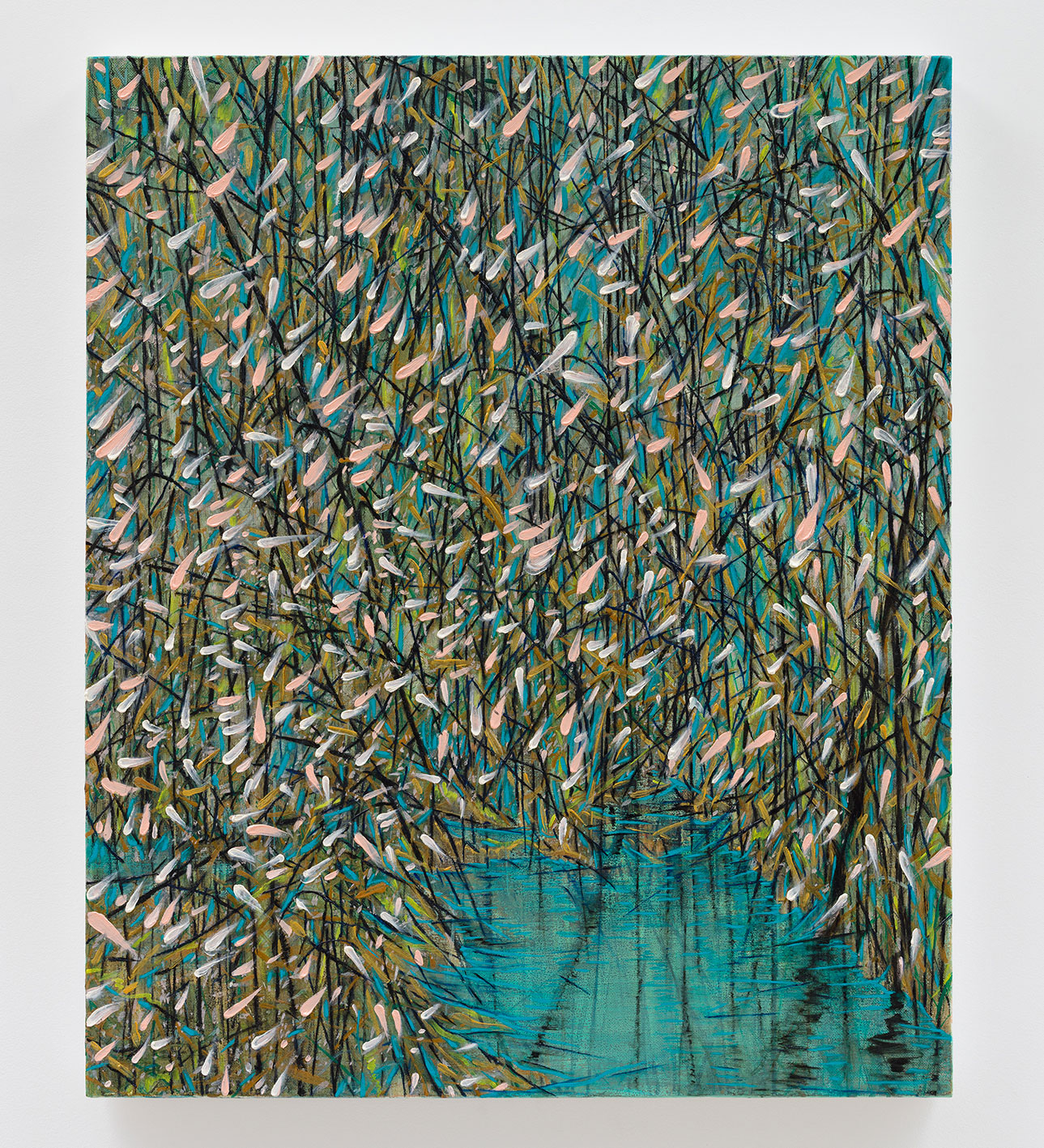
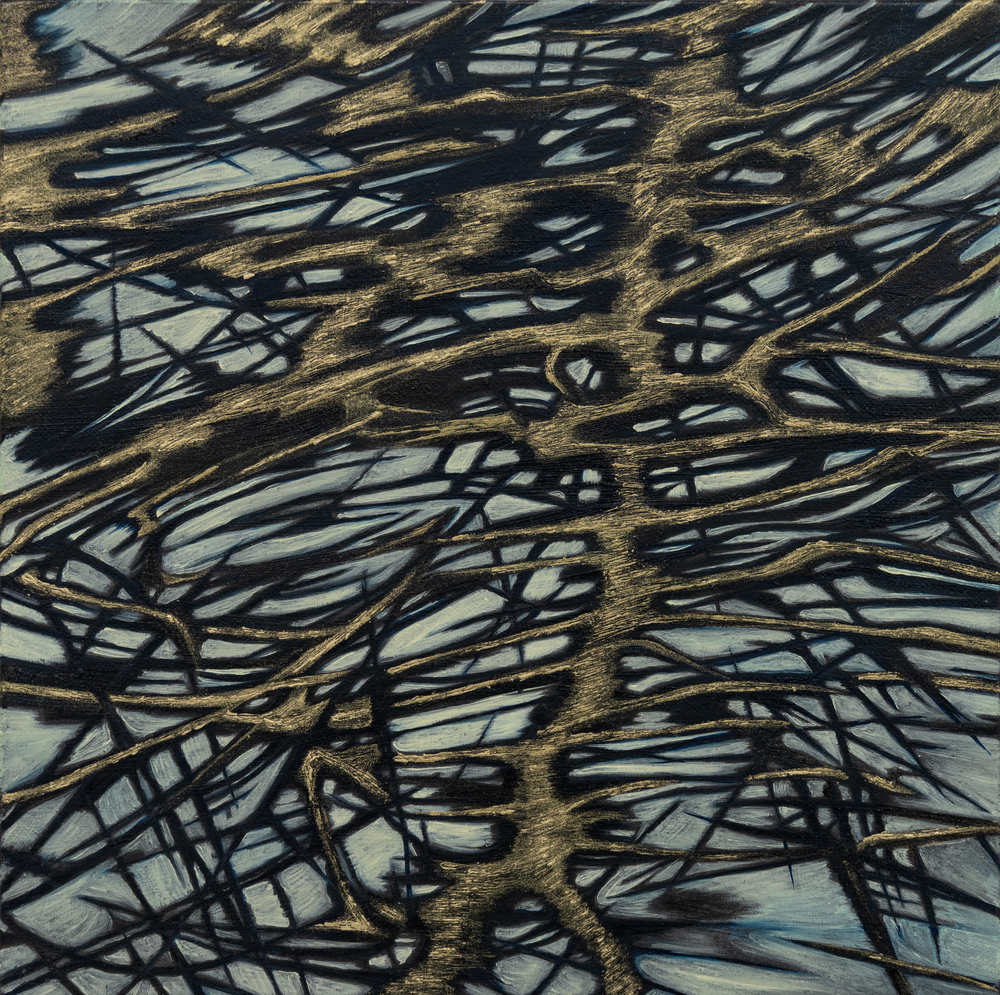
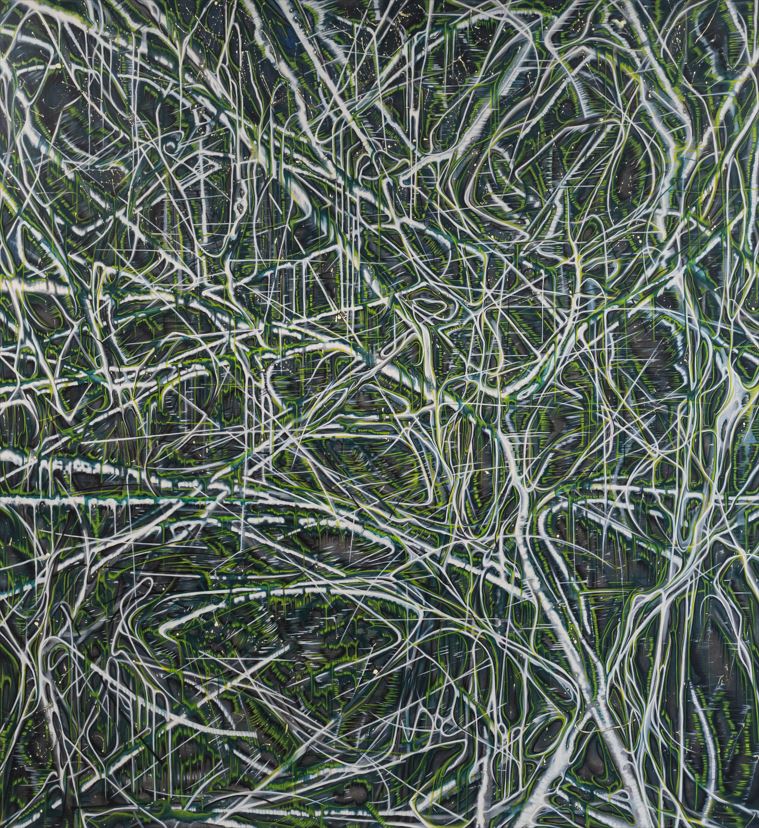
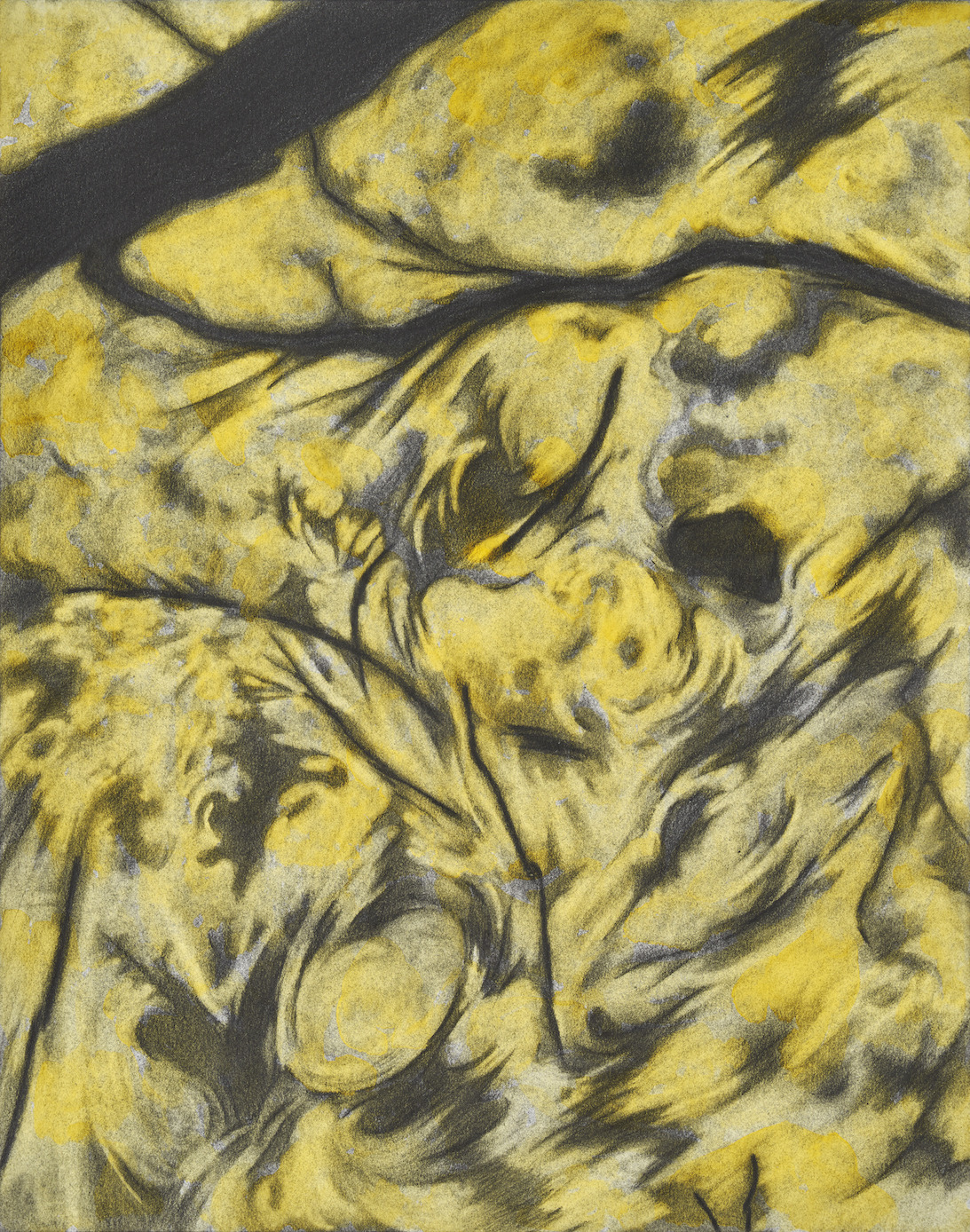
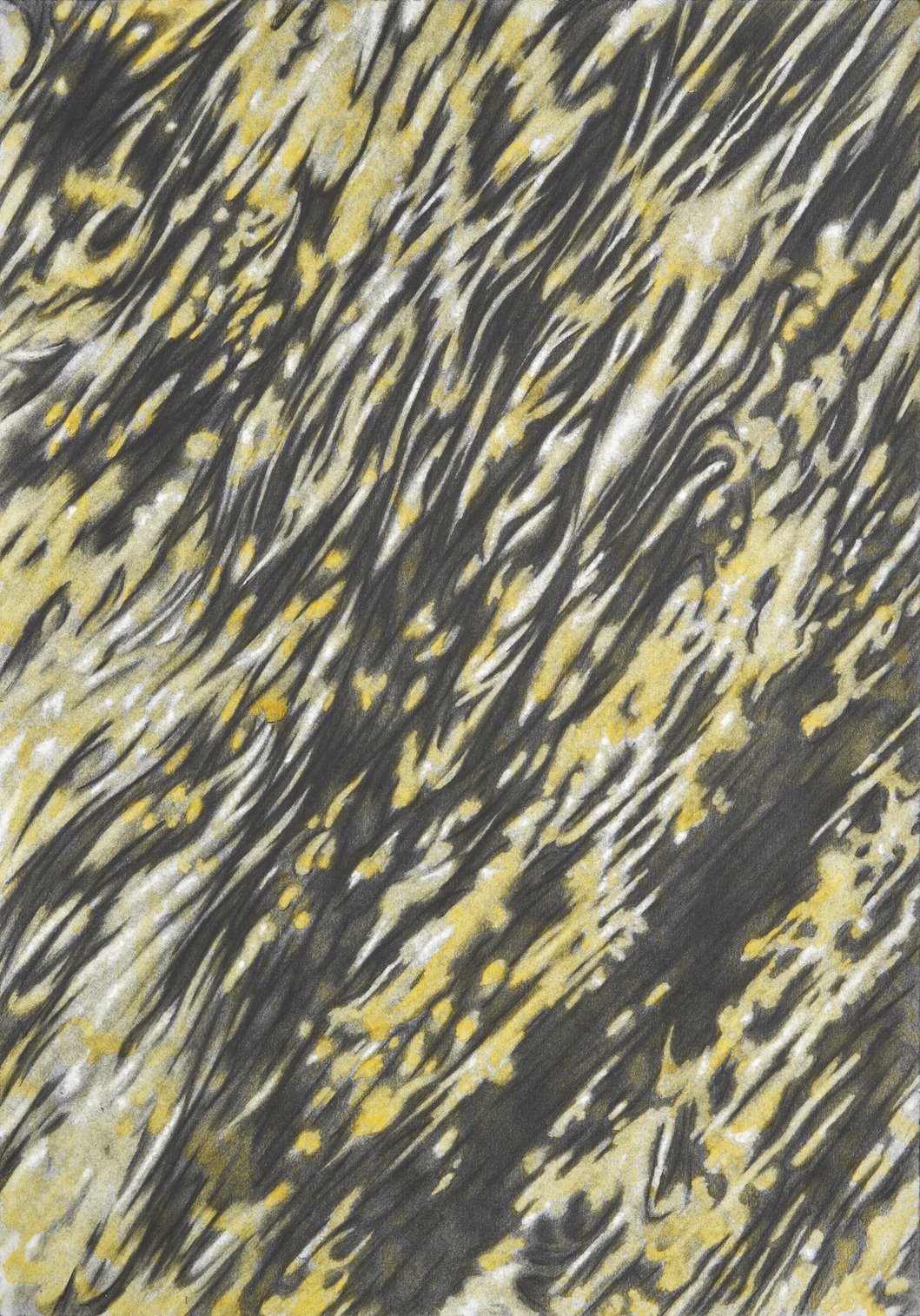
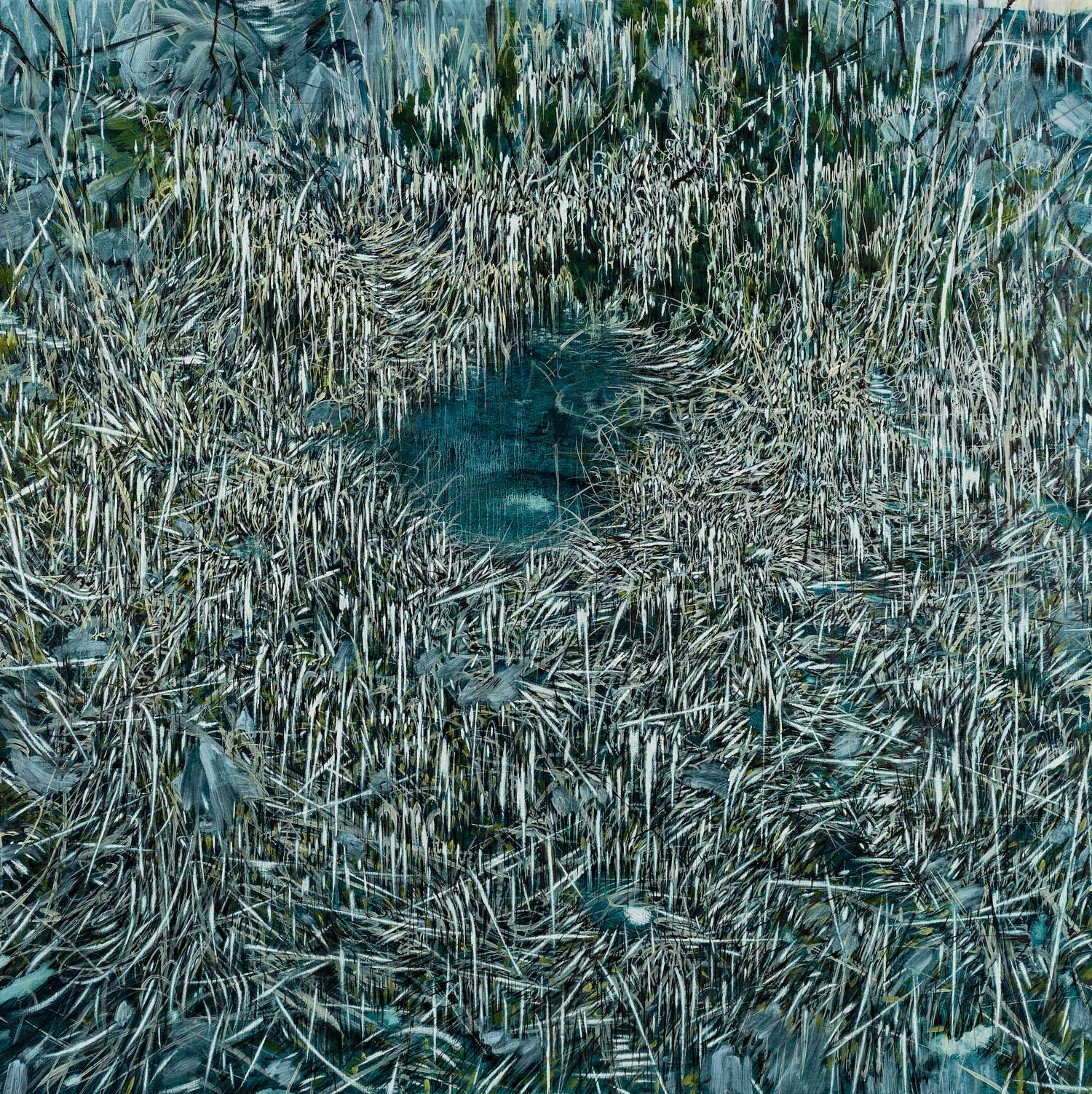
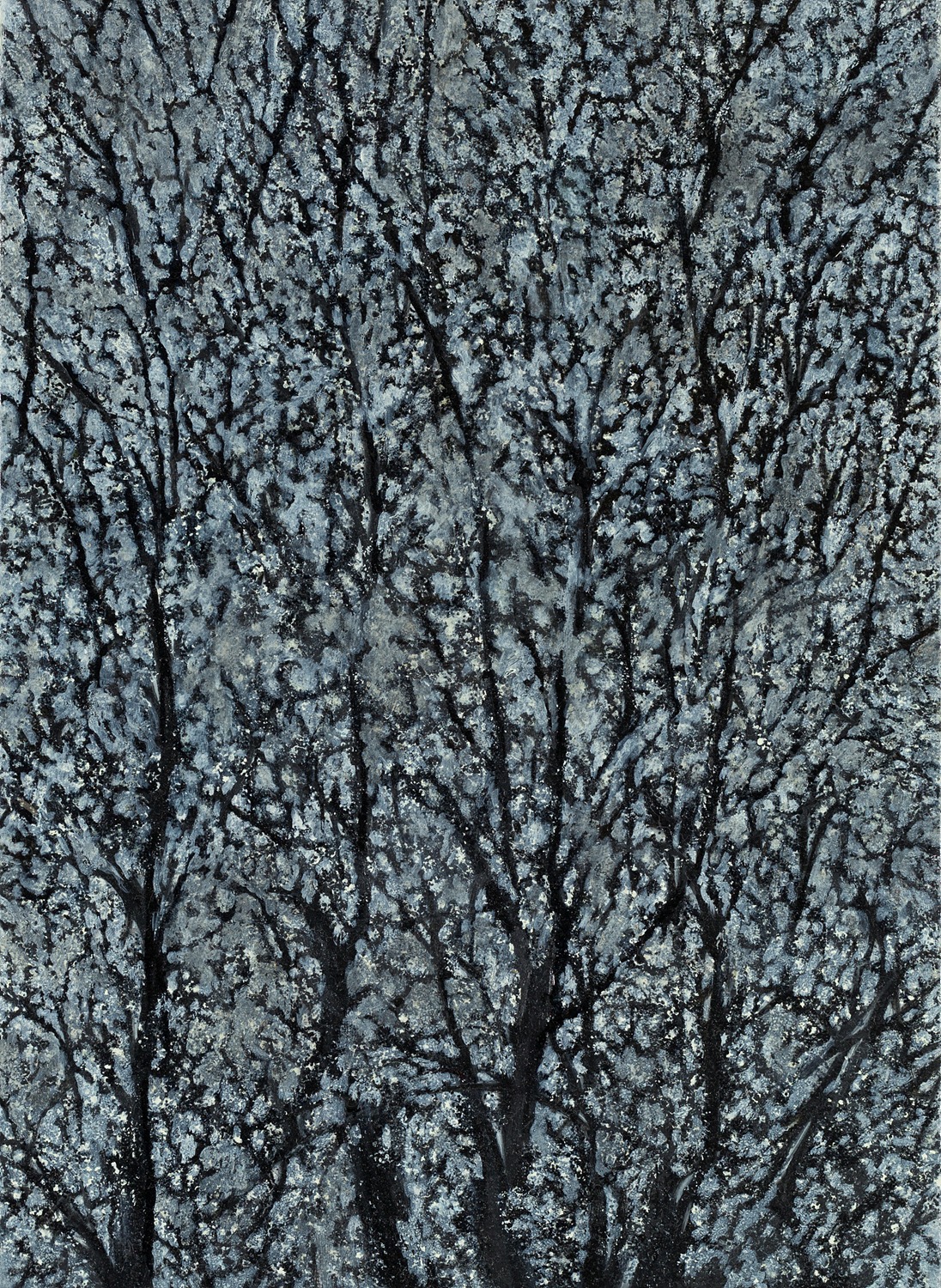
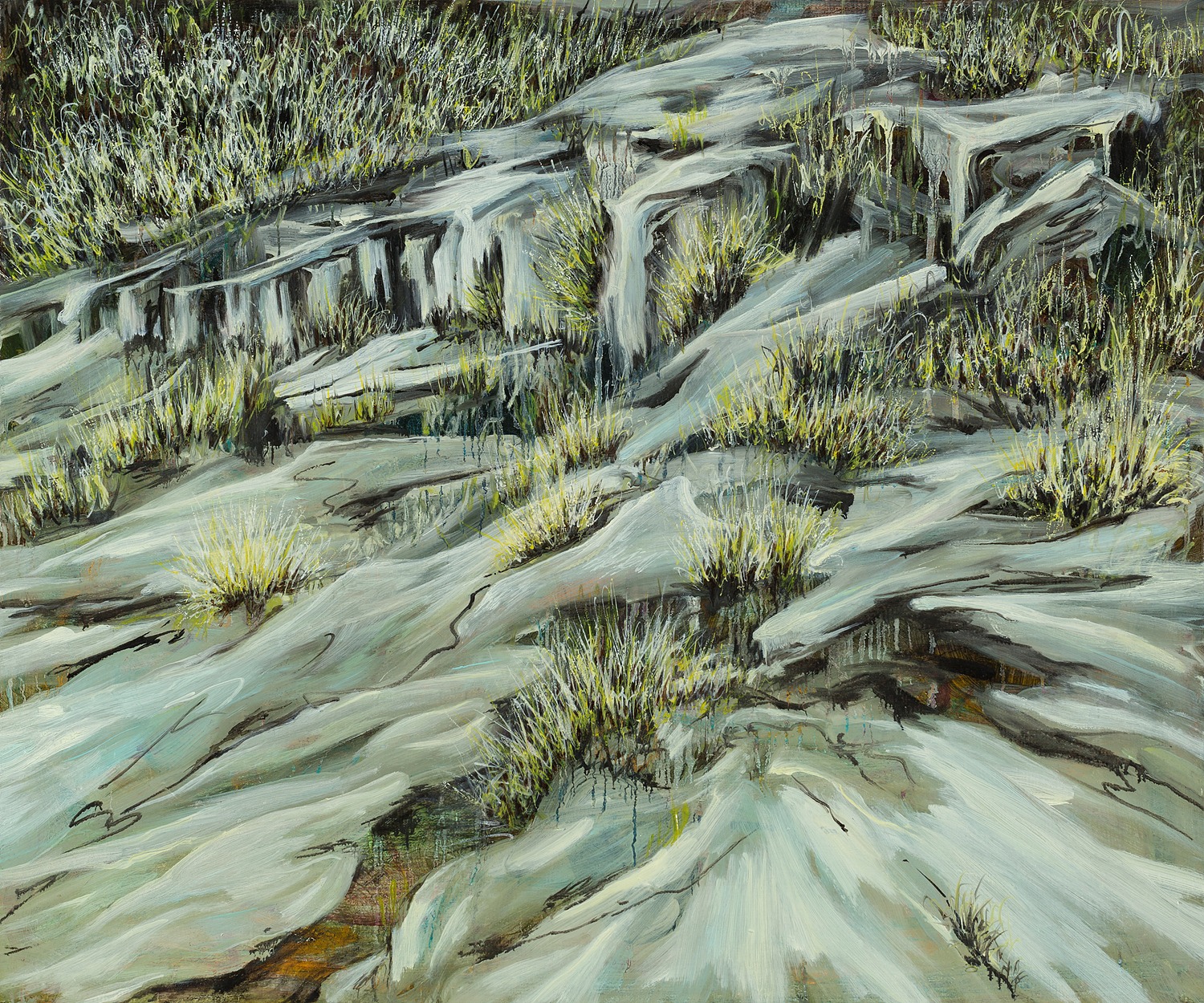
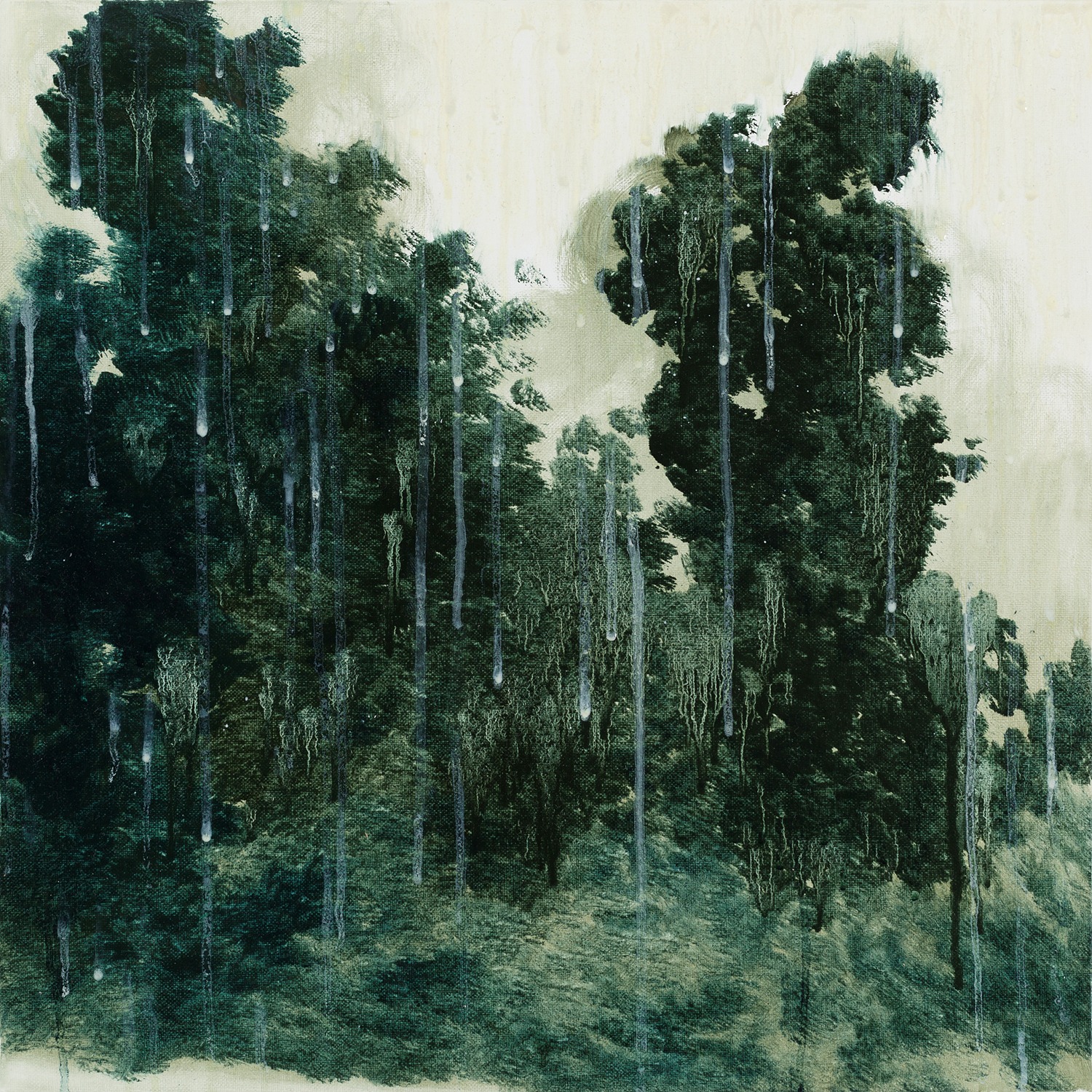
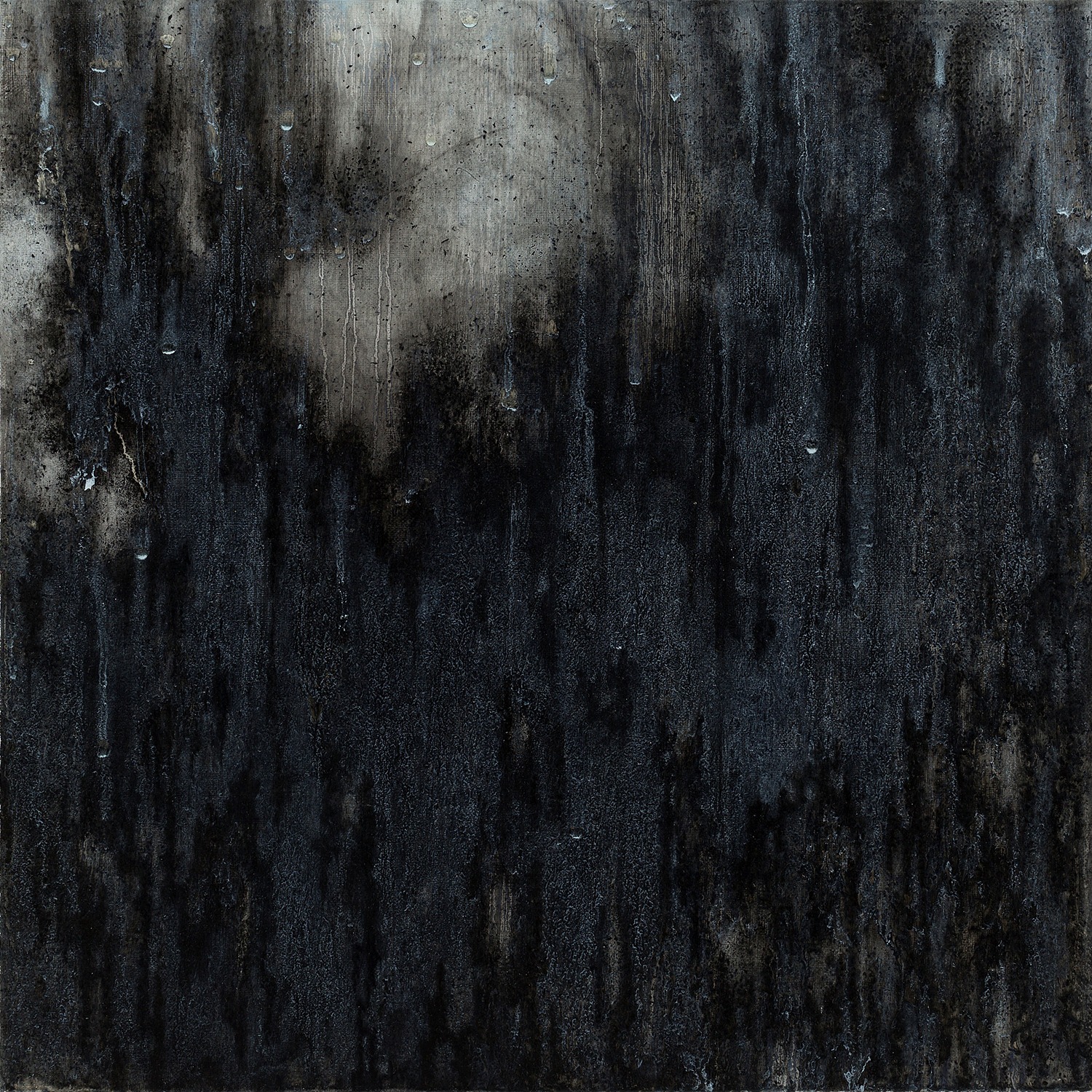
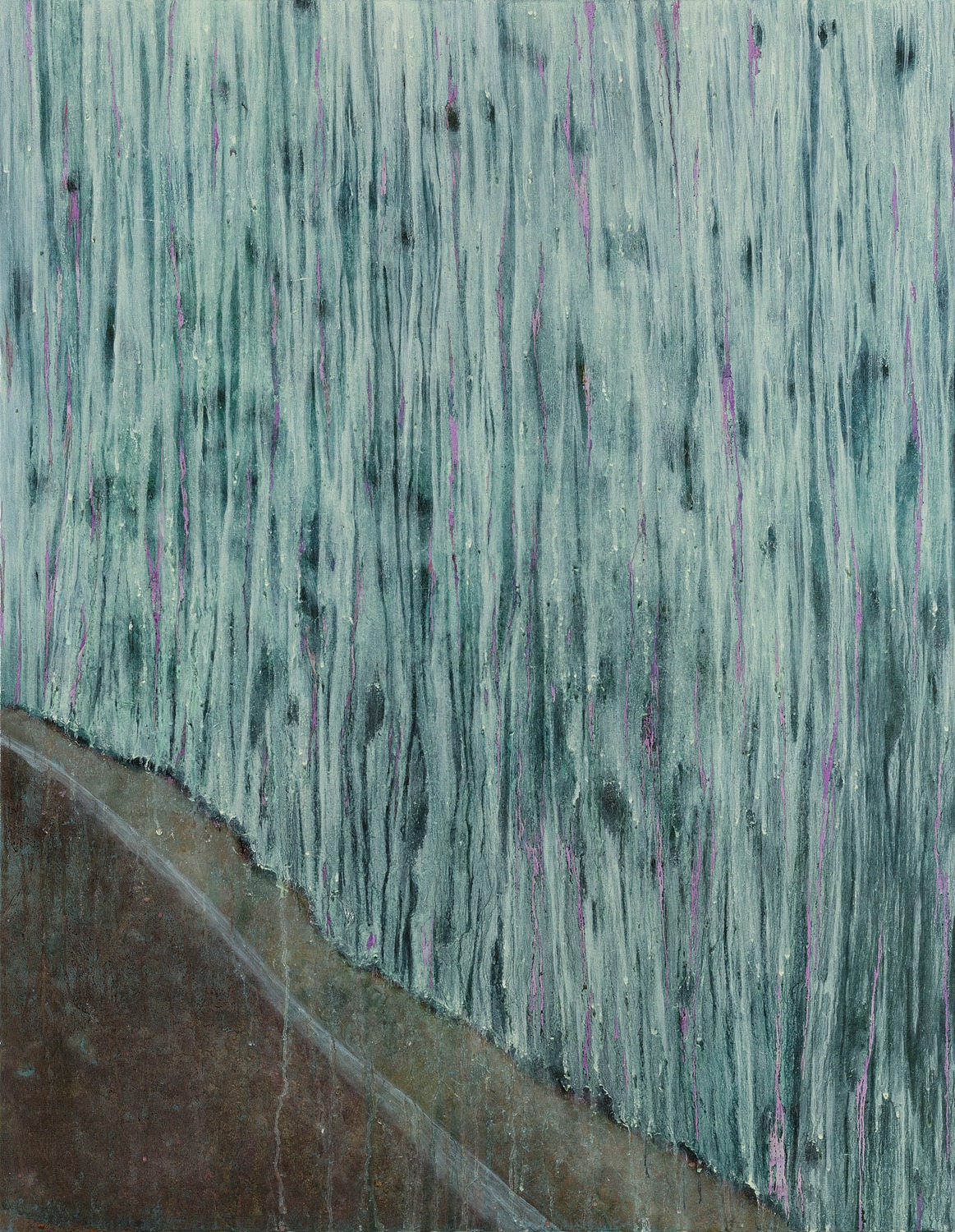
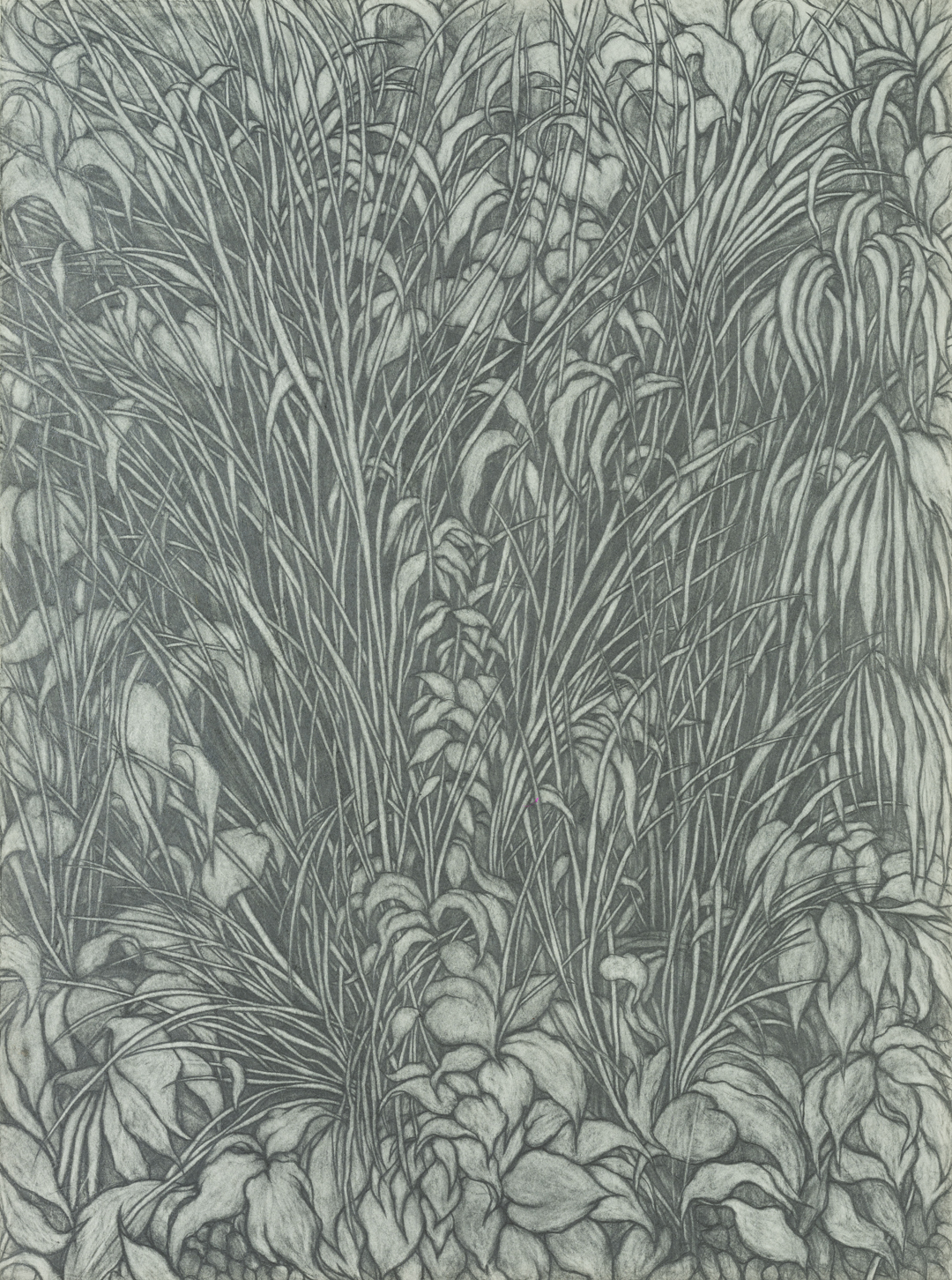
Installation view of 《Black Ice》 © Gallery Chosun

The names of distant countries: Slovenia, Croatia, Serbia, Macedonia, Bosnia and Herzegovina, Montenegro, Kosovo. Spread across the flat surface of a world map as neighboring states, these countries all emerged from the former Yugoslav federation.

The very mention of Yugoslavia brings to mind a gymnast sprinting toward the vault at the Olympics, both hands dusted with magnesium carbonate. The image instantly unfolds into a somersault in midair, followed by the precarious landing of two feet upon the mat, and finally the triumphant raising of both arms. Although the gymnast appears to be running, it is in the sound of the footsteps that one senses desperation.

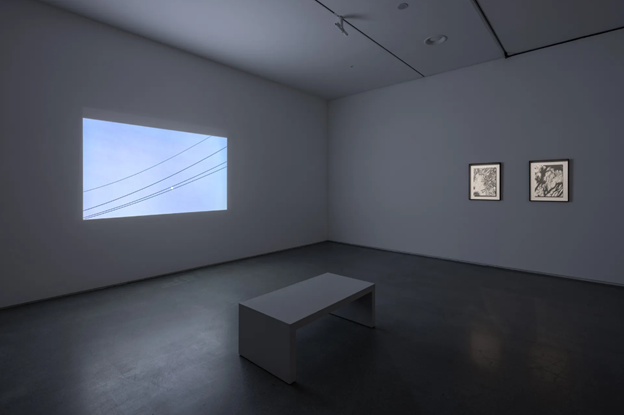
Anri Sala's 1395 Days Without Red (2011) portrays those who have run from somewhere beyond, exhaling heavily as they catch their breath, and those who, having just arrived before us, exchange fateful glances before running toward another unknown destination. The work takes as its subject Sarajevo, Bosnia, during the 1,395-day siege imposed by Serbia, then part of the former Yugoslavia, between 1992 and 1995.

In Sarajevo, where countless people were killed or injured by snipers and bomb attacks and where buildings and public infrastructure were devastated, crossing an intersection was less an ordinary act than a contest between survival and the bullet that might arrive from beyond at any moment.

The sounds of breathing, footsteps, exchanged glances, and running bodies gradually give way, through a zooming-out camera, to the sight of a white sheet fluttering across the street. Not a wall, but merely a piece of cloth billowing in the wind.

As scenes of life-threatening sprints through the streets of Sarajevo alternate with performances by the Sarajevo Philharmonic Orchestra, sound becomes something more than sound itself—it becomes inscription. To inscribe is to engrave something deeply; it is never a careless act. It is as profound and heartrending as an epitaph, and at times, resolute.

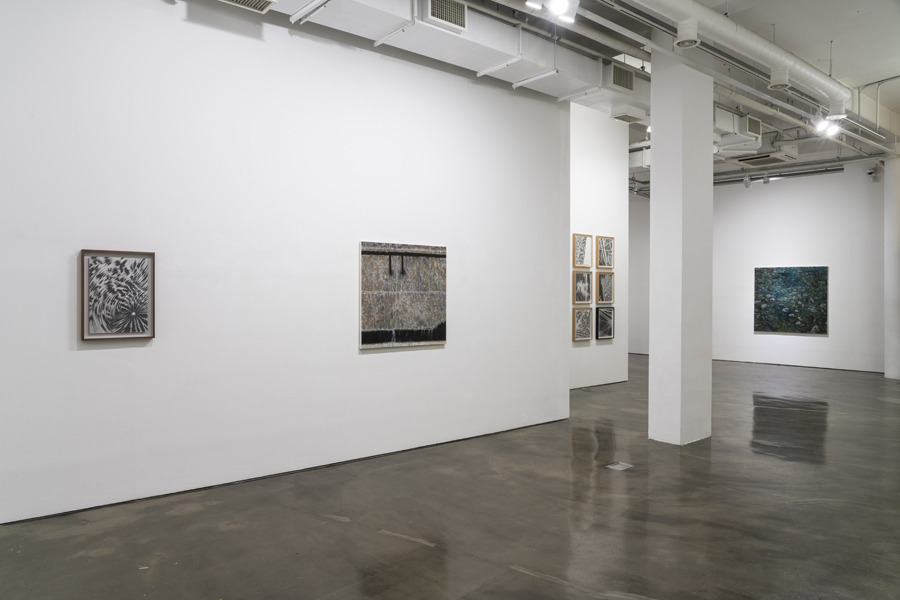
Installation view of 《Black Ice》 © Gallery Chosun

The path from image, to sound, and ultimately to inscription—the compressed residue of sound—through the distant history of the former Yugoslavia is, in fact, a detour toward speaking about tactility born of habit. It is from this perspective that I wish to reconsider Han Jin's 《Black Ice》, bringing previous discussions of sound and auditory perception into the realm of touch.

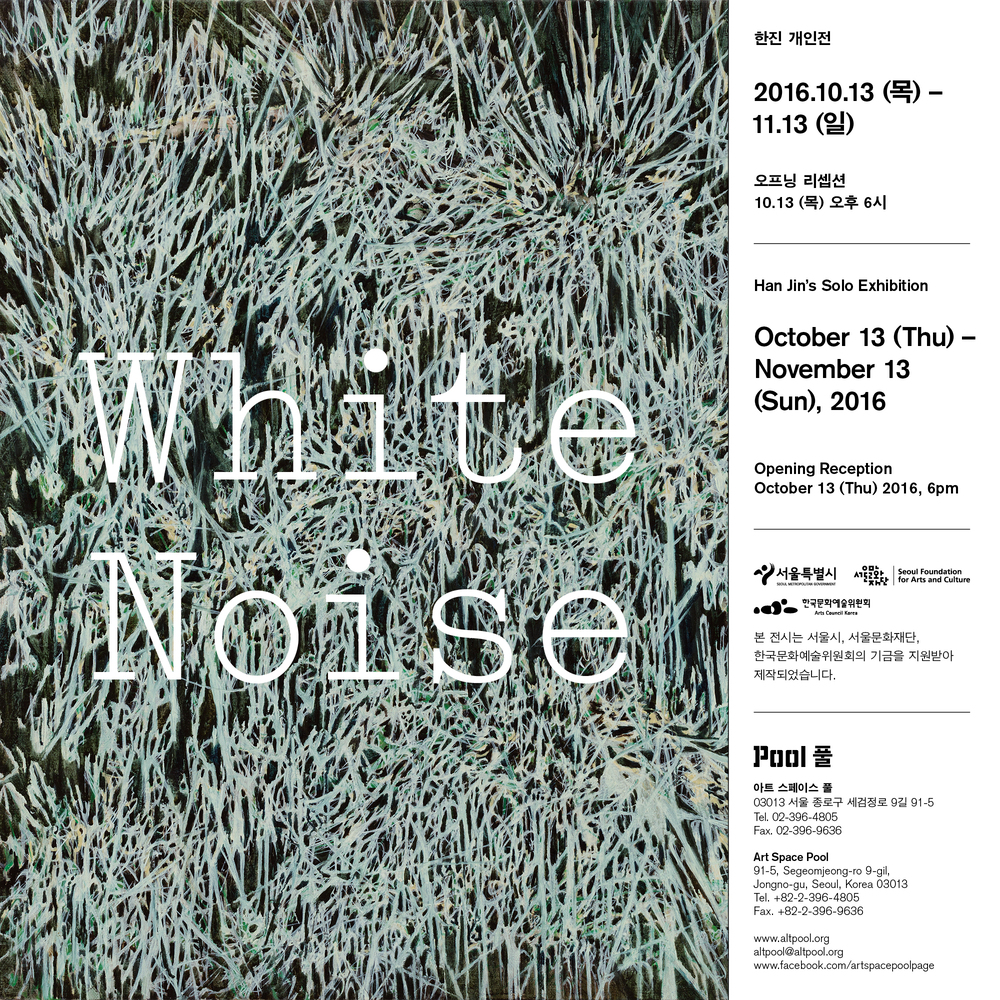
As someone unfamiliar with music and perhaps for that very reason inclined toward white noise, I find Han Jin's 2016 solo exhibition 《White Noise》 an appropriate point of departure. Although the artist continues to engage with sound as a kind of ritual, her longing for memory and duration has gradually shifted toward the tactile, emerging through the repeated acts of accumulation and excavation.

The Korean word “chok(촉)” is particularly suggestive. It signifies touch (觸), but it also evokes illumination (燭) and cutting or carving (劚). What once seemed as light and scattered as a fluttering sheet has now thickened into something weighty. This newly acquired weight carries humidity; the air that once drifted lightly from side to side now hangs with a palpable vertical gravity.

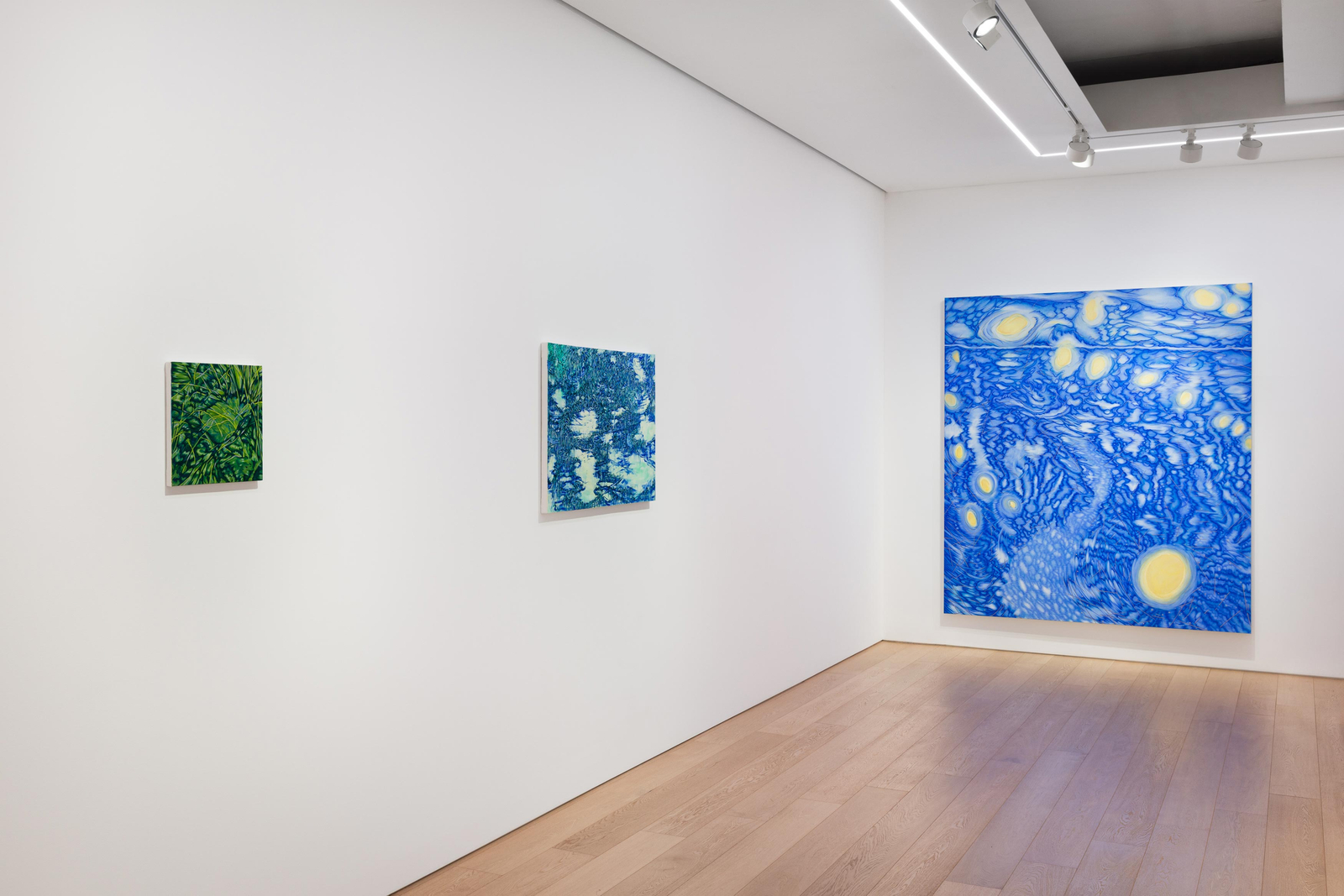
Among the works that embody this shift toward a reorganized vertical perspective is Shoreline #2, one of my favorites. No matter how many times I have seen it, simply looking never feels sufficient. I always feel an impulse to run my hand across its surface. The painting depicts the view of one's own feet while standing on a shoreline where waves continually advance and retreat.

Waves, one might think, could never possess such qualities. Yet the painting seems permeated with the sumptuous texture of suede or velvet, leading me to imagine what an "animal painting" might look like. By this I do not mean anything brutal or bloodstained. Rather, I am reminded of the inescapable warmth that emanates from living beings—from blood coursing through bodies rather than sap flowing through plants.

Perhaps my interpretation is mistaken, but I cannot help welcoming this transition in her work. My sense of its animal quality also stems from the chisels I encountered in her studio. While her graphite drawings on paper are accompanied by an assortment of erasers, the paintings executed with oil paint or charcoal on canvas are worked upon with metal chisels that scrape and excavate the surface.

The tools her father recommended to her in the alleys of Euljiro formed a set of chisels ranging from sharply pointed to blunt-tipped. Perhaps it was also because I had witnessed the intermediate stages of paintings repeatedly built up through successive layers before reaching completion.

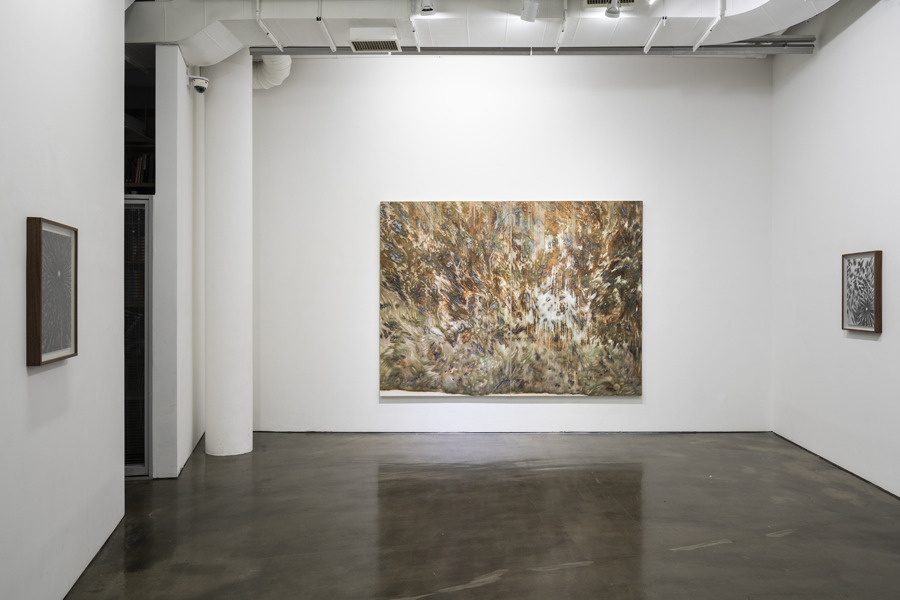
Beneath the calm surfaces of the finished works lay vivid pigments that had ultimately been subdued. Their restrained appearance conceals a surface whose accumulated thickness has gradually absorbed and hidden what once lay beneath.

Imagining the sounds of scraping and gouging that produced these paintings is painful, even in thought. Although Han Jin's recent works concentrate on touch, that very tactility seems to prepare for an expansion toward a broader, almost corporeal sense of pain.

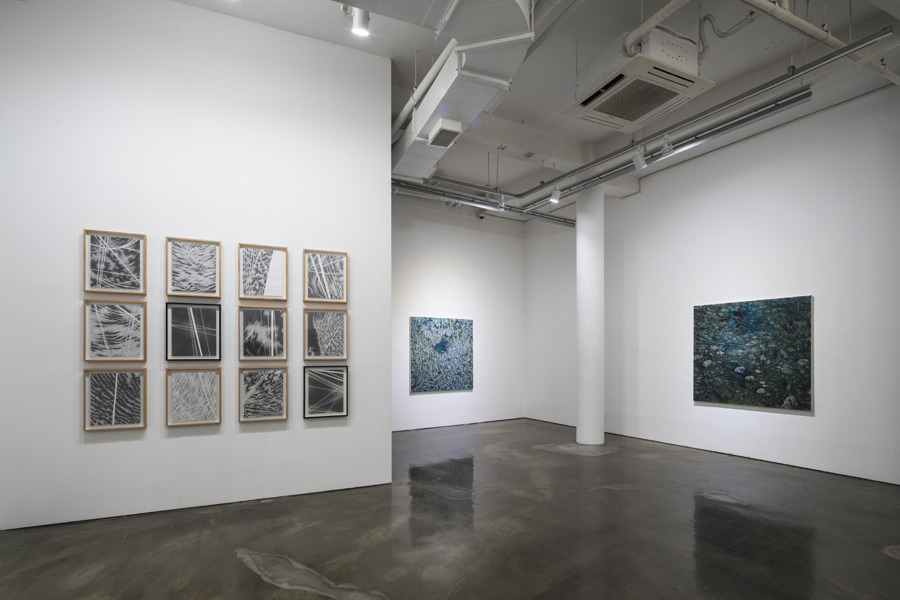
Installation view of 《Black Ice》 © Gallery Chosun

Recently, the artist mentioned that she has been traveling to and from Gangneung while preparing a new body of work centered on “seokho” (coastal lagoons). A “seokho” is "a lagoon formed when a bay is separated from the sea by the development of a sand spit or sandbar." What, then, has she found in these lagoons?

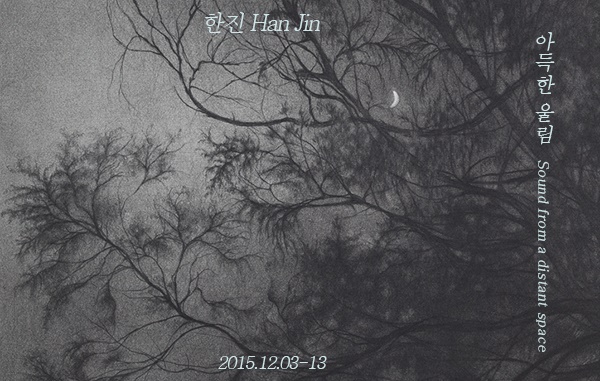
Perhaps it is not the bright clarity of Gyeongpo Lagoon in Gangneung that has captured her attention, but rather the sense of distance—something "just beyond"—secured by the tangled reed marshes, the profound depths hidden within dense vegetation, or the spatial quality of darkness that belongs more to night than to day.

Looking back at her earlier works, which seem more closely allied with night than daylight, I cautiously wonder whether this affinity, too, stems from the habits accumulated through life.

To delve deeply into something is commonly understood as careful investigation, yet it also means gouging into a surface, boring a hole through it. It encompasses time, attitude, and the totality of surface and depth alike. To deepen through such excavation suggests not only maturity but also the slow process of ripening.

Maturity and ripeness intersect only for a fleeting moment. As we grow older, we find ourselves hoping that life's “hwa-yang-yeon-hwa”—its most beautiful season—might remain just a little "farther ahead." In this sense, one can begin to understand the path by which Han Jin has arrived at where she is today. More than anyone, she has struggled intensely in pursuit of her practice.

Yet I hope her work becomes less mournful and more vividly alive; less contemplative and more immediate in its capacity to touch us. Rather than allowing the solitary voice of touch to settle over everything like fate, what if she were to reveal more of those heterogeneous elements already present in her work—the vitality of the animal, the metallic scent of iron? They are already there; they are by no means distant possibilities yet to come.

Installation view of 《Black Ice》 © Gallery Chosun

Preparing for 《Black Ice》, I find myself recalling the sound of ice cracking on Lake Baikal in the depths of winter, when temperatures plunge below –40°C—a sound said to resemble the cries of dolphins.

The stark difference between daytime and nighttime temperatures causes the lake to split apart, and at night slabs of ice, roughly sixty centimeters to nearly a meter thick, tear open with resounding cracks that can be heard even from nearby villages.

The sound disperses, yet the fractured ice remains—massive and razor-sharp—leaving dangerous ridges across the frozen lake. When spring finally arrives, the ice does not melt until April, long after winter has departed elsewhere, and only then does the lake gradually return to its deep blue-black waters.

I never asked what “Black Ice” meant to the artist, but to me this ice is a foreign landscape inscribed through sound. Although black ice generally refers to the thin, transparent layer of ice formed when fallen snow freezes into a slick surface, Han Jin's black ice feels remarkably dense and substantial.

What once existed before vanishing without warning has become sound; it has become inscription. I once saw the foam of waves, and I once saw the grasses of the lagoon. Those things I had seen gradually became audible, and now they have been pressed deeply into memory, leaving me unsettled and aching.

There are forms of pain we cannot remember, like the growing pains of infancy. Recalling the words left behind by a deceased poet—that curing an illness and enduring its symptoms are not the same—I can only add one hope: that this pain will not linger too long, but will once again set out upon its journey.

References