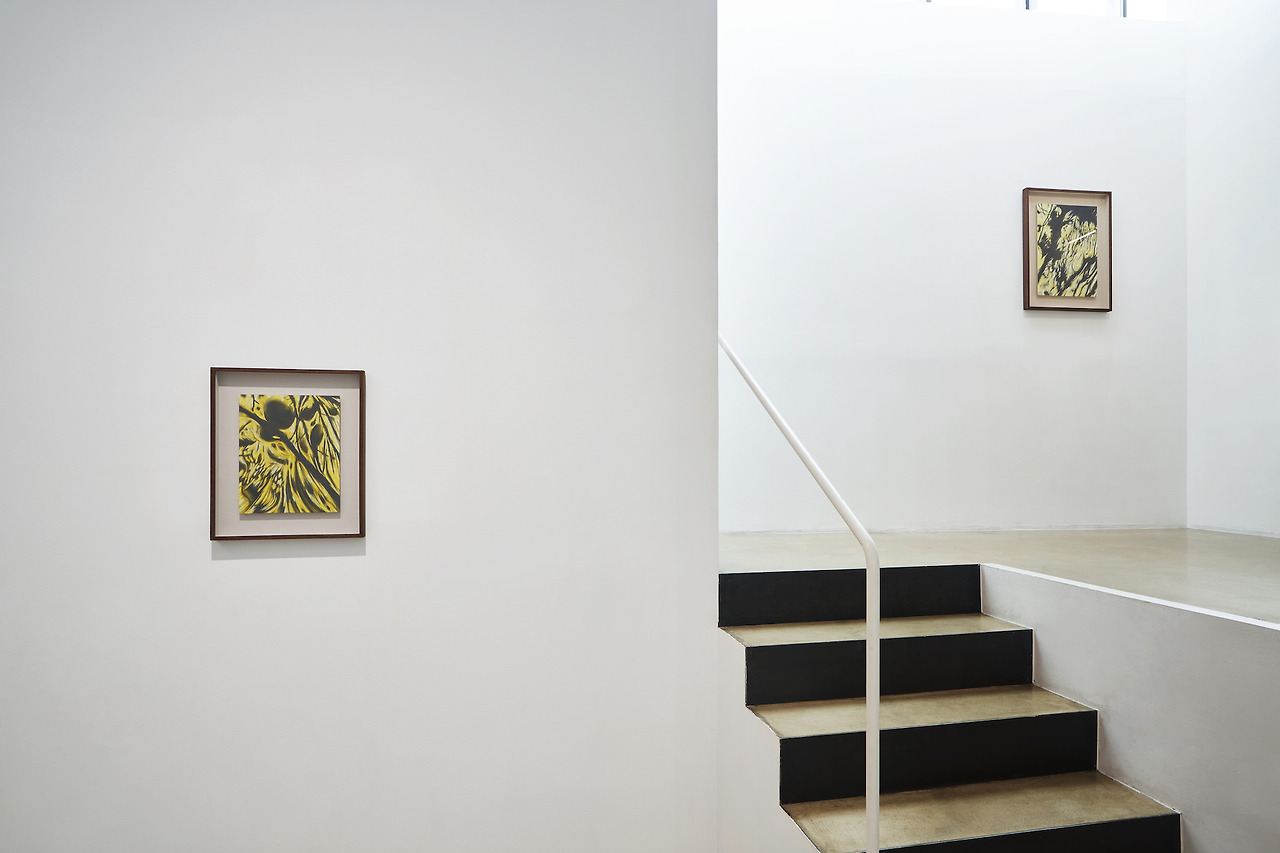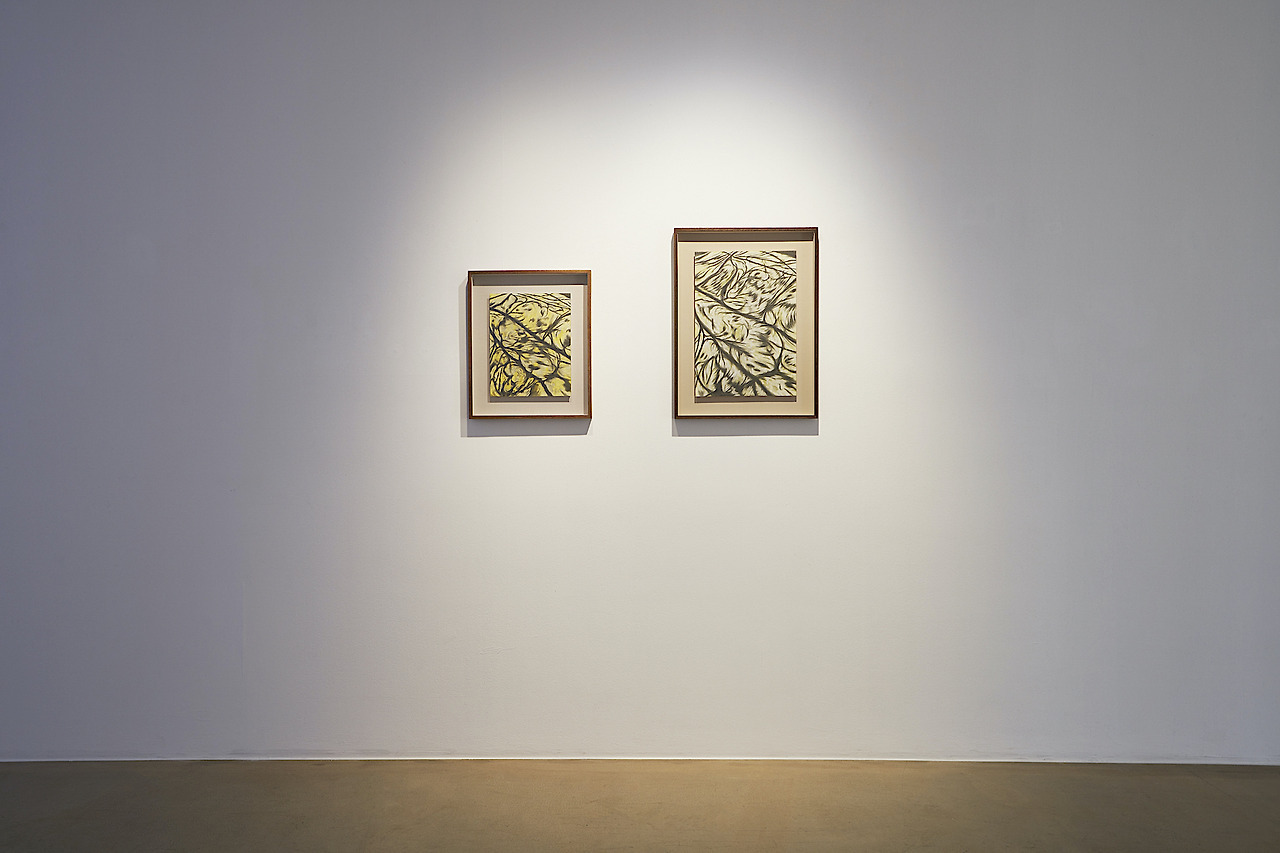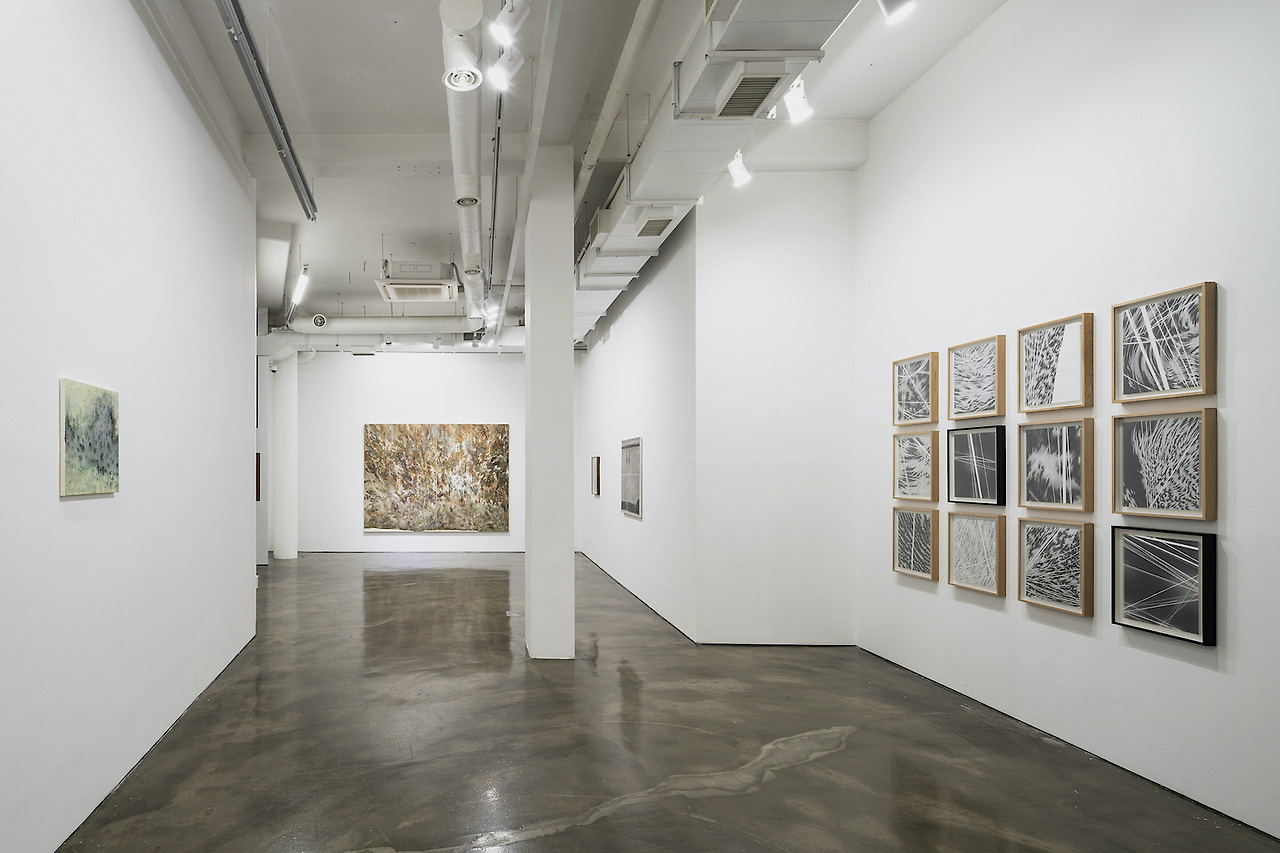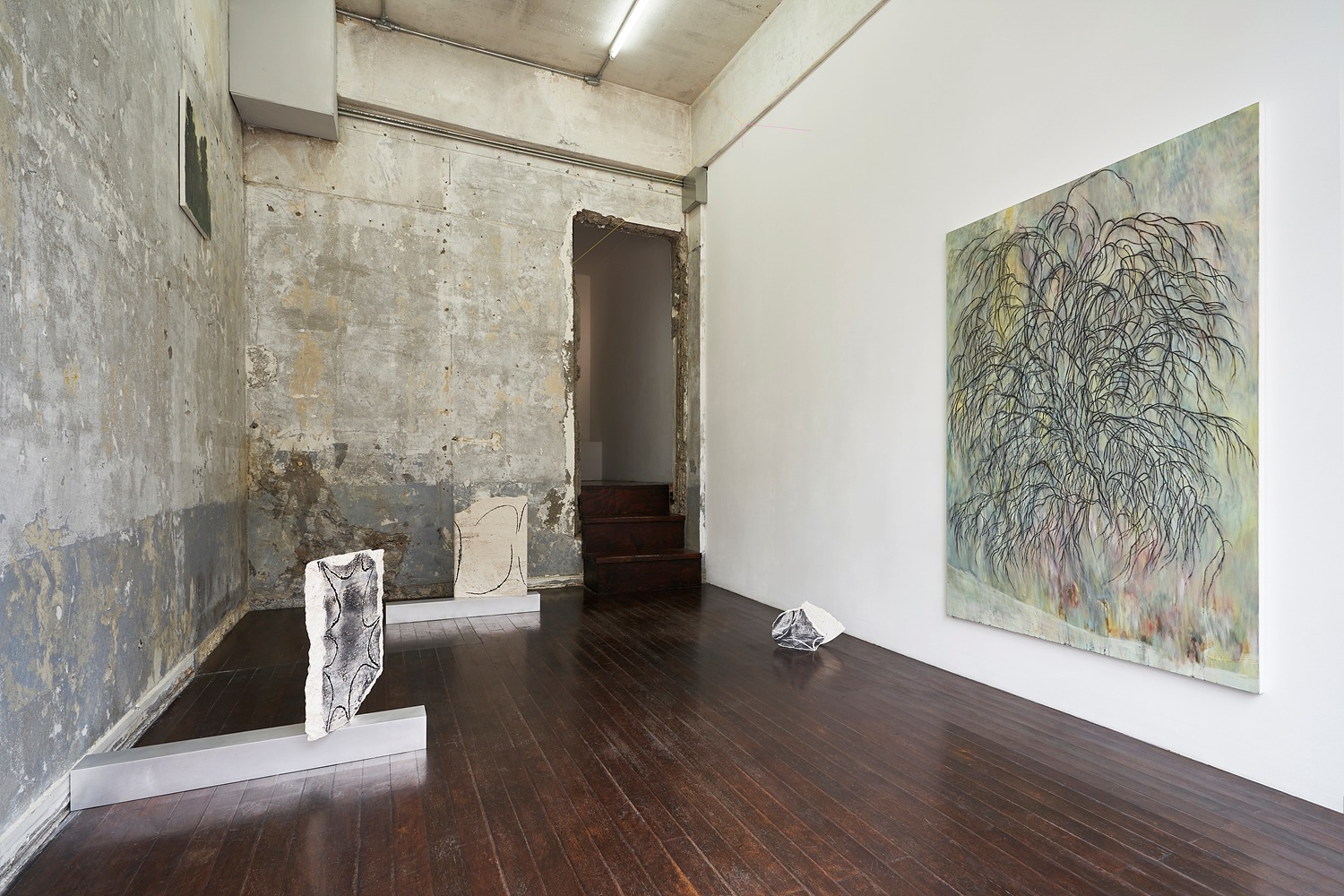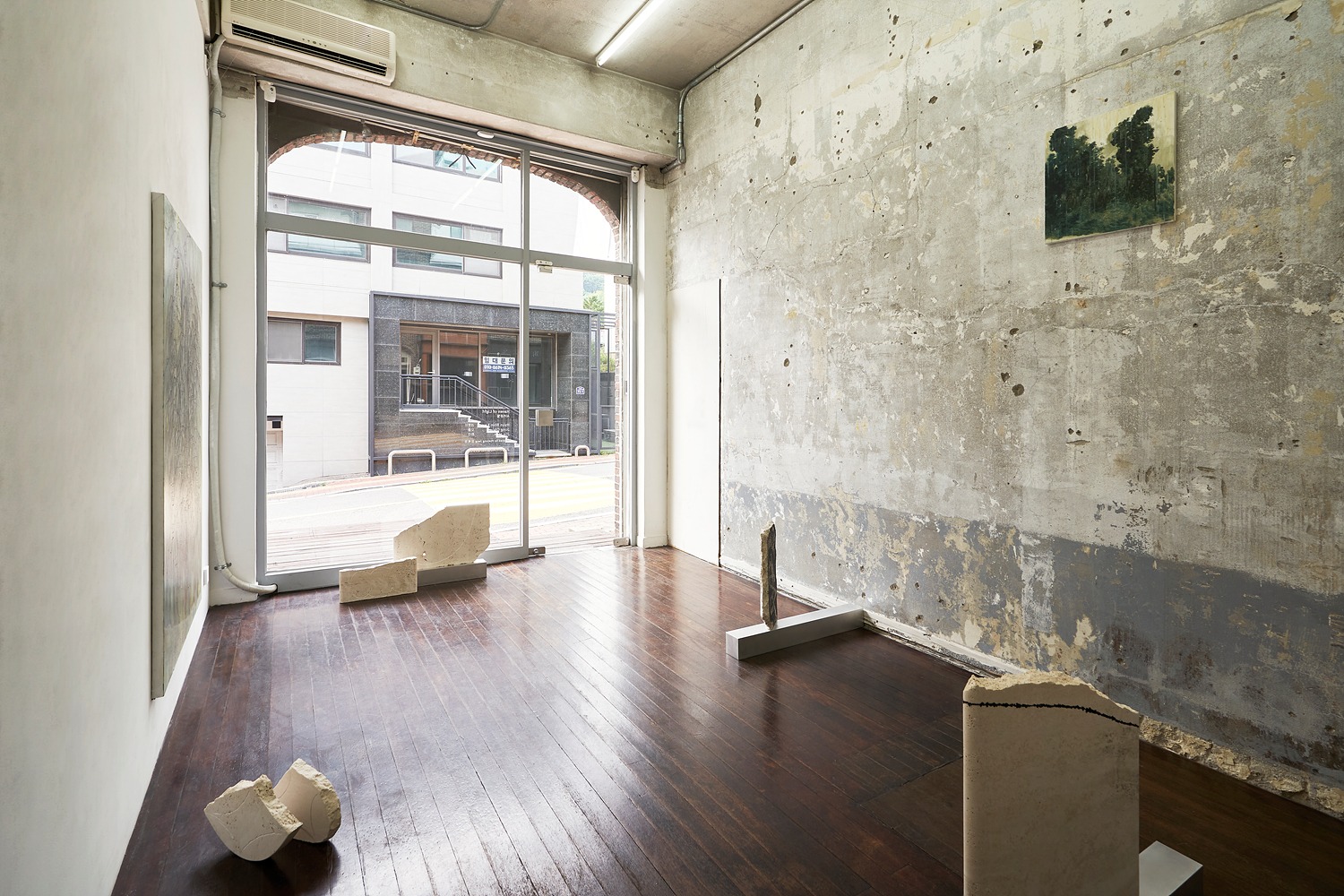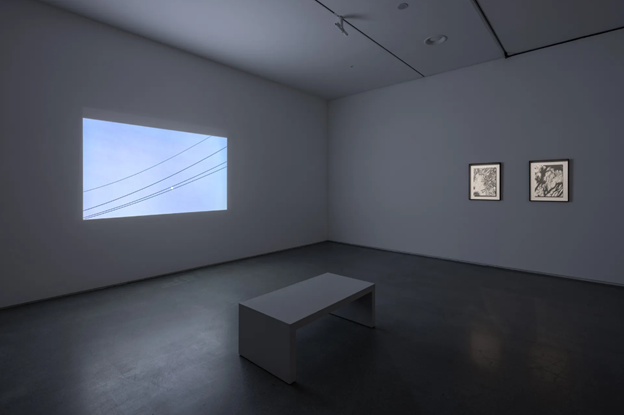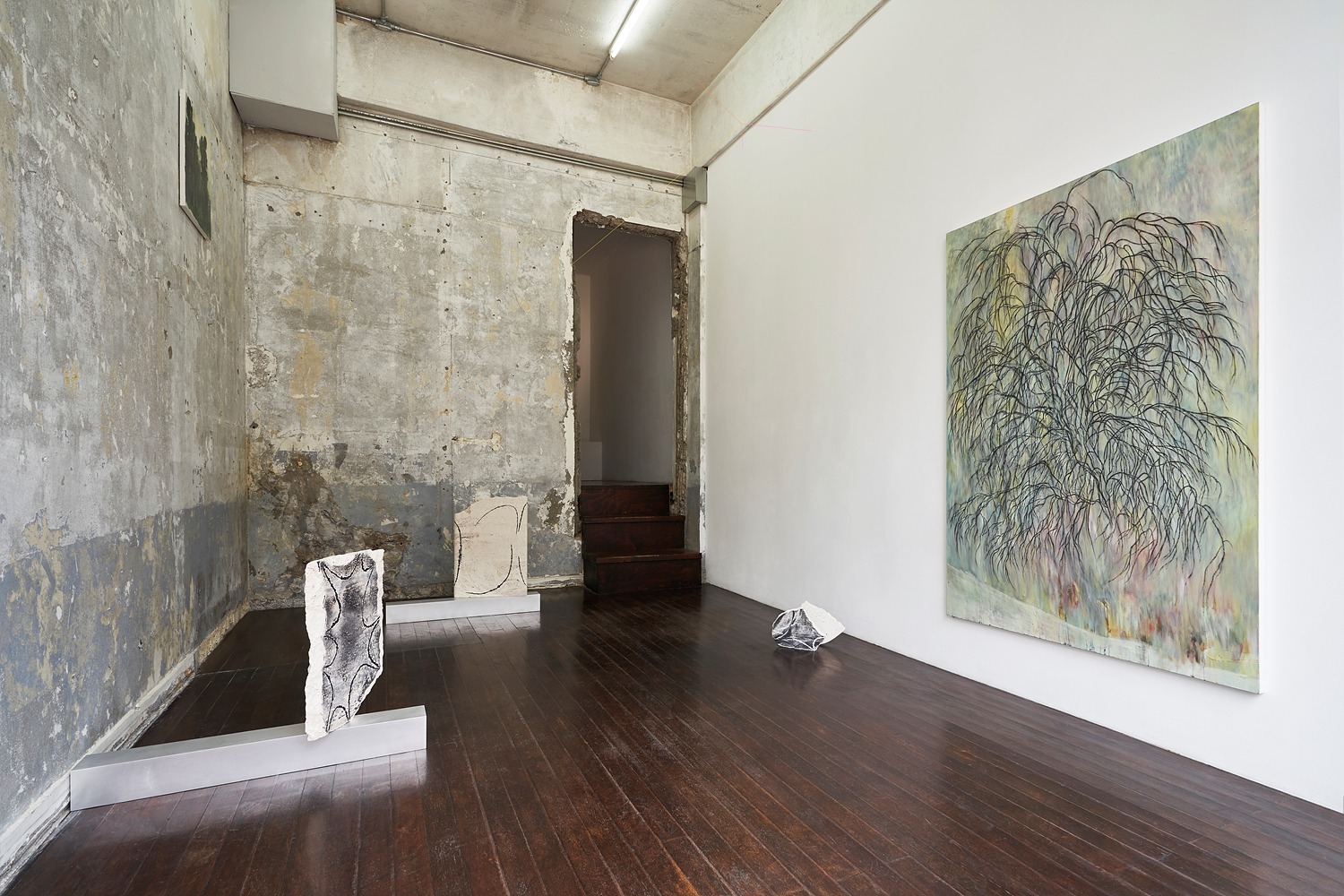


Installation view of 《Haven of Light》 © P21

P21 presents the group exhibition 《Haven of Light》 from July 7 to August 15, 2020.

Curated by independent curator Jang Hyejung, the exhibition brings together Kwon Hyun Bhin, Oh Jong, and Han Jin, three artists who share an enduring attentiveness toward entities that possess no physical body and therefore exist in a perpetual state of simultaneous appearance and disappearance. Their practices and the works that emerge from them are presented together as acts of providing a refuge in which the immaterial may briefly reside.

Light exists from the brightest hours of midday, when even the smallest branches appear in sharp detail, to the deepest hours of night, when one can scarcely see a step ahead. Yet, if we pause to consider it, light is sorrowful in that it possesses no body of its own. By what, then, do we perceive such an immaterial presence? Perhaps the answer lies within empty time itself.

In 《Haven of Light》, Kwon Hyun Bhin, Oh Jong, and Han Jin revisit the very moments of appearance in order to allow these immaterial presences—those that emerge only to vanish—to remain, if only temporarily. The temporal disjunctions produced through their works become meaningful intervals that invite our attention.

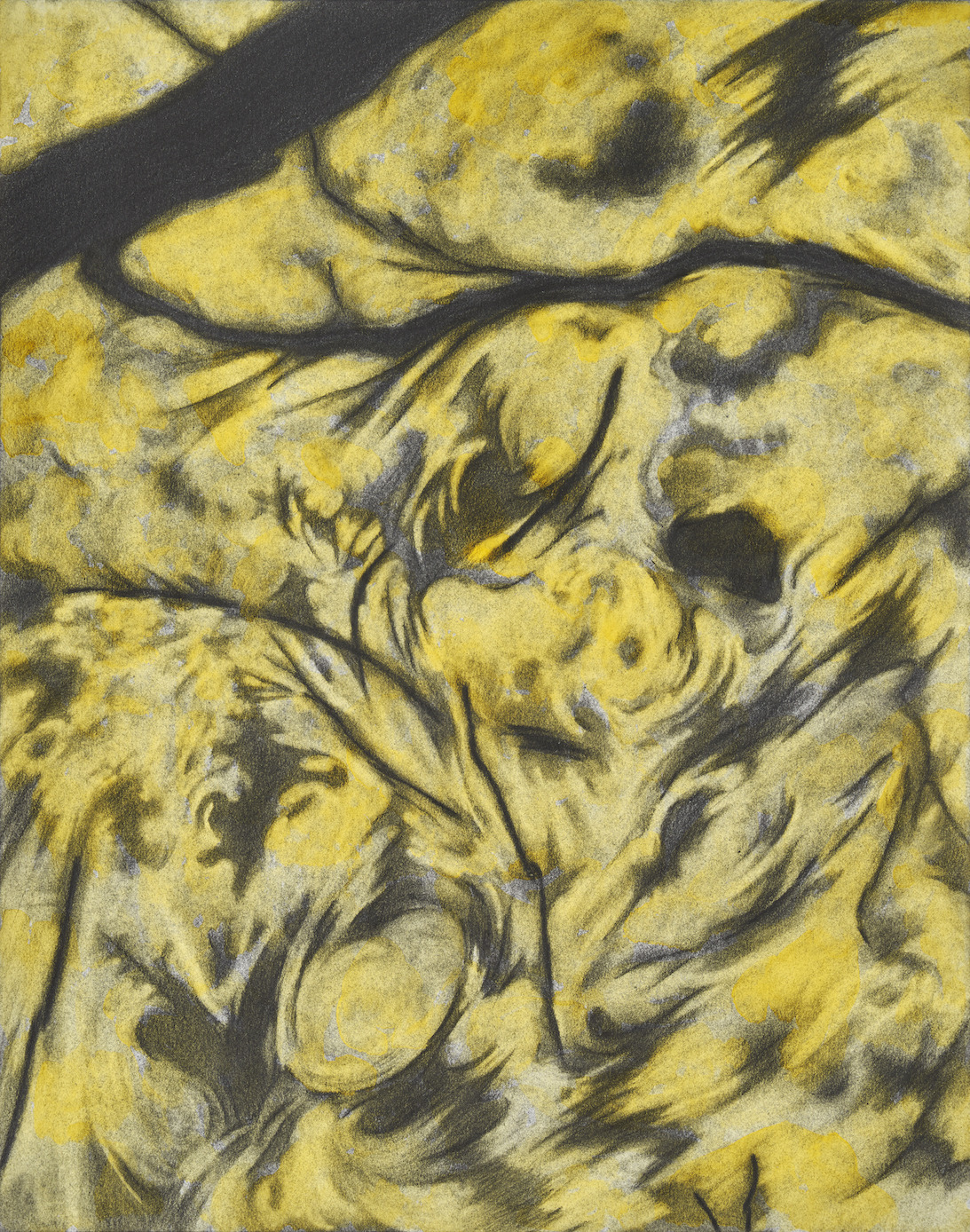
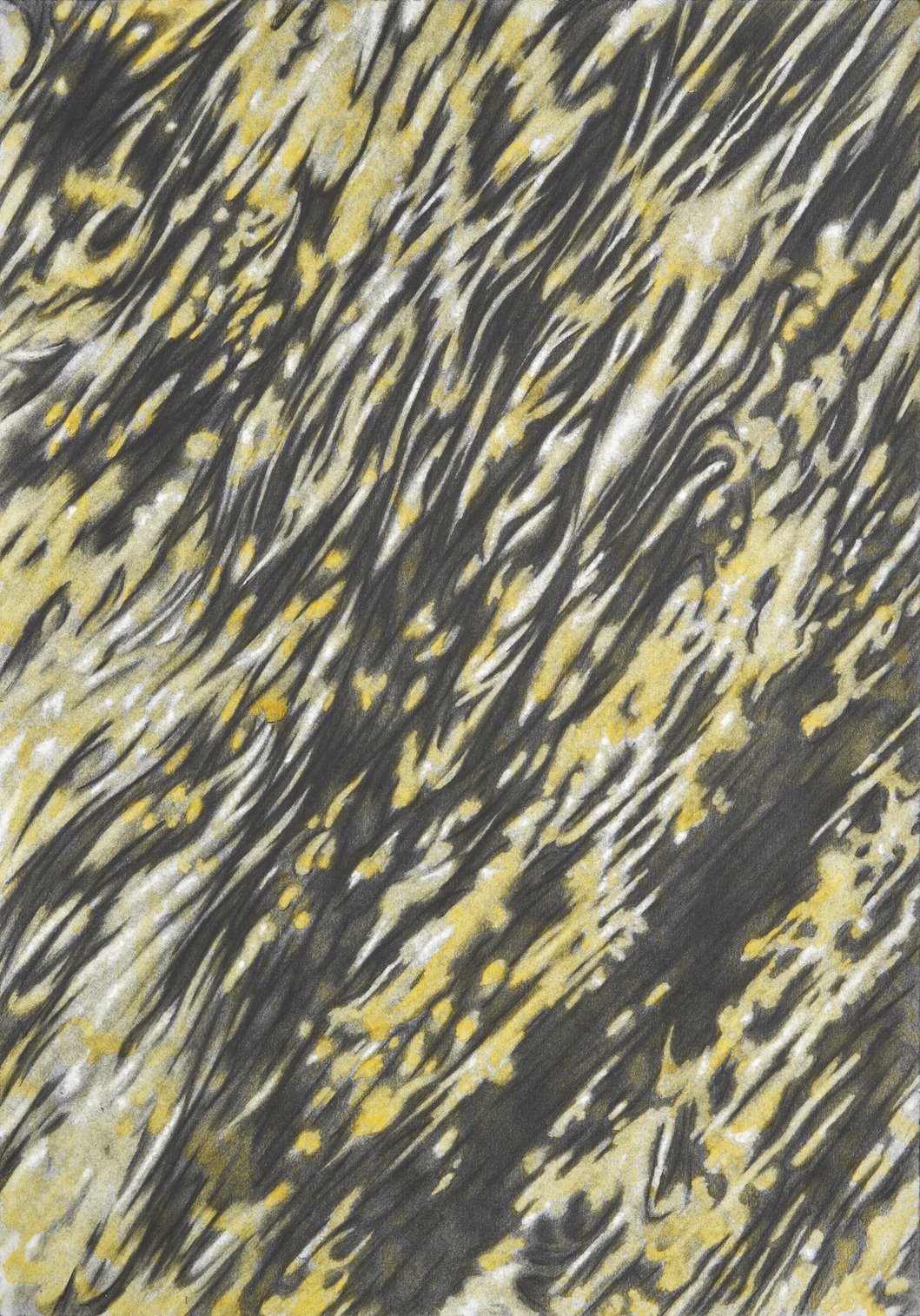
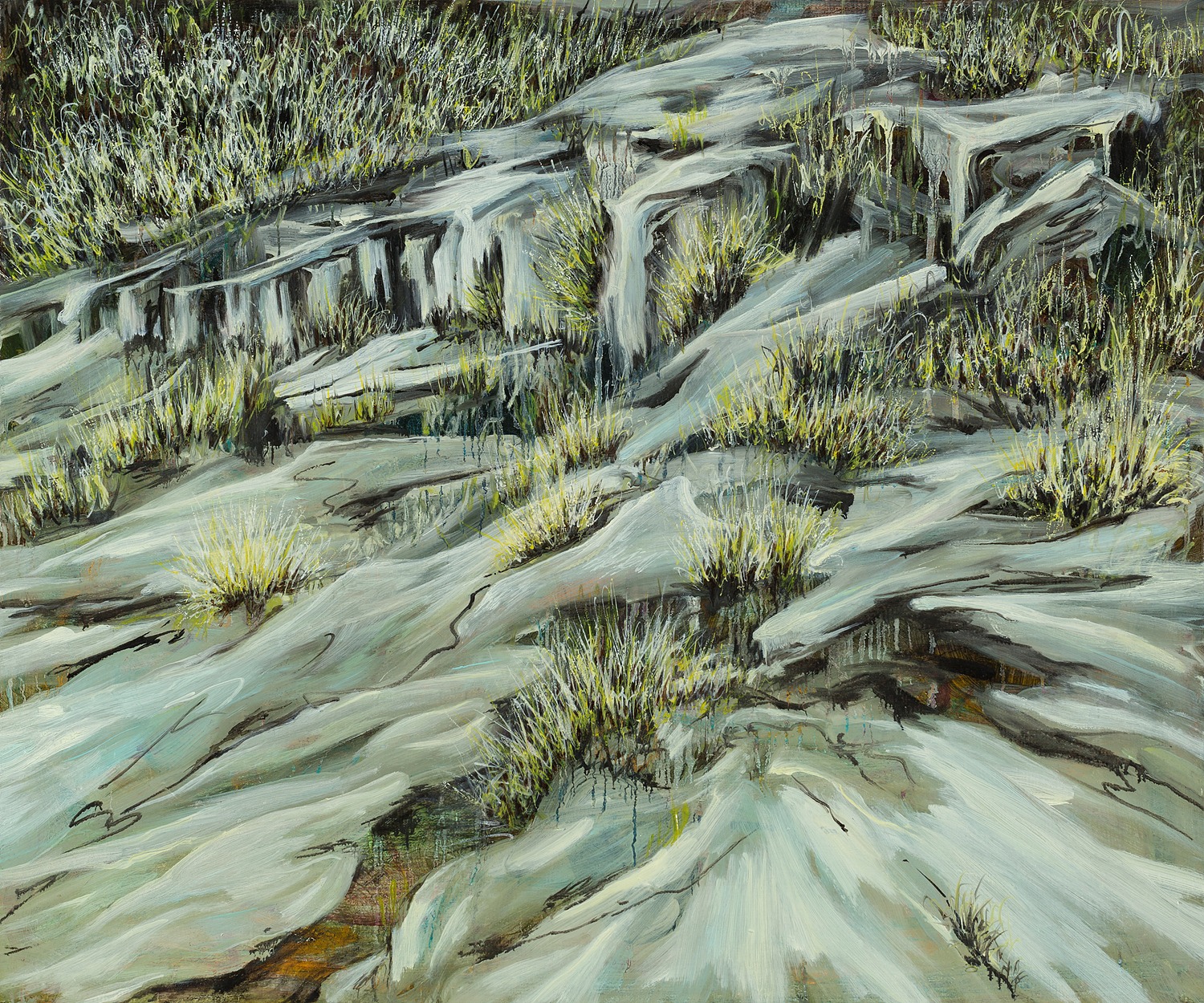
Much like his earlier works inspired by the highest point of a fountain's upward spray, Kwon Hyun Bhin regards the visible present state of an object as a point in which countless possibilities are condensed, imagining other realms and temporalities connected to it. Sitting quietly in his studio, he observes fleeting shadows of light and clouds passing over an unattended stone, or imagines the larger mass from which that stone once broke away.

In doing so, he engraves moments and presences that have already receded into the past. In Everyone-One and Light (2020), the countless possibilities and moments once contained within the stone are inscribed belatedly, yet with enduring solidity.


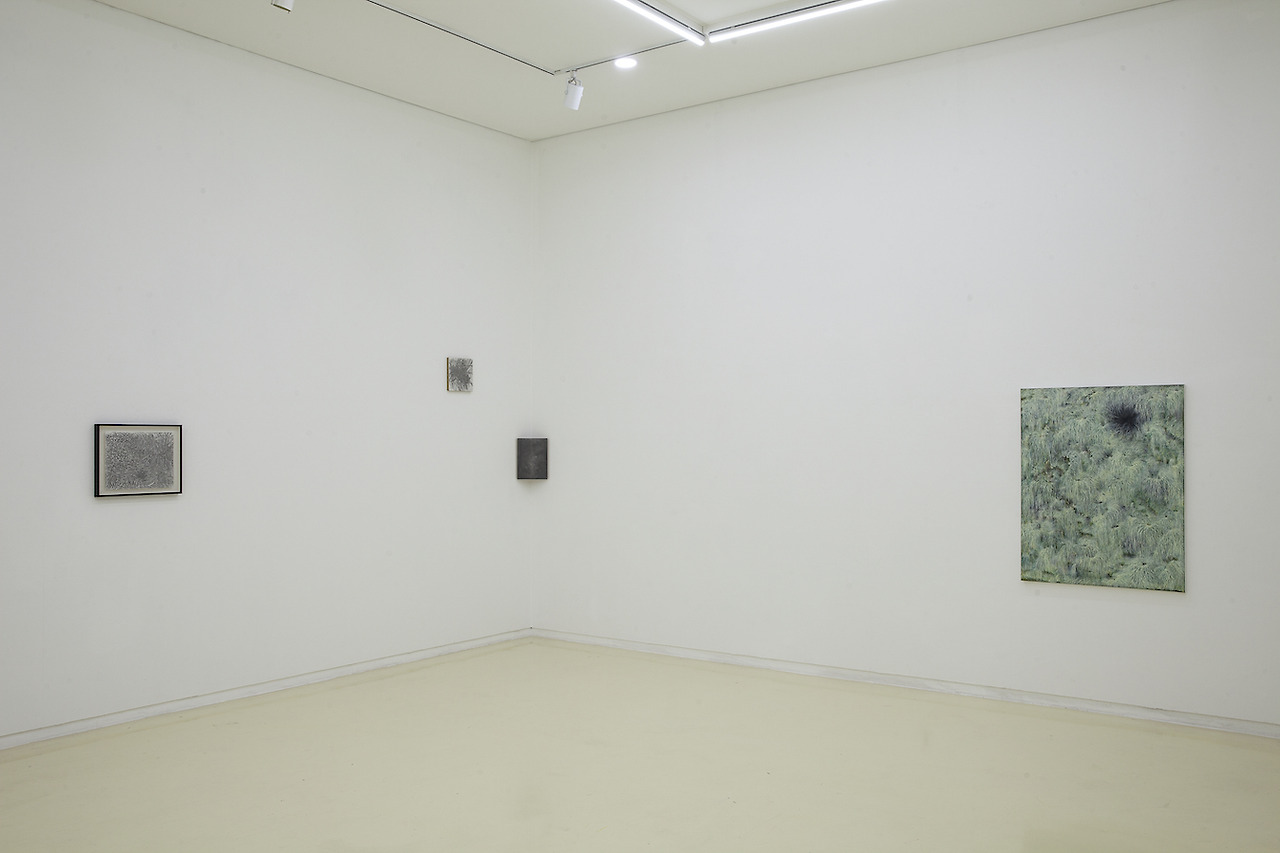
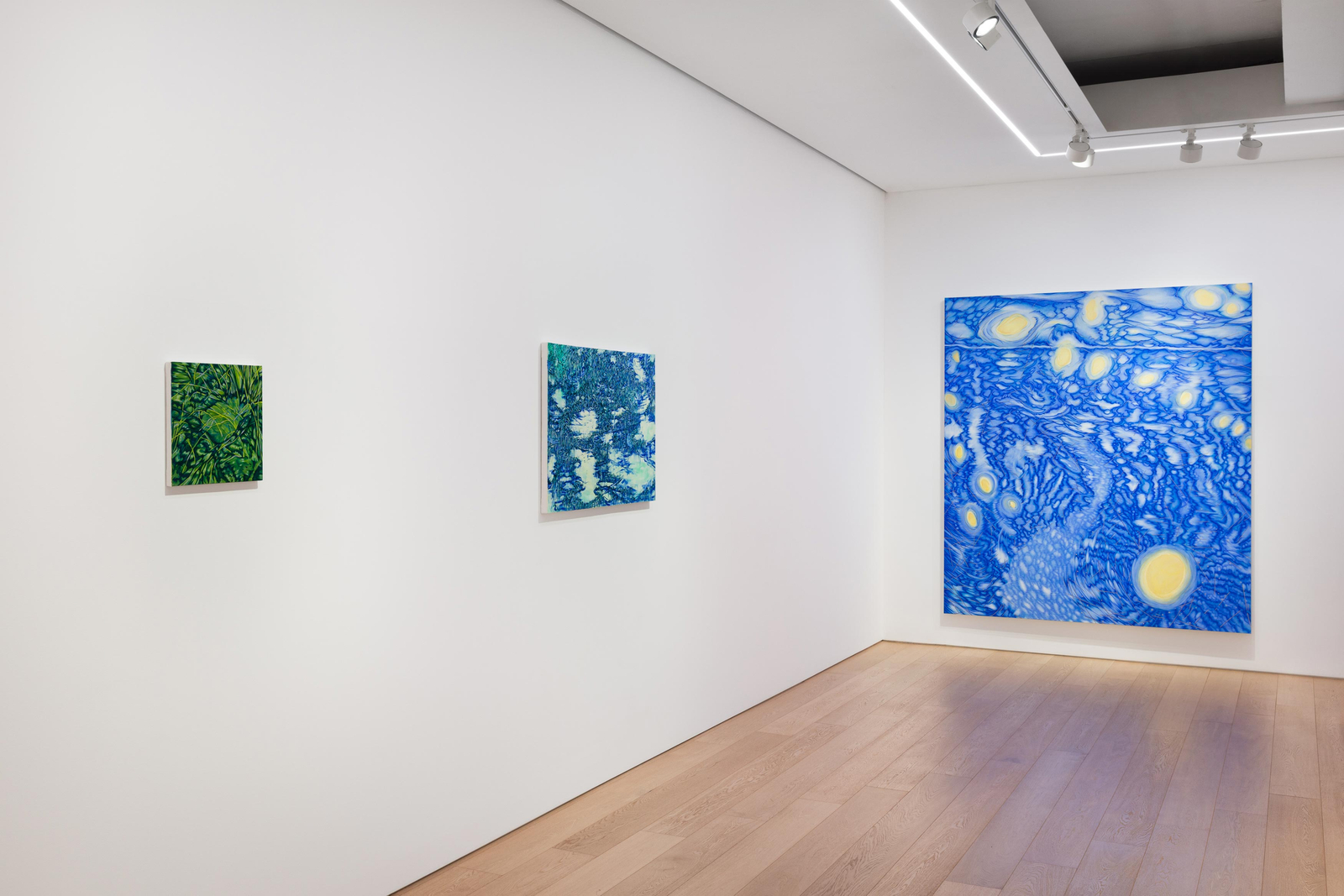
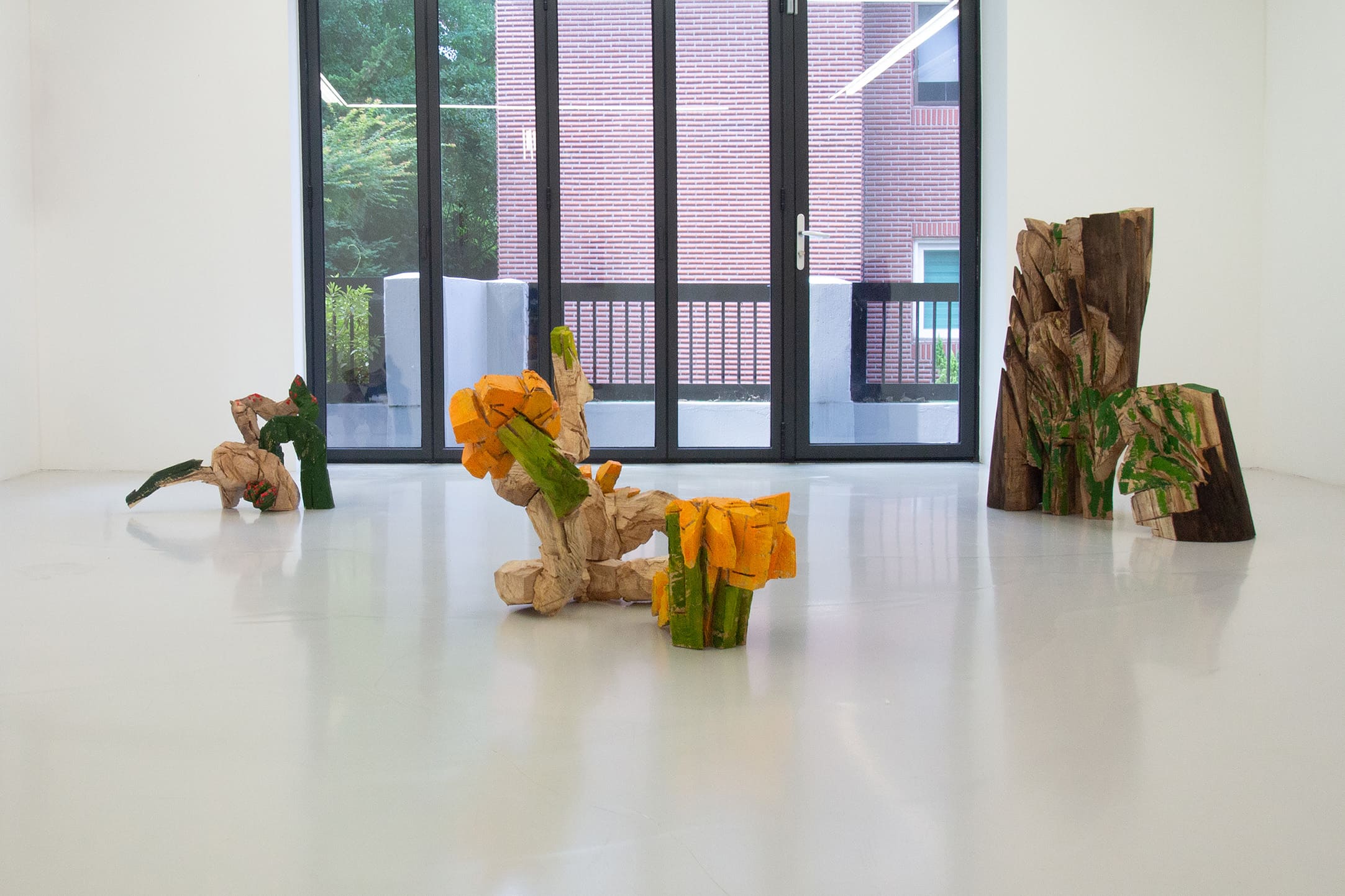
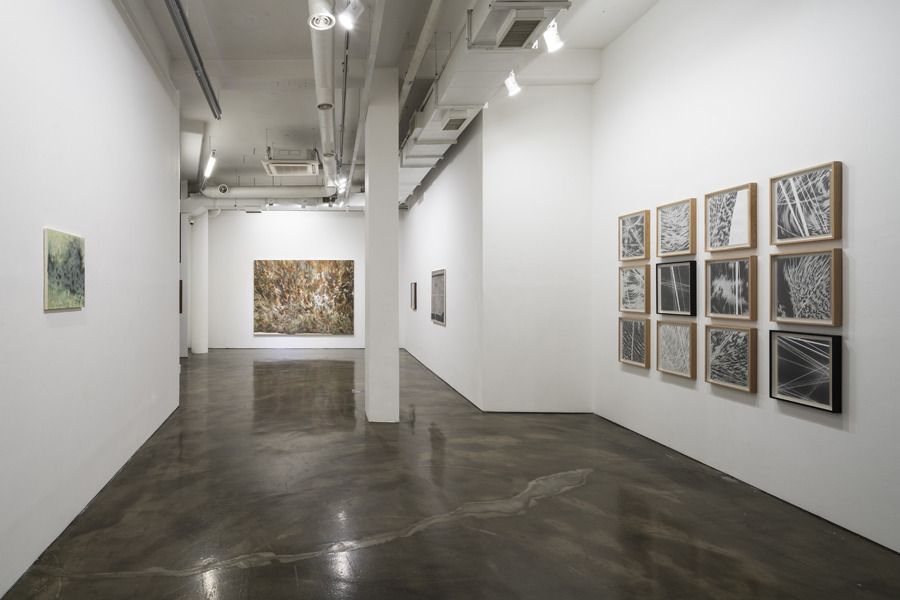
Installation view of 《Haven of Light》 © P21

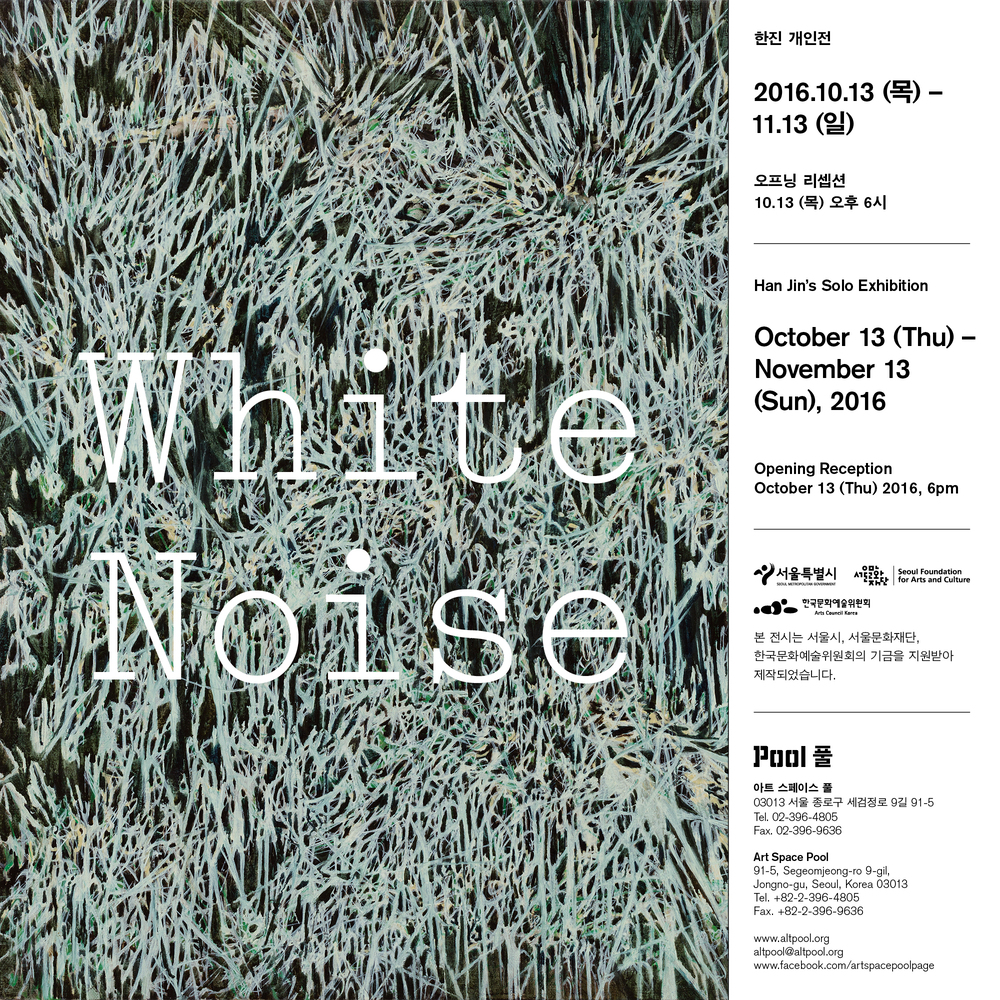
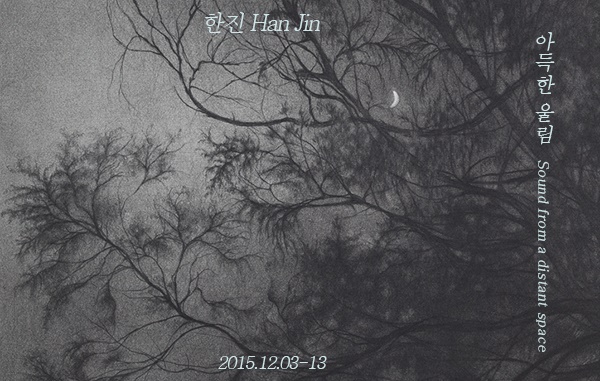
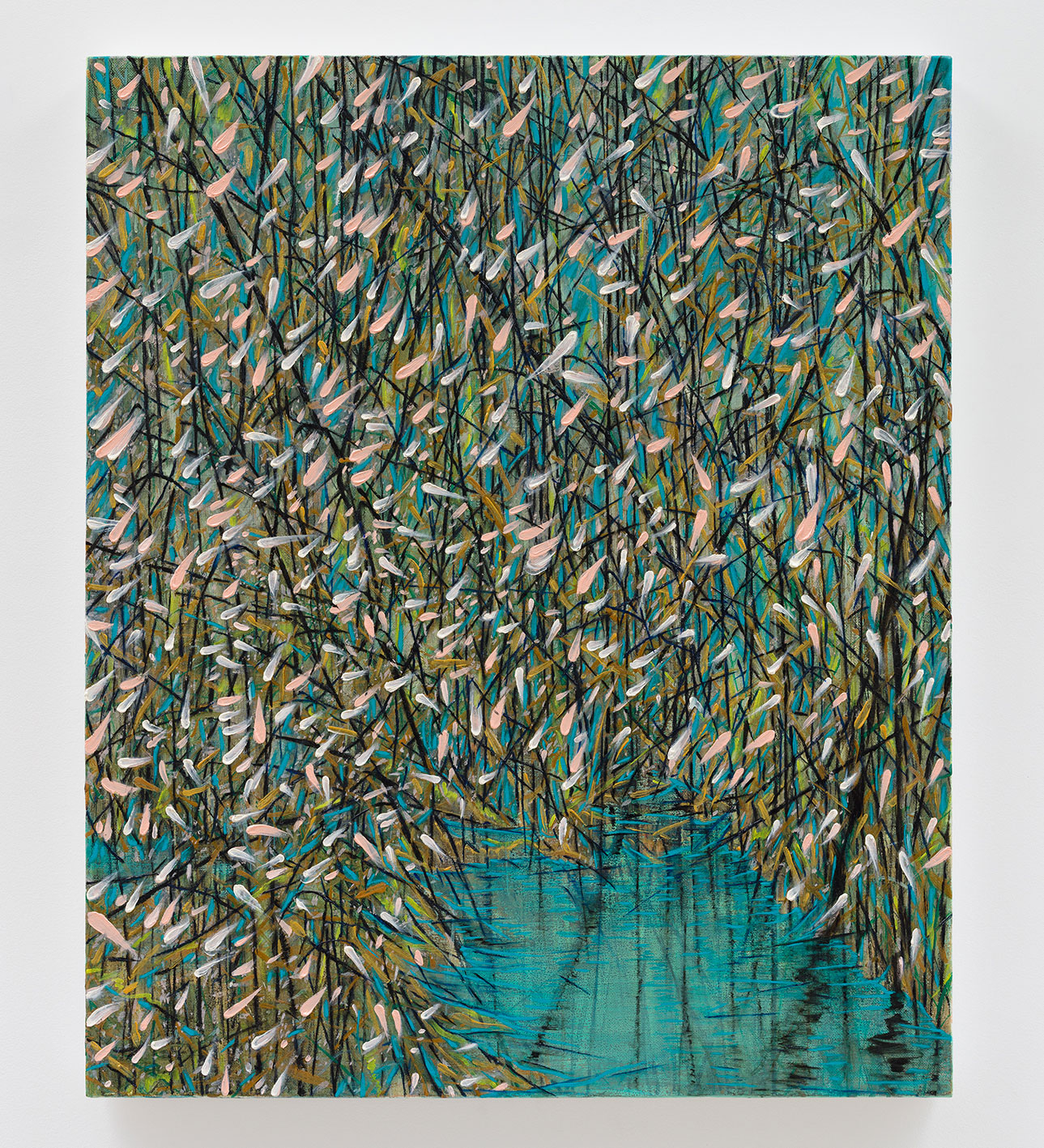
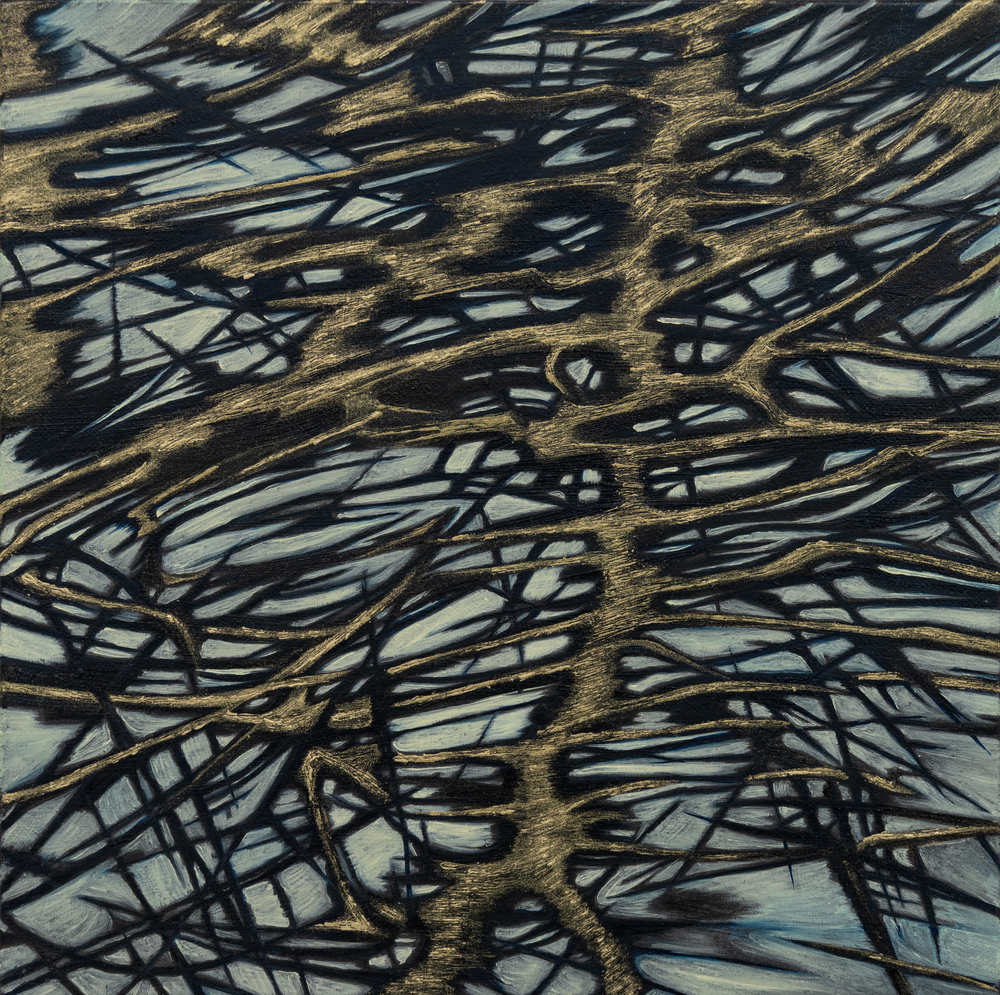
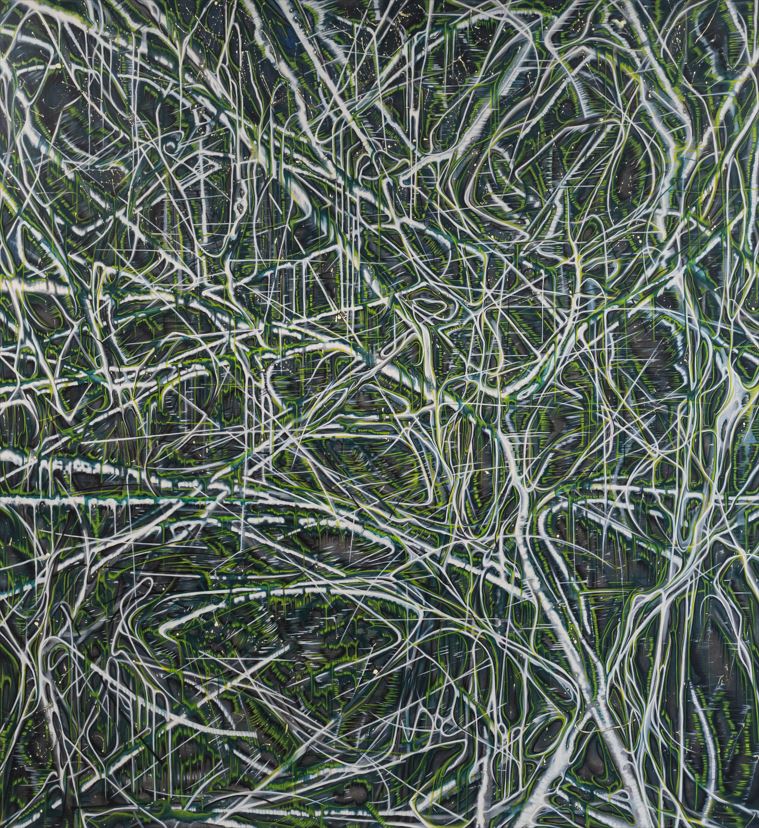
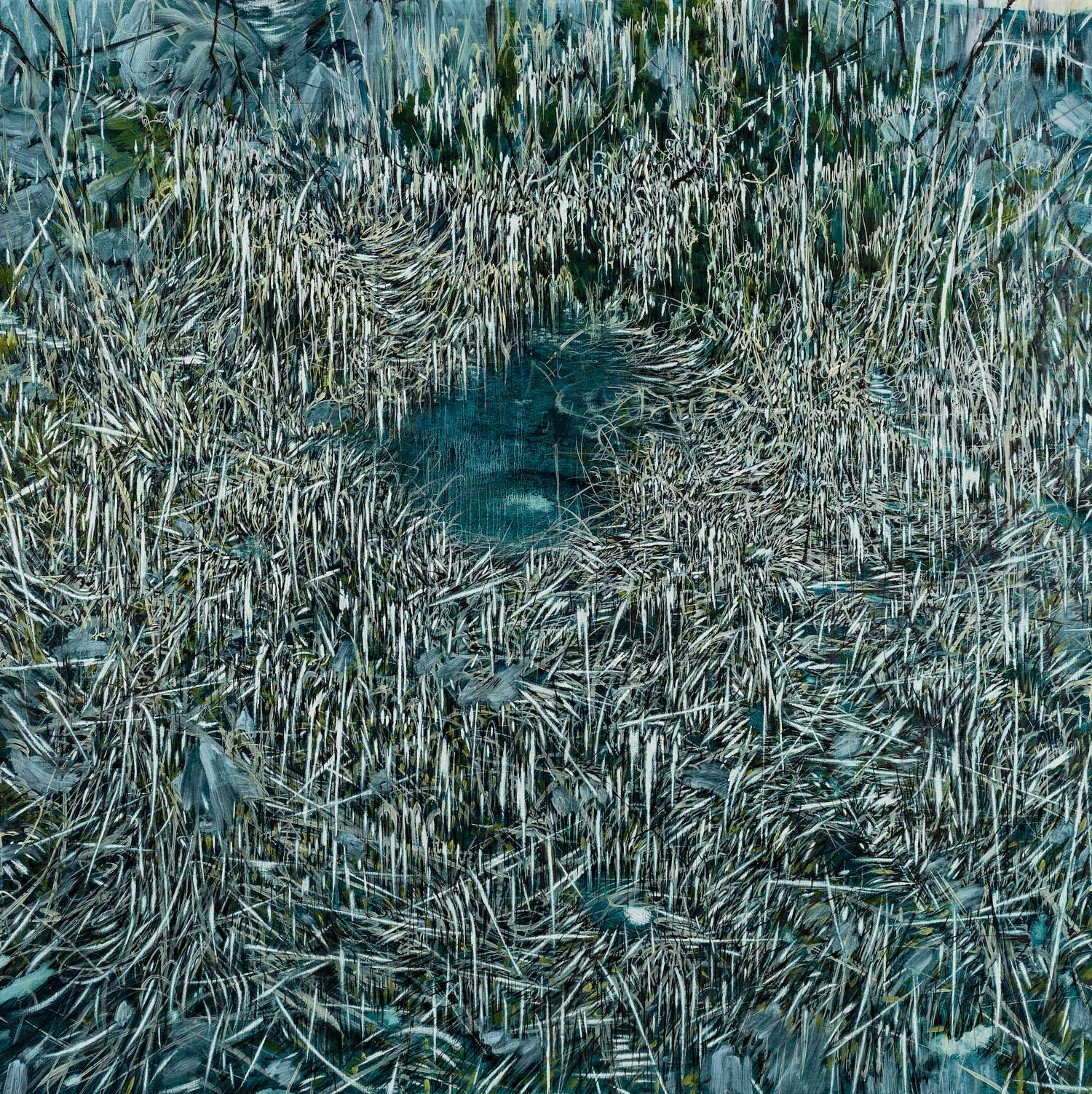
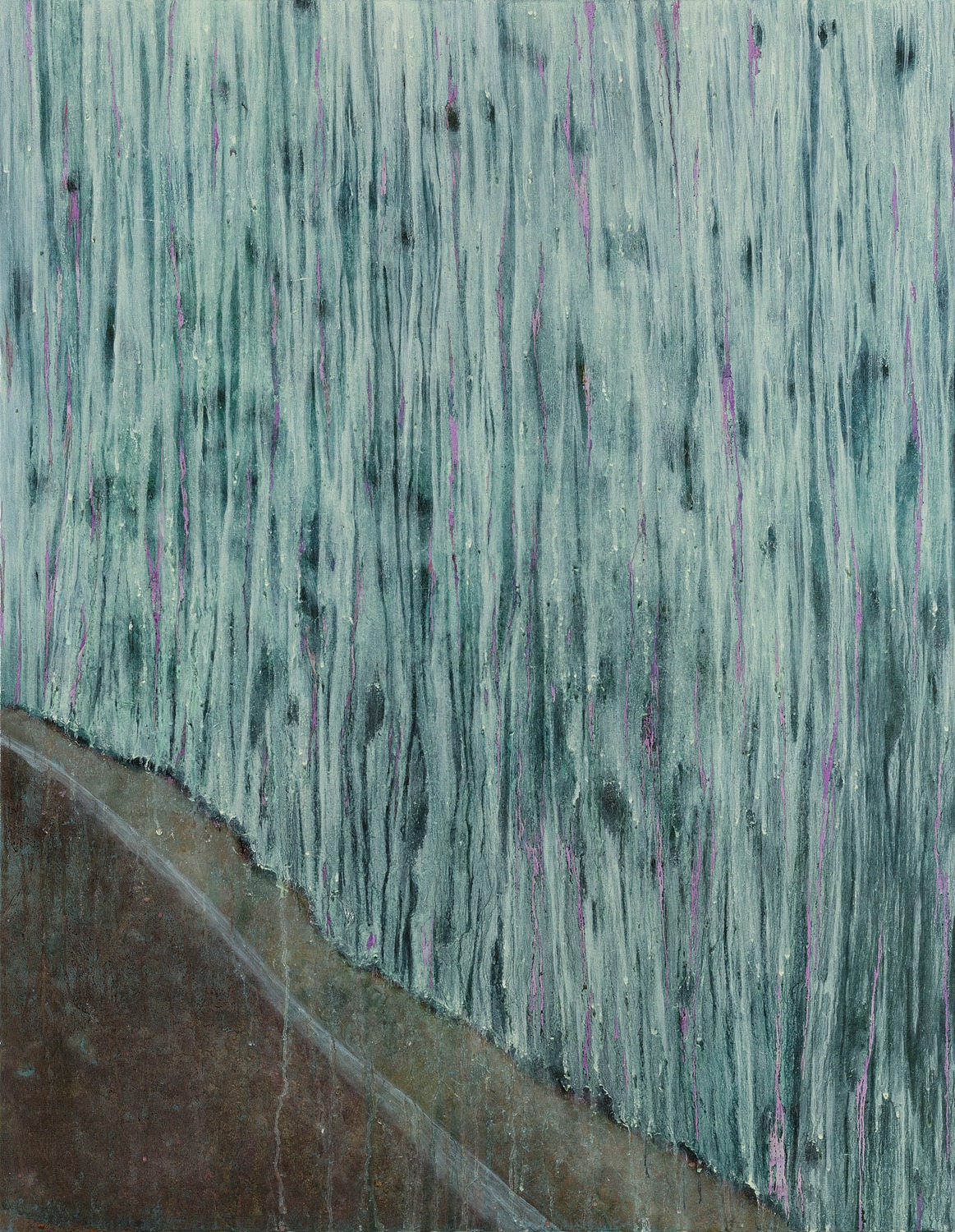
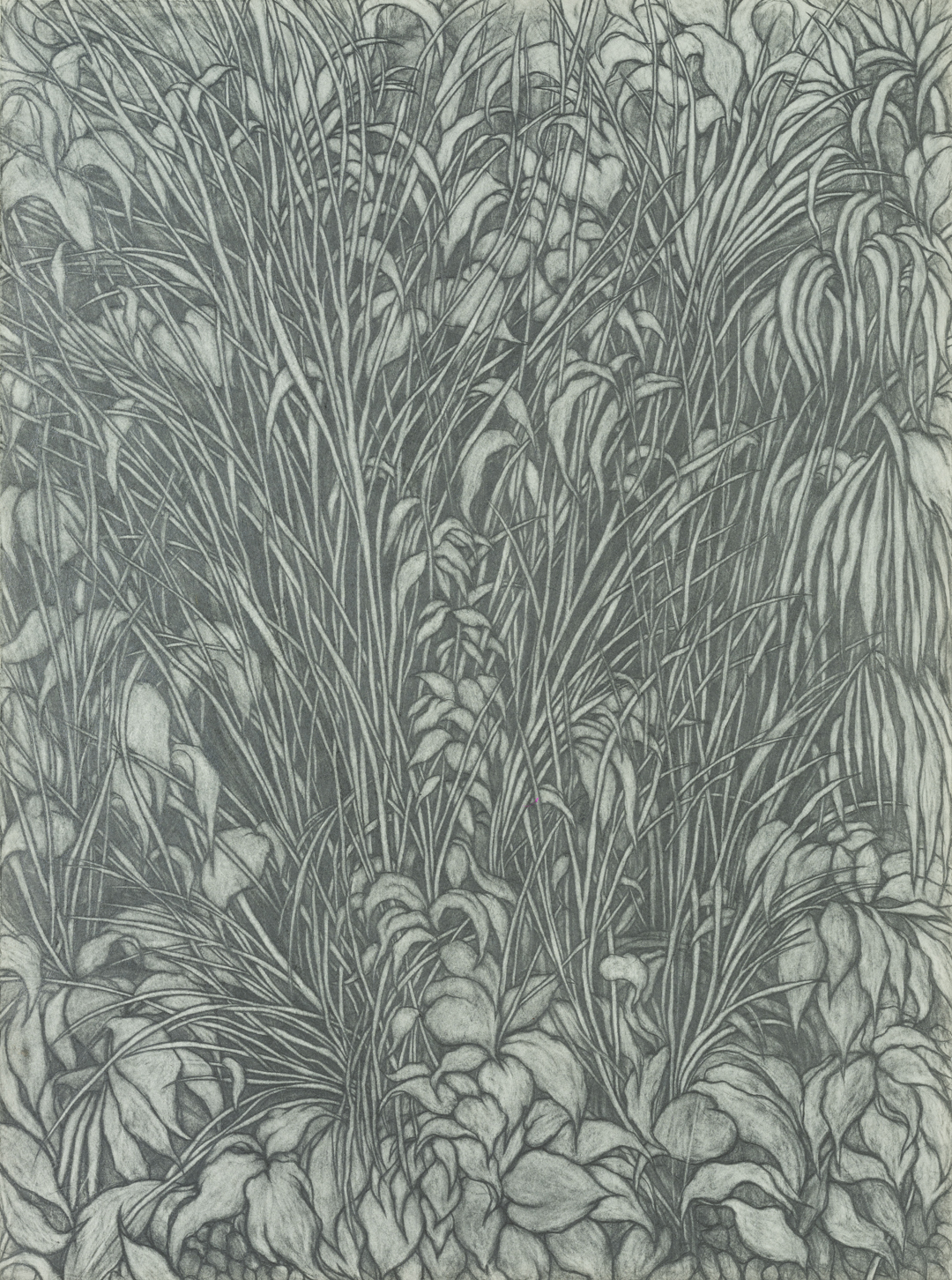
Acknowledging the sorrowful fate of loss while striving to hold onto what inevitably disappears through the imperfect mechanism of memory, Han Jin chooses instead to remember for longer.

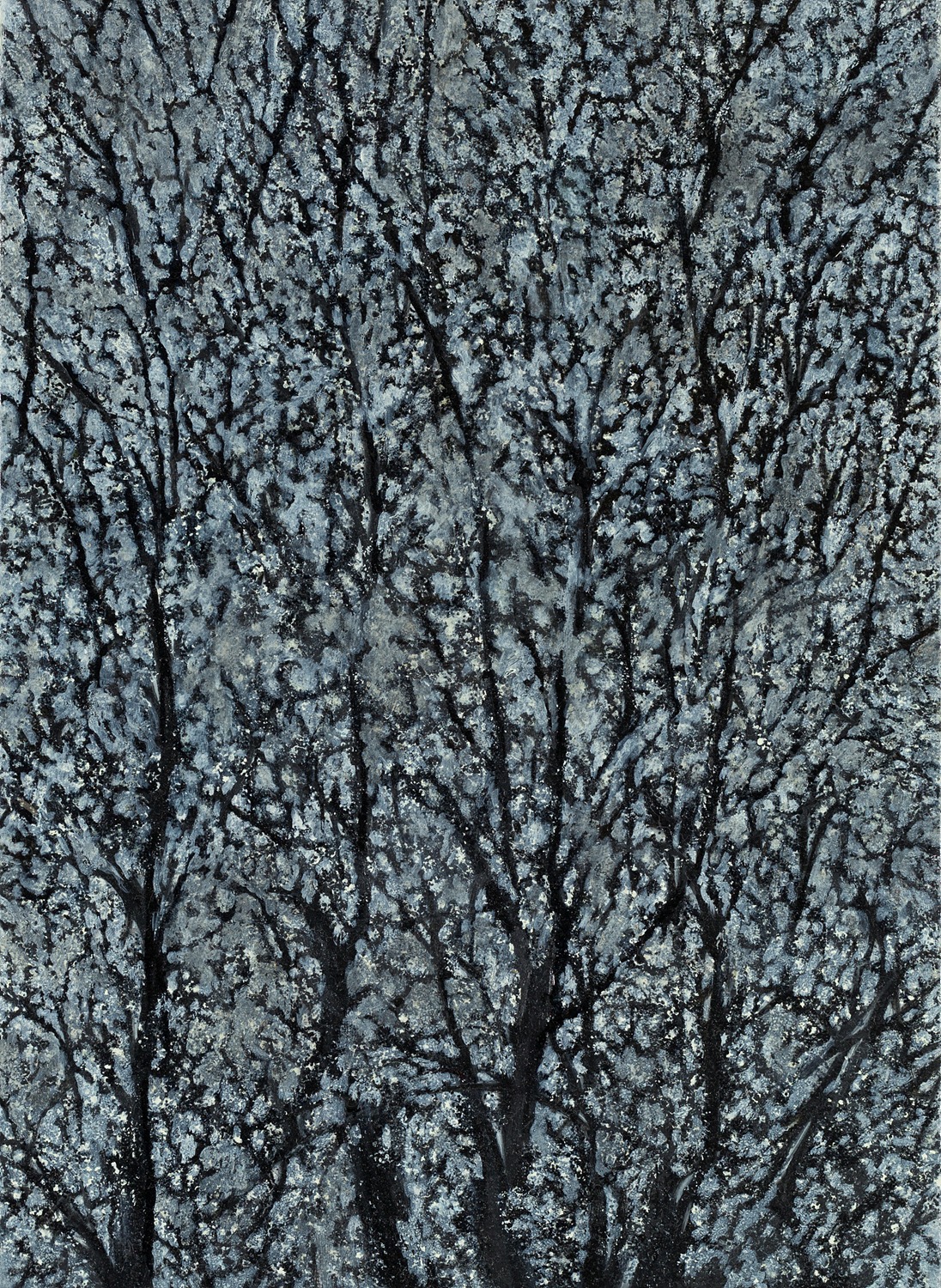
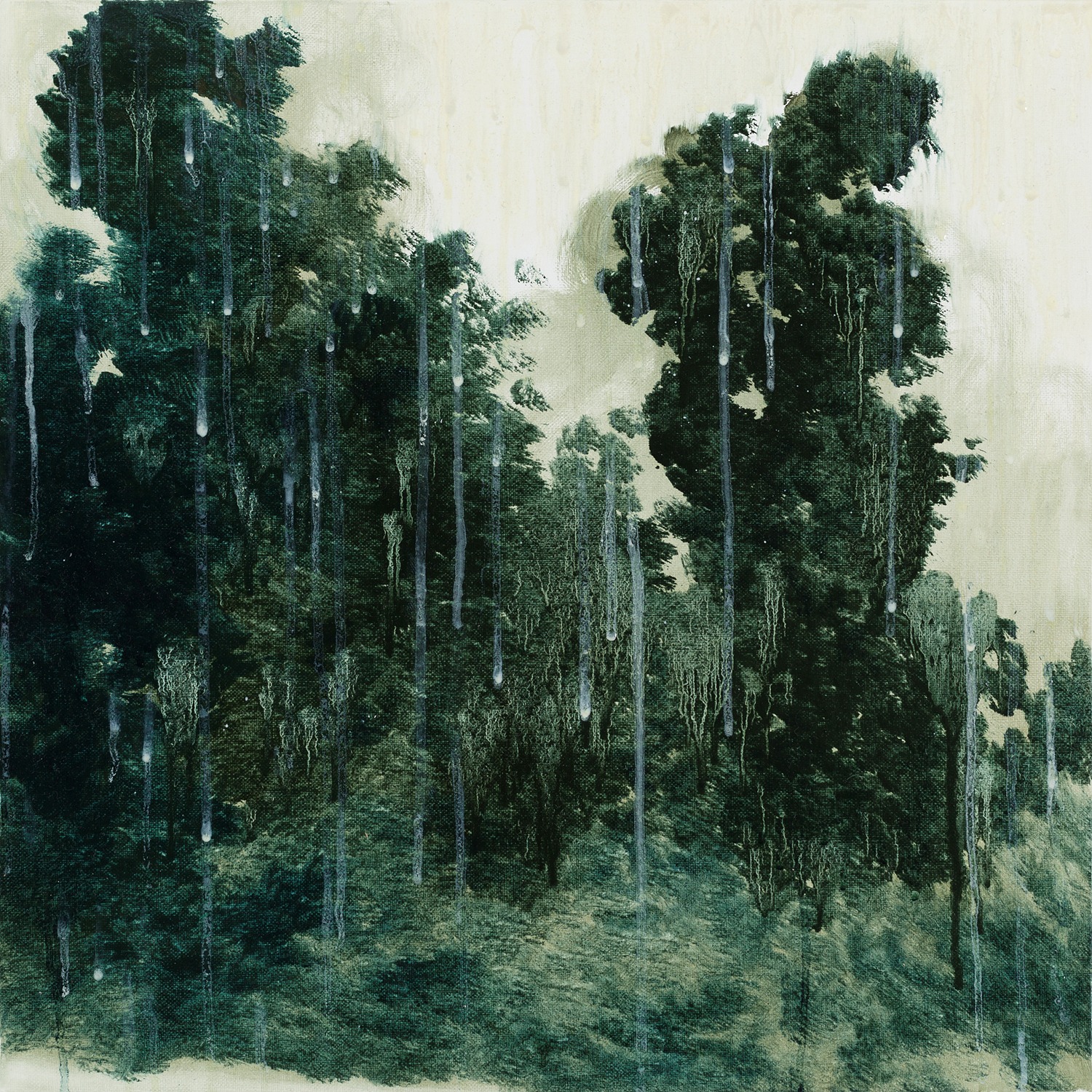
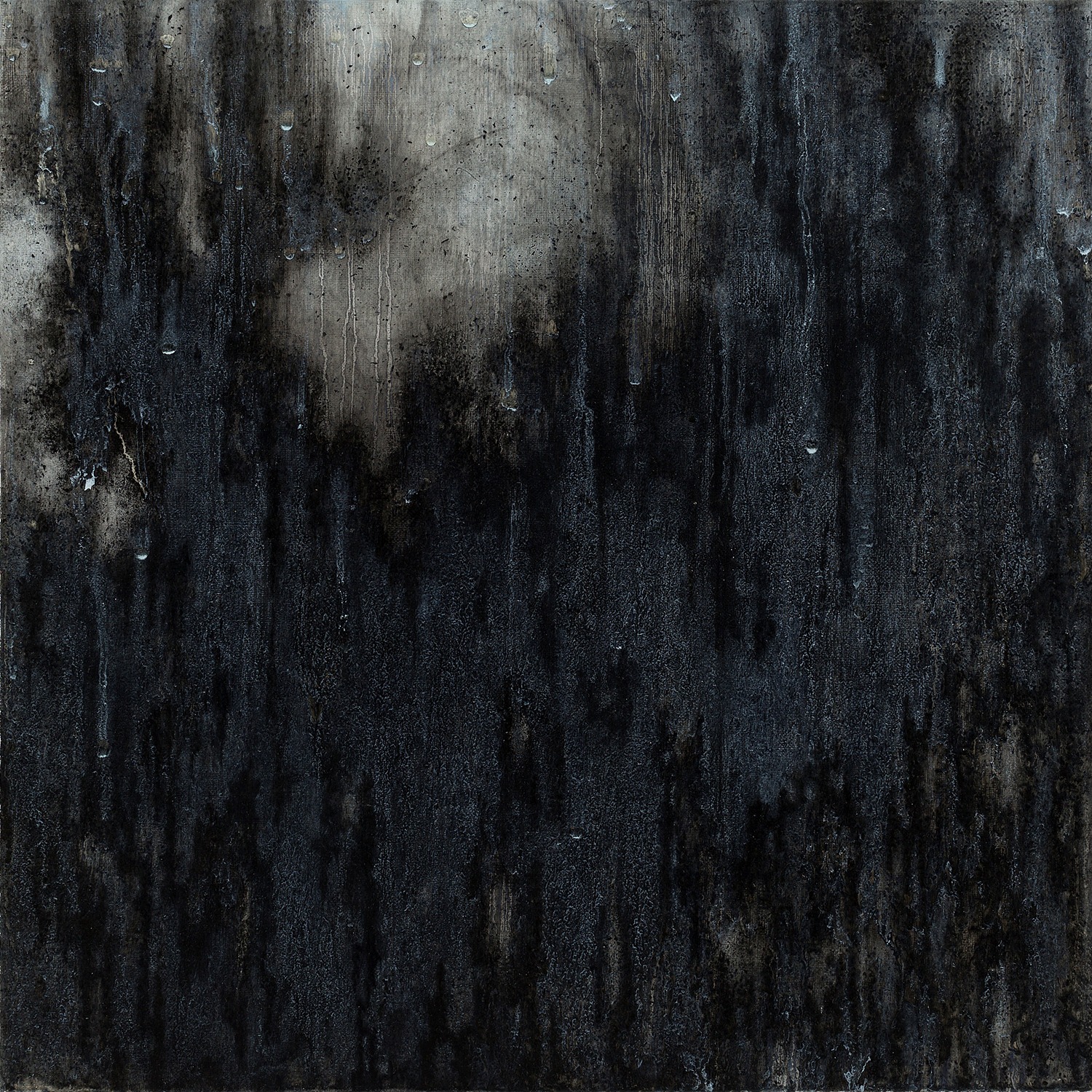
As she fills the surface with layer upon layer of air using fallen branches gathered from the ground in place of brushes in The Song of the Wind #1 (2012); as she renders the luminous glow of the night—at once delicately placed and piercing—with a toothpick in Immersing Night #1 (2016); and as she traces blurred landscapes dispersed by rain or tears in Heut #1 (2016) and Verse of a Night #2 (2015), she continually contemplates and senses that which is ceaselessly vanishing.

The pictorial surface, built through the accumulation of the artist's own time, becomes an ever more intimate landscape the longer one remains before it, as though rewinding the hands of a clock.

Employing only the most minimal gestures—fine threads, subtly lustrous pigments, and lightly weighted chains—Oh Jong allows faint presences inhabiting the space to emerge, or momentarily delays their disappearance. Remaining within a single space for extended periods, he draws imaginary lines that connect architectural structures, shadows, and corners discovered within the interior.

In Room Drawing (Light & Rock) #3 (2020), these lines invite viewers to attend to the changing light filtering into P21 and the air filling the gallery, while quietly linking the otherwise separate times and memories embodied in the works of Kwon Hyun Bhin and Han Jin.

The temporal intervals created by these artists ultimately become a refuge for that which has already disappeared.

References