1
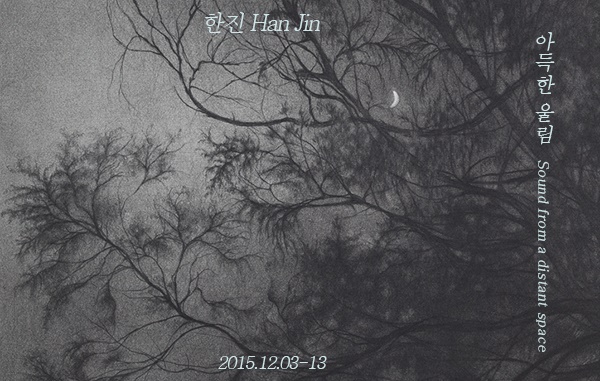
I start with a simple thesis: Han Jin’s work is the art of a certain flow which shows us that visual art is a kind of ‘music’, or, more precisely, that it is also another ‘form of time’. Why is this so? In general, the work of art almost always presents itself as a ‘result’ of some artisanal/artistic process.
In fact, this mode of exhibition – which can be easily verified by visiting a conventional space like a museum or gallery – is too familiar to us, and it is even recommended in the sense that it is the most basic mode of existence of the visual arts.
Of course, we are already aware that the work of art in front of us is a result of a series of various processes, and because of this awareness, the work of art exists merely in a temporary state that is open to transformation. That is, it is not a fixed and completed result. However, as observers or appreciators of art, we also tend to forget all these facts, similar to how we easily forget the very familiar presence of air, which enables us to breathe.
Indeed, we are too accustomed to a certain way of seeing according to which the work of art is perceived as above all a simple result, and we consider it even as its existence or substance itself. This is the general way in which we perceive and accept a work of art as ‘art’. Let’s begin from this point.
2
When contemplating general (plane and plain) paintings and drawings, – which are not general performances or happenings or a certain form of installation in which we can sense temporal changes relatively much more ‘naturally’ – we tend to assume that the work of art as a ‘fixed result’.
In other words, we consider and appreciate visual art as a form deprived of time and the changes of time. (Instead, it is rather in this sense that I always focus on various visual/temporal possibilities that paintings and drawings have in their ‘impossible’ limits, especially in our period during which the figure of visual arts seems to embrace almost all fields of ‘art’.)
The most important thing at this point, however, is that we must remember that visual art is above all a form of time and a mode of change.
In this context, Han Jin’s works, through their ‘traces’ or ‘remnants’, remind us of the temporal currents that make art itself possible, paradoxically, rather with its fixed and limited aspect, show us that visual art is a form which can be accomplished only in its temporal changes, so, paradoxically again, that it is a form that still remains in an unaccomplished state in its very open temporal form, and in other words, that the art must be always remain in an unfinished state in its accomplished form.
3
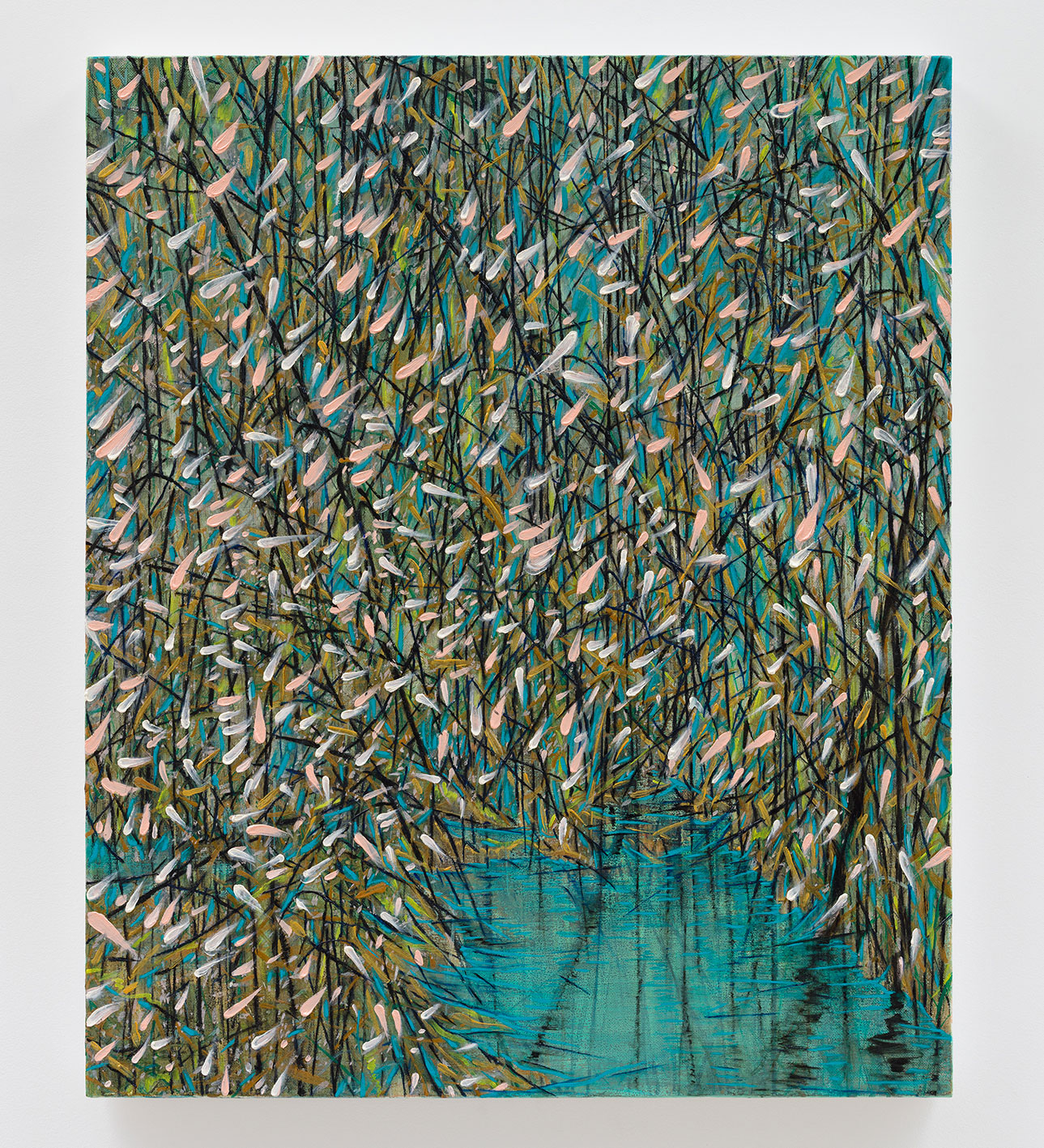
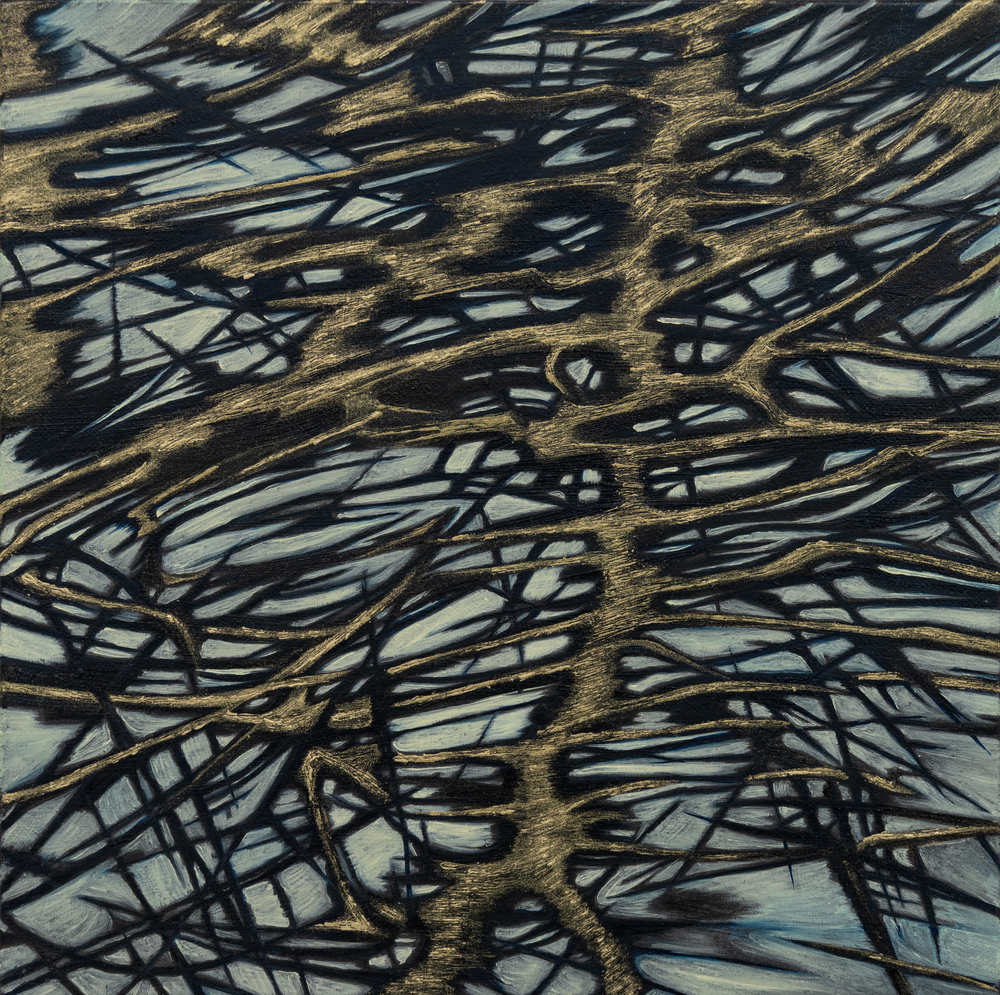
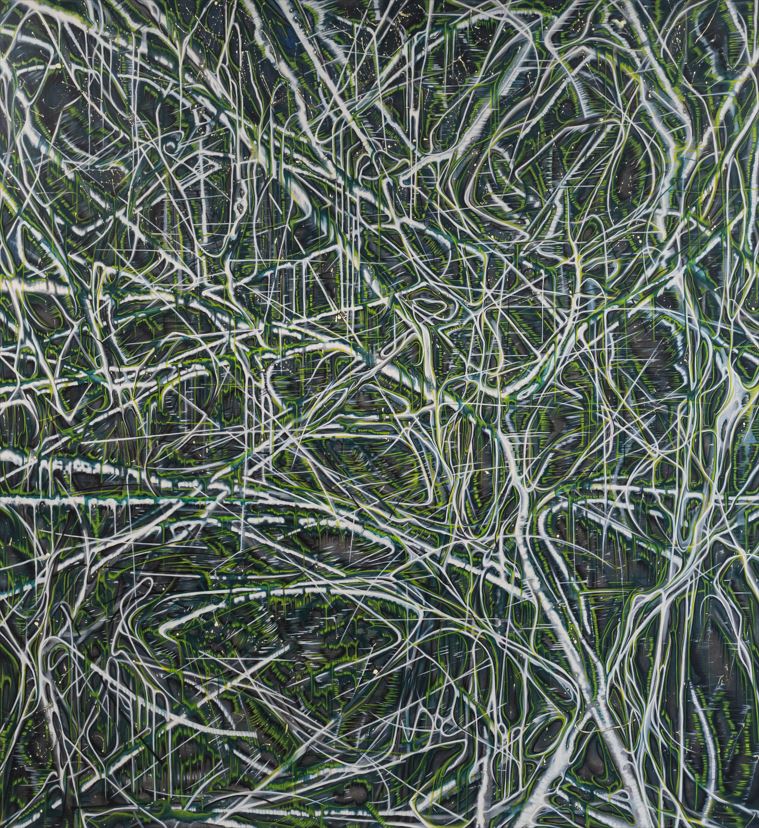
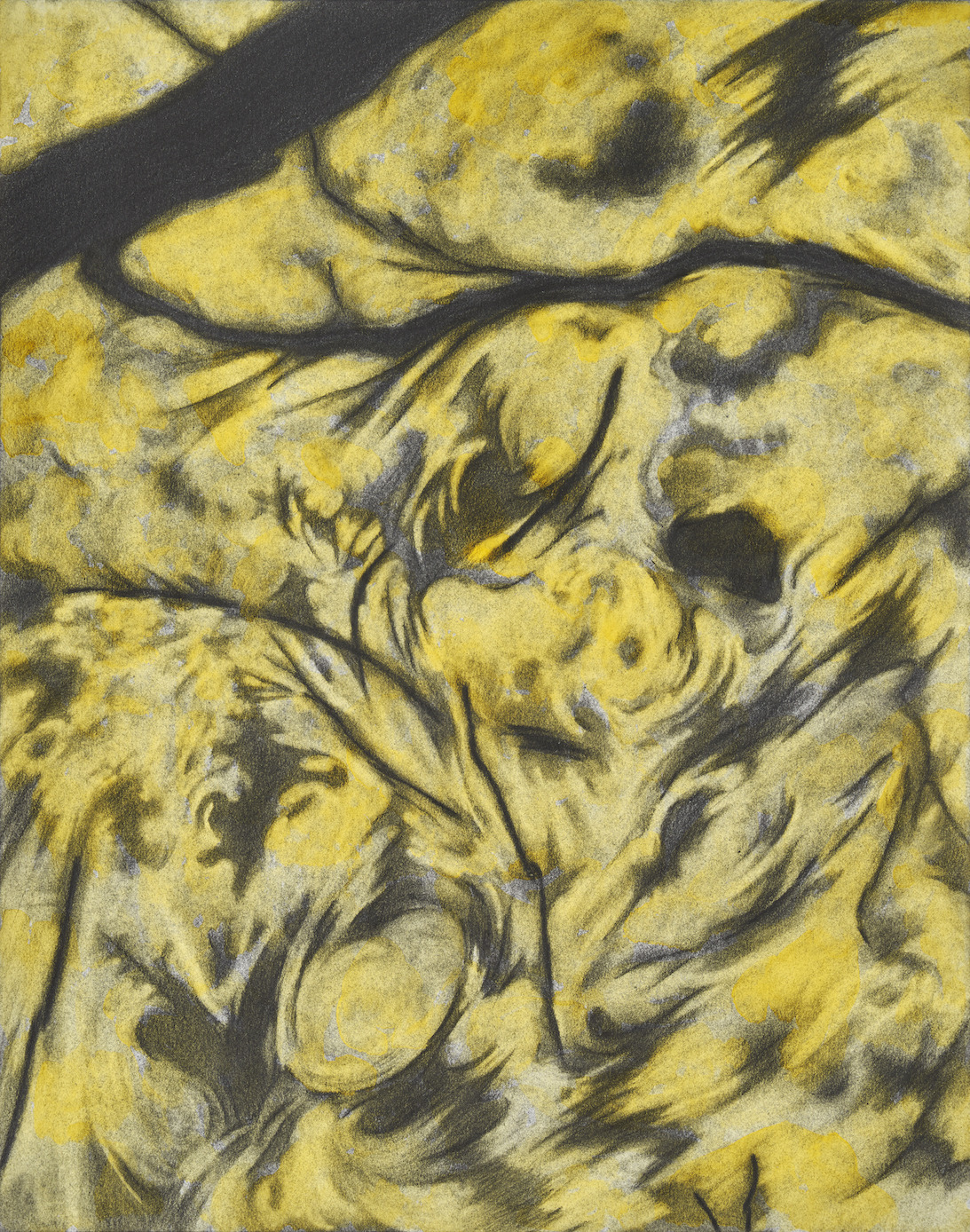
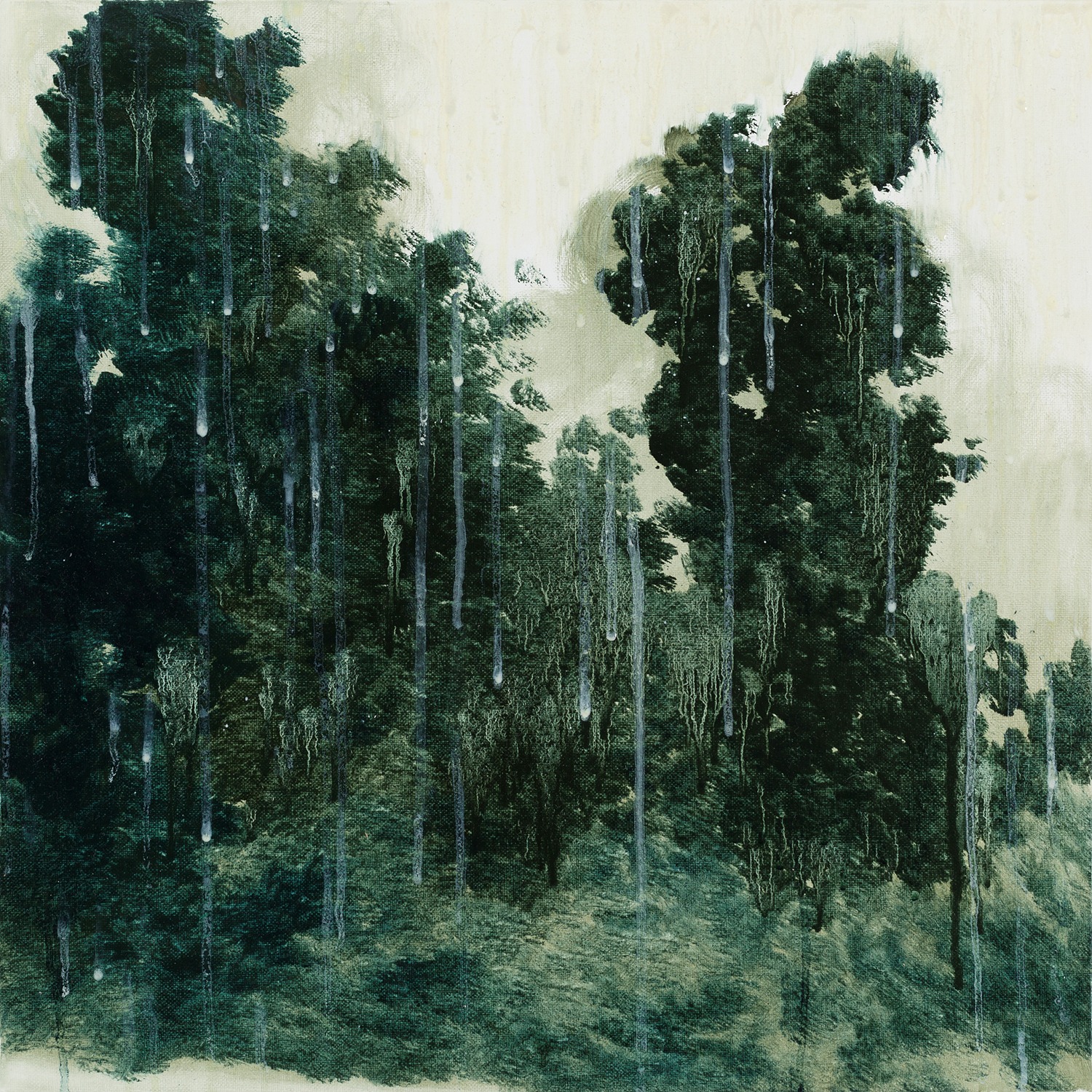
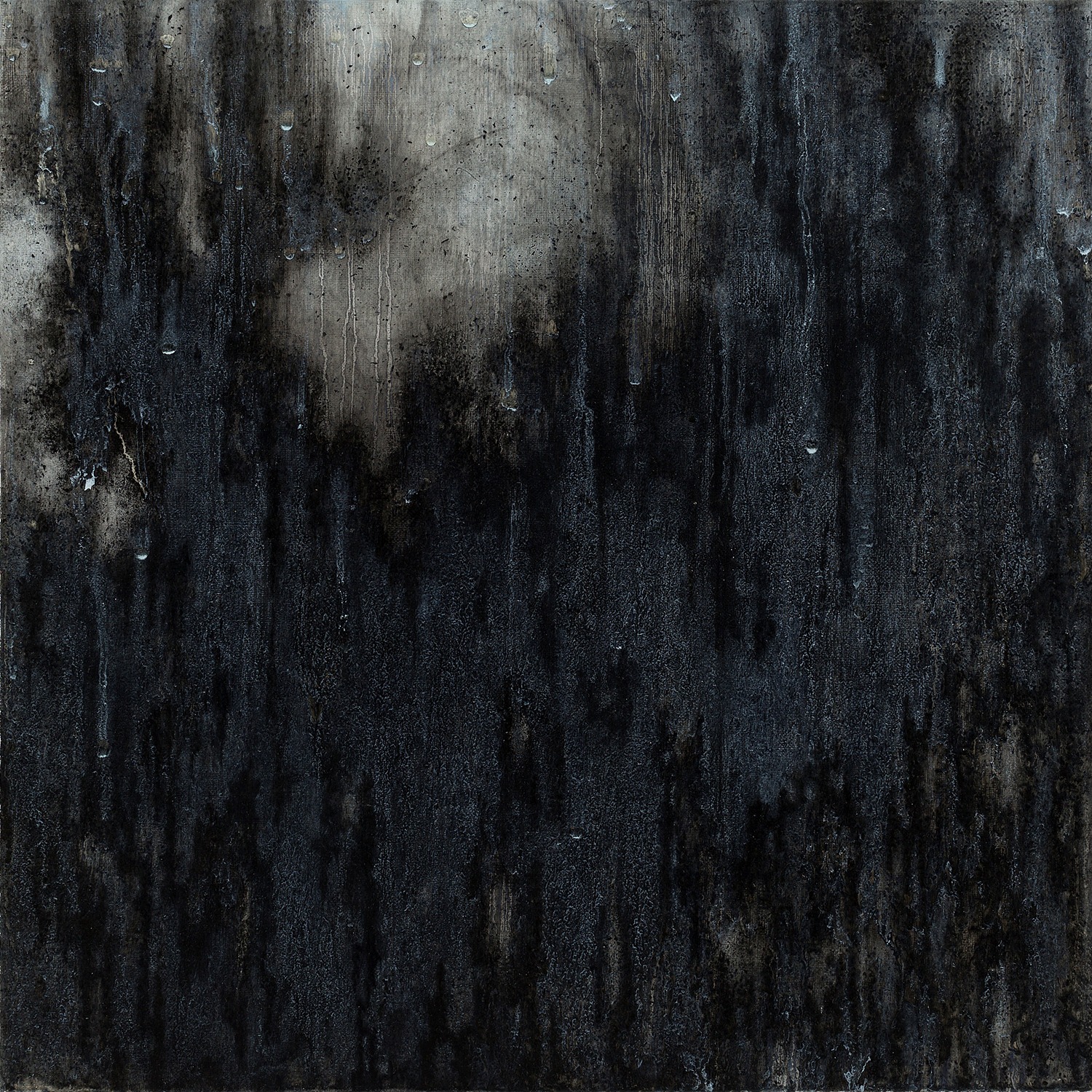
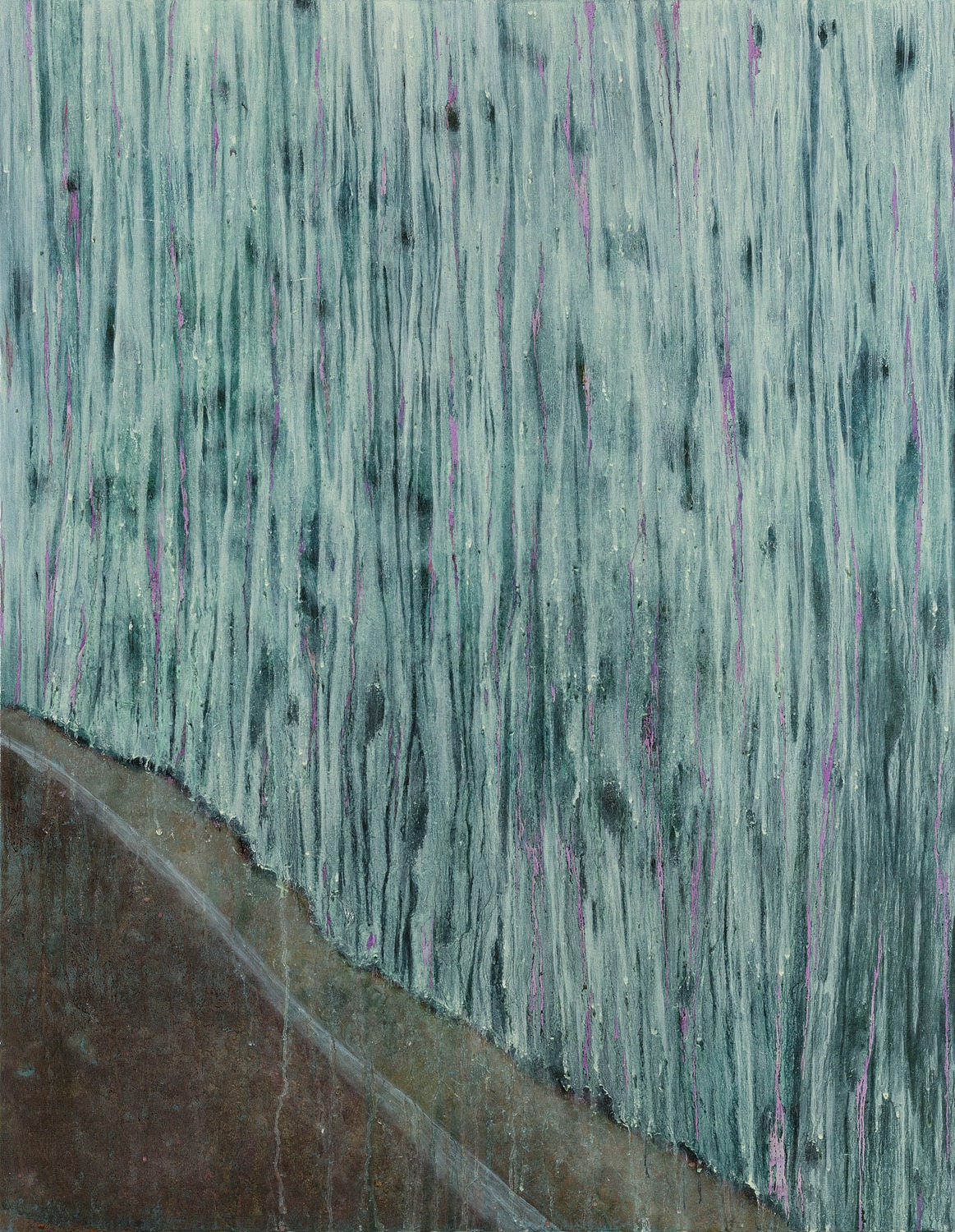
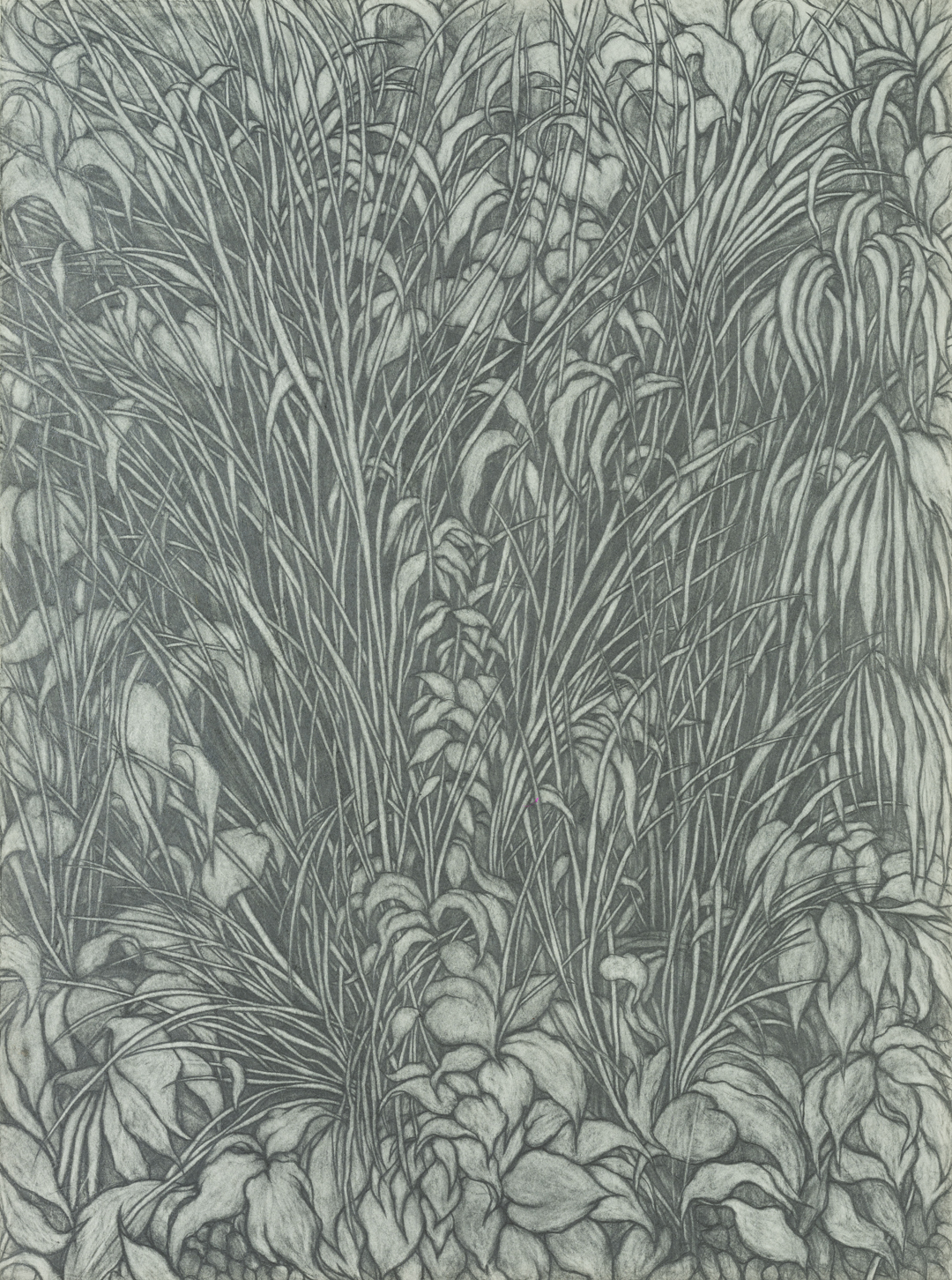
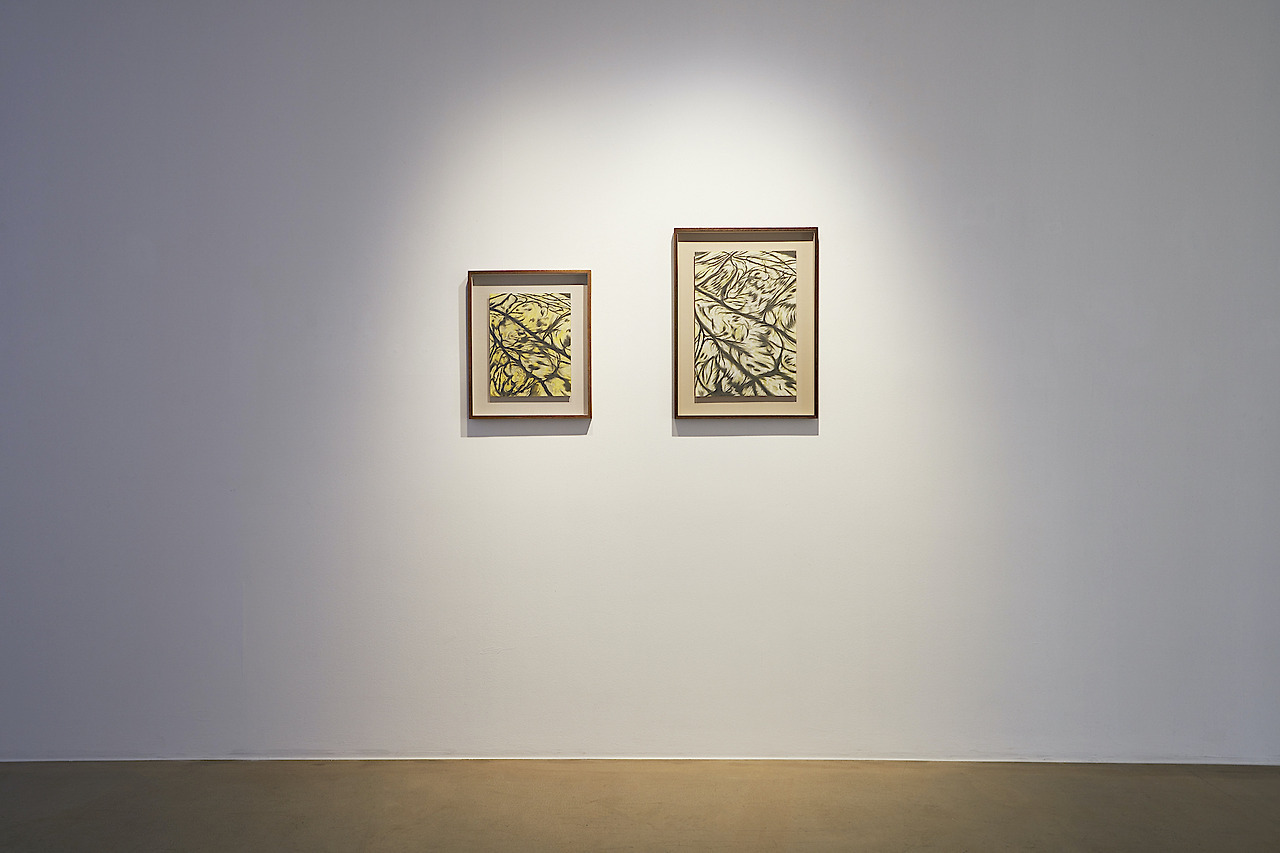
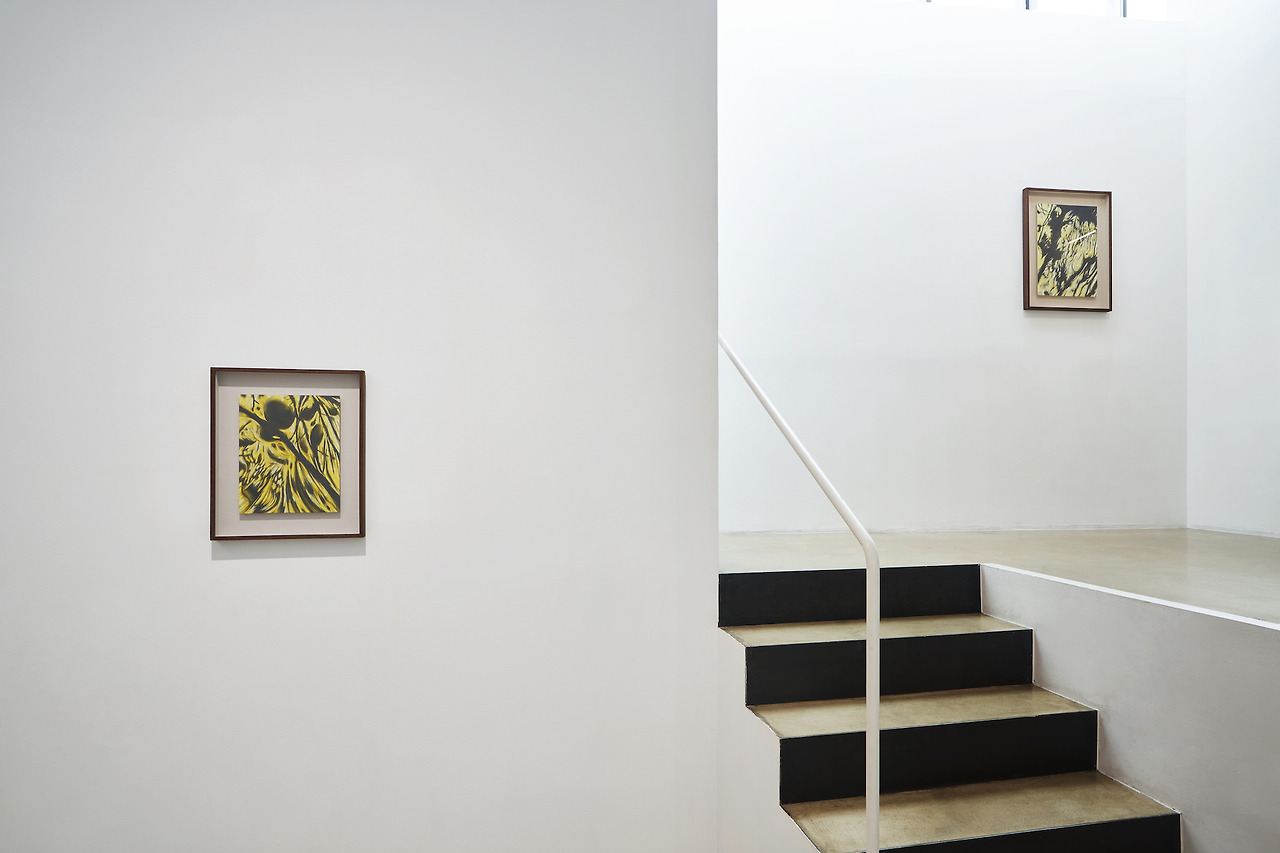
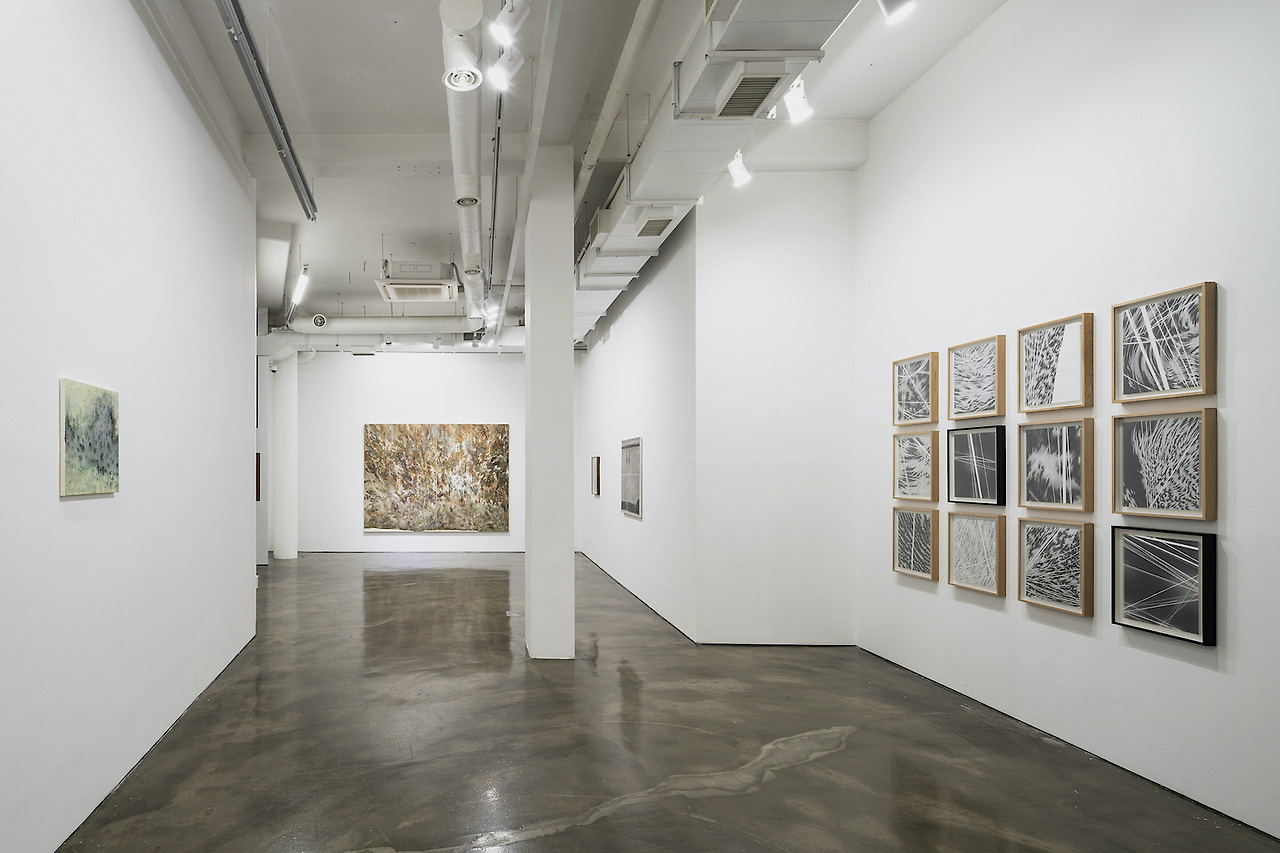
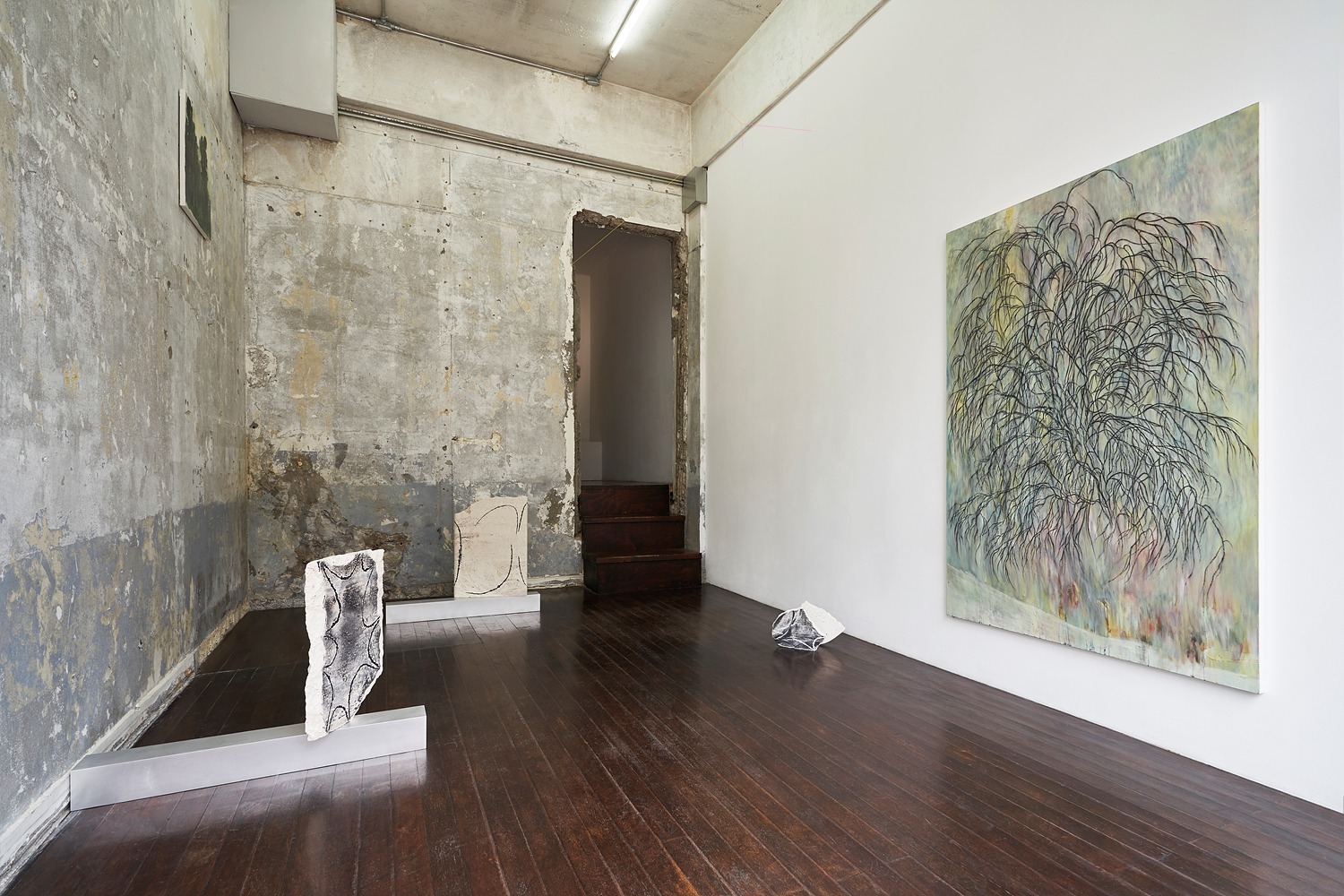
Yes. In this sense, I must say above all that Han Jin’s works are a kind of ‘trace’ or a revelation of ‘stains’ that uncovers the time of art that remains. It is in this very context that we can imagine the reason Han Jin named this series of works ‘Vexations’, which is also the title of a piece of music by Erik Satie. What does this title mean, ‘Vexations’? It is the feeling of being annoyed, puzzled or frustrated.
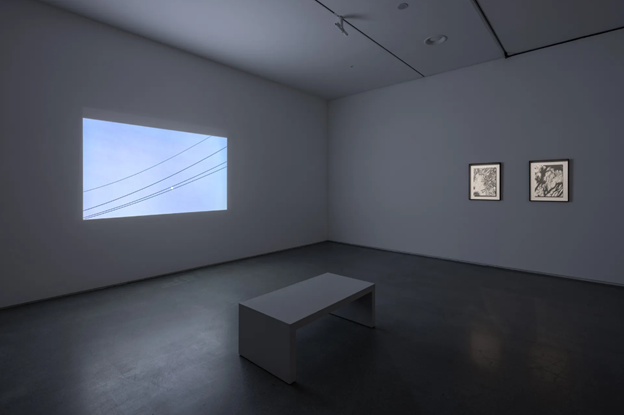
First, we can ask why Satie used this title for his musical work, which consists of just three lines (however, the musical notation indicates that the piece should be played/repeated 840 times). I already said that we tend not to perceive temporal change in the visual arts. In the field of music, in contrast, we tend (and even want) to be keen observers of temporal changes. However, is music really a form of time like that?
Or, if we change the wording of the question, do we always sense and accept music as this kind of temporal form? Rather, don’t we have to say that visual art is a form that is more adept at showing us the visual changes in its temporal dimension, regardless of its apparently fixed figure? Or must we say that no form of art can be thought or perceived of without the dimension of its temporal aspect, even when we cannot sense any temporal change in them?
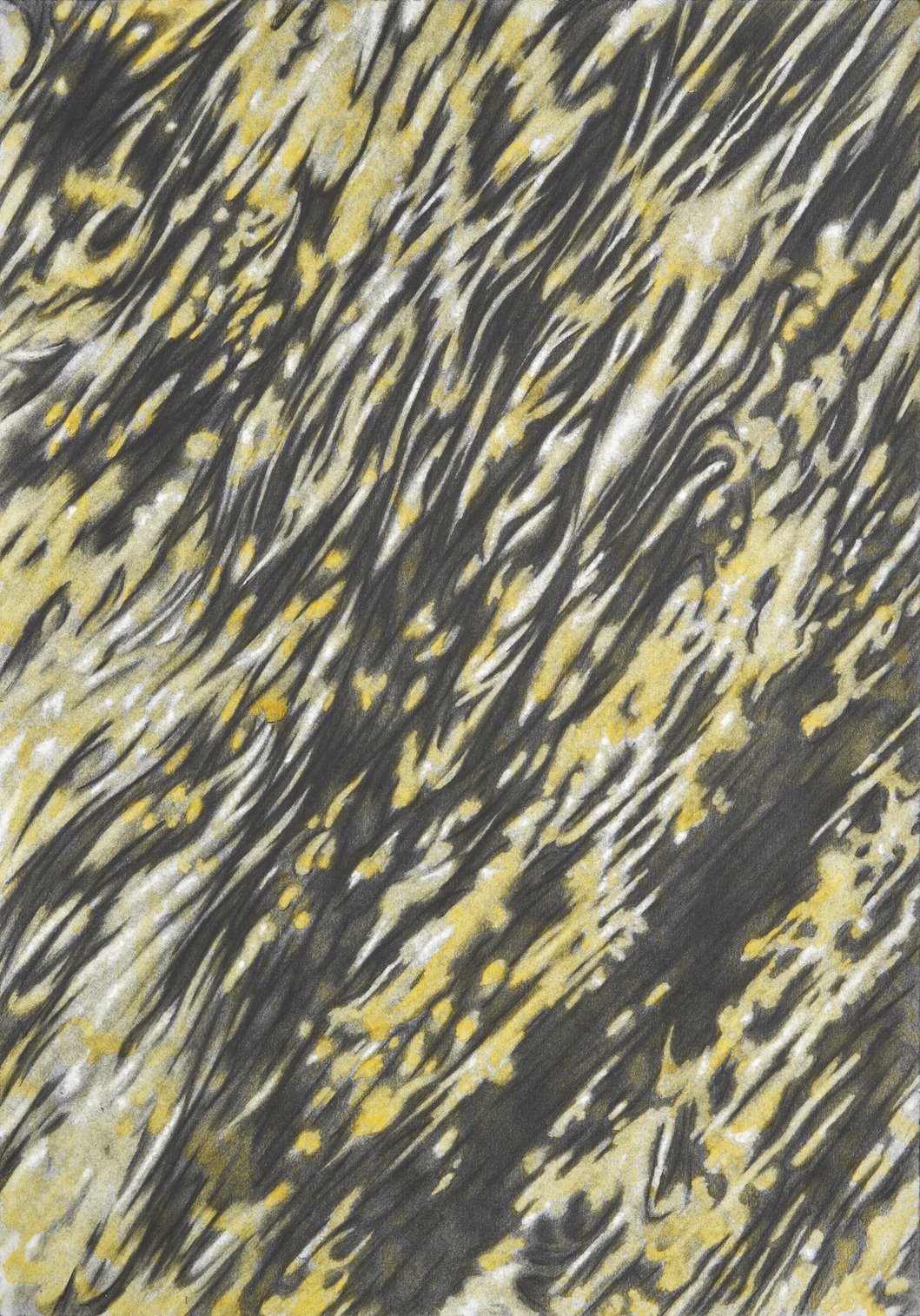
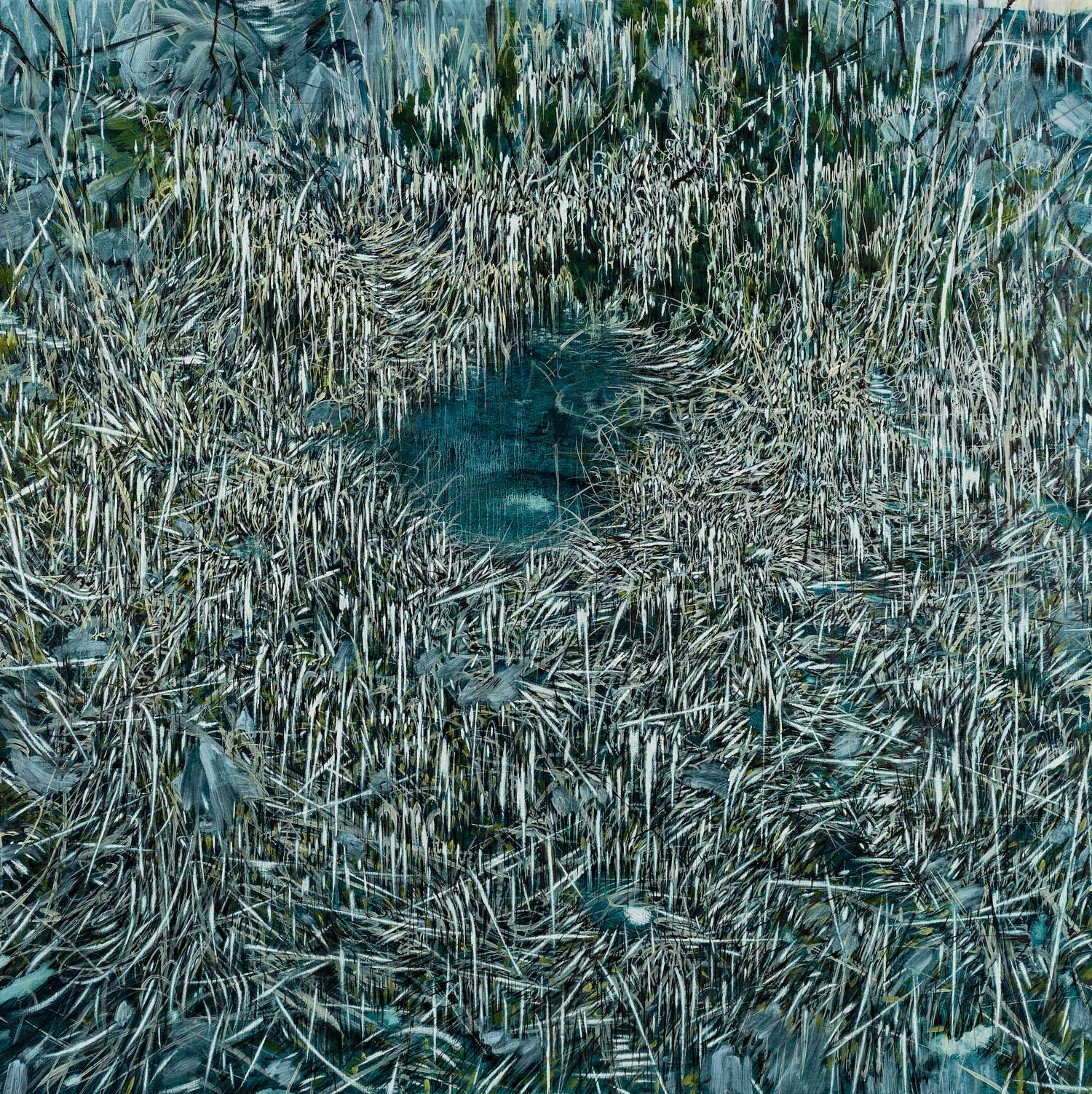
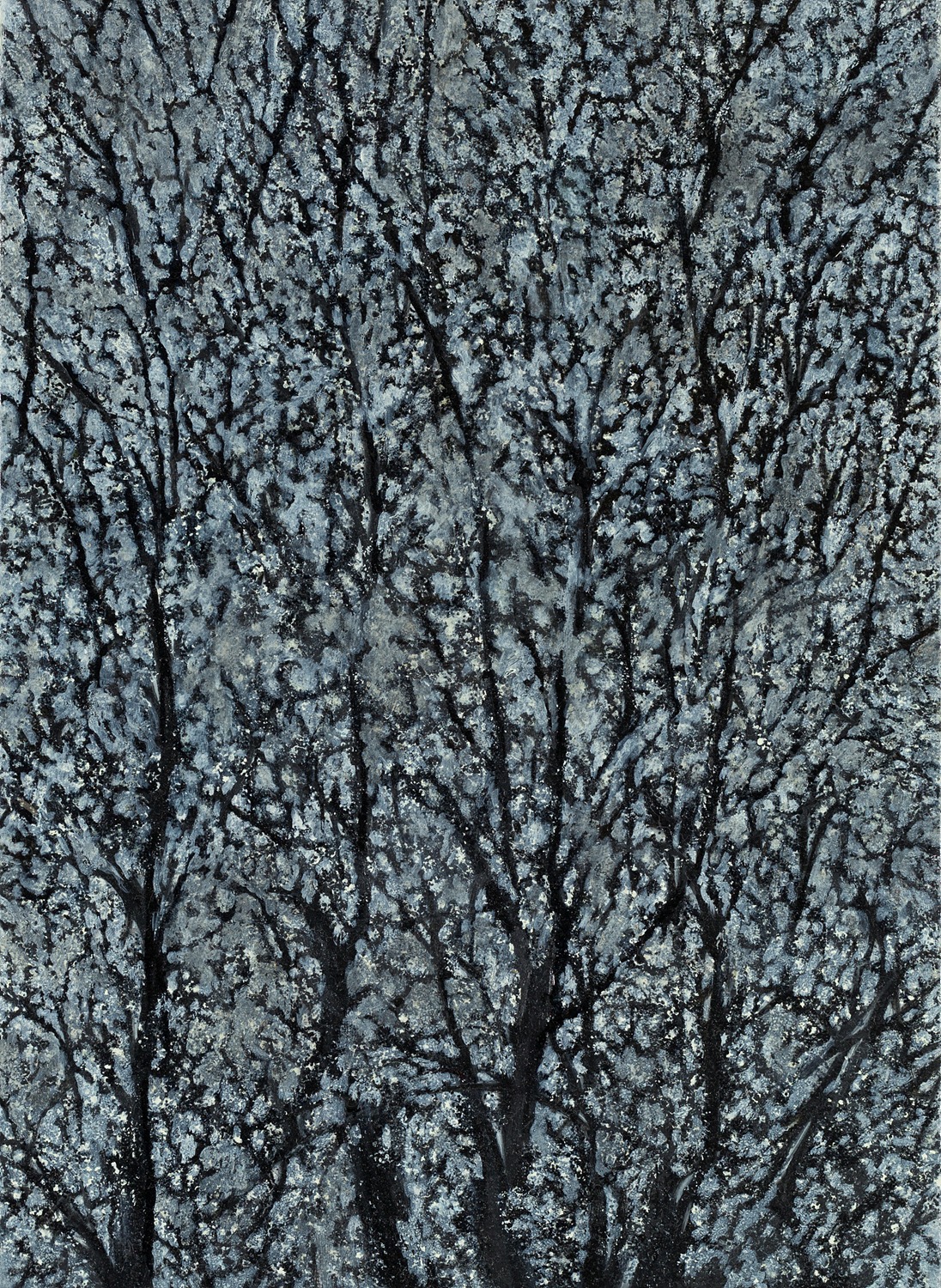
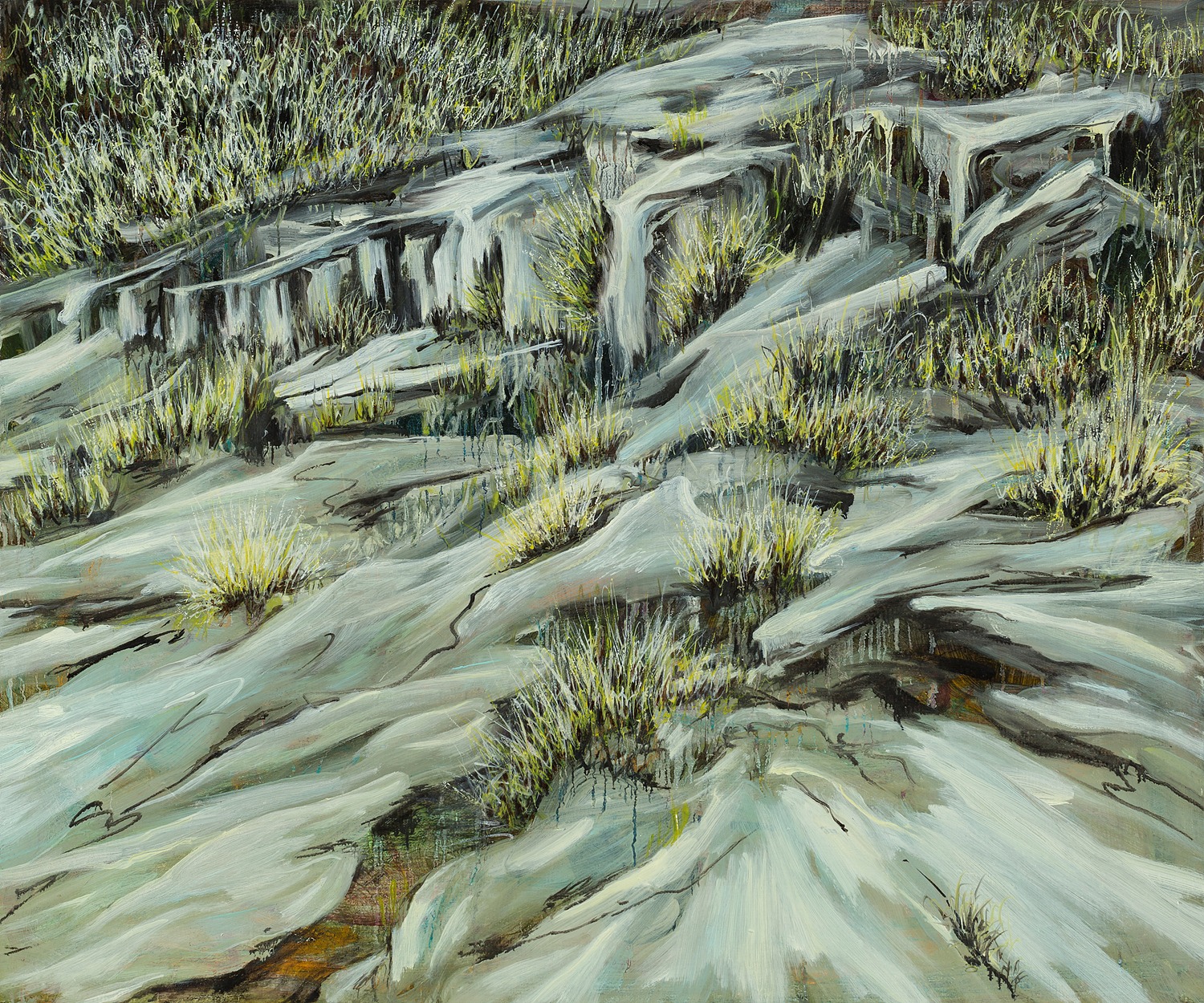
We must spend more time considering these questions. If we can say that Satie’s music is a vexation which makes us feel a temporal convection flowing slowly in its unchangeable changes, we can also say that Han Jin’s work is another vexation which paradoxically shows us a series of wiggling and stirring flows of art in its very fixed and arrested form, apparently deprived of all processes of change and only perceived as an unchangeable result. I also must say that this point clearly explains the moving ‘life’ of the ‘still life’ that her works contain.
4
The reason we perceive music as a temporal current is not only because of our direct sense of its flowing through time, but also because of the changes of musical unities and their articulations. But, in a sense, this kind of ‘natural’ temporal articulation seems to not exist in the field of visual art.
If so, what does it mean, and what can it mean, the art of making us ‘feel’ this kind of temporal articulation in the art itself, even by a (plane and plain) painting or drawing and by its monochromatic and minimalistic form?
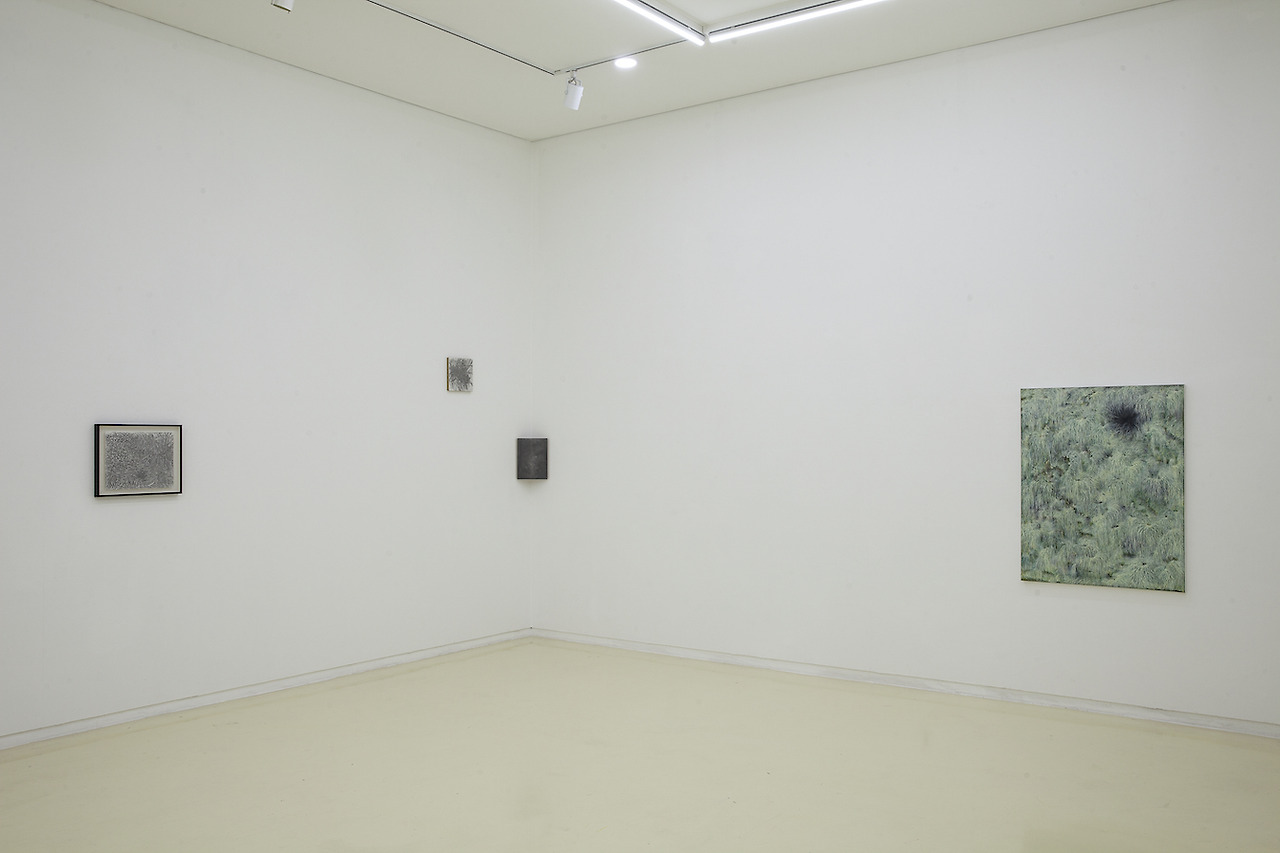
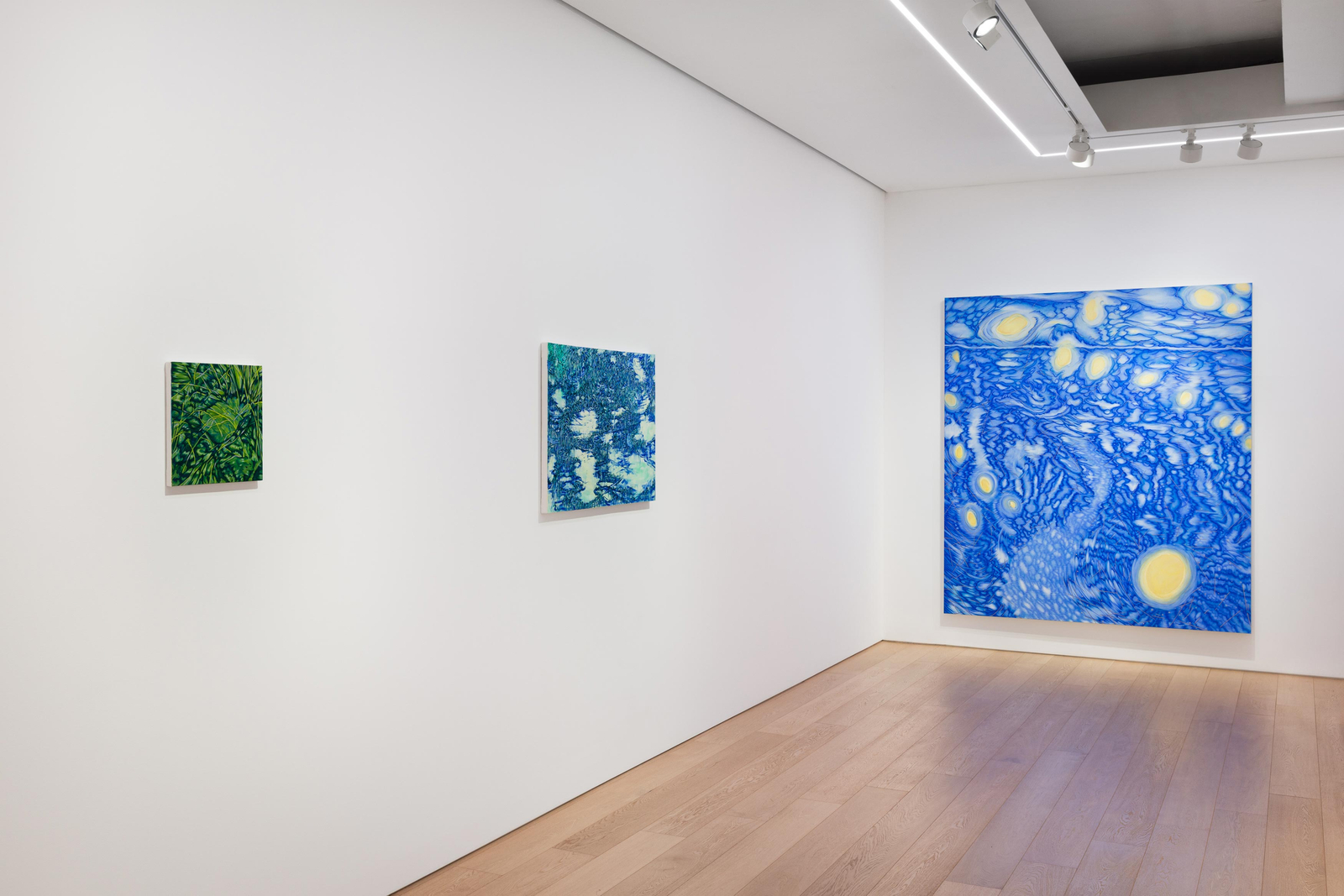
And it’s in this context that I wish to introduce the concepts ‘a stain of time’ and ‘a trace of a process’ as philosophical/hermeneutical tools for interpreting the works of Han Jin because the plane screens exhibited as a whole image by her works refuse to stay in a fixed and arrested visual scene as a mere result.
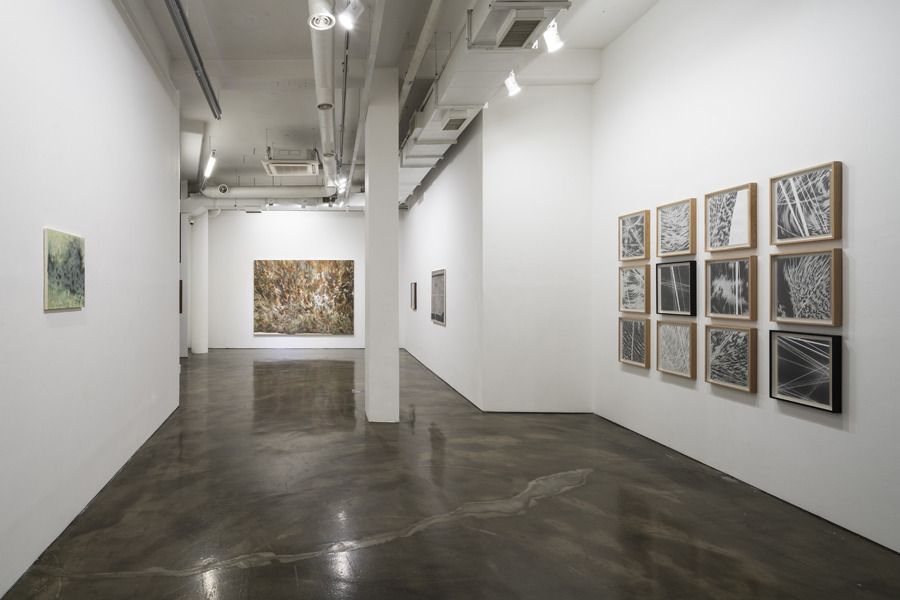
Visual art shows us another changeable articulation of time that is composed of multi- layered, non-temporal gazes of the present instead of the articulations of the temporally flowing phrases in music. The changeable flow of the lines which are simultaneously drawn and erased and the trace of the processes which simultaneously appear and disappear between white and black, with and without colors, paradoxically show us their moving melodies and rhythms deleted in their very fixed scene.
I want to call this work by Han Jin both a ‘vexation’ and a ‘convection’, which reveals art as a ‘temporal’ form of appearance and disappearance and even a ‘musical’ form of birth and extinction.
This process enables us to feel a kind of fundamental ‘vexation’ or ‘convection’ which keeps on reminding us of the temporal expansion of visuality and the musical change of art because it is an artistic challenge and a visual attempt to make us ‘annoyed’ or ‘frustrated’ by reminding us of the paradox that in these fixed scenes we must observe the flowing process of temporal movements and changes in every moment’s gaze which always refuses to stay fixed in the very scenes. That is, art approaches us as a form of time and in its own non-temporality.
5
Regardless of our past prejudice that a work of art presents itself as an unchangeable, fixed result in front of us, through this process, the musical gaze in Han Jin’s works, which changes our eyes into ears by the flow of melodies and rhythms, becomes a form of time which shows us that this kind of art is an improvisation which is repeated and renewed at every moment by the multi-layered juxtapositions/superpositions of accumulated and variated processes.
This kind of art paradoxically expresses a certain possibility that reveals the impossibility of this improvisation which the gazes play. So, the question that Han Jin’s works ask us is the very point at the boundary between the visual and the audible, the division between art and music, or the coexistence of stop and flow and suspension and movement in time.
Can we call this a realization of music through art or a visualization of temporal rhythm in art? Furthermore, don’t the questions about this artistic process also become fundamental questions, such as, ‘Where is the end of the work itself?’ ‘What can we call the accomplishment of a work?’
And, ‘Can a work of art “close” itself by deciding its own beginning and end?’ In this context, art becomes a form which can be ‘closed’ only by reminding us of its continuously ‘open’ temporality.
6
If so, how can our gaze be repeated and variated as a kind of melody and rhythm and as an articulation of change? This is a fundamental question that can take us beyond the limits of these artistic questions; this question also demands from us an answer regarding the possibility of another visuality in the movement of fixed works and of other forms of musicality in the arrested scenes of temporal processes.
Indeed, I can confidently say that this is the ‘question mark’ that Han Jin’s works present to us through the visual ‘melodies’ and empty ‘rhythms’ of their lines and margins. Satie’s music proposes us to play a melody that is infinitely repeated without change yet is also perceived as different and renewed during every moment of this repetition.
In the same way, Han Jin’s works capture the traces and stains of time, as art and by art, which paradoxically appear in the clearest form in their disappearance, in the movement of the stopped and in the stop of the moving. They disappear through their appearance, and they are released by capturing themselves.
As simultaneously presence and absence, appearance and disappearance, stop and flow and suspension and movement, these works demand us to visualize time, that is, to realize the possibility of escaping from the temporally fossilized stop, rather by showing a kind of ‘impossibility’ of the layers of various traces of time.
7
So, at this point, I can again ask another/the same question: Where does a work of art begin and where does it end? When does our way of seeing a work begin and when does it end? And by the way, weren’t these two spatial/ temporal interrogative words – “where” and “when” – the same two faces of the same question?
Therefore, the real core of the audibly visible and non-temporally temporal question that Han Jin’s works ask us is contained in another fundamental question about our concepts of process and result or accomplished and unfinished states of the work itself. In this question, we can see an in-between space, maybe a crack. Something appears and disappears in this crack.
This crack, as another name for the traces or the stains of time, is proof of the presence/absence of the works because time can show its own change in the stop by this crack, because the lines in the drawings, which seem apparently fixed as an unmoving result, are the moving stains of time that make us listen to their temporal melodies rather in their own fixed form, and because the full and empty space in paintings, which apparently looks like an unchangeable end, is the changeable trace that makes us feel its own musical rhythm in the very form of this crack as a division.
So, all the effects of this crack that Han Jin’s works show us are the traces of this ‘time exercise’ and the stains of this ‘in-between space’. In this sense, the artistic core of her works is the impossibility of these traces’ presence/absence and the paradox of the visual/musical possibility contained within this impossibility. It exists in its own disappearance, and it appears in its own absence.