Whenever I write, I encounter the same obstacle: how much of myself to reveal—or erase. Being a rather self-conscious person, whenever I attempt to address something I consider important, I tend to retreat and hide behind the illusion of a neutral voice.

Today, however, I want to expose a little more of my inner self. This is partly because the story I am now putting down on the page simply cannot continue if I conceal myself, and partly because an artist I recently met gave me the courage to tell my own story.

Jeju is my hometown, and whenever I return home, I encounter a peculiar public-service advertisement encouraging people to have their blood drawn. One might easily assume that it was produced in response to Korea’s shortage of blood supplies, but that is not the case. It asks people to provide blood samples so that the remains of victims of the Jeju 4·3 can be identified.

In other words, I am someone encouraged to provide my genetic information so that those killed by state violence may finally, after such a long delay, be laid to rest. My blood is not simply a fluid that constitutes my body; it is also a material repository of information that remembers a history of suffering.
My blood is an extension of the vast amount of blood spilled through state violence, evidence that I am biologically related to those who suffered. At the same time, it is blood that the state once again asks an individual to shed in order to uncover the truth of a massacre committed by the state itself.

When I consider how many forces of governance and power reach into my blood and my body, it seems remarkable that my heart still manages to circulate blood throughout me as though nothing were wrong.

The story once again drifts into personal experience.

I once attended an academic presentation on the Jeju 4·3 Art Festival. During the discussion following the presentation, I heard someone say that whenever they visited Jeju, they sensed a peculiar gloominess among its people. A peculiar gloominess. It is a phrase I have often encountered in criticism of Jeju’s modern and contemporary art, particularly art concerning the Jeju 4·3. I will not deny it.

My hometown possesses both a nature and a history that are brutal, intense, painful, and harsh. Yet these are not the only emotions that come to mind when I think of home. Despite having been othered and reduced to particular images for centuries, Jeju has a life that belongs to Jeju itself.

Like my own blood, the pain inflicted by the state does not stop but continues to flow, and many of Jeju’s children observe ancestral rites on the same day each year. Even so, there is light there, there is affection, and there is a shared humanity that emerges from a shared experience of suffering.

Even when the state drives lives outside the boundaries of the community and pushes them toward death, life continues to exist beyond those boundaries. Life that persists even under extreme conditions creates a strange form of existence: one that remains alive while refusing to let go of death, linking death and life together.


The Voice of the Simbang


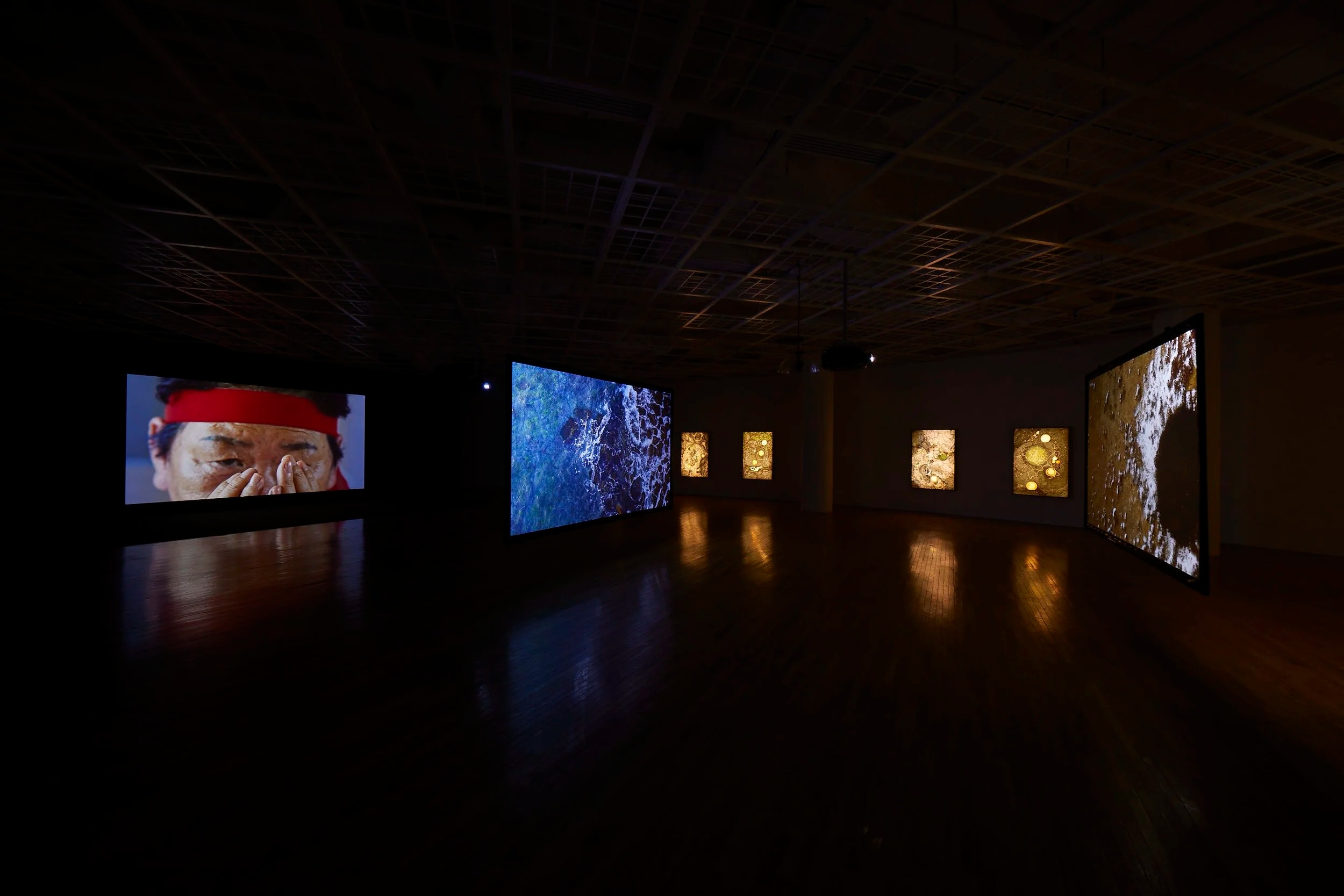
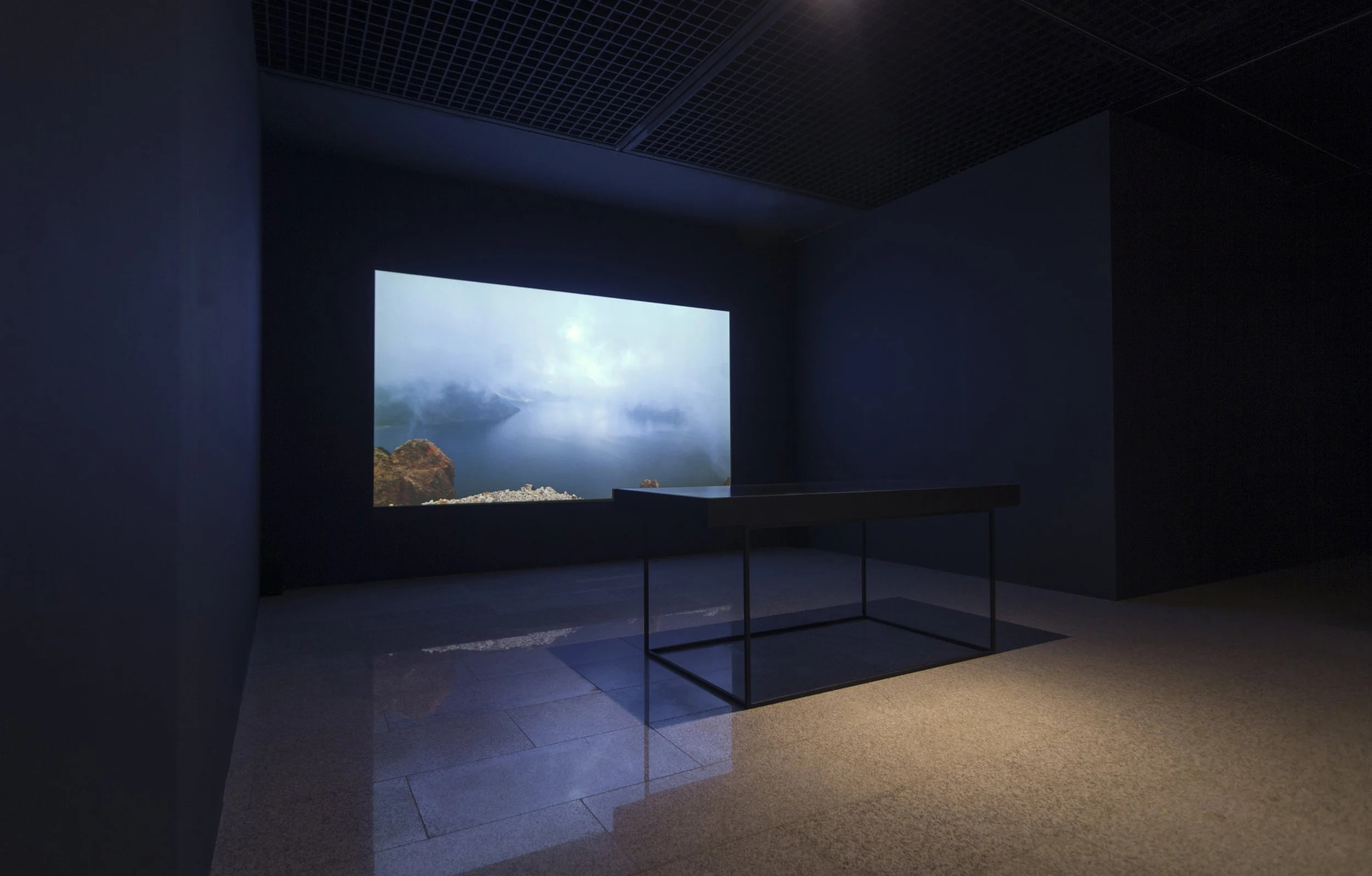
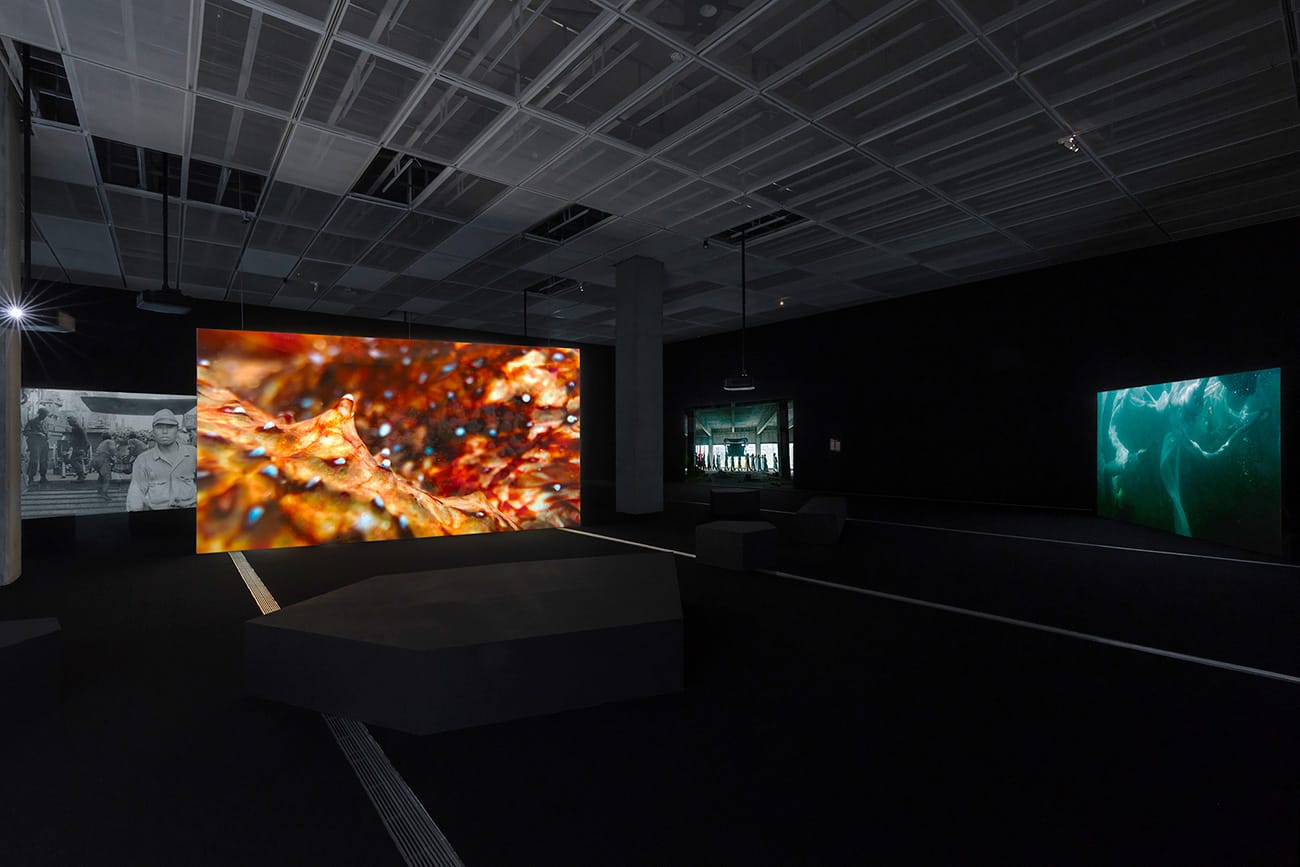
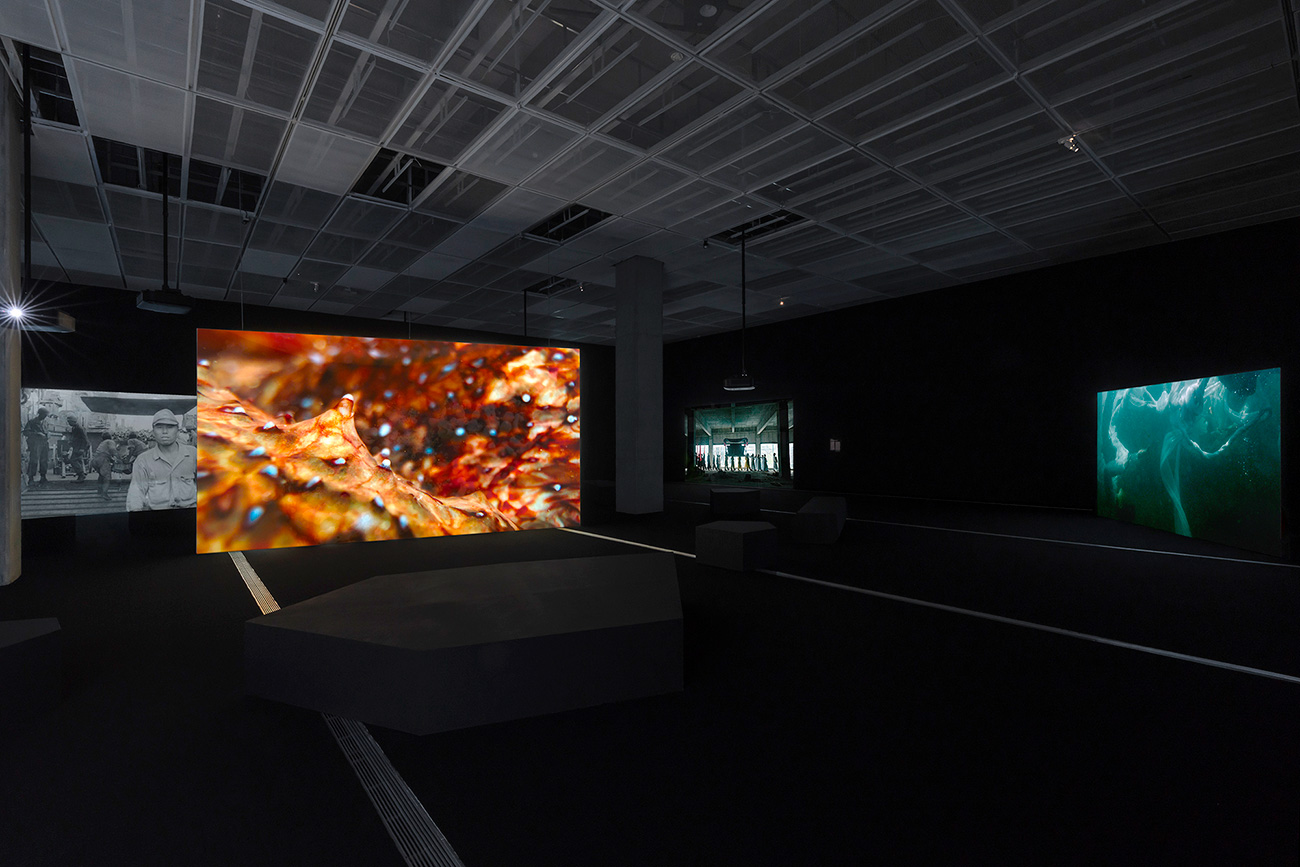
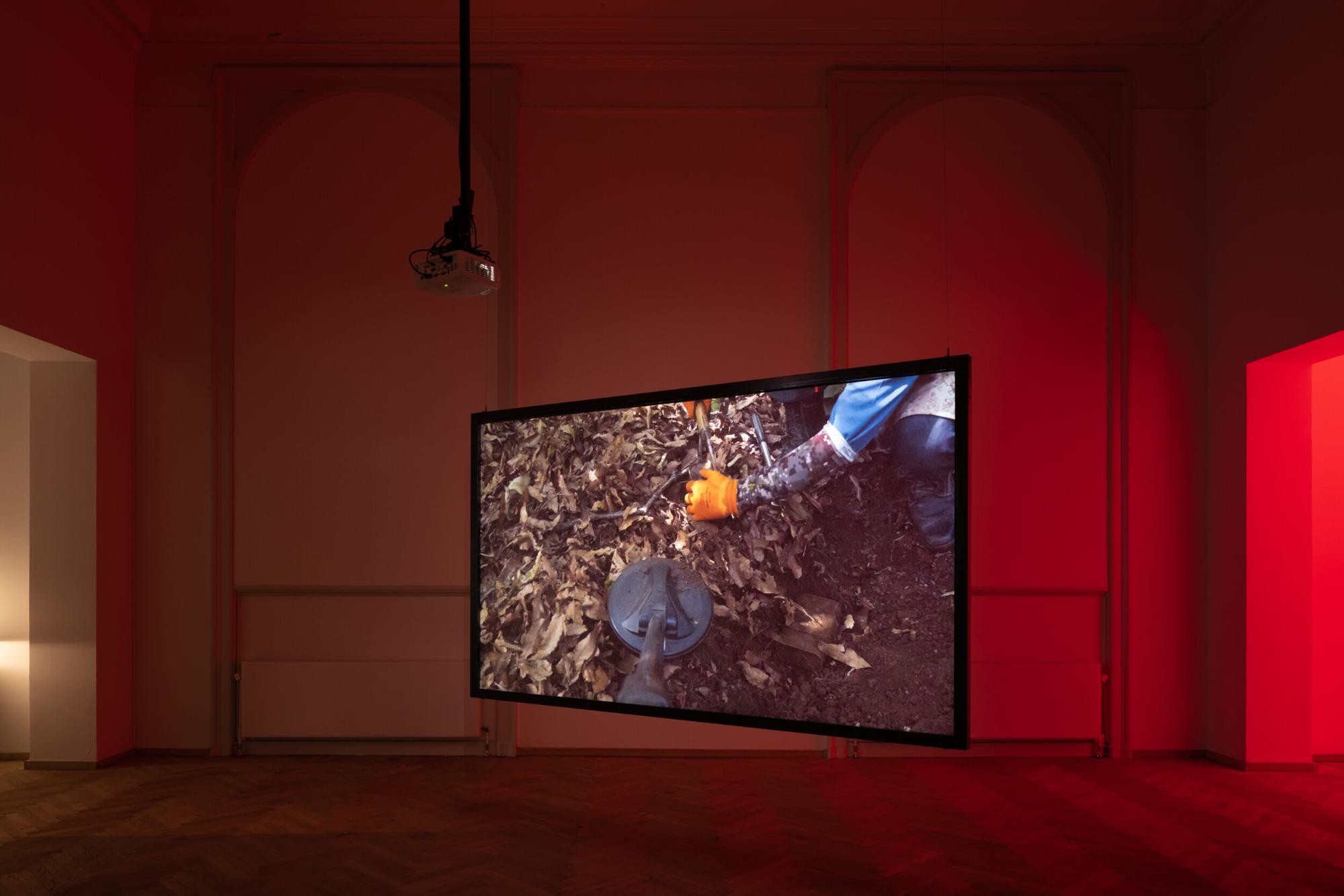
Installation view of 《Korea Artist Prize 2024》 © MMCA

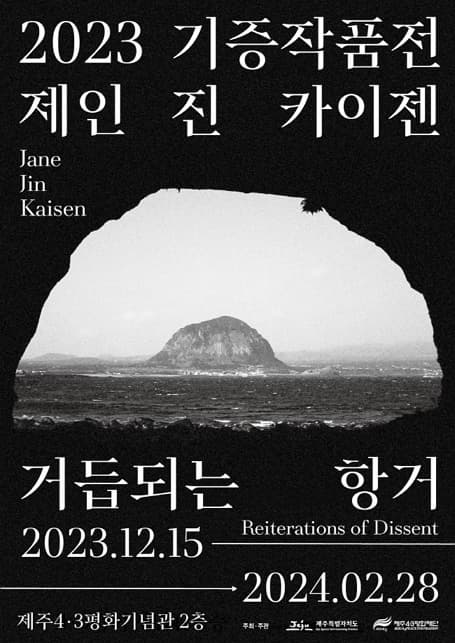
Jane Jin Kaisen’s ‘Ieodo (Island Beyond the Sea)’ was the final series presented in 《Korea Artist Prize》, held at the National Museum of Modern and Contemporary Art, Korea (MMCA) Seoul from October 2024 through March of this year.

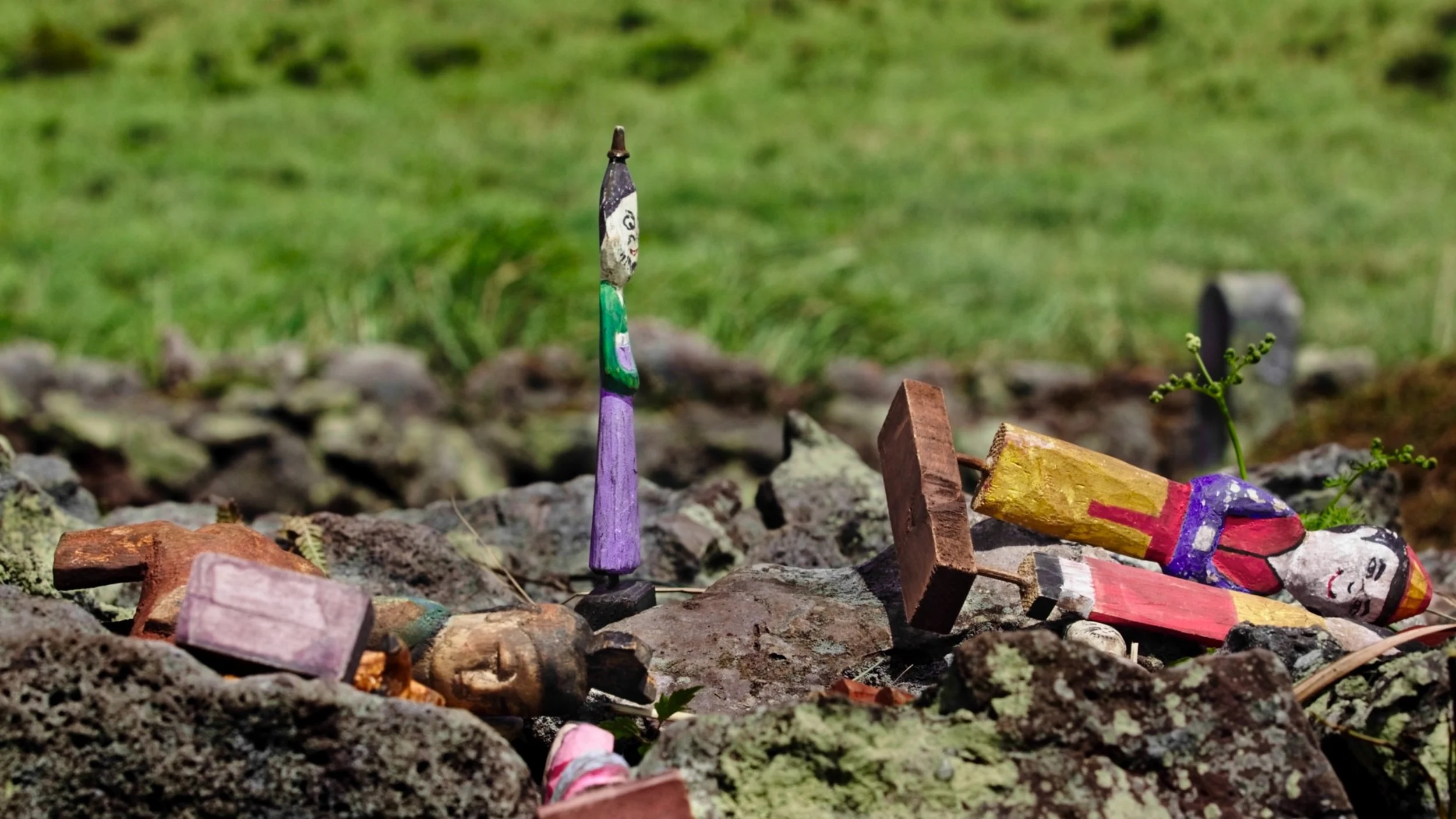
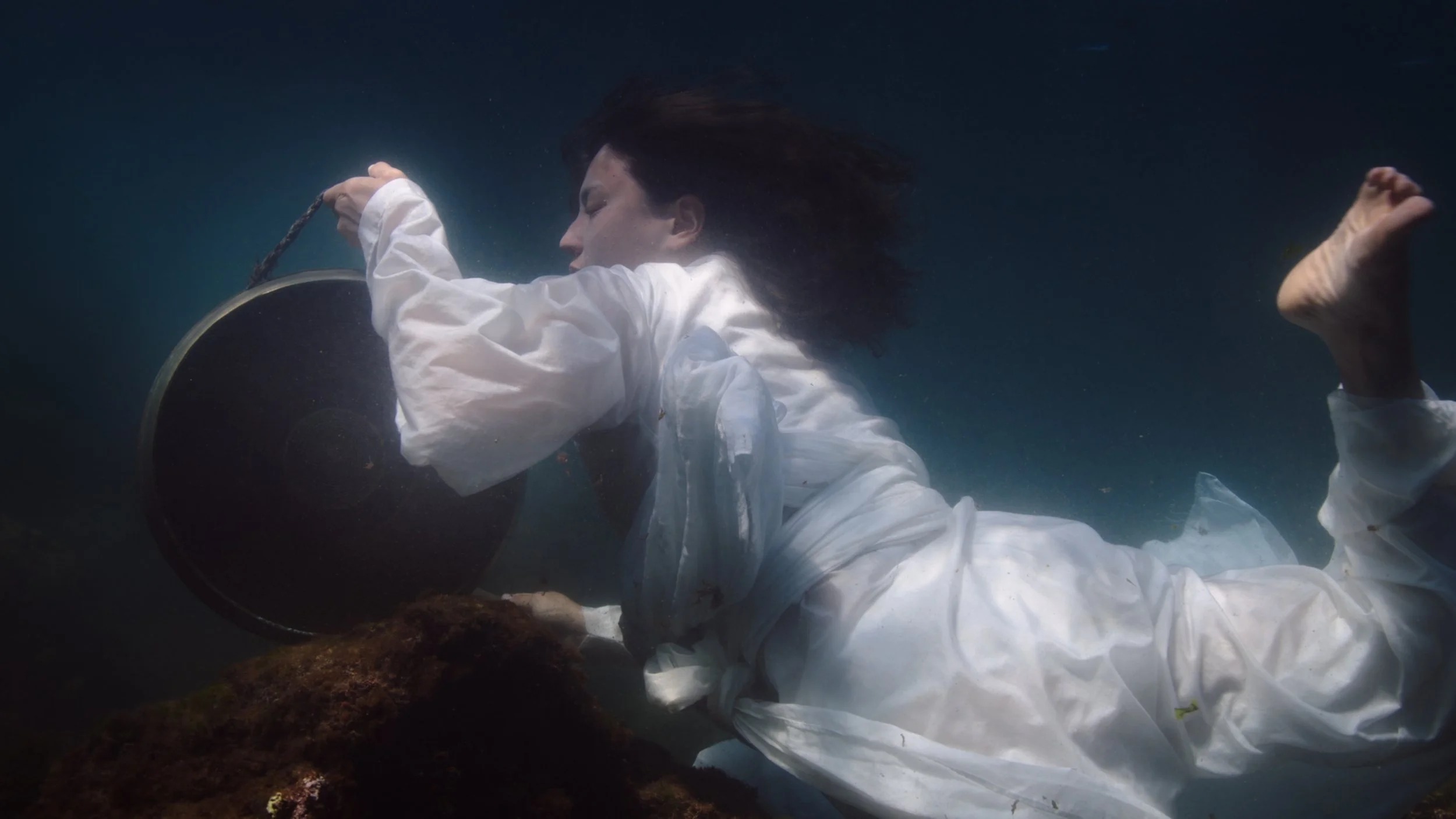
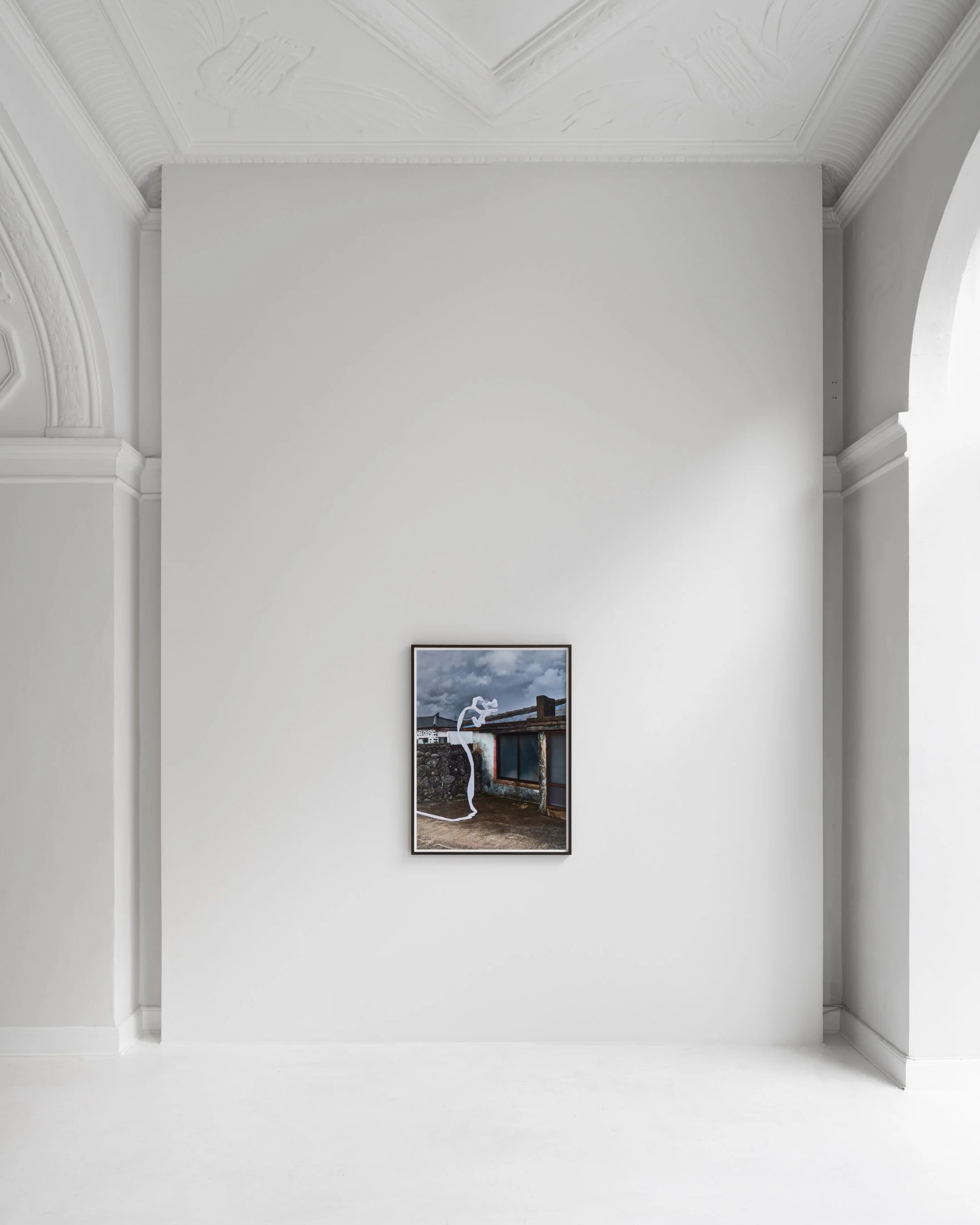
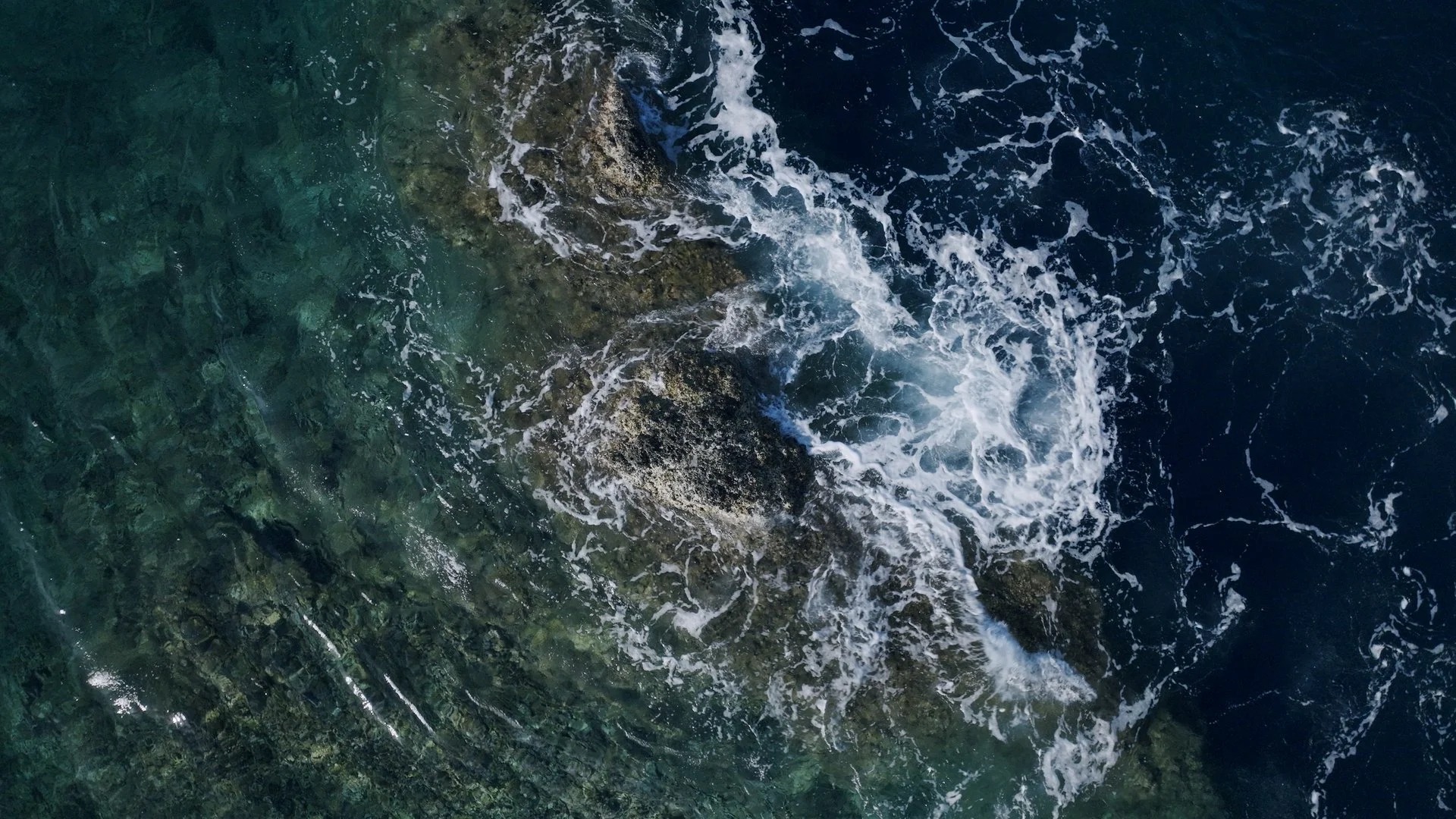
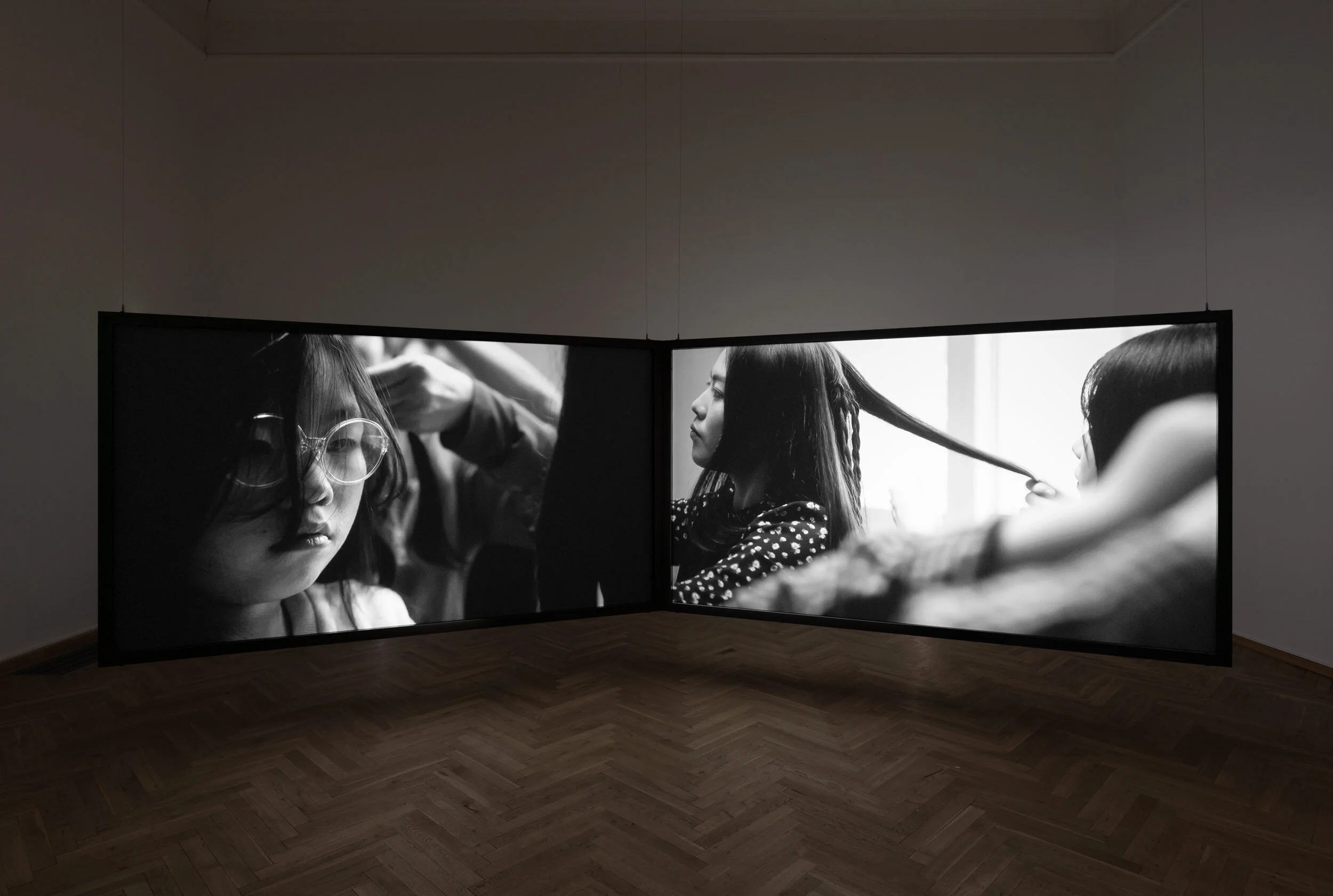
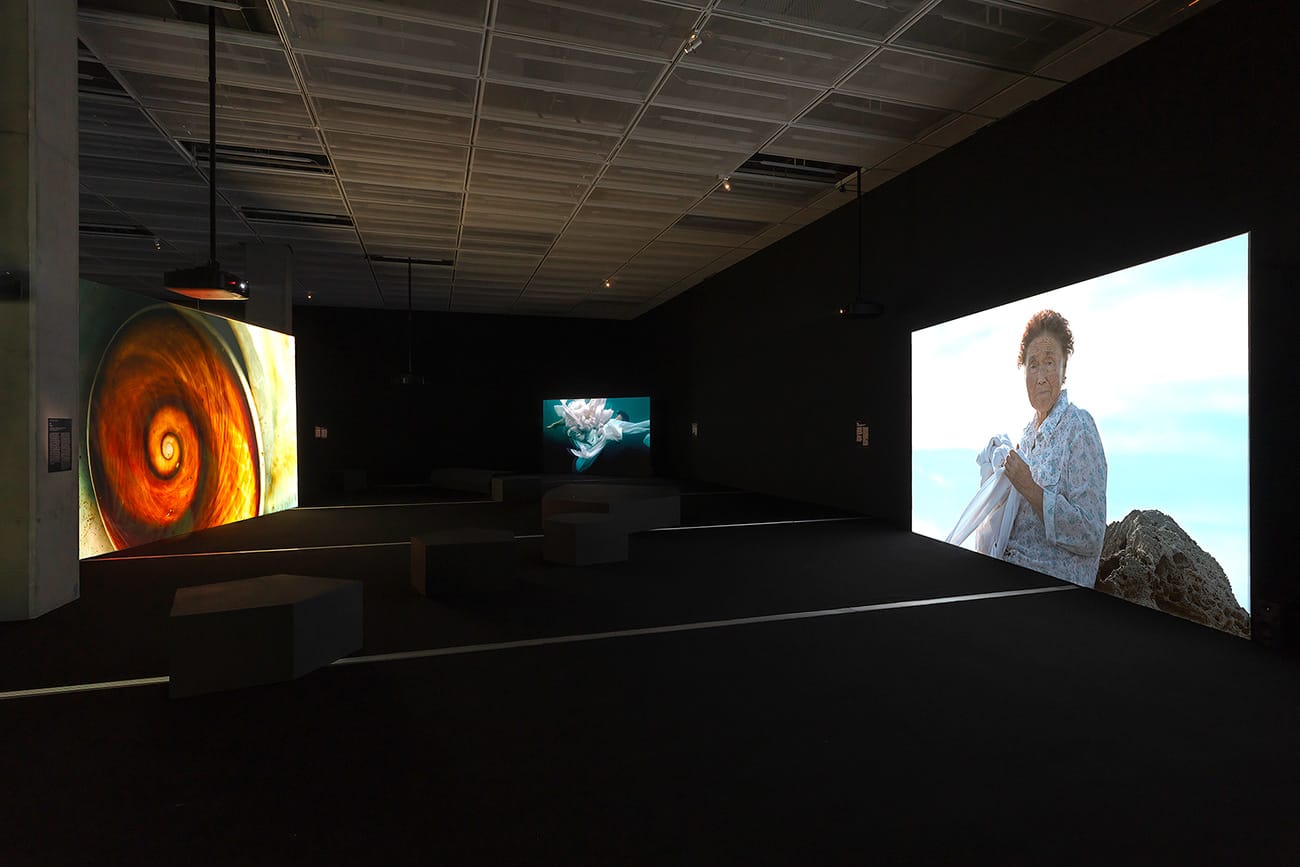
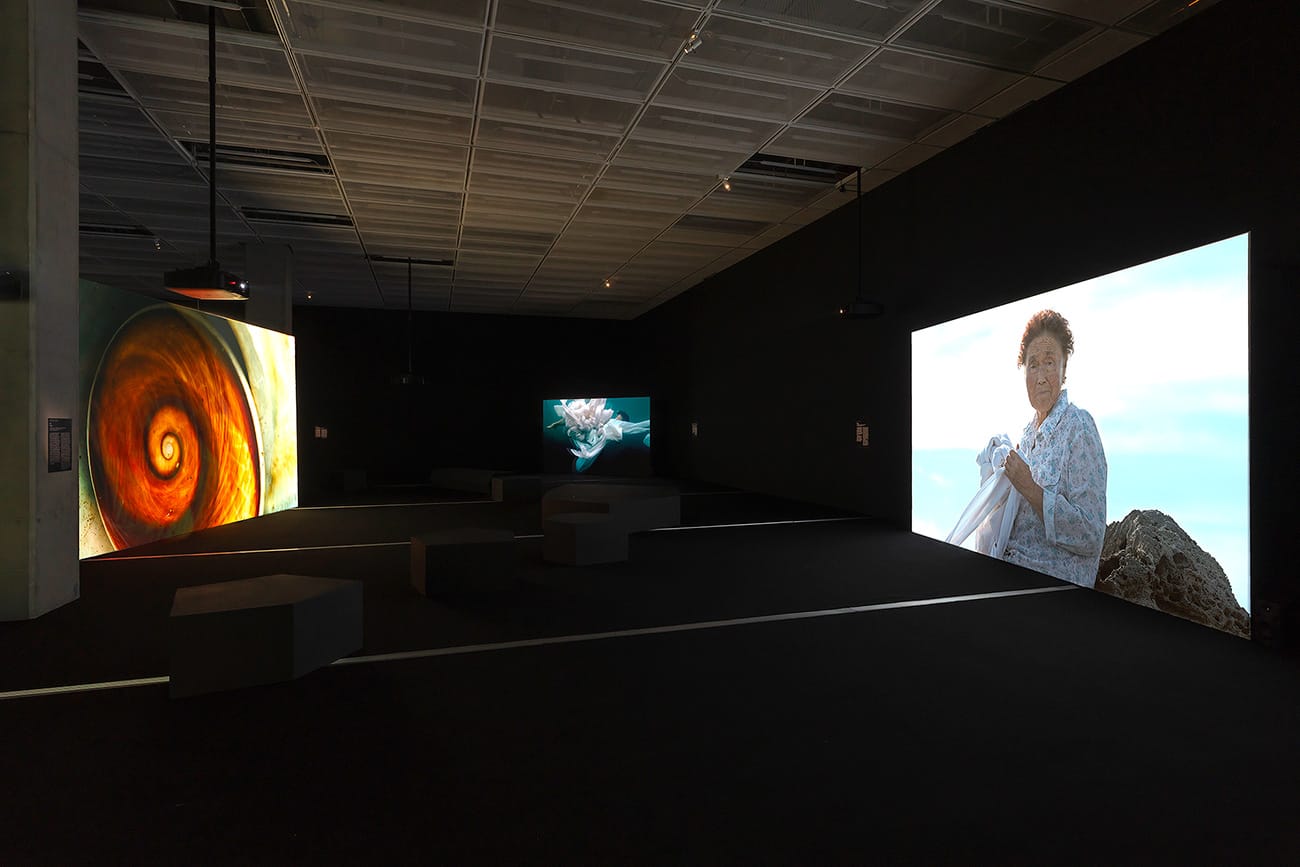
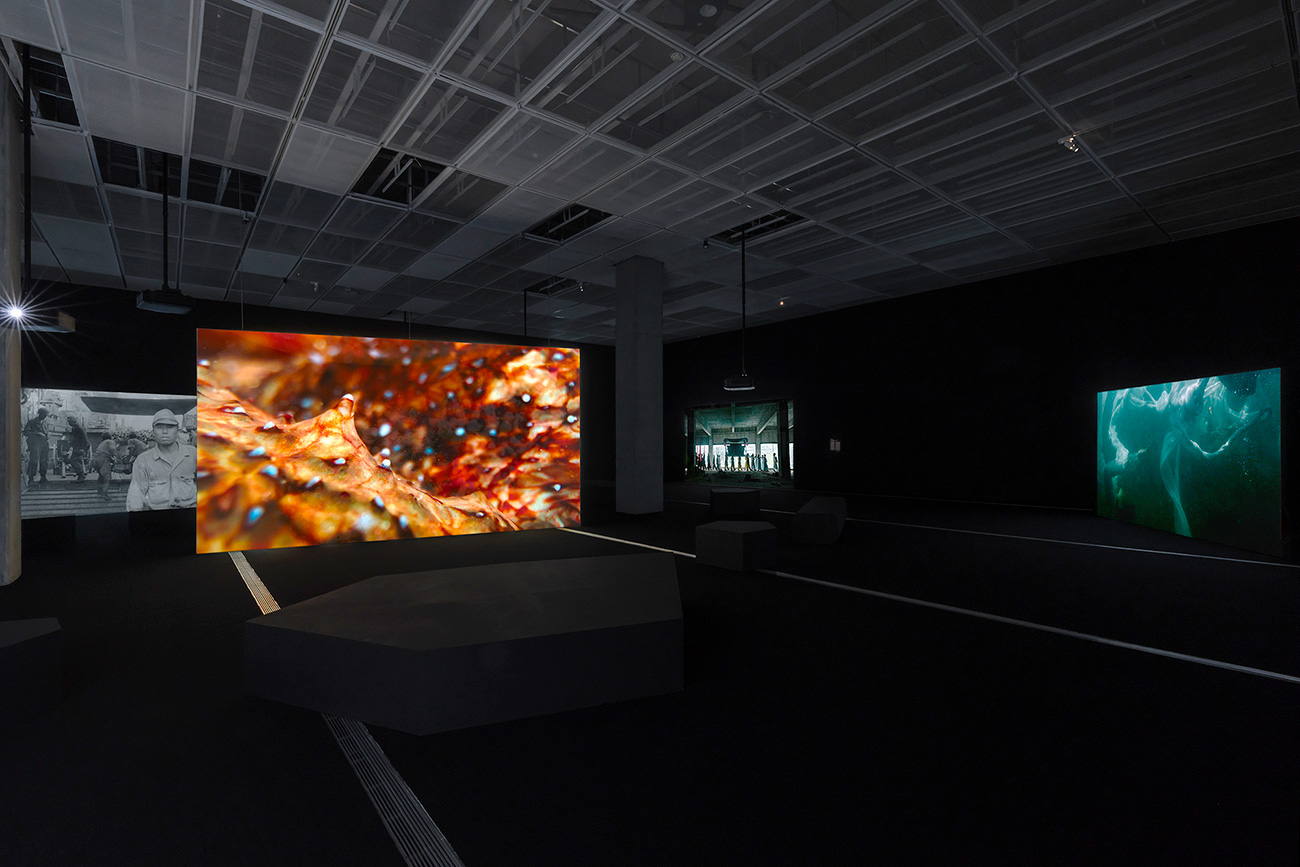
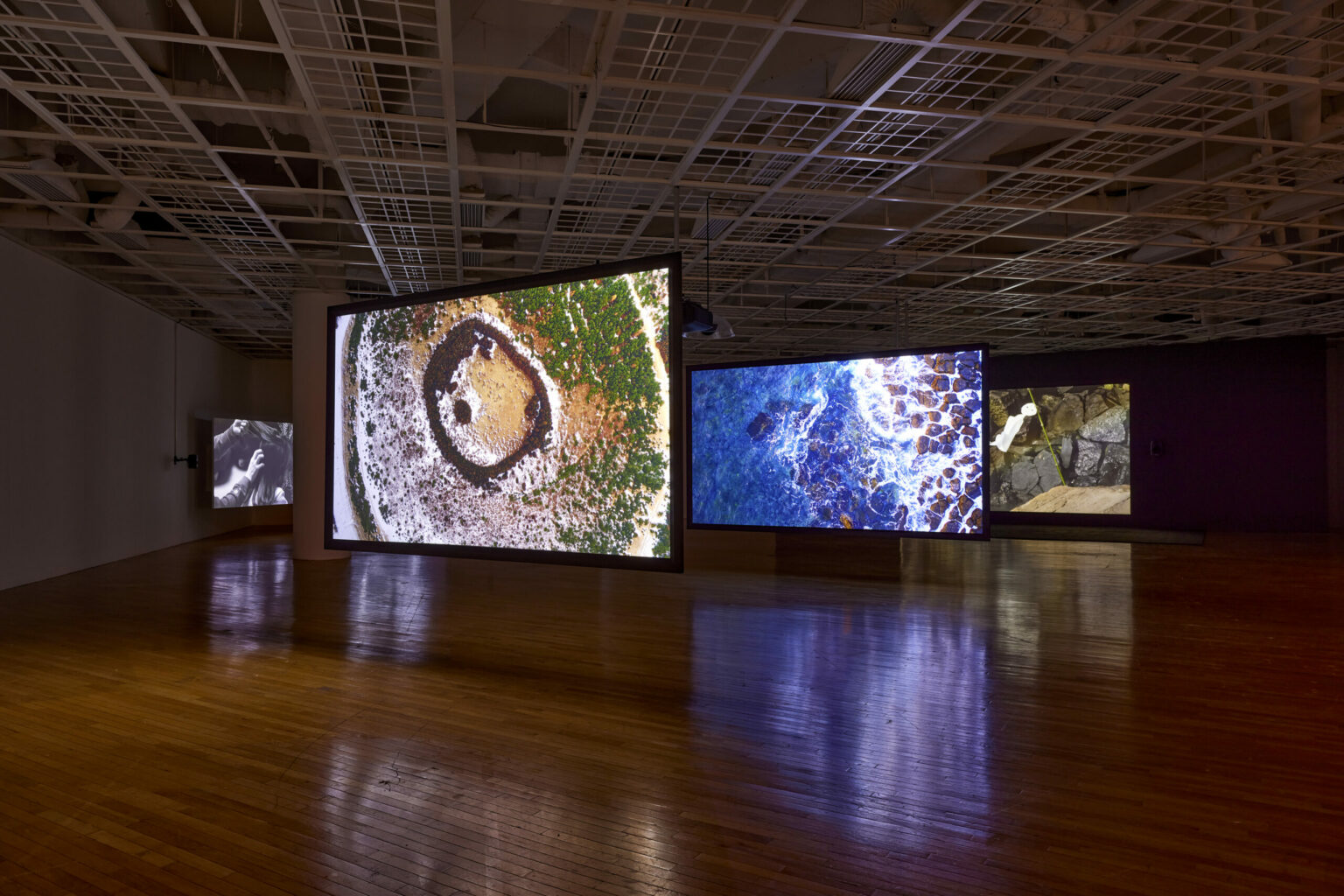
As soon as I entered the exhibition space of ‘Ieodo’, where seven moving-image works—Offering, Wreckage, Burial of This Order, Halmang, Guardians, Portal, and Core—were arranged in a spiral, the voice of simbang (shaman) Koh Sunahn immediately caught my ear.

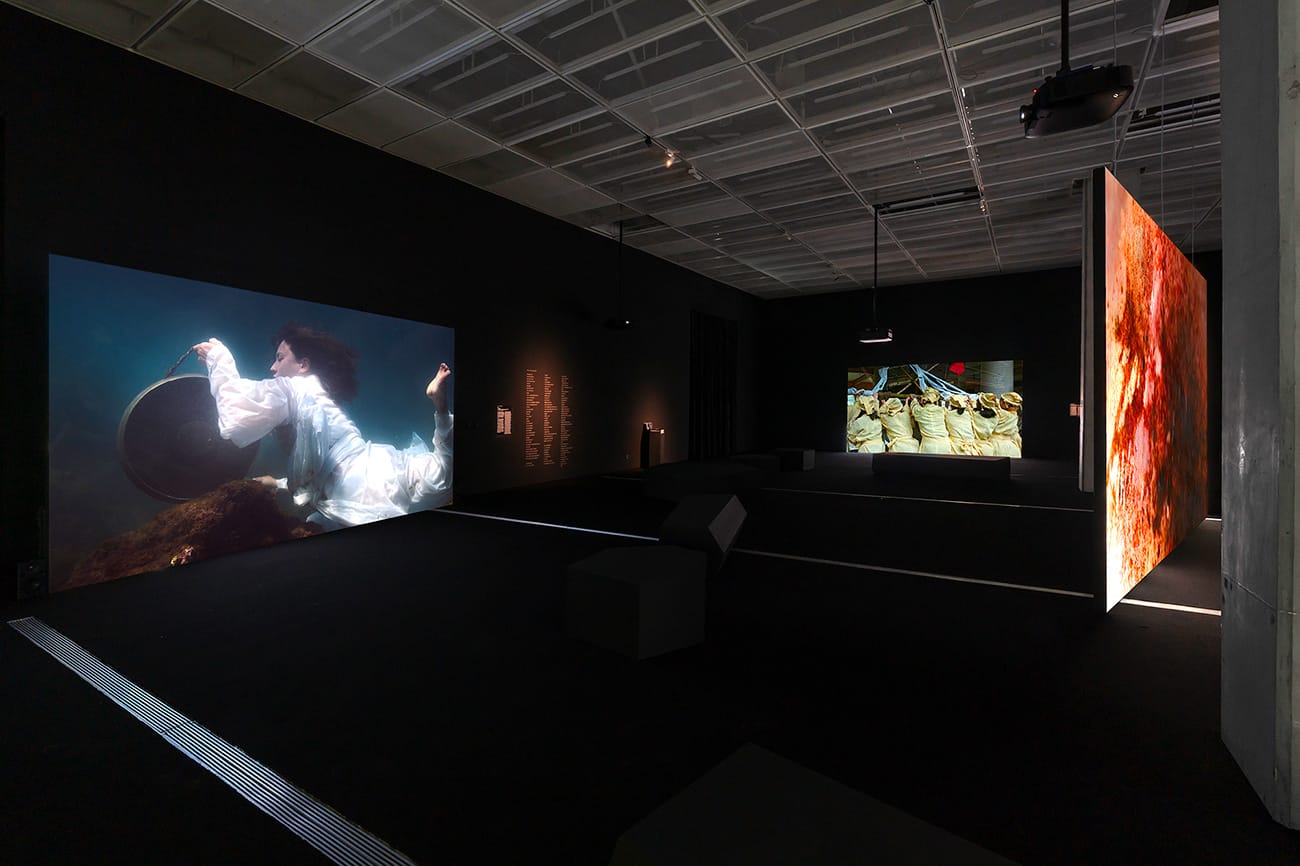
The shamanic song emanating from Wreckage speaks first to the sounds flowing from the other works, almost like a lead call in a call-and-response song. Figures who, like Koh Sunahn, connect death and life frequently appear in Jane Jin Kaisen’s work. Sung by a living body reaching out toward the dead, the shamanic song draws the voices of the victims up from the depths of the sea.


Installation view of 《Korea Artist Prize 2024》 © MMCA

I do not know how other viewers heard the shamanic song, but listening to it filled me with a peculiar feeling. Because the simbang, a survivor of the Jeju 4·3, gives voice to victims of the Jeju 4·3, his song is spoken in the Jeju language. Painful experiences pour forth without pause in a language that is almost impossible for speakers of standard Korean to understand.

I, too, was born and raised in Jeju, yet it is impossible for me to fully understand the Jeju language spoken by the generation that experienced the Jeju 4·3. Born after much of the Jeju language had already disappeared from everyday use on the island, I acquired it only vaguely through the generations before me, while growing up speaking standard Korean for most of my life except when conversing with them.

I wandered through the dark exhibition space, able to grasp only about seventy percent of the shamanic song, and even that only indistinctly. In a sense, this is precisely my position as someone from a generation that did not experience the Jeju 4·3. Born and raised in Jeju, I heard stories about it from adults from an early age and received historical education about the Jeju 4·3 at school, yet I can never become someone who experienced it firsthand. I exist somewhere between being directly implicated and being an outsider.

Koh Sunahn’s shamanic song, which does not register as transparent language to those who do not speak Jeju, once again reminds us that the Jeju 4·3 is a traumatic experience that resists being put into words. These voices cannot be clearly interpreted or transmitted. Yet it is precisely their obscurity and indistinctness that most clearly convey the circumstances of those who were victimized during the Jeju 4·3.

“For the 4·3 widows I met, the Jeju 4·3 was a phenomenon that was utterly incomprehensible. Residents of Village H, where I conducted fieldwork, said that the reality of the Jeju 4·3 was ‘because of the political situation.’ The Jeju 4·3 was an event in time and space in which the temporal continuity of village life was radically dismantled, relations among people within the village community came to a halt, and the village order became uncontrollable.”
— Eun-Shil Kim, “State Violence and Women: Jeju 4·3 as a Site of the Politics of Death,” 『Jeju 4·3 and History』, no. 18 (2018): 193.

As Professor Eun-Shil Kim describes in her article, for the victims of the Jeju 4·3, it was an unpredictable catastrophe beyond rational comprehension, an immense violence that suddenly engulfed them and everyone around them. One day, martial law was abruptly imposed on Jeju, and people were killed without knowing how or why it had been declared. Their suffering continued afterward.

In a society where anyone who spoke about the Jeju 4·3 could be condemned as a “communist,” those who found themselves unable to express their incomprehensible suffering even through a groan-like utterance ultimately pushed any articulation of the Jeju 4·3 further and further behind them, carrying on with their lives as time continued to flow.


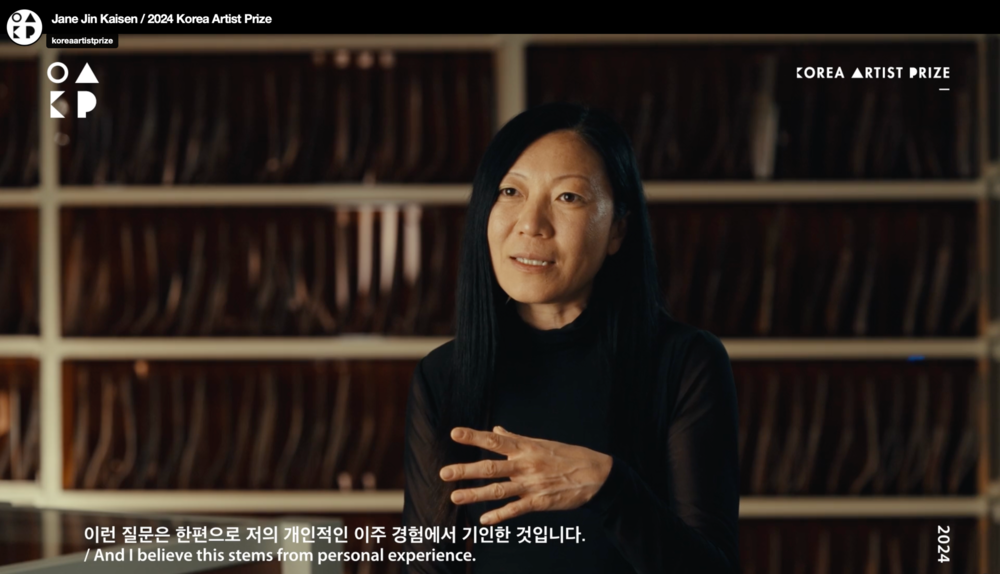
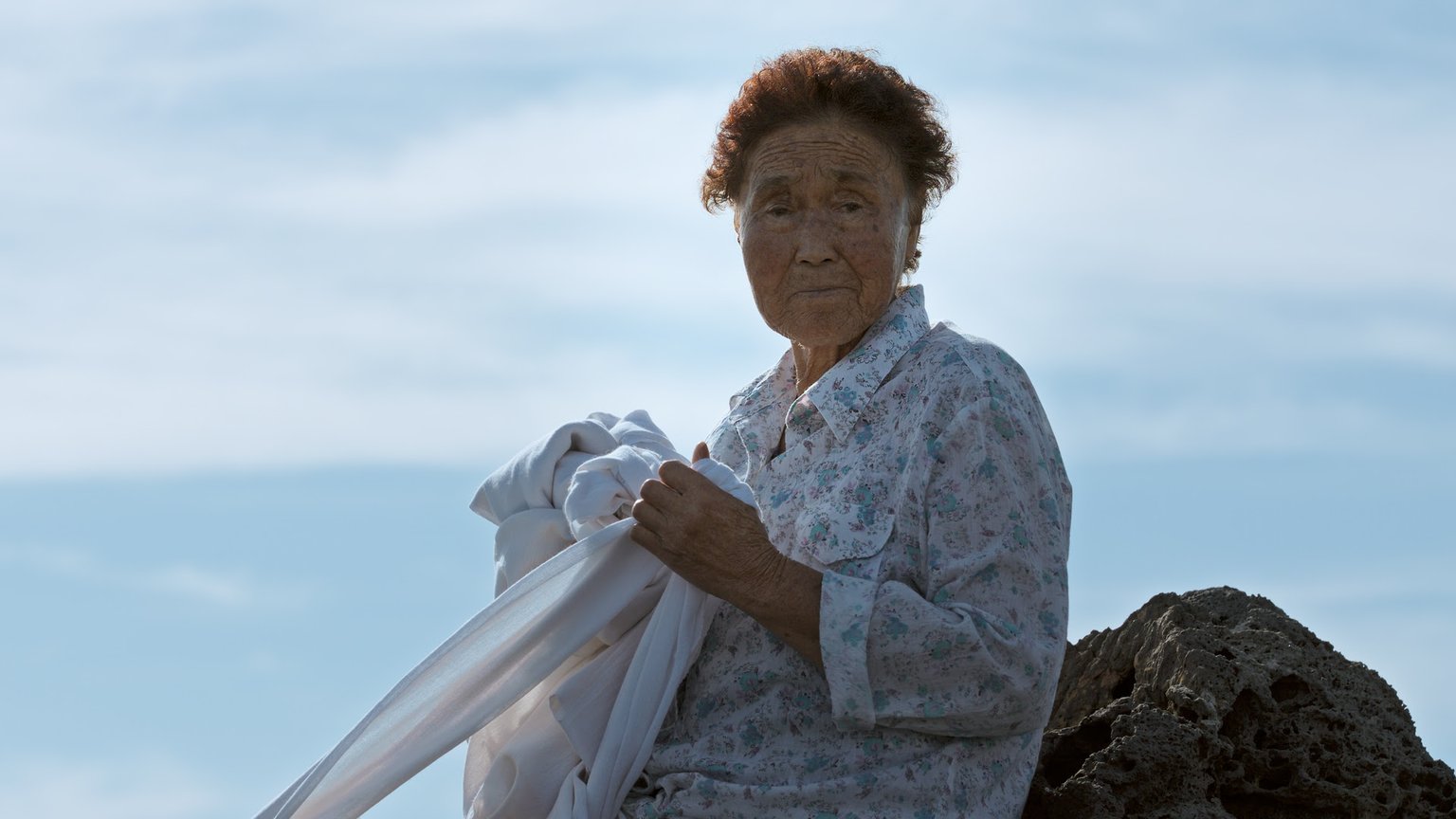
The Artist © Jane Jin Kaisen

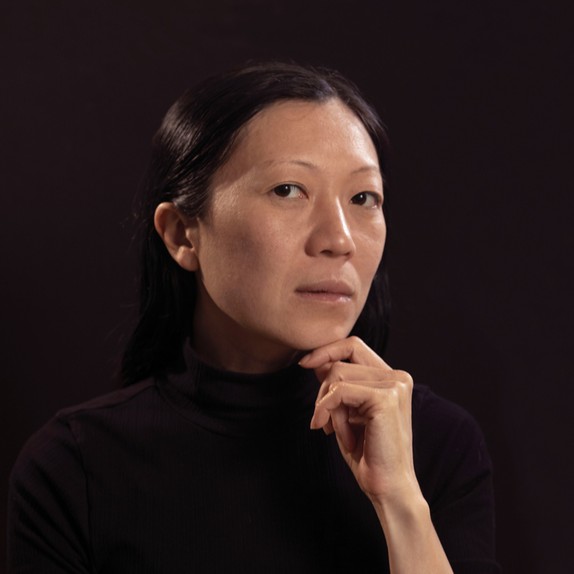
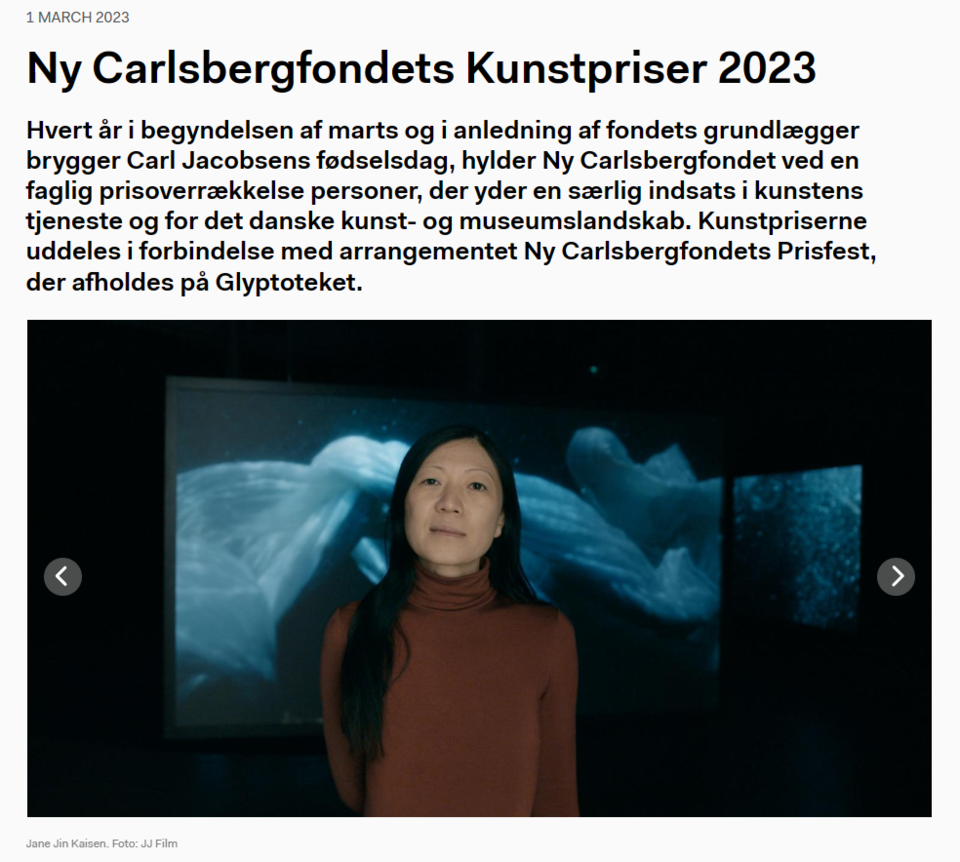
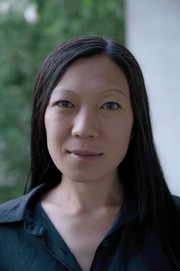
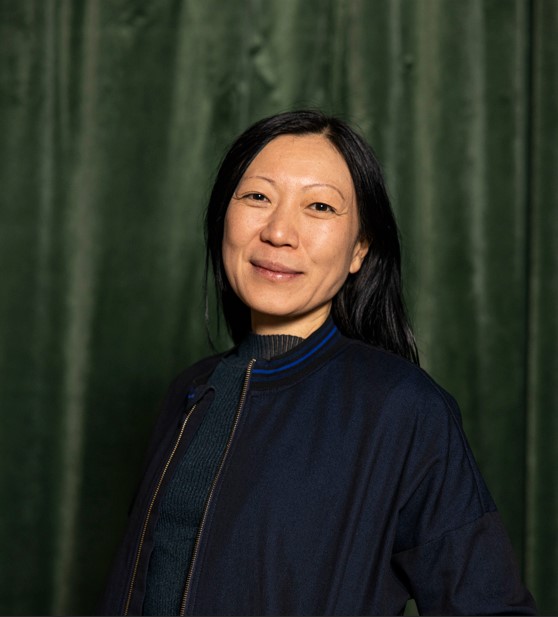
Jane Jin Kaisen was born in Jeju, adopted to Denmark, and raised there. She currently works between Copenhagen and Berlin. As an artist, she is not a speaker of the Jeju language either, and therefore cannot immediately understand Koh Sunahn’s shamanic songs upon hearing them.

Those who intervene in ‘Ieodo (Island Beyond the Sea)’ are separated by various cultural and generational differences, and because the work attends to the dialogues that unfold across these differences, delays in speech and interpretation inevitably arise within ‘Ieodo’. It is as though the stories of the victims of the Jeju 4·3, long preserved in silence, have continued to be passed further and further down through time.

Yet delays in memory and speech can also create the distance and opportunity necessary to somehow revive and represent immense suffering that exceeds the limits of human reason.

Unsurprisingly, I have never heard stories of the Jeju 4·3 directly from my grandparents. They lived for too many years in a time when speaking about the Jeju 4·3 was taboo. But I did hear its stories from my mother. I grew up listening to the stories she had pieced together and interpreted from fragmentary sounds that had escaped from her own mother and father. In a quiet voice, my mother explained to me just how arbitrary the massacres committed during the Jeju 4·3 had been.

“When your grandfather was a child, the villagers heard that soldiers were about to enter the village, and everyone panicked and scattered in different directions to flee. Your grandfather hid with some members of his family in an isolated house that became inaccessible when the tide came in. Everyone except those who had hidden in that house failed to return to the village alive. If your grandfather had fled somewhere else instead of to that house, neither you nor I would be here today.”

It was my mother who recovered the words lost somewhere between the realms of death and life, speaking in place of my grandparents, who had lost their voices over decades of enforced silence.

If Jane Jin Kaisen, as an artist, becomes a medium who mediates between the viewer and the victims of the Jeju 4·3, my mother, as the daughter of a survivor, became an interpreter connecting the victims and myself, someone unable to fully comprehend their words. Through this process, silence and reverberation can finally become stories, spreading outward rather than fading into the distance.


Stories spread outward, like ripples across water.

“I have always been drawn to the relationship between personal experience—that is, subjective experience—and larger collective historical processes. I think we all connect with history in our own unique ways. Each individual story matters, while at the same time those stories are connected to different layers of a larger narrative.”
—Excerpt from an interview with Jane Jin Kaisen for 《Korea Artist Prize》

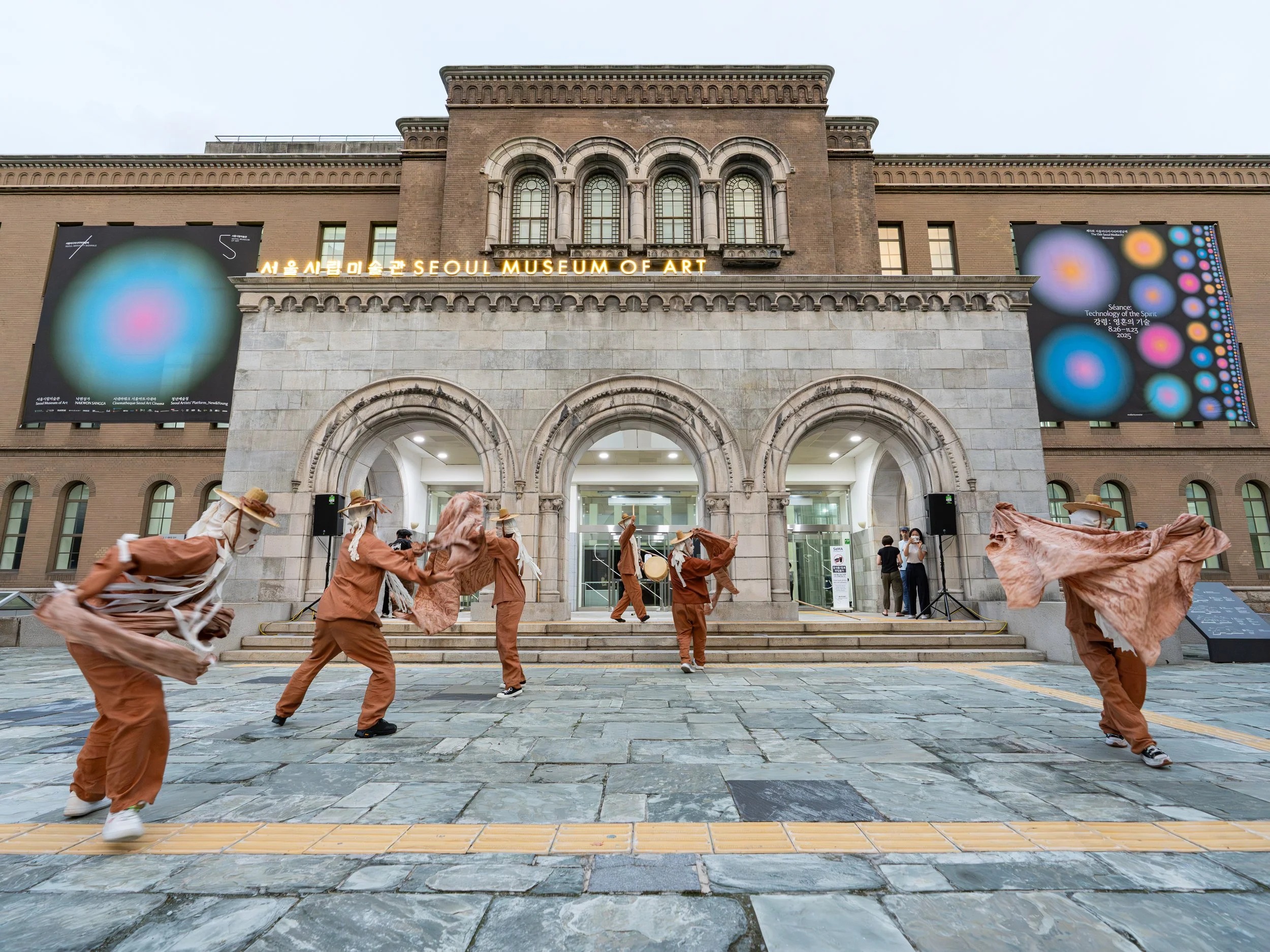
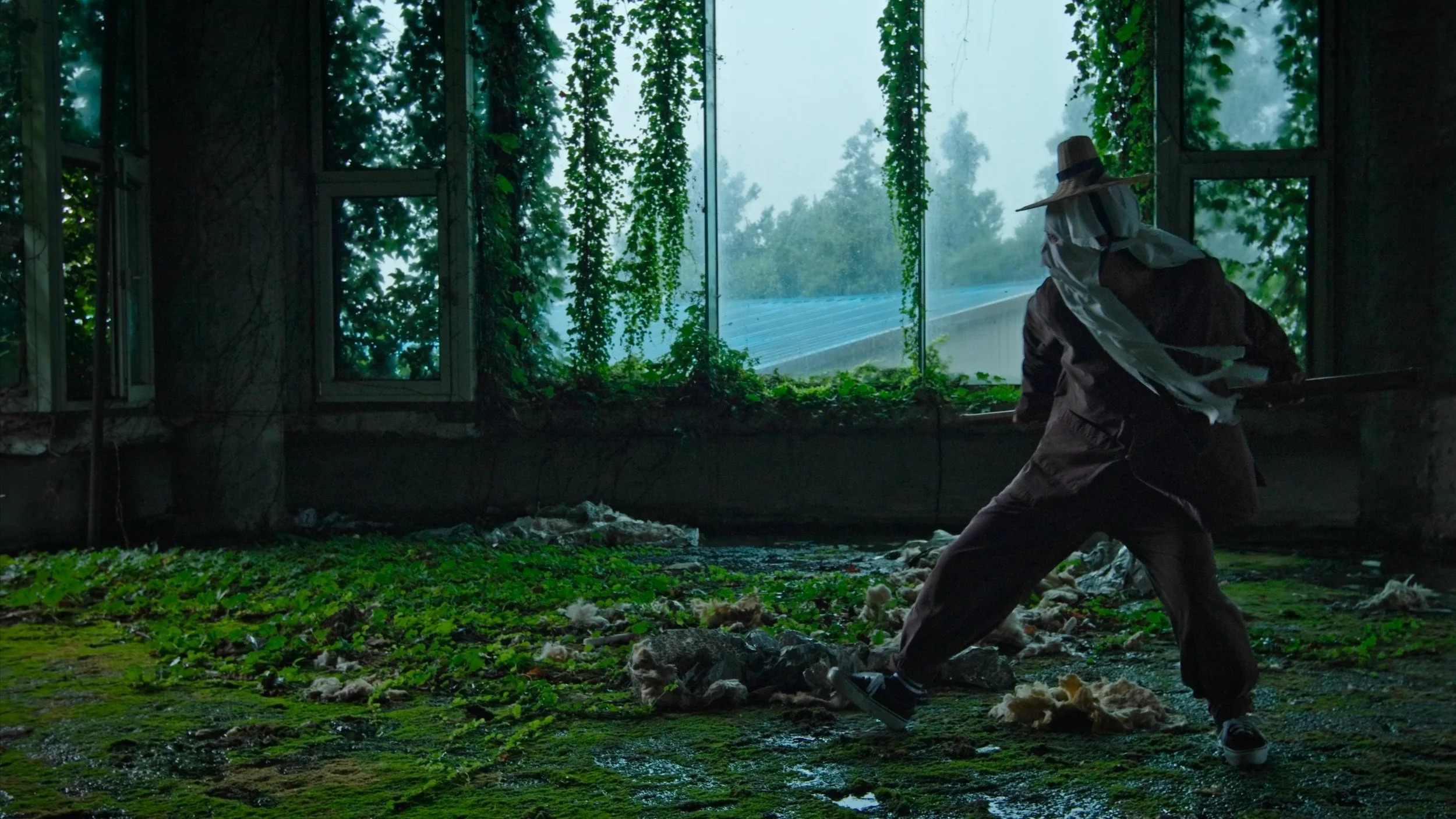
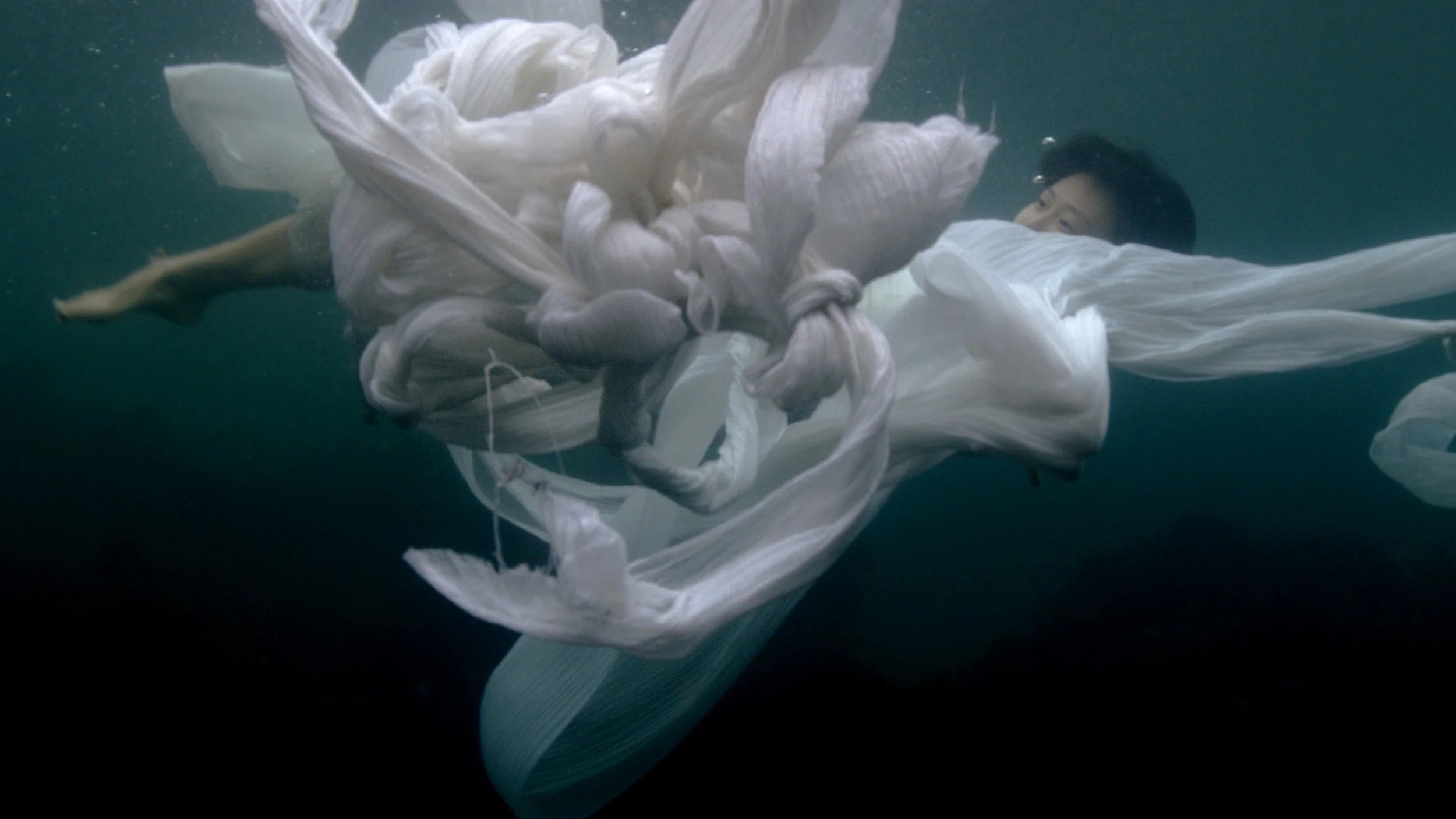
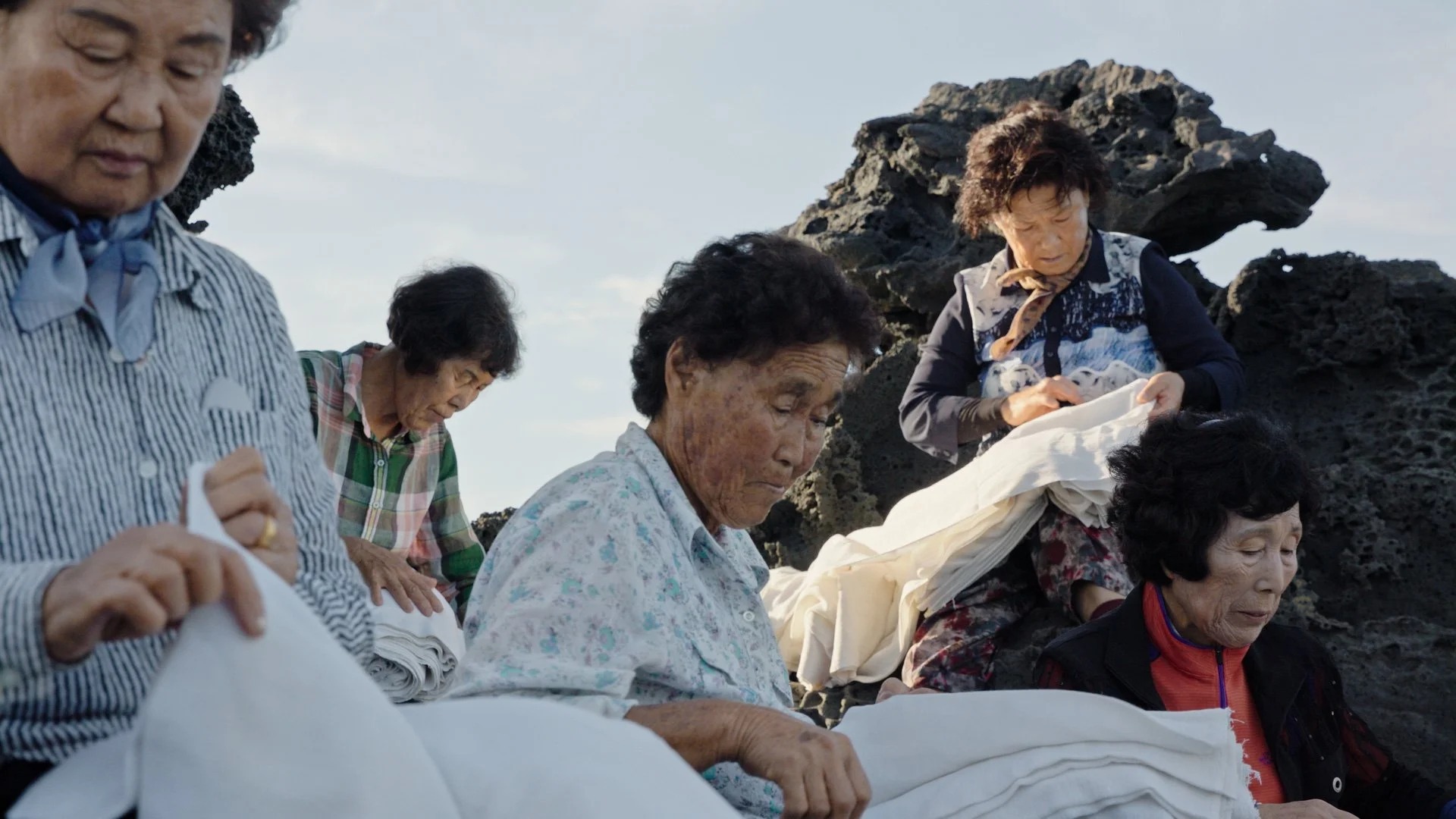
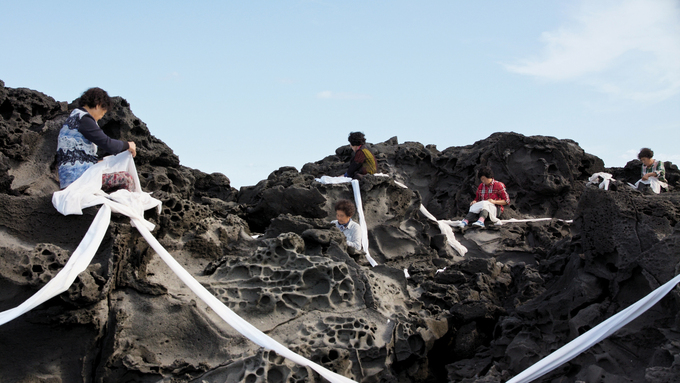
Having gained only a faint connection to the Jeju 4·3 through layer upon layer of translucent mediation, what can I—what can we—do now? I found a clue in ‘Ieodo’. Throughout ‘Ieodo’, sochang, a white cloth used for everything from a newborn baby’s clothing to burial garments, repeatedly appears across the individual moving-image works.

Although each of the seven works directs attention toward something different, every narrative winds its way into the next through the recurring element of sochang.

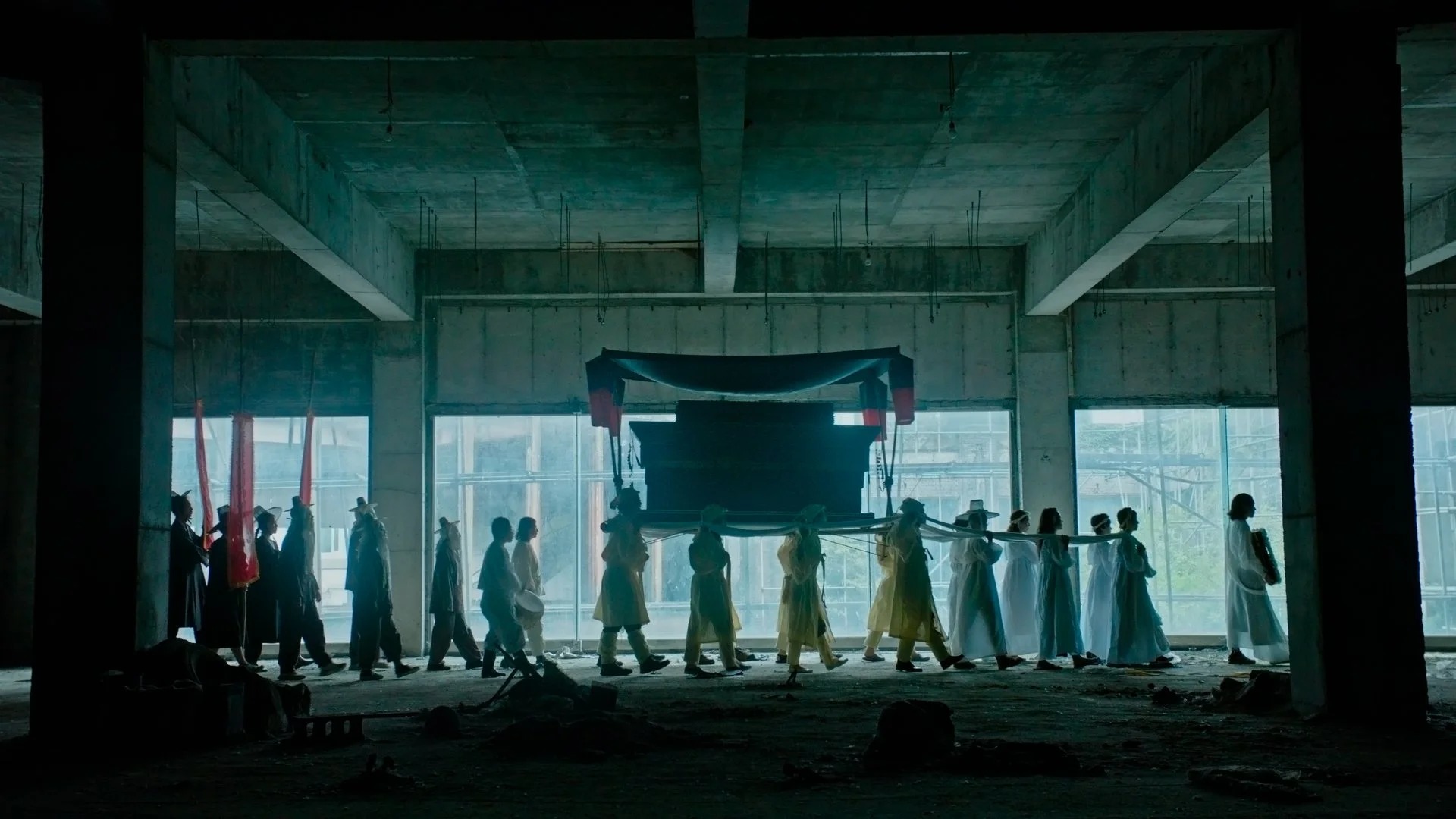
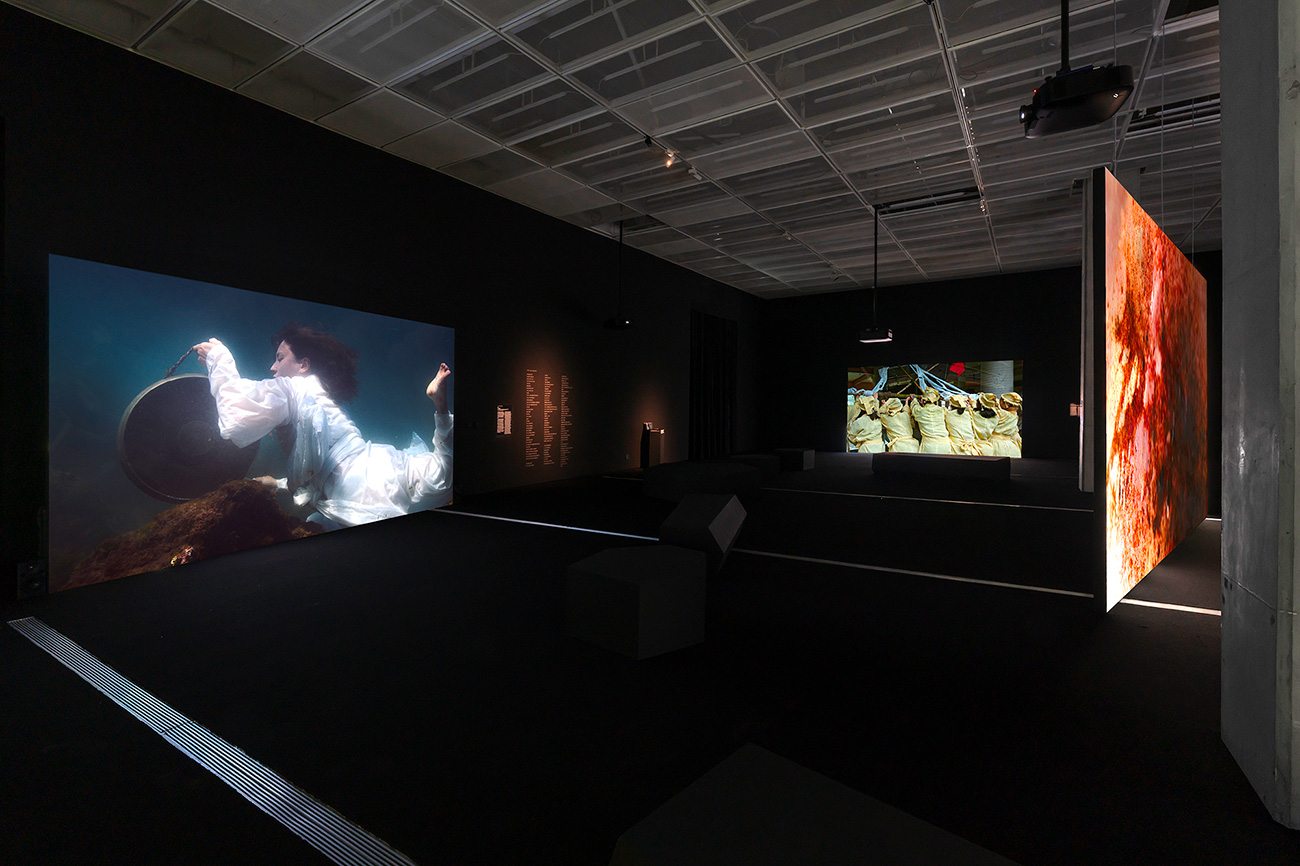
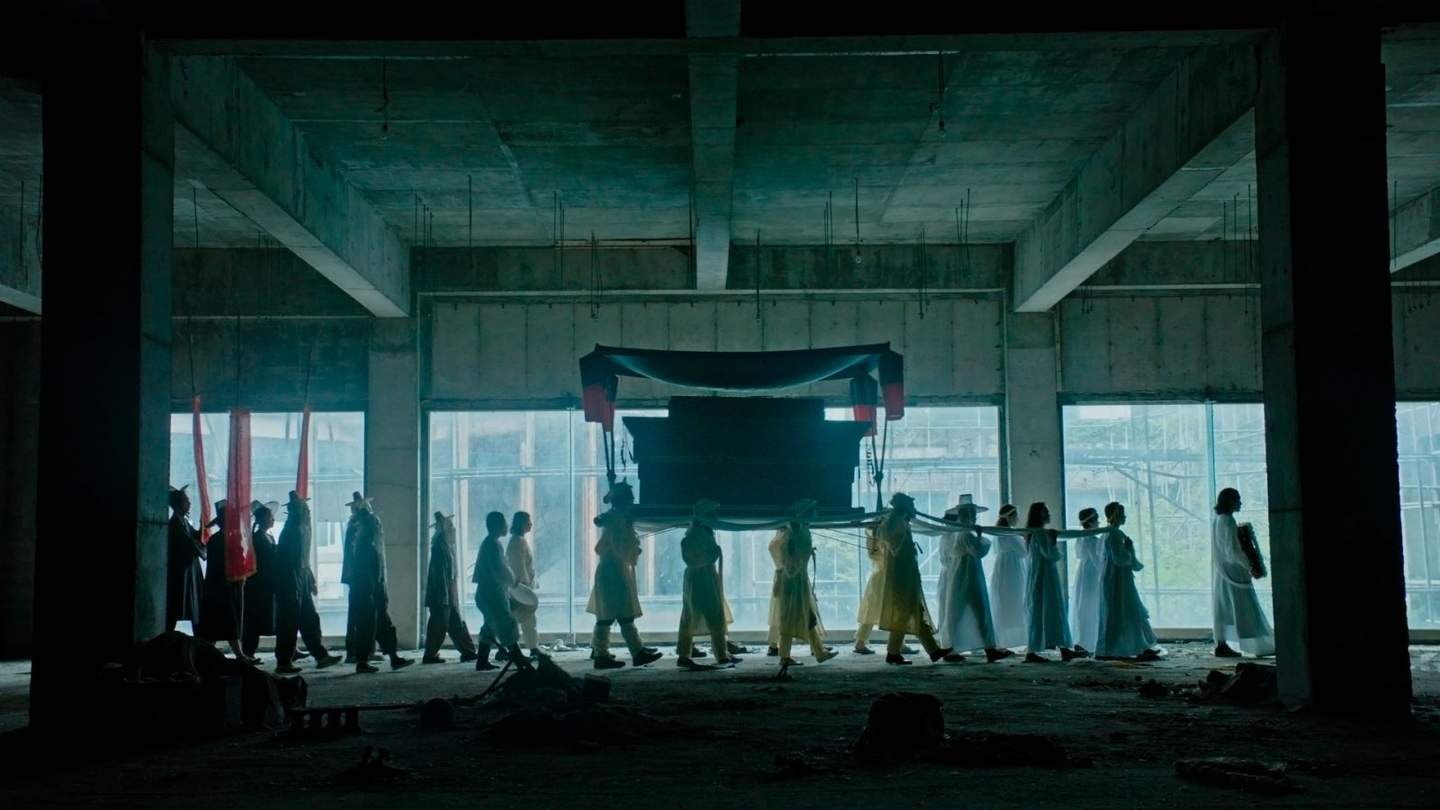
Along this line of connection, Jane Jin Kaisen brings together within ‘Ieodo’ material ranging from archival footage documenting the U.S. military government’s dumping of weapons left behind by the Japanese army into the sea, to a recent performance in which participants carry a funeral bier around a resort complex built amid the rampant development of Jeju. In doing so, she demonstrates that the stories surrounding the Jeju 4·3 cannot be confined solely to April 1948.


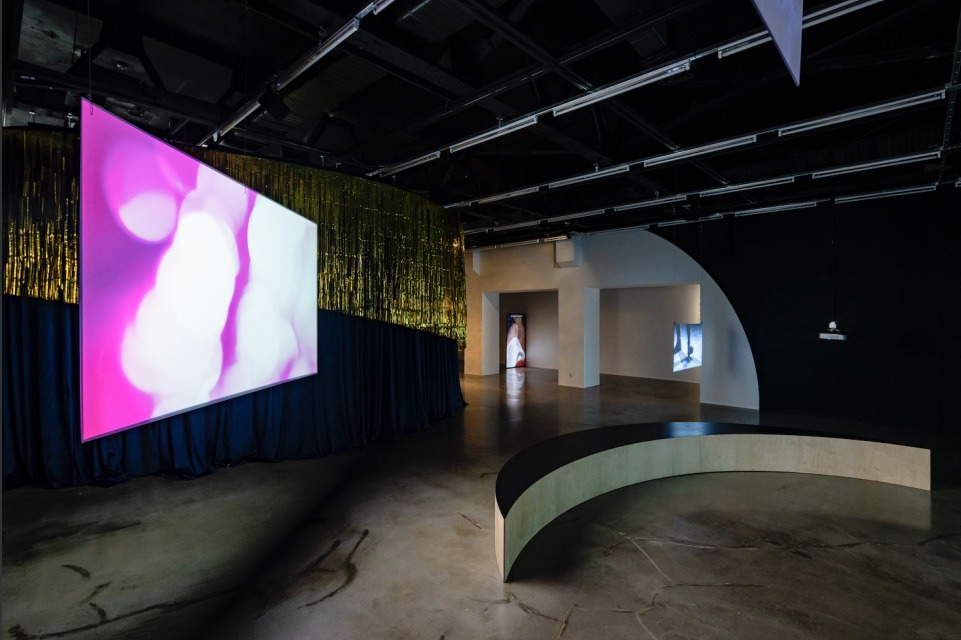
Installation view of 《Korea Artist Prize 2024》 © MMCA

The stories we can now contemplate by approaching the Jeju 4·3 are broad and far-reaching, just as the suffering generated by political violence has seeped deeply and extensively across generations. The issues and discussions surrounding the Jeju 4·3 have moved beyond any single point of focus, demanding both the restoration of individual suffering and the reconstruction of social narratives.

These range from investigations into the necropolitics and massacres that unfolded in Korea in the mid-twentieth century, to the preservation of historical sites disappearing amid indiscriminate development, and research into political violence perpetrated against minorities. It is now our turn to take up and continue the many narrative threads formed by the time and people who have mediated between the Jeju 4·3 and ourselves.

On April 4, 2024, the day before I wrote this article, former President Yoon Suk Yeol was formally removed from office. I sincerely hope that those who had suffered from the prolonged trauma beginning with the December 3 declaration of martial law found at least some measure of consolation in the ruling.

As someone from a generation that did not experience the Jeju 4·3 firsthand, I too spent the past winter in pain, while also thinking about how that pain might be transformed into meaningful discussion. In a week that prompted profound reflection on political violence—from the 77th memorial ceremony for the victims of the Jeju 4·3 to the impeachment ruling on the fourth—I came to write this article, connecting what is perhaps my most intimate and personal story with a broader discourse on political violence.

I end with the earnest hope that all this pain and upheaval, refracted through the prism of art, might lead us beyond anger toward the discovery of a shared humanity that connects us. And I hope that new life may emerge from what has been shattered.

References