Resolution of Bodily Sensation
At some point, technologies originally developed by imitating bodily senses began to surpass human sensory capacities, and our environment became increasingly filled with digital technologies that allow us to perceive the world at higher resolutions. Within this expanded scale of digital machine perception, it has become more natural to understand the scope of human cognition in relation to these technologies.
The world read through such resolution is no longer the fragmentary world we have long perceived, but an environment in which our surroundings can be sensed and understood in more multidimensional and multiple ways. In general, the majority of people use high-resolution technologies merely as media for consumption, while a smaller number use them to sense environments multiplicatively and observe differences through technology.
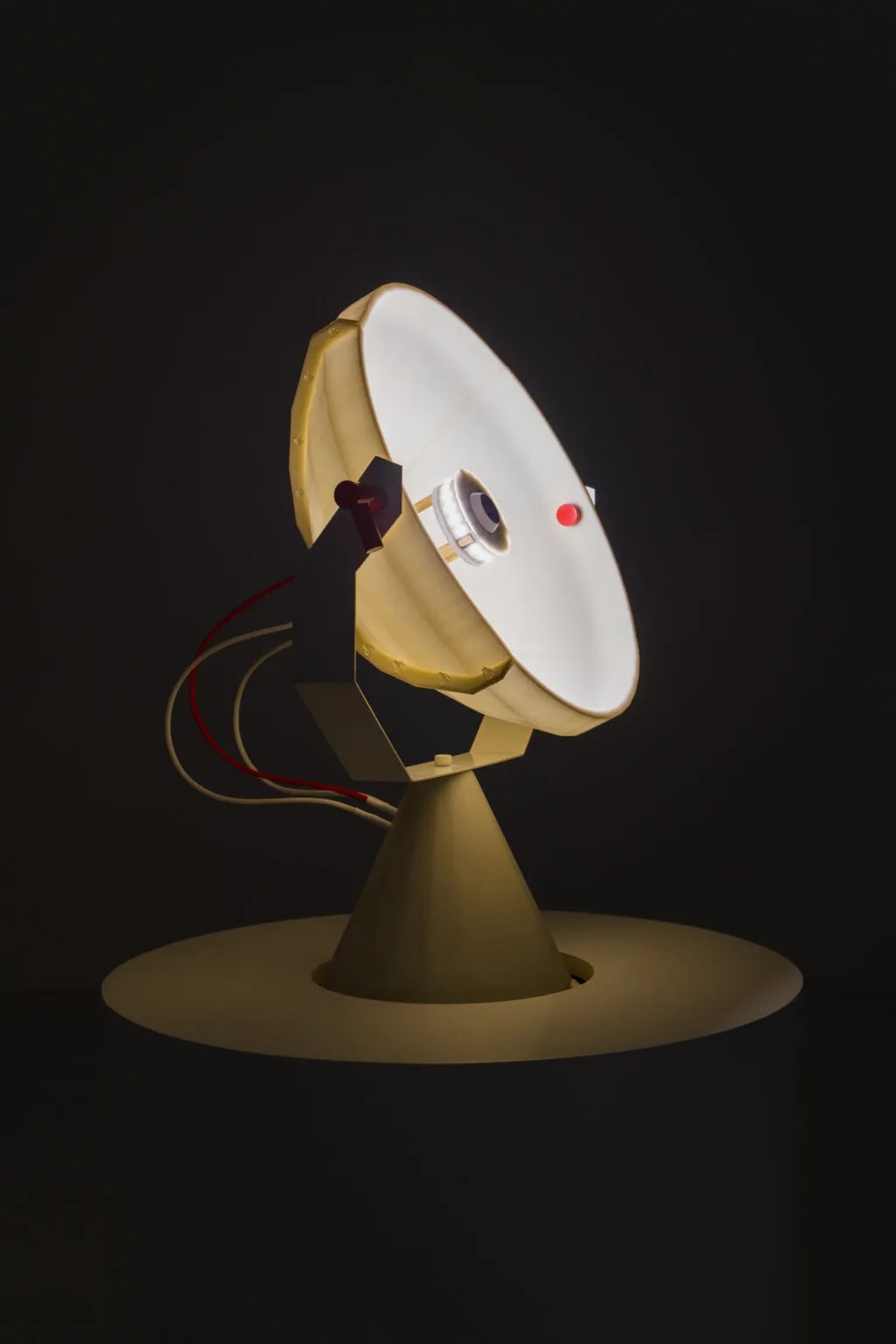
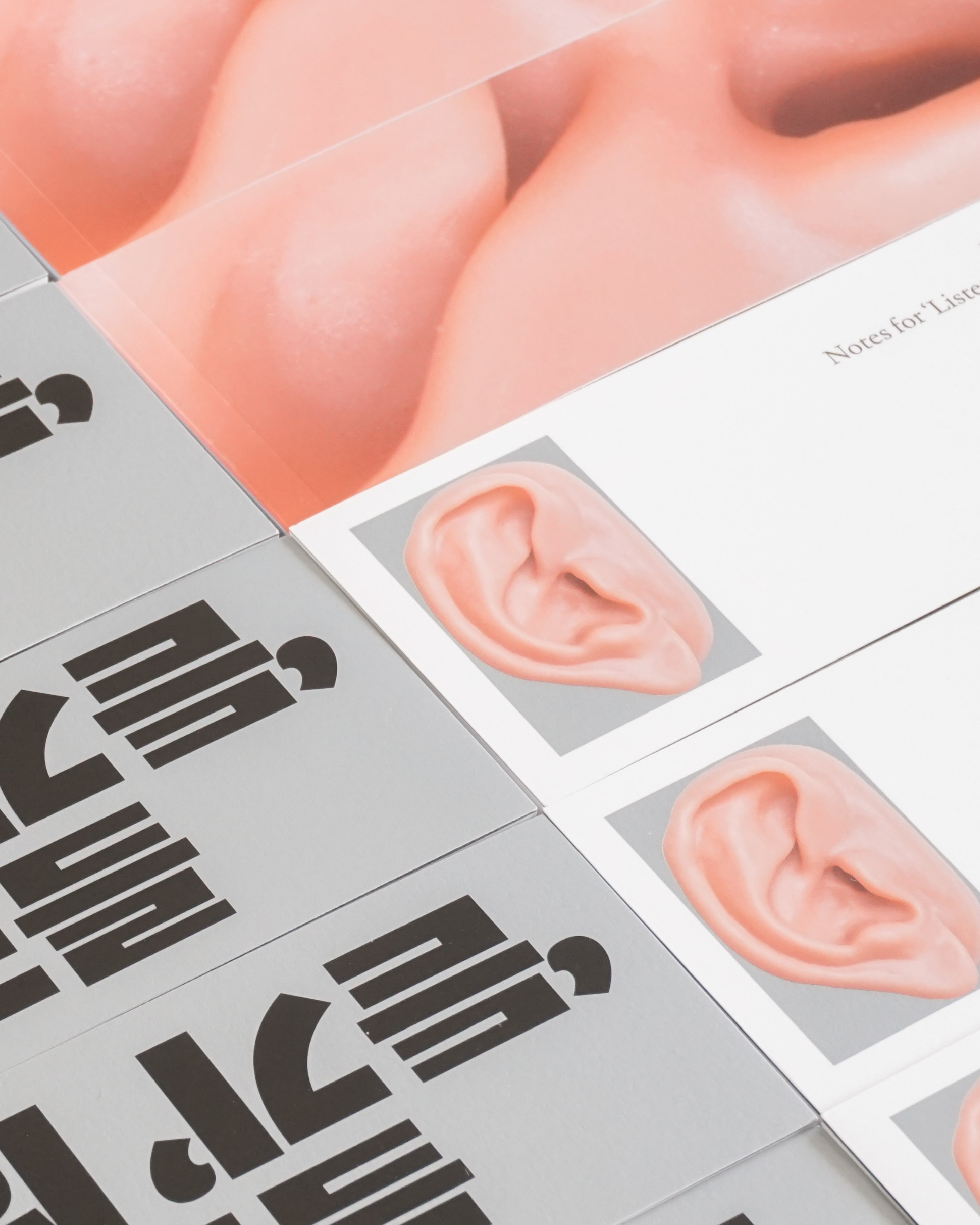
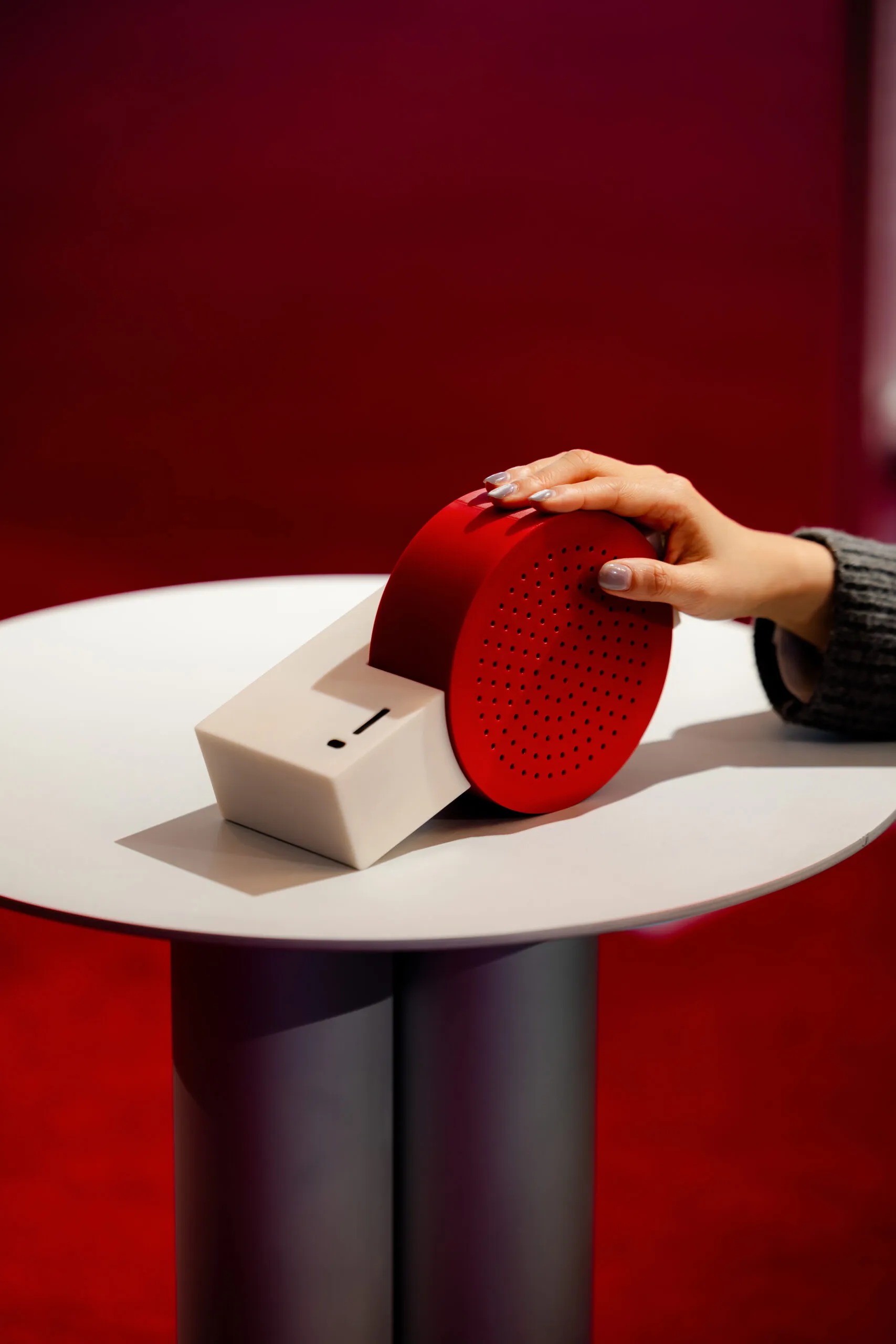
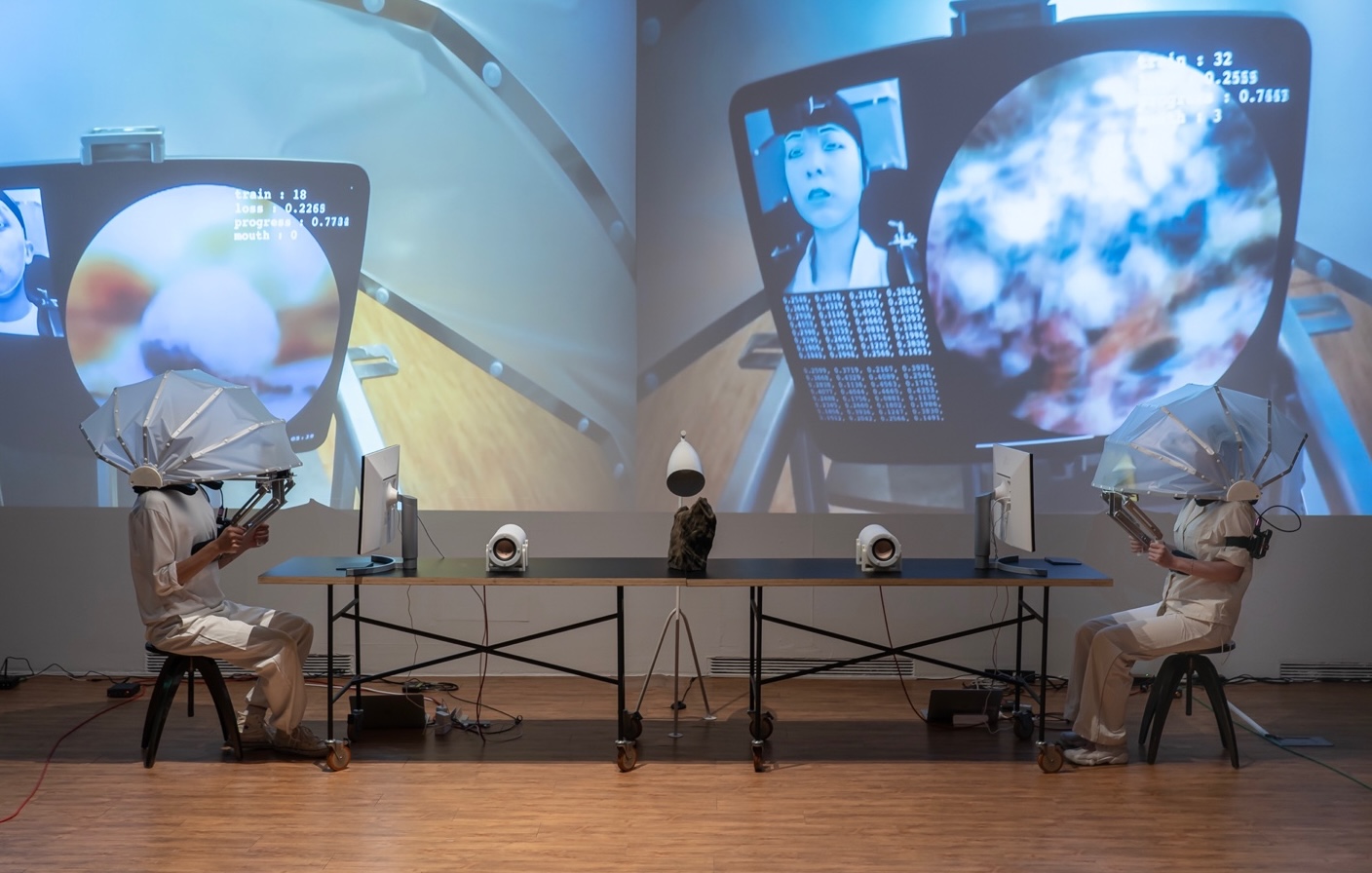
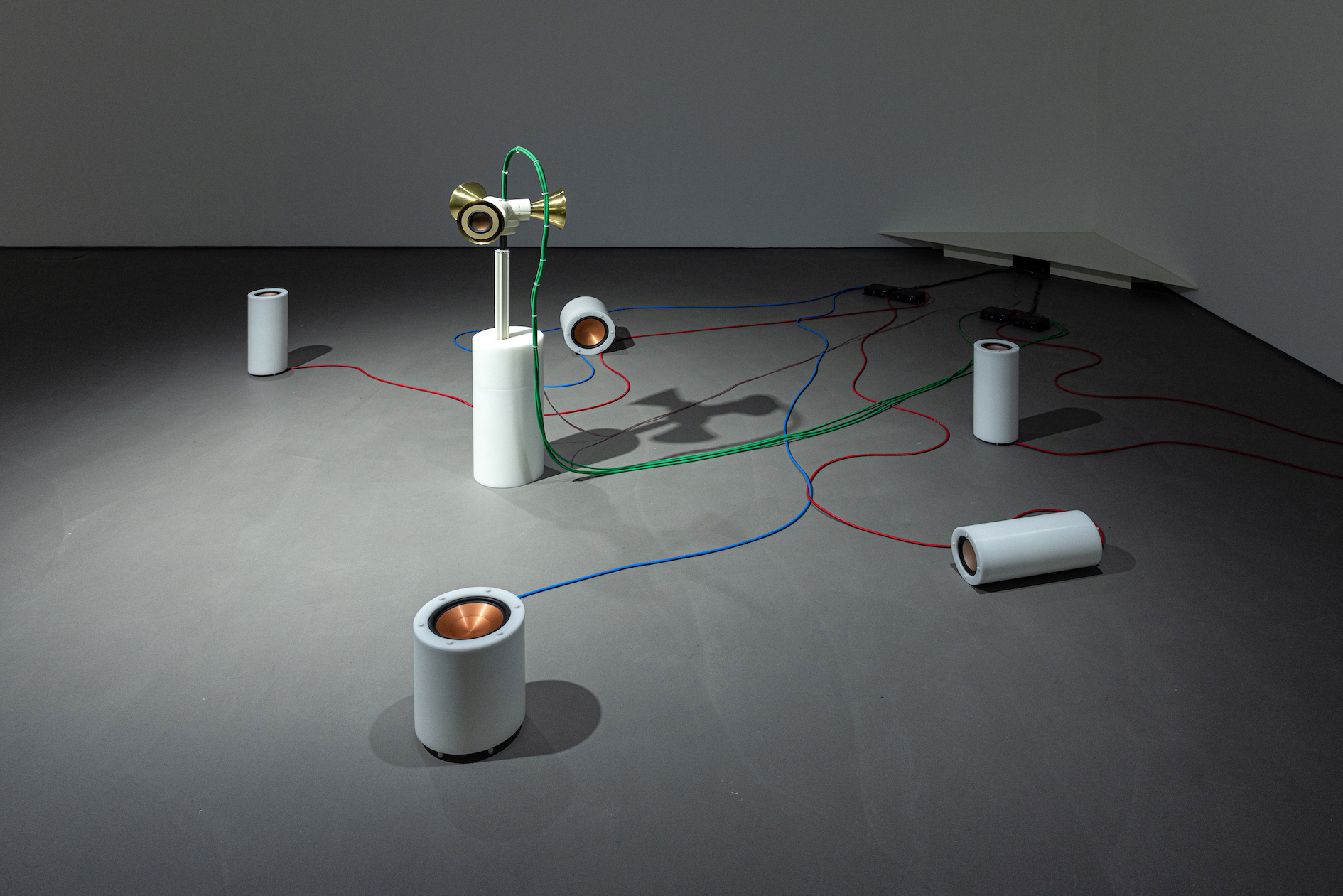
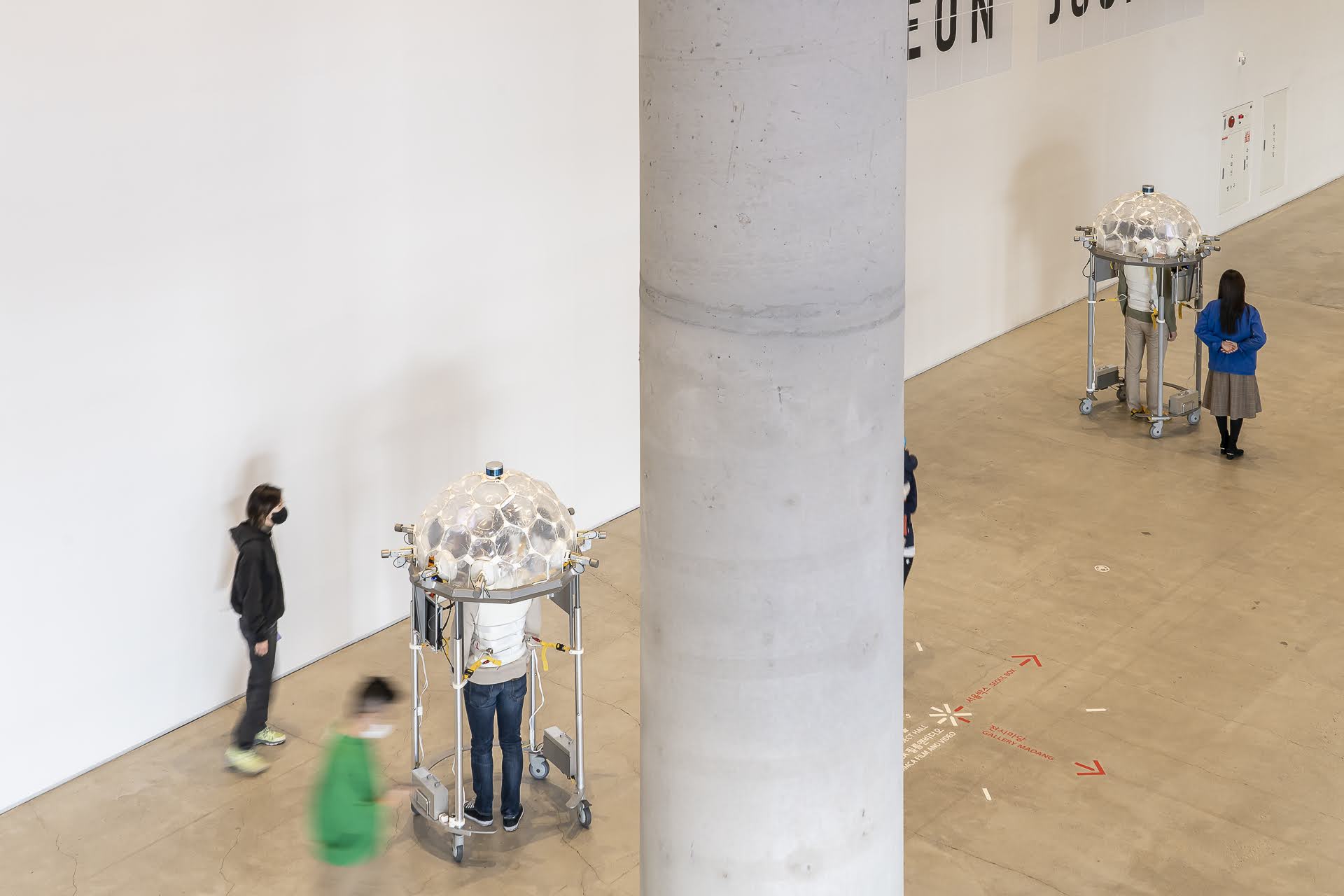
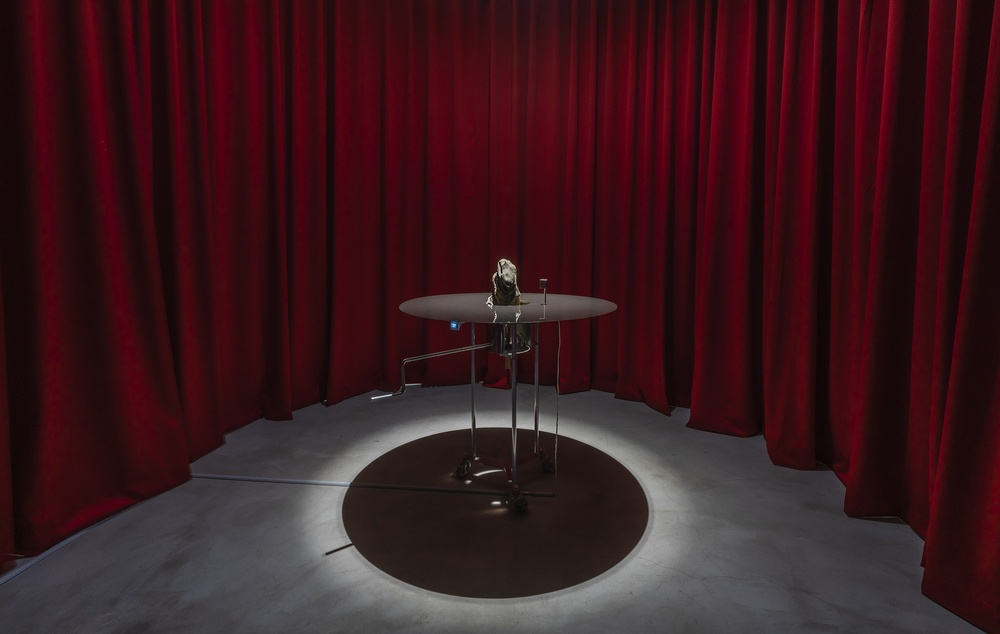
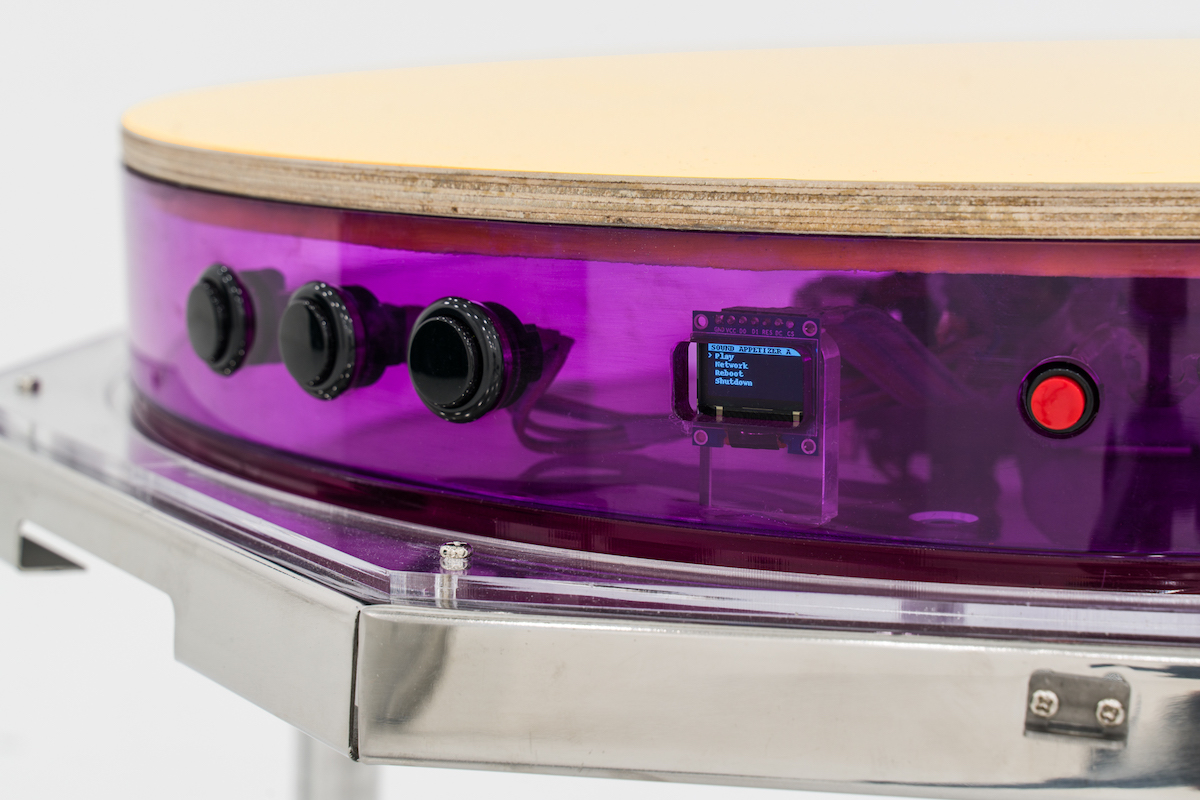
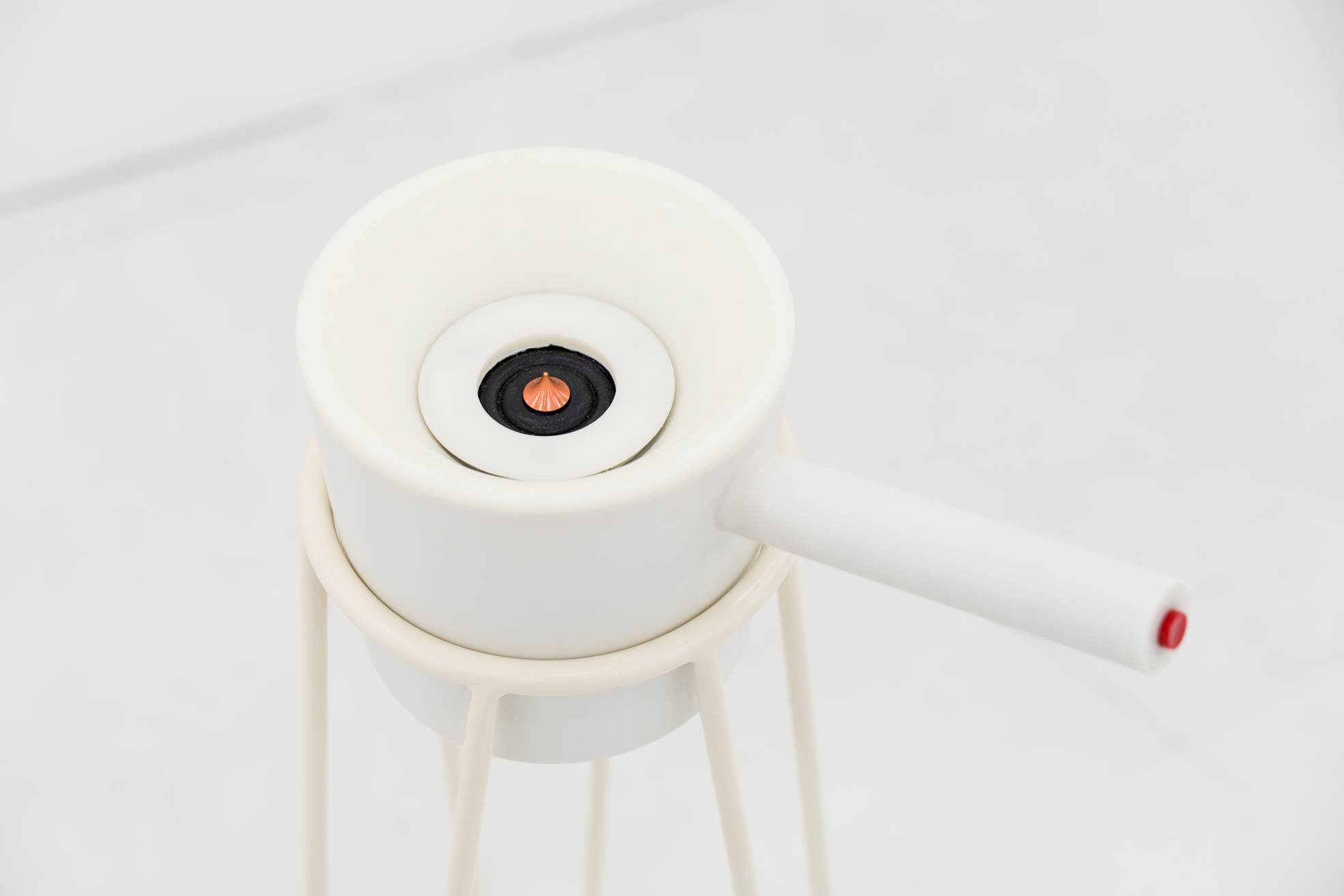
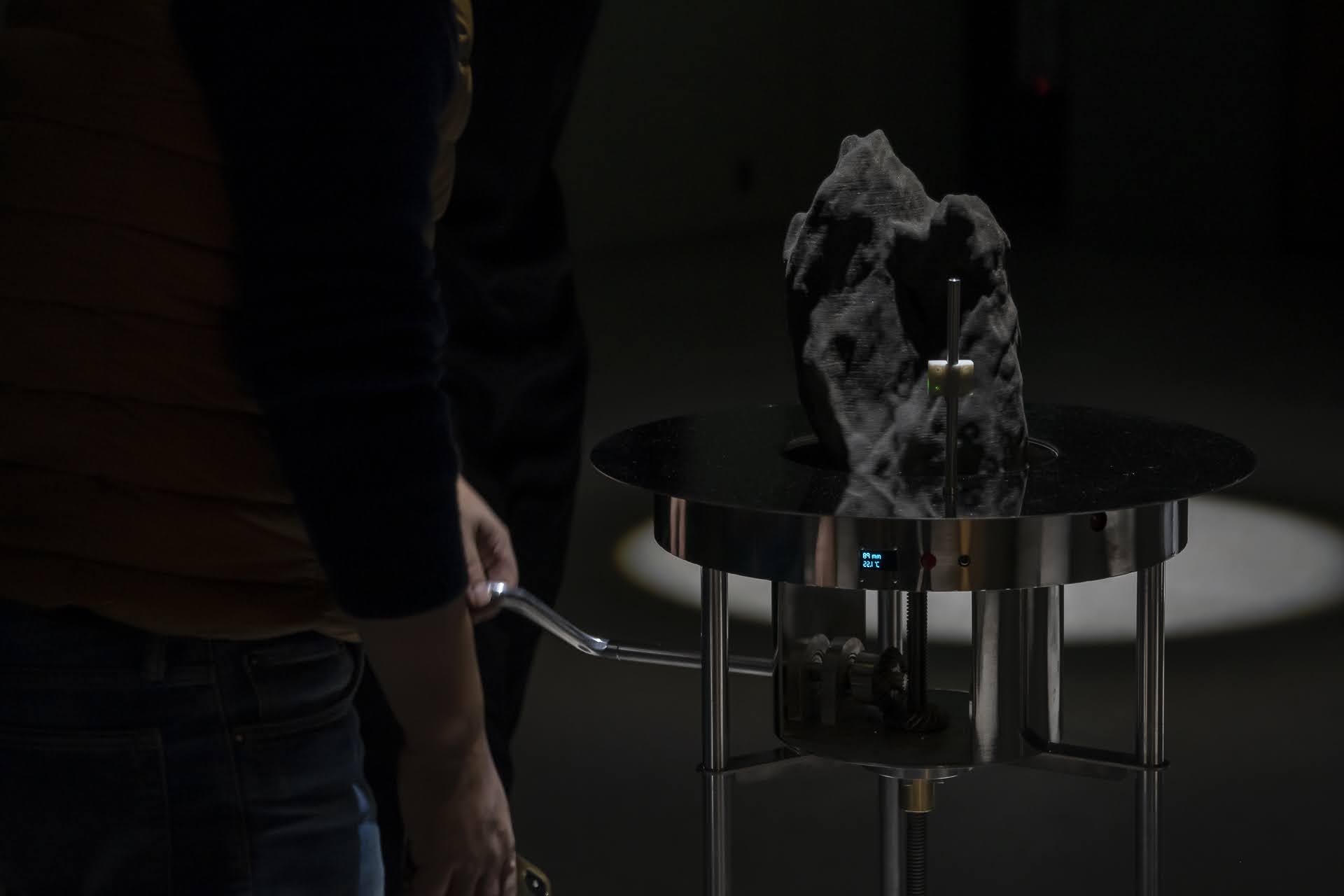
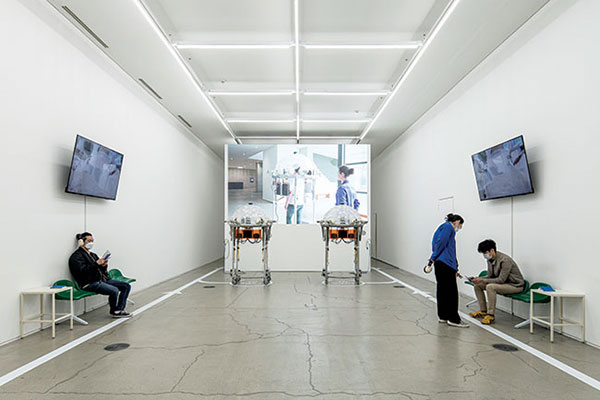
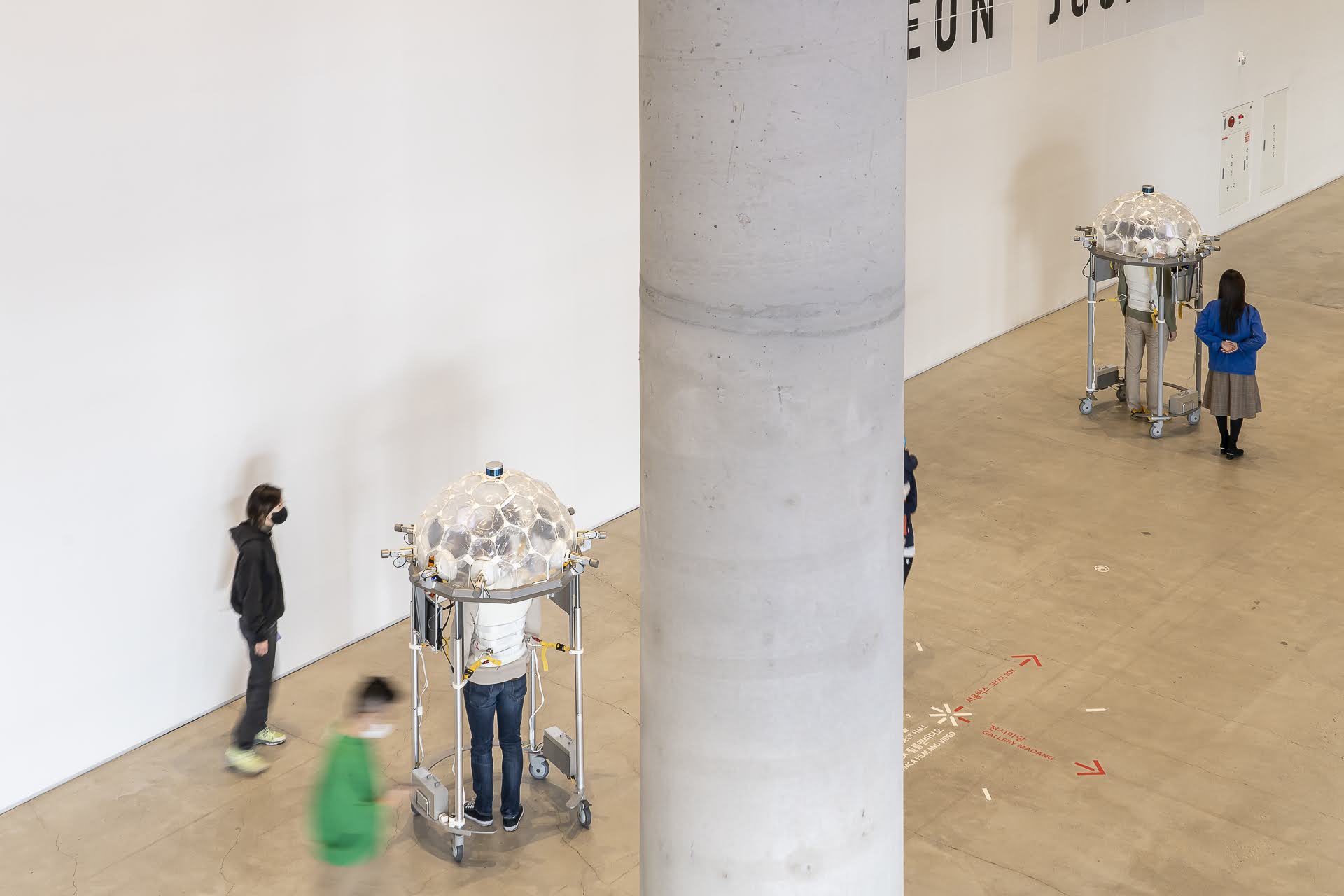
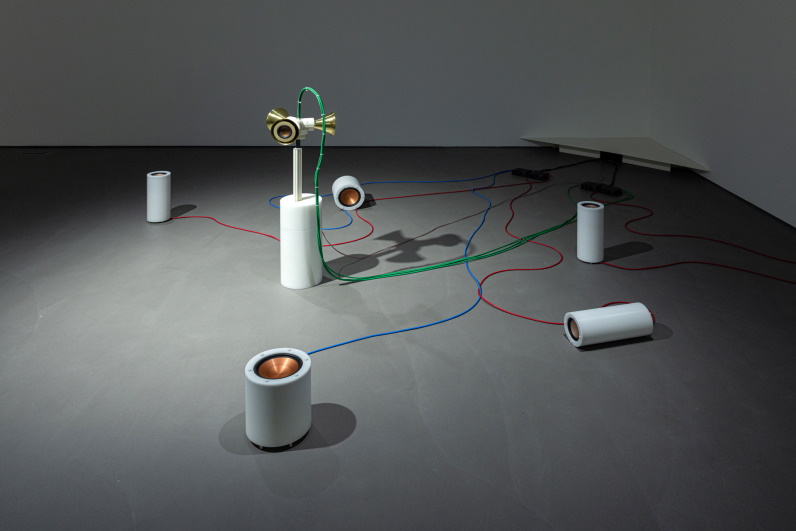
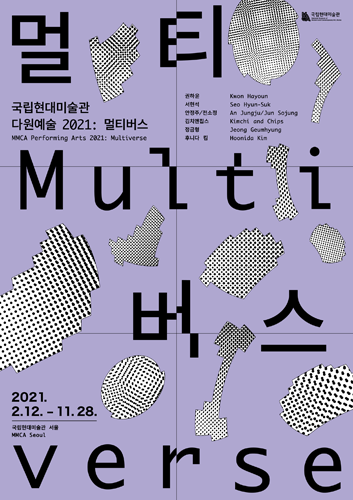
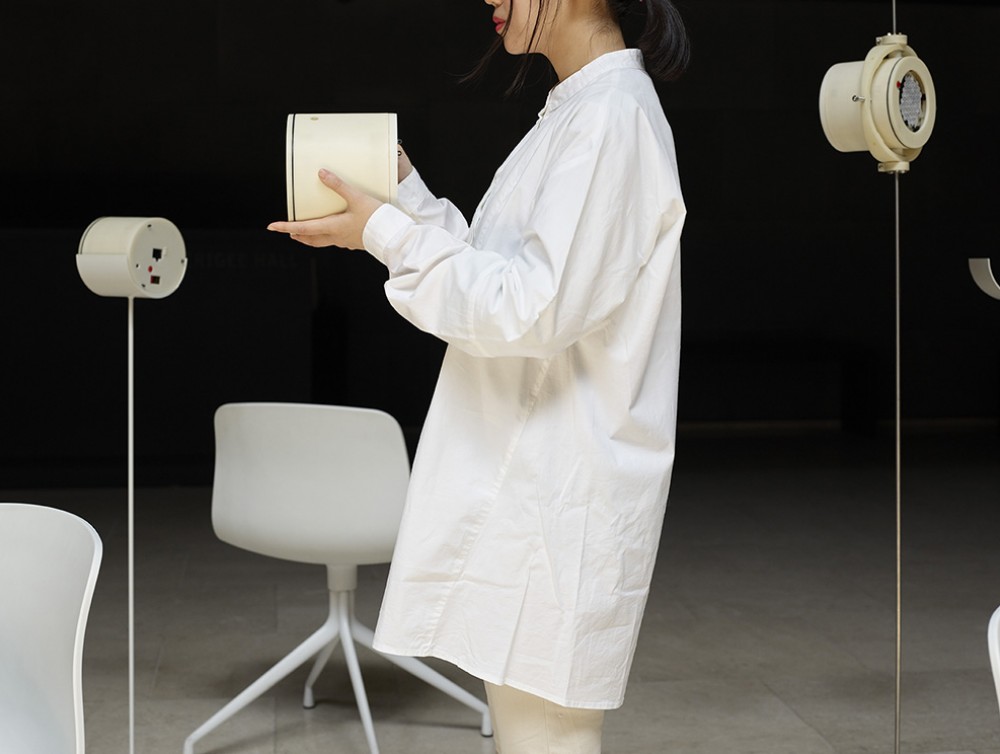
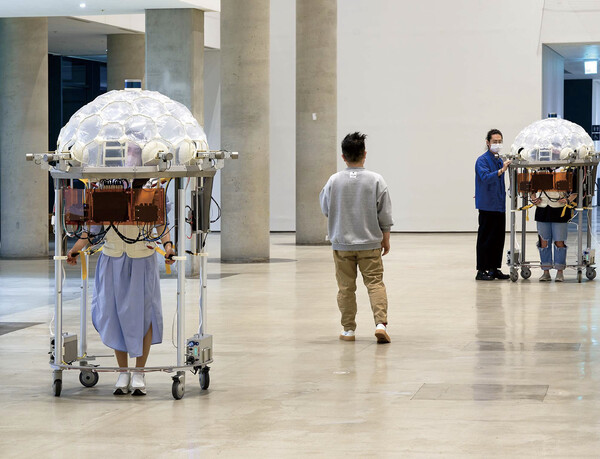
While preparing Landscape Being Decoded (2021) for MMCA’s exhibition 《Performing Art 2021: Multiverse》, I revisited some of my reflections on human resolution since the emergence of the digital. The following excerpts are taken from a small storybook included among the manuals, Through The Looking Apparatus), co-written by Shin Yesul and myself.
“For example, when being fitted for glasses, one must compensate for one’s vision, yet some people are unable to adjust to the unfamiliarity of that altered field of vision and give up wearing glasses or contact lenses, choosing instead to adapt to a life lived at a lower resolution. In such cases, one inevitably reads the world in a more blurred and blunt manner.
We also need to consider whether this notion of resolution is truly limited to sensory sensitivity alone. Beyond cases such as glasses, which are directly implanted onto sensory organs, it can also extend to the various machines we use to read the world. Not everyone is able to use a smartphone—which is practically attached to the body—appropriately, obtain the functions they want, and employ it in ways that are useful to everyday life.
Now that digital media are penetrating more and more deeply into the sphere of human life, unless we develop the muscles required to adjust them to ourselves and decode them, we will likewise be forced to read the world in a blurred and blunt way. Whether or not we can effectively equip ourselves with these digital media may make an enormous difference. Perhaps we have entered an era in which the ‘gap in resolution’ between individuals is gradually widening.”
Until prompt programming and GPT-3 began attracting intense attention in 2022, what mattered for increasing the resolution of my bodily senses was whether I could usefully equip myself with media such as computational thinking and computer programming. (Of course, computational thinking remains important.)
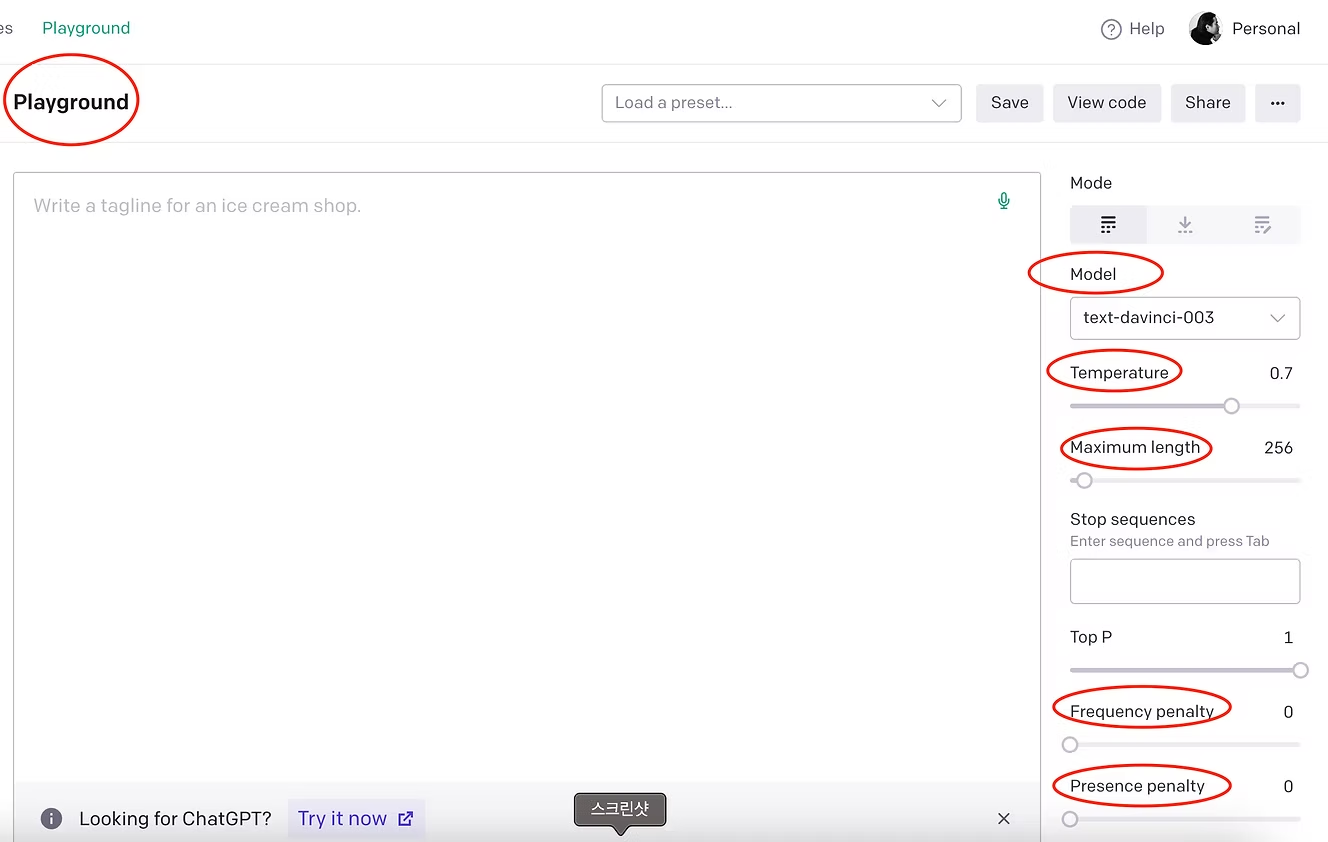
With the emergence of accessible yet powerful natural-language-based prompt programming built on GPT-3 models, however, I began to see the possibility of infinite creation on the surface of a vast ocean of data without even considering its depth, as well as the possibility of evolving toward a new kind of resolution.
We can now communicate effectively through natural language—an existing human system of thought—even without developing the muscles required to handle the languages used by the meta-medium, the computer. This means that artificial intelligence models can understand human language and engage in interactive conversation accordingly.
Such models can contribute to improving human interfaces and developing a wide range of applications for processing information more efficiently, opening up possibilities for easily sharing and transforming knowledge across virtually every field.
At the same time, because information is exchanged through natural language without necessarily relying on existing forms of computational thinking, human reasoning and various analytical functions may also be excluded. To compensate for this, creators can use machine-learning techniques such as fine-tuning, allowing deep-learning models to recognize and process the information requested by users more accurately.
Through this, it becomes possible to ask questions in greater detail than humans conventionally could and to receive responses from machines that more closely correspond to one’s intentions. If the body could be reconstituted through “sensory prostheses” that assist our capacity to sense and receive the objects of expression, might we then acquire bodily senses capable of realizing a different kind of resolution?
Fine-Tuned Sensory Prostheses and the Diminishing Sense of the Body
The word “implant” means “to plant” or “to take root.” It refers to a device inserted into the body for various medical purposes. It can also mean planting an idea or attitude in another person’s mind. Common examples include devices implanted into internal organs or bones, such as pacemakers and artificial teeth. In this sense, an implant can be understood as a “prosthesis” that replaces or supplements part of the body.
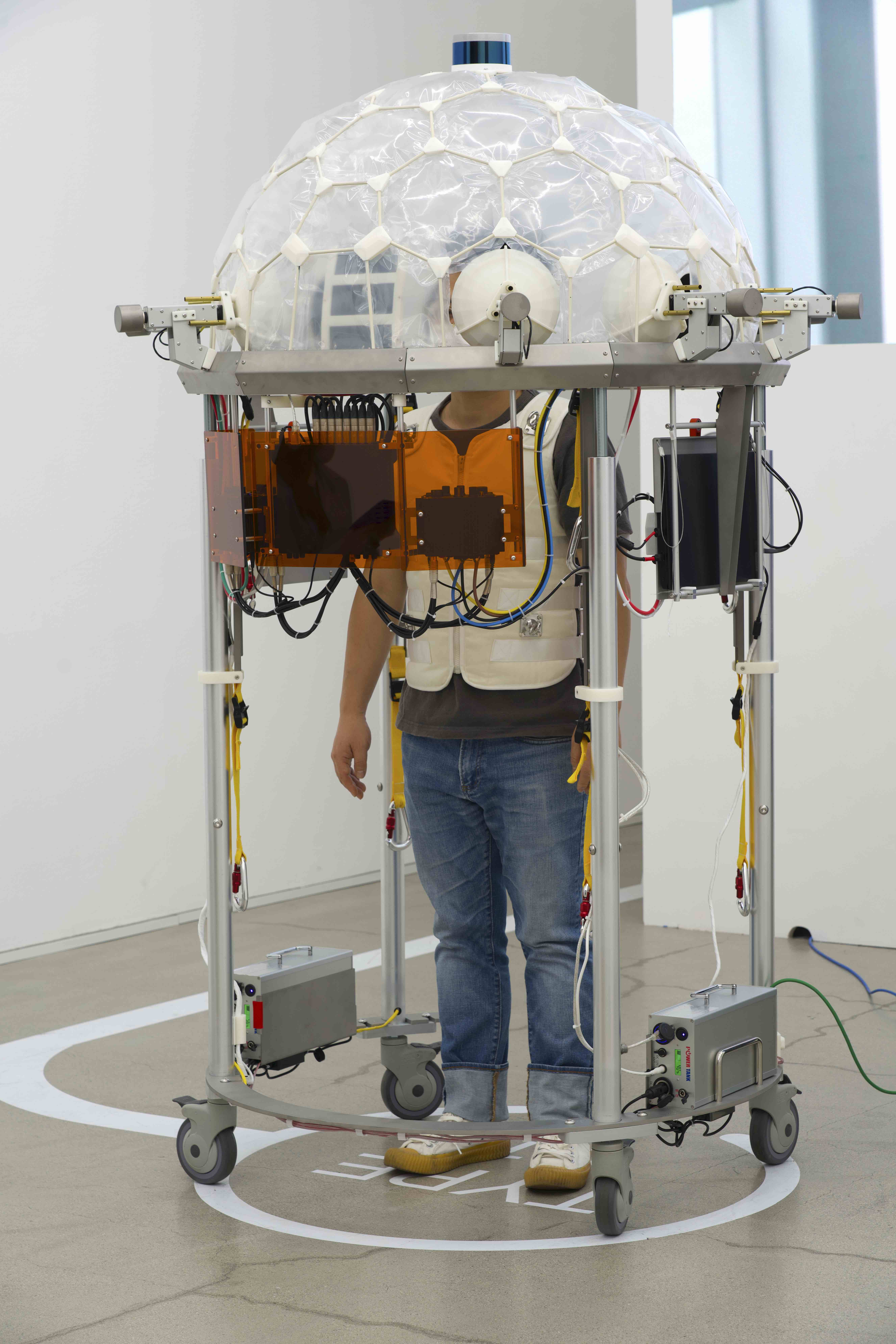
Just as a person who wears glasses keeps them on almost constantly while awake in order to compensate for their eyesight, have not the countless digital devices around us, though not physically attached to our bodies, already taken root so deeply and become so connected to us that everyday life feels inconvenient without them? I wonder whether these too could be said to have been implanted into our bodies.
The countless media of the digital age feel not only like devices that extend the senses, but also like “prostheses implanted within the body.” Digital prostheses give us powerful sensory capacities, yet as our dependence on them increases, our original sensory muscles may become weaker than before when those prostheses are removed.
At the same time, as one sensory capacity weakens, another may become heightened and more active. The repeated structural reorganization of neural circuits in response to external stimuli, experience, and learning is known as brain plasticity. The brain continues to change throughout life as it acquires new languages, movements, and other skills.
There are, for example, people with visual impairments who adapt to reality by making sounds with their tongues and perceiving space through the echoes reflected back from their surroundings. When the part of the brain responsible for visual processing is deprived of input, the area that once processed vision may become activated to process new kinds of information.
If so, when we implant senses that develop alongside artificial intelligence, should we understand this as part of an evolutionary process of the brain and adapt ourselves to the changes now taking place?
We are increasingly moving away from situations in which the body itself must remain alert in order to perceive and sense its environment, and toward a different order of perception—one that reads the world with greater granularity, zooming in and out like a lens. Then will there come a moment when, as workers of knowledge and creativity, we naturally connect “fine-tuned” “sensory prostheses” to our bodily senses?
At the same time, is there really no problem with the weakening and atrophy of our existing sensory muscles? My thoughts move up and down every day like a seesaw. Humanity will likely fine-tune itself through countless trials and errors, finding appropriate ways of using these technologies and eventually stabilizing its own systems.
And at some point, perhaps even the verb we use to describe our interaction with them will change. We may no longer say “learn,” but instead, quite naturally, “equip.”
From Here On
Artificial intelligence today may be capable of imitating human behavior and intelligence, but it does not possess the same biological processes or experiences as humans. AI development is still at an early stage, and much remains to be done before AI systems can truly match the capacities of the human body.
Yet, as OpenAI’s Sam Altman has also noted in an interview, although today’s AI is researched with inspiration from the workings of human intelligence, it actually exhibits intelligence in a very different way. This means that both AI and humans have unexpected strengths and limitations.
Within this relationship, humans will use AI to propose countless possibilities, and people will emerge who create products capable of radically transforming the world without even needing to understand the computer languages of the past. New kinds of knowledge workers and creative workers will emerge, and many positive functions will follow.
Yet the backlash will also be enormous. The primary purpose behind the development of artificial intelligence may be problem-solving rather than asking questions, but history has taught us all too well that innovative technologies are never used only in that way. From time to time, we also need people who pause and observe AI models as objects of thought.
Over the course of barely a year, I have experienced only the tip of the iceberg of AI models advancing at extraordinary speed. So before consuming them as “sensory prostheses,” I want to fine-tune them, as far as possible, as objects of thought—to look at them and read them as deeply as I can.
In the future, we will likely see AI solving countless problems, including diseases. At the same time, we will also experience considerable fatigue from the unprecedented pace of compressed scientific and technological growth triggered by artificial intelligence.
As an artist, I continue to think about the coevolution of new types of senses emerging through technologies that are constantly being adjusted and developed, together with our existing bodily senses—so that they do not merely spread rapidly across my surface and then disappear.