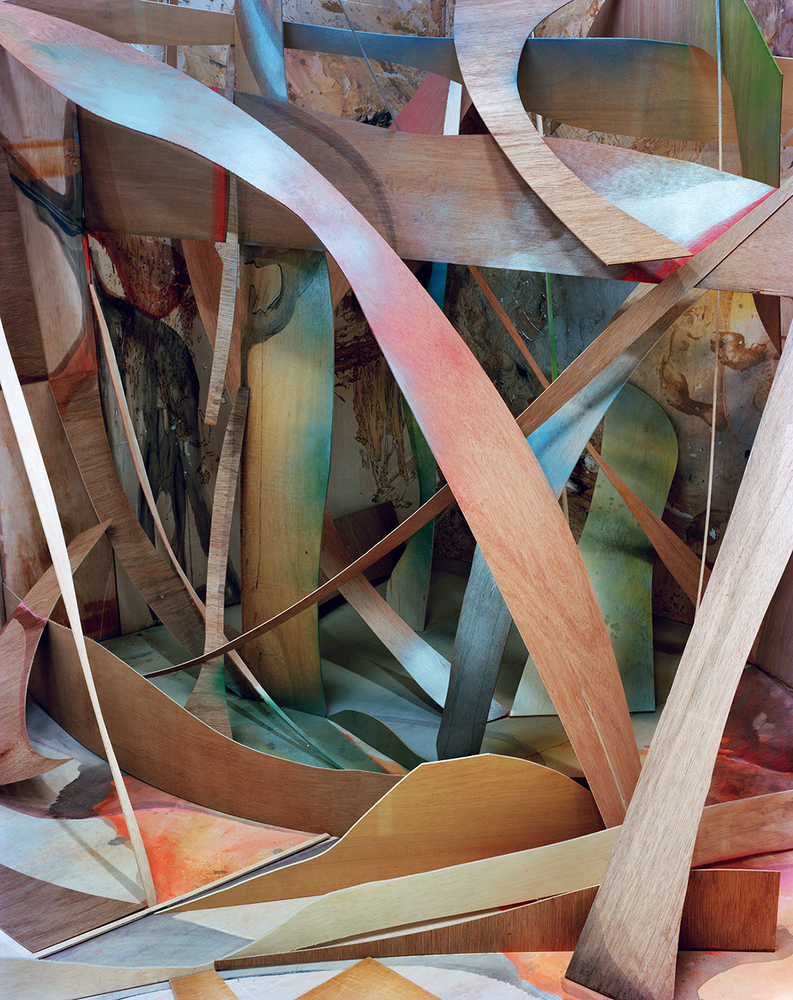
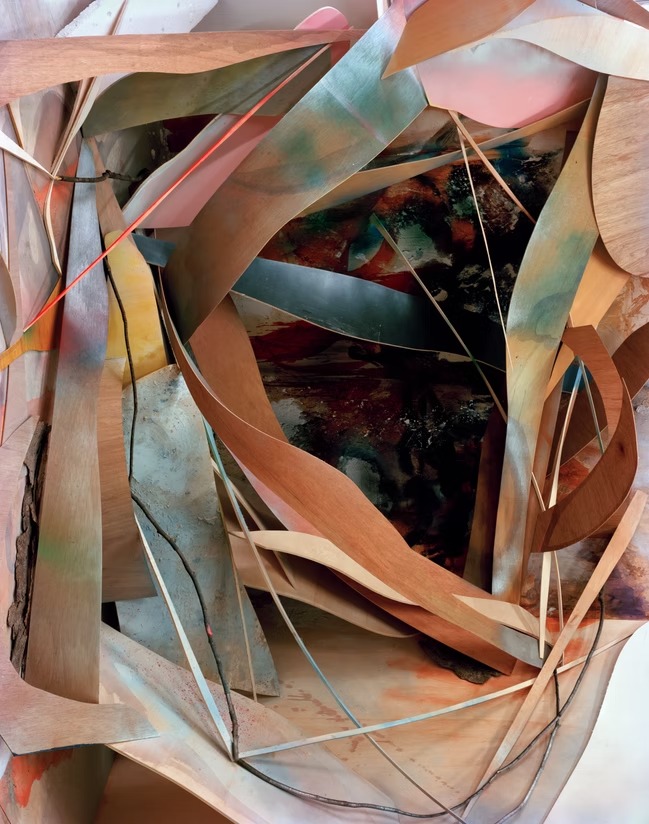
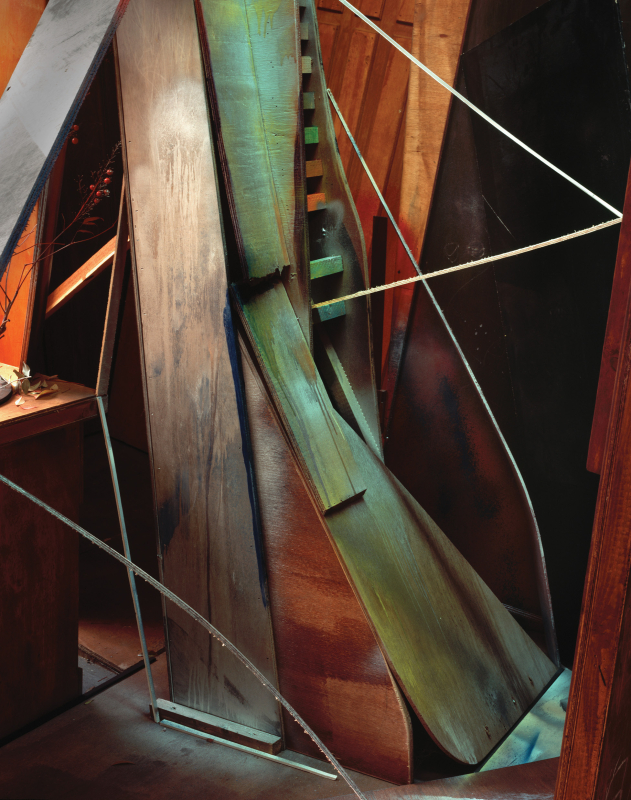
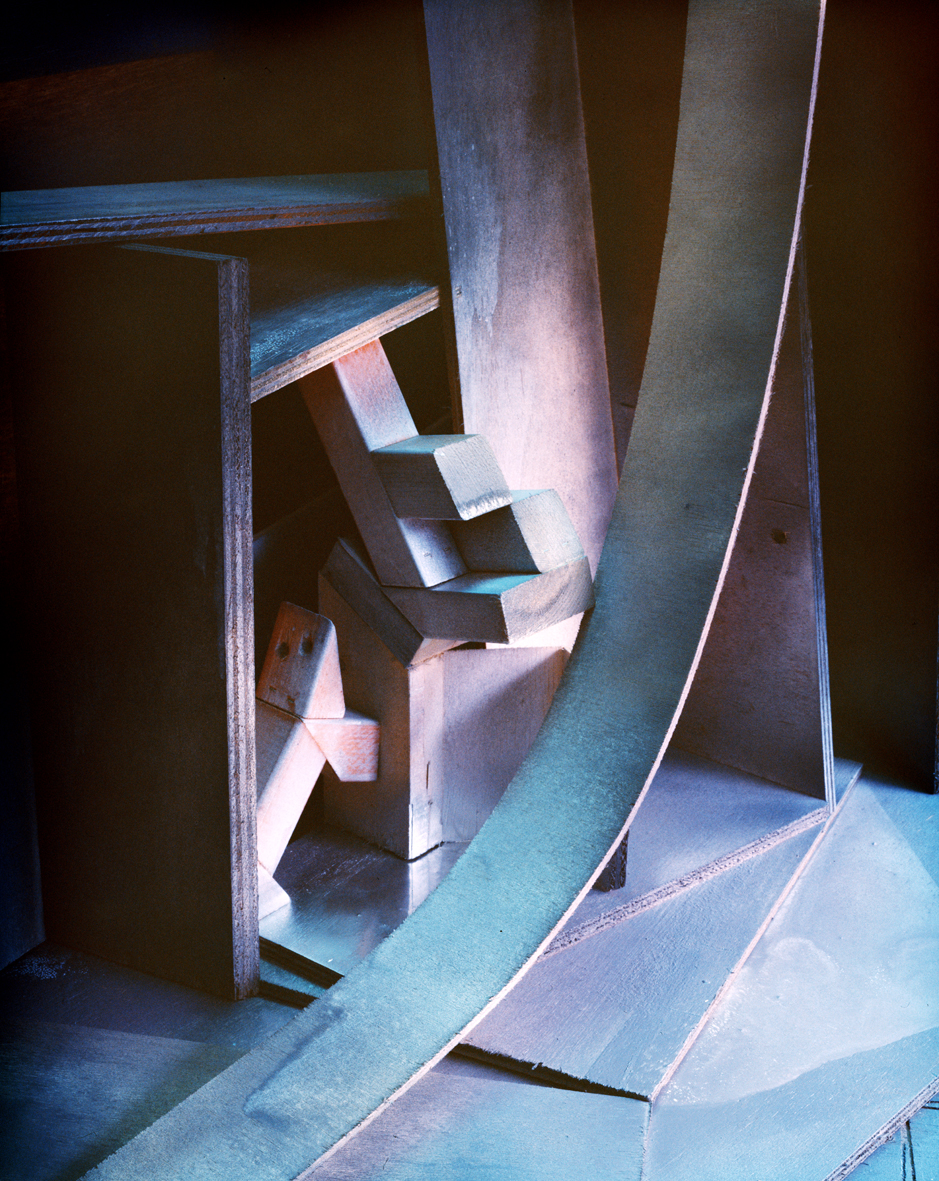
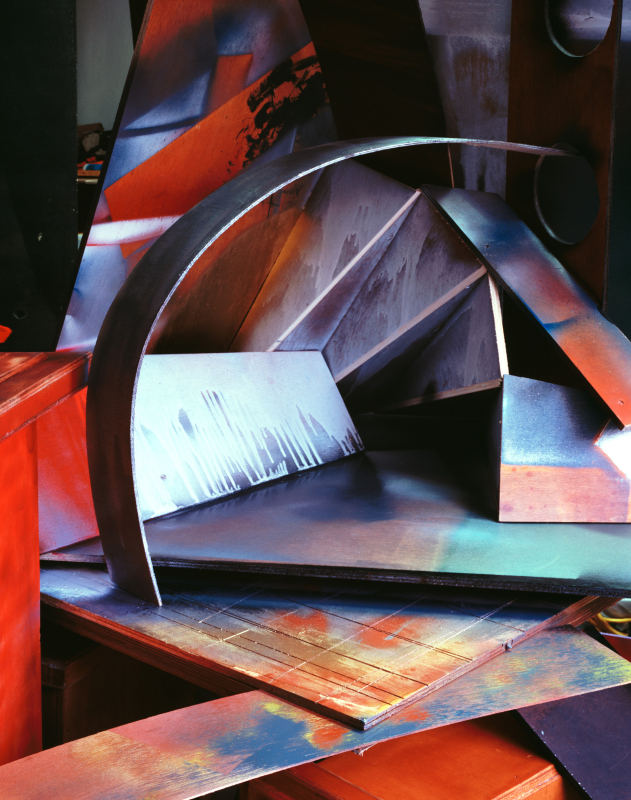
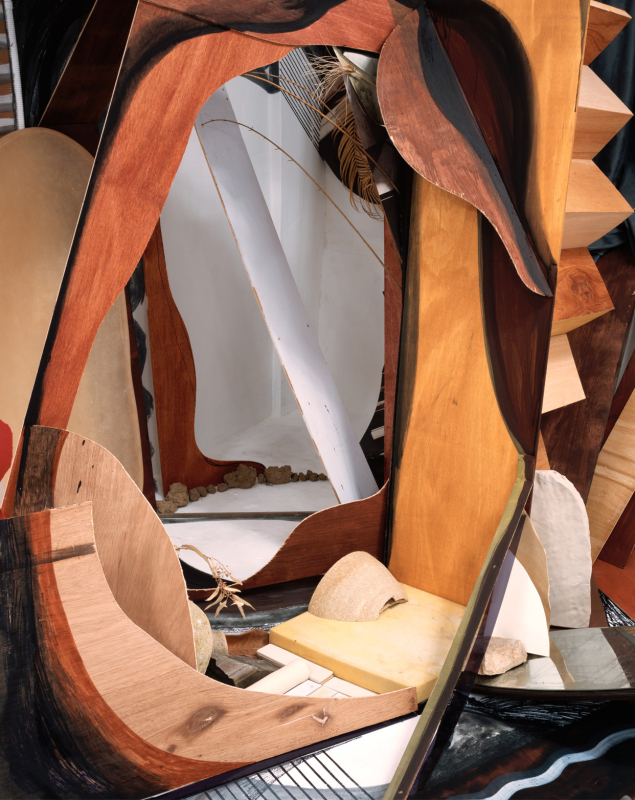
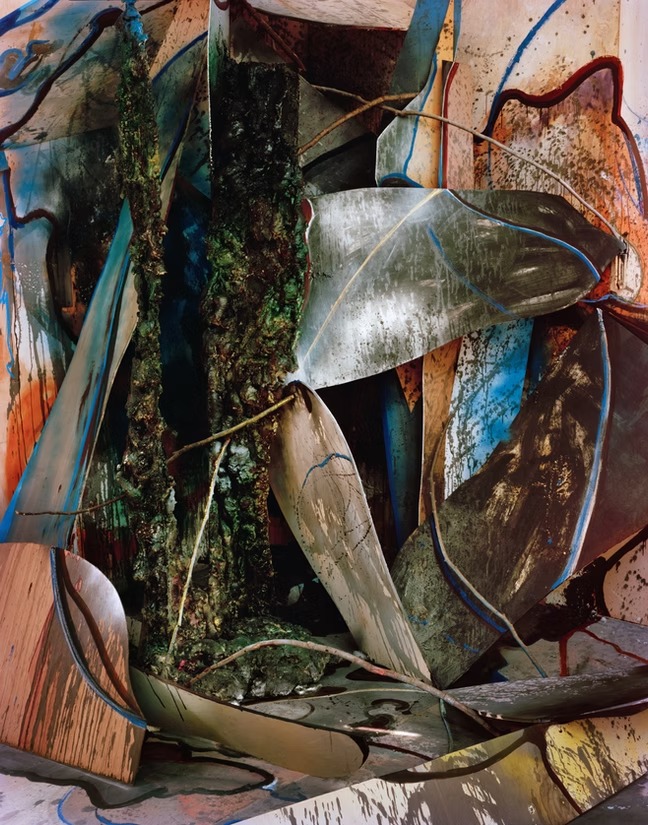
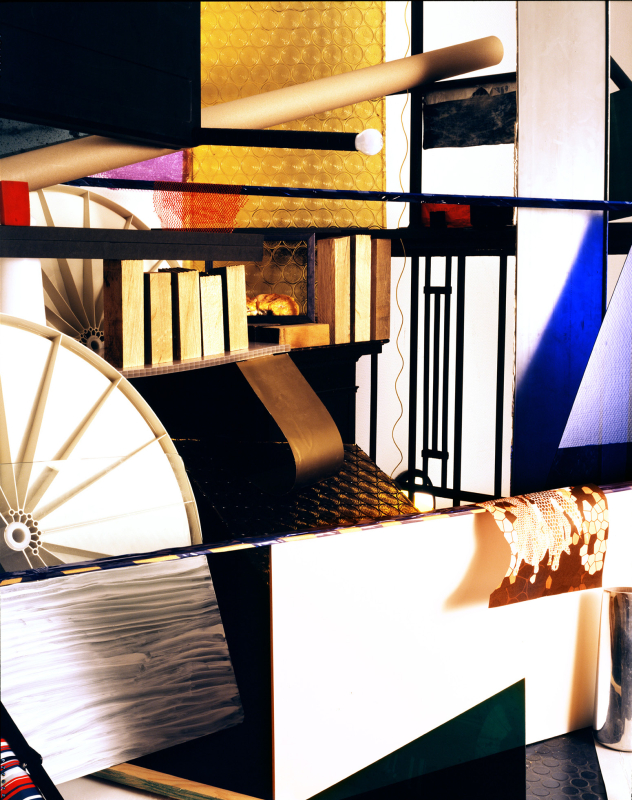
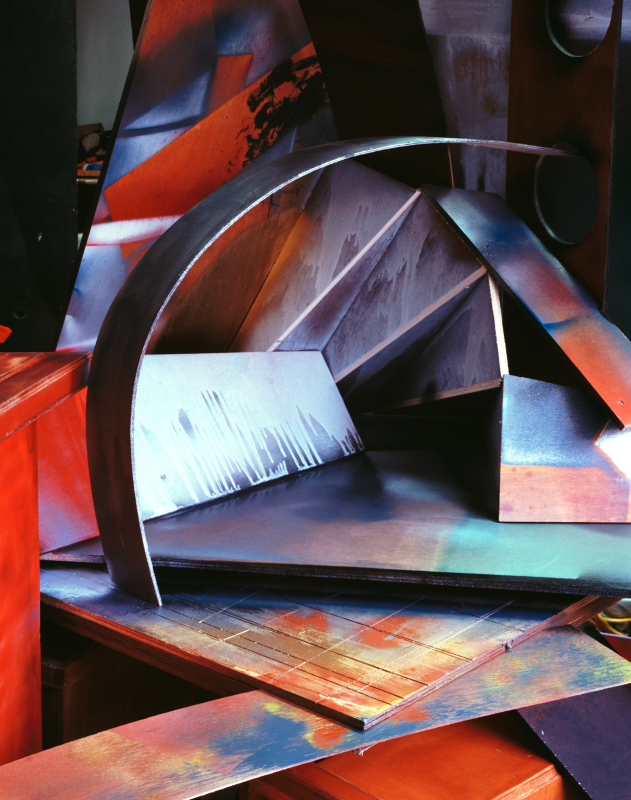
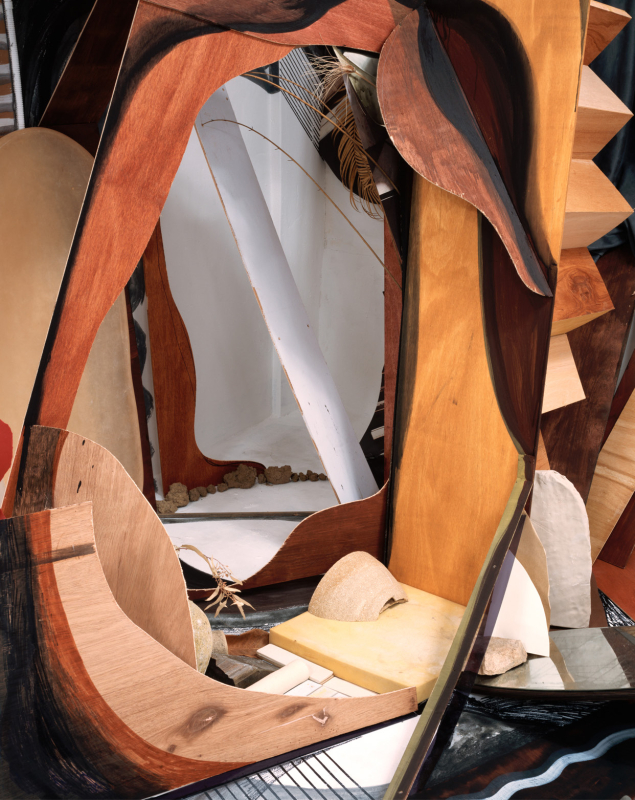
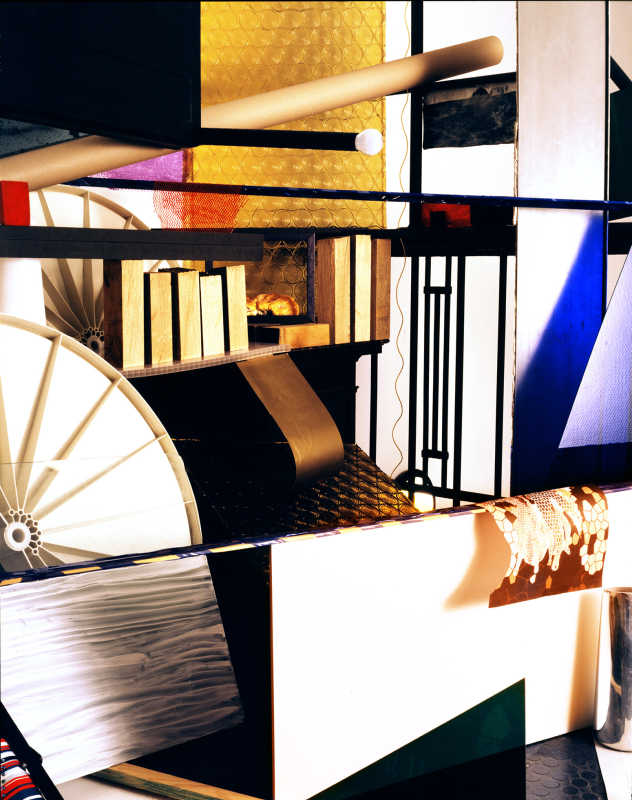
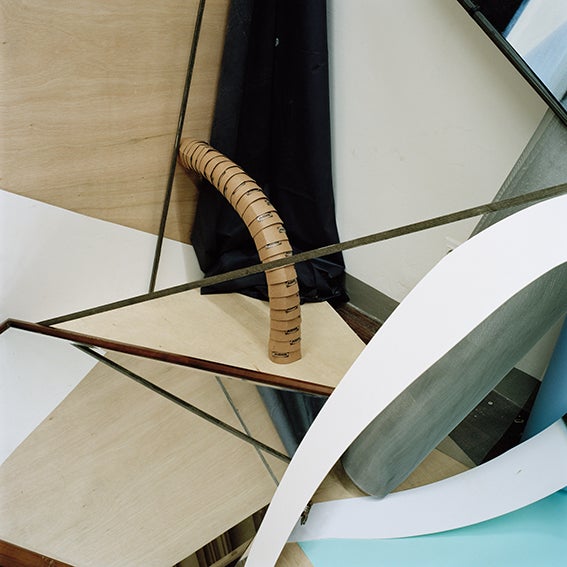
Cho Kyoungjae, Stairs 02, 2015, 150 x 120 cm © Cho Kyoungjae

A world of abstraction achieved by crossing over the camera frame and moving back and forth between inside and outside. Cho Kyoungjae repeatedly collects, constructs, dismantles, arranges, and transforms objects, ultimately transferring them into photography.

Expanding or effacing the boundaries of the photographic frame while working across photography, sculpture, and installation, Cho Kyoungjae’s practice continually dismantles the framing inherent in the act of seeing. “A useful photographic aesthetics, built without use.”

In examining Cho Kyoungjae’s practice, I came to realize that the paradoxes of “the meaning of meaninglessness” and “the usefulness of the useless” offer one possible path toward understanding his work. These are also ideas that the artist considers important in the process of making his work.

His statement—“I think about how I respond to the object before my eyes, and how I might photograph it simply as it appears, without assigning meaning to it (without a concept)”—offers another way to reconsider his approach to practice. In photography, the “meaning” carried by the object or subject generally tends to occupy a significant place within the work.
When taking photographs, artists often embed shared symbolic codes in their images or adopt a universal photographic language because doing so makes it easier to arrive at the production of meaning in the work. Yet why does Cho Kyoungjae continue to adhere to the photographic medium while resisting the conceptualization of his work?


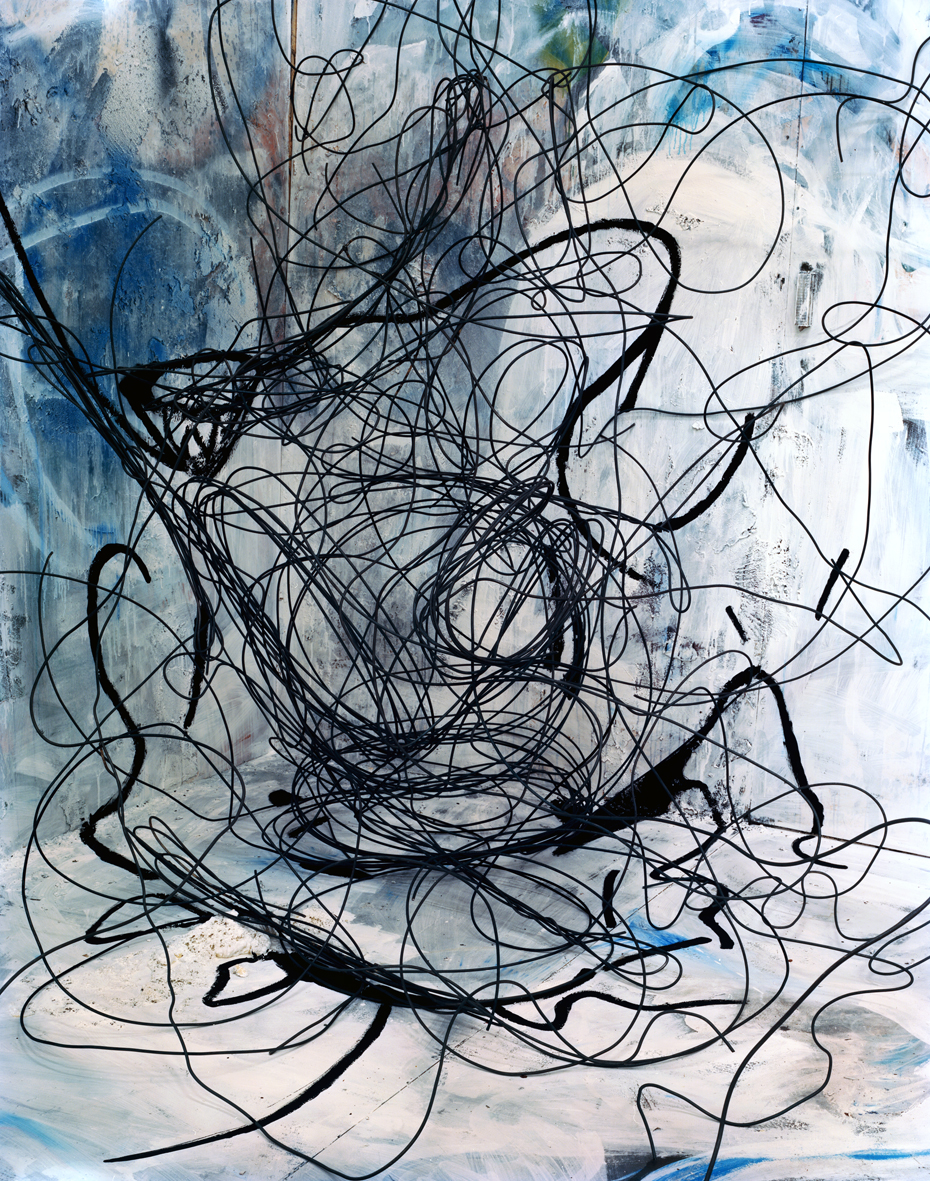
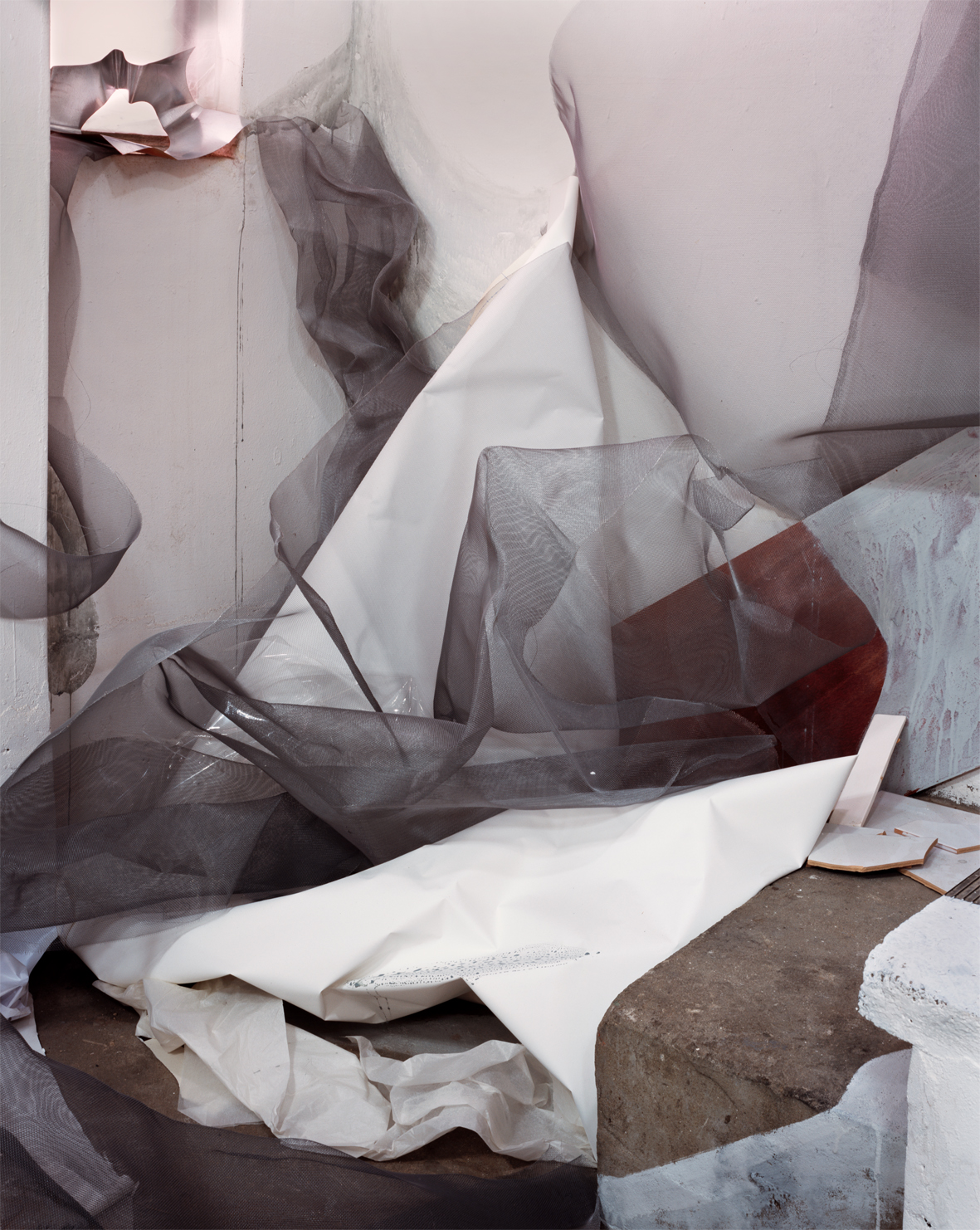
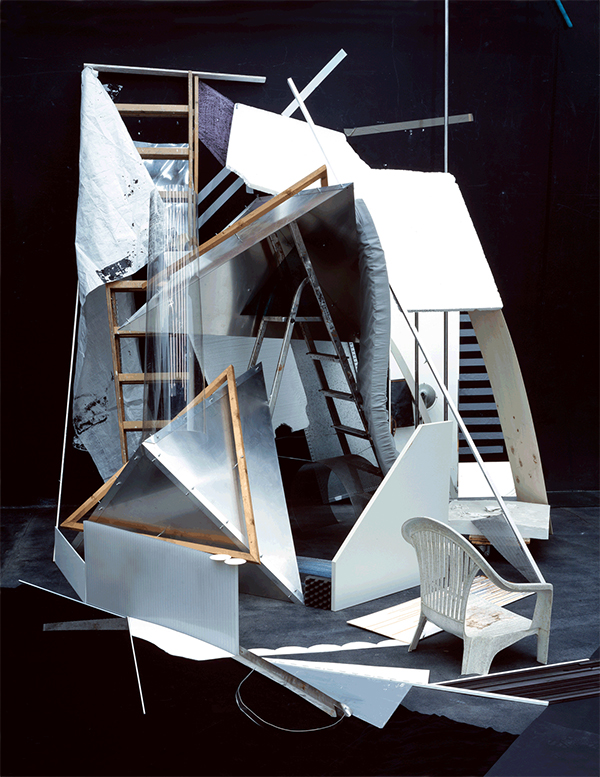
Cho Kyoungjae, Juan002, 2022, 120 x 95 cm © Cho Kyoungjae

“Speaking is done by language, not by the author.”
Roland Barthes

In his book The Death of the Author, Barthes attempted to create fissures in concepts and perceptions fixed by convention. His effort to dismantle and overturn the doxa of modern society took concrete form in the idea of “the death of the author.” “The death of the author” refers to the disappearance of the author as the creative subject of an artwork and the emergence of the reader as the new subject of interpretation.

It was a project aimed at demythologizing the common doxa surrounding the artist: that the artist, as a singular genius who precedes the work, exerts absolute influence over its creation and determines its meaning. If the conventional view held that a work’s meaning could be explained only through the author and fixed as a final signified, Barthes instead writes of writing itself: “Speaking is done by language, not by the author.”

The author is merely the person who transcribes language, and writing is not the expression of an idea, passion, or impression, but simply “a gesture of inscription.” Since writing a work is an act of combination rather than creation, the work acquires vitality through the diverse interpretations of readers and continuously generates meaning on its own.

If Barthes’s “death of the author” is invoked in contemporary art, it is to emphasize that a work has no fixed meaning and that its network of meanings may be generated or dissolved through the viewer’s active act of seeing. It may also refer to attempts to disrupt ideologically conditioned readings of signs or to awaken signs that have remained concealed.

“I tried to see how I respond to what is in front of me, and to photograph it just as it appears.”
Cho Kyoungjae


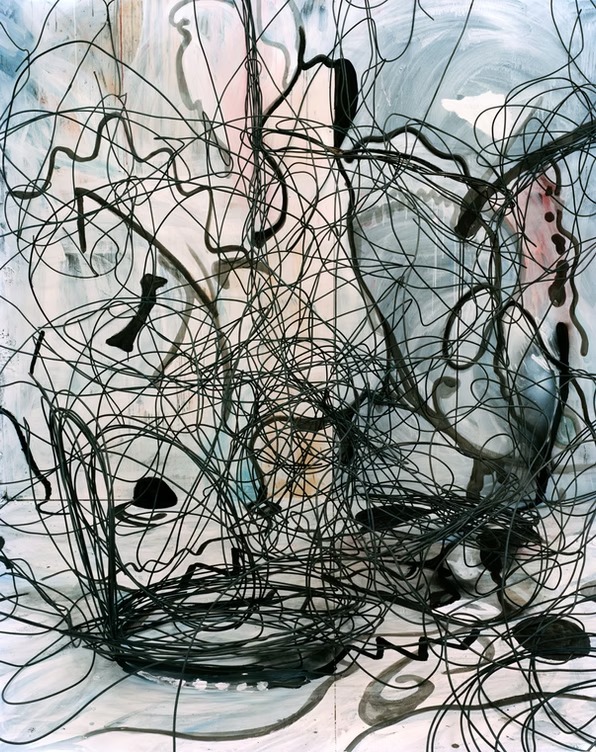
Cho Kyoungjae, Geumgog Piano, 2021, Inkjet print, 180 x 150 cm © Cho Kyoungjae

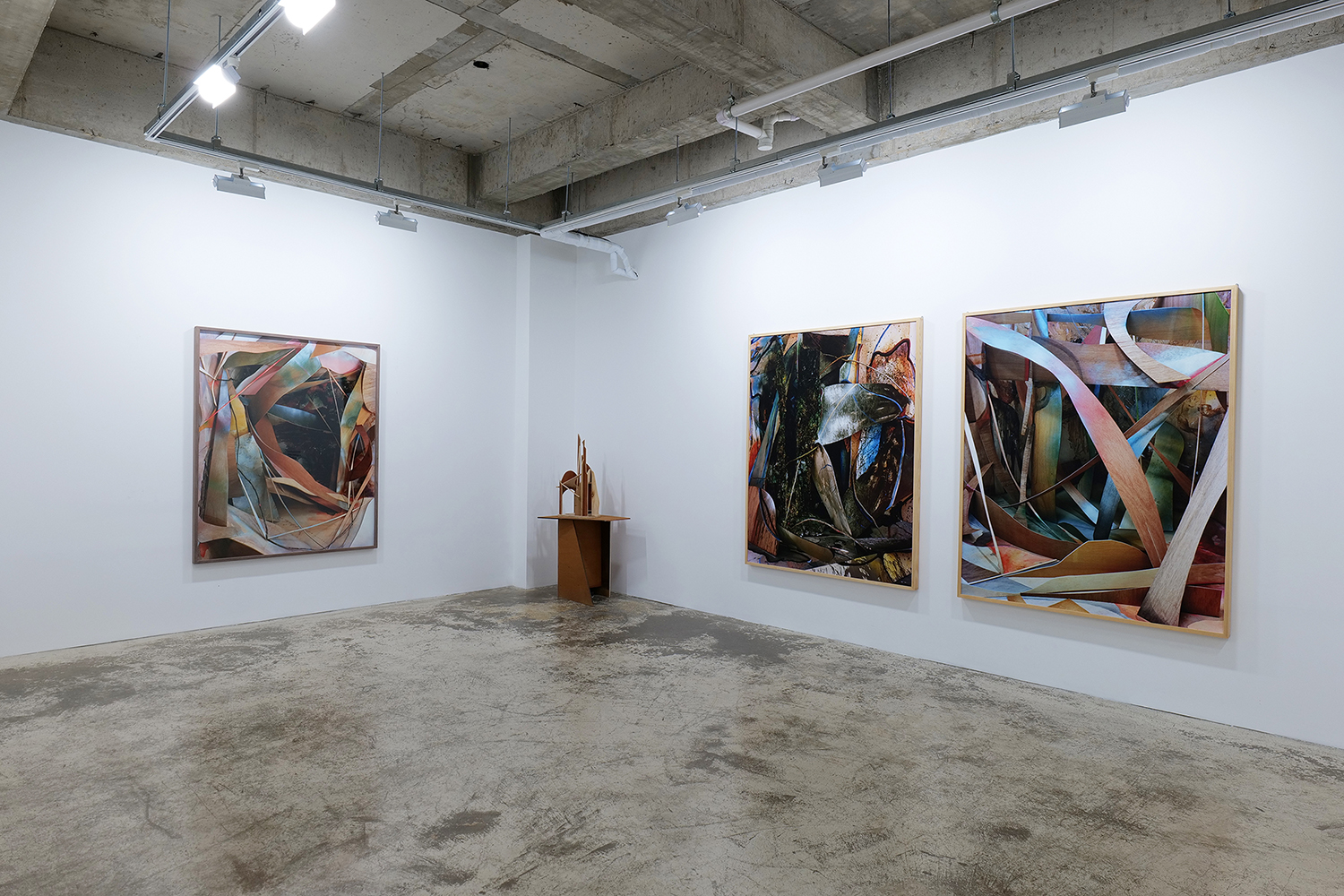
Seen again through the lens of Barthes’s thought, the geometric planes and abstractions in Cho Kyoungjae’s work take on a more solid sense of form. Three-dimensional spaces, created through repeated processes of composing the picture plane like a collage or gathering, installing, and arranging objects, are transferred into geometric and non-representational two-dimensional planes—photographs—in which points, lines, and planes at times form bold harmonies.

To avoid anchoring meaning through captions, the artist also gives his works seemingly indifferent titles. Each title points to a small fragment within the photograph or merely suggests a nuance, arousing the viewer’s curiosity. At times, he combines unreadable words; at others, he does the exact opposite and assigns familiar nouns. This reflects the artist’s intention to hand over a substantial share of interpretation to the viewer.

If we fail to read Cho Kyoungjae’s work and instead the work itself continues to speak to us, then perhaps we have arrived at “the death of the author.” Or perhaps the work itself has become the subject that generates meaning. If one seeks meaning in photography or considers photography’s communicative function important—if, to put it in Barthesian terms, one expects studium from a photograph—Cho Kyoungjae’s work may seem unfriendly and uncomfortable.
Barthes’s description of the experience of looking at photographs as an “adventure” (Photography as Adventure), not on the level of universality but ultimately on that of individual knowledge (mathesis singularis), may stem from the ontology of seeing and its beautiful value.
Cho Kyoungjae likewise places importance on the act of viewing the work and on the experiential dimension of that encounter. As the artist himself has mentioned, the influence of his teacher, Daniele Buetti, is visible to a certain extent. In a series of works using lightboxes, Buetti features glamorous models drawn from mass media as his protagonists.

Over these photographs, he inscribes sentences that sparkle like jewels. Among his works is one particularly striking aporia: How Far Away Am I from Death? (2002). Standing before this work, the viewer may begin to contemplate the question inscribed within it, only for their gaze to move immediately toward the woman’s smooth body, postponing any answer.

The question cannot be answered, nor can its answer be known, yet one thing remains clear: “I am the subject who is looking at the work now, and both the beautiful woman within the work and I, who am looking at her, are mortal beings who will one day die.” If Daniele Buetti guided viewers by inscribing sentences onto photographs, Cho Kyoungjae, conversely, draws viewers into the image through “wordless photographs.”


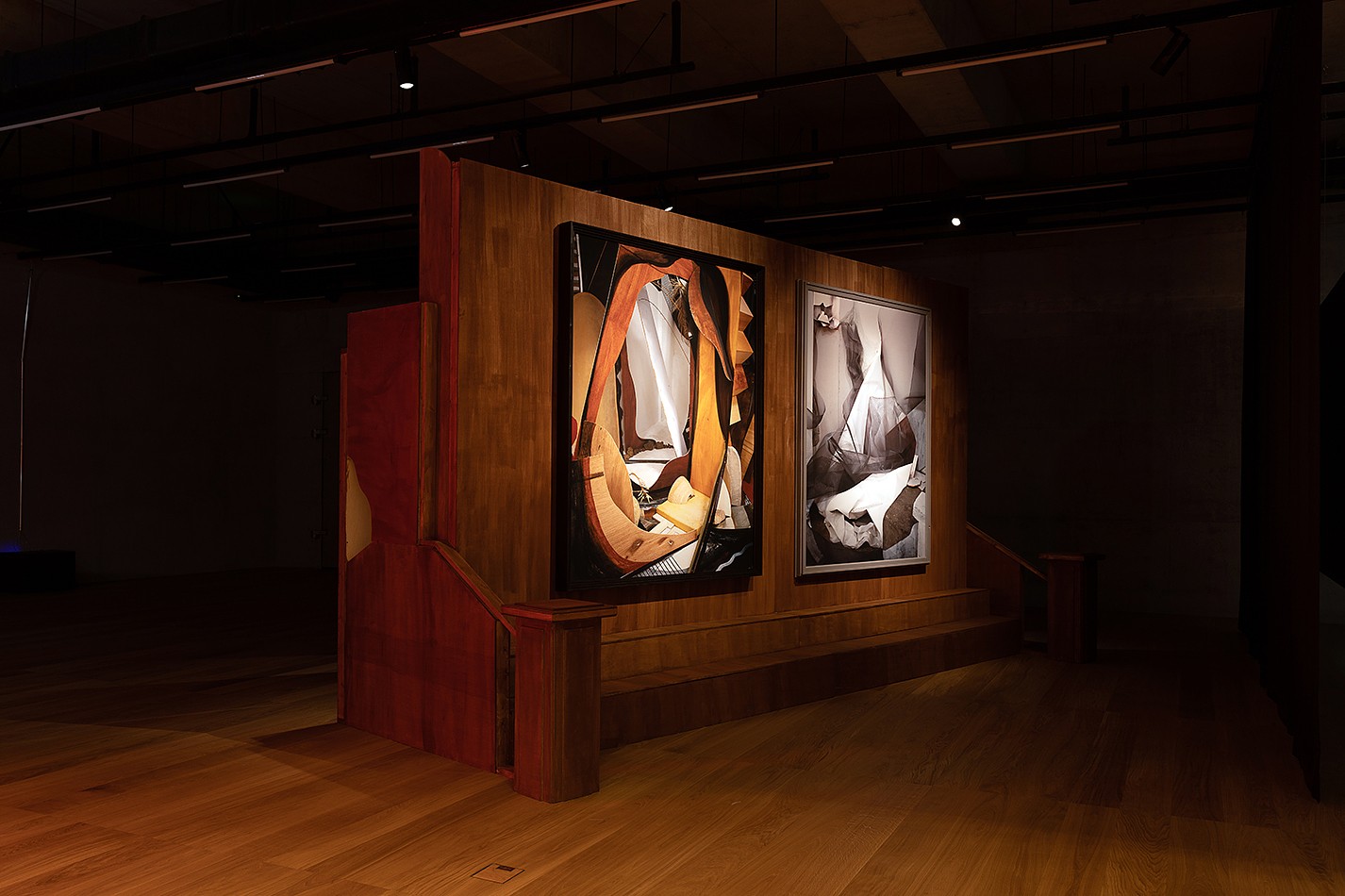
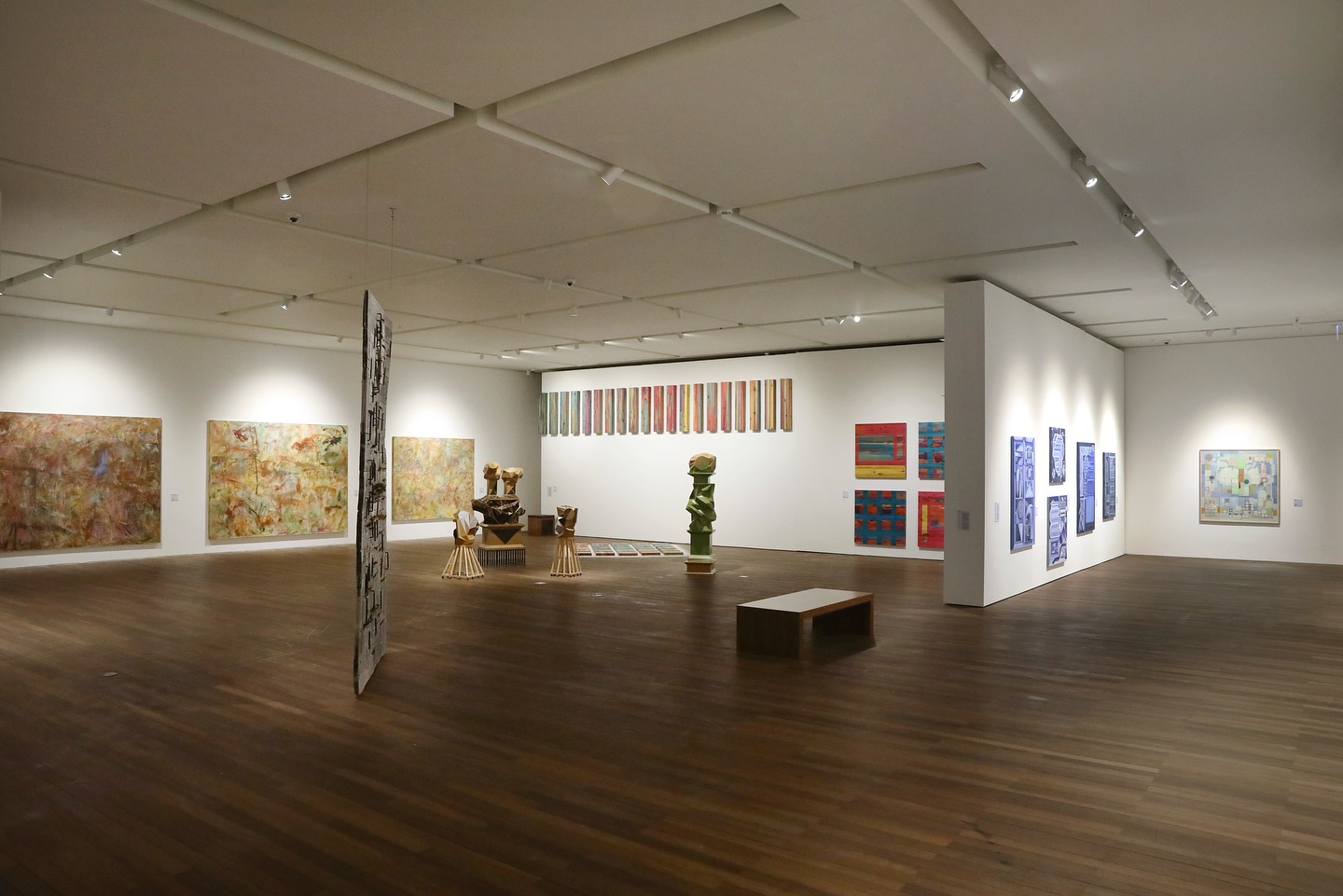
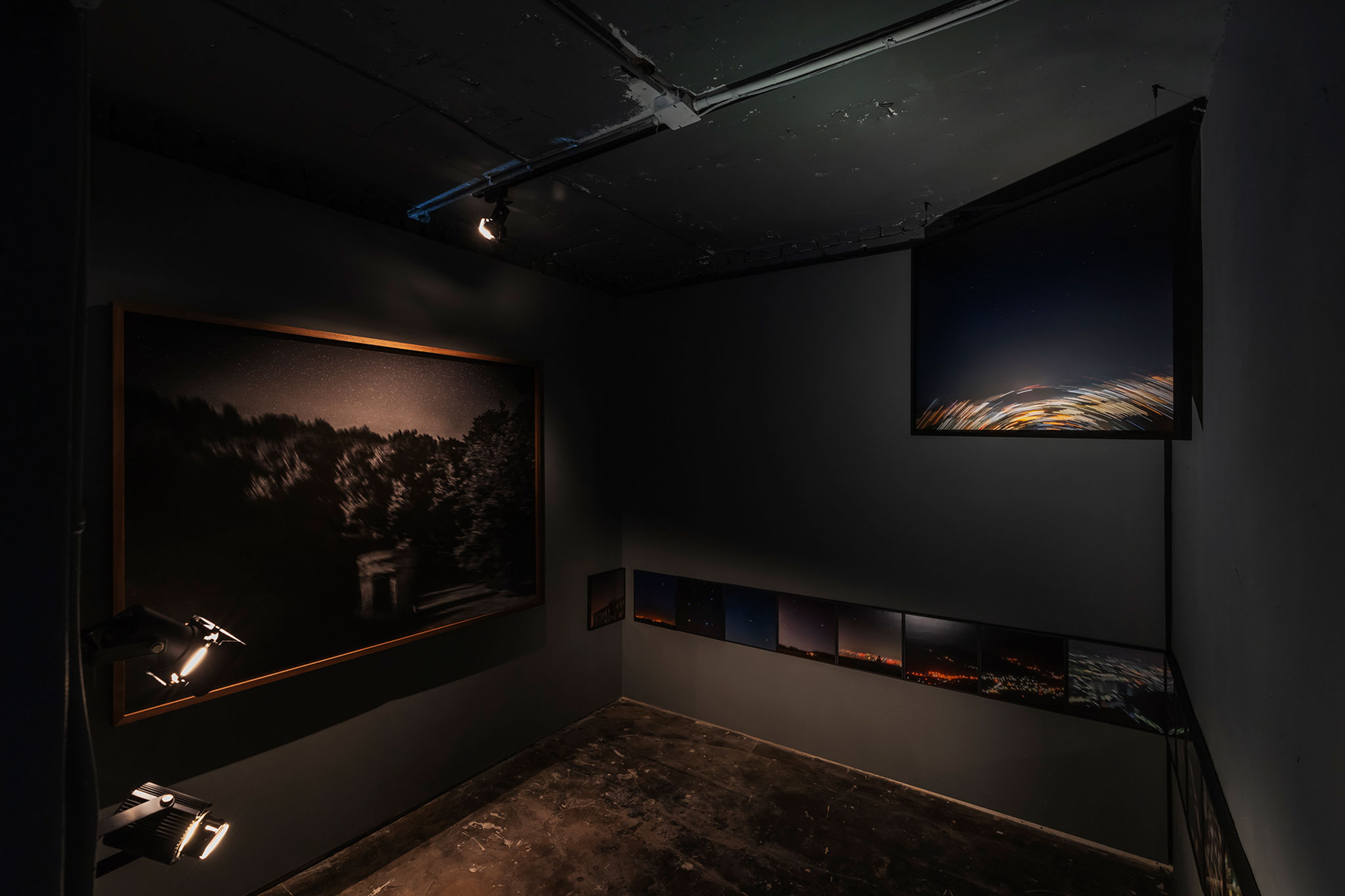
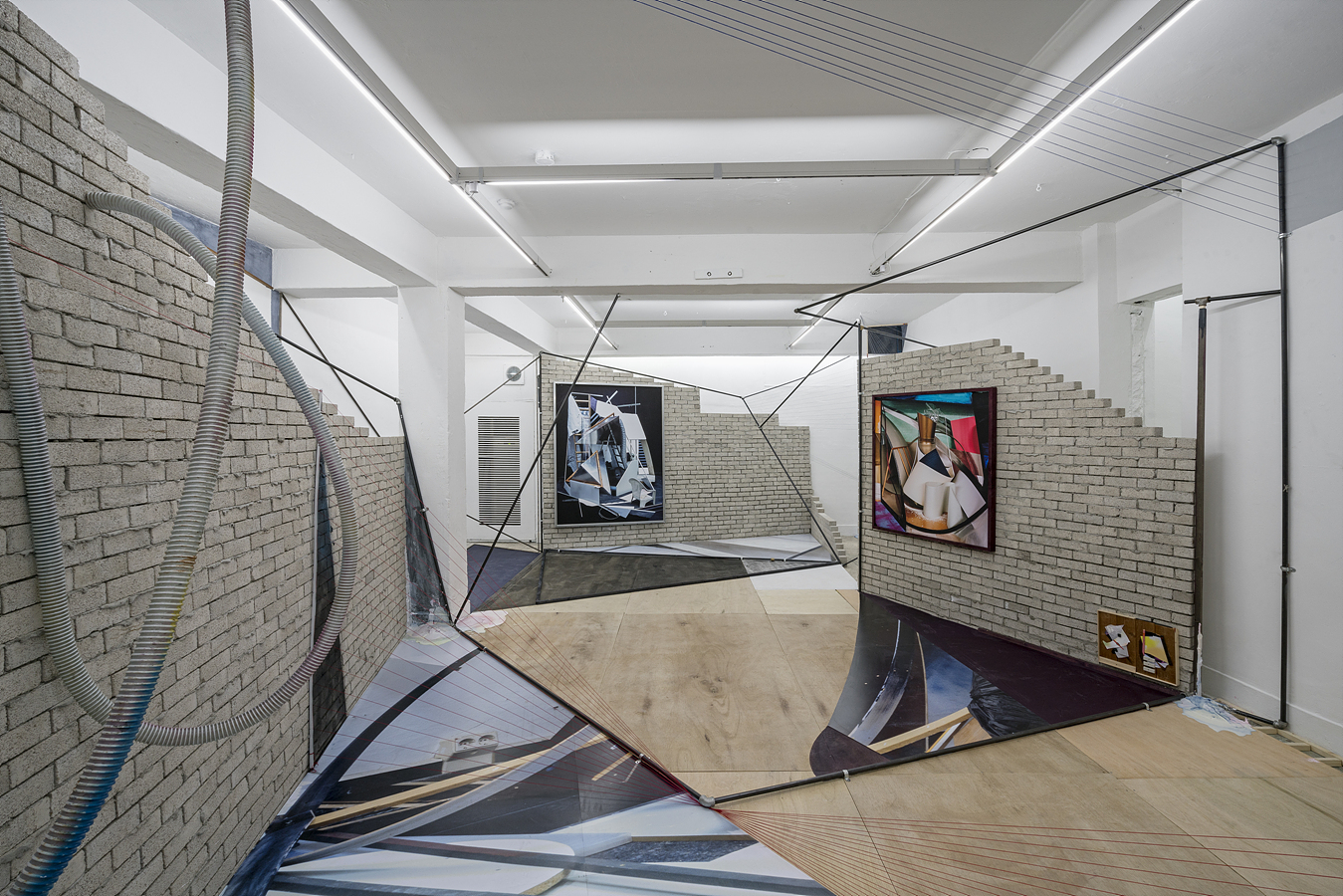
Installation view of 《There is a Crack in Everything. Thats how the light Gets in》 © TINC

“My paintings’ forms are their content.”
Ellsworth Kelly

Painter, sculptor, and minimalist Ellsworth Kelly focused on the act of seeing itself rather than embedding concepts in his works or constructing narratives. What mattered to him was the relationship between the work and the person looking at it, and the energy generated between them. His statement, “My paintings’ forms are their content,” is a well-known aphorism that encapsulates his artistic philosophy.

The utterance of massive fields of color filled with simple forms and bright hues must have reached each viewer standing before them in a different way. The point at which Kelly’s work, which explored the essence of “painterliness” by emphasizing the materiality of painting itself, connects with Cho Kyoungjae’s recent work Untitled 2 lies in an unpredictable method that foregrounds line, color, and form.

It is an intensely photographic practice that extracts abstract beauty from fragments of everyday life and arrives at an aphorism that is painterly yet poetic and minimal. Kelly pushed painterliness to its limits, while Cho Kyoungjae persistently maintains the autonomy of the photographic medium to the very end. What is possible because it is photography, and what only photography can do, is to attest that “that-has-been”—that what was photographed undeniably existed. For Cho Kyoungjae, the message of photography originates from “what is captured in the photograph.”

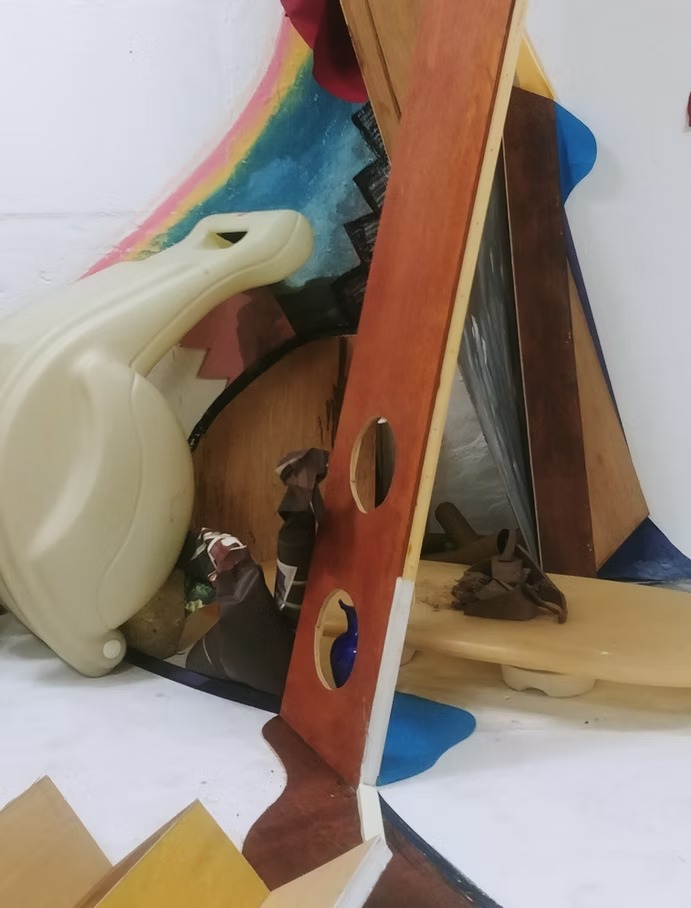
Cho Kyoungjae repeatedly constructs, dismantles, rebuilds, and breaks apart structures made from collected or found objects, ultimately creating “a certain form” for the final photographic shot. He sprays paint, prepares wooden boards to secure the necessary areas of planes within the image, or gathers required materials to stage unexpected juxtapositions.

What emerges after all these processes is a single photograph captured in an instant. The structure transferred into the photograph is dismantled after shooting, reused as an object in another photograph, or dispersed. In other words, it “comes to preserve its full form only within the photograph.”

Put simply, the subject photographed by Cho Kyoungjae exists only within the photograph and disappears the moment it becomes a photograph. Cho Kyoungjae’s sculptures continue their photographic construction in space-time, supporting one another in strange ways while knowing that they will one day disappear.


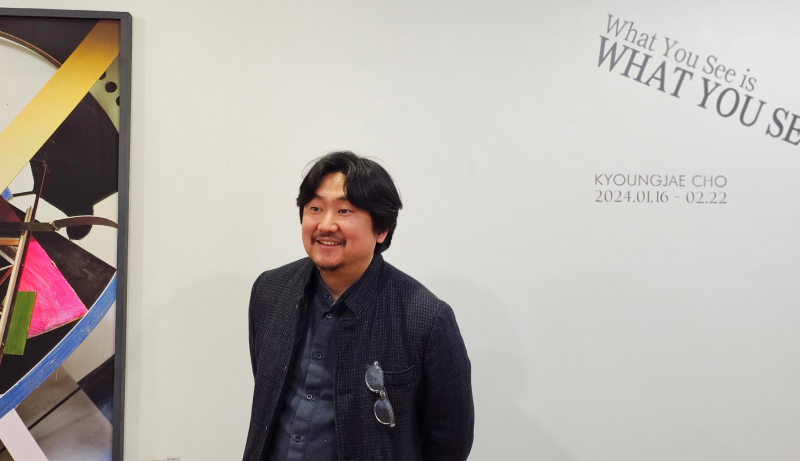
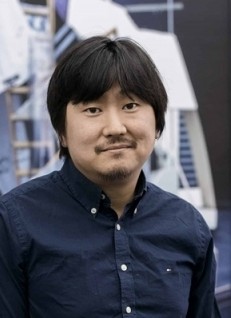
The Artist © Cho Kyoungjae

“Everything has a crack in it. That’s how the light gets in.”
Cho Kyoungjae

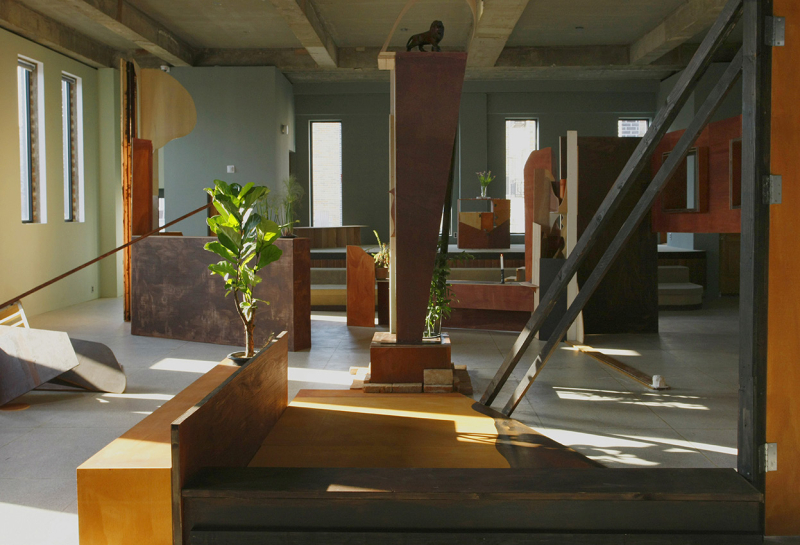
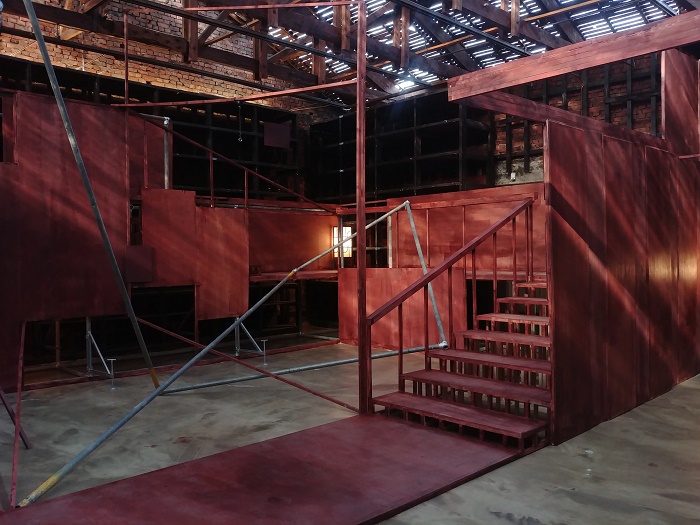
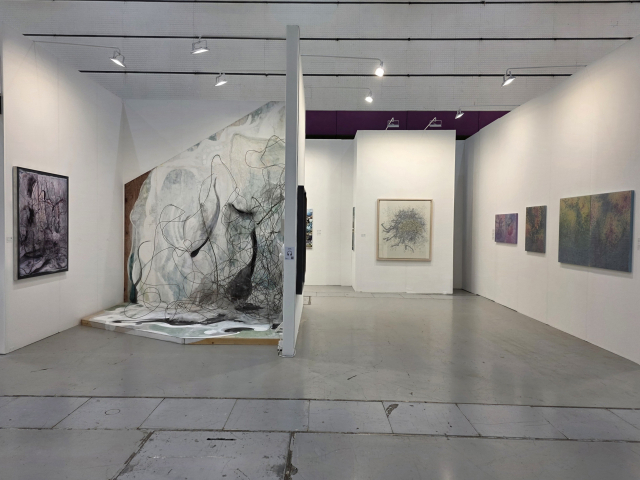
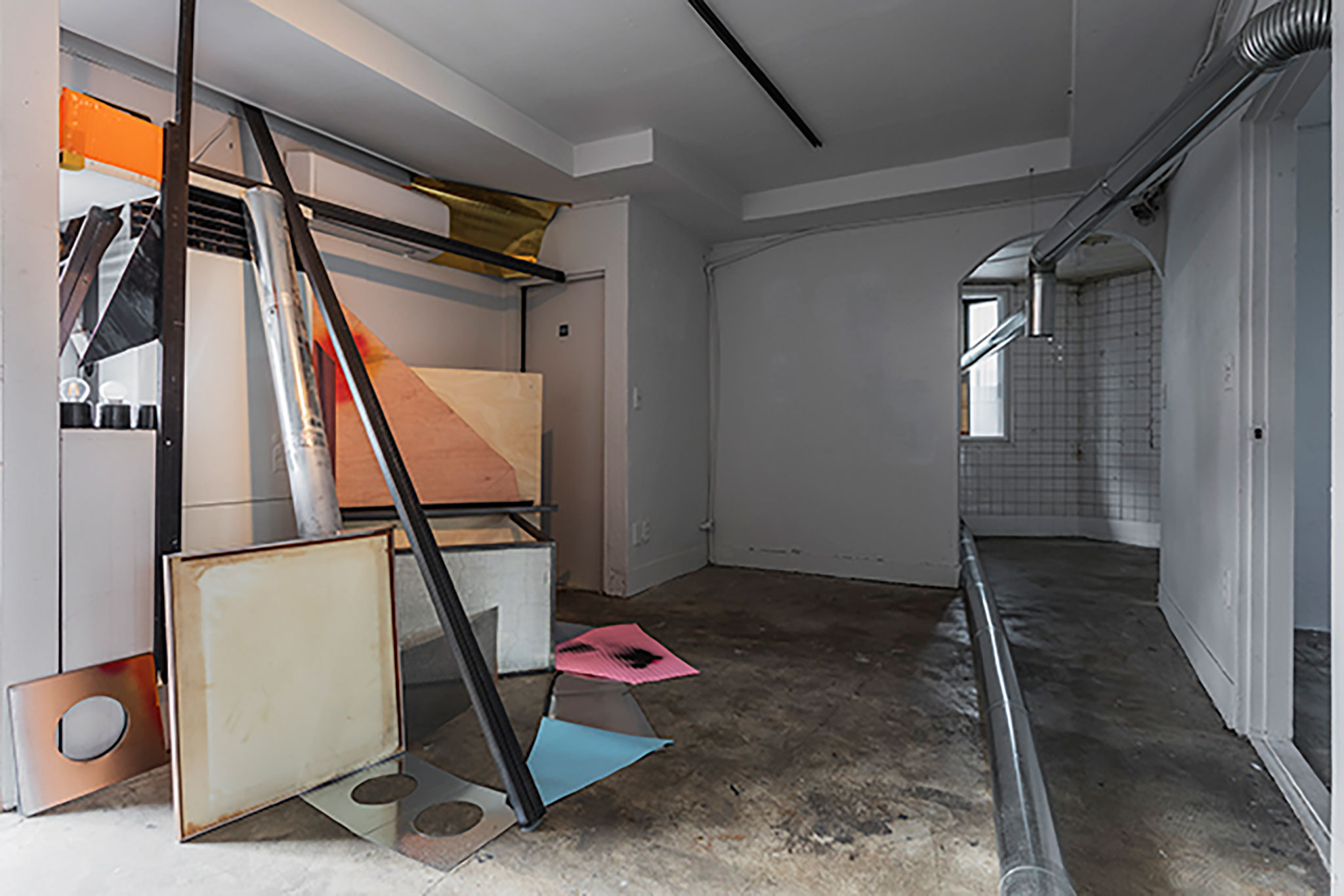
Cho Kyoungjae’s “photographic” practice is particularly evident in his spatial installations. Through exhibitions such as 《Broken Edges》 (Project Space SARUBIA, 2017), 《The Reveal of Tooth Pulp》 (Amado Art Space, 2018), and 《Everything Has a Crack in It, That’s How the Light Gets In》 (This is not a church, 2021), he transforms entire exhibition spaces, or parts of them, into photographic spaces.

Actual photographic works are hung on the walls, while the geometric elements within the photographs extend beyond the frame and into the exhibition space. In 《Everything Has a Crack in It, That’s How the Light Gets In》, held in 2021, the artist did not hang photographic works, but instead attempted an uncanny spatial staging that interpreted the exhibition space photographically.

The interior of the exhibition venue, which had originally been a church building, revealed subtle movements over time, while light entering through the windows touched the walls, wooden floors, columns, and stairs, spontaneously creating sculptures of light. It was an exhibition-space-work that could only be experienced in that particular place, in which the entire space became the work itself and everything was destined to disappear once the exhibition ended.

Cho Kyoungjae creates photographic abstraction—or painting—by working with sculpture and space. Objects acquired, or discovered, by chance are placed in unintended spaces, and within them the artist continually examines the relationships among the objects, the space, and himself. Non-representational sculptures assembled from objects are translated into photographic abstraction, while the materiality of sculpture becomes the materiality of photography. Could this be called “photographic abstract sculpture”?

As his sculptures become increasingly involved with the effects of light and movement, they prompt reflection on the relationships among photography, sculpture, and space. The artist questions sculpture, photography, and materiality; he questions the moment of exhibition; and he considers the many questions imposed upon contemporary photography.

As a creative practitioner, Cho Kyoungjae’s practice has been a process of realizing the proposition, “This is photography!” Suspending judgment and gazing endlessly at his subjects, while concentrating on the relationship between artwork and viewer, are central methodologies in his creative practice. A “useful photographic aesthetics, built without use,” that waits until photography arrives—until “the pulp” is revealed in “the crack where the light enters, or at the broken edge.”

References