
Yeoseong Gukgeuk: A Popular Performing Art That Disappeared from the Stage
 
Yeoseong Gukgeuk was a Korean musical theatre genre in which women performed all roles, including male characters. Emerging in the late 1940s and reaching the height of its popularity during the 1950s, it drew on Pansori and Changgeuk and combined singing, acting, dance, costumes, and elaborate stage design.


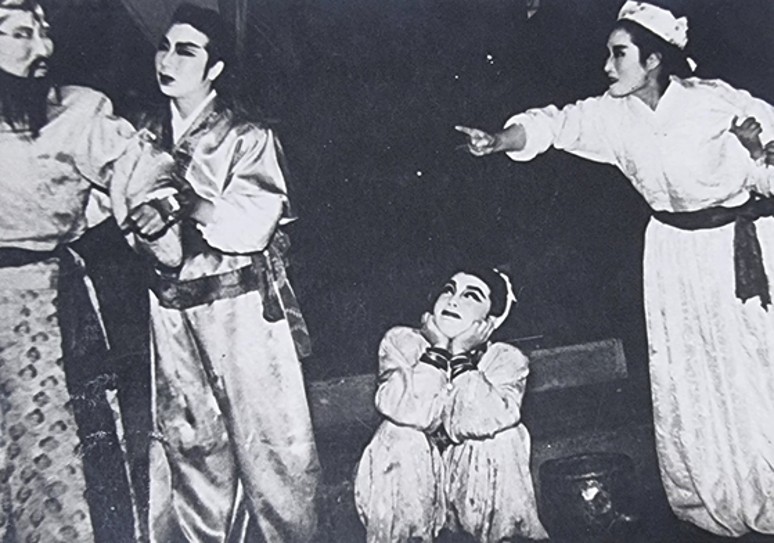
A scene from ‘Gwihyangga’ during the golden age of Yeoseong Gukgeuk.

Im Chun-aeng, the genre’s leading star, appears second from the left in the role of a prince, while Cho Youngsook is seated at the center. / Photo: Yeoseong Gukgeuk Production Institute

The performers portrayed not only women but also kings, generals, warriors, and male lovers. Those specializing in male roles developed lower vocal registers, restrained ways of walking, distinctive gazes and gestures, and particular methods of dressing and applying stage makeup, creating distinctive male personas onstage.
 
The principal male character types included Nimai, the heroic and romantic male lead; Sanmai, the clown; and Kadaki, the villain. As women appropriated and embodied these roles, masculine and feminine attributes overlapped, making visible the ways in which gender could be constructed through repeated acts of performance.
 
Audiences responded enthusiastically, and active fan communities formed around the most popular performers.
 
Yeoseong Gukgeuk, however, rapidly declined with the growth of cinema and television and with broader changes in Korea’s social and cultural environment. It did not become firmly established as a traditional performing art preserved and transmitted by the state and remained marginal within the history of modern Korean performance.
 
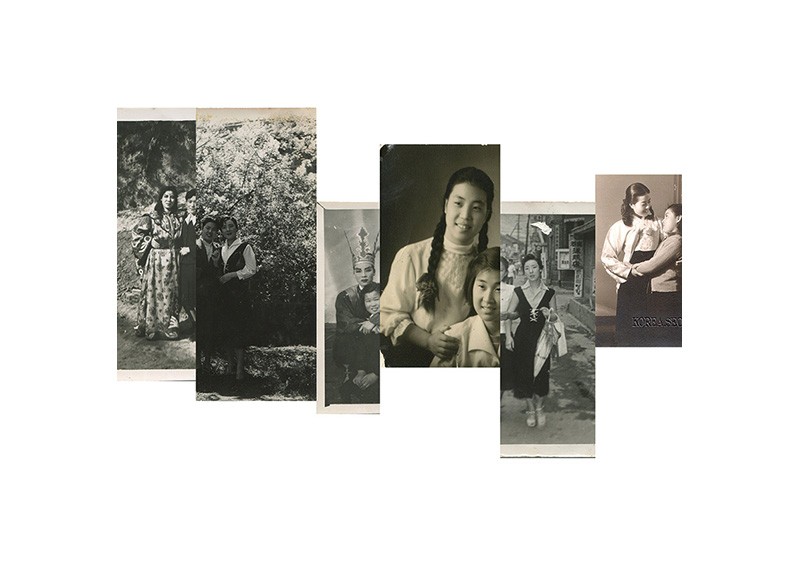
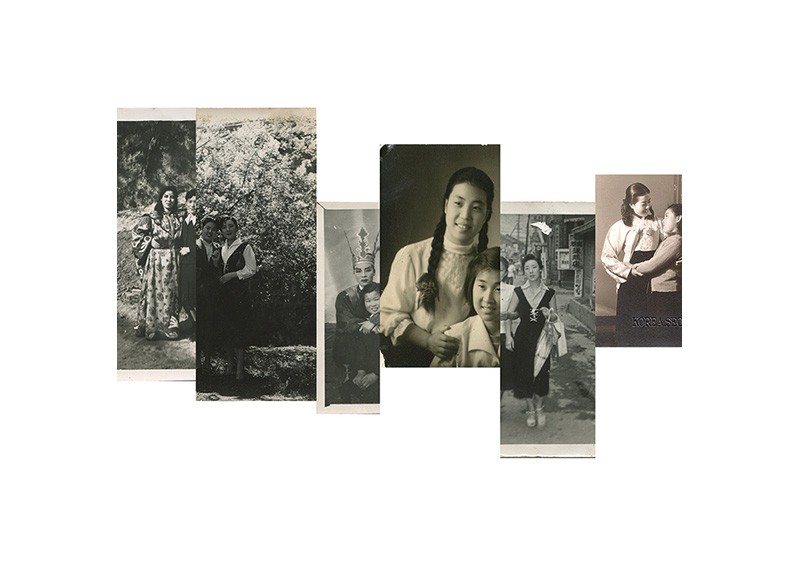
As scripts, photographs, production materials, and records of the performers were inadequately preserved, Yeoseong Gukgeuk gradually receded from public memory.


siren eun young jung’s Research into Yeoseong Gukgeuk
 
Since 2008, siren eun young jung has developed the long-term《Yeoseong Gukgeuk》Project, meeting former performers and collecting production materials, photographs, documents, and oral testimonies.
 
Her interest does not lie in restoring or reconstructing Yeoseong Gukgeuk in an original or supposedly authentic form. Instead, she examines why the genre was excluded from officially recognized traditions and historical narratives despite its considerable popular success.


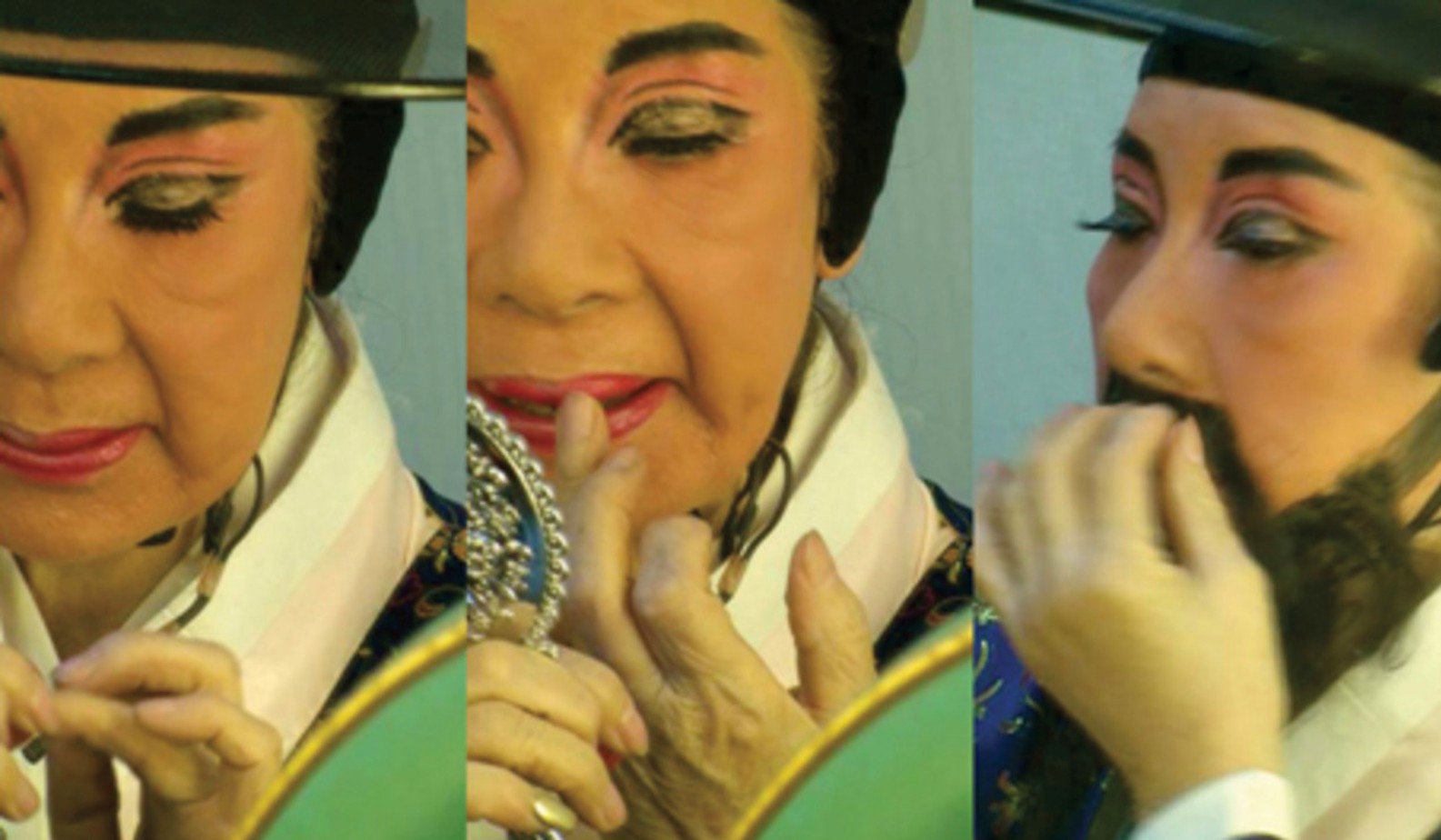
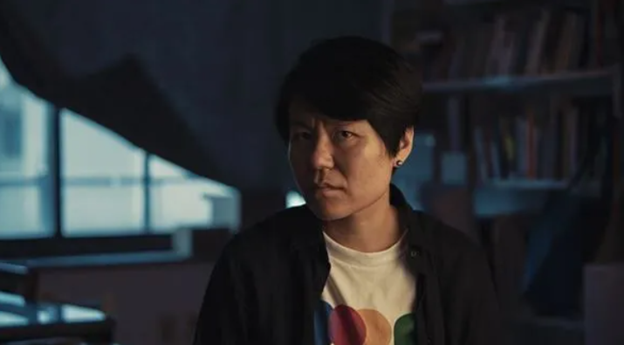
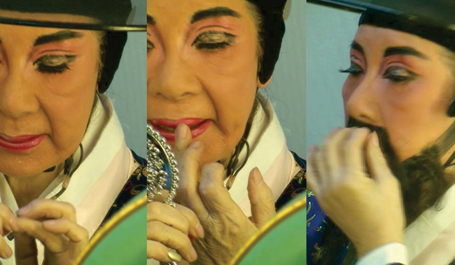
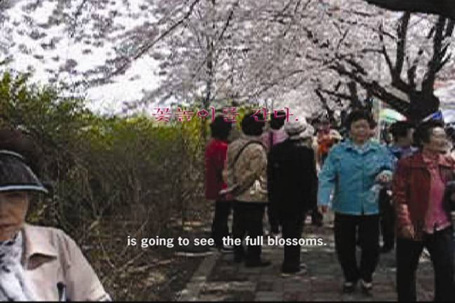
siren eun young jung, still from The Masquerading Moment, 2009 / Photo: DOOSAN Gallery

In the absence of sufficient documentary records, the performers’ bodies become important archival sources. Even decades later, the experience of performance remains embedded in their voices, postures, gestures, songs, movements, and methods of applying stage makeup.
 
Jung approaches these embodied memories alongside surviving documents and photographs as another form of archive through which Yeoseong Gukgeuk can be understood.
 
The artist has developed this research through video, performance, graphic work, collage, installation, and archival materials. In her practice, Yeoseong Gukgeuk functions both as a historical subject and as a point of departure for examining how tradition, history, and archives are constructed, and what institutions have chosen to preserve or exclude.


From Yeoseong Gukgeuk to Queer Performance
 
Over time, Jung’s practice has expanded from the experiences of former Yeoseong Gukgeuk performers to the practices of contemporary LGBTQIA+ artists and performers.
 
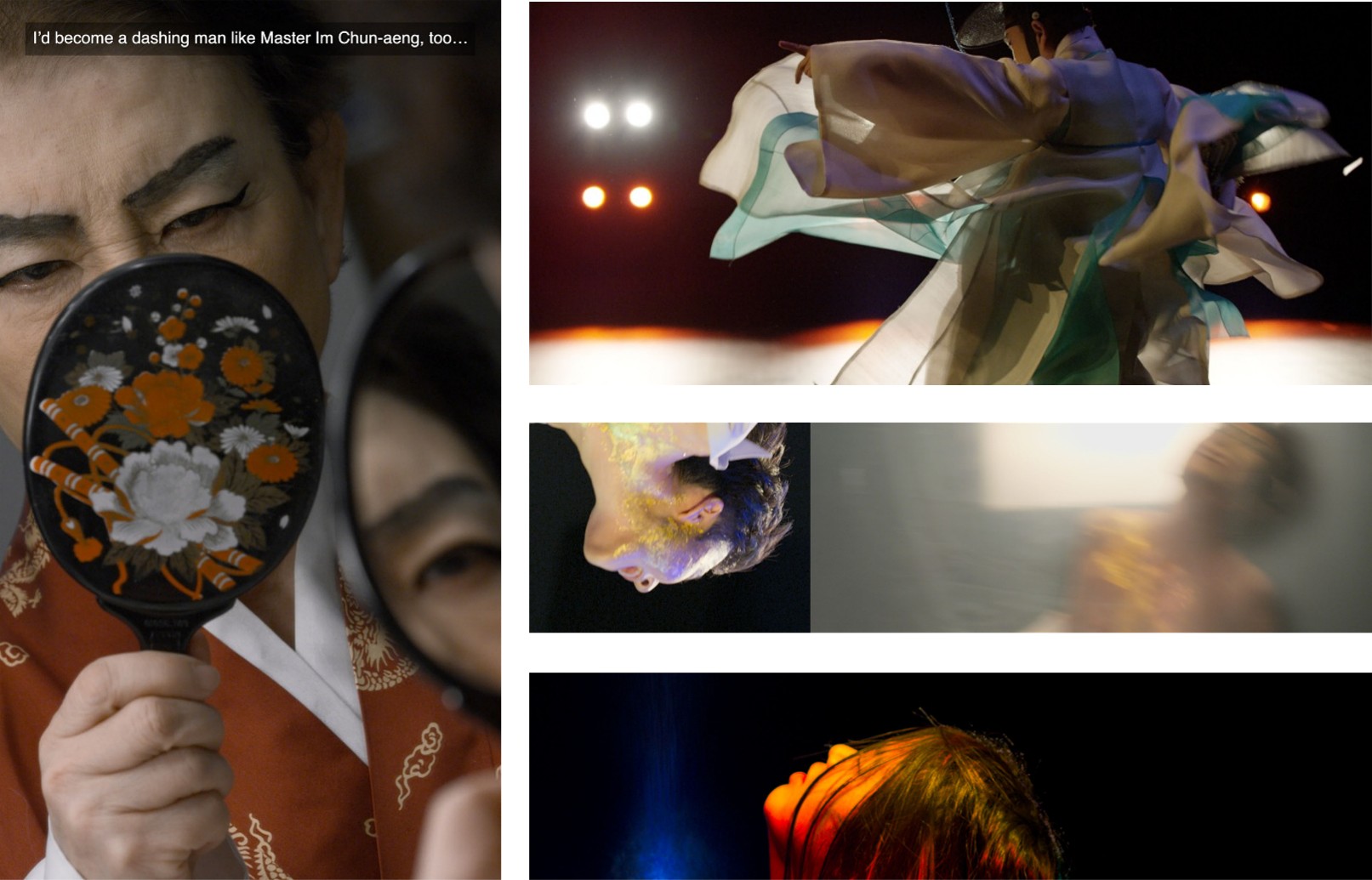
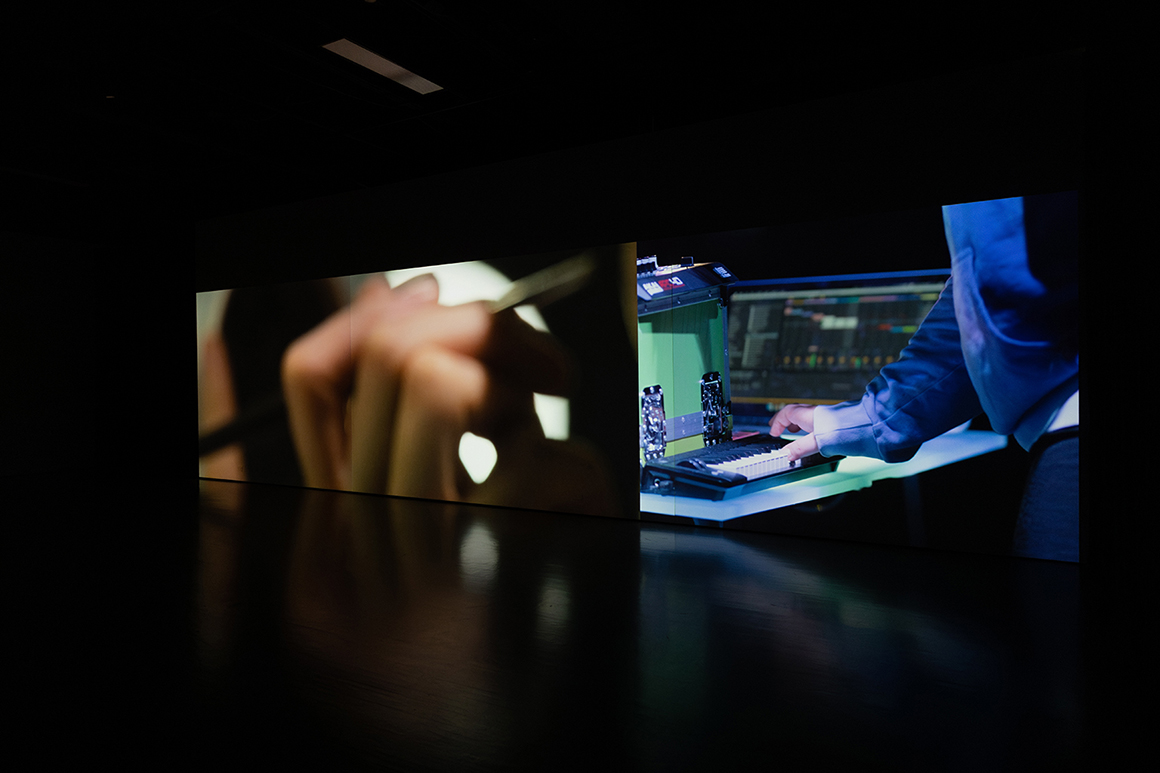
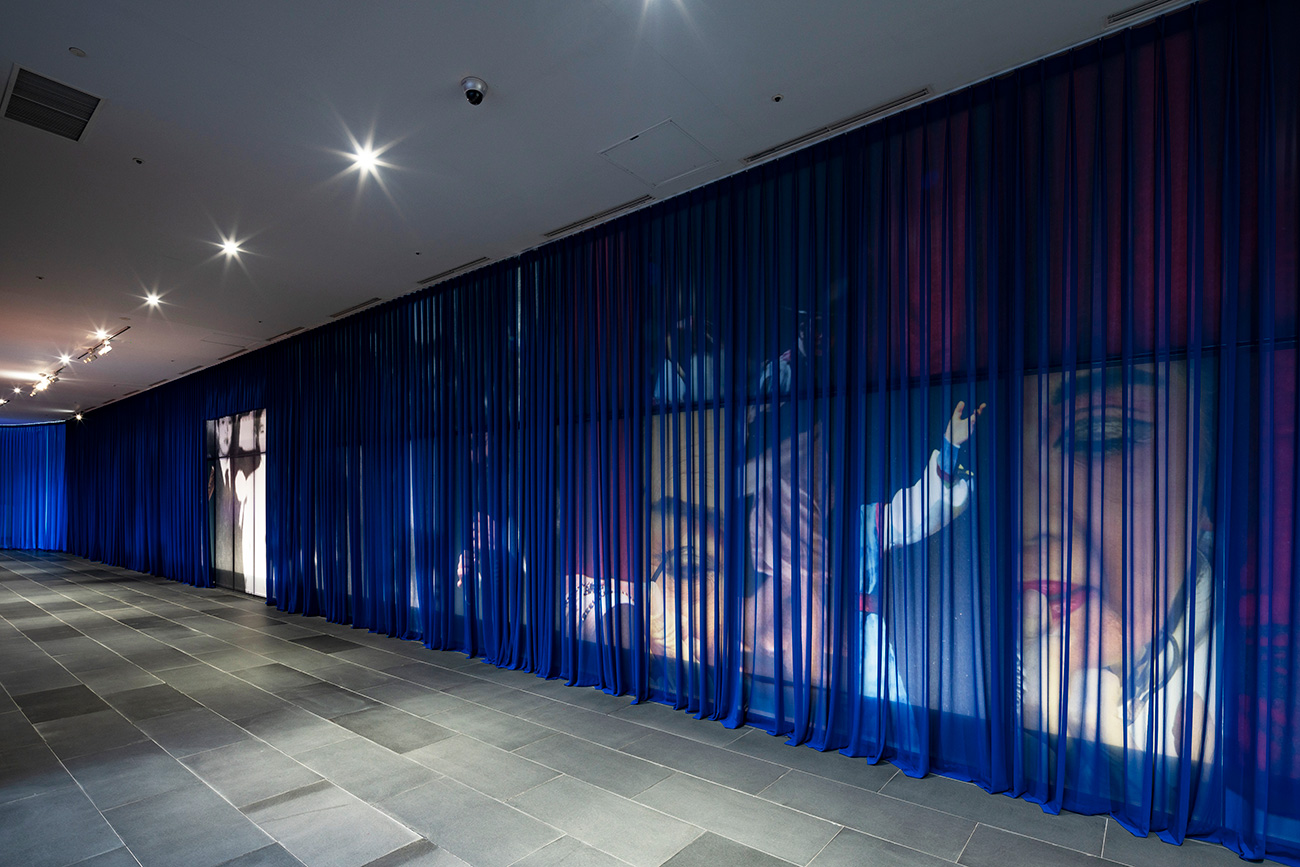
The multichannel video installation A Performing by Flash, Afterimage, Velocity and Noise, presented at the Korean Pavilion of the 2019 Venice Biennale, brought together Lee Deungwoo, a second-generation Yeoseong Gukgeuk performer known for Nimai roles; electronic musician KIRARA; actor Lee Yii; disabled artist Seo Jiwon; and Drag King Azangman.
 
By bringing together performers from different generations, disciplines, and social positions within a single work, Jung proposed a possible genealogy of performance extending from Yeoseong Gukgeuk into contemporary queer practice.


siren eun young jung, A Performing by Flash, Afterimage, Velocity and Noise, 2019, audiovisual installation, multichannel video, stereo and 5.1-channel surround sound, dimensions variable / Photo: siren eun young jung

The ‘theatre trilogy’ that developed from this long-term research demonstrates the gradual transformation of Jung’s concerns.
 
The first part, trans theatre, focuses on the earliest generations of performers who specialized in male roles in Yeoseong Gukgeuk, as well as their experiences, memories, and archives.
 
The second part, deferral theatre, was developed through close collaboration with contemporary LGBTQIA+ artists. It examines gender performativity, representation, and the reinterpretation of tradition. Jung removes Yeoseong Gukgeuk from patriarchal interpretations and reconsiders it as an imaginary origin of queer cultural practices in South Korea.
 
The final part, resistant theatre, extends the field of performance into the streets, public squares, and political sites of the contemporary city.


A New Work Addressing Civic Protest
 
The final part of the trilogy focuses on the mass civil protests that unfolded in South Korea during 2024 and 2025 following the declaration of martial law on December 3, 2024.
 
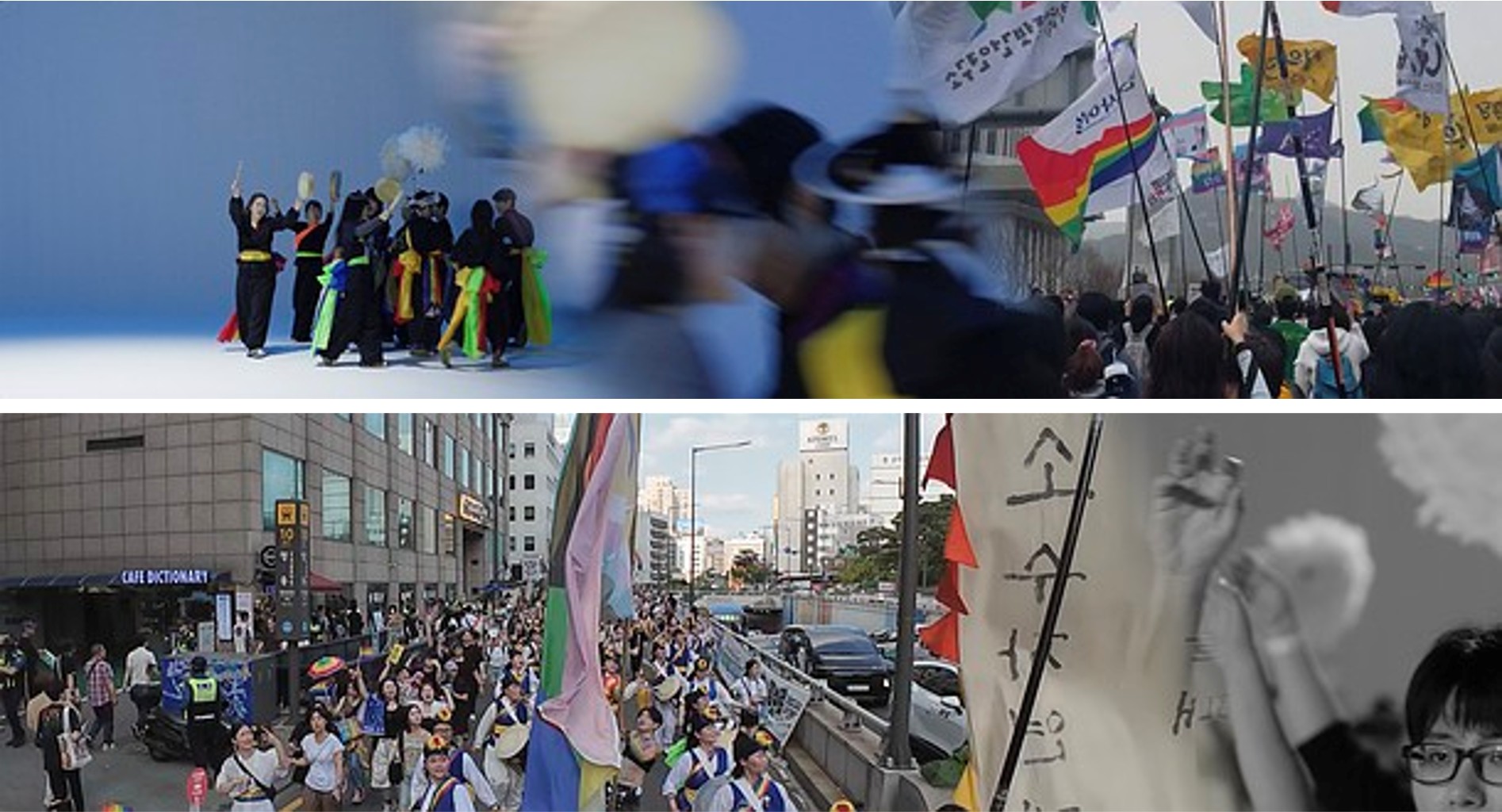
The work interweaves documentary footage recorded at demonstrations with stylized reenactments. Bodies and urban spaces, sites of authority and precarious spaces, music and noise are connected within an image- and sound-intensive video installation.
 
Songs and chants from the streets, flags, candles, light sticks, percussion, and the movements of people raising their fists, dancing, and marching are combined with the beats of electronic musician KIRARA, with whom Jung has collaborated since 2016.
 
Jung approaches the ways in which citizens occupy public squares and roads, singing, shouting, and moving together, as both political action and collective performance.


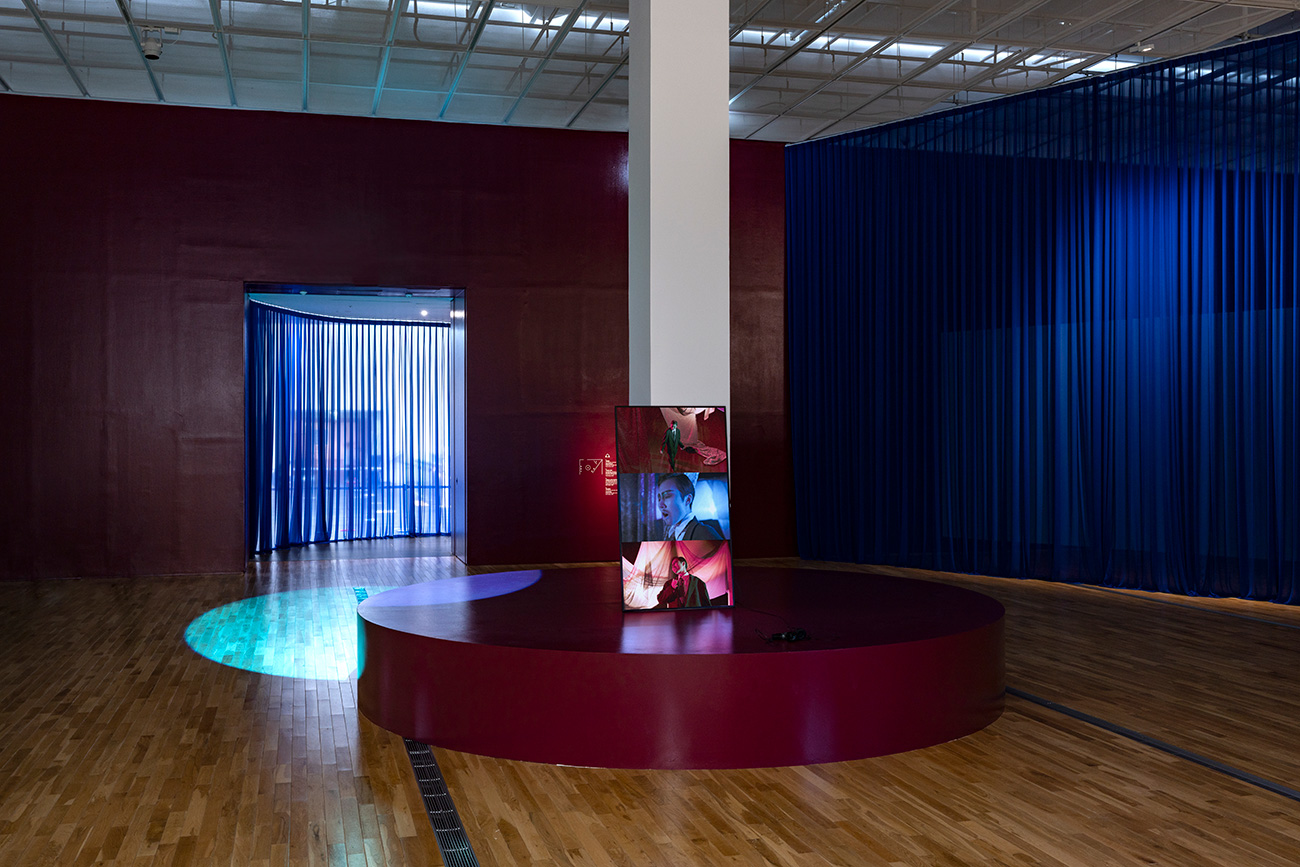
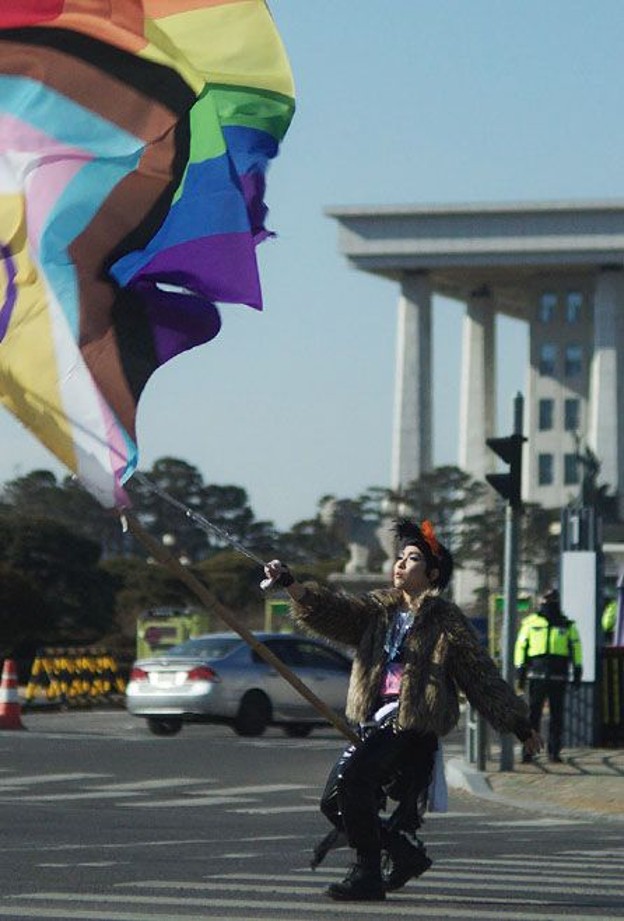
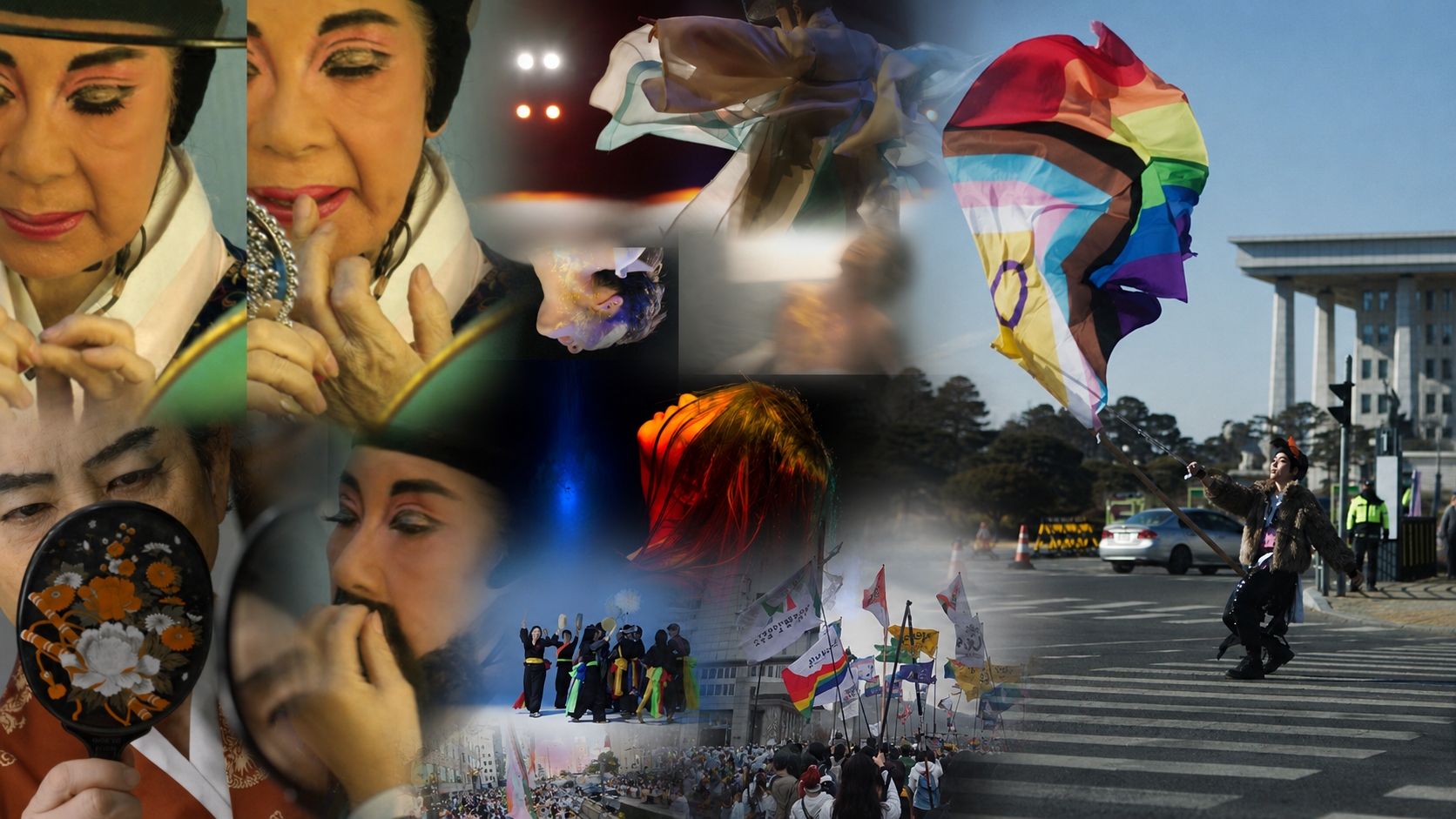
siren eun young jung, People, Not-Yet Here, 2026 / Photo: Württembergischer Kunstverein Stuttgart

In People, Not-Yet Here, a performer waves a large Progress Pride Flag in a dance-like movement in front of South Korea’s National Assembly building in Seoul. The flag extends the traditional rainbow design by incorporating colors representing trans, intersex, Black, and other communities of color.
 
Its wedge-shaped stripes refer to changes and forms of progress that have yet to be achieved. Staged in front of the National Assembly, the performance also serves as a reminder of those who remain insufficiently represented within established political institutions.
 
Here, theatre is no longer confined to a building or a conventional stage. Streets and public squares in which people gather, articulate political demands, and create collective forms of action become new theatrical spaces.
 
The distinction between performer and audience also becomes unstable. Citizens participating in the demonstrations become both active participants in the protests and performers within their collective choreography.
 
Jung has long been concerned with people who move beyond socially prescribed roles and positions to produce their own forms of appearance and agency.
 
While Yeoseong Gukgeuk performers created male characters onstage that differed from the gender norms of the society surrounding them, the citizens appearing in resistant theatre produce new forms of collective presence and political action in the streets.
 
The “resistance” of the exhibition title refers to situations in which people refuse to remain within the positions assigned to them by an existing social and political order and instead enter public space through their own bodies and voices.


Another Public Square within the Exhibition
 
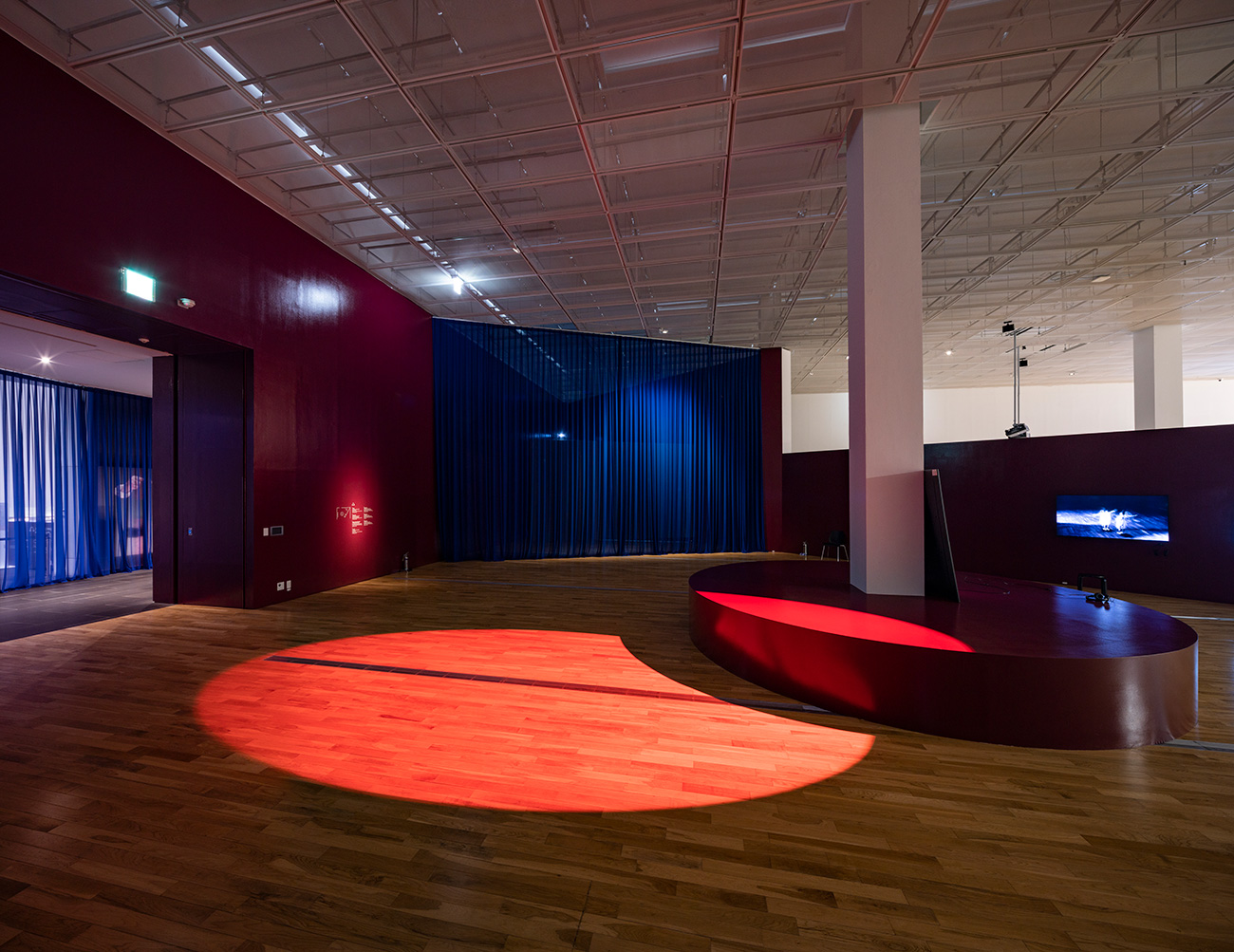
Rather than presenting the three parts of the theatre trilogy as separate video works, the exhibition connects curtains, stage elements, projection structures, and viewing areas to form a single spatial installation.
 
At its center is an open space resembling a public square. Conceived as a potential site of assembly, it establishes a connection between the streets represented in the videos and the physical space of the exhibition.
 
The curtains and stage structure emphasize the performative dimensions of Jung’s practice while also referring to the theatricality of cities and to the transformation of public space into a stage. The exhibition is positioned between city and theatre, viewing space and gathering place.
 
It functions not only as a site for encountering artworks but also as a platform where people can gather, speak, perform, and exchange ideas.
 
Held in conjunction with the exhibition from July 6 to 12, 2026,《queering resistance》 included lectures, discussions, screenings, performances, concerts, and workshops. Artists and activists from Korea, Germany, and other regions participated in conversations concerning queer culture, political resistance, non-normative models of citizenship, and forms of collective practice.


siren eun young jung, Sick Seoul, 2026 / Photo: Württembergischer Kunstverein Stuttgart

Through these programs,《resistant theatre》extended beyond an exhibition of completed artworks to become a setting for actual encounters, discussions, performances, and political reflection.
 
Jung’s practice moves from the stages occupied by Yeoseong Gukgeuk performers to the bodies of contemporary queer performers and, finally, to streets occupied by citizens. The exhibition space likewise becomes a temporary public square in which different participants and voices form new relationships.
 
Despite these shifts in subject and context, a central question remains: who is able to become visible and audible as a member of society?
 
By connecting historical archives with contemporary political scenes,《resistant theatre》demonstrates how performance can emerge within social reality beyond the institutional boundaries of conventional theatre.


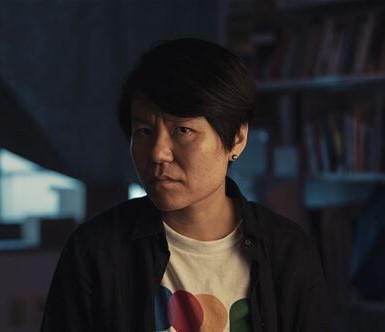
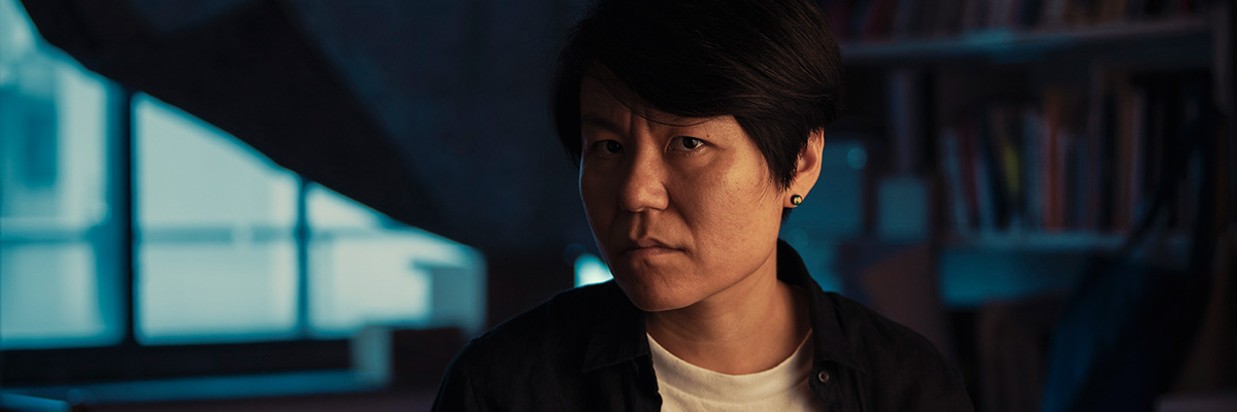
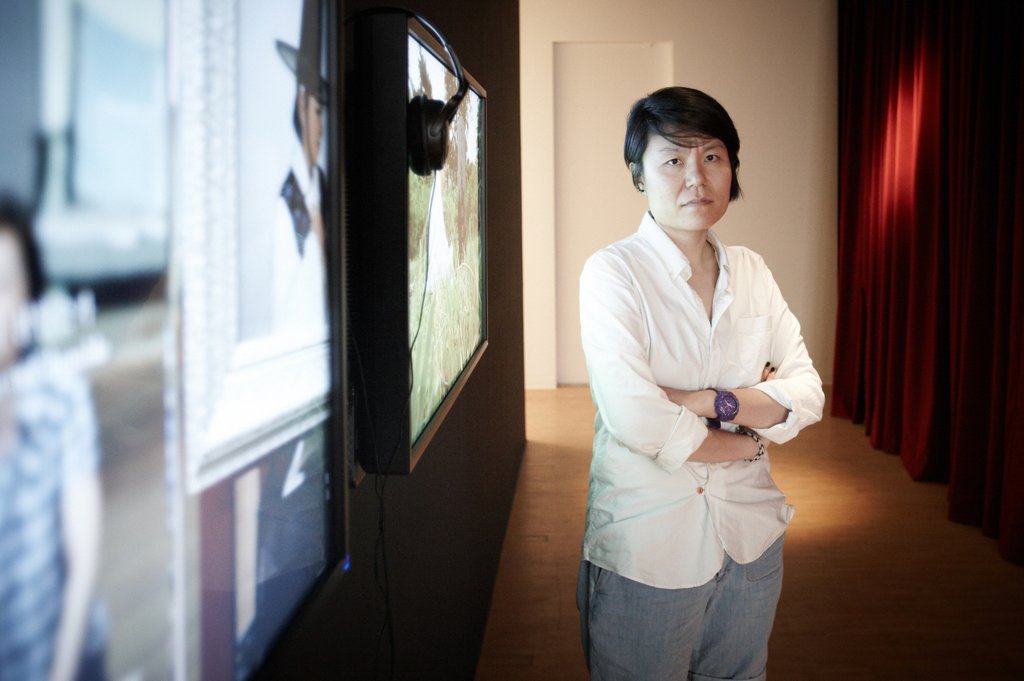
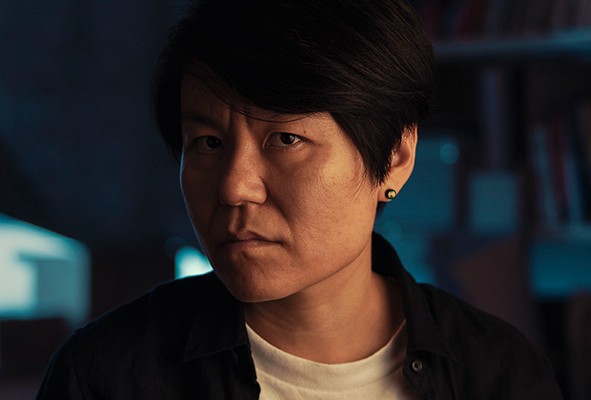
siren eun young jung / Photo: National Museum of Modern and Contemporary Art, Korea

About the Artist

siren eun young jung was born in Incheon, South Korea, in 1974 and currently lives and works in Seoul. She studied fine art and feminist theory at Ewha Womans University, where she received her BFA, MFA, and DFA, and completed an MA at the University of Leeds in the United Kingdom.
 
She currently teaches artistic research at Sungkyunkwan University and Seoul Women’s University.
 
Her practice examines the desires and aspirations of marginalized individuals and groups and the ways in which these forces intersect with particular events and are transformed into resistant practices, history, and politics.
 
Her major long-term projects include the《Dongducheon Project》, developed between 2007 and 2009, and the《Yeoseong Gukgeuk Project》, which she initiated in 2008 and continues today.
 
Through the《Yeoseong Gukgeuk Project》, Jung has traced the lives, memories, personal archives, and onstage and offstage experiences of performers who specialized in male roles.
 
Yeoseong Gukgeuk emerged in 1948, three years after Korea’s liberation from Japanese colonial rule, and achieved considerable popular success during the 1950s. It gradually disappeared amid the social and political transformations of the 1960s under the military government of Park Chung-hee, when official cultural policy increasingly sought to consolidate the national and cultural identity of modern Korea.
 
Through video, performance, installation, graphic work, and archival research, Jung questions established concepts of gender and critically examines how tradition, history, and cultural memory are constructed.
 
Her practice subjects historical materials and archives to queer rereadings, producing layered counter-narratives to the patriarchal, heteronormative, and nationalist narratives of modern South Korean society.
 
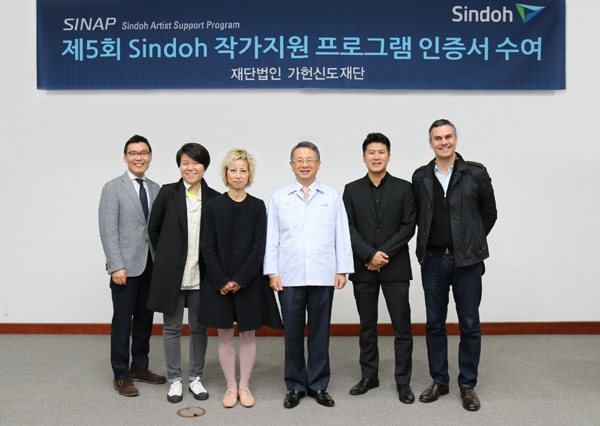
Jung received the Hermes Foundation Art Award in 2013, the Sindoh Art Prize in 2015, and the Korea Artist Prize in 2018. In 2019, she participated in the exhibition at the Korean Pavilion of the Venice Biennale.
 
She has participated in numerous international exhibitions and biennials, including the Asia Pacific Triennial of Contemporary Art in 2015, the Gwangju Biennale in 2016, the Taipei Biennial in 2016–2017, and the Shanghai Biennale in 2018.
 
Her solo exhibitions have been presented at institutions including the NTU Centre for Contemporary Art Singapore, the Kunstverein für die Rheinlande und Westfalen in Düsseldorf, and the Leonard & Bina Ellen Art Gallery in Montreal.


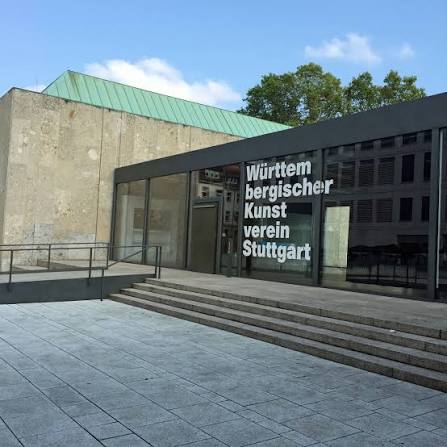
Württembergischer Kunstverein Stuttgart / Photo: Württembergischer Kunstverein Stuttgart

Württembergischer Kunstverein Stuttgart
 
Founded in 1827, Württembergischer Kunstverein Stuttgart is a nonprofit institution for contemporary art in Stuttgart, Germany.
 
Continuing the German Kunstverein tradition, it introduces new discourses in contemporary art through exhibitions, research projects, publications, lectures, performances, and public programs.
 
The institution has consistently organized international exhibitions and projects addressing feminism, postcolonialism, history and memory, and broader social and political issues. It is regarded as an important platform for experimental and critically engaged contemporary art.


Exhibition Information
 
Exhibition: siren eun young jung《resistant theatre》
Dates: April 18–August 2, 2026
Opening: April 17, 2026, 7 p.m.
Venue: Württembergischer Kunstverein Stuttgart, Stuttgart, Germany
Address: Schlossplatz 2, 70173 Stuttgart, Germany
Curator: Nathalie Boseul Shin
In collaboration with: Hans D. Christ and Iris Dressler
Major components: Multichannel video and sound installations, archival installations, and a related public program
Website: https://www.wkv-stuttgart.de/en/