

Solo Exhibitions (Brief)
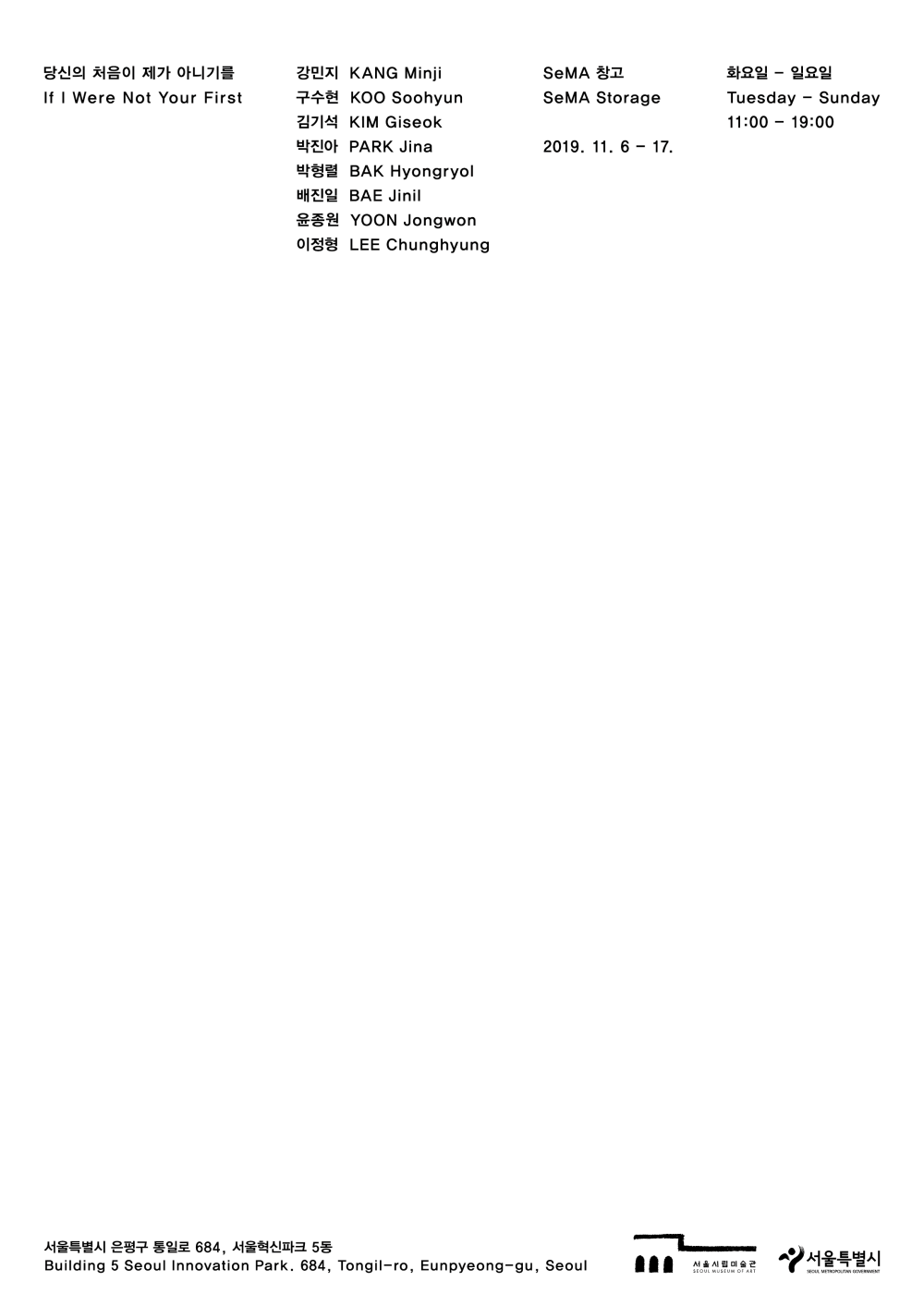
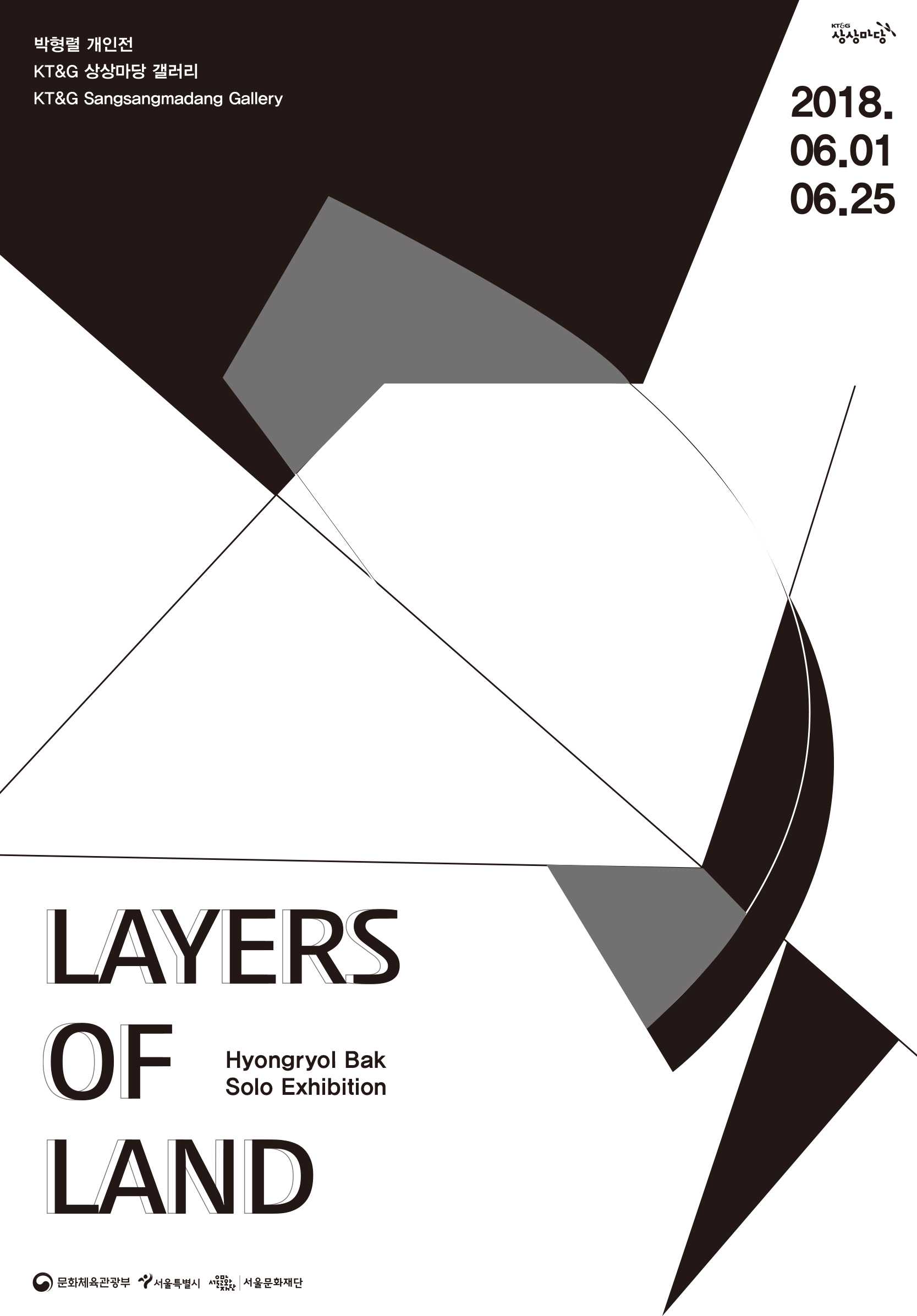
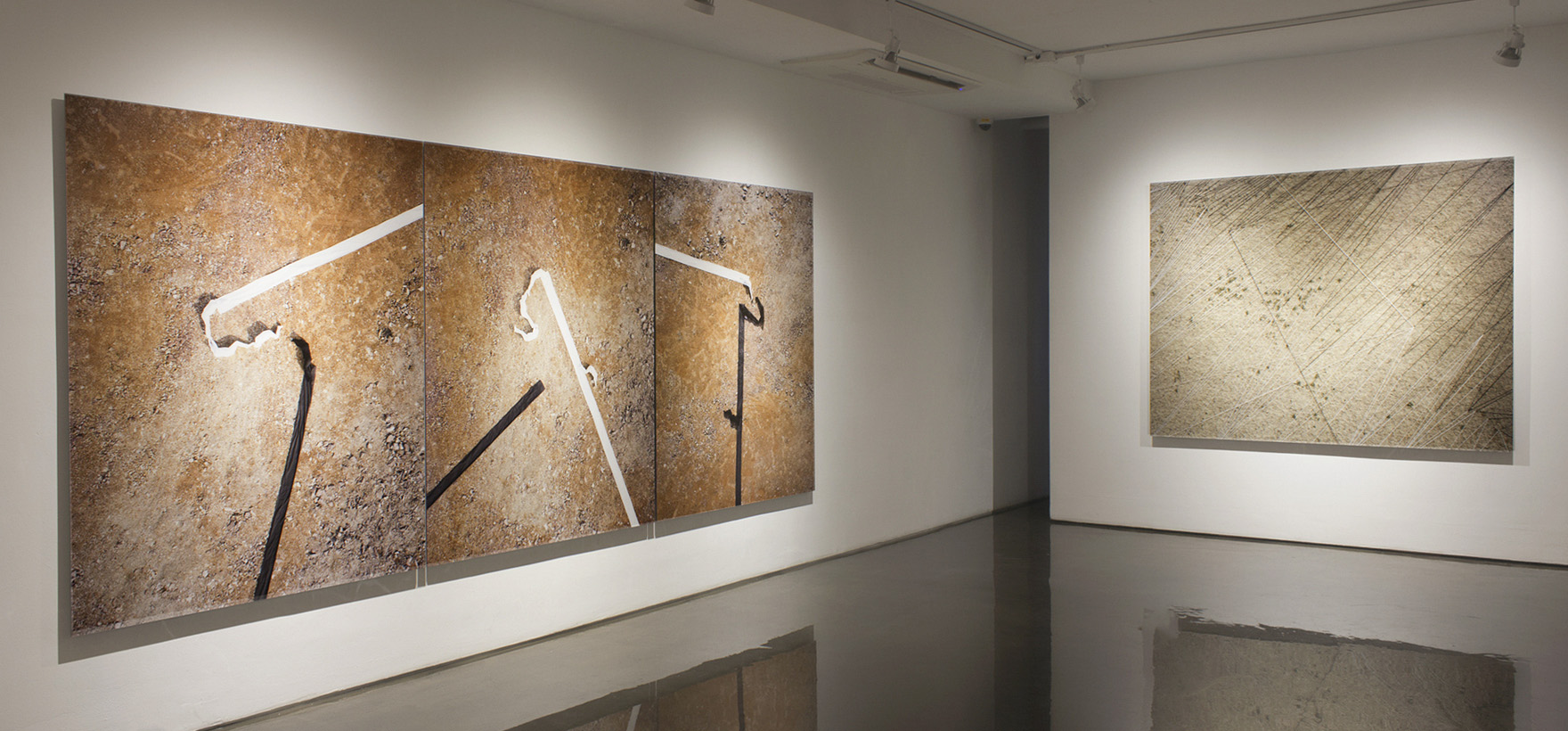
Since his first solo exhibition at Gallery Boda Contemporary, Seoul in 2009, Hyongryol Bak has presented solo exhibitions at major institutions and venues in Korea and abroad, including SongEun Art Cube, Seoul (2013), BMW Photo Space, Busan (2015), Fondation Manuel Rivera-Ortiz, Arles (2016), ILWOO Space, Seoul (2019), Sungkok Art Museum, Seoul (2022), and Museum Hanmi Samcheong Annex, Seoul (2024).
Group Exhibitions (Brief)
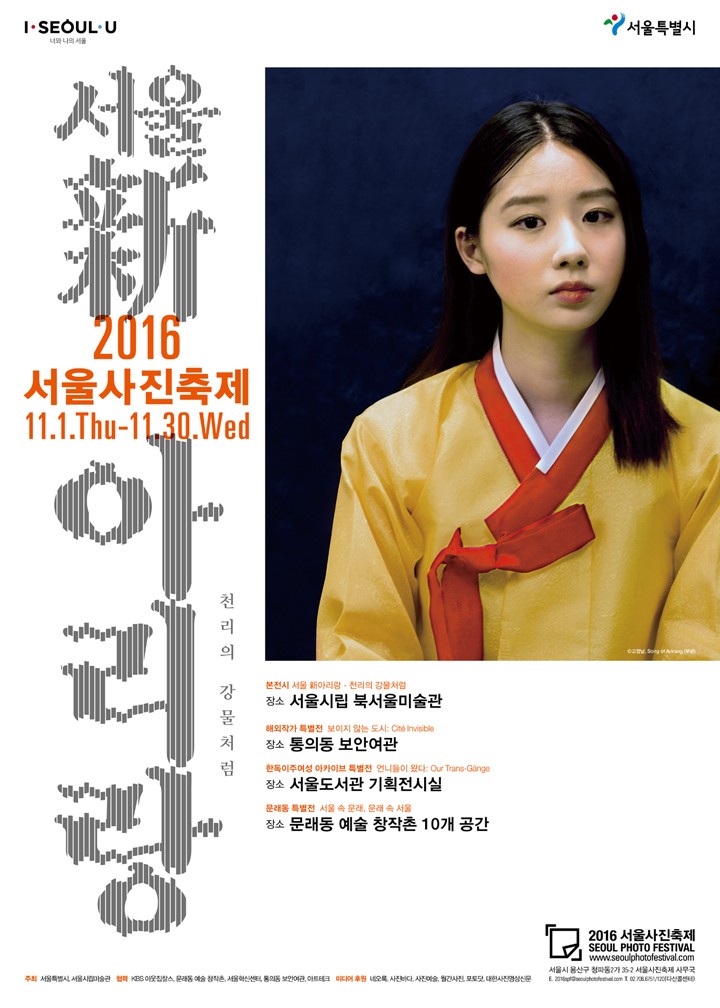
Hyongryol Bak has participated in numerous group exhibitions at major institutions and exhibition spaces, including Buk-Seoul Museum of Art, Seoul (2014, 2016), The Museum of Photography, Seoul (2016, 2018), SONGEUN, Seoul (2021), Gyeonggi Museum of Modern Art, Ansan (2013, 2025), and Gyeongnam Art Museum, Changwon (2025). He has also participated in major photography festivals in Korea and abroad, including Photoville, New York (2016, 2017), Photo18 Festival, Brussels (2016), Seoul Photo Festival, Seoul (2016), and Busan International Photo Festival, Busan (2022).
Awards (Selected)
Hyongryol Bak received the Artist for Tomorrow Award from Sungkok Art Museum (2022), the 10th ILWOO Photography Award in the Exhibition category (2019), the 13th Daum Prize (2015), the Public Art Selected Artists Grand Prize (2012), and the 13th SAJINBIPYONG Award (2012).
Residencies (Selected)
Hyongryol Bak participated in the Gyeonggi Creation Center Residency Program in 2013.
Collections
(Selected)
Works by Hyongryol Bak are included in the collections of Museum Hanmi, the Government Art Bank and Art Bank of the National Museum of Contemporary Art, Seoul Museum of Art, Sungkok Art Museum, Gyeonggi Museum of Modern Art, The Museum of Photography, Seoul, and GoEun Museum of Photography.