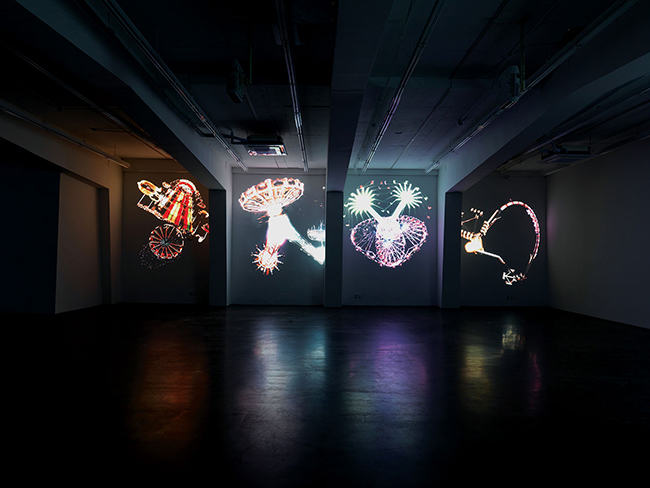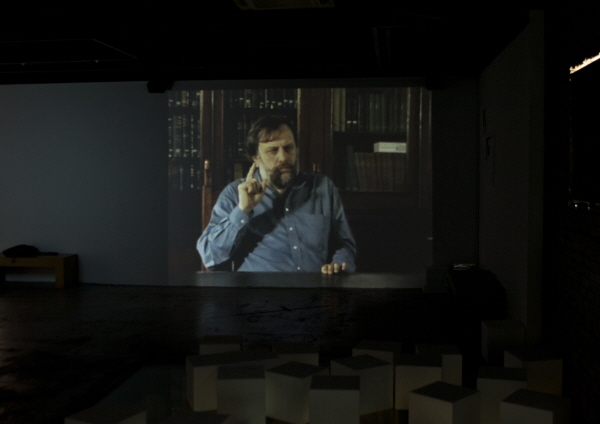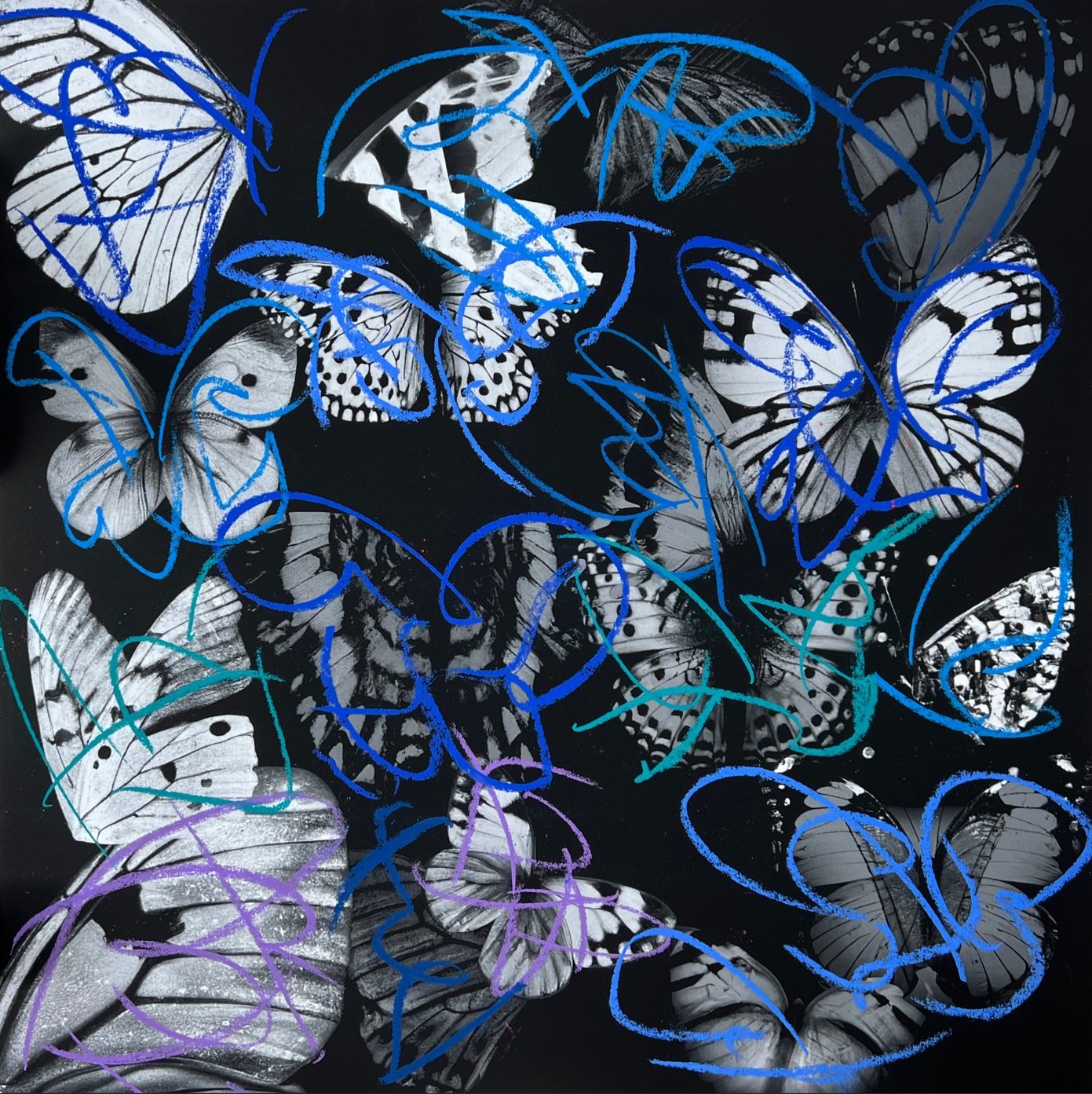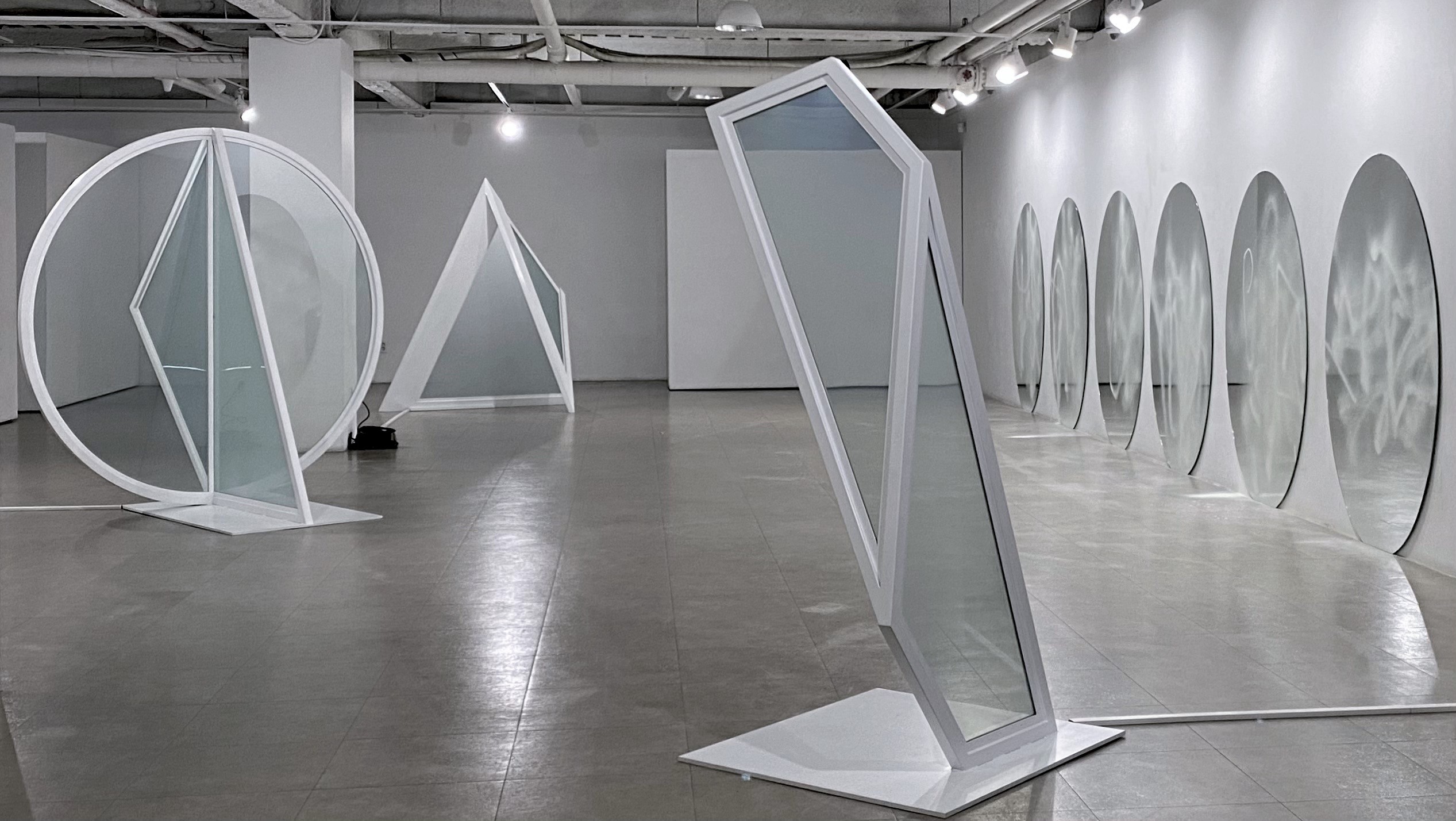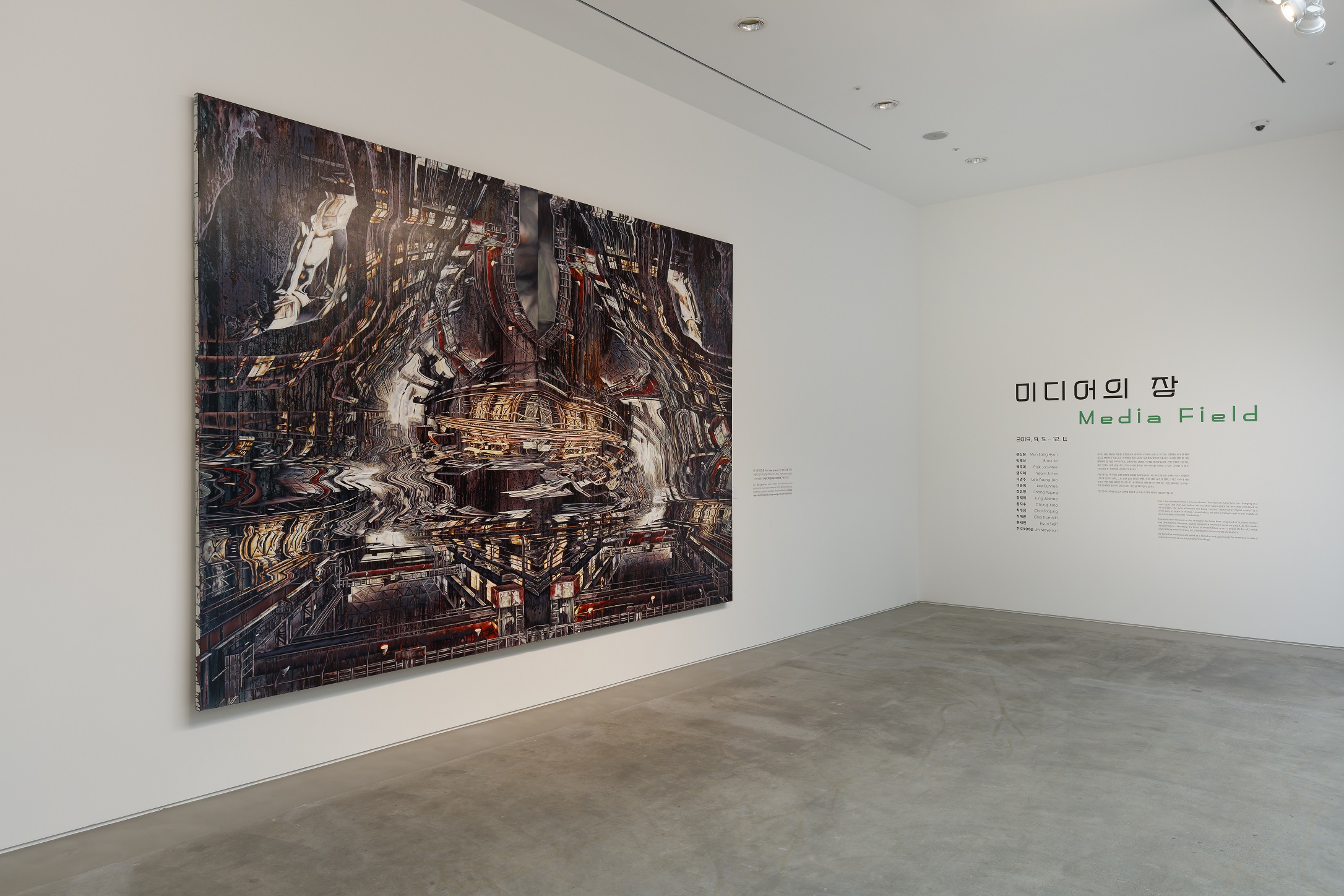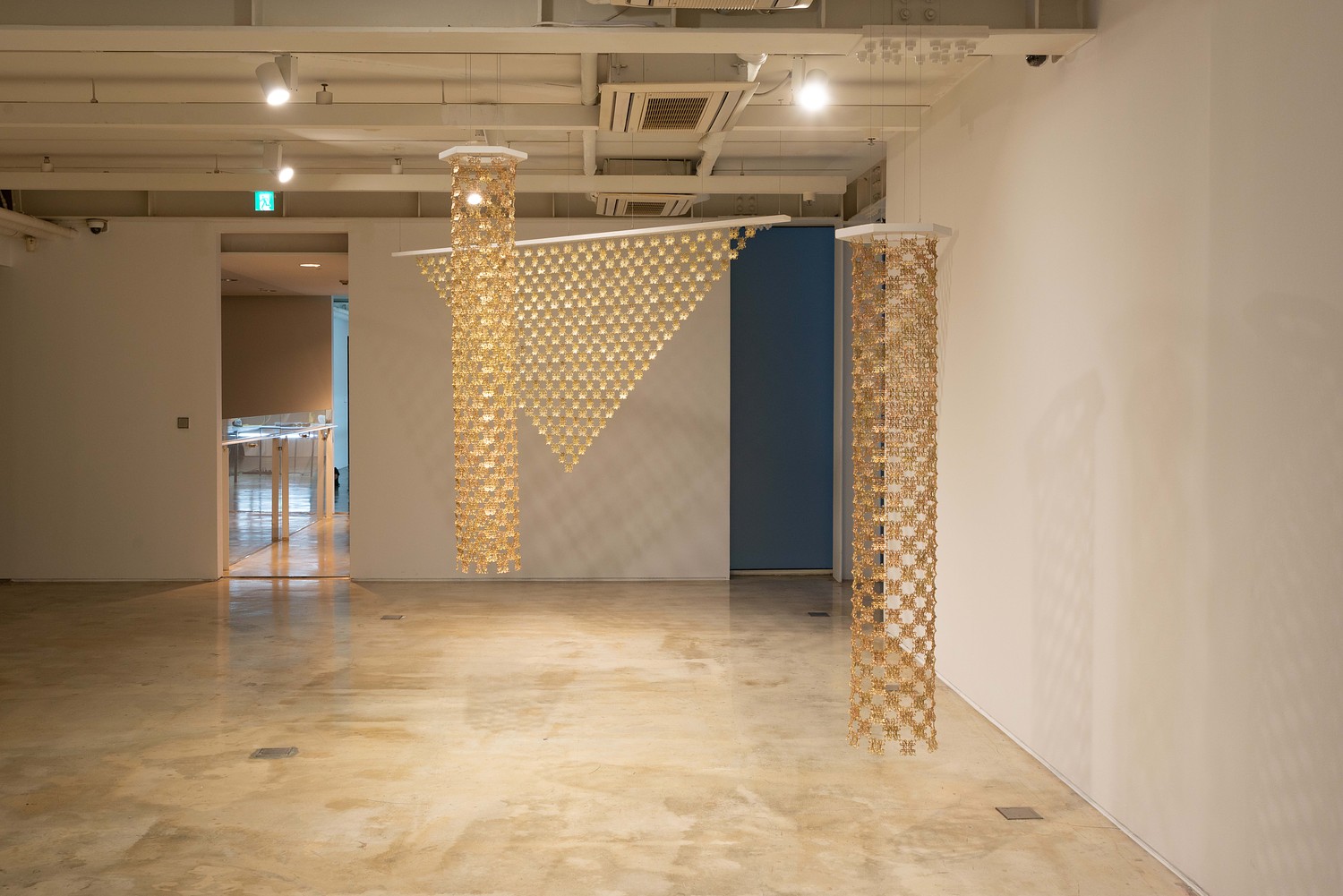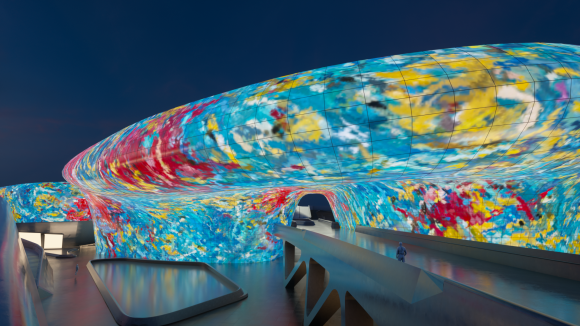

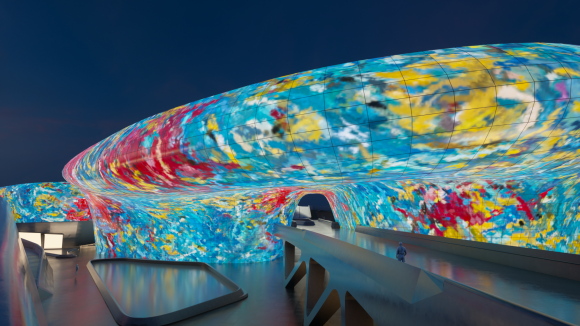

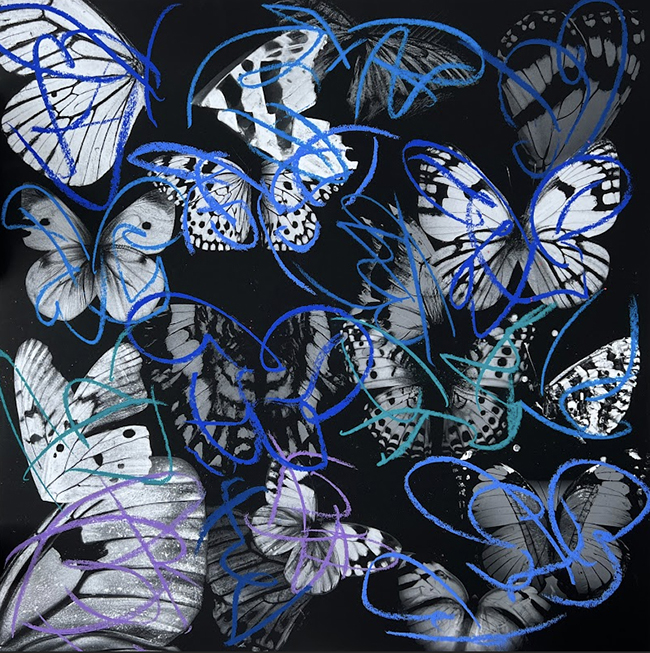
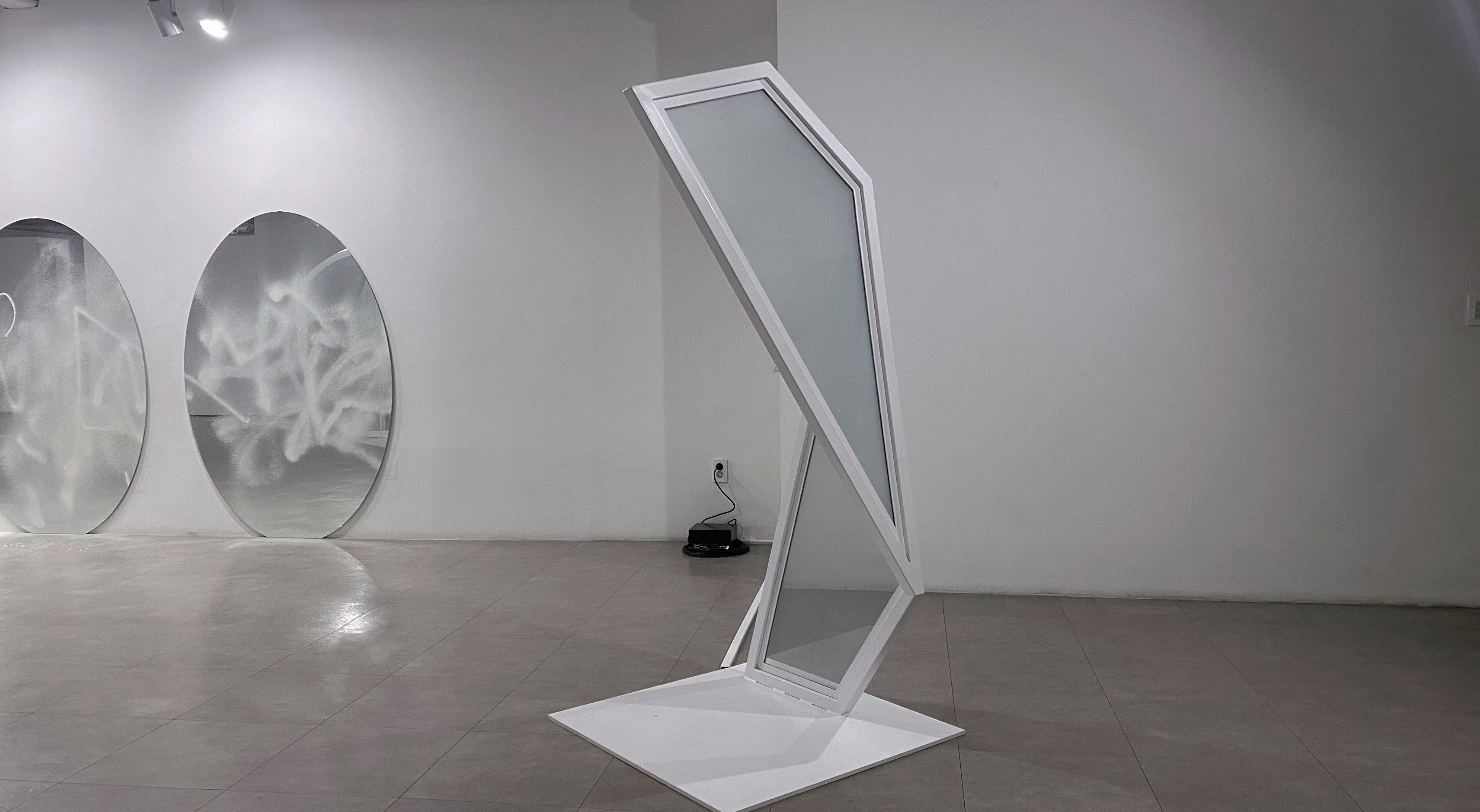
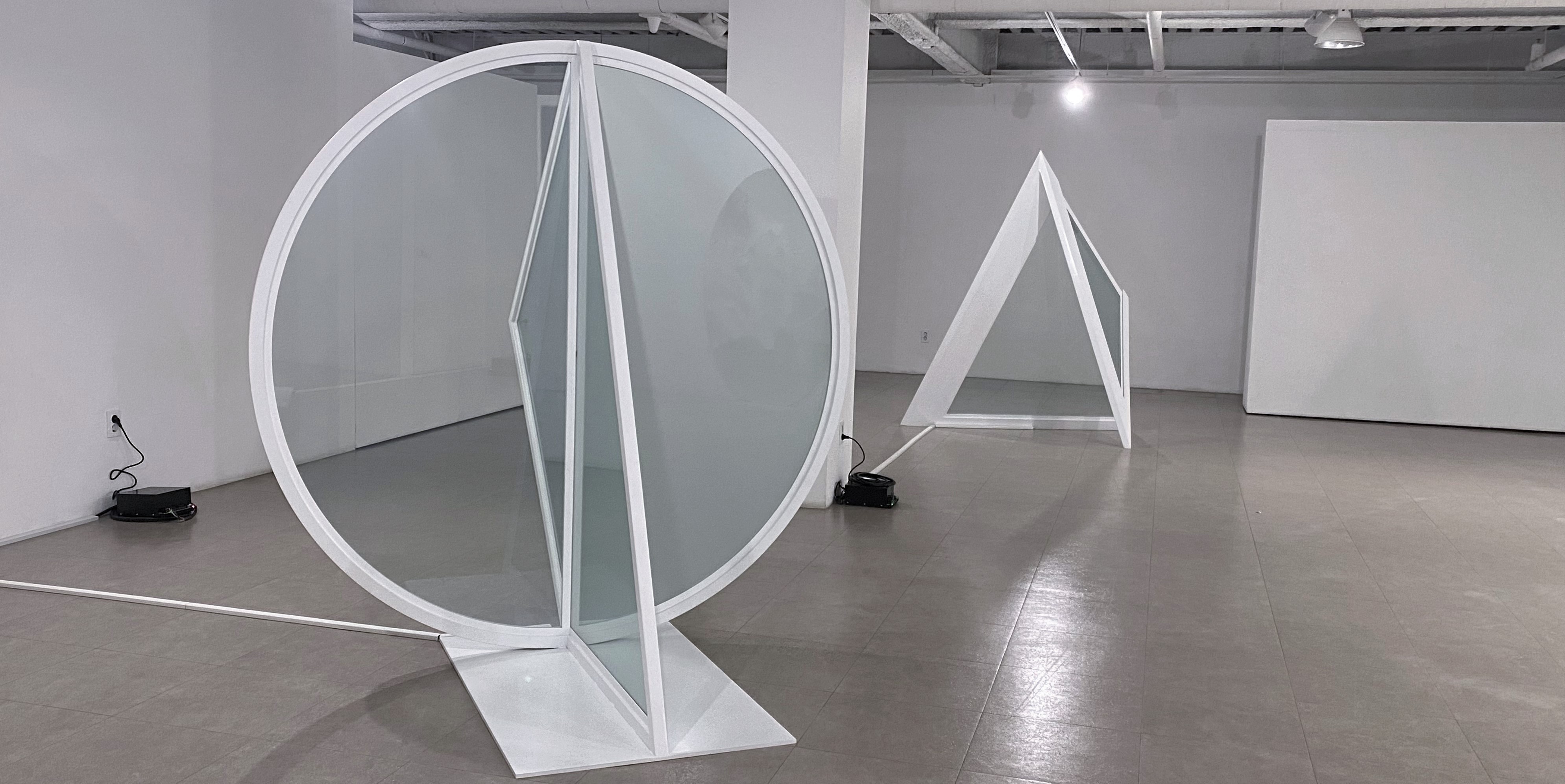
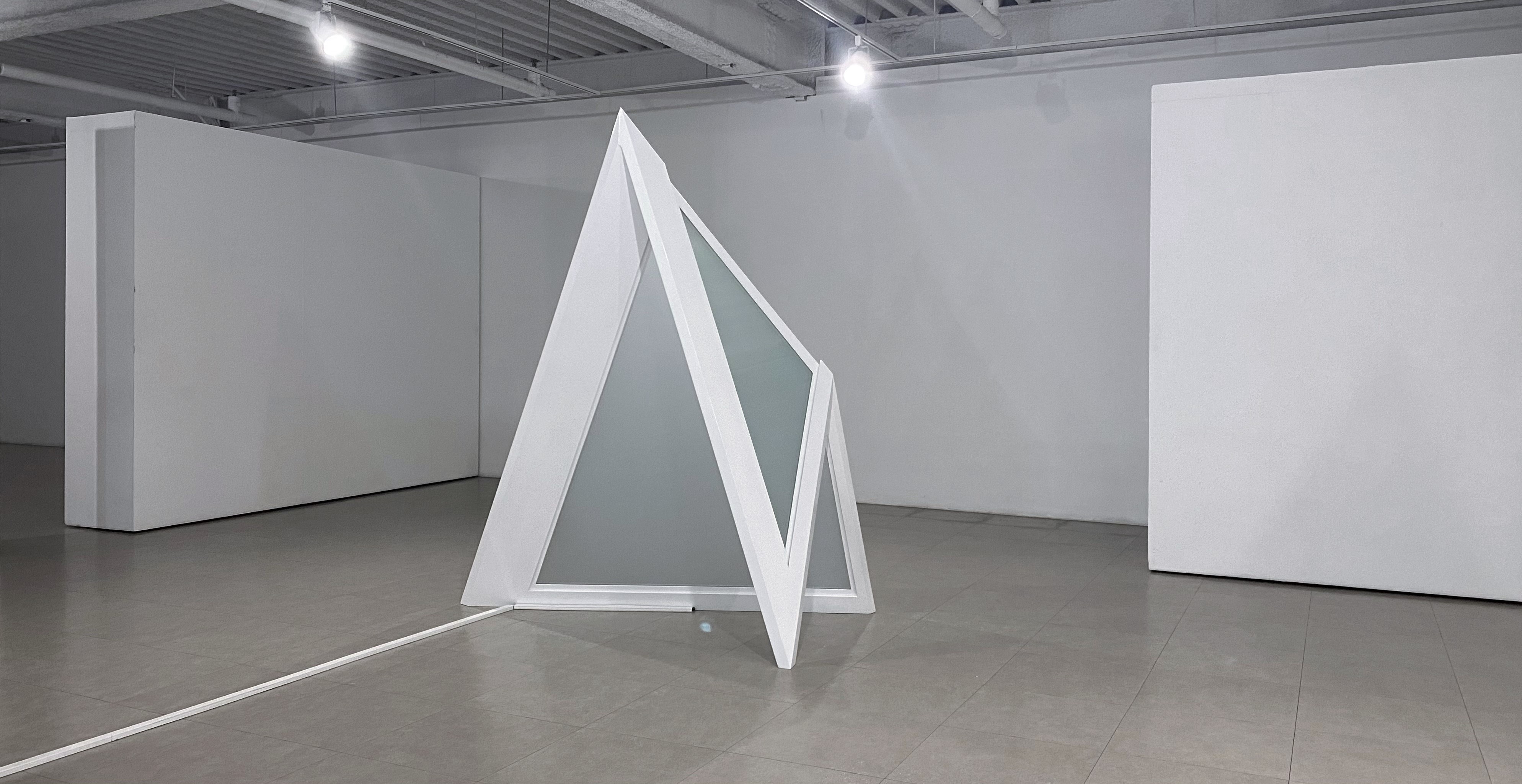
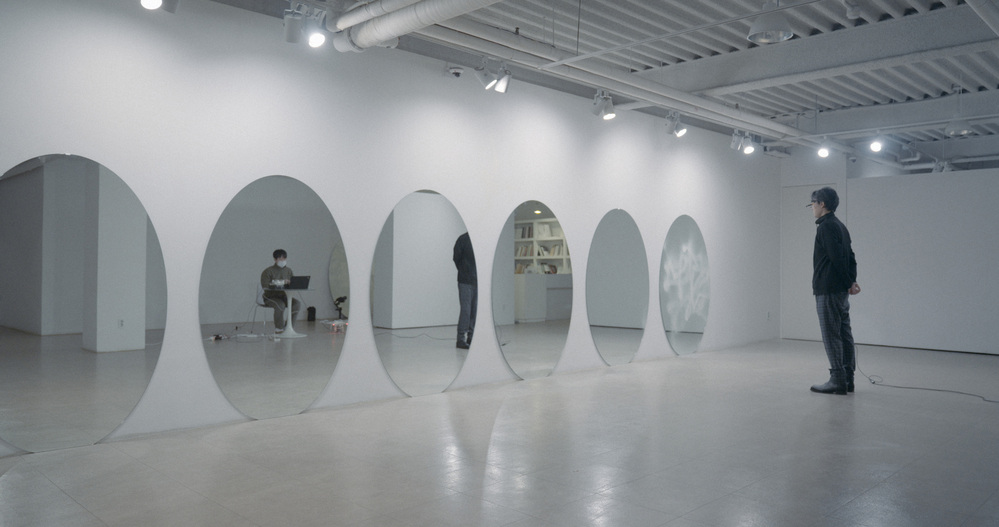
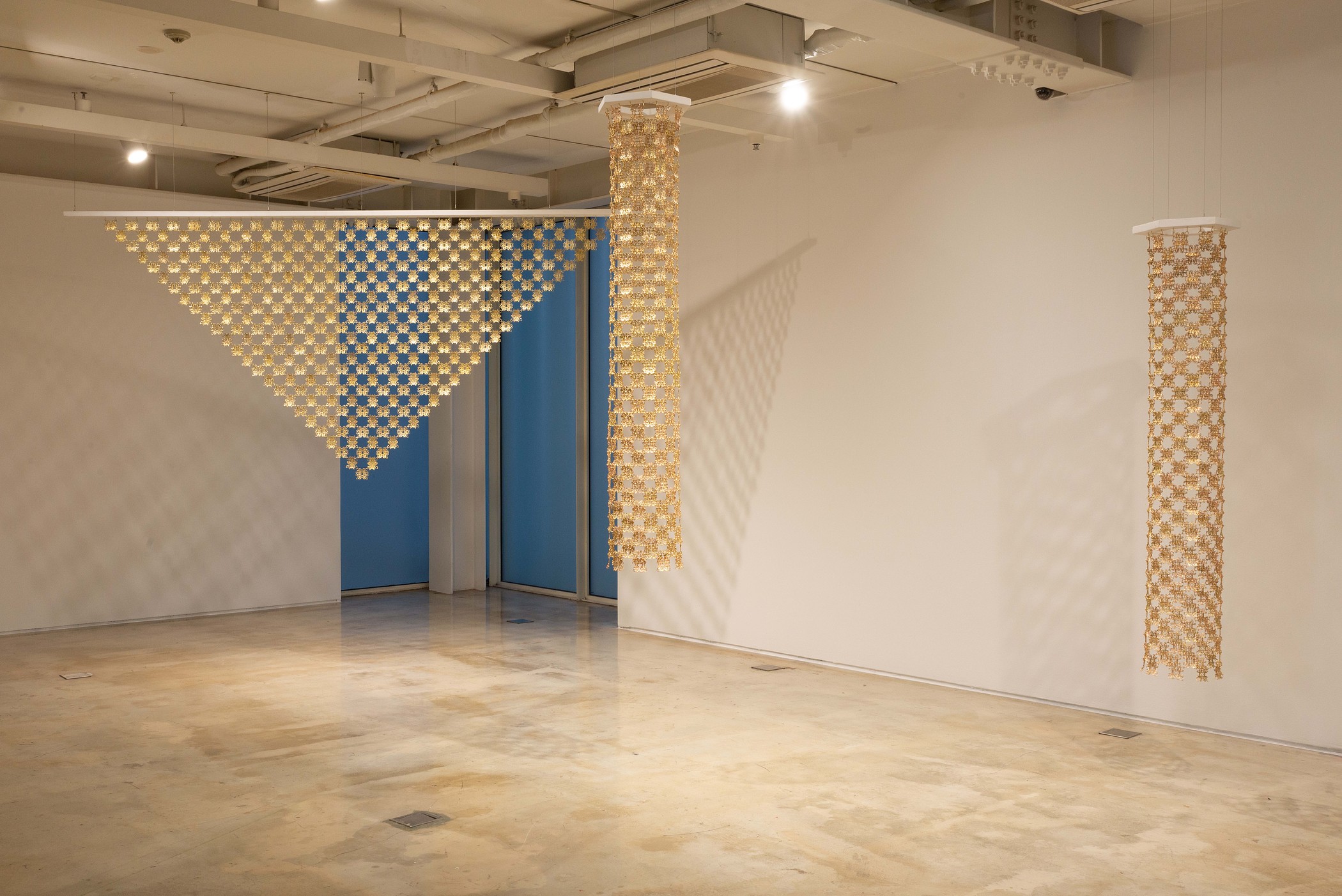
Installation view of 《Different Views》 © Kumho Museum of Art

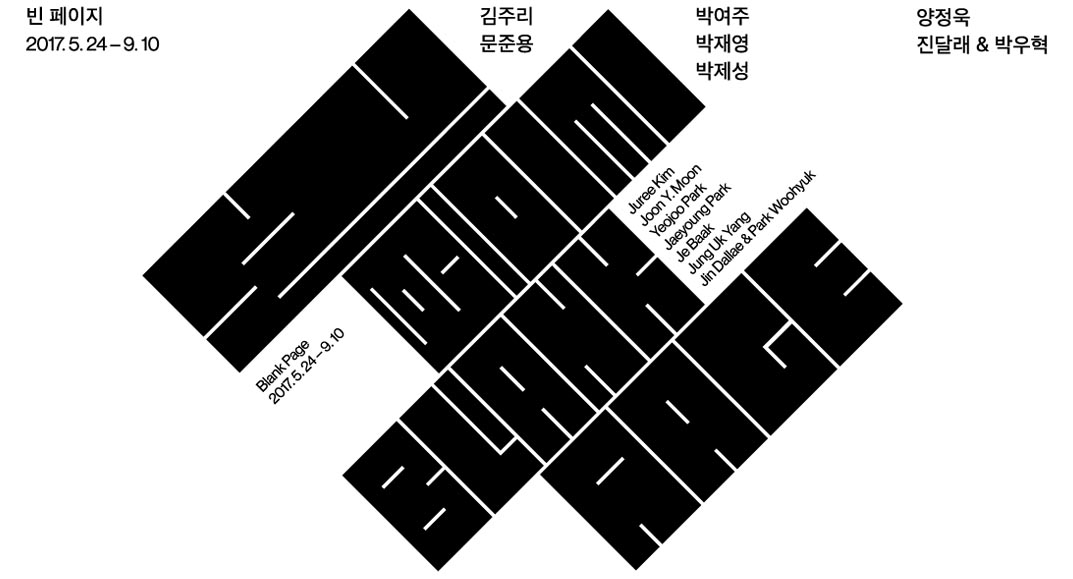
Artist Je Baak attempts to reflect on the essence of the self and of art through a variety of media including video, photography, and installation, while also addressing the performative attitude created through the artist’s intervention within the creative process.

Under the theme of “Different Views,” the exhibition consists of the seven-channel video and installation work Salvation alongside the photographic work Stupa.


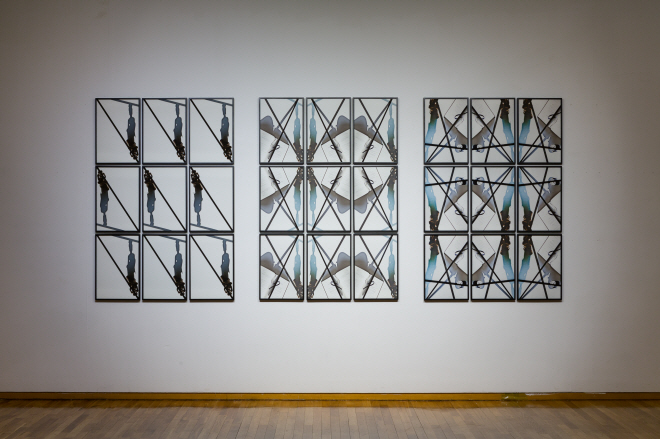
Je Baak, Stupa, 2013 © Je Baak

Stupa is a work in which original objects such as stones or Buddhist sculptures are first photographed and printed, after which additional objects are placed on top of the printed image, photographed again from another perspective, and repeatedly reprinted.

Through the process of continual reproduction, the original image gradually becomes blurred and fades from its initial meaning, while the continuously added objects generate new visual compositions. The overlapping of objects and images functions as an accumulation of time and space, visualizing discussions surrounding originality and appropriation while simultaneously raising questions about “absoluteness.”

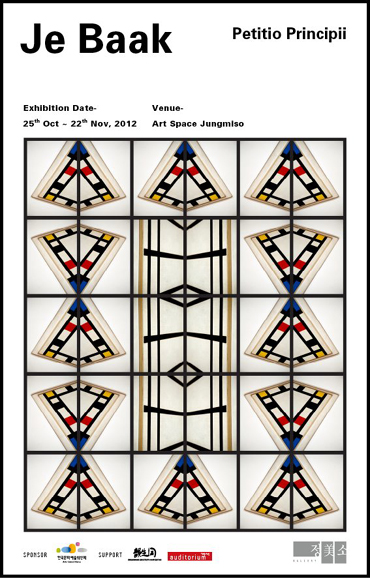
In this context, the work also connects to Petitio Principii (2012), in which Je Baak photographed Piet Mondrian’s abstract paintings from multiple positions, transforming the distortions caused by shifting perspectives into patterned forms. Within his practice, this approach is significant in that it proposes a discourse on the reciprocal relationship between artwork and viewer, as well as on the relativity of perspective.


Je Baak, Salvation, 2013 © Je Baak

Meanwhile, the work Salvation is a seven-channel video installation composed of typographic impressions taken from the text of Tractatus Logico-Philosophicus by Ludwig Wittgenstein. Each channel forms a sentence by Wittgenstein, and as the typographic elements move across the seven screens before simultaneously coming to a halt, an onomatopoeic sound effect such as “splash” is generated.

The seventh channel presents Wittgenstein’s well-known proposition: “Whereof one cannot speak, thereof one must be silent.” This statement, which suggests the existence of something that cannot be articulated or reached through the logic of language, is connected to the powdered installation spread across the floor.

The artist grinds the surfaces of printed images — close-up photographs of his own hands, leaves, and other subjects — into powder, gathering them into forms resembling indecipherable symbols. Through this performative act of erasing and obliterating images, the artist seeks to reveal the limitations inherent in images (and language) as systems of signs and conventions.

This approach also resonates with the work The Complex Question (2012), in which actual currency was rubbed away, erased, and then reassembled into sculptural forms. By focusing on the very process of erasing preexisting symbols and images, Je Baak ultimately attempts to expose the limits of logic and rationality themselves.

The artist’s interest in processes of doubt and interpretation — explored through intersections between Eastern philosophical concepts such as early Buddhism and modern French philosophy represented by thinkers like Maurice Merleau-Ponty — manifests in fragmented forms both visually and materially across a wide range of outcomes, including video, photography, and installation.

This fragmentation reveals the artist’s intention not to foreground a distinctive visual or material signature, but rather to express a process of thought that may be interpreted in universal terms.

References