


Solo Exhibitions (Brief)
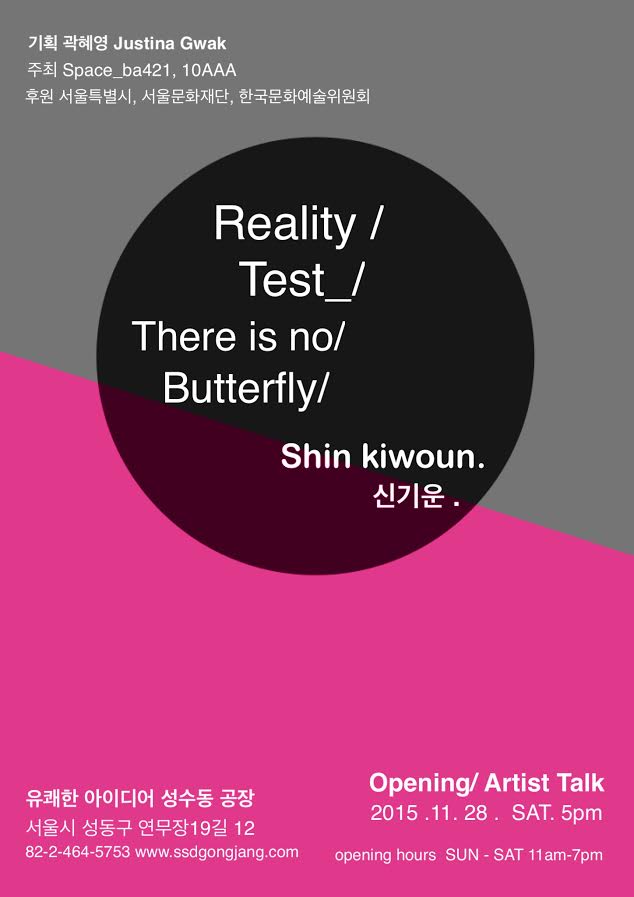
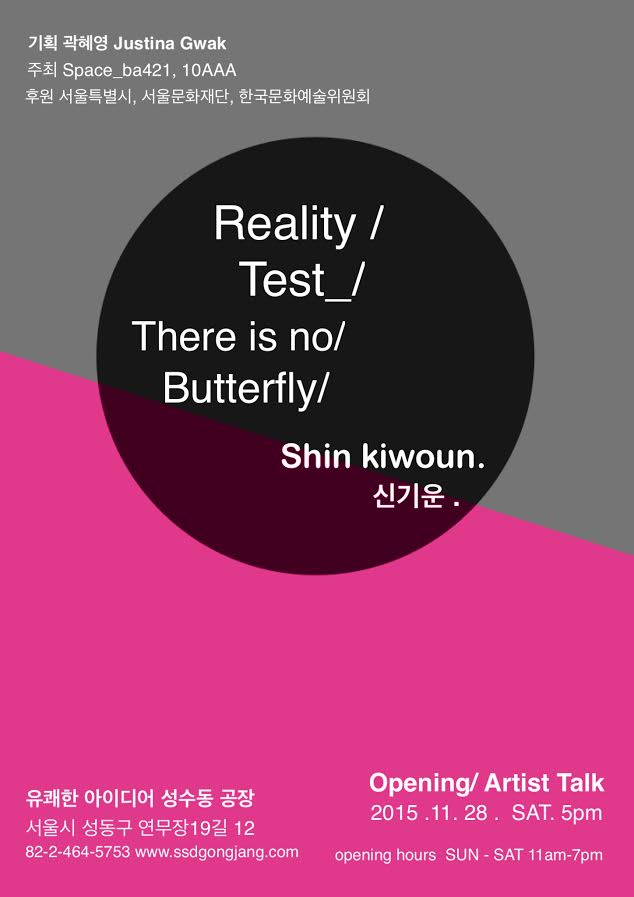
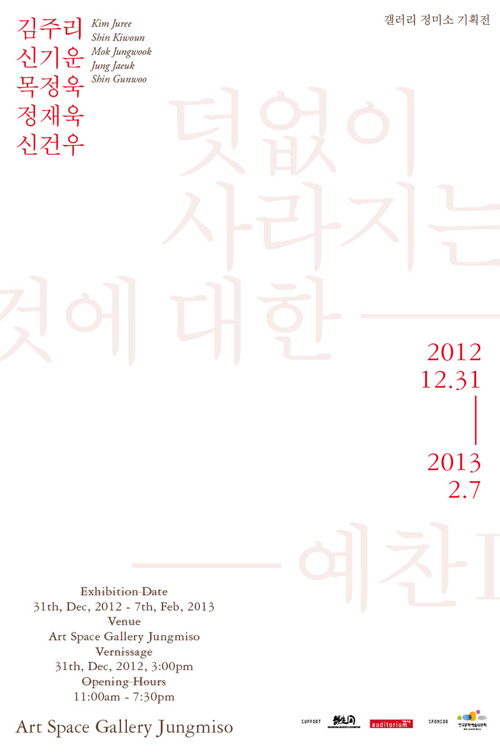
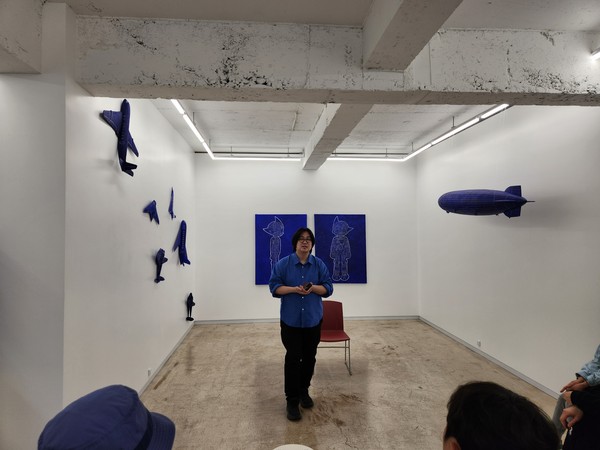
Shin Kiwoun has held solo exhibitions at major institutions and galleries including Insa Art Center (2025), Art Space Purl (2025, 2020), Bongsan Cultural Center (2022), Space Willing N Dealing (2017, 2013), Old Police Station (London, 2015), Babel Gallery (Trondheim, 2013), Brigham Young University Museum of Art (Utah, 2012), and Esplanade – Theatres on the Bay (Singapore, 2011).
Group Exhibitions (Brief)
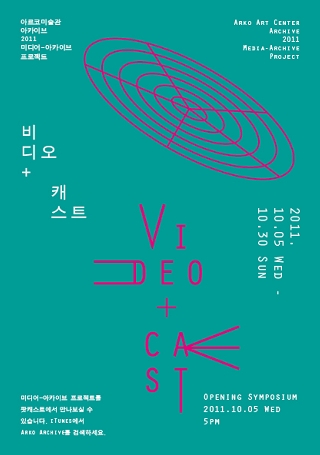
Shin Kiwoun has participated in group exhibitions at major institutions including ACC (Asia Culture Center) (Gwangju, 2016), Daegu Art Museum (Daegu, 2016; 2013), Culture Station Seoul 284 (Seoul, 2016), Daejeon Museum of Art (Daejeon, 2014), ICA (London, 2010), Seoul Museum of Art (Seoul, 2015; 2008), ARKO Art Center (Seoul, 2011), Art Center Nabi (Seoul, 2011), and ZKM Center for Art and Media Karlsruhe (Karlsruhe, 2007), and has also participated in international biennales including the Busan Biennale (Busan, 2014) and the Liverpool Biennial (Liverpool, 2010).
Awards (Selected)
Shin Kiwoun received an Honorable Mention at the 1st Seoul Art Award Exhibition (2004), followed by the 3rd Media Artist Award by Daum Foundation (2005), the Grand Prize at the 29th JoongAng Fine Arts Prize (2007), and the SIA Media Artist Award (2012). He was also selected for Bloomberg New Contemporaries (2010).
Residencies (Selected)
Shin Kiwoun participated in various residency programs including the Changdong National Studio Residency Program (Seoul, 2005), Guesthouse Residency (Cork, 2010), Raumars Residency Program (Rauma, 2011), Lademoen Art Residency Program (Trondheim, 2013), and Gallery Purple Studio (Gyeonggi, 2013).
Collections (Selected)
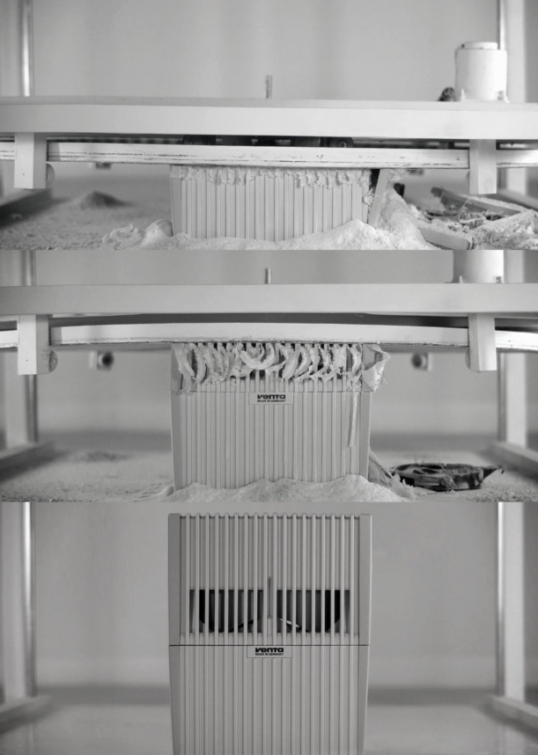
Shin Kiwoun’s works are included in the collections of the National Museum of Modern and Contemporary Art, Korea; Seoul Museum of Art; Daegu Art Museum; Museum of Contemporary Art Busan; ARKO Art Center; the Korean Film Archive; JoongAng Daily; Amorepacific; SIMMONS; Venta; the Obayashi Collection; and LVS Gallery.