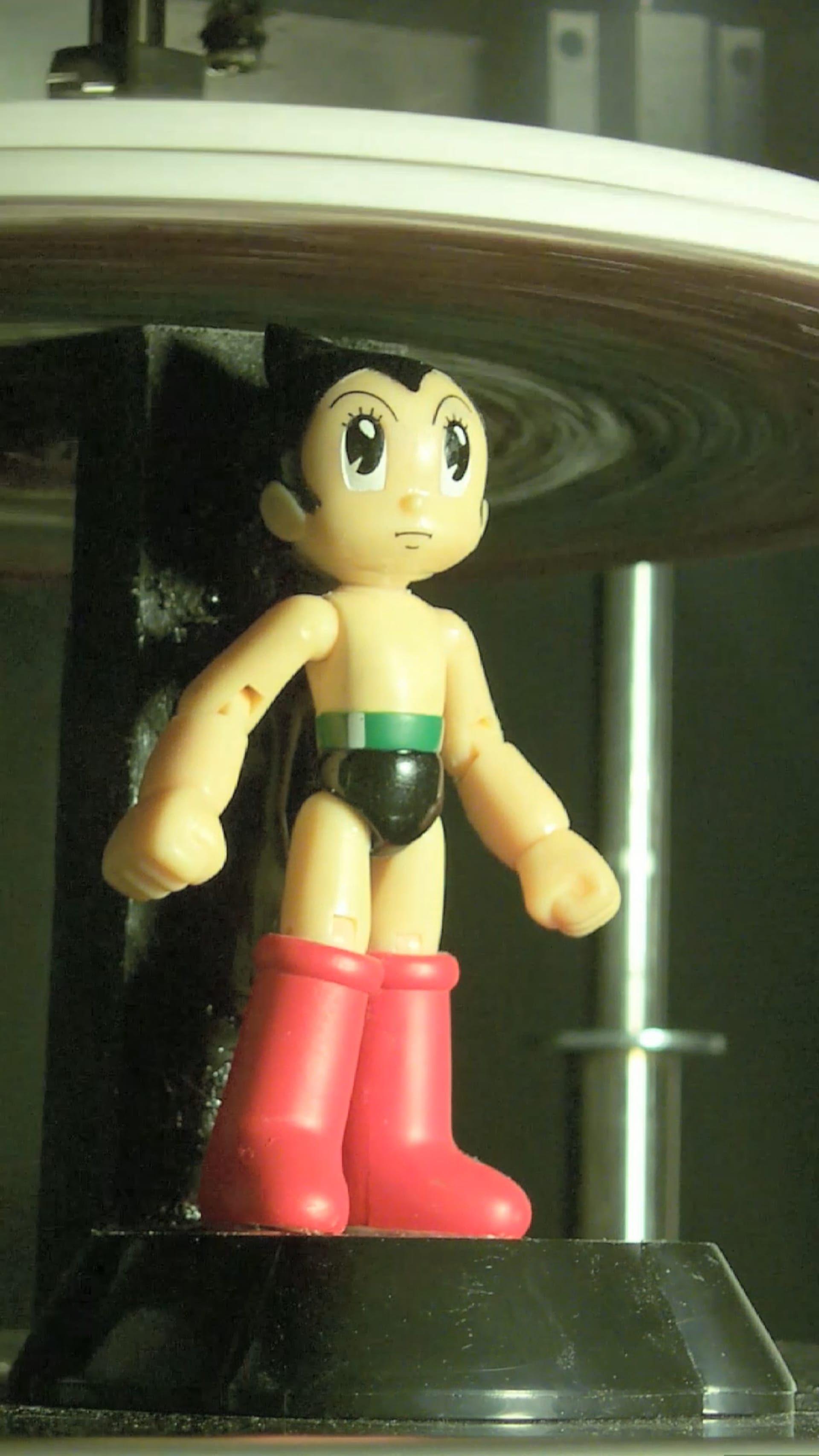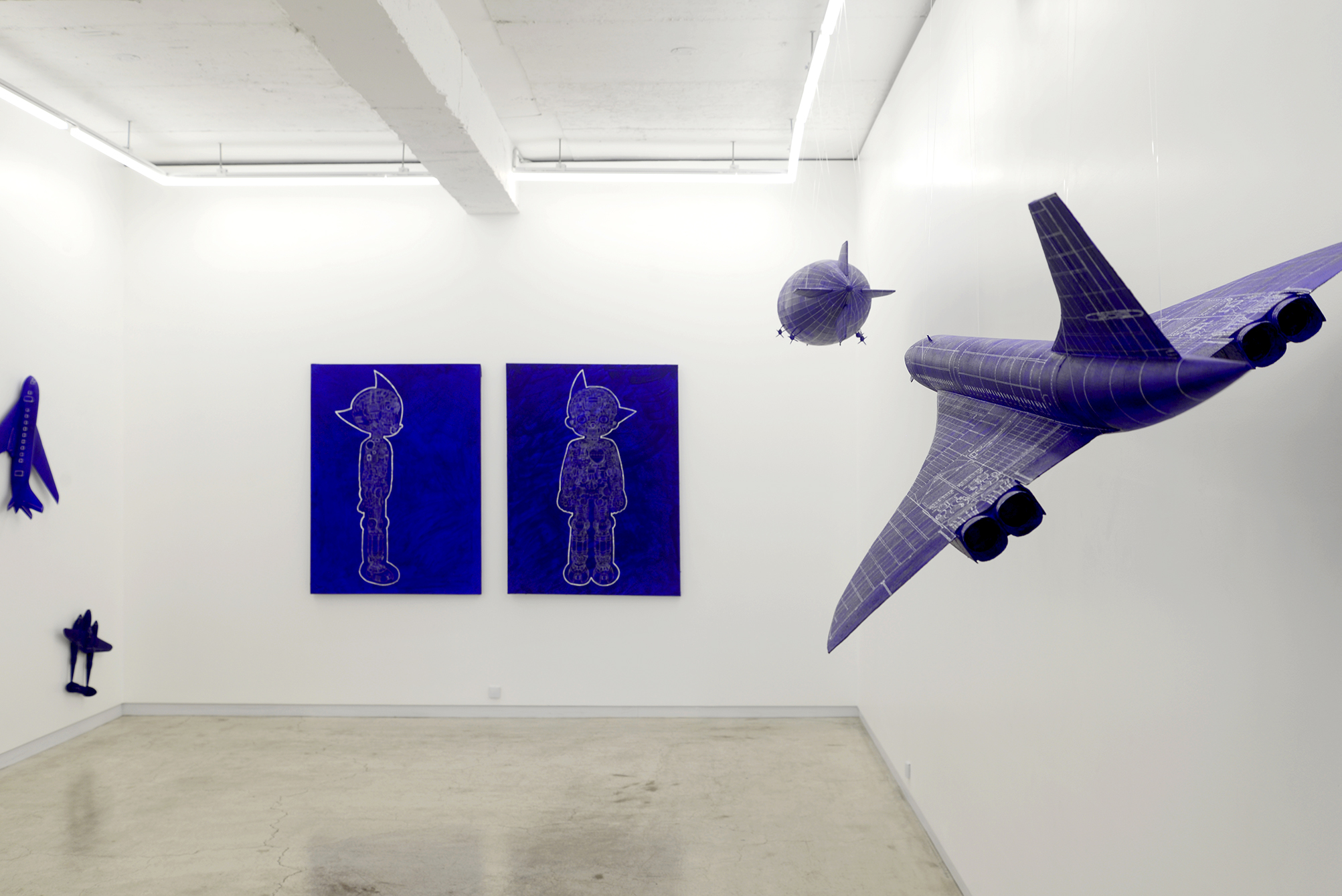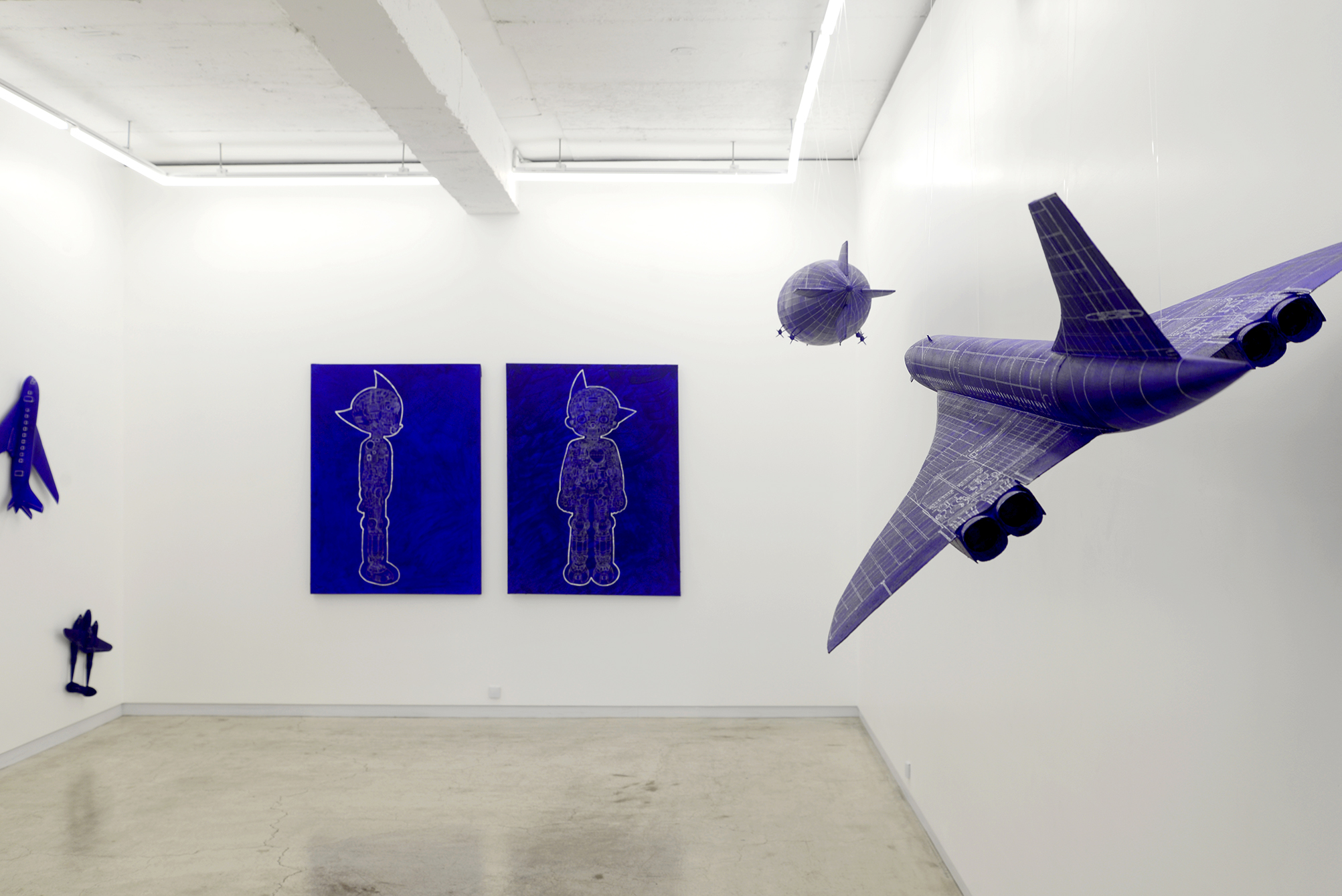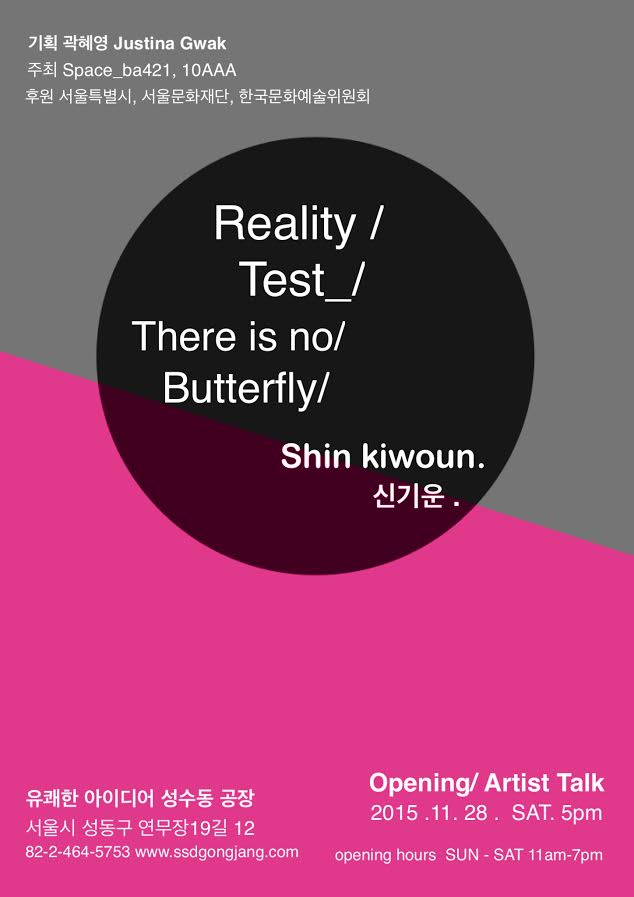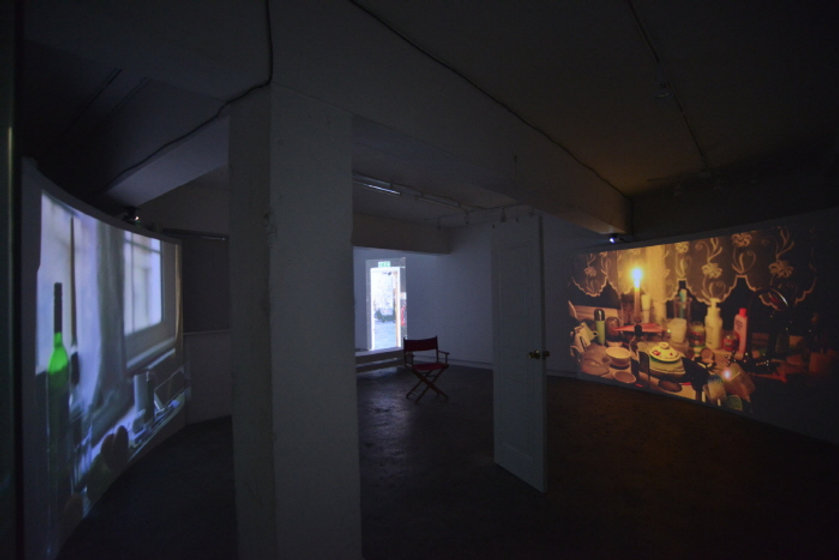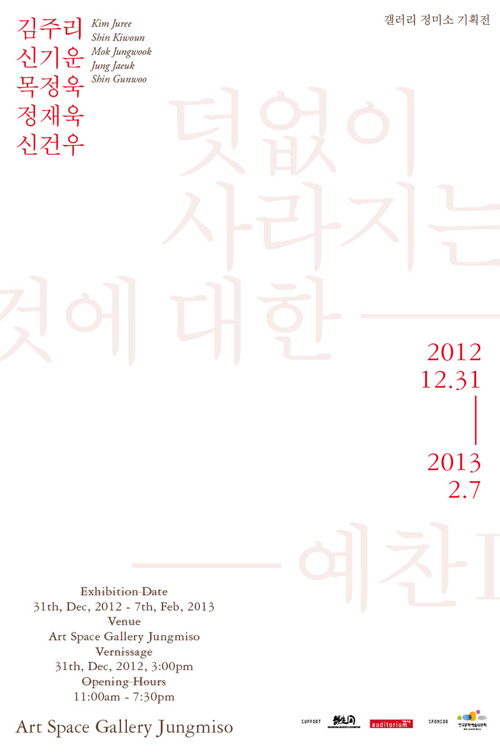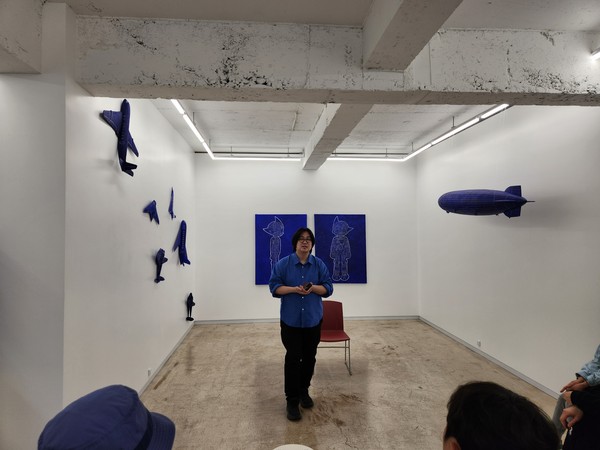

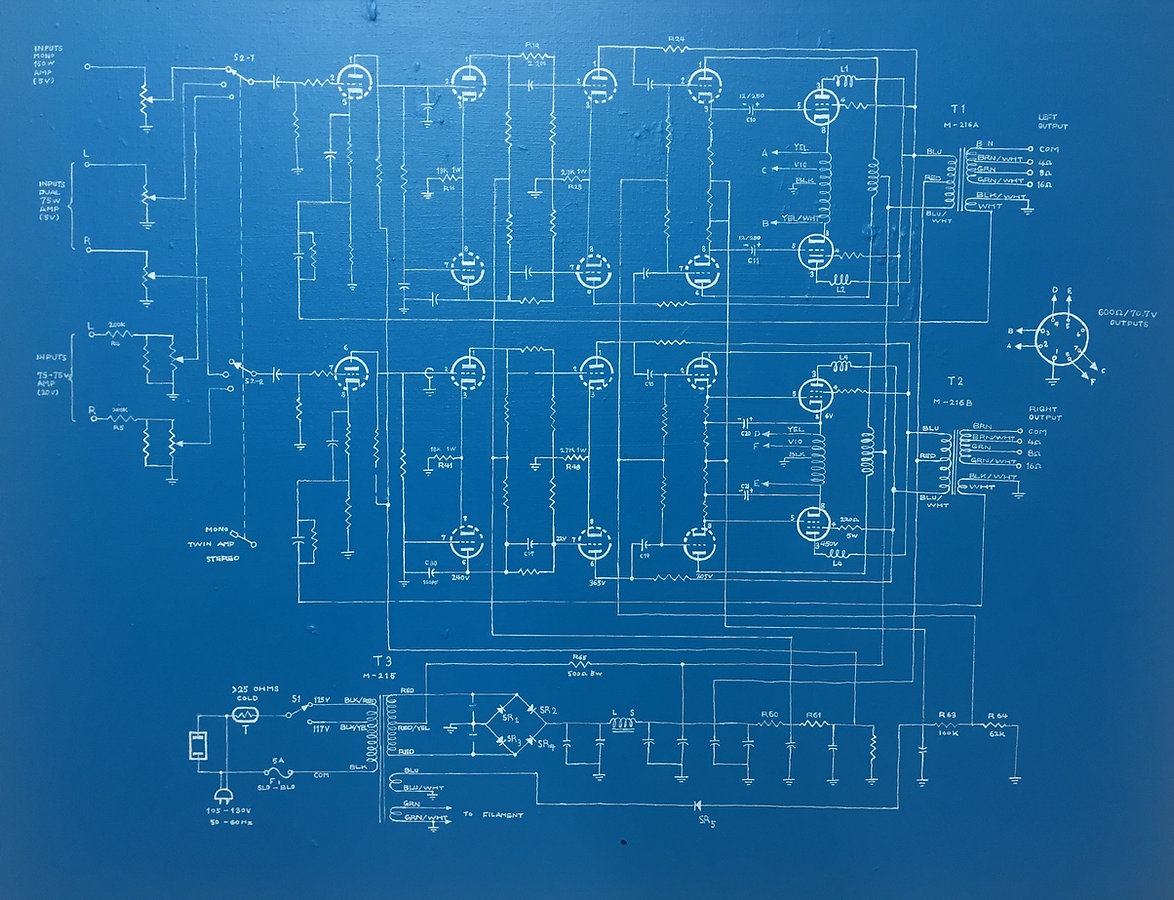
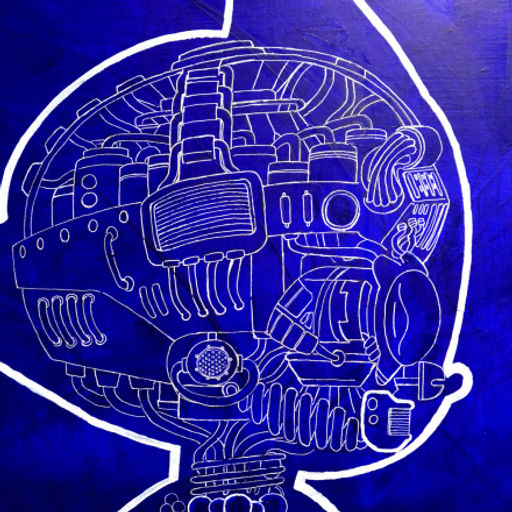
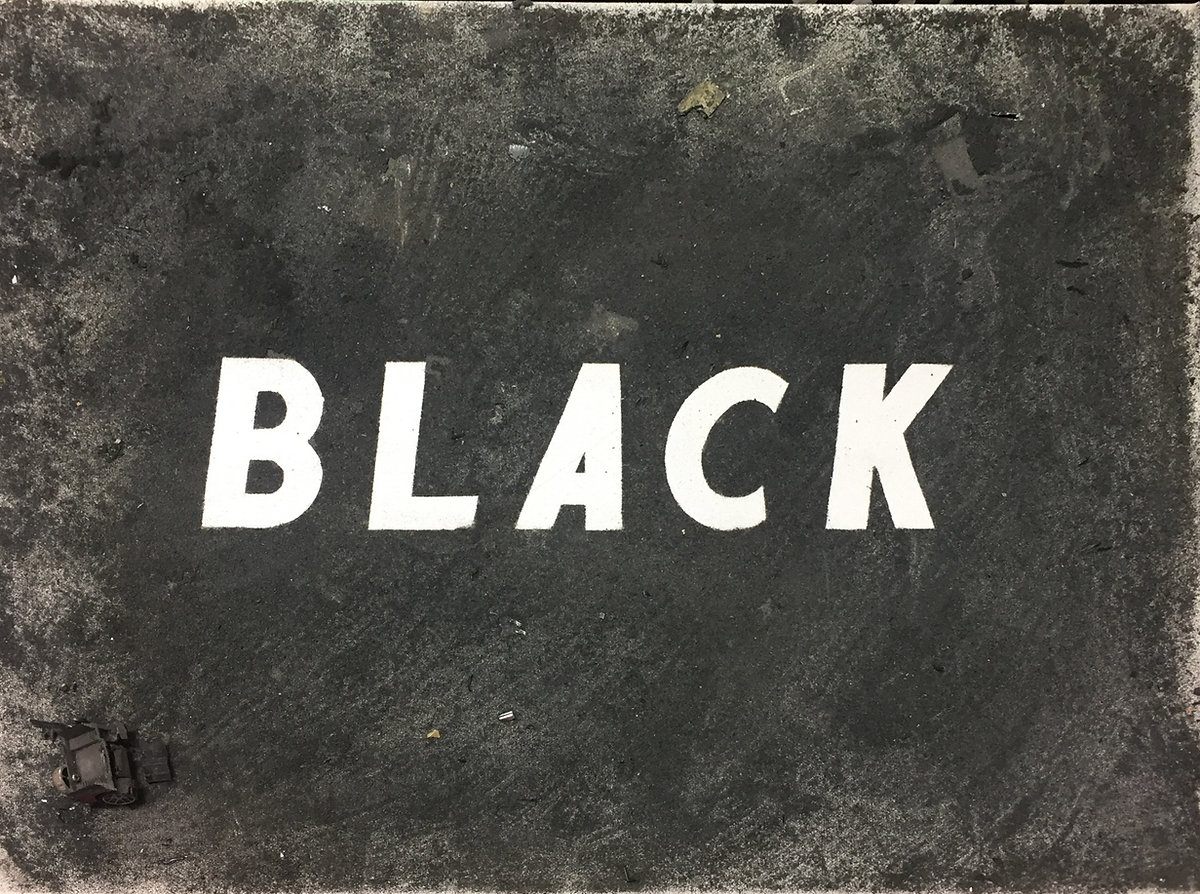
Installation view of 《Objectify》 © Art Space Purl

Honest Painting, Objectify

“To paint is to investigate the qualities of all forms through philosophical and mysterious speculation. Moreover, the painter must render visible, through drawing, the ideas and concepts imagined in the mind.” — Leonardo da Vinci

Shin Kiwoun’s exhibition is an act of “objectifying” in pursuit of what he calls “honest painting.” It is an attempt to reveal and articulate the skeletal framework of objects—their structural form—through shape, color, and line. The shift from his previous exhibition 《The Honest Exploration》 to 《Objectify》 reflects a range of variables as complex and layered as the transformations experienced by both individuals and communities.

This exhibition moves beyond “Shin Kiwoun’s exploration” toward a newly discovered mode of interpretation: a re-reading of “honest painting,” or a transition into “objectifying.” In this sense, Leonardo da Vinci’s scientific inquiry and artistic genius resonate across five centuries with Shin Kiwoun’s own way of engaging with the world in the twenty-first century.

For da Vinci, the certainty of painting was determined by several conditions: first, the eye, the sense most easily deceived among all sensory organs; second, the necessity of verifying perception according to measurable proportion; and third, the grounding of vision in the principles of geometry.

Da Vinci thus insisted that, because painting is a kind of science, every stage of its production must be tested through rational judgment. His belief that painting constitutes a concrete reproduction of a part of nature led him to compare artists who devote themselves solely to practice without intellectual foundation to sailors setting out to sea without a compass.

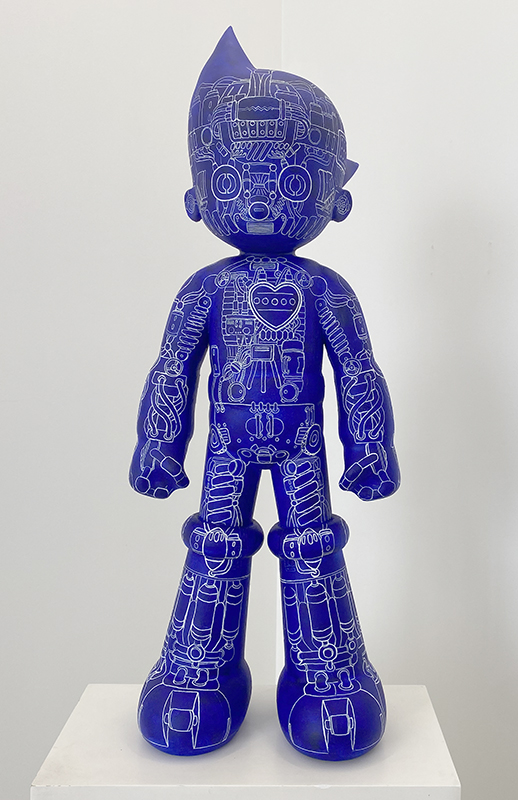
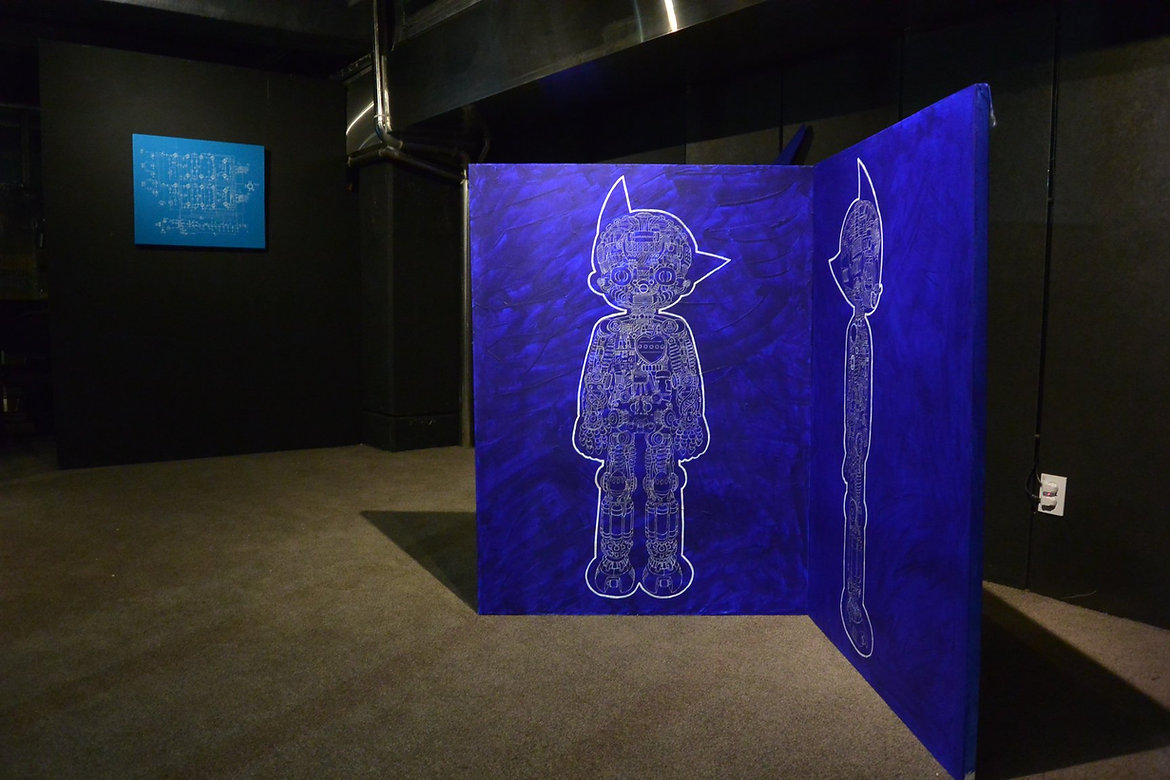
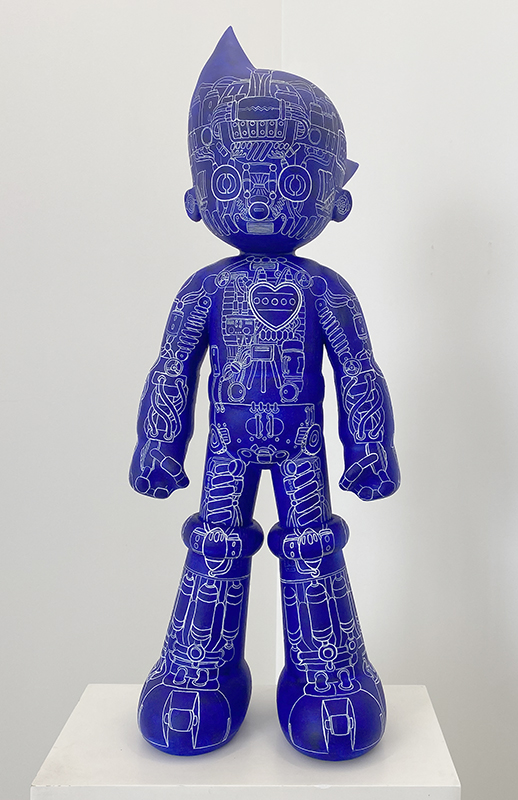
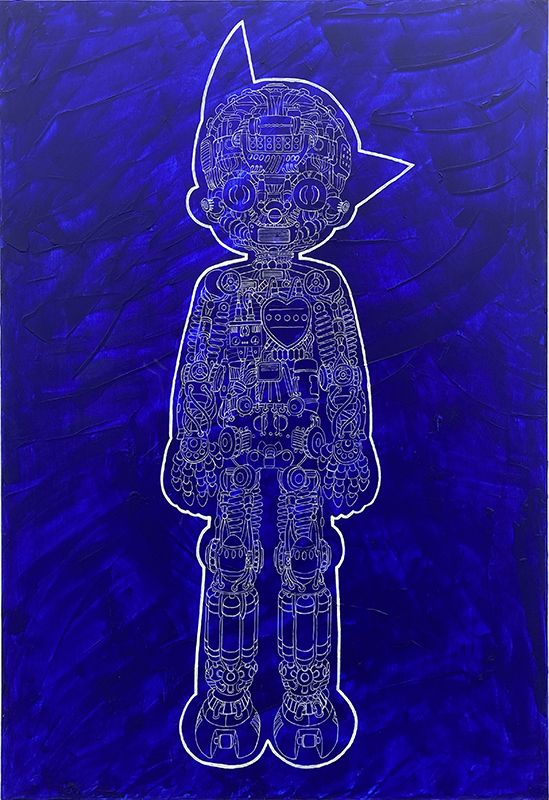
Shin Kiwoun, Astro Boy Sculpture, 2025 © Shin Kiwoun

Shin Kiwoun’s exhibition 《Objectify》 continues the conceptual thread of his earlier project ‘Exploratory Life’ while simultaneously addressing perceptual differences and transformations between three-dimensional form and two-dimensional representation. Grounded in the premise that “painting is a kind of science,” the exhibition’s notion of “objectifying” encompasses a sequential process of transition between before and after.

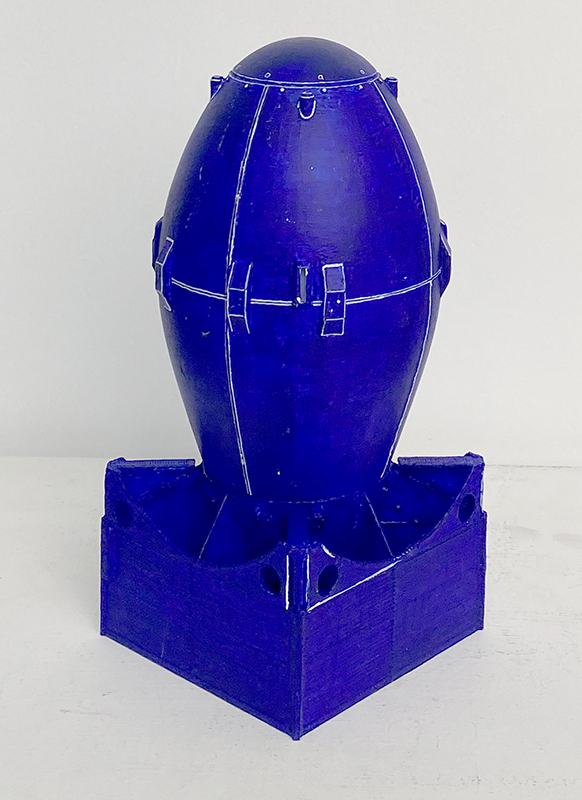
This process unfolds through the “re-objectification” of forms: the cartoon character Astro Boy, technologically sophisticated aircraft, and compressed-energy weaponry are first produced using 3D printing, then translated into blueprint-like unfolded diagrams projected as shadows upon blue surfaces.

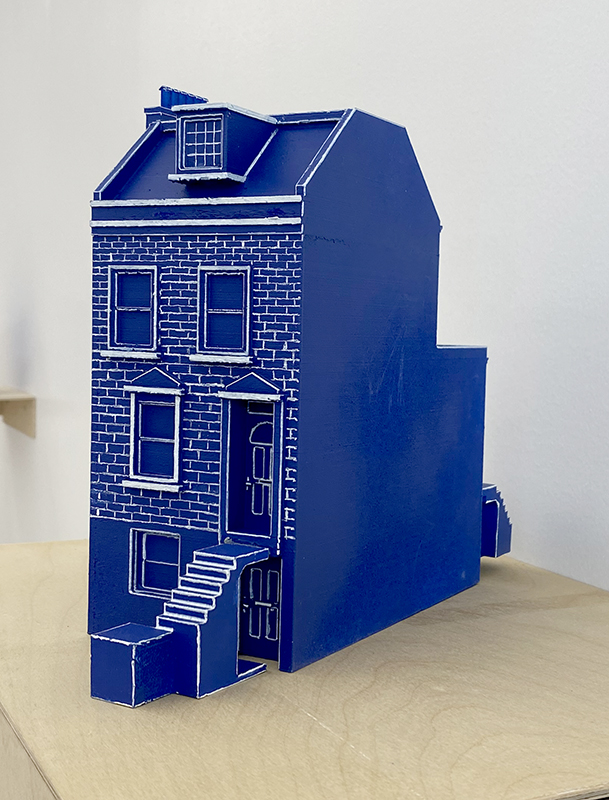
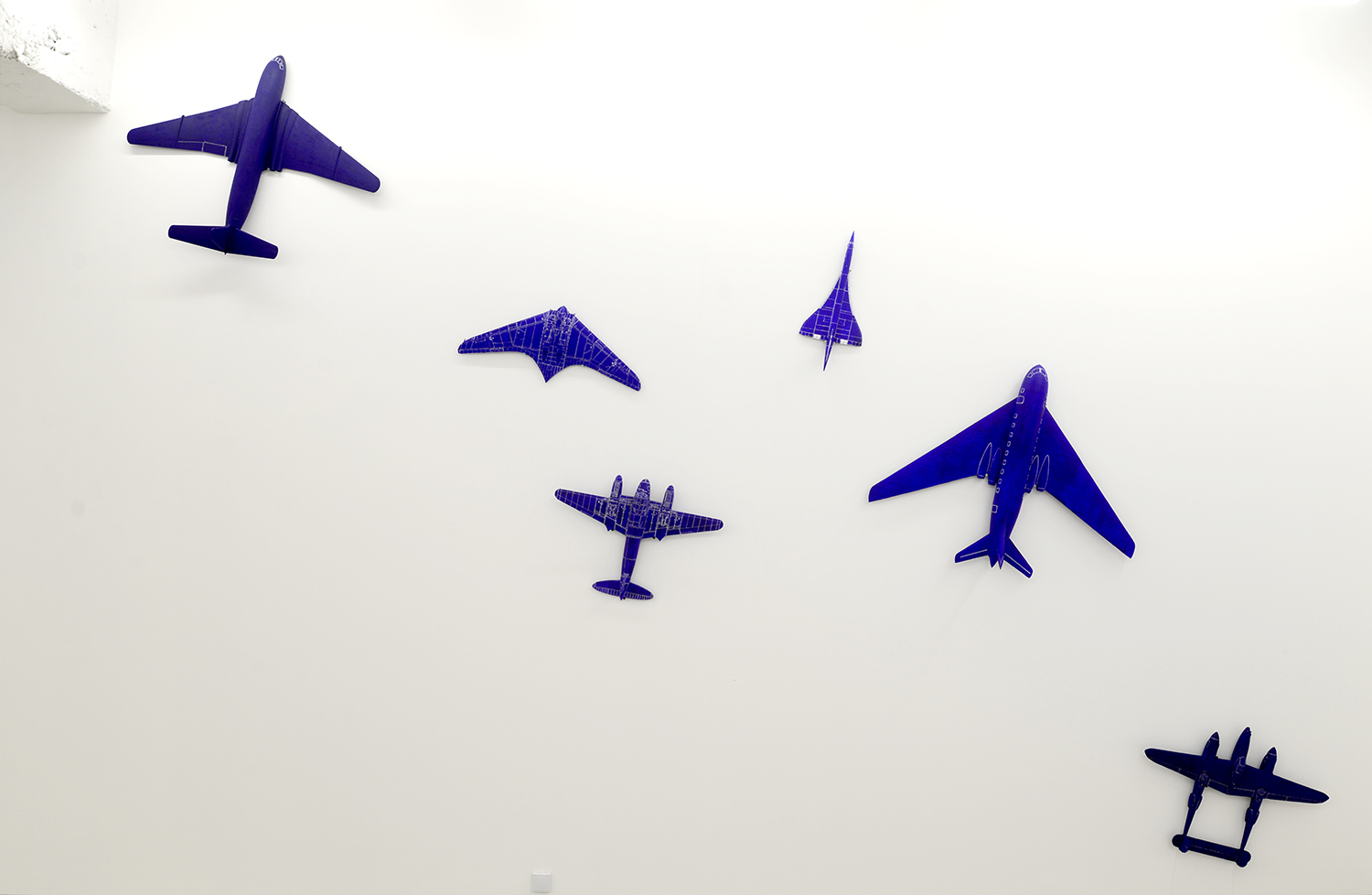
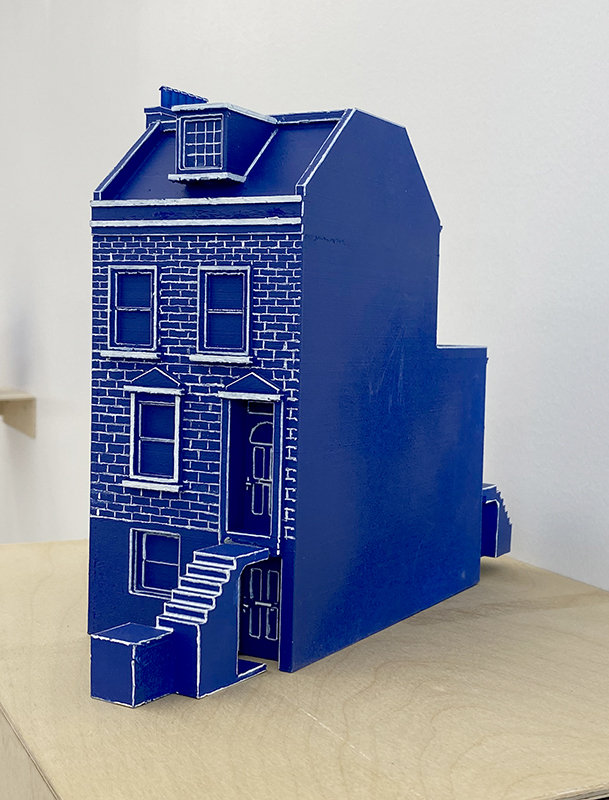
At the center of the exhibition are sculptural models of Astro Boy, supersonic aircraft, and apartment buildings reminiscent of those in which the artist once lived during his years abroad. After coating these forms with ultramarine blue, Shin overlays them with white structural lines resembling blueprints.

Upon these objects, he renders skeletal detail drawings through linear white relief-like markings set against the deep blue of blueprint imagery—a color of low brightness yet high saturation, historically regarded as one of the most precious pigments across eras. This act of linear painterly “objectification” ultimately becomes Shin Kiwoun’s vision of “honest painting.”

Shin’s painterly sculptures draw upon subjects such as hydrogen airships that exploded in New York in 1902, the Concorde that catastrophically failed in 2006 due to a fragment left on the runway, and the development of civilian aircraft as symbols of technological progress. Through sculpture and painting, the artist incorporates scientific knowledge into his creative process.

This artistic approach emerged from his study of sculpture at university, where he became deeply interested in constructing and observing forms, as well as in the planar design systems underlying three-dimensional structures. Within this framework, he came to establish Astro Boy as an iconic figure emblematic of the era.

Shin Kiwoun, The Third House, 2024 © Shin Kiwoun

For Shin Kiwoun, Astro Boy functions not only as a symbol of science and technology, but also as a projection of the artist himself. To approach the character’s mission and technical structure, Shin studies scientific documentaries and investigates the figure through multiple modes of translation—from planar schematics to three-dimensional form, photography, and digital imagery.

Such an artistic attitude may be understood as a form of self-representation that reflects the symbolic condition of contemporary life shaped by technological change.

Shin Kiwoun also incorporates into his work an understanding of the historical significance of blue pigments. Through research into lapis lazuli powder—once referred to as “blue gold” due to its rarity and the immense cost of extraction from antiquity through the modern era—he recognizes blue as not only a religious and sacred symbol but also an emblem of wealth.

Since the nineteenth century, pigments such as Prussian Blue and ultramarine gradually replaced costly lapis lazuli, and this historical transition becomes embedded within the conceptual framework of his work.

Blue light-emitting diodes, often regarded as symbols of scientific progress, further illuminate the special status of the color blue. Blue is difficult to reproduce in nature because it is exceptionally rare and possesses a high-energy wavelength that tends toward instability.

The history of achieving stable and efficient high-resolution blue light is therefore also a history of humanity’s attempts to overcome the limitations of nature through scientific discovery and technological innovation. The transformation of lapis lazuli—from an artistic and spiritual symbol of antiquity into a modern symbol of blue-light technology—stands as evidence of humanity’s continuous pursuit of technological advancement.

In this sense, Shin Kiwoun’s “objectification” recalls Paul Cézanne’s landscape practice in nineteenth-century Aix-en-Provence, where the artist sought to create a lasting impression through the capture of solid and enduring structures. Shin’s work undertakes a journey through art history toward the perceptual truth first articulated in Cézanne’s aesthetic vision.

Traversing time and space in this way, Shin’s “objectification” navigates with the compass of objectivity through the enduring proposition that “painting is the scientific imitation of nature.”

What ultimately arrives at Art Space Purl through this voyage is Shin Kiwoun’s “honest painting”: white blueprint-like memories inscribed upon ultramarine surfaces, where perceptual experiences of Astro Boy, the Concorde, and apartment buildings converge. It is an “objectification” shaped through a journey across time, and a shadow of existence imprinted with tactile traces—Shin Kiwoun’s honest painting, objectification.

Installation view of 《Objectify》 © Art Space Purl
References