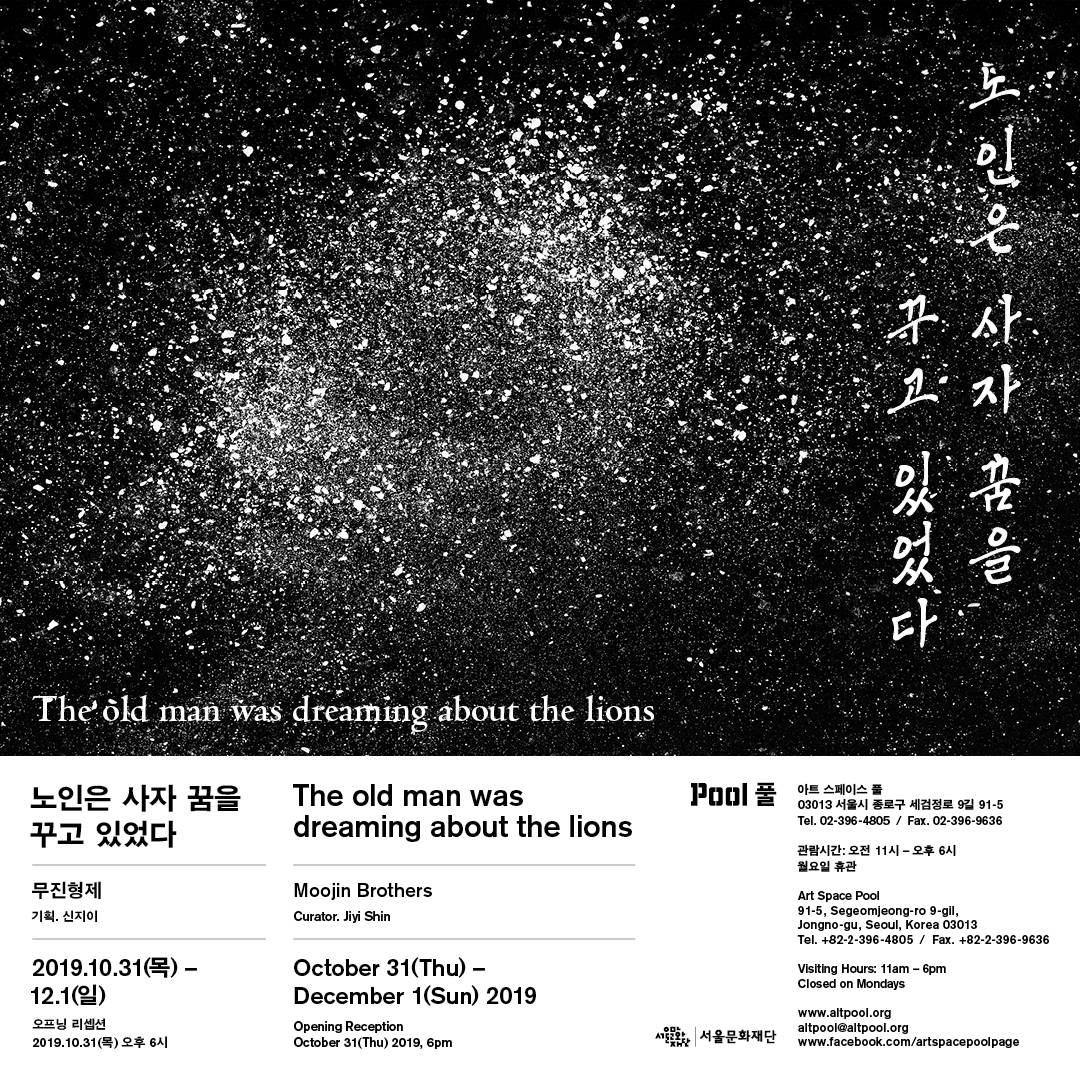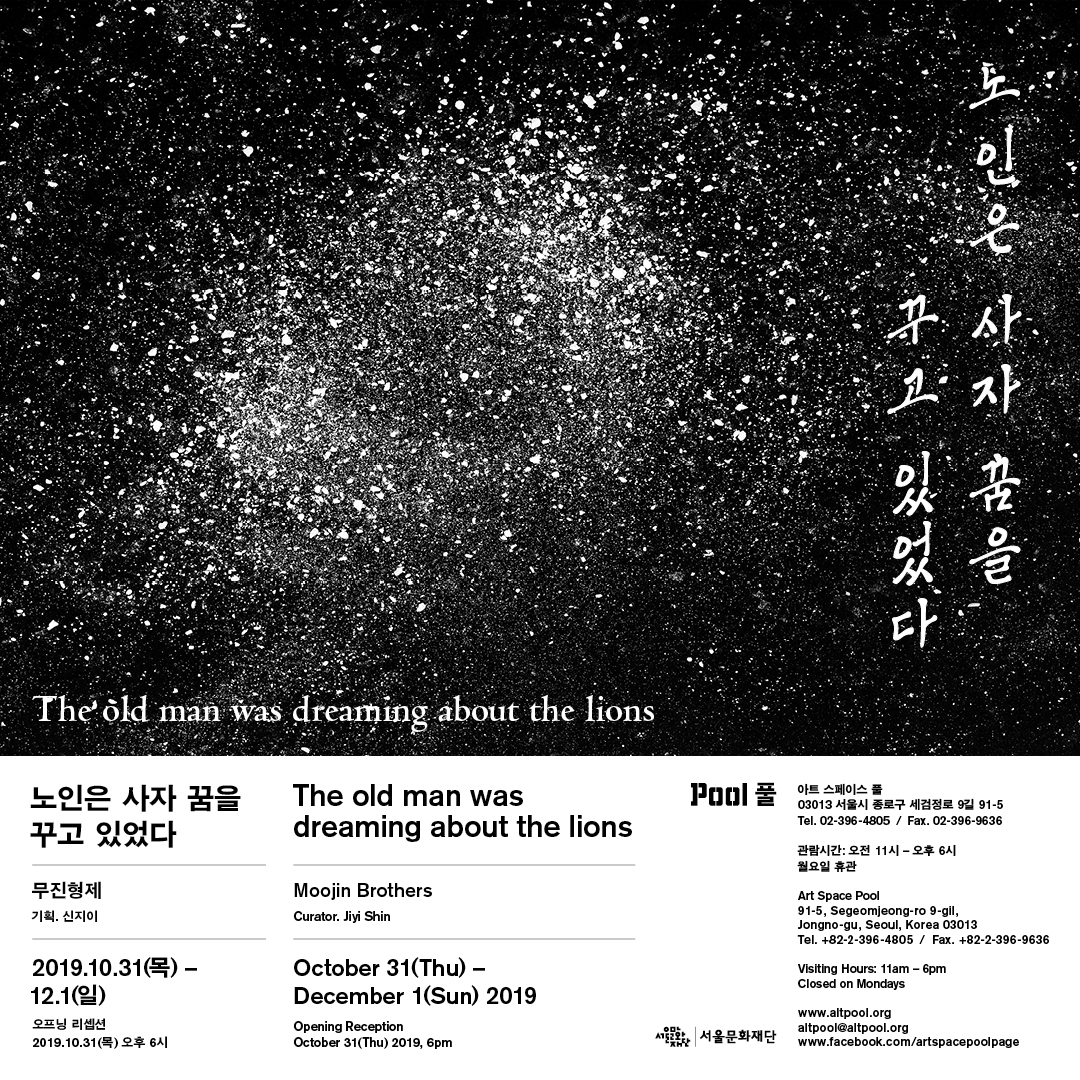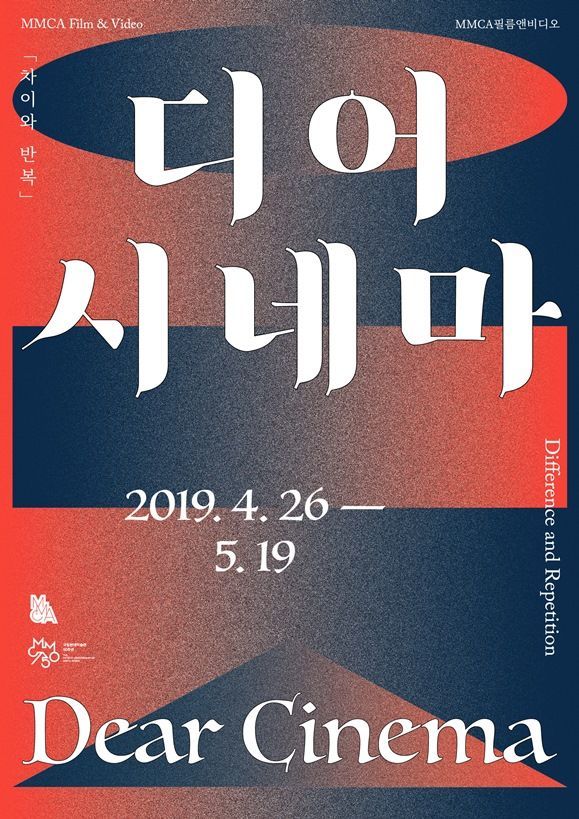

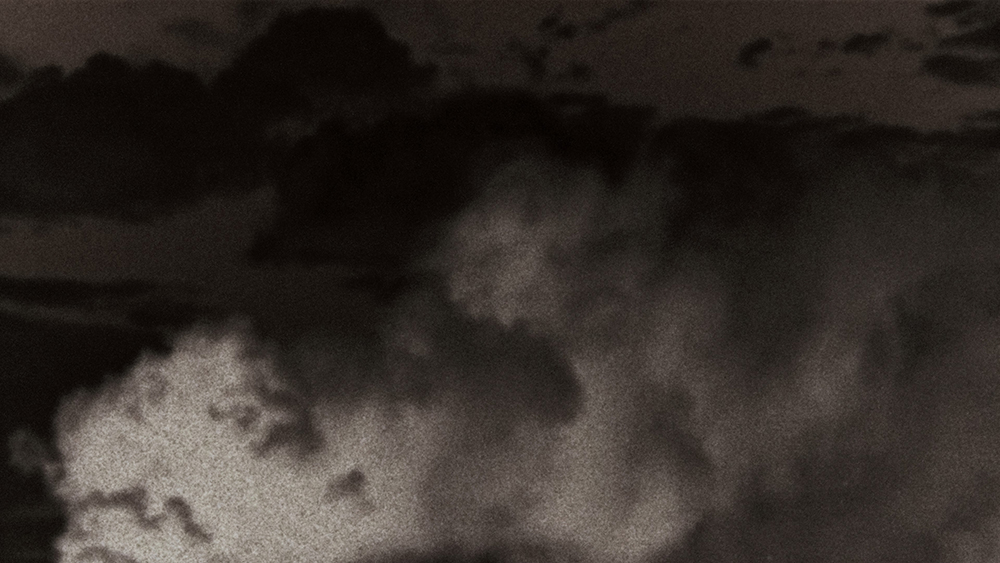
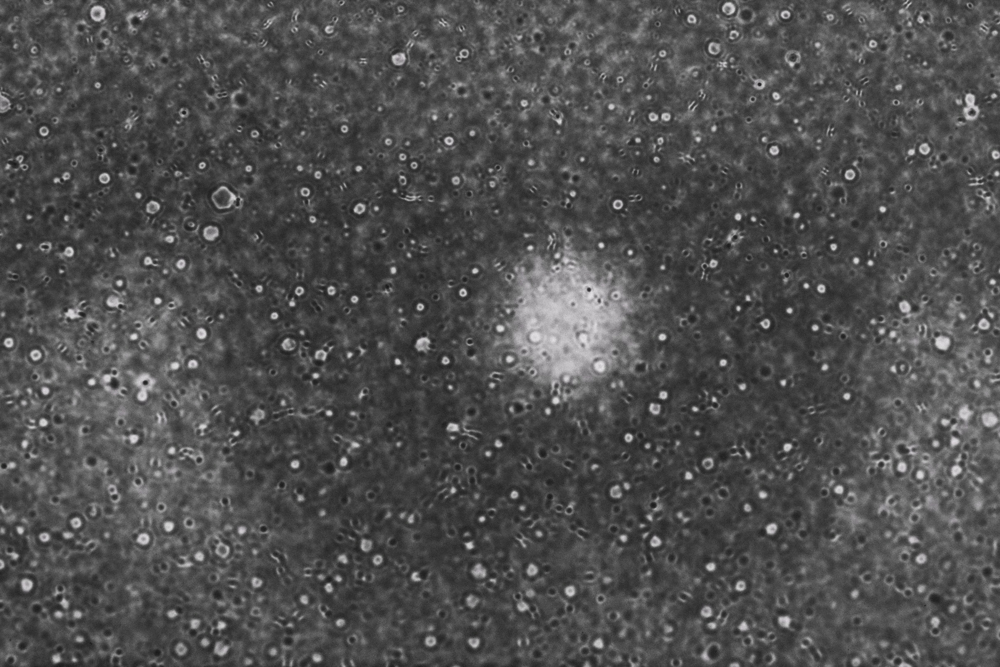
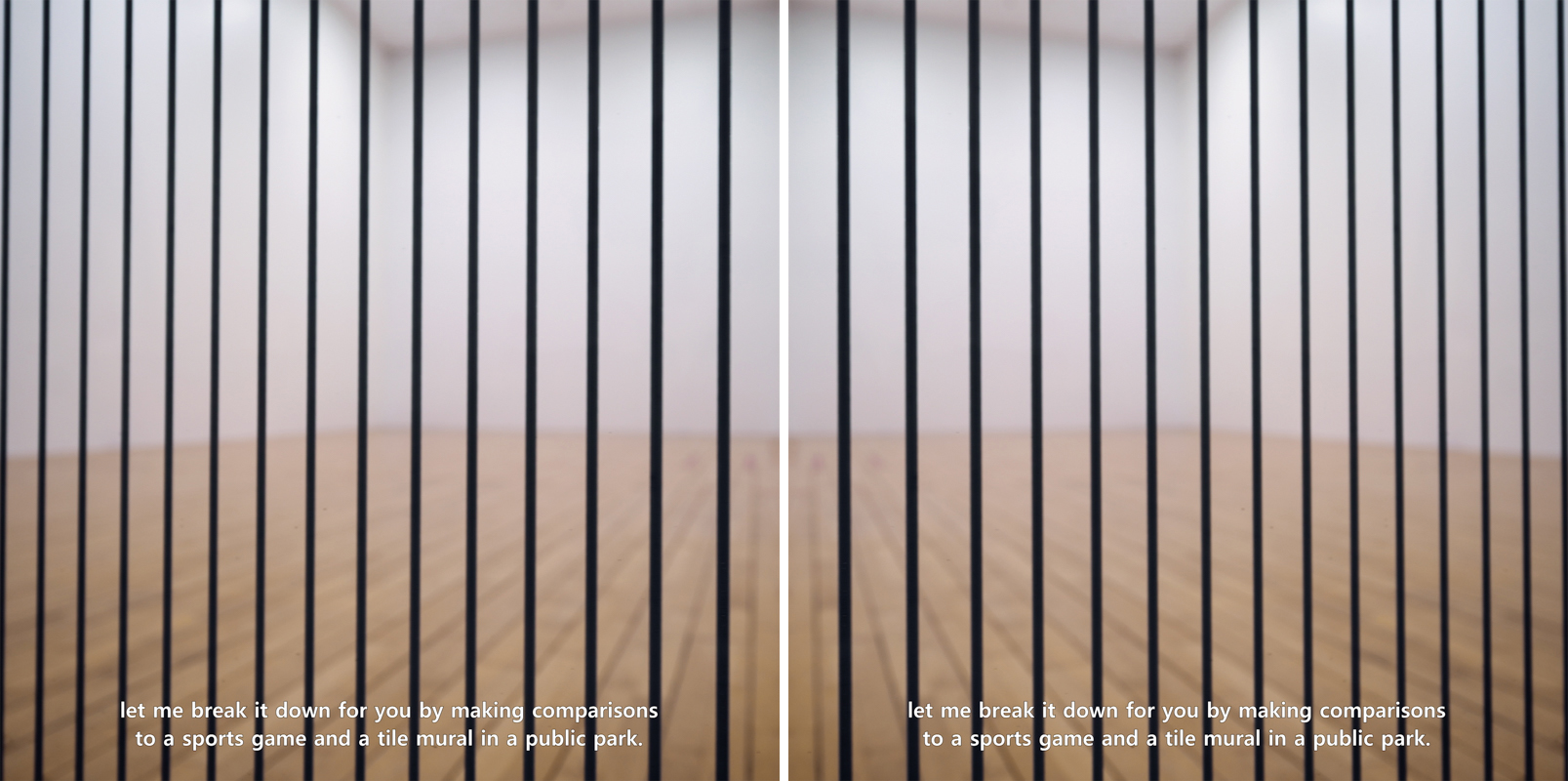
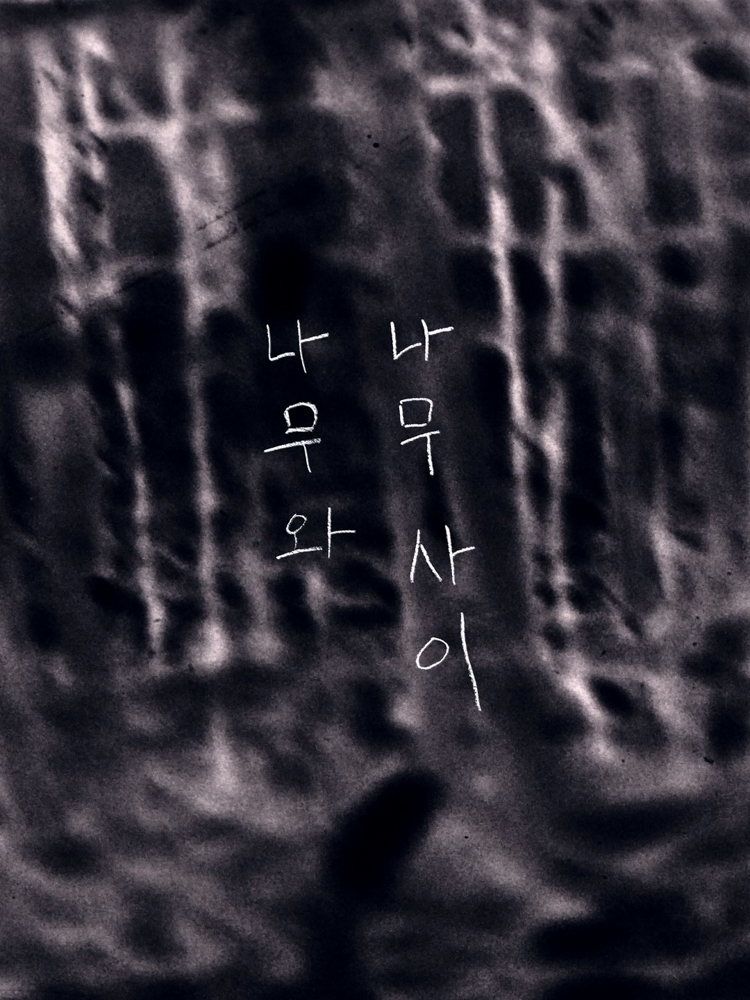
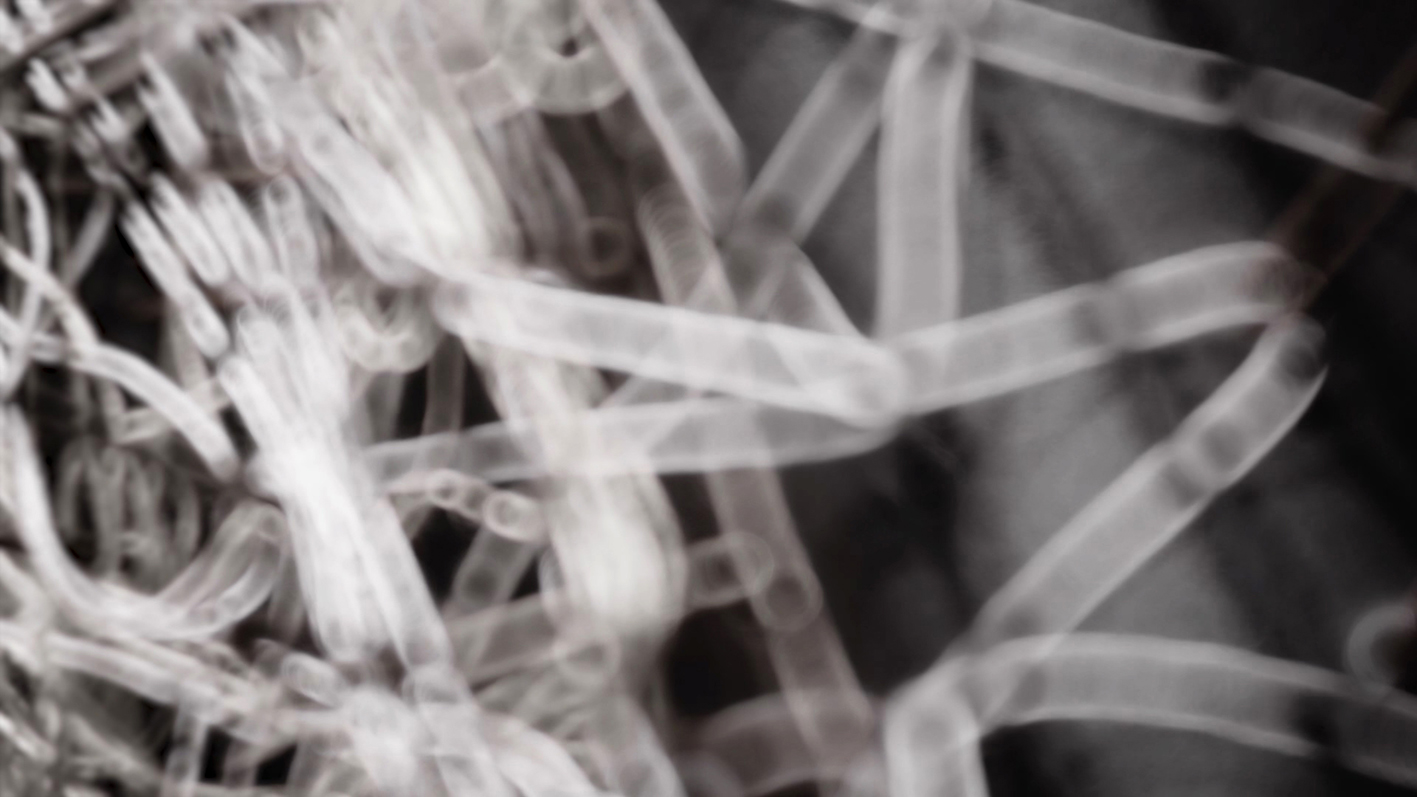
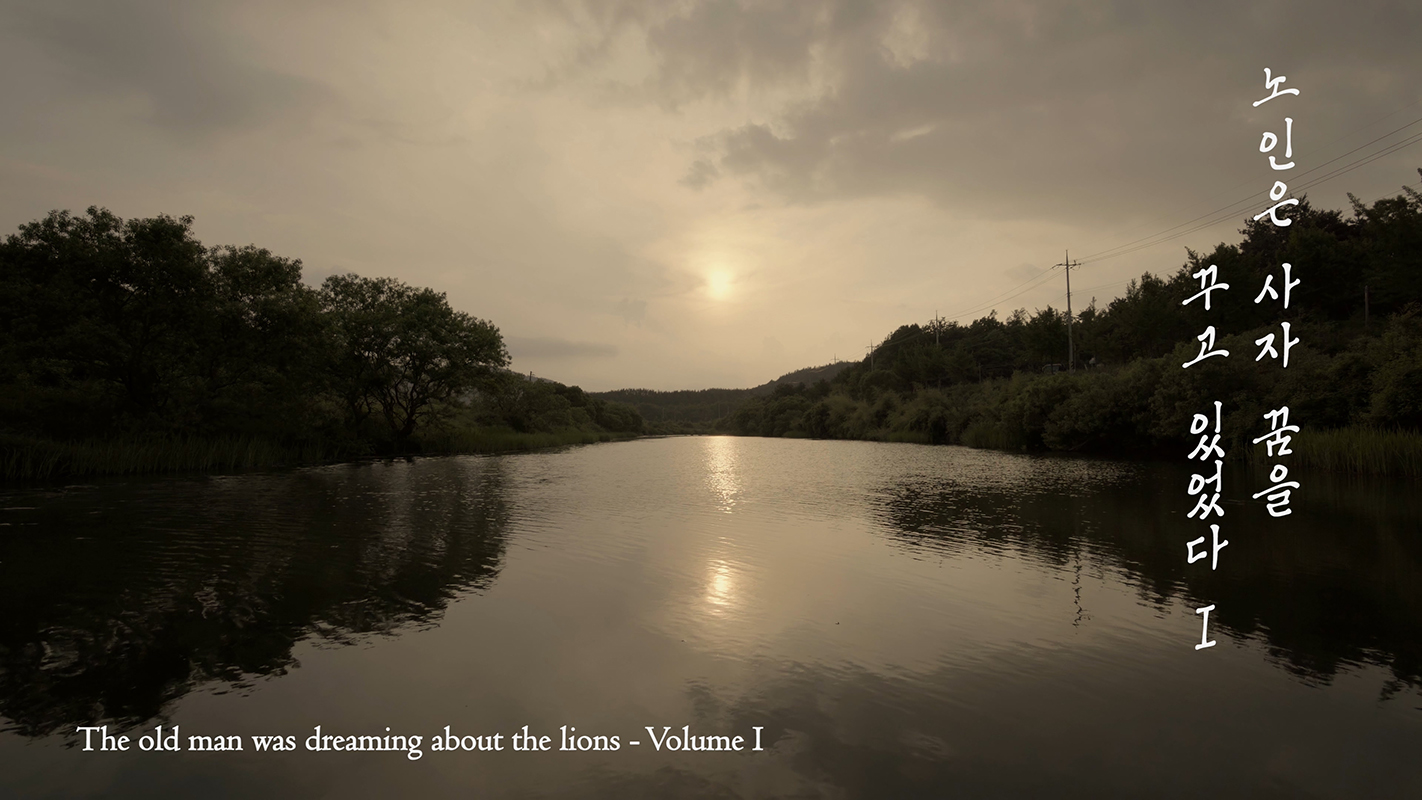
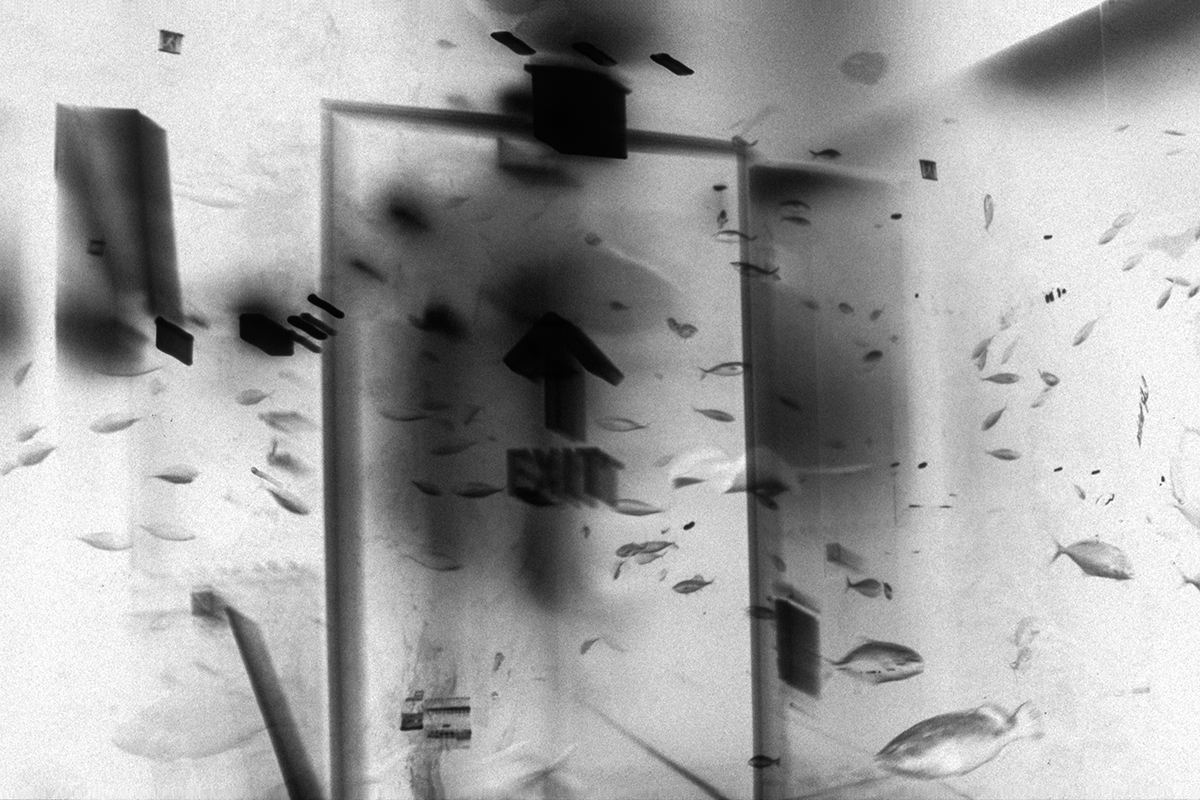
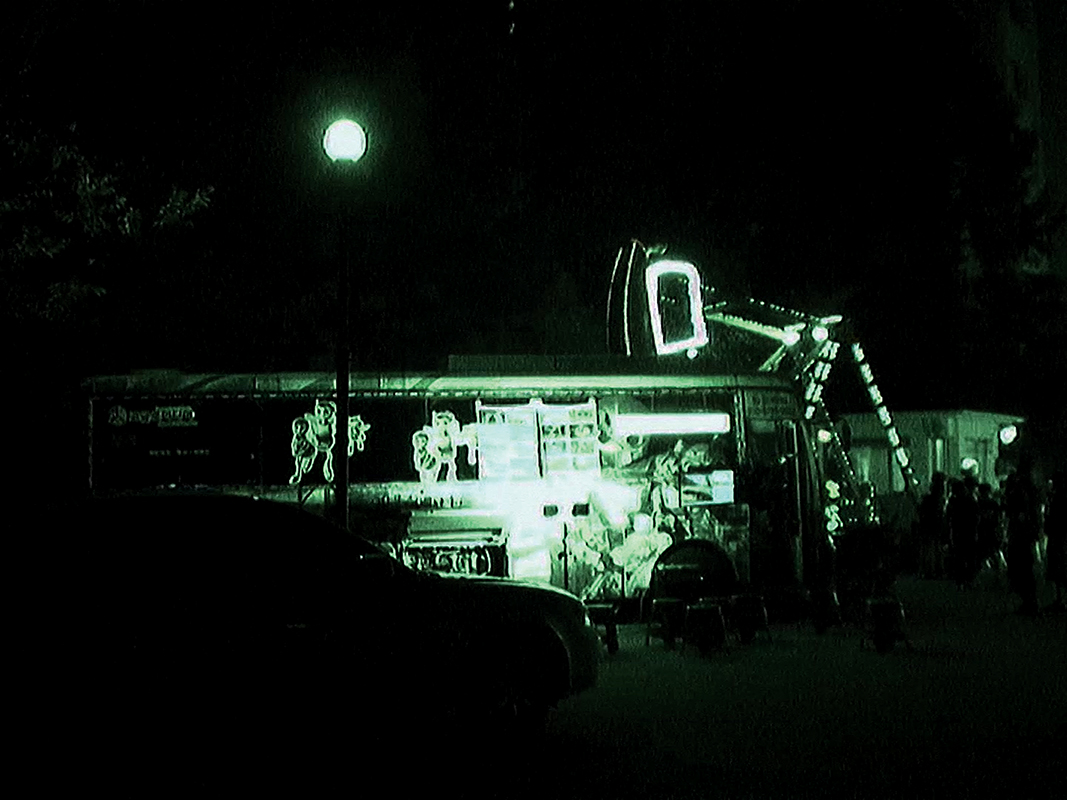
Poster image of 《The old man was dreaming about the lions》 © Art Space Pool

In describing themselves as “discoverers,” Moojin Brothers proposes discovery as both a destinationless expedition and an inquiry free from possession. Their practice takes as its methodology the act of “finding” things previously unknown or unfamiliar while drifting through places and situations without predetermined objectives.

Setting out without deciding in advance what they might encounter, they have traversed an expansive range of references—from classical texts and folktales to animation and thermal imaging cameras. Following their trail often requires moving backward through time, and at times one finds oneself wishing for a guide.

Looking back, the worlds constructed by Moojin Brothers have rarely been driven by dramatic events or moments of psychological upheaval powerful enough to rupture a threshold. Instead, they have spoken of the people, places, and times that quietly sustain everyday life: a boy skipping rope, a dawn marketplace, a simple wish for a better world.

These are fragments of daily existence that are so repetitive, ordinary, and ubiquitous that they often escape reflection altogether. For this reason, it can sometimes feel beside the point to ask precisely where these scenes take place or whose stories they tell. In order to speak about what is closest at hand, Moojin Brothers takes a circuitous route through unfamiliar territories.

Through hybrid processes of construction and translation, the resulting scenes remain rooted in everyday life while appearing unexpectedly strange, even uncanny. The surroundings they “discover” do not begin with specific coordinates of place or identity. Rather, they precede such distinctions, obscured beneath the familiarity of daily life.

What emerges instead is a quieter question: why? Why did things come to take this particular form? Through this more fundamental inquiry, the artists reveal the hidden structures and conditions embedded within ordinary experience.

In the exhibition 《The old man was dreaming about the lions》, Moojin Brothers once again moves against and across three or more times and spaces, unfolding the relationship between people and the spaces that surround them—the house, the home. It is a place where intimacy becomes increasingly difficult to convey the more one attempts to put it into words, and where emotions grow obsolete almost as soon as they arise.

Yet it is precisely this place that evokes a quiet tenderness. Stepping into it without purpose, wandering without direction, the artists eventually discover a form that is altogether strange.

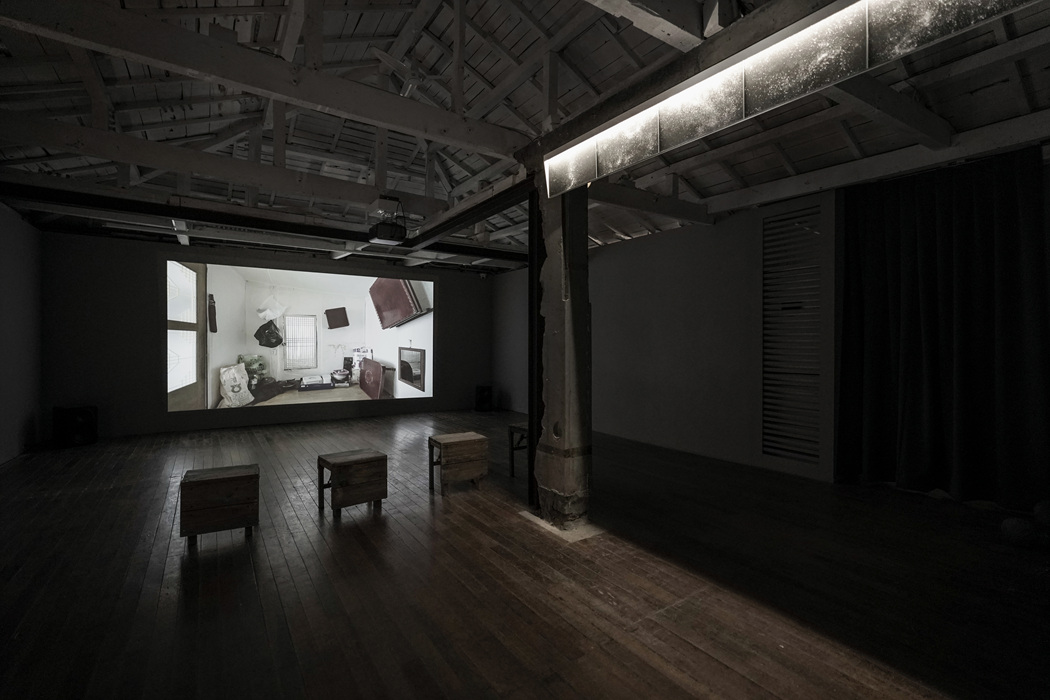
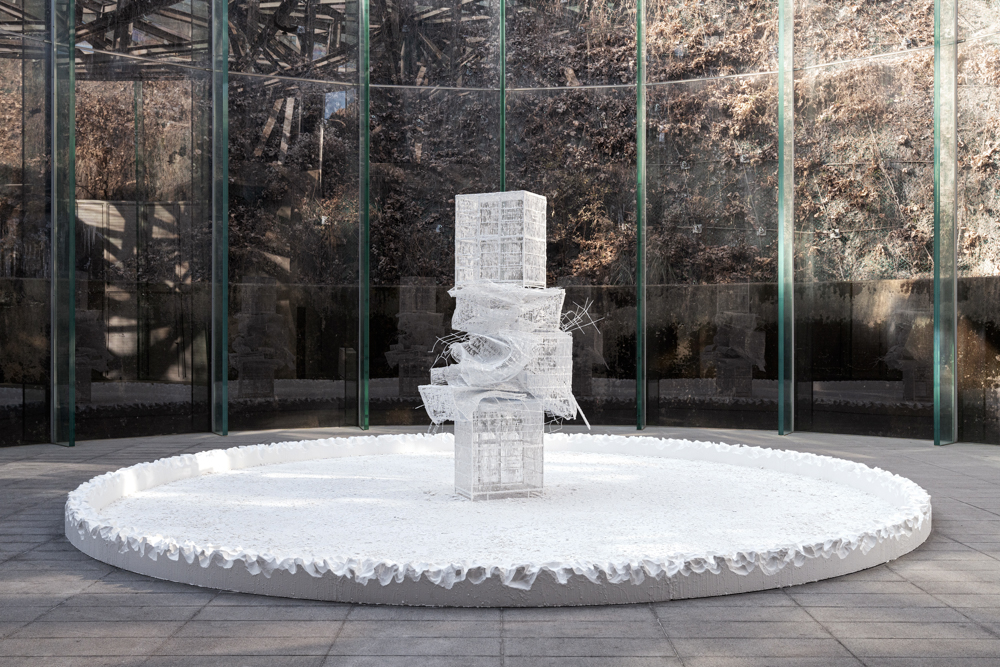
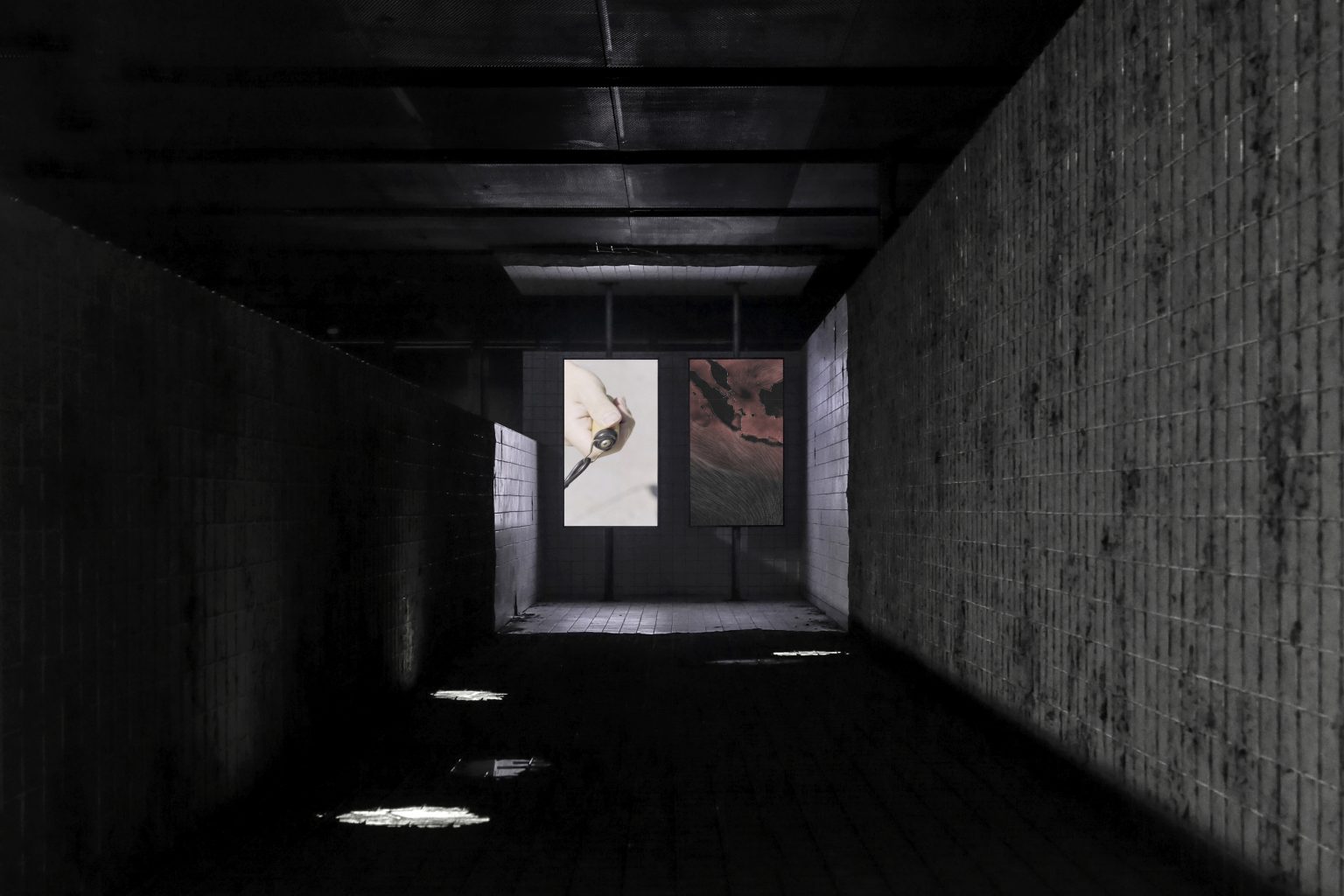
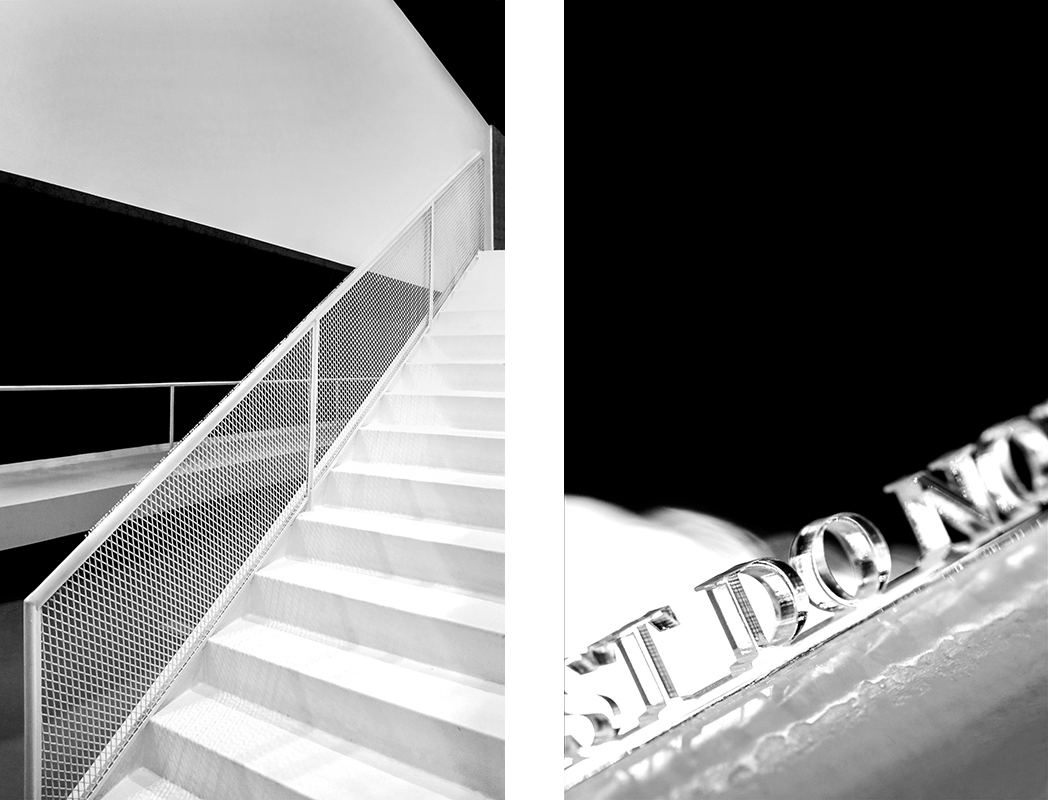
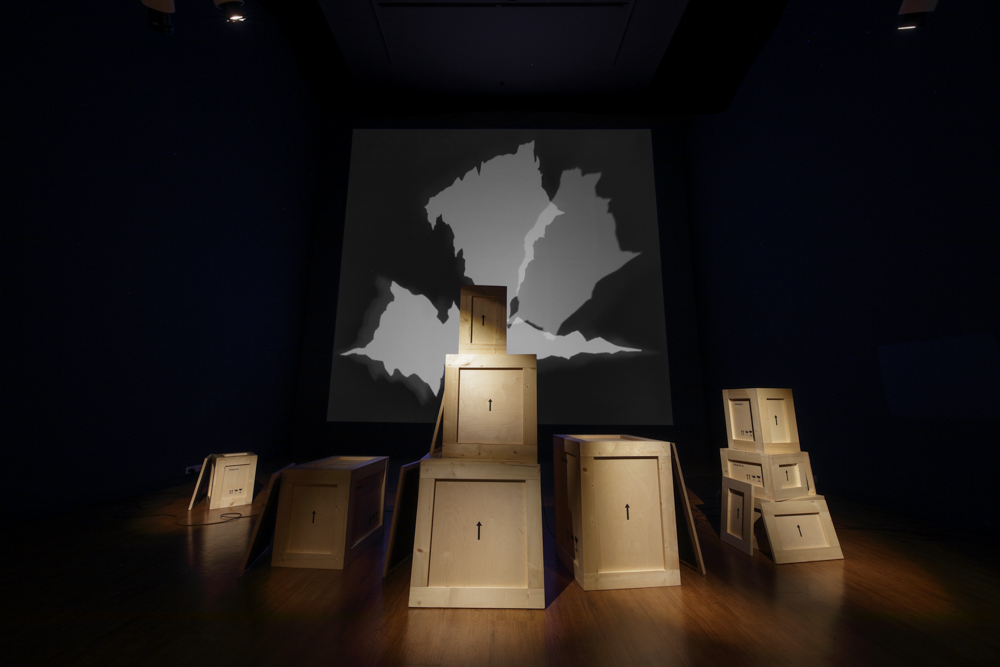
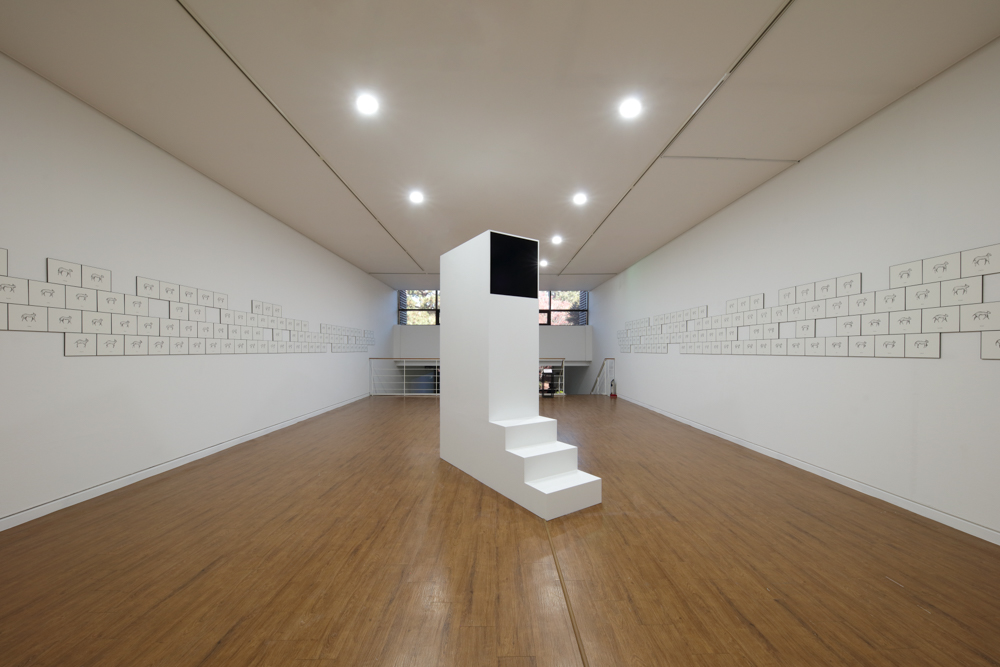
Installation view of 《The old man was dreaming about the lions》 © Art Space Pool

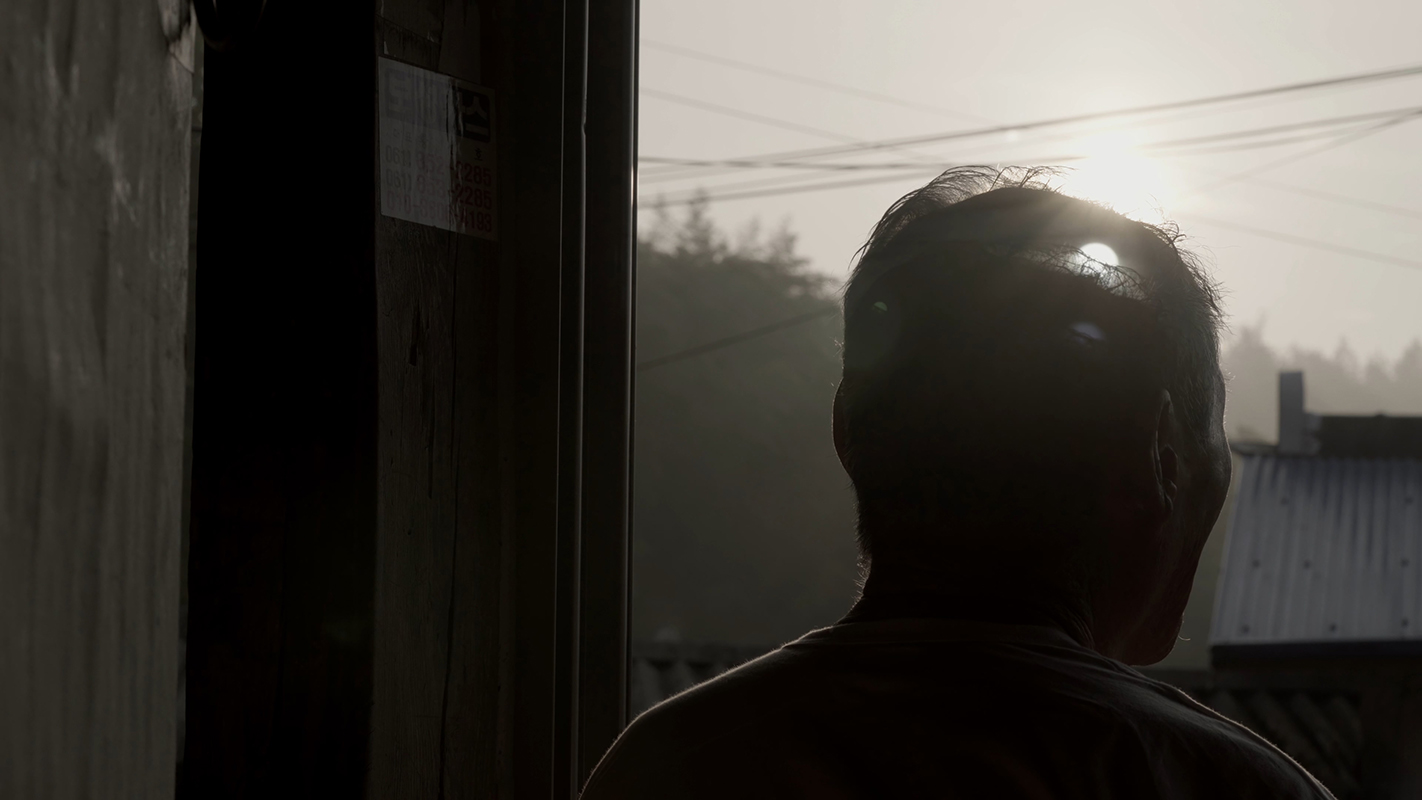
The first video observes an elderly man and the house that has accompanied him through equally long years with remarkable directness. The sparse strands of the old man’s hair momentarily disappear and reemerge amid the dawn mist and first light of day. He eats, makes phone calls, and occasionally steps outside.

His days unfold in solitude and quiet routine, interrupted only by small, unexpected gestures—such as tearing the corner from an envelope to wipe a stain from beneath his fingernail.

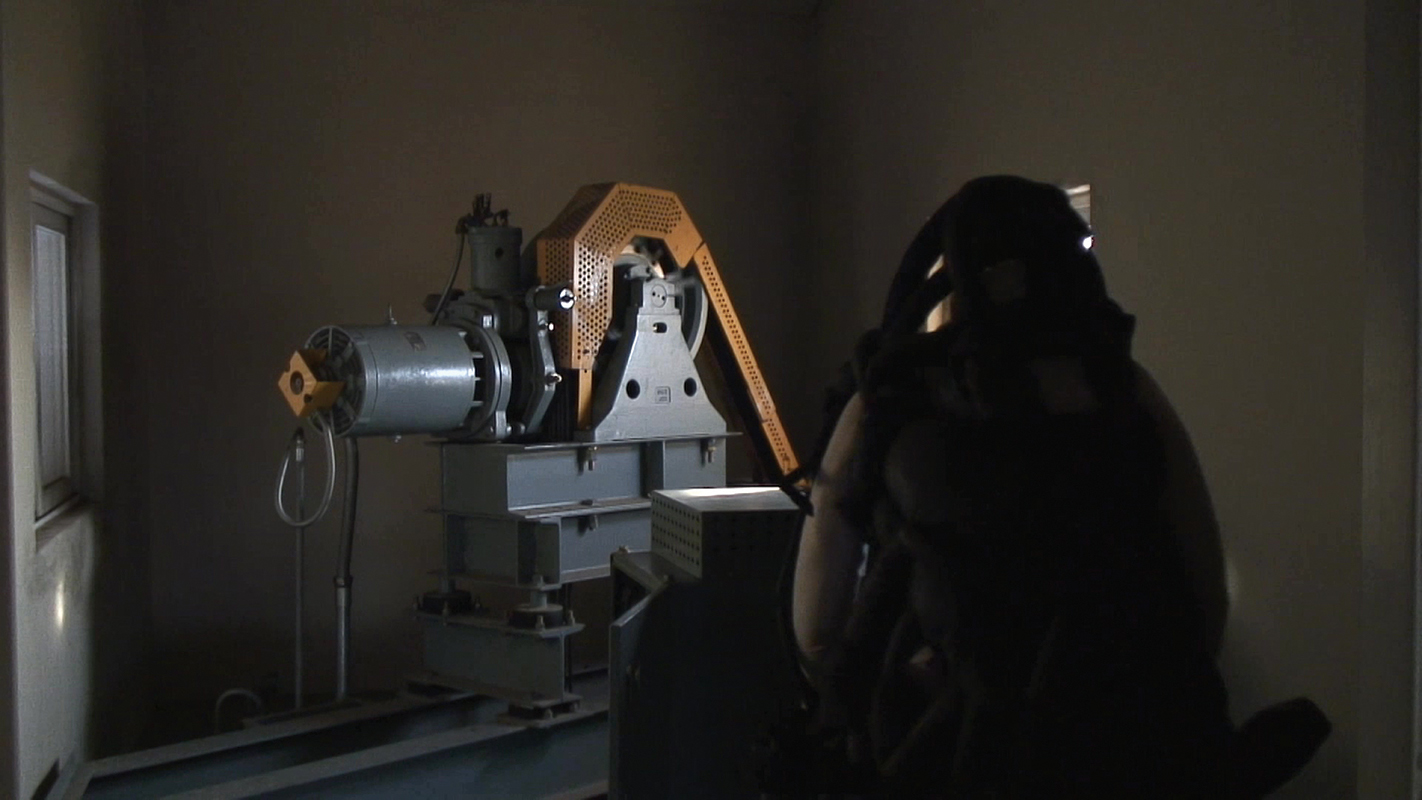
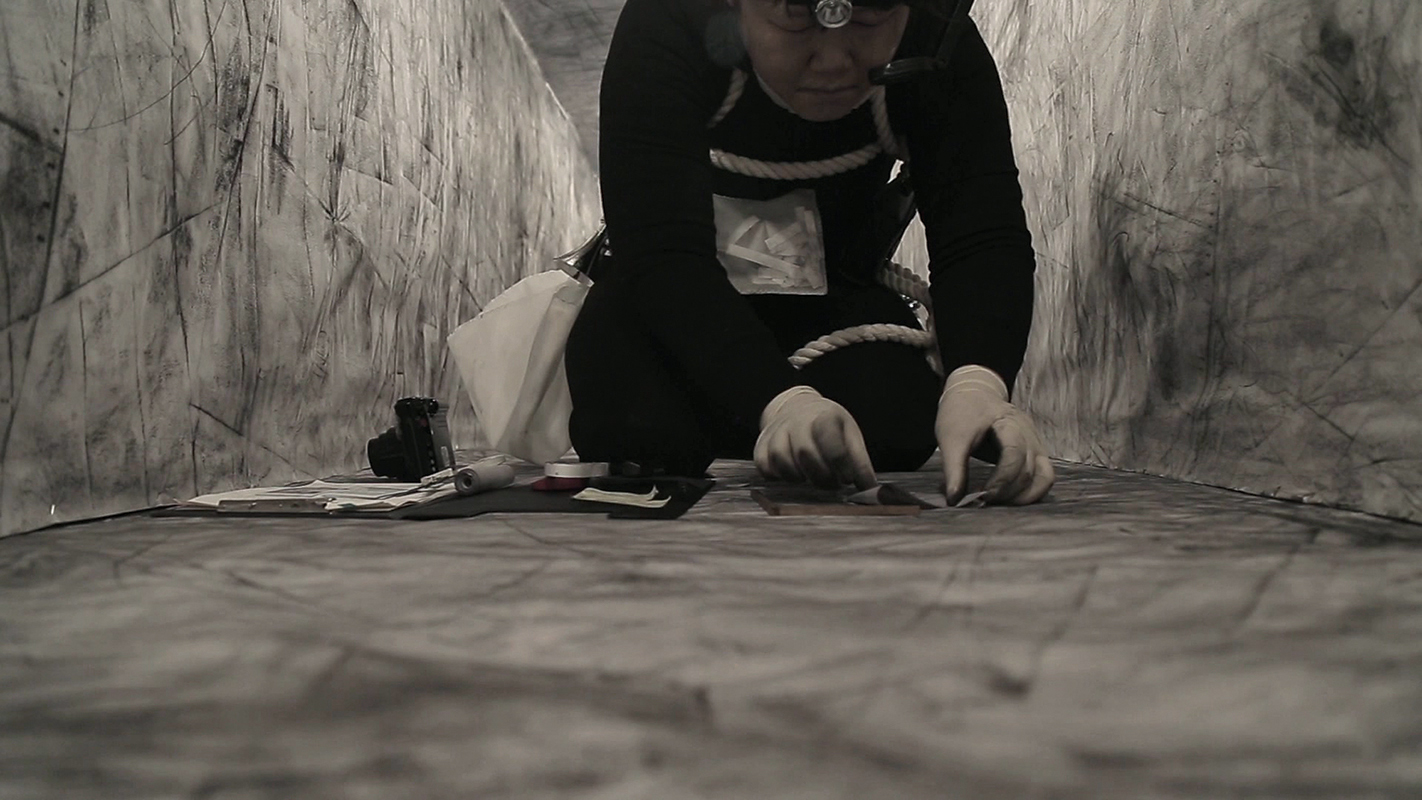
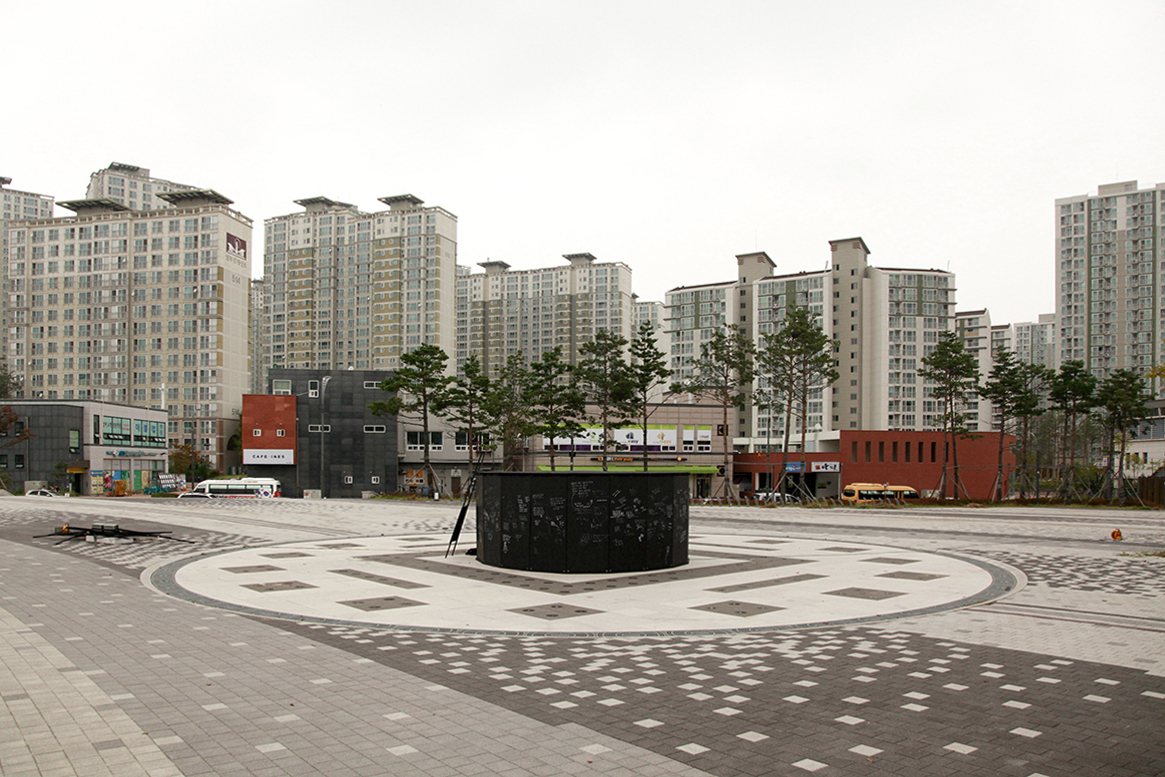
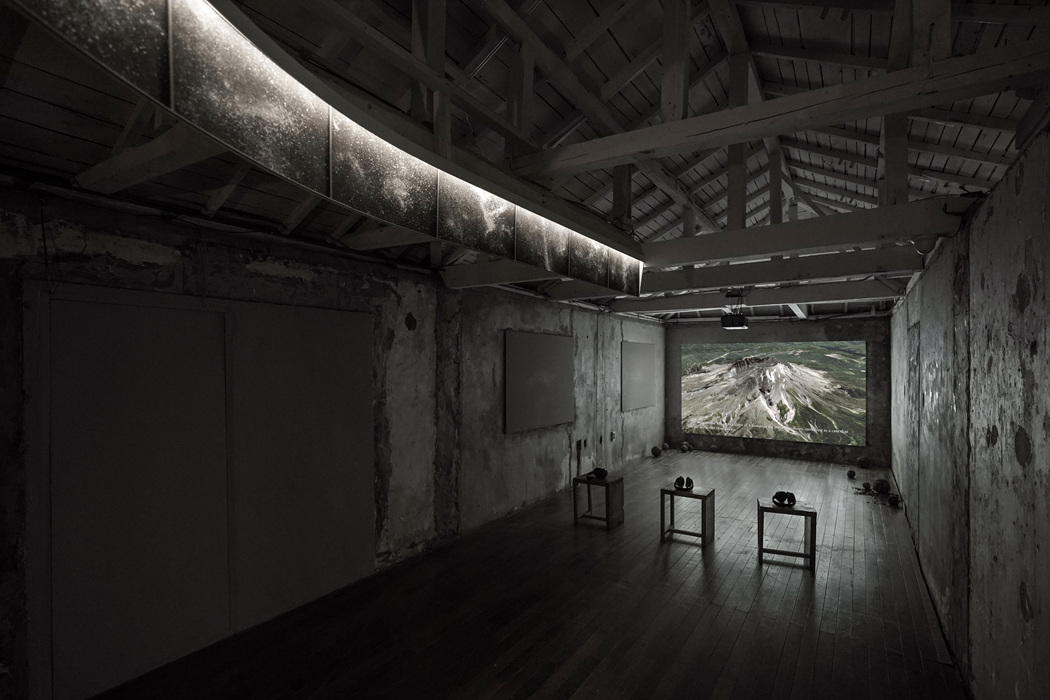
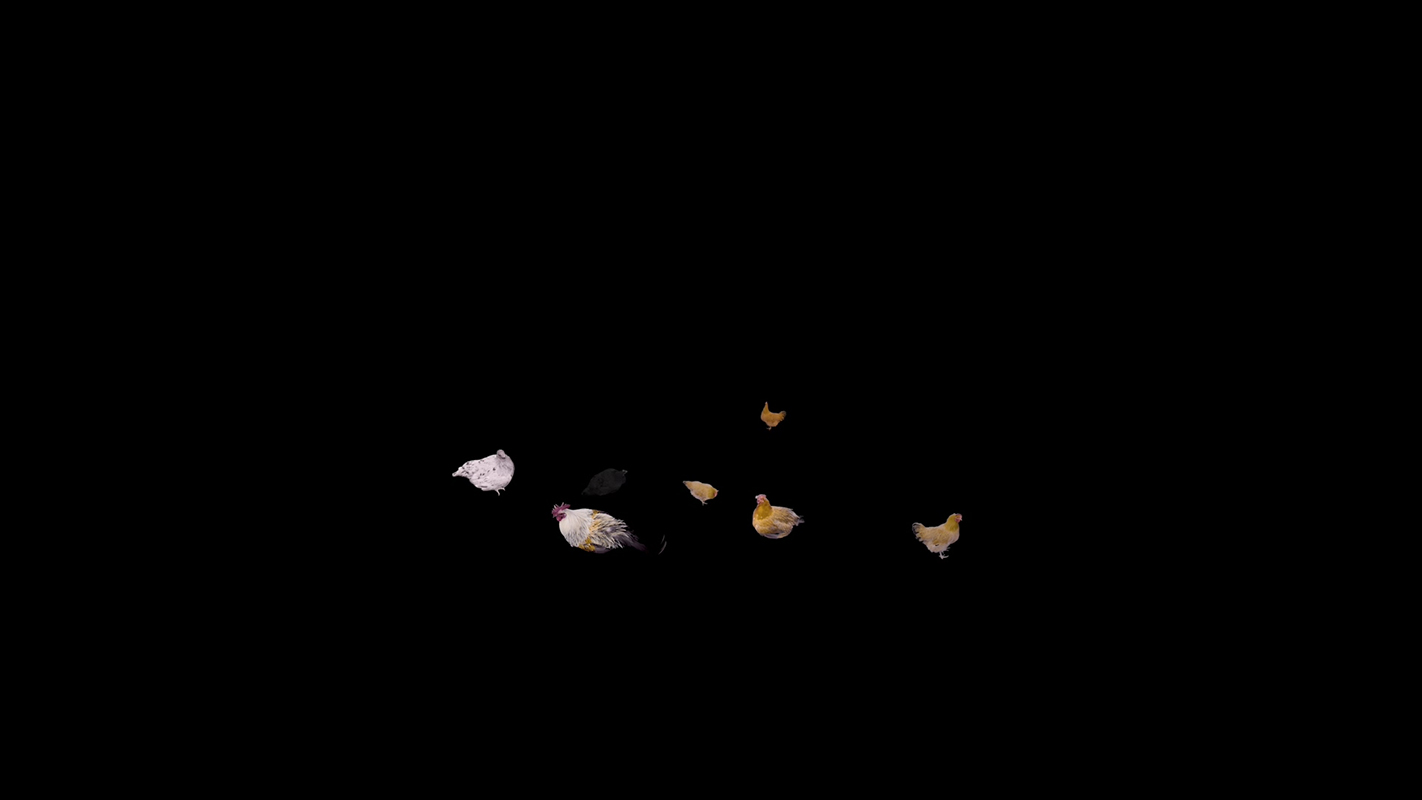
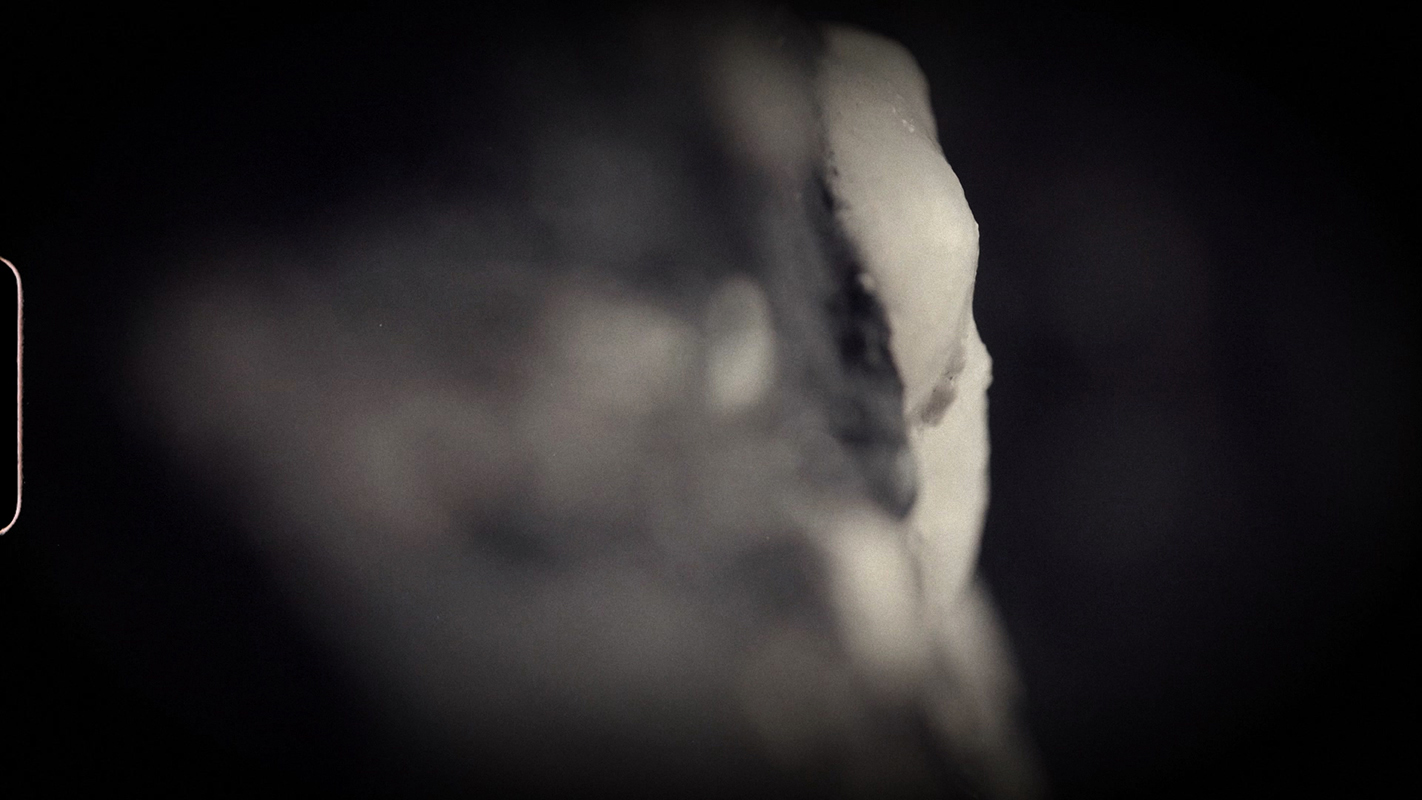
The second video, installed at the deepest point of the exhibition, opens in a mountain landscape at night, where a figure is shown carving away at an object. The camera then glides across and scratches the surface of an ice rink before gradually expanding its view to survey the ground beneath our feet, the city, and some distant place beyond.

From there, it contemplates the words we “expect” from a house and the words that “inhabit” it. Haok (夏屋), Antaek (安宅), and Amun (我門) all signify “house,” yet each suggests a different measure of what a home might be. In the past, a house was expected to be large enough to accommodate generations of descendants; for some, it was a place where one could never fully put the mind at ease; today, it has become a site where aspirations of ownership collapse into futility.

The artists draw attention to the Korean word geoju (居住), meaning “dwelling” or “residence,” formed by combining the characters geo (居) and ju (住). Although the term simply means “to live,” they suggest that a hidden anxiety about finitude lies embedded within it. The character ju (住), they explain, depicts a human figure (人) holding a candlestick (ju, 主) at the center of a room. When the candle is extinguished, the protagonist vanishes as well.

The two videos share the same title and are distinguished only by the numerals 1 and 2. Yet despite their common premise, they seem to belong to entirely different worlds. First, there is the gaze. In one work, the camera observes people at close range and landscapes at eye level; in the other, it surveys clusters of figures from above before ascending endlessly into the sky.

Second, there is the voice. What begins as a murmur barely distinguishable from ambient noise gives way to a clearly articulated narrator who directly addresses the viewer. Third, there is the flow. The old man no longer appears driven by any desire to travel farther, while the others seem to have reached a point at which they must learn how to stop. The two works make no attempt to conceal the distance between them.

Instead, they leave exposed the gaps that separate one from the other—the fissures that emerge between image and image, scene and scene.

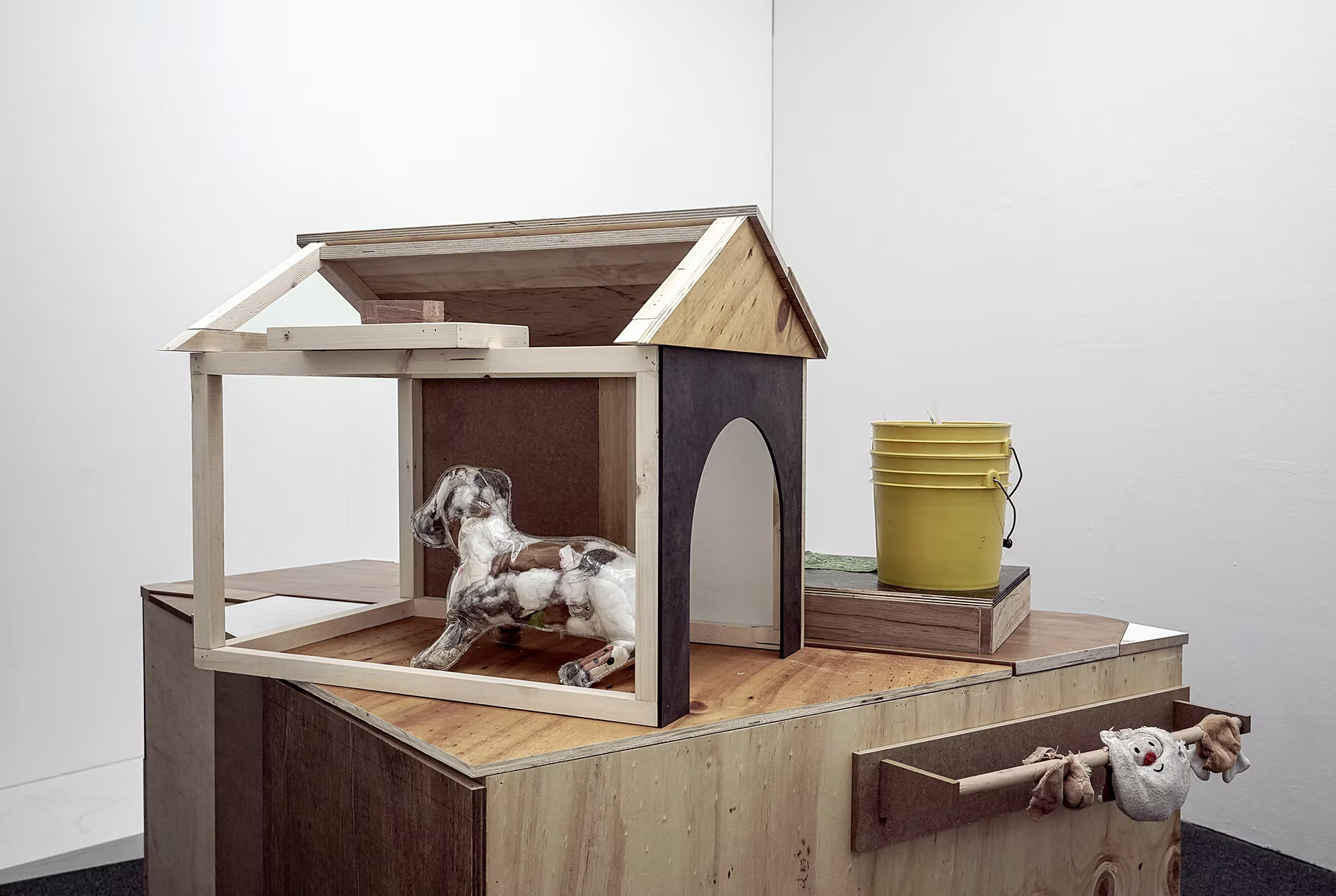
Installation view of 《The old man was dreaming about the lions》 © Art Space Pool

In fact, the project began with an inability to understand an elderly man who stubbornly refused to leave his aging house. The artists started documenting his home and daily life at close range. There was only one moment when an unexpectedly loud sound emerged: when the old man fell asleep.

Viewers may recall the scenes in the first video that blur the boundary between dream and waking life—tranquil landscapes gradually saturated with artificial colors, sleep-talk that scratches at the nerves with its irregular rhythm, and the looming presence of a giant bat crouched in a corner. What does the old man see in his dreams? Are they summoned fragments of the past, altered memories, or tangled imaginings?

Perhaps, for a moment, he forgets the limits of his aging body. Gaston Bachelard writes that not only thought and experience, but also reverie, confirms human values. The house protects both reverie and the dreamer, allowing dreams to unfold.

Most people have likely experienced a forgotten memory or long-lost recollection suddenly resurfacing in a dream through the mediation of a house. The storage shed that the old man once crossed countless times, but which now stands closed, may still be filled with farming tools and grain within the landscape of his dreams.

The old man's sleep-talk drifts between different times and spaces. It invites reflection on the form of the house and the words used to describe it, while prompting a reconsideration of fathers and their generation. Yet the exhibition does not prescribe what a house was—or what it ought to be—for them, or for us.

Rather, as one follows the hybrid scenes and intertwined sensations that emerge from this process, a distinct afterimage gradually comes into focus: the image of a circle, formed only when two lines drawn obliquely back-to-back finally interlock as one. The circle is both point and plane, the smallest and largest form contained within a foundation.

Countless small leaps proliferate and multiply upon its surface. Just as a palpable vibration still lingers within the old man's house, dreams—as acts of recalling and reconnecting the past—bridge the gaps between times and generations, enclosing them within a shared continuity. As houses have always done.

The exhibition's title borrows the final sentence from Ernest Hemingway's novel The Old Man and the Sea. Just as the lions appearing in the old man's dreams embody a will that persists despite the futility of reality, the exhibition traces changing forms of dwelling across three generations and asks where life is headed, and by what means it continues to flow.

References