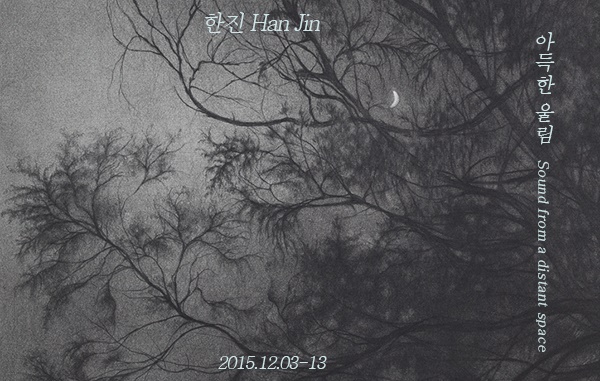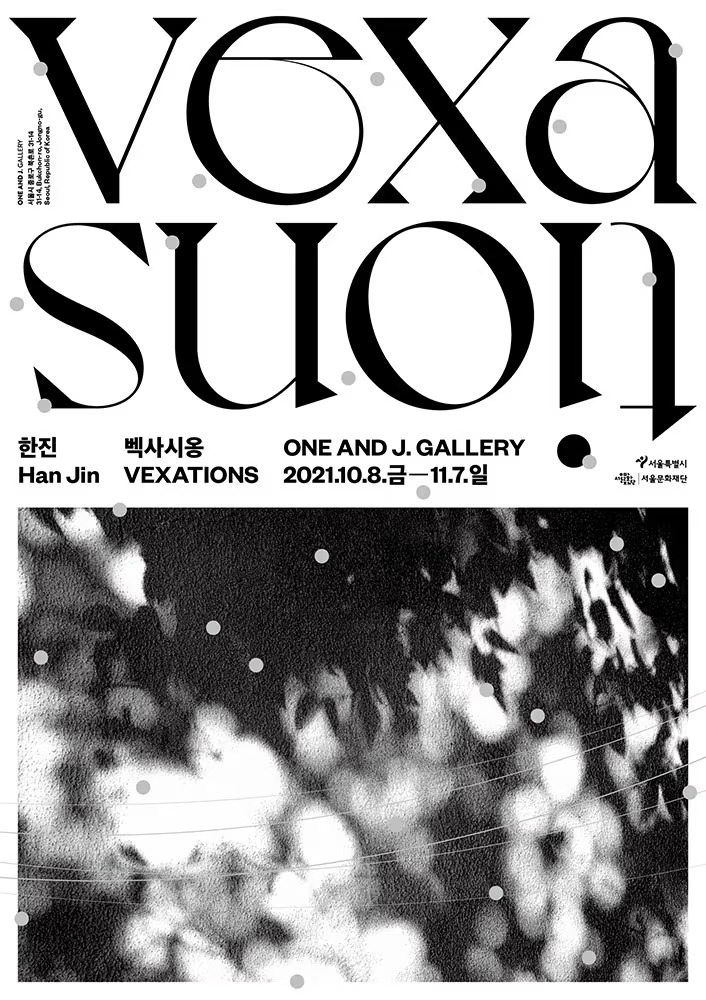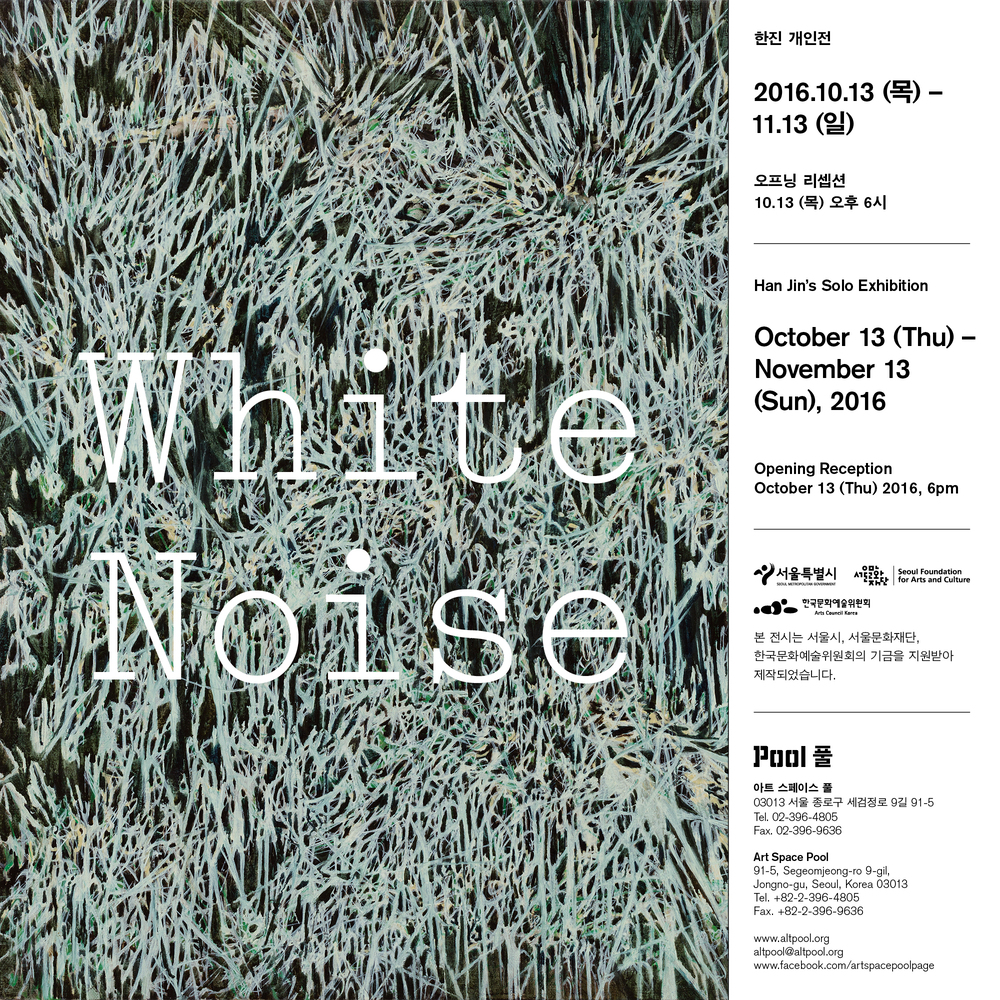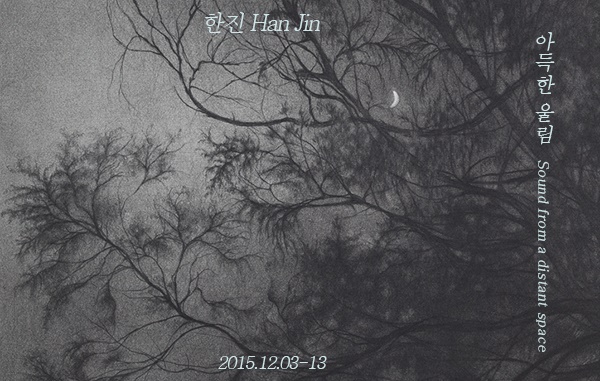


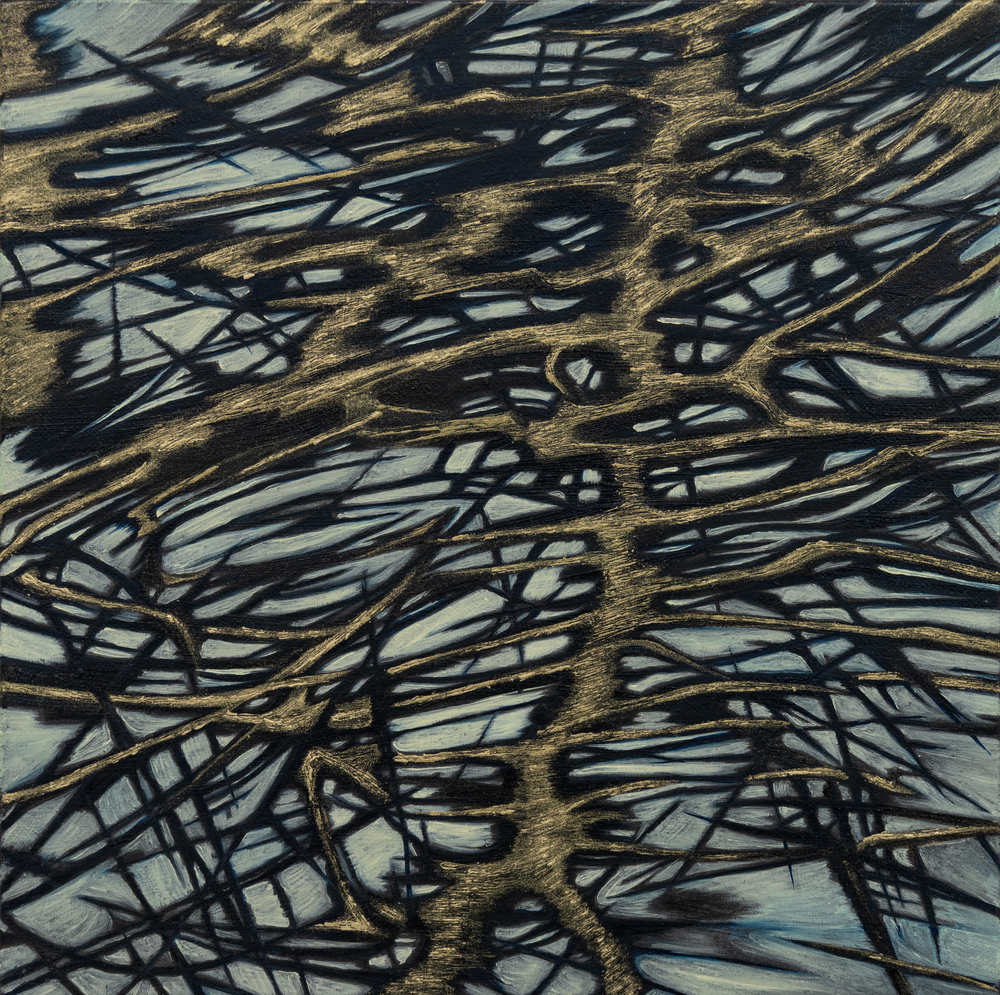
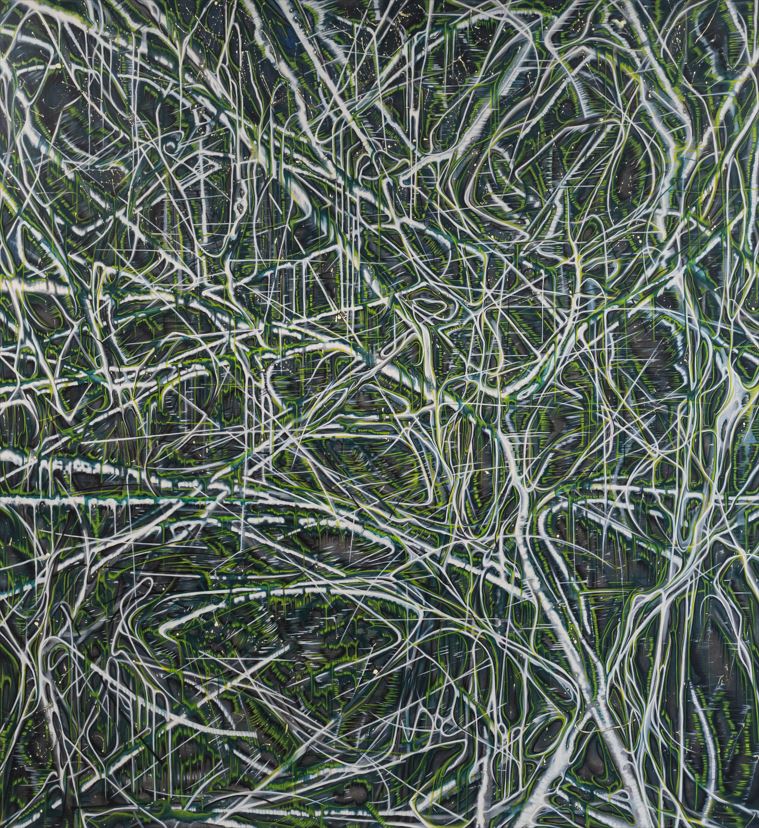
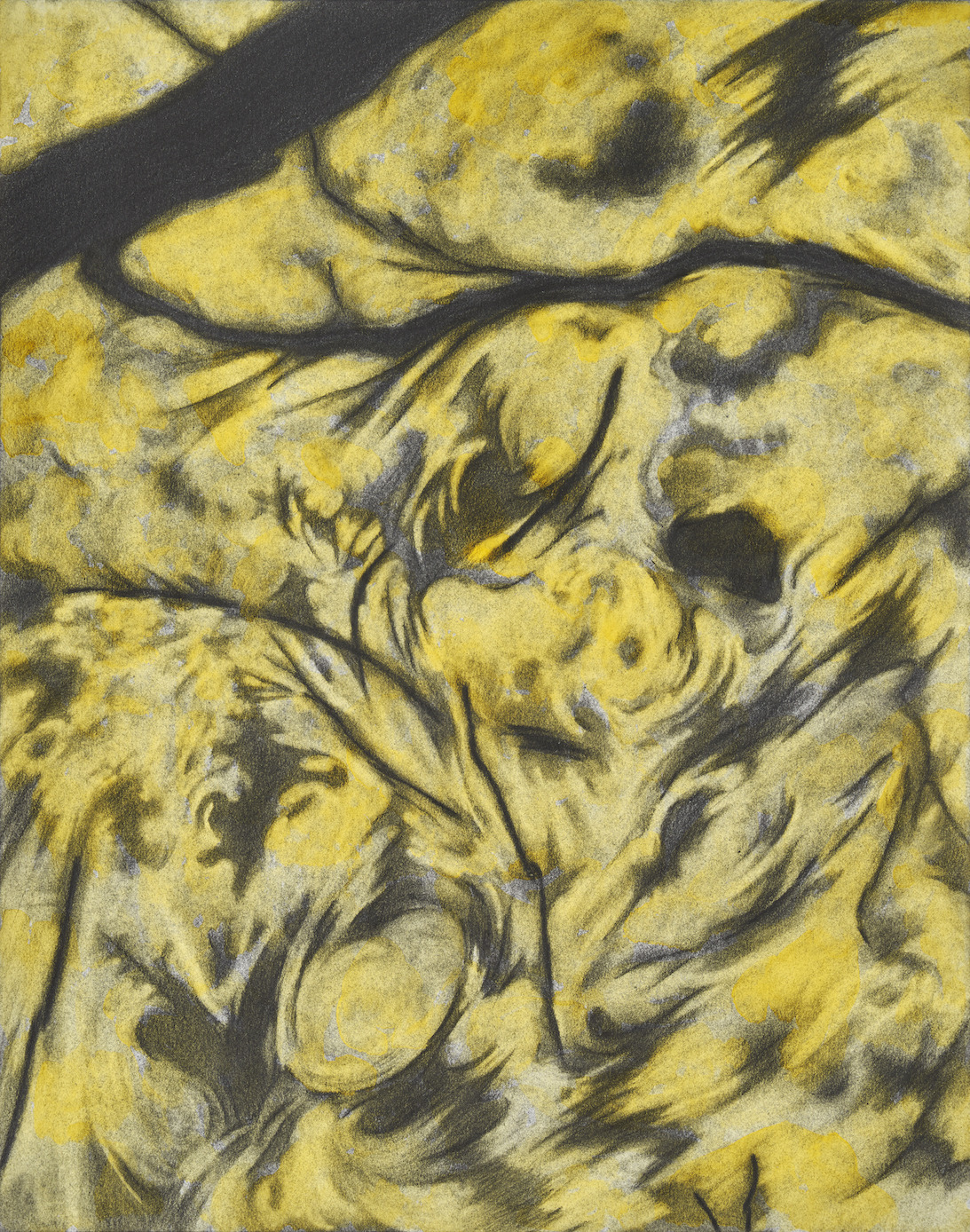
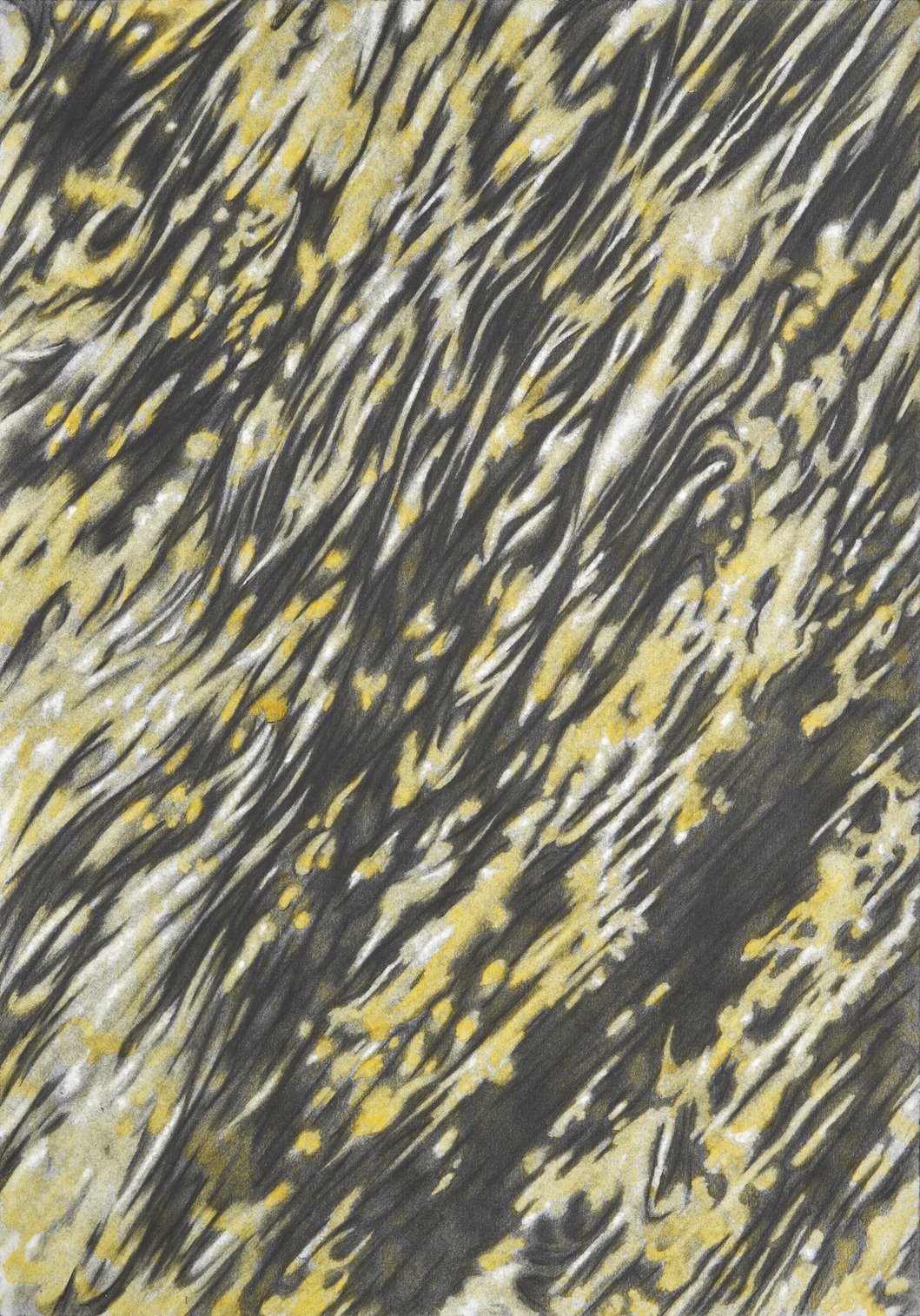
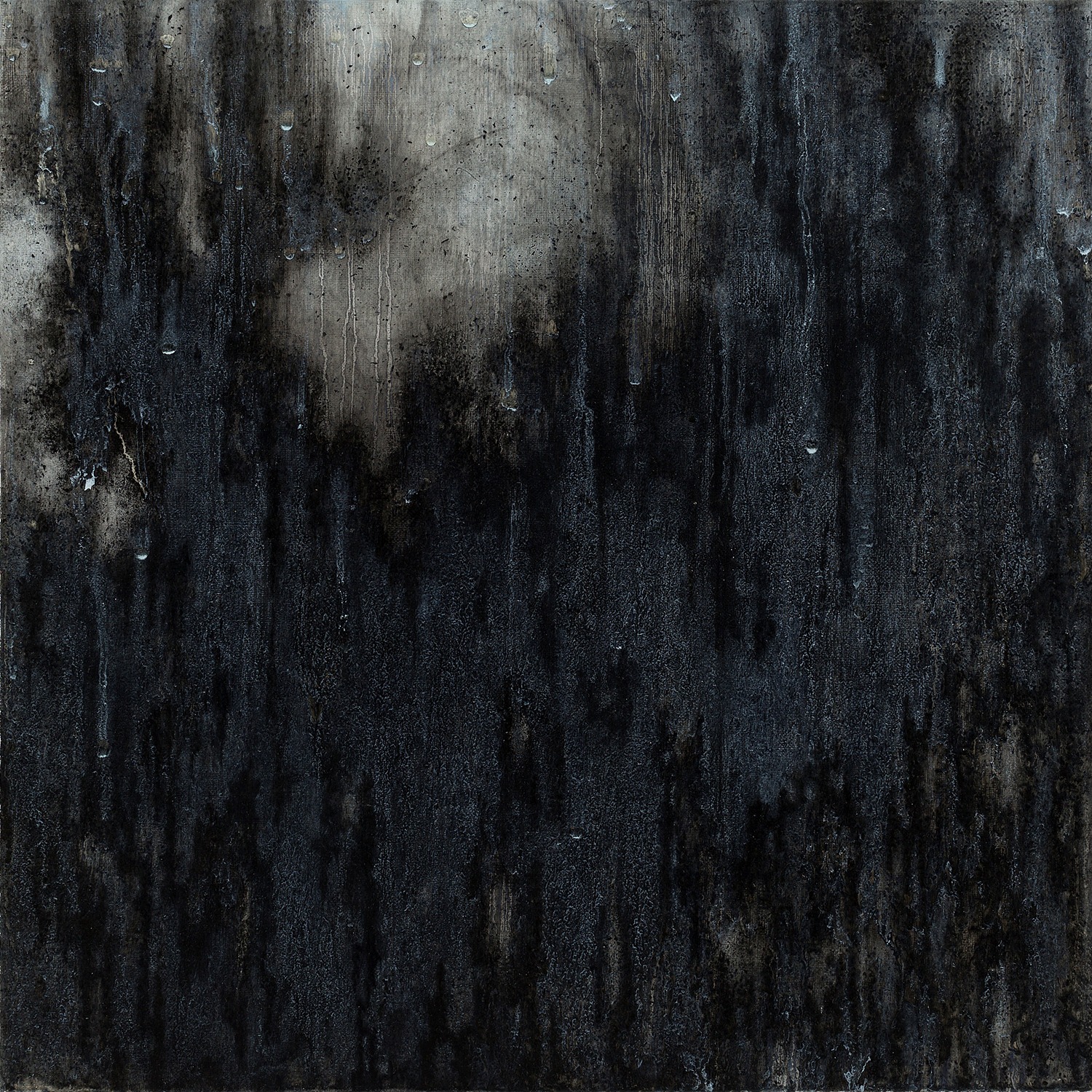
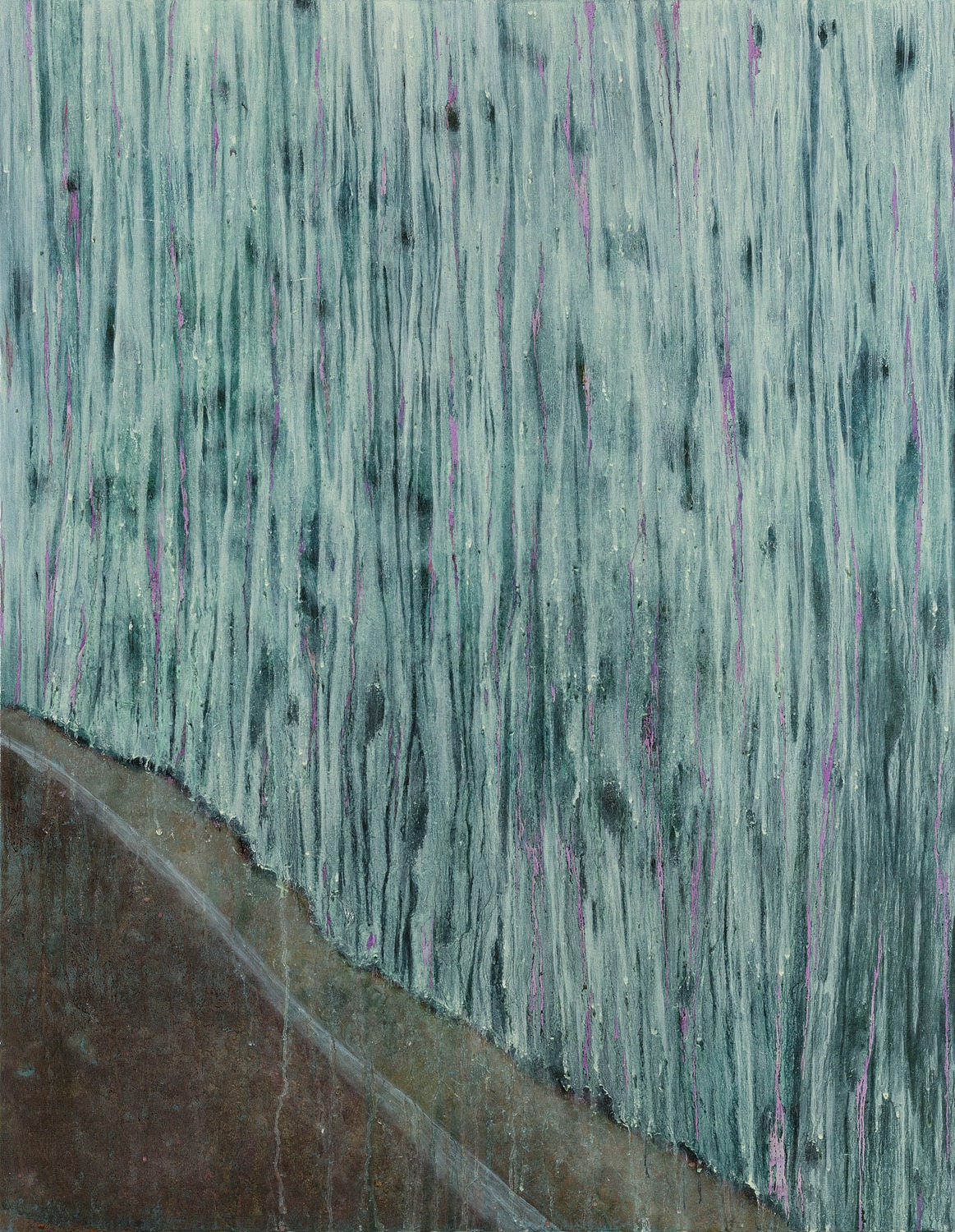
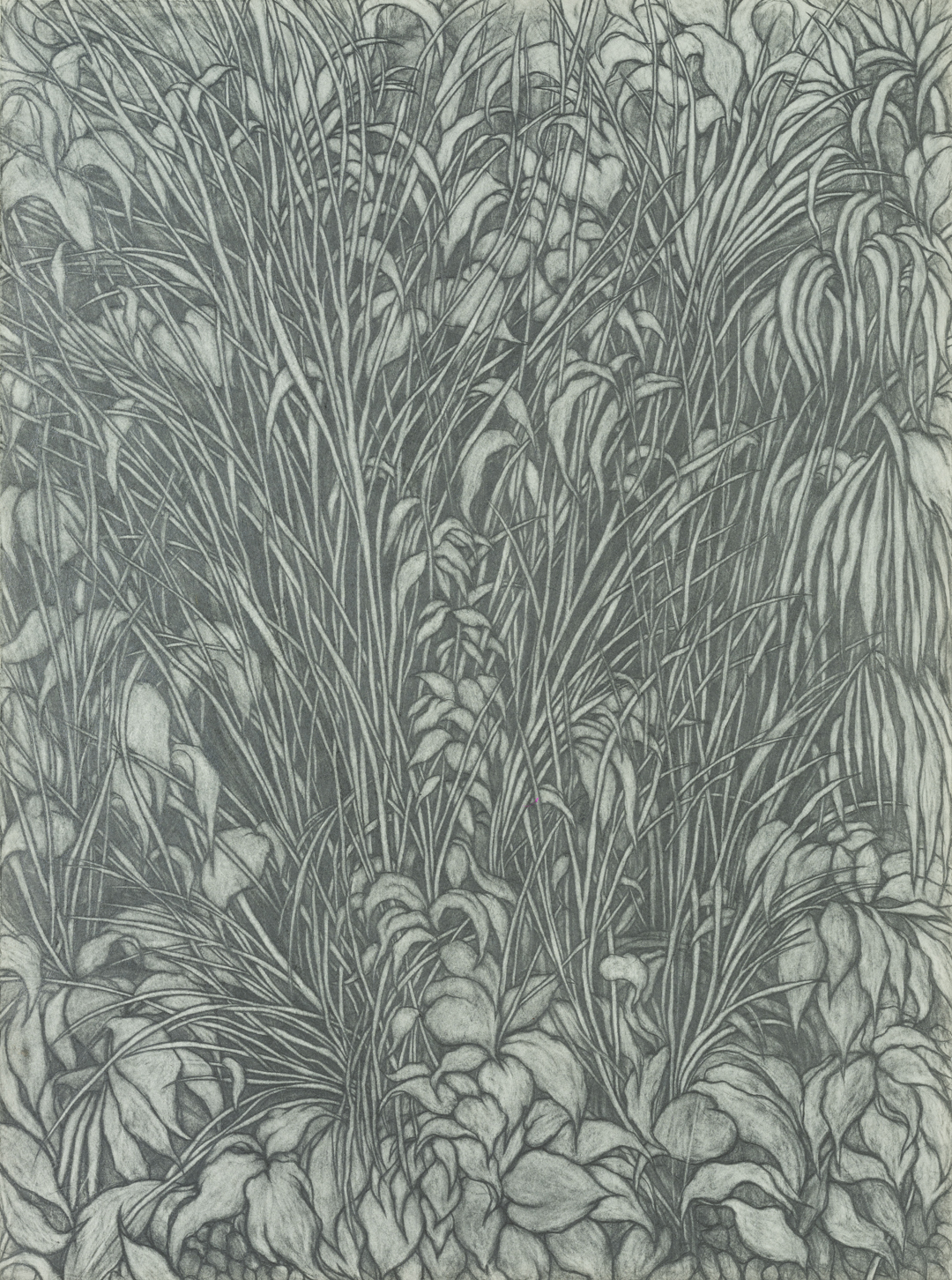
Poster image of 《Sound from a distant space》 © Cheong-ju Art Studio

In 2015, the Cheongju Art Studio launched the Artist Relay Project, a series of project-based exhibitions presenting the outcomes of its resident artists' practices during their residency. The Artist Relay exhibitions function as report exhibitions, showcasing work produced throughout the residency period in the studio gallery.

Each year, they have provided artists with an opportunity to move beyond their established practices and artistic frameworks, revealing new sensibilities and capabilities. Earlier that year, the ninth cohort of resident artists presented the exhibition 《Warming Up》 as a preliminary showcase, exploring how each artist's individual codes and visual languages might be brought together into a coherent whole.

This was followed by a workshop with professional advisors, offering the artists an opportunity to reflect on and organize their work to date. Building on this process, the Artist Relay Project places greater emphasis on each artist's individual practice, focusing on how their existing methodologies may be rearticulated through new approaches and meanings during their residency.

The project invites visitors to encounter the documentation of distinctive ideas developed within individual studios, raw and experimental images, incomplete artistic propositions, and ambiguous or unsettling situations. By temporarily bringing these works into the exhibition space, it creates an opportunity for artists and audiences to engage with these pressing questions together.

In doing so, the project encourages viewers to reflect upon the question, "What is contemporary art for us?" and to share an understanding of contemporary aesthetics.

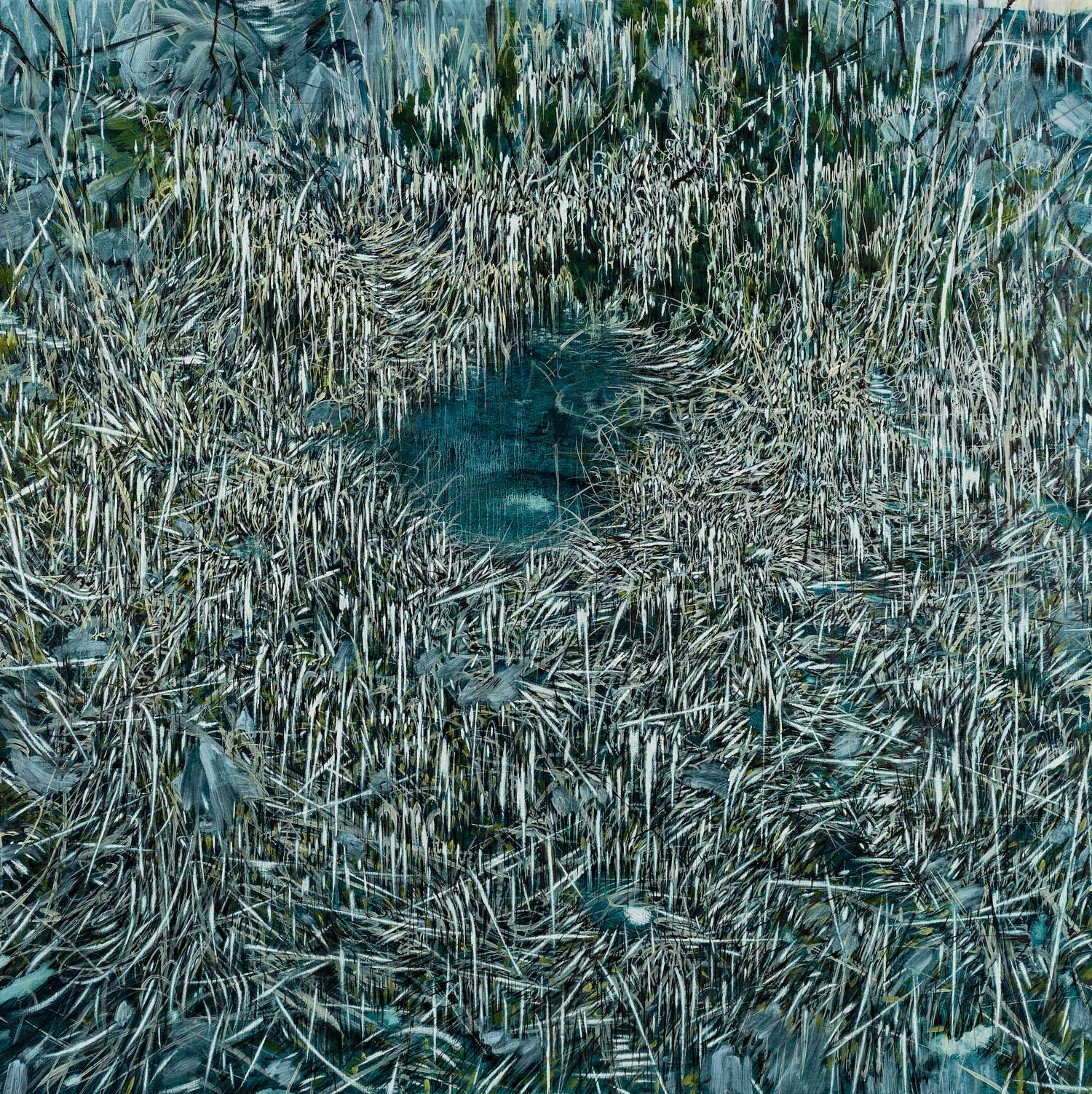
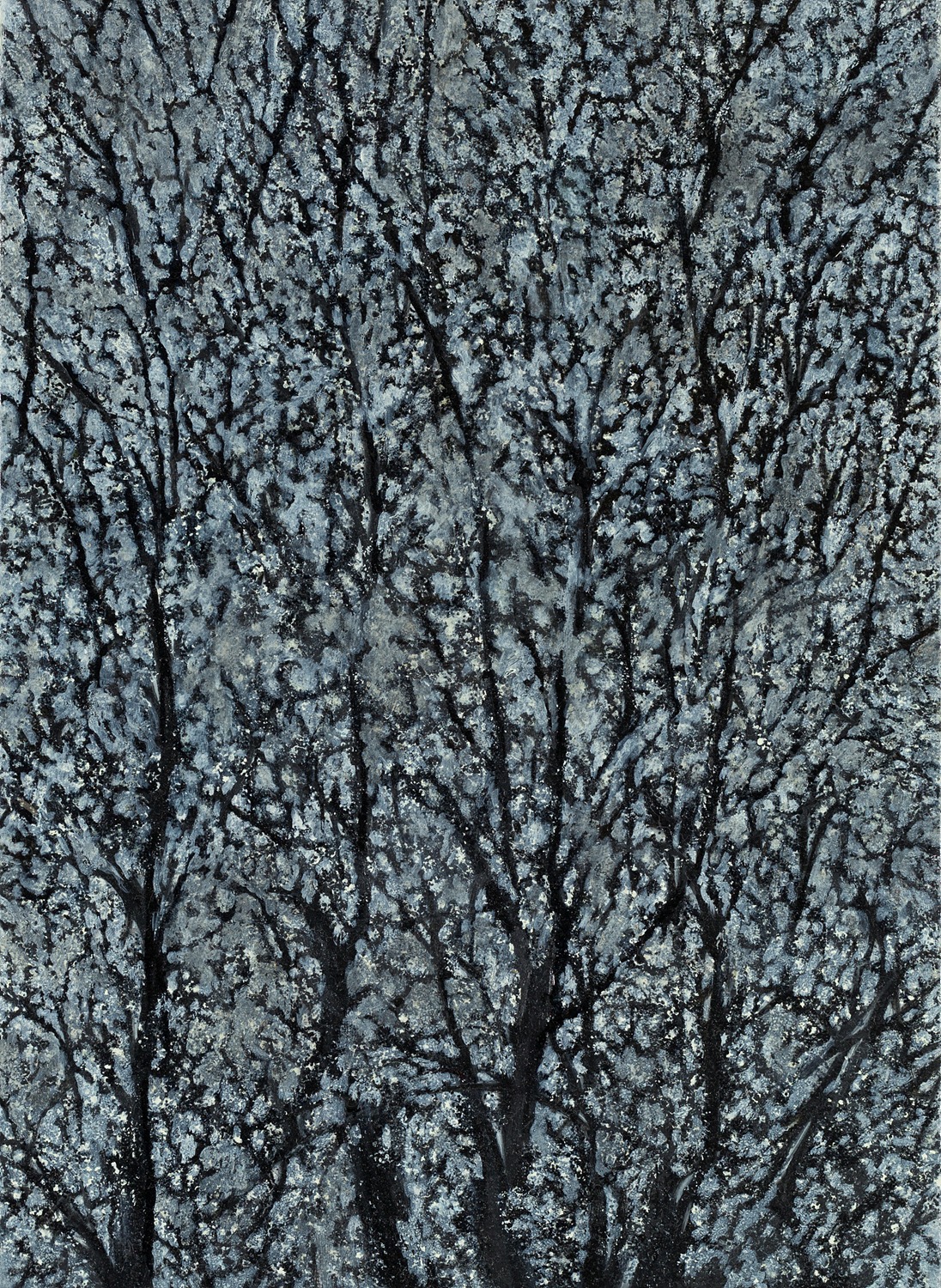
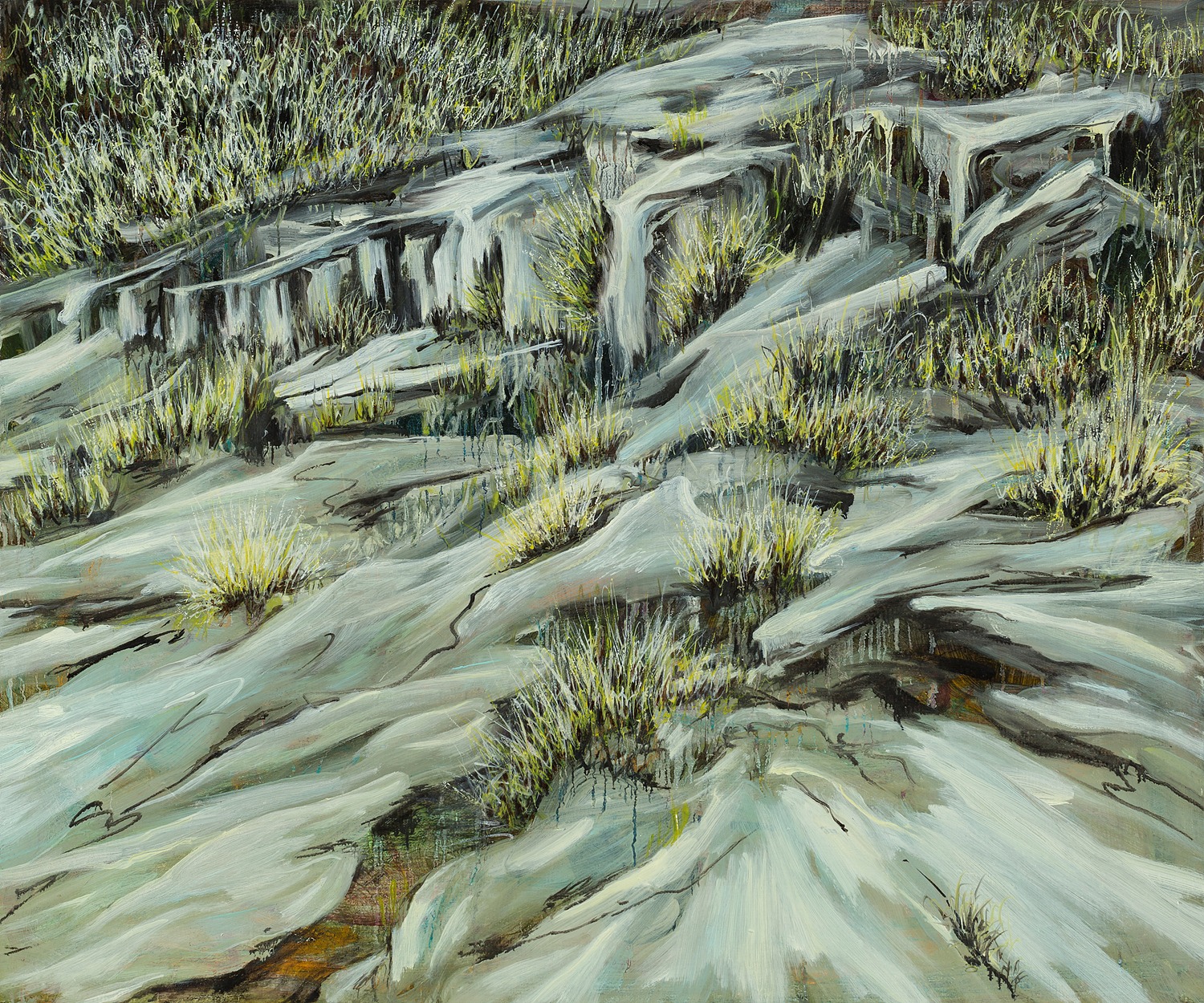
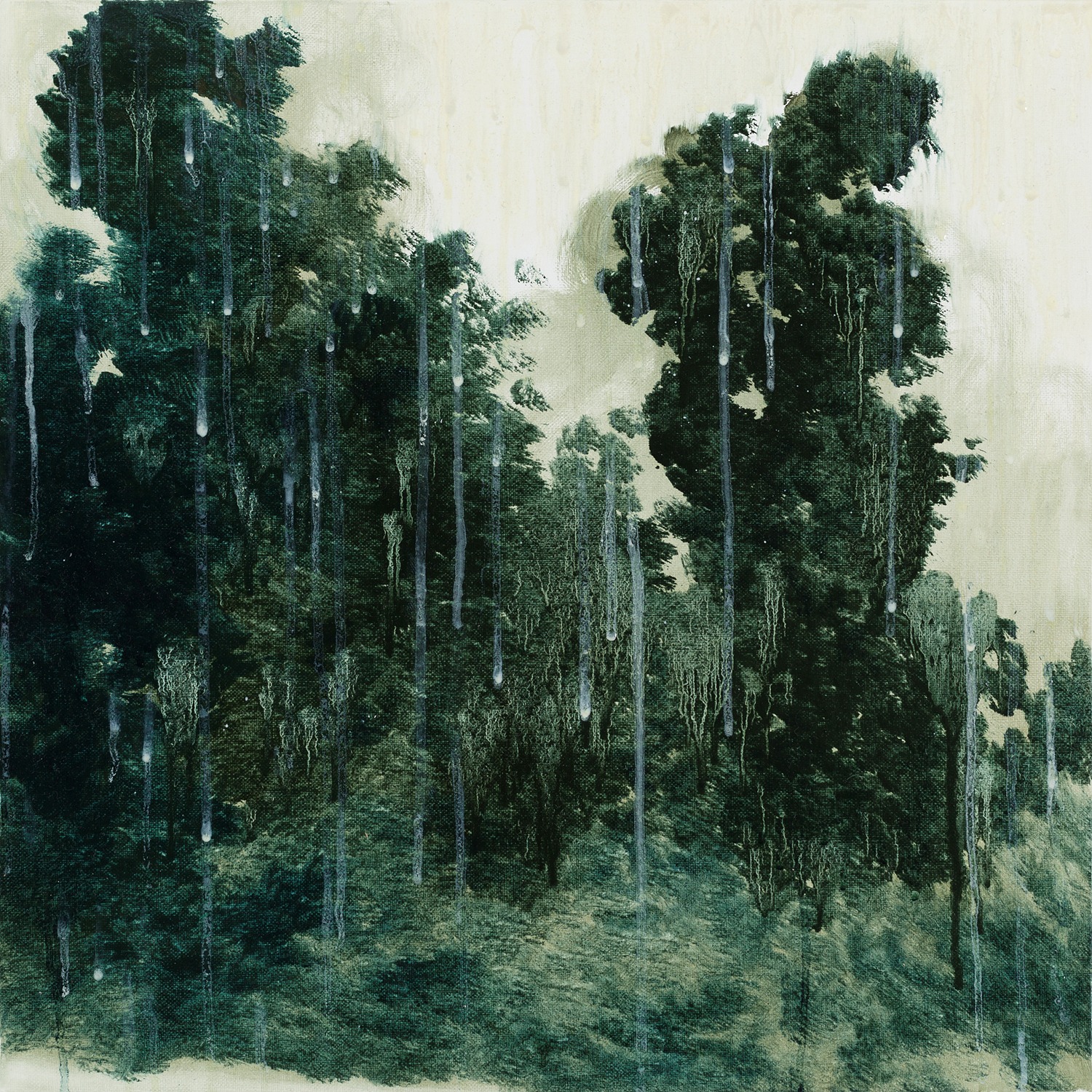
The ninth exhibition in the series presents the work of Han Jin. Throughout her practice, Han Jin has consistently posed unconventional questions about painting. Among contemporary painters, her perspective on painterliness is distinguished by its synesthetic approach. Rather than reproducing visual phenomena solely to generate visual inquiry, her work asks a more fundamental question: why do we speak through vision at all?

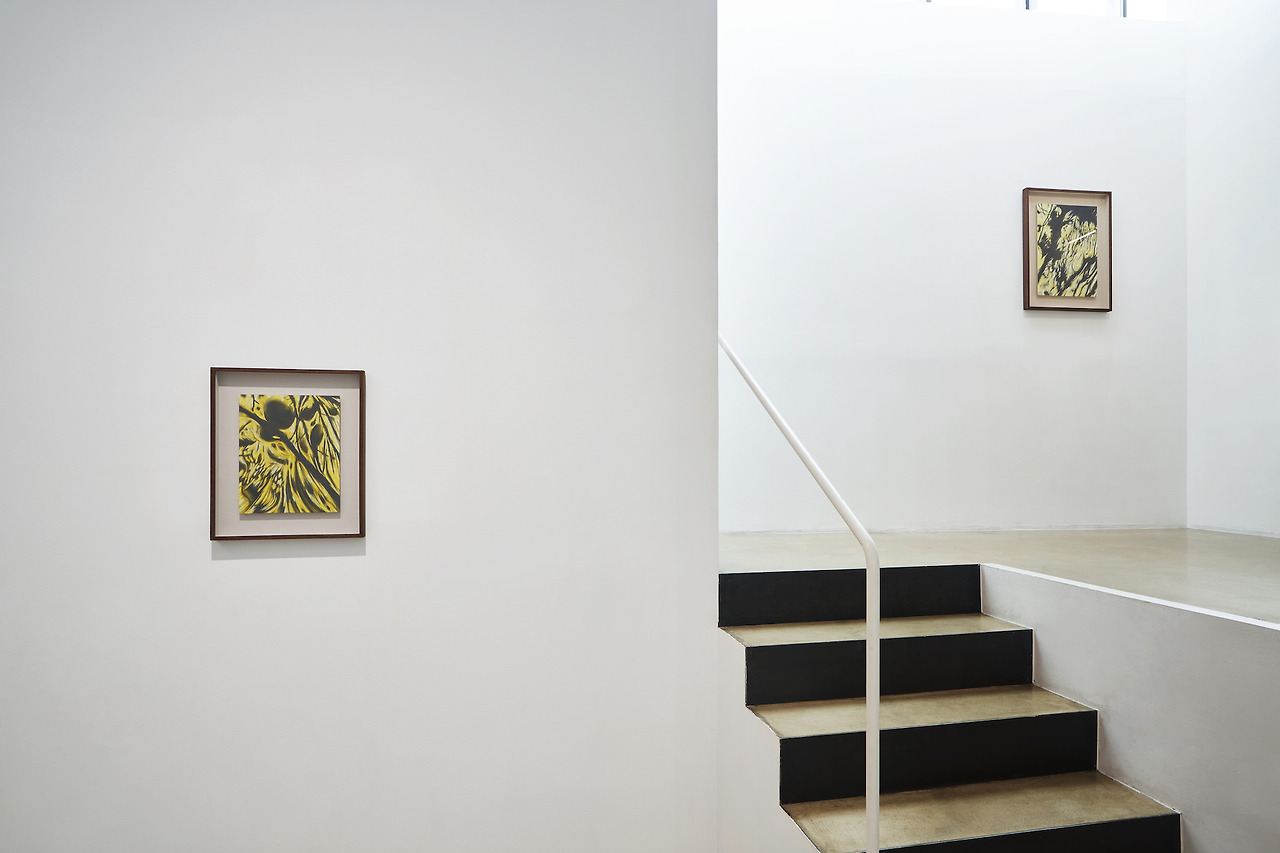
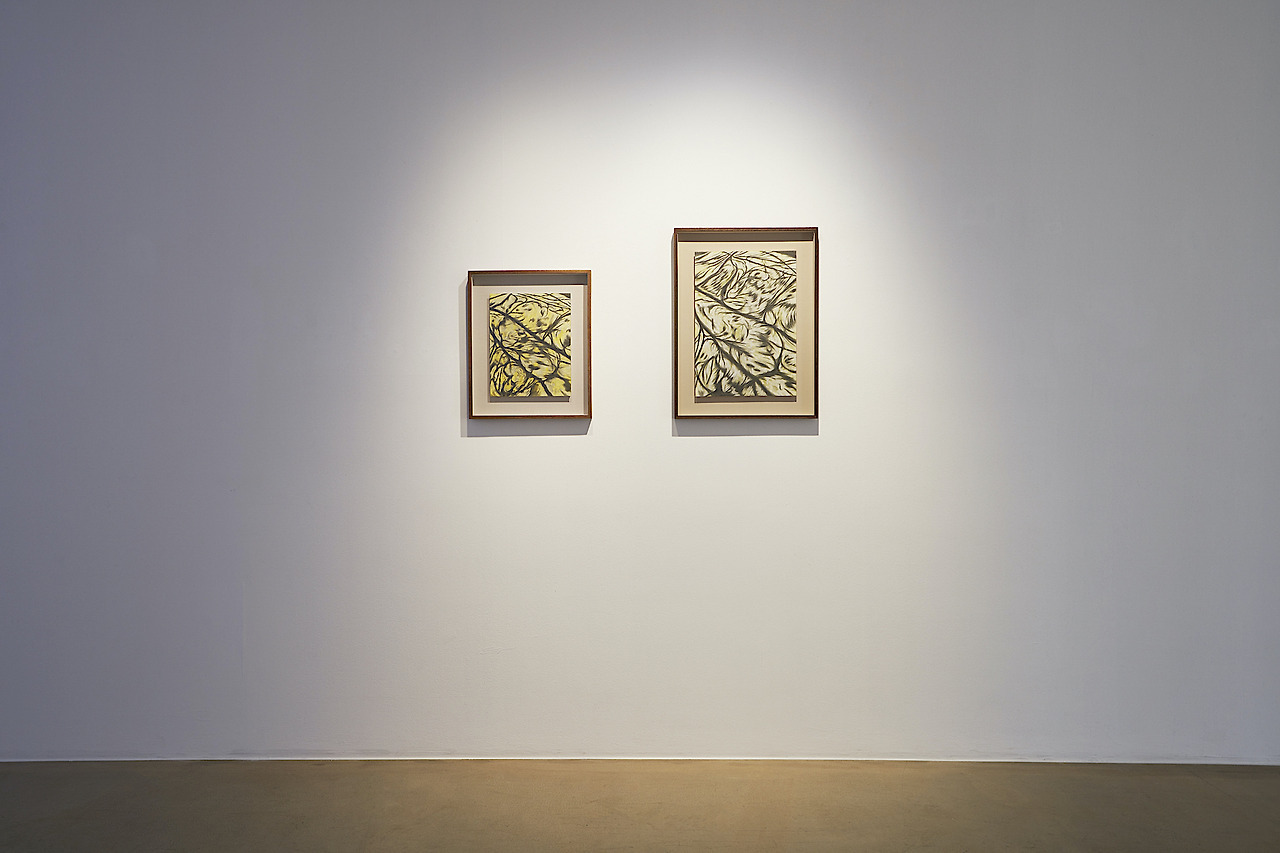
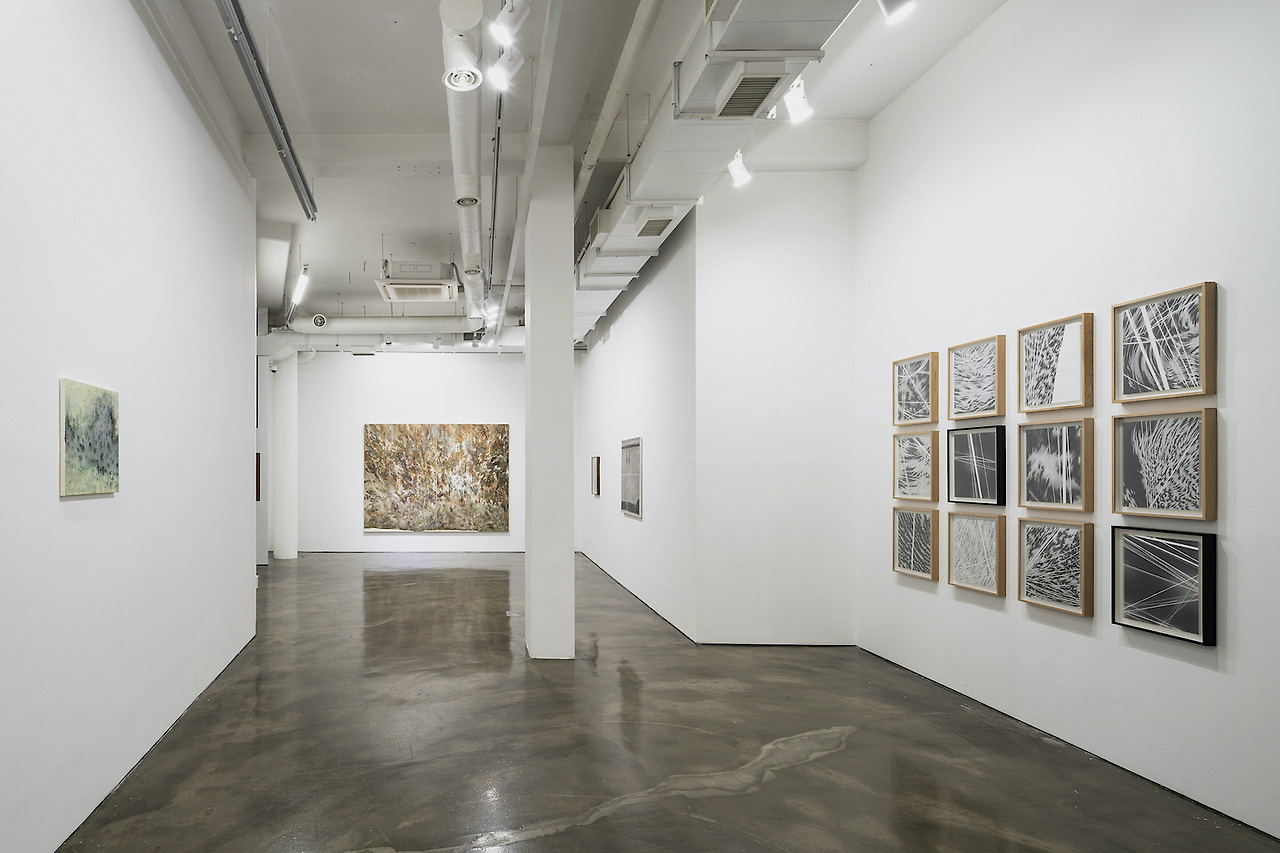
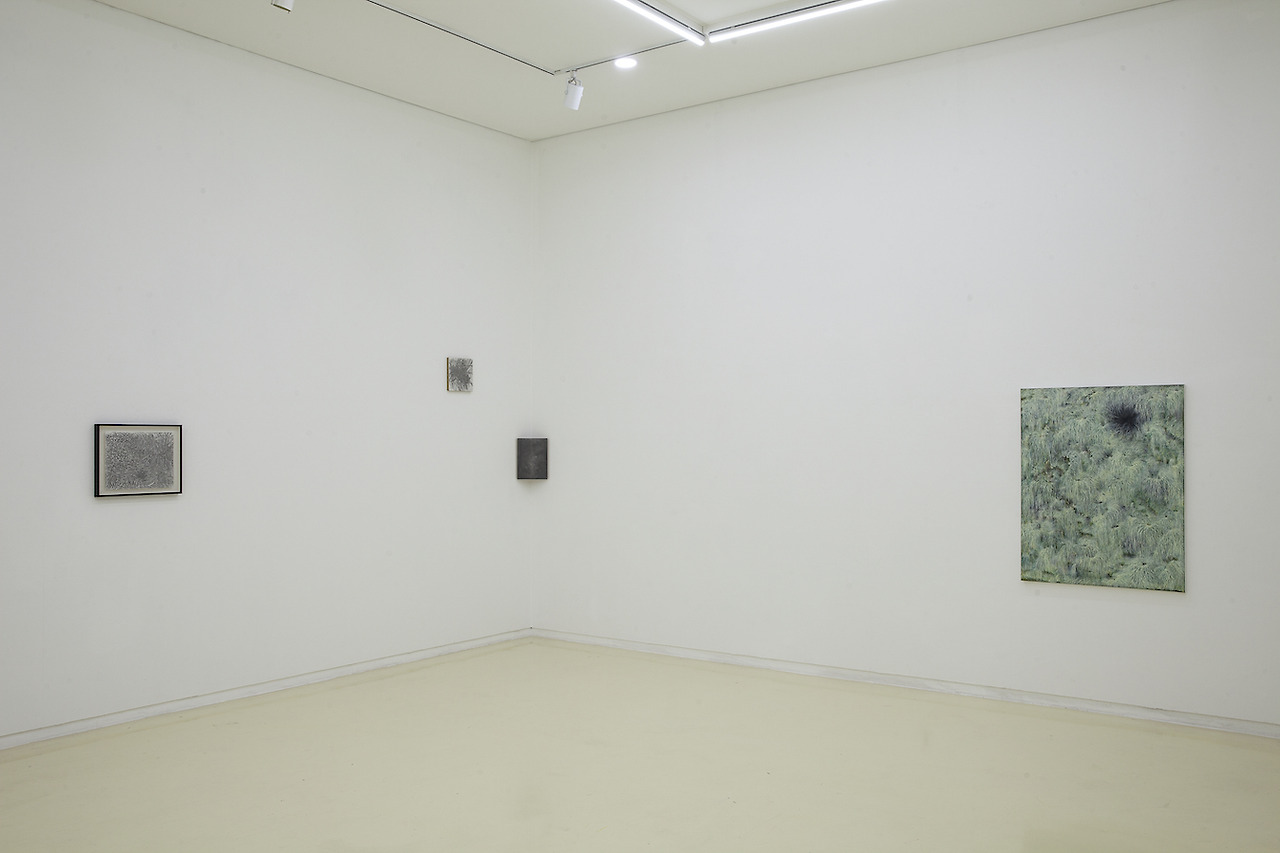
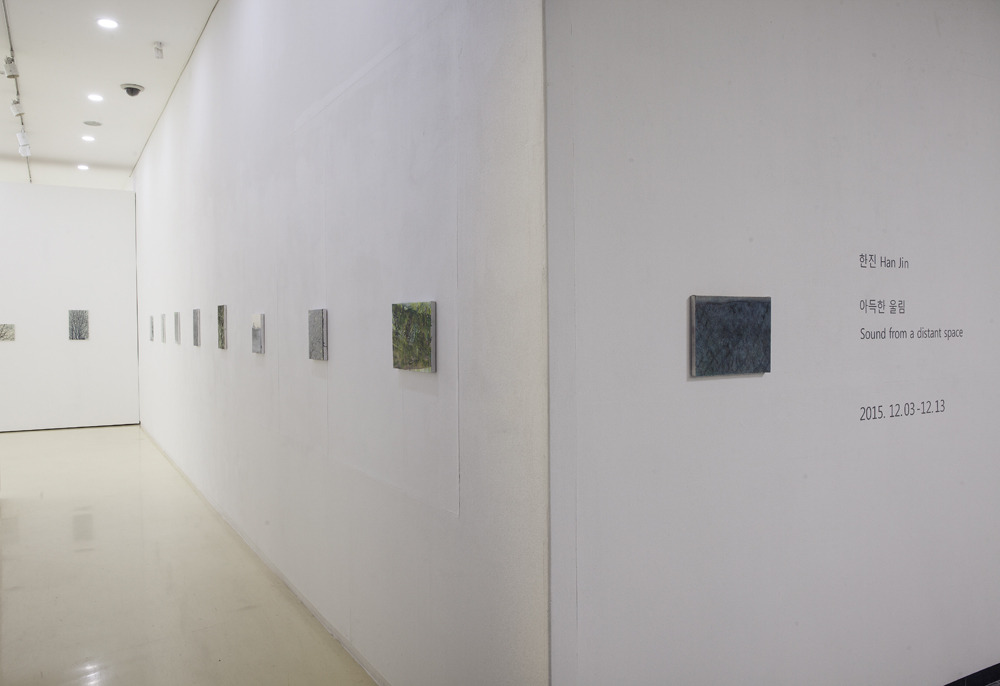
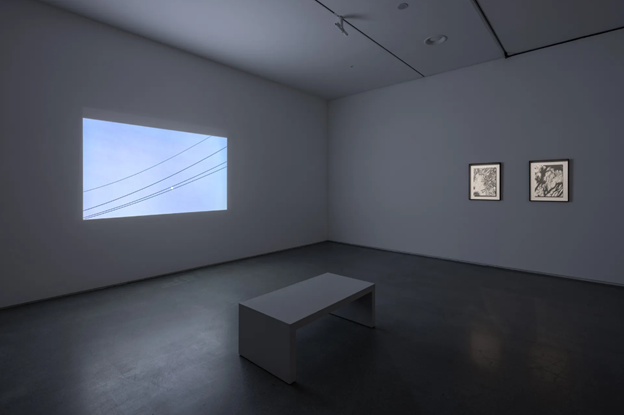
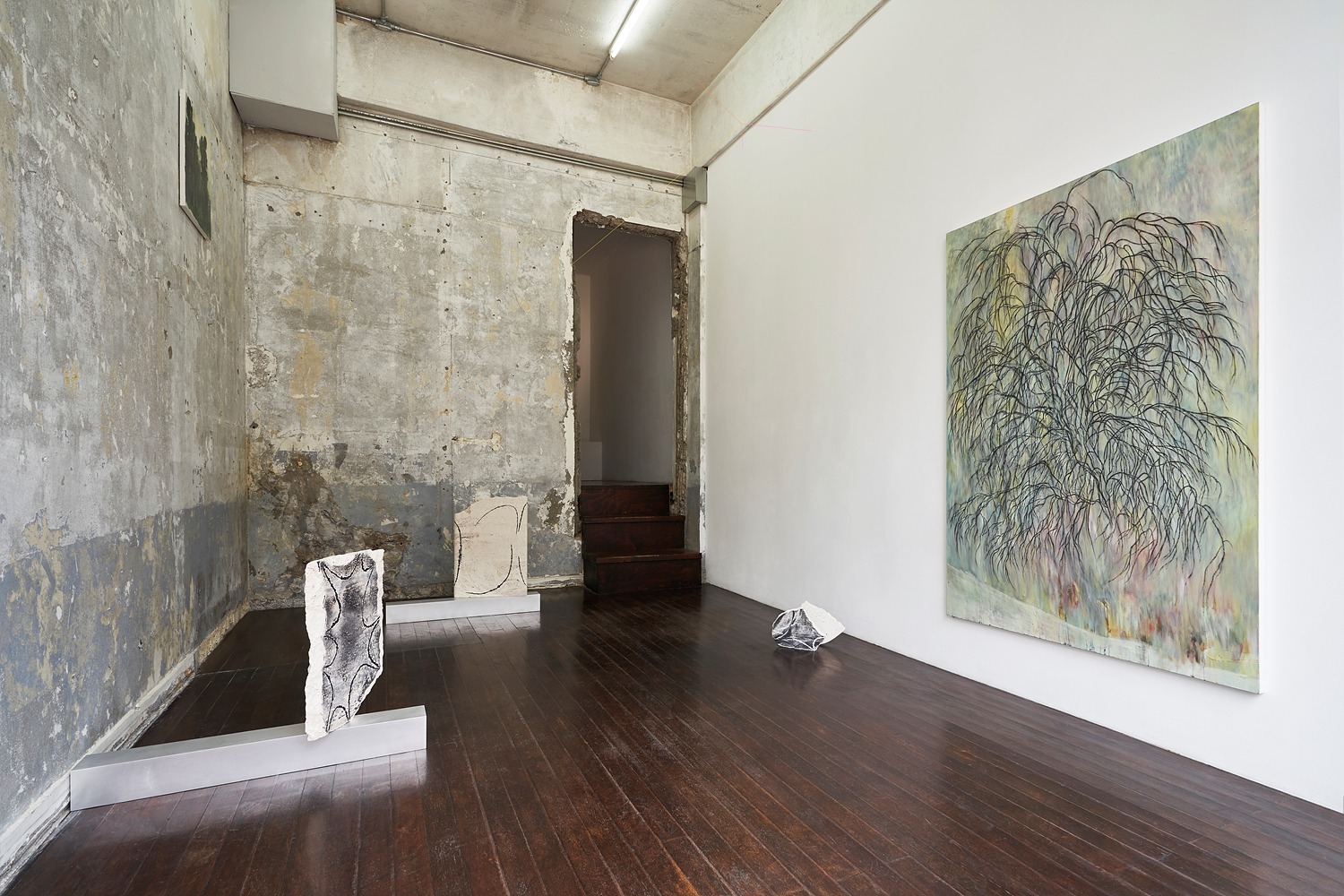
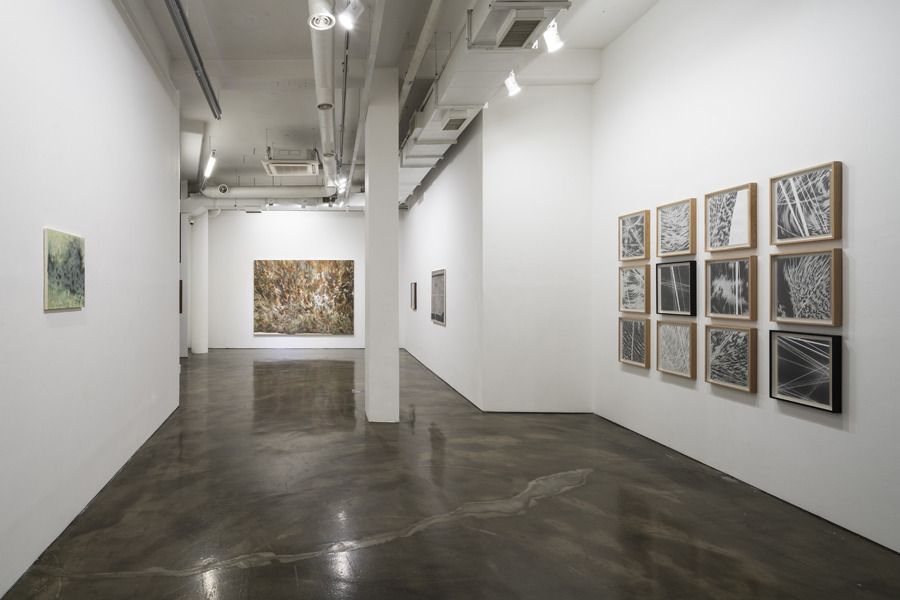
Installation view of 《Sound from a distant space》 © Cheong-ju Art Studio

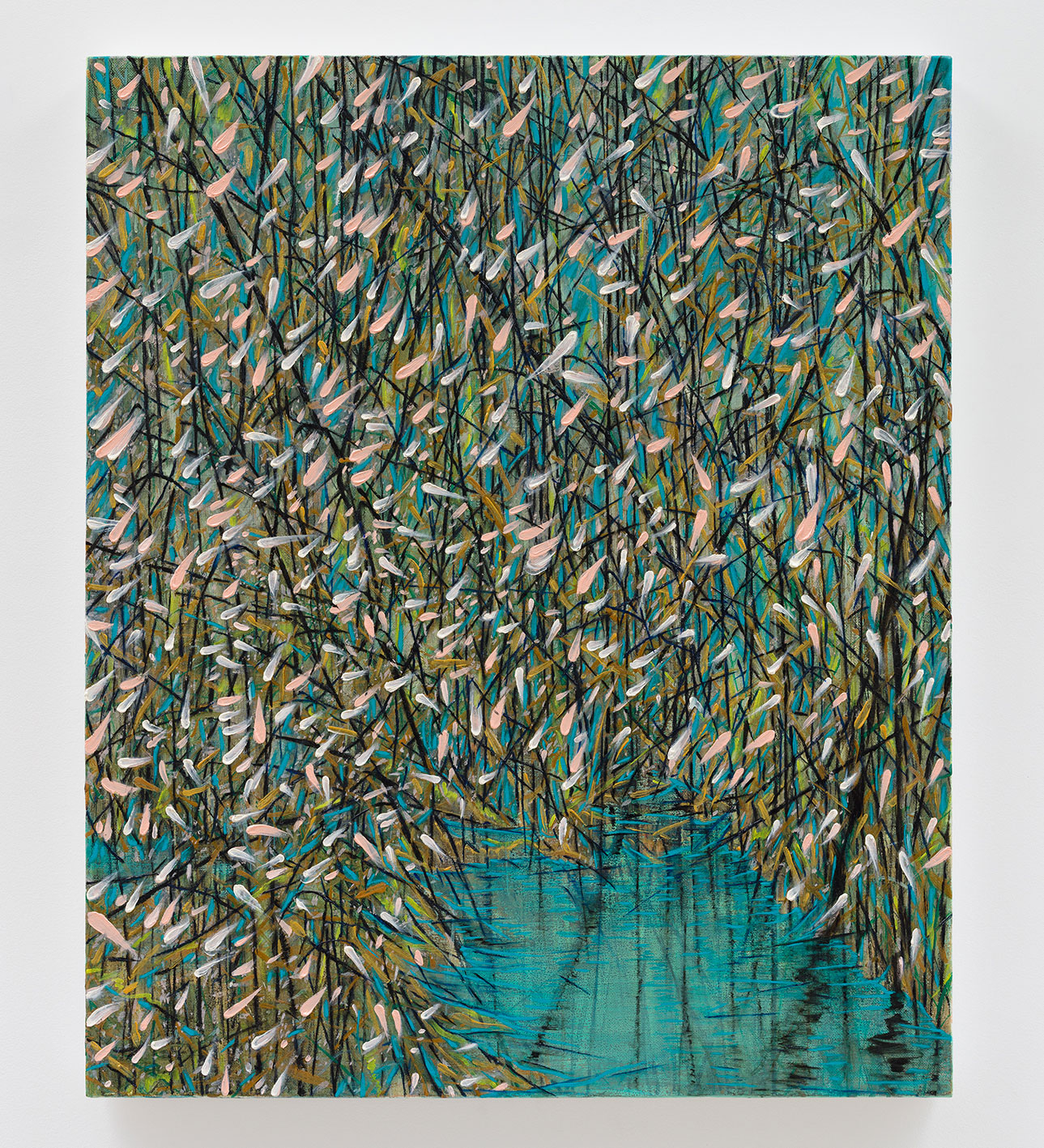
Han Jin's paintings serve as vessels for a dense accumulation of time.

Within her works, a "place" where tangible and latent landscapes coexist, the "time" of singularity, and the body's "movement" toward closer observation unfold simultaneously.

It is perhaps precisely because of this simultaneity that her paintings are capable of embracing landscapes that are at once material and immaterial. Rather than adopting a macroscopic perspective, she directs her attention toward the microscopic dimensions concealed beneath the surface.

A "Place"
The place where visible and latent landscapes coexist reveals itself through images embedded in locations that have long remained unnoticed and unnamed, weaving together the invisible threads of time.

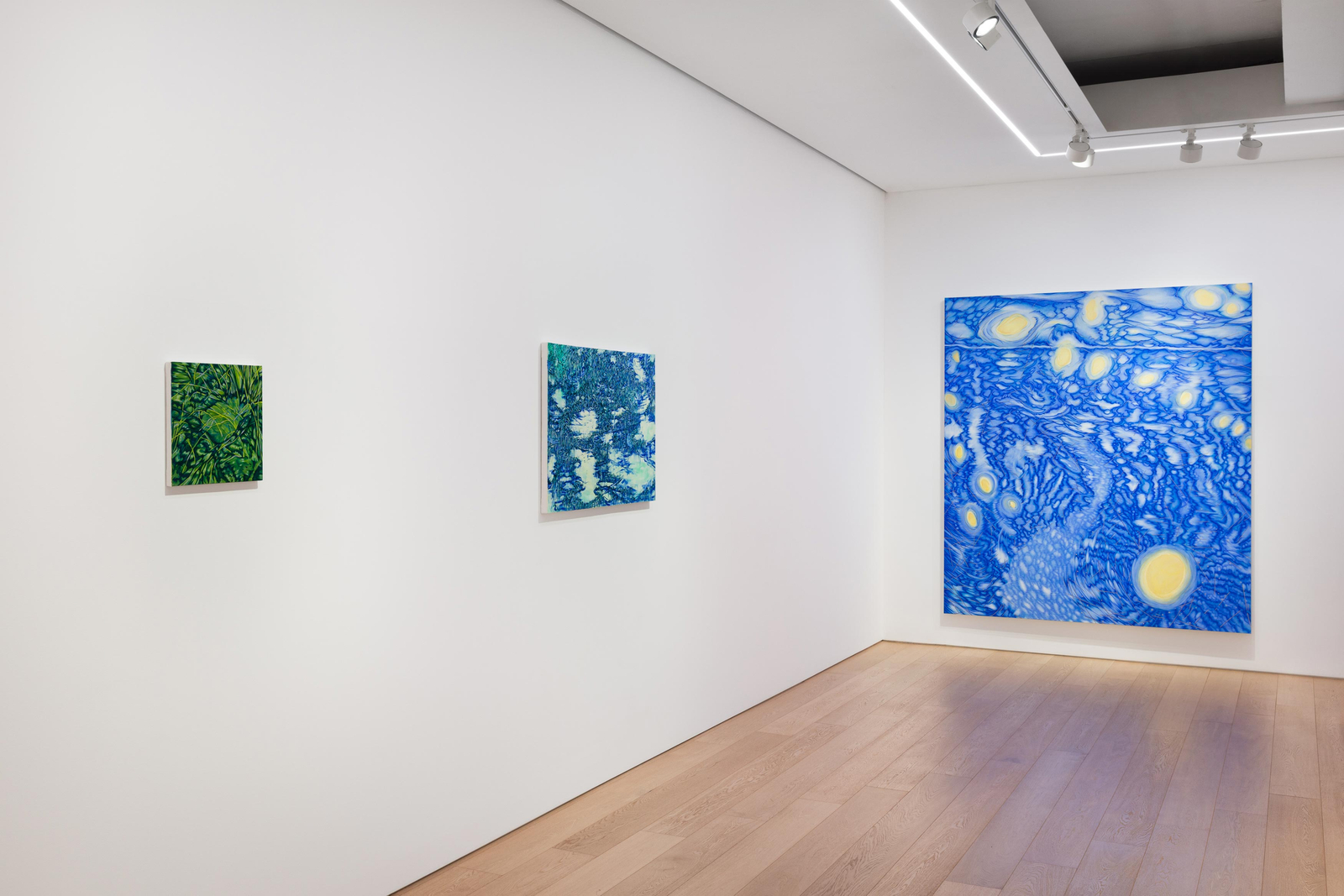
Formed through repeated cycles of emergence and disappearance, these images are constructed through the intermingling of layers of paint and graphite, allowing a previously absent presence to emerge between one image and another.

Such an approach demonstrates that painting is not merely the reproduction of visual appearances. Instead, it becomes both a "place" where images are finally brought into visibility and a site that seeks to establish a new point of contact with the medium of painting itself.

The "Time" of Singularity
Gilles Deleuze suggests that the duality—or resonance—of time arises through the interaction of past, present, and future. The singular time that emerges once the conventional boundaries of human temporality dissolve likewise unfolds within Han Jin's paintings. As an archivist, she collects, classifies, and selects her latent landscapes.

When these accumulated internal landscapes overlap with actual landscapes encountered in the world, they no longer appear as familiar scenes of nature. Instead, they become dense temporal images, revealing the accumulated thickness of time itself.

The Body's "Movement"
Within a maze, one must constantly move in search of an exit. Even while wandering, one pauses only briefly before continuing onward. Such a journey demands a mode of perception fundamentally different from walking along a straight path.

In Han Jin's landscapes, the intertwined, thread-like lines resemble strands of time itself, embodying an endless process of translating subtle bodily movements and the textures of the sounds they generate into painterly form.

Although Han Jin repeatedly paints landscapes, her landscapes paradoxically remain absent. In doing so, they quietly prompt us to ask how we come to understand our subjects—nature, the self, and time—or what it truly means to represent them through painting.

References