Minjung
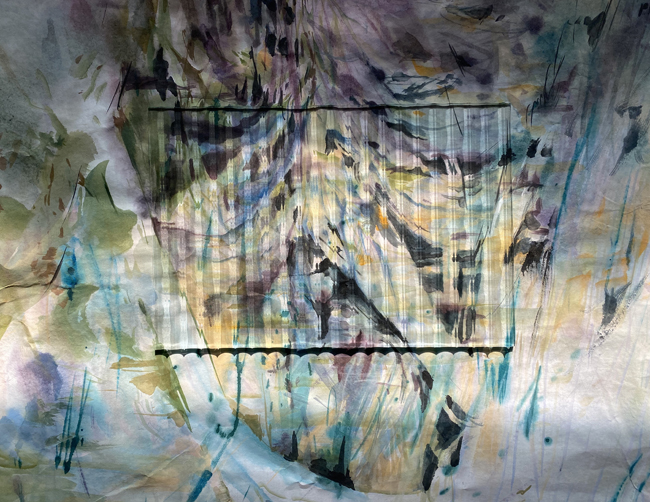
Key's practice began with a small observation made around 2018, in a studio
near Nodeul Station in Seoul that had more windows than walls. Sheets of xuan
paper, left unmounted, responded to light and wind, drifting off the wall to
settle on the floor in unplanned shapes; paintings taped by a window left
painterly afterimages on the wall through the paper's translucency.
Key sought
to give these immaterial, fleeting moments material presence and permanence,
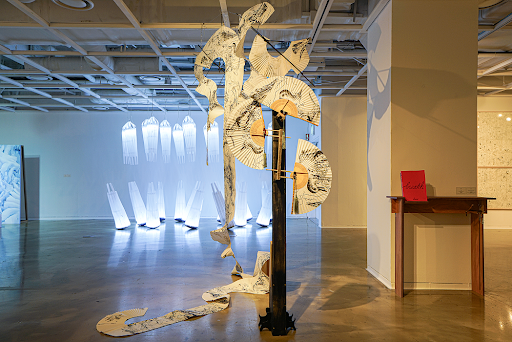
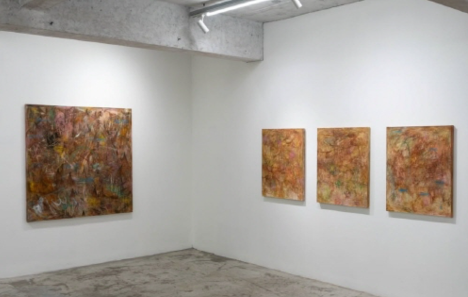
and this concern carried directly into her first solo exhibition, 《Hoisting Paper, Rolling Up Stone, Floating Sprinkles and Then the
Fabrics》(OCI Museum of Art, 2019).
In her
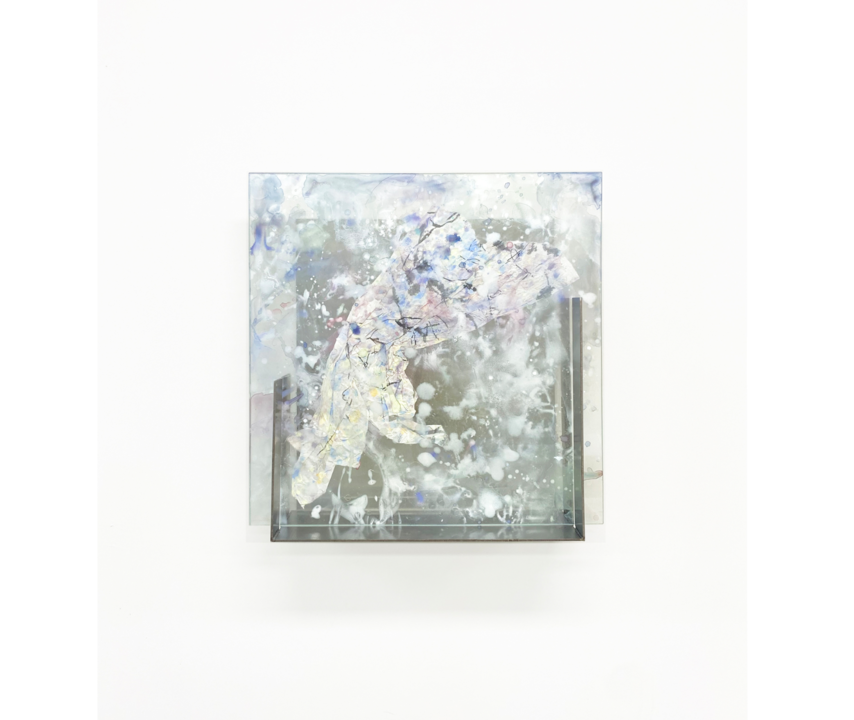
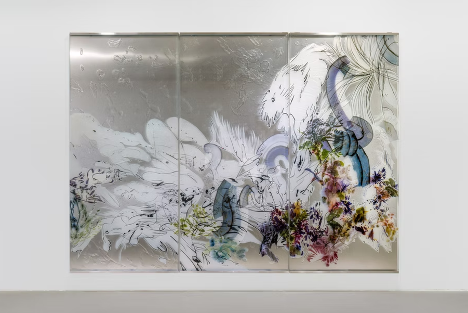
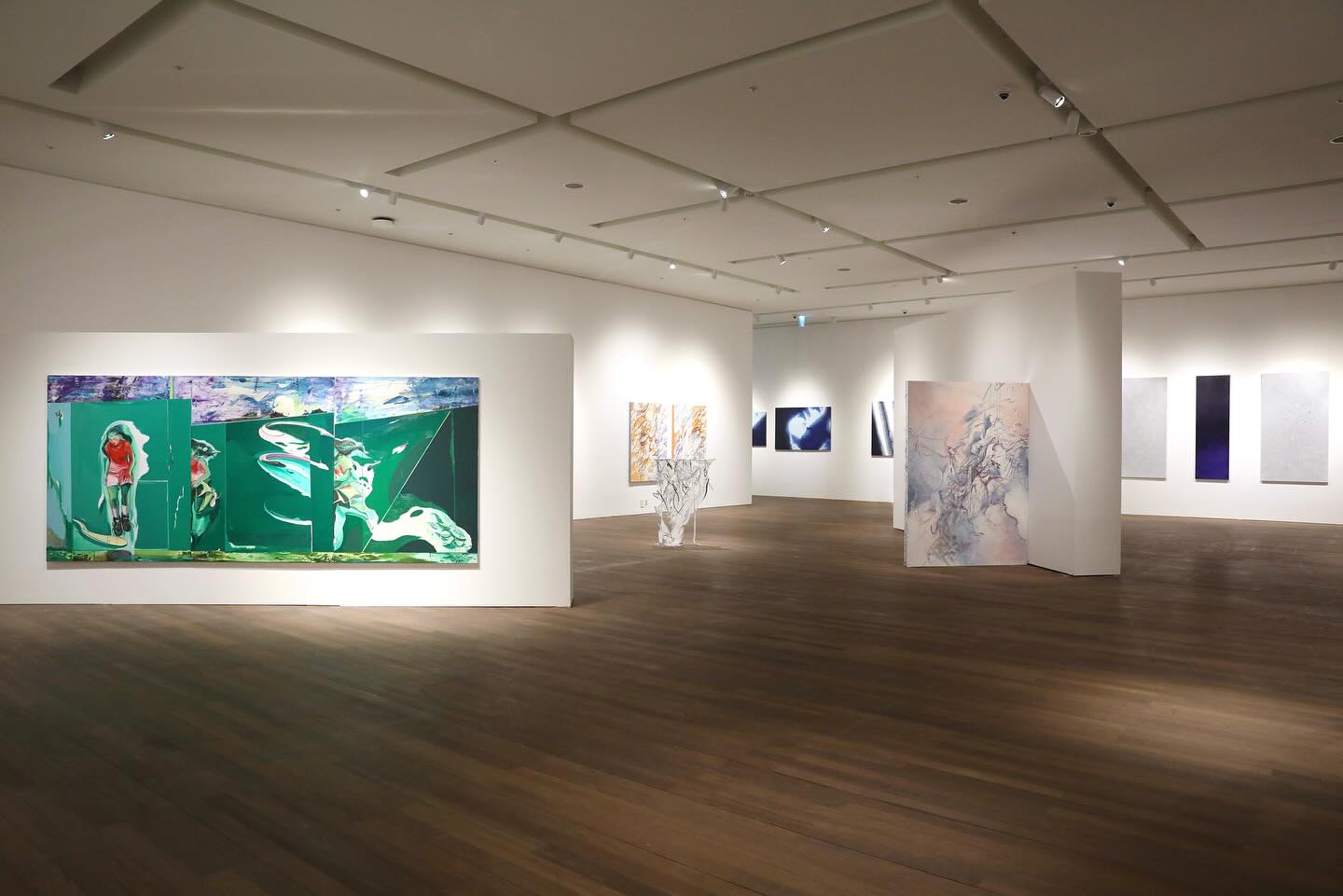
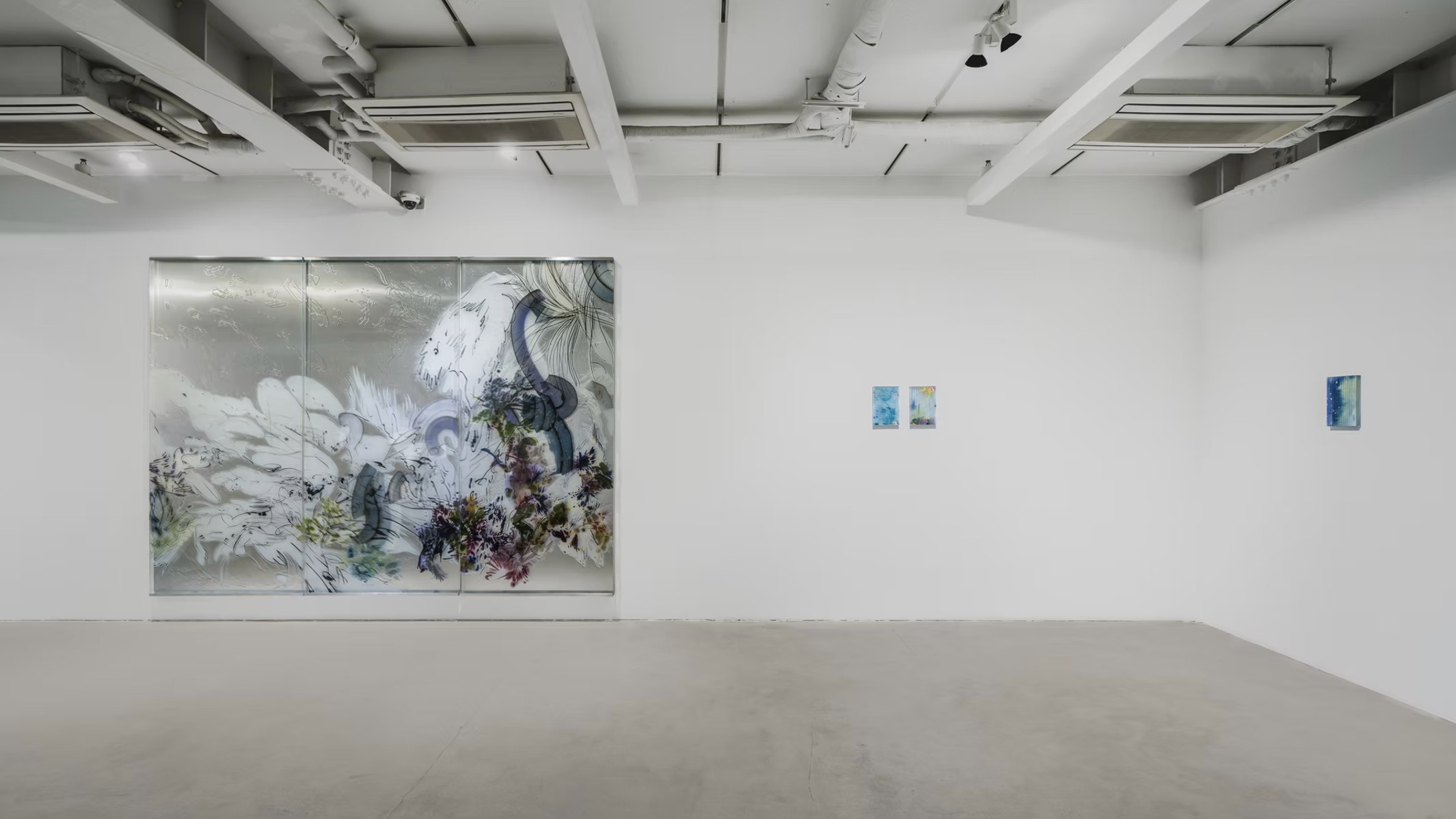
2021 solo exhibition at SONGEUN, 《Mist of Flames》(SONGEUN, 2021), her focus
shifted toward the tension and balance between two materials with opposing
qualities: xuan paper and glass.
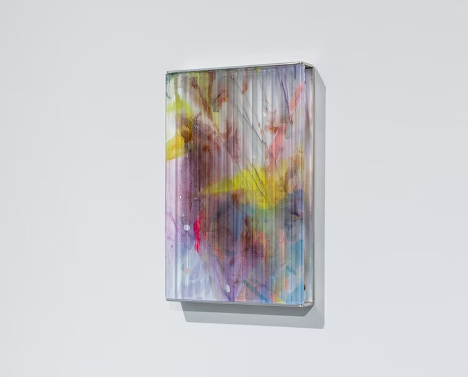
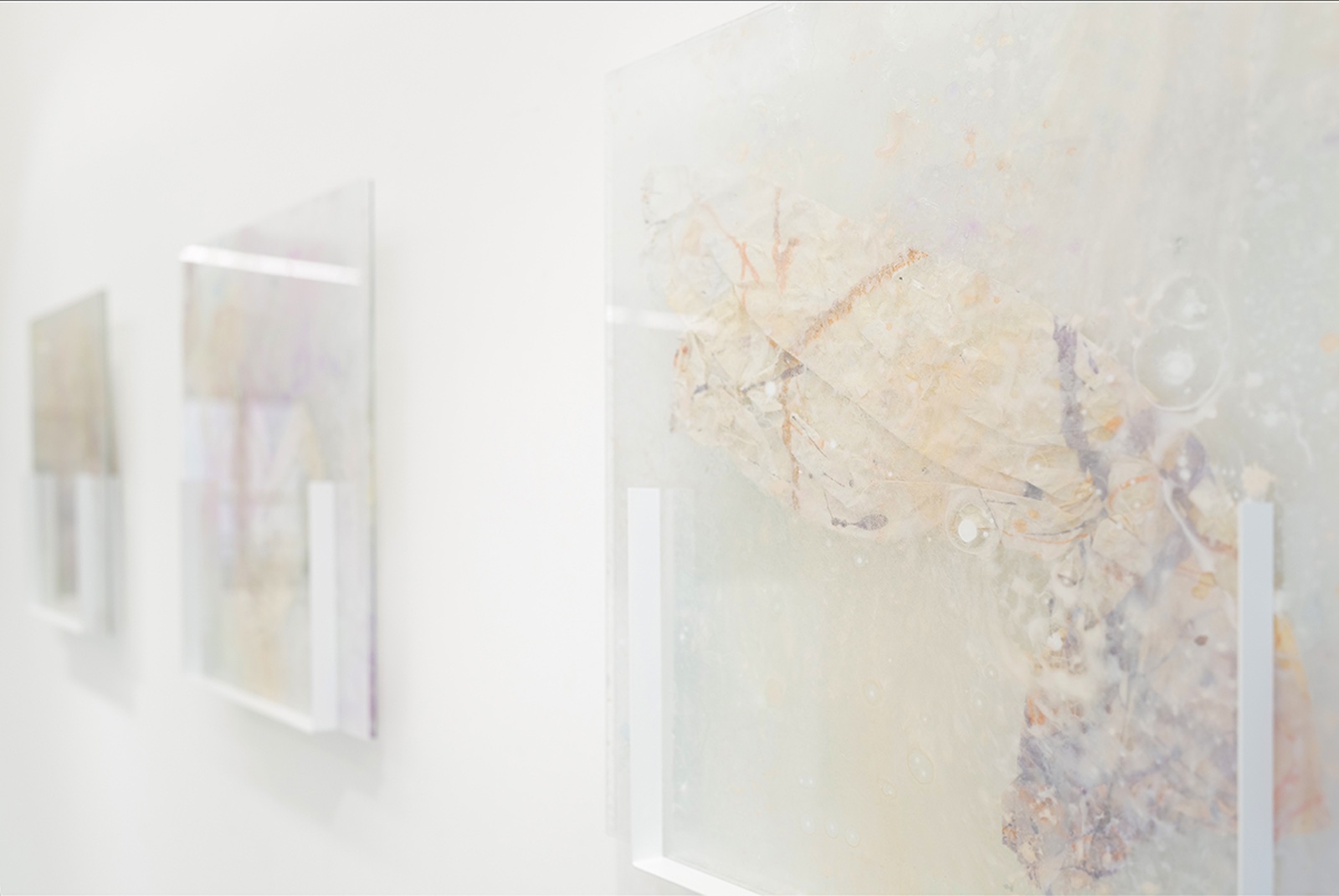
Layering fragile, voluminous paper against
solid but visually negligible glass within a single composition, Key has
described the impulse behind this practice in her own words — “Many people
strive to find emotional balance amid the contradictions between ideals and
reality. My work captures the various moments that unfold at the point where
that balance is sought” — and the exhibition gave form to the ambivalent energy
of a self that wishes to break from the current without simply swimming against
it.
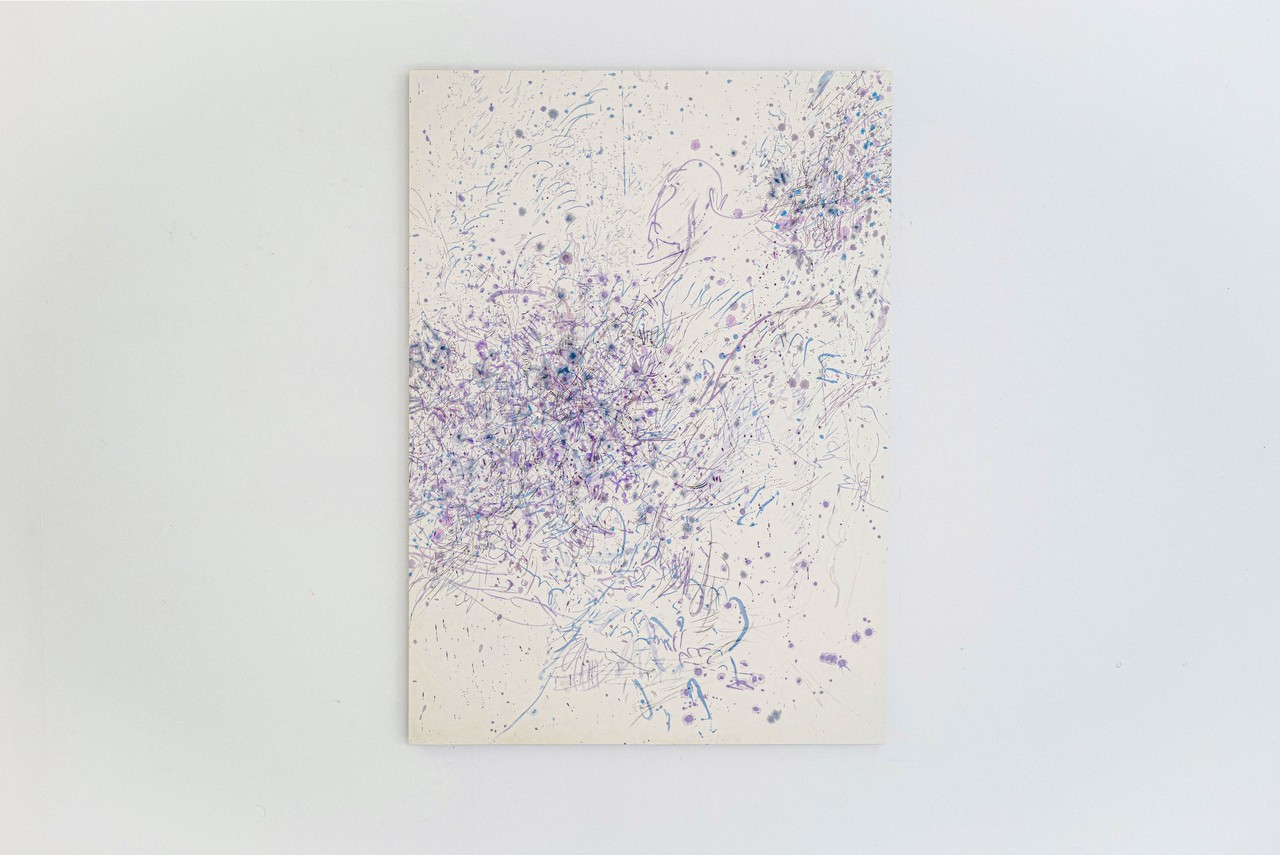
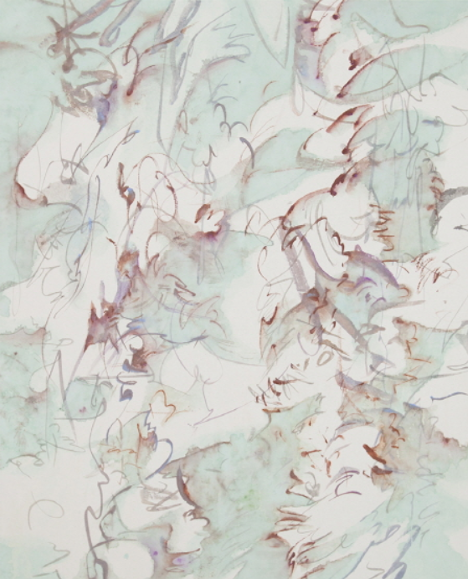
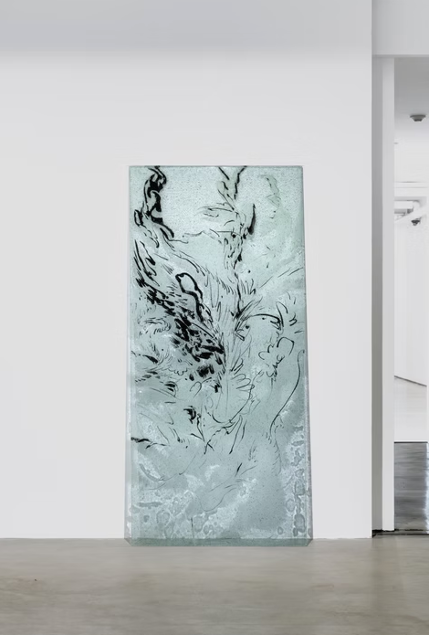
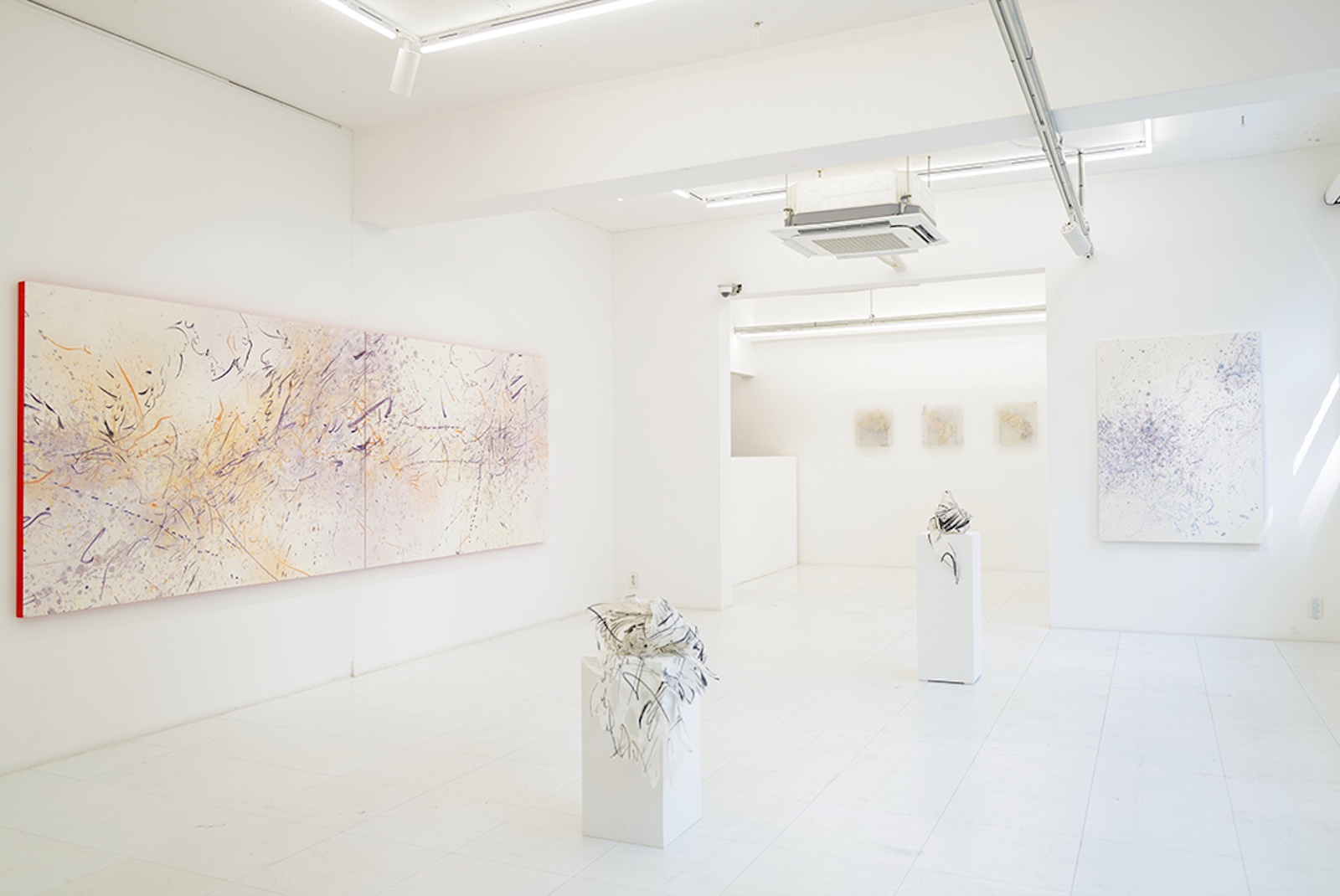
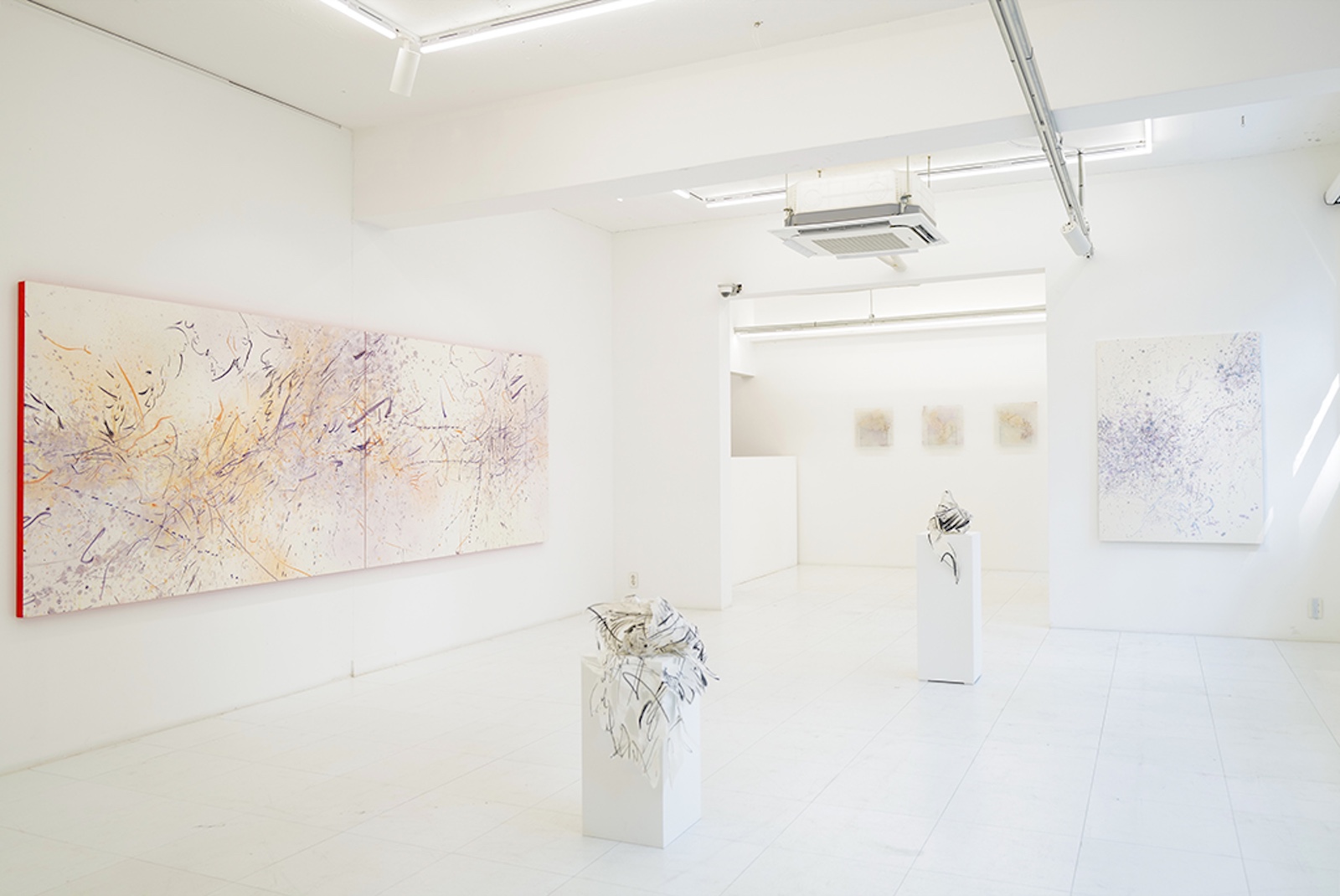
By 《Salty Edge》(Gallery Kabinett, 2024), Key
says she moved away from her earlier habit of obsessively refining emotion
before working, toward a more immediate, raw emotional register. The reddish
ink and the sharp, unresolved lines that mark this shift are matched by a
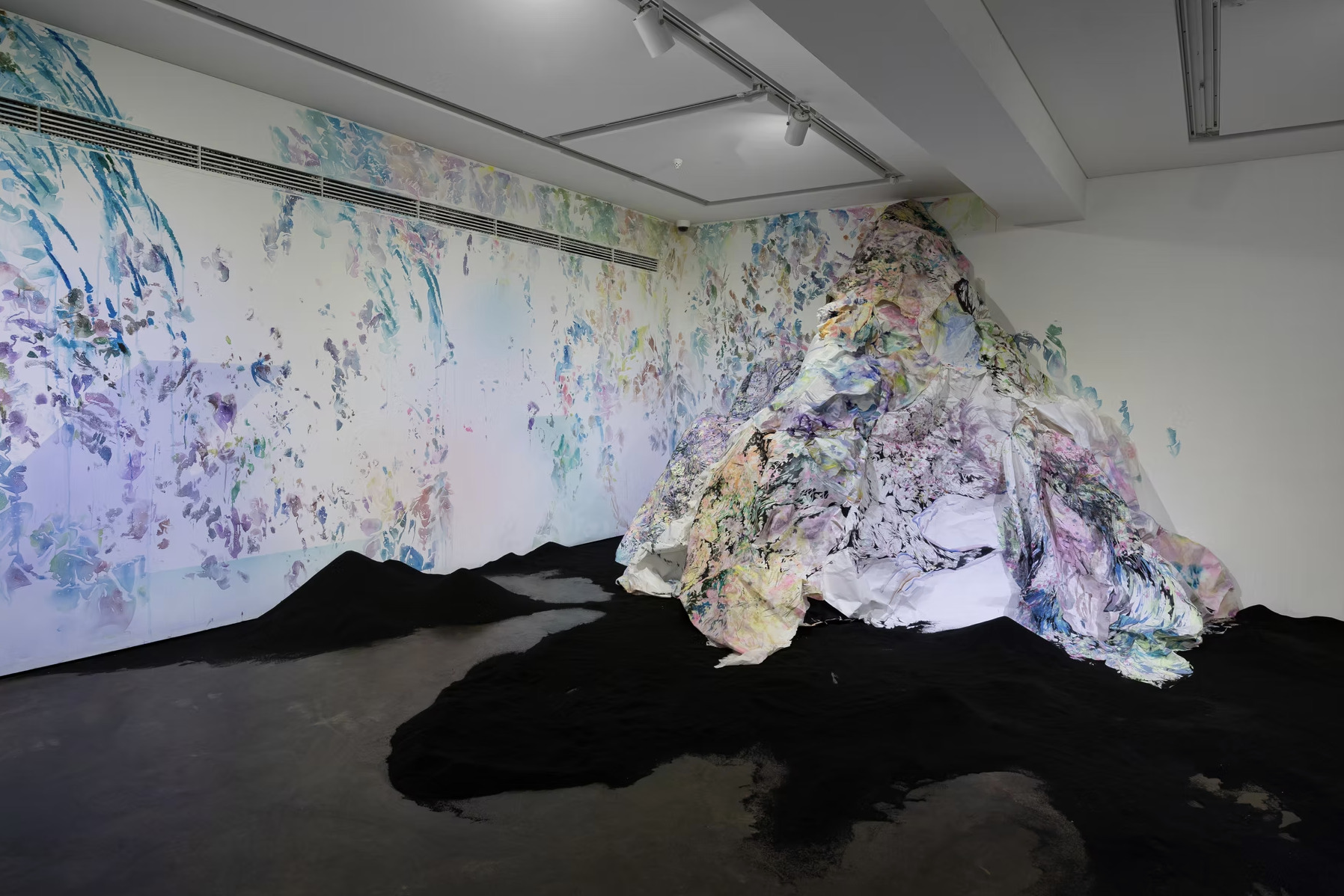
parallel move outward from the picture plane, as the work begins to engage the
space around it — through silk-wrapped surfaces or drawing fragments compressed
between sheets of glass.
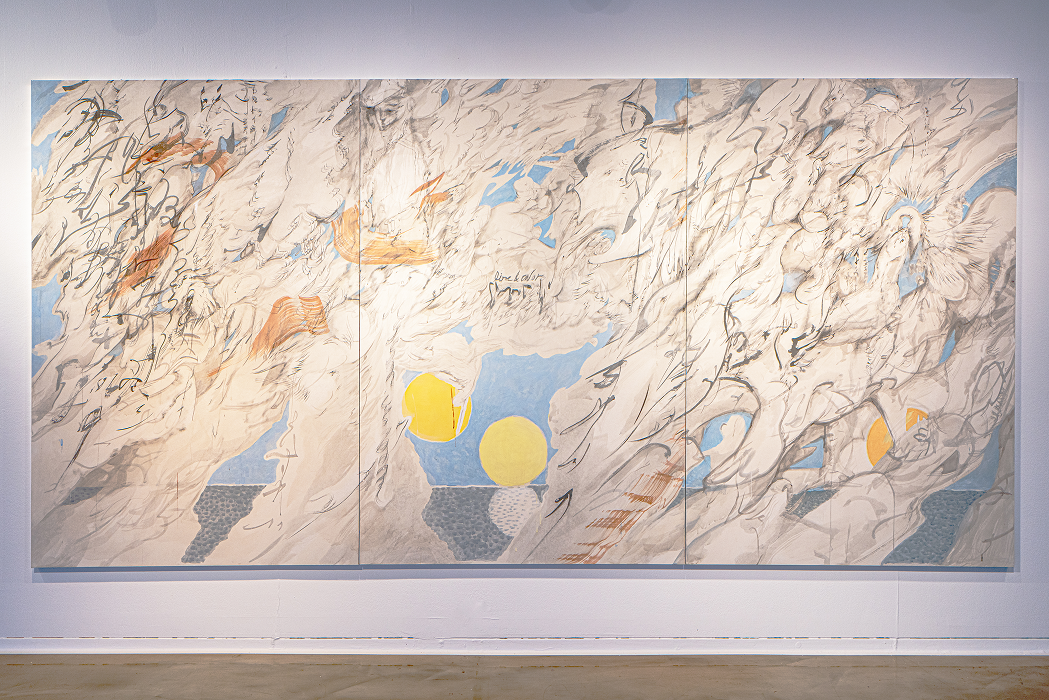
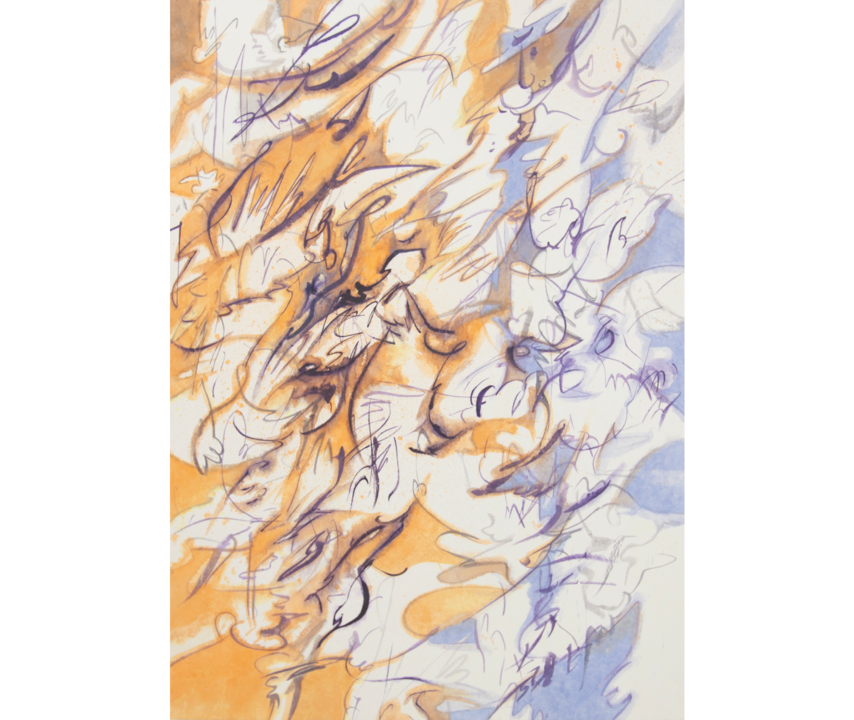
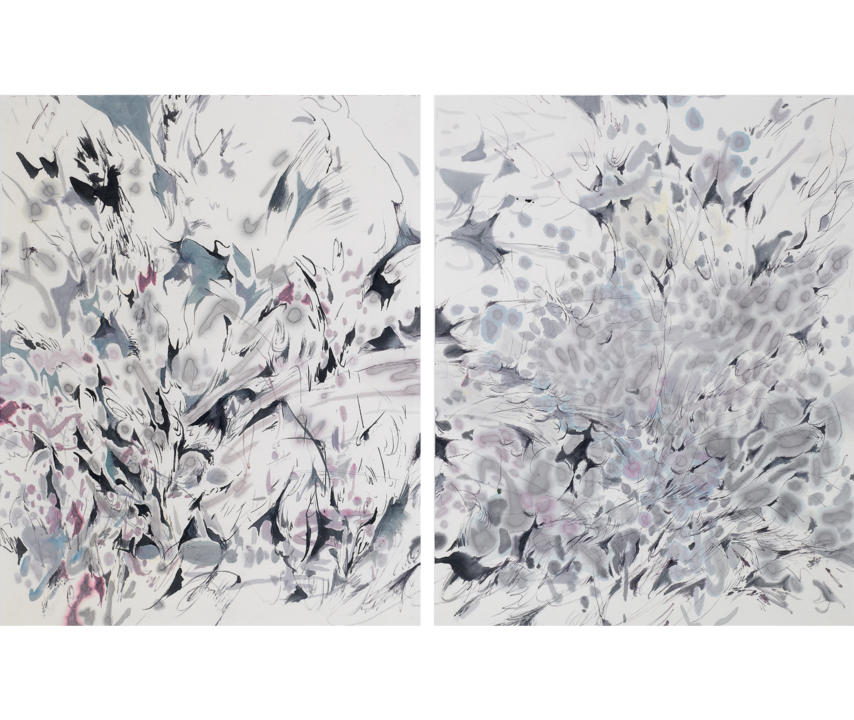
In her
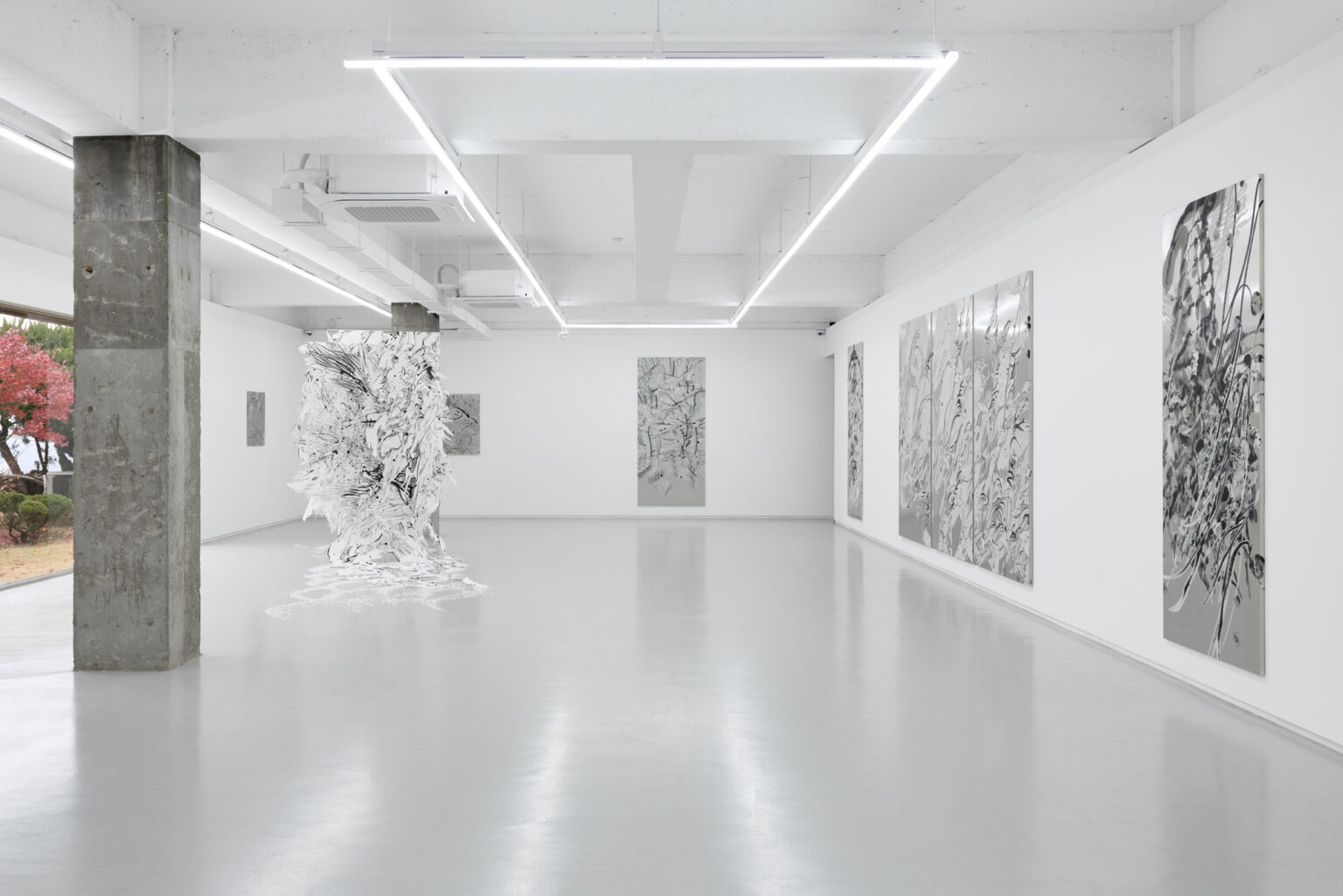
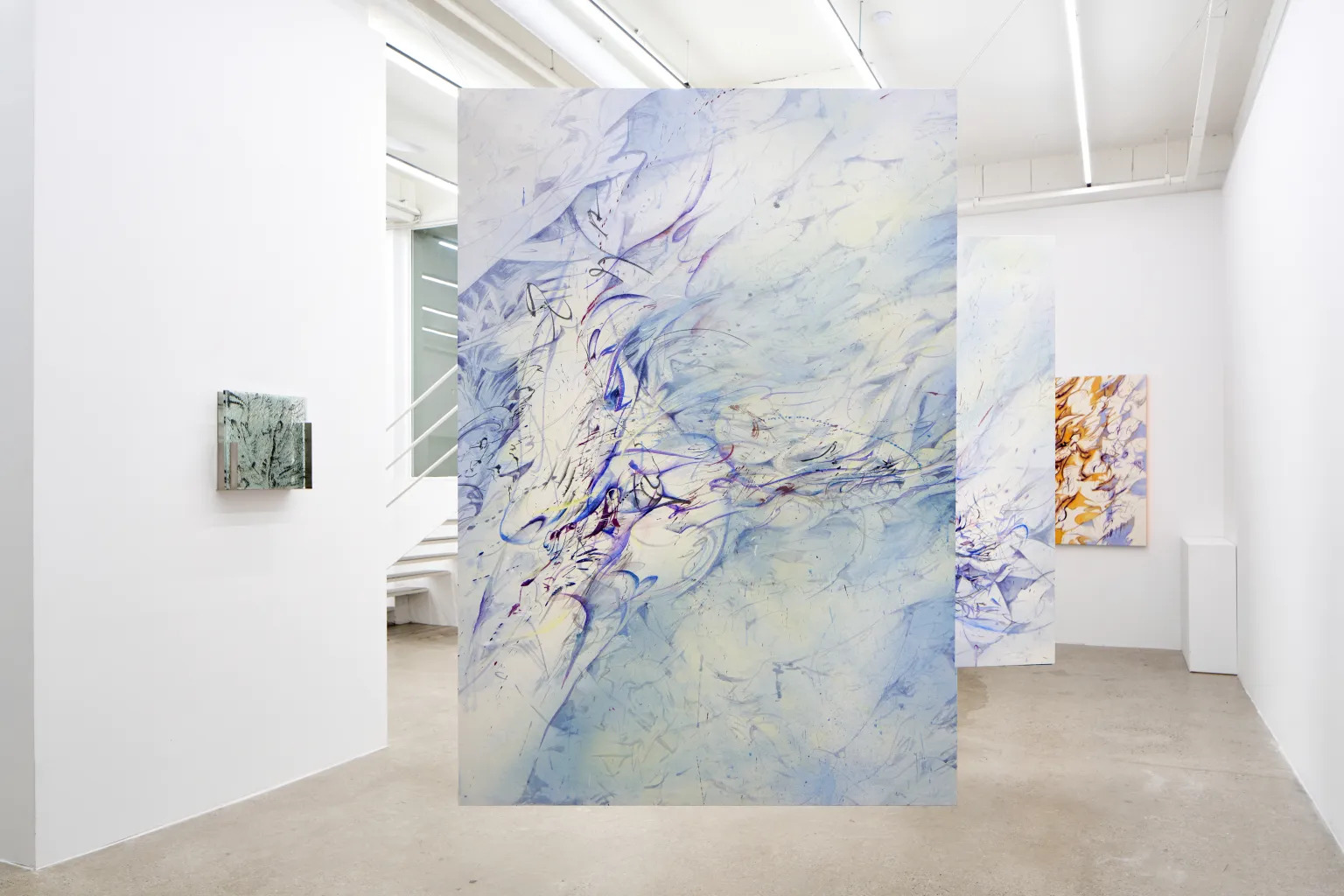
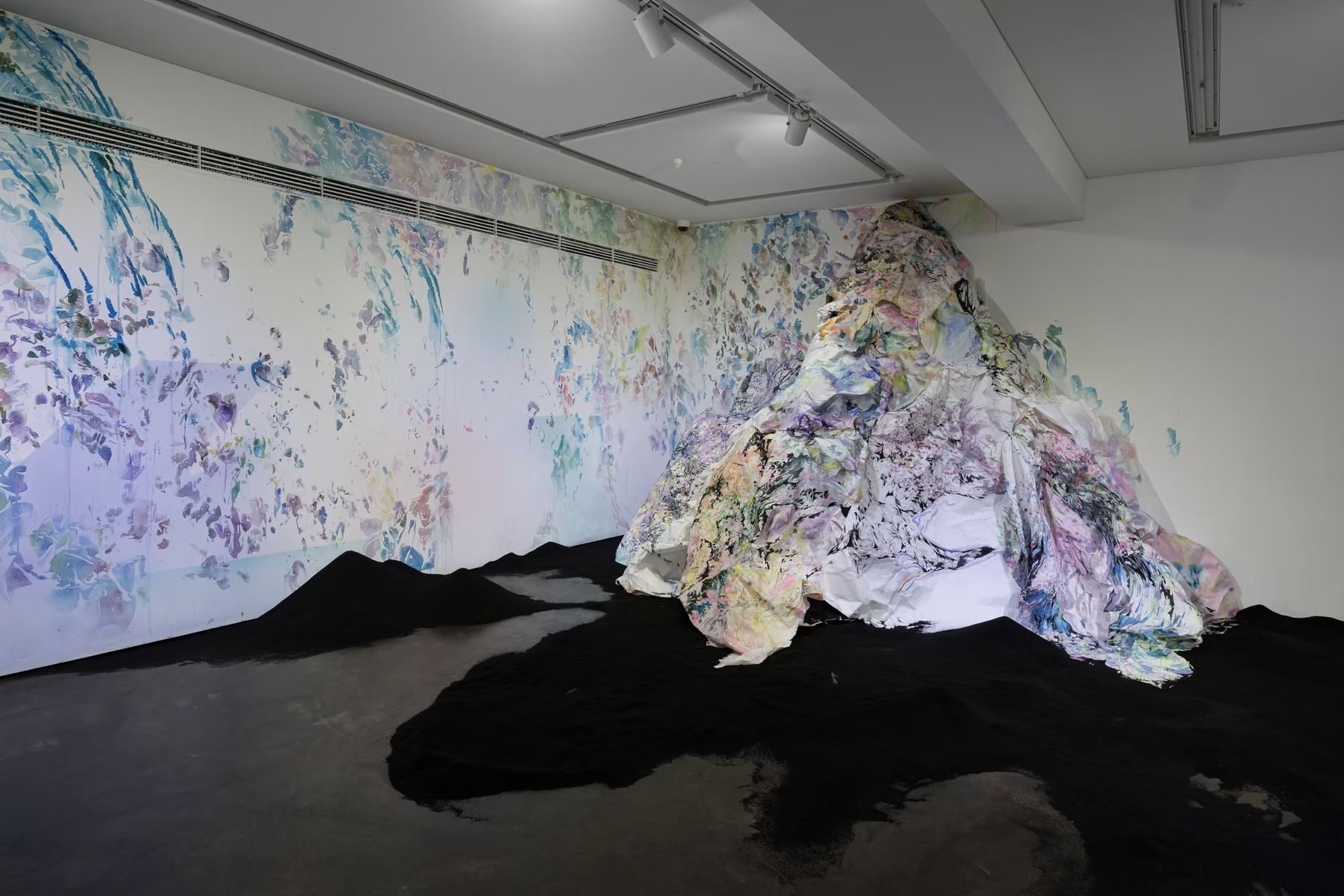
2025 exhibition 《between fog and
bone》(MO BY CAN, 2025), Key connects a sensation of
wind she found in a classical poem about scholar's rocks by Bai Juyi to the
East Asian painting concept of golyuk (骨肉, bone and
flesh) — the relationship between line (bone) and color (flesh) — moving
fluidly between the old boundary separating baekmyo (白描),
which builds form through line, and molgol (沒骨), which
reveals form through color and diffusion alone.
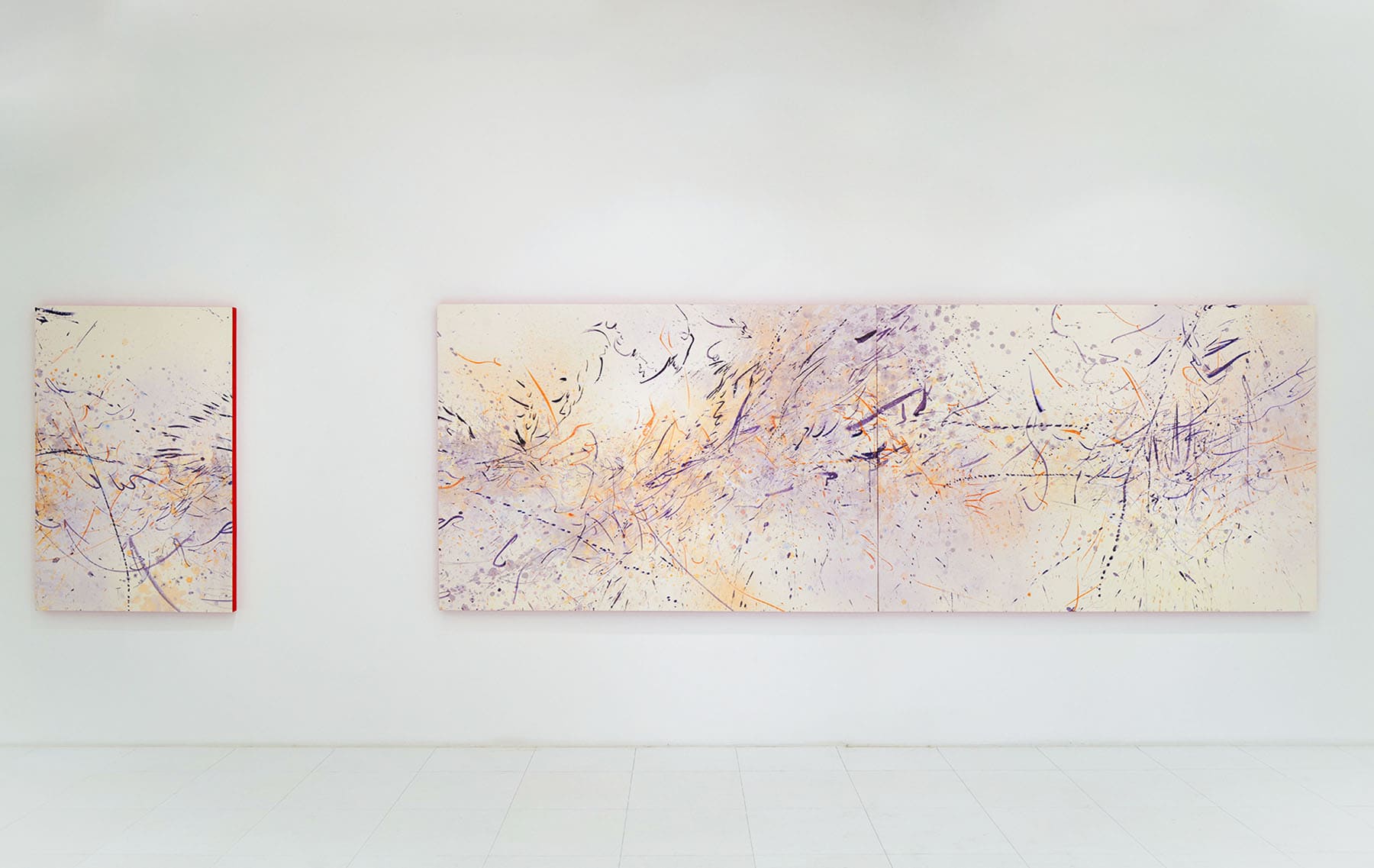
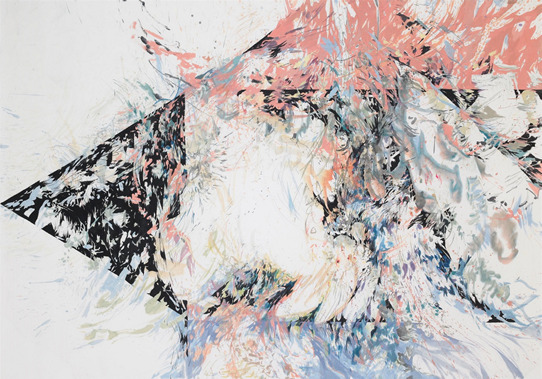
Drawing clouds as though
drawing bone, and cutting bone-like fragments that scatter like stains, she
redefines the blank margin not as empty space but as a density that pools like
gas.