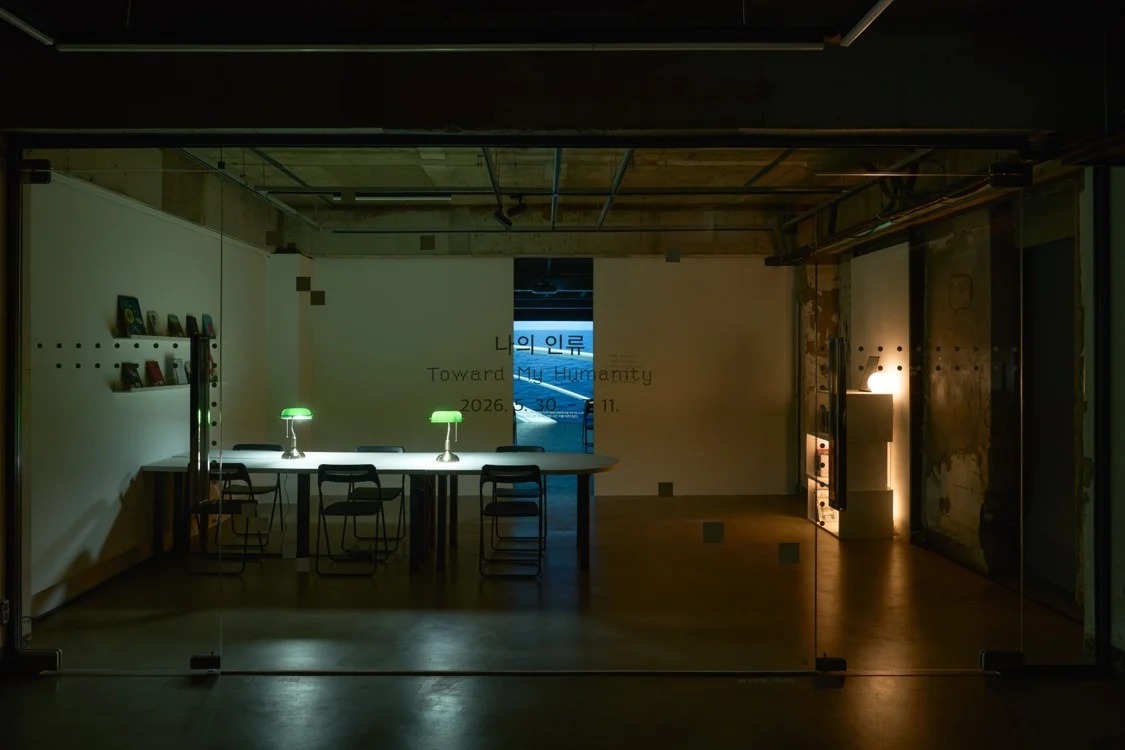
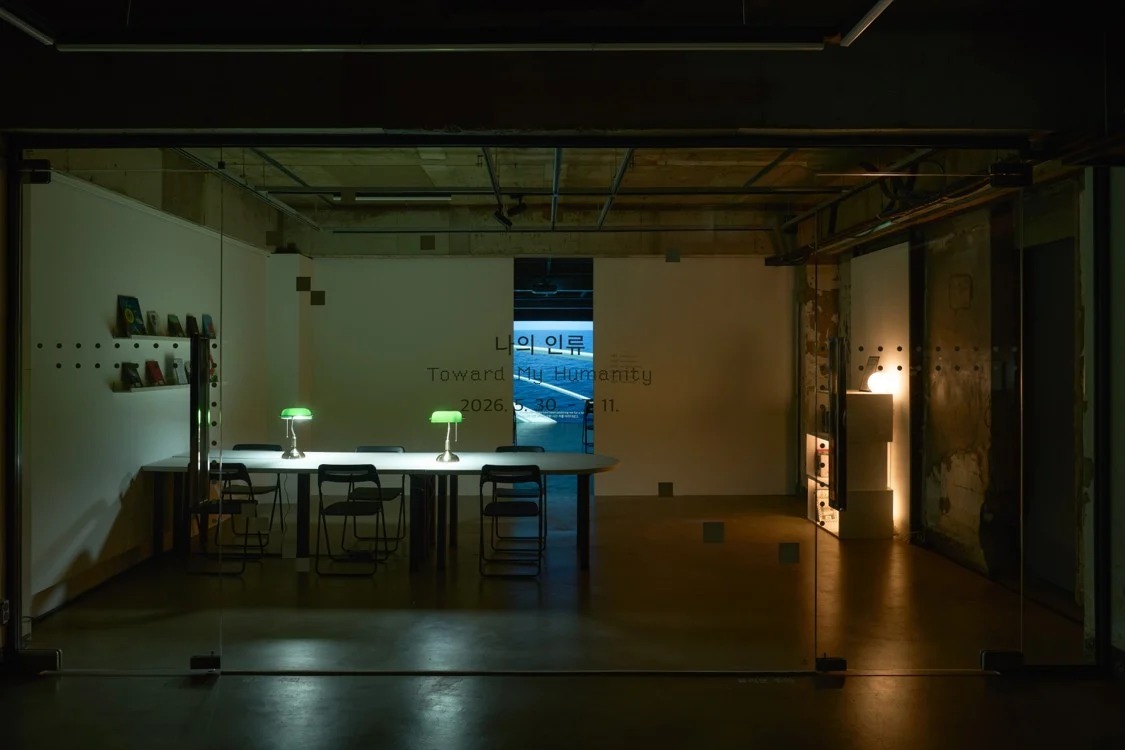
Bokyung Jun works primarily with moving image and installation, combining drawing, text, sound, objects, interviews, and performance according to the needs of each project. Rather than adhering to a fixed medium, she develops the structure of a work according to how materials gathered through research and encounters may be translated and communicated.
In her earlier practice, she walked through specific sites, conversed with residents, and collected objects, memories, photographs, and records, later incorporating them into installations and neon works.
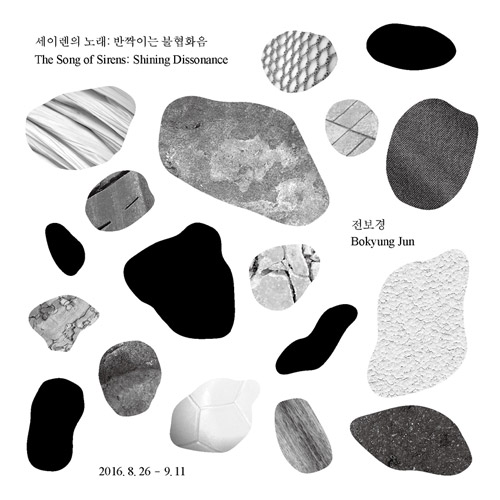
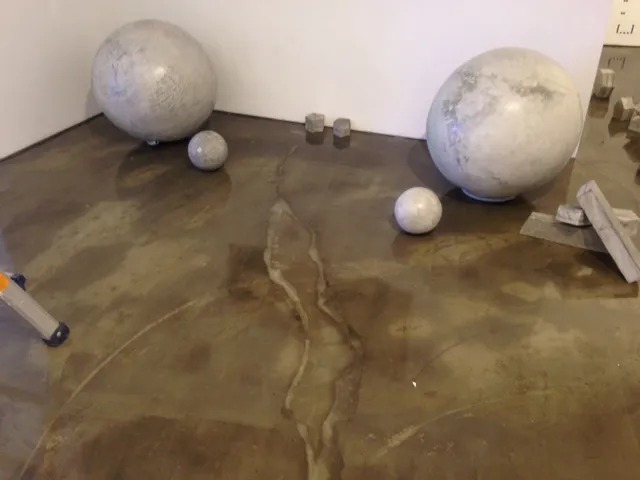
In 《The Song of Sirens: Shining Dissonance》 (2016), boundary structures made from discarded tires, bricks, and wood found in Daejeon’s old downtown area were interpreted as “urban totems,” then dismantled and reconstructed together with stories collected from local residents. Field research and collection thus function not merely as preparatory processes but as methods that actively determine the final form of the work.
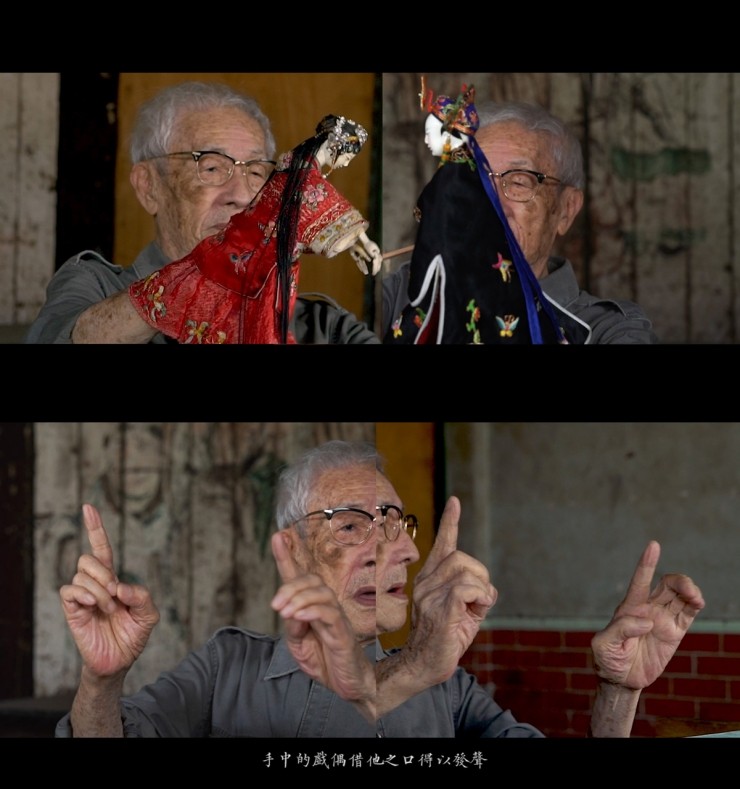
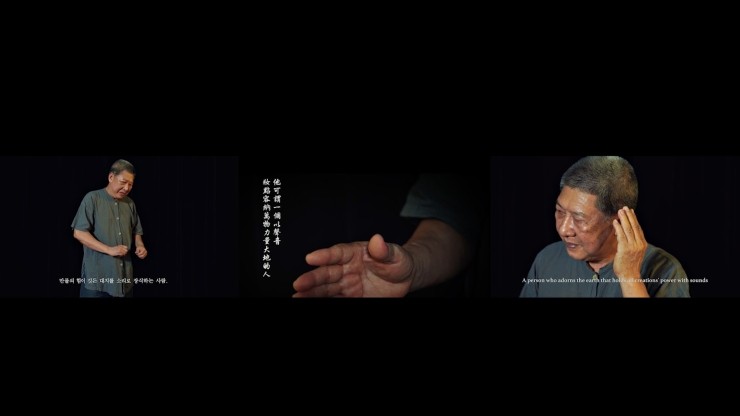
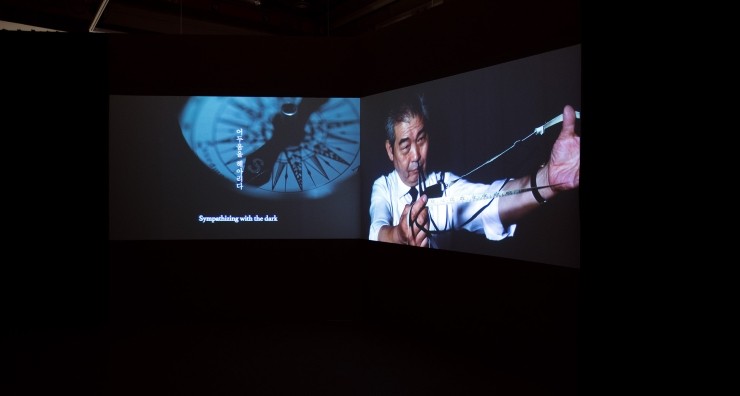
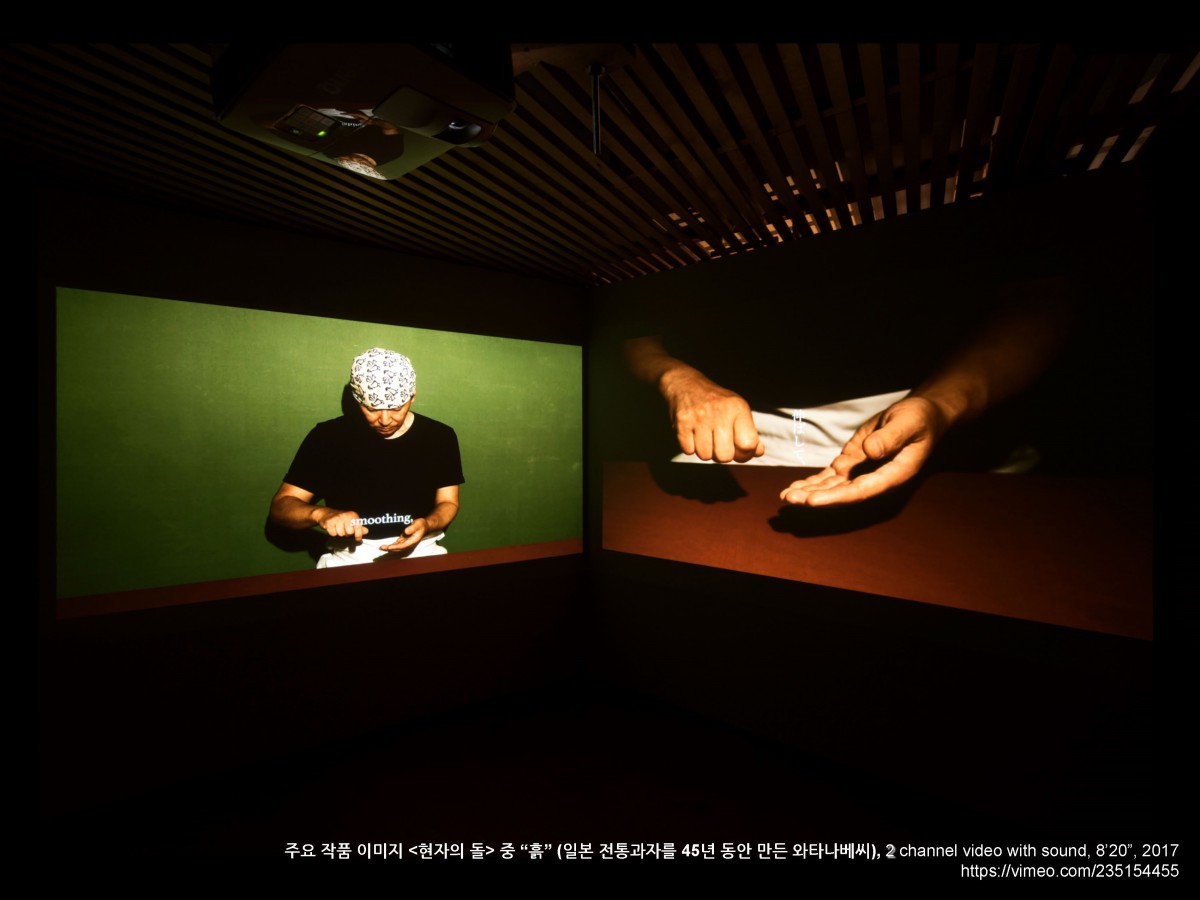
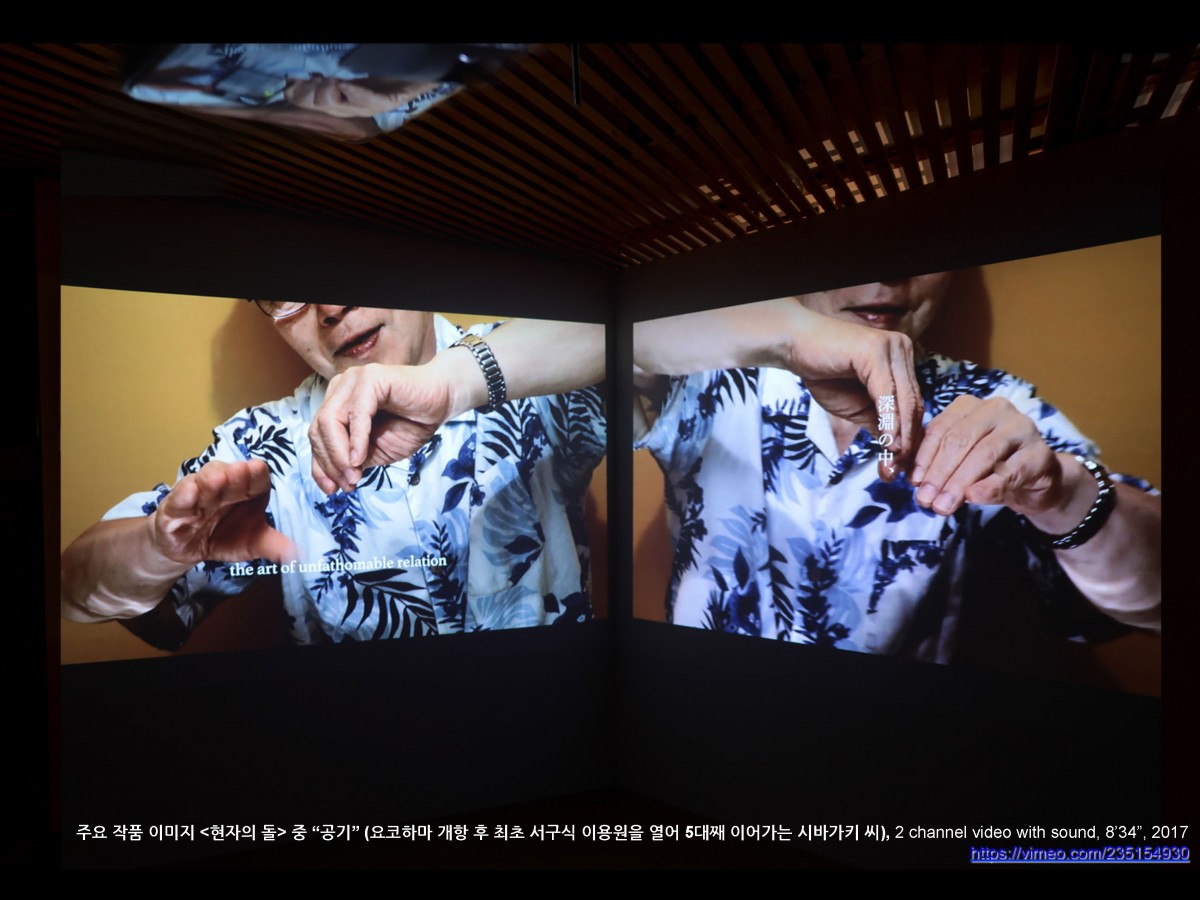
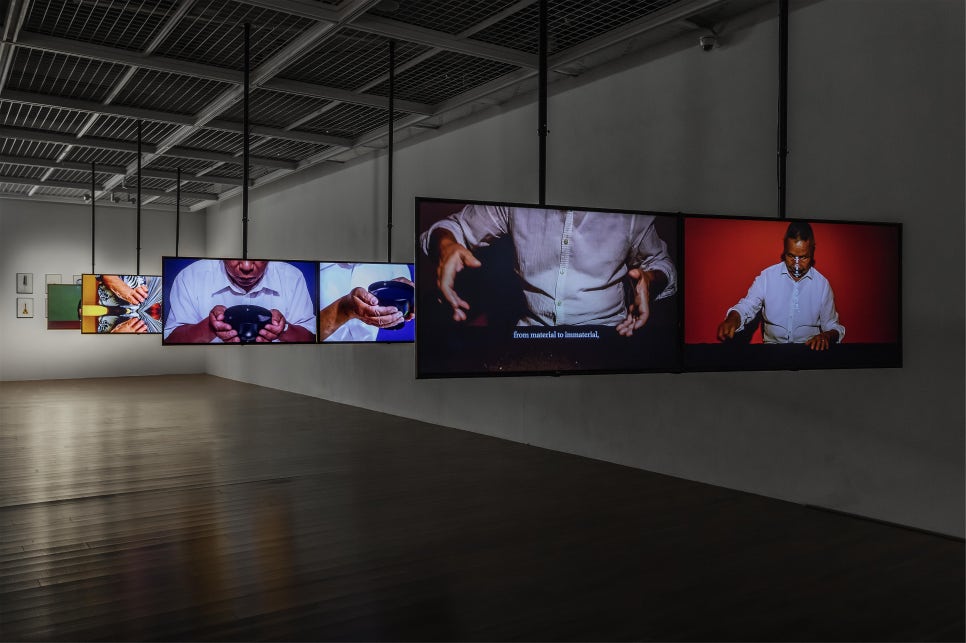
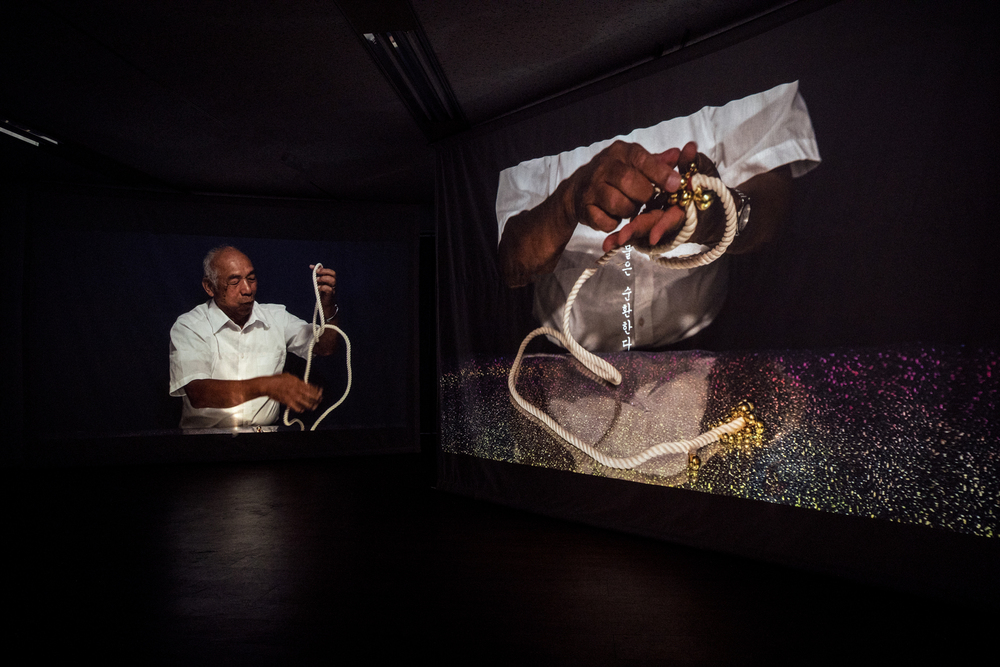
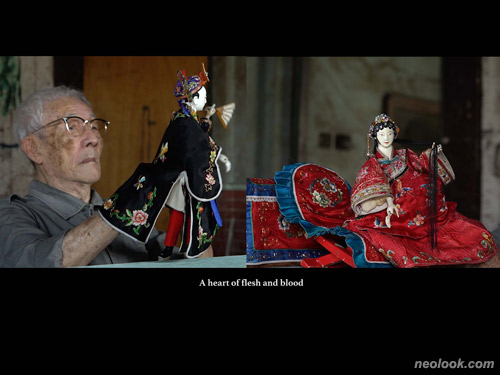
In her projects with skilled workers and craftspeople since 2017, staged actions and performance increasingly intervene in interviews and documentary video. Jun films processes of labor and personal narratives, reconfigures everyday experiences into poems and monologues, and asks participants to perform, without their tools, gestures derived from movements repeated throughout decades of work.
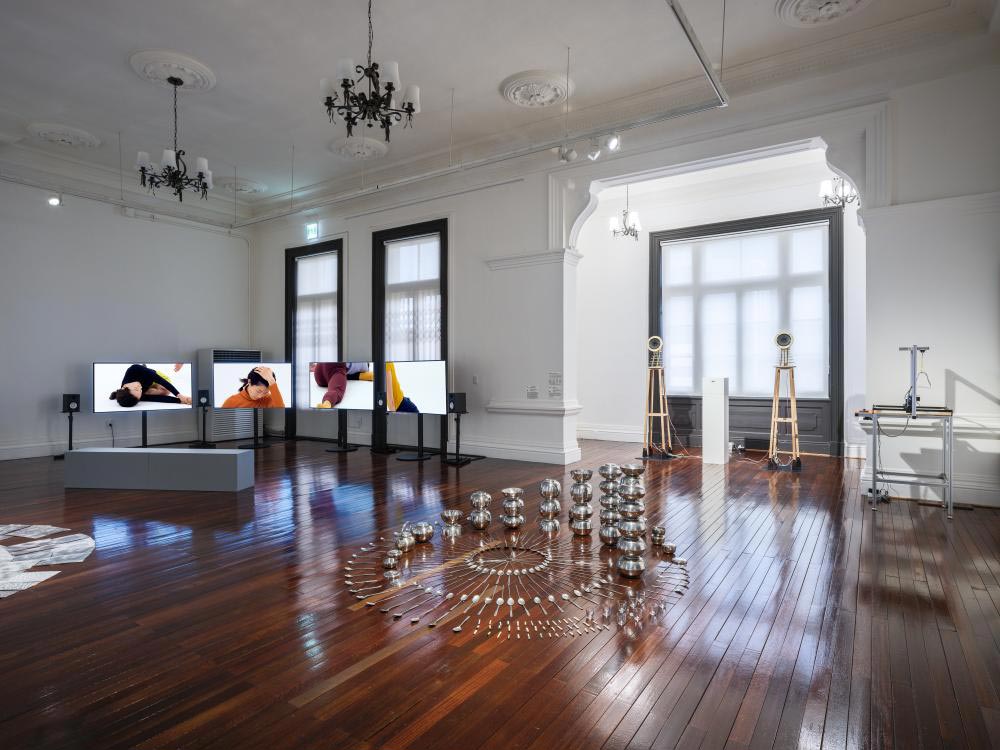
Voice, bodily movement, repetitive rhythms, and conversation converge within the moving image, while video, sound, and objects are arranged together in the exhibition space. Habits and techniques accumulated in the body are thereby transformed into a performative language, while the interview shifts between factual testimony and poetic staging.
Through this structure, Jun incorporates not only information about a person’s profession and experience but also the time and sensibility embedded in the body.
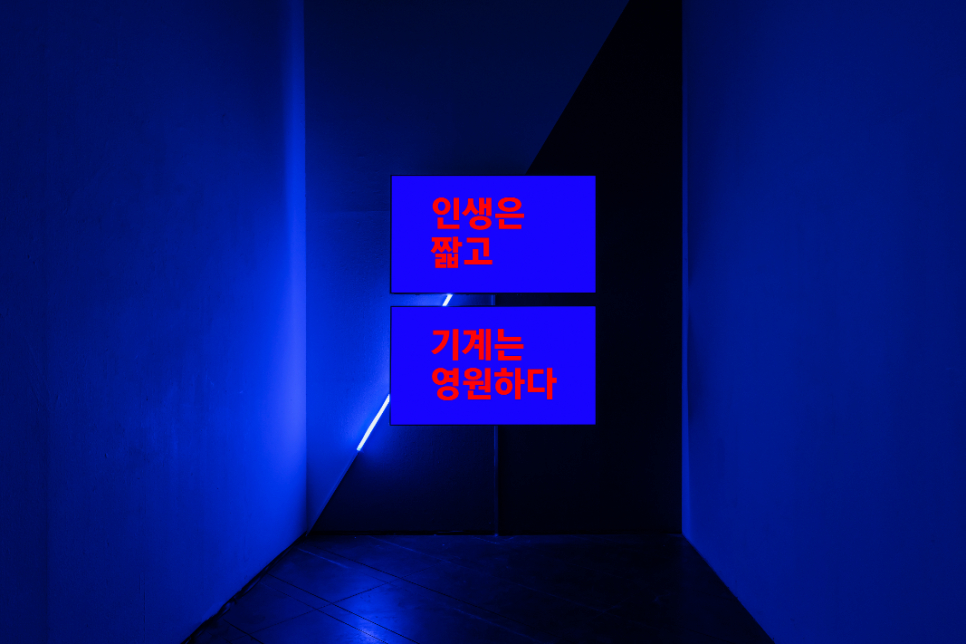
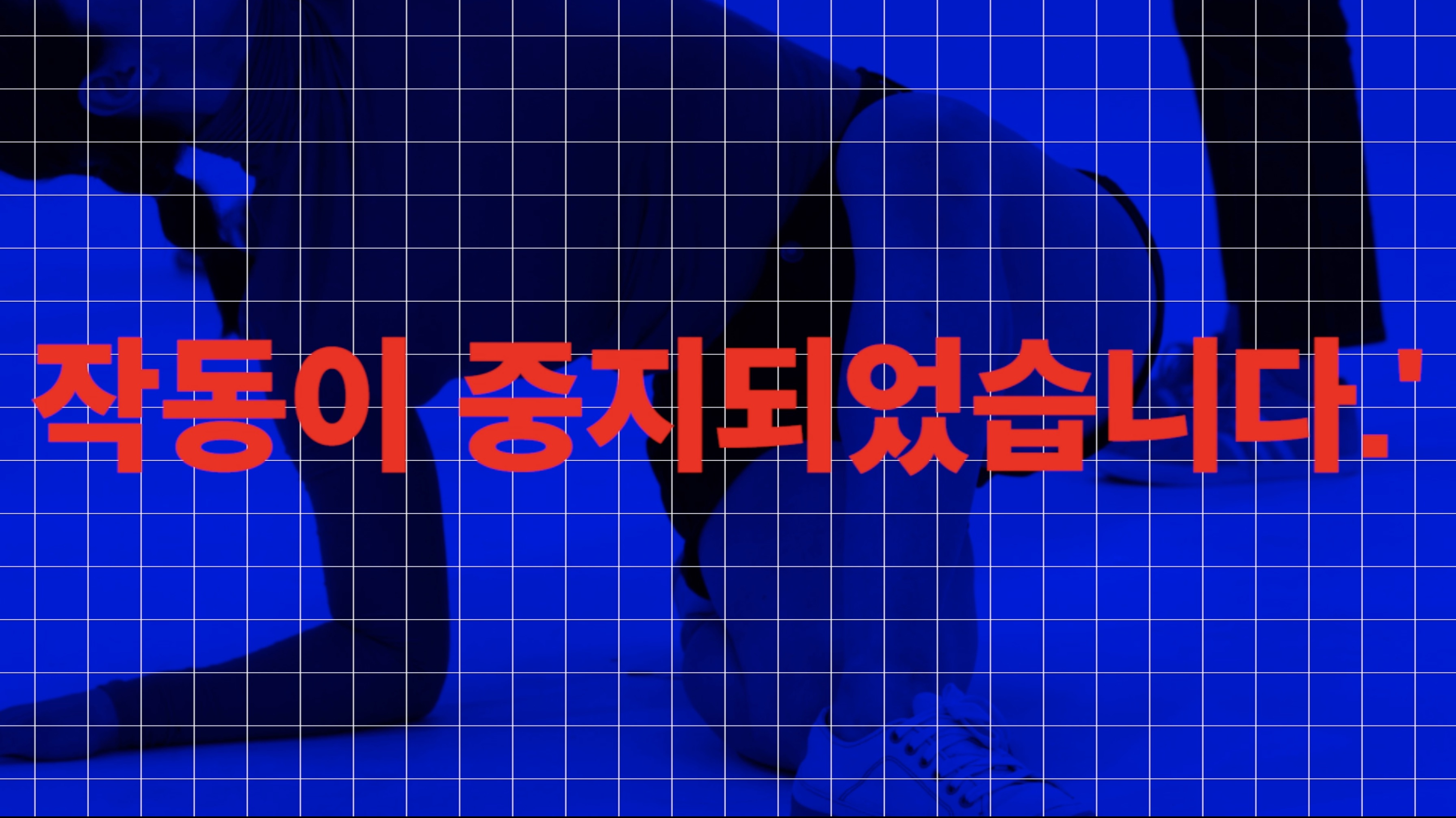
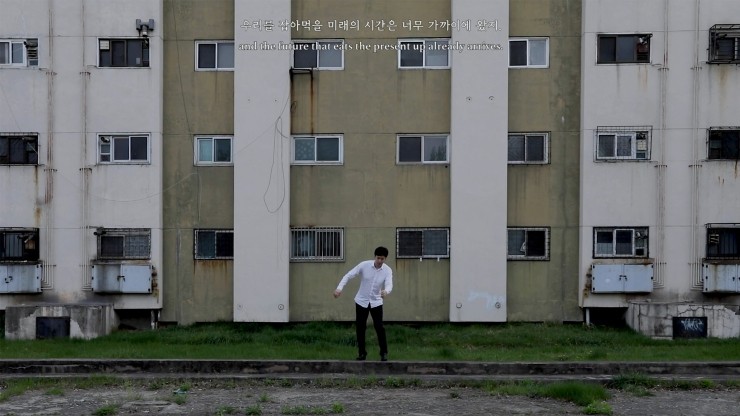
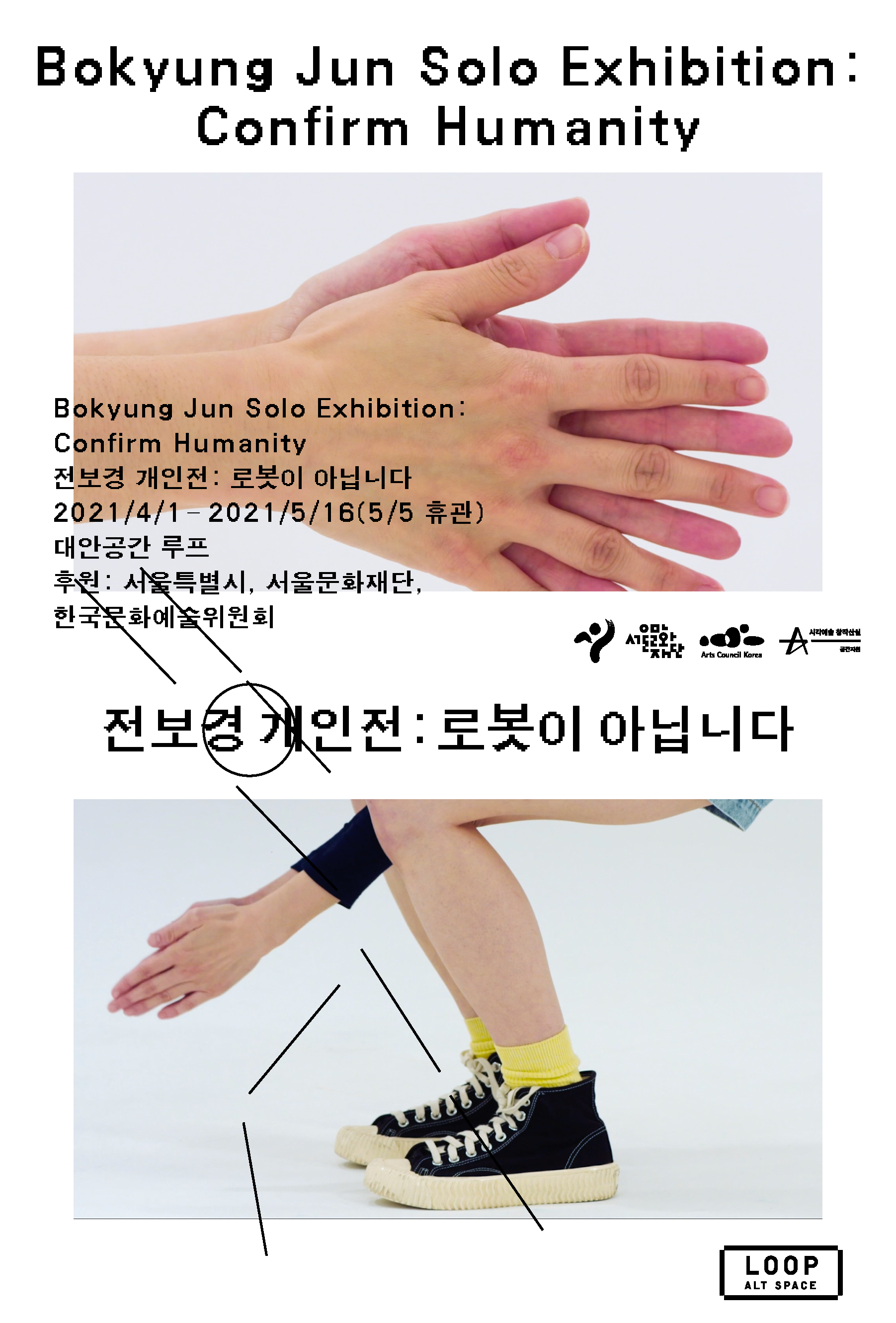
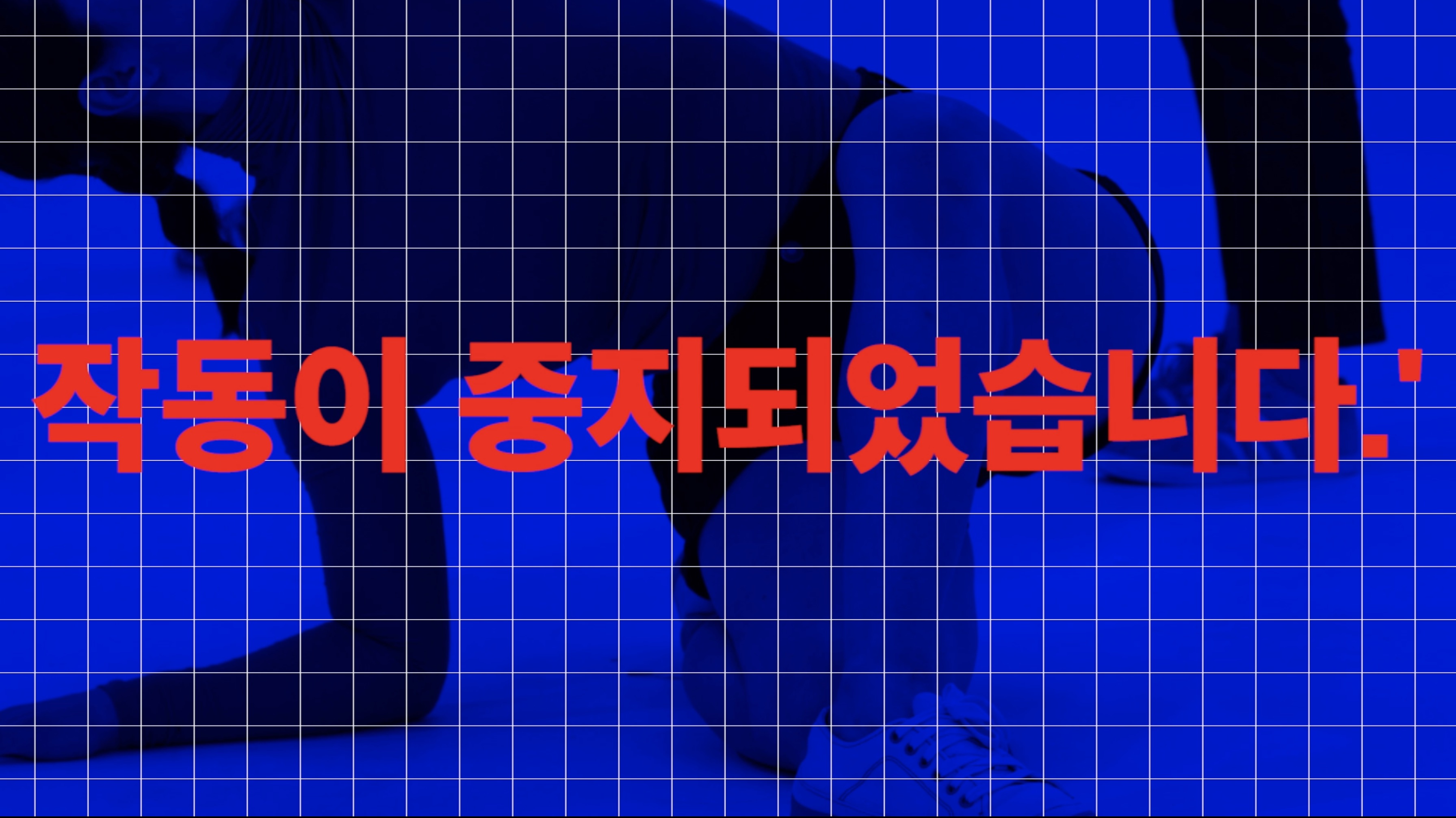
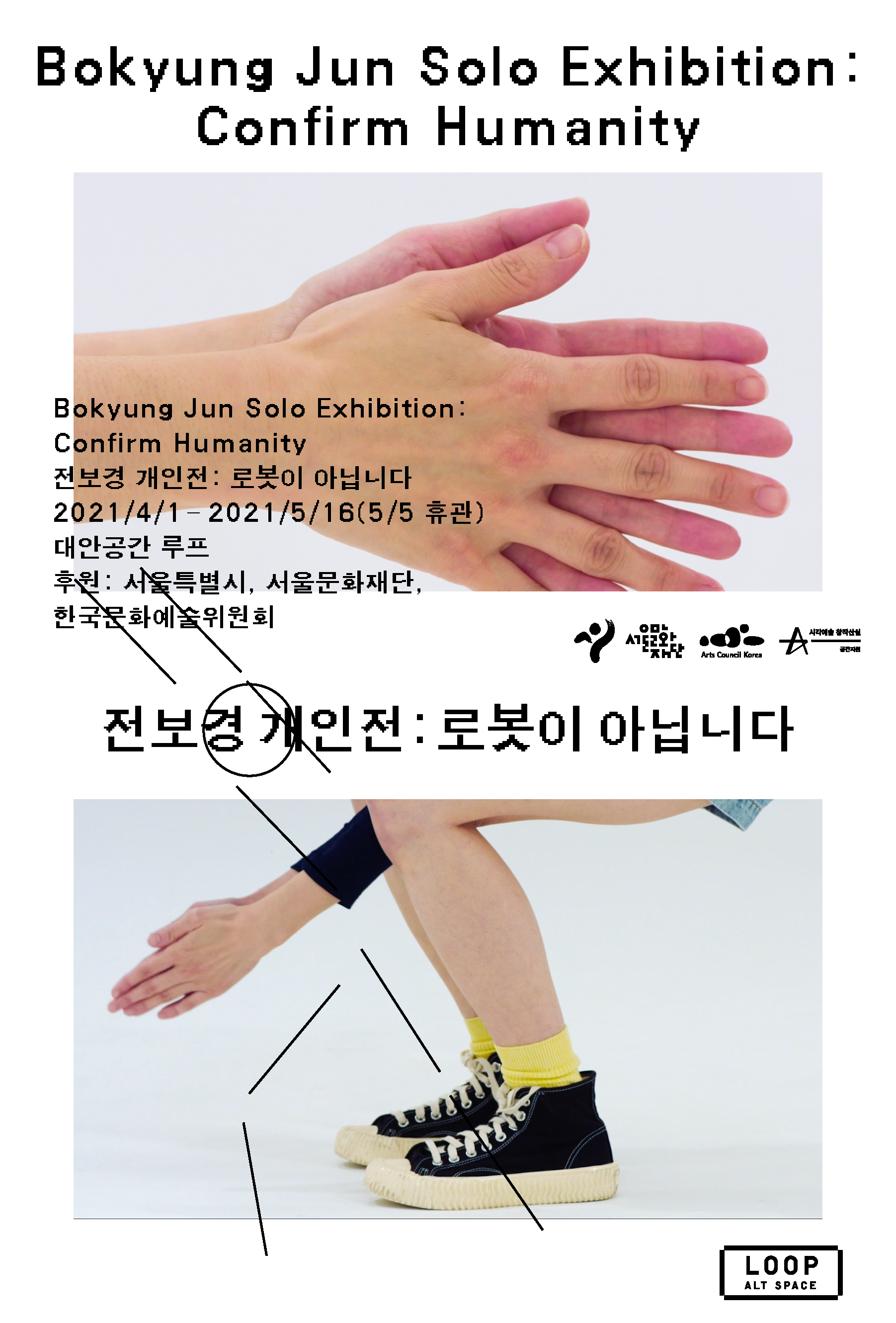
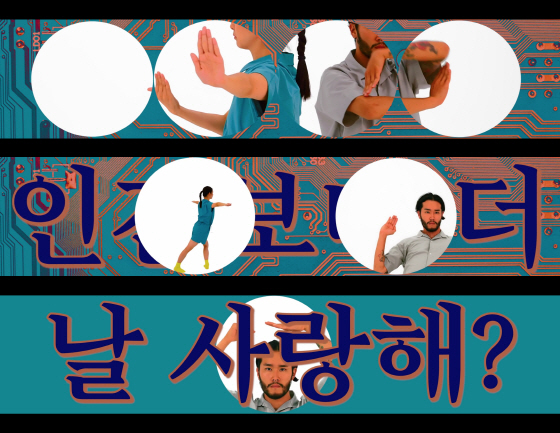
As collaboration with dancers became increasingly central to her practice, translation and the score emerged as key compositional devices. In works such as Zeros: Operation Errors and I Swear, I Am Not a Robot, Jun observes the motions of industrial robots, reduces them to lines and arrows, and converts these elements into scores that are then interpreted by dancers.
The same instructions generate distinct choreographies as they pass through different bodies, rhythms, and modes of perception. Moving image, drawing, text, and notation are presented together, allowing viewers to encounter both the resulting movement and the process through which information is interpreted and transformed by the body.
Irregularities and deviations generated through this process become central components of the work, setting mechanically reproducible movement against bodily interpretation and variation.
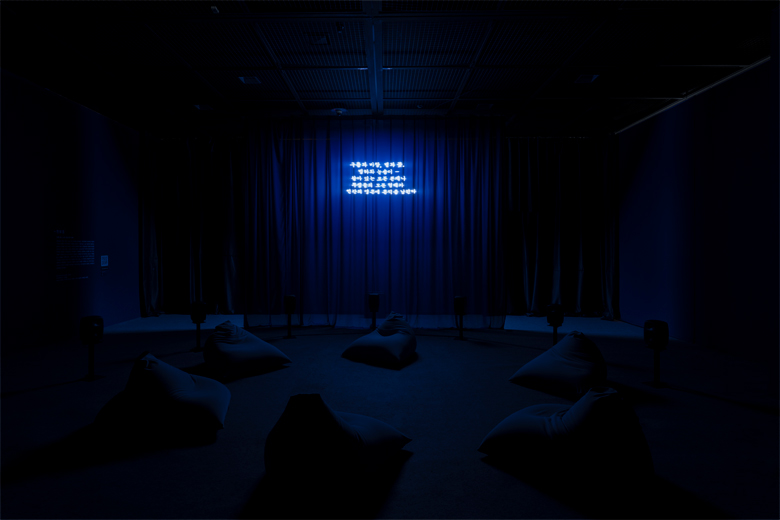
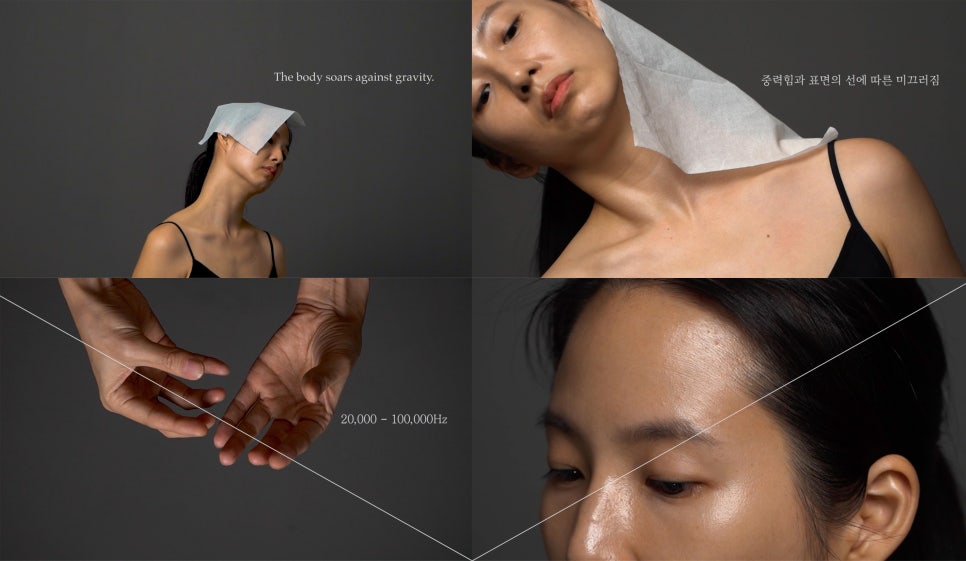
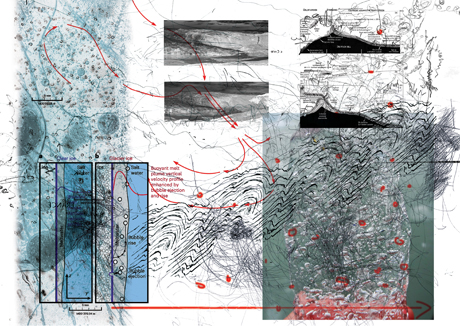
In her more recent works, sound, vibration, and breath—sensations that resist definitive linguistic articulation—have taken on greater importance alongside visual images and narrative. In Nameless Song: Glacier Blue (2024), performers do not attempt to realistically reproduce the sounds of glaciers. Instead, fragmented words, friction, movements of the tongue, and breath generate bodily sounds through which they respond to glacier-water.
The accompanying Score works function simultaneously as notation for performance, autonomous visual works, and channels of exchange between artist and performer, performer and performer, and human and glacier. Jun’s formal language is therefore shaped through successive acts of translation: from interview to gesture, from mechanical motion to score and dance, and from records of nature to bodily sound.
Meaning likewise emerges through these transitions, producing open structures in which different senses and beings meet without being reduced to a single interpretation.