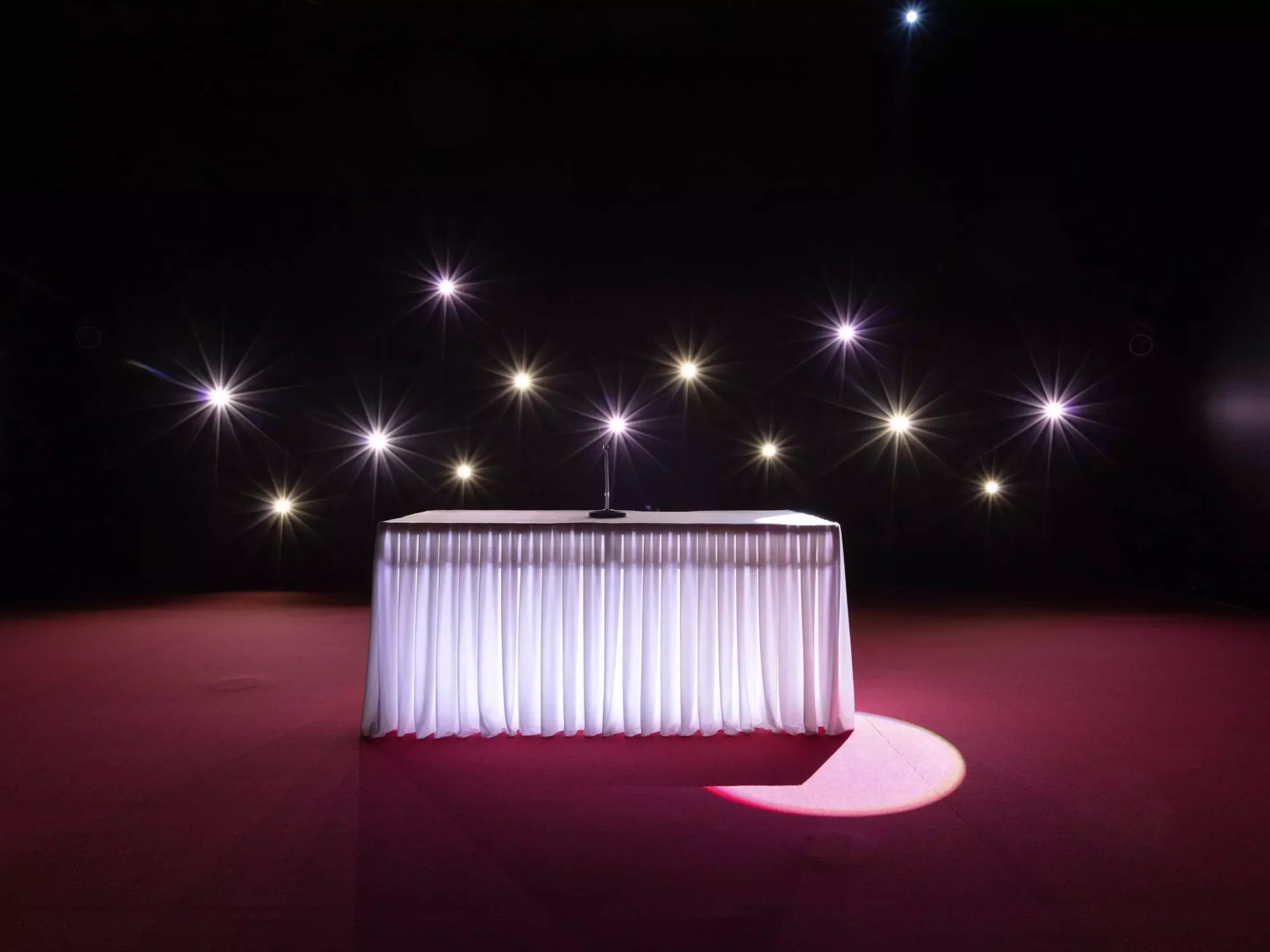
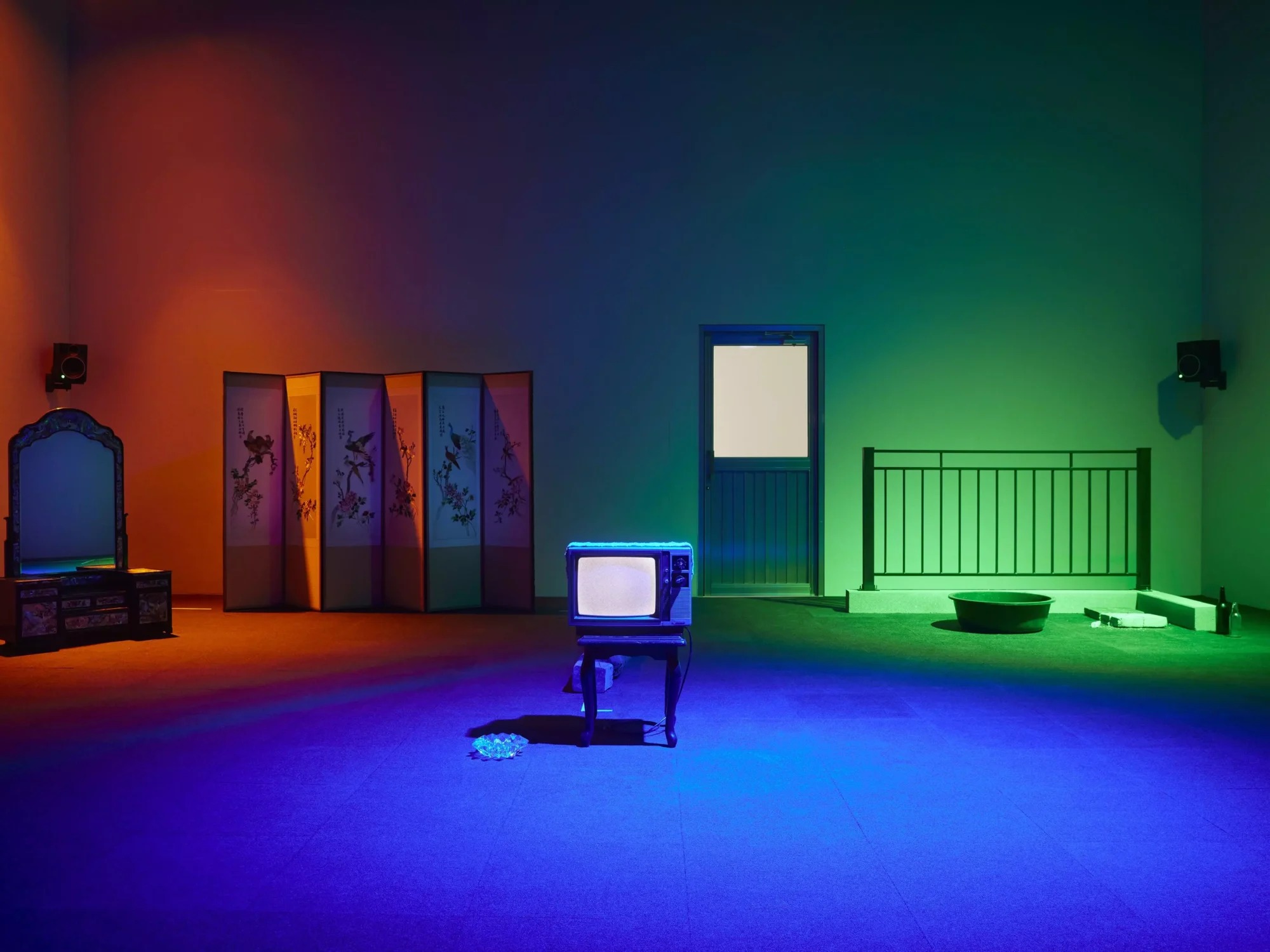
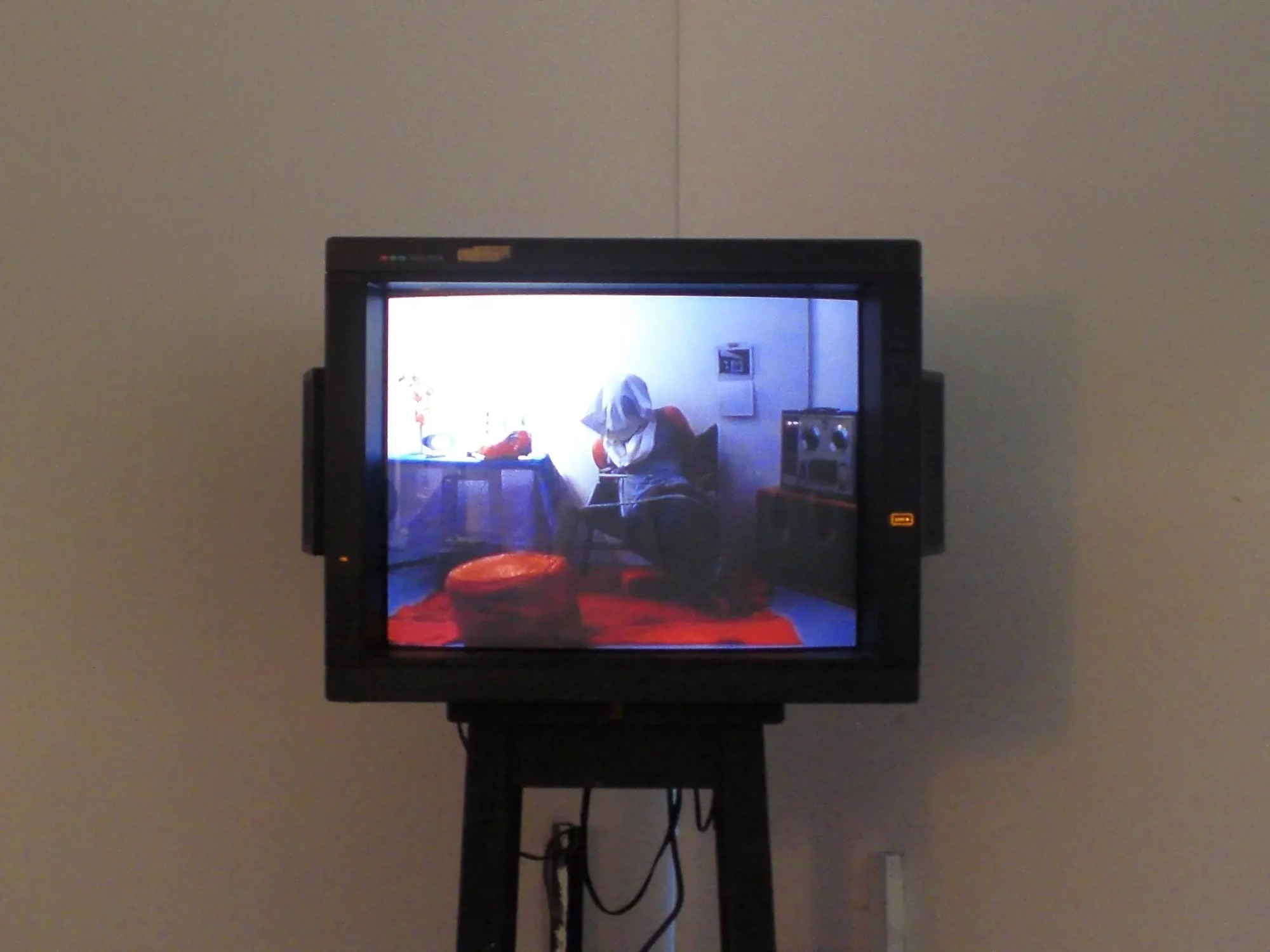
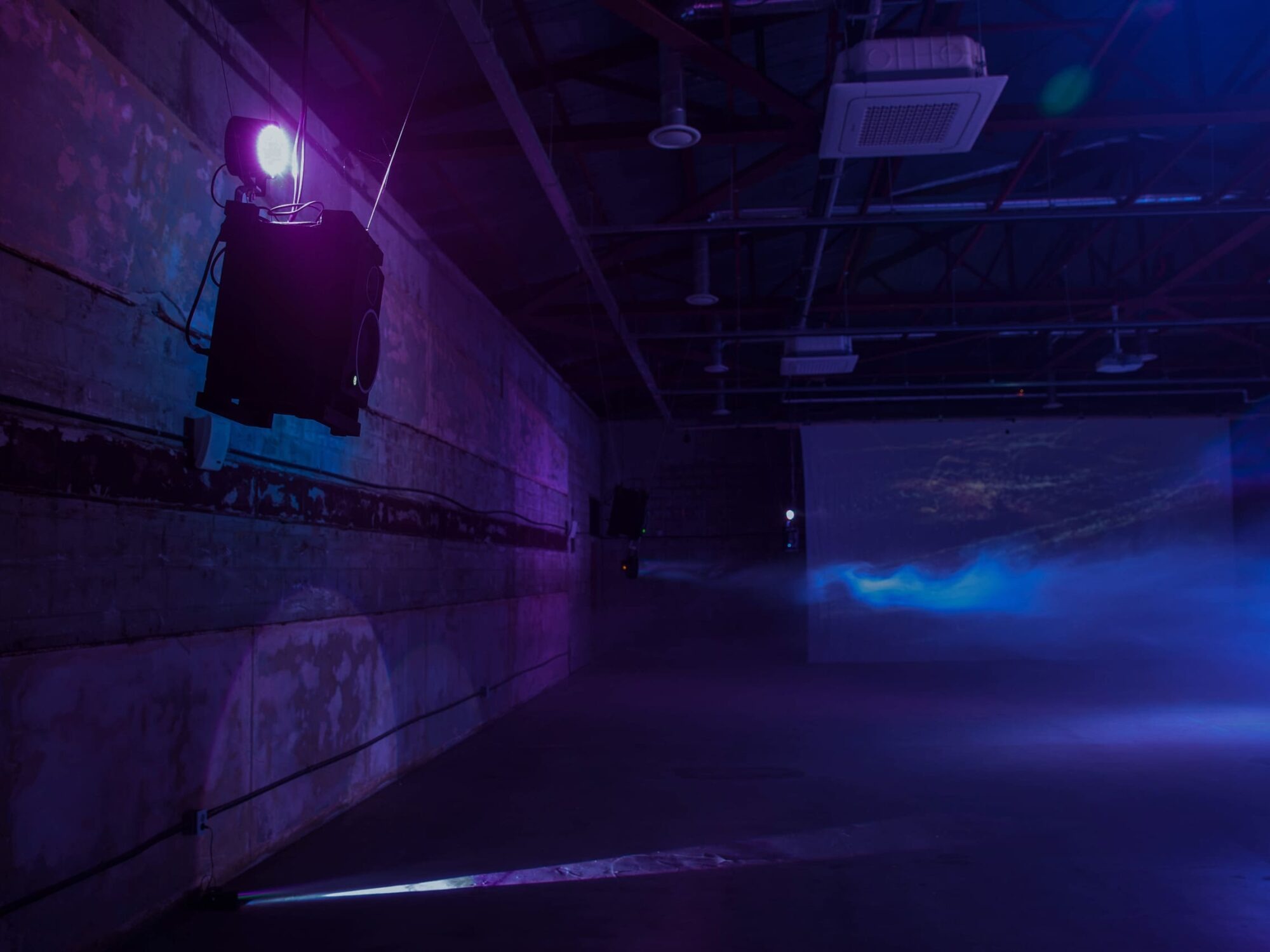
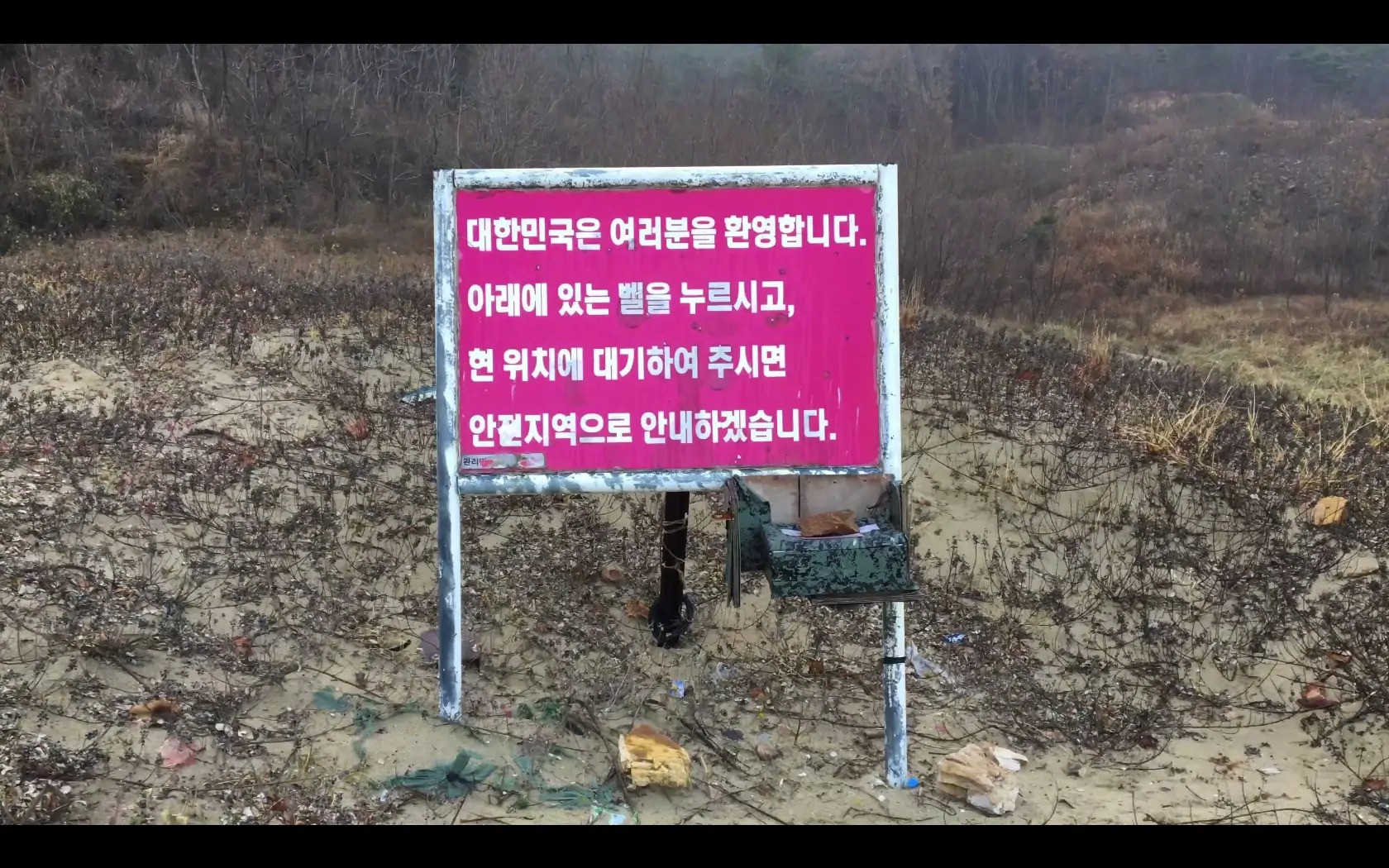
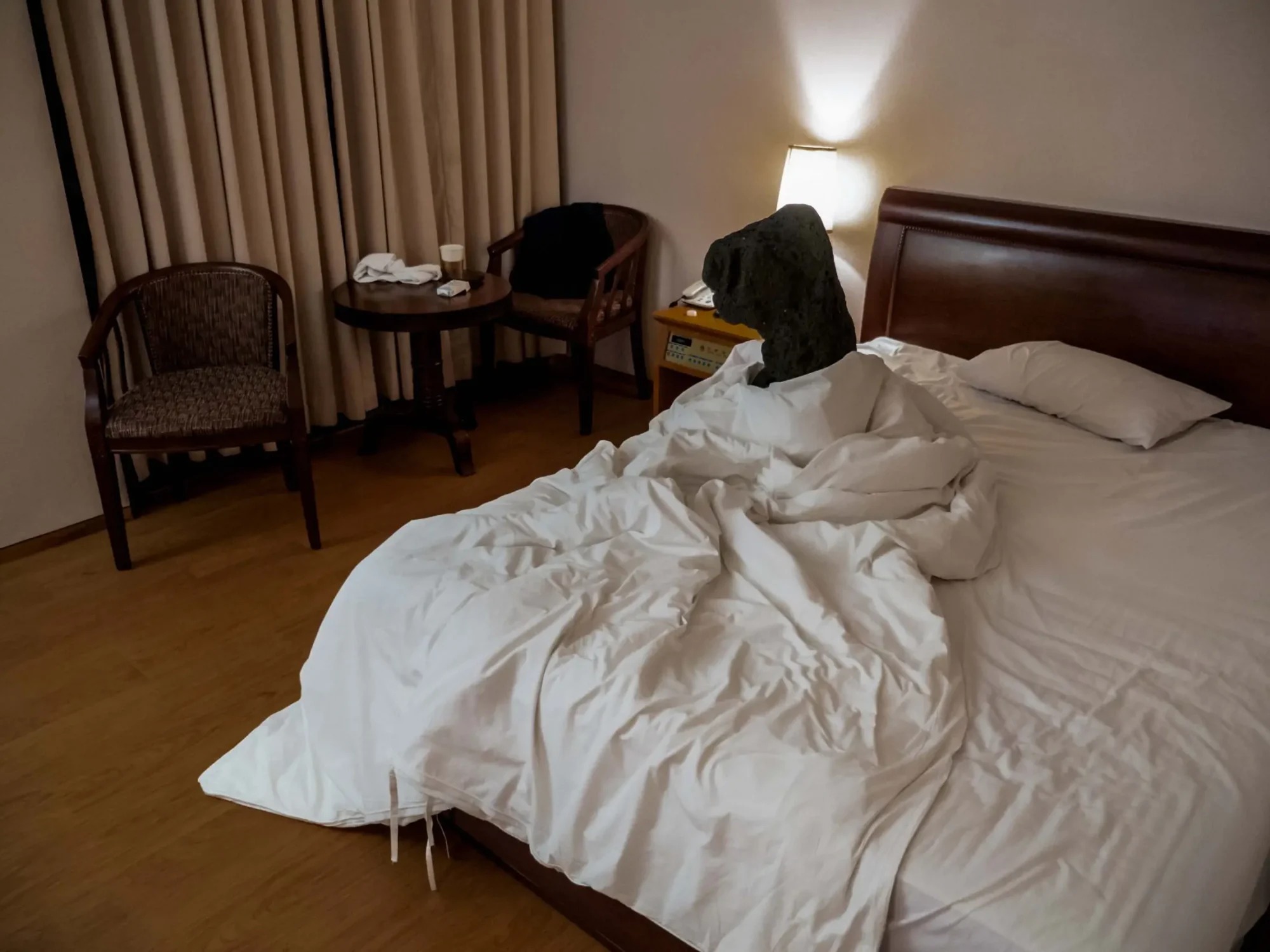
PARK Seong Jun works by intersecting formal conventions and languages drawn from film, theater, and media art within physical space. Theatrical stages are constructed like cinematic sets, moving images are integrated with walls and objects, and sound and lighting shape atmosphere and temporal progression.
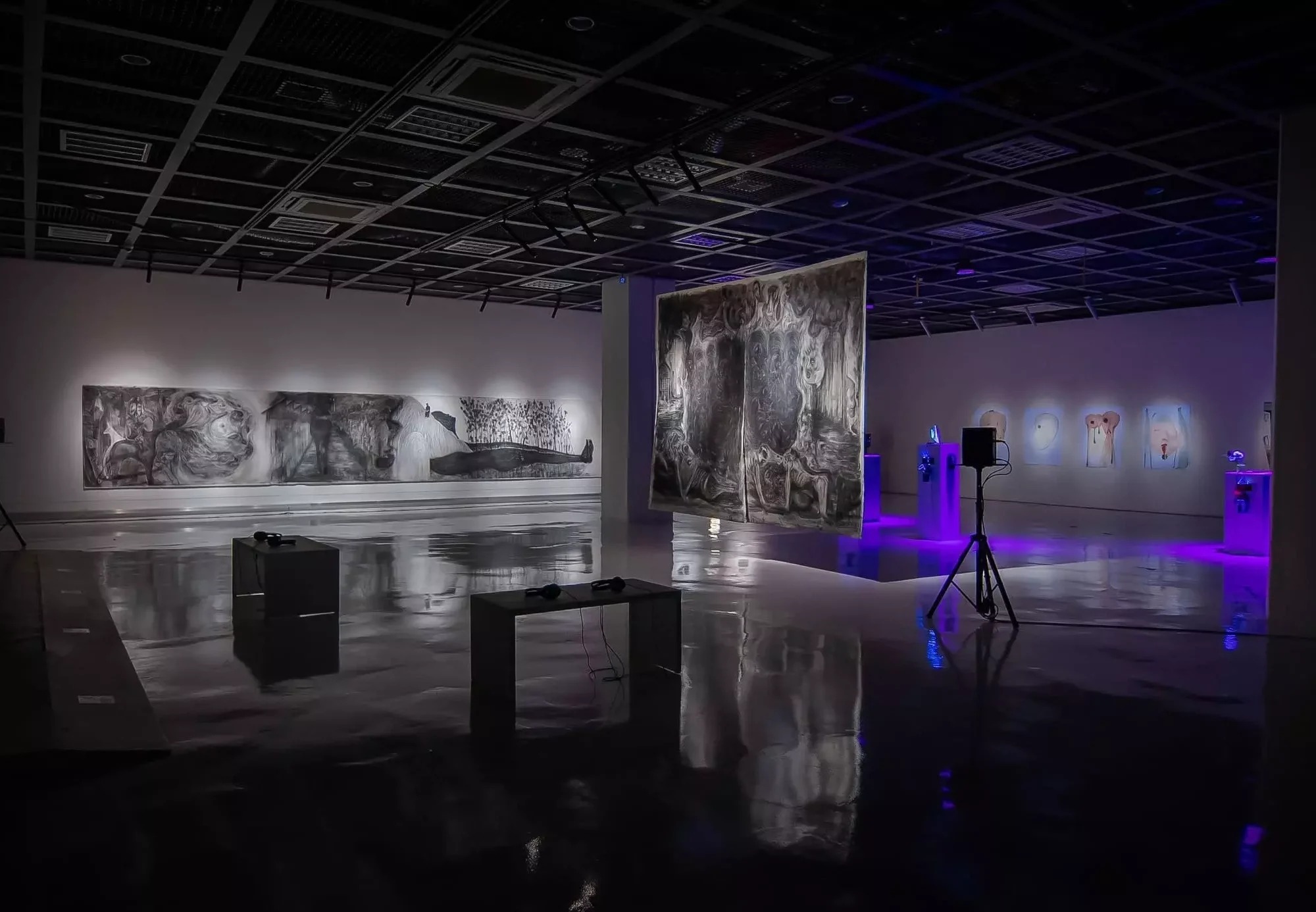
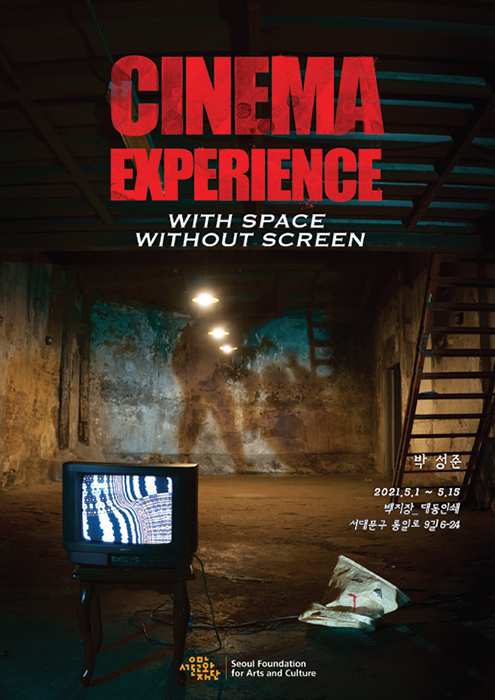
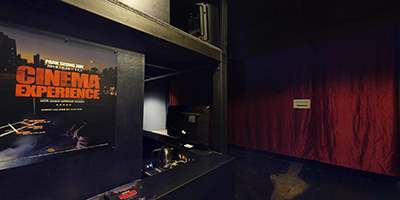
Rather than treating the combination of different genres as an end in itself, PARK makes active use of the ways in which each medium organizes the viewer’s senses and actions. In 《Cinema Experience with Space without Screen》, theatrical space, cinematic direction, moving images, and physical objects coexist so that virtuality and materiality collide within the same environment, an approach that has continued to develop throughout his subsequent interactive installations.
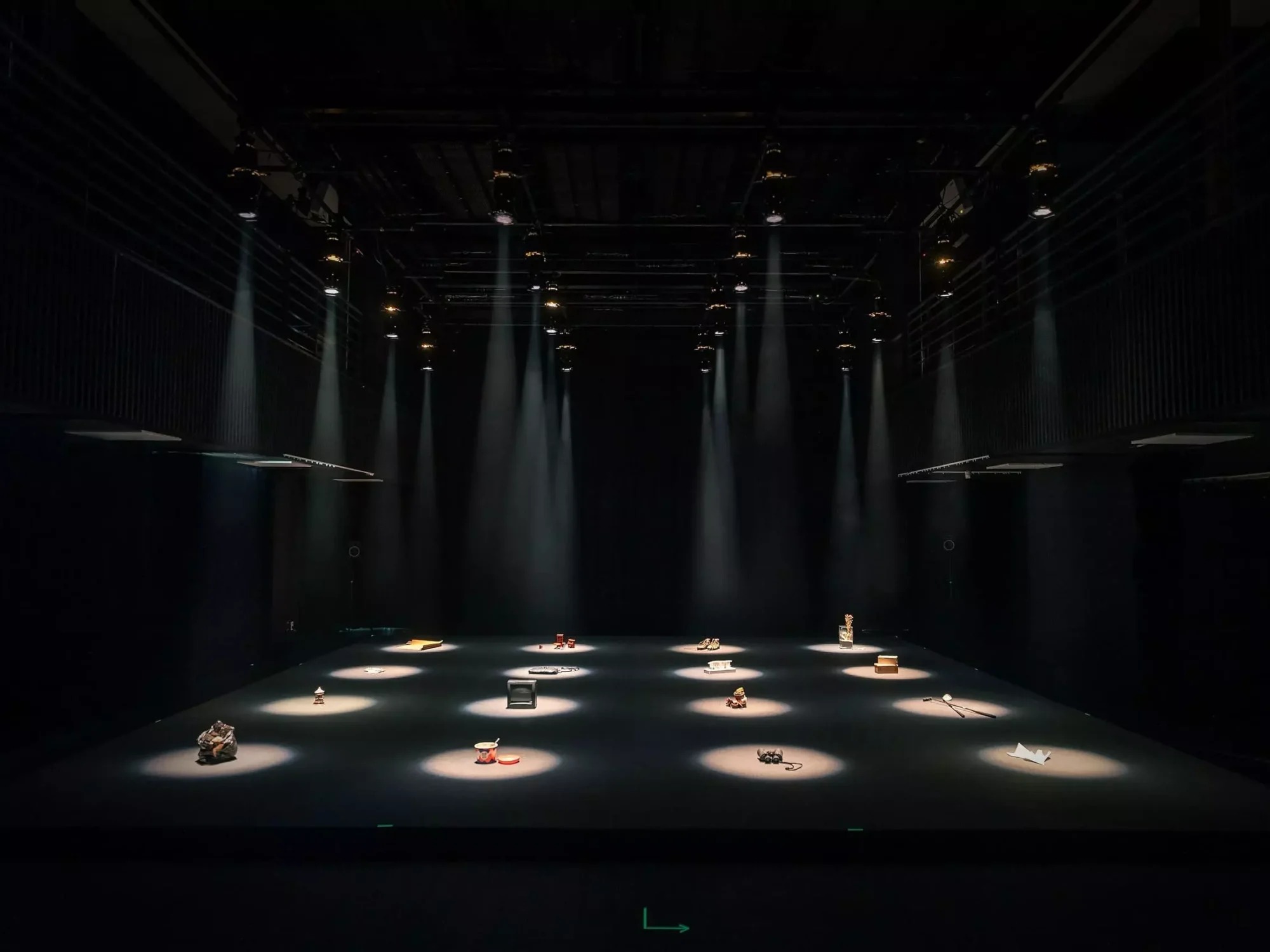
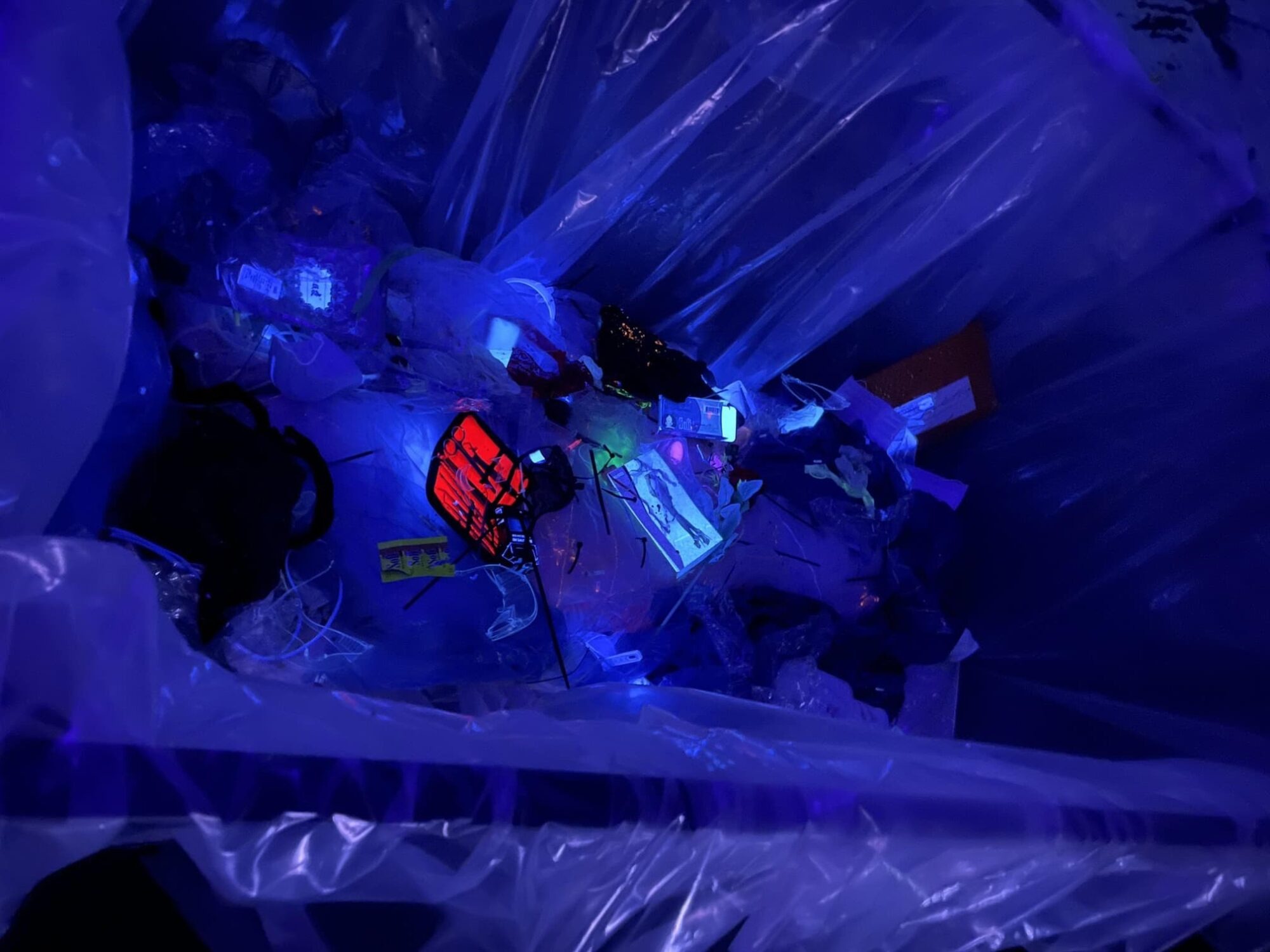
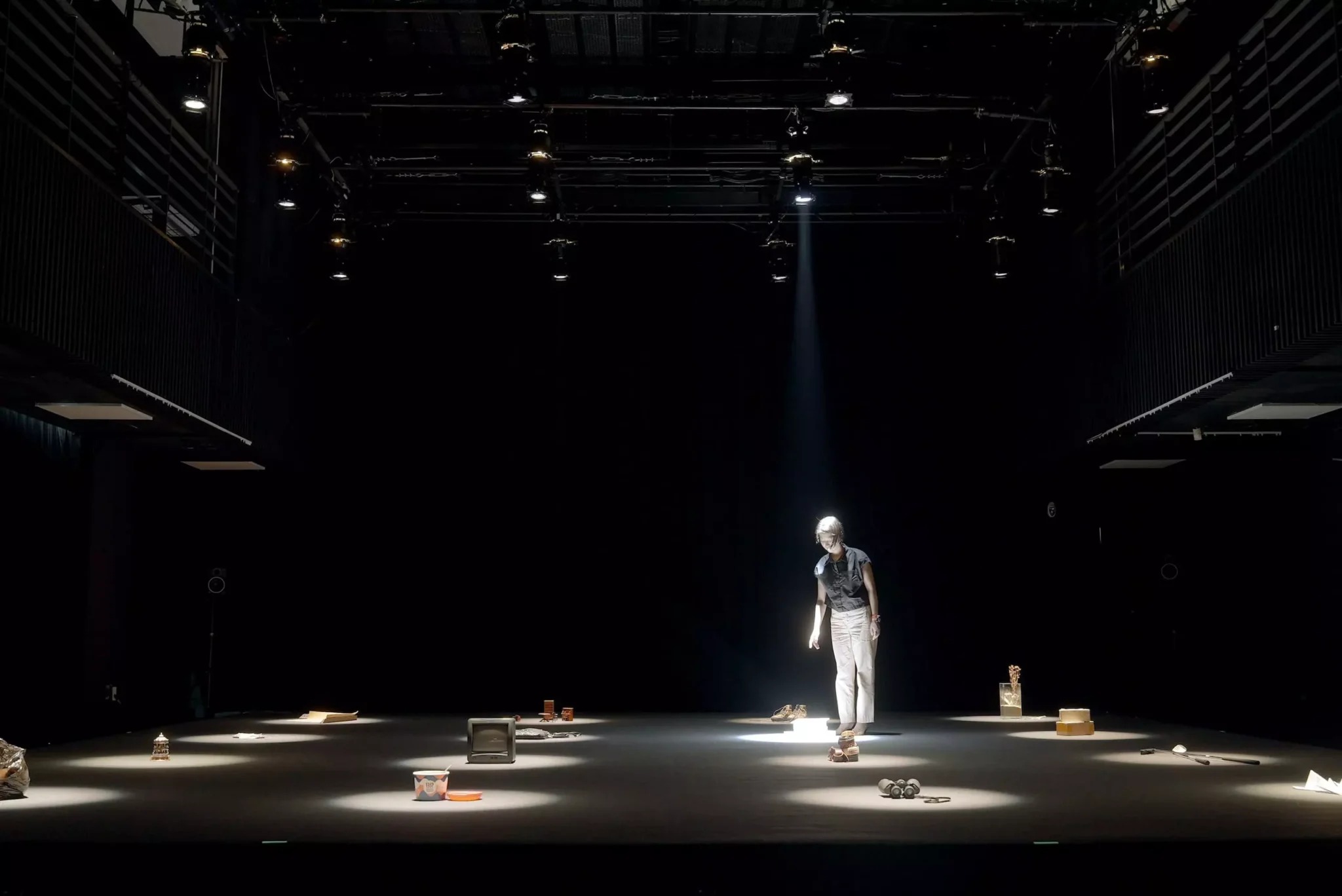
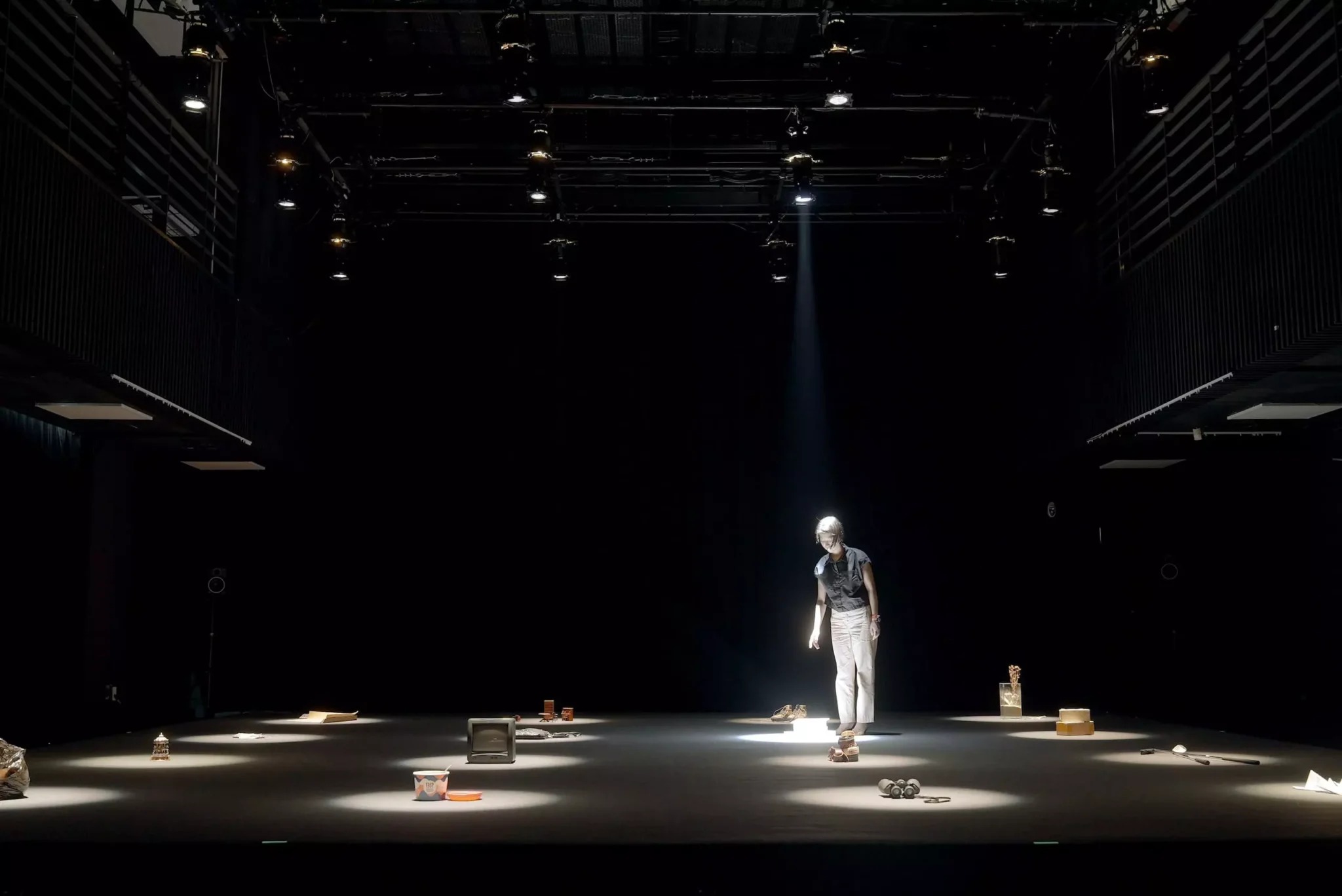
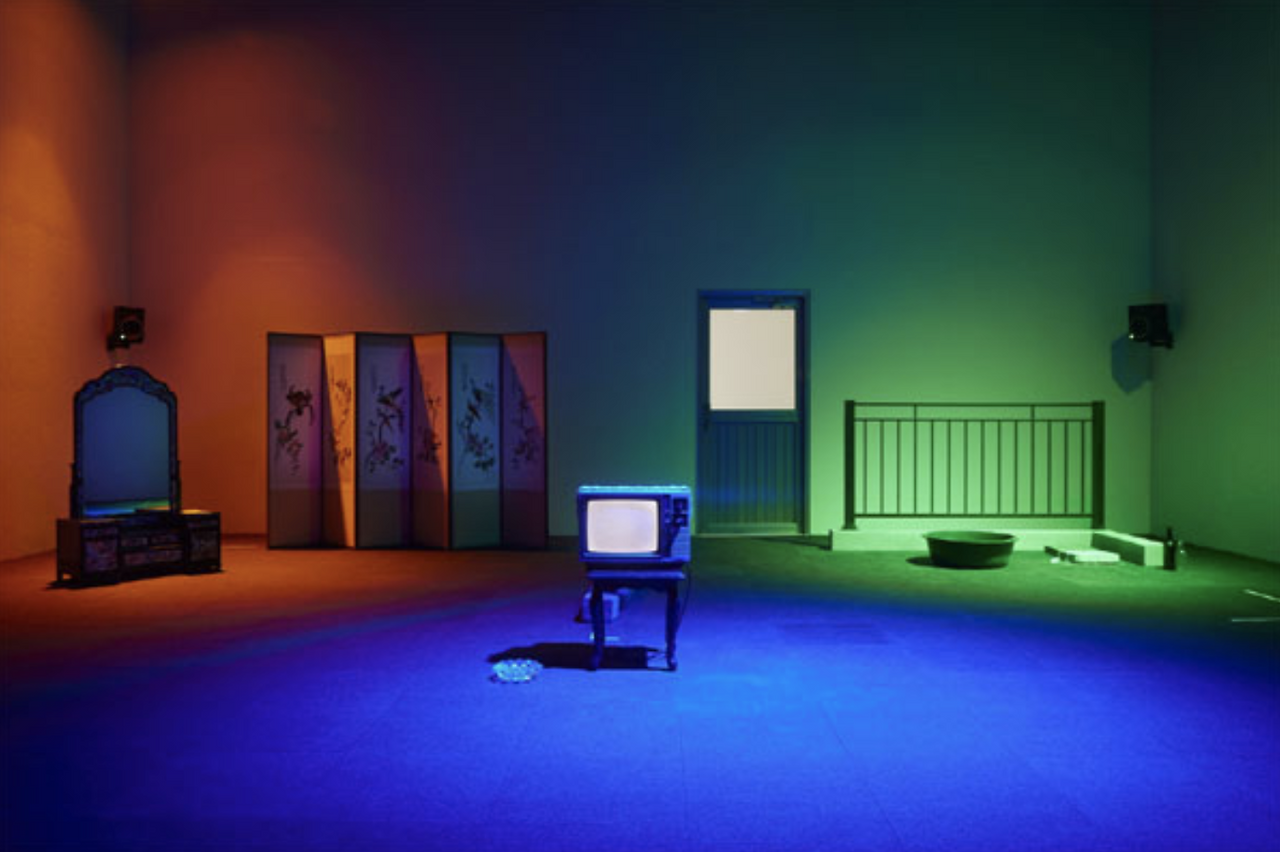
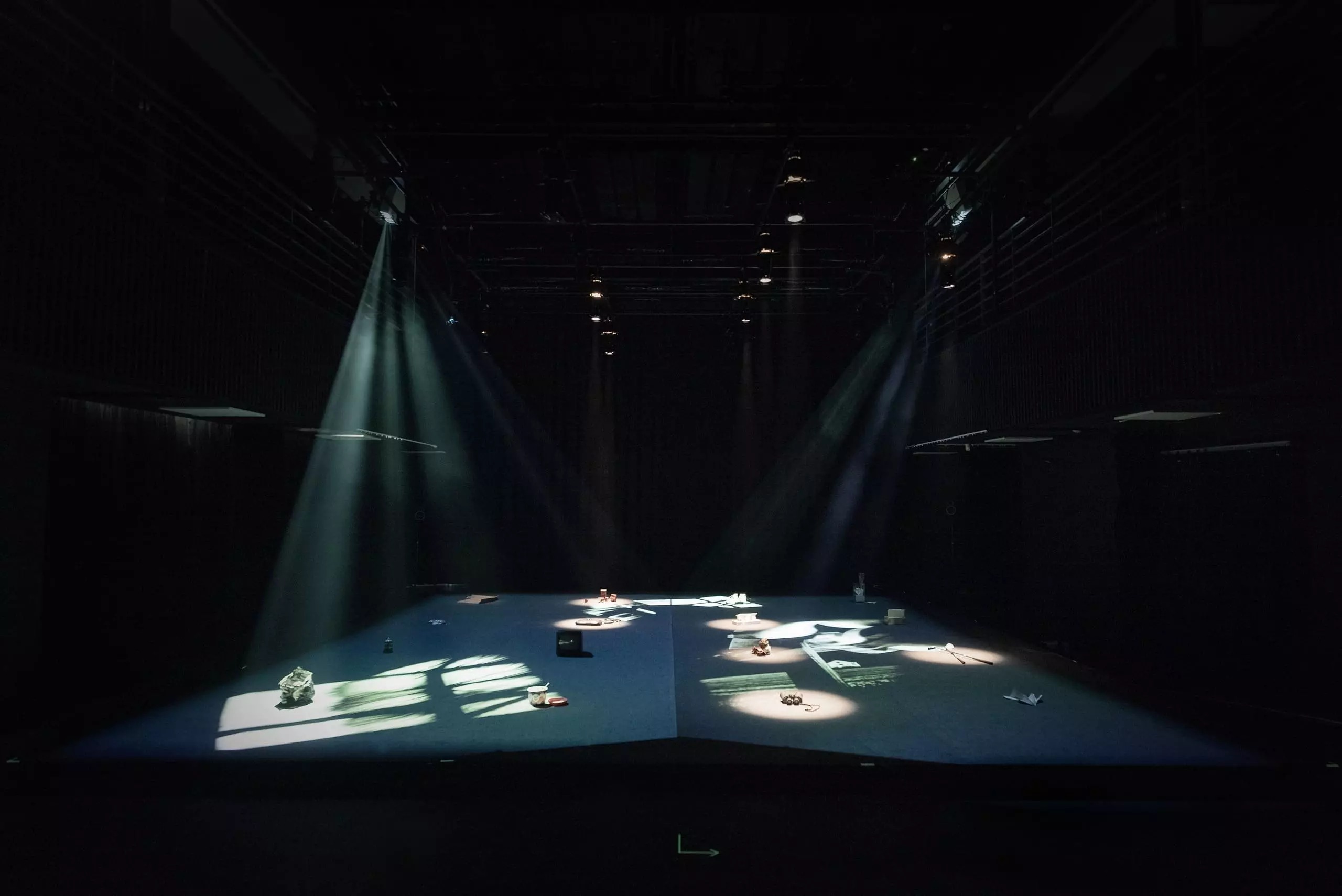
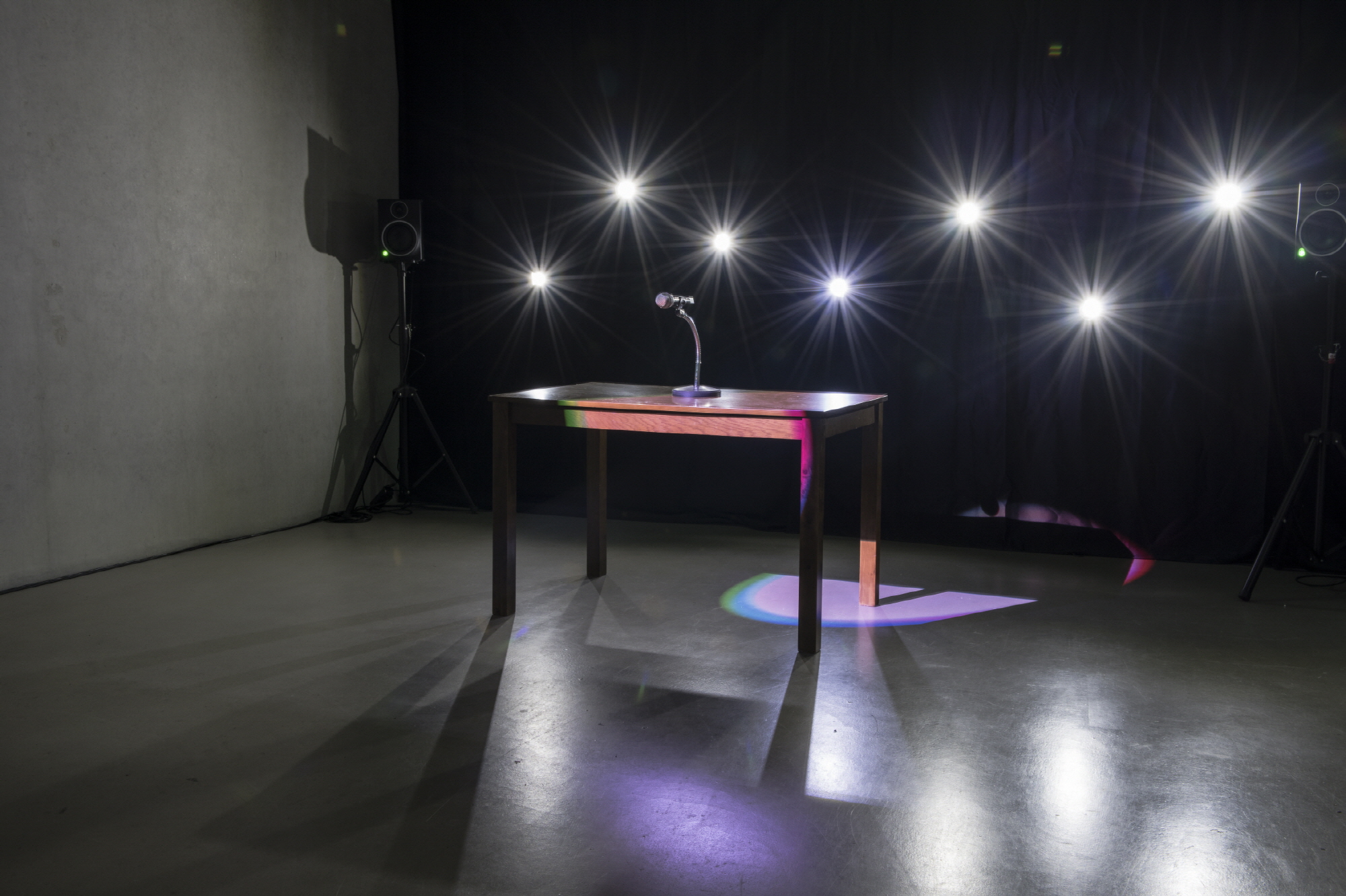
The spaces in PARK’s works often evoke film sets or performance stages, yet they do not remain passive backgrounds for viewing. Objects, sensors, projections, speakers, and lighting respond to the viewer’s movement, continuously altering the conditions of the space. In Patho-, familiar everyday objects are arranged in a 4×4 grid inside a black box, while sensors activate sounds as viewers move among them.
Words, everyday noises, light, and shadows function as cues that evoke different scenes rather than completing a predetermined story. Encountering these cues along their individual routes, viewers recombine fragmented information and construct their own scenes and narratives.
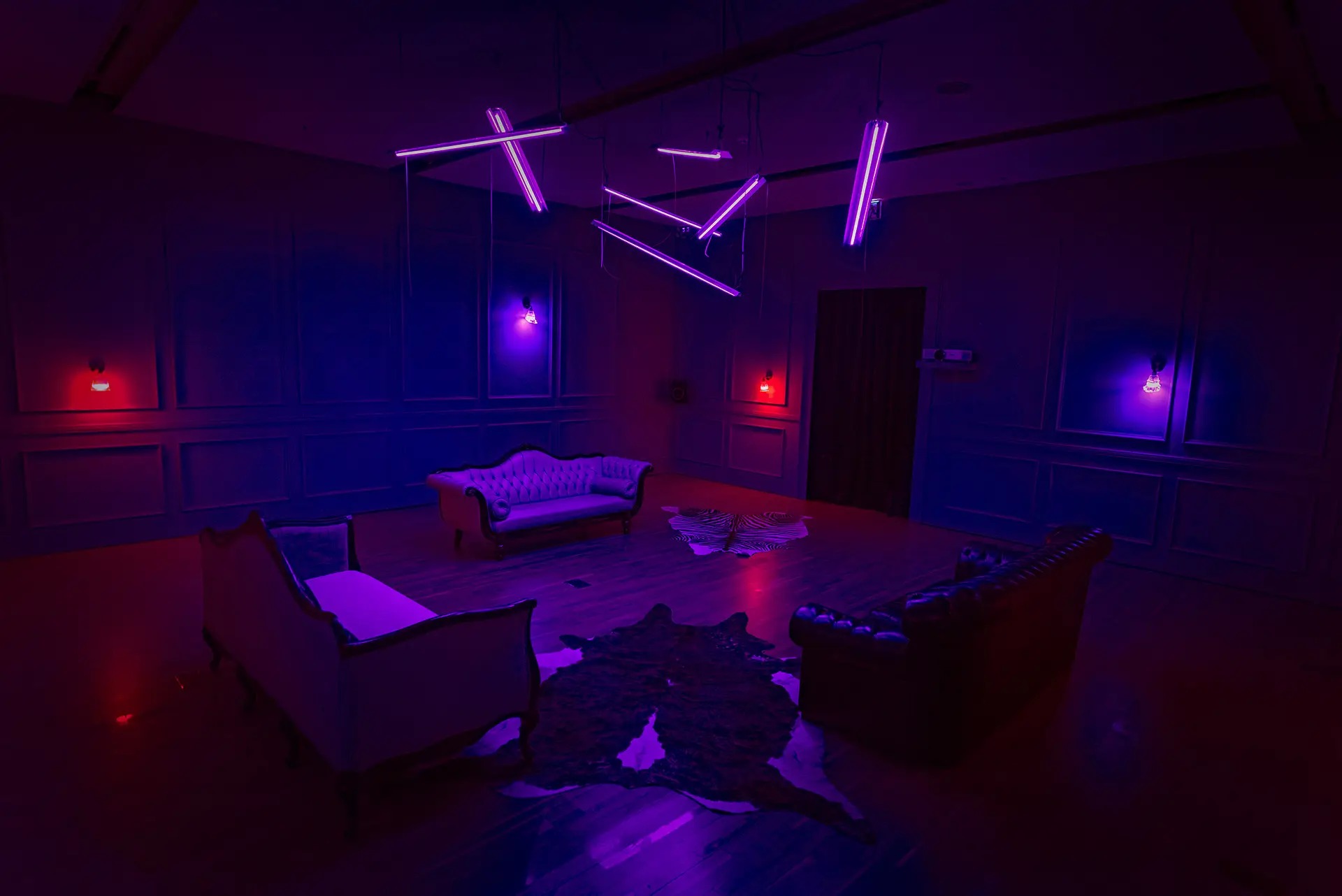
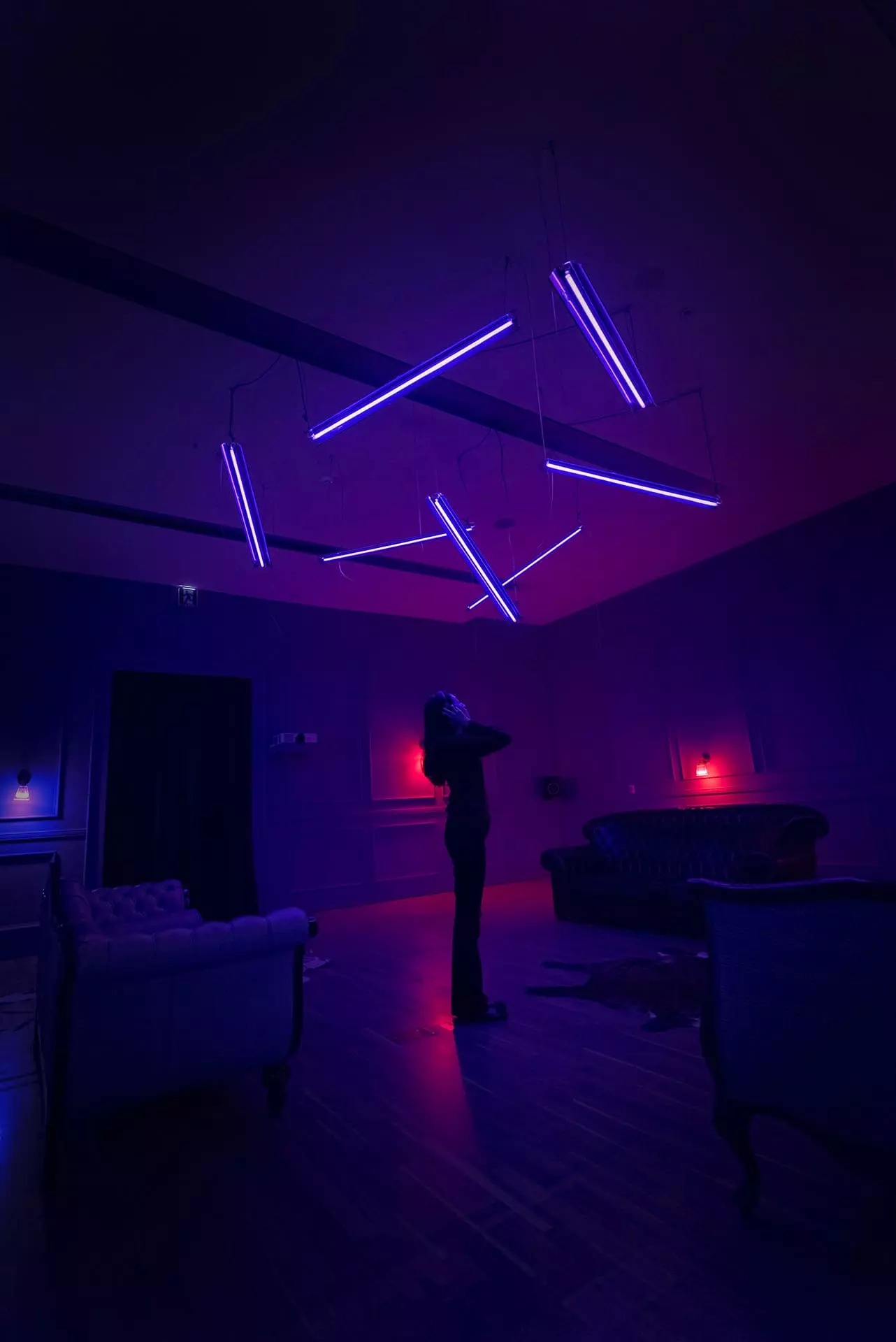
Sound is a significant formal material through which PARK structures narrative. In #Tribunalism, fragments of everyday conversation, clichés familiar from news and cinema, and voices recalling testimony in trials or hearings are segmented and repeated through a cinematic mode of editing. Detached from clearly defined speakers and situations, these utterances circulate through the space and generate psychological tension and anxiety.
At the same time, concrete material elements such as sofas, wall decoration, and lighting establish an environment resembling a film set, placing the viewer’s actual body within a fictively constructed scene. PARK thus extends principles of cinematic editing beyond moving images to encompass speech, sound, light, objects, and spatial arrangement.
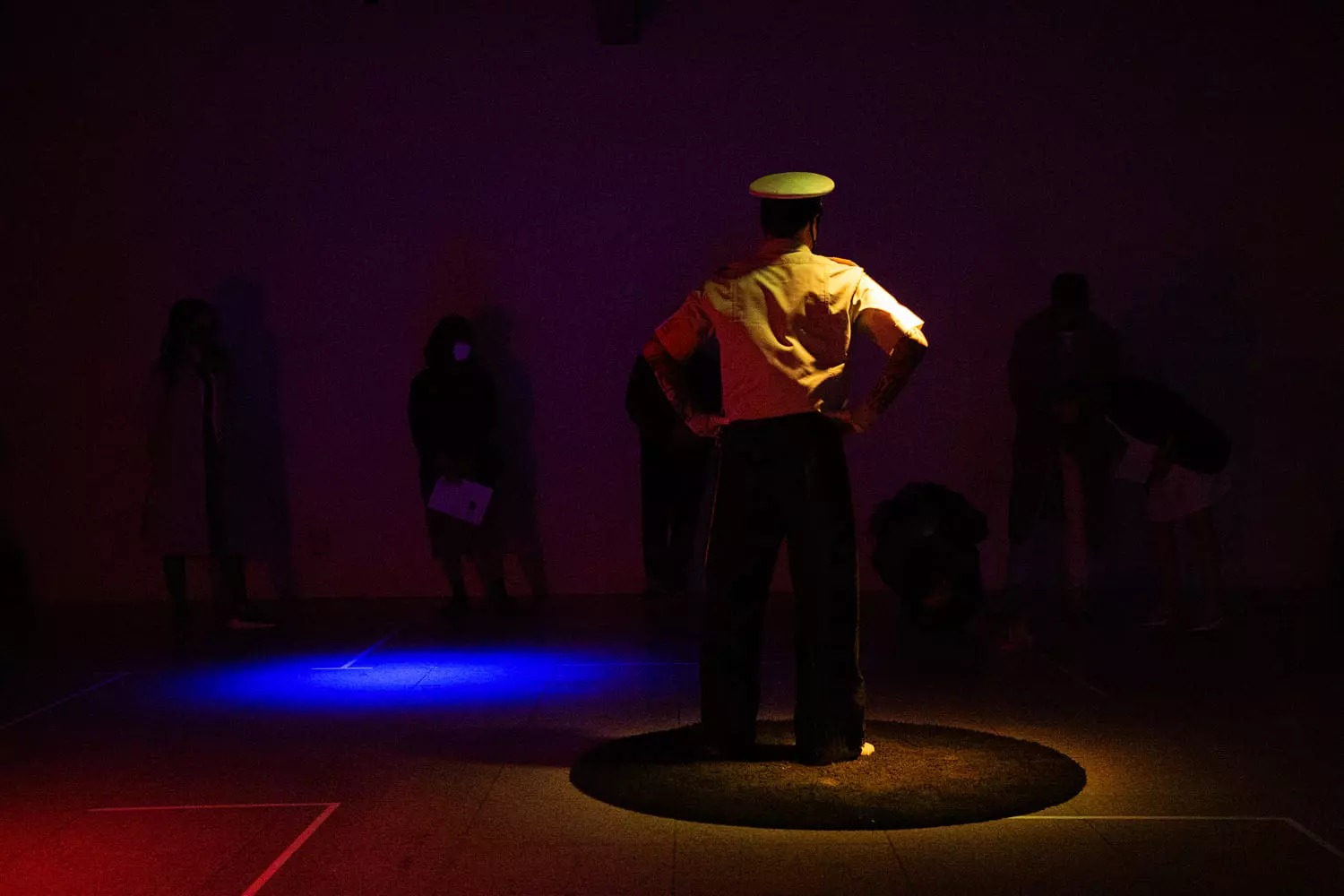
Modes of spectatorship also play a determining role in the form of PARK’s works. Rather than positioning viewers at a fixed point before the work, he invites them to move through spaces, activate devices, and participate in the construction of scenes. 《Cinema Experience with Space without Screen》 could be experienced through a physical exhibition space as well as Instagram and a website, creating distinct conditions of spectatorship across physical and online environments.
Online, viewers could select viewpoints and routes, while in the physical exhibition their experience was shaped by darkness, architectural conditions, and the movements of others. In PARK’s practice, form therefore remains responsive to the conditions in which the work is encountered, with content and experience shifting according to where viewers move and what they see and hear.