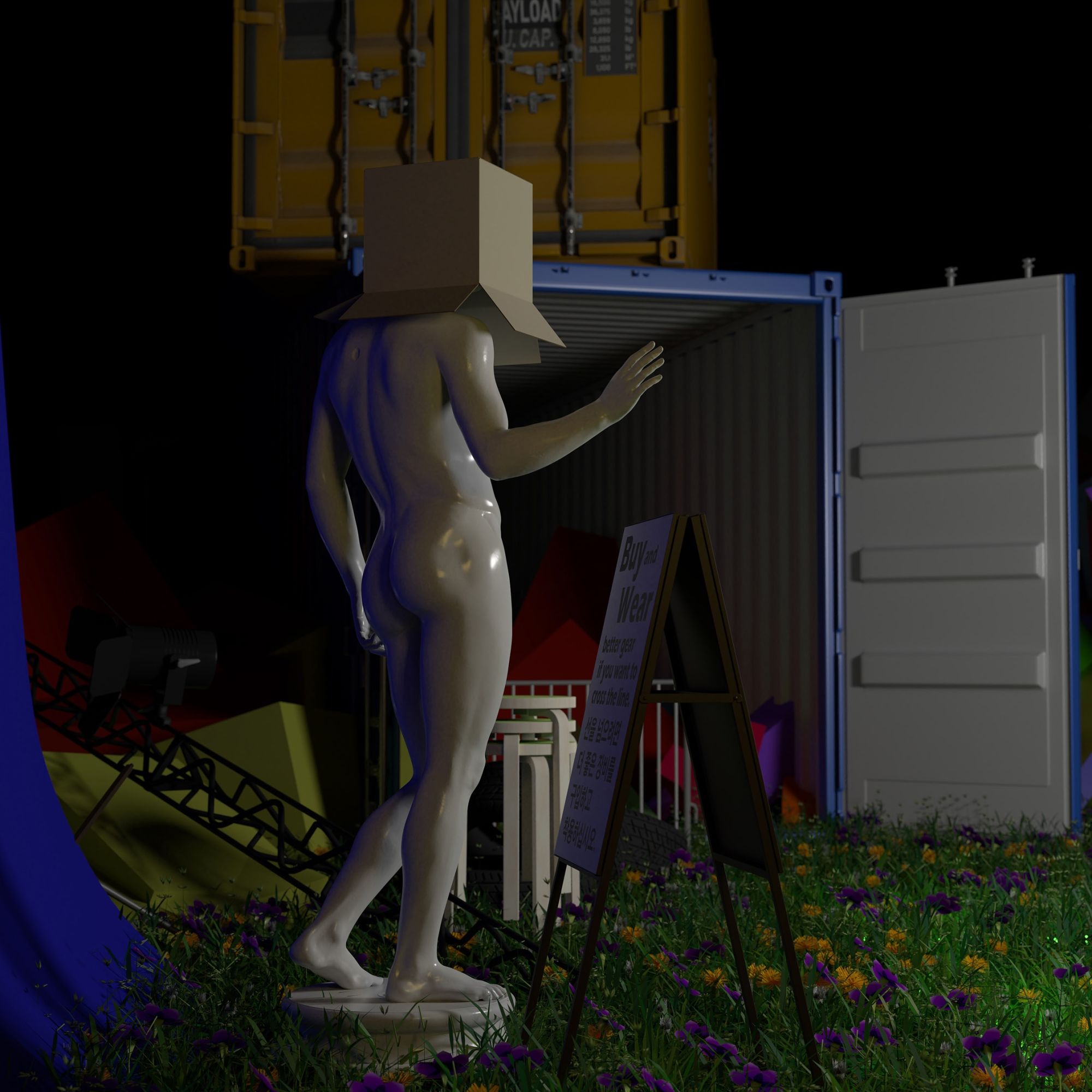
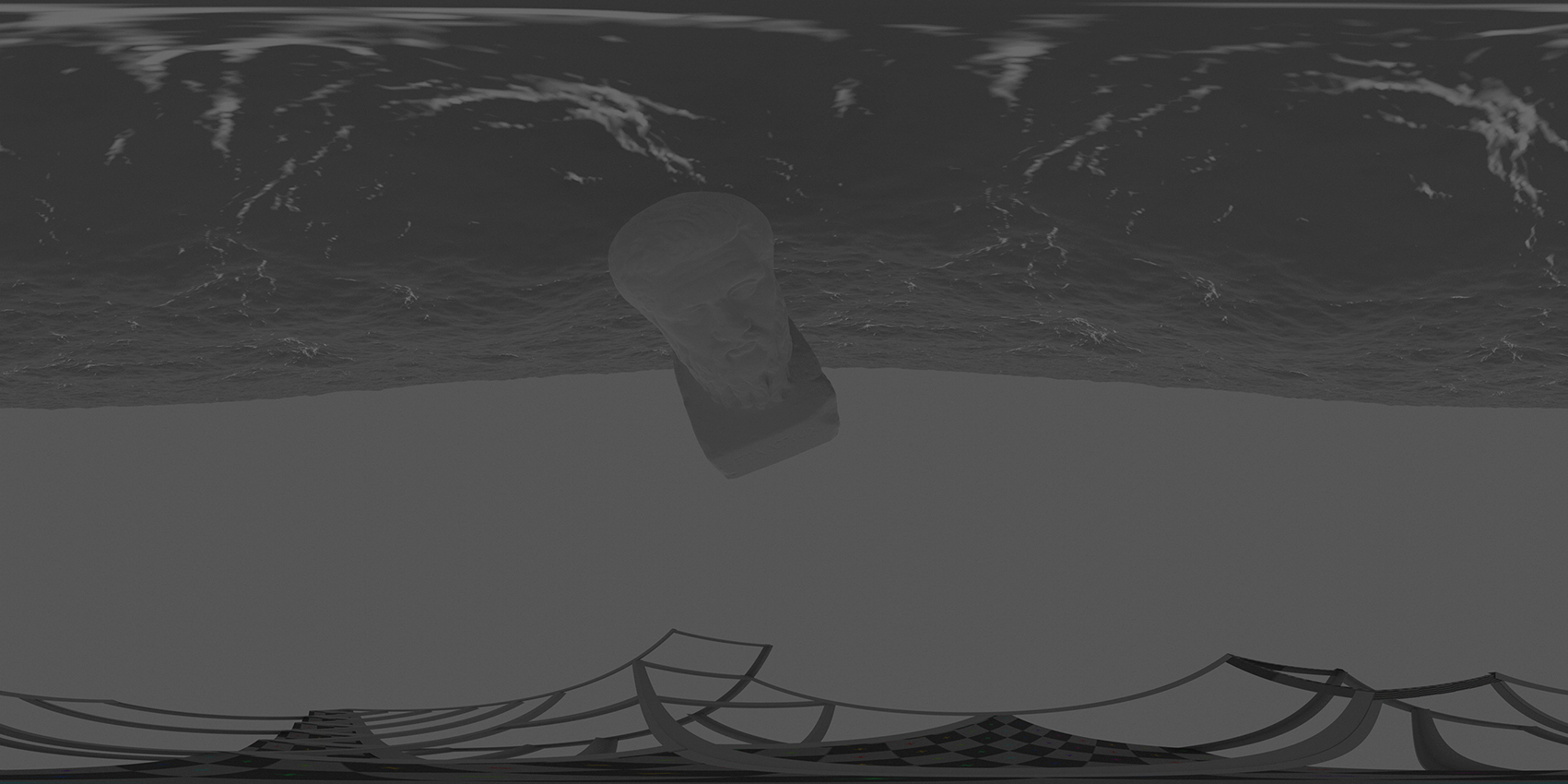
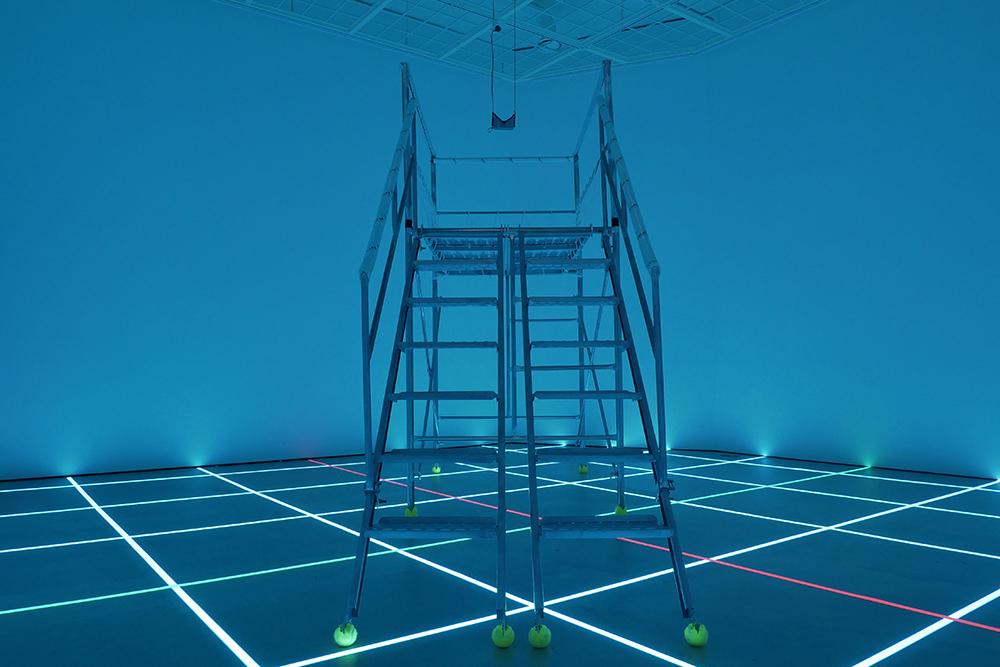
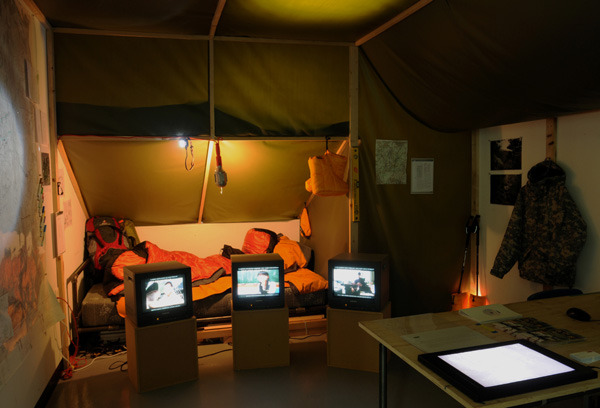
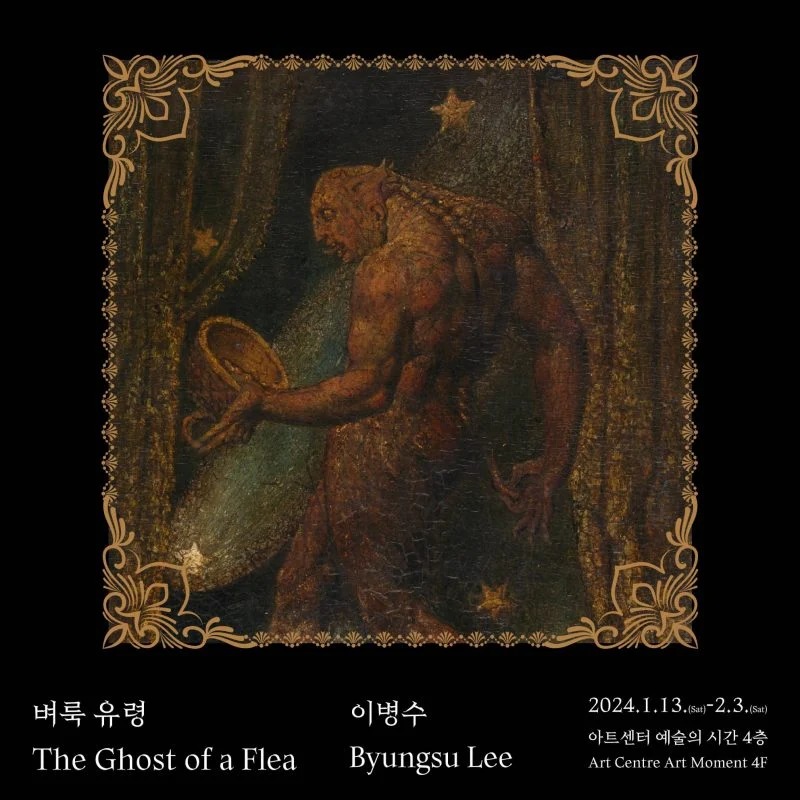
Poster image of 《The Ghost of a Flea》 © Art Centre Art Moment

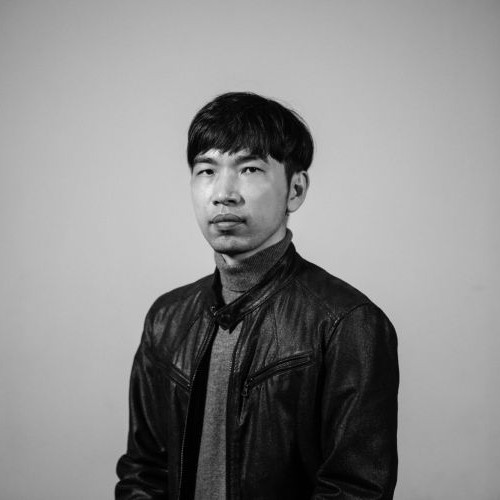
Byungsu Lee’s practice is grounded in site-specificity and extends toward an expansion of perception and thought. Combining distinctive impressions that emerge from real or imagined places with abstract concepts and historical ideologies embedded within them, the artist creates multiple points of arrival for his work. His practice is constructed at the boundaries where reality and virtuality, fiction and actuality intersect.

In his solo exhibition 《The Ghost of a Flea》, Lee turns his attention to Ports Francs, a freeport located in Switzerland. A site where high-value artworks are traded and stored, it exists in reality yet remains concealed and effectively invisible, accessible only to a select few. Governed by the logic of capitalism, including anonymity of ownership and exemption from customs duties, the site has also transformed artworks into prime investment commodities.
Reduced to the private possessions of the wealthy, these works lose their exhibition value and are stripped of their broader cultural roles and functions. Lee surveys the landscape of contemporary art cast under the shadow of an extreme capitalist system and presents the collisions among the values found within it.

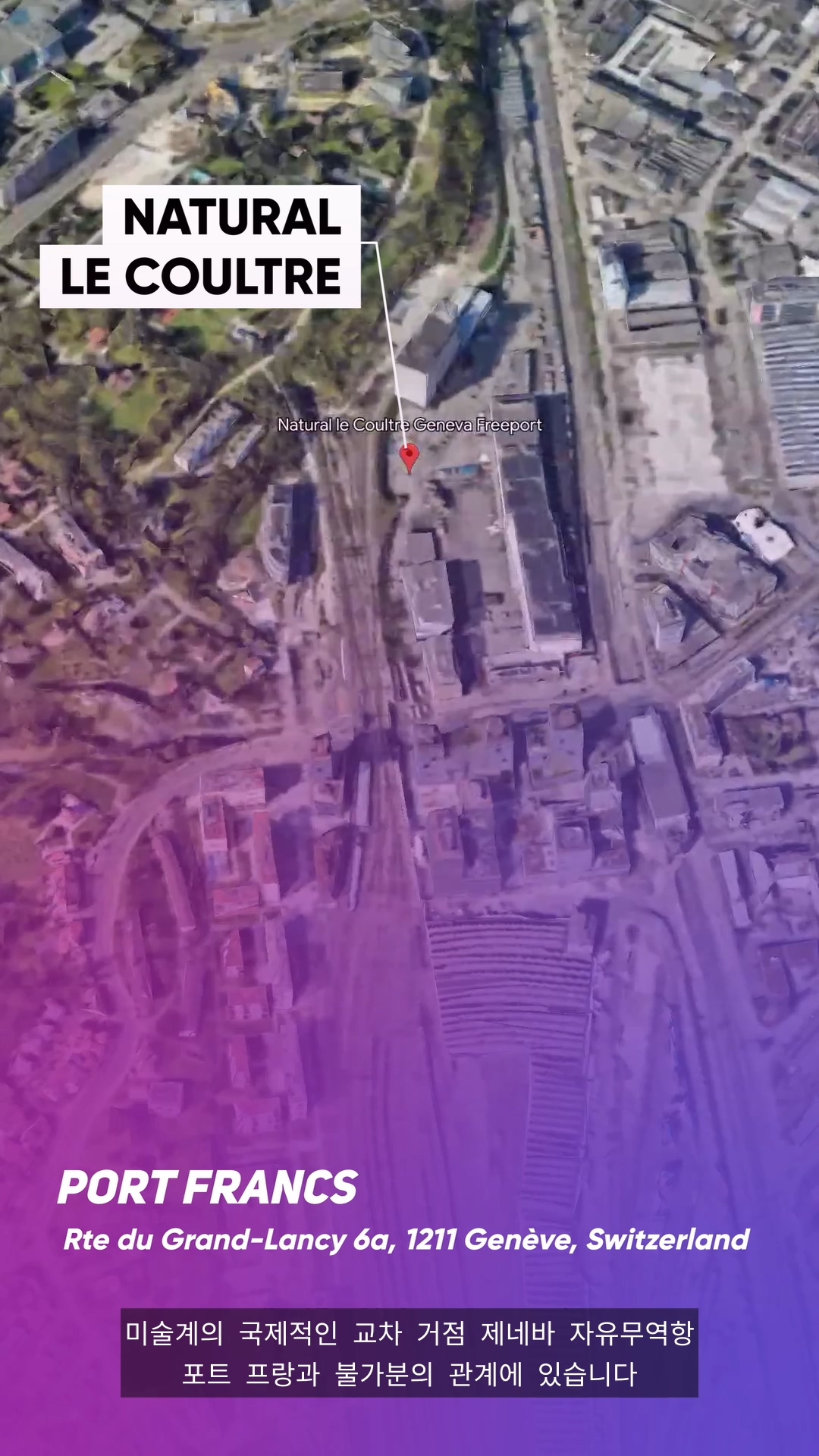
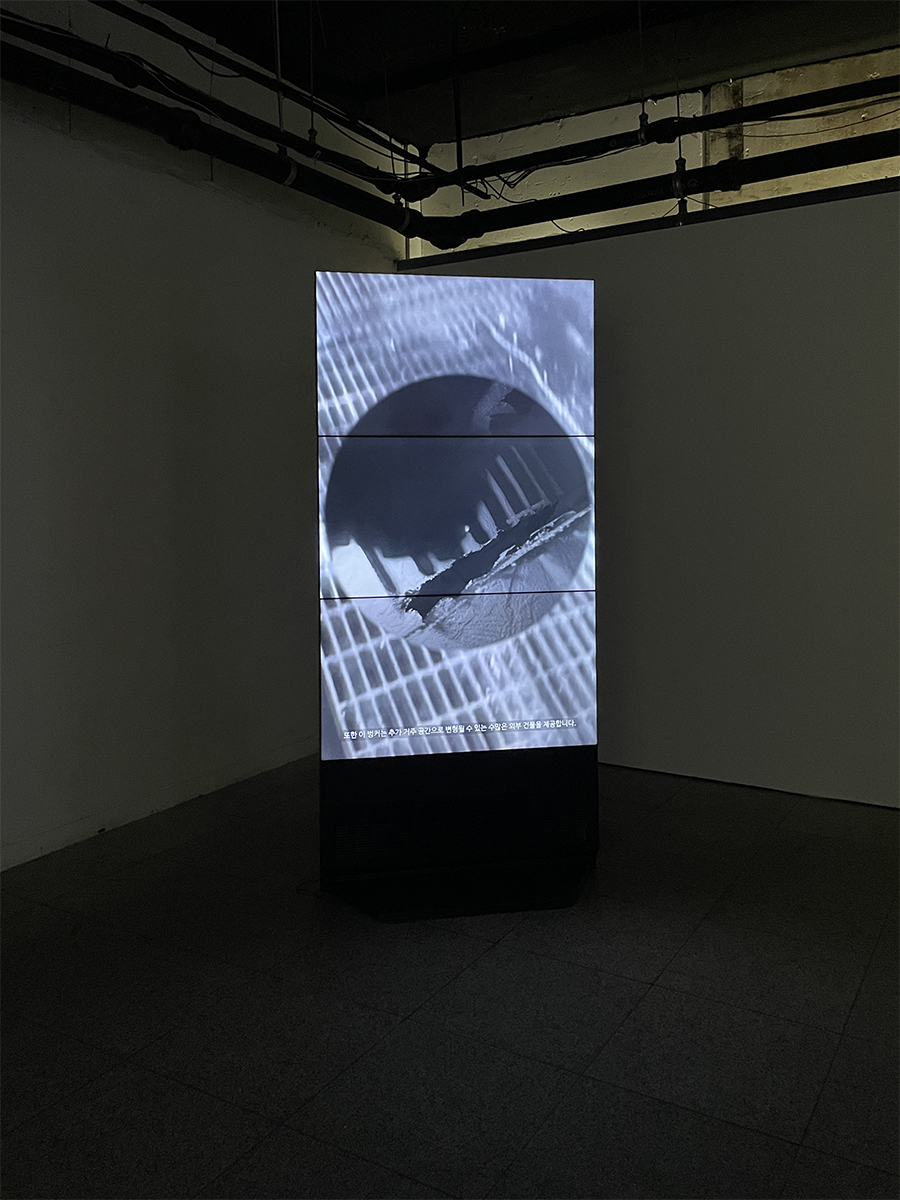
The exhibition 《The Ghost of a Flea》 opens with a restrained yet captivating video. The video work Welcome to the Freeport is a fictional promotional film based on information about Natural Le Coultre, a company specializing in the transportation and storage of artworks. This “delivery company” provides every service required for the safe transport of ultra-luxury artworks.

Its most distinctive feature is that clients’ storage facilities are located within a free trade zone—that is, Ports Francs. From comprehensive insurance coverage and professional conservation services to climate-controlled storage facilities, its services approach perfection. Most notably, it also provides private showrooms where clients can freely view the works they own.

In this way, Ports Francs establishes a closed system encompassing the storage, viewing, sale, and monetization of artworks. Moreover, as long as the works remain legally classified as being in transit, exemptions from customs duties and value-added tax are offered almost as if they were special privileges. Natural Le Coultre thus proposes an “indefinite delay” in the transportation of artworks.

Through their “public promotional video,” despite the fact that they are in no way oriented toward “the public,” Lee lucidly exposes how today’s wealthy capitalize on, possess, and enjoy works of art.


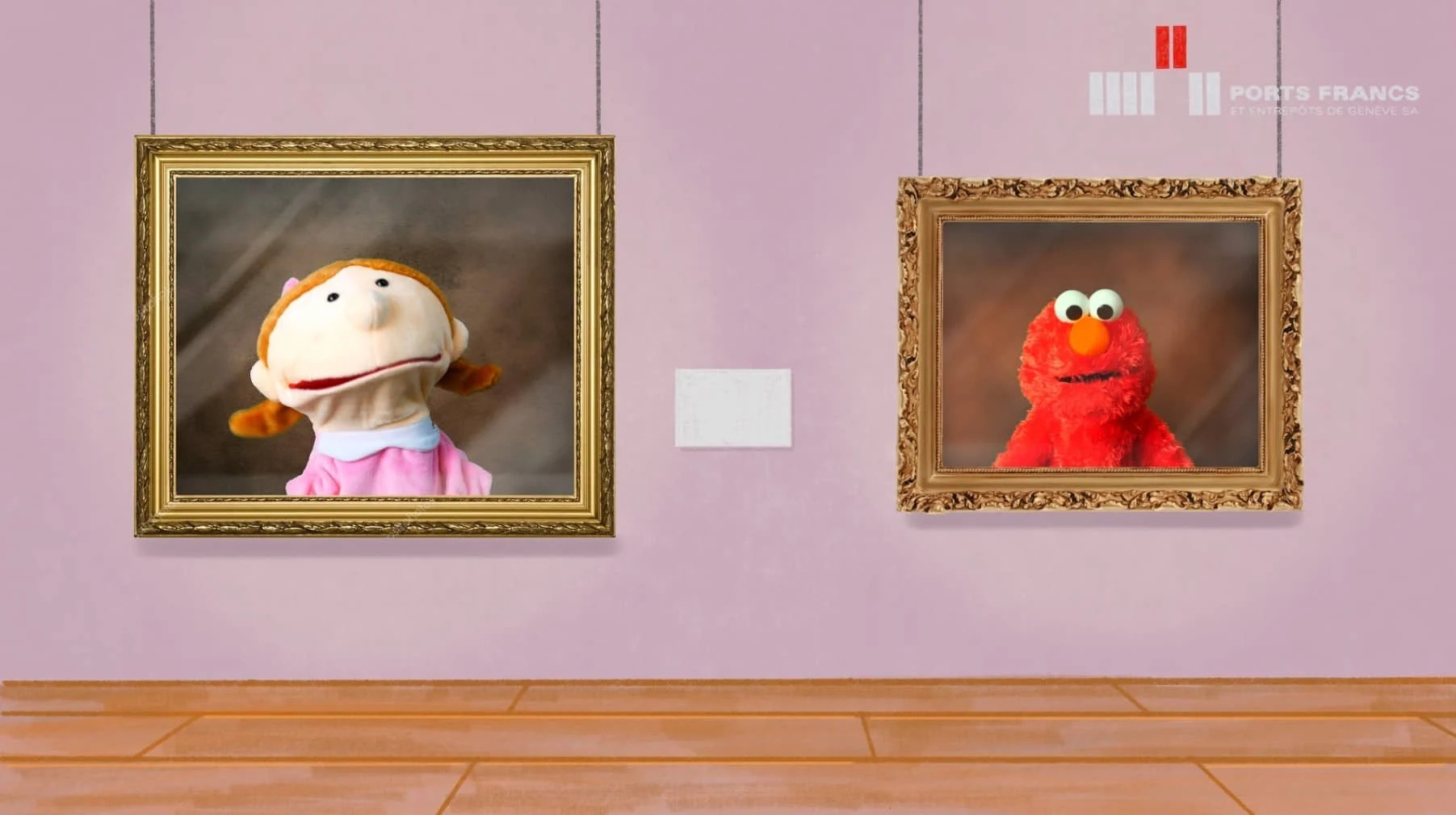
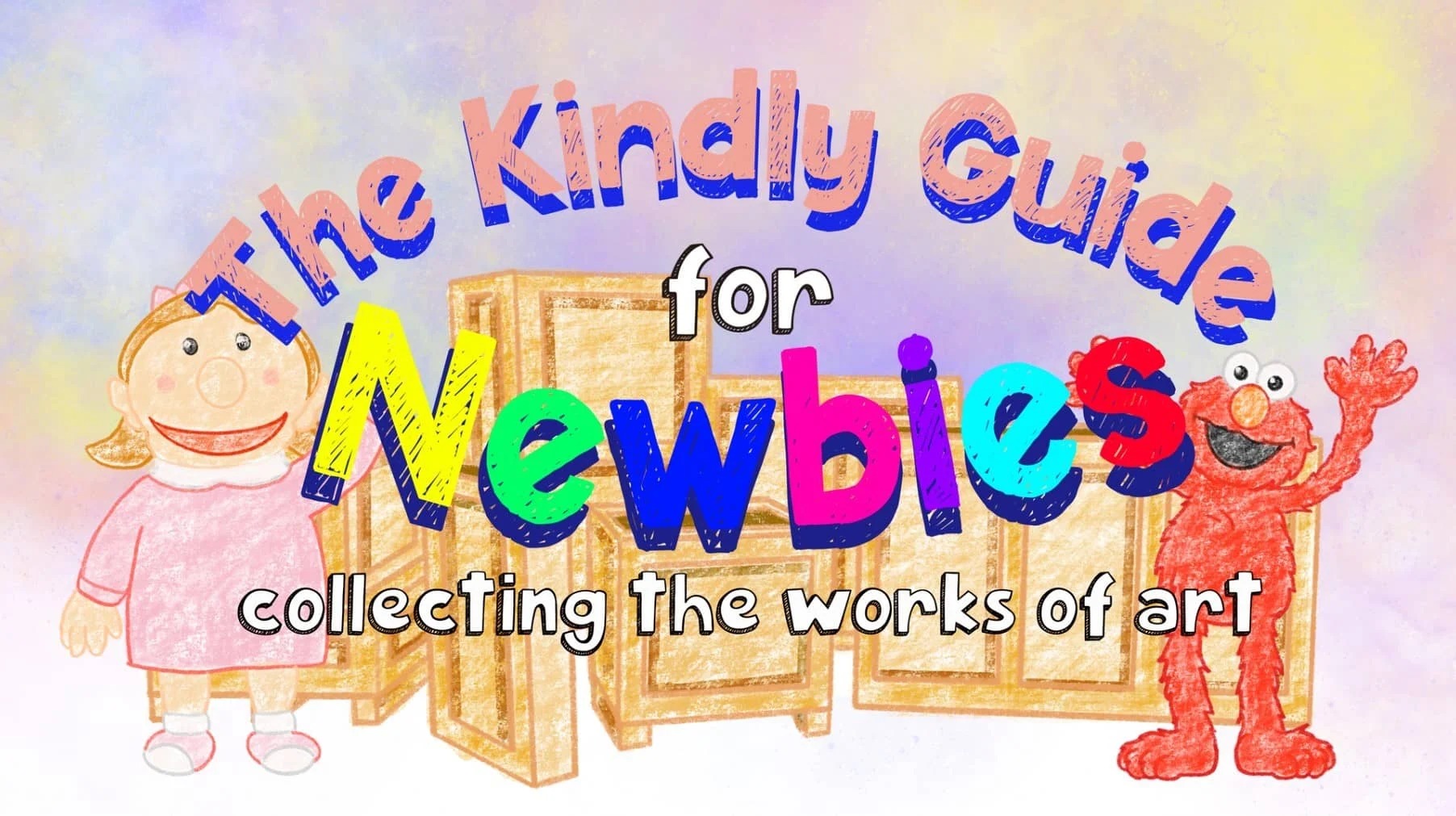
Byungsu Lee, The Kindly Guide for Newbies Collecting the Works of Art, 2024, Single-channel video, color, sound, 21 min © Byungsu Lee

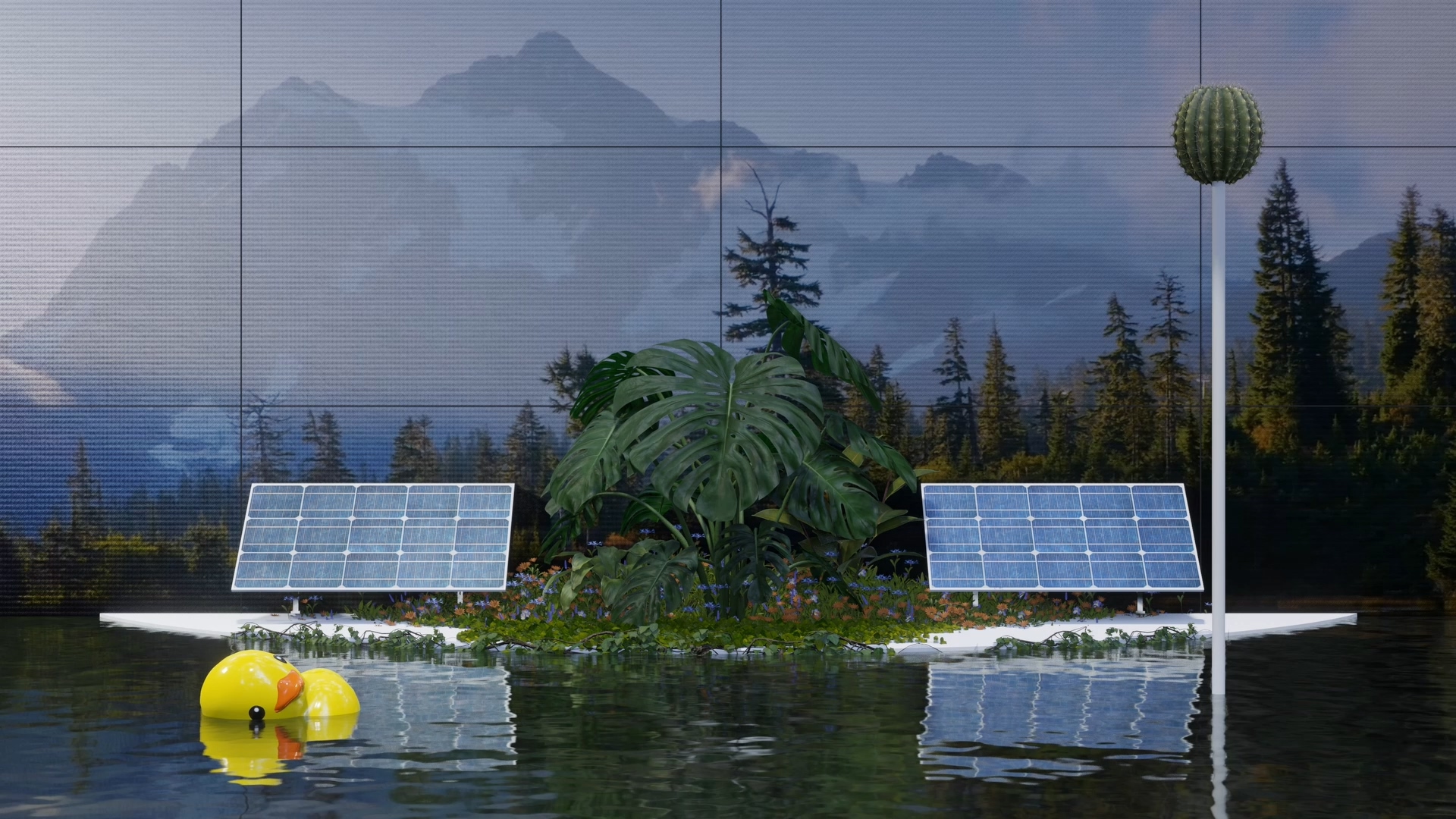
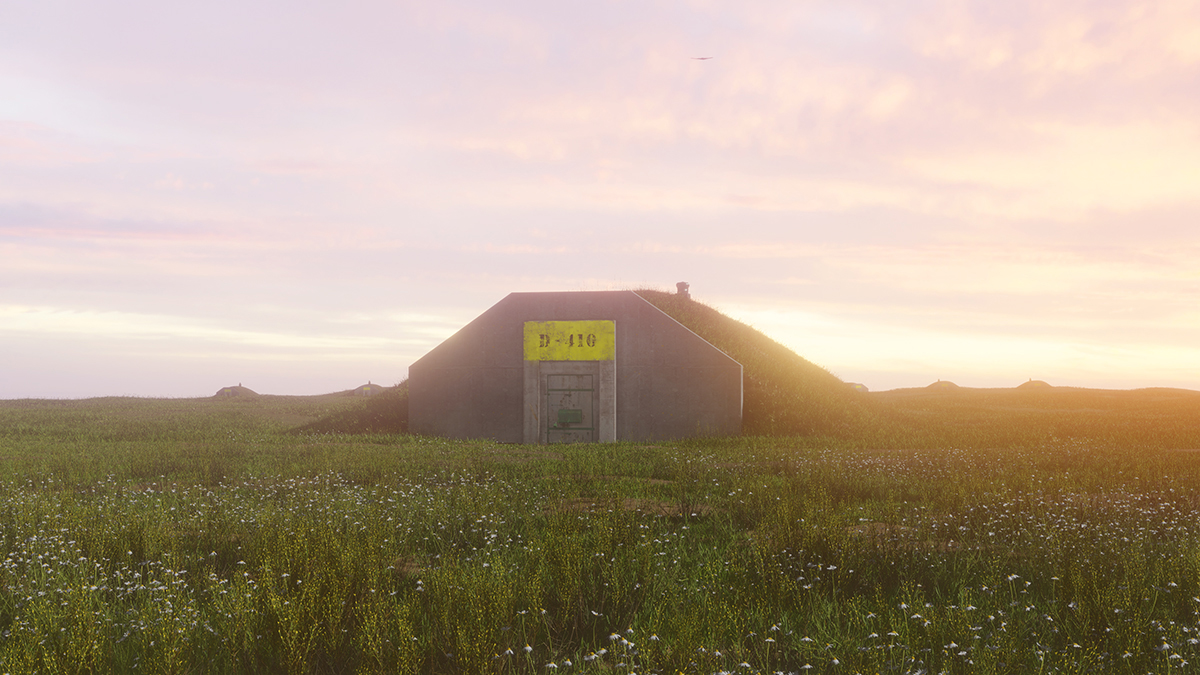
A place where 80 million dollars becomes 120 million, only to be revised again to 450 million, Ports Francs guarantees the easy accumulation of capital, with aesthetic appreciation offered almost as a bonus. The value of Ports Francs is proven through numbers. The Kindly Guide for Newbies Collecting the Works of Art emphasizes the value of owning and investing in art through an accessible, beginner-friendly explanation.

The tens of thousands of works stored there and the history of their astronomical price increases serve as evidence of contemporary art’s subordination to global capitalism. Jane Castleton, who appears as an art dealer, declares that Ports Francs will soon become the largest museum on earth.

In the dialogue between the two characters in the video, Ports Francs is praised through the logic of capitalism—unrestricted ownership, free trade, and profit-making—while at the same time exposing the negative aspects of extreme capitalism, including anonymity, tax havens, and exclusivity. One distinctive feature of the work is that a video aimed at those possessing the greatest wealth and power in the world takes the form of a puppet show for children.

Even allowing for its premise as a beginner’s guide to investing, this exaggerated setup can be read as a satirical portrayal of major capitalists who make foolish judgments and misguided choices according to biased standards of value.

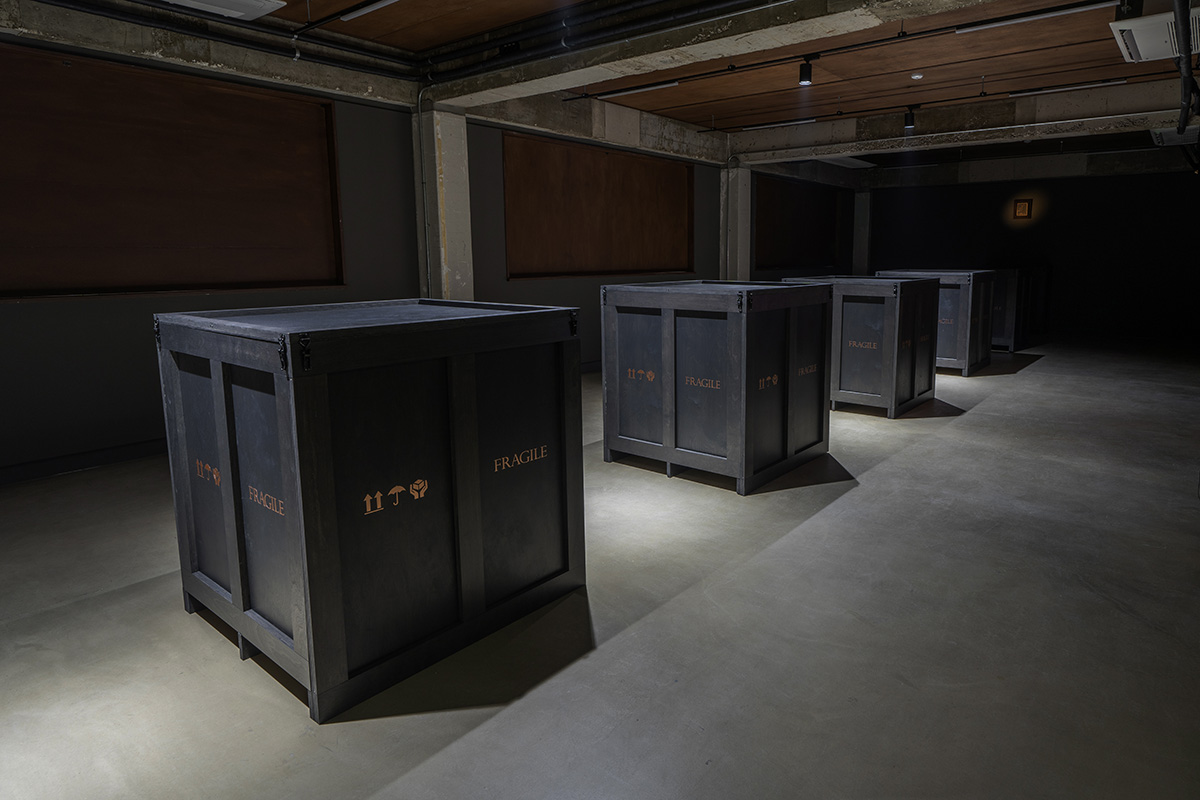
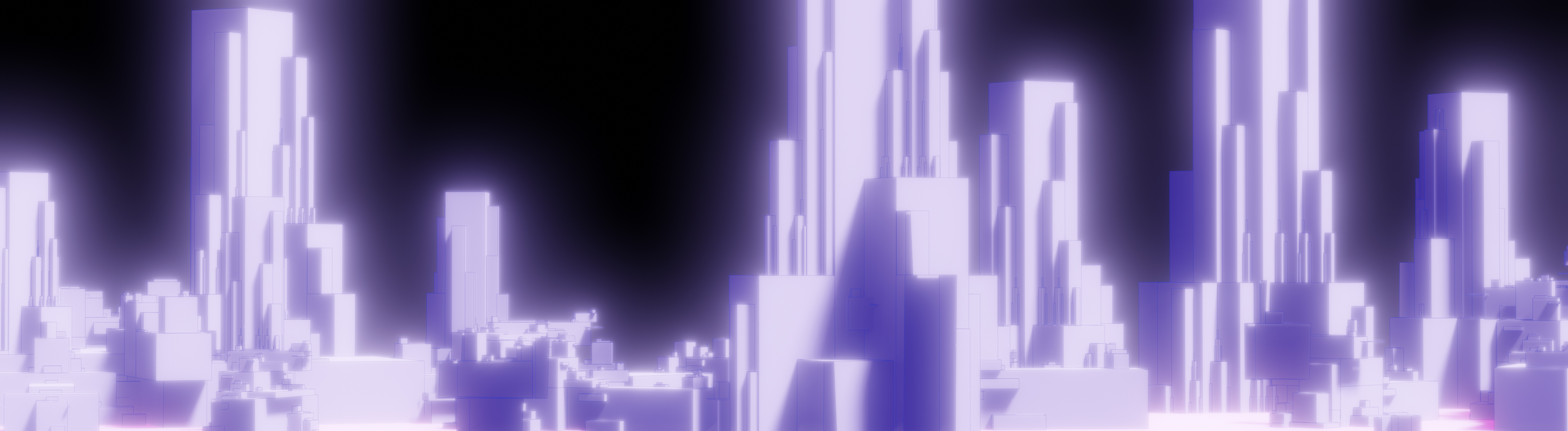
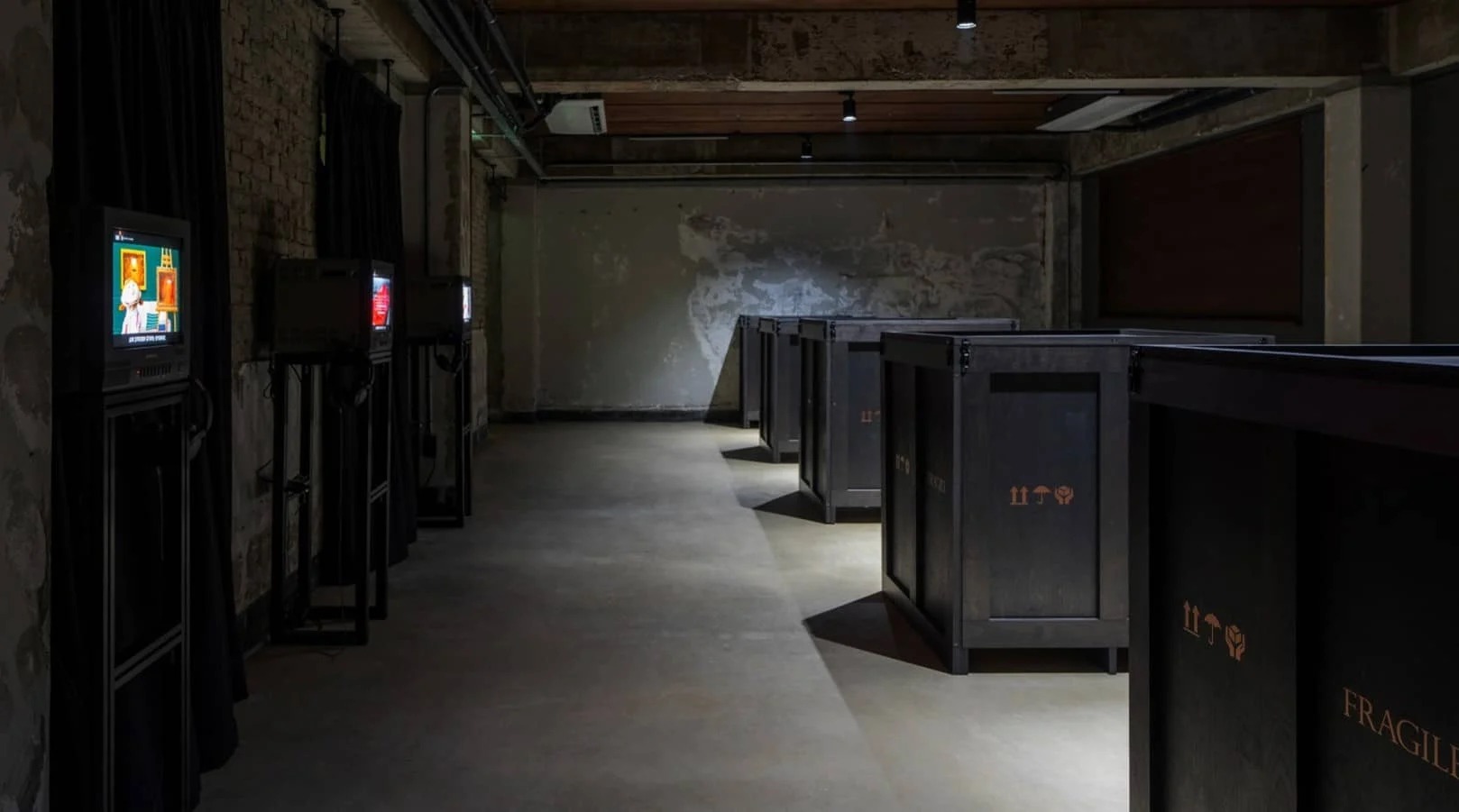
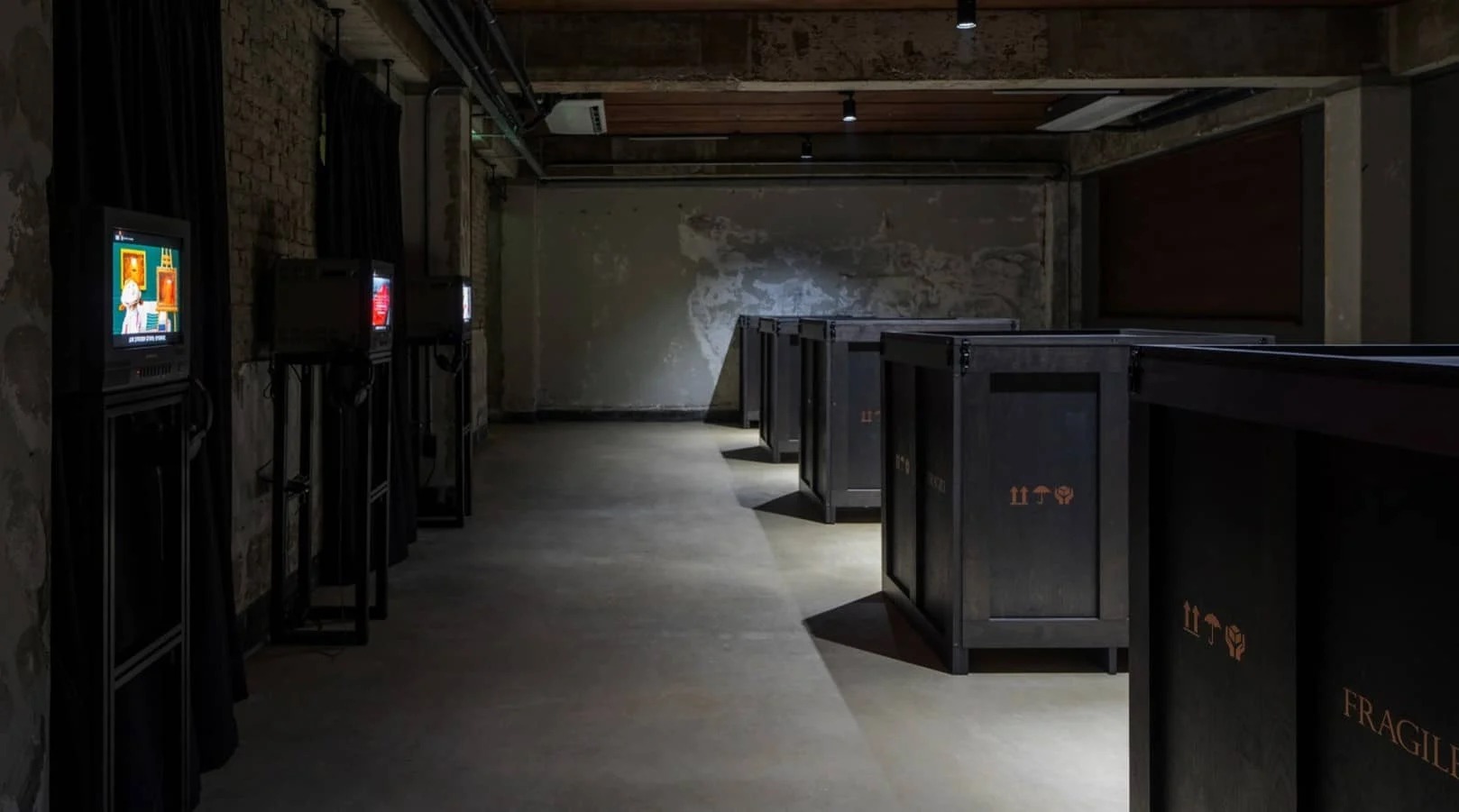
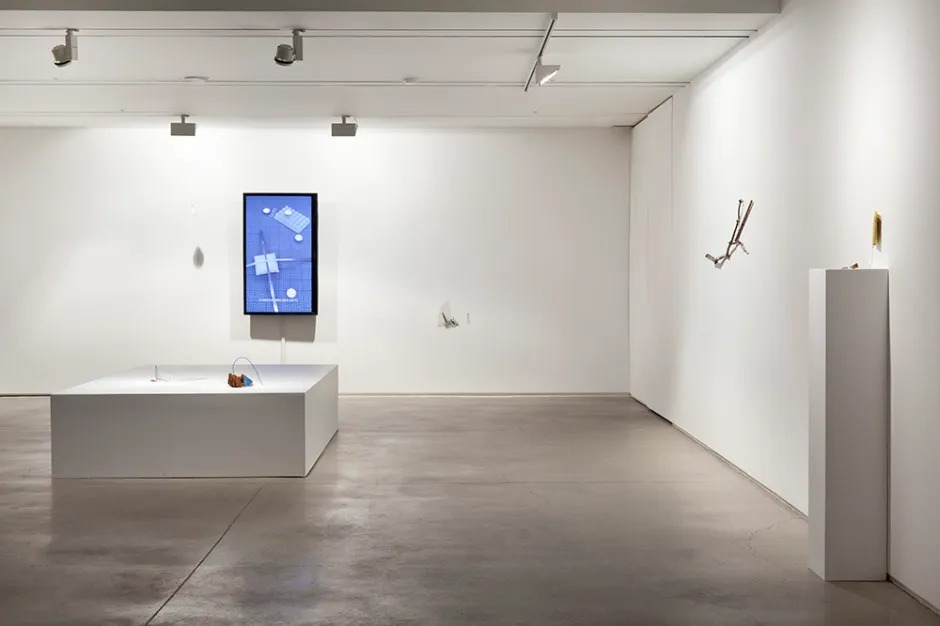
Through the preceding, friendly guide, we have learned about the investment value of artworks and acquired information about Natural Le Coultre, which will lead us to Ports Francs. The work Matrix then shows us Ports Francs itself. The exhibition space has been transformed into a vast warehouse, where luxurious wooden crates are neatly arranged in rows.

The procession of crates extending beyond the gallery walls visually suggests that the space in which we stand is part of Ports Francs, where tens of thousands of artworks are stored. The works remain quietly sealed inside the crates, serving only as faithful instruments of capital for their owners. Here, we can expect neither the exhibition value of artworks nor any humanistic interpretation or formation of cultural discourse.

Matrix
makes visible the intrinsic meanings that art loses when it is converted into capital. The Wunderkammer, a precursor to the modern museum, was a space where European royalty and aristocrats stored rare objects collected from around the world and displayed them privately, functioning as a symbol of wealth, power, and privilege.

Today’s Ports Francs evokes this early modern Wunderkammer. The status-based society of the past and the contemporary capitalist era form an uncanny symmetry.


Installation view of 《The Ghost of a Flea》 © Art Centre Art Moment

Ports Francs asserts the legitimacy of capital-oriented values while simultaneously obscuring other values as secondary. This subtle orchestration lies at the very foundation of Ports Francs, operating discreetly yet powerfully. Rather than offering a detailed explanation, the artist symbolically reveals the force directing this system through a single classical work. Overlooking the seemingly endless landscape of Ports Francs is The Ghost of a Flea.

With protruding eyes, a darting tongue, and a muscular, naked body that appears fused with reptilian features, the grotesque figure recalls a monster or a small demon. As a personification of the flea—a parasite that survives by sucking the blood of living creatures—the figure wanders in search of something to devour, holding a bowl of blood in one hand and a thorn in the other.

A symbol of impurity and corruption, it serves as a warning against greed and obsession. Indulgence in capital and the limitless desire for possession become the driving forces that establish and sustain Ports Francs.

The formation of markets and the emergence of a monetary economy brought individuals independence and freedom, as well as increased mobility and exchange, and enabled the formation and development of diverse social and cultural organizations. This was certainly how it began, and there was a time when everyone envisioned a hopeful future.

Yet, as Thomas Piketty argues, capitalism was born with the fundamental flaw of wealth inequality. According to Piketty, there is no self-correcting mechanism capable of stopping this flaw, and capitalism pushed to its extreme ultimately damages the value of individual existence and the public culture built up through democracy. Georg Simmel had already discussed the loss of value attached to objects and persons within capitalist society.

As he observed, in a world where everything—from labor to social obligations such as fines—can be exchanged for money, money itself becomes an absolute object of pursuit, while everything from tangible objects to intangible concepts is judged according to its investment value. The leveling of value through capital obscures the particularity of individuals and things, yet we often fail to recognize this.

Byungsu Lee transparently presents both the tangible and intangible foundations upon which Ports Francs is built. Through services that facilitate investment in artworks, capitalist logic that advocates the value of ownership and investment, and artworks transformed into capital, he gradually constructs the structure of Ports Francs. The Ports Francs realized by Lee is outwardly clothed in an affirmation of the capitalization of art.

Beneath these dazzling claims, however, the artist prompts us to recognize the loss of individual value that they conceal. This voluntary discovery of irony becomes explicit in the classical work The Ghost of a Flea.

Situated between the visualization of the invisible and the boundary between reality and fiction, the exhibition 《The Ghost of a Flea》 unfolds a discussion of the values that can be addressed within contemporary art—and within our society more broadly—by focusing on the dualities inherent in extreme capitalism.

References