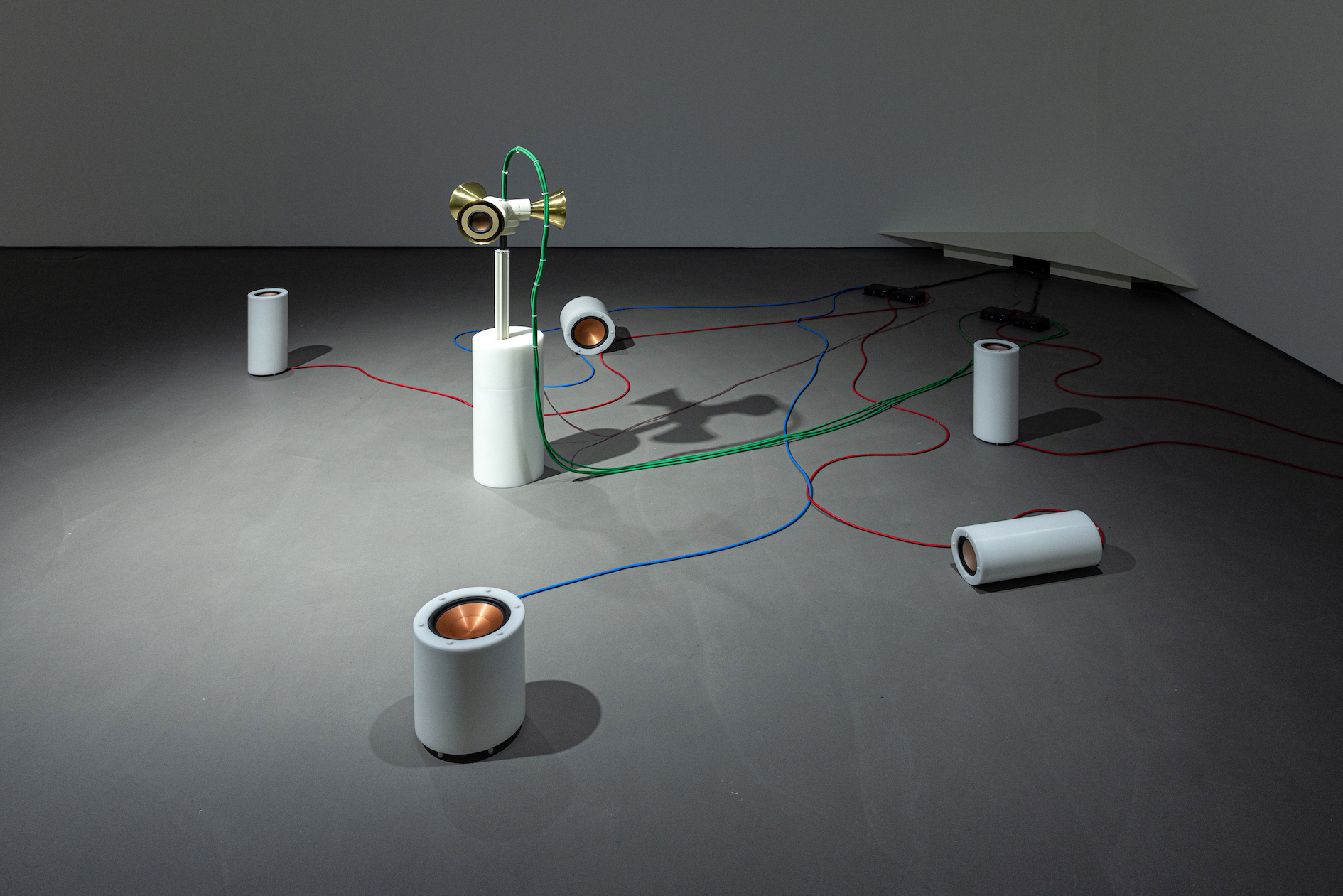
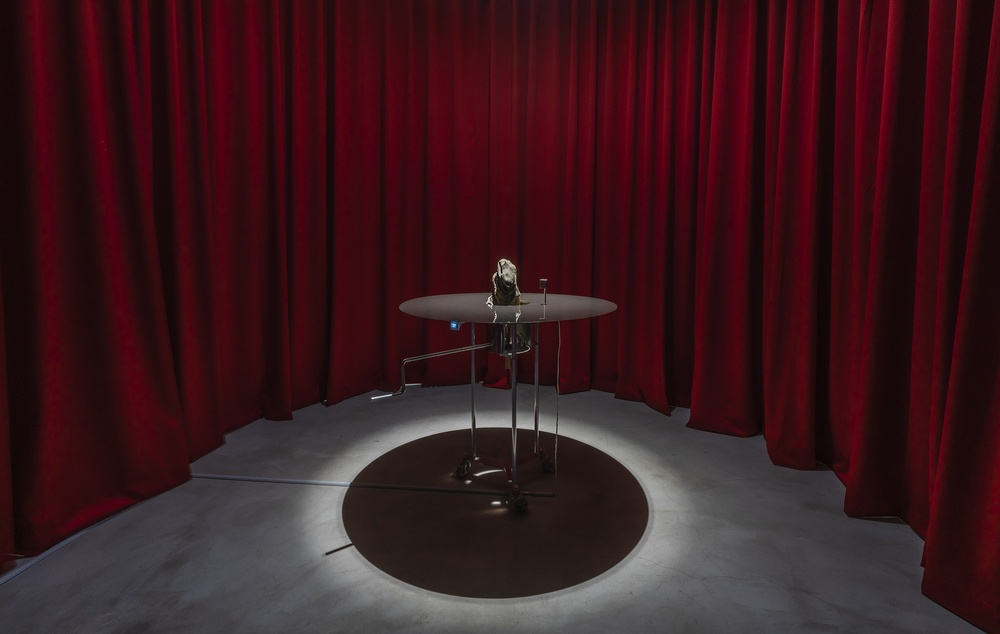
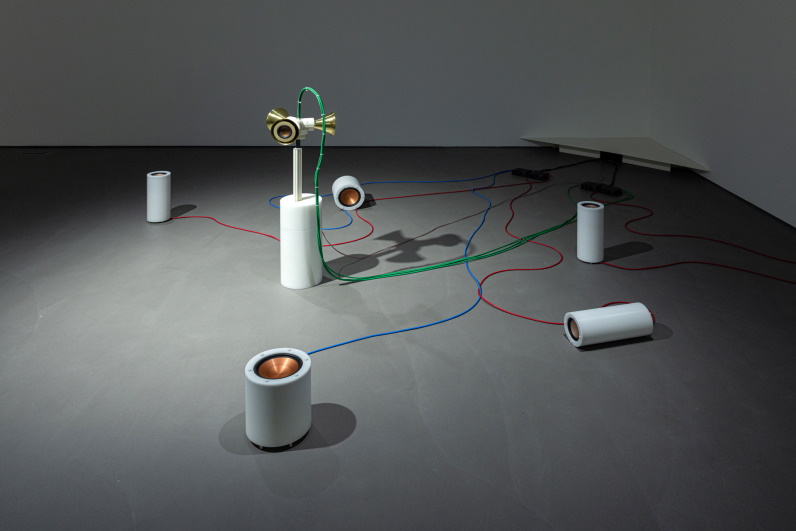
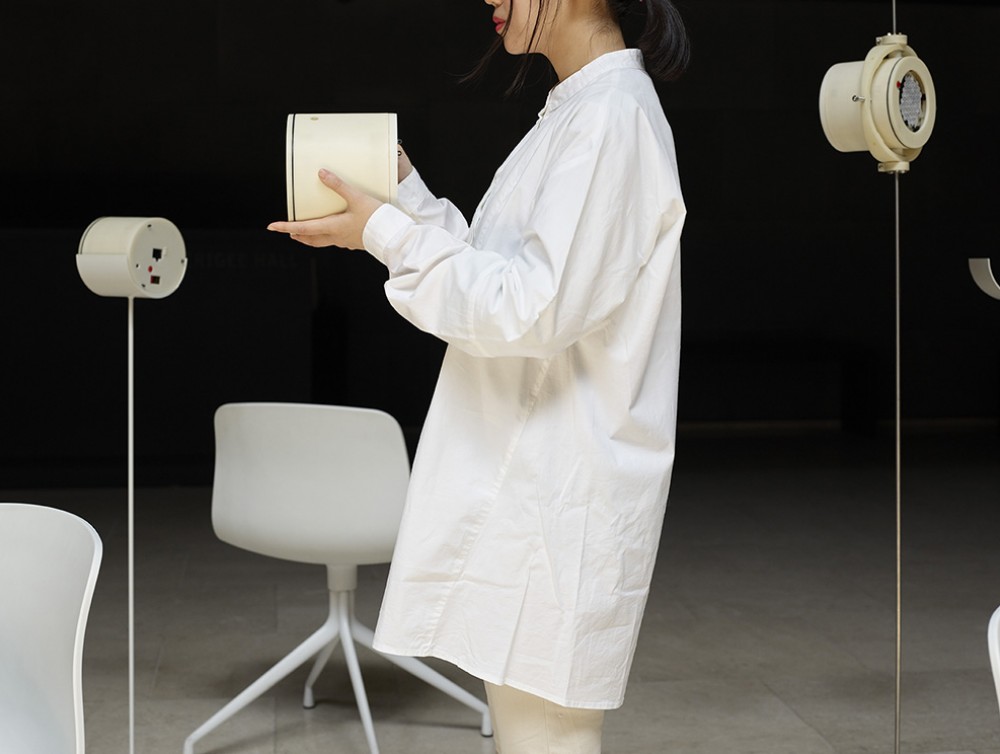
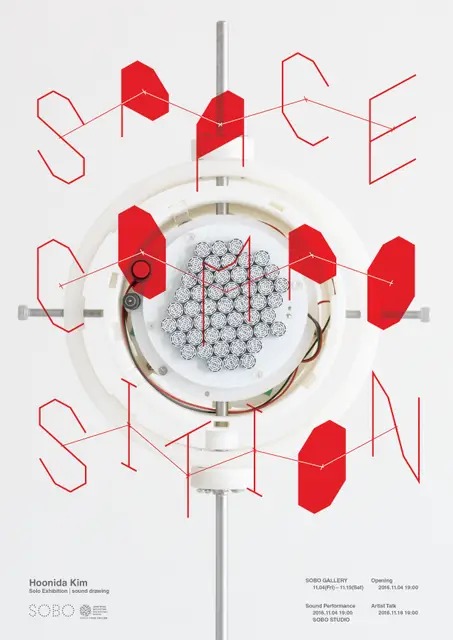
Sound and space have been closely intertwined in Hoonida Kim’s practice from its early stages. Through field recording, he collects sounds from everyday environments and records and reproduces them using apparatuses of his own making, referred to as the 'Soundscape Apparatus' series. By distributing multiple devices throughout a space, he allows sound to change continuously according to position, movement, and external intervention.
Kim describes this process as “space composition,” treating the physical structure of space, moving bodies, and the emergence and disappearance of sound as compositional elements.
In later works, viewers likewise alter acoustic relationships by approaching walls, following trajectories of sound, or moving through sensor-based environments. The resulting compositions vary with each participant and exist primarily in the moment of experience rather than as fixed or reproducible sound works.
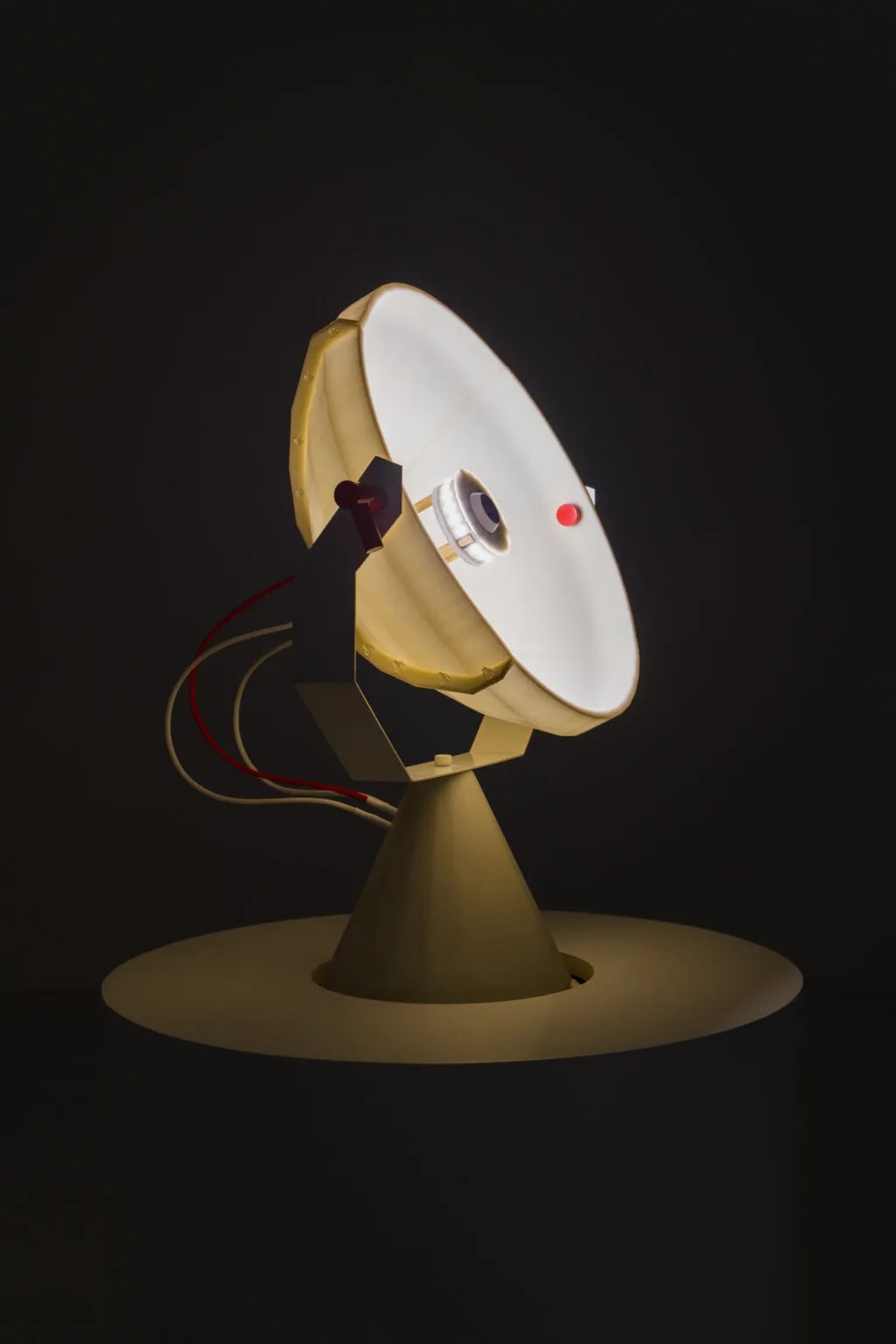
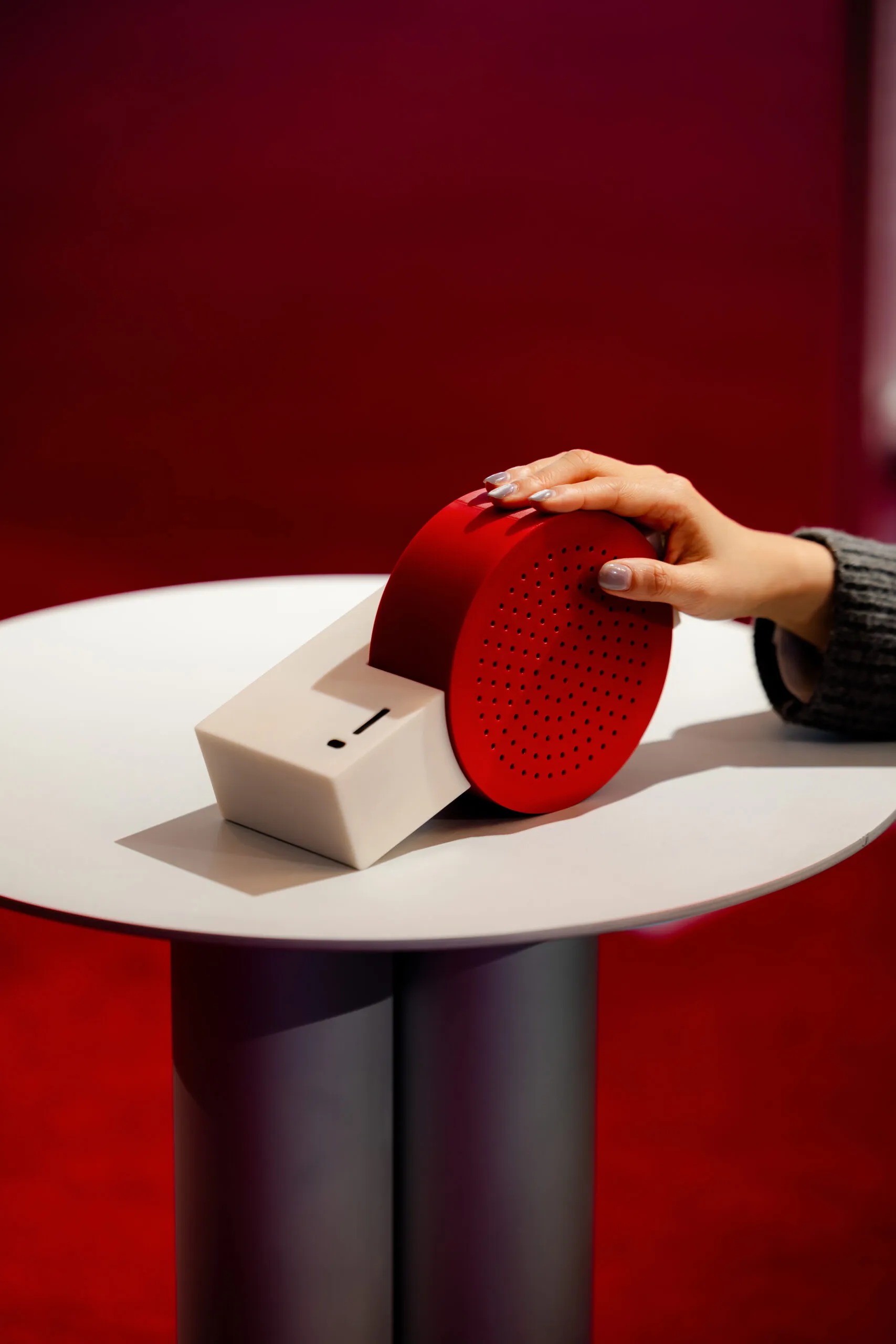
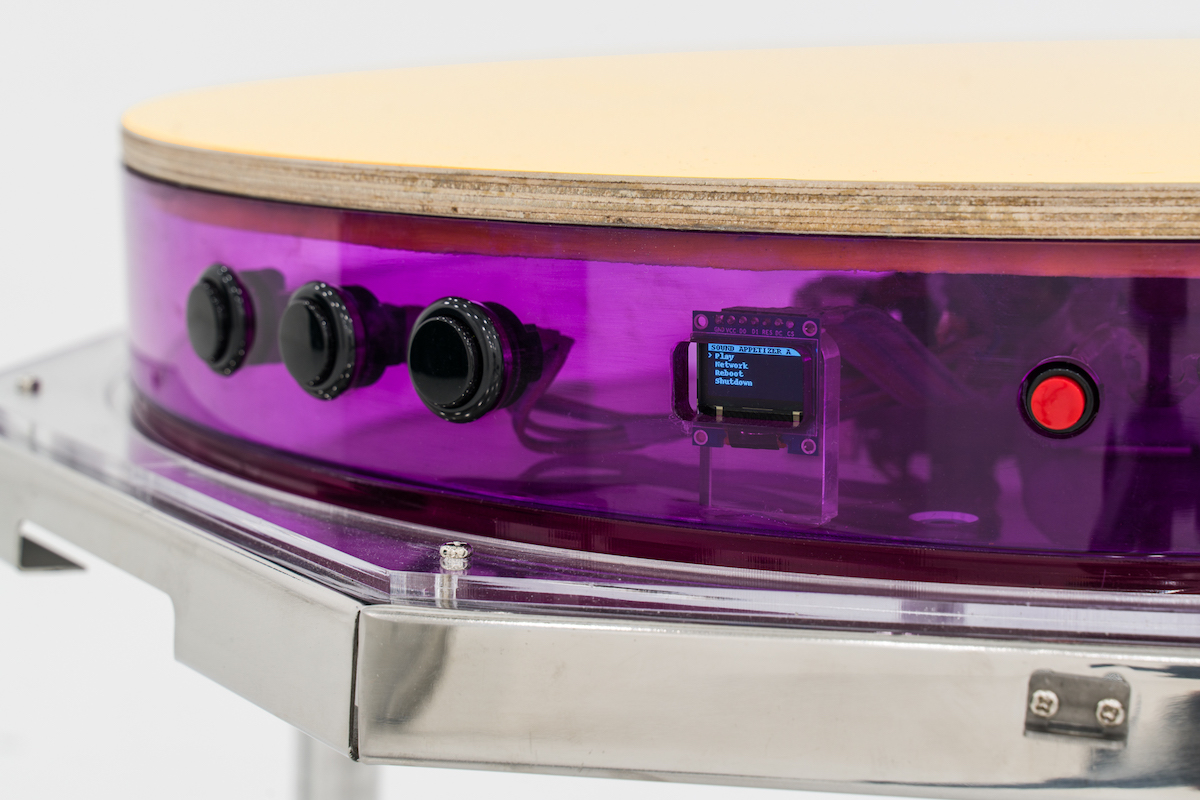
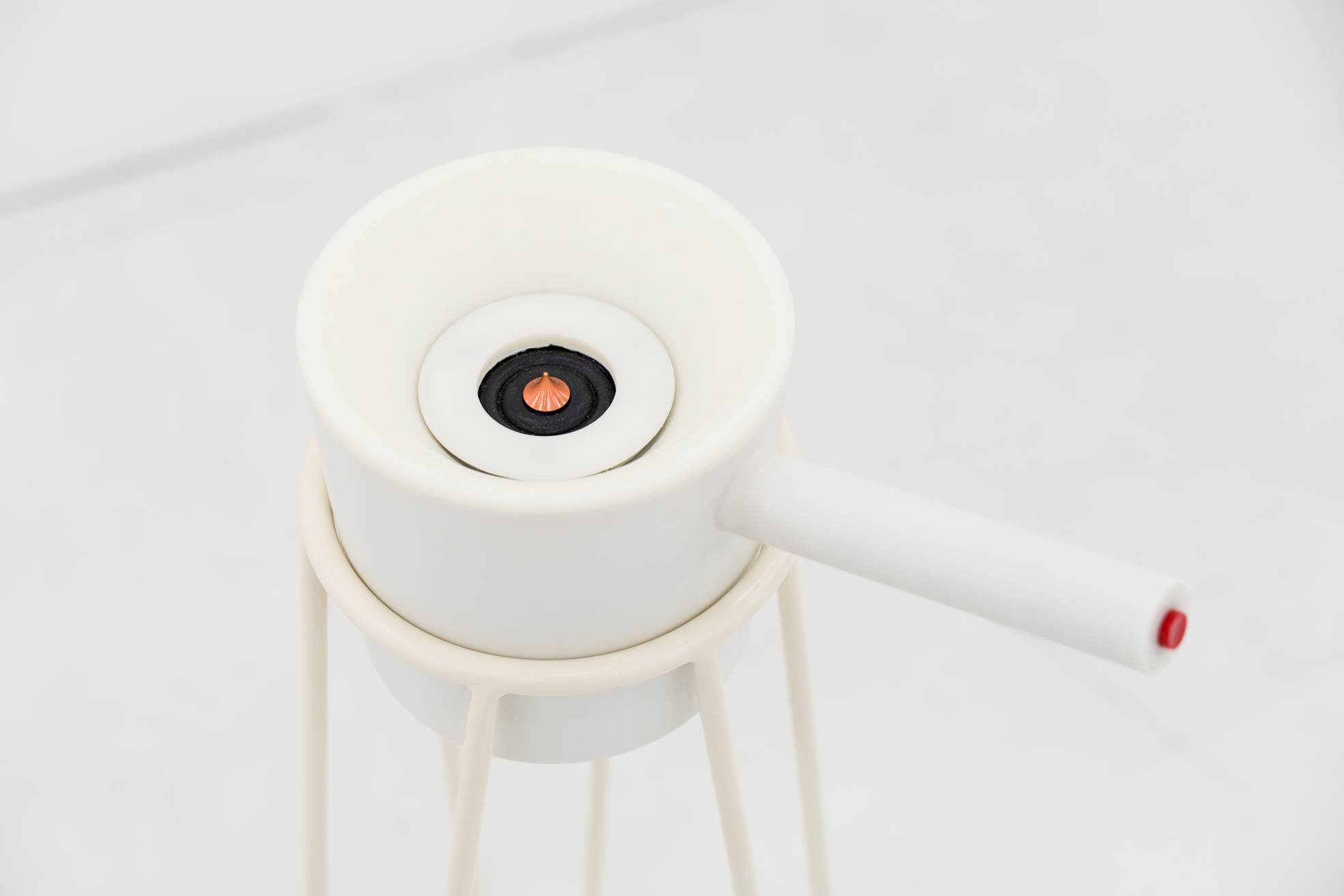
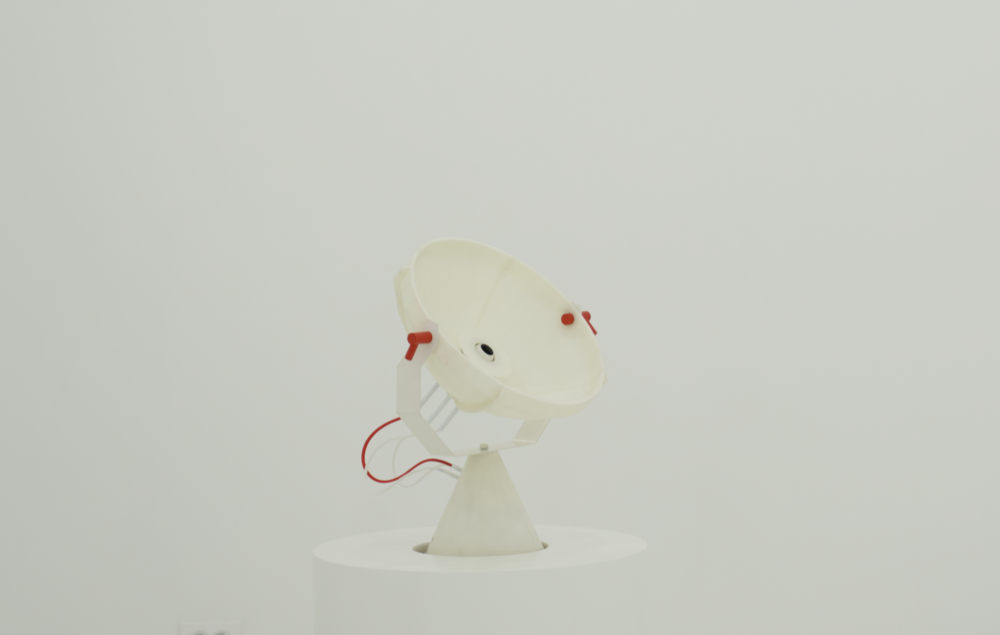
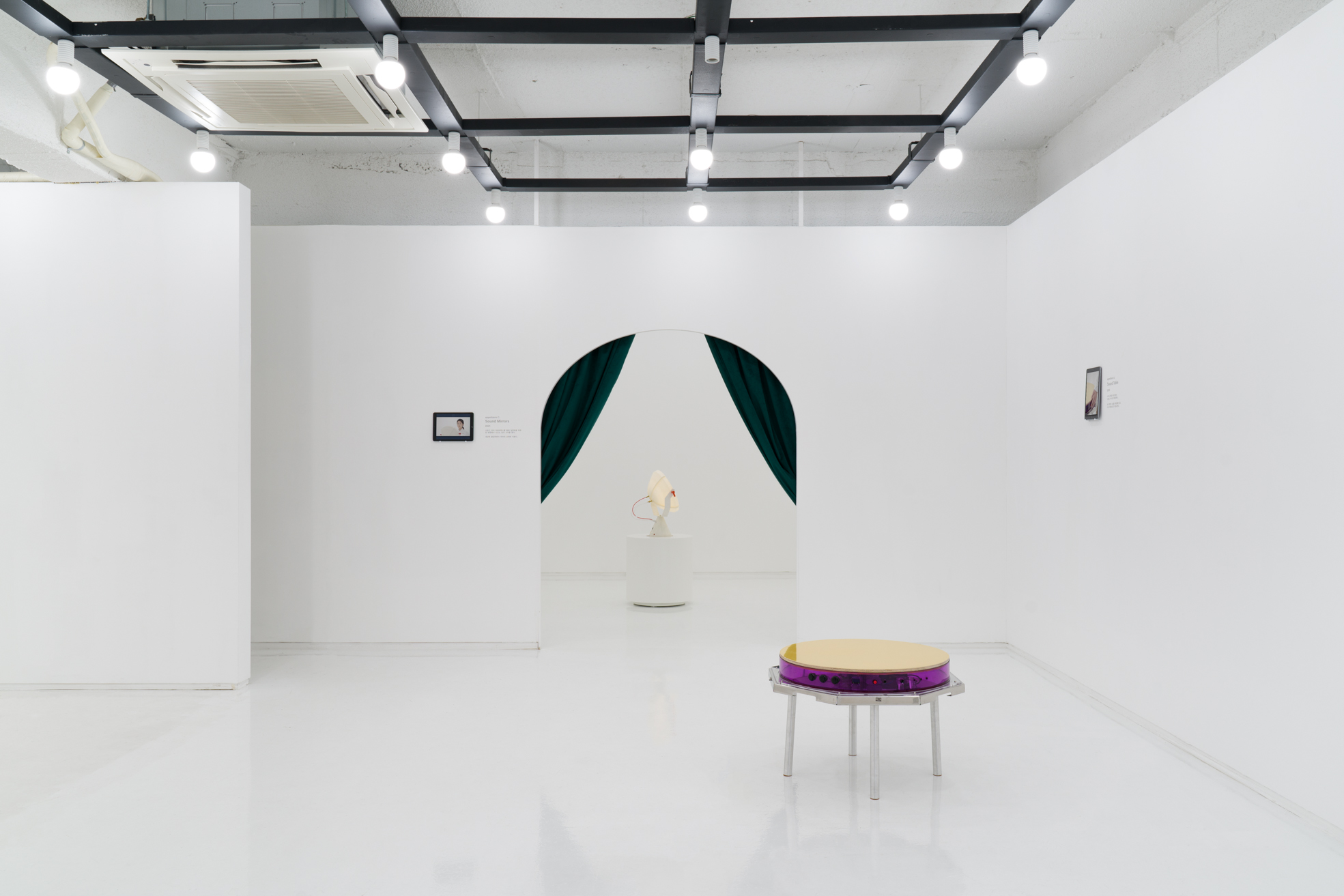
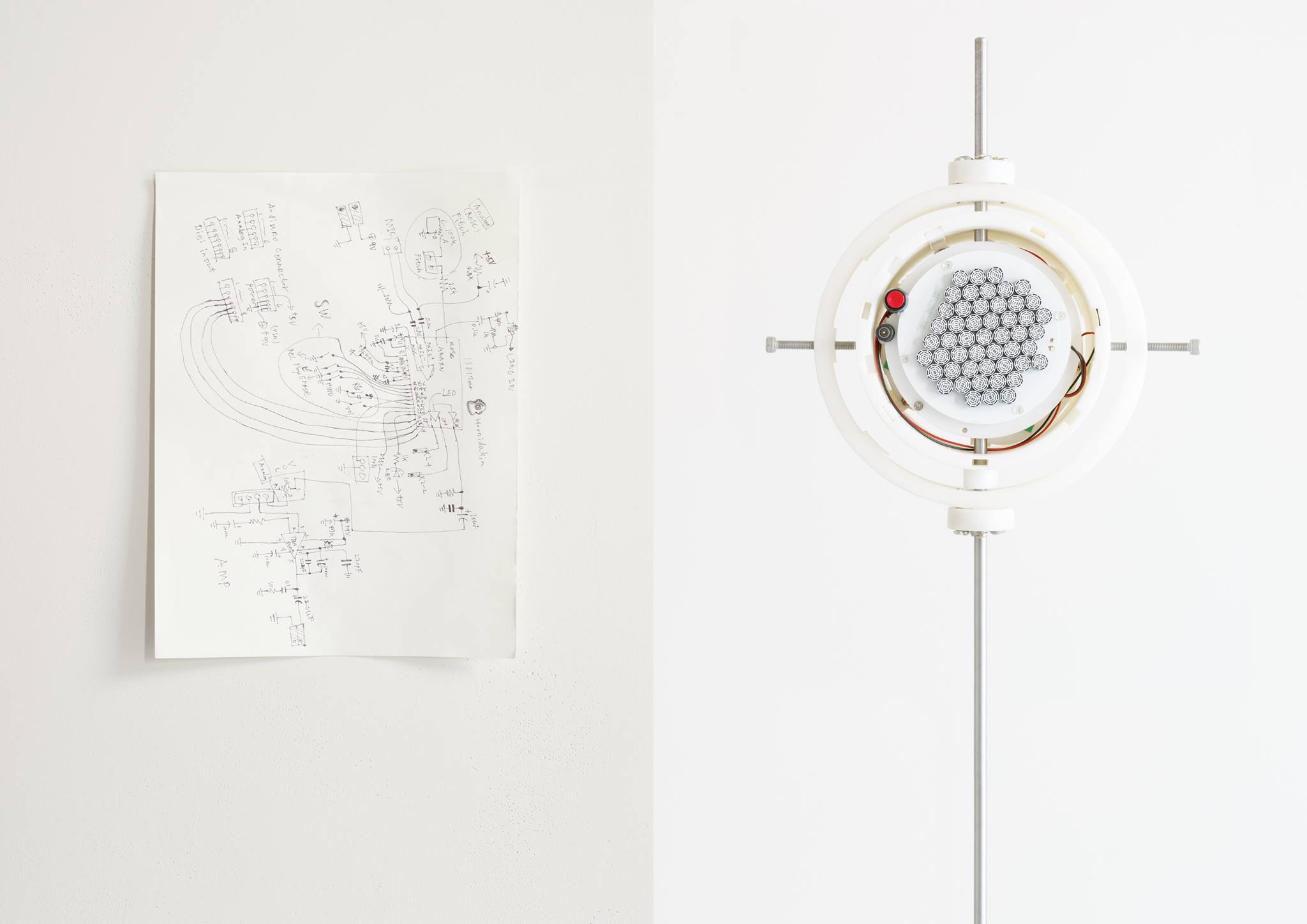
This spatial approach gradually develops into autonomous objects and mechanical apparatuses. Kim combines speakers, computers, software, microcontrollers, sensors, 3D printing, metals, acrylic, and other materials to produce objects that appear to possess specific functions.
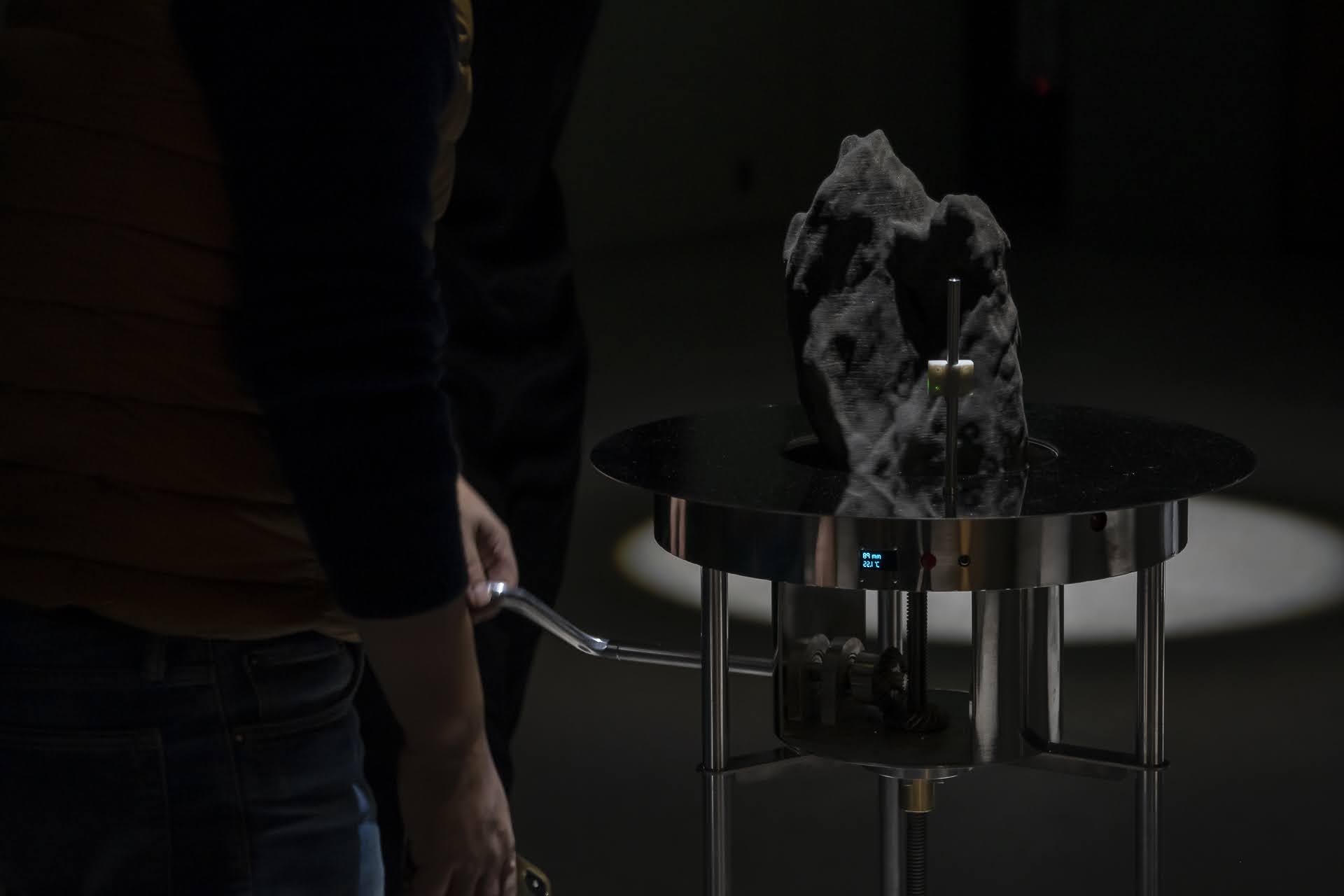
Stone for Decoding #00, for instance, incorporates sand 3D printing, ToF and temperature sensors, a microcontroller, and a speaker, while ATTUNE connects a GPS-based smartphone application with a computer, amplifier, speakers, and installation components.
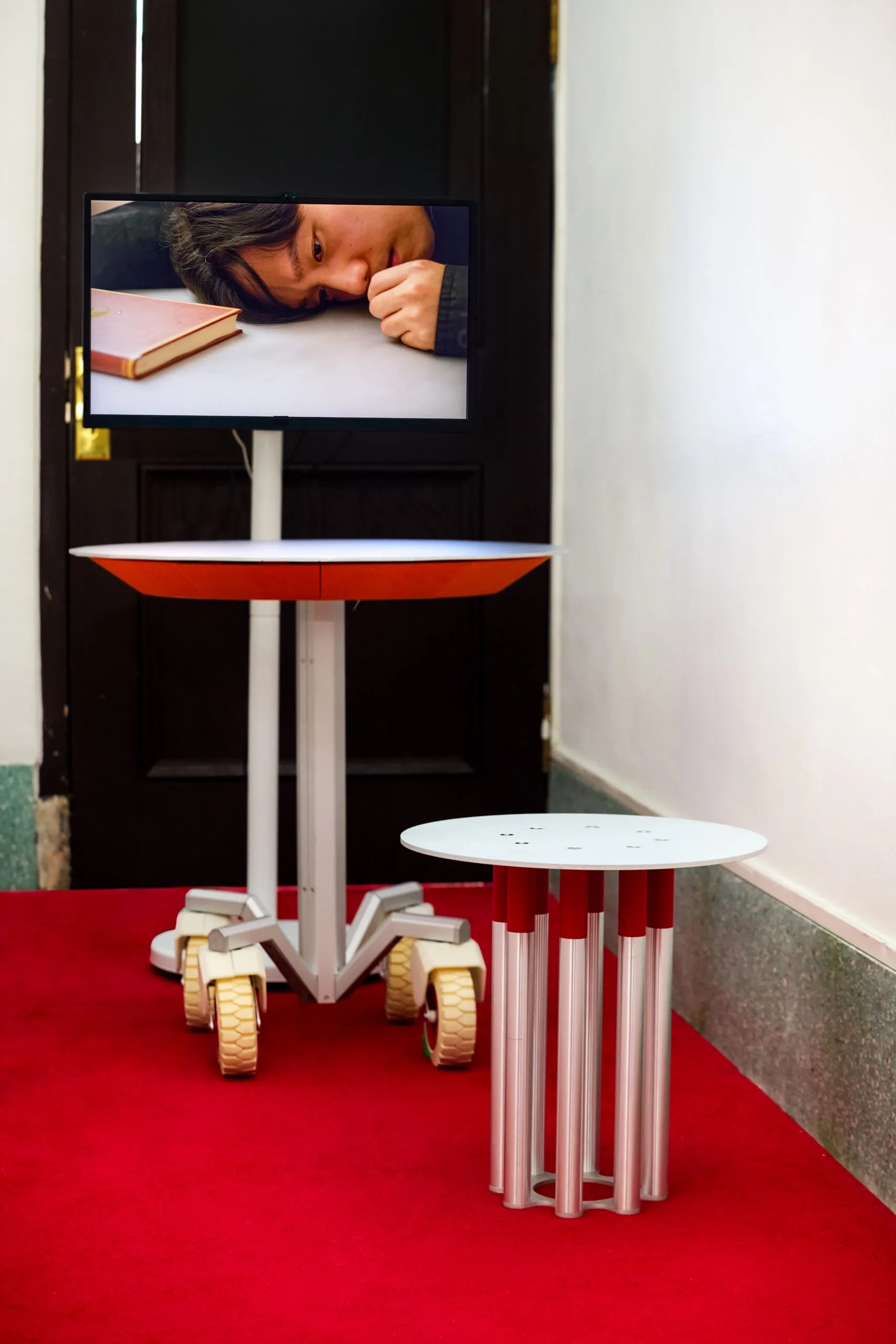
This tendency becomes particularly explicit in the 'NEO PRODUCT' project, which borrows the appearance and conventions of familiar products while assigning them functions intended to alter perception and thought. His objects consequently move between designed products, experimental prototypes, sculptures, and electronic devices, with technological operation and physical form closely integrated.
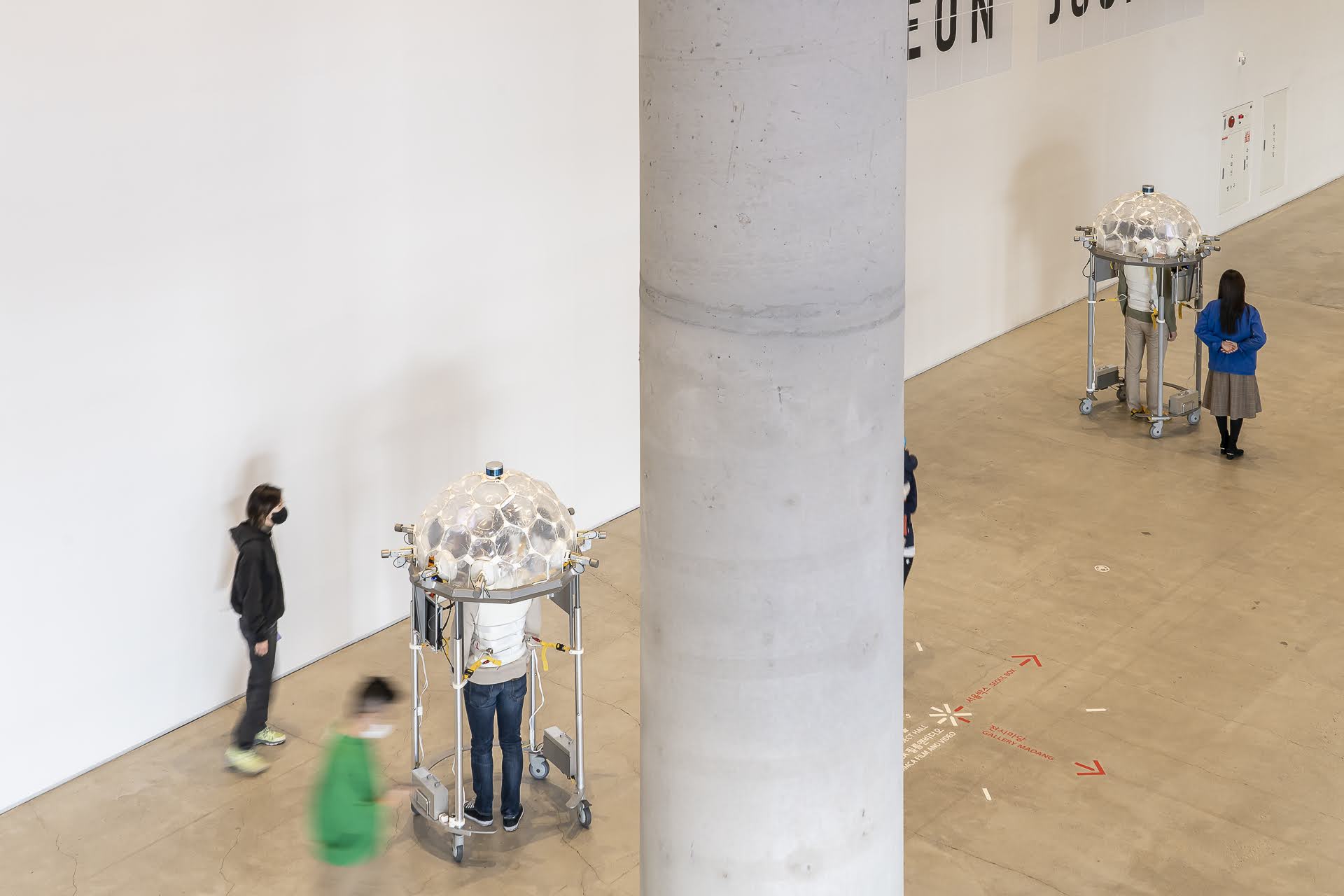
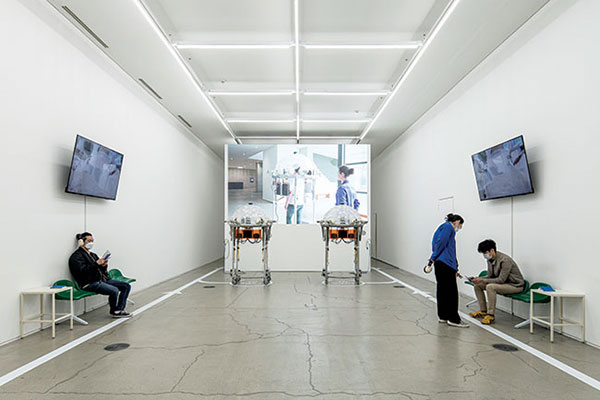
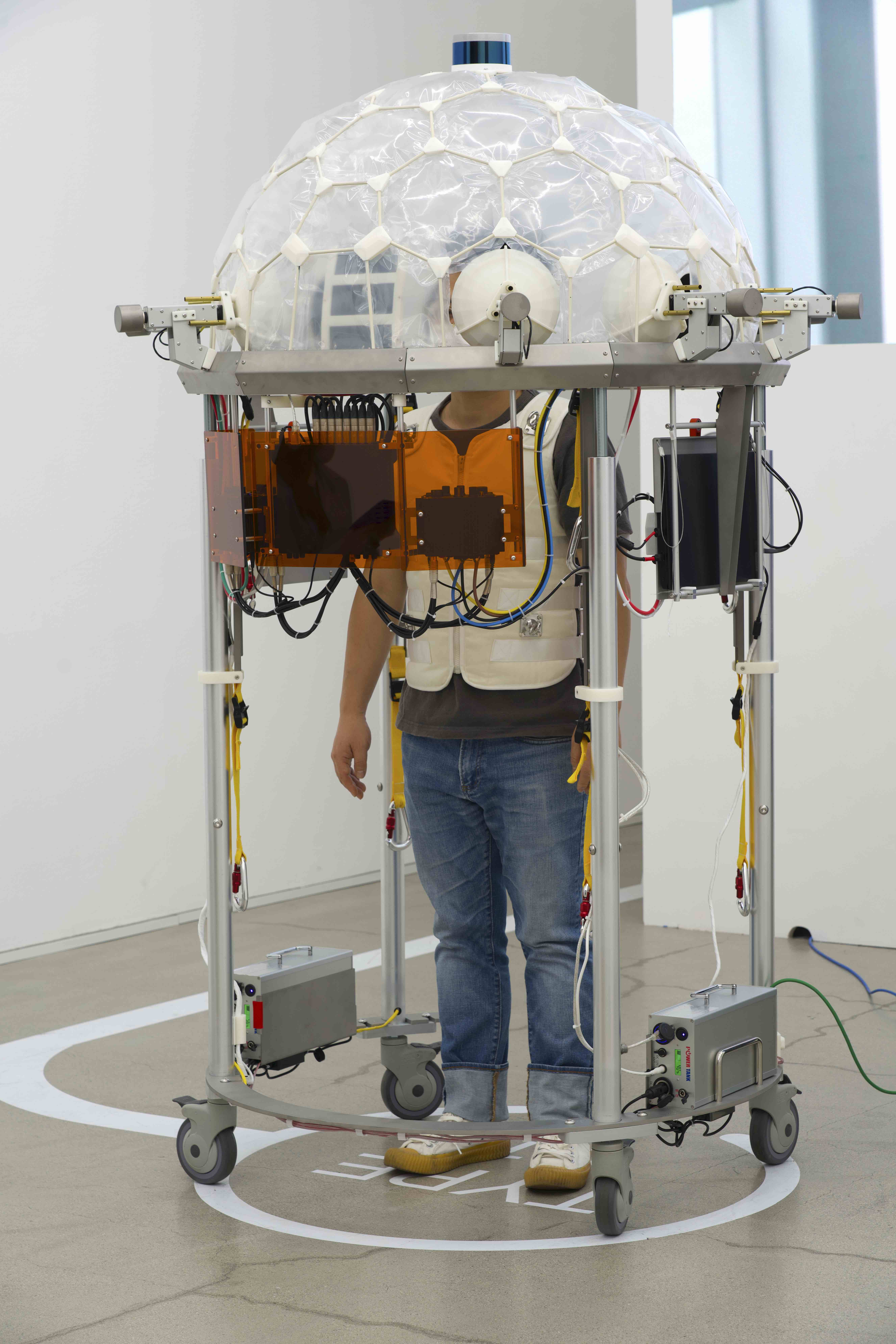
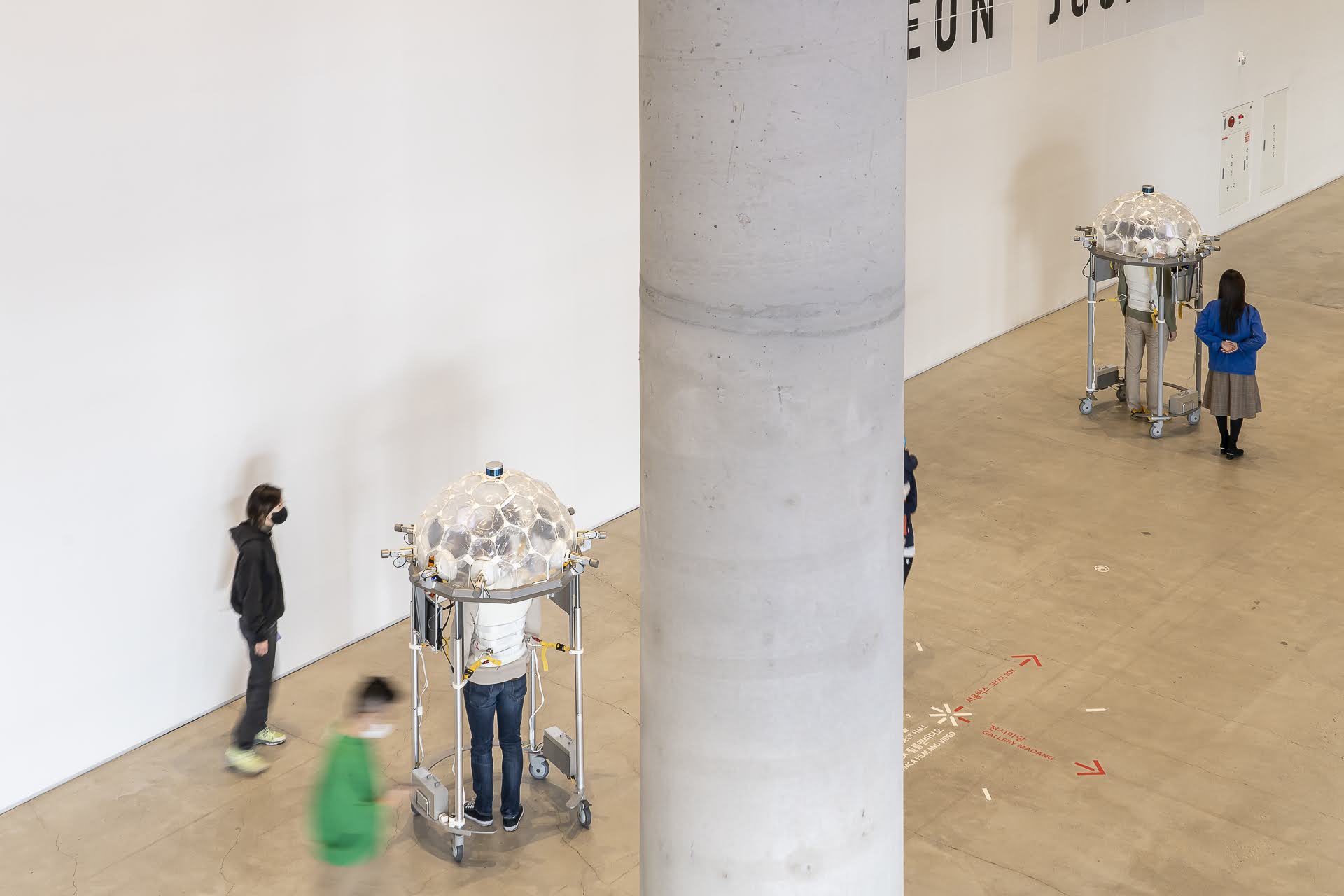
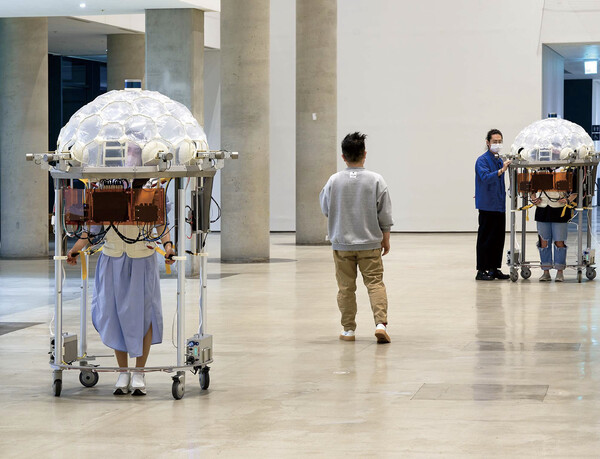
In Landscape being Decoded, these elements expand into a complex system that incorporates the viewer’s body. The approximately two-meter-high “Datascape” combines LiDAR sensors, displays, computers, and eight-channel speakers, translating the distance and positional information captured in 360 degrees into visual and auditory signals.
Wearing the apparatus, the viewer moves through the museum while receiving information about surrounding objects, including spaces and movements located behind the body. Screen images, sine waves, white noise, and intermittent concrete sounds reconstruct the environment through a sensory structure markedly different from ordinary vision and hearing.
The weight of the apparatus, restricted movement, and occasional motion sickness are also integral to the experience, producing a gradual process in which the rhythms of body and machine begin to synchronize.
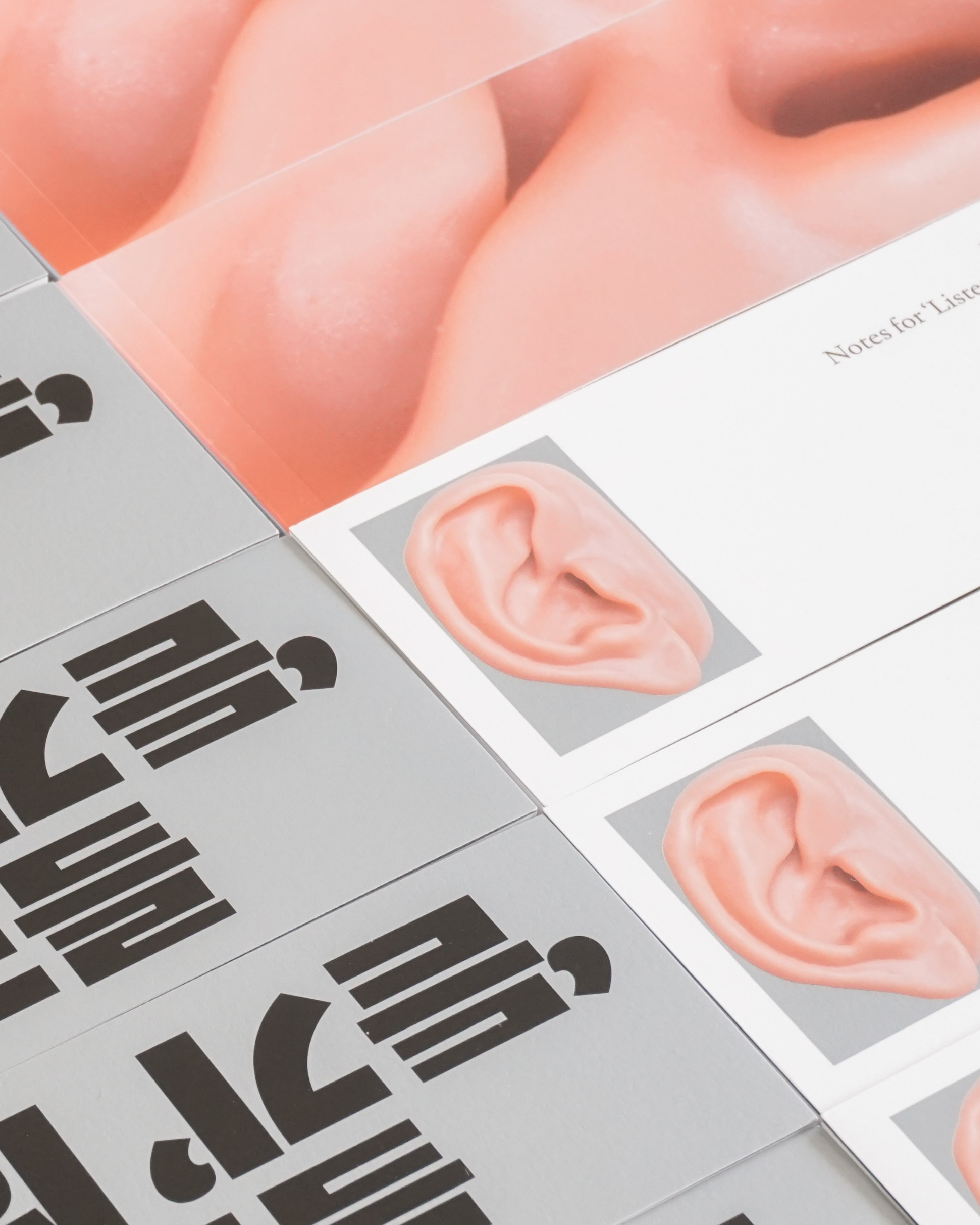
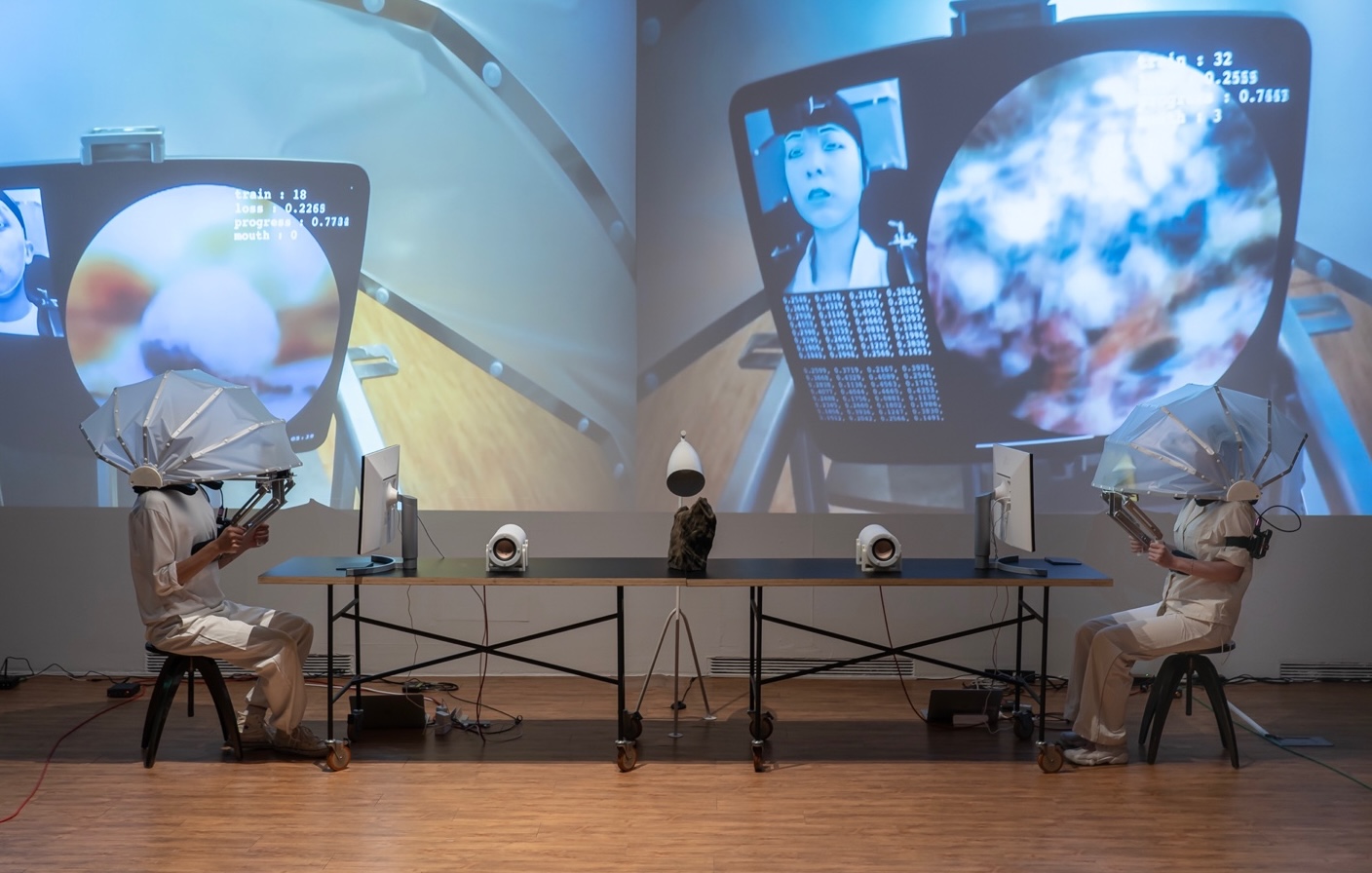
Kim’s works also incorporate manuals, written instructions, performers, and procedural sequences as formal components. Before experiencing Landscape being Decoded, participants read the Perspective-Implant Manual and Through The Looking Apparatus, learn operating and safety procedures, and subsequently enter the Datascape under the guidance of a “Navigator.”
These documents do more than explain technical operation; statements such as “Am I moving? Are the surroundings moving?” prepare participants to question their own sensory assumptions before interacting with the device. Apparatus, text, sound, bodily movement, conversation, and protocol therefore operate together as the formal structure of the work.
For Kim, an interface is not simply a means of making information easily accessible. Learning an unfamiliar system, adjusting one’s body, and interpreting sound and data become ways of reading the artwork itself, allowing viewers to test their relationship with technology through direct experience.