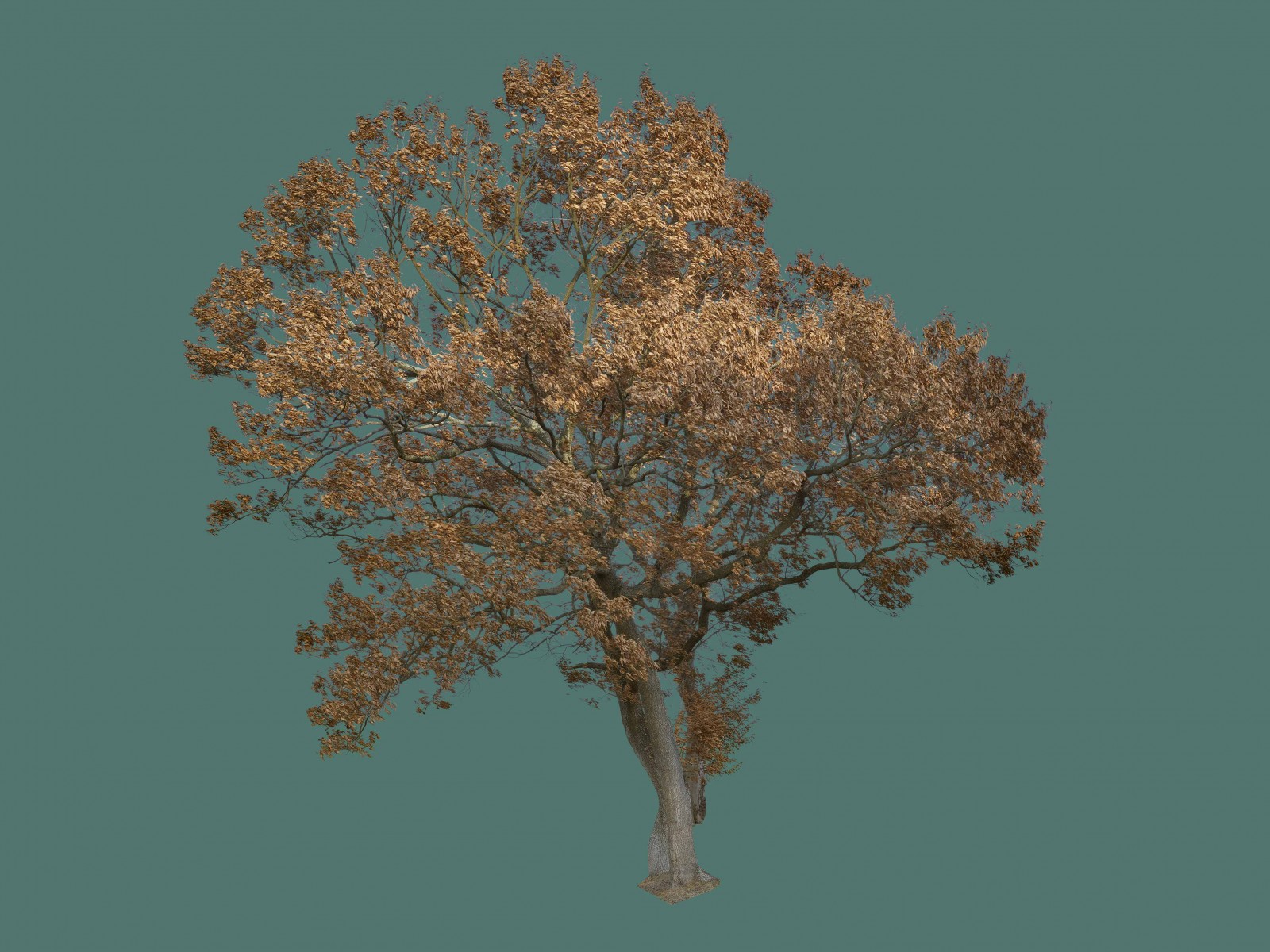
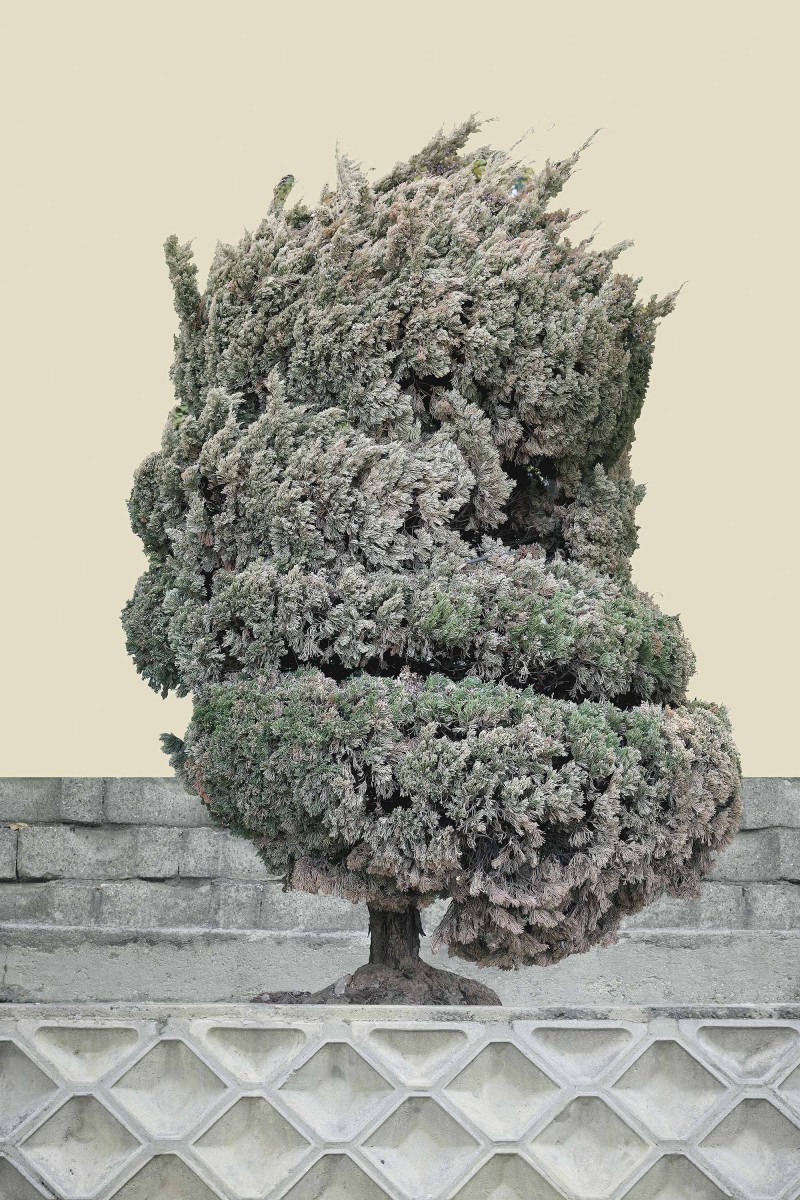
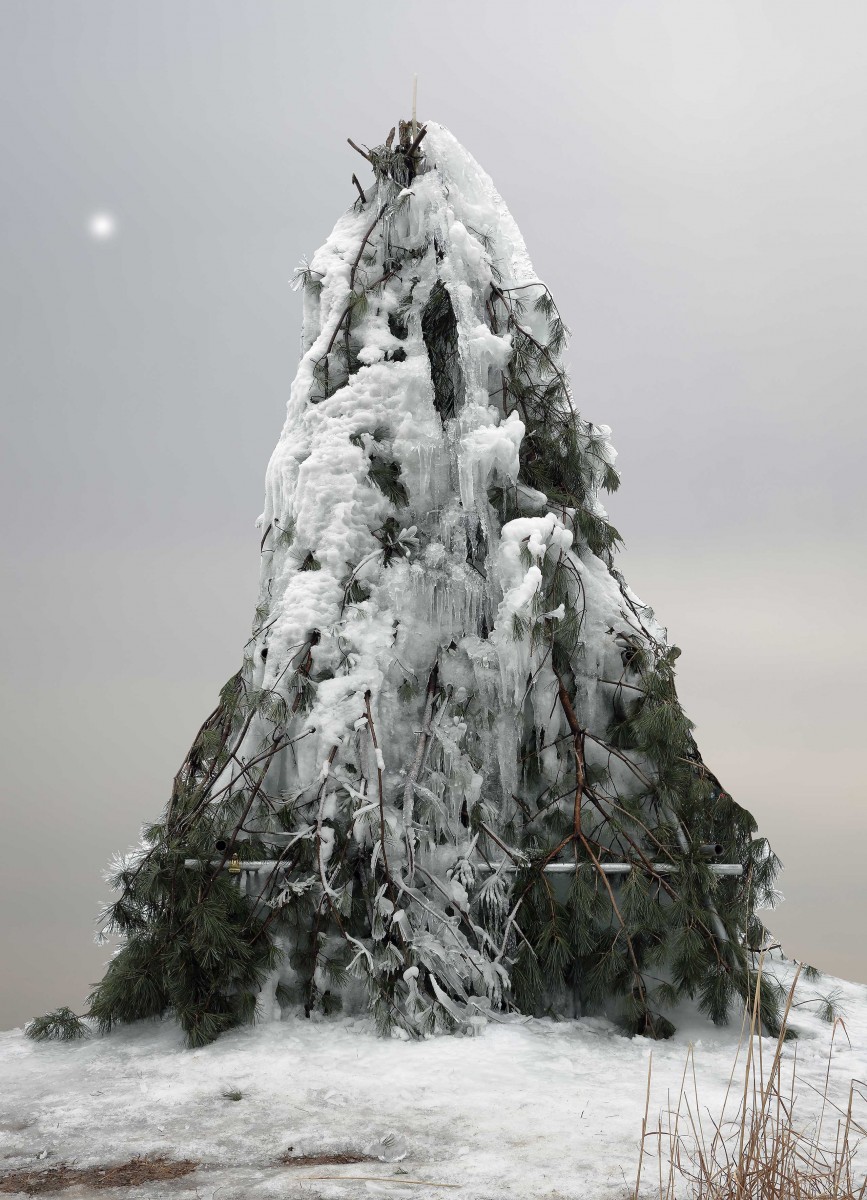
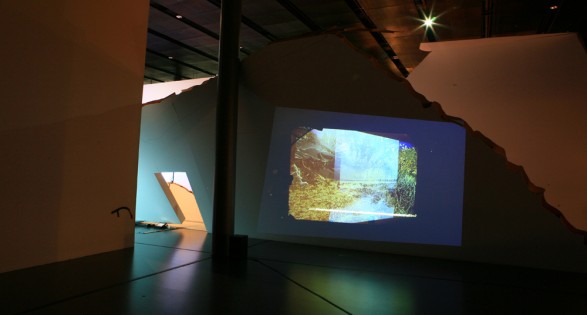
violet fabric - K-ARTIST

violet fabric

2012
Light jet print
160 x 106.67 cm
About The Work

Chang Sungeun’s work begins with the visualization of subtle emotional traces and spatial sensations that people unconsciously pass by in everyday life. The artist has consistently focused on anonymous emotions arising from repetitive daily routines, the indistinct expressions of days that are difficult to remember, and states of emptiness and tension that resist clear explanation.

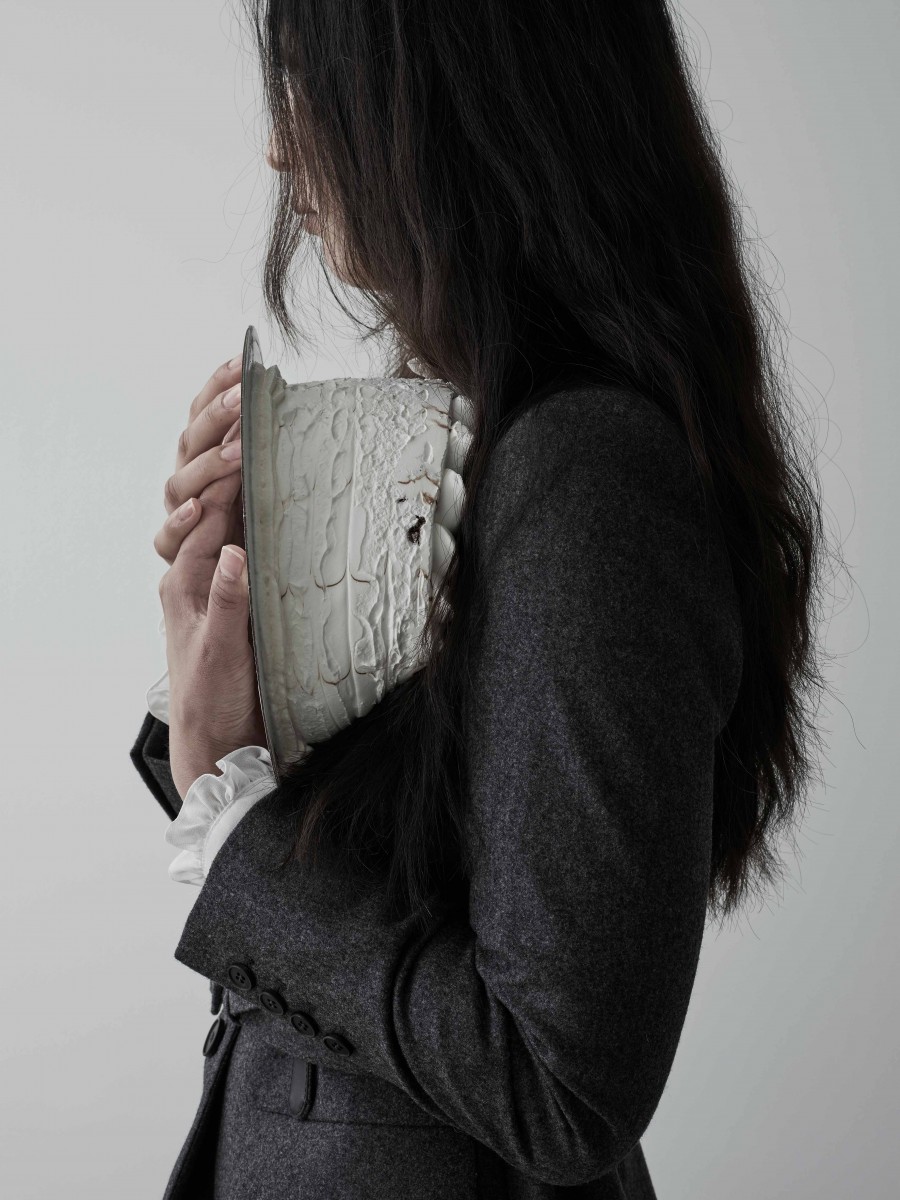
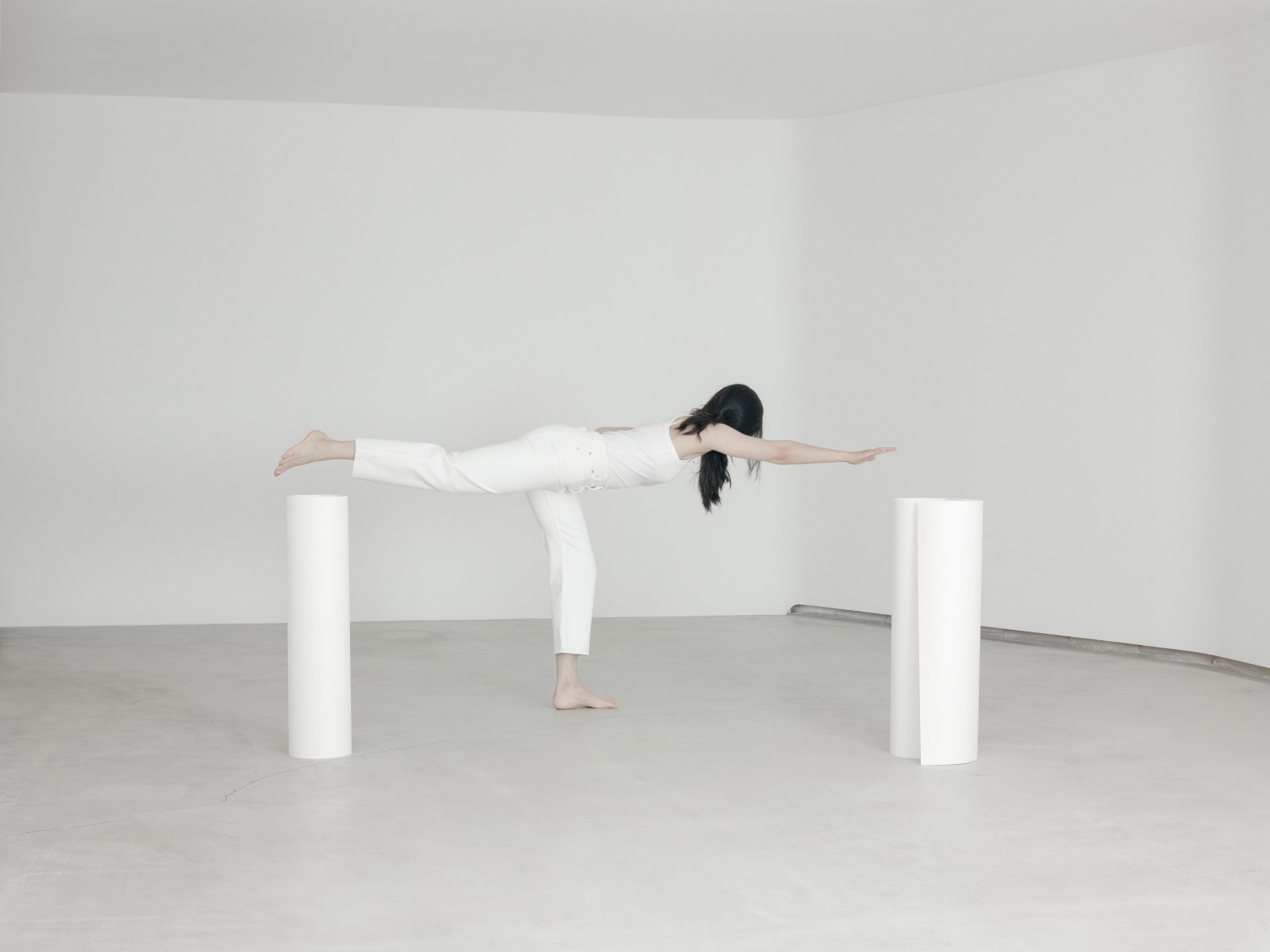
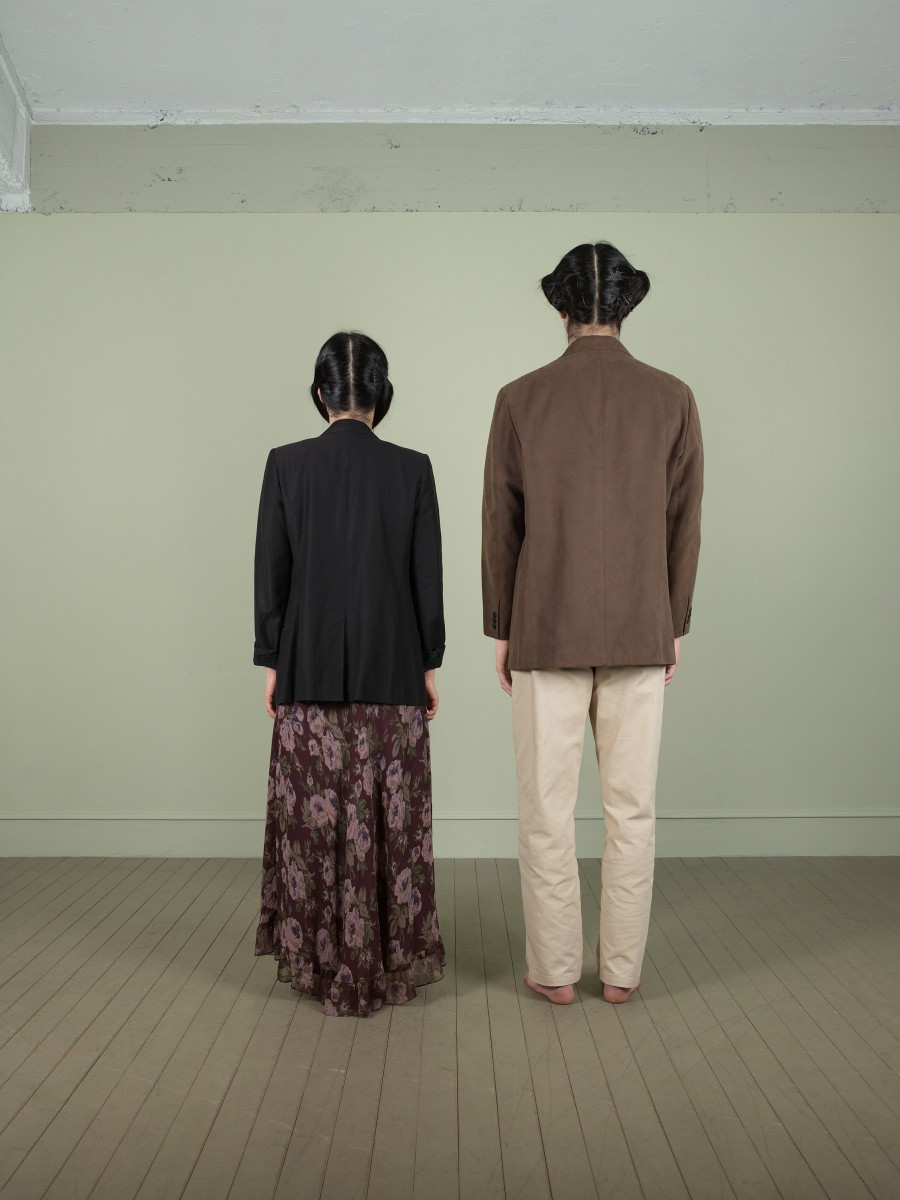
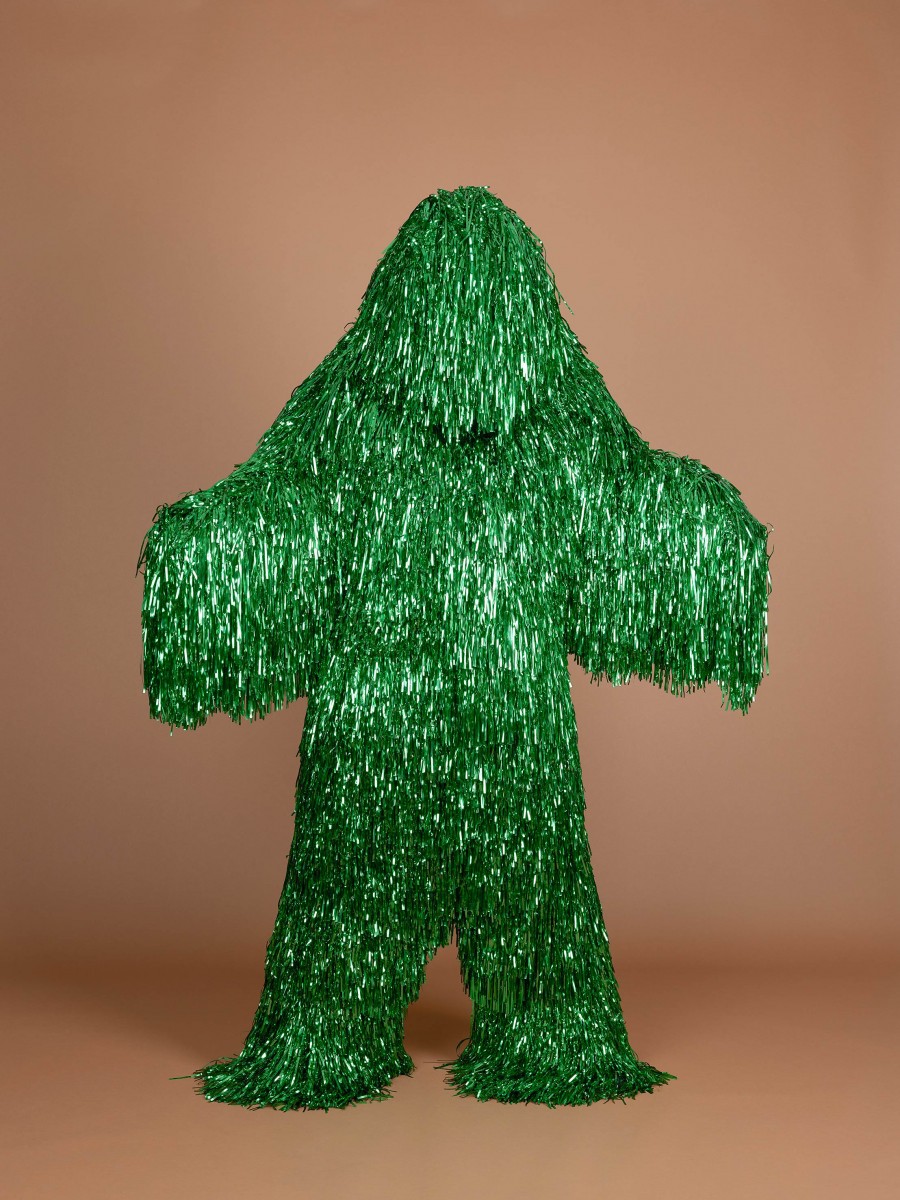
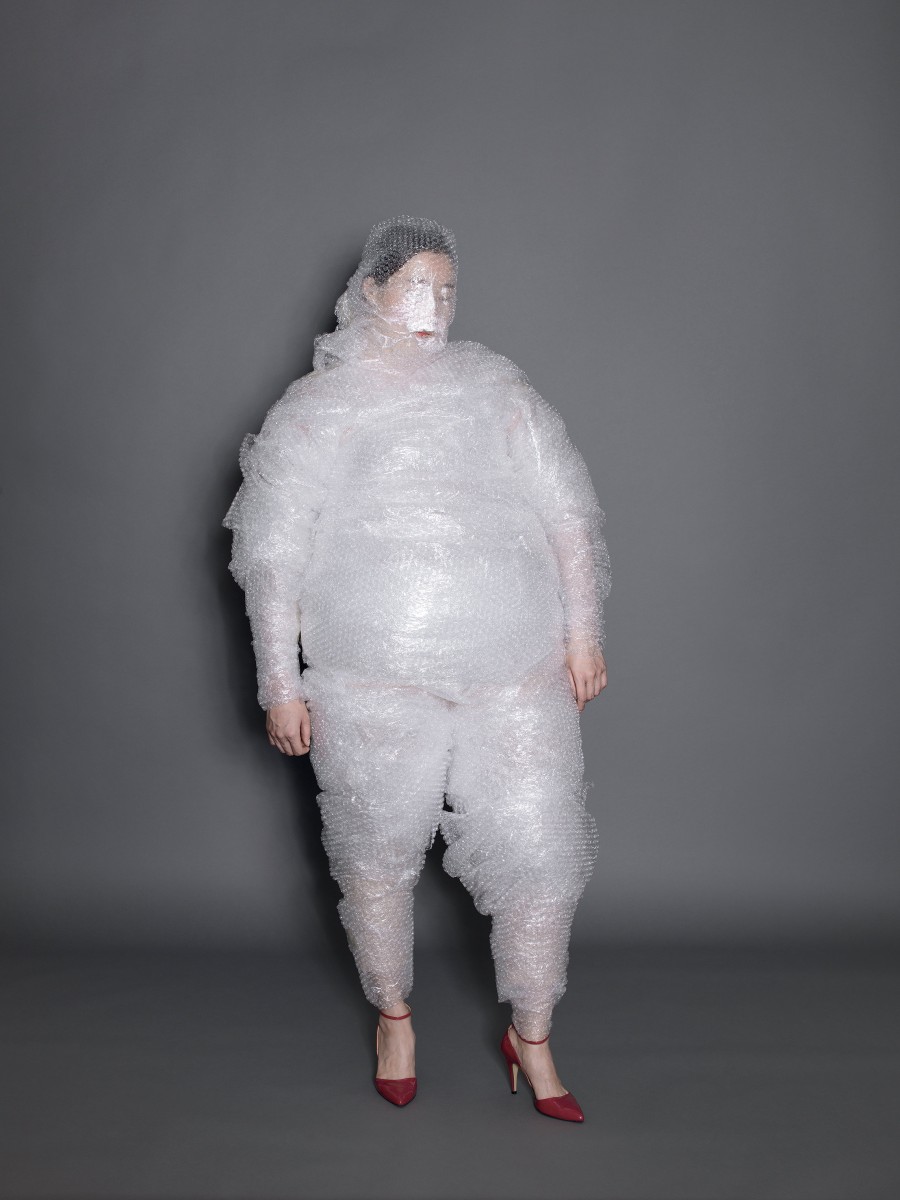
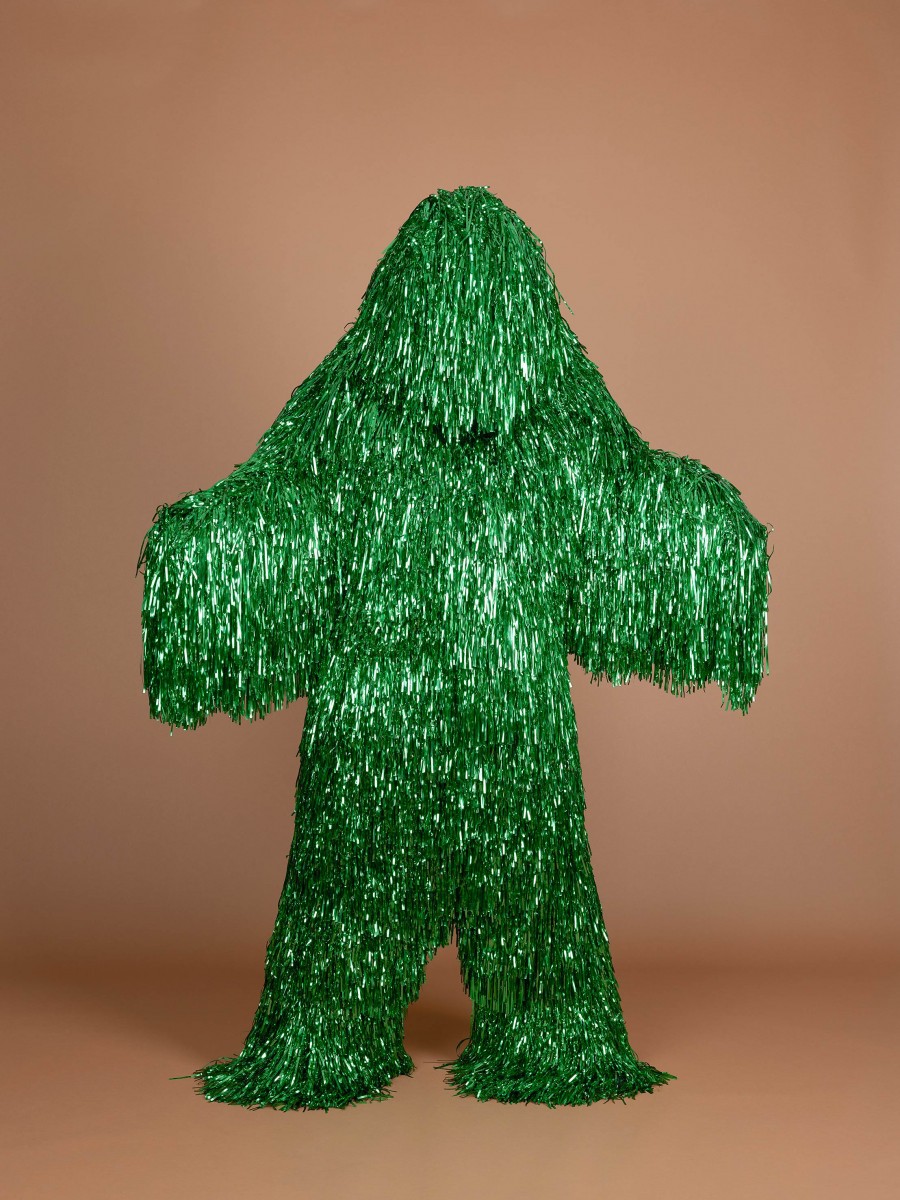
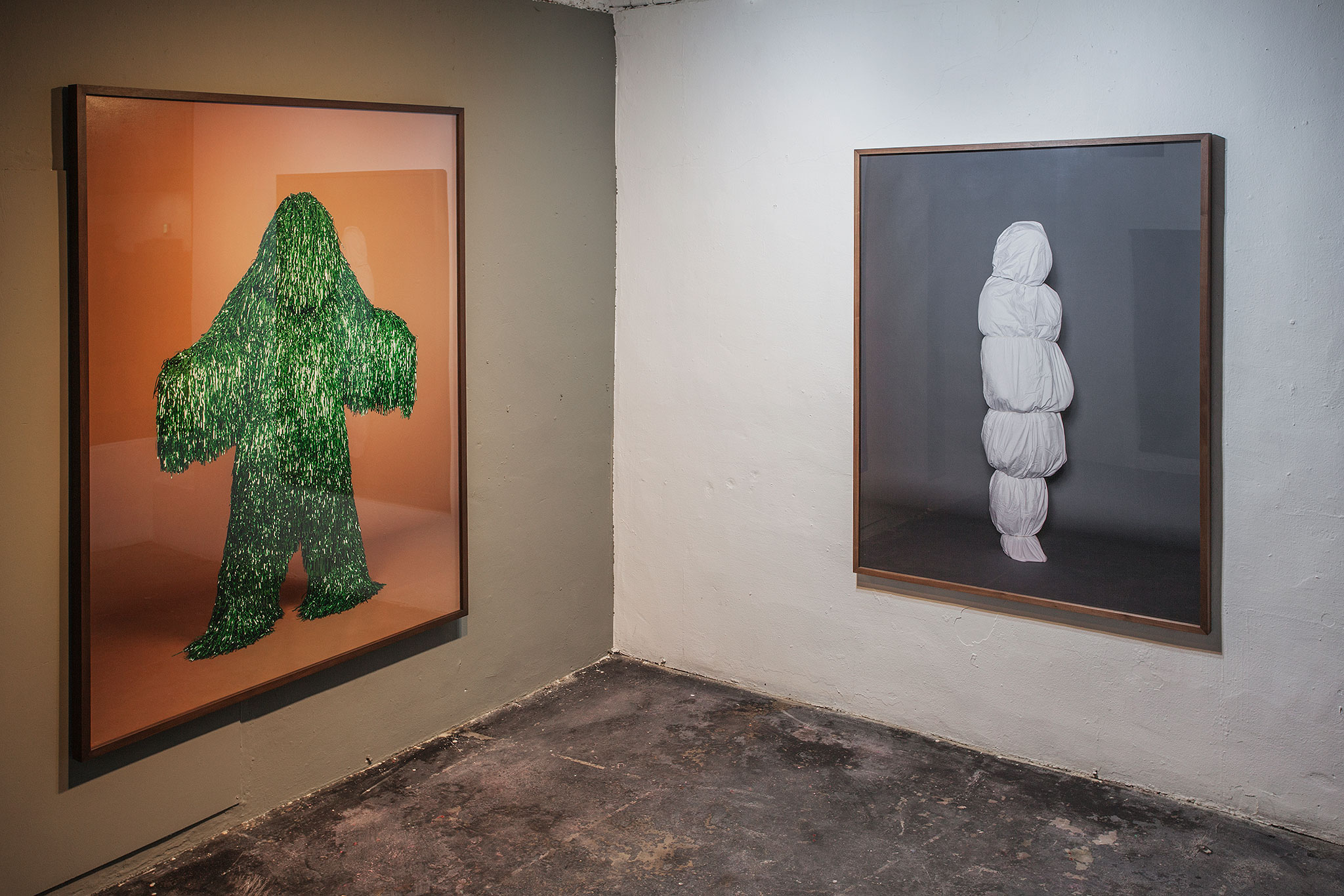
Another central concept in Chang’s practice is the notion of “theater.”  Here, theater does not refer to dramatic narrative but rather to the social gestures through which individuals regulate themselves, conceal emotions, or reveal them while maintaining relationships with others. Bodies concealed beneath exaggerated costumes and hidden faces do not represent specific individuals but instead appear as entities performing emotion itself. 

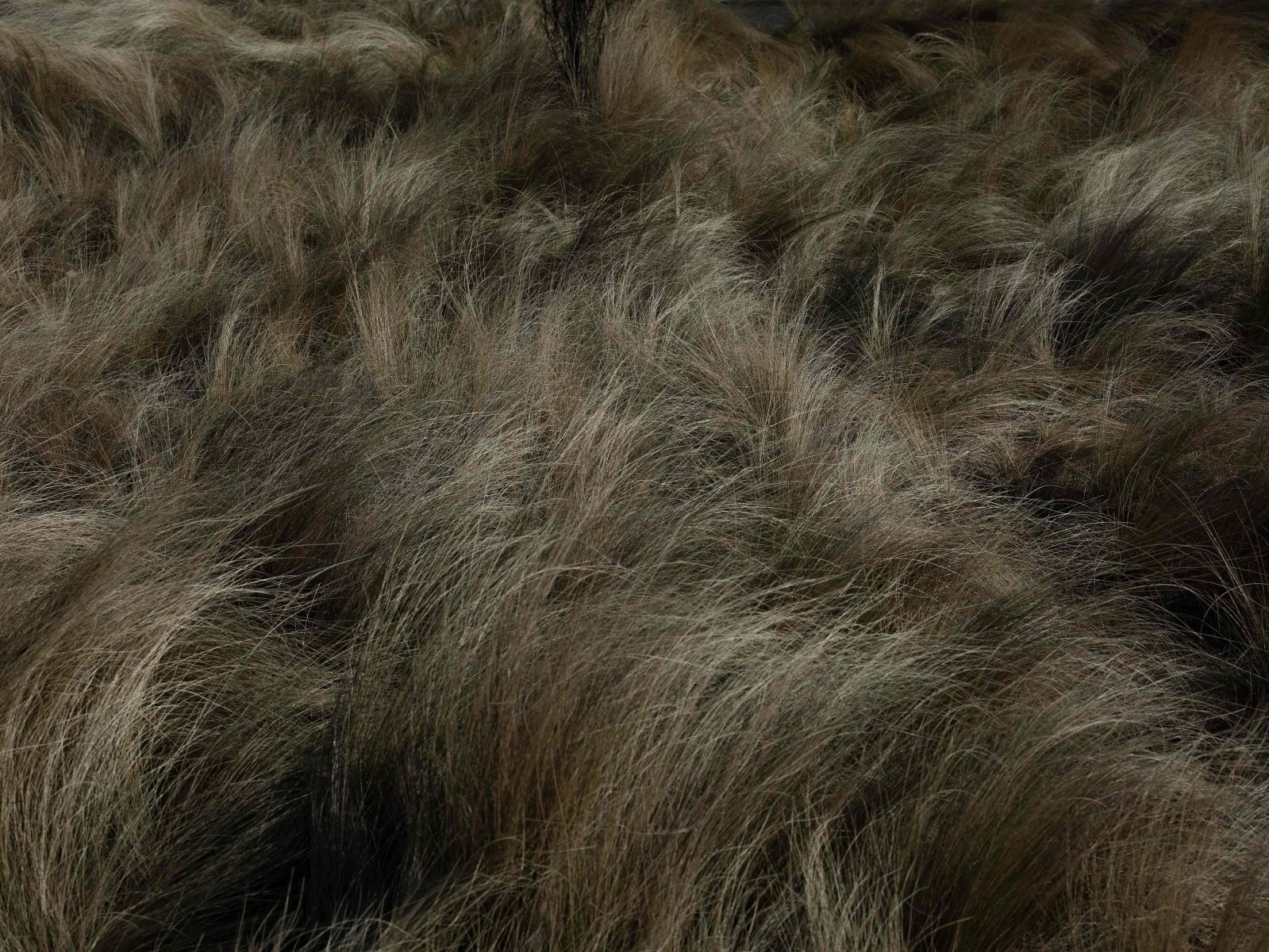
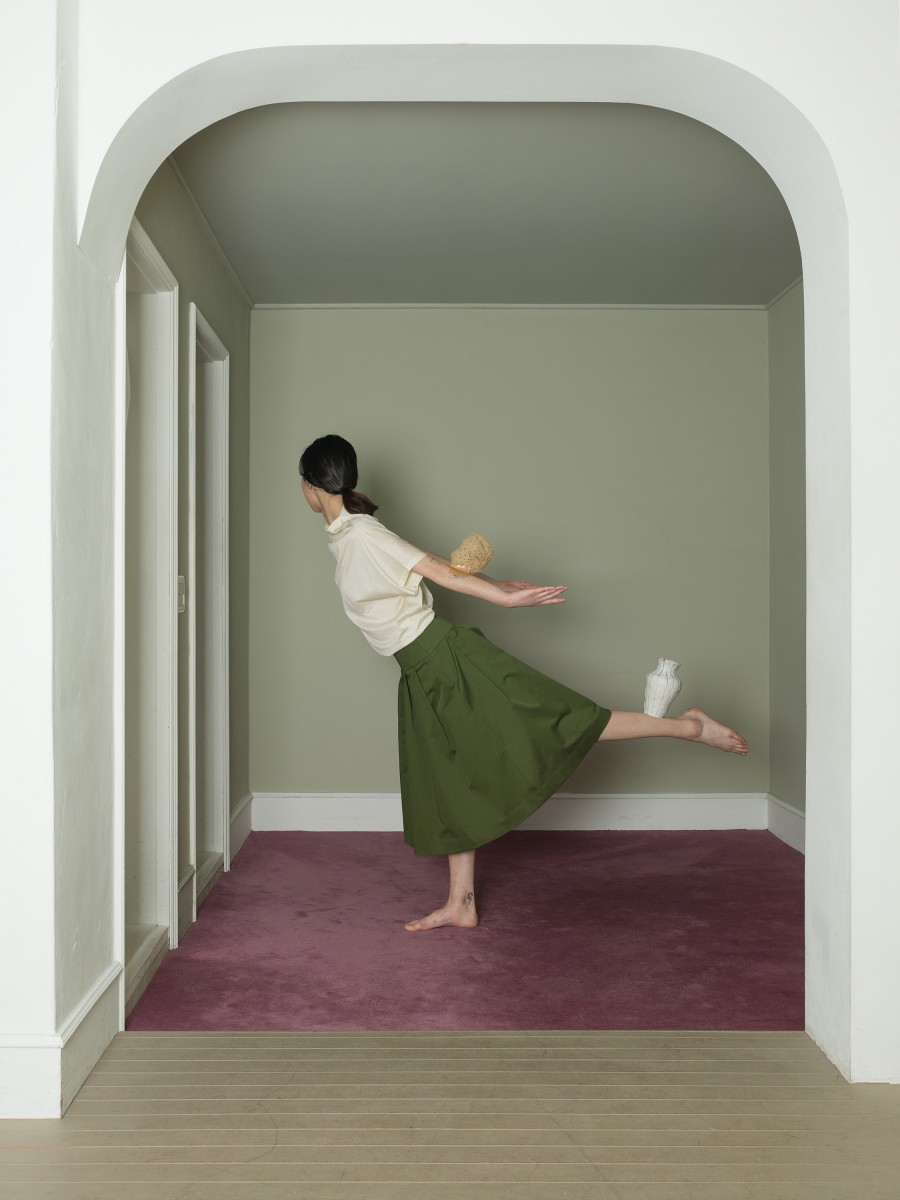
Chang refers to these works as “portraits of emotion,” revealing inner emotional states through nonverbal elements such as materiality, color, posture, and temperature rather than through explicit narrative. In this way, the work does not directly explain emotion but instead explores the lingering resonance and permeation emotions leave upon the body. In more recent works, Chang dismantles the hierarchy between humans, objects, and landscapes, extending the work toward a broader sensory understanding of existence itself. 

Rather than reproducing specific narratives, Chang Sungeun’s work continually explores the ambiguous boundaries between reality and fantasy, presence and absence, memory and emotion, while capturing the subtle flows of sensation and affect experienced throughout human life.

Solo Exhibitions (Brief)

Chang Sungeun has held solo exhibitions at SPACE WILLING N DEALING (2012, 2019, 2022), BMW Photo Space (2018), Amado Art Space (2016), Daelim Museum Project Space Guseulmoa Billiard Room (2013), Trunk Gallery (2010), and the Korean Cultural Center in France (2007).

Group Exhibitions (Brief)

Chang Sungeun has participated in numerous group exhibitions at major institutions and art spaces including the Seoul Museum of Art (2022), Hangaram Design Museum at Seoul Arts Center (2021), Museum of Contemporary Art Busan (2019), Sungkok Art Museum (2016), Buk-Seoul Museum of Art (2014, 2016), Gyeonggi Museum of Modern Art (2011, 2013, 2016, 2021), Nam June Paik Art Center (2009, 2010), Daegu Art Factory (2014), Blume Museum of Contemporary Art (2020), ARARIO Gallery (2013), PERIGEE Gallery (2021), Art Center Art Moment (2021), and SPACE WILLING N DEALING (2020, 2022).

Residencies (Selected)

Chang Sungeun participated in the residency programs of SeMA Nanji Residency (2014, Seoul), National Museum of Modern and Contemporary Art Changdong Studio (2009, Seoul), and Cité Internationale des Arts (2008, Paris).

Collections (Selected)

Chang Sungeun’s works are included in the collections of Leeum Museum of Art, Gyeonggi Museum of Modern Art, and the Art Bank of the National Museum of Modern and Contemporary Art, Korea.

Works of Art

The Relationships Between Space and Body, Emotion and Place

Originality & Identity

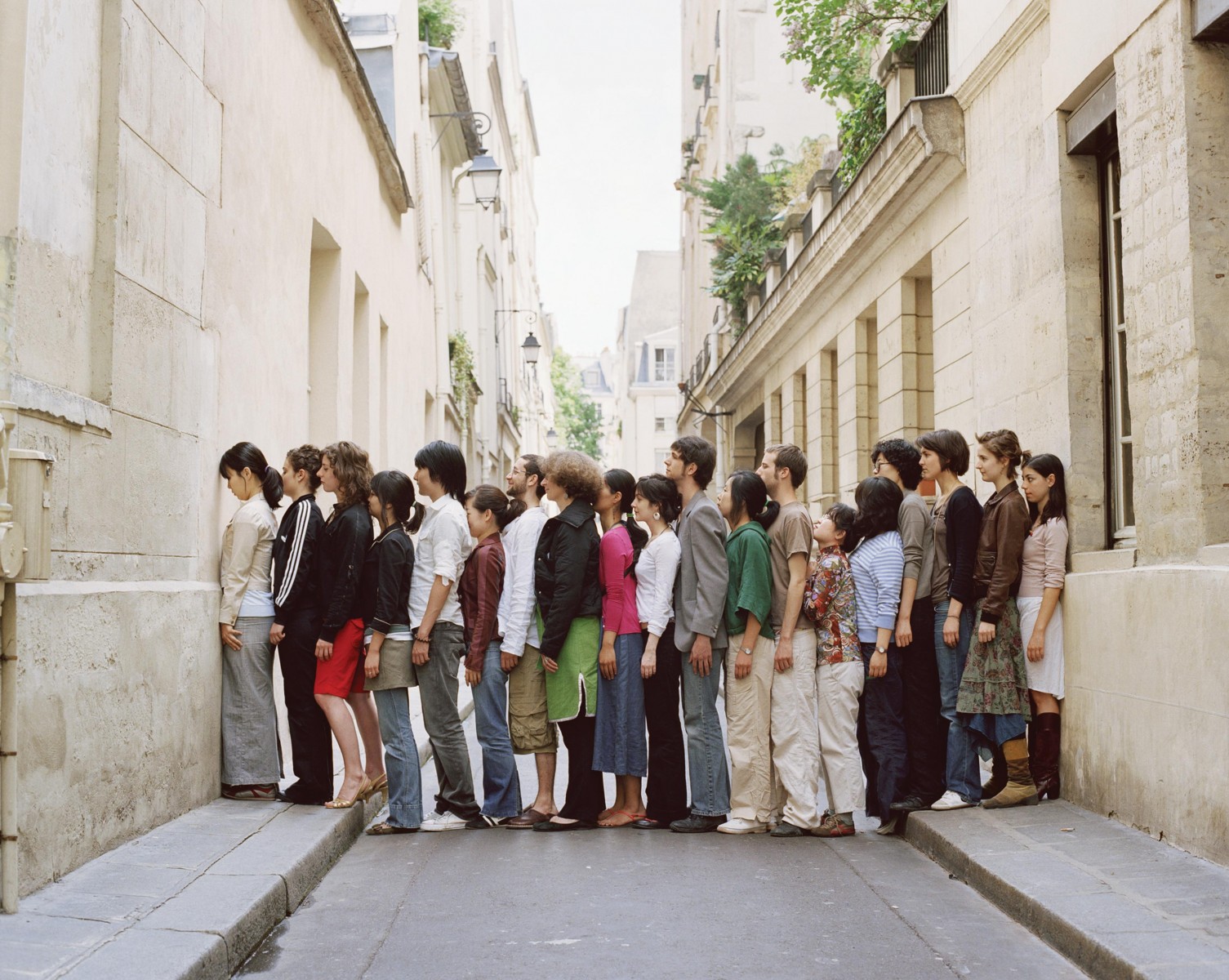
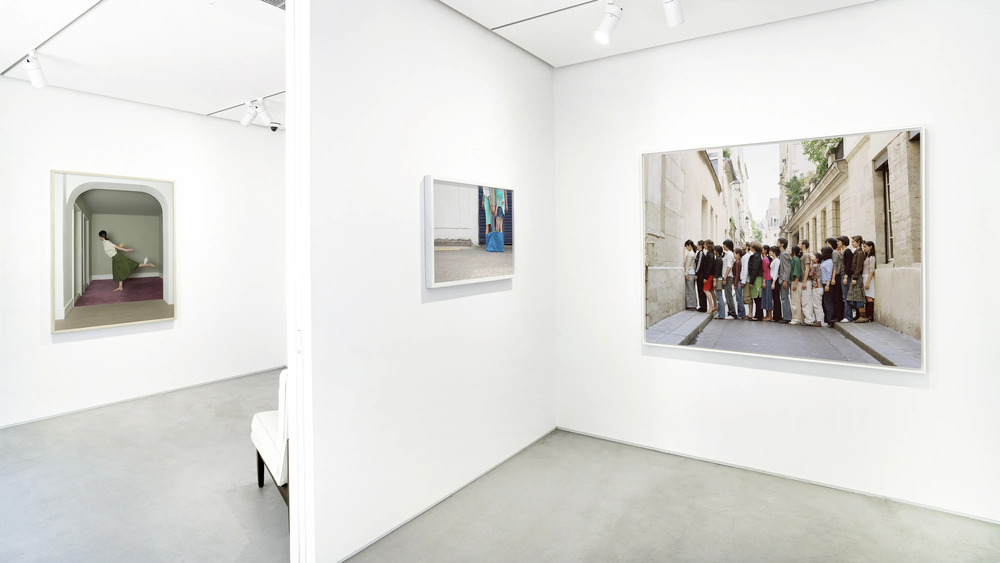
Chang Sungeun’s work begins with the visualization of subtle emotional traces and spatial sensations that people unconsciously pass by in everyday life. The artist has consistently focused on anonymous emotions arising from repetitive daily routines, the indistinct expressions of days that are difficult to remember, and states of emptiness and tension that resist clear explanation. In the early 'space measurement' series, Chang converts the physical scale of space into units measured through the human body rather than mathematical systems, prompting viewers to reconsider the very standards through which space is commonly perceived. For instance, Rue Visconti (2006) fills a narrow alleyway with human bodies and reduces its width to the irrational yet intuitive unit of “nineteen people.” Through this gesture, space is transformed from an objective structure into an emotional place mediated by human experience and sensation.

From this point onward, the artist expands the relationship between space and body into increasingly psychological and sensory dimensions. In the 'force-form' series, Chang attempted to visualize invisible forces and tensions, while in 《LOST FORM》 the artist evoked latent sensory images embedded within memory and imagination without directly depicting the space of the swimming pool itself. Here, space functions not simply as a background but as a condition in which emotions and memories condense, while the human body serves as a medium through which sensation is mediated. Rather than documenting actual spaces, Chang is more deeply concerned with visualizing the psychological afterimages and emotional densities that particular places leave within individuals.

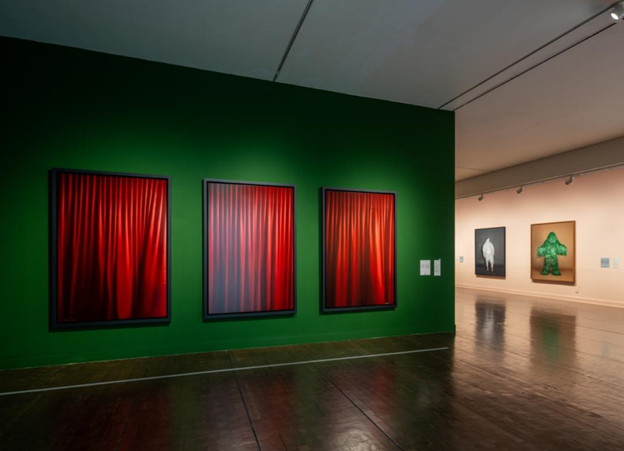
Another central concept in Chang’s practice is the notion of “theater.” Beginning with 《Writing Play》, the artist started to interpret the structures of emotion and behavior performed in social relationships as a “theatrical state.” Here, theater does not refer to dramatic narrative but rather to the social gestures through which individuals regulate themselves, conceal emotions, or reveal them while maintaining relationships with others. Bodies concealed beneath exaggerated costumes and hidden faces do not represent specific individuals but instead appear as entities performing emotion itself. Chang refers to these works as “portraits of emotion,” revealing inner emotional states through nonverbal elements such as materiality, color, posture, and temperature rather than through explicit narrative. In this way, the work does not directly explain emotion but instead explores the lingering resonance and permeation emotions leave upon the body.

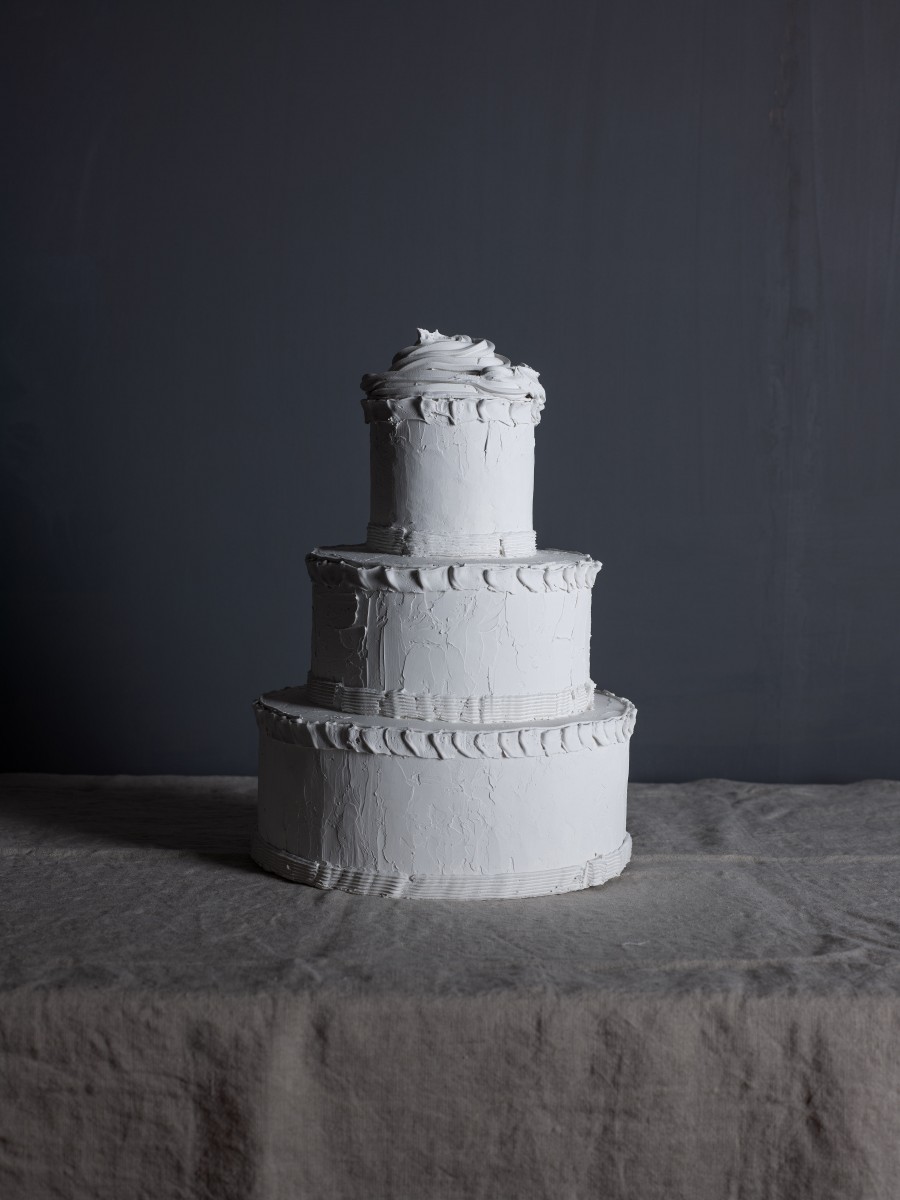
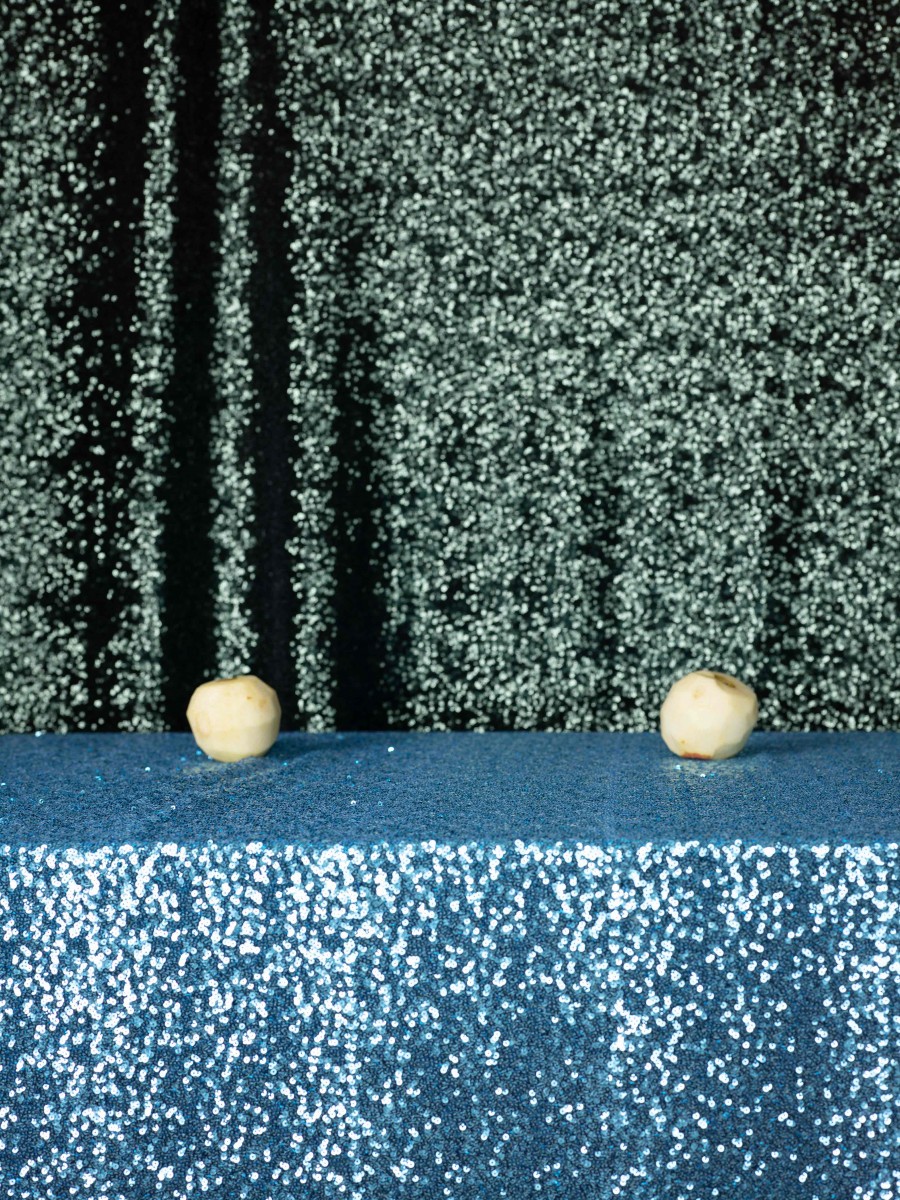
In more recent works, Chang dismantles the hierarchy between humans, objects, and landscapes, extending the work toward a broader sensory understanding of existence itself. In 《Warm and Black Stone》, the artist treats the human body as an equal sculptural element alongside objects, projecting emotion and warmth onto lifeless materials. Works such as Wild Fluctuation (2022) and Nude apple (2022) address the complex emotions surrounding birthdays as social rituals, revealing contemporary emotional conditions in which happiness and emptiness, celebration and alienation coexist simultaneously. Rather than reproducing specific narratives, Chang Sungeun’s work continually explores the ambiguous boundaries between reality and fantasy, presence and absence, memory and emotion, while capturing the subtle flows of sensation and affect experienced throughout human life.

Style & Contents

Chang Sungeun’s work begins by expanding photography beyond a simple medium of documentation into a sculptural tool capable of visualizing emotions and abstract concepts. From the outset, rather than accepting photography merely for its representational qualities, the artist has staged compositional situations that construct sensory tensions and psychological states emerging between space and body. In particular, Chang’s photographs strongly embody the characteristics of staged photography, in which pre-constructed situations and emotional flows are recreated, rather than adopting a documentary approach that captures specific moments of reality. This reveals the artist’s belief that photography, beyond functioning as a device for recording reality, can also operate as a sculptural language capable of constructing concepts and emotions in the same way as painting or sculpture.

In the early 'space measurement' series, the human body functions as a unit of spatial measurement, estranging the physical conditions of place. The body does not simply appear as a model but operates as a sculptural element that sensorially activates space, allowing narrow alleyways and interior spaces to be re-perceived through new proportions and sensations generated by the human figure. In the later 'force-form' series, Chang constructed increasingly dramatic relationships between body and space in order to visualize invisible tensions and forces, while 《LOST FORM》 indirectly evoked the imagery of water and swimming pools through objects, colors, and movements rather than directly depicting those spaces themselves. In this way, Chang focuses less on realistically describing specific places than on sculpturally translating the sensory afterimages and emotional residues that spaces leave within human consciousness.

Following 《Writing Play》, the relationship between body and costume emerges more prominently, further intensifying the theatrical sculptural qualities of the work. Rather than directly revealing facial expressions, the artist envelops or conceals bodies beneath exaggerated materials and costumes, expressing emotional states indirectly. In works such as Pompom (2016) and Bubble (2016), bodies appear concealed or transformed within massive accumulations of material, leading viewers to perceive emotion through posture, material texture, and chromatic temperature rather than through facial expression. This approach is closely tied to the artist’s intention to leave emotions unresolved and suspended as nonverbal states rather than explicitly explaining them. By actively excluding faces from the photographs, Chang also creates spaces of projection through which viewers may insert their own emotional interpretations.

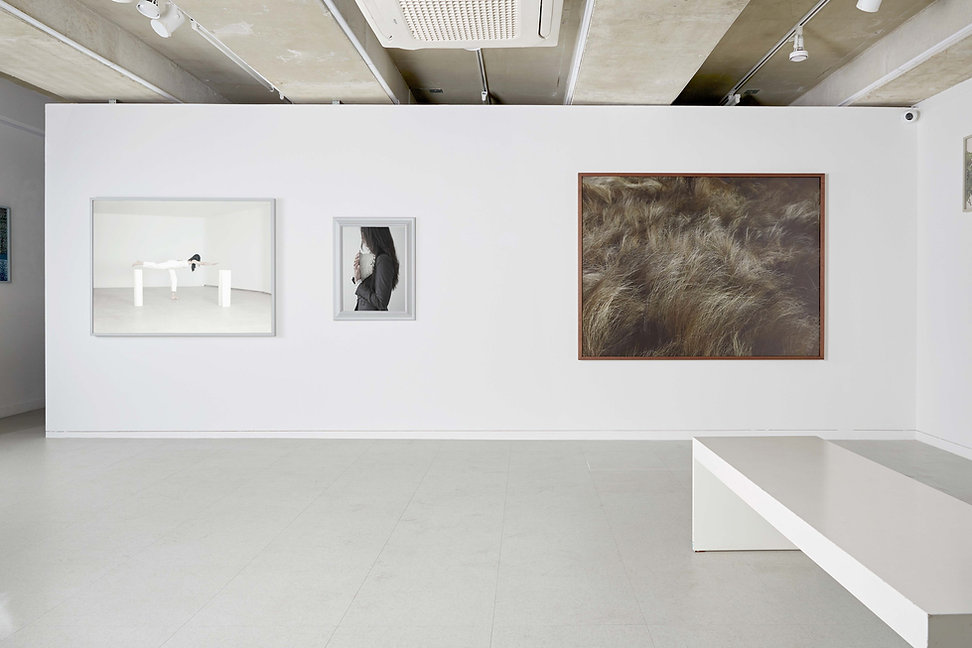
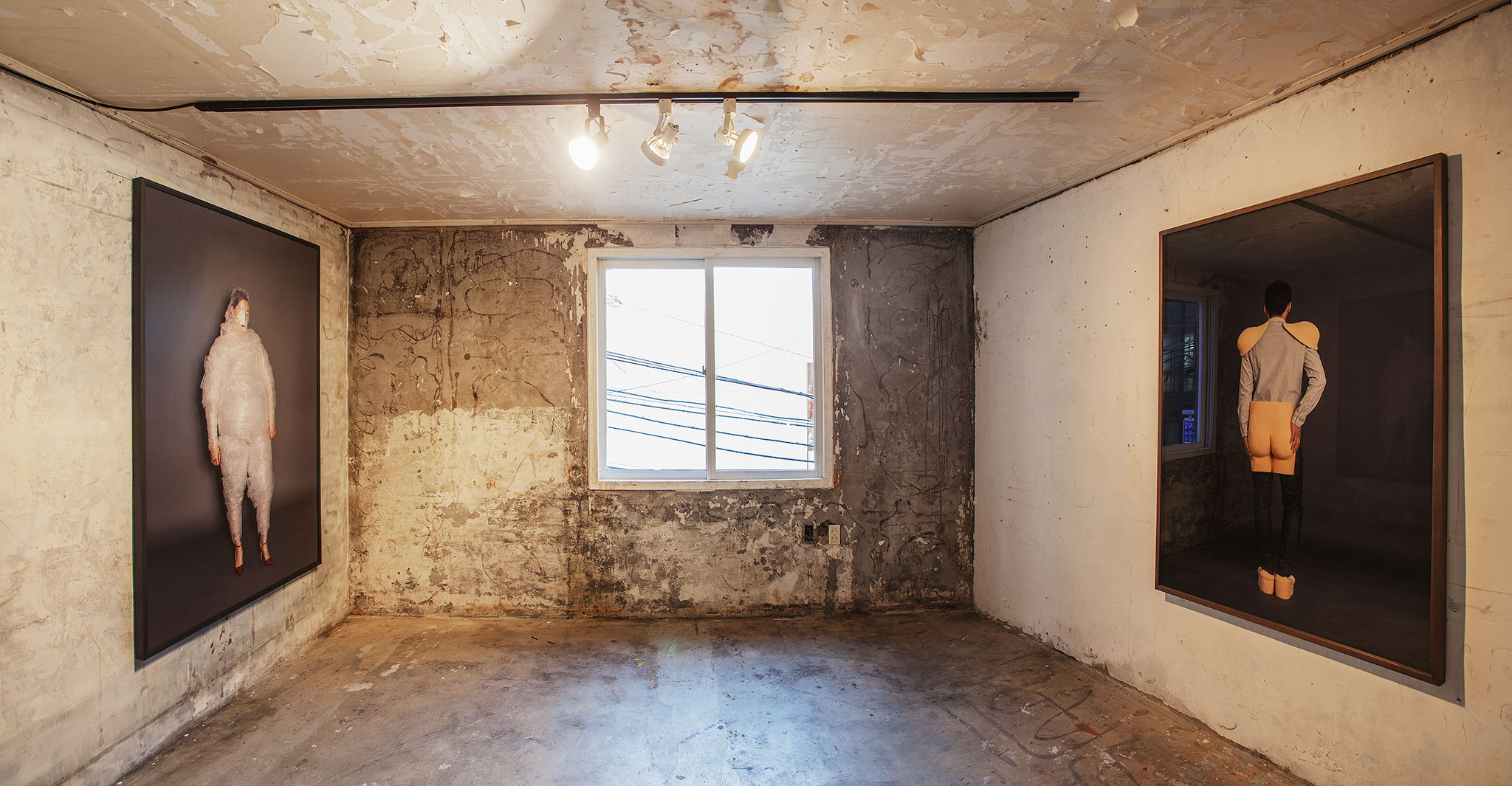
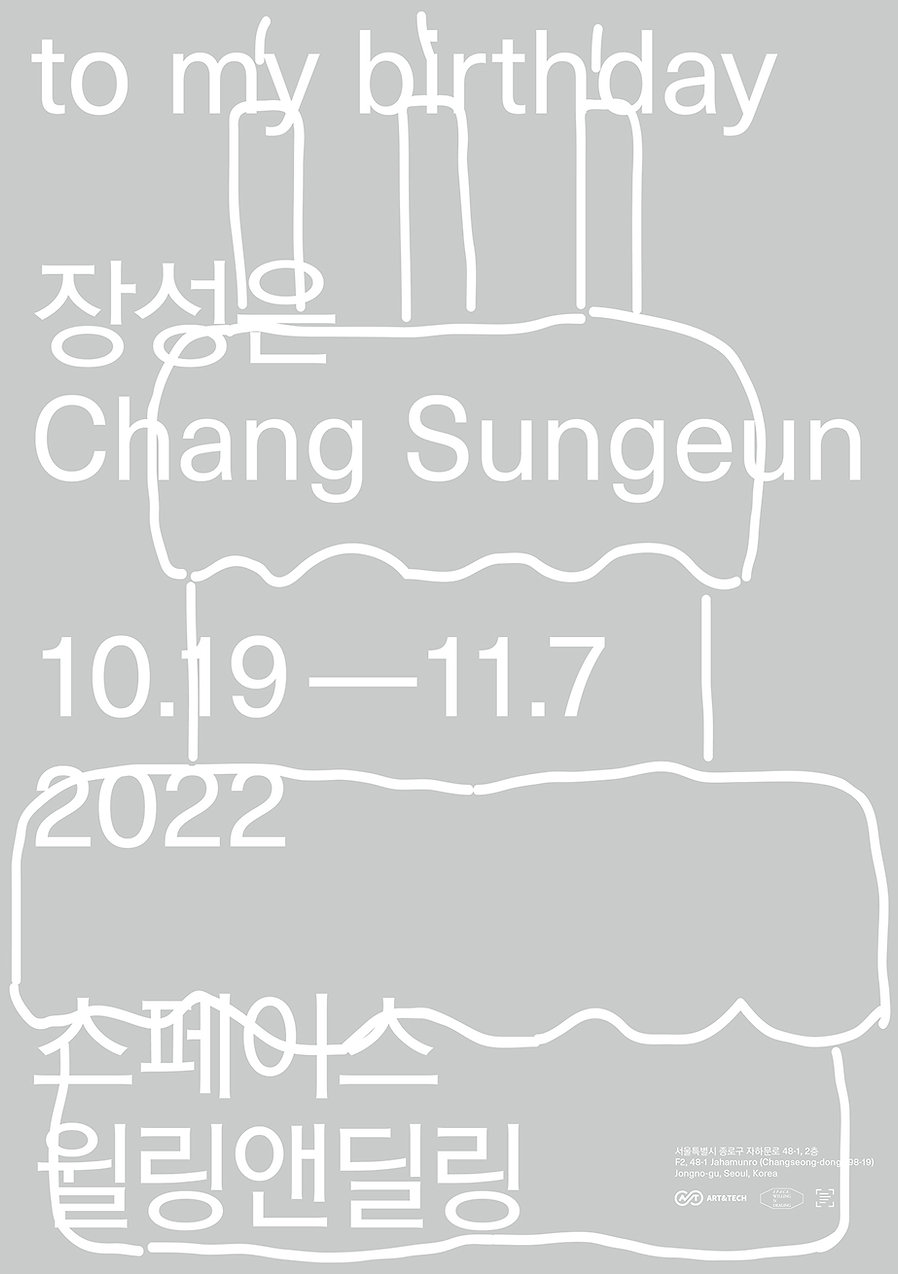
In more recent works, Chang expands the photographic frame into the exhibition space itself, actively incorporating installation-based elements. Works such as Scenery 1_3 (2016) and Scenery 1_4 (2016) no longer treat photography as a flat image hung upon a wall, but instead utilize the structure of space itself as both frame and scene. In particular, 《to my birthday》 juxtaposed photographs, digital images, NFT-based virtual spaces, and video installations in order to simultaneously explore the materiality and immateriality of the photographic medium. While grounded in photography, Chang Sungeun’s work fluidly traverses sculpture, installation, theatrical staging, and digital environments, constructing emotional and spatial conditions in increasingly multidimensional ways.

Topography & Continuity

Over the course of nearly two decades, Chang Sungeun has continuously explored the relationships between space and body, emotion and place, constructing a distinct artistic topography of her own. From the early 'space measurement' series to her recent installation and digitally based works, the artist has consistently developed methods of visualizing sensory experience and emotional states through the human body as a mediator of spatial perception. One of the defining characteristics running throughout Chang’s practice is her understanding of space not as a simple background, but as a condition of place in which human experiences and emotions accumulate. Within her work, place does not function as an objective structure but rather as an emotional environment permeated by memory and psychological states, while the body serves as a sculptural medium through which those sensations are revealed.

Although this inquiry has evolved into different formal variations across periods, it has maintained a remarkably consistent trajectory. If the earlier works visualized the ambiguity of abstract language through the relationship between the physical scale of space and the human body, later works gradually shift toward the inner emotional states and affective flows of human beings. In particular, the concept of “theater,” which emerged with 《Writing Play》, marks an important turning point within Chang’s practice. The artist interprets the structures of emotion and behavior performed within society as theatrical states, exploring the incompleteness of human existence that continuously adjusts itself within relationships. This theatrical attitude expands through costume and body, space and gaze, installation and spectatorship, ultimately becoming a distinctive sculptural language unique to Chang Sungeun.

In more recent works, the artist approaches the boundaries between humans, objects, and spaces with increasing fluidity. Exhibitions such as 《Warm and Black Stone》 and 《to my birthday》 treat the human body almost as an object, while conversely projecting emotion and warmth onto nonhuman things, thereby dismantling hierarchies of existence. At the same time, while grounded in a longstanding engagement with material photography, Chang actively incorporates new environments such as NFTs, digital images, and virtual spaces into her practice. This should not be understood merely as a response to changes within the photographic medium, but rather as an attitude that embraces the contemporary environments in which images themselves now operate as part of the work.

Rather than remaining fixed within a single form or medium, Chang Sungeun’s practice has organically expanded around a sustained interest in visualizing emotion and existence. Although her methods continue to evolve across photography, installation, sculptural staging, and digital environments, at the core of the work remains a consistent desire to sensorially reveal human emotions, memories, and states of being that resist direct explanation. Ultimately, Chang continuously captures the subtle movements of emotions that repeatedly emerge and disappear within life, while persistently renewing the relationships between reality and fantasy, presence and absence, individuals and space.


Works of Art

The Relationships Between Space and Body, Emotion and Place

Exhibitions

Activities