Untitled - K-ARTIST

Untitled

2019
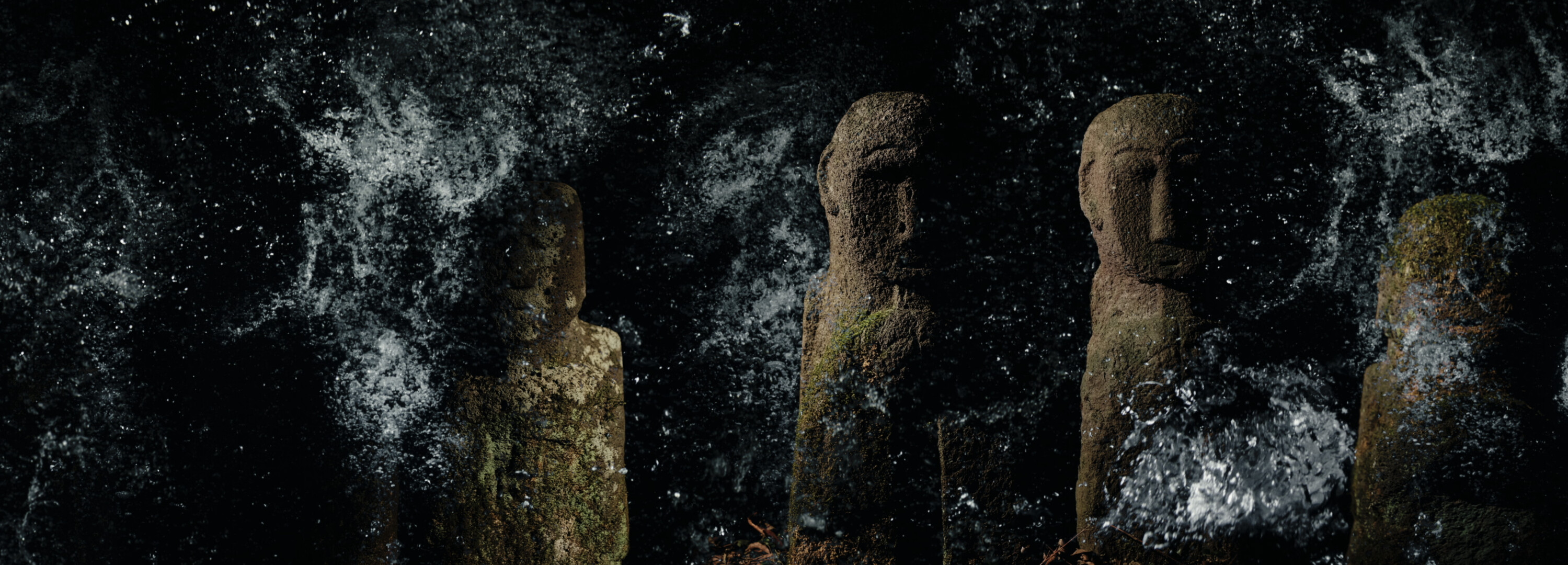
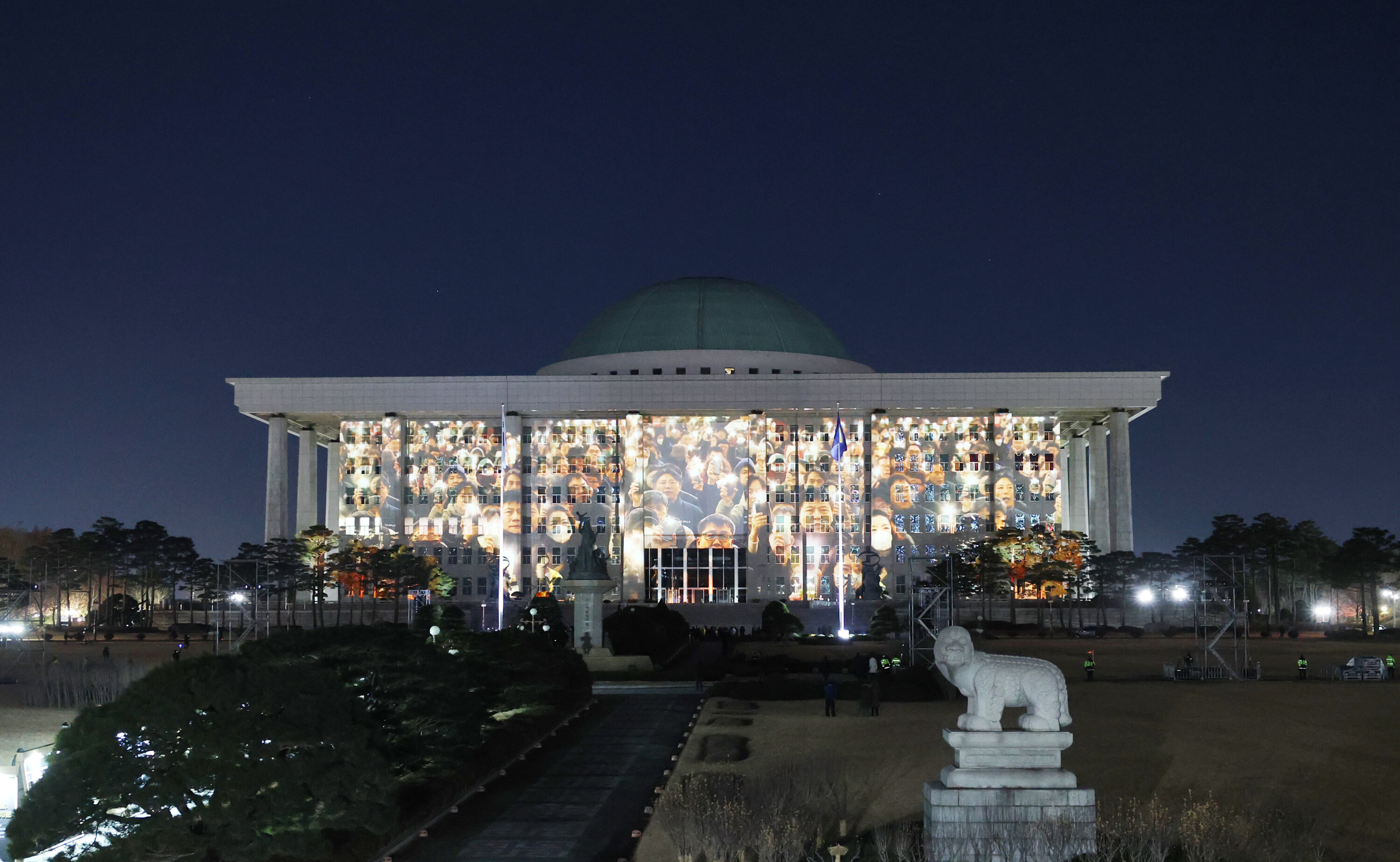
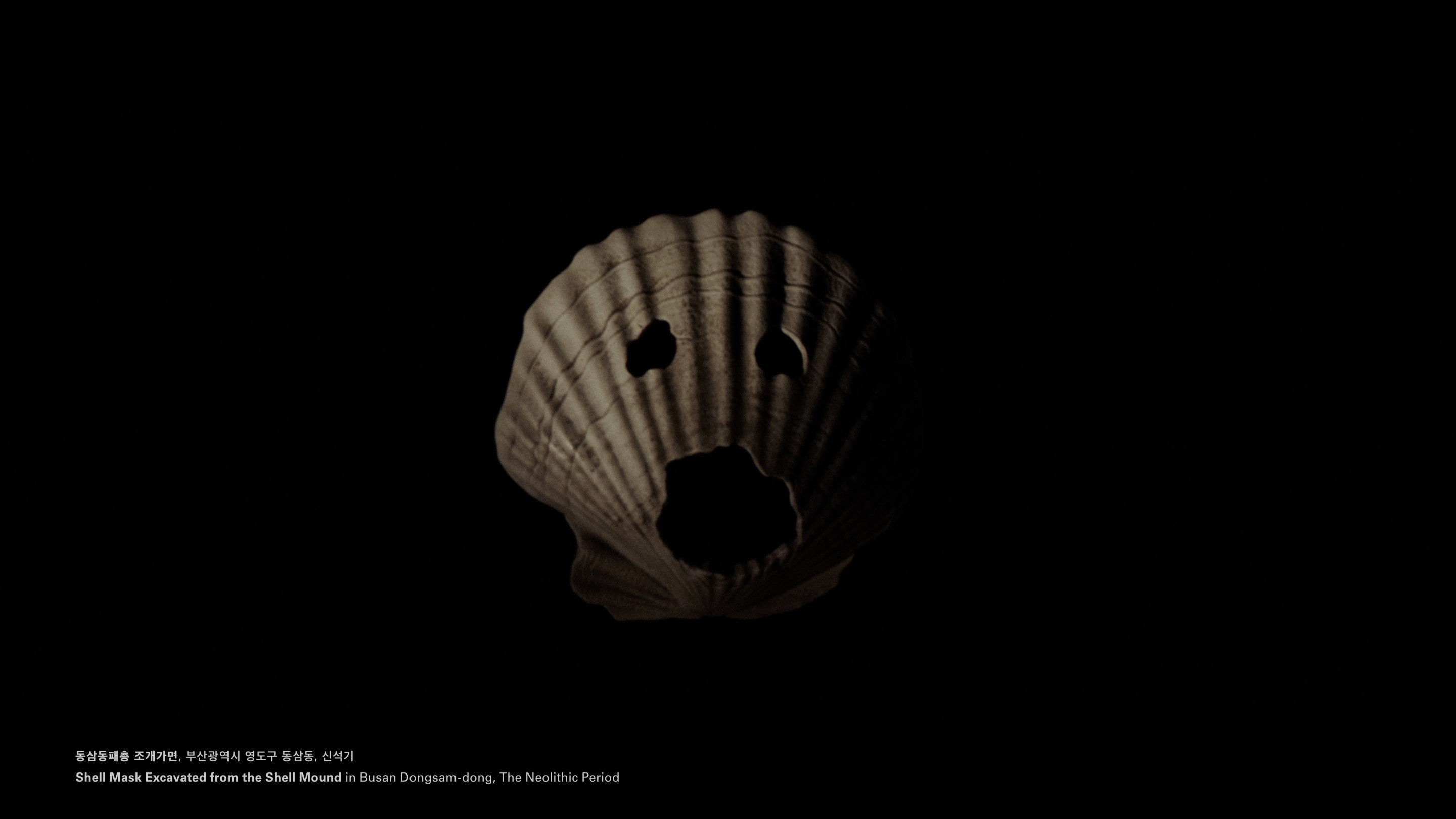
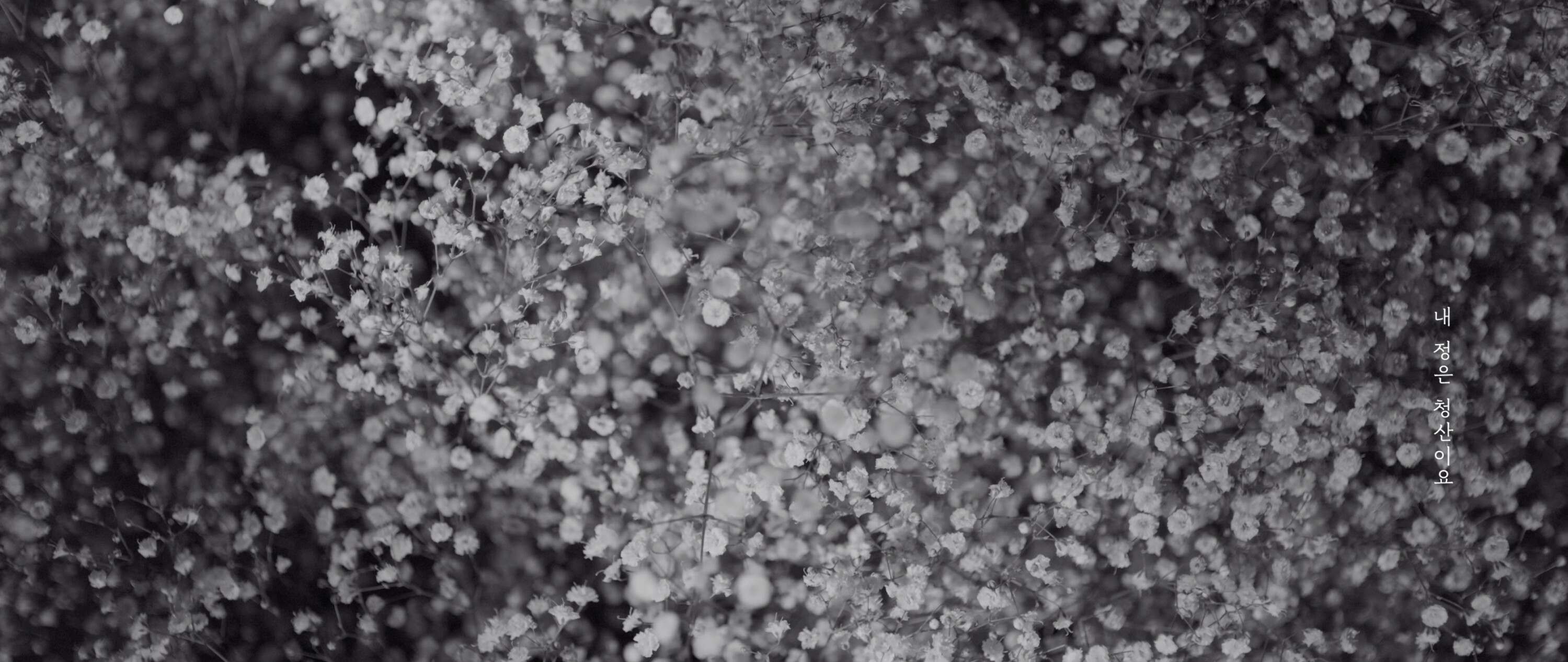
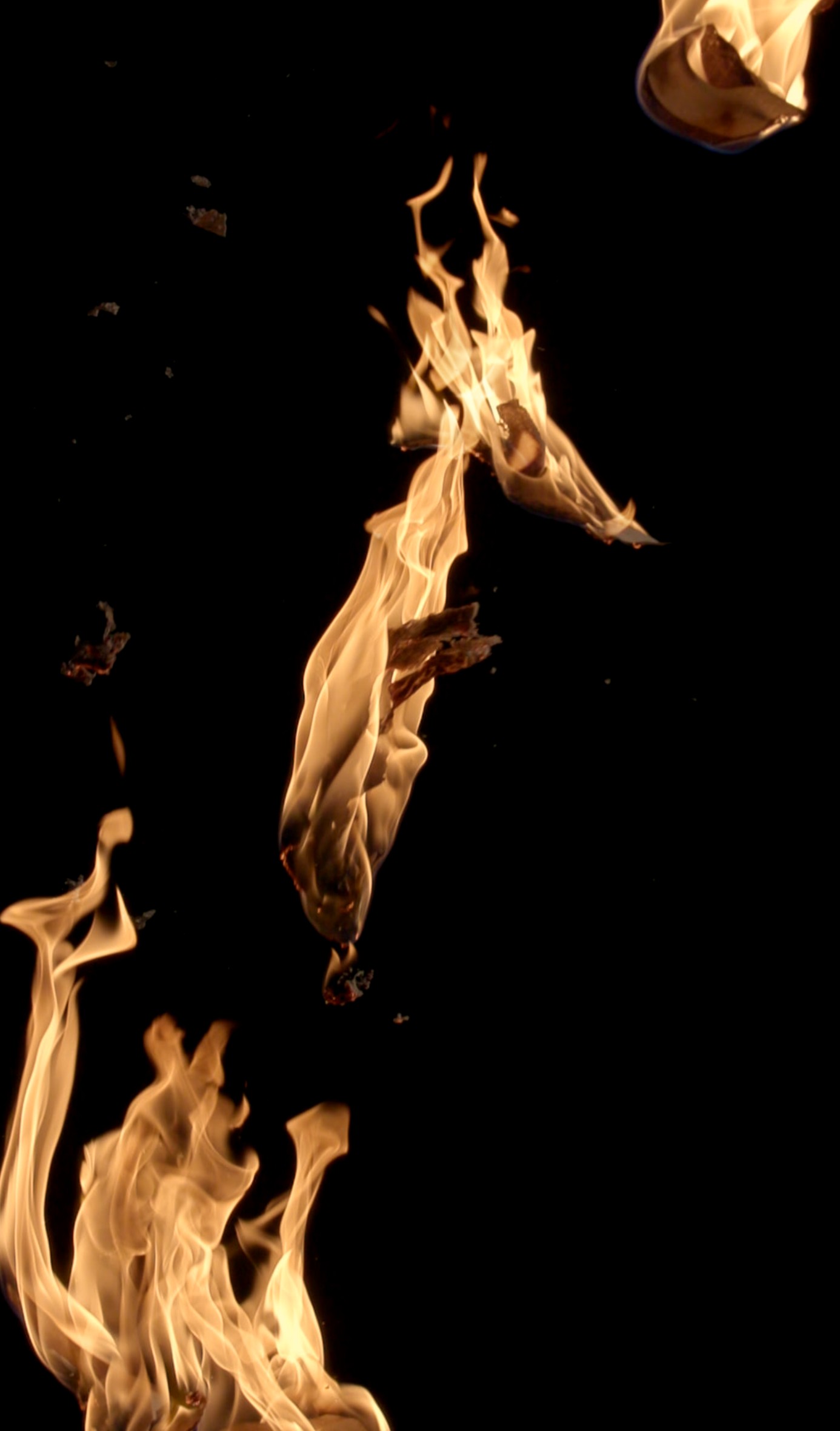
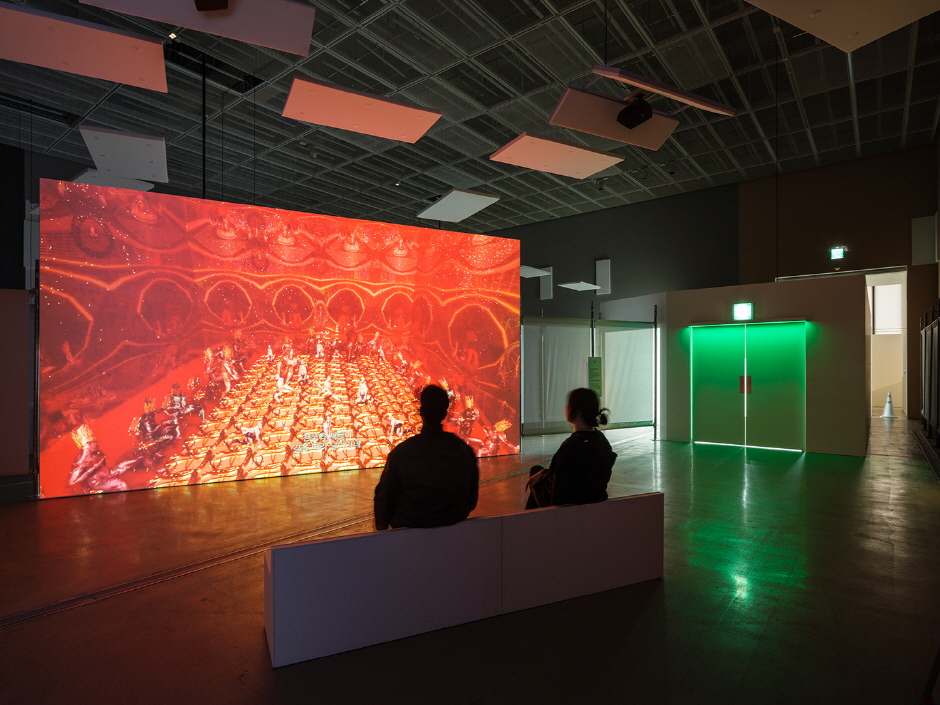
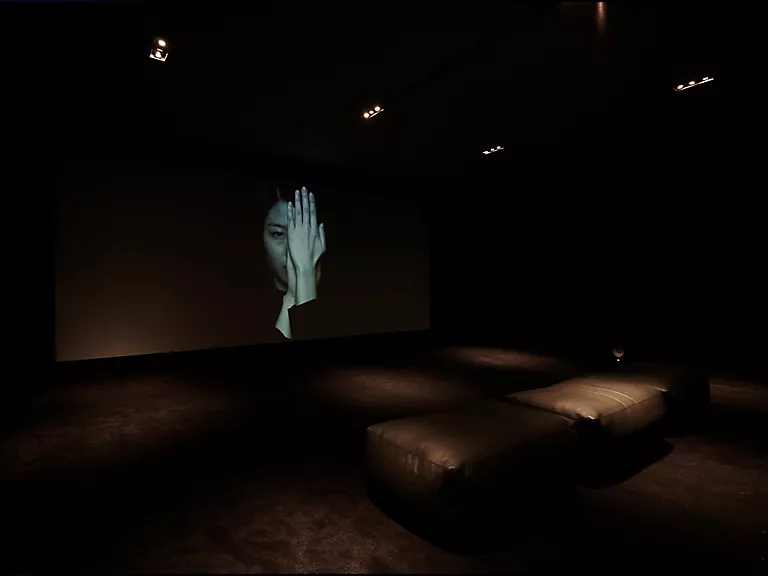
9-channel video, surround sound
23 min
About The Work

Jang Minseung’s practice begins with the juxtaposition of the tragedies of modern Korean history and the vast order of nature, exploring the traces and sensations of human existence suspended between them. Rather than directly reenacting events or explaining narratives, the artist traces the sensory reverberations that remain within places and time after an event has passed.

In this sense, his practice moves beyond the dimensions of documentation or testimony, instead constructing sensory spaces through which vanished presences and contemporary viewers may reconnect.

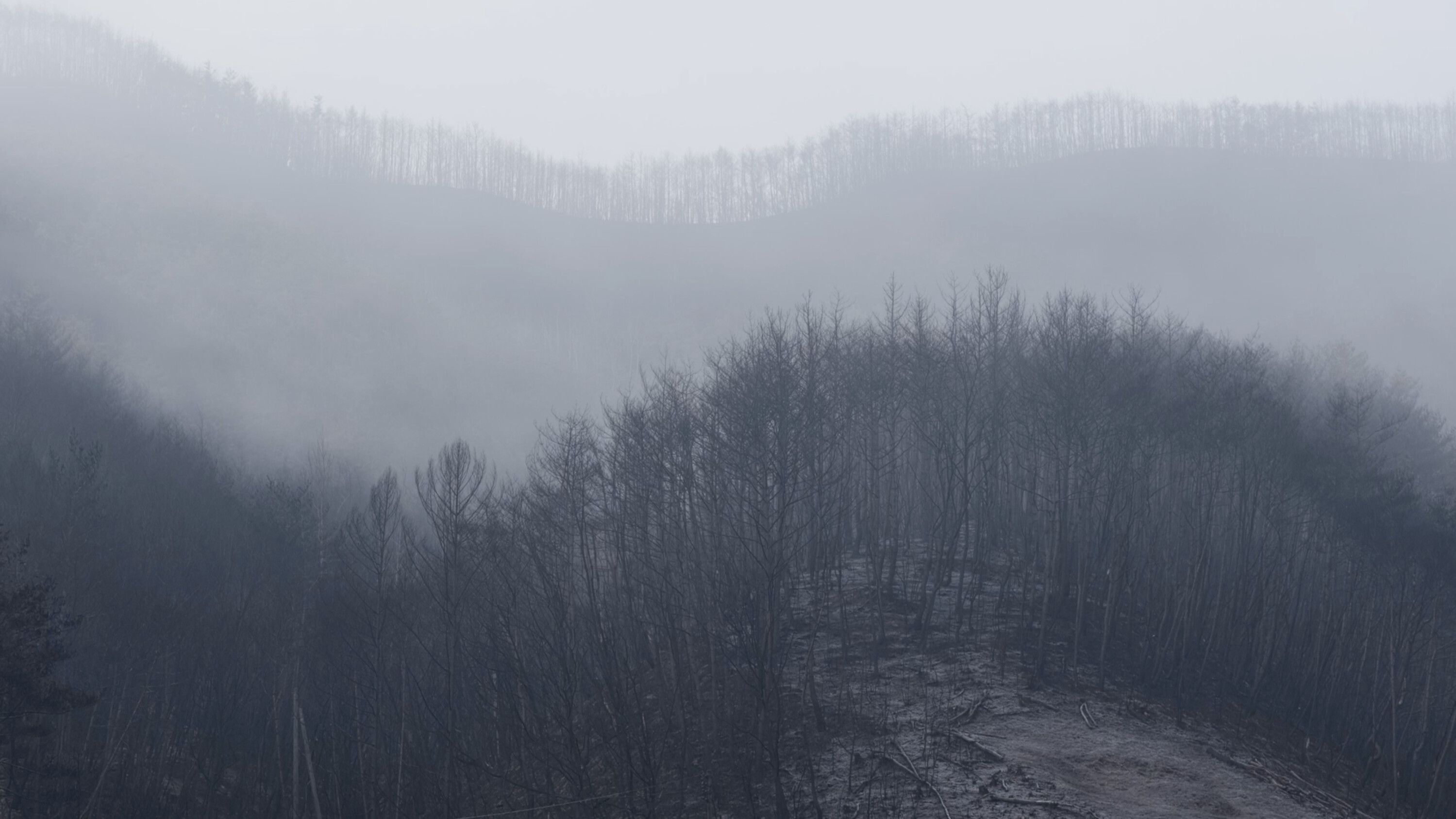
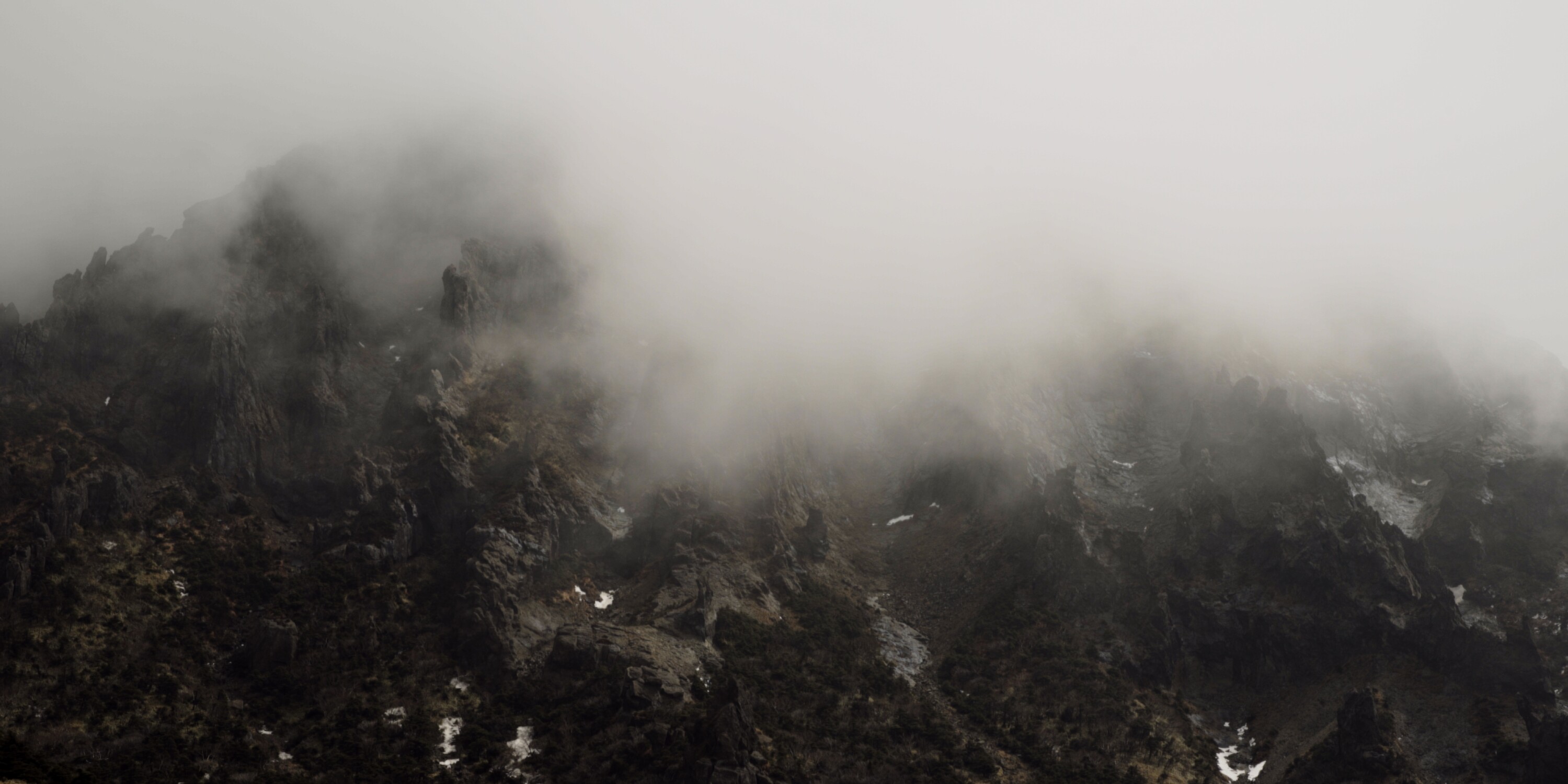
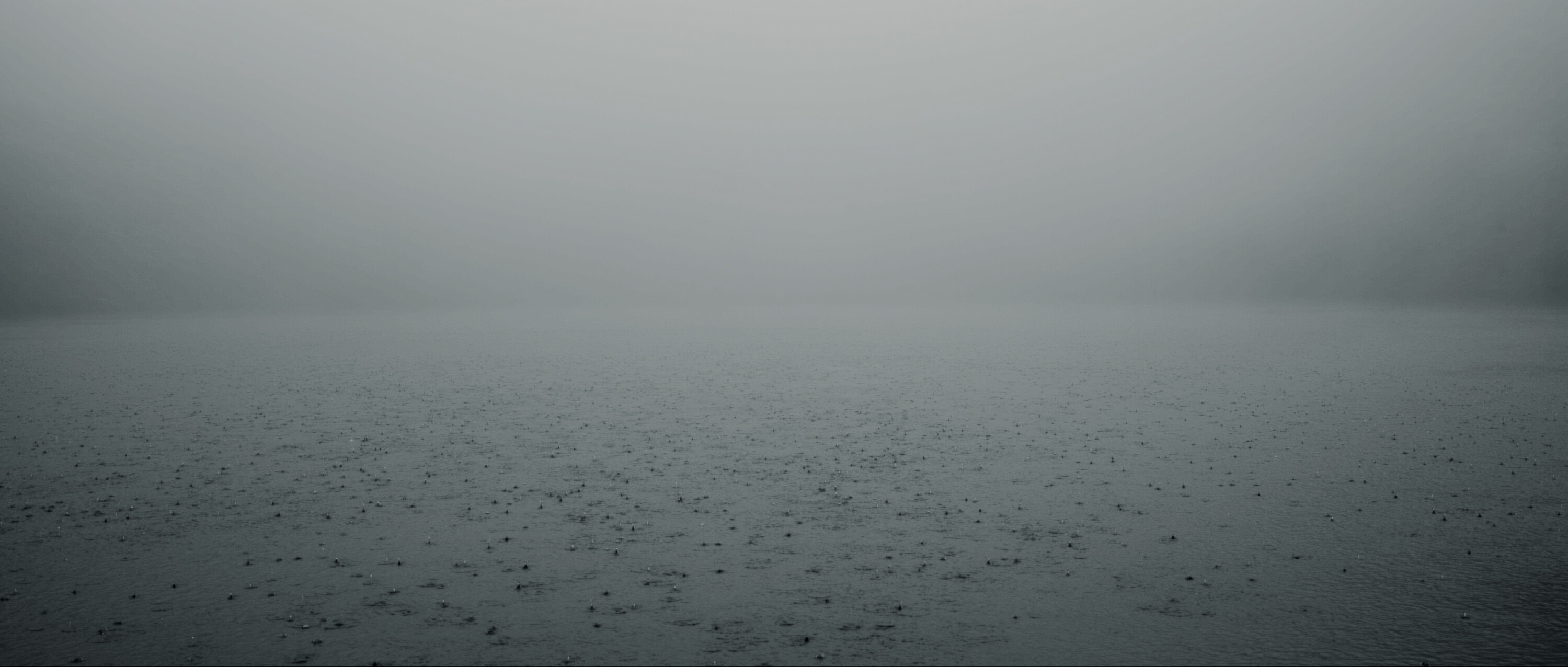
What repeatedly emerges throughout his work is the immense temporality of nature—beyond human control—and the fleeting traces of human history embedded within it. Jang Minseung does not treat nature merely as background or scenery. Rather, material phenomena such as the sea, snowstorms, fog, light, and darkness function as mediating forces through which memory, history, and the sensation of loss are transmitted. 

In this way, places within his work consistently appear as liminal spaces where past and present, reality and unreality, humanity and nature intersect. Rather than occupying or dominating a site, the artist adopts a performative attitude of prolonged walking, dwelling, and contemplation in order to draw out the sensations and emotions embedded within it.

Solo Exhibitions (Brief)

Jang Minseung has held solo exhibitions at Johyun Gallery (Busan, 2011), One and J. Gallery (Seoul, 2010, 2012), Space Willing N Dealing (Seoul, 2014), Platform-L Contemporary Art Center (Seoul, 2016), Kunsthal Aarhus (Aarhus, Denmark, 2021), the Korea Cultural Centre UK (London, UK, 2021), and Chilsung Boatyard, factory2, Via Art, and Suraksan Mountain Hut (2024).

Group Exhibitions (Brief)

Jang Minseung has participated in group exhibitions at major museums and institutions including the National Museum of Modern and Contemporary Art, Korea (Seoul, Gwacheon, and Cheongju, 2016–2025), the Seoul Museum of Art (Seoul, 2011, 2018, 2023), the Museum of Contemporary Art Busan (Busan, 2020), the ARKO Art Center (Seoul, 2015), the Kumho Museum of Art (Seoul, 2013), and the National Museum of Contemporary Art of Romania (Bucharest, 2015). He has also participated in international biennales and large-scale projects including the Busan Biennale (Busan, 2020) and the Ljubljana Biennale of Graphic Arts (Ljubljana, Slovenia, 2009).

Awards (Selected)

Jang Minseung was awarded the Hermès Foundation Missulsang in 2014.

Residencies (Selected)

Jang Minseung participated in the MMCA Residency Changdong Project Residency (2014), the 9th NANJI Residency at the Seoul Museum of Art (2015), and the 2nd GAPADO Artist in Residence (2018).

Collections (Selected)

Works by Jang Minseung are included in the collections of the National Museum of Modern and Contemporary Art, the Seoul Museum of Art, the Busan Museum of Art, the Jeju Museum of Art, the Gyeongnam Art Museum, and the Amorepacific Museum of Art, among others.

Works of Art

Lingering Sensations Left in Places and Times After the Event

Originality & Identity

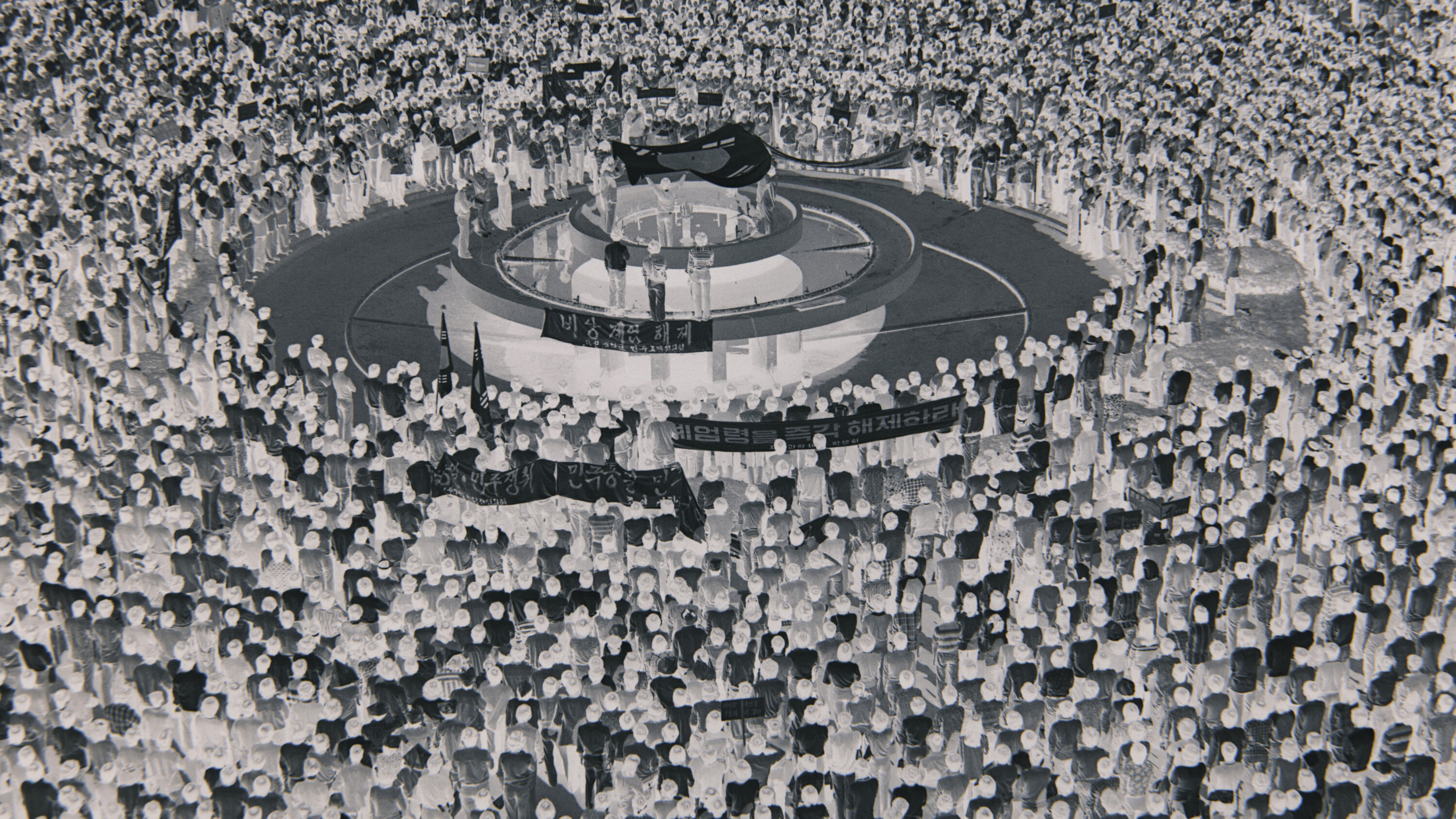
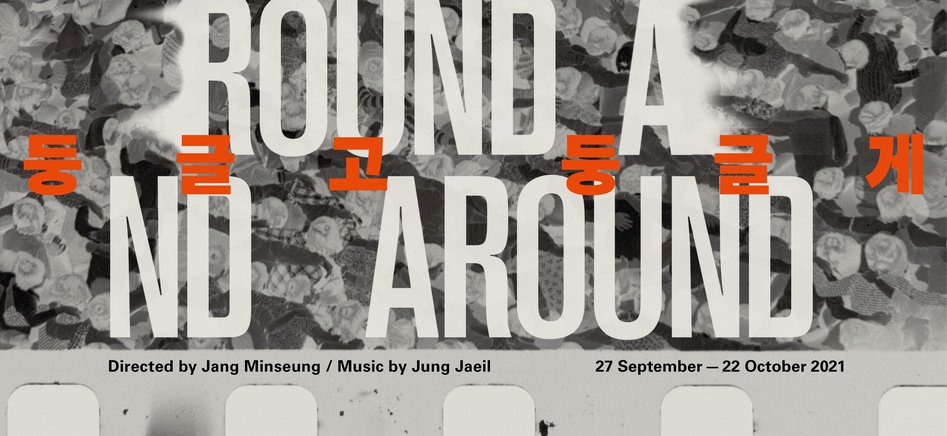
Jang Minseung’s practice begins with the juxtaposition of the tragedies of modern Korean history and the vast order of nature, exploring the traces and sensations of human existence suspended between them. Rather than directly reenacting events or explaining narratives, the artist traces the sensory reverberations that remain within places and time after an event has passed. From voiceless, which addresses the Sewol Ferry Disaster, to Round And Around, which reconsiders the Gwangju Uprising, and the recent ‘Polaris’ series filmed on the snow-covered slopes of Hallasan Mountain, his works consistently share an attitude of contemplating “a place from which something has already passed.” In this sense, his practice moves beyond the dimensions of documentation or testimony, instead constructing sensory spaces through which vanished presences and contemporary viewers may reconnect.

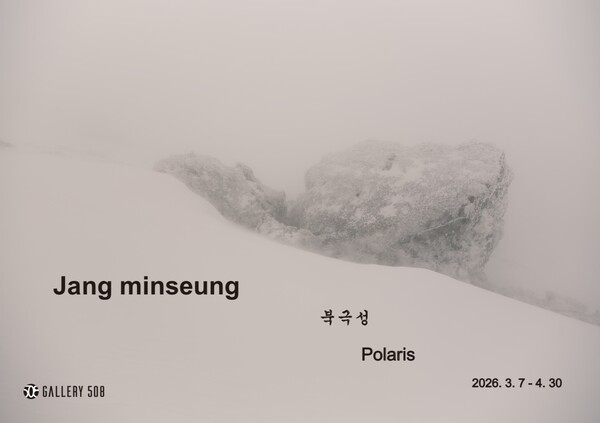
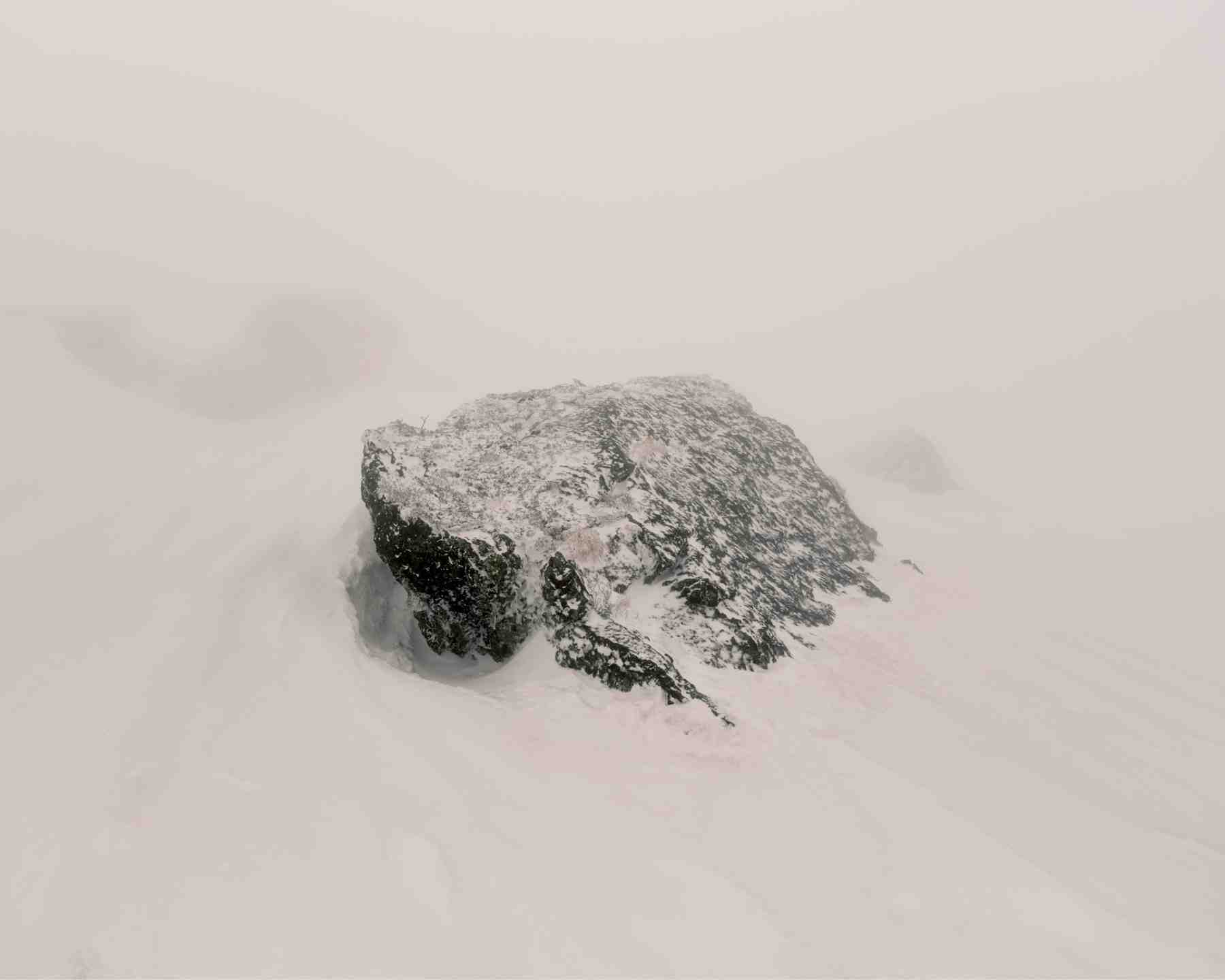
What repeatedly emerges throughout his work is the immense temporality of nature—beyond human control—and the fleeting traces of human history embedded within it. Jang Minseung does not treat nature merely as background or scenery. Rather, material phenomena such as the sea, snowstorms, fog, light, and darkness function as mediating forces through which memory, history, and the sensation of loss are transmitted. In particular, the whiteout landscapes appearing in the recent ‘Polaris’ series metaphorically evoke the existential anxiety and paralysis of perception confronting contemporary society through conditions in which orientation and vision collapse. Nature becomes both an object of the sublime and a vast mechanism exposing the fragility of human civilization.

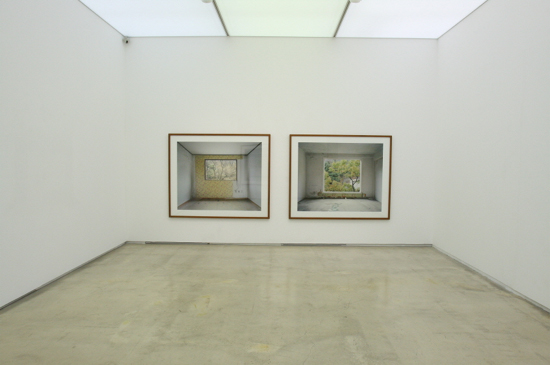
Jang Minseung also approaches place not simply as physical space, but as a layered terrain in which time and memory accumulate. In the ‘In between times’ series, filmed within the Ogin Citizen Apartment complex shortly before its demolition, he did not merely document the site of urban redevelopment, but instead captured moments in which traces of disappearing lives overlap with natural landscapes. In this way, places within his work consistently appear as liminal spaces where past and present, reality and unreality, humanity and nature intersect. Rather than occupying or dominating a site, the artist adopts a performative attitude of prolonged walking, dwelling, and contemplation in order to draw out the sensations and emotions embedded within it.

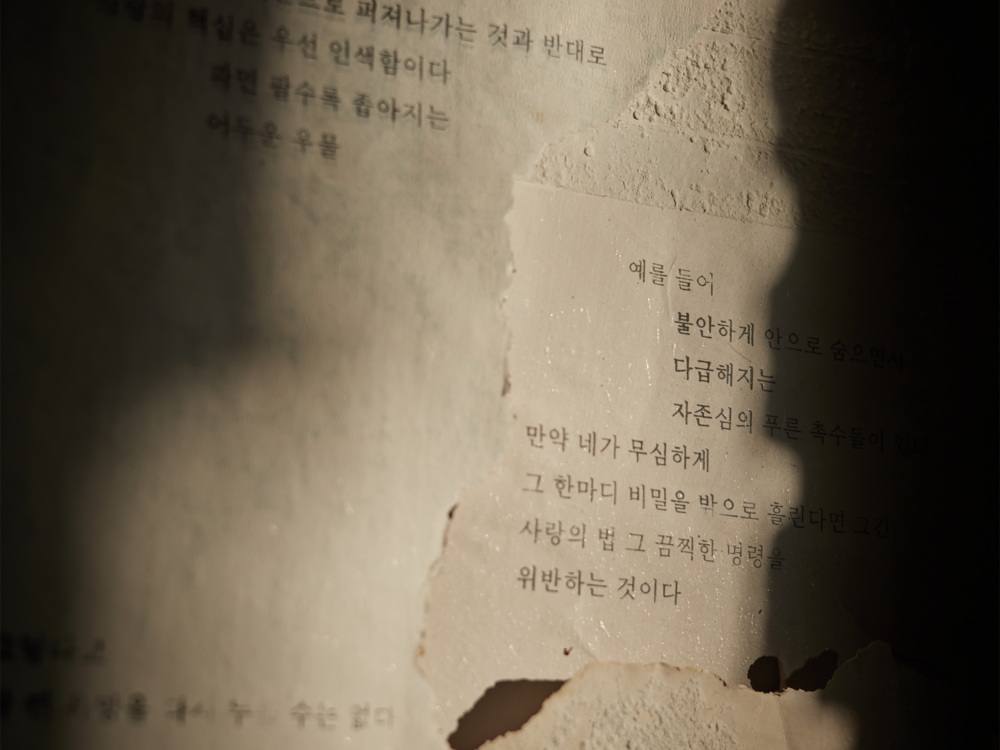
Above all, what distinguishes Jang Minseung’s practice is his singular approach to mourning. He neither directly reproduces tragic events nor excessively dramatizes emotion. Instead, through sound, light, slowness, silence, and emptiness, he invites viewers to enter the sensory dimensions of events themselves. In doing so, memories of state violence and collective catastrophe are transformed from historical information into sensory questions that continue to persist in the present. Mourning within his work is therefore not an act of closure, but an ongoing sensory practice that seeks to reconnect the present with vanished existences.

Style & Contents

Jang Minseung’s practice unfolds through the organic integration of photography, moving image, sound, installation, and performance, constructing immersive sensory environments in themselves. Within his work, each medium does not exist independently, but instead complements and penetrates the others to form a unified spatial experience. In particular, Jang does not simply arrange image and sound in parallel; rather, he structures light and sound so that they resonate within a single sensory system. This approach has continuously evolved from early sound-based installation works such as A. intermission and collaborative projects with Jaeil Jung including 《the moments》, through to his more recent moving-image works. The viewer does not simply “look” at the work, but rather inhabits and sensorially passes through it.

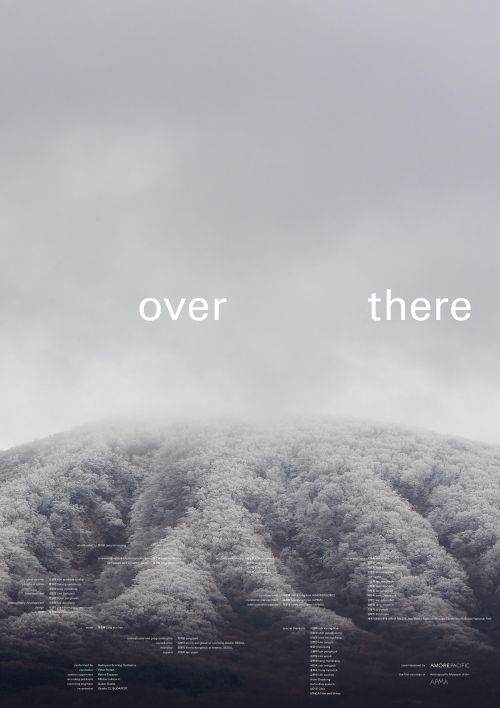
The moving image within his practice does not follow the conventions of narrative cinema. Rather than explaining causal relationships or constructing dramatic developments, Jang accumulates sensory density through slow rhythms, repetition, silence, and emptiness. In works such as over there and Arcadia, the camera does not designate specific subjects, but instead contemplates immaterial elements such as fog, waves, wind, and darkness, revealing the temporality embedded within the landscape itself. In this process, moving image functions not as a medium for delivering information, but as a device that transforms the viewer’s very state of perception. Through extremely restrained movement and extended duration, his images compel viewers to actively contemplate the landscape from within.

Sound constitutes another central element of Jang Minseung’s practice. He does not use music merely as background atmosphere or an emotional device. Developed through his long-term collaboration with Jaeil Jung, sound forms a structure equal to that of the image and at times even precedes the image in organizing the sensory experience of space. Non-verbal sounds such as waves, wind, metallic vibrations, and distant voices awaken the viewer’s senses while constructing the physical and emotional density of a specific place. In particular, the manner in which sign language performance, music, and silence intersect within voiceless acoustically materializes a condition of sensation and mourning that exists prior to language. Within his work, sound resembles an immaterial form of sculpture that allows viewers to sense what cannot be seen.

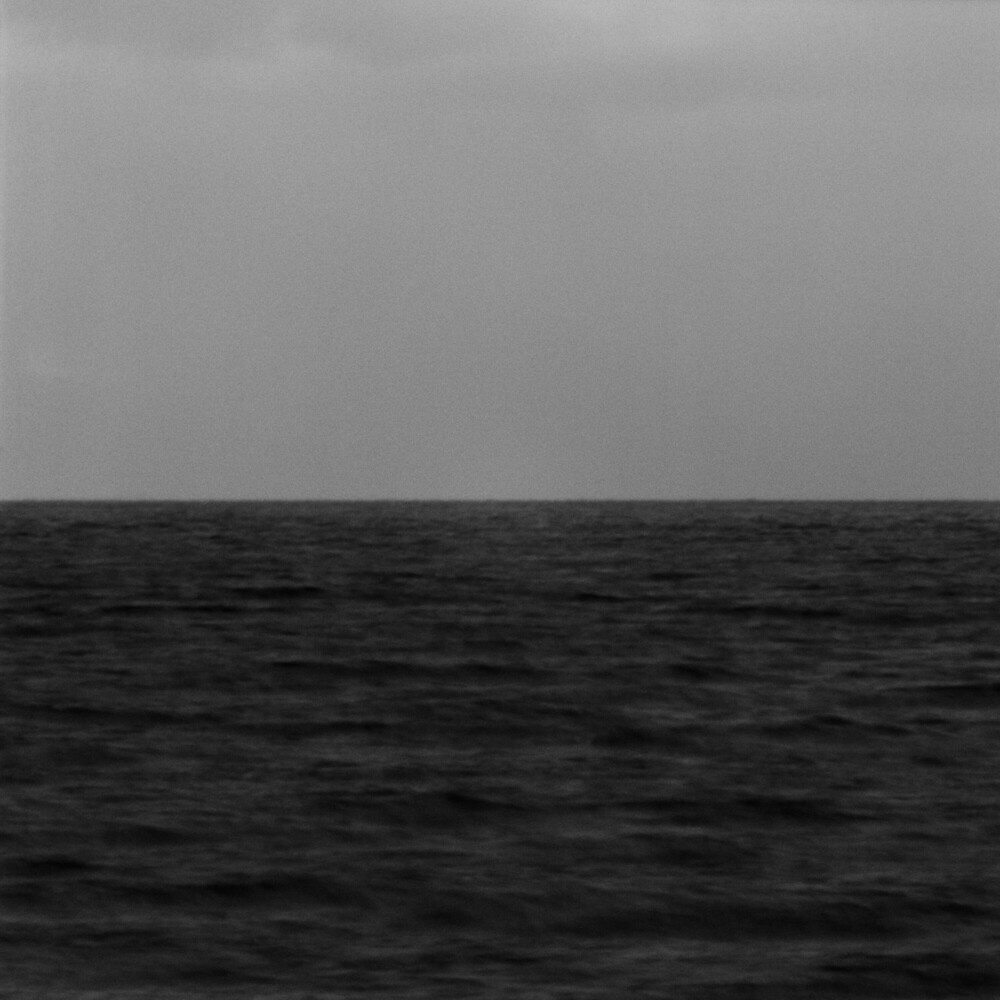
His recent photographic works also extend this sensory structure. Jang Minseung’s photography maintains a deliberate distance from conventional landscape photography and documentary recording. Through prolonged movement across extreme climatic conditions, he contemplates landscapes in order to capture not fleeting moments, but the accumulated layers of time and sensation embedded within a place. The ‘Polaris’ series filmed amid snowstorms on Hallasan Mountain and works such as Listen, which document the night sea, reveal the uncertainty of perception and the condition of matter rather than pursuing clear representation. In particular, the large-scale photographs printed on Hanji emphasize the material qualities of light and particles, transforming photography from a mere image into a tactile and material object. Through these diverse media, Jang continuously reconstructs the relationships between landscape and memory, history and sensation.

Topography & Continuity

Although Jang Minseung’s practice has continuously expanded across media and forms over the past two decades, it maintains a strong sense of continuity through its persistent exploration of the sensory layers accumulated within specific places and moments in time. From his early photographic works, installations, and sound-based projects to his recent moving-image works and large-scale photographic series, he has consistently centered his practice around the question of “how vanished things continue to remain.” This is not simply an attempt to preserve or document traces of the past, but rather a performative practice that recalls invisible presences and sensations back into contemporary space. While repeatedly returning to particular events and sites, Jang’s work does not reduce them to fixed memories, but continually renews them as ongoing sensory experiences in the present.

One of the central axes within his artistic terrain lies at the intersection of the tragedies of modern Korean history and the materiality of nature. Works such as voiceless, which addresses the Sewol Ferry Disaster, Round And Around, which reconsiders the Gwangju Uprising, and his recent photographic works centered on Hallasan Mountain and the sea all take different formal approaches while consistently contemplating landscapes after loss. Rather than reducing state violence or social catastrophe to direct representation or political declaration, he transforms them into sensations of light, air, sound, and silence permeating particular places. In this way, Jang’s practice moves beyond merely recording historical tragedy, tracing instead how such events persist and transform within contemporary sensory systems.

At the same time, his work forms a unique sensory topography by traversing the boundaries between city and nature, human and nonhuman, reality and unreality. In 《In between times》, filmed within the Ogin Citizen Apartment complex shortly before its demolition, natural landscapes seep into urban spaces emptied of human life. In works such as over there and Arcadia, fog, sea, light, and darkness blur the boundaries between reality and the unreal. More recently, the ‘Polaris’ series reveals the instability of human existence through whiteout conditions in extreme snowy landscapes, where orientation and vision collapse. These landscapes are not mere representations of nature, but psychological and philosophical spaces that question the very ways in which human beings perceive and remember.

Above all, the continuity of Jang Minseung’s practice derives from his attitude toward slow time. Even within an environment saturated by rapidly consumed images, he forms relationships with places through prolonged filming, movement, repetitive contemplation, and sustained dwelling. The ‘Polaris’ series, produced through countless ascents and descents across the snowy slopes of Hallasan, and over there, completed over approximately one thousand days of travel between Jeju and the mainland, stand as representative examples of this performative temporality. Within his work, time is not merely a backdrop, but a material force that generates landscapes and transforms perception. Through this slow and persistent approach, Jang has accumulated relationships between place and history, nature and humanity, constructing a singular sensory topography within contemporary Korean art.


Works of Art

Lingering Sensations Left in Places and Times After the Event

Exhibitions