

The Structure of #1 - K-ARTIST

The Structure of #1

2010
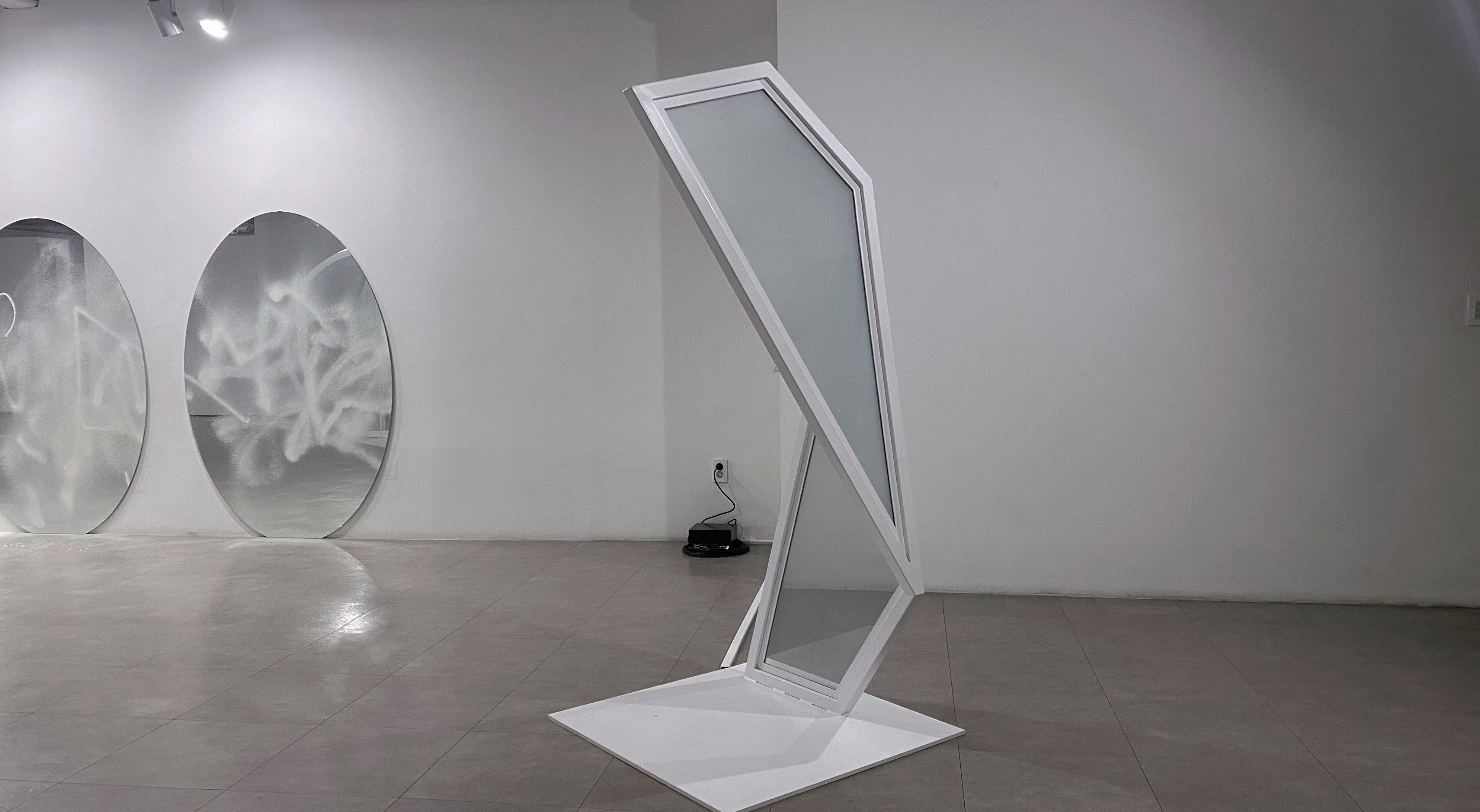
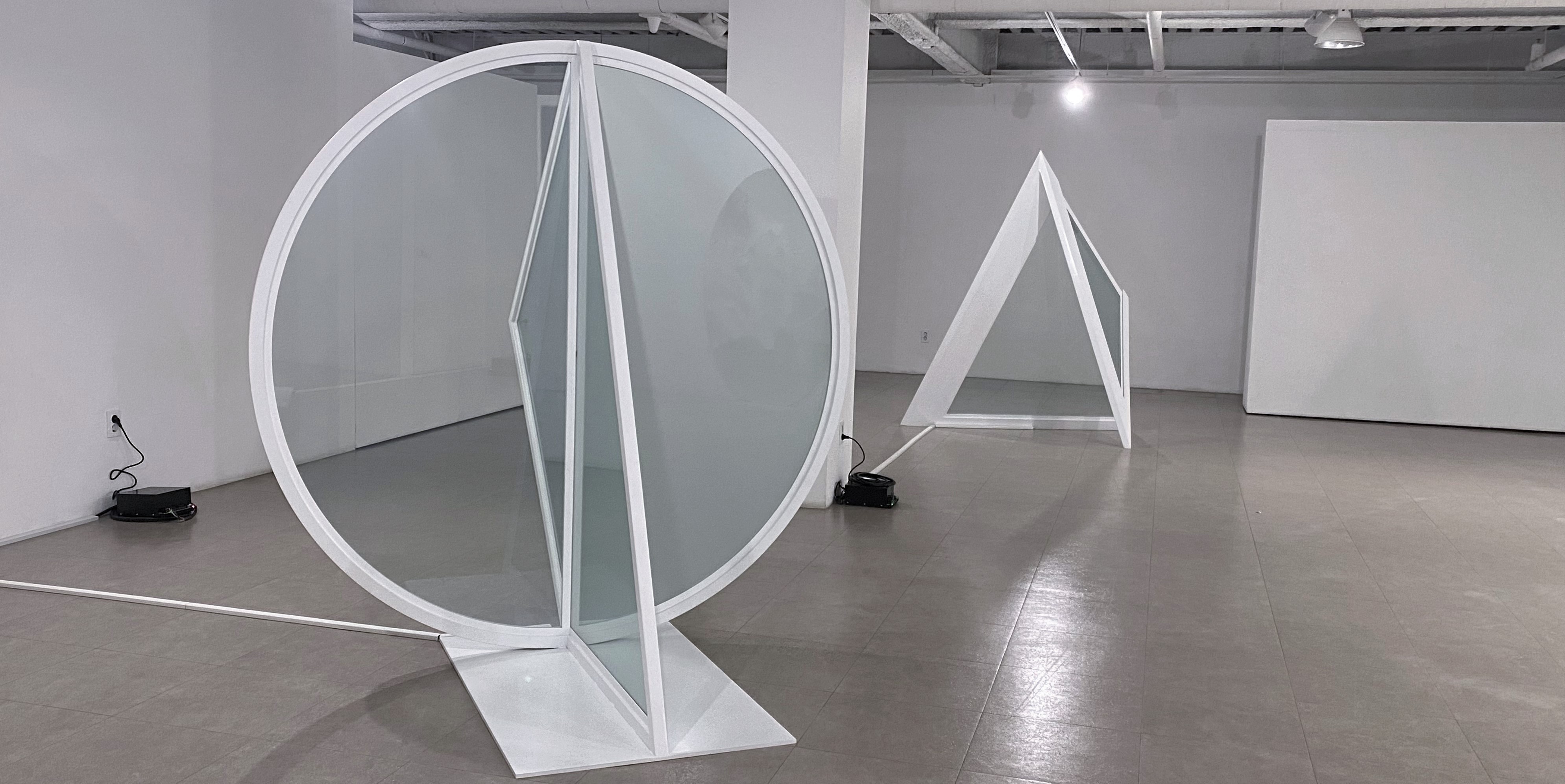
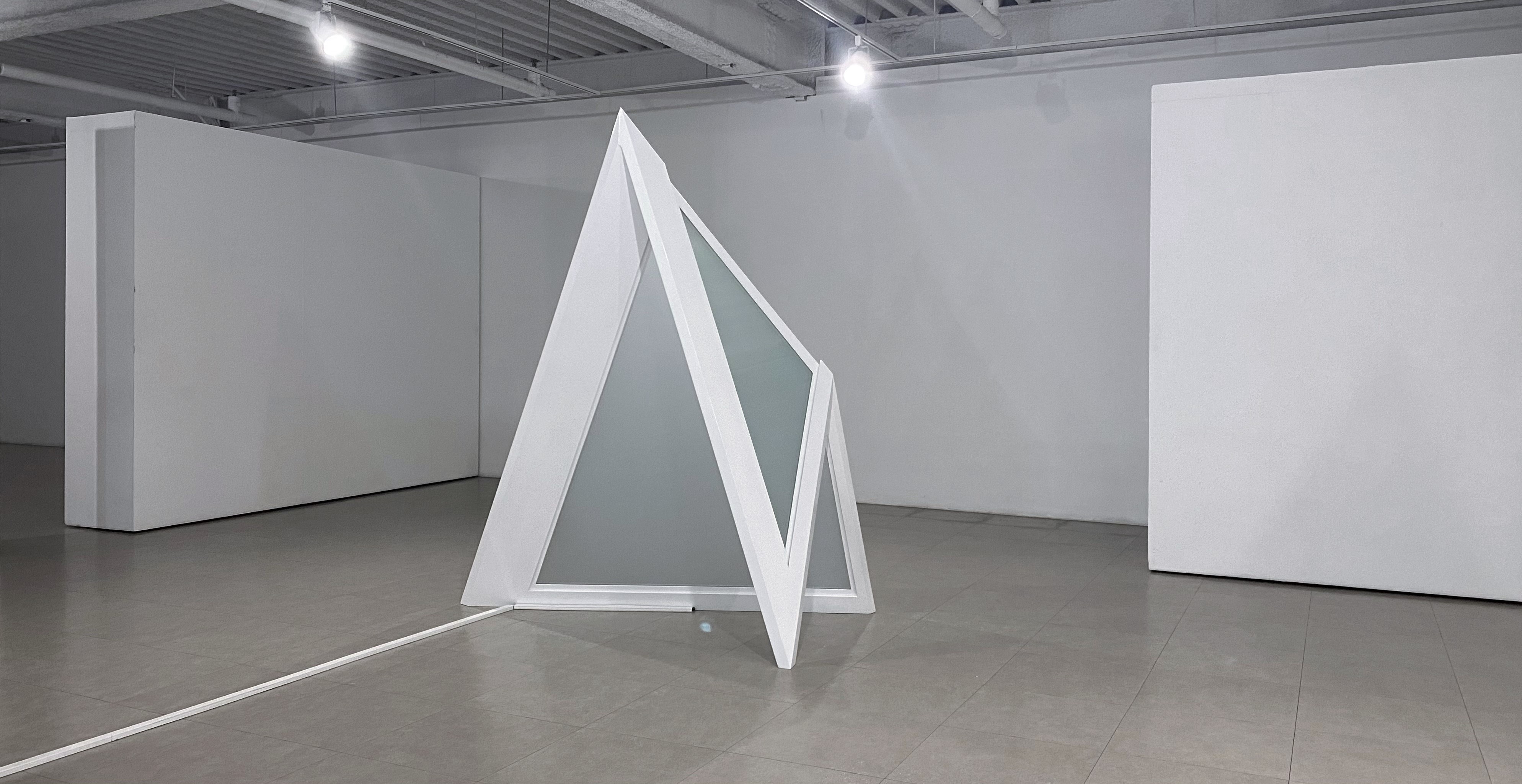
Video installation, 1080p HD, stereo sound
Dimensions variable
About The Work

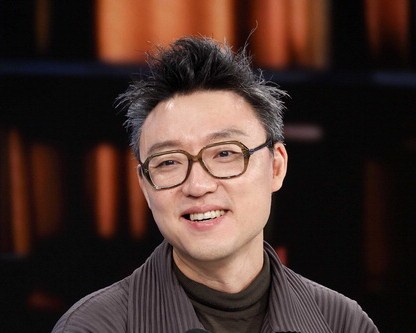
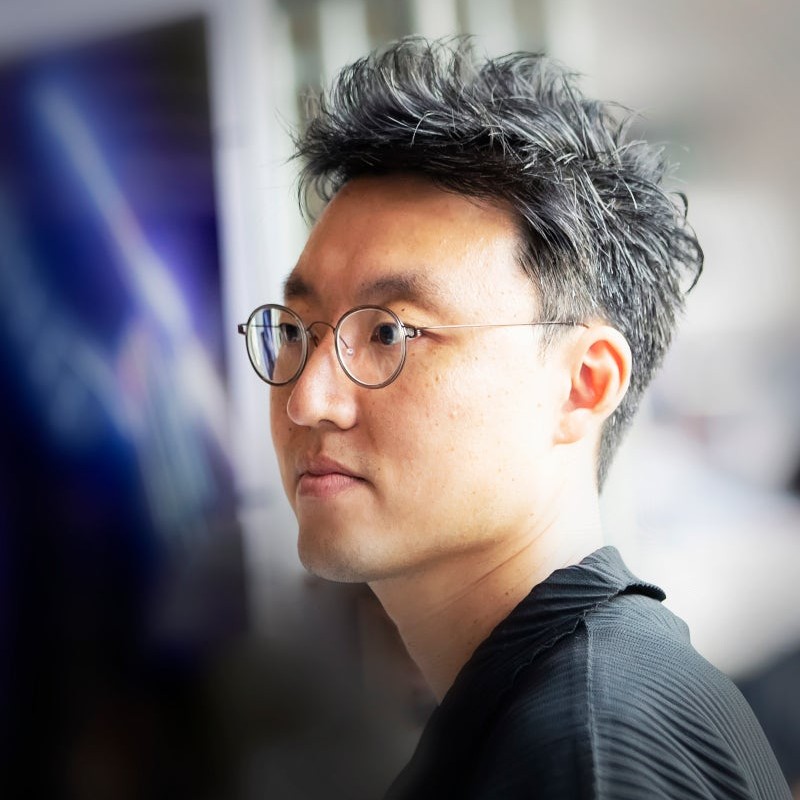
Je Baak’s practice begins with skepticism toward the values and systems that humans unquestioningly accept as absolute. He investigates how social structures such as technology, institutions, language, images, and media shape human perception and modes of thought, transforming familiar systems of meaning into something strange and newly perceptible.

Rather than focusing on objects themselves, the artist is more deeply concerned with the processes through which they are perceived and interpreted, attempting to reveal hidden essences and sensations embedded within the gaps of everyday reality.

By combining Eastern philosophical thought, contemporary technological environments, and embodied sensory experience, he has continually renewed questions concerning contemporary human existence. ​​The recurring conceptual core of his work lies in acts of “erasure” and “emptying,” ideas inspired by the Buddhist philosophy of emptiness (空).

Through repetitive and performative acts of removal, reprinting, grinding, and recombination, the artist raises questions concerning systems of perception and modes of existence. Rather than presenting fixed truths or definitive meanings, his works construct open structures that continually provoke doubt and renewed ways of seeing.

At the same time, Je Baak does not treat Eastern philosophy as an outdated system of thought isolated from contemporary life, but actively connects it to today’s technological environment. Technologies such as artificial intelligence, VR, media façades, eye-tracking systems, and drones function within his work not simply as tools, but as mediating structures that reveal the mechanisms of human perception itself. Rather than either blindly embracing or rejecting technology, the artist examines how it transforms human sensation and the ways individuals form relationships with the world.

Solo Exhibitions (Brief)

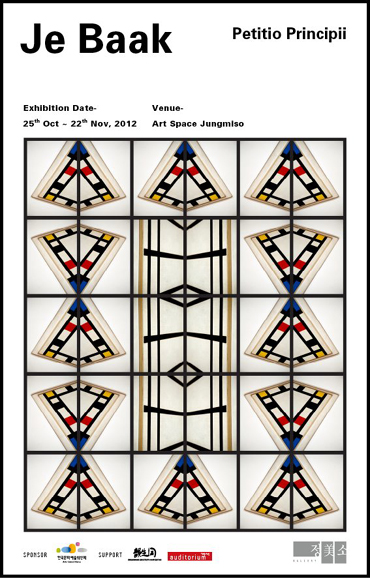
Je Baak has presented solo exhibitions at major institutions and venues in Korea and abroad, including Art Club 1563 (Seoul) in 2010, HADA Contemporary (London) in 2012, Kumho Museum of Art (Seoul) in 2013, Hyundai Motor Studio Seoul in 2019, and DDP (Seoul) in 2022.

Group Exhibitions (Brief)

Je Baak has participated in group exhibitions at major Korean institutions including the National Museum of Modern and Contemporary Art, Kumho Museum of Art, Seoul Museum of Art, Sejong Center for the Performing Arts, Seoul National University Museum of Art, Wumin Art Center, Art Center Nabi, and Seoul Arts Center, while also presenting works internationally at venues such as Saatchi Gallery (London), Asia House (London), the Korean Cultural Centre (London and New York), Ars Electronica (Linz), and the National Museum of Modern Art in Rome.

Awards (Selected)

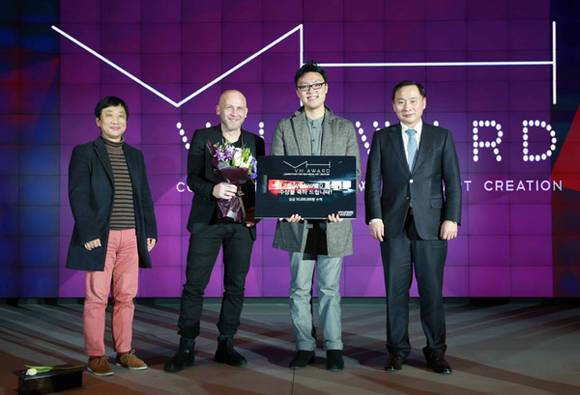
Je Baak received the Grand Prize at the JoongAng Fine Arts Prize (2010), the VH Award Grand Prix (2015), the Seoul Metropolitan Government Good Light Award Grand Prize (2017), the IF Design Award (2021), and the IDEA Design Award (2021), and was selected for 《Young Korean Artists》 at the National Museum of Modern and Contemporary Art (2013) and Kumho Young Artist (2013).

Residencies (Selected)

Je Baak was selected as a resident artist for the 7th Kumho Art Studio program at Kumho Museum of Art in 2011.

Collections (Selected)

Works by Je Baak are included in the collections of the National Museum of Modern and Contemporary Art, Seoul Museum of Art, Seoul National University Museum of Art, Kumho Museum of Art, the Art Bank of the National Museum of Modern and Contemporary Art, Hyundai Motor Group, DDP, and Incheon International Airport.
Works of Art

Questioning Human Existence Through Sensory Experience

Originality & Identity

Je Baak’s practice begins with skepticism toward the values and systems that humans unquestioningly accept as absolute. He investigates how social structures such as technology, institutions, language, images, and media shape human perception and modes of thought, transforming familiar systems of meaning into something strange and newly perceptible. Rather than focusing on objects themselves, the artist is more deeply concerned with the processes through which they are perceived and interpreted, attempting to reveal hidden essences and sensations embedded within the gaps of everyday reality.

This attitude has remained consistent throughout his practice, from the early work A Towel, in which he erased his own figure from family photographs to explore questions of presence and absence, to more recent eye-tracking–based installations.

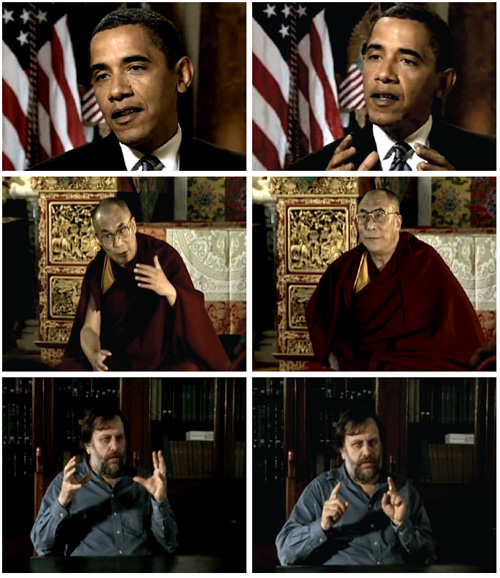
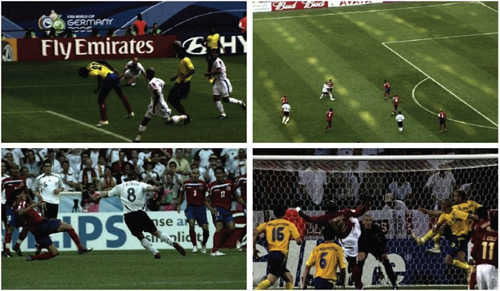
The recurring conceptual core of his work lies in acts of “erasure” and “emptying.” Through works such as the ‘Gong’ series, in which soccer balls are removed from football matches, ‘His Silence,’ which reduces the speech of public figures into meaningless sounds, and works that sand away the surfaces of banknotes to return them to the condition of paper, Je Baak reveals that the objects we believe to possess inherent essence in fact operate only within socially constructed systems of agreement and context.

In particular, the concept of “gong” simultaneously invokes the Buddhist notion of emptiness and the everyday object of the soccer ball, evoking both the futility of the values humans blindly pursue and an ontological void embedded within contemporary existence.

Eastern philosophy, particularly Buddhism, profoundly informs Je Baak’s artistic worldview. Yet his work differs fundamentally from approaches that merely appropriate Eastern imagery or atmosphere on a superficial level. Instead, concepts such as emptiness (空), dependent origination (緣起), ascetic practice, and self-reflection structure the very logic and processes of his works.

Through repetitive and performative acts of removal, reprinting, grinding, and recombination, the artist raises questions concerning systems of perception and modes of existence. Rather than presenting fixed truths or definitive meanings, his works construct open structures that continually provoke doubt and renewed ways of seeing.

At the same time, Je Baak does not treat Eastern philosophy as an outdated system of thought isolated from contemporary life, but actively connects it to today’s technological environment. Technologies such as artificial intelligence, VR, media façades, eye-tracking systems, and drones function within his work not simply as tools, but as mediating structures that reveal the mechanisms of human perception itself.

Rather than either blindly embracing or rejecting technology, the artist examines how it transforms human sensation and the ways individuals form relationships with the world. In this regard, his practice may be understood within the lineage of Korean media art after Nam June Paik, maintaining both a critical distance from technology and a philosophical inquiry into its implications.

Style & Contents

Je Baak’s practice is not confined to any singular medium or formal category. Moving fluidly across video, photography, installation, sculpture, VR, media façades, and performance, his use of diverse media is less an end in itself than a means of delivering conceptual inquiry in the most effective manner possible.

Within his work, media function not merely as technical tools, but as structures that generate thought and devices that reorganize perception. While actively engaging with the materiality and technological conditions of each medium, the artist simultaneously seeks to reveal the systems of human cognition and sensory experience embedded beneath them.

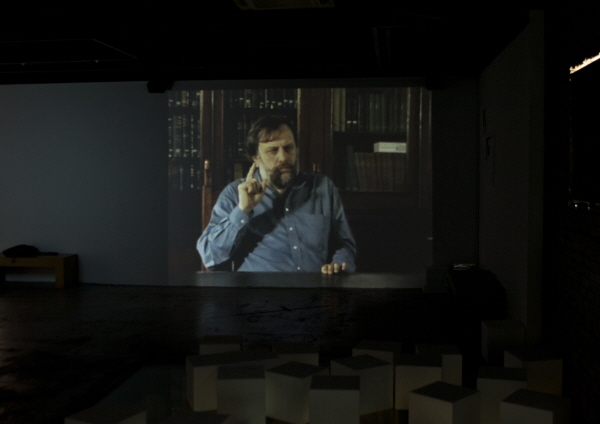
In his earlier video works, strategies of “erasure” and “absence” emerge prominently through acts of media manipulation. The ‘Gong’ series removes the soccer ball from football matches, estranging the structures of collective obsession and competition, while ‘His Silence’ eliminates the essential linguistic structures from speeches delivered by politicians, religious leaders, and philosophers, leaving behind only meaningless sounds.

Through the temporal nature of video, these works reveal how easily the systems and functions humans take for granted can collapse. At the same time, the artist dismantles the authority and structures of belief produced by media images themselves, encouraging viewers to question their habitual sensory frameworks.

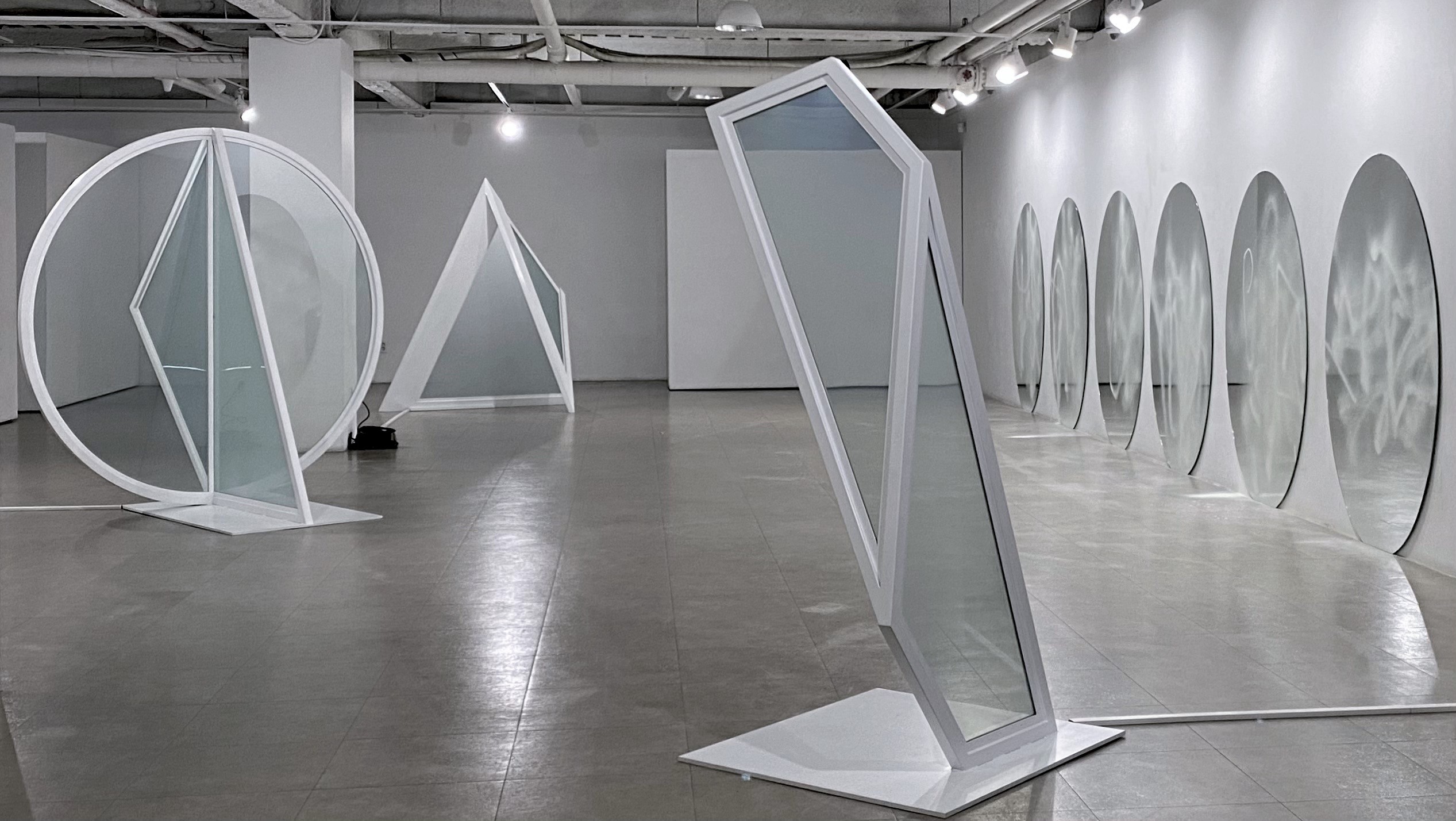
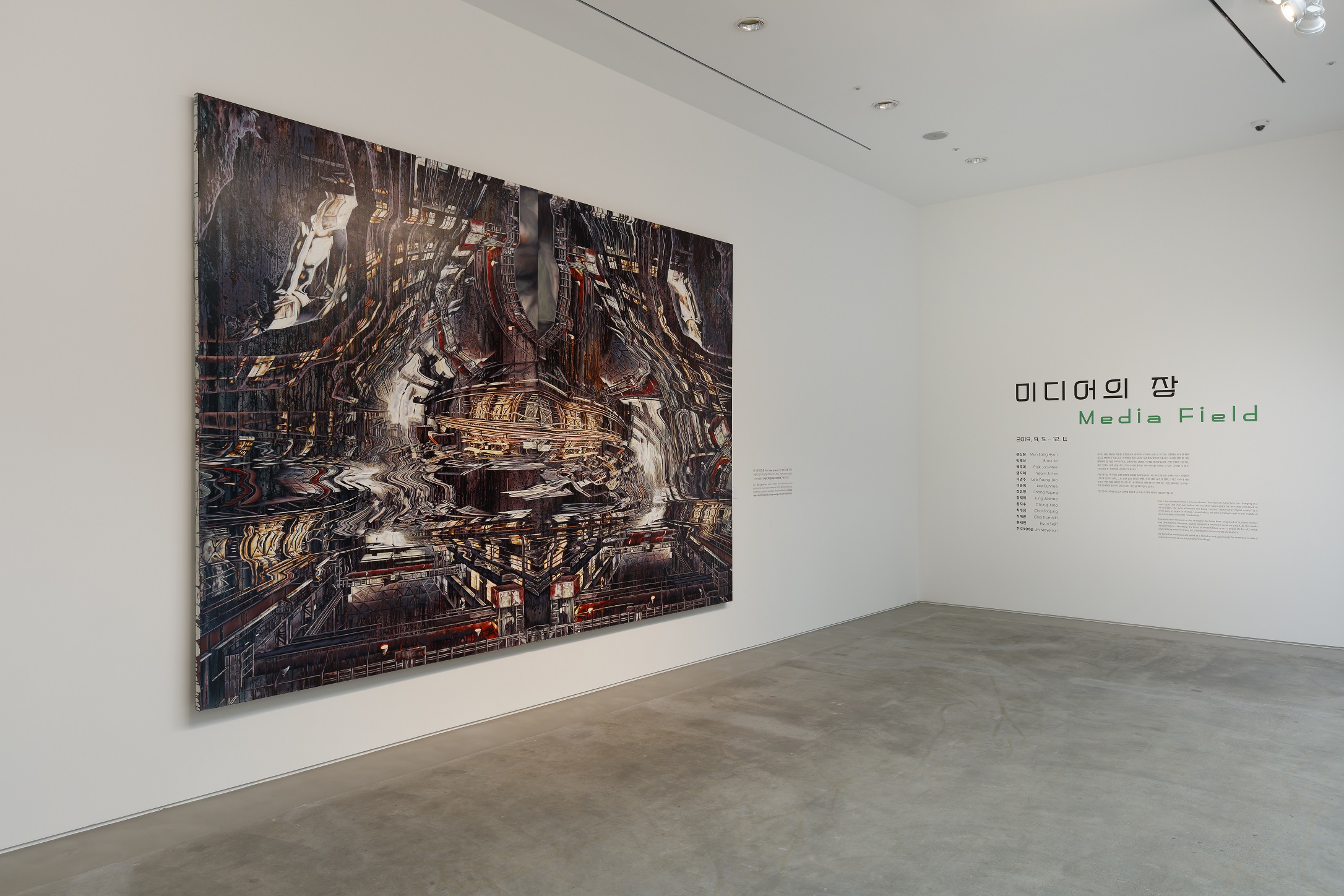
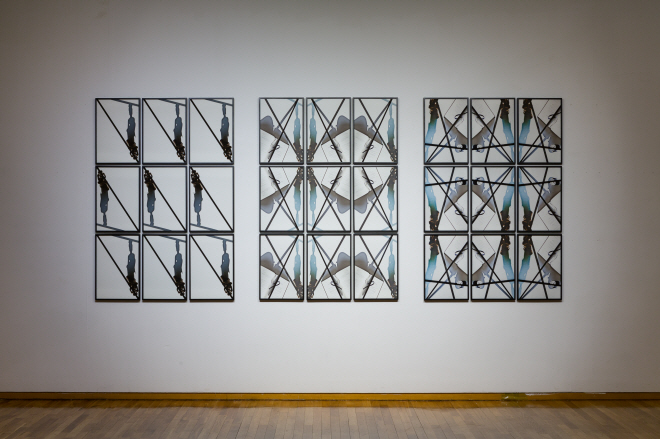
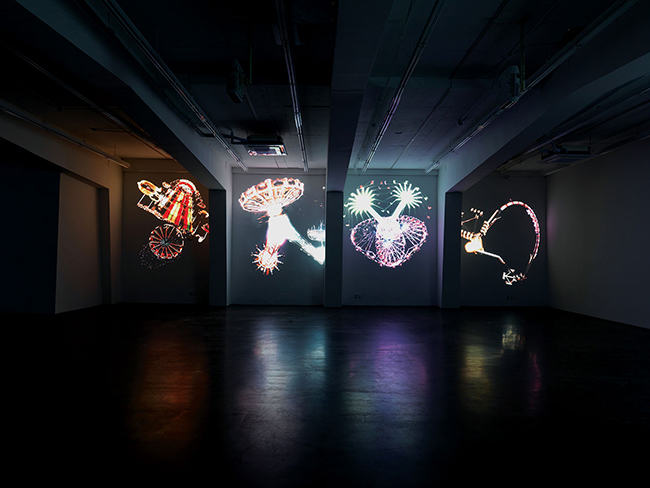
In later works, spatiality and bodily experience expand into increasingly central elements. The ‘The Structure of’ series creates virtual environments in which gravity and orientation appear destabilized through the dismantling and recombination of amusement ride structures.

More recent series such as ‘Different View’ and ‘Mariotte’s Spot’ employ smart glass, drones, and eye-tracking technologies to transform the act of “seeing” itself into a spatial and physical experience. In particular, the shifting perceptions generated by changes in the viewer’s gaze or bodily position reveal perception not as something fixed, but as a constantly changing relational process.

Although deeply philosophical in conception, Je Baak’s works are equally characterized by their sensorial and visual immediacy. Rather than directly illustrating complex philosophical discourse, his works encourage viewers to encounter questions through bodily and perceptual experience.

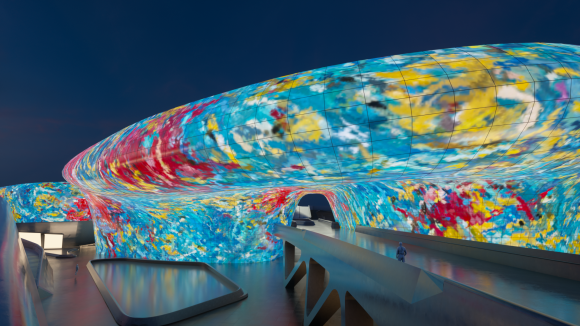
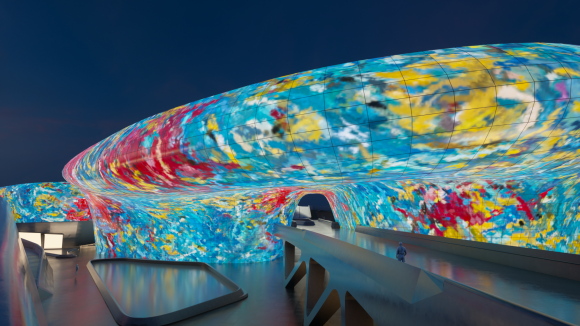
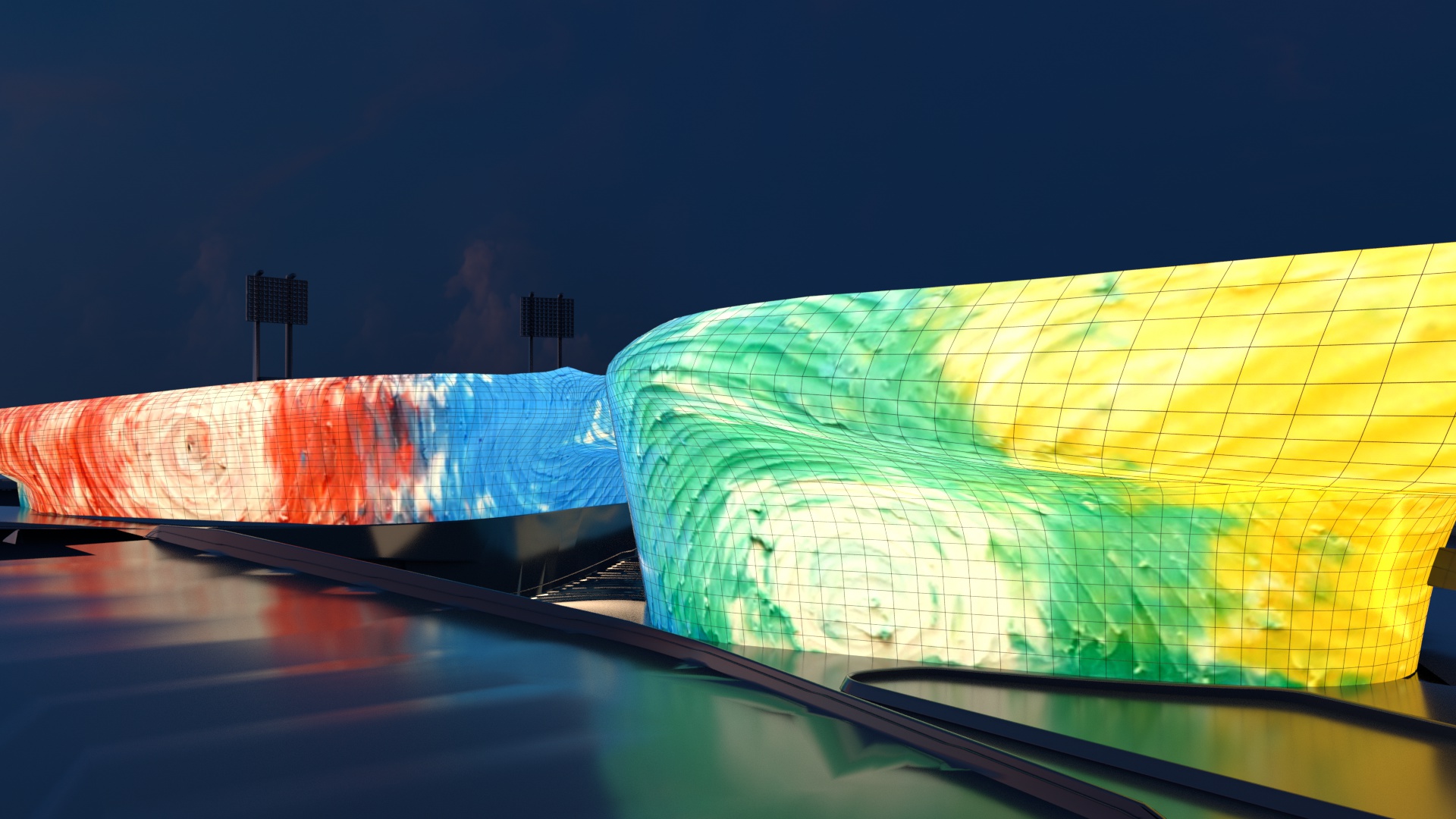
In media façade works such as Poetry of Time and Cheers to Your Smile!, immersive environments combining light, color, movement, and sound attempt to communicate more intuitively with broader audiences, while his recent AI-based works visualize the tensions between technology and human perception. Through such approaches, Je Baak constructs a distinctive visual language that organically interweaves philosophical inquiry, contemporary technological environments, and the sensory experiences of the viewer.

Topography & Continuity

From his early video works to his recent projects involving AI and media façades, Je Baak’s mediums and formal approaches have continually evolved, yet at the core of his practice lies a sustained inquiry into structures of human perception and modes of existence. Rather than repeating a fixed visual style or aesthetic outcome, he has continuously renewed the forms through which his questions are articulated in response to shifting technological and social environments.

Despite the diversity of media he employs, this persistent conceptual attitude creates a continuity that allows his body of work to be understood as a coherent trajectory. In this sense, Je Baak’s artistic practice has expanded less through the repetition of formal results than through an ongoing investigation into how we perceive and interpret the world.

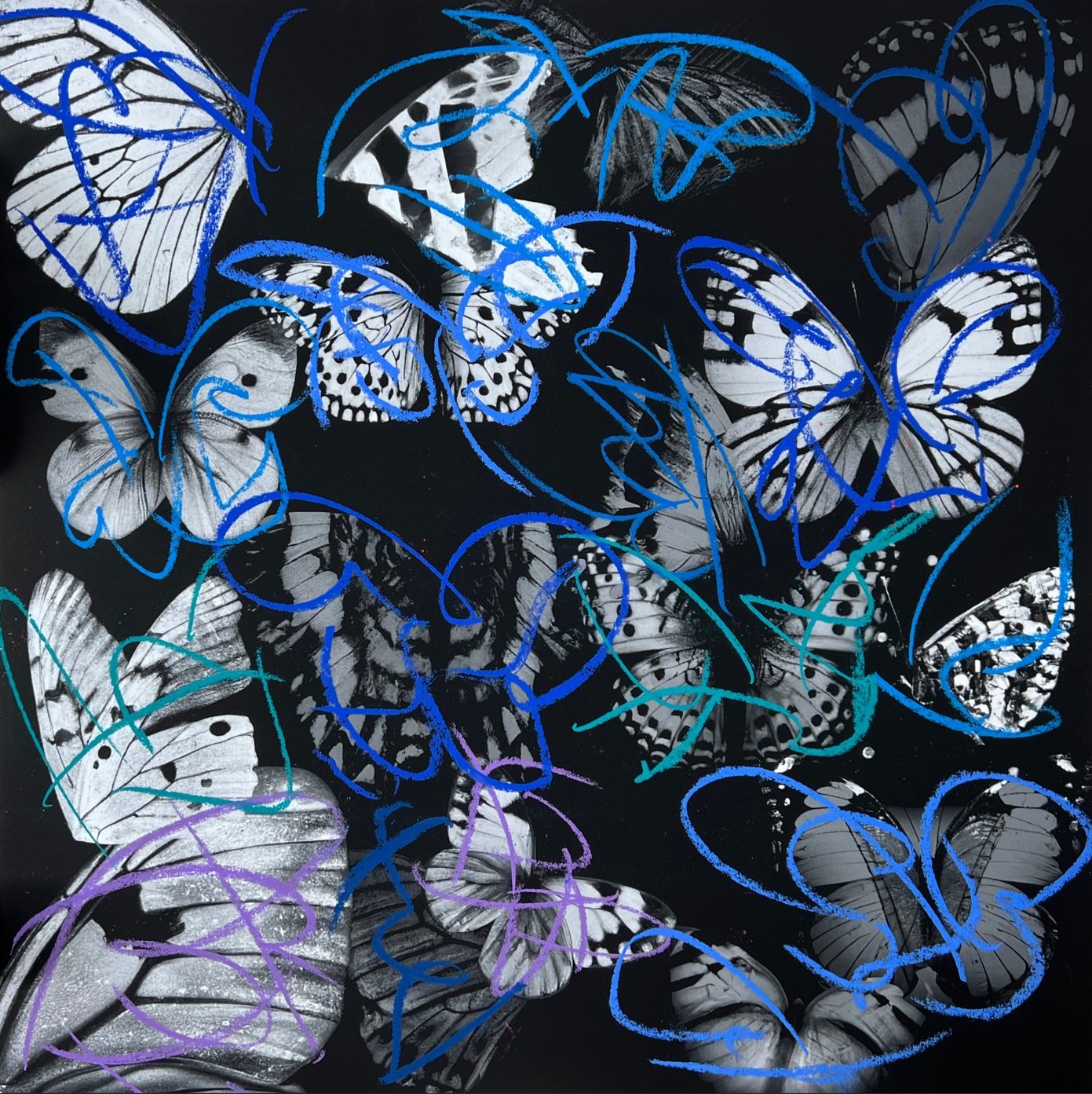
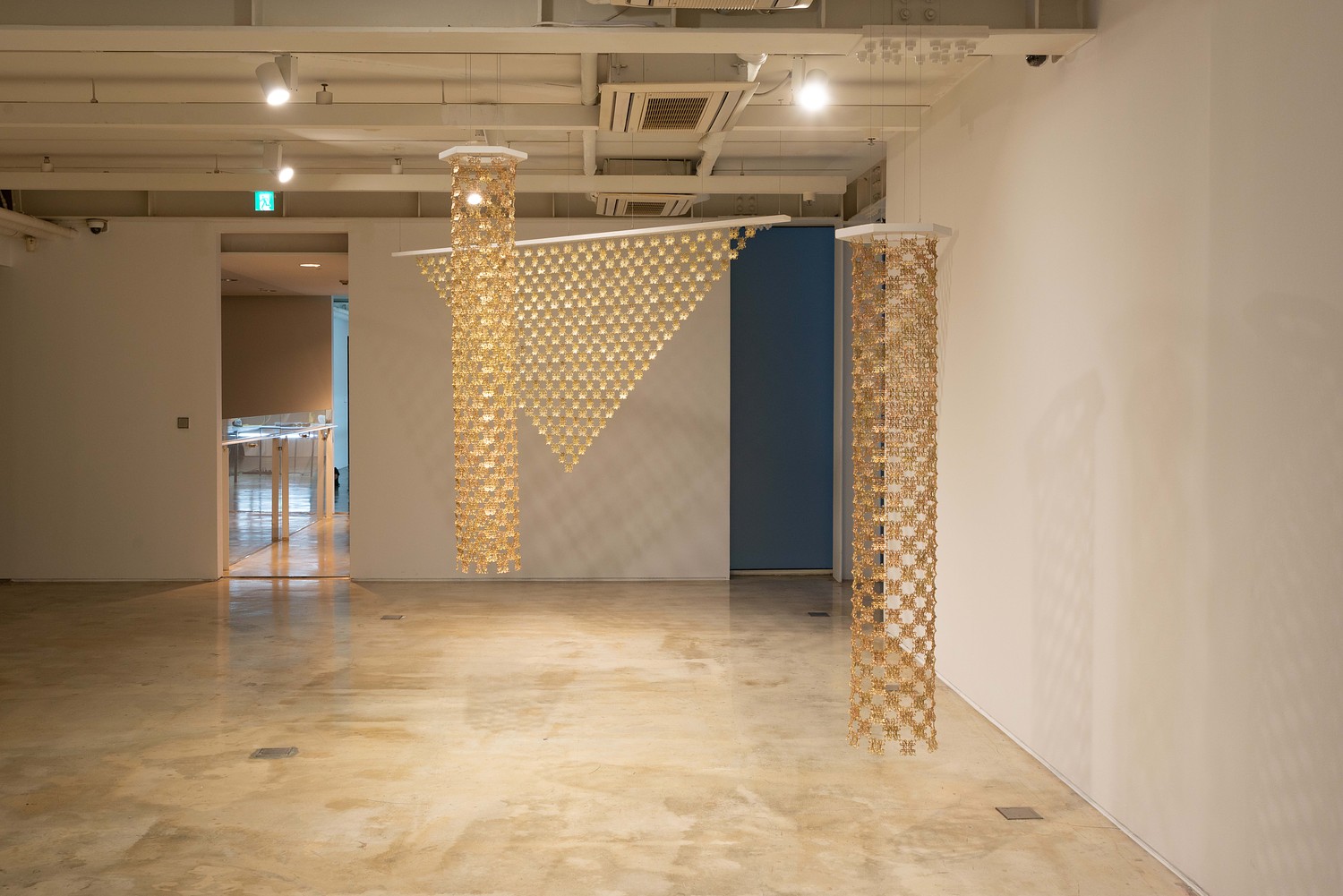
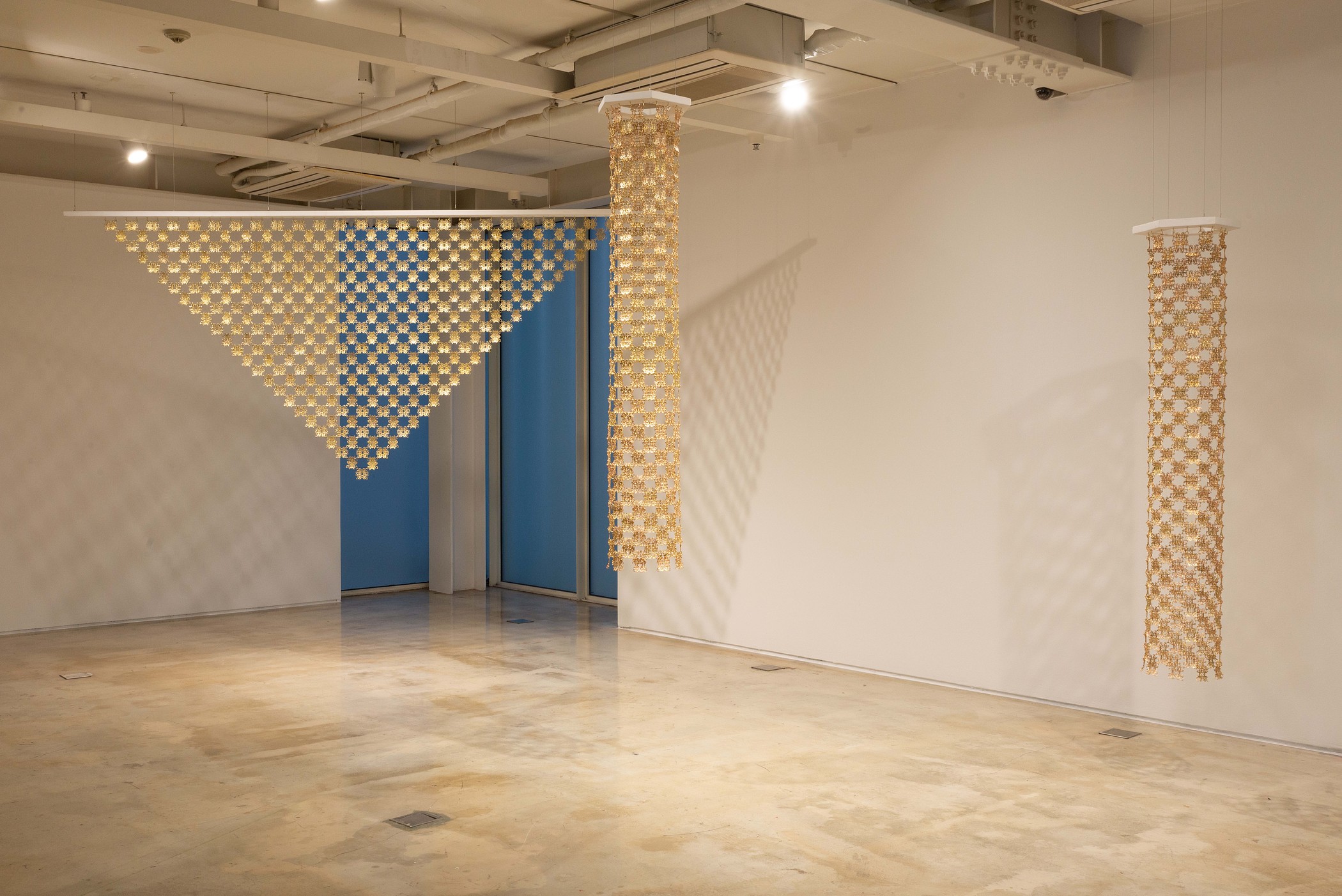
Whereas his earlier works explored questions of presence and absence through video editing and the removal of images, later projects increasingly incorporated space, bodily movement, and viewer participation. While the ‘The Structure of’ series experimented with virtual spatial sensations and unstable perceptual structures, the ‘Stupa’ series investigated temporality and originality through repeated processes of reprinting and accumulation.

Subsequent works such as ‘Different View’ and ‘Mariotte’s Spot’ employed smart technologies and gaze data to reveal the relativity of perception and the blind spots of sensory experience, while his more recent AI-based projects extend these concerns into broader philosophical questions regarding the relationship between humans and technology itself. Although each project differs formally, the works remain organically interconnected, collectively constructing a singular conceptual framework.

While actively embracing contemporary technological environments, Je Baak does not treat technology merely as futuristic spectacle or visual effect. Instead, he persistently questions how technology transforms human sensation, perception, and modes of relational experience. This attitude continues throughout his recent use of VR, drones, eye-tracking systems, and AI, leading toward broader reflections on how human subjectivity and sensory awareness might be reclaimed within technologically driven societies.

Rather than positioning himself within either technological optimism or pessimism, the artist maintains a critical balance, continually exploring the tensions between humans and technology — an approach that resonates strongly with major trajectories within contemporary media art.

Ultimately, Je Baak’s work does not seek to provide definitive answers, but instead operates as an ongoing process of generating questions and encouraging viewers to reconsider the structures through which they perceive reality. By combining Eastern philosophical thought, contemporary technological environments, and embodied sensory experience, he has continually renewed questions concerning contemporary human existence.

This continuity enables his work to transcend the limits of technological experimentation tied to a particular era, sustaining philosophical tension and contemporary relevance even amid rapidly changing conditions.

Works of Art

Questioning Human Existence Through Sensory Experience

Exhibitions

Activities