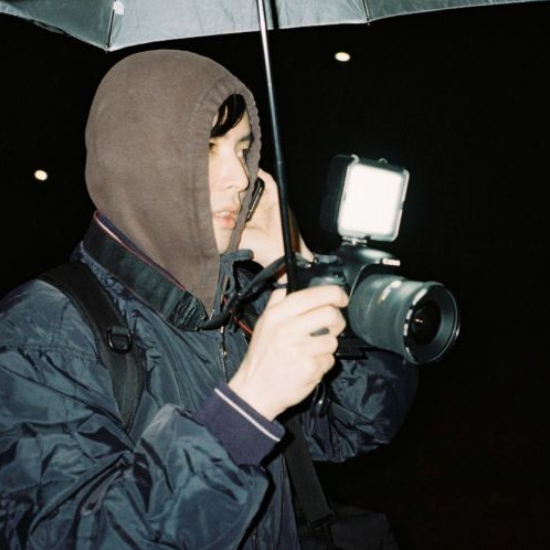
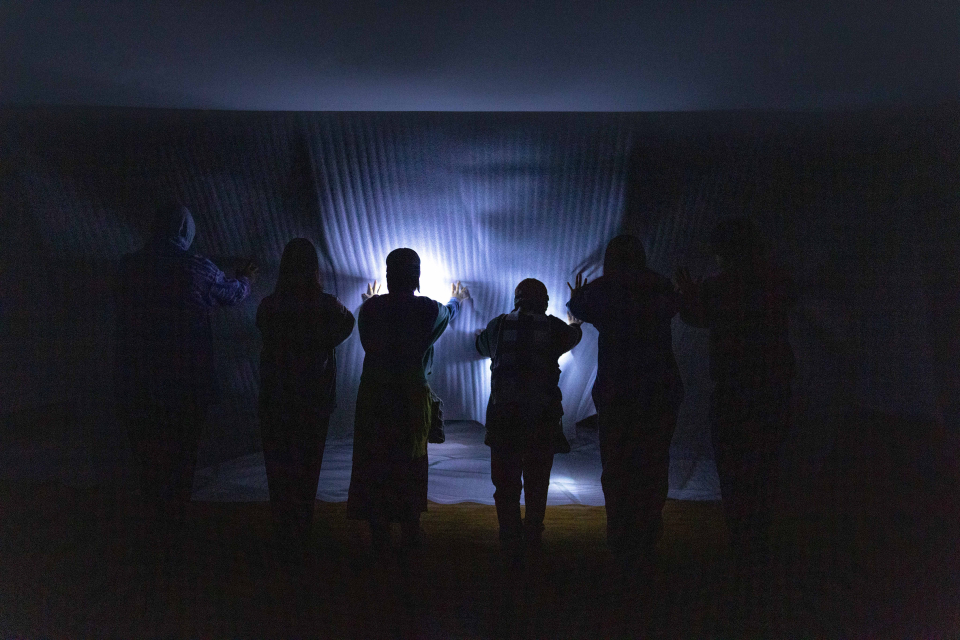
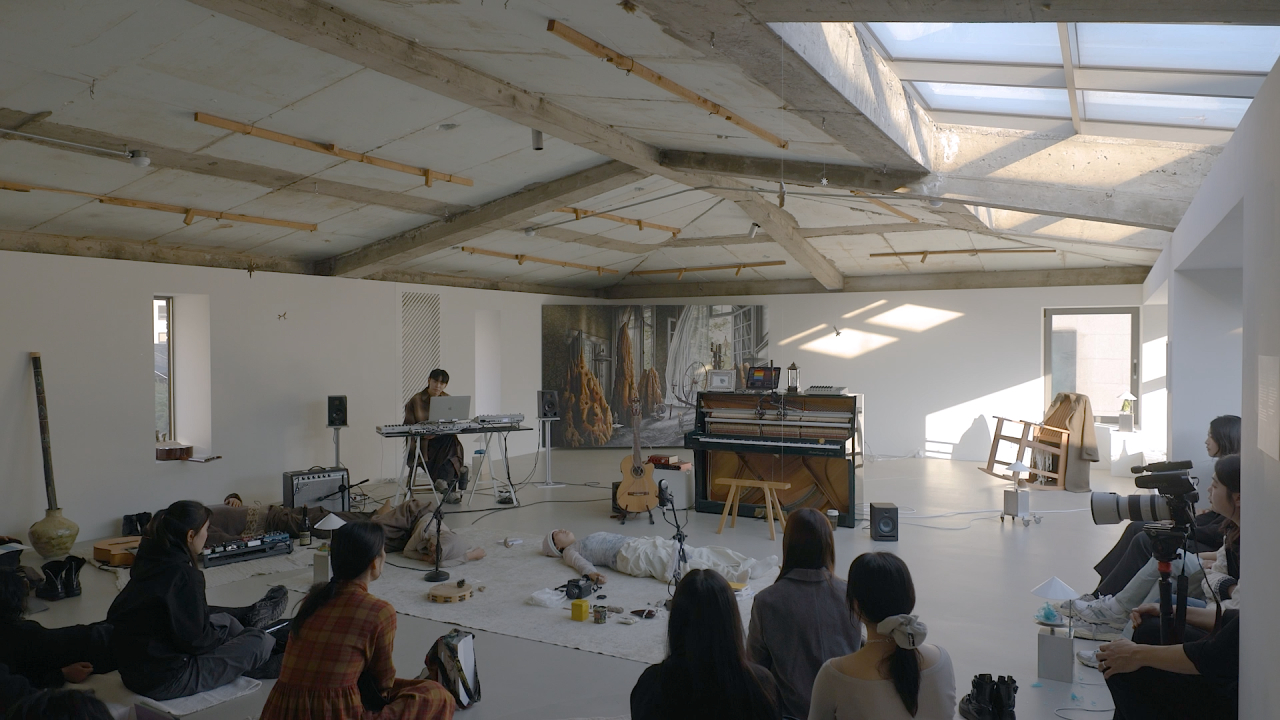
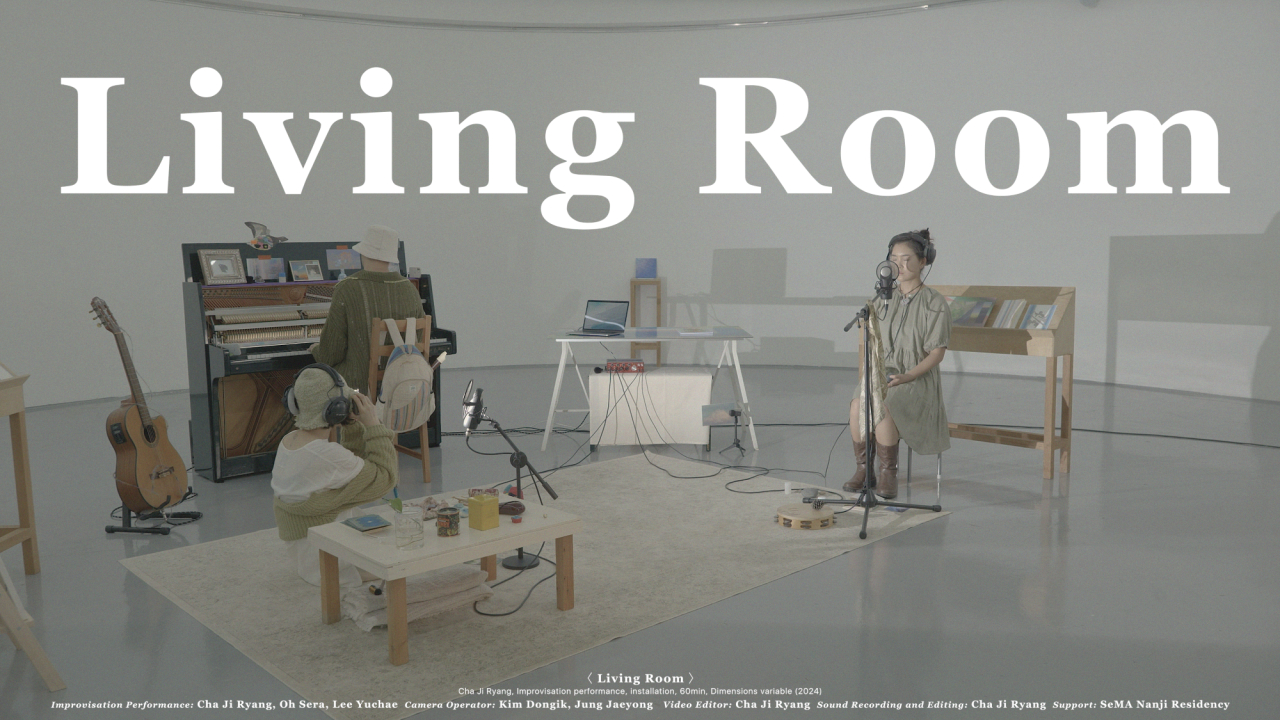
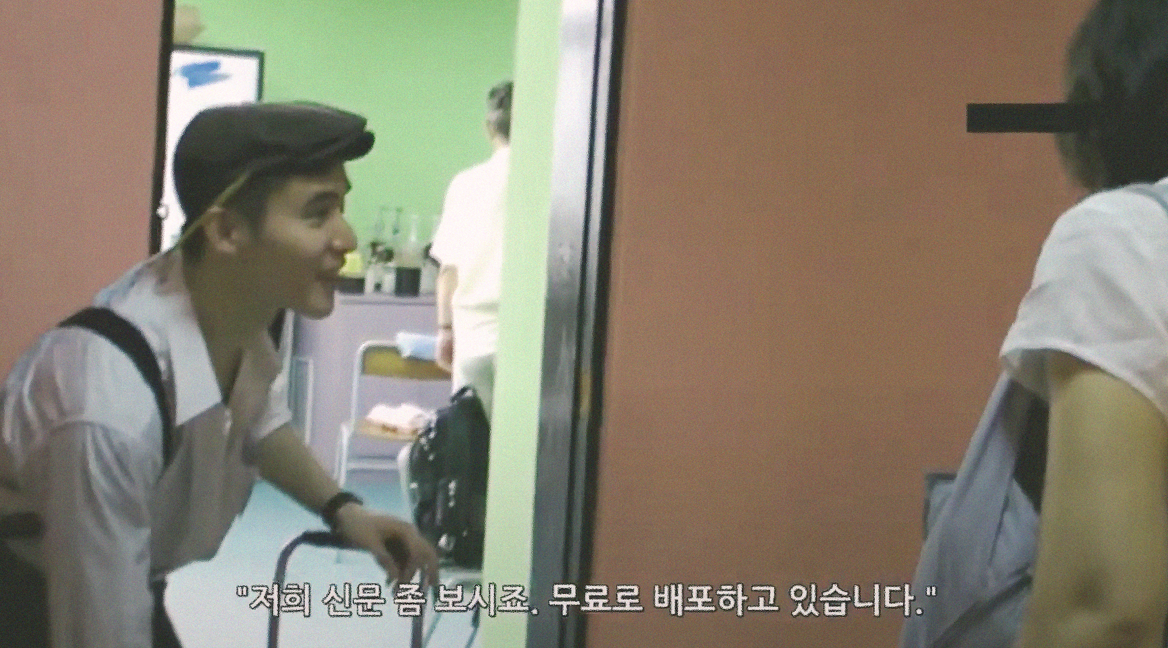
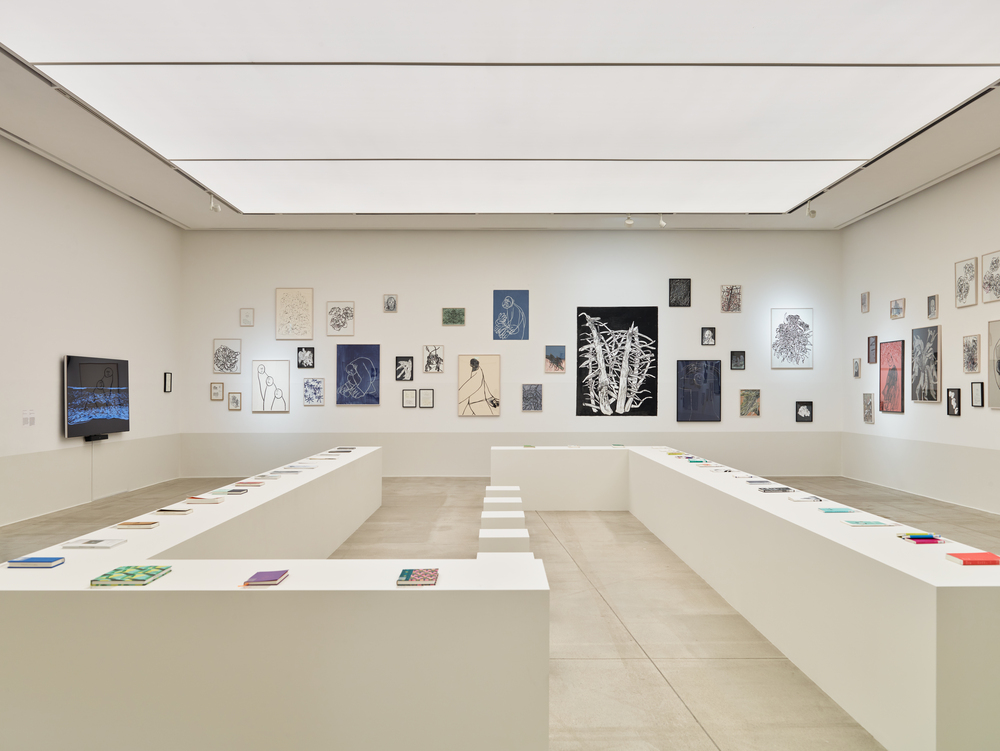
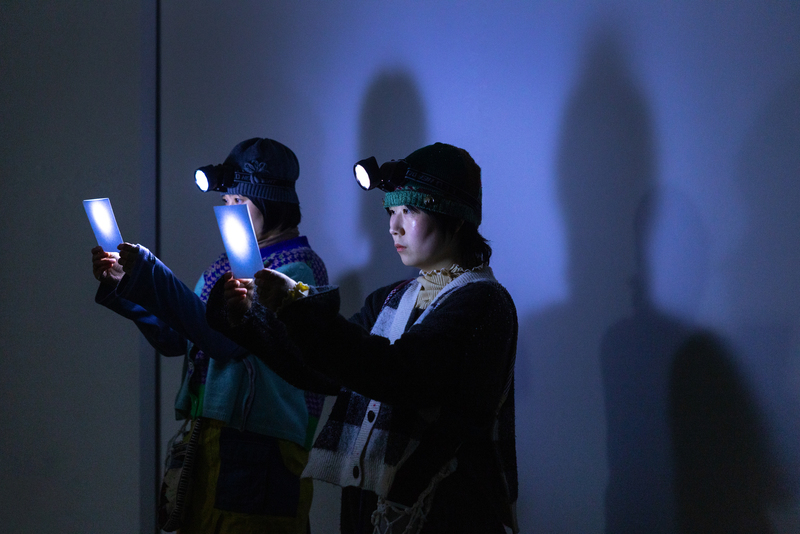
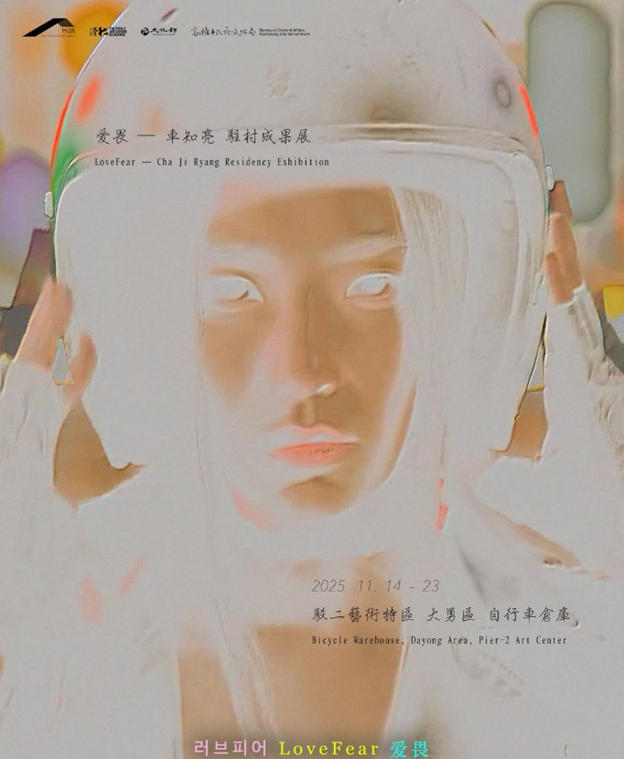
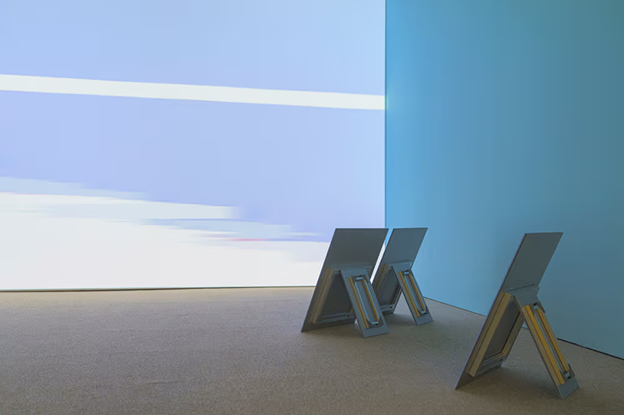
Rather than being fixed to a specific medium, Cha Ji Ryang’s work fluidly combines video, sound, installation, performance, text, participatory projects, and digital platforms. In his early works, a prominent method is that the artist directly enters a site, creates a situation, and records the reactions and voices that arise within it.
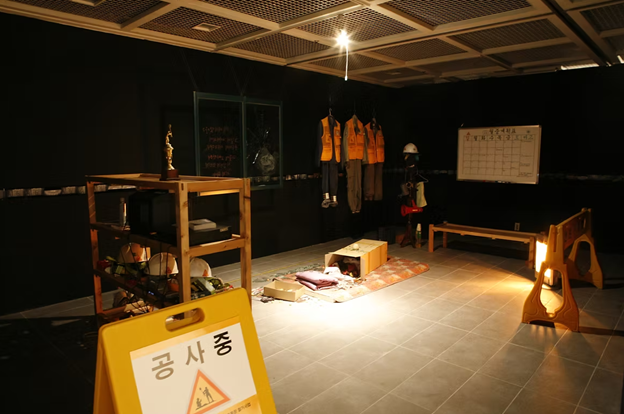
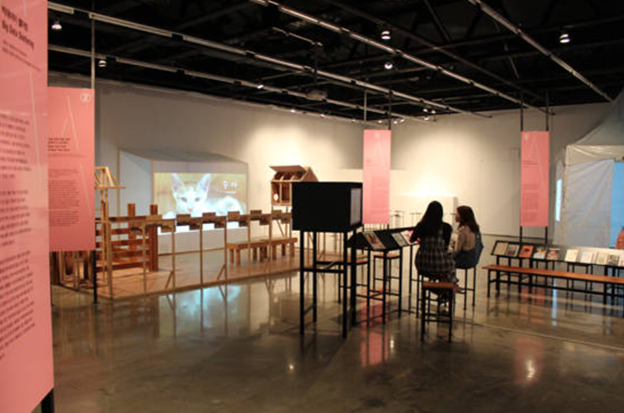
A Baseball Came Flying In from Somewhere, Breaking a Window combines photographs, writing, video, and installation from a demolition site to construct the memory of a disappearing urban space in multiple layers, while Midnight Parade turns the process of participants gathered through online and offline announcements moving through and staying in the city at dawn into a temporary community. In the works of this period, media functions less as a completed outcome than as a device through which people gather, move, and form relationships.
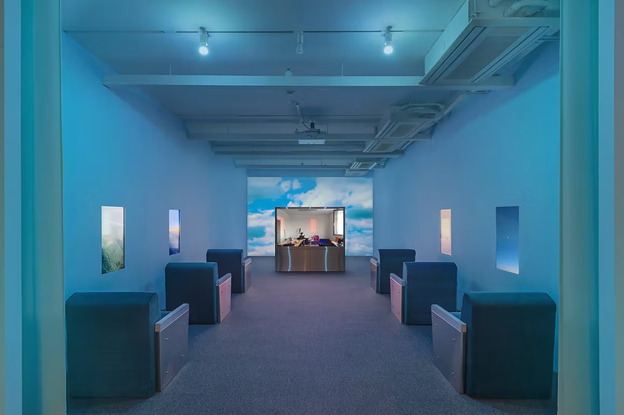
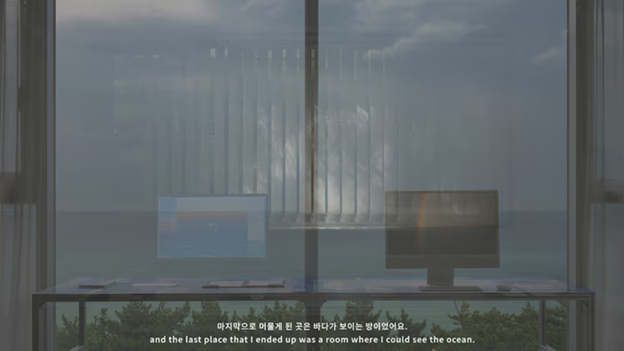
From the mid-2010s onward, the artist began to organize individual time and traces of movement through the forms of records, letters, and archives. Only People Who Decided to Leave, Can See Everything is a work in which mobile phone videos, images of sky and land, the time of various cities, and conversations with people the artist met unfold within the structure of letters and performance.
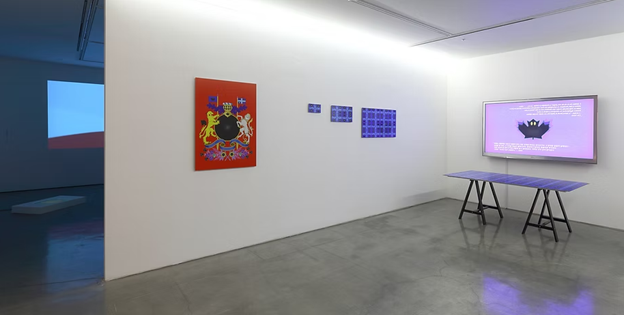
Personal Barriers, the Individual’s Wing(2019), exhibited together with it, simultaneously shows personal barriers and the possibility of movement through private objects such as the mobile phones, laptop, and watch the artist had used. In this way, for Cha Ji Ryang, objects are not simple props, but things in which time is stored and media that request relationships.
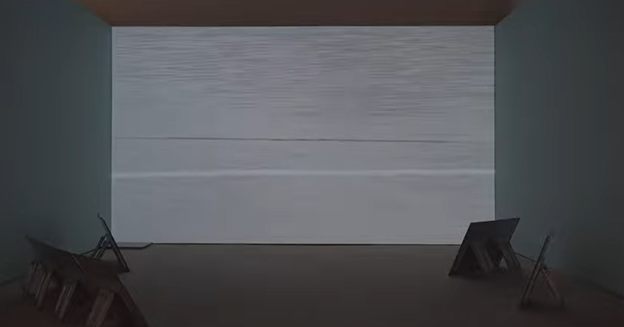
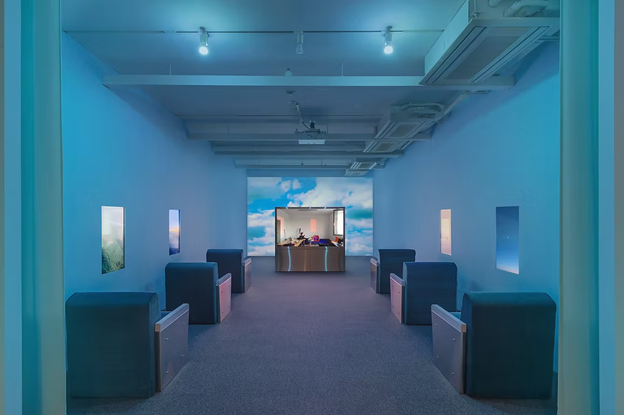
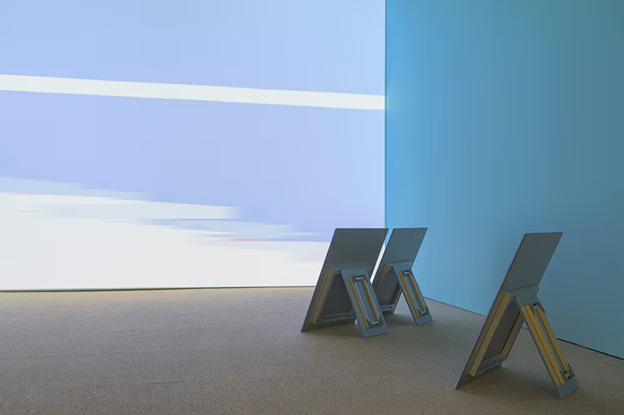
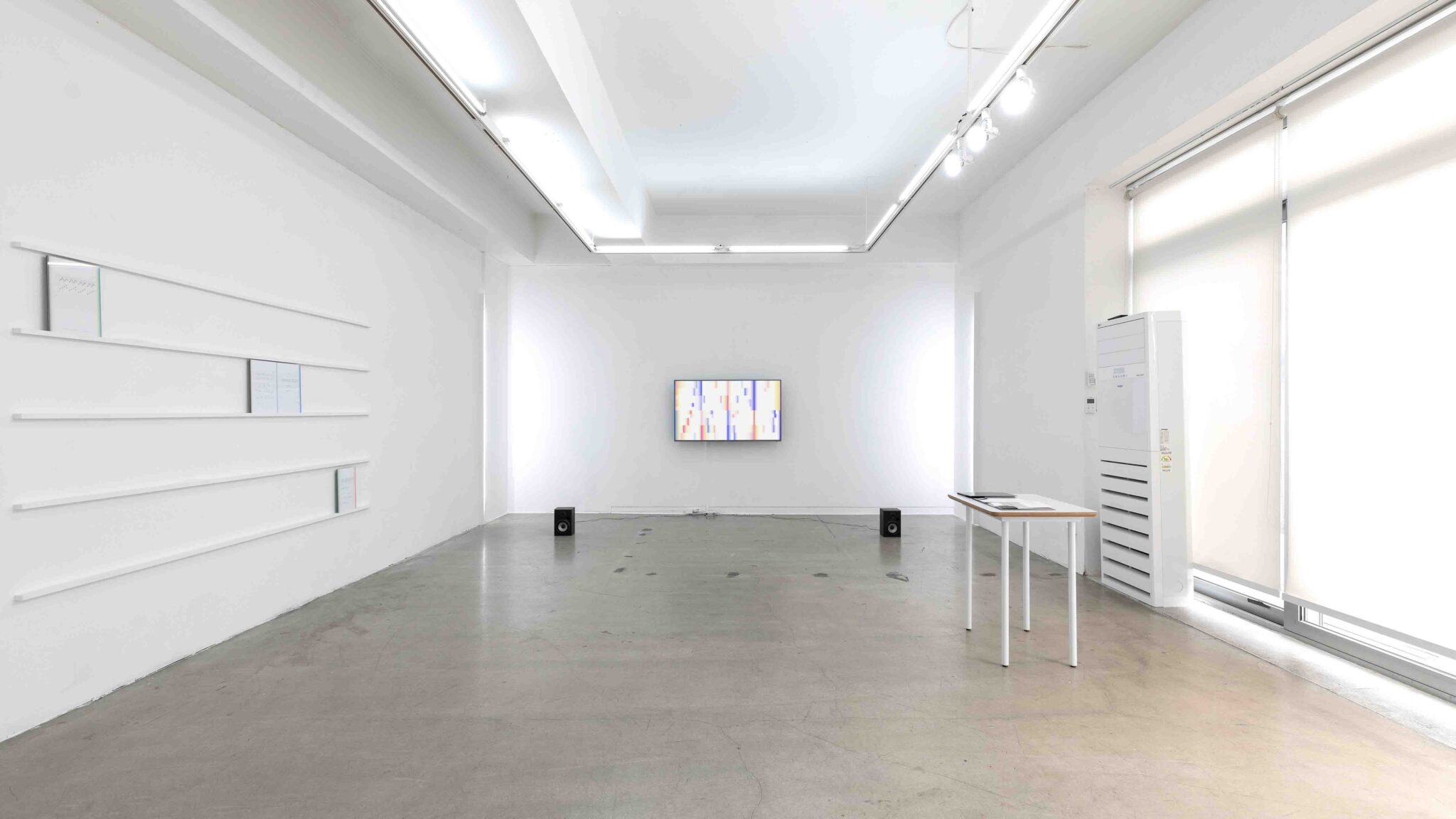
Sound becomes an increasingly important form in Cha Ji Ryang’s work. 《BGM》(2018) was an audiovisual installation and performance that shared the background memories of various times and spaces experienced by an individual with the audience through music, images, and voice, and 《Good Morning : Good Night》 replayed that experience within the exhibition space. Surfing(2022, 2024) is a work in which a single “line” is recorded as an audiovisual wave, then delivered to co-performers so that they can record again the waves they sense inside and outside their own baselines.
In this work, rather than controlling everything as a sole author, the artist creates a structure in which various co-performers, including critics, artists, researchers, and musicians, respond in their own ways. Sound and video here are not a completed message, but are closer to waves that allow different subjects to sense their own positions and rhythms.
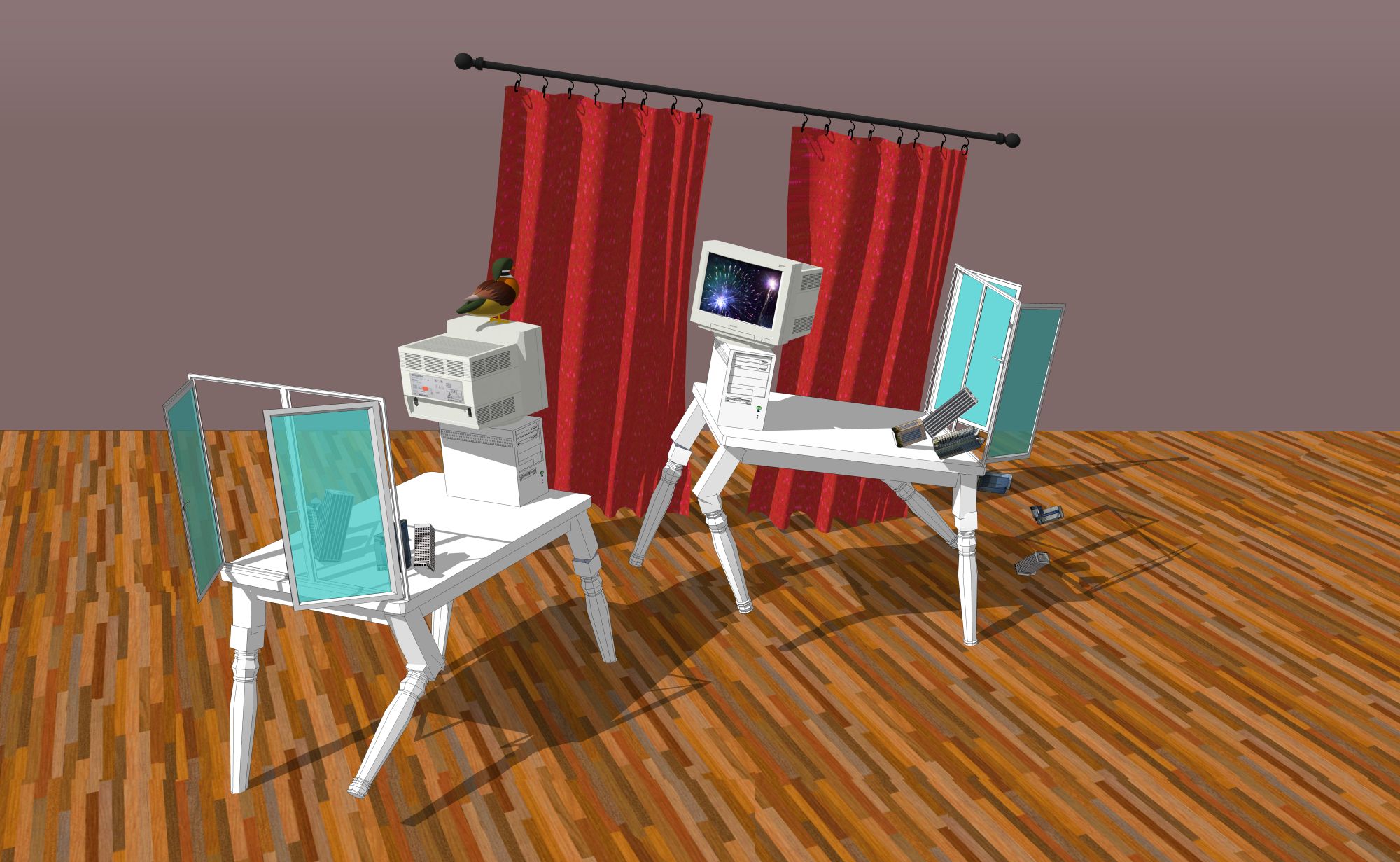
In recent works, fiction, performance, exhibition space, and audience participation are combined, producing a more theatrical structure. Minor Snow(2026) is set in a distant future where resources have been depleted, in an empty museum after the tangible and intangible things built up by humanity have disappeared. The audience becomes beings who have come to what might be the last museum of humankind, and the performance unfolds through objects, sound, moving images, and participation.
Empty Orchestra(2026) begins from fiction, gives the rhythm of viewing to the inside and outside of the museum, and creates a situation in which the voice of writing is uttered through video and sound. Here, writing is not an explanatory text or supplementary material, but a material of sound with weight and volume, and a device that allows viewers to stay at their own pace and sense the moment when new art occurs.



.jpg)