Living Room - K-ARTIST

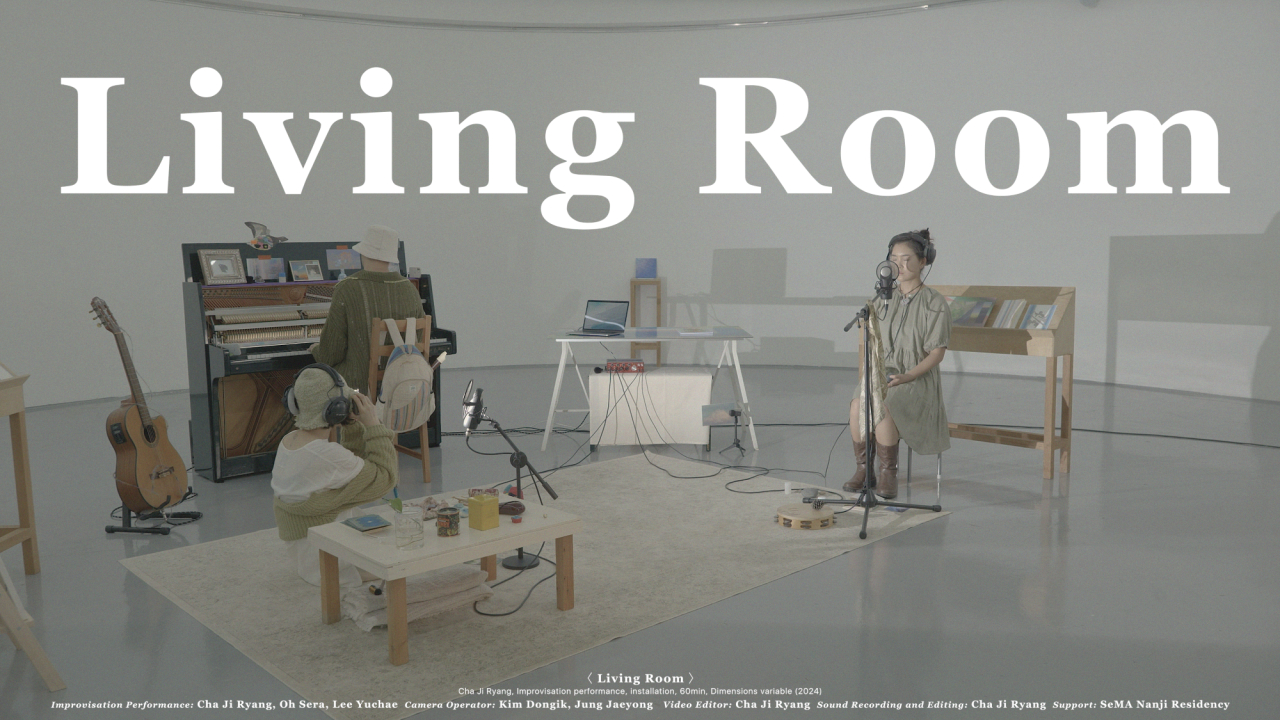
Living Room

2024
About The Work

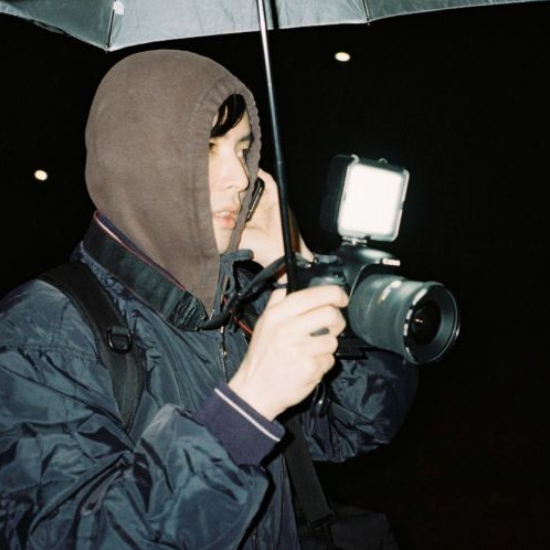
Cha Ji Ryang fluidly combines video, sound, installation, performance, text, participatory projects, and digital platforms to explore how individuals are positioned within systems, how they move through and become exhausted by them, and how they ultimately recover their own senses and modes of perception. 

In his early works, he took the structures surrounding individuals—such as the city, institutions, media, the state, and housing systems—as direct sites of engagement. Around 2012, Cha Ji Ryang’s work shifted from direct responses to external systems toward the senses of “departure” and “movement.”

In the works of this period, the will to transform social structures and a sense of helplessness toward reality appear simultaneously. The frustration experienced by the artist later remains in his work in a more intimate form, leading him toward tracing the energy and senses of individuals that become depleted within various environments, rather than focusing solely on institutional critique itself.

Subsequently, Cha Ji Ryang’s central concept evolved from that of “the one who leaves” to “the one who stays and shares sensations,” and his recent works explore scenes where transpersonal dreams intersect with collective sensibilities. 

Within this trajectory, Cha Ji Ryang’s work has expanded from the collision between systems and individuals, through movement and insomnia, home and letters, sound and community, toward collectively imagining an invisible future and sensations that have not yet been named. This change is close to a process in which collision directed outward has moved into the structure of internal sensation and relationship.

His work is likely to continue expanding without being fixed to a specific medium or genre, in the direction of creating places where moving individuals can sense one another’s frequencies and stay for a while. He will likely continue to hold onto the low sounds still heard between what disappears and what remains.

Solo Exhibitions (Brief)

Cha Ji Ryang has held solo exhibitions including 《LoveFear (愛畏)》(Pier-2 Art Center, Taiwan, 2025), 《dream pop》(d/p, 2022), 《Good Morning : Good Night》(Space CAN, 2019), 《Never Mine》(Gallery Koo, 2016), 《New Home》(PLACEMAK, 2012), and 《Painting for Moving》(Ssamzie Illopop, 2008).

Group Exhibitions (Brief)

Cha’s works have also been featured in numerous group exhibitions such as the 《???????????????????? ???????????????????????????? ????????????????????????????????》 (Buk-Seoul Museum of Art, 2026), 《Museum/Laboratory》 (Coreana Museum, 2026), 《Zoom Back Camera》(SeMA Bunker, 2019), 《Cracks in the Concrete II》(MMCA Gwacheon, 2019), and 《New Shelters》(Arko Art Center, 2016).

Awards (Selected)

Cha has received awards including the Excellence Prize at the SONGEUN Art Award(2019), the Young Artist Award at the Seoul International NewMedia Festival(2012), and the Grand Prize at the Seoul Digital University Art Award(2012).

Residencies (Selected)

Cha has participated in residency programs including ZK/U(Berlin, 2018), Darling Fonderie(Montreal, 2016), Goyang Art Studio(2014), and Incheon Art Platform(2012).

Collections (Selected)

Cha‘s works are held in the collections of the National Museum of Modern and Contemporary Art, Korea and the Incheon Art Bank.

Works of Art

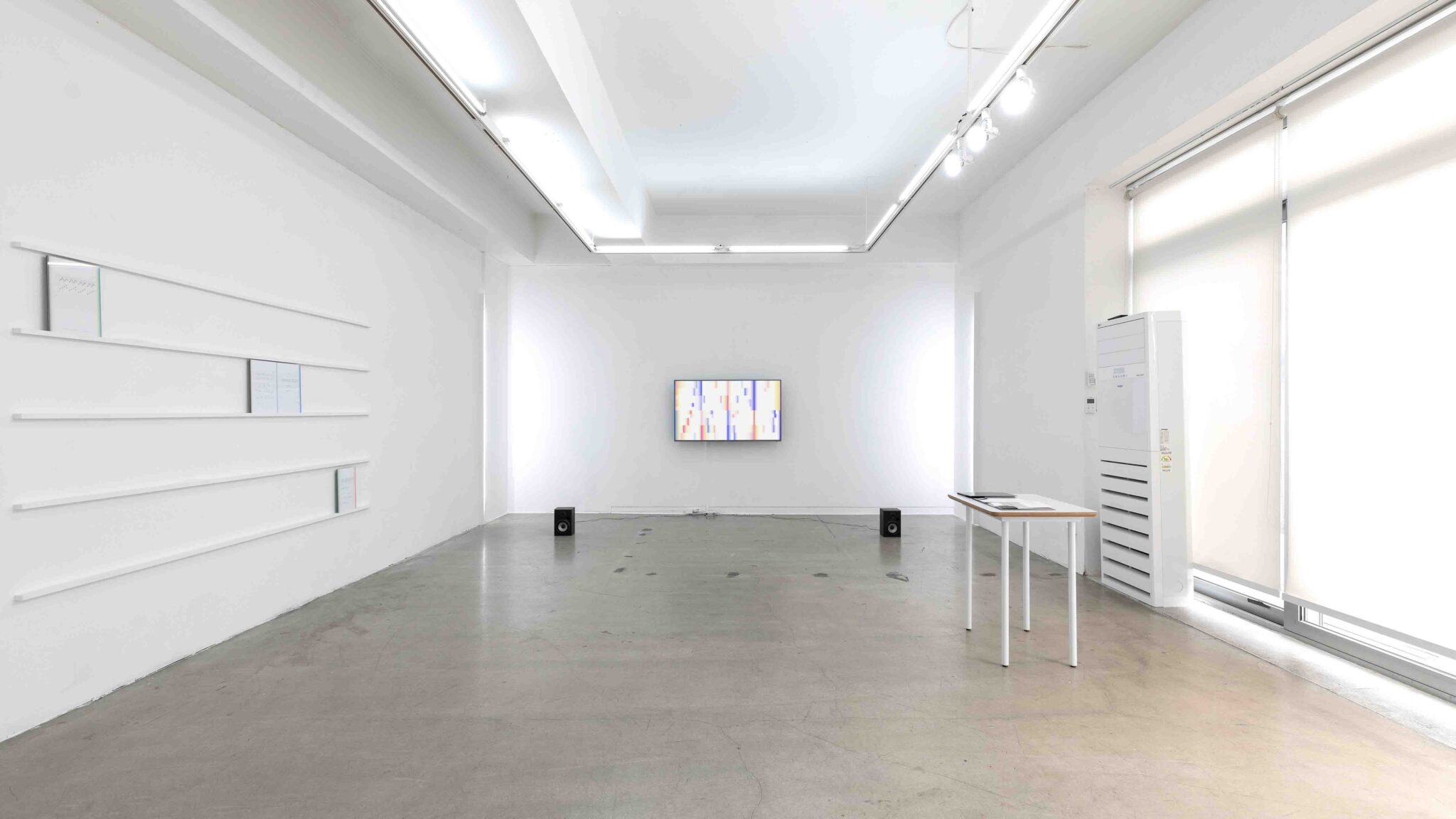
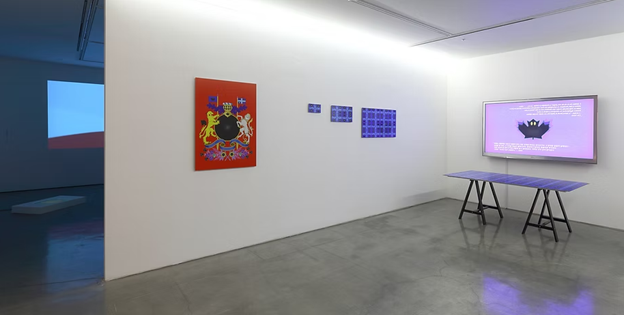
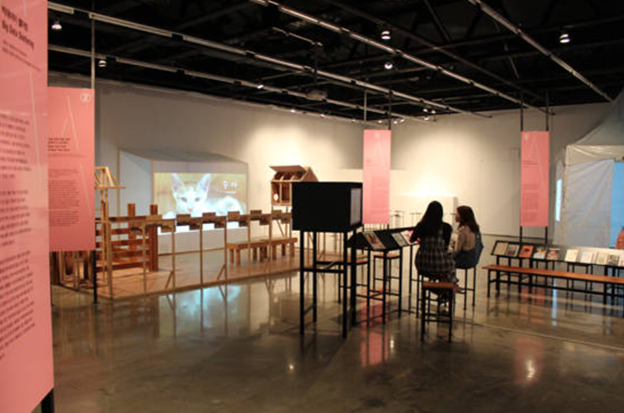
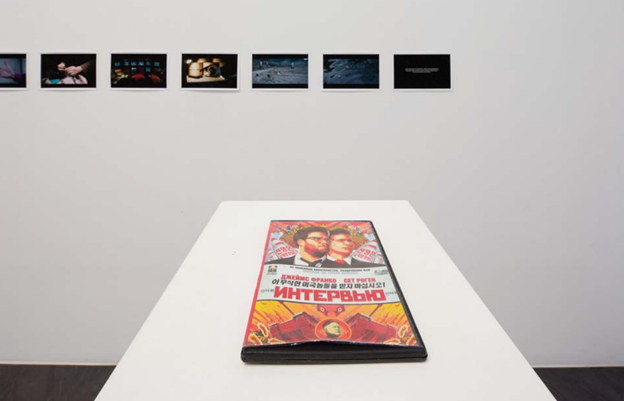
Spatial Echoes of Light, Sound, and Image

Originality & Identity

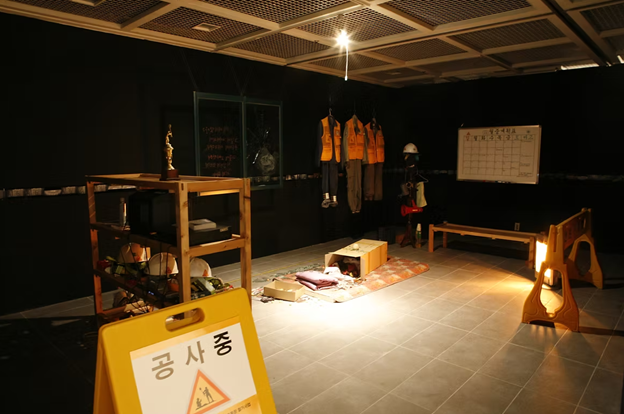
Cha Ji Ryang’s work begins by asking how individuals are positioned, move, become exhausted, and recover their own senses within systems. In his early works, he took the structures surrounding individuals—such as the city, institutions, media, the state, and housing systems—as direct sites of engagement. A Baseball Came Flying In from Somewhere, Breaking a Window(2008) is a work in which the artist directly entered the demolition site of Dongdaemun Stadium and recorded the perspectives of workers, evictees, and urban development. 

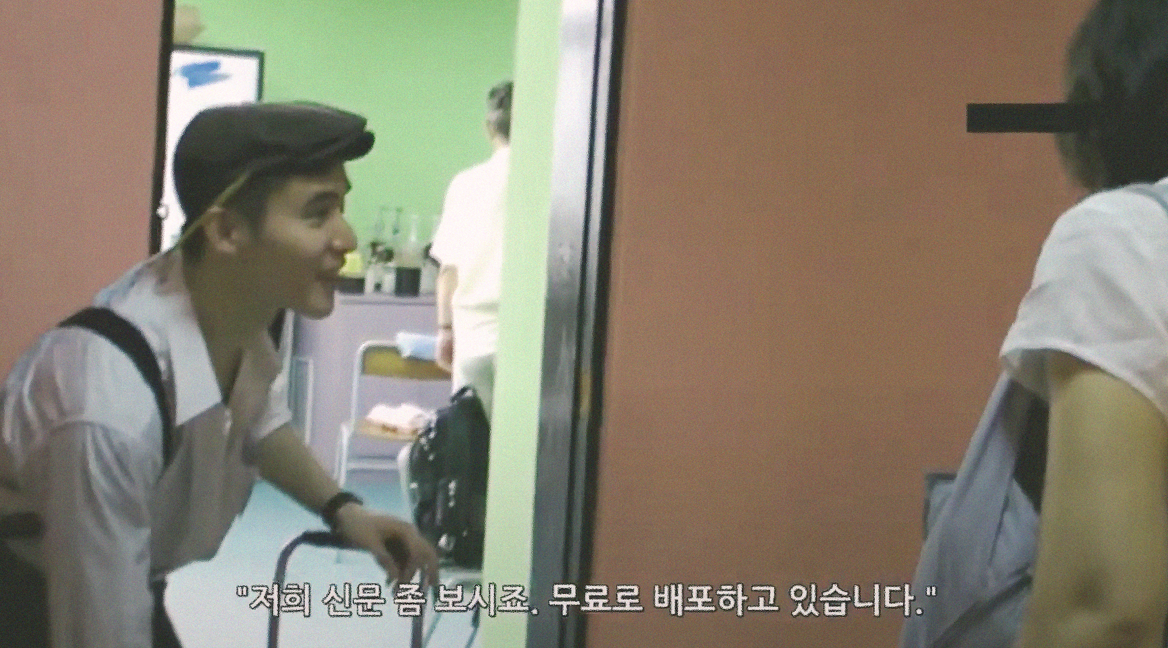
PD Notebook Featuring a Trainee Reporter from a Conservative Newspaper and an Art Student(2009) reveals his discomfort with the structures of the art world and media that consume young artists, through the form of performance and documentation. Midnight Parade(2010) and Temporary Enterprise(2011) likewise occupy specific times and places, experimenting with moments in which individuals form unexpected communities within systems.

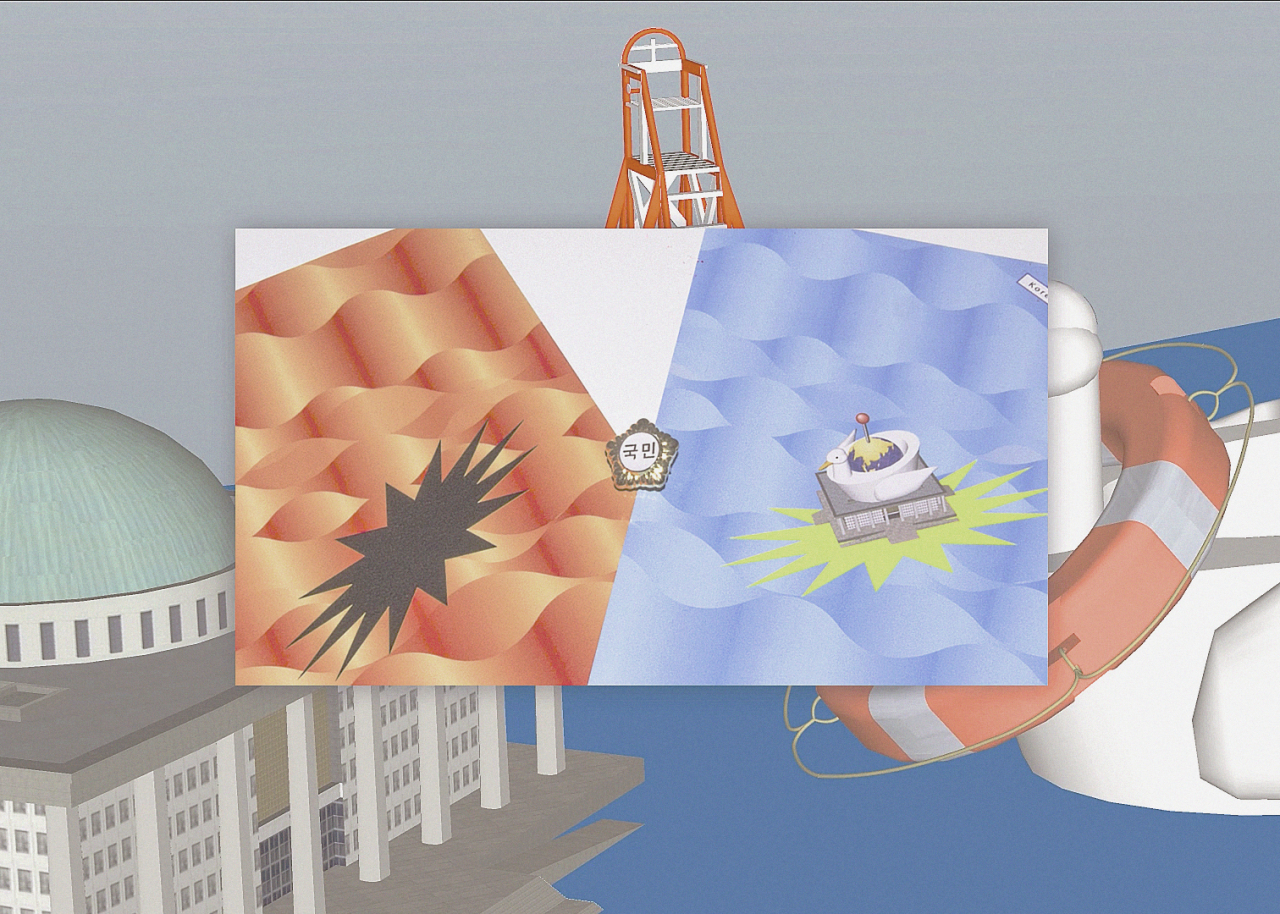
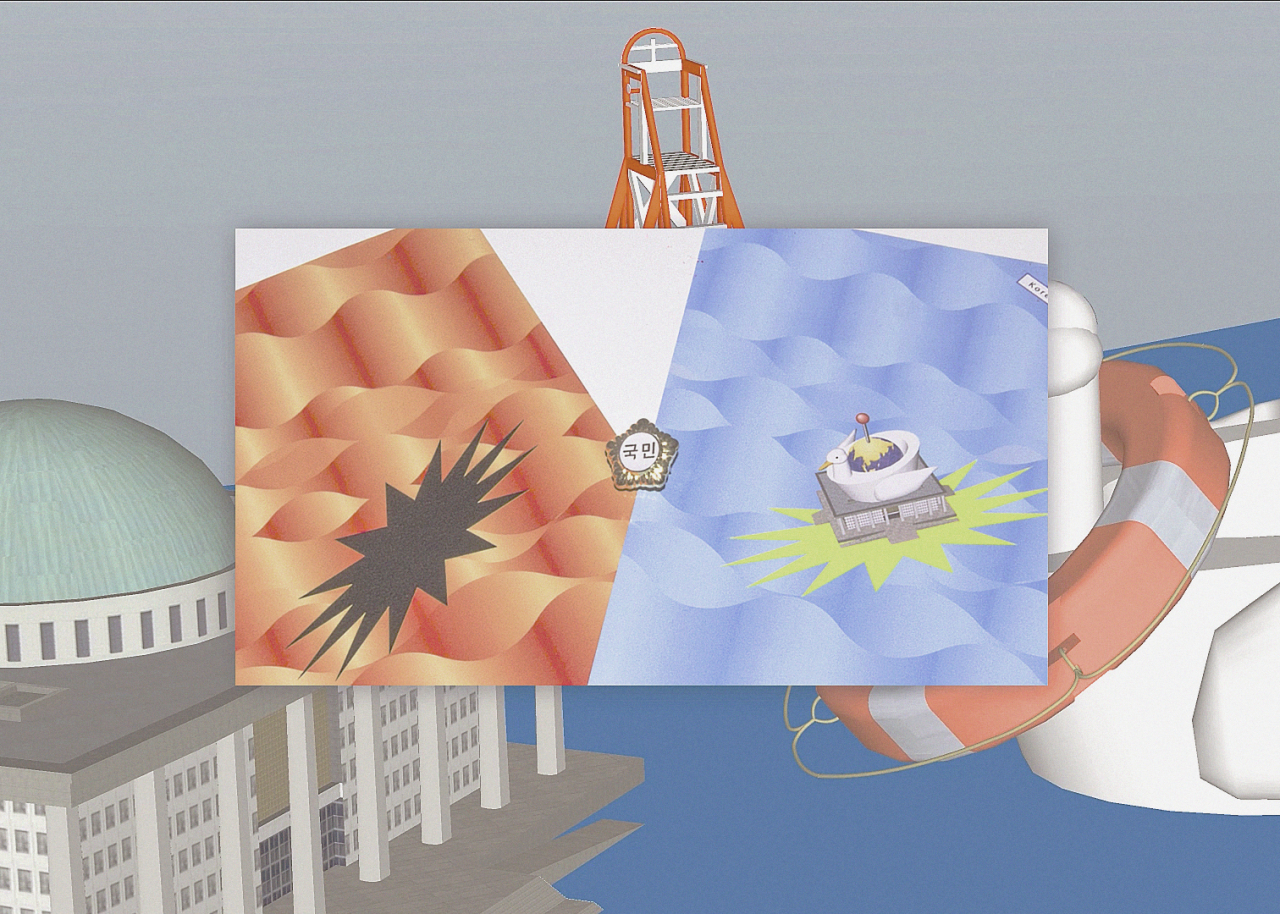
Around 2012, Cha Ji Ryang’s work shifted from direct responses to external systems toward the senses of “departure” and “movement.” New Home(2012) is a project in which he occupied and documented vacant residential spaces together with others, treating the home not as a space of ownership or settlement, but as a place of temporarily occurring relationships and time. The subsequent ‘Korean Refugees’(2014~) series expands the national system and individual anxiety of Korean society into a near-future refugee narrative.

In the works of this period, the will to transform social structures and a sense of helplessness toward reality appear simultaneously. The frustration experienced by the artist later remains in his work in a more intimate form, leading him toward tracing the energy and senses of individuals that become depleted within various environments, rather than focusing solely on institutional critique itself.

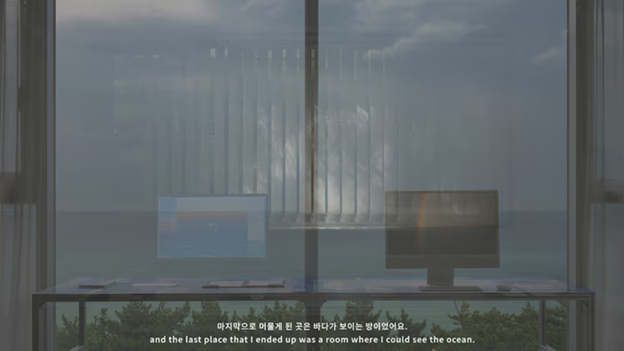
Afterward, Cha Ji Ryang’s central concept expands from “the person who leaves” to “the person who stays and shares sensations.” Only People Who Decided to Leave, Can See Everything(2012.12.20–2019.12.20) is a multi-channel video installation composed of records of seven years of movement and residencies, flights and stays. In this work, movement is not simple travel, but a process of leaving one’s present state and confirming one’s coordinates anew.

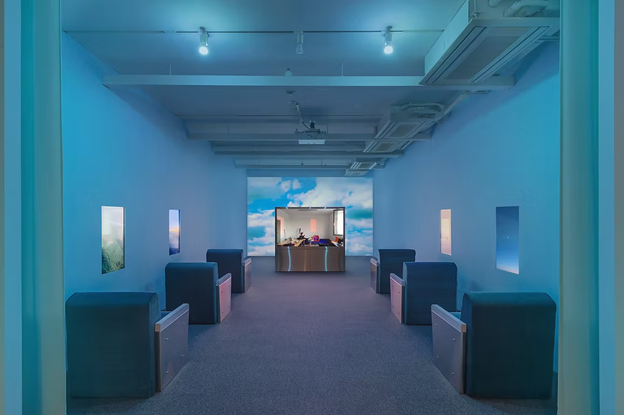
In 《Good Morning : Good Night》(Space CAN, 2019), based on his experience at a residency in Berlin, the artist shares the senses of different time zones, irregular sleep, departure, and return through sound and video. Here, “good morning” and “good night” are not simple greetings, but languages of time in which day and night, arrival and departure, well-being and farewell overlap.

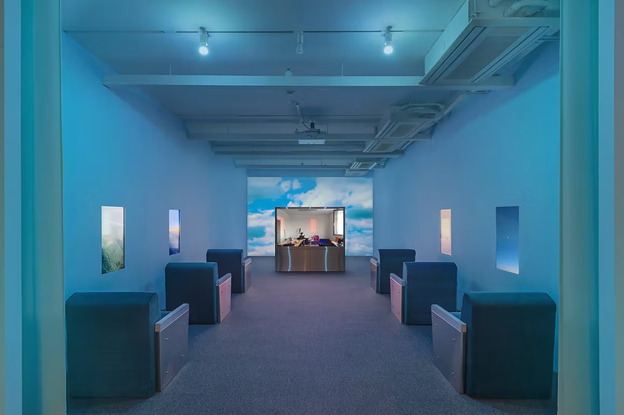
In recent works, Cha Ji Ryang focuses on scenes where transindividual dreams and collective sensations intersect. His solo exhibition 《dream pop》(d/p, 2022) constructs a state of floating between dreaming and waking as an exhibition space, proposing an experience in which one forgets the “I” and the perspectives and memories of multiple subjects overlap. As If There Were a Rainbow in Everything Visible(2024) deals with the moment when submerged sensations regain movement through records, sound, and movement accumulated in an individual life.

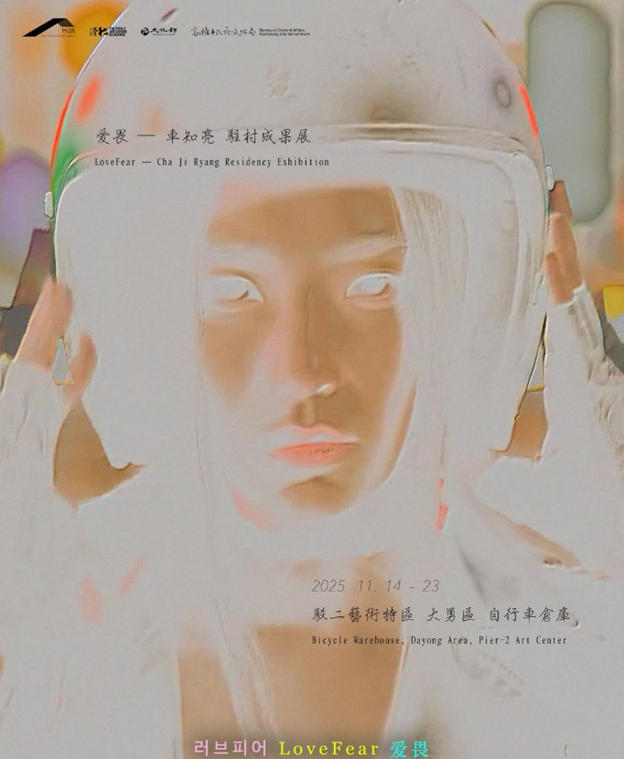
In his recent solo exhibition in Taiwan, 《LoveFear (愛畏)》(Pier-2 Art Center, 2025), he imagines a future time-space where night and day, inside and outside are no longer distinguishable, based on Asia’s growth-oriented modernity and the rhythm of absorption and release in the port city of Kaohsiung. Within this trajectory, Cha Ji Ryang’s work has expanded from the collision between systems and individuals, through movement and insomnia, home and letters, sound and community, toward collectively imagining an invisible future and sensations that have not yet been named.

Style & Contents

Rather than being fixed to a specific medium, Cha Ji Ryang’s work fluidly combines video, sound, installation, performance, text, participatory projects, and digital platforms. In his early works, a prominent method is that the artist directly enters a site, creates a situation, and records the reactions and voices that arise within it.

 A Baseball Came Flying In from Somewhere, Breaking a Window combines photographs, writing, video, and installation from a demolition site to construct the memory of a disappearing urban space in multiple layers, while Midnight Parade turns the process of participants gathered through online and offline announcements moving through and staying in the city at dawn into a temporary community. In the works of this period, media functions less as a completed outcome than as a device through which people gather, move, and form relationships.

From the mid-2010s onward, the artist began to organize individual time and traces of movement through the forms of records, letters, and archives. Only People Who Decided to Leave, Can See Everything is a work in which mobile phone videos, images of sky and land, the time of various cities, and conversations with people the artist met unfold within the structure of letters and performance.

 Personal Barriers, the Individual’s Wing(2019), exhibited together with it, simultaneously shows personal barriers and the possibility of movement through private objects such as the mobile phones, laptop, and watch the artist had used. In this way, for Cha Ji Ryang, objects are not simple props, but things in which time is stored and media that request relationships.

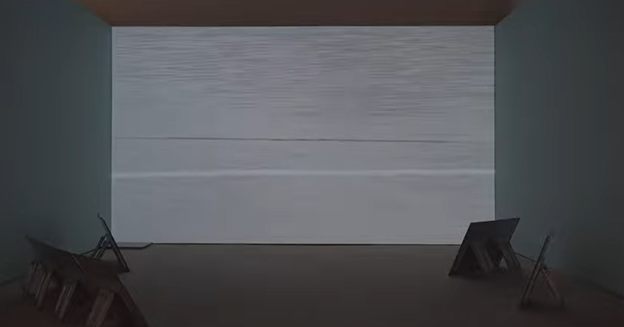
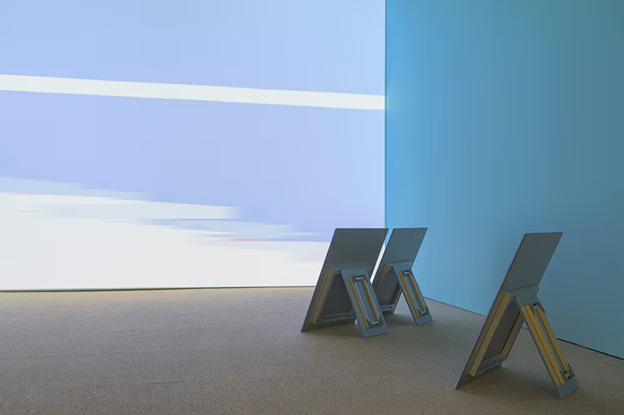
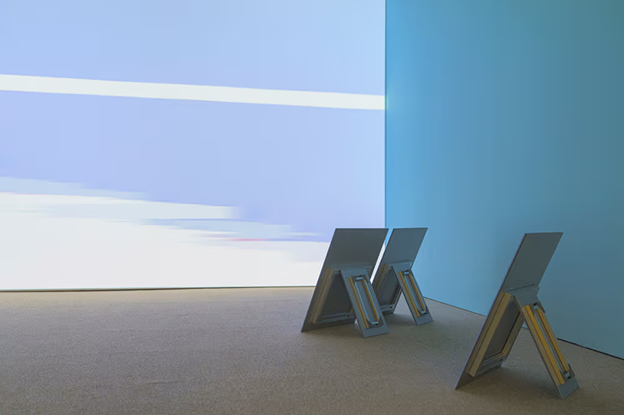
Sound becomes an increasingly important form in Cha Ji Ryang’s work. 《BGM》(2018) was an audiovisual installation and performance that shared the background memories of various times and spaces experienced by an individual with the audience through music, images, and voice, and 《Good Morning : Good Night》 replayed that experience within the exhibition space. Surfing(2022, 2024) is a work in which a single “line” is recorded as an audiovisual wave, then delivered to co-performers so that they can record again the waves they sense inside and outside their own baselines.

In this work, rather than controlling everything as a sole author, the artist creates a structure in which various co-performers, including critics, artists, researchers, and musicians, respond in their own ways. Sound and video here are not a completed message, but are closer to waves that allow different subjects to sense their own positions and rhythms.

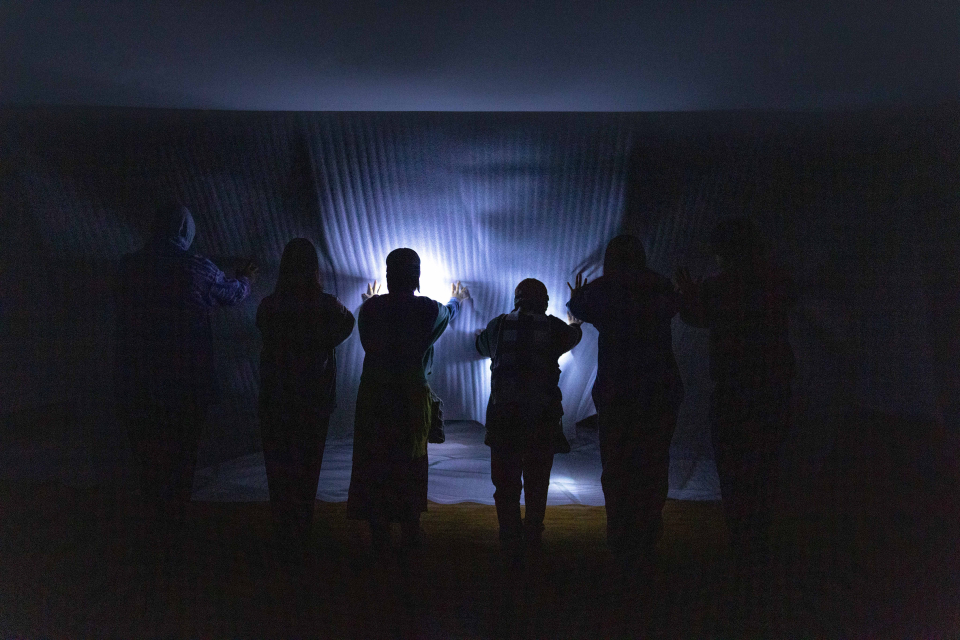
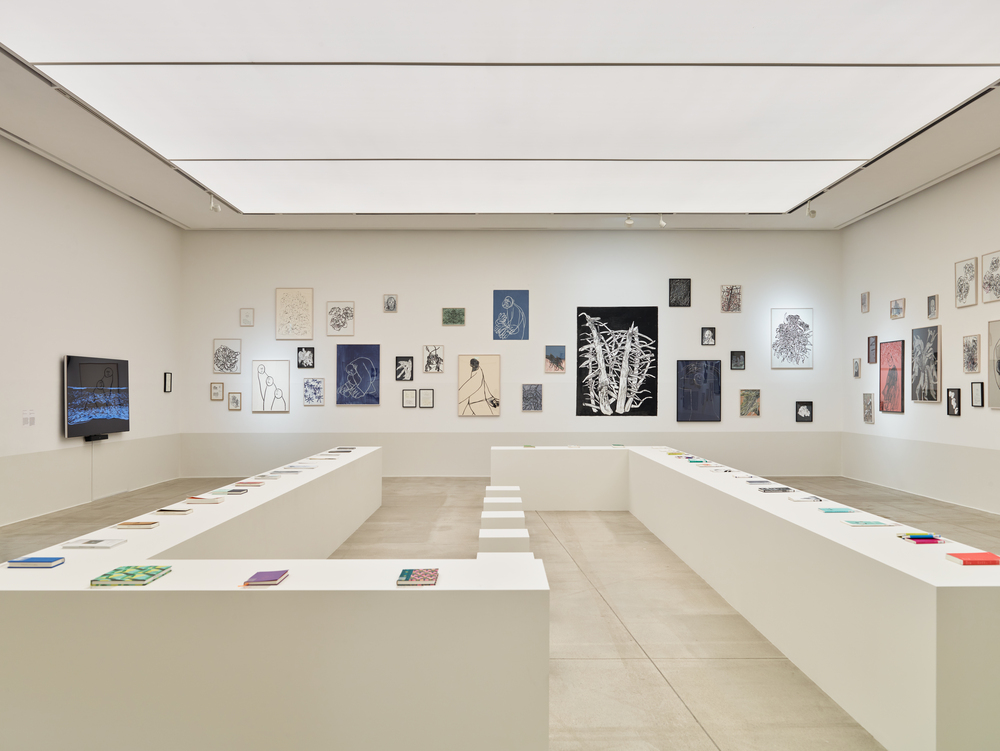
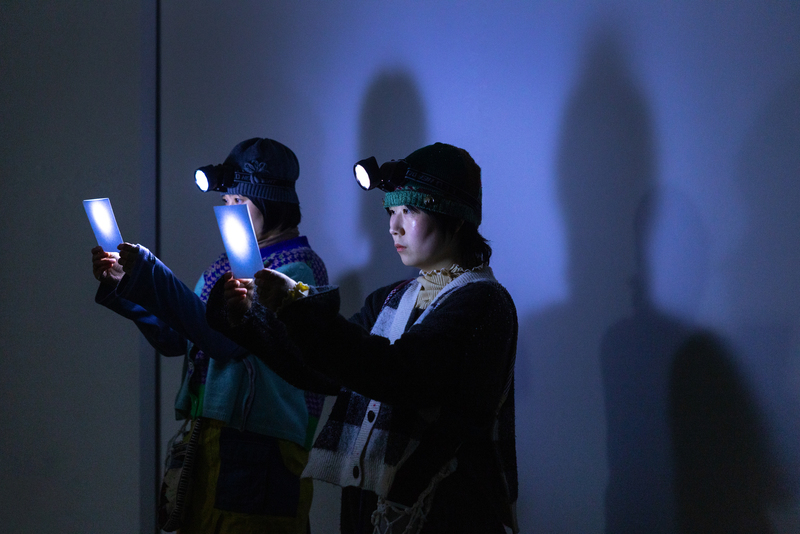
In recent works, fiction, performance, exhibition space, and audience participation are combined, producing a more theatrical structure. Minor Snow(2026) is set in a distant future where resources have been depleted, in an empty museum after the tangible and intangible things built up by humanity have disappeared. The audience becomes beings who have come to what might be the last museum of humankind, and the performance unfolds through objects, sound, moving images, and participation.

 Empty Orchestra(2026) begins from fiction, gives the rhythm of viewing to the inside and outside of the museum, and creates a situation in which the voice of writing is uttered through video and sound. Here, writing is not an explanatory text or supplementary material, but a material of sound with weight and volume, and a device that allows viewers to stay at their own pace and sense the moment when new art occurs.


Topography & Continuity

Cha Ji Ryang’s originality lies in the way he deals with social systems while refusing to leave them merely as problems of vast structures, instead translating them into the sensations of an individual body, sleep, movement, voice, sound, home, and letters. His work shares elements of institutional critique, participatory projects, media installation, and sound performance, yet it does not conclude in a specific message or claim; rather, it shows how individuals sense and pass through systems.

If his early works attempted direct interventions within the city and institutions, his later works formed a more complex and intimate structure through departure and return, insomnia and memory, home and community. This change is close to a process in which collision directed outward has moved into the structure of internal sensation and relationship.

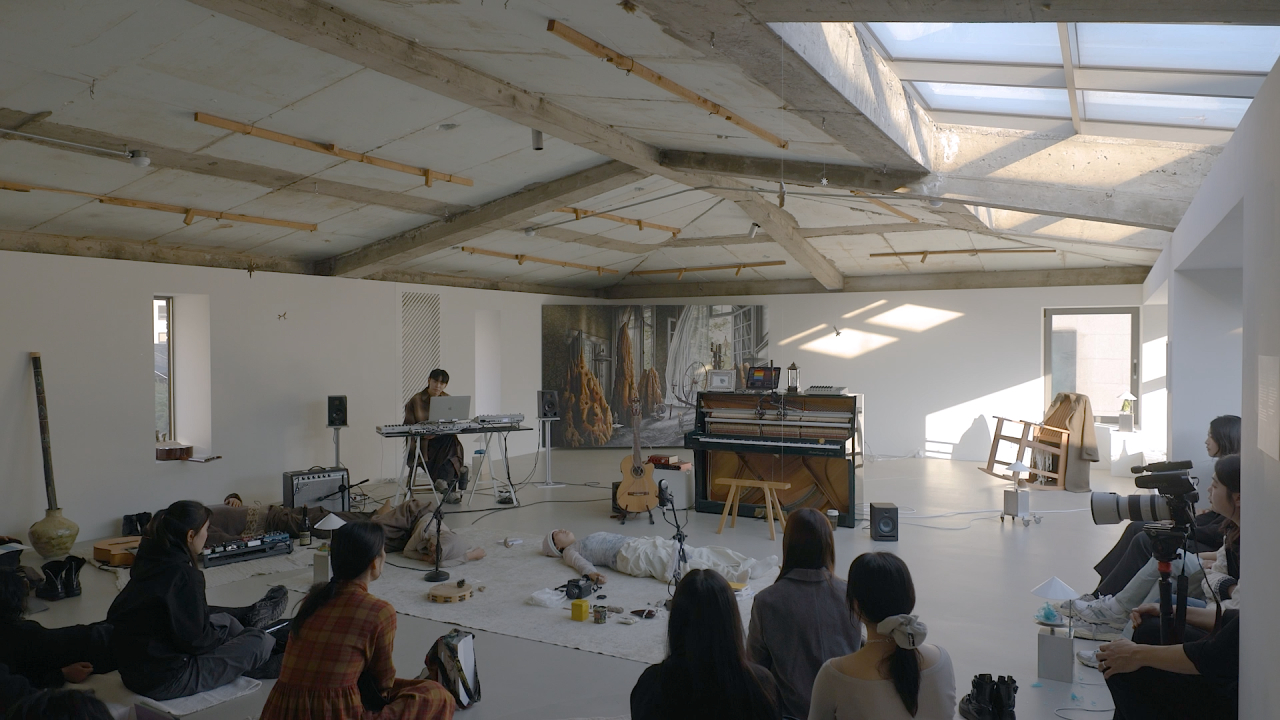
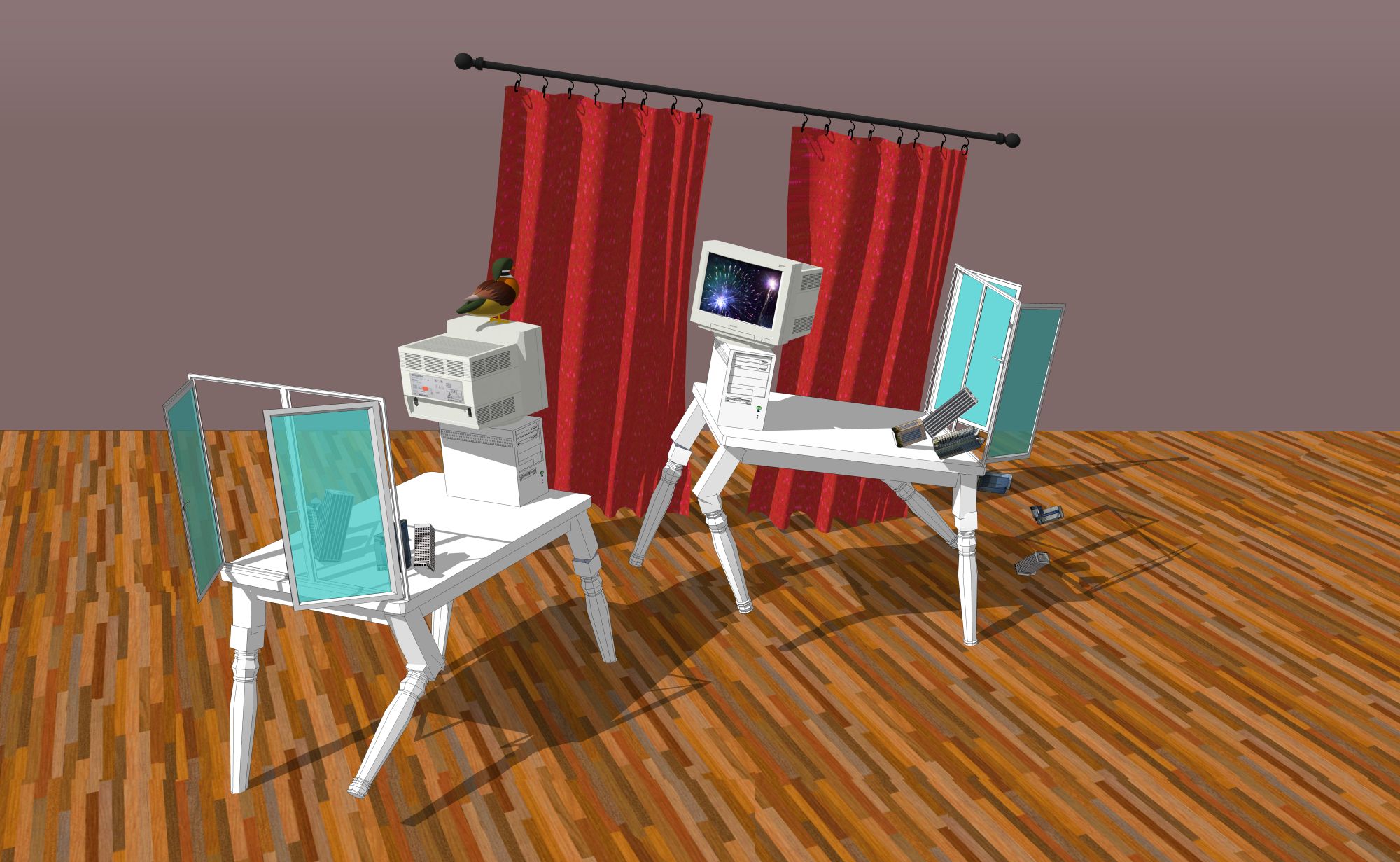
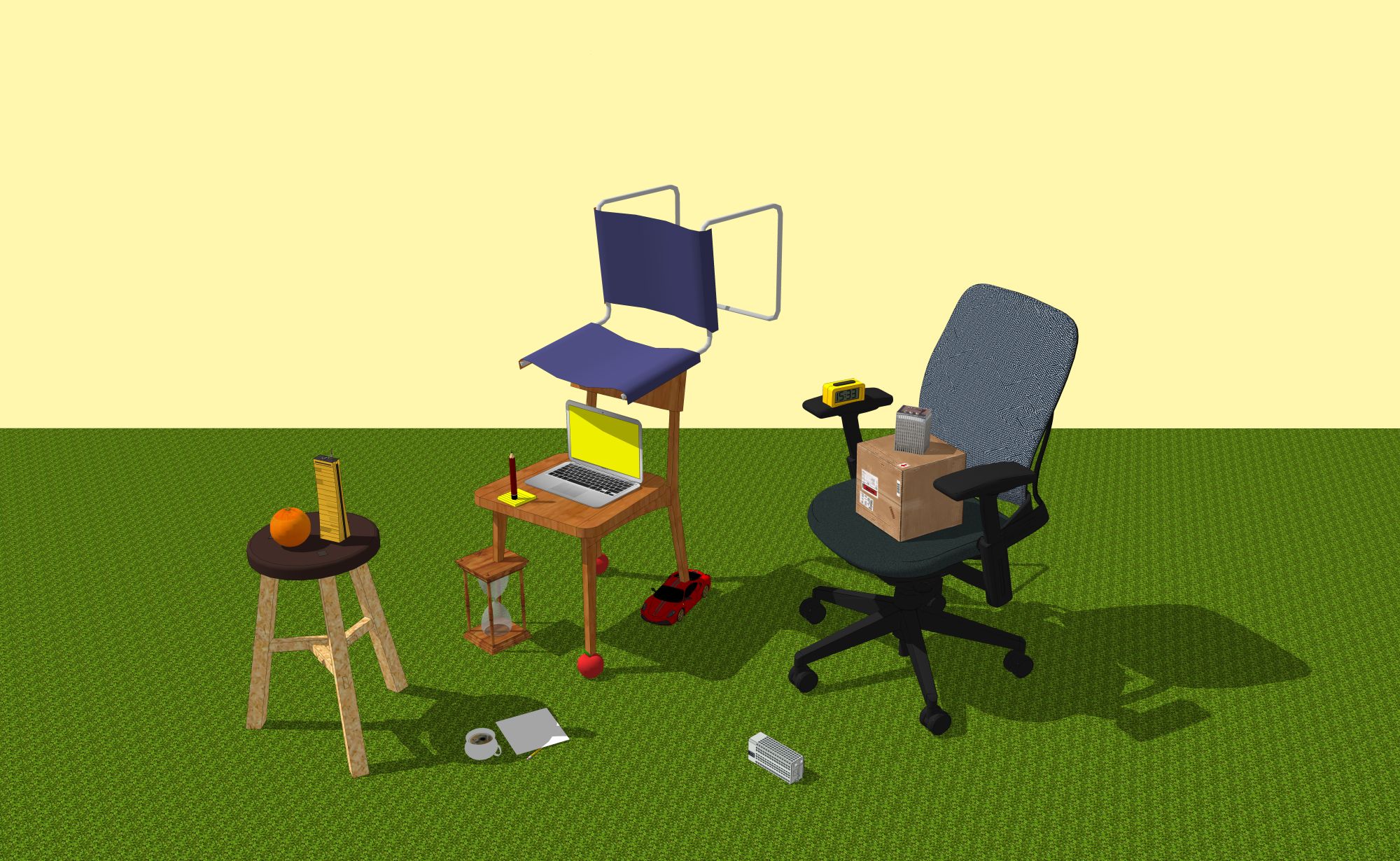
In his work, “home” is not a stable private space, but a place that continually occurs and moves. In New Home, home was the act of occupying an empty space together; in Only People Who Decided to Leave, Can See Everything, home was a coordinate of time revisited through departure; and in the recent ‘Living Room’(2023~) gatherings, an actual living room functions as a space of improvisational performance, conversation, and relationship.

This trajectory continues into 《dream pop》 and As If There Were a Rainbow in Everything Visible, creating a transindividual place where personal memories and the sensations of others overlap. While many contemporary media artists often focus on technological devices or the structure of images, Cha Ji Ryang places greater weight on creating “sensory conditions in which people can stay” through sound, video, and text.

Cha Ji Ryang’s work is also distinctive in the way it deals with “the future.” If the ‘Korean Refugees’ series imagined an extreme future of the national system, Minor Snow and Empty Orchestra imagine the time after artistic forms and institutions, museums, and the accumulated things of humanity have disappeared. Yet this future is not presented as a grand science-fictional worldview or a spectacle of disaster. Rather, it is composed of quiet and subtle clues, such as an empty museum, vanished resources, remaining sounds, and sensations that cannot yet be named.

In 《LoveFear (愛畏)》 as well, the artist captures the subtle tremors that arise between the growth and disappearance, consumption and balance of Asian modernization. This attitude shows that while Cha Ji Ryang’s work deals with social conditions, it always makes us read the world again through sensory elements such as light, sound, breath, and waves.

Cha Ji Ryang has participated in exhibitions at major institutions such as the National Museum of Modern and Contemporary Art, Korea, the Seoul Museum of Art, and the Nam June Paik Art Center, and continues to develop work that moves across media and institutions, writing and performance, community and the sensation of the future.

His work is likely to continue expanding without being fixed to a specific medium or genre, in the direction of creating places where moving individuals can sense one another’s frequencies and stay for a while. He will likely continue to hold onto the low sounds still heard between what disappears and what remains.

Works of Art

Spatial Echoes of Light, Sound, and Image

Articles

Exhibitions