




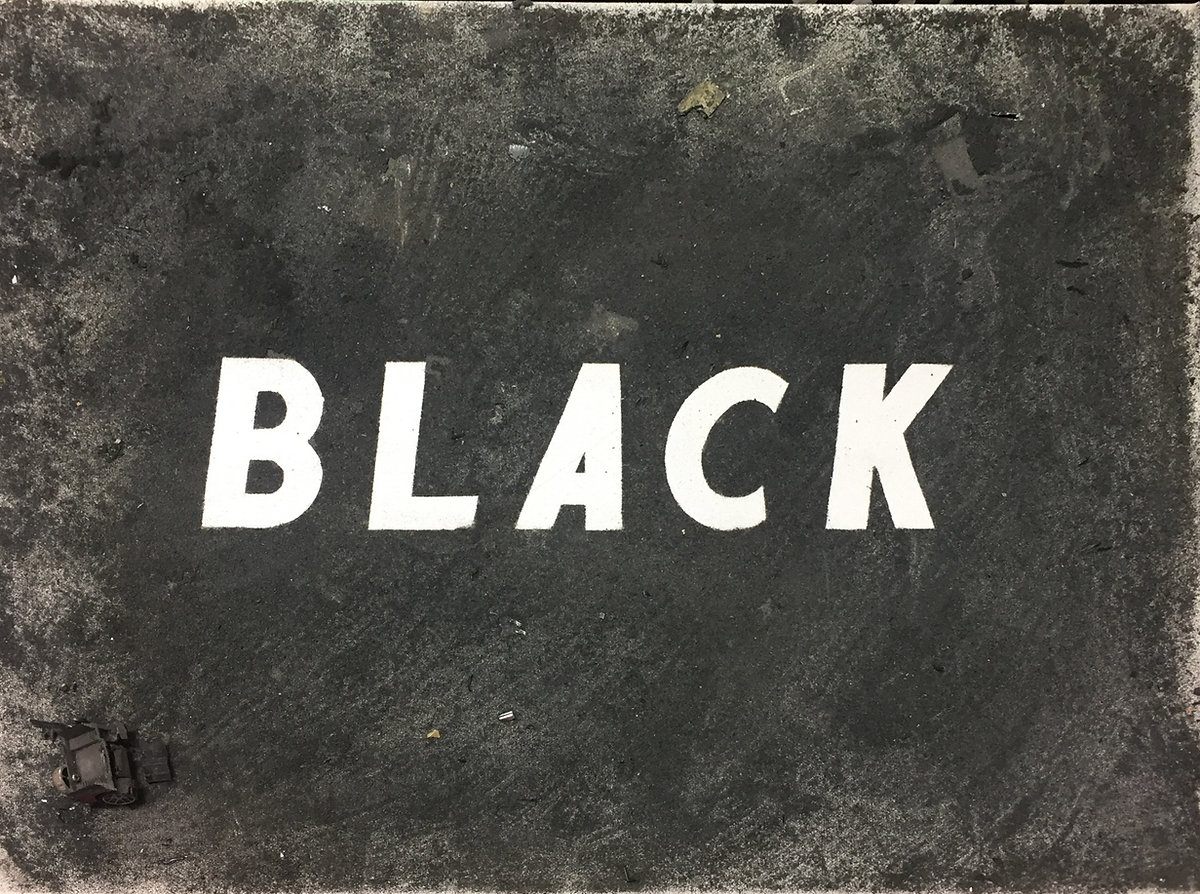
From the Animation Design Scene_Front View - K-ARTIST

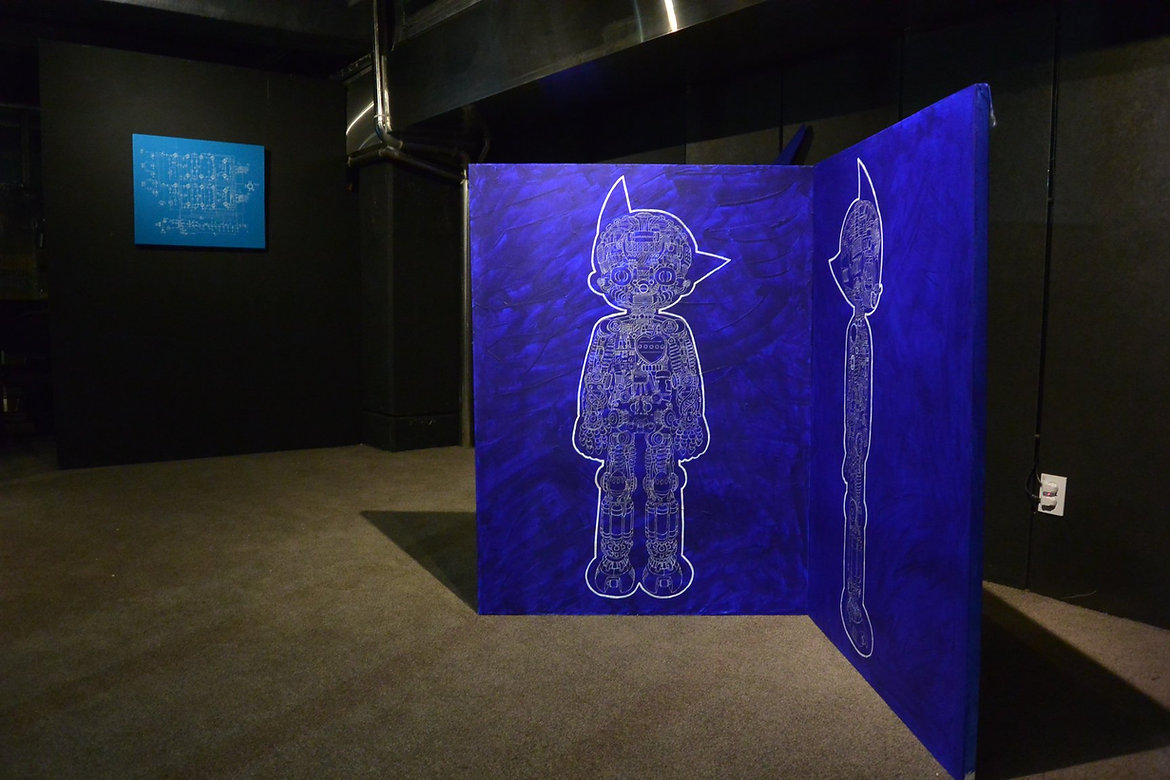
From the Animation Design Scene_Front View

2018
Acrylic and pen on canvas
91 x 116 cm
About The Work

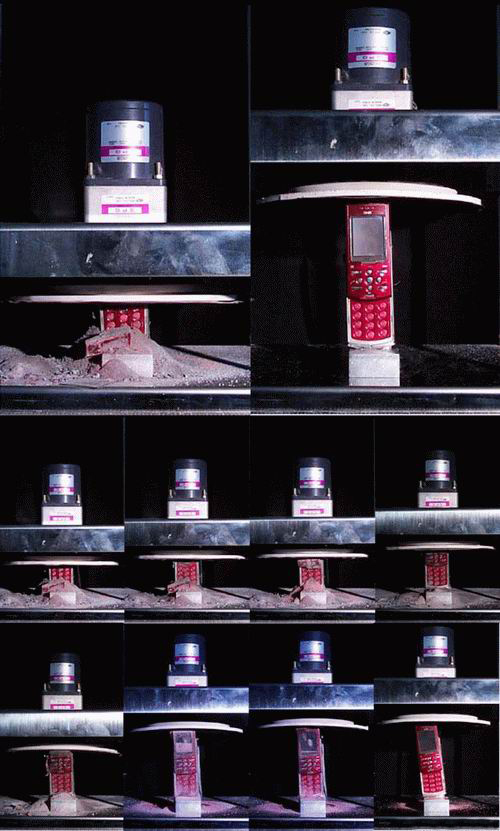
Shin Kiwoun has developed his practice around questions concerning the modes of existence of the objects and images that constitute contemporary civilization. Throughout his work, he has consistently focused on the act of grinding away and erasing symbolic objects of contemporary consumer society, such as coins, watches, mobile phones, game consoles, iPods, and figurines.

This act extends beyond simple destruction; rather, it functions as a methodology that paradoxically reveals the essence of objects and the conditions of their existence through their physical disappearance. The artist’s approach is also closely intertwined with a critical awareness of contemporary society, where consumption and desire play dominant roles.

By grinding objects into oblivion, Shin Kiwoun dismantles the systems of social value and symbolism attached to them, exposing the ways in which human desire is projected onto material things.

Grounded in these concerns, Shin’s practice spans a wide range of media, including video, installation, sculpture, drawing, 3D printing, and technical blueprints. By organically combining video and sculpture, drawing and installation, as well as technological structures and sensory materiality, he investigates the modes of existence of the objects and images that constitute contemporary civilization from multiple perspectives.

Through this sustained exploration of objects, technology, desire, and structure, Shin has continually expanded his artistic practice while persistently questioning the conditions of human existence within contemporary civilization.

Solo Exhibitions (Brief)

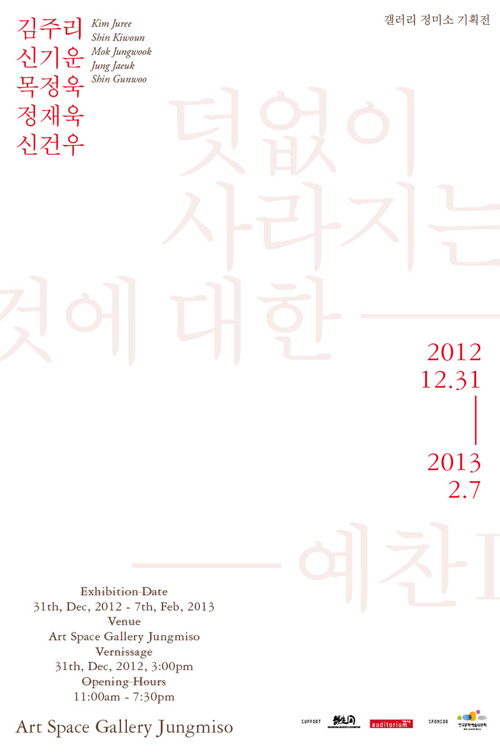
Shin Kiwoun has held solo exhibitions at major institutions and galleries including Insa Art Center (2025), Art Space Purl (2025, 2020), Bongsan Cultural Center (2022), Space Willing N Dealing (2017, 2013), Old Police Station (London, 2015), Babel Gallery (Trondheim, 2013), Brigham Young University Museum of Art (Utah, 2012), and Esplanade – Theatres on the Bay (Singapore, 2011).

Group Exhibitions (Brief)

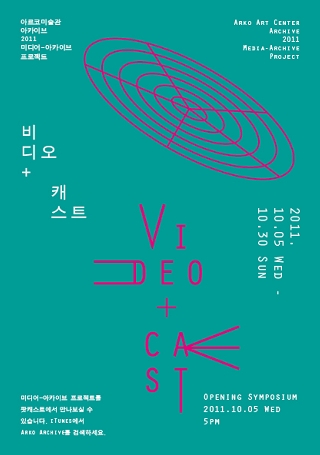
Shin Kiwoun has participated in group exhibitions at major institutions including ACC (Asia Culture Center) (Gwangju, 2016), Daegu Art Museum (Daegu, 2016; 2013), Culture Station Seoul 284 (Seoul, 2016), Daejeon Museum of Art (Daejeon, 2014), ICA (London, 2010), Seoul Museum of Art (Seoul, 2015; 2008), ARKO Art Center (Seoul, 2011), Art Center Nabi (Seoul, 2011), and ZKM Center for Art and Media Karlsruhe (Karlsruhe, 2007), and has also participated in international biennales including the Busan Biennale (Busan, 2014) and the Liverpool Biennial (Liverpool, 2010).

Awards (Selected)

Shin Kiwoun received an Honorable Mention at the 1st Seoul Art Award Exhibition (2004), followed by the 3rd Media Artist Award by Daum Foundation (2005), the Grand Prize at the 29th JoongAng Fine Arts Prize (2007), and the SIA Media Artist Award (2012). He was also selected for Bloomberg New Contemporaries (2010).

Residencies (Selected)

Shin Kiwoun participated in various residency programs including the Changdong National Studio Residency Program (Seoul, 2005), Guesthouse Residency (Cork, 2010), Raumars Residency Program (Rauma, 2011), Lademoen Art Residency Program (Trondheim, 2013), and Gallery Purple Studio (Gyeonggi, 2013).

Collections (Selected)

Shin Kiwoun’s works are included in the collections of the National Museum of Modern and Contemporary Art, Korea; Seoul Museum of Art; Daegu Art Museum; Museum of Contemporary Art Busan; ARKO Art Center; the Korean Film Archive; JoongAng Daily; Amorepacific; SIMMONS; Venta; the Obayashi Collection; and LVS Gallery.
Works of Art

The Ontology of Objects and Images in Contemporary Civilization

Originality & Identity

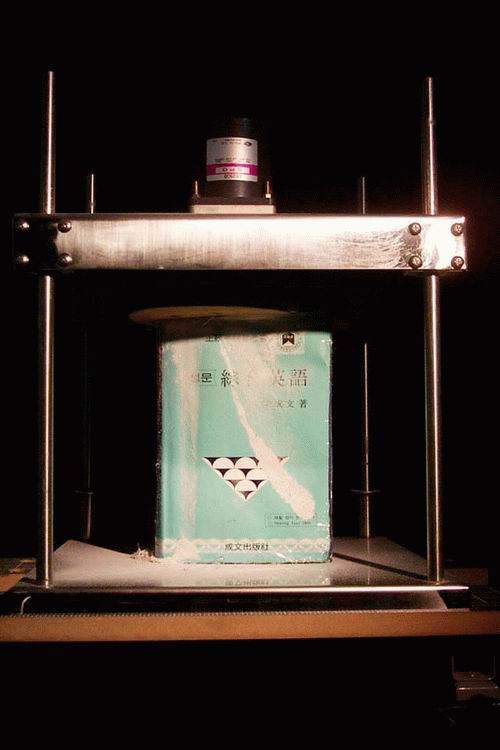
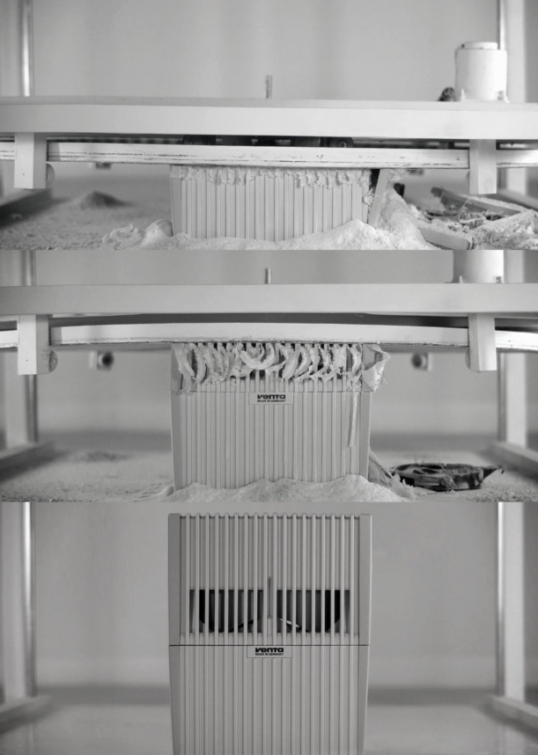
Shin Kiwoun’s practice has long centered on the physical act of “grinding away” the objects that constitute contemporary civilization. Since the mid-2000s, his representative series ‘Approach the Truth’ has documented the destruction of symbolic consumer objects of contemporary society—coins, clocks, mobile phones, game consoles, iPods, and figurines—through video. Yet his work cannot be reduced to a simple act of destruction.

The process through which objects are reduced to powder ultimately resembles a return to a state preceding creation itself, a return to the primordial condition of existence. Through physical disappearance, Shin paradoxically attempts to reveal the essence of objects and the conditions of being, an approach that also resonates with the Buddhist worldview that “the origin of all things is fundamentally the same.”

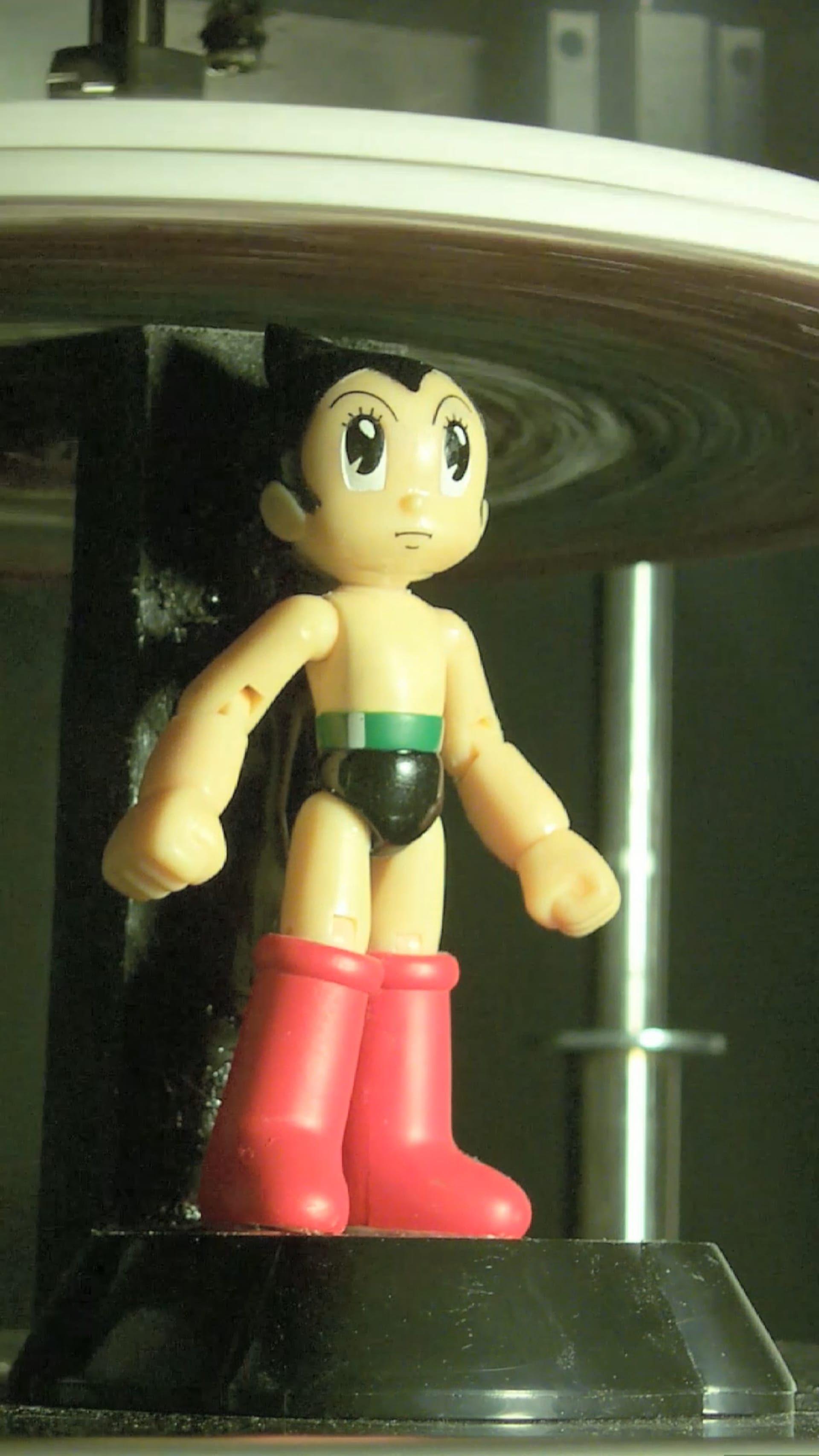
This attitude is closely tied to a critical awareness of contemporary society shaped by consumption and desire. The objects Shin selected were not only technological products emblematic of a particular era, but also things he himself desired to possess. English dictionaries, game consoles, smartphones, and Astro Boy figurines function not merely as collectible items, but as mediators that expose the structures of desire produced by contemporary society.

In particular, the English-language textbooks and electronic devices that repeatedly appeared in his early works symbolize the new hierarchies and feelings of deprivation generated by global capitalism and technological civilization. By grinding these objects away, Shin dismantles the systems of social value and symbolic meaning attached to them, revealing how human desire becomes projected onto things.

Shin’s work also contains a meta-critical attitude that questions the very mode of existence of contemporary art itself. Rather than producing objects, he has consistently worked through removal; rather than construction, through disappearance. This approach constitutes a fundamental skepticism toward—and challenge to—the modern concept of artistic creation as a continuous act of production.

In particular, the work in which he pulverized Susanne K. Langer’s Problems of Art and transformed its fragments into images of currency compels viewers to reconsider the purity of art, the legitimacy of creation, and the relationship between art and economics. Within his practice, art no longer remains an autonomous and purified realm, but instead occupies an unstable boundary where survival, desire, labor, and capital collide.

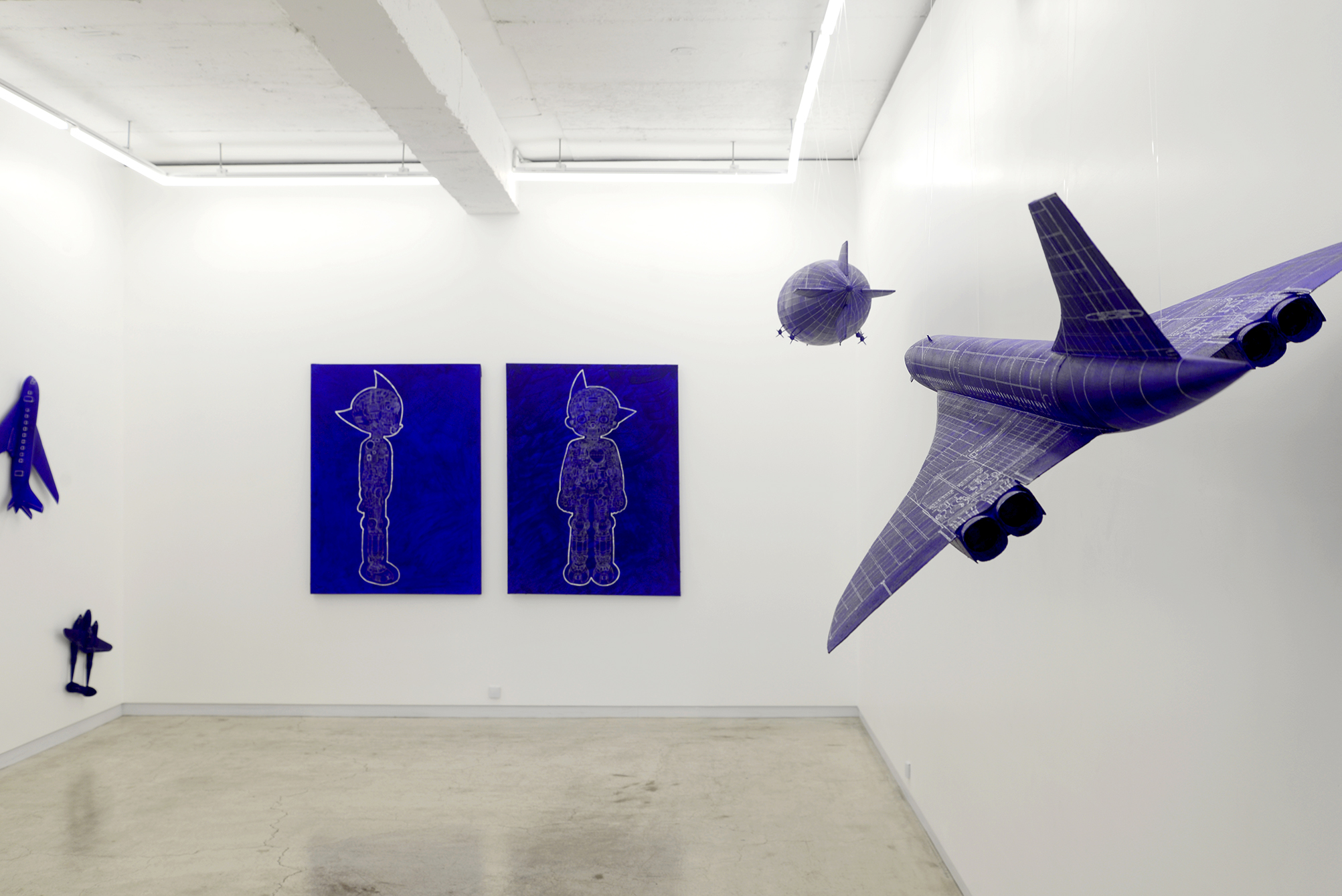
In his recent works, Shin has expanded his interest toward structural objects such as automobiles, airplanes, apartments, and rockets, while maintaining his longstanding inquiry into destruction and disappearance. In particular, his recent works employing blueprints, detail drawings, and 3D-printed structures move toward an investigation of the underlying structures of science, technology, and modern civilization itself.

Rather than focusing on the external appearance of objects, he turns his attention toward their internal systems and invisible orders, pursuing what he describes as an “honest painting.” By simultaneously exposing the technological systems and structures of desire that shape contemporary society, Shin continues to extend the central concerns that have consistently defined his artistic practice.

Style & Contents

Shin Kiwoun’s practice unfolds across a wide range of media, including video, installation, sculpture, drawing, 3D printing, and blueprint-based works. In his early works, he actively employed the language of media art by recording the physical destruction of objects through video. In particular, the ‘Approach the Truth’ series presents, through time-lapse imagery, the gradual disintegration of objects into powder.

Here, video functions not merely as a recording device, but as a mechanism that compresses and reverses the temporality of creation and disappearance. In several works, reverse playback techniques reconstruct powdered matter back into recognizable forms, visualizing a cyclical structure between destruction and rebirth, reality and illusion.

The grinding machine that repeatedly appears throughout his practice operates not simply as a mechanical device, but as a sculptural apparatus and performative tool. Through the act of grinding objects away, Shin transforms the material condition of things and reconfigures them into video and installation works. In this process, objects are stripped of their original functions and meanings, reduced to an anonymous powdered state.

By witnessing familiar objects disintegrate, viewers are prompted to reconsider their own perceptions and sensory relationships to material things. This methodology reveals not only the physical transformation of objects, but also the instability of human desire, memory, and social systems of value.

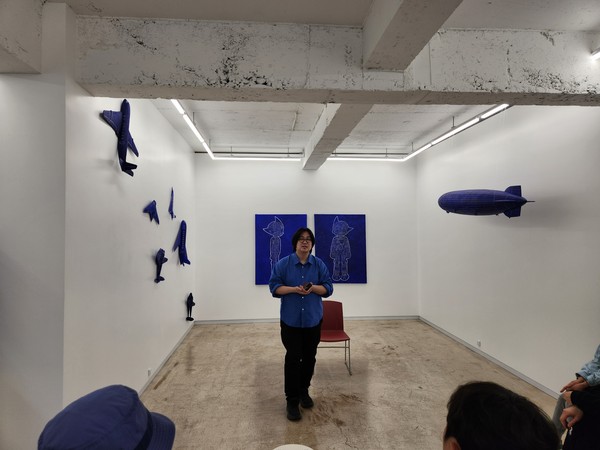
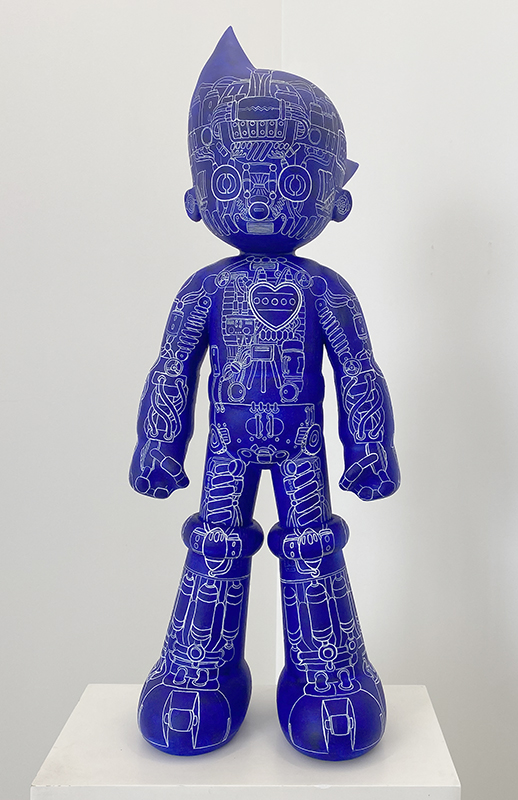
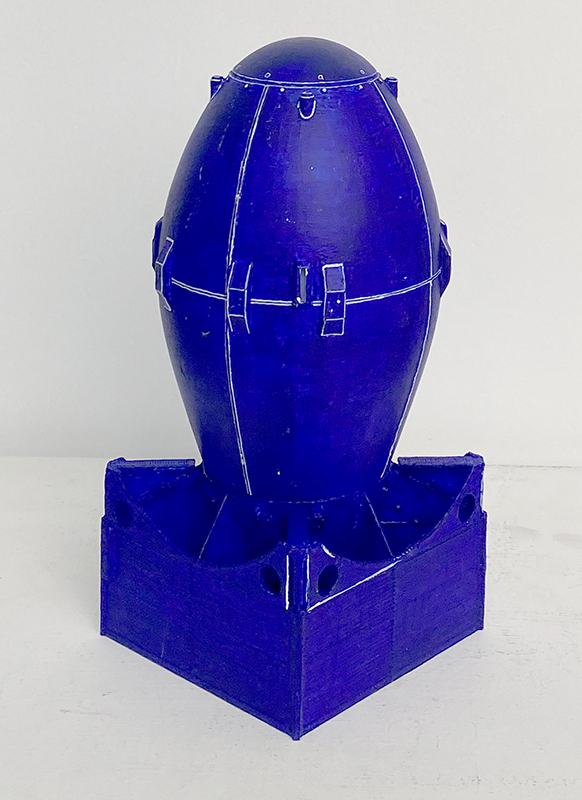
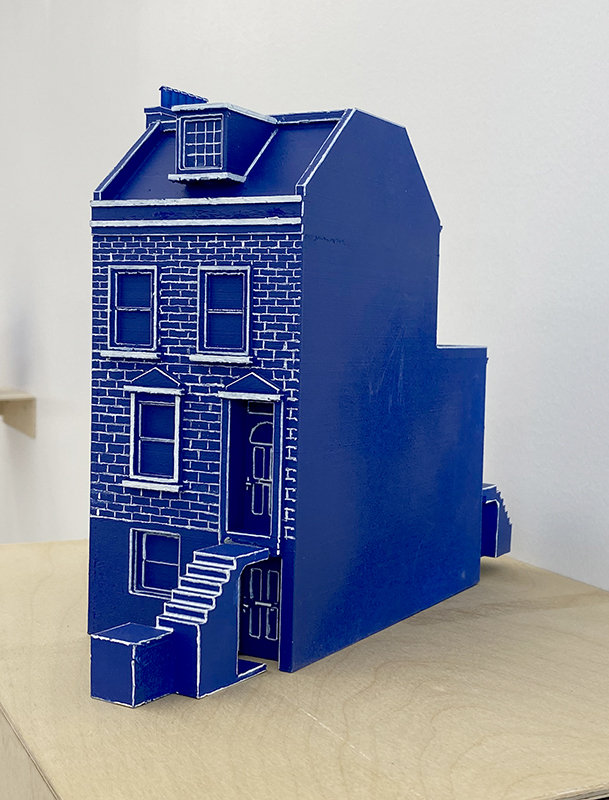
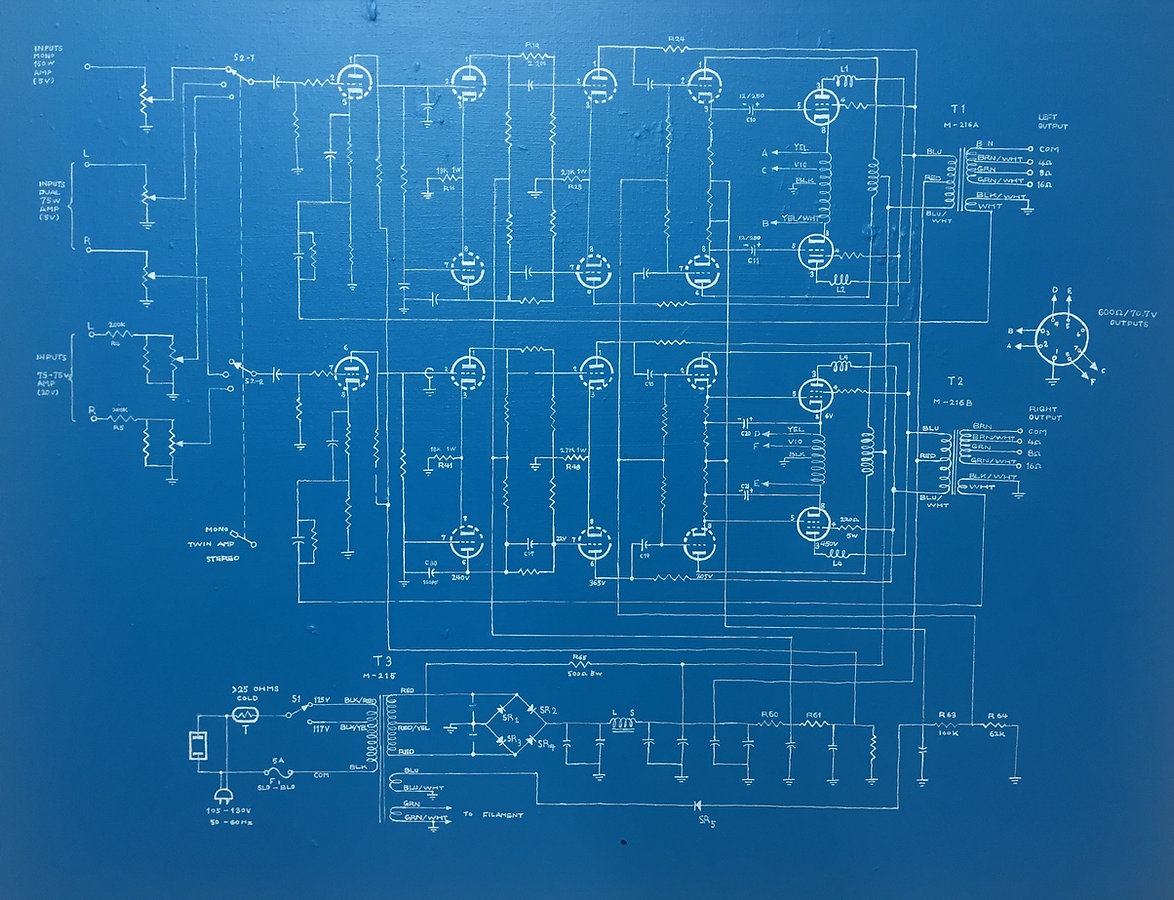
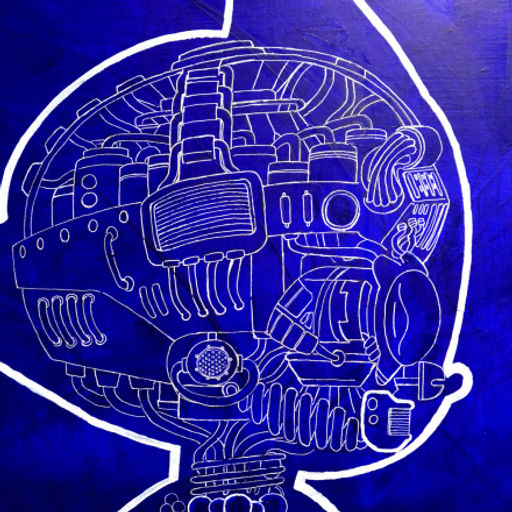
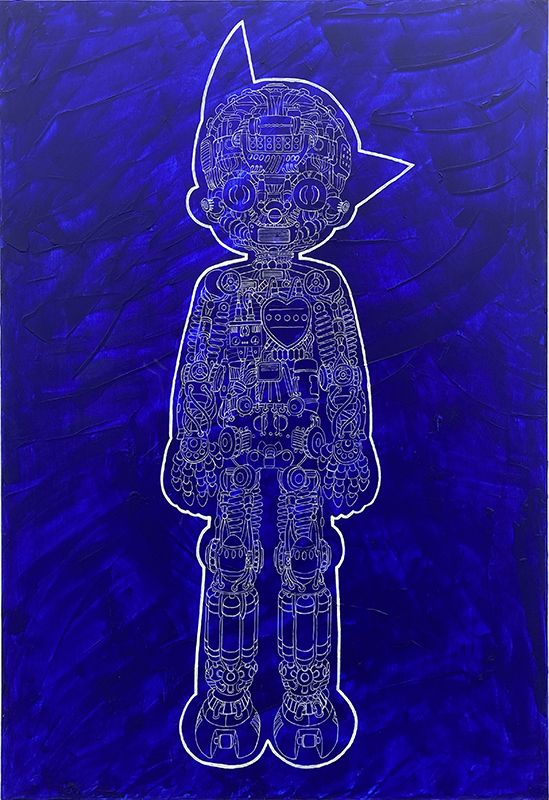
In recent works, Shin has further expanded his interest in the relationship between two-dimensional and three-dimensional forms, as well as in the structural systems underlying objects themselves. Automobiles, airplanes, rockets, apartments, and the cartoon character Astro Boy are rendered through 3D printing and subsequently overlaid with white structural lines drawn upon ultramarine blue surfaces.

These works move fluidly between the visual language of blueprints and painting. Rather than emphasizing outward appearance, Shin focuses on internal structures and modes of construction, combining the objectivity of technical drawing with painterly sensibility. The chromatic language of the blueprint and its linear drawing structures simultaneously reveal the systems of modern technological civilization while evoking childhood memory and futuristic imagination.

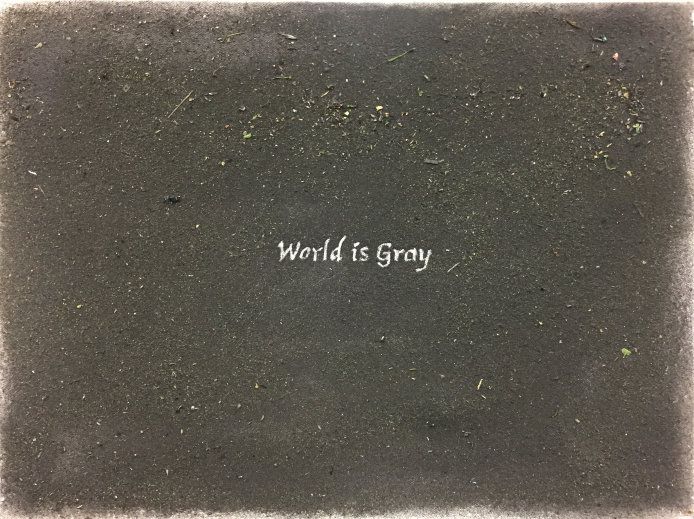
Another distinctive aspect of Shin’s practice lies in the way conceptual inquiry is accompanied by a strong sense of visual materiality. By using everyday substances such as coffee, soy sauce, and ketchup to construct images of currency, or by employing the residues of pulverized books and machines as the ground for new images, Shin foregrounds both the social context and sensory experience embedded within materials themselves.

In this way, his work organically combines video and sculpture, drawing and installation, technological structure and tactile materiality, while exploring the modes of existence of objects and images within contemporary civilization through multiple layers of material, structure, and perception.

Topography & Continuity

Since the mid-2000s, Shin Kiwoun’s practice has consistently centered on questions surrounding contemporary civilization and the modes through which objects exist. In his early representative series ‘Approach the Truth’, he explored themes of creation and disappearance, desire and loss, by physically pulverizing symbols of contemporary desire such as coins, clocks, game consoles, mobile phones, and figurines.

Although the forms and media of his work have evolved over time, his underlying attitude toward dismantling and reexamining the structures of objects and human desire has remained constant. In this sense, Shin’s practice can be understood not as a series of medium-specific experiments, but as the sustained expansion of a coherent conceptual inquiry.

His work is also closely intertwined with the historical context of the late 2000s, a period during which Korean contemporary art rapidly expanded within the global contemporary art scene. The unstable social atmosphere following the IMF financial crisis, the accelerated transformation of technological civilization, and the expansion of consumer culture and global capitalism all formed important foundations for Shin’s practice.

His early works, which repeatedly featured English-language textbooks, electronic devices, and global consumer products, reflected the collective desires, anxieties, and class-based sense of deprivation experienced within Korean society at the time. While grounded in personal experience, these works simultaneously function as a kind of cultural topography of contemporary Korea.

In recent works, Shin has extended his focus beyond the external image of objects toward investigations of their internal structures and systems. Works that reconstruct automobiles, airplanes, rockets, and apartment buildings through blueprints, detail drawings, or 3D-printed sculptural forms continue his exploration of both the structural order of technological civilization and the visual systems through which humans perceive it.

In this sense, the concepts of “pulverization” and “disappearance” that characterized his earlier works have not been abandoned, but rather expanded into a more structural and analytical mode of inquiry. The act of dismantling objects has gradually shifted away from physical destruction toward revealing the systems and structures embedded within them.

Shin’s practice is also significant in the way it has continually adapted alongside changes in technological environments and media systems. The methods through which his works are stored and exhibited—DVDs, external hard drives, USB devices, and digital files—have evolved in parallel with technological developments, and these transformations themselves remain deeply connected to the conceptual framework of his work.

Likewise, his movement across video, installation, drawing, sculpture, and 3D printing demonstrates a flexible approach unconstrained by any single medium. Through this sustained investigation of objects, technology, desire, and structure, Shin has continued to expand his artistic practice while persistently questioning the conditions of human existence within contemporary civilization.

Works of Art

The Ontology of Objects and Images in Contemporary Civilization

Exhibitions

Activities