Oil Pressure Vibrator - K-ARTIST

Oil Pressure Vibrator

2008
Performance
About The Work

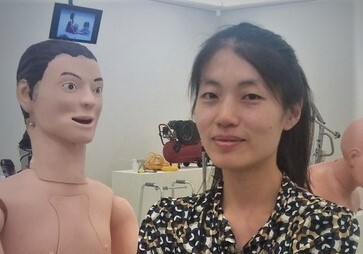
Geumhyung Jeong works across a wide range of formats, including performance, installation, video, sculpture, and lecture-performance, raising diverse questions about the relationship between the body and objects. Throughout her practice, she has examined the ways in which humans project desire and emotion onto objects, stripping them of their original functions and transforming them into new entities capable of interacting with her body.

While treating functional objects as if they were living beings, Jeong simultaneously exposes the desires, anxieties, intimacy, and impulses toward control that emerge through such interactions, revealing how these objects ultimately remain bound to fantasies imposed upon them by humans. Rather than offering an optimistic vision of coexistence between humans and machines, her work is more concerned with exposing the fragile structures through which humans depend on objects and project emotions onto them.

Jeong’s performances do not focus on dramatic narratives or emotional expression in the manner of conventional theater or dance. Instead, they generate tension and awkwardness through repetitive movements, trained gestures, and processes of explanation and demonstration. This approach encourages audiences to experience the incompleteness of a process rather than a finished scene.

Although she actively incorporates technological elements such as robots and remote-controlled devices into her work, she does not seek to showcase the sophistication or efficiency of advanced technology. Rather, through machines that move awkwardly, devices that remain unfinished, and systems that repeatedly fail, she reveals the imperfections of both human desire and the body.

As a result, her machines resemble not efficient industrial apparatuses but rather distorted partners onto which human emotions and obsessions have been projected. Moving fluidly between performance and installation, machine and body, explanation and failure, Jeong has developed a distinctive practice that continually expands the possibilities of contemporary performance.

Solo Exhibitions (Brief)

Geumhyung Jeong has presented solo exhibitions at major international museums and art spaces including the ICA, Institute of Contemporary Arts (London, 2024), FMAV, Fondazione Modena Arti Visive (Modena, 2020), Kunsthalle Basel (Basel, 2019), Delfina Foundation (London, 2017), Tate Modern (London, 2017), and Atelier Hermès (Seoul, 2016).

Group Exhibitions (Brief)

She has also participated in numerous group exhibitions including the 59th International Art Exhibition of La Biennale di Venezia (Venice, 2022); Kunsthal Charlottenborg (Copenhagen, 2022); the 5th Ural Industrial Biennial of Contemporary Art (Ekaterinburg, 2019); the 9th Asia Pacific Triennial (Brisbane, 2018); the 6th Athens Biennale (Athens, 2018); Artspace (Sydney, 2017); Kunsthalle Wien (Vienna, 2016); New Museum Triennial, New Museum (New York, 2015); MACBA Museu d'Art Contemporani de Barcelona (Barcelona, 2015); Seoul Museum of Art (2015); WKV Württembergischer Kunstverein (Stuttgart, 2014); and the 10th Gwangju Biennale (Gwangju, 2014).

Awards (Selected)

Jeong received the Hermès Foundation Missulsang Award (2016), Zürcher Theater Spektakel Kantonalbank Acknowledgment Prize (2014), the Excellence Award for Alternative Vision at the Seoul New Media Art Festival (2009), and the Dokkebi Award at the Chuncheon International Mime Festival (2007).

Residencies (Selected)

Jeong has participated in residency programs at Incheon Art Platform (2021), Delfina Foundation (2017), Hermès Foundation Missulsang Residency (2016), PACT Zollverein (2014), and Akademie Schloss Solitude (2013).

Works of Art

On Human Desire and the Imperfection of the Body

Originality & Identity

Geumhyung Jeong’s practice begins with an exploration of the relationship between humans and objects, yet it cannot be reduced simply to a question of technology and the body. What matters in her work is not merely how humans use objects, but how they project desire and emotion onto them.

Medical mannequins, exercise equipment, vacuum cleaners, beauty tools, and remote-control devices are transformed beyond their original functions into entities that interact with the artist, revealing human desire, anxiety, intimacy, and the impulse to control. While Jeong treats functional objects as if they were living beings, she simultaneously exposes the fact that they ultimately cannot escape the fantasies imposed upon them by humans.

Rather than optimistically imagining coexistence between humans and machines, her work instead reveals the fragile structure through which humans depend upon and emotionally invest in objects.

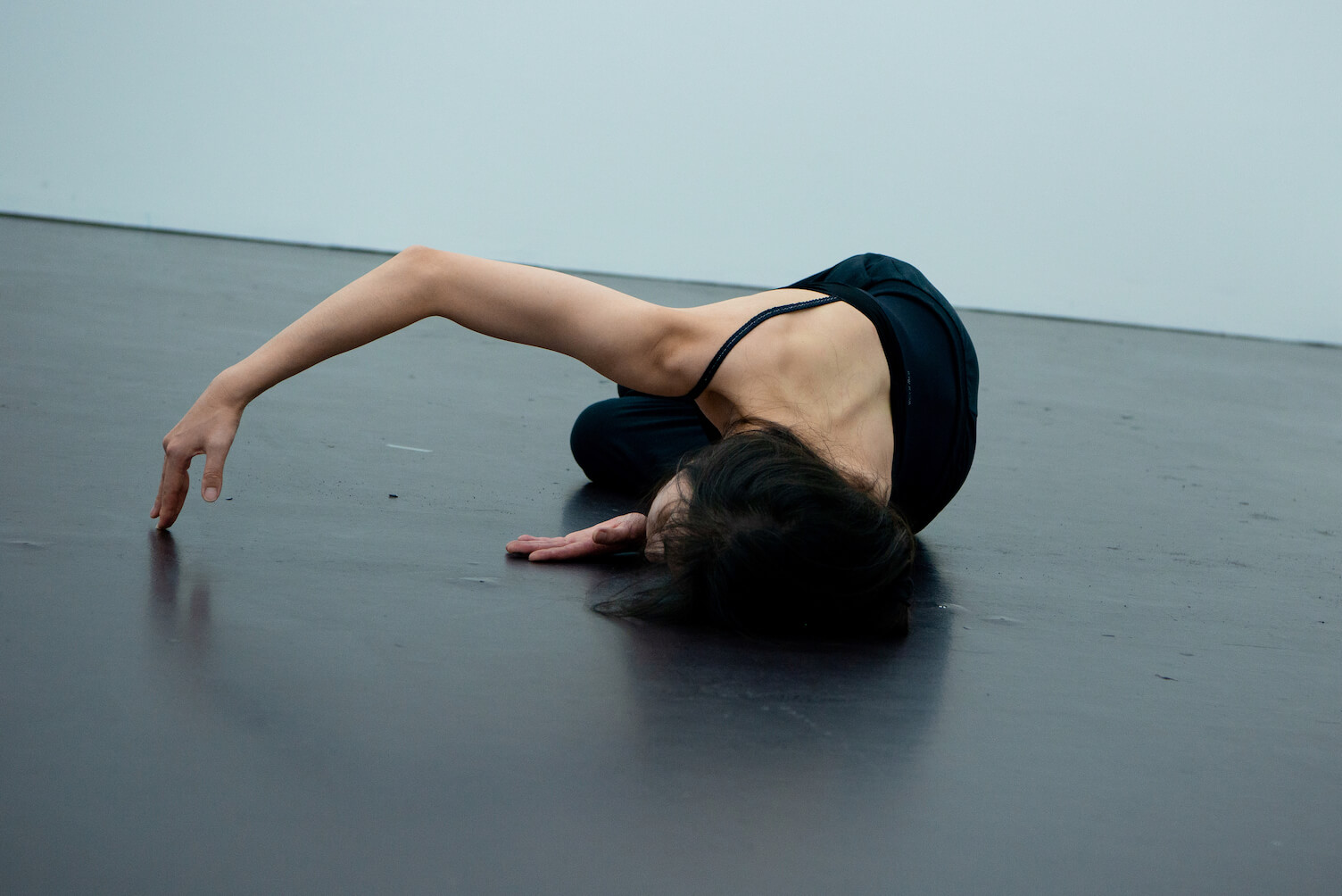
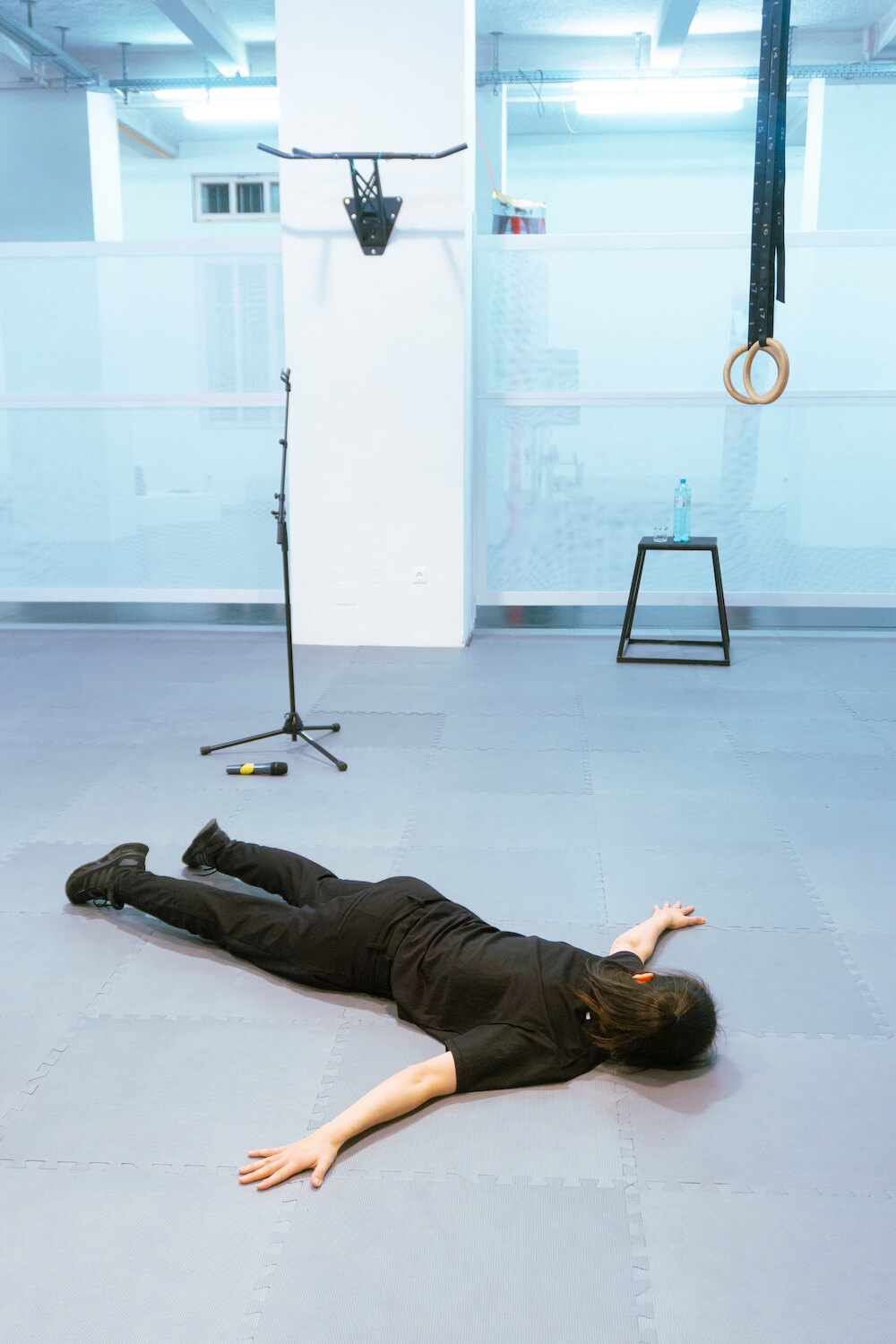
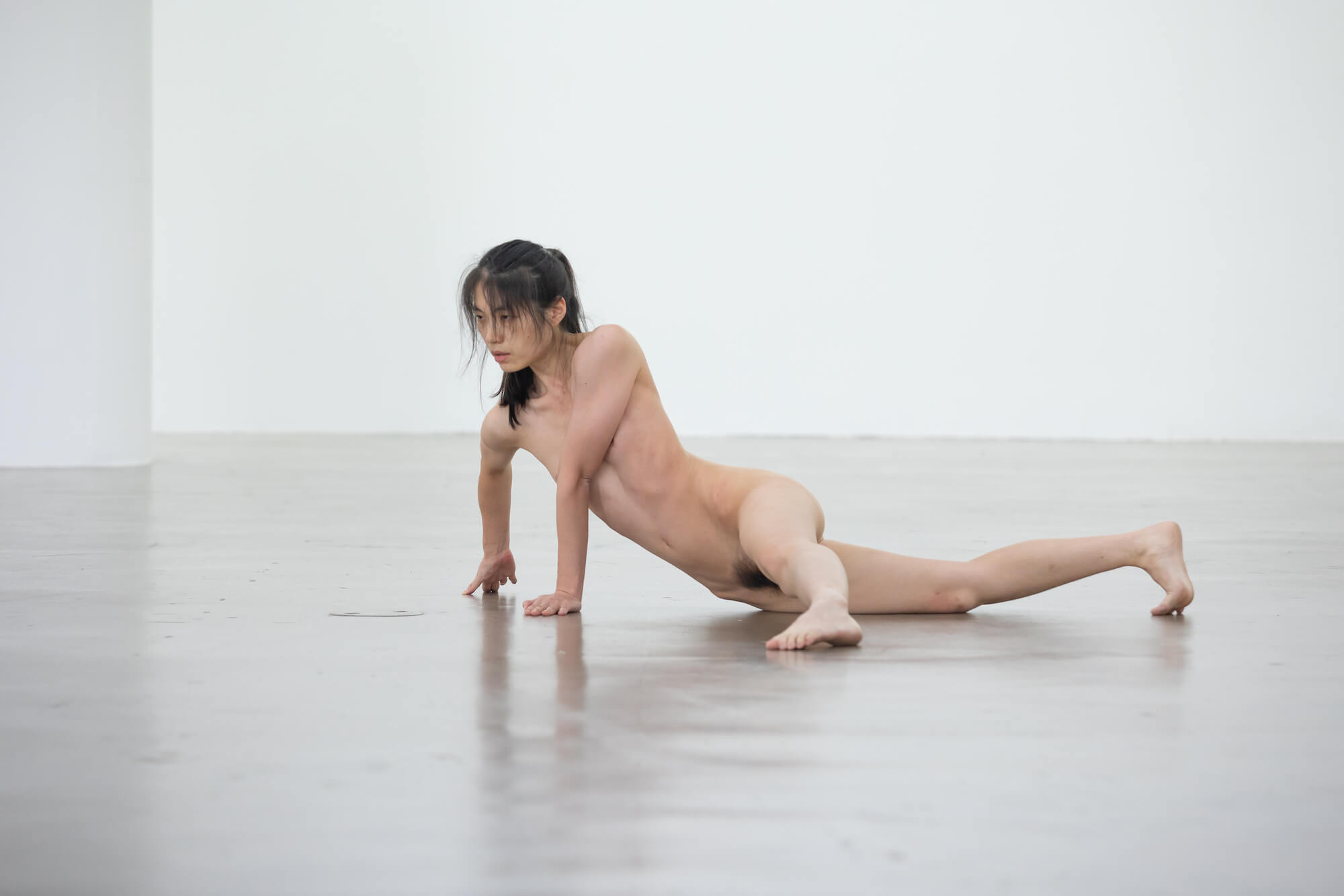
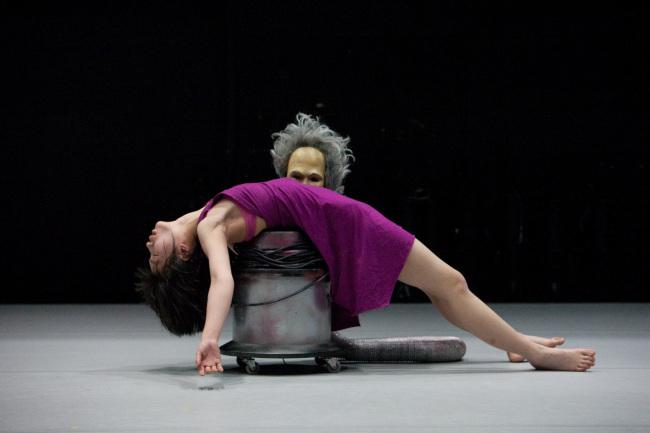
In her early performances, Jeong constructed relationships with objects through the centrality of her own body. In works such as 7 Ways, Oil Pressure Vibrator, and Fitness Guide, she manipulated exercise machines, industrial equipment, and medical devices to exaggerate or distort bodily movement, allowing audiences to witness the subtle tension between humans and objects.

From CPR Practice to Rehab Training and Fire Drill Scenario, Jeong continually returned to structures of training, simulation, repetition, and failure. Simulations based on imagined emergency situations—such as CPR instruction or disaster response drills—function as key conceptual devices within her work.

By persistently destabilizing the boundaries between the real and the artificial, training and reality, operation and malfunction, Jeong reveals how the systems and technologies we believe we have mastered are built upon fundamentally unstable foundations.

Following 《Private Collection》 in 2016, the center of gravity in Jeong’s practice gradually shifted away from the performer’s own body toward dolls, machines, components, and toys. This was not simply a change of medium, but rather an expansion of her investigation into how human desire accumulates and proliferates within material forms.

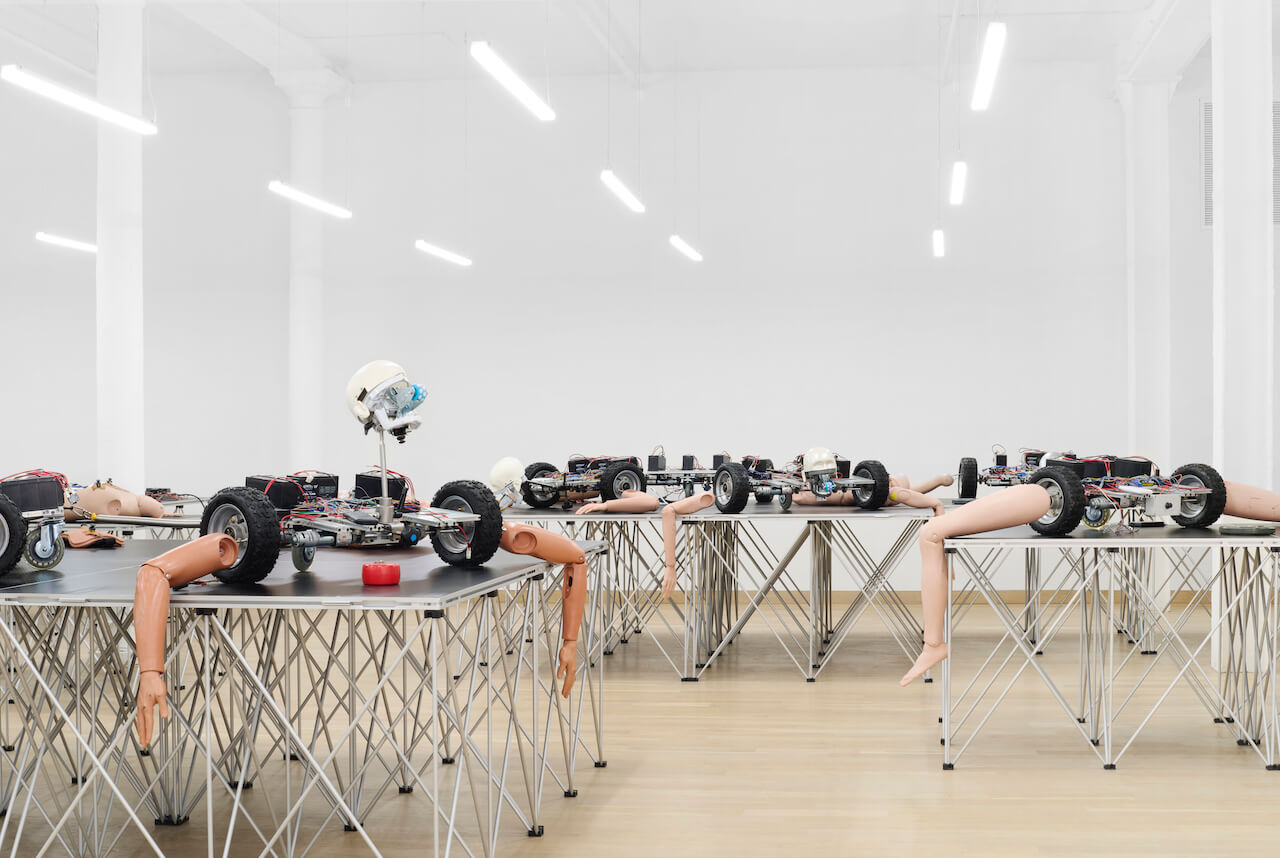
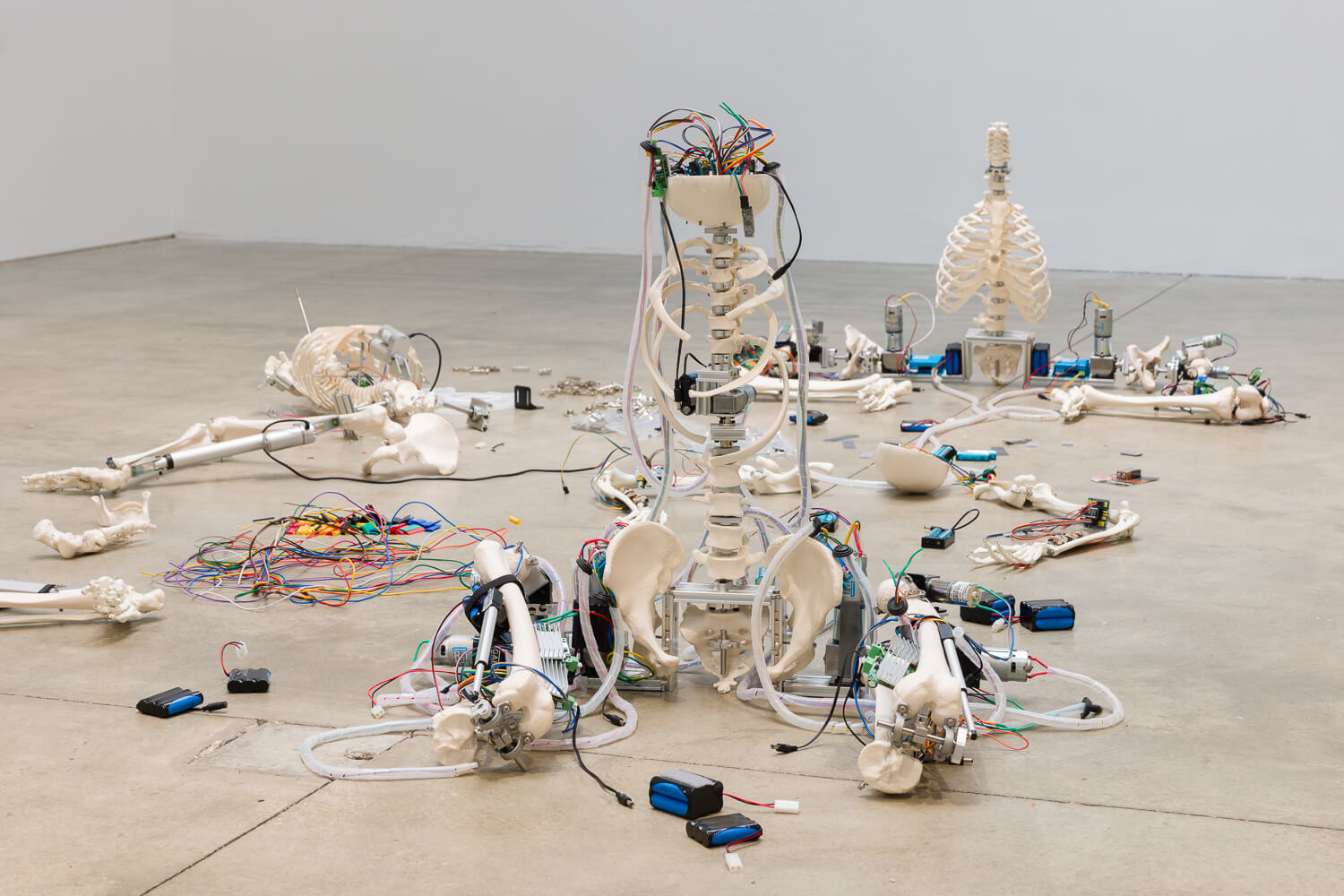
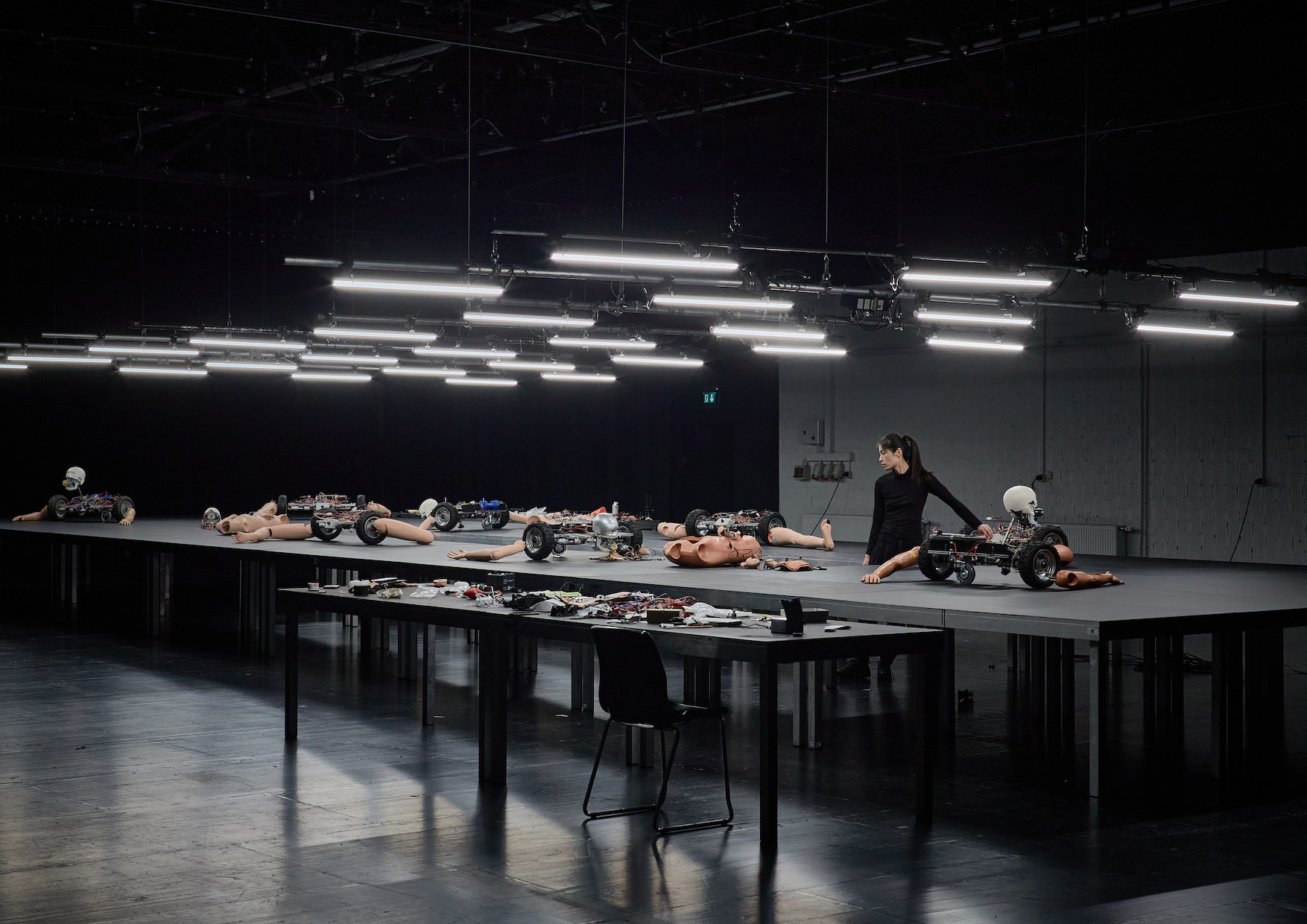
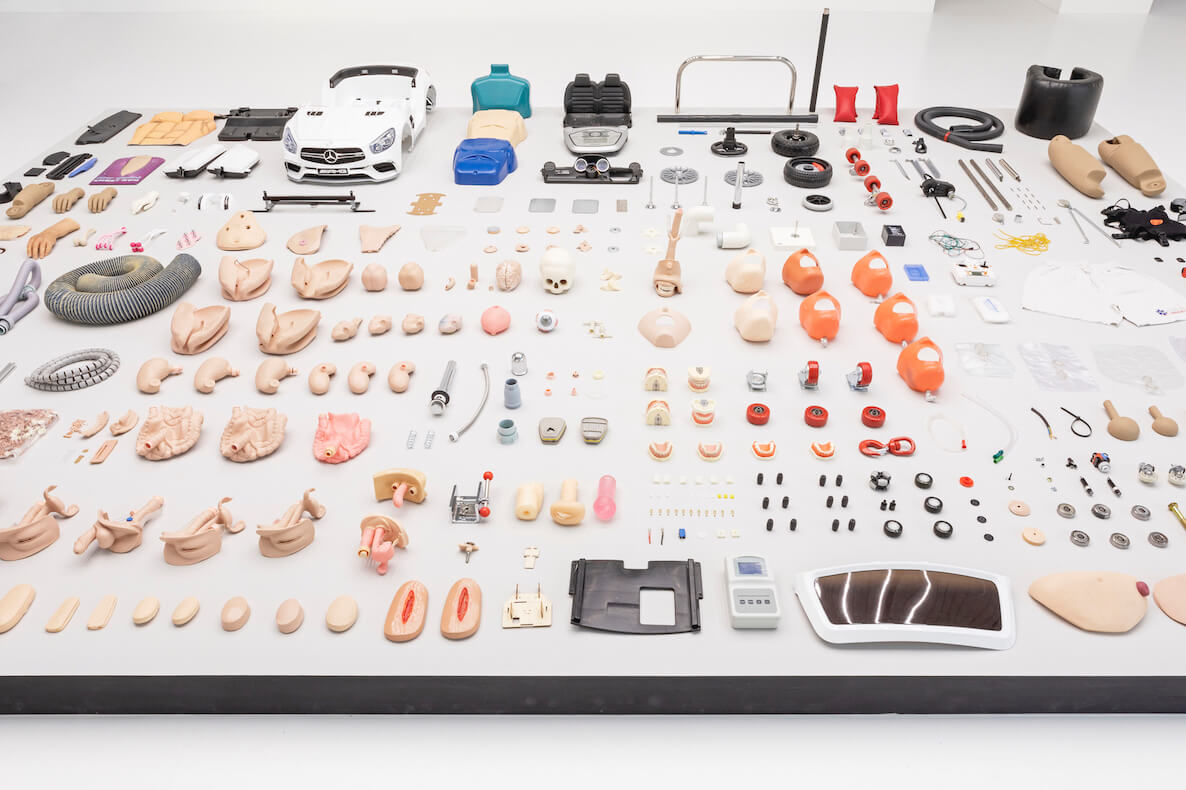
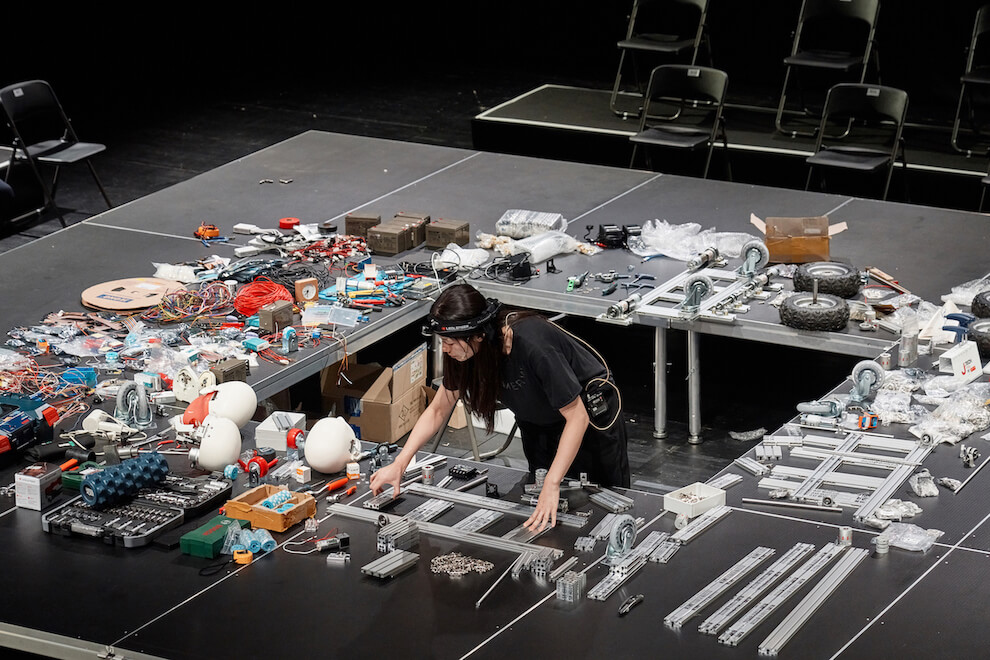
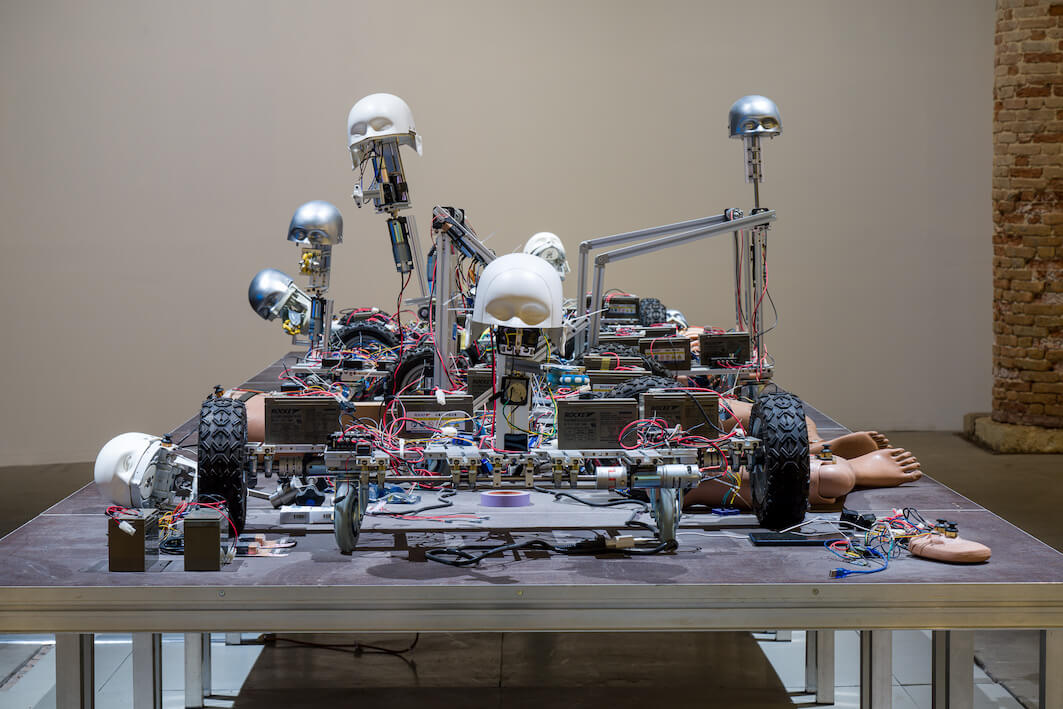
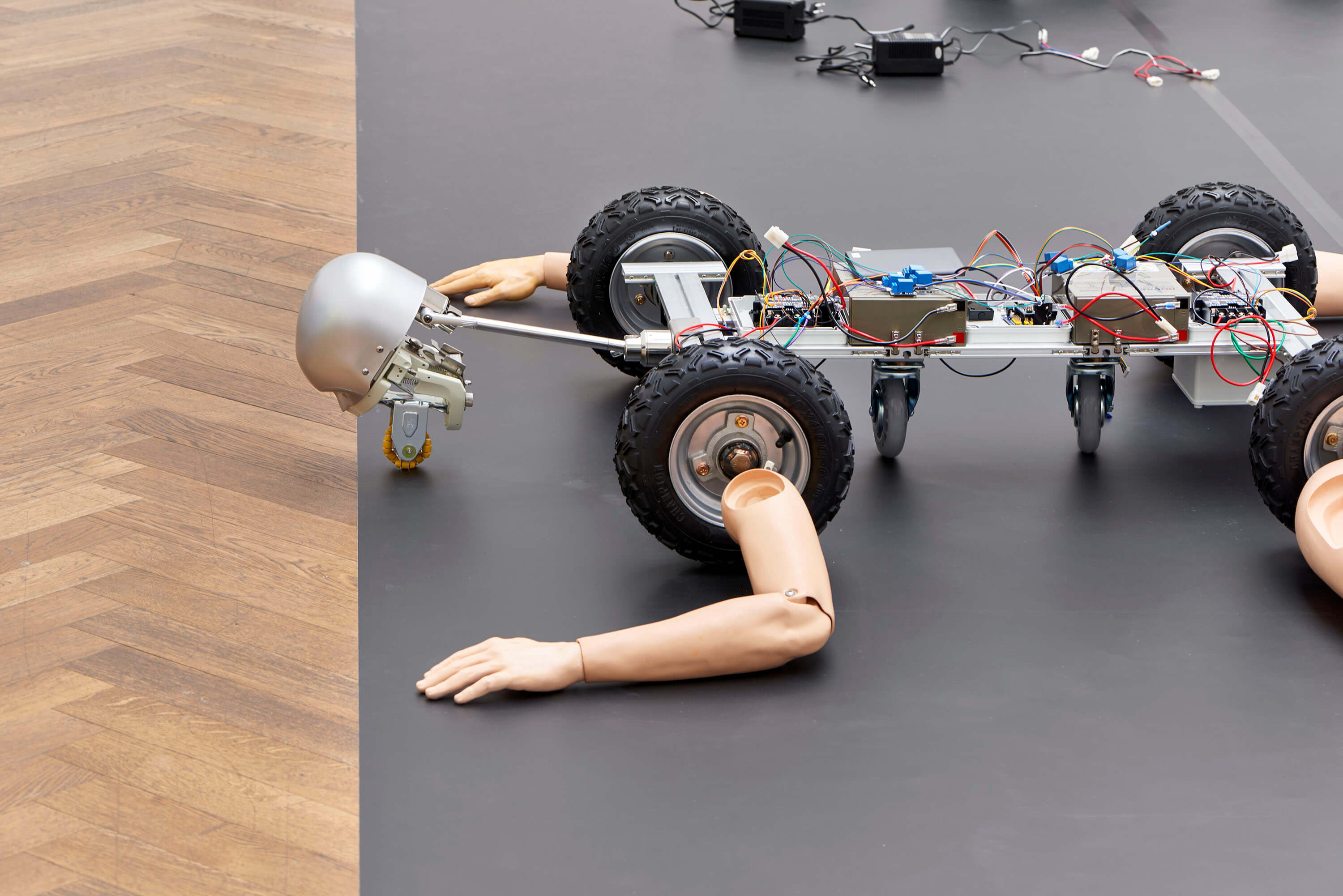
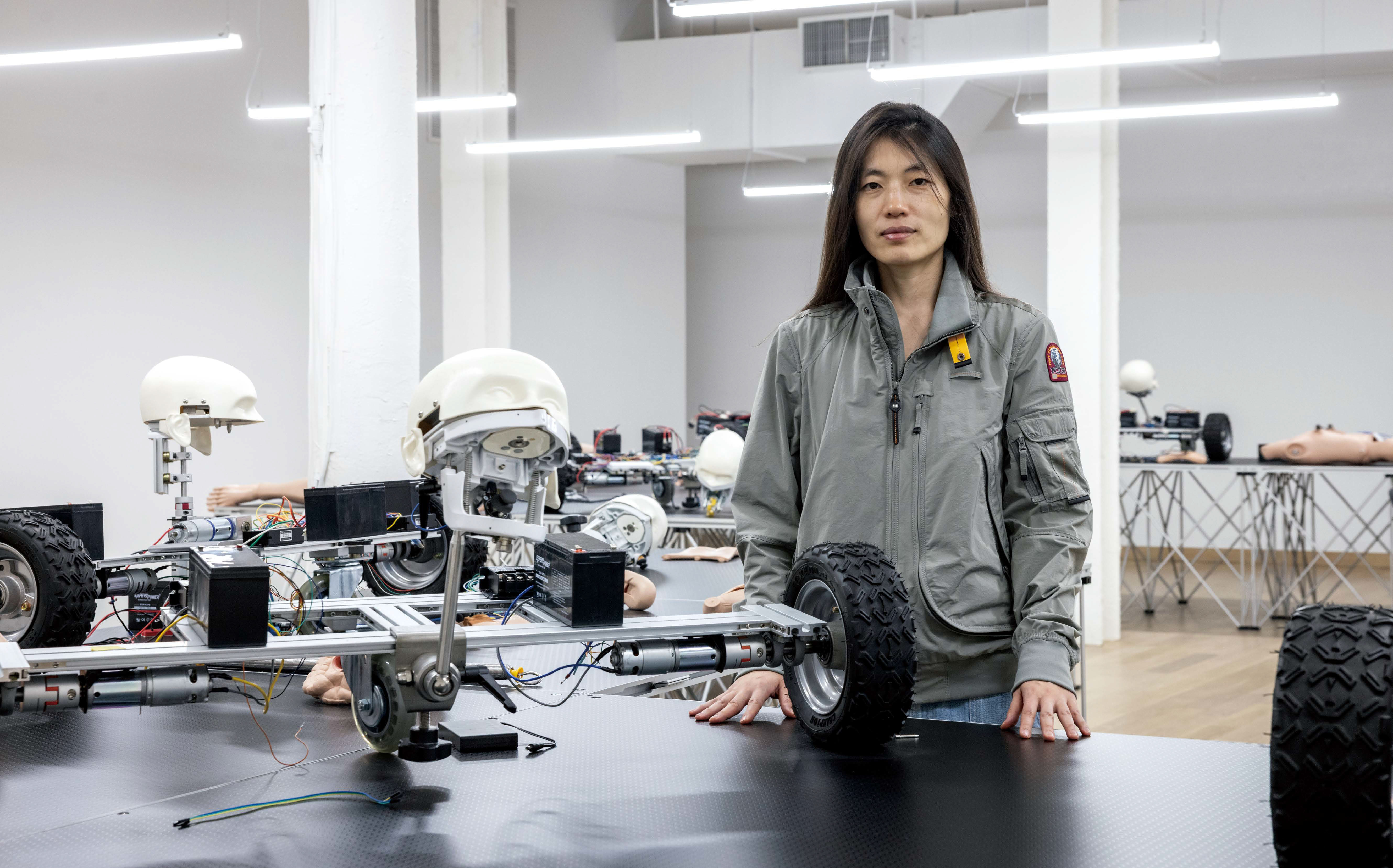
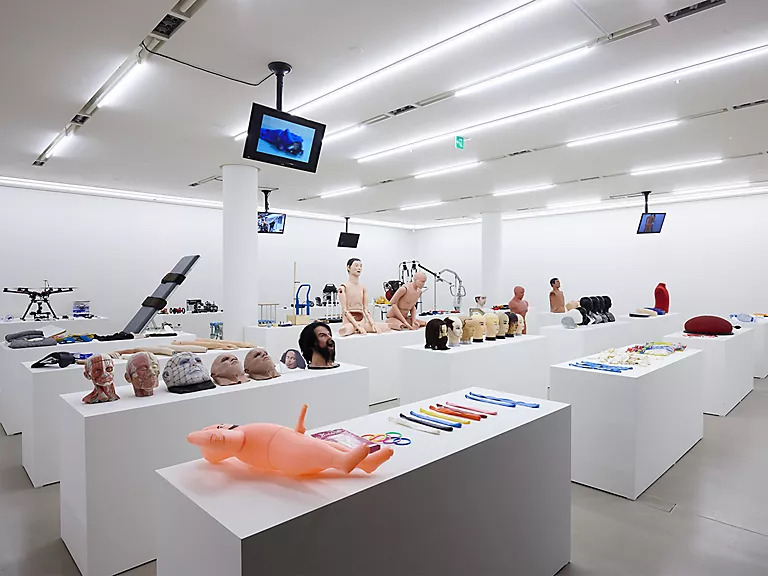
The objects arranged within the exhibition space no longer function merely as props or performance tools, but as inventories containing traces of the artist’s desires, failures, and obsessions. Machine parts awaiting assembly, mannequin limbs arranged like dissected organs, and robots repeatedly repaired and upgraded all simultaneously reveal humanity’s persistent desire to complete something, alongside the impossibility of ever arriving at a truly complete form.

In her recent works, Jeong moves fluidly between performance and exhibition, demanding from audiences not simple spectatorship but an experience of witnessing. Rather than presenting a finished result, her performances expose processes of failure, trial and error, and malfunction as they unfold, inviting audiences to inhabit those incomplete moments together with her.

This approach resists treating the relationship between humans and technology as a form of futuristic spectacle, instead confronting viewers with the vulnerability, absurdity, and fragility of the human body, perception, and desire.

Ultimately, Jeong’s work explores the structures of contemporary human desire through relationships between humans and objects, persistently revealing landscapes of irrational emotion and obsession operating outside systems centered on function and efficiency.


Style & Contents

Geumhyung Jeong’s practice traverses a wide range of forms, including performance, installation, video, sculpture, and lecture performance, yet at its core always lies a performative structure that reveals the relationship between the body and objects. In her early works, Jeong directly placed her own body on stage, interacting with medical mannequins, exercise equipment, and industrial devices.

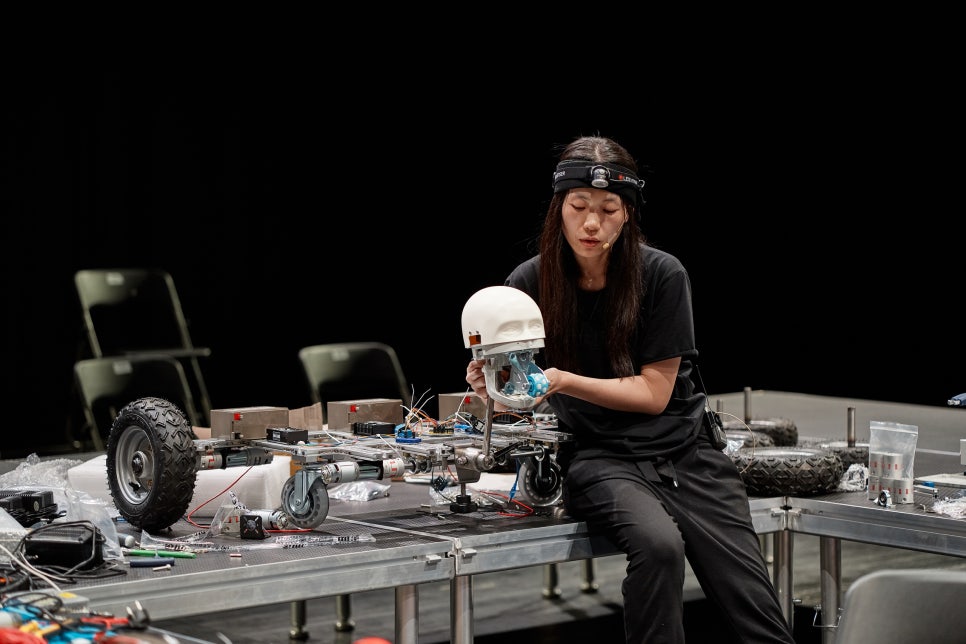
In this process, the body functioned not merely as a medium of expression, but as a kind of dispositif that operated and connected objects. Rather than focusing on dramatic narrative or emotional expression in the manner of conventional theater or dance, Jeong’s performances generate tension and awkwardness through repetitive movements, trained gestures, and processes of explanation and demonstration. In doing so, her work leads audiences to experience incomplete processes themselves rather than polished or fully resolved scenes.

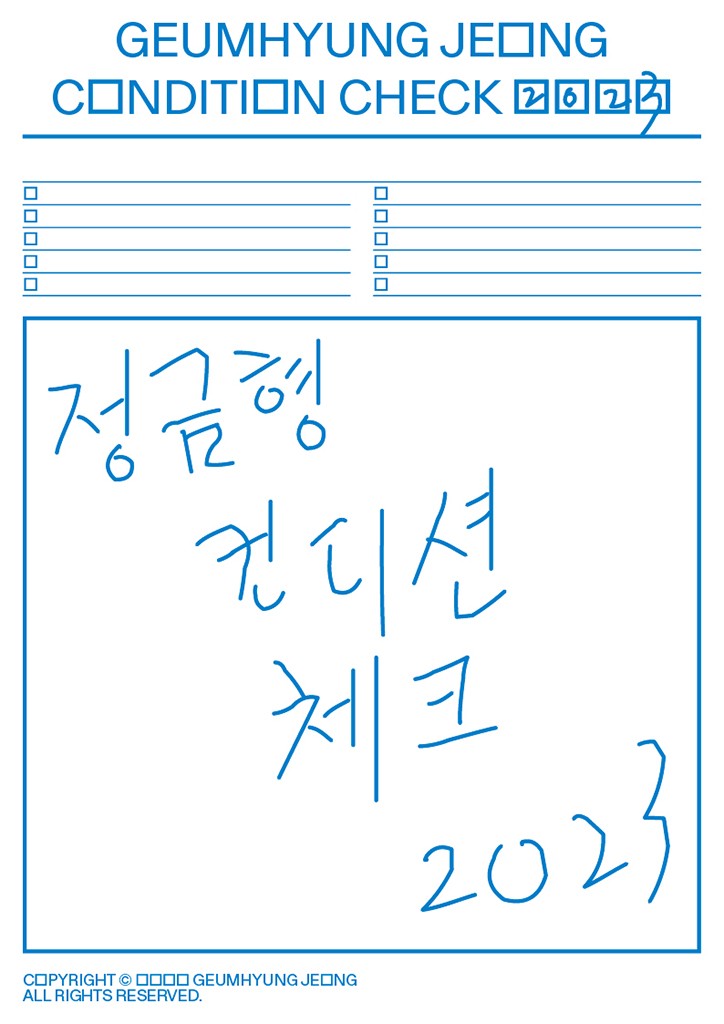
One of the key formal characteristics of her practice is its appropriation of the structures of the “tutorial” and the “manual.” In works such as Fitness Guide, CPR Practice, Guide Tour, and Condition Check, Jeong explains and demonstrates actions while presenting audiences with specific rules and procedures. Yet these explanations never lead to flawless execution; instead, they expose failure, malfunction, and awkward moments.

Unlike conventional tutorials aimed at efficient technical mastery or the clear transmission of information, Jeong’s performances continually foreground processes that fail to function properly and modes of incomplete execution. As a result, her work adopts pedagogical forms while simultaneously twisting and dismantling those very structures, generating a distinctive tension within them.

From the late 2010s onward, Jeong’s practice gradually expanded from formats centered on live performance toward exhibition- and installation-based structures. The exhibitions following 《Private Collection》 arranged and reconfigured the objects, machines, dolls, and components previously used in performances, foregrounding both the temporality after performance and the material presence of objects themselves.

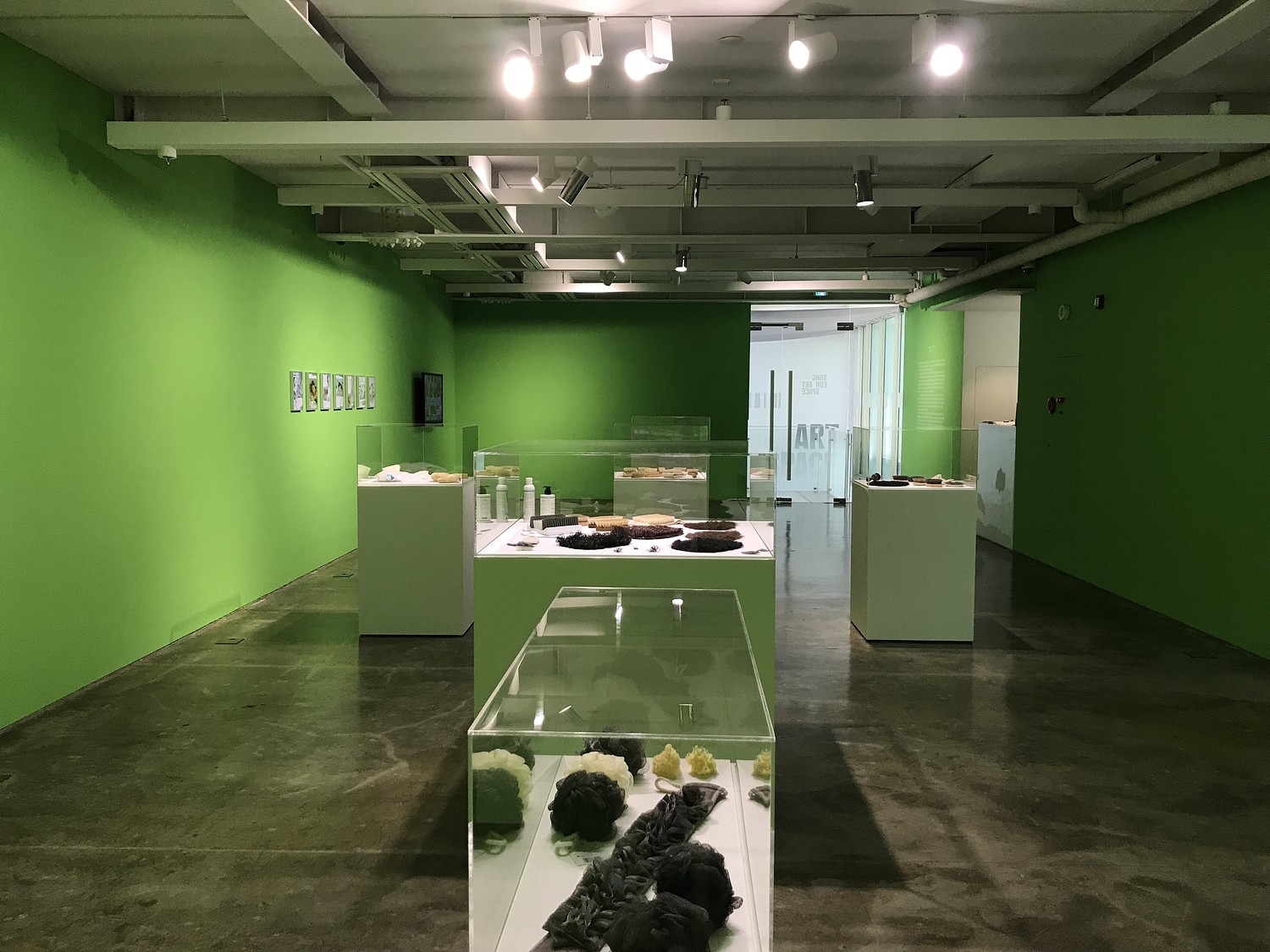
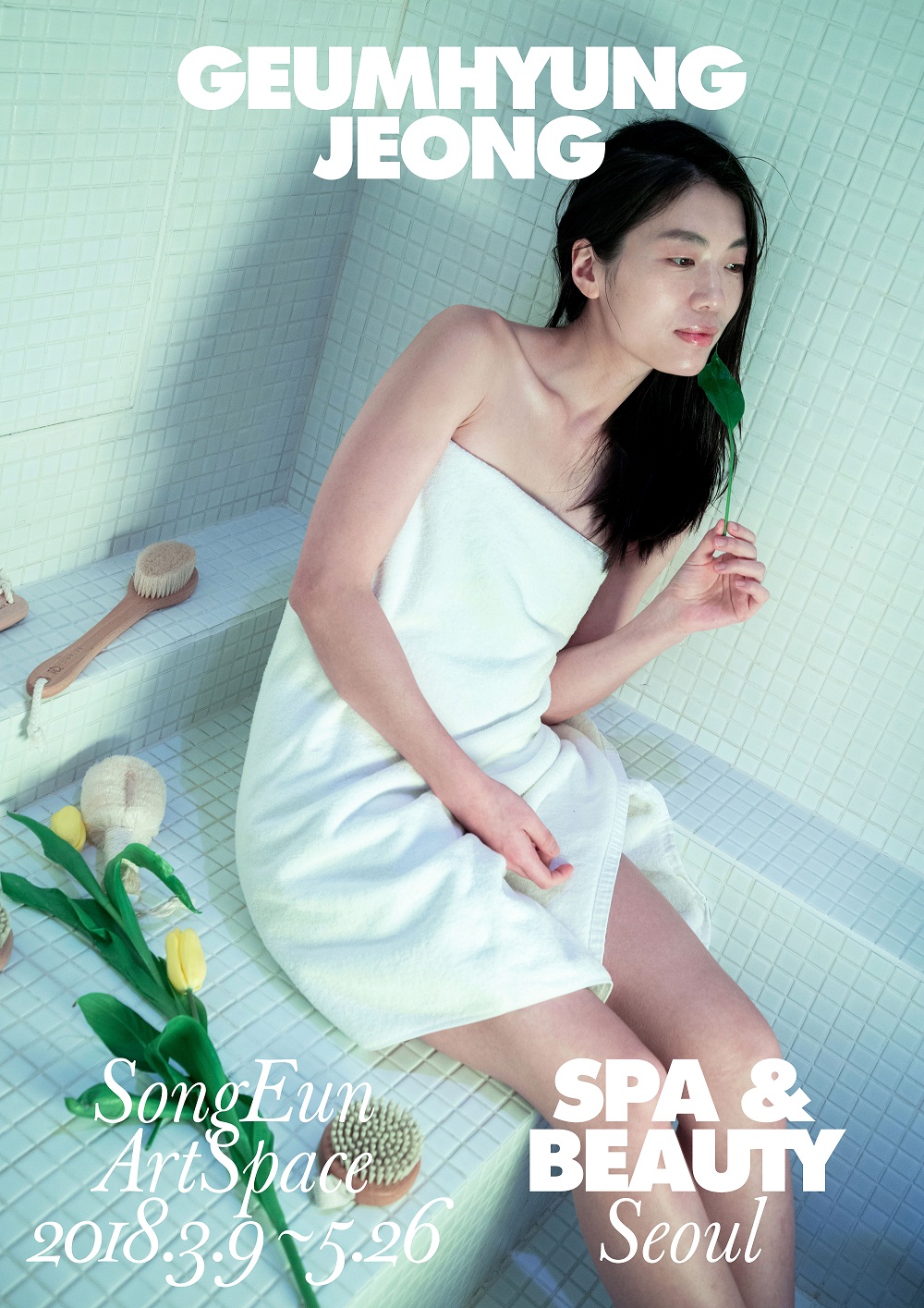
In works such as 《Spa & Beauty》, 《Upgrade in Progress》, 《Under Maintenance》, and 《Toy Prototype》, audiences encounter machines and dolls in states of assembly or disassembly, components undergoing repair, and videos replayed in continuous loops. These exhibitions move beyond mere documentation to create new performative spaces in which the objects themselves appear to perform autonomously.

In particular, the repeated video loops and mechanical arrangements within the exhibition space transform the singular temporality of live performance into another mode of duration, blurring the boundary between performance and installation.

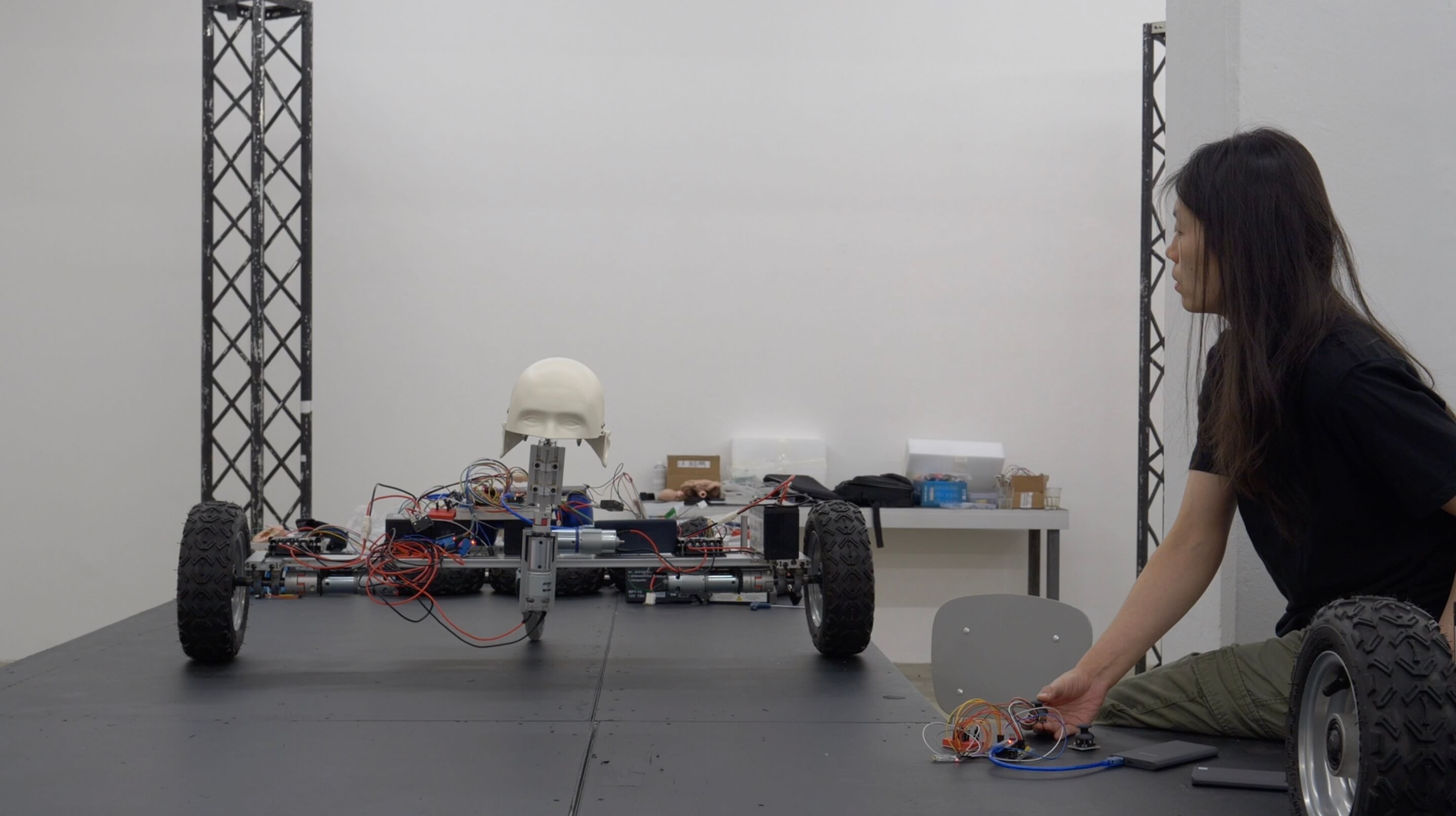
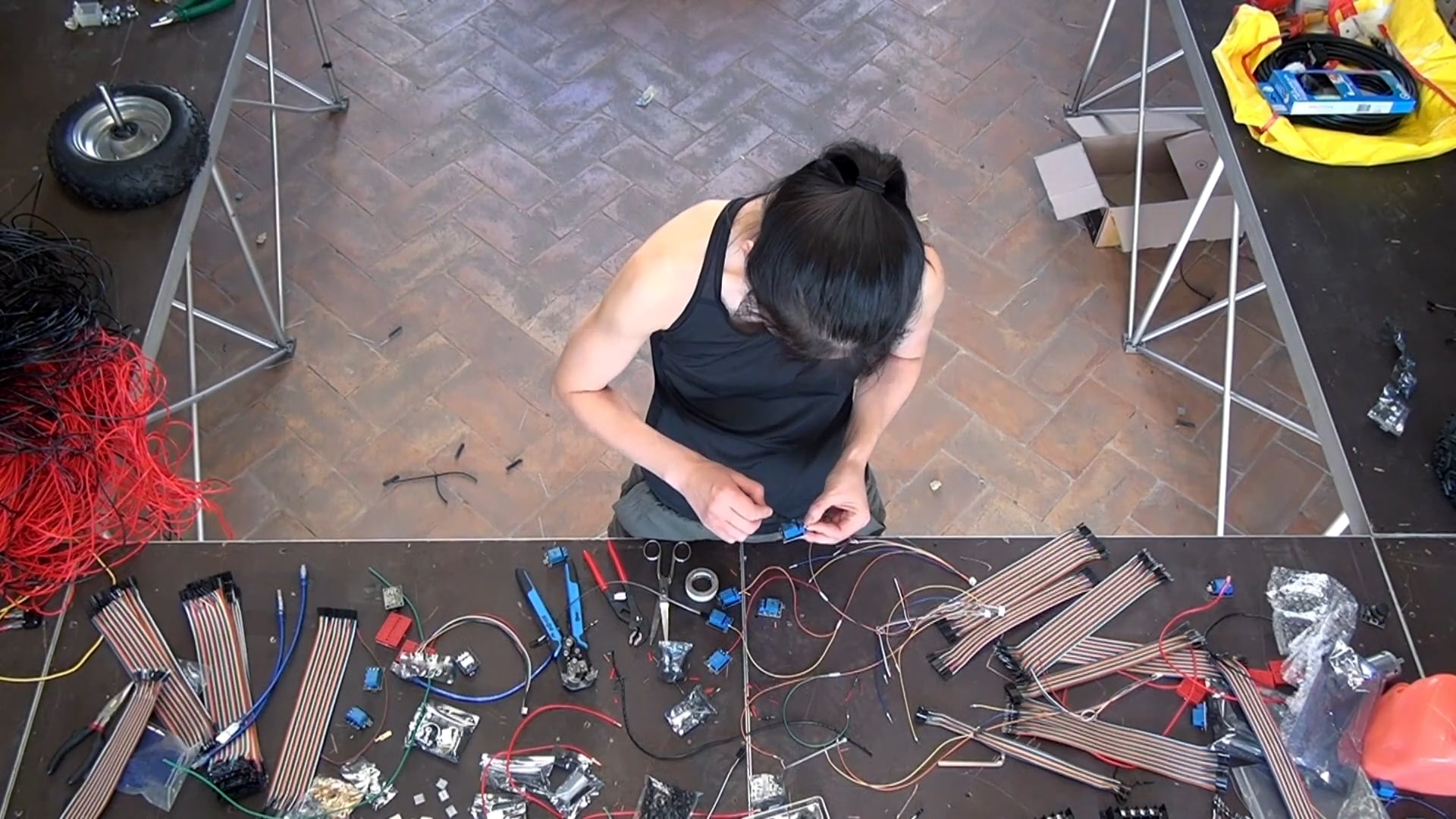
In recent works, Jeong has actively incorporated technological elements such as robotics, remote-control systems, and DIY machine assembly. Yet her work does not move toward showcasing the perfection or functionality of advanced technology. Instead, through unstable machines, unfinished devices, and systems that repeatedly fail, Jeong reveals the incompleteness of human desire and the vulnerability of the body.

Her machines resemble less the efficient mechanisms of industrial production than distorted partners onto which human emotion and obsession have been projected. In this way, Jeong has continuously expanded the language of contemporary performance by moving between performance and installation, machine and body, explanation and failure.

Topography & Continuity

Over the past two decades, Geumhyung Jeong’s practice has evolved across performance, installation, video, and sculpture, yet at its core there has always remained an ongoing exploration of abnormal intimacy between humans and objects.

From her earliest works to her recent robotic installations, Jeong has repeatedly returned to the relationships formed between the human body and machines, tools, and dolls, investigating how these relationships become structures of desire, control, failure, and obsession.

Rather than constructing fixed narratives or characters, she has gradually expanded her artistic world through repeated actions and training, through processes of assembly and repair, operation and malfunction. Her practice develops less through abrupt rupture than through the continual reassembly of elements from earlier works into new forms and structures.

This continuity is also evident in the inventory of objects and devices Jeong has accumulated over many years. Medical mannequins, exercise equipment, vacuum cleaners, beauty tools, RC toys, batteries and motors, and remote-control systems are not simply props, but performative partners that have evolved alongside the history of her work.

Objects used in earlier performances later reappear in exhibitions in dismantled form or are incorporated into new mechanical structures to assume different functions.

Following 《Private Collection》, Jeong’s exhibitions increasingly foregrounded the accumulation and rearrangement of these objects, bringing the atmosphere of the studio and storage space directly into the exhibition environment. Rather than presenting a singular, completed artwork, her exhibitions reveal states of ongoing process and continuous research.

Although Jeong’s practice has gradually expanded from live performance into installation-centered exhibitions, this shift can likewise be understood not as a rupture but as an exploration of another layer of performativity. In her recent exhibitions, audiences encounter dolls and machines awaiting assembly, looping video images, and components undergoing repair in place of the artist’s physical body itself.

These are not simply traces left behind after performance, but signs that objects themselves are becoming new performative agents. In particular, repeated video loops and the slow movements of machines extend the temporality of live performance into the exhibition space, allowing audiences to experience the time after an event—or the time of something still unfolding.

In this way, Jeong blurs the boundaries between performance and installation, documentation and presentness, constructing a distinctive exhibition language of her own.

In recent years, Jeong has actively incorporated robotics, DIY technologies, and remote-control systems, expanding both the physical scale and complexity of her work. Yet even amid these developments, her practice remains more deeply concerned with failure, delay, and unstable relationships than with perfect functionality or technological completion.

Her machines always resemble the human body and human sensation, yet never achieve complete autonomy, and through this incomplete condition they reveal human desire and vulnerability. Ultimately, Jeong’s work cannot be confined to any singular form or medium; rather, it is best understood as an ongoing process that continually transforms and expands questions surrounding the relationship between humans and objects.

Works of Art

On Human Desire and the Imperfection of the Body

Exhibitions