
The Heap - K-ARTIST

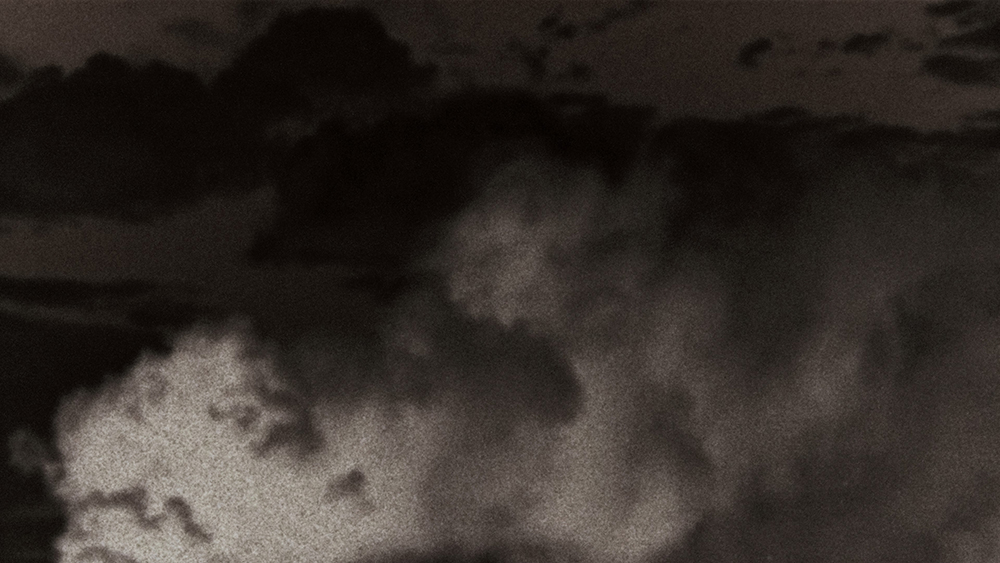
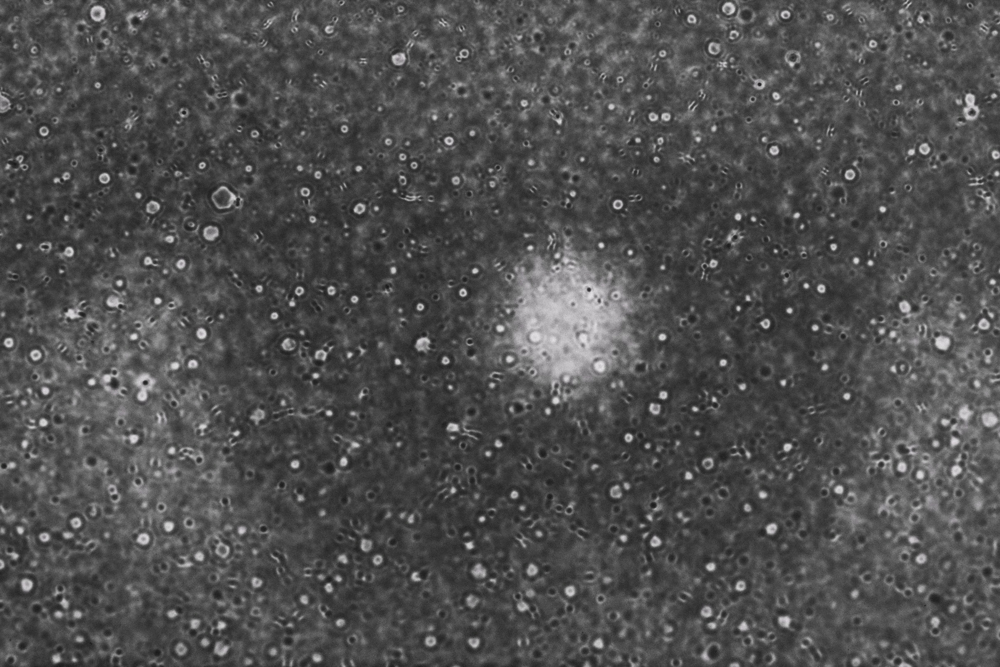
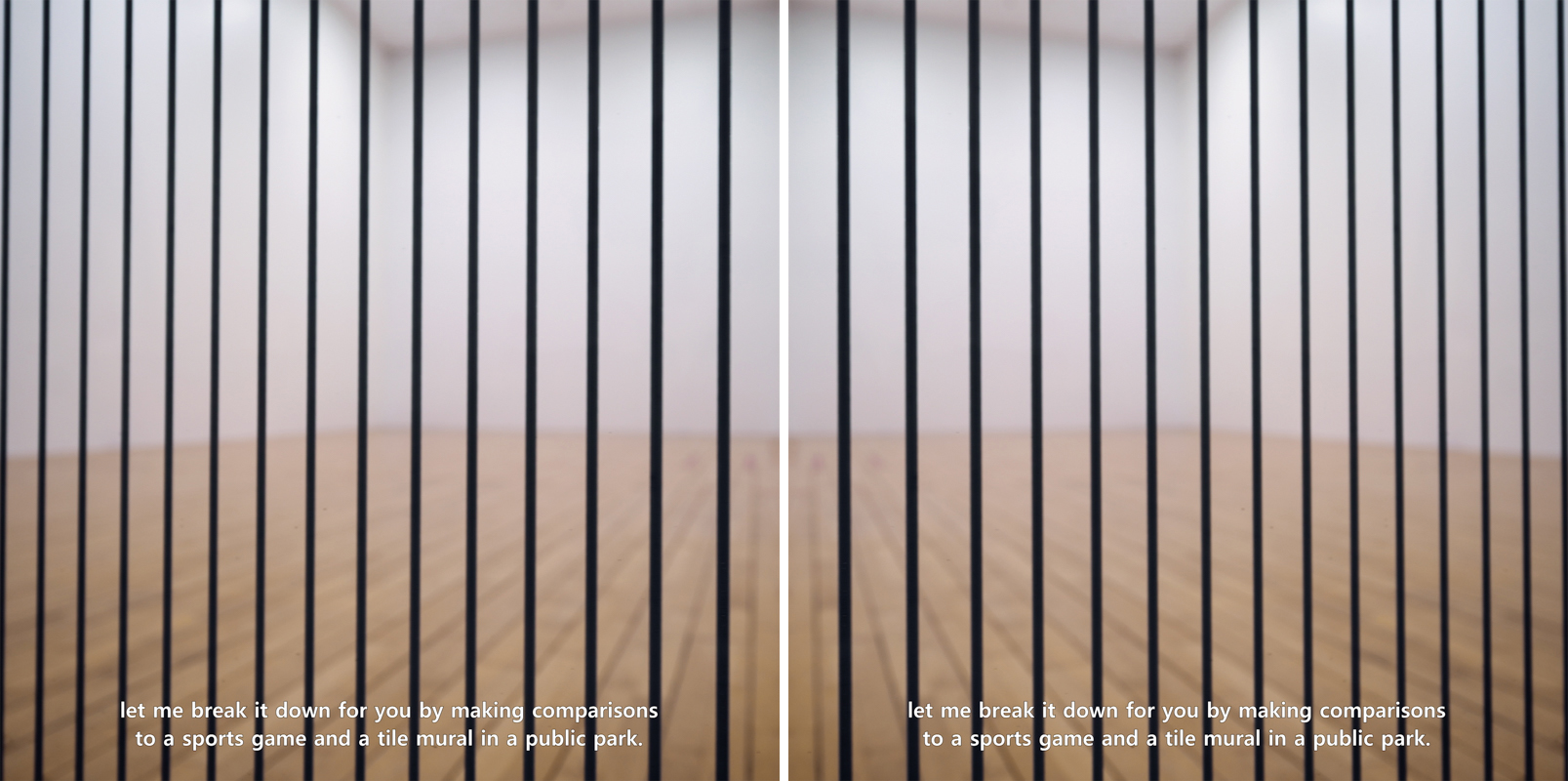
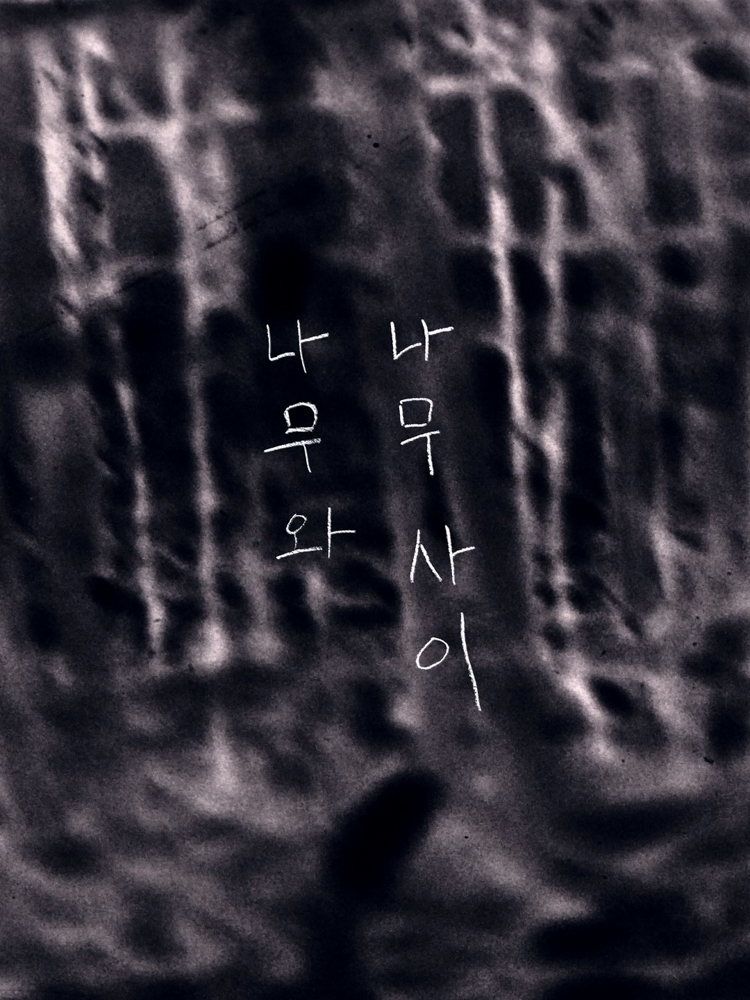
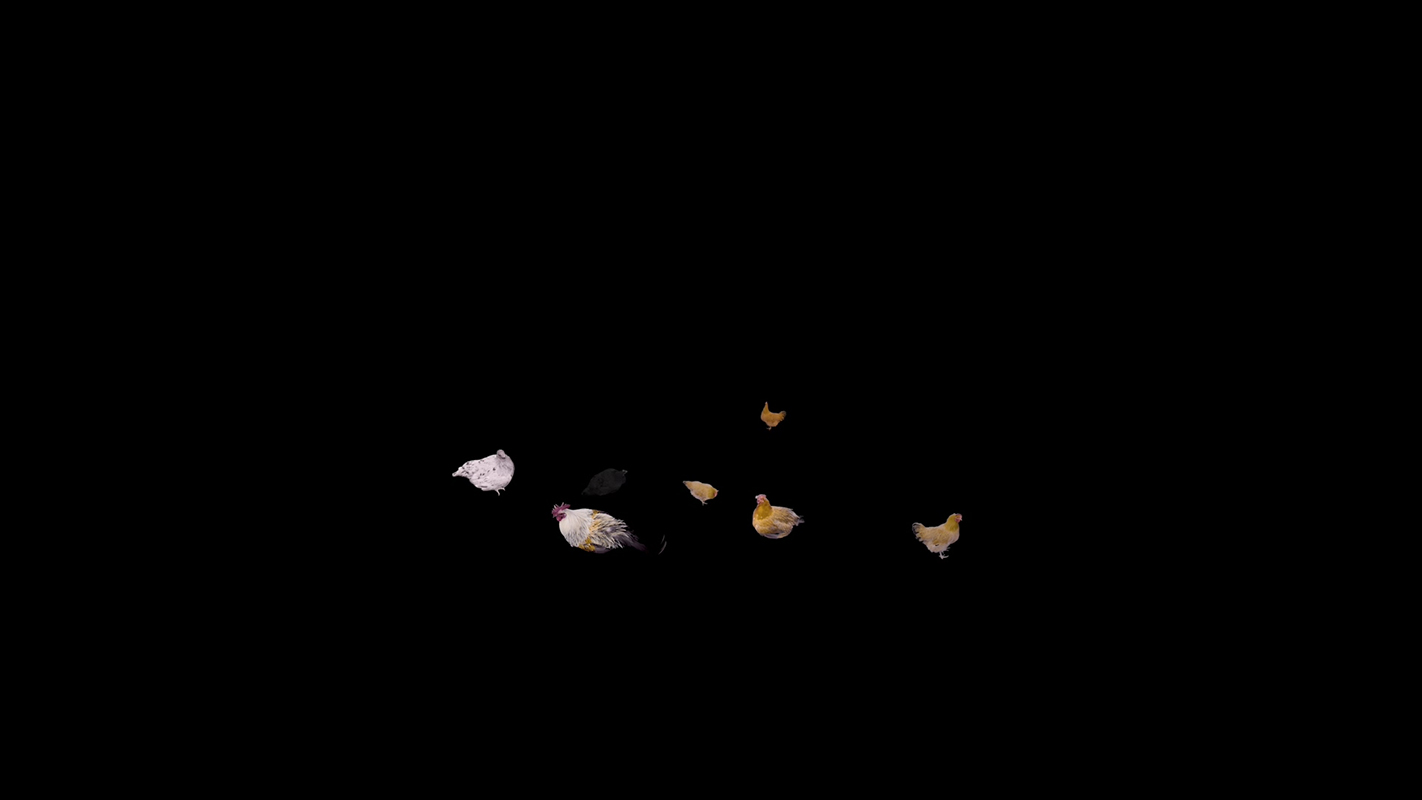
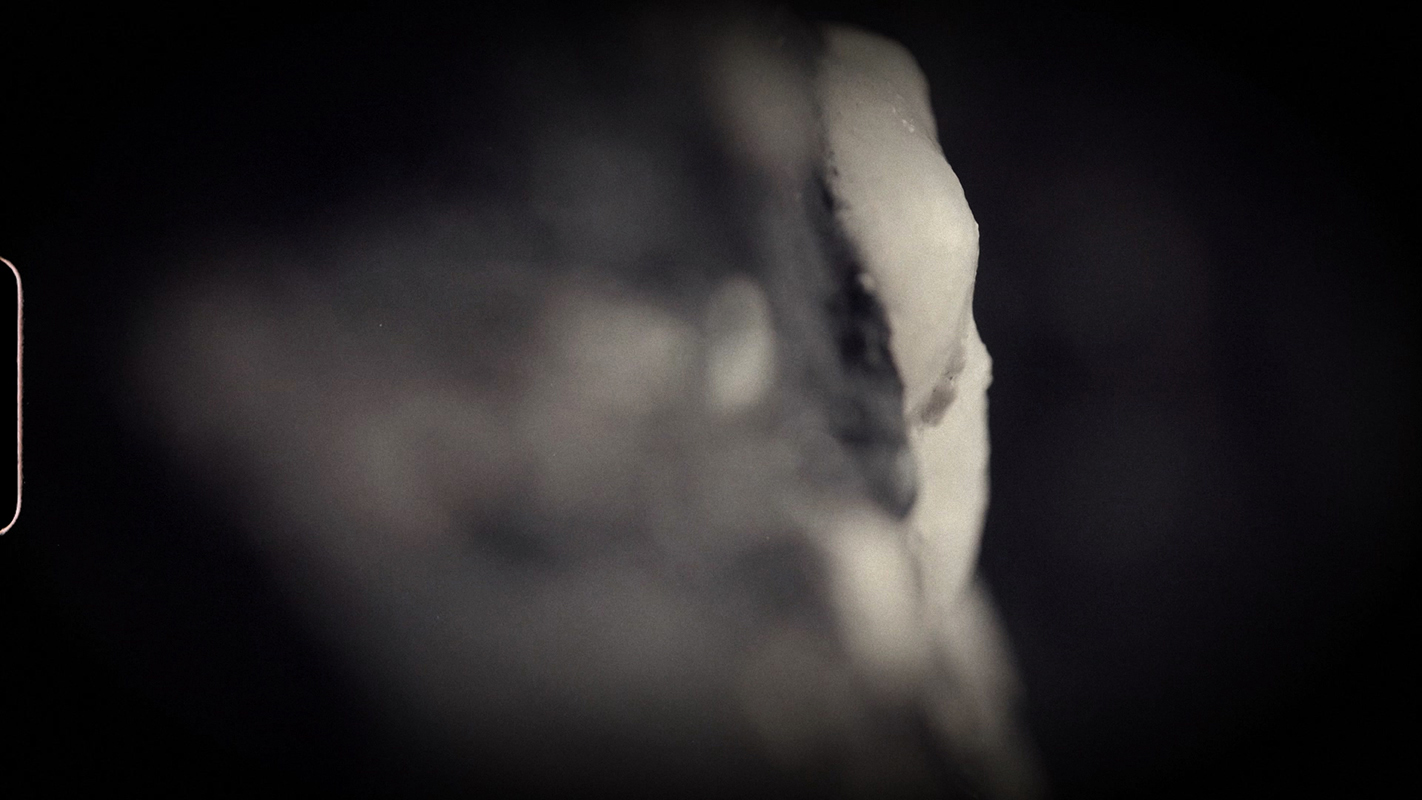
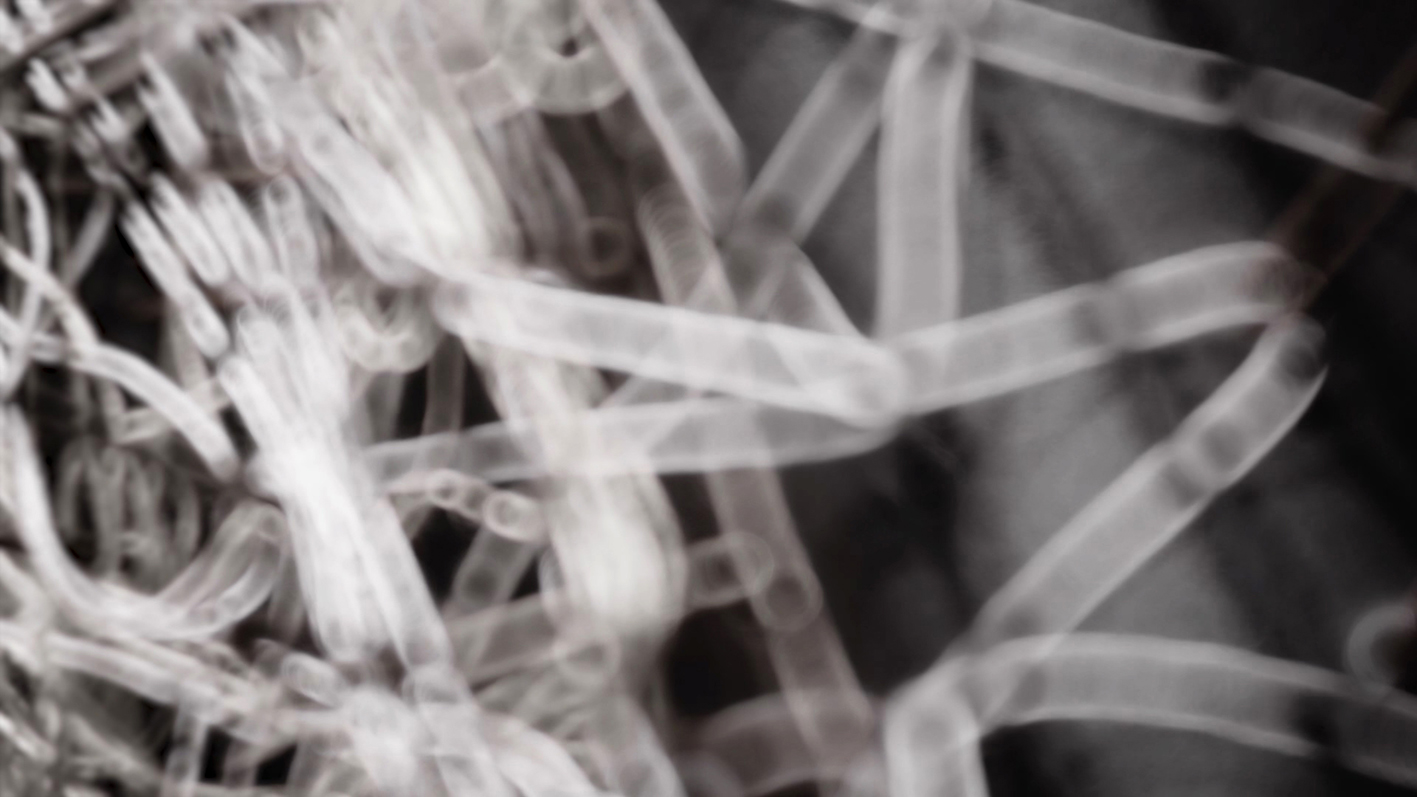
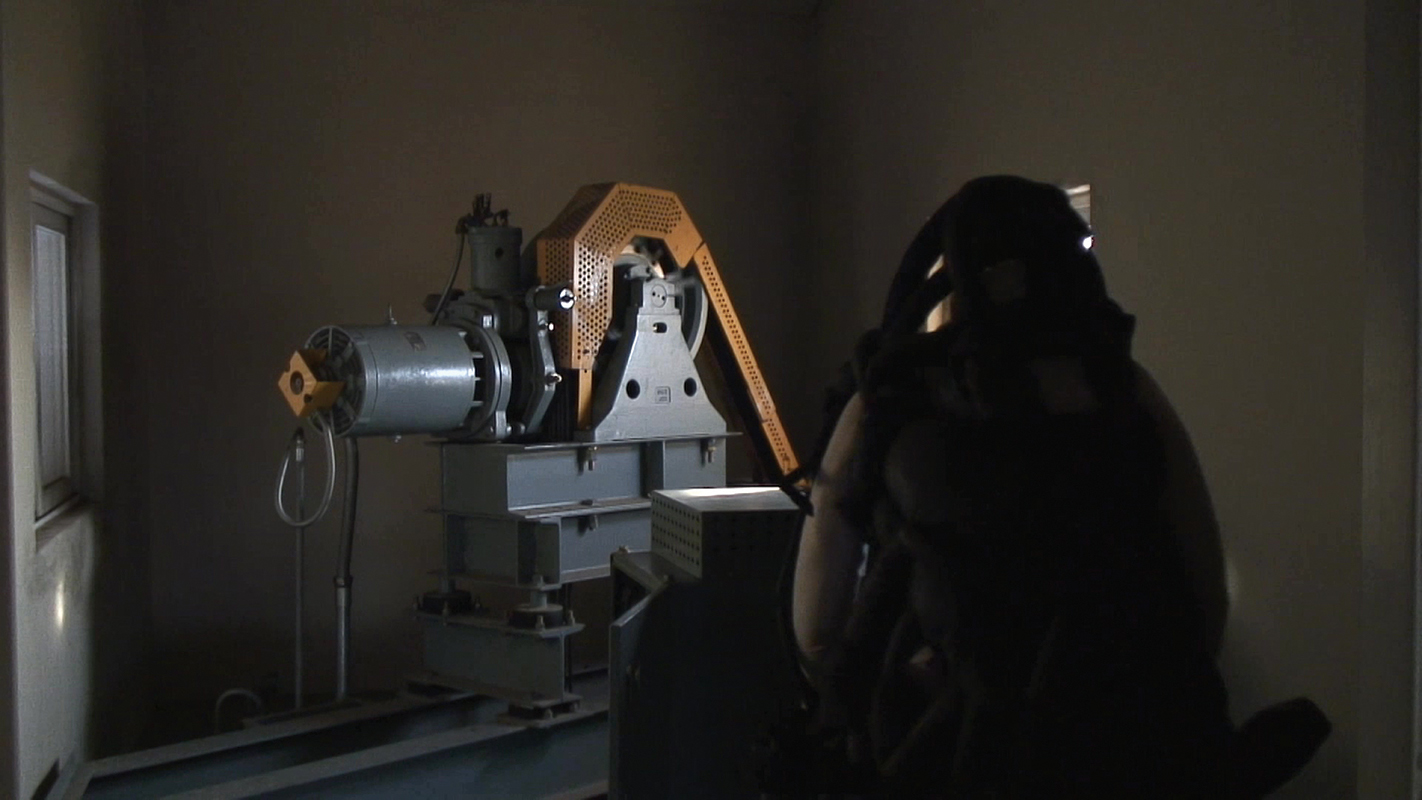
The Heap

2015
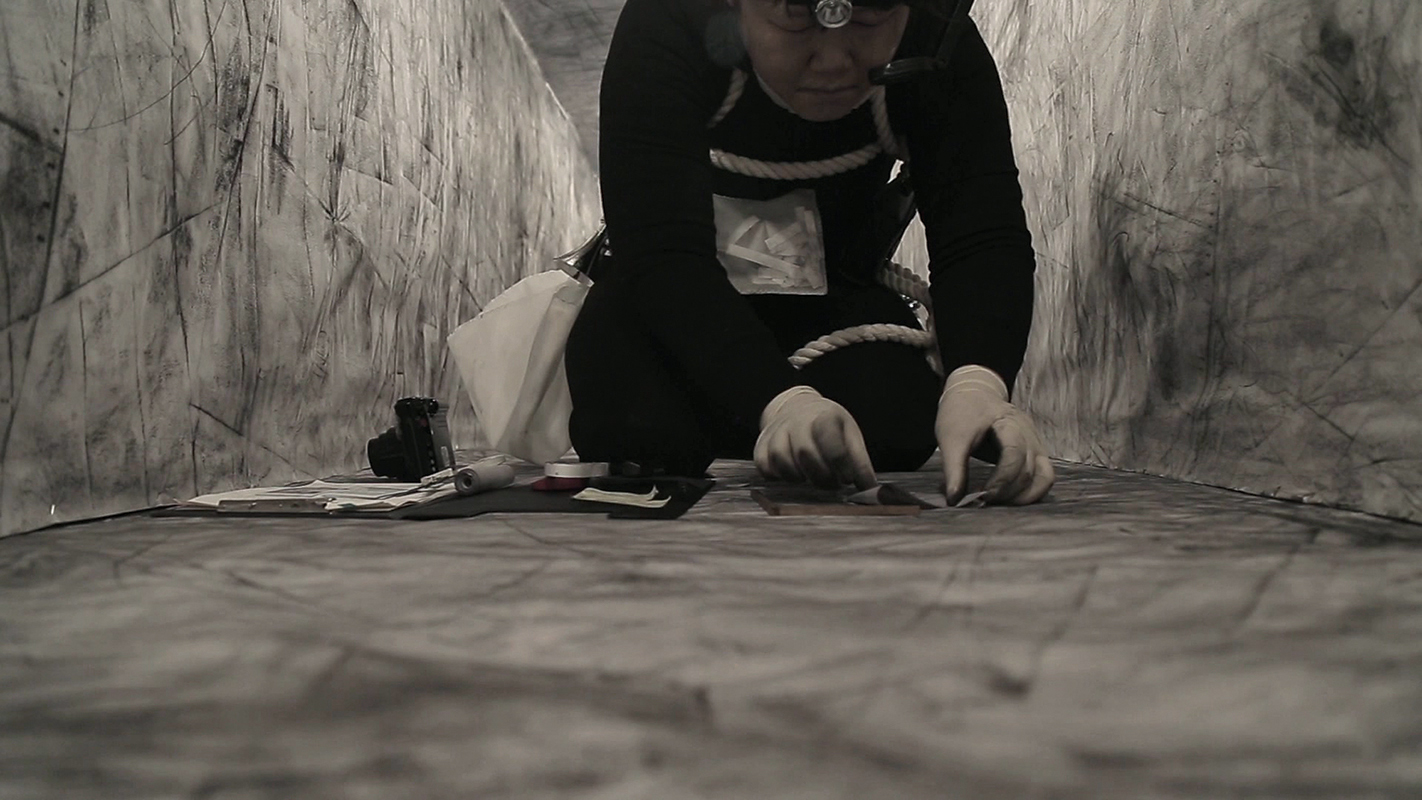
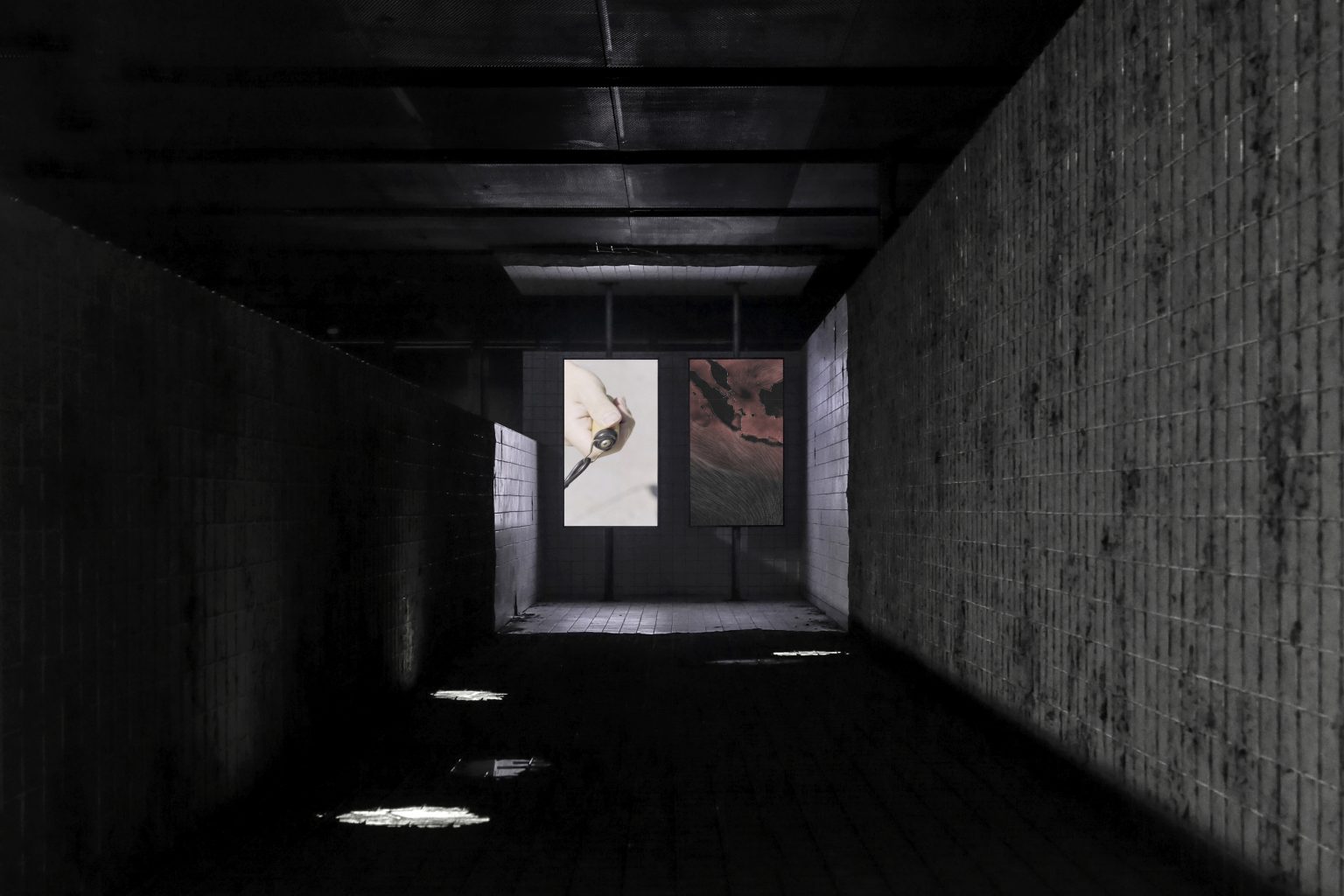
Single channel video installation, b/w, stereo sound
8 min 56 sec
About The Work

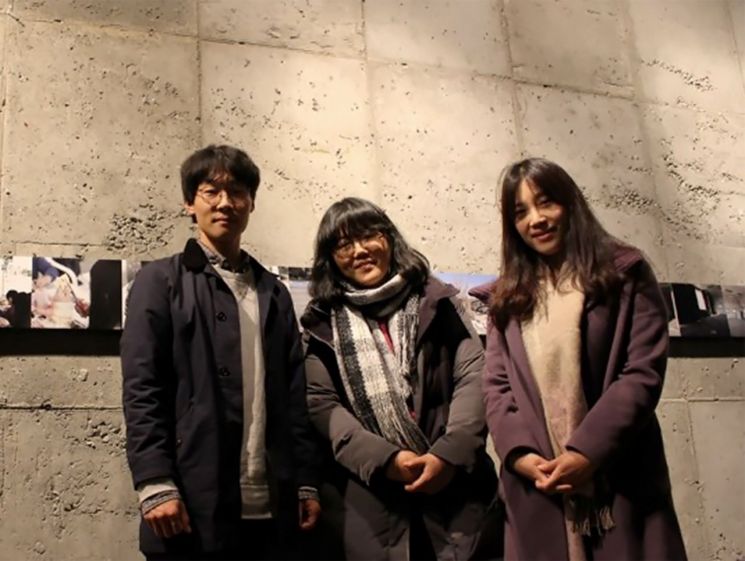
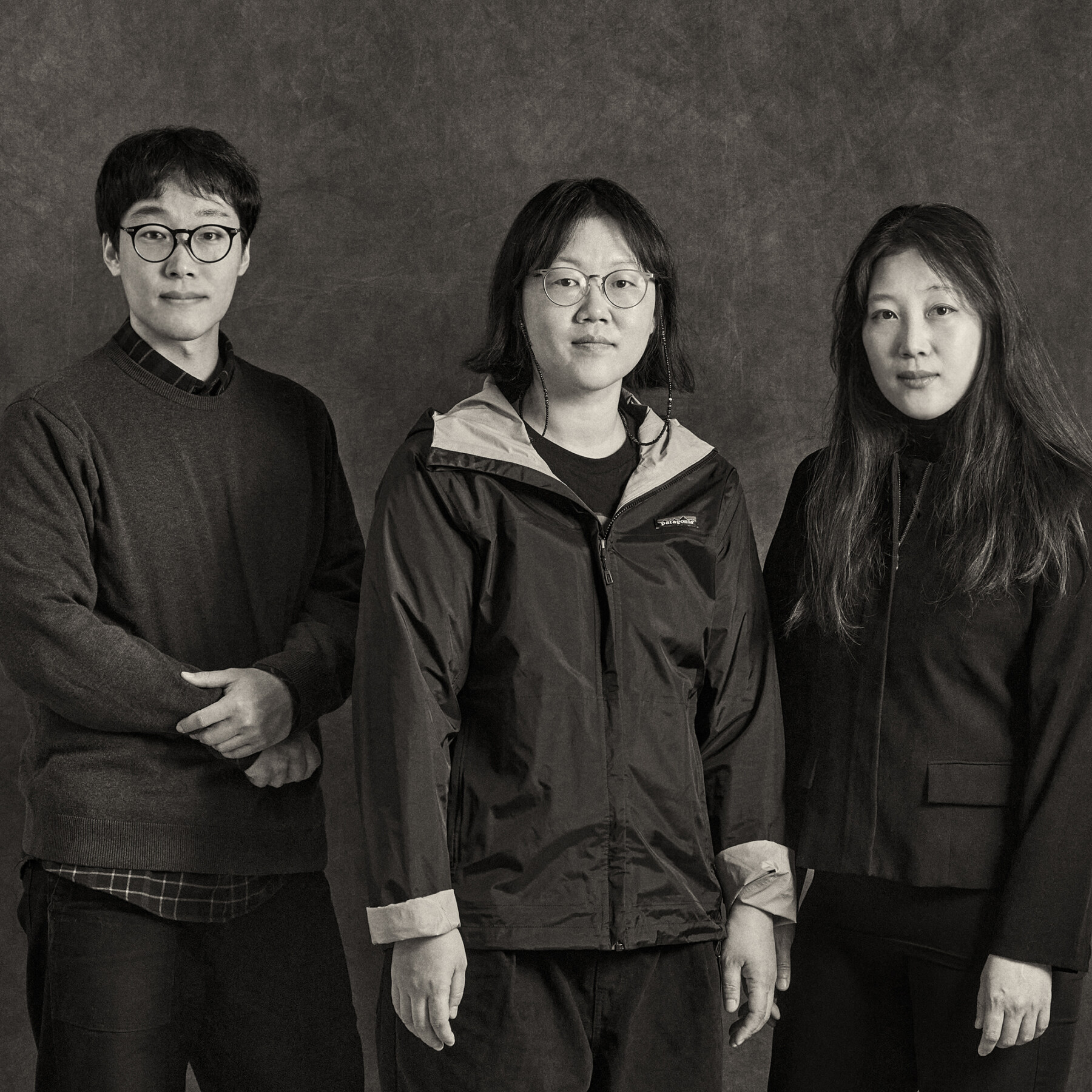
Moojin Brothers is a collaborative collective formed by three brothers—Mujin Jung (b. 1979), Hyoyoung Jung (b. 1983), and Youngdon Jung (b. 1988)—whose academic backgrounds span literature, fine art, and photography. Through their collaborative practice, they have explored the lives of ordinary individuals living in contemporary Korean society and the underlying structural conditions that shape those lives.

Their works begin with familiar figures encountered in everyday life—workers, youth, the elderly, and artists. Yet what the artists seek to capture is less the individuals themselves than the orders and sensibilities that shape the worlds they inhabit. Experiences drawn from reality are fused with literary imagination and transformed into strange and uncanny allegories, through which the familiar routines of everyday life are returned to us as objects of renewed inquiry.

A sustained attention to that which is disappearing also runs throughout the artists’ practice. Villages erased by redevelopment, traces of labor sinking into memory, forgotten stories and oral traditions, and lives pushed to the margins of social attention emerge repeatedly as central concerns. 

By recalling stories discovered at the periphery rather than the center of history and reconstructing them through new narratives, Moojin Brothers grant renewed meaning to memories and existences on the verge of disappearance. Their work ultimately constitutes an exploration of human anxiety and hope in contemporary life, as well as the enduring possibility of storytelling as a form of resistance against erasure.

Solo Exhibitions (Brief)

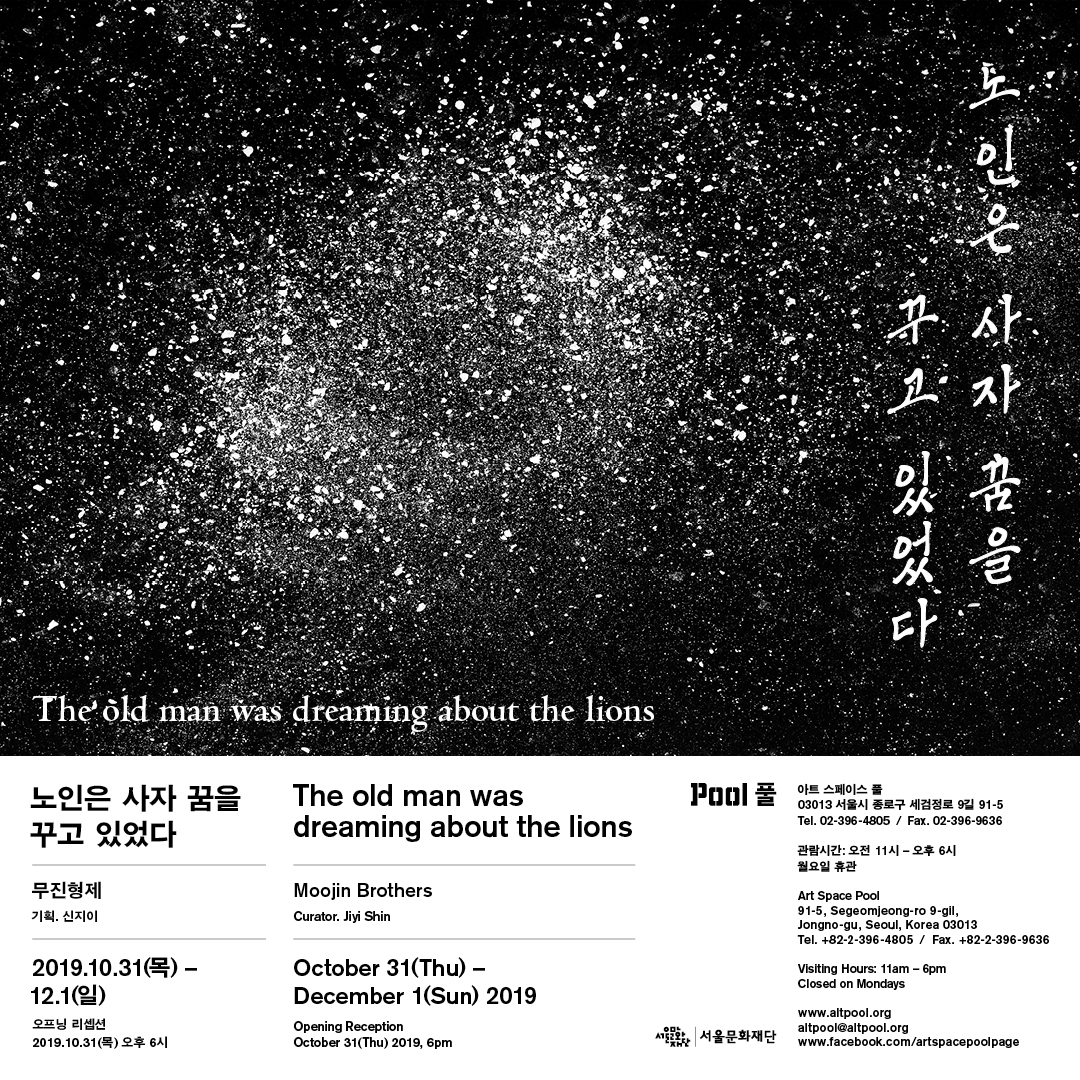
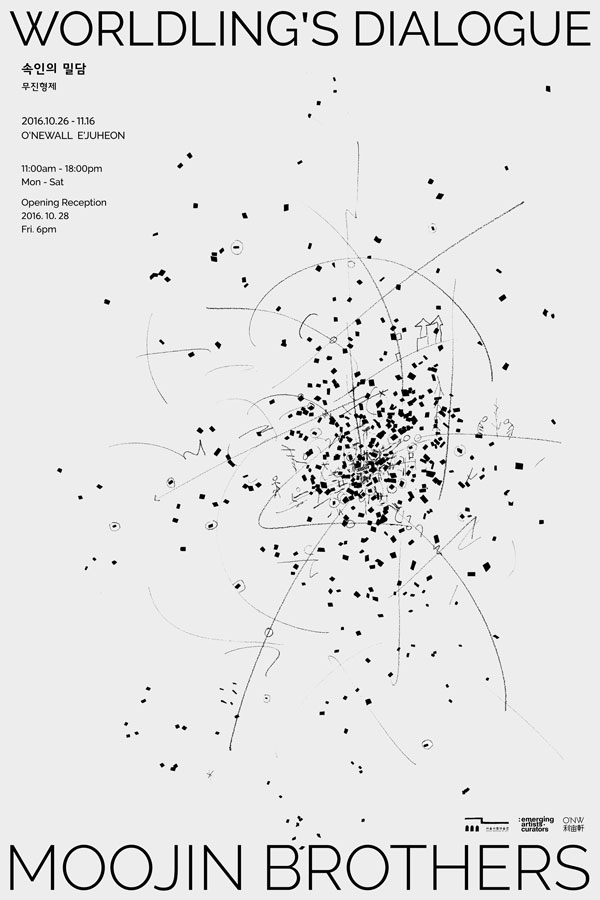
Moojin Brothers has presented solo exhibitions at Oil Tank Culture Park (2023), Art Space Pool (2019), Nam June Paik Art Center and Archive Bomm (2018), and Space O'NewWall (2016).

Group Exhibitions (Brief)

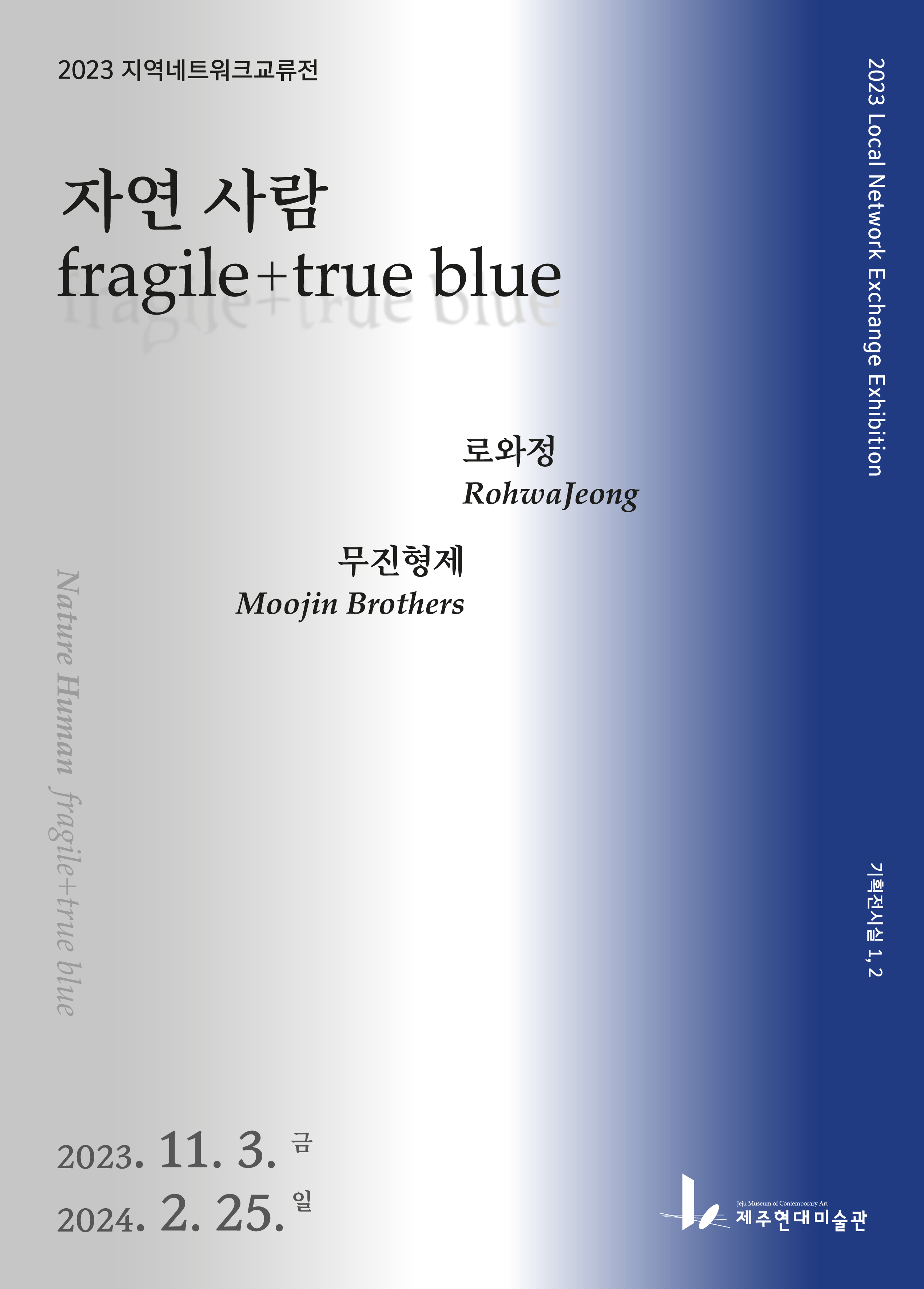
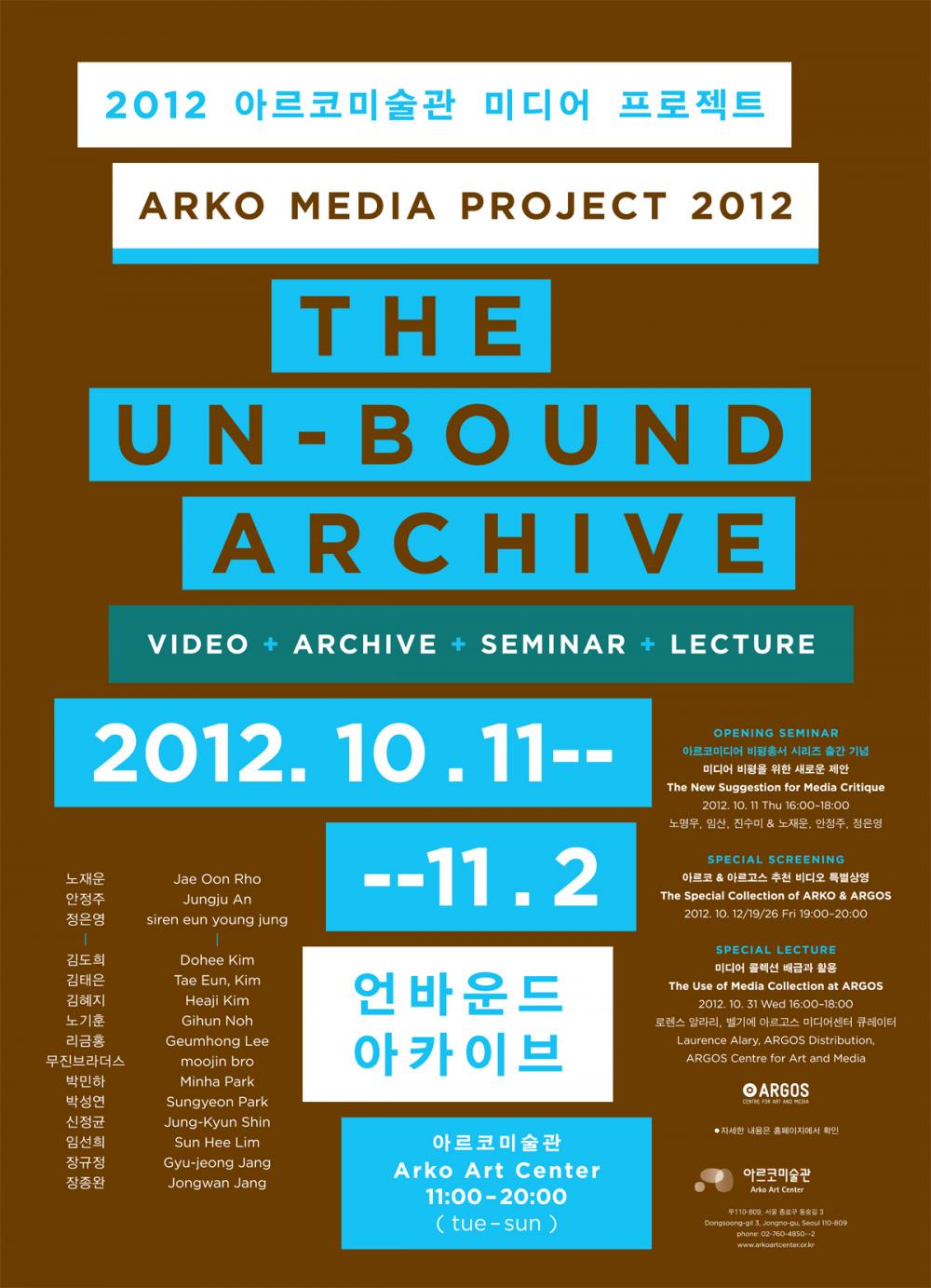
Moojin Brothers has participated in exhibitions at institutions including the National Museum of Modern and Contemporary Art, Seoul Museum of Art, Museum of Contemporary Art Busan, Gyeonggi Museum of Modern Art, Daegu Art Museum, Jeju Museum of Contemporary Art, Nam June Paik Art Center, Doosan Gallery, and the Bienal SESC_VideoBrasil.

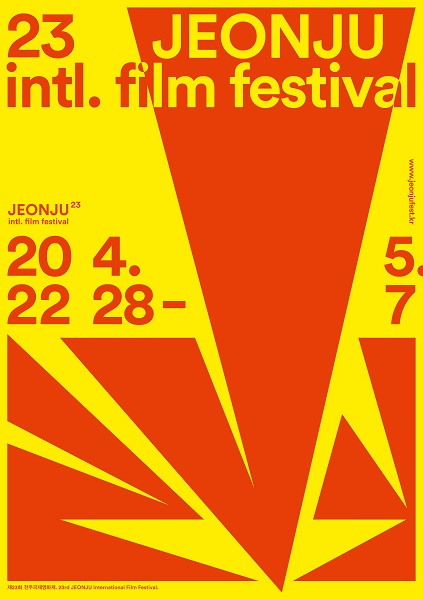
In addition, their works have been presented at major film festivals and screening programs including the Jeonju International Film Festival, Seoul Independent Film Festival, Alchemy Film and Moving Image Festival, Athens International Film and Video Festival, Brooklyn Film Festival, and the e-flux Screening Room.

Awards (Selected)

Moojin Brothers received the Han Nefkens Foundation – Buk SeMA Korean Video Art Production Award (2019), the Best Experimental Film Award at the Spain Moving Images Festival (2020), and the Best Propose Prize at the Seoul International New Media Festival (2015).

Residencies (Selected)

Moojin Brothers was selected for the Changdong Residency Program of the National Museum of Modern and Contemporary Art, Korea.

Collections (Selected)

Works by Moojin Brothers are held in the collections of MMCA Art Bank, Seoul Museum of Art, Museum of Contemporary Art Busan, Daegu Art Museum, Pohang Museum of Steel Art, Seo-Seoul Museum of Art, Gyeonggi Cultural Foundation, and MACBA (Museu d'Art Contemporani de Barcelona).
Works of Art

On Memories and Beings on the Verge of Disappearance

Originality & Identity

Moojin Brothers is a collaborative collective formed by three siblings trained in literature, fine art, and photography, whose practice explores the lives of ordinary individuals living in contemporary Korean society and the structural conditions that underlie them. Their works begin with familiar figures encountered in everyday life—workers, youth, the elderly, and artists.

Yet what the artists seek to capture is less the individuals themselves than the orders and sensibilities that shape the worlds they inhabit. Experiences drawn from reality are fused with literary imagination and transformed into strange and uncanny allegories, through which the familiar routines of everyday life are returned to us as objects of renewed inquiry.

Anonymous figures recur throughout Moojin Brothers’ moving-image works. Characters such as the “Woman in Room 1902” in Mumming Age, Worker M in The Last Sentence, the brothers in Scriptures of the Wind, and the old woman Itoito in The Heap are at once specific individuals and symbolic embodiments of the roles and conditions imposed by society.

They carry out assigned tasks regardless of personal desire, continue repetitive forms of labor, and at times wander along the margins of the world having lost all sense of purpose. Through these figures, the artists metaphorically reveal the identities and conditions of life that contemporary society assigns to individuals.

Myth, folklore, literature, and oral narratives function as important mediating devices throughout this process. Kafka’s Odradek, Borges’s imaginary creatures, Hemingway’s fiction, and traditional East Asian symbolic systems are invoked as mechanisms that connect reality and fiction.

Rather than directly addressing particular events or social issues, Moojin Brothers employ these references to investigate the invisible structures, desires, and layers of memory that constitute reality. Fictional beings and nonhuman forms do not operate as escapist fantasies; instead, they serve as mirrors that render reality more visible and legible.

A sustained attention to that which is disappearing also runs throughout the artists’ practice. Villages erased by redevelopment, traces of labor sinking into memory, forgotten stories and oral traditions, and lives pushed to the margins of social attention emerge repeatedly as central concerns.

By recalling stories discovered at the periphery rather than the center of history and reconstructing them through new narratives, Moojin Brothers grant renewed meaning to memories and existences on the verge of disappearance. Their work ultimately constitutes an exploration of human anxiety and hope in contemporary life, as well as the enduring possibility of storytelling as a form of resistance against erasure.

Style & Contents

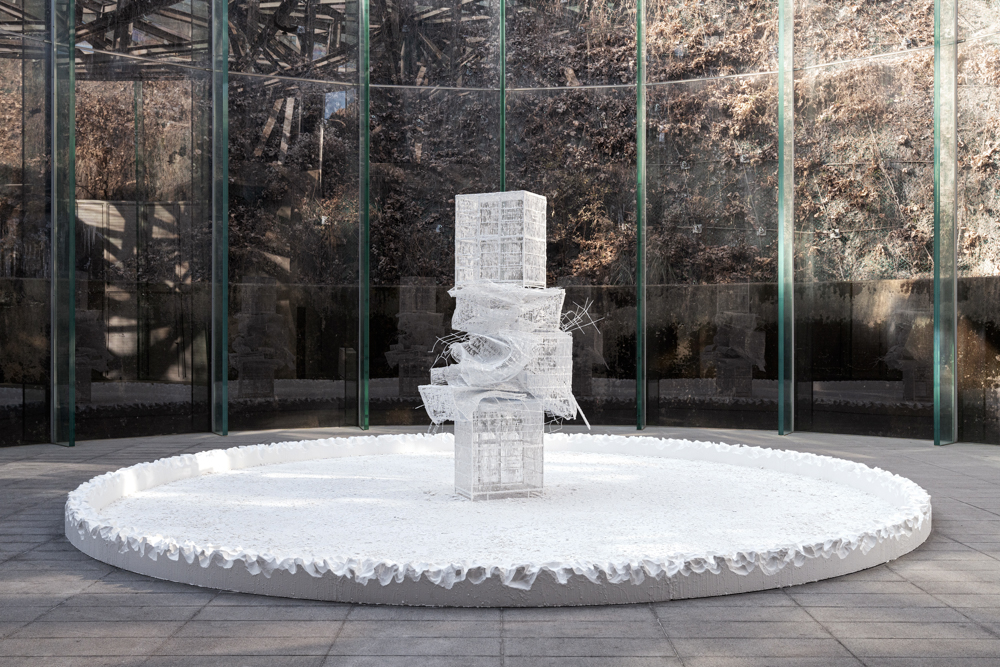
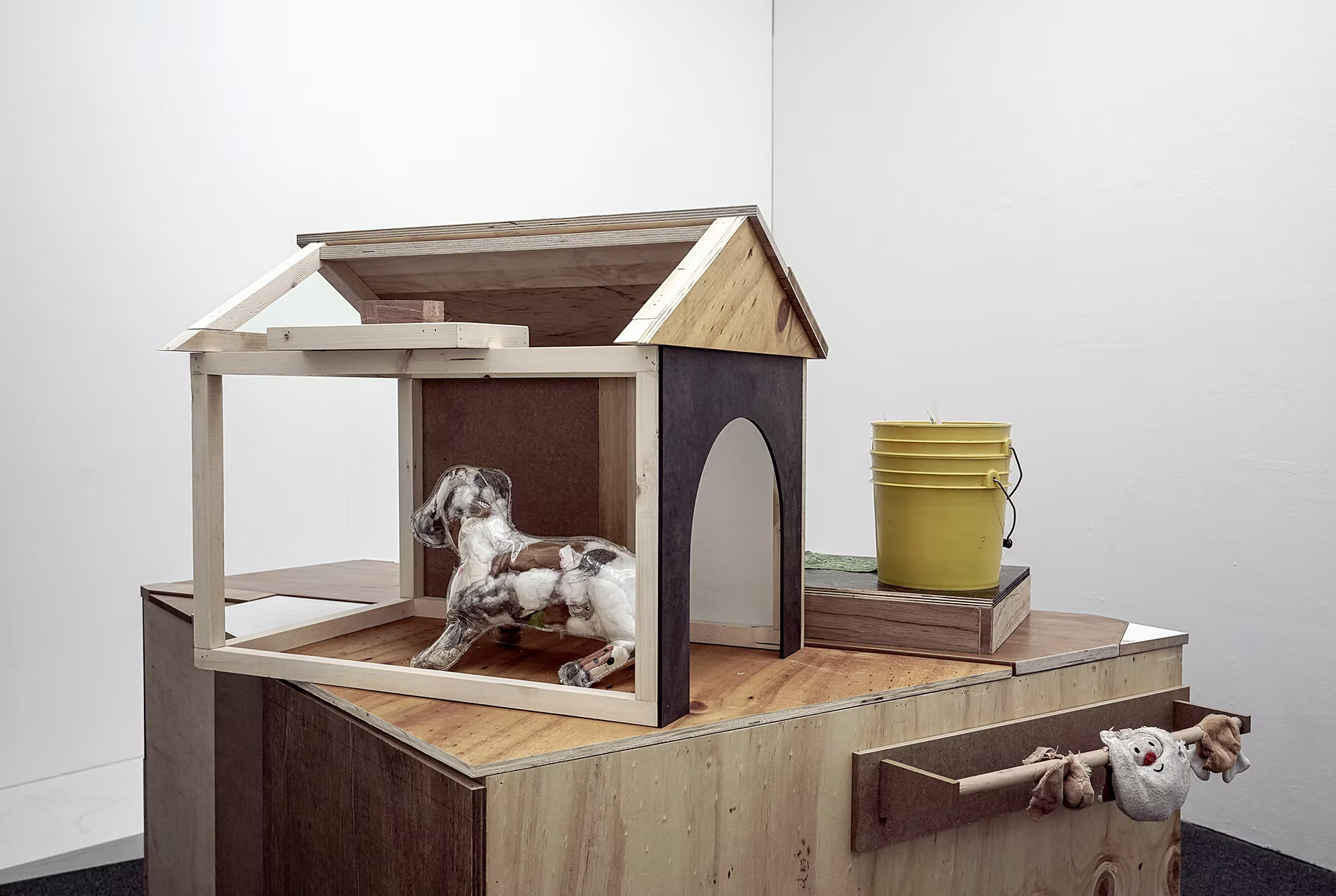
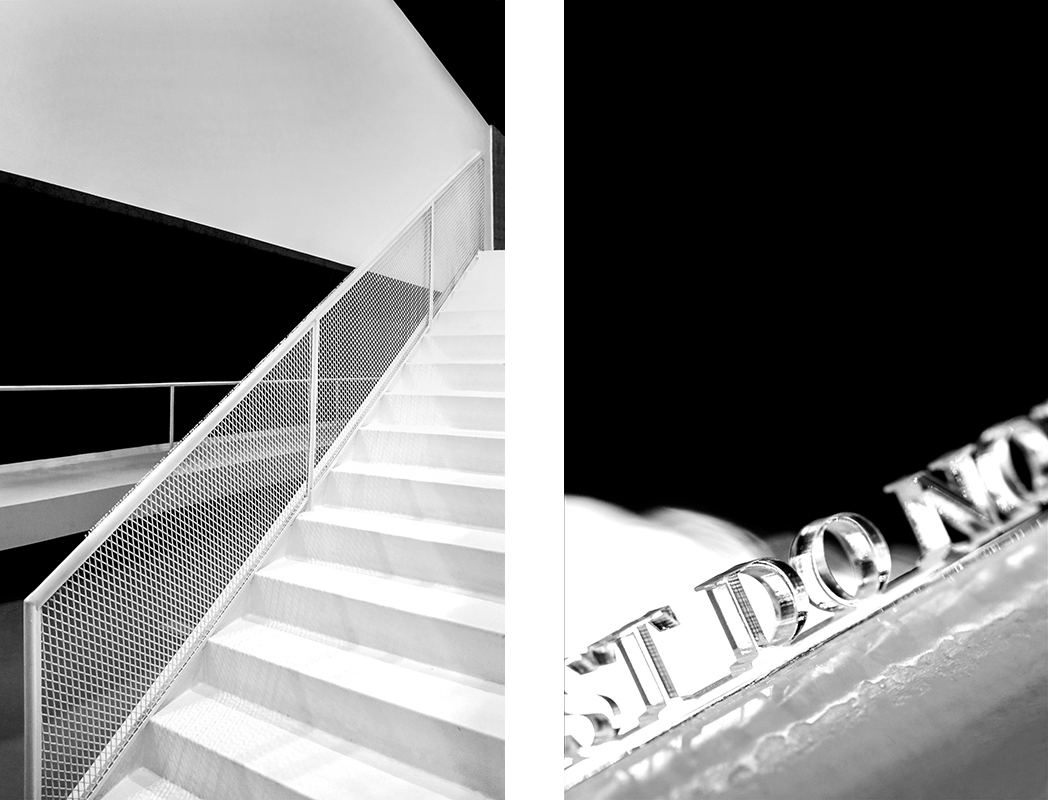
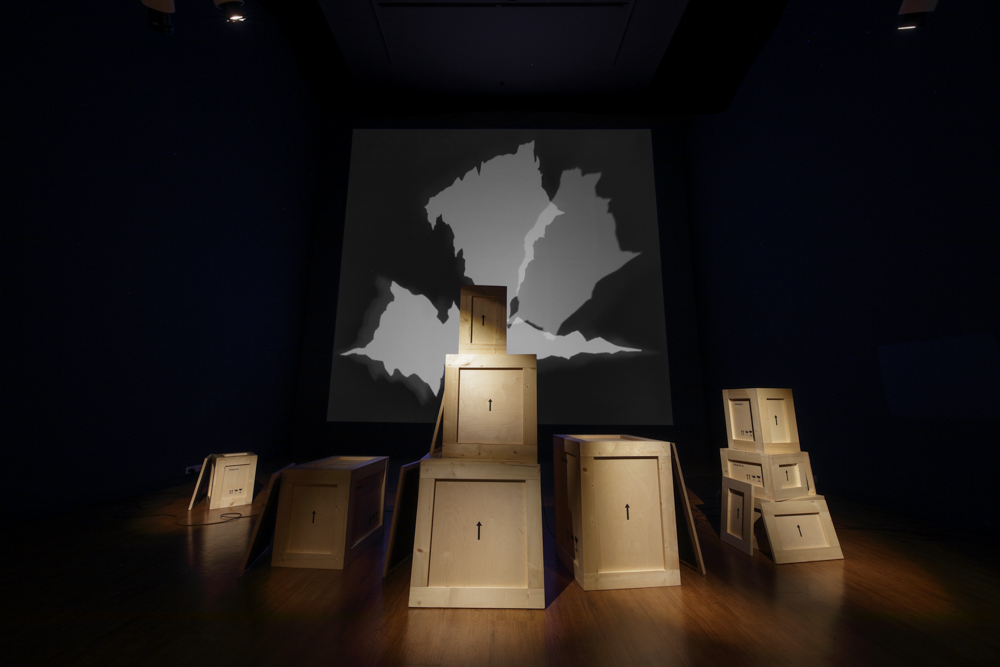
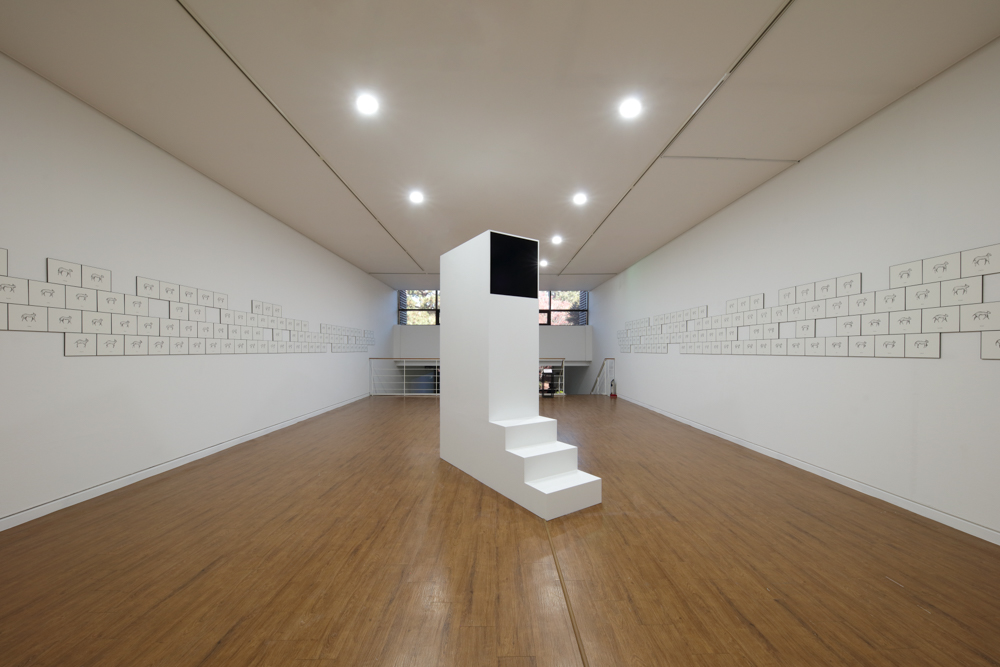
For Moojin Brothers, moving images function not only as a vehicle for storytelling but also as a material for constructing space. Their works create narrative environments through the organic integration of video, objects, drawings, photographs, slide projections, and installation elements.

By juxtaposing moving images with physical components within the exhibition space, they encourage viewers to move beyond passive observation and enter the narrative world itself.

Their visual language operates between cinematic narrative and artistic image-making. While stories unfold through characters, events, and narration, the works rarely rely on clear causality or dramatic resolution. Instead, fragmentary scenes and symbolic images accumulate to form layered sensory experiences.

Characters often engage in repetitive actions whose purposes remain ambiguous, prompting viewers to navigate emotional and conceptual resonances rather than follow a linear storyline. This structure serves as a key formal device through which Moojin Brothers construct their distinctive allegorical worlds, where reality and fantasy, memory and imagination intersect.

Another defining characteristic of their practice is a sustained engagement with analog media. Alongside single-channel videos and digital moving images, the artists frequently employ 35mm film, slide projections, S8 film, and photographic archives. The film-slide installations that appear throughout the

'The Trace of the Box' series, in particular, expand the thematic concerns of memory, classification, preservation, and historical record into material form. By placing physical film and digital imagery in dialogue, these works visualize tensions between past and present, reality and representation, while simultaneously evoking processes of accumulation and disappearance.

Through this convergence of literary imagination, cinematic narration, spatial installation, and material experimentation, Moojin Brothers have developed a distinctly hybrid artistic language. Rather than pursuing formal purity within a single medium, they privilege the narrative and sensory conditions demanded by each project.

Their works construct environments in which images, objects, spaces, and stories continuously interact, inviting viewers to experience worlds where multiple temporalities, memories, realities, and fictions coexist.

Topography & Continuity

From their earliest works to their most recent projects, Moojin Brothers have maintained a sustained interest in the lives of ordinary individuals living in contemporary society and the social conditions that underlie them. While the forms and subjects of their works have evolved over time, their gaze has consistently been directed toward marginal narratives, forgotten existences, and the invisible structures that shape everyday life.

Figures engaged in repetitive labor, elderly individuals inhabiting aging homes, and characters wandering along the edges of society reappear in different forms across their works, becoming a recurring thread that runs throughout their practice.

Their artistic trajectory has gradually expanded from close observations of individual lives toward broader inquiries into the world around them. While early works such as Mumming Age, The Last Sentence, and The Heap focused on the lives and inner worlds of specific individuals, later projects situate these concerns within wider contexts encompassing memory and dwelling, community and history, and the relationships between human and nonhuman beings.

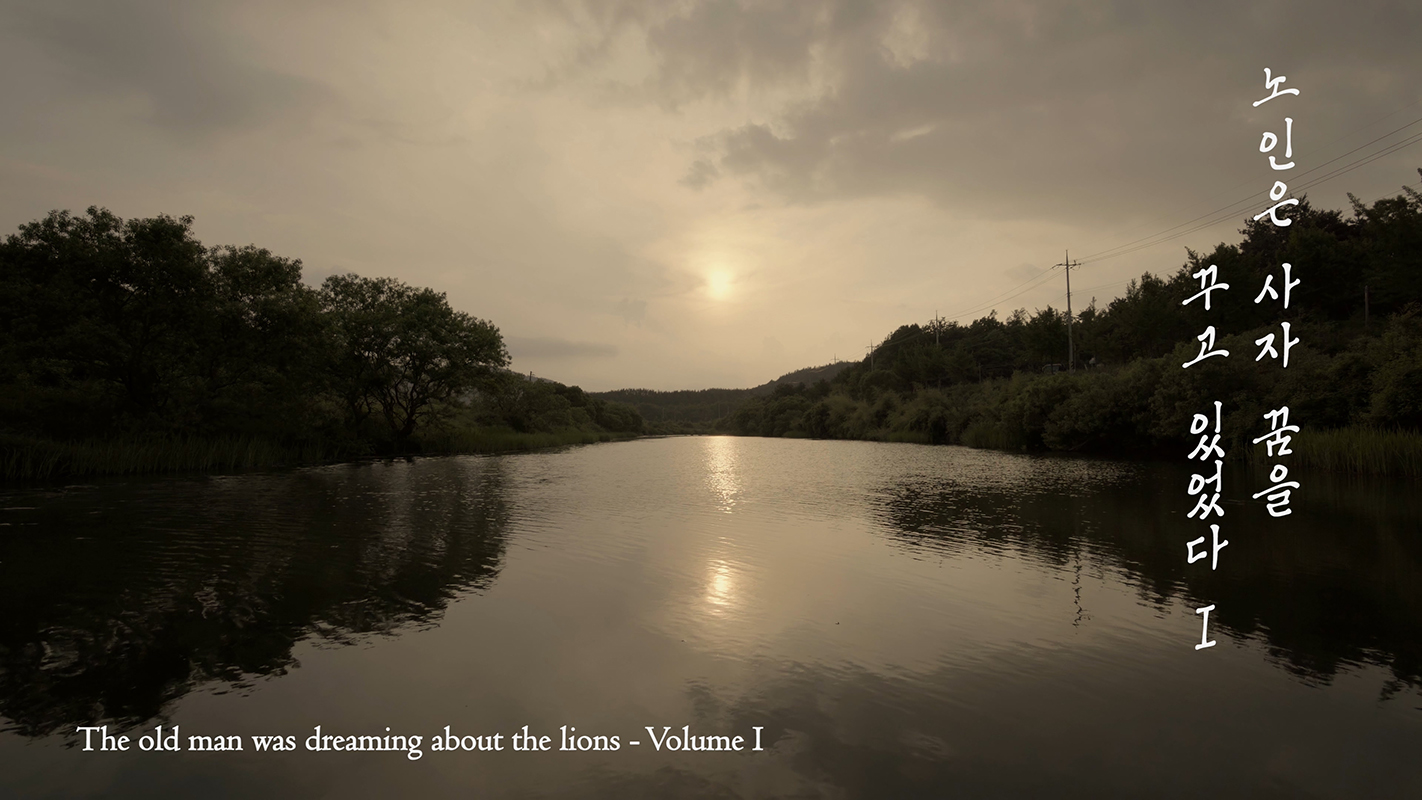
In particular, through the 'The Trace of the Box' series and The Old Man Was Dreaming About the Lions, personal experience expands into questions that traverse generations, time, and space, culminating more recently in Three Worlds' Dialogue, which reflects on the contemporary conditions shaped by humanity, nature, and technology.

An enduring concern with disappearance and preservation also runs throughout their practice. Places erased through redevelopment, traces of labor sinking into memory, stories that have failed to be passed down, aging houses, and archival images repeatedly emerge as central motifs.

Rather than simply restoring or documenting these remnants, the artists reconstruct them from the perspective of the present, creating points of contact between past and present. For Moojin Brothers, memory is not an object of nostalgia but a methodology through which the present may be understood.

Over time, the scope of their work has expanded from human-centered narratives toward investigations of increasingly complex networks of relationships. Yet what remains unchanged is their commitment to beginning with the ordinary lives that surround them.

Through overlooked stories and seemingly insignificant traces embedded in everyday life, Moojin Brothers have developed new narratives that connect individuals and society, memory and history, and humanity and the world. Their practice reveals how modest and often unnoticed experiences can serve as meaningful points of entry for understanding the complexities of contemporary existence.

Works of Art

On Memories and Beings on the Verge of Disappearance

Articles

Exhibitions

Activities