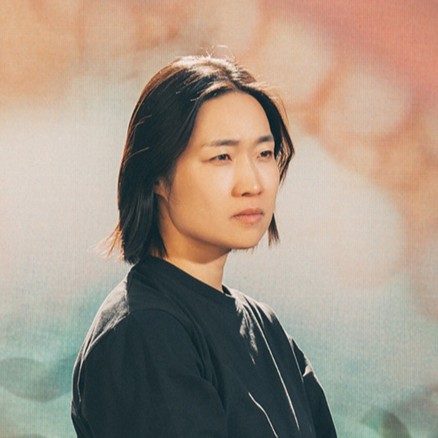
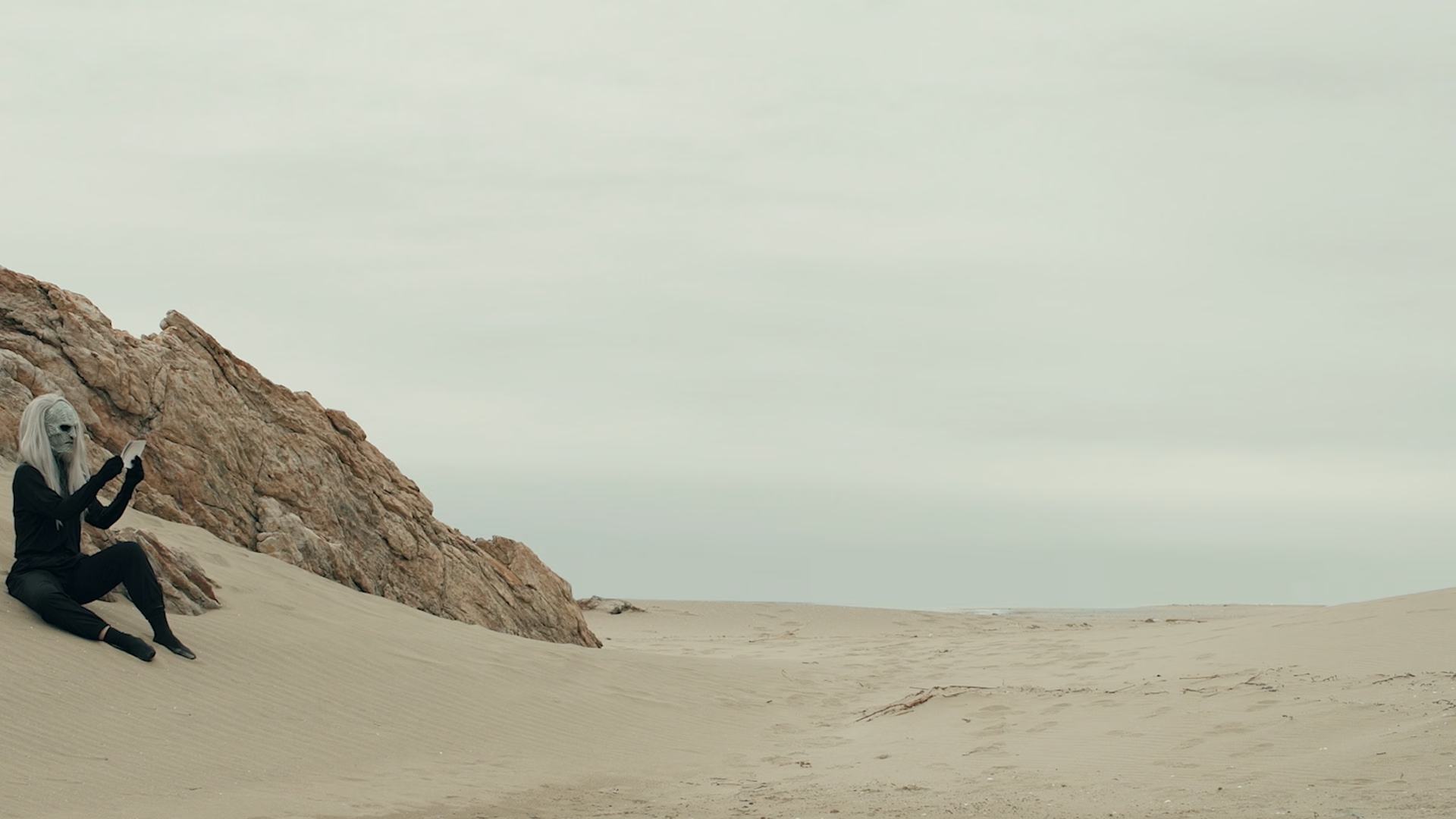
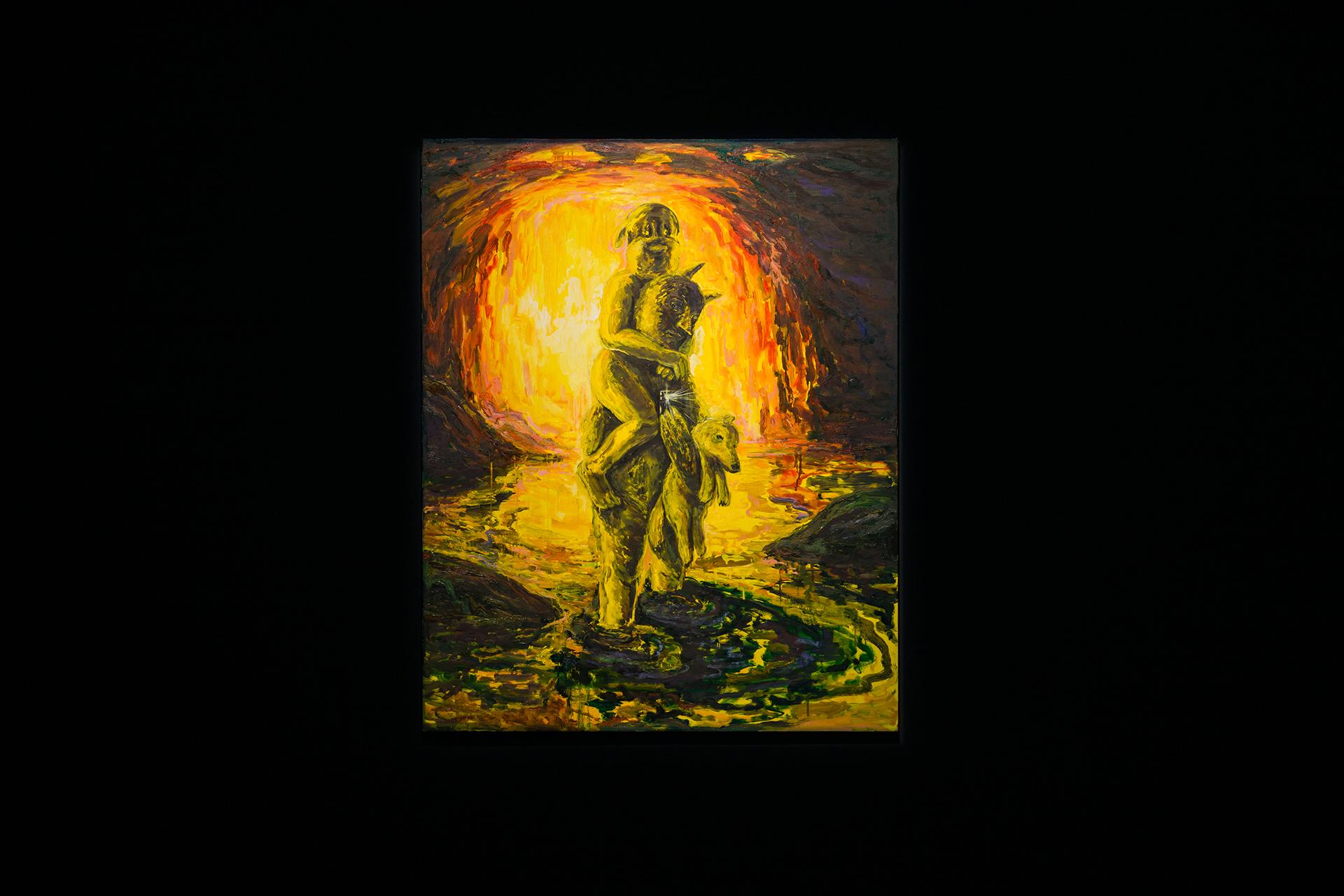
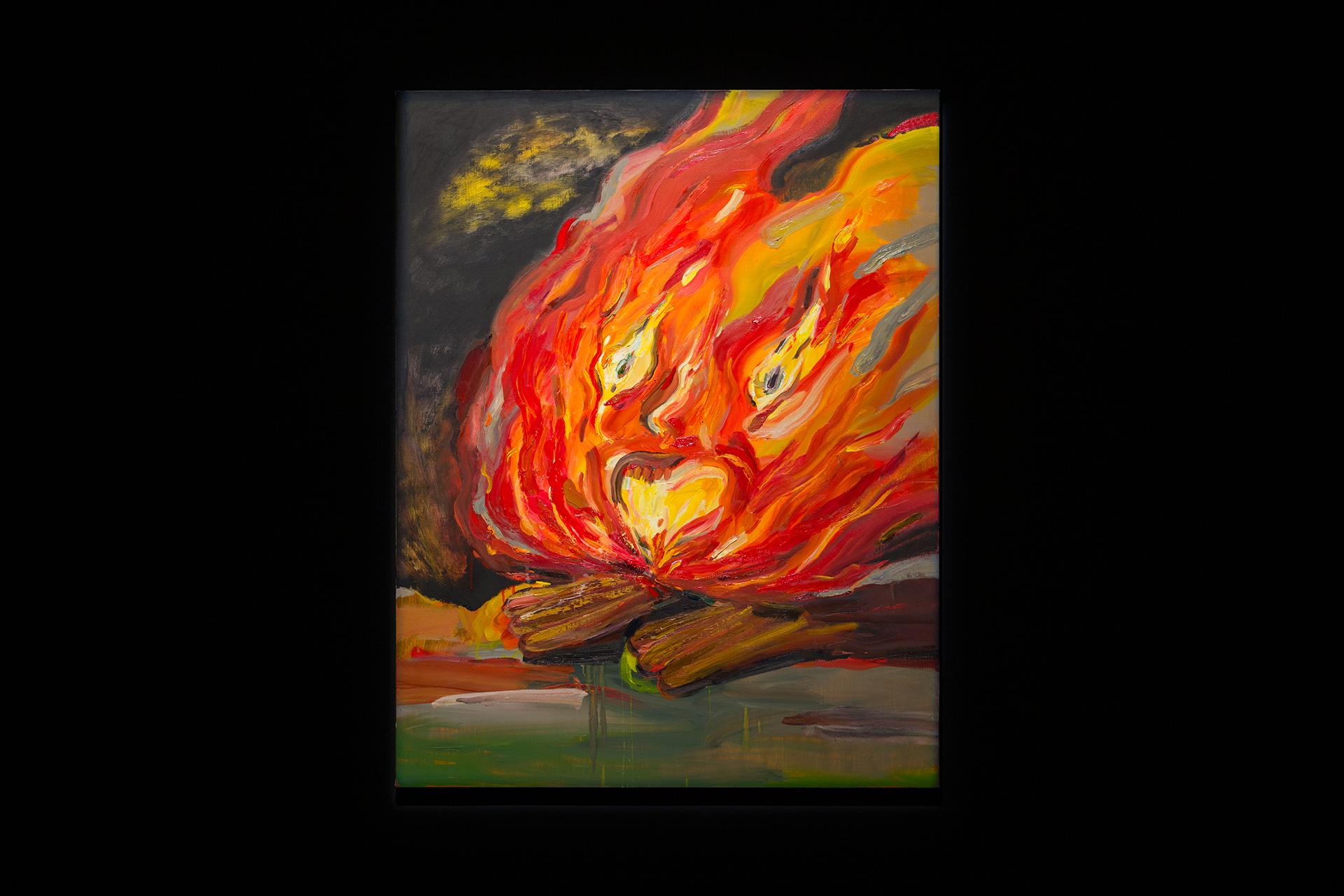
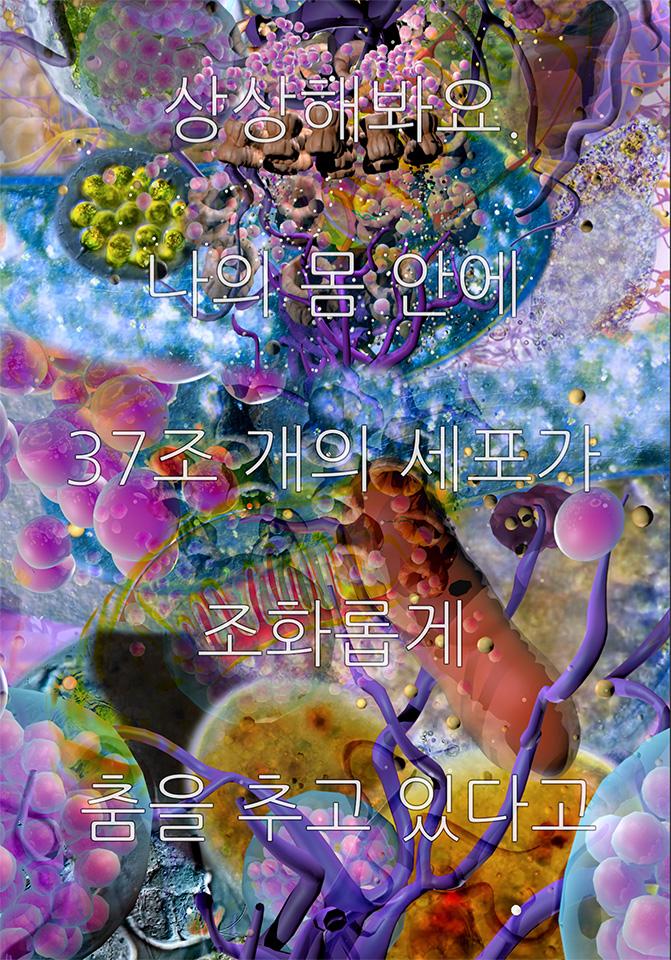
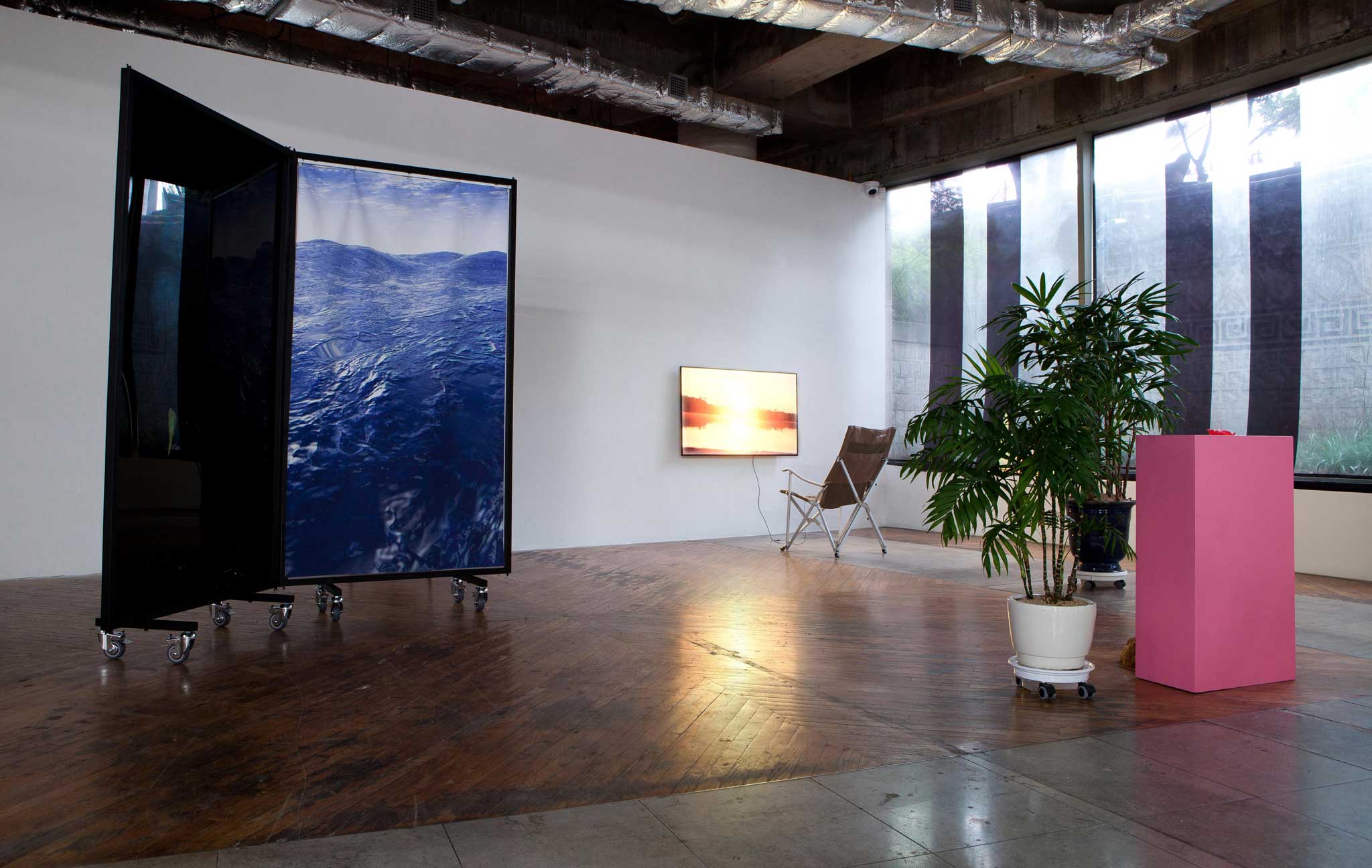
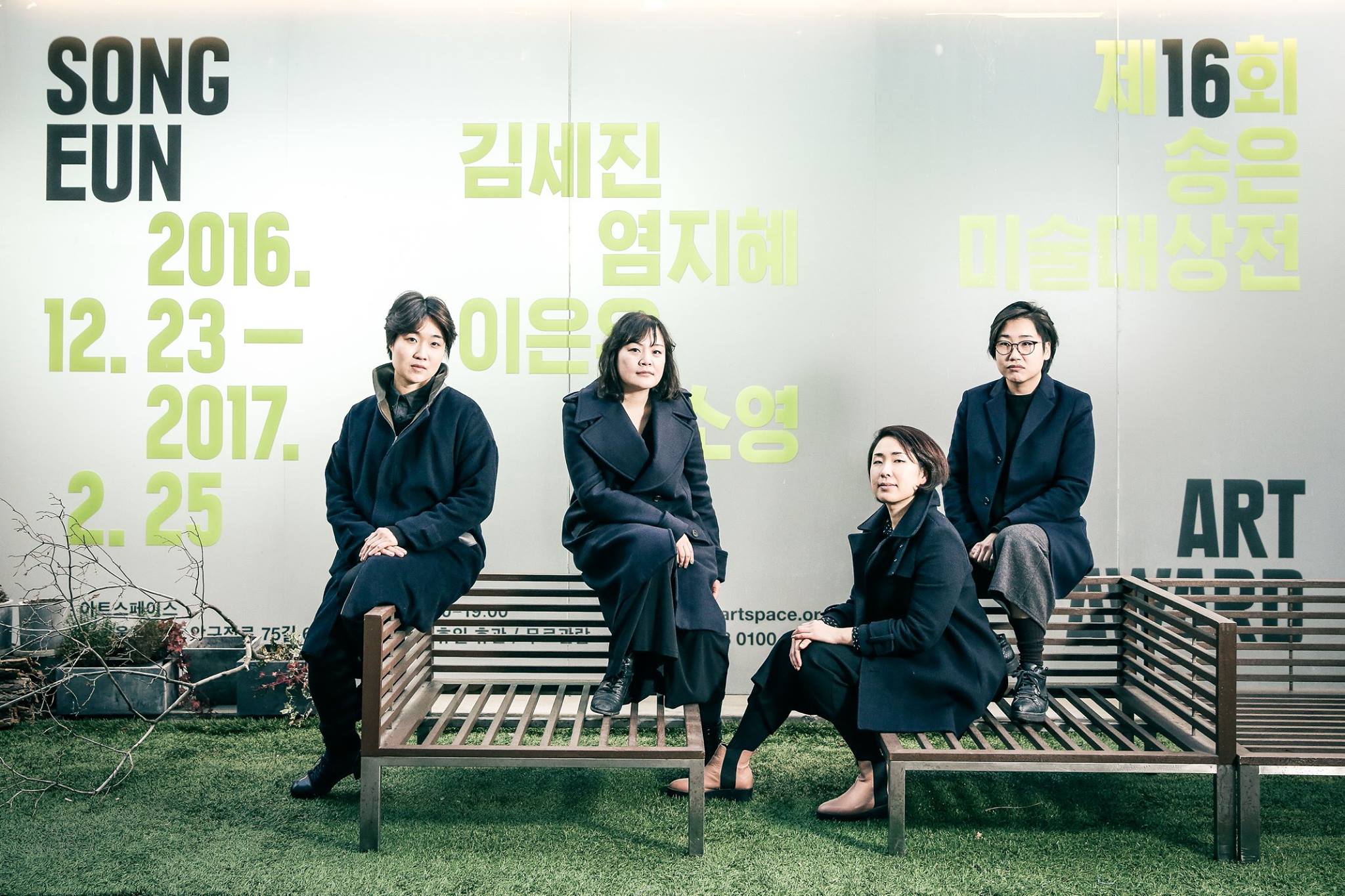
Ji Hye Yeom’s practice begins with personal experiences of travel, migration, and displacement, but ultimately expands into an inquiry into the networks of relationships that connect humans and nonhumans, myth and technology, and the individual and civilization. Her early works focused on directly experiencing and documenting unfamiliar places from the position of an outsider.
Produced in locations such as Ghana, Iran, and Iceland, these works revolved around encounters with others, the gaze of the traveler, and the psychological distance generated by movement. Yet they were never limited to travelogues or cultural observations.
Yeom consistently questioned the power relations embedded in travel, the ethics of observation, and the imbalance inherent in the act of looking at others, continually reflecting on her own position within these structures.
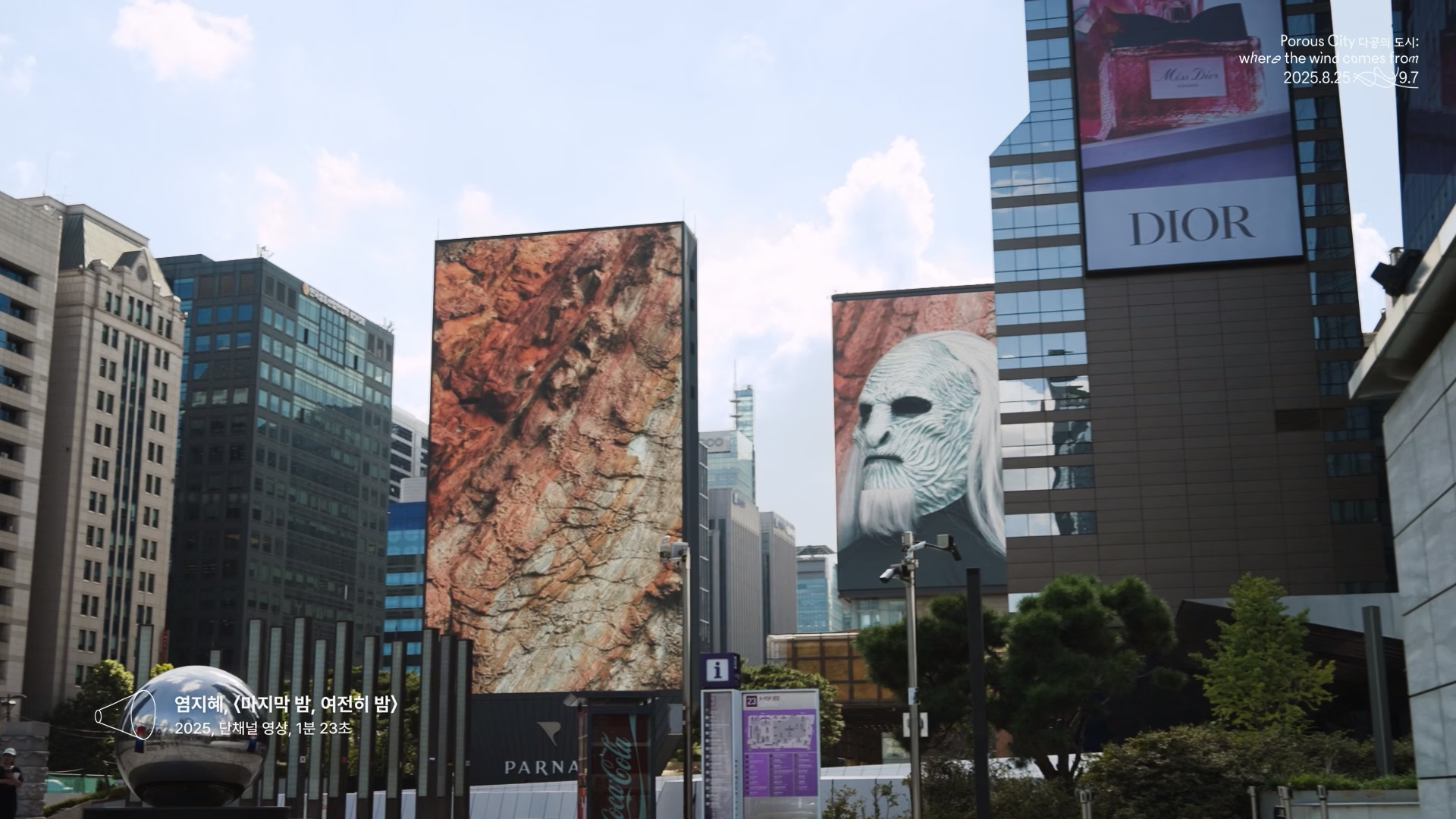
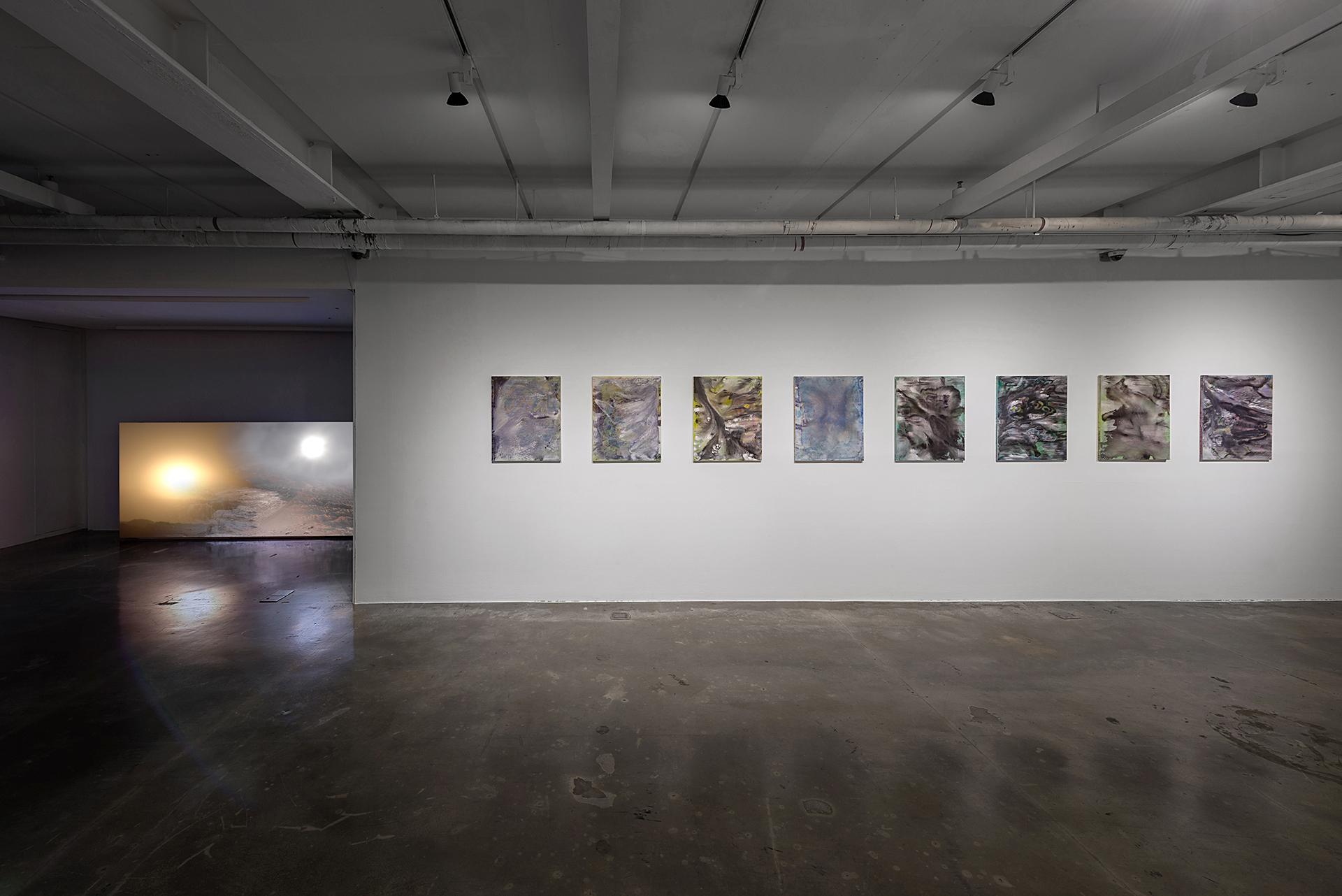
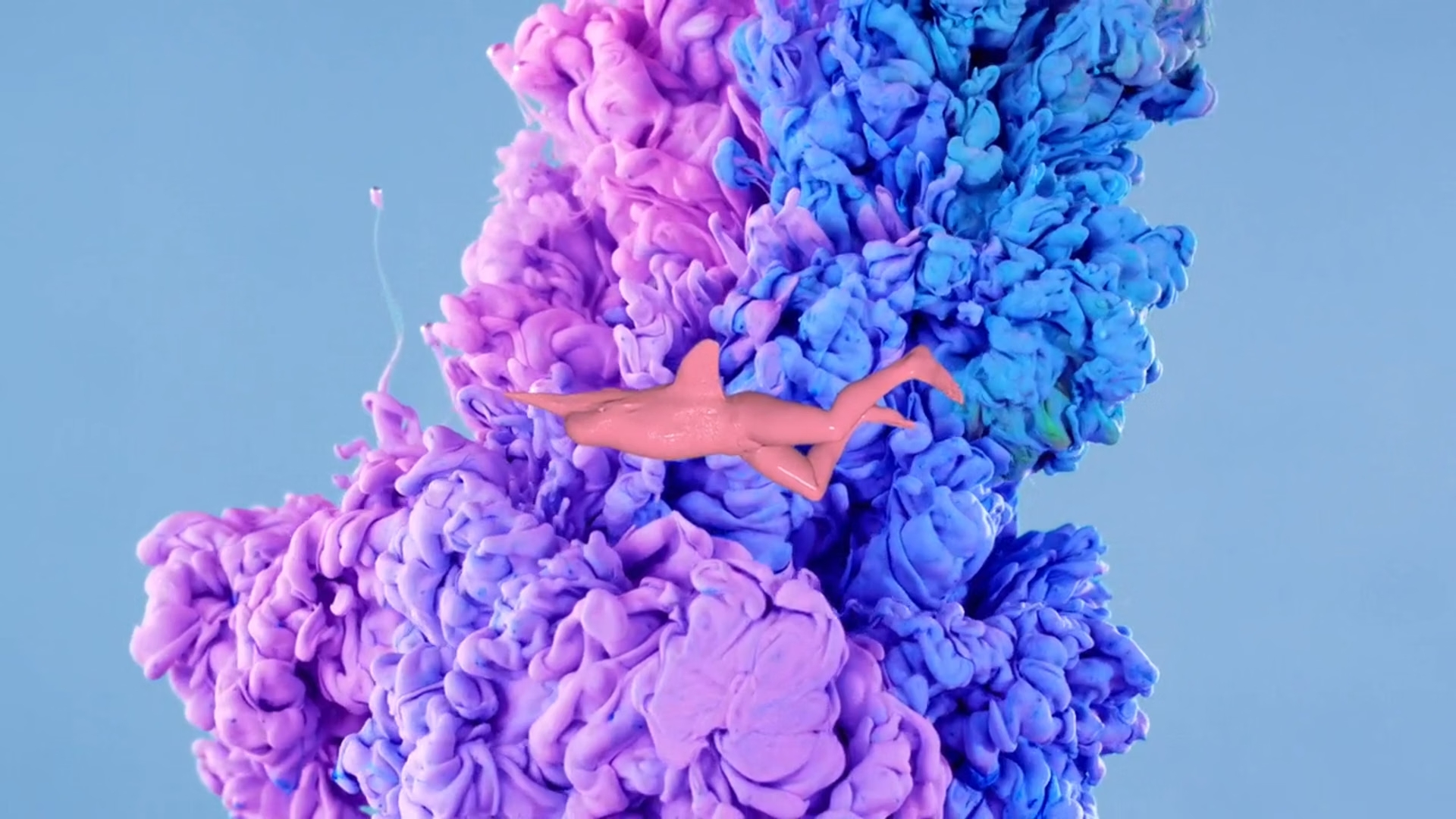
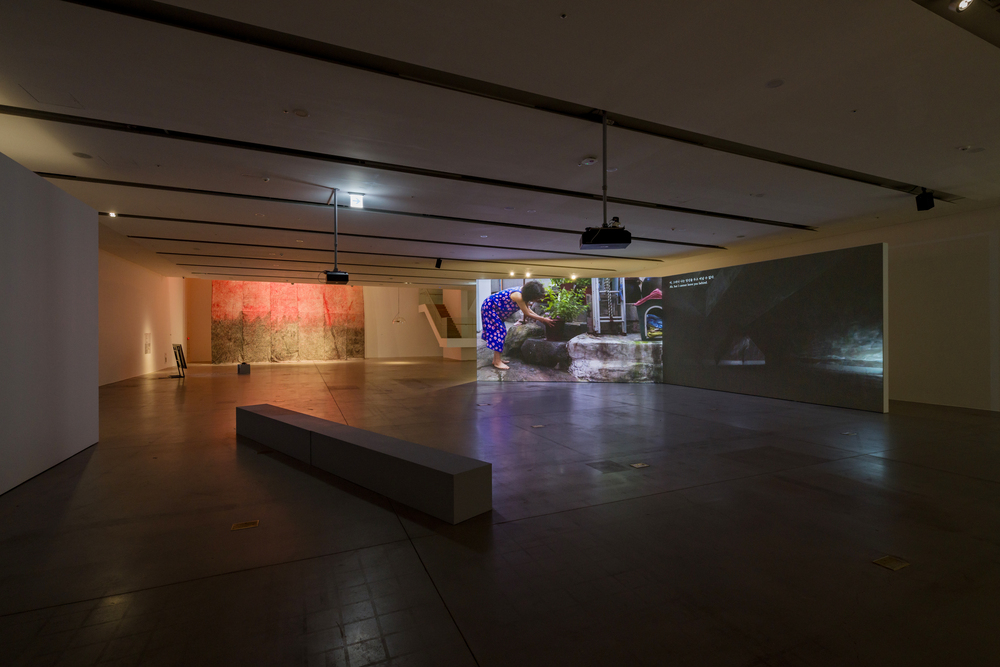
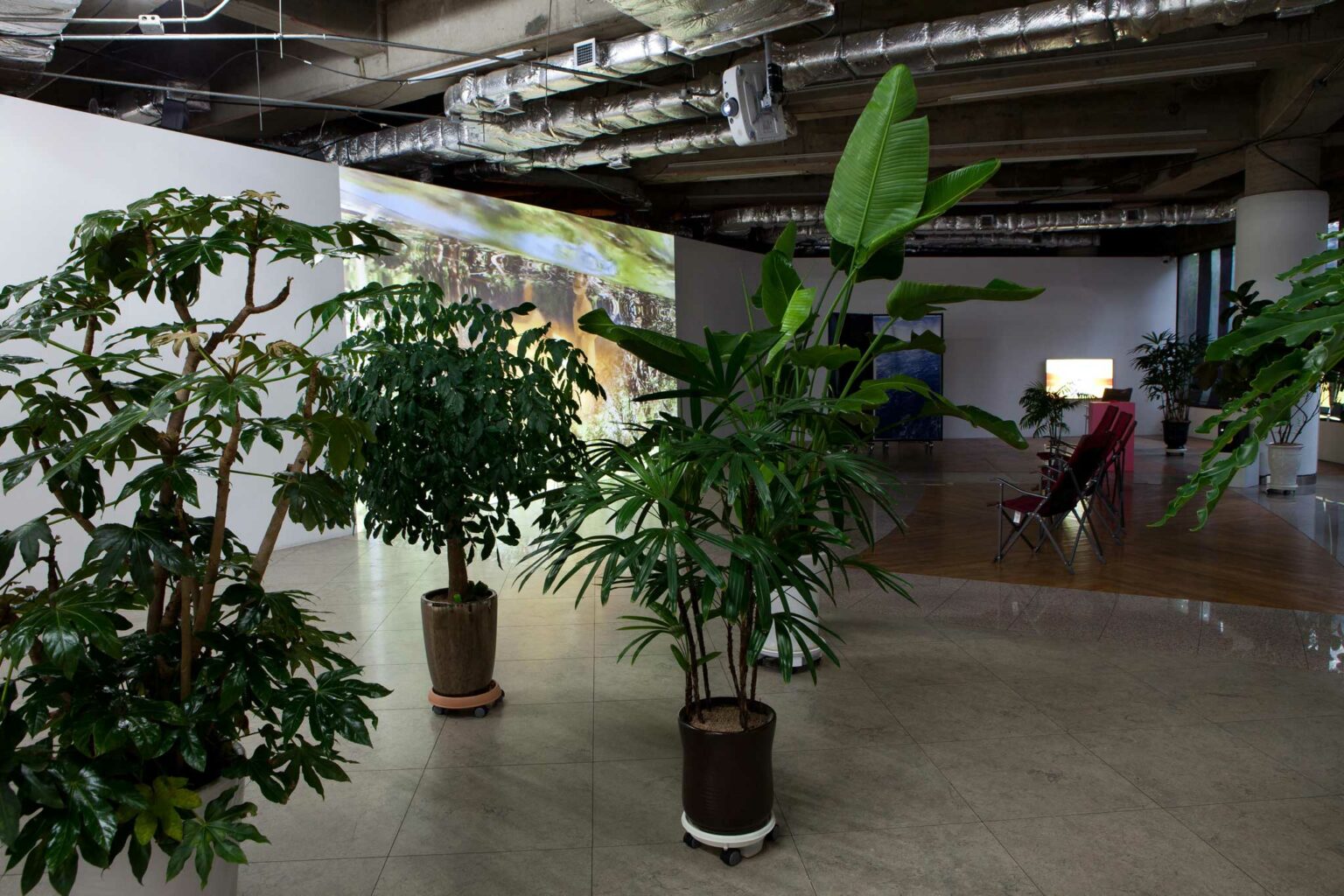
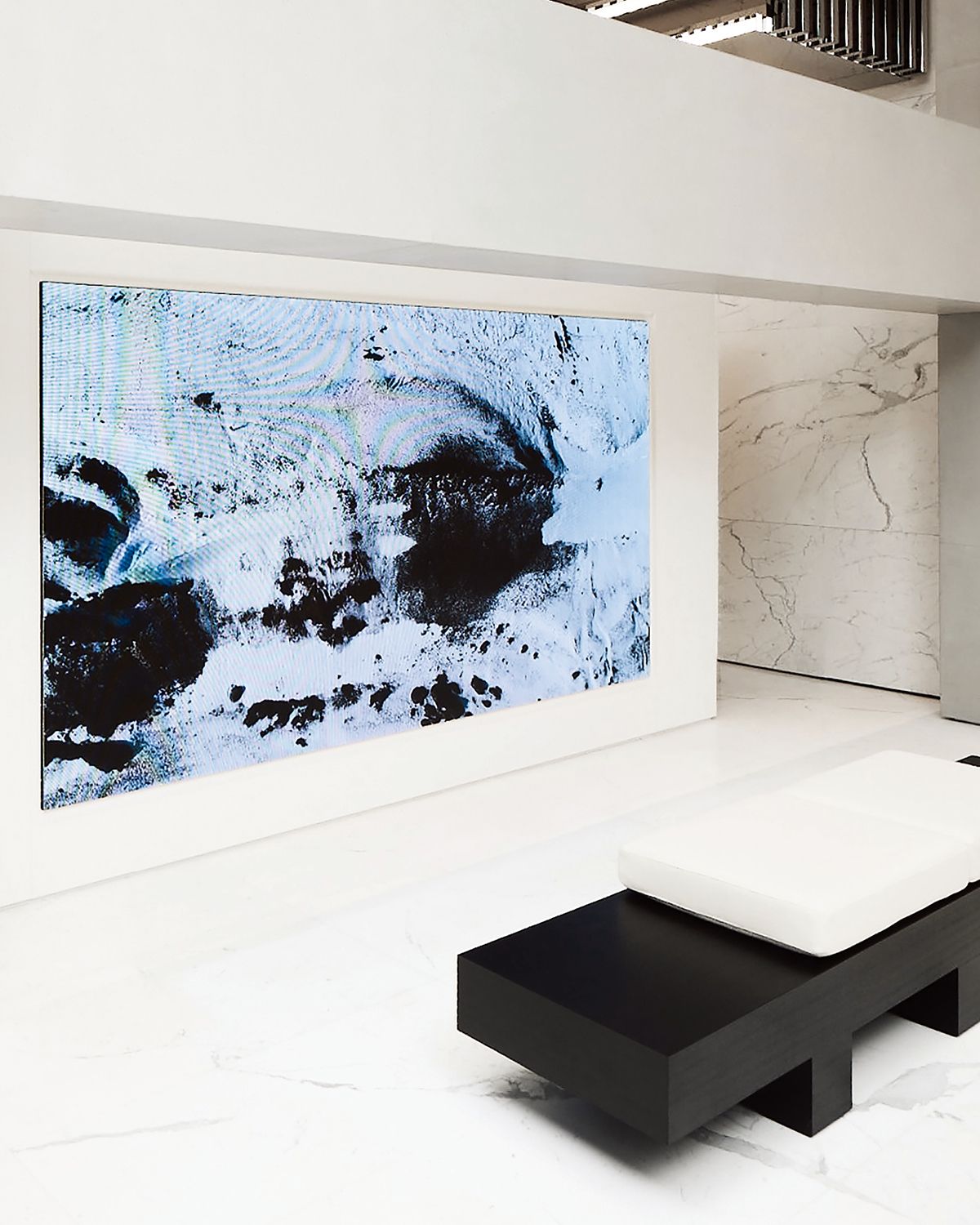
From the mid-2010s onward, her concerns expanded toward broader social and civilizational dimensions. In works such as A Night with a Pink Dolphin, Where We Met Genius, and They Come. Swiftly, Stealthily, movement is no longer confined to the experience of a particular place but becomes intertwined with larger currents such as colonial history, capitalist circulation, ecological crisis, pandemics, and technological development.
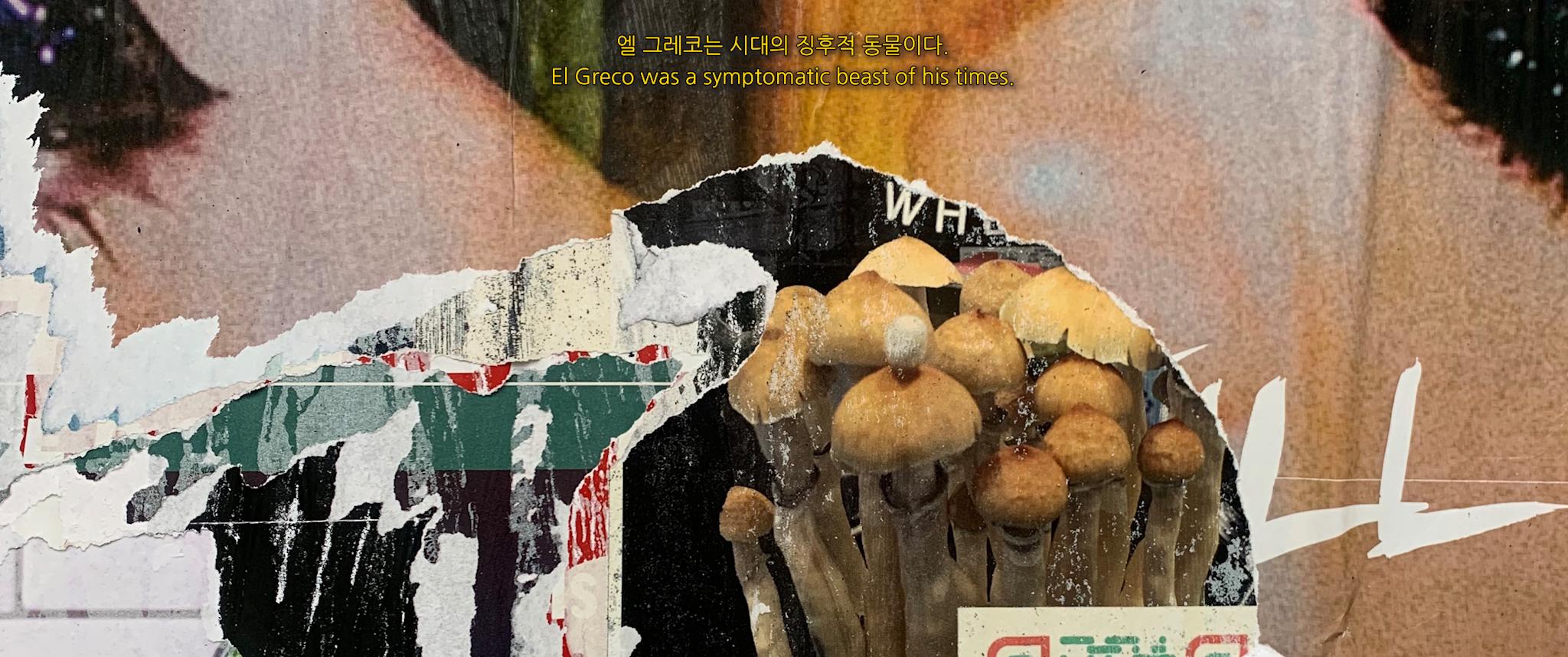
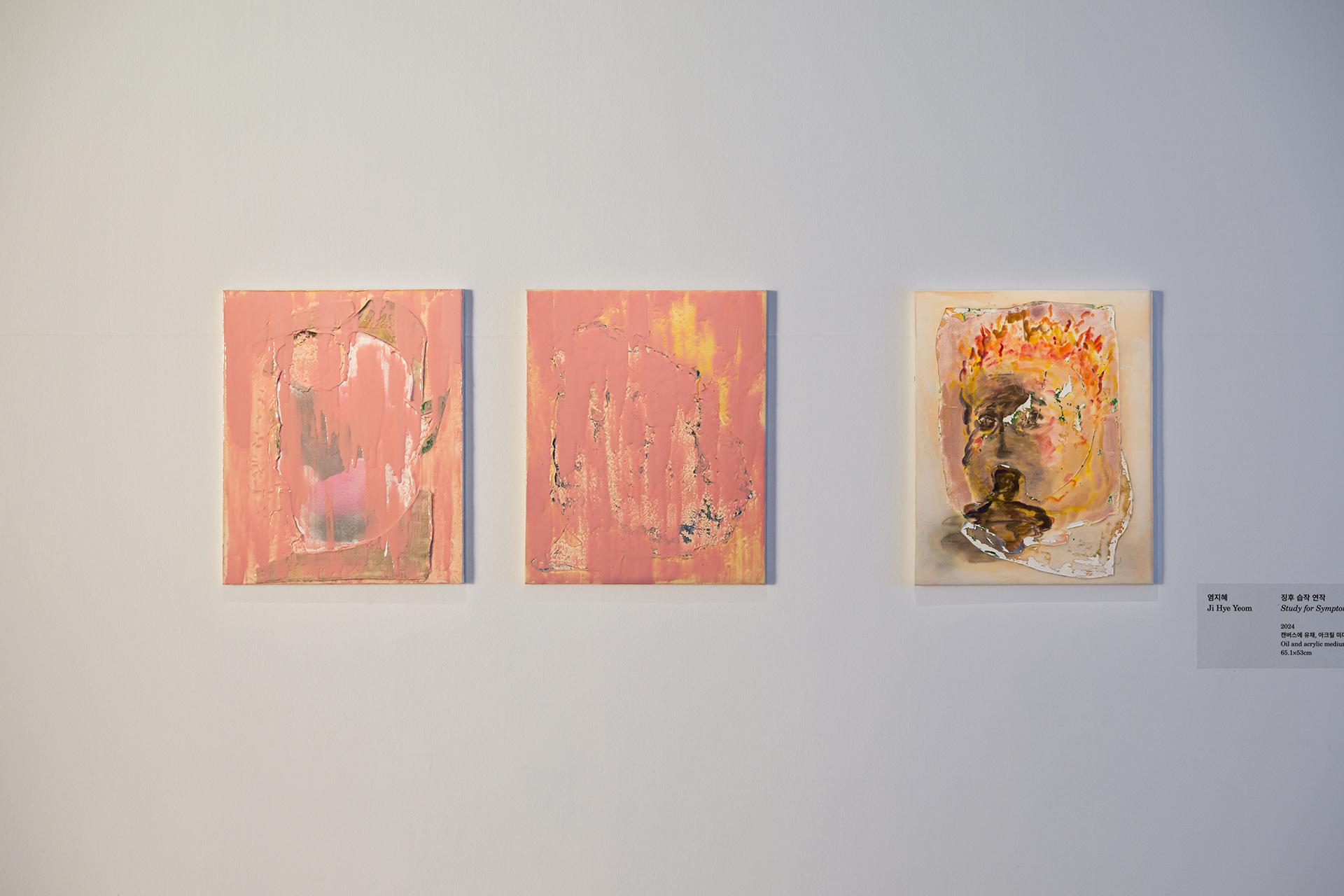
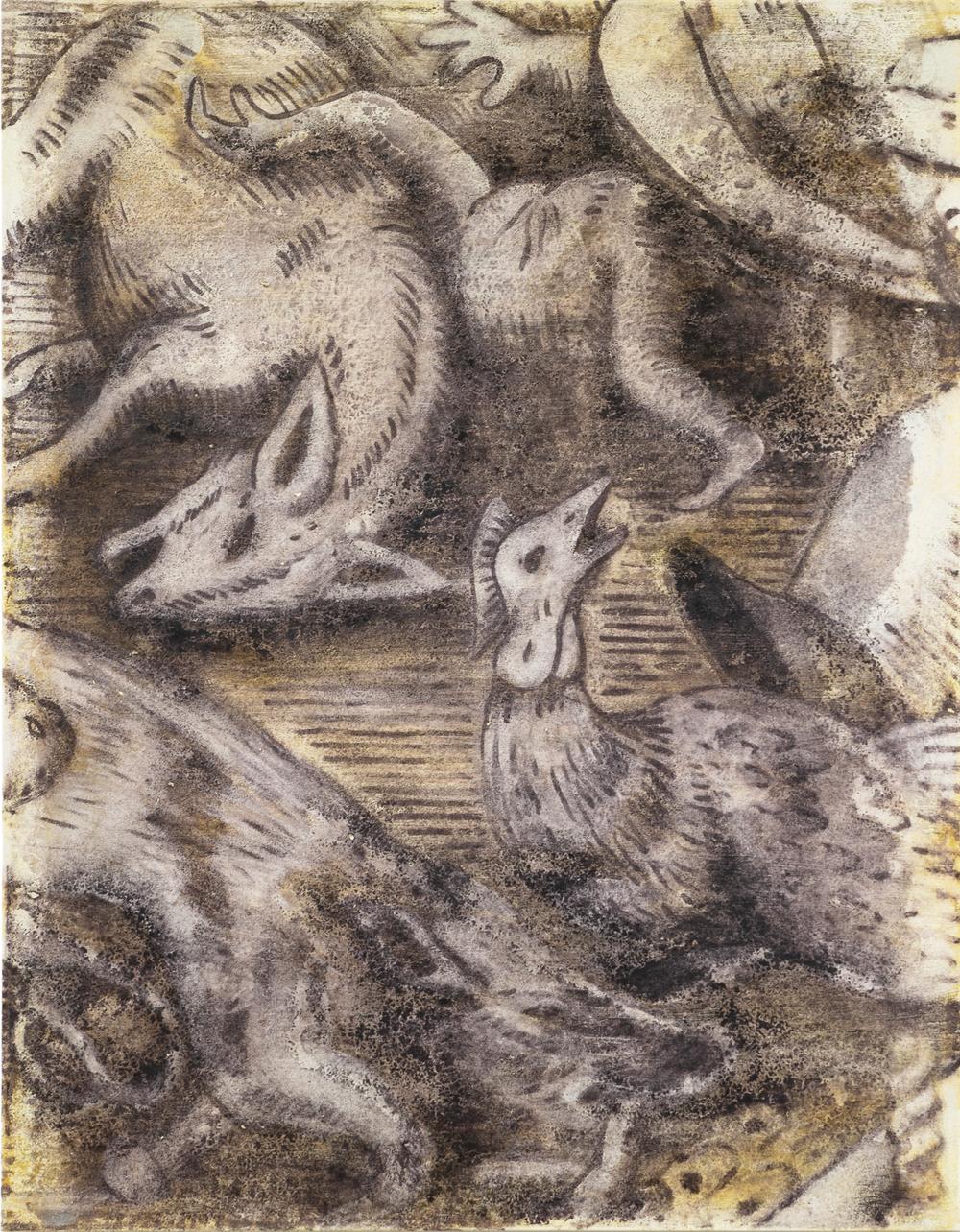
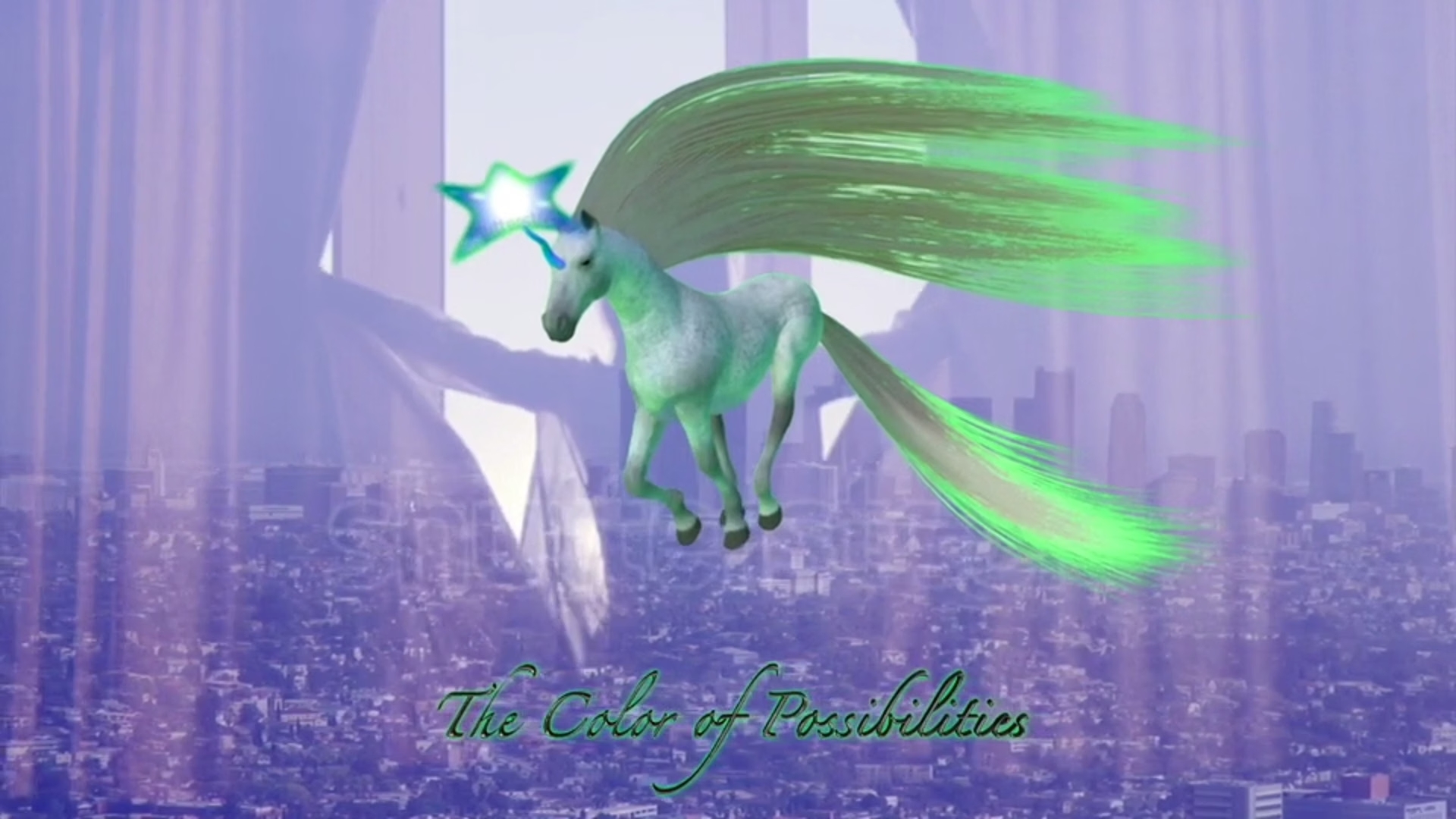
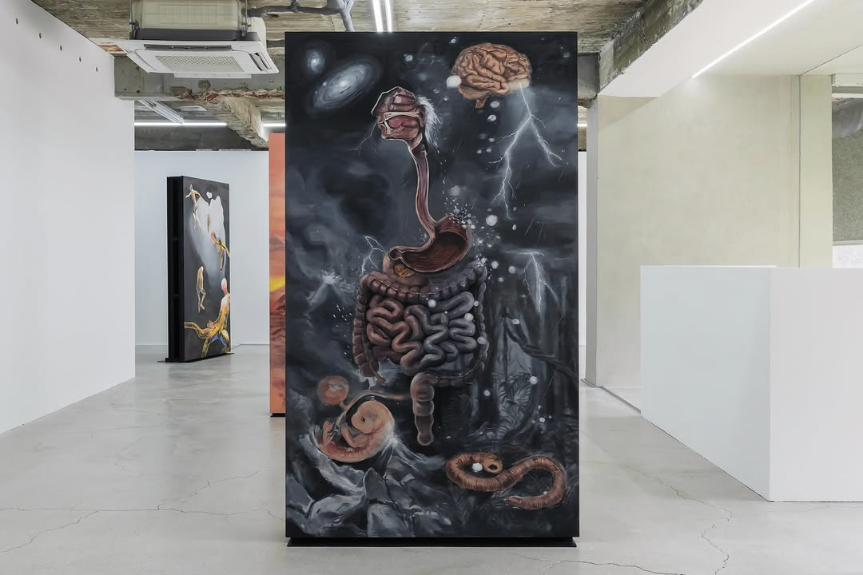
Drawing together myths and folktales, scientific knowledge, news imagery, and internet-based materials, Yeom reveals how narratives from different times and domains coexist within the present. Rather than asserting a singular position, her works allow disparate and often conflicting layers to inhabit the same space, exposing the complex structures of contemporary reality.
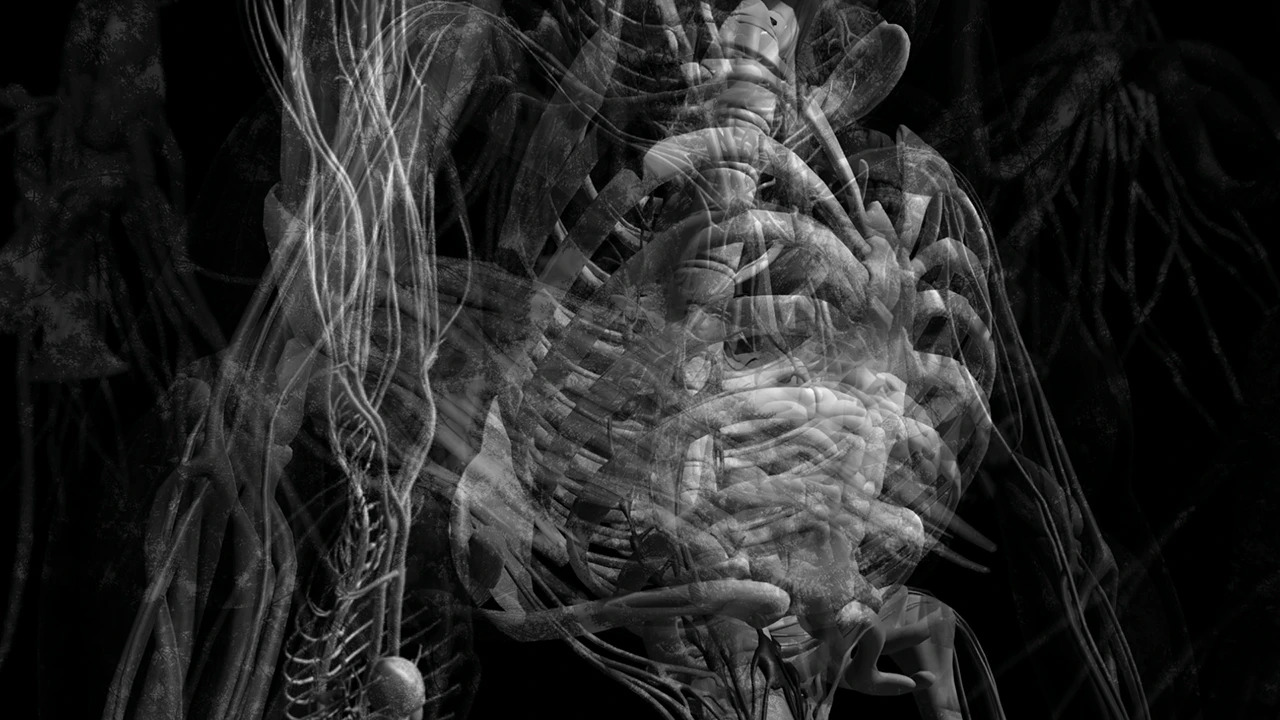
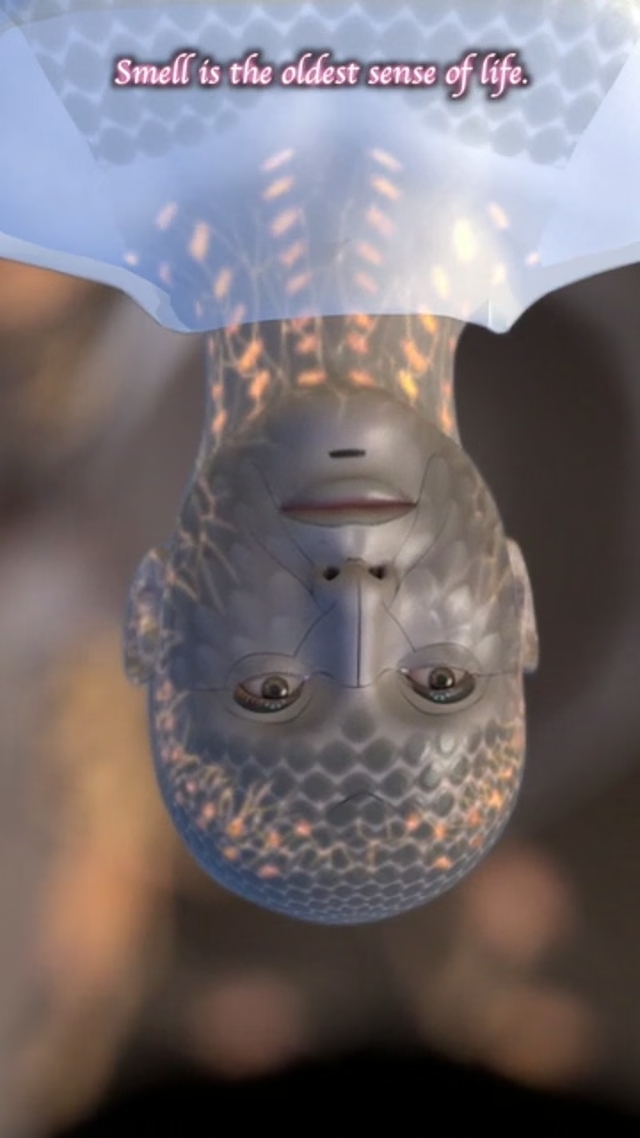
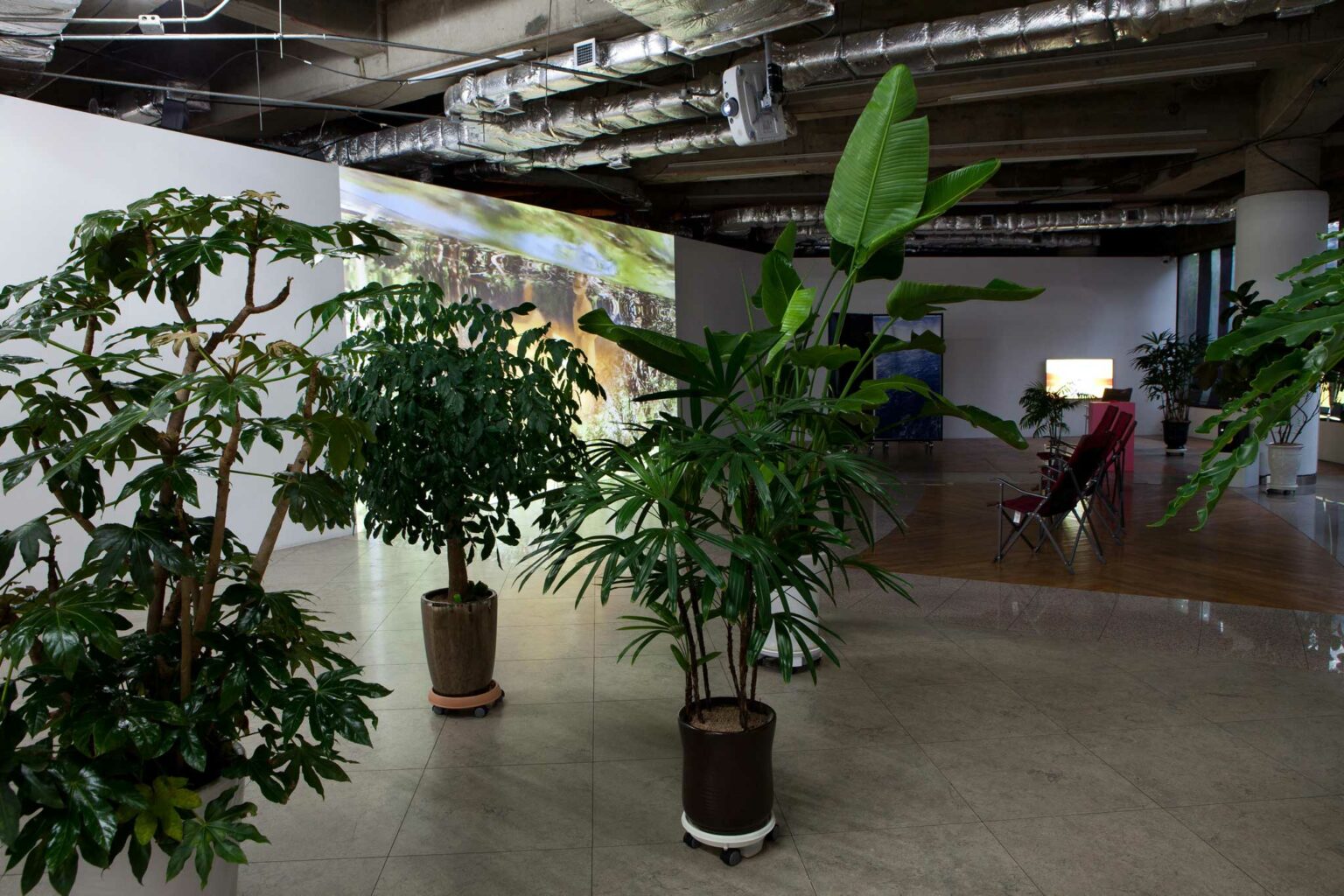
Another defining characteristic of Yeom’s practice is its attempt to move beyond an anthropocentric worldview. Pink dolphins, viruses, artificial intelligence, octopuses, and oysters frequently appear throughout her works. These nonhuman entities are not treated merely as metaphors for human society but as agents that participate equally in the construction of the world.
By unsettling the familiar assumption that humans occupy the center of existence, the artist invites viewers to consider the complex ecology of the contemporary world, where diverse forms of life, technologies, and material systems are deeply entangled.
Ultimately, Yeom’s work is concerned with movement, transformation, translation, and coexistence. In her practice, identity is not a fixed essence but an ongoing process of change and reconfiguration, while stories, places, and beings acquire new meanings through encounters with different contexts.
This mode of thinking across boundaries functions both as a way of understanding the uncertainties and crises of contemporary society and as an artistic attempt to imagine new possibilities for living together across differences.



.jpg)