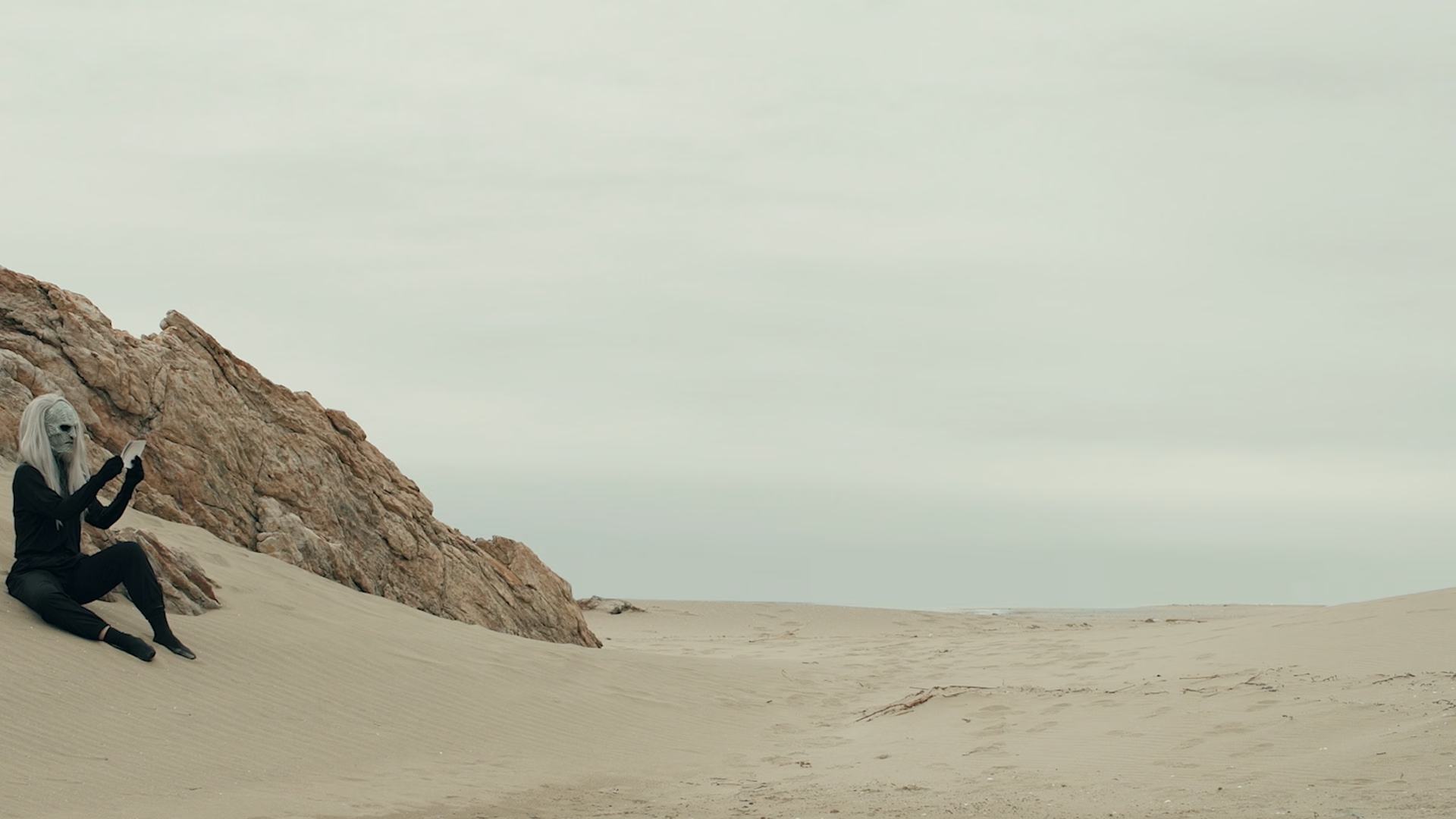
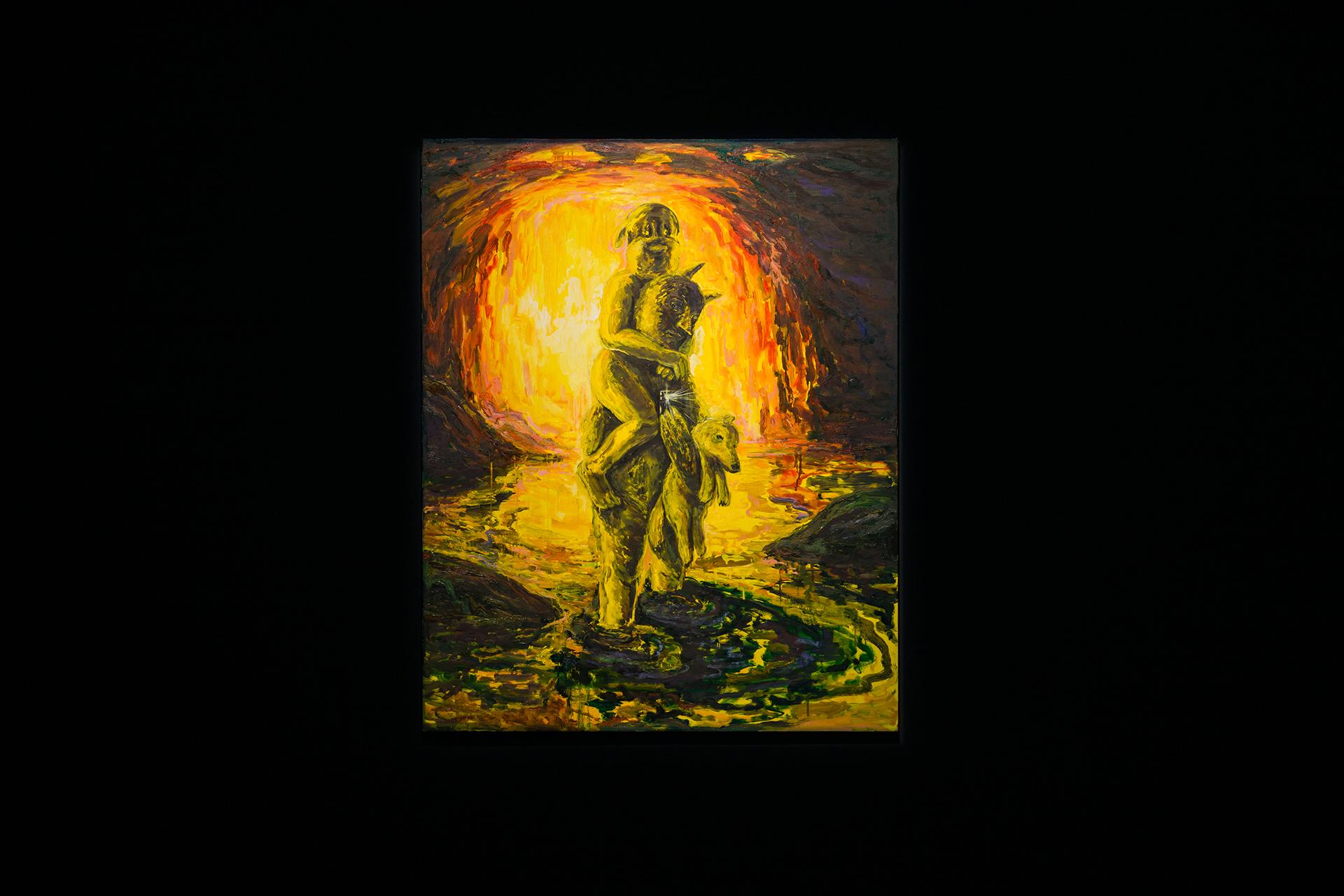
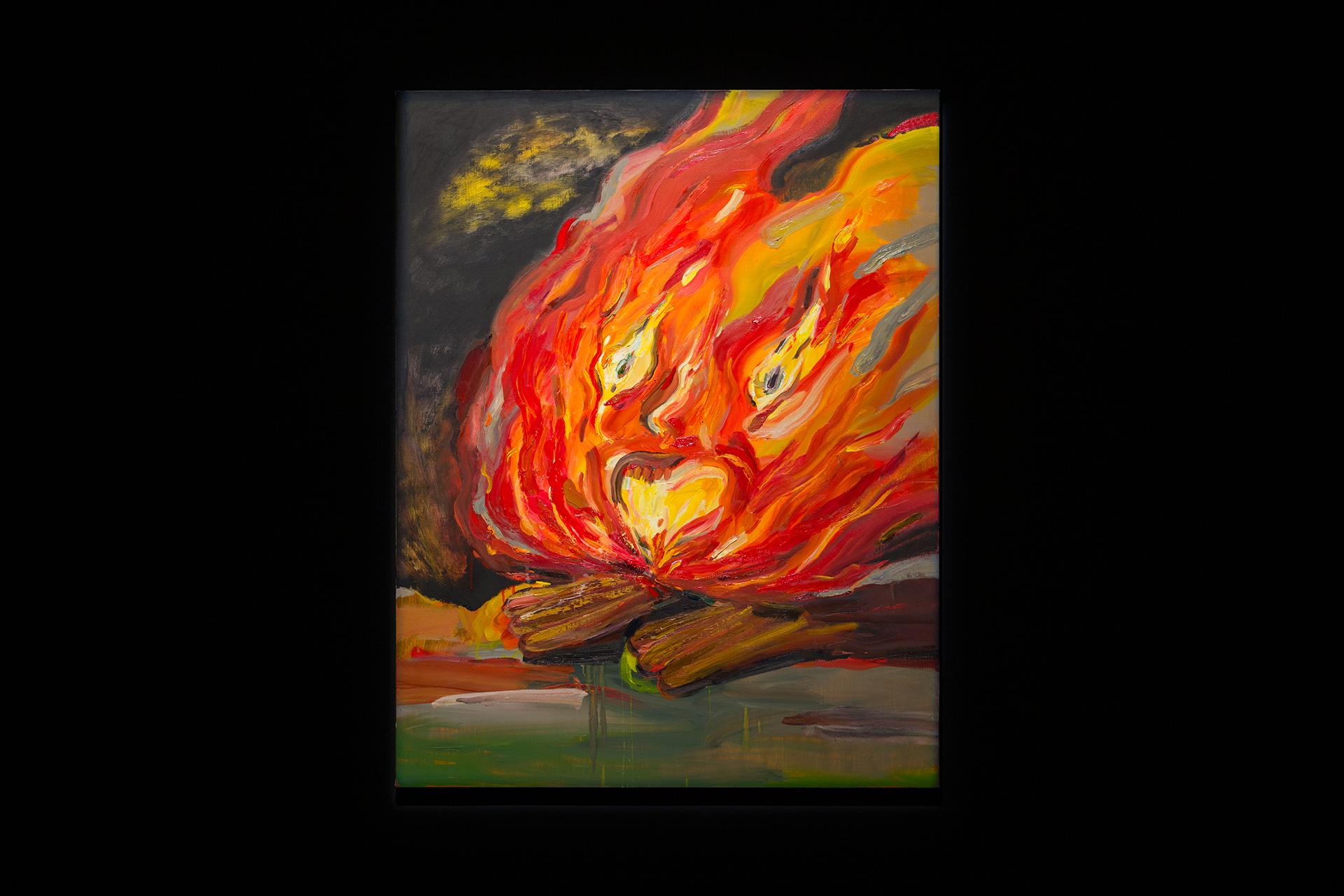
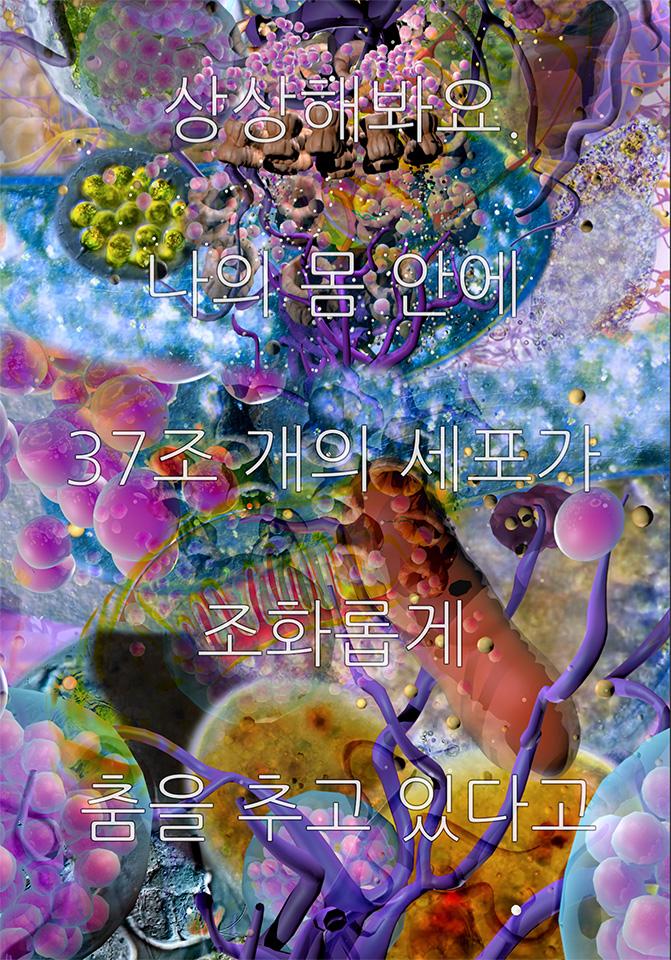
Fortitude (Series) - K-ARTIST

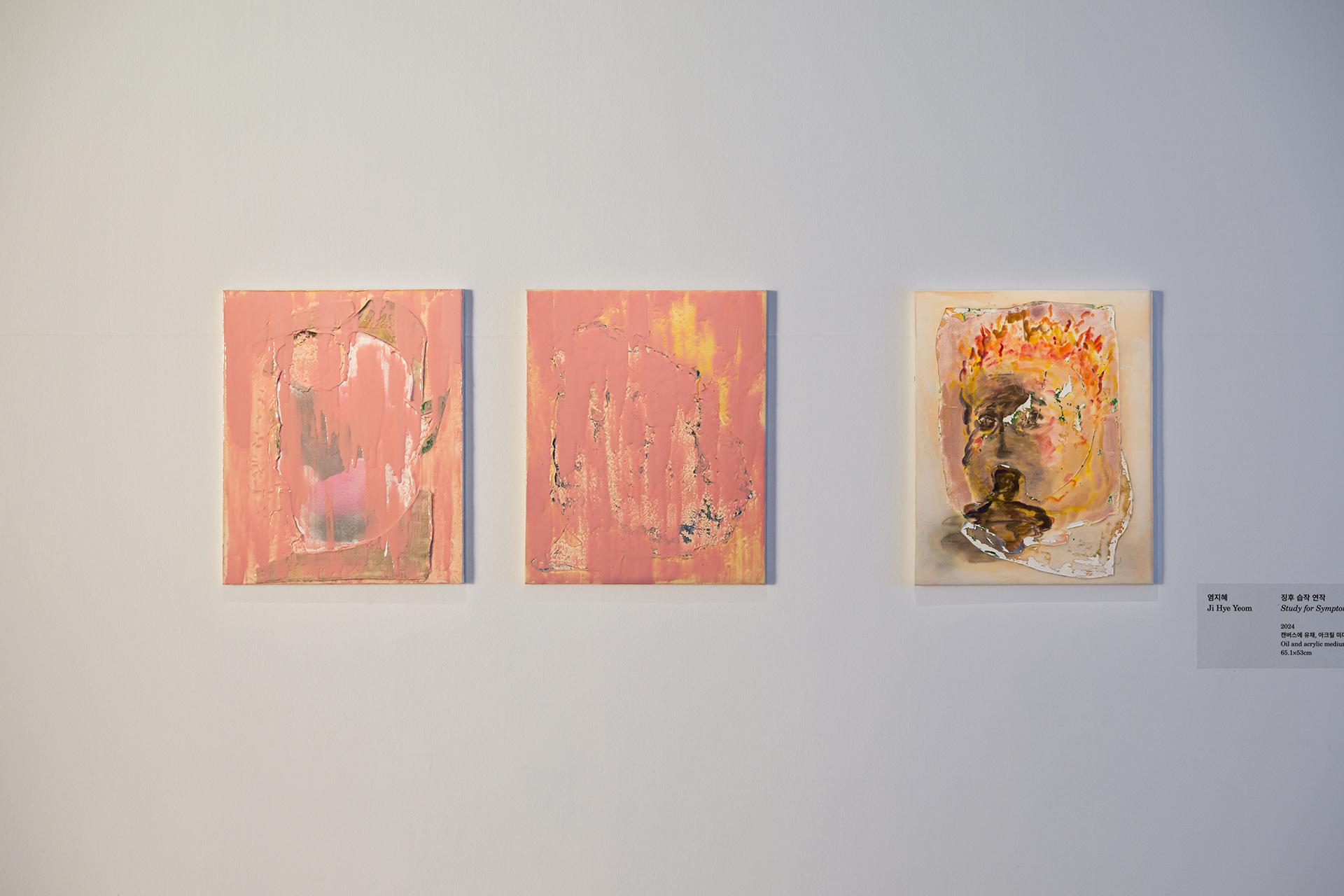
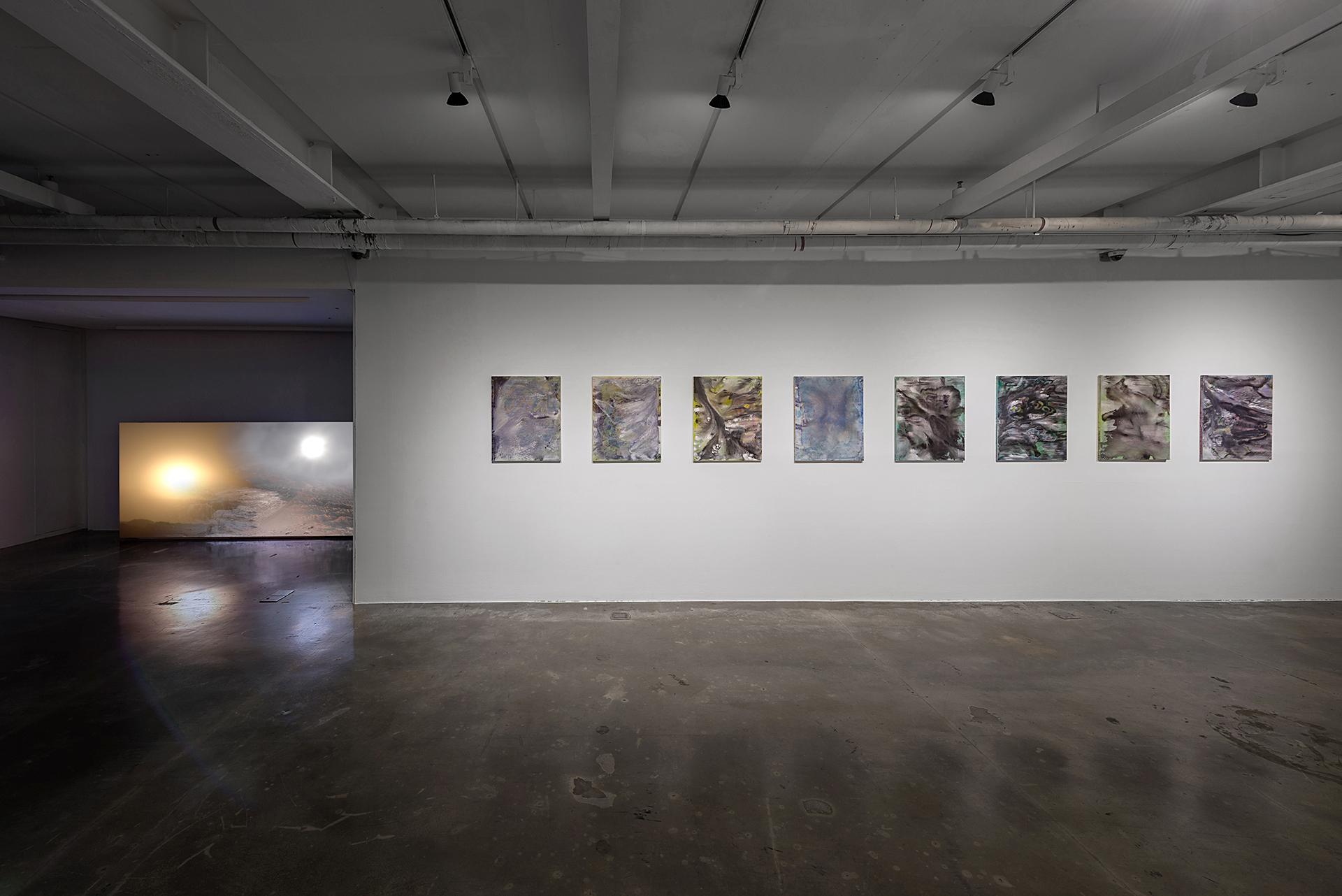
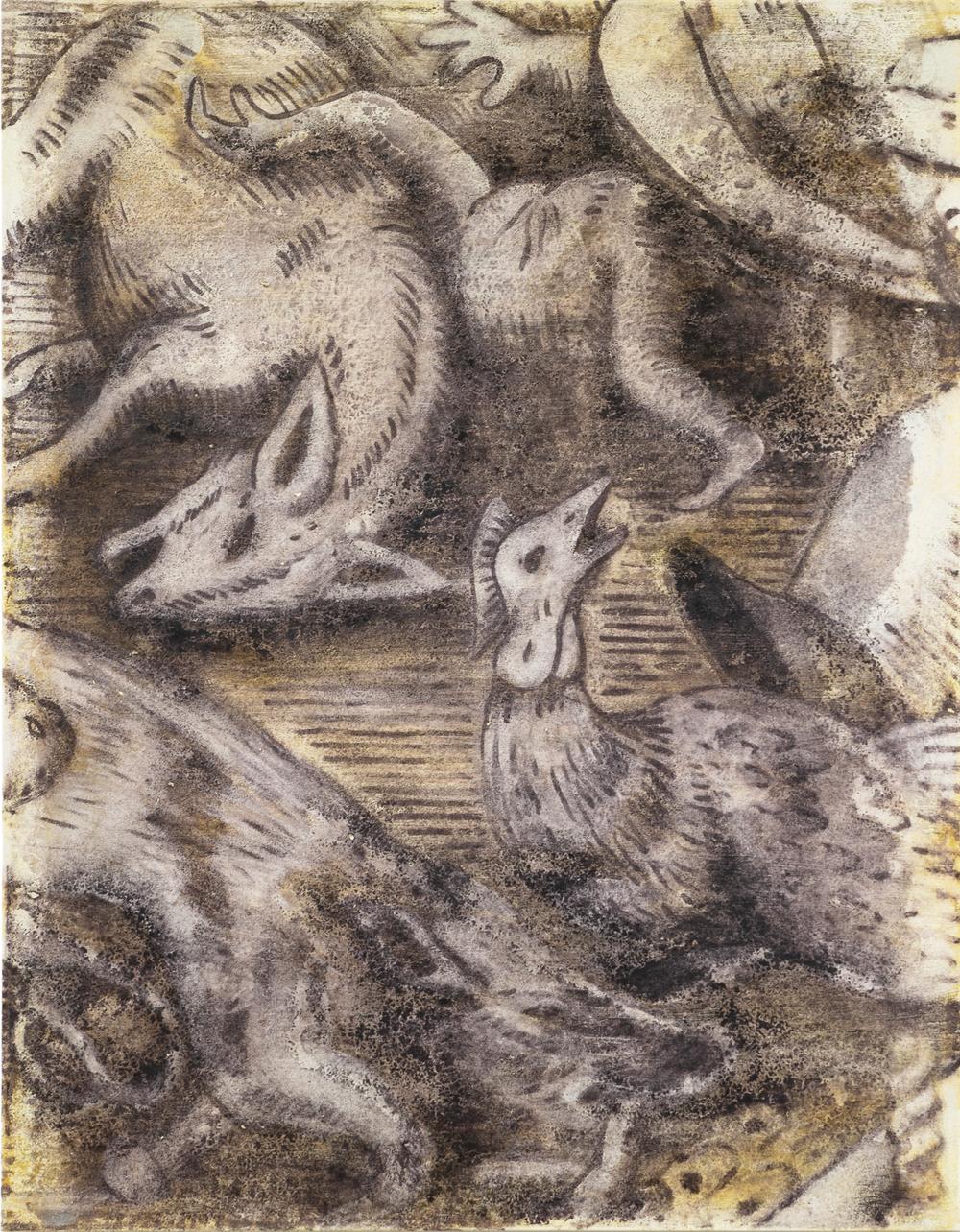
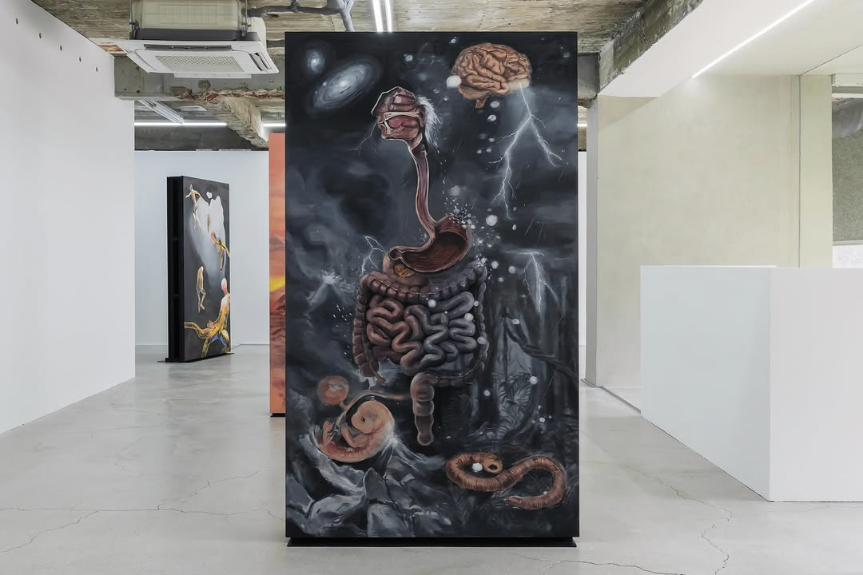
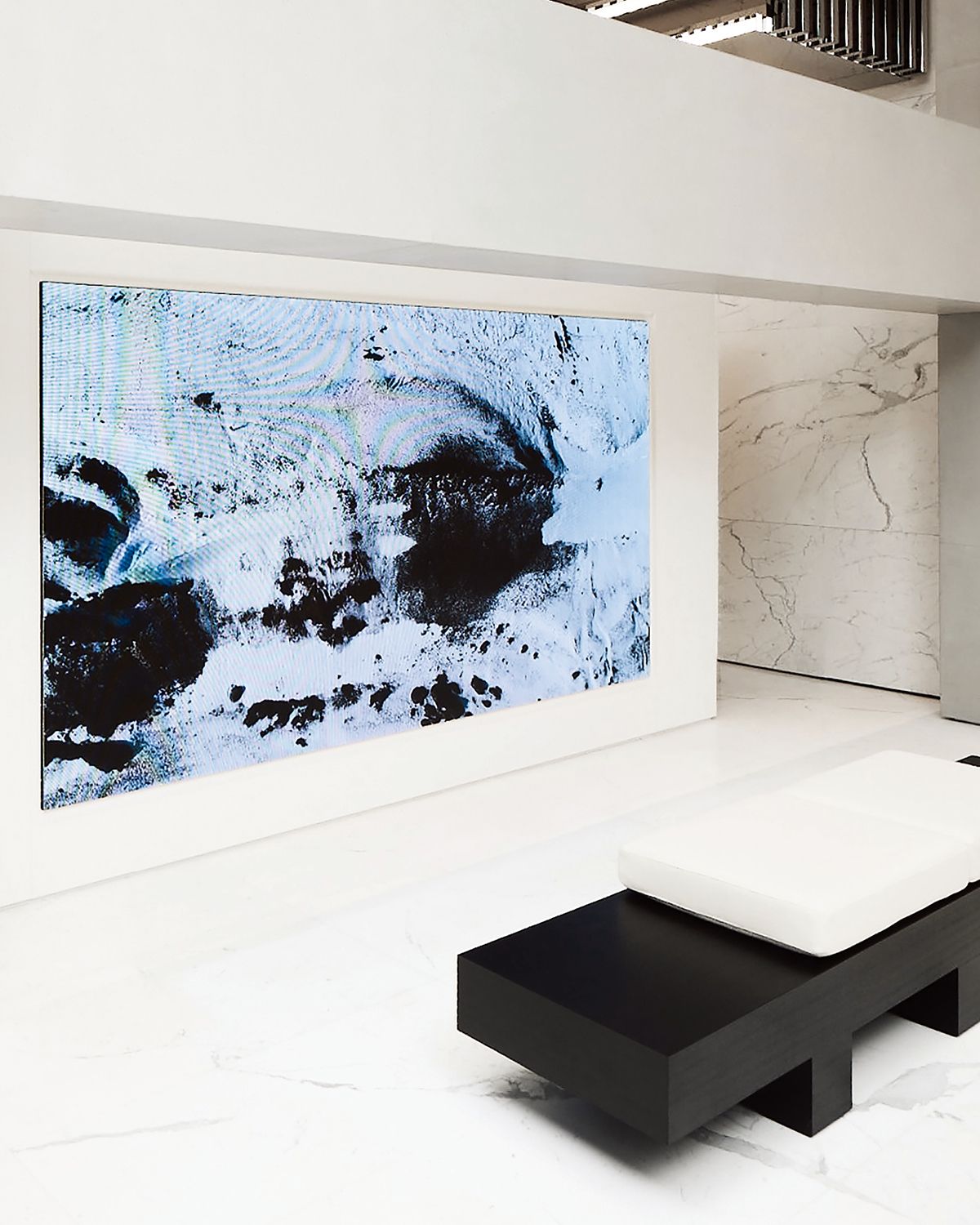
Fortitude (Series)

2021
Tempera on canvas
116.8 x 91.0 cm
About The Work

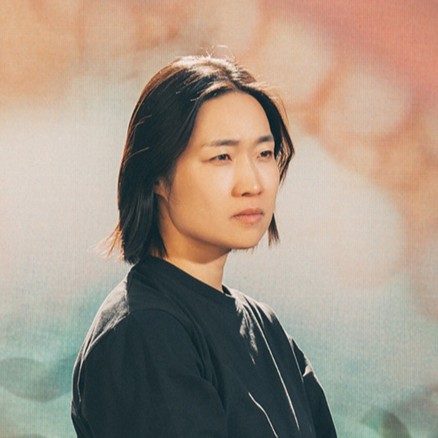
Through narrative-based works centered on moving images, Ji Hye Yeom  has explored transformations in contemporary society and technological environments, as well as the relationships between human and non-human beings. Yeom’s practice begins with personal experiences of travel, migration, and displacement, but ultimately expands into an inquiry into the networks of relationships that connect humans and nonhumans, myth and technology, and the individual and civilization. 

Drawing together myths and folktales, scientific knowledge, news imagery, and internet-based materials, Yeom reveals how narratives from different times and domains coexist within the present. Rather than asserting a singular position, her works allow disparate and often conflicting layers to inhabit the same space, exposing the complex structures of contemporary reality.

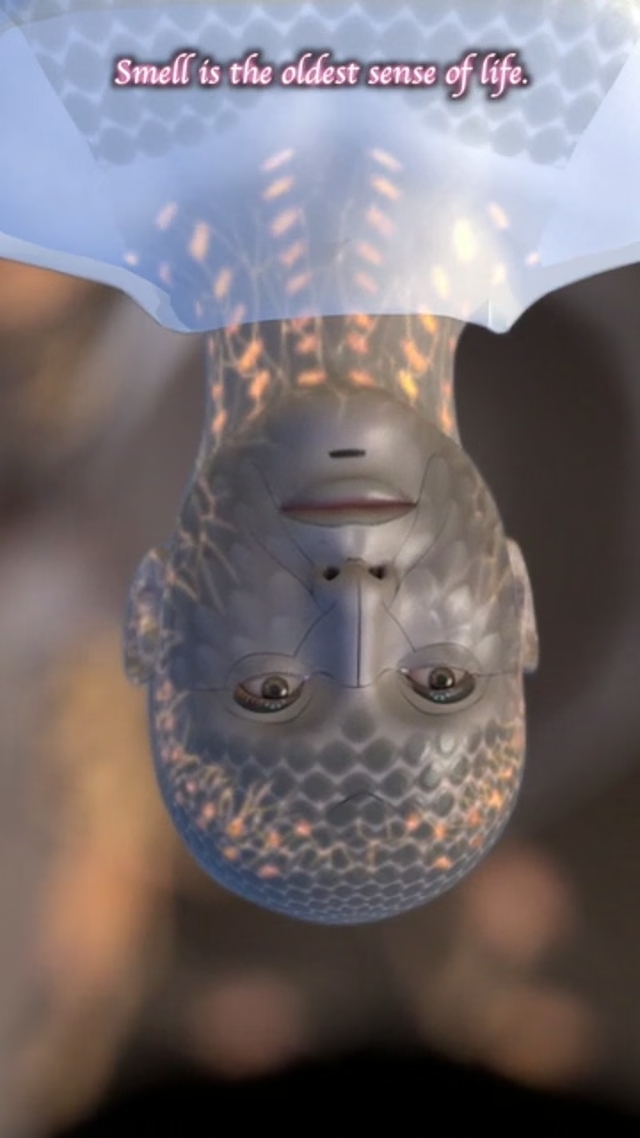
Her practice is characterized by its attempt to move beyond a human-centered worldview. In her videos, nonhuman entities such as pink river dolphins, viruses, artificial intelligence, octopuses, and oysters appear not merely as metaphors for human society, but as equal agents participating in the making of the world. Through these figures, she invites viewers to consider the complex contemporary ecology in which diverse forms of life, technologies, and material forces are deeply entangled.

Ultimately, Yeom’s work is concerned with movement, transformation, translation, and coexistence. In her practice, identity is not a fixed essence but an ongoing process of change and reconfiguration, while stories, places, and beings acquire new meanings through encounters with different contexts. This mode of thinking across boundaries functions both as a way of understanding the uncertainties and crises of contemporary society and as an artistic attempt to imagine new possibilities for living together across differences.


Solo Exhibitions (Brief)

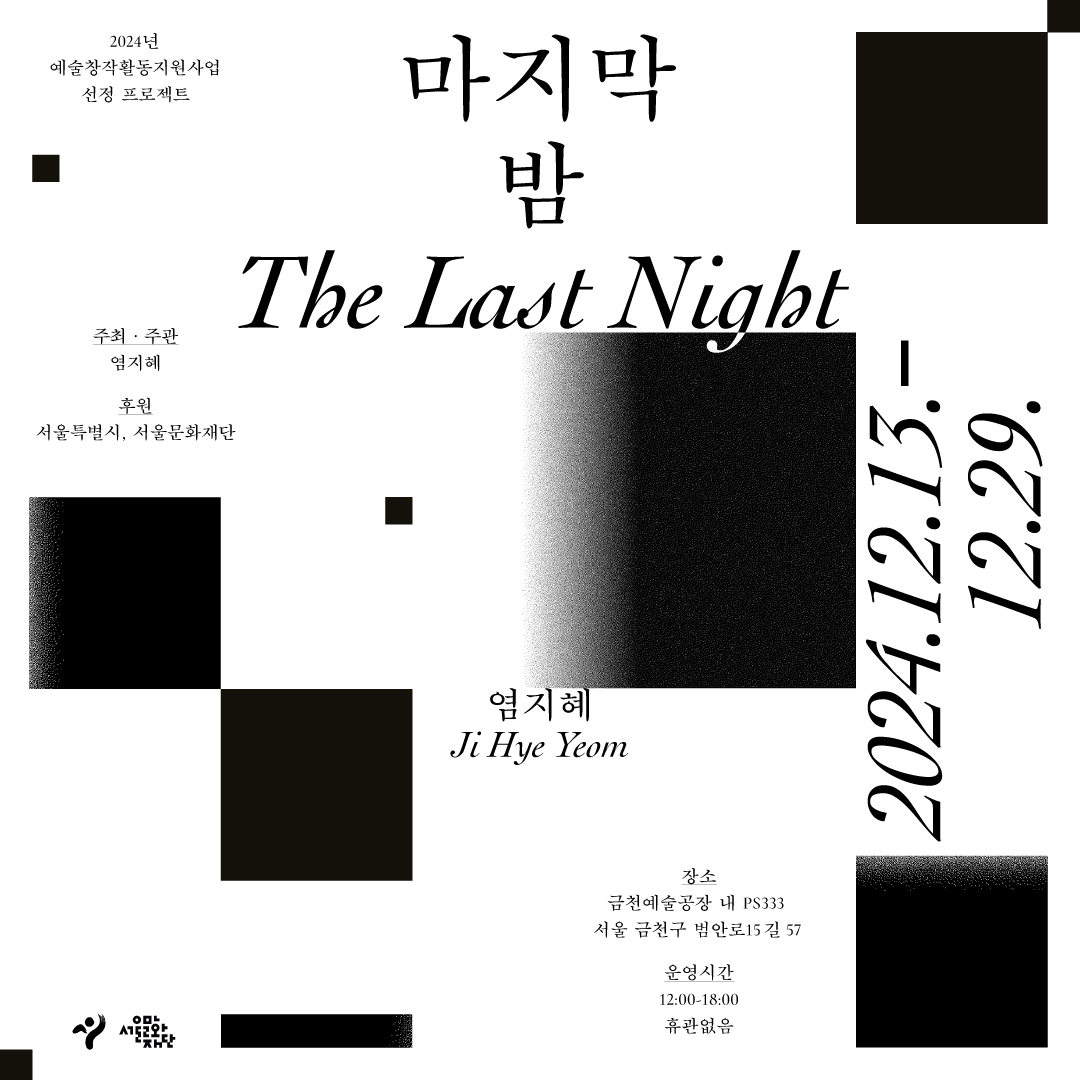
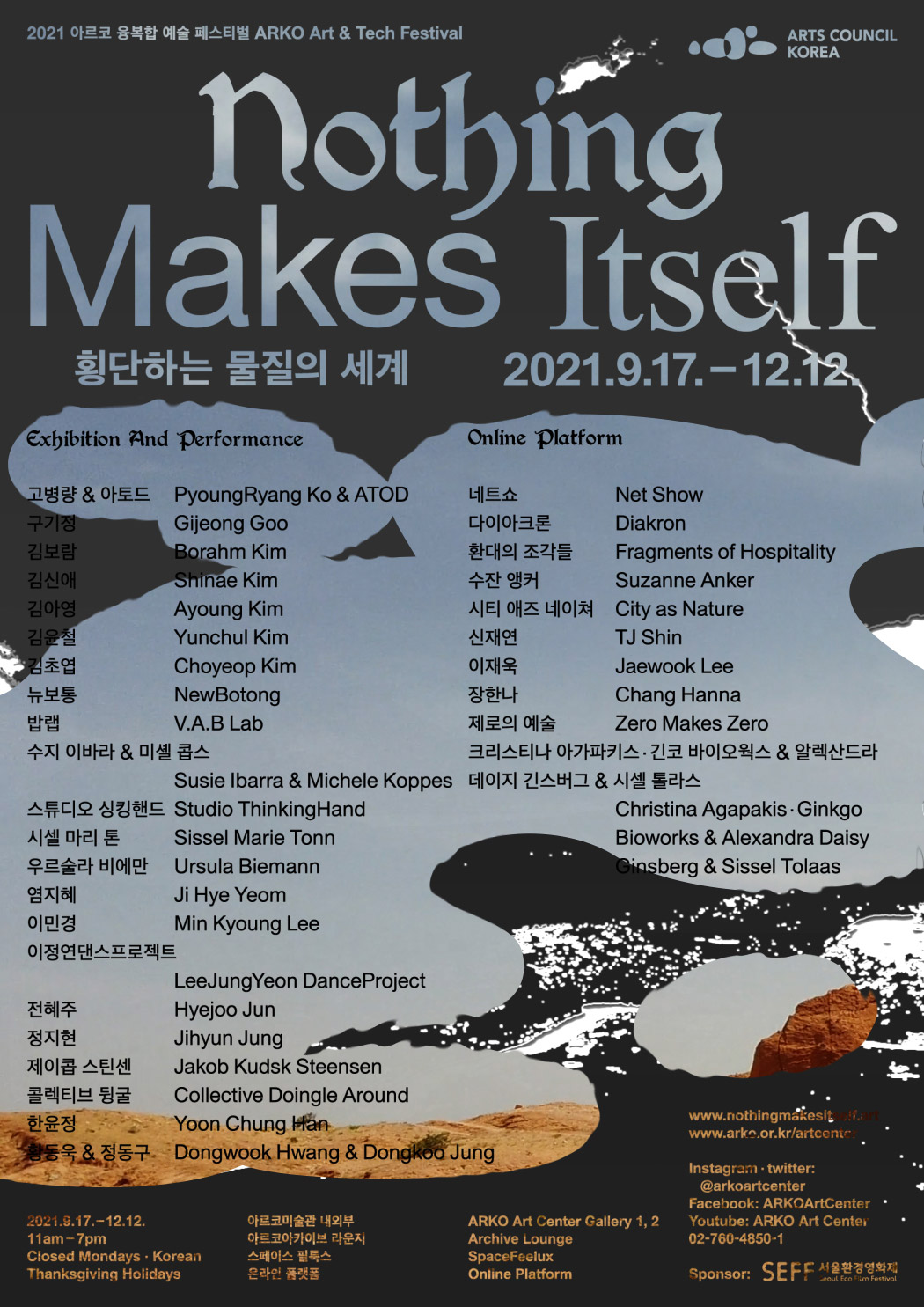
Ji Hye Yeom has presented solo exhibitions at Alternative Space Geonhi, Media Theater i-Gong, Art Sonje Center Project Space, Daegu Art Museum, SongEun Art Space, and Seoul Art Space Geumcheon.

Group Exhibitions (Brief)

Ji Hye Yeom has participated in group exhibitions at the National Museum of Modern and Contemporary Art, Korea (MMCA), Leeum Museum of Art, Seoul Museum of Art, Asia Culture Center, Nam June Paik Art Center, and Grand Palais Immersif, Paris.

Awards (Selected)

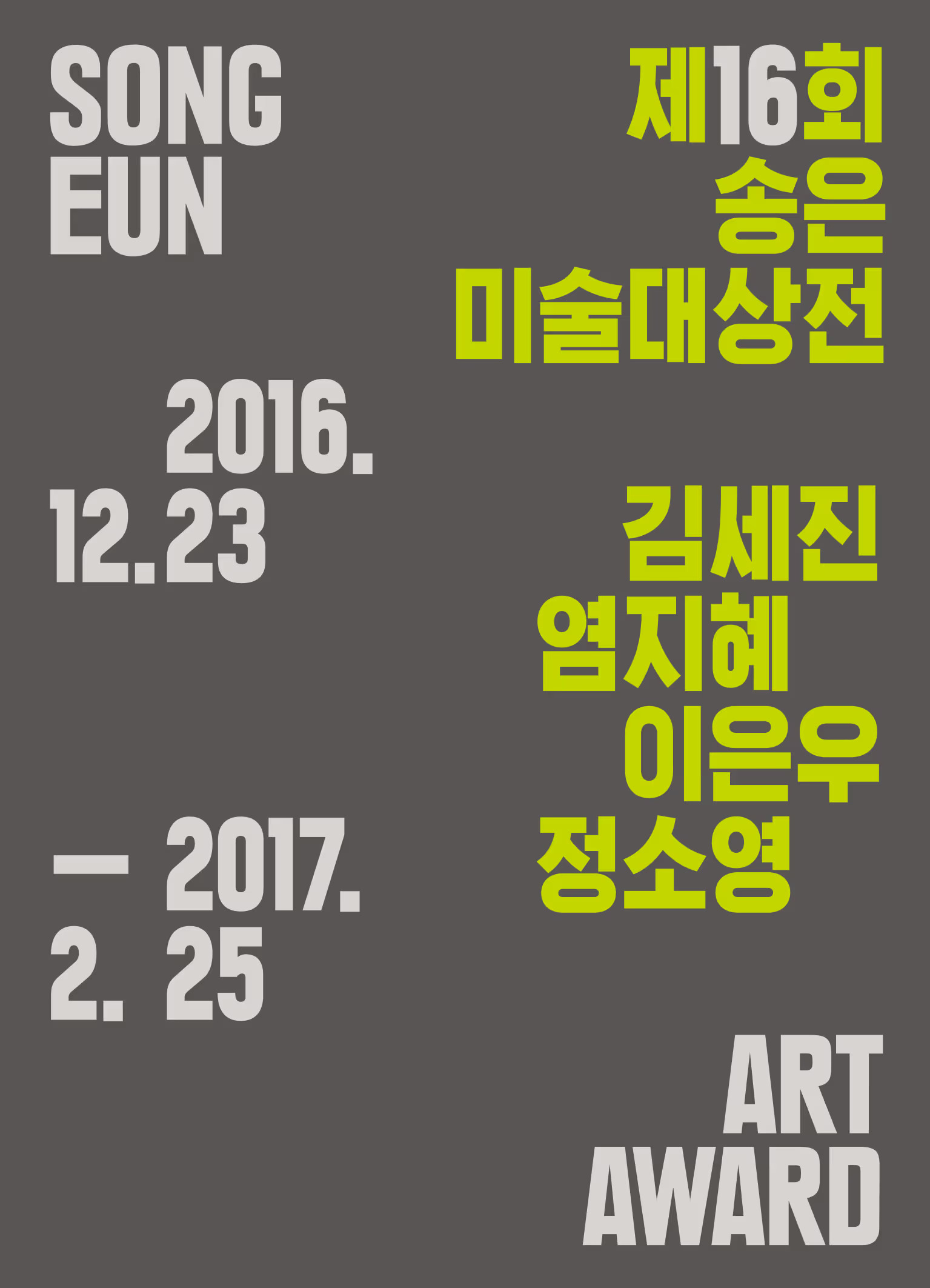
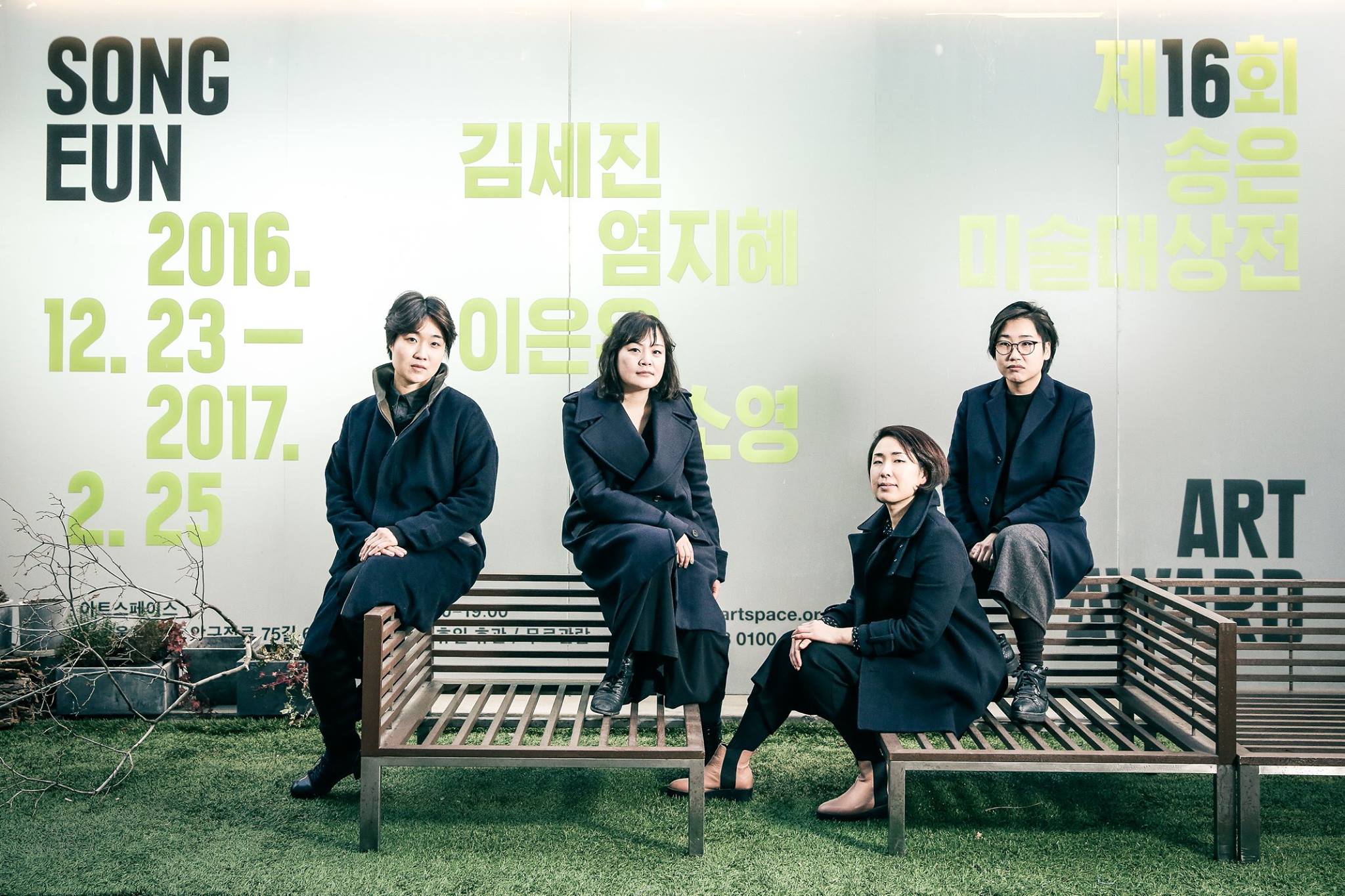
Ji Hye Yeom received the Excellence Award at the 16th SONGEUN Art Award in 2016 and the Grand Prize at the Ewha International Media Art Presentation (EMAP) in 2006.

Residencies (Selected)

Ji Hye Yeom has participated in residency programs including MMCA Goyang Residency, the DOOSAN Gallery International Residency Program (ISCP), Cité internationale des arts, the ARKO–KOPRI residency program Polar Sci-Art at King Sejong Station in Antarctica, and SeMA Nanji Residency.

Collections (Selected)

Ji Hye Yeom’s works are held in the collections of MMCA Art Bank, Leeum Museum of Art, Seoul Museum of Art, Seo-Seoul Museum of Art, Seoul National University Museum of Art, Busan Museum of Art, Museum of Contemporary Art Busan, Daegu Art Museum, Ulsan Art Museum, SONGEUN Art and Cultural Foundation, and the Pinault Collection.

Works of Art

A Fluid Network of Mutable and Moving Beings

Originality & Identity

Ji Hye Yeom’s practice begins with personal experiences of travel, migration, and displacement, but ultimately expands into an inquiry into the networks of relationships that connect humans and nonhumans, myth and technology, and the individual and civilization. Her early works focused on directly experiencing and documenting unfamiliar places from the position of an outsider.

Produced in locations such as Ghana, Iran, and Iceland, these works revolved around encounters with others, the gaze of the traveler, and the psychological distance generated by movement. Yet they were never limited to travelogues or cultural observations.

Yeom consistently questioned the power relations embedded in travel, the ethics of observation, and the imbalance inherent in the act of looking at others, continually reflecting on her own position within these structures.

From the mid-2010s onward, her concerns expanded toward broader social and civilizational dimensions. In works such as A Night with a Pink Dolphin, Where We Met Genius, and They Come. Swiftly, Stealthily, movement is no longer confined to the experience of a particular place but becomes intertwined with larger currents such as colonial history, capitalist circulation, ecological crisis, pandemics, and technological development.

Drawing together myths and folktales, scientific knowledge, news imagery, and internet-based materials, Yeom reveals how narratives from different times and domains coexist within the present. Rather than asserting a singular position, her works allow disparate and often conflicting layers to inhabit the same space, exposing the complex structures of contemporary reality.

Another defining characteristic of Yeom’s practice is its attempt to move beyond an anthropocentric worldview. Pink dolphins, viruses, artificial intelligence, octopuses, and oysters frequently appear throughout her works. These nonhuman entities are not treated merely as metaphors for human society but as agents that participate equally in the construction of the world.

By unsettling the familiar assumption that humans occupy the center of existence, the artist invites viewers to consider the complex ecology of the contemporary world, where diverse forms of life, technologies, and material systems are deeply entangled.

Ultimately, Yeom’s work is concerned with movement, transformation, translation, and coexistence. In her practice, identity is not a fixed essence but an ongoing process of change and reconfiguration, while stories, places, and beings acquire new meanings through encounters with different contexts.

This mode of thinking across boundaries functions both as a way of understanding the uncertainties and crises of contemporary society and as an artistic attempt to imagine new possibilities for living together across differences.

Style & Contents

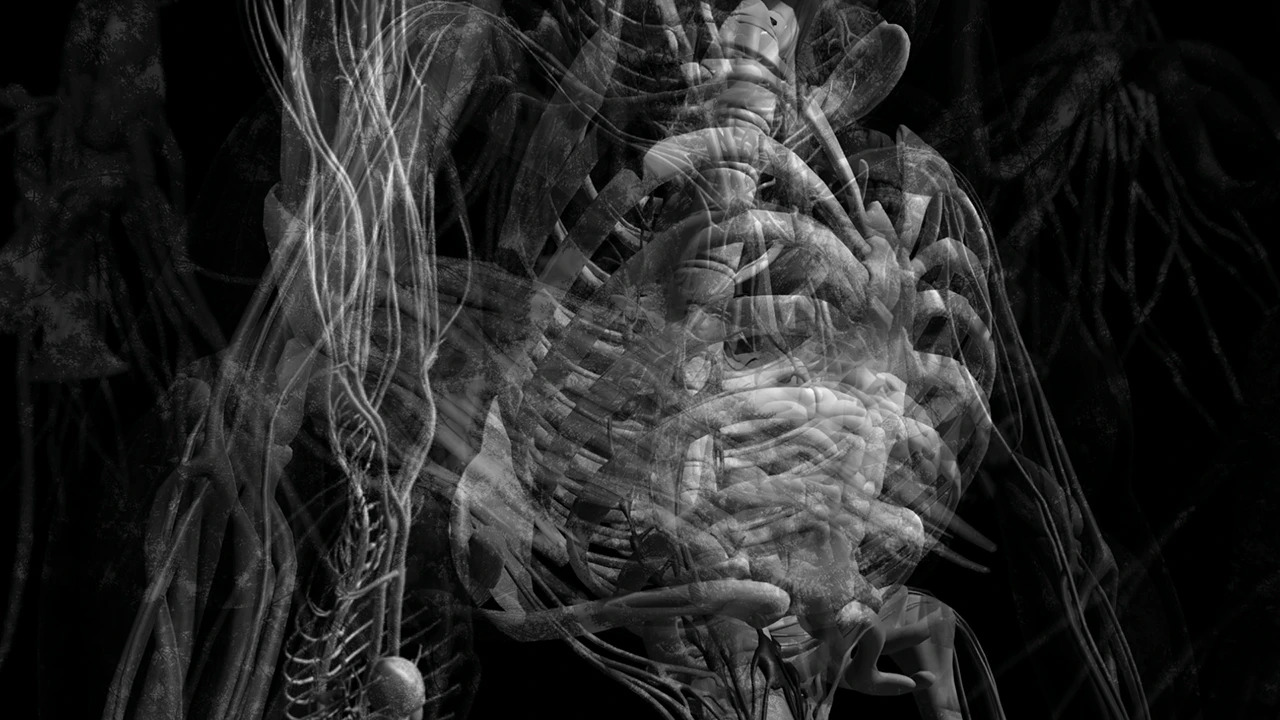
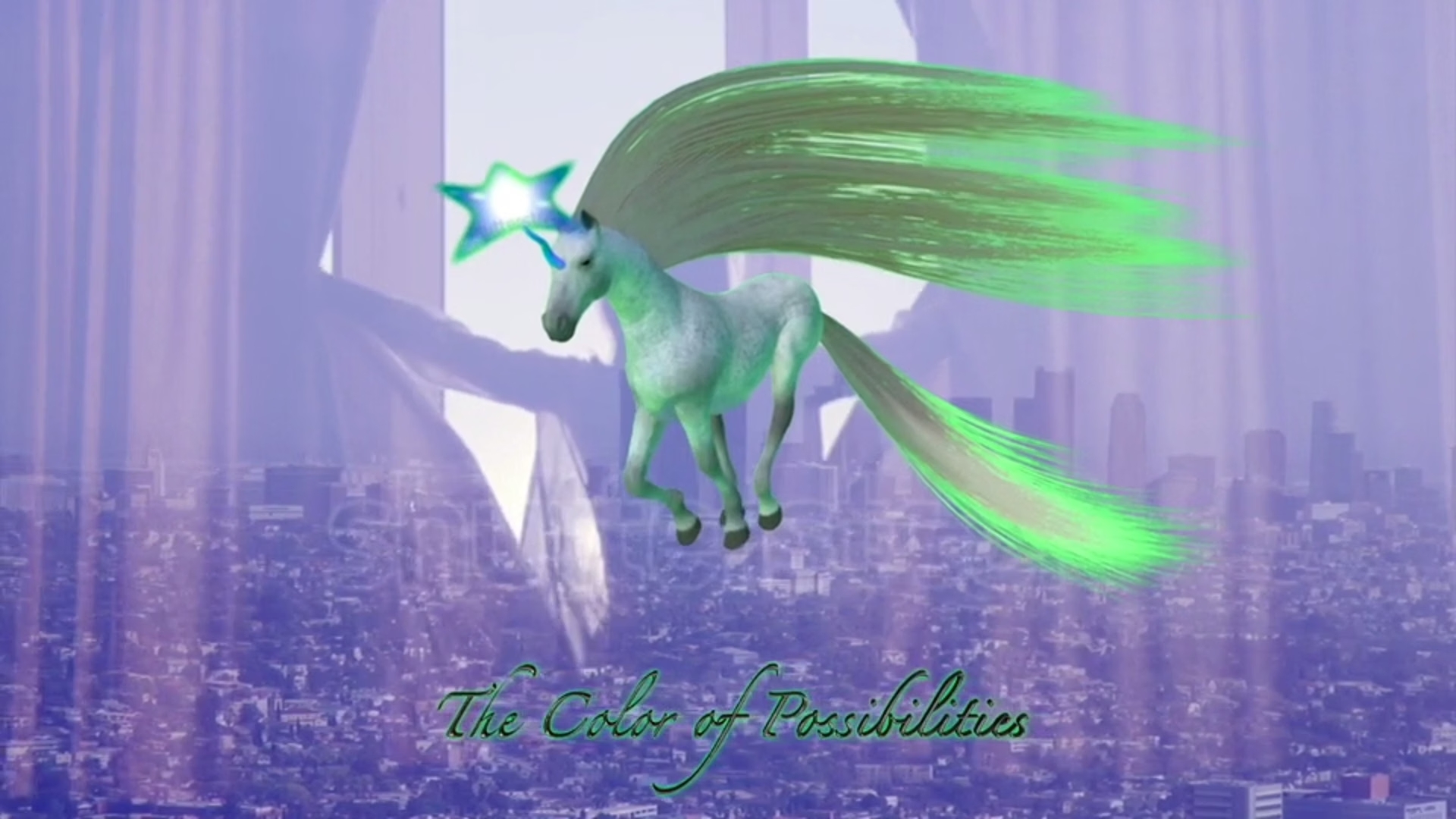
Although centered on moving images, Ji Hye Yeom’s practice has developed through the organic combination of documentary footage, found footage, animation, text, narration, sound, and sculptural installation, constructing complex narrative structures.

In her work, moving images function as a site where different realities and temporalities, information and memory, intersect. Fact and fiction, documentation and imagination, personal experience and collective narratives coexist within a single frame, inviting viewers to move between these layers and construct their own meanings.

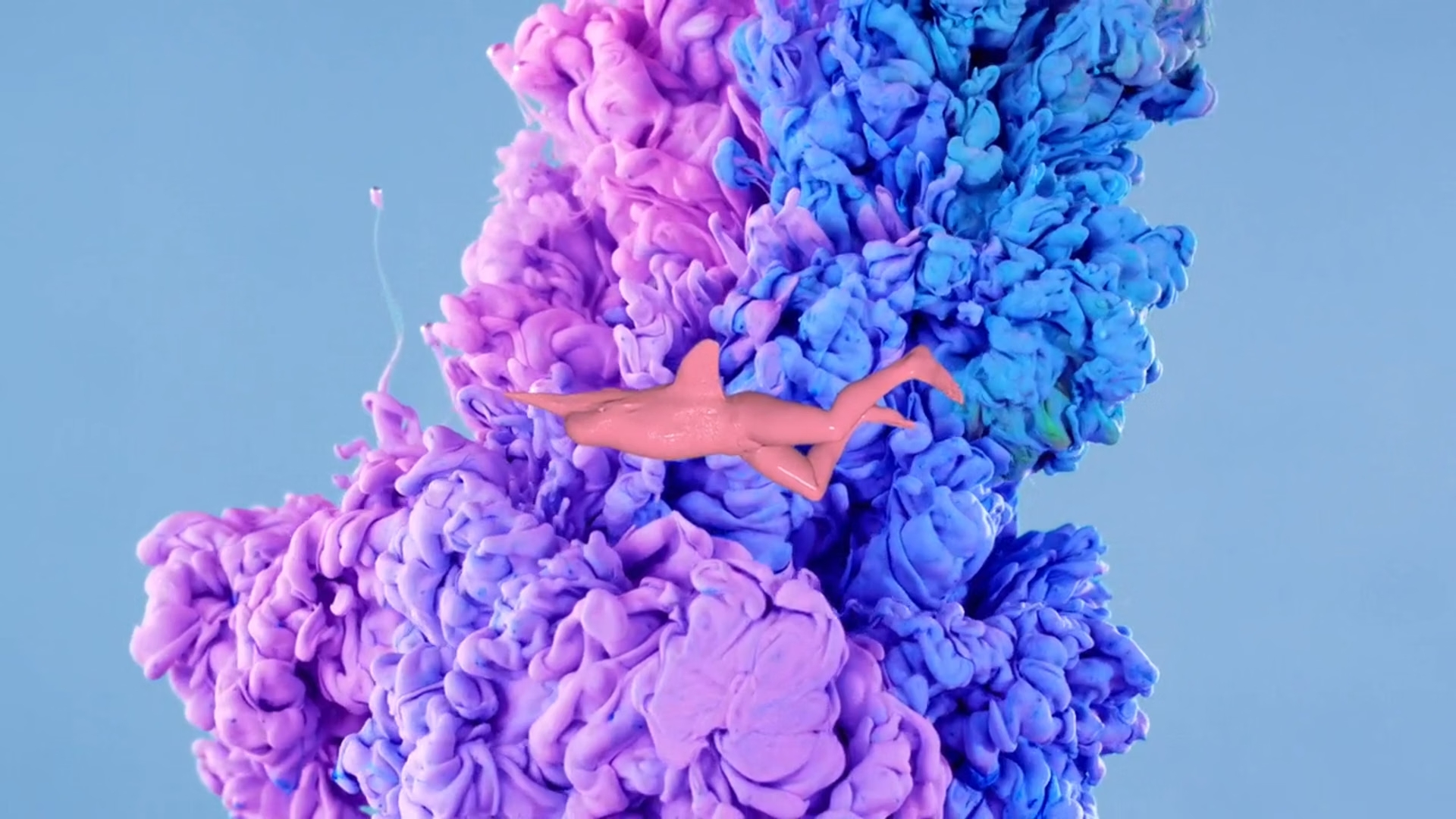
One of the key formal strategies in Yeom’s practice is montage. By juxtaposing images and narratives drawn from different sources and contexts, she generates new connections and relationships. In A Night with a Pink Dolphin, Amazonian myths, colonial history, tourism industries, personal experiences, and digital animation intersect within a single narrative flow.

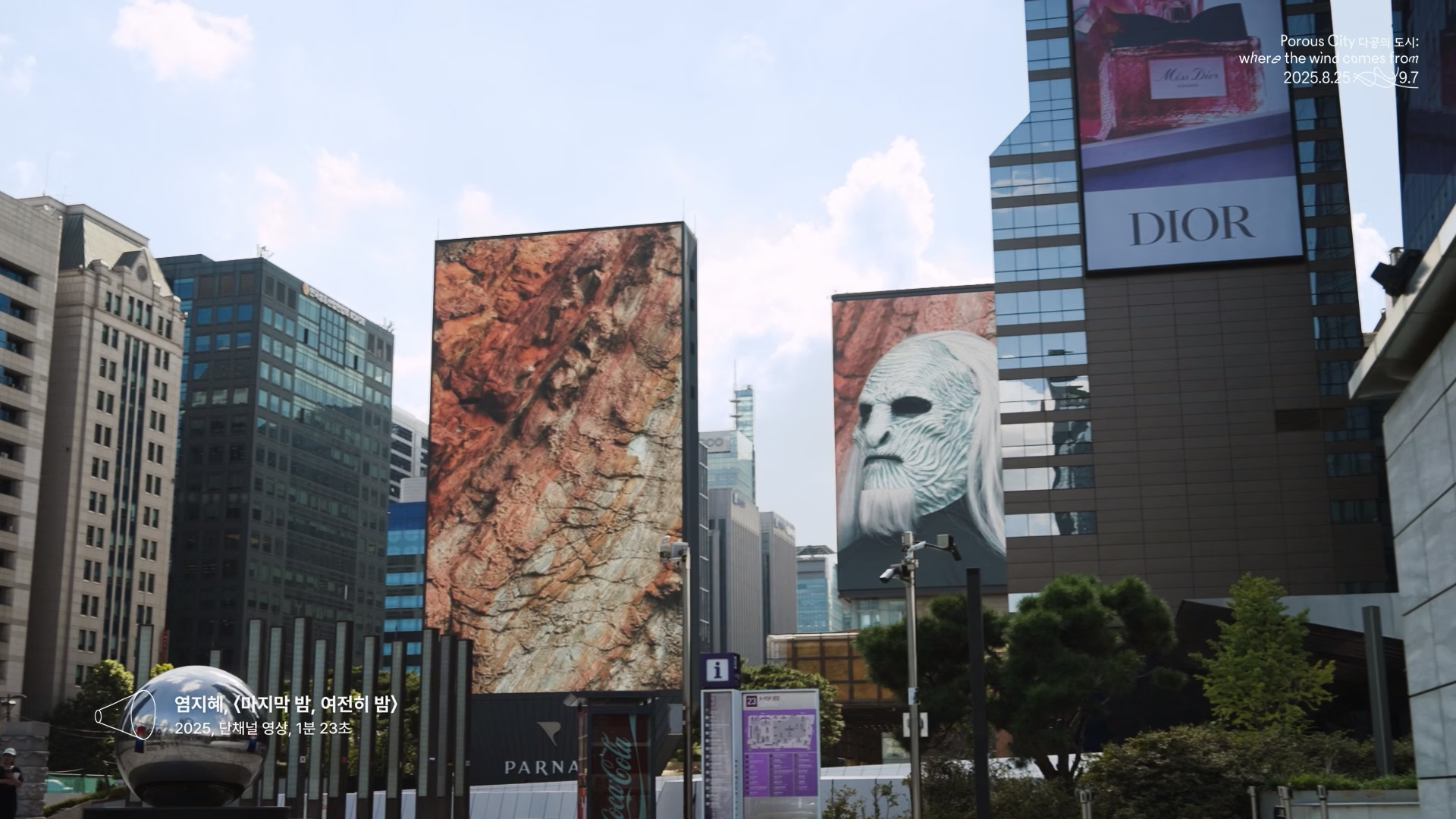
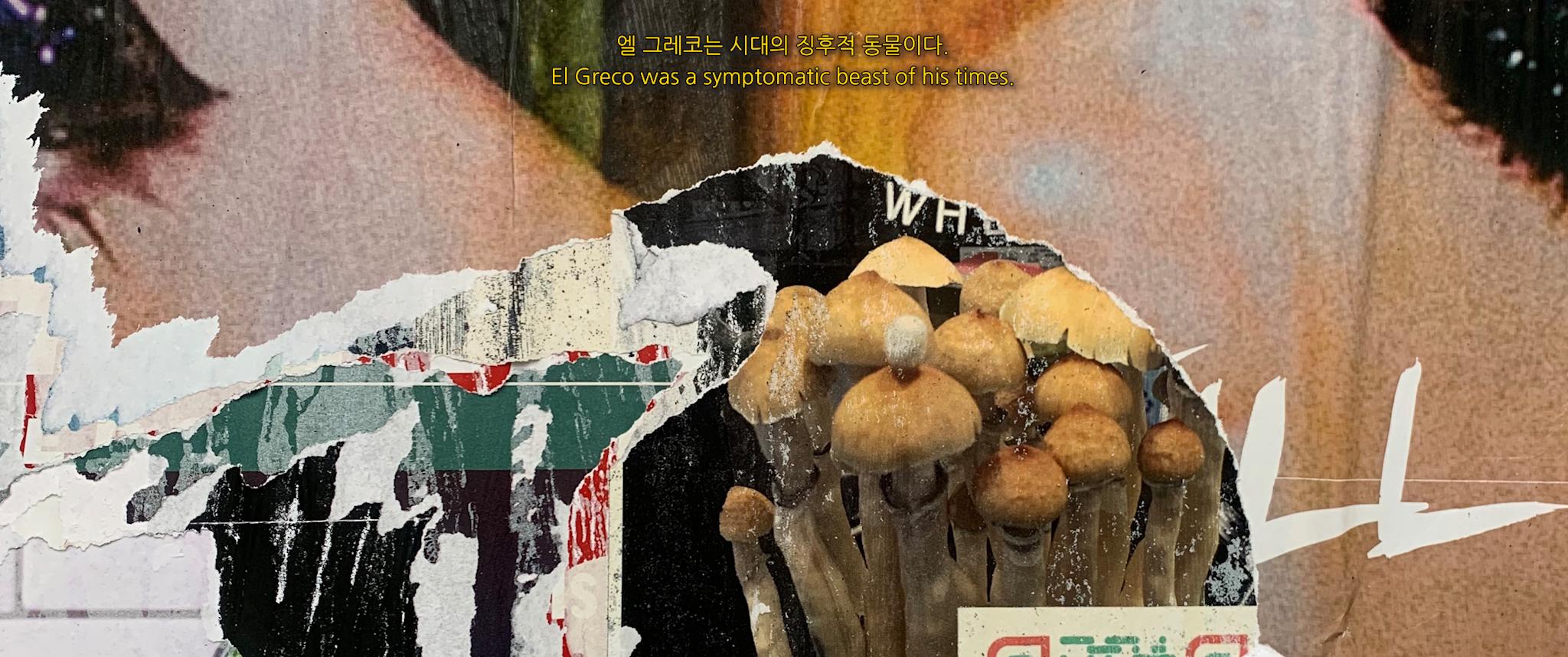
In Current Layers and The Midday Symptoms, images gathered from online environments overlap with scientific information and the visual language of popular culture. Such compositions dismantle linear narratives and produce meaning through the collision and resonance of multiple layers.

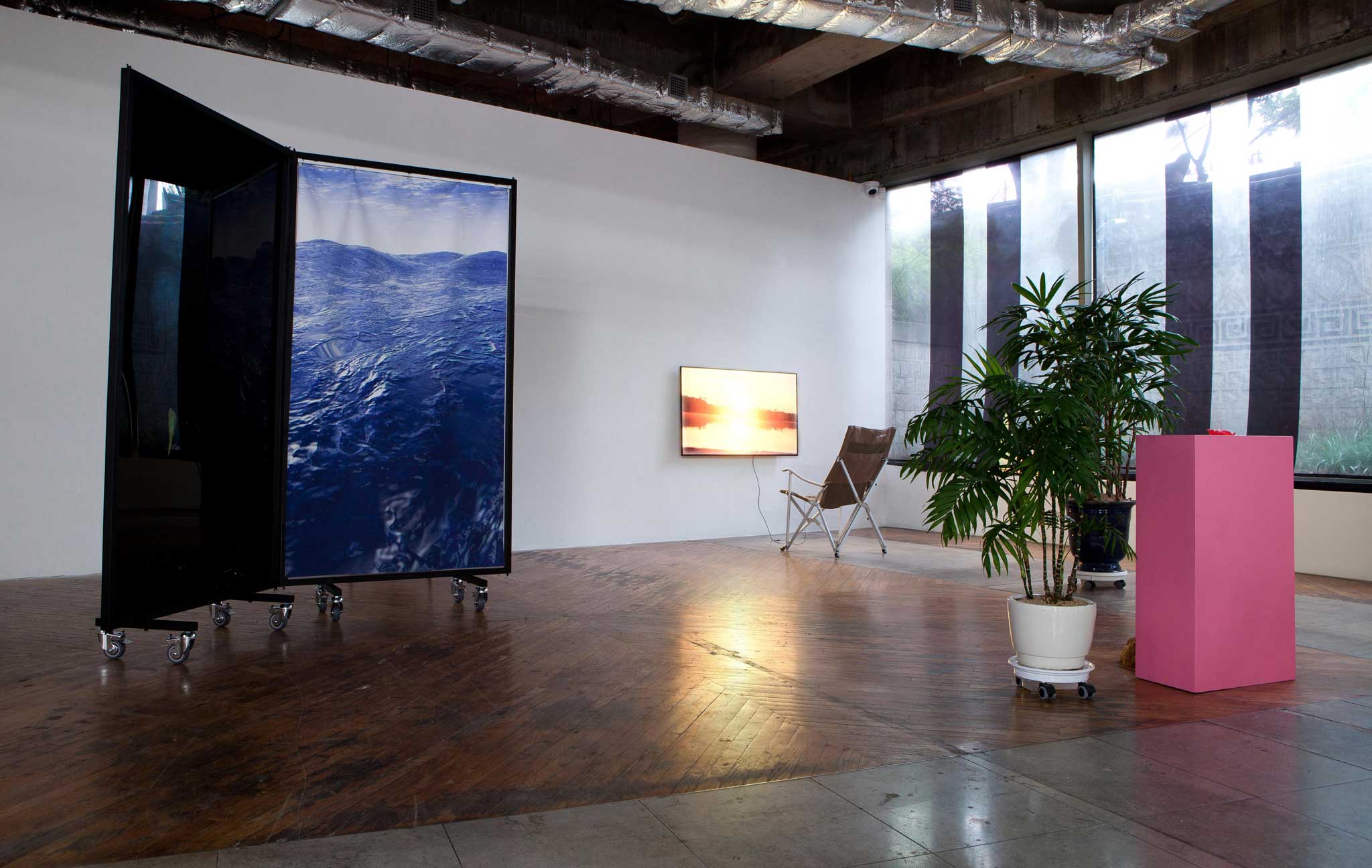
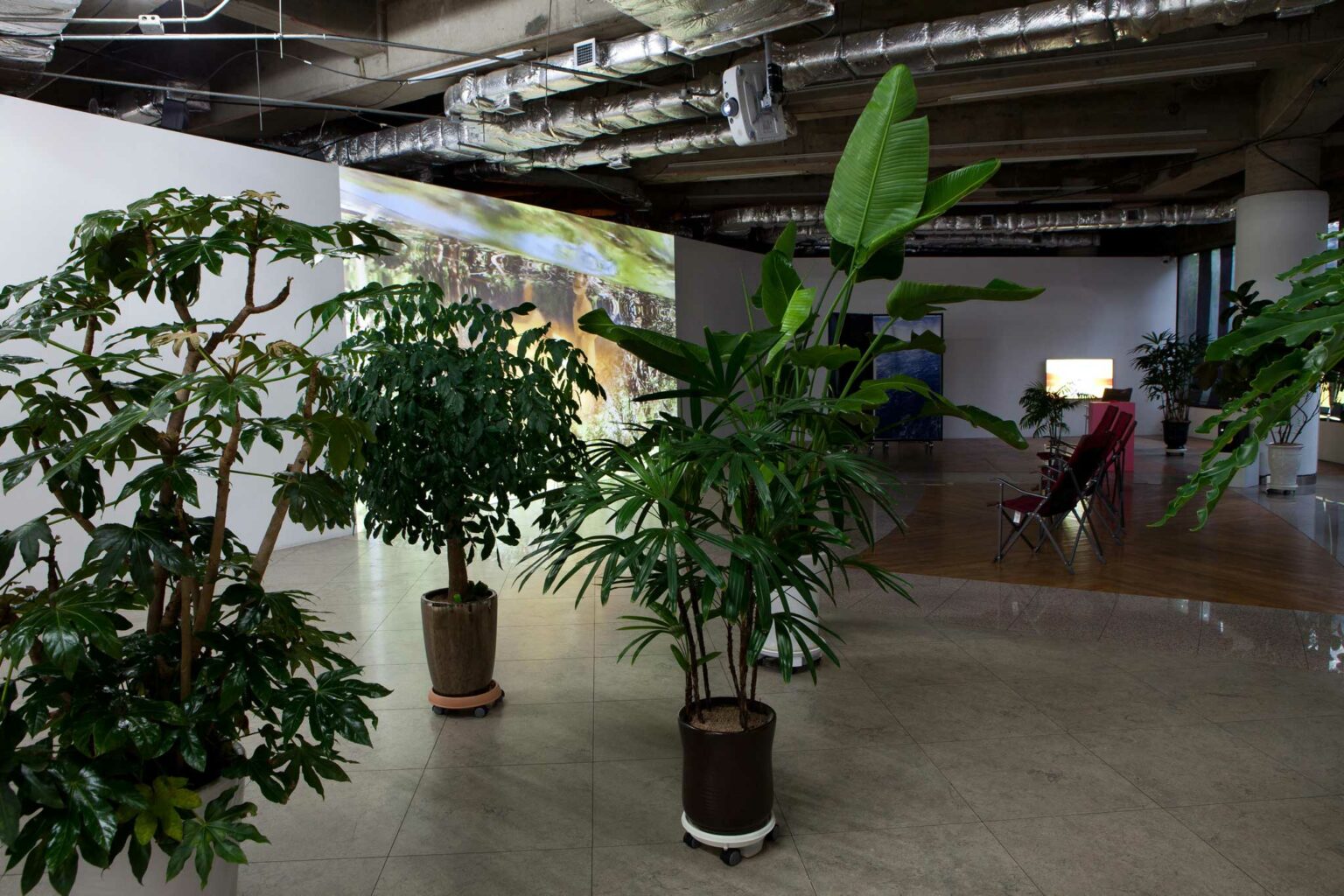
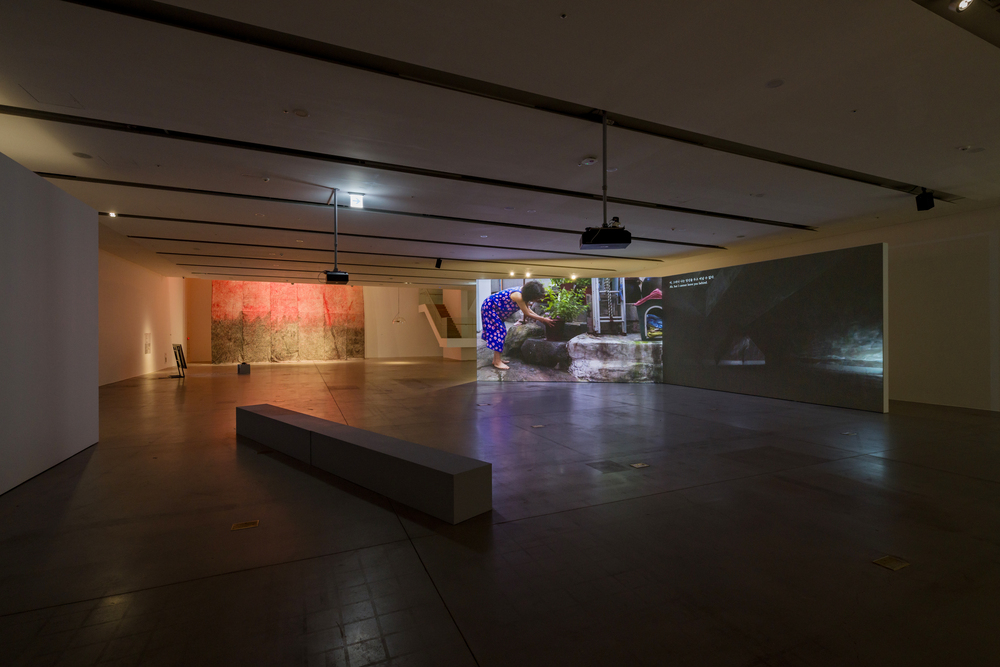
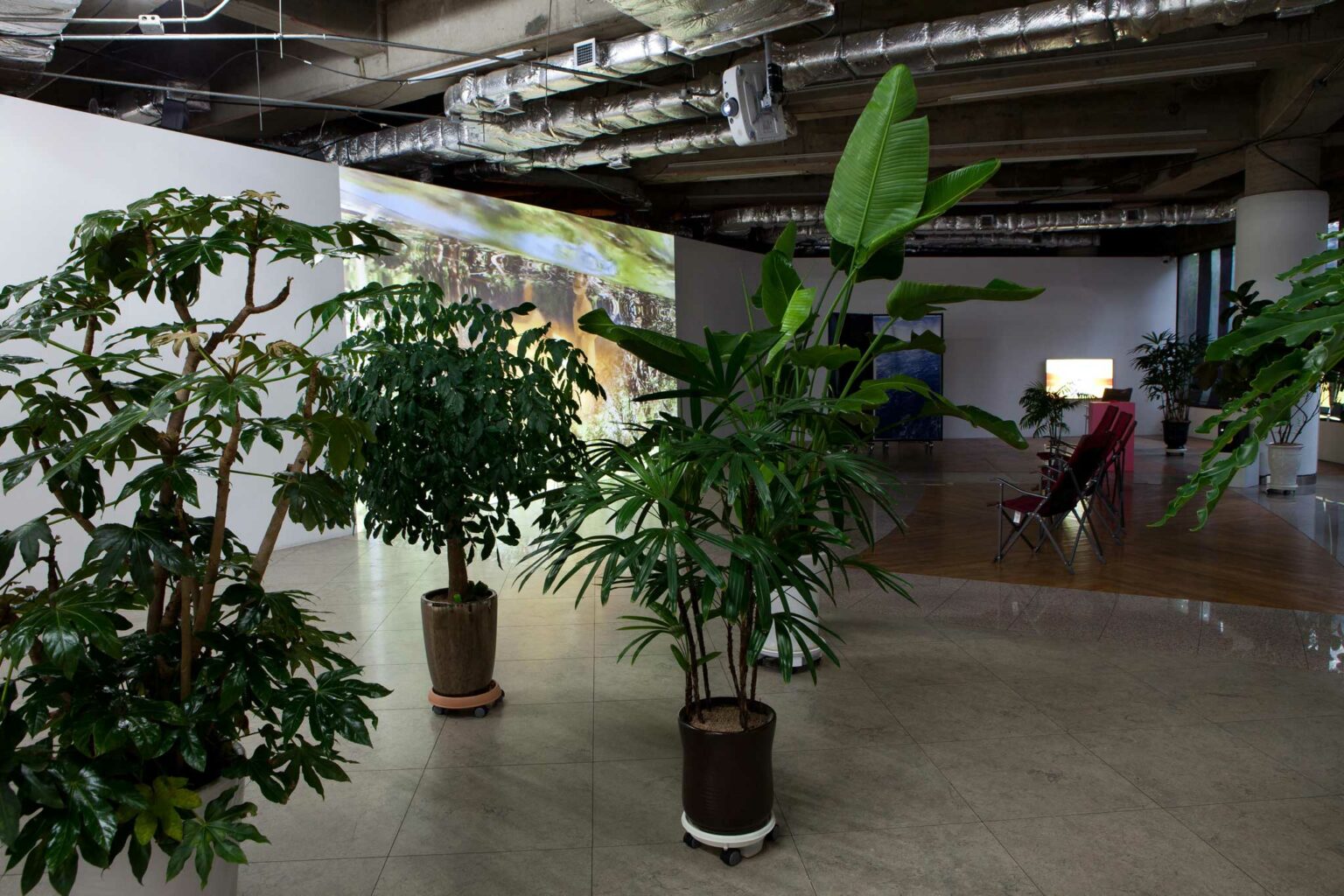
Sculptural forms and installation are equally important components of Yeom’s artistic language. Artificial forests, miniature architectural structures, and kneaded materials repeatedly appear within her videos and often extend into physical installations in the exhibition space. Moving images and sculptural elements do not exist independently but complement one another to form an integrated environment.

Works such as Isoland No.5 demonstrate how the same video can be experienced with entirely different atmospheres and sensibilities depending on the sculptural structure that surrounds it. In this way, Yeom transforms moving images from flat visual representations into spatial experiences, actively engaging the viewer’s bodily presence.

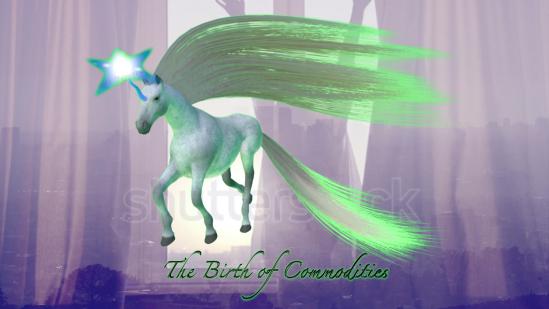
Above all, Yeom’s formal language is characterized by continual transformation and hybridity. The images, narratives, and entities that populate her works never remain fixed but are constantly reconfigured and repositioned within new contexts. Myths become commodities, digital images acquire material presence, and the boundaries between human and nonhuman subjects shift fluidly.

This plastic formal language reflects the contemporary condition in which technology, capital, ecology, and information are deeply entangled, while simultaneously functioning as a device for revealing a multilayered reality that cannot be reduced to a single perspective or interpretation.

Topography & Continuity

Over the past two decades, Ji Hye Yeom’s practice has evolved across a wide range of forms and subjects, yet it has remained grounded in a consistent set of concerns. From her earliest works to her most recent projects, she has continually focused on boundaries, movement, and the points of encounter between different beings and worlds.

While her early works, informed by experiences in places such as Ghana, Iran, and Iceland, explored the relationship between the traveler and the other, her later projects have expanded to connect human and nonhuman entities, myth and technology, local histories and global crises.

Although the objects of her inquiry have changed, her commitment to investigating the intersections where different layers of reality converge has remained constant.

Movement, in particular, serves as a key concept running throughout Yeom’s oeuvre. In her early works, movement was associated with physical travel, migration, and the sense of distance produced by cultural difference. Over time, however, the concept expanded to encompass the circulation and translation of images, information, myths, capital, living organisms, and technologies.

In A Night with a Pink Dolphin, an Amazonian legend becomes entangled with the tourism industry, while in AI Octopus and Oysters, nonhuman entities emerge as new protagonists. By tracing the trajectories of constantly shifting beings and meanings, Yeom reveals the complex networks of connection that shape the contemporary world.

A sustained interest in transformation and plasticity also lies at the core of Yeom’s practice. The images and narratives that populate her works never remain fixed; instead, they are continually reconfigured within new contexts. Myths are transformed into digital images, scientific information merges with speculative imagination, and personal experiences become linked to broader social narratives.

These processes of transformation are not merely formal experiments but function as a methodology for understanding how the contemporary world operates. Yeom approaches reality not as a completed structure but as a fluid network of relationships that is perpetually in flux.

In recent years, her interests have expanded toward ecological crises, technological environments, artificial intelligence, and nonhuman forms of existence. Yet these concerns remain connected to questions that have been present since the beginning of her career.

Her attempt to understand unfamiliar others has gradually extended beyond human subjects to encompass entities outside the human realm, while her interest in movement and translation has developed into an exploration of the relationships between species, technologies, and ecosystems.

This continuity and expansion demonstrate that Yeom’s work is not merely a response to contemporary issues but part of an ongoing intellectual and artistic inquiry into how we understand a constantly changing world.

Works of Art

A Fluid Network of Mutable and Moving Beings

Exhibitions

Activities