
The Song of the Wind #4 - K-ARTIST

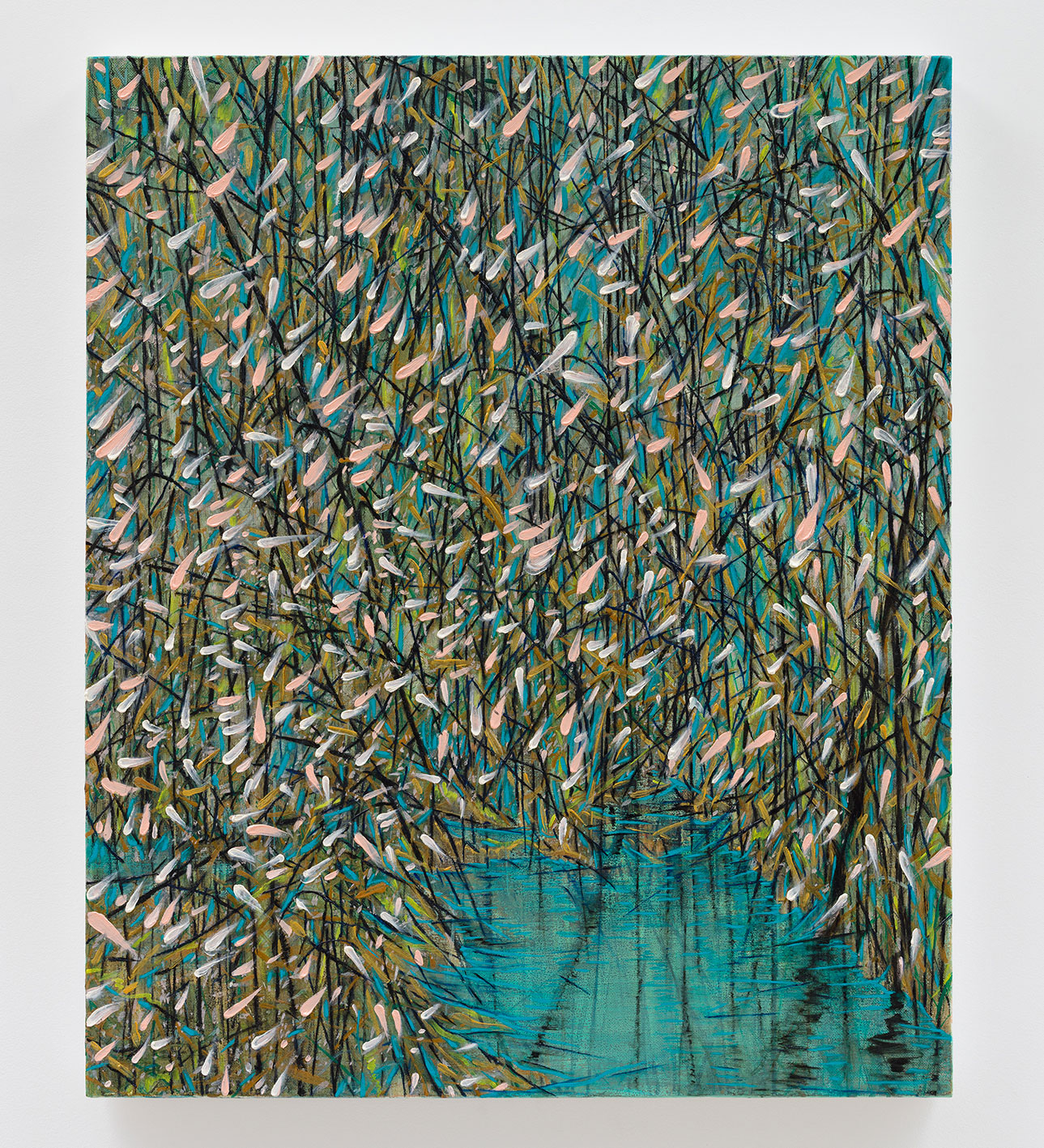
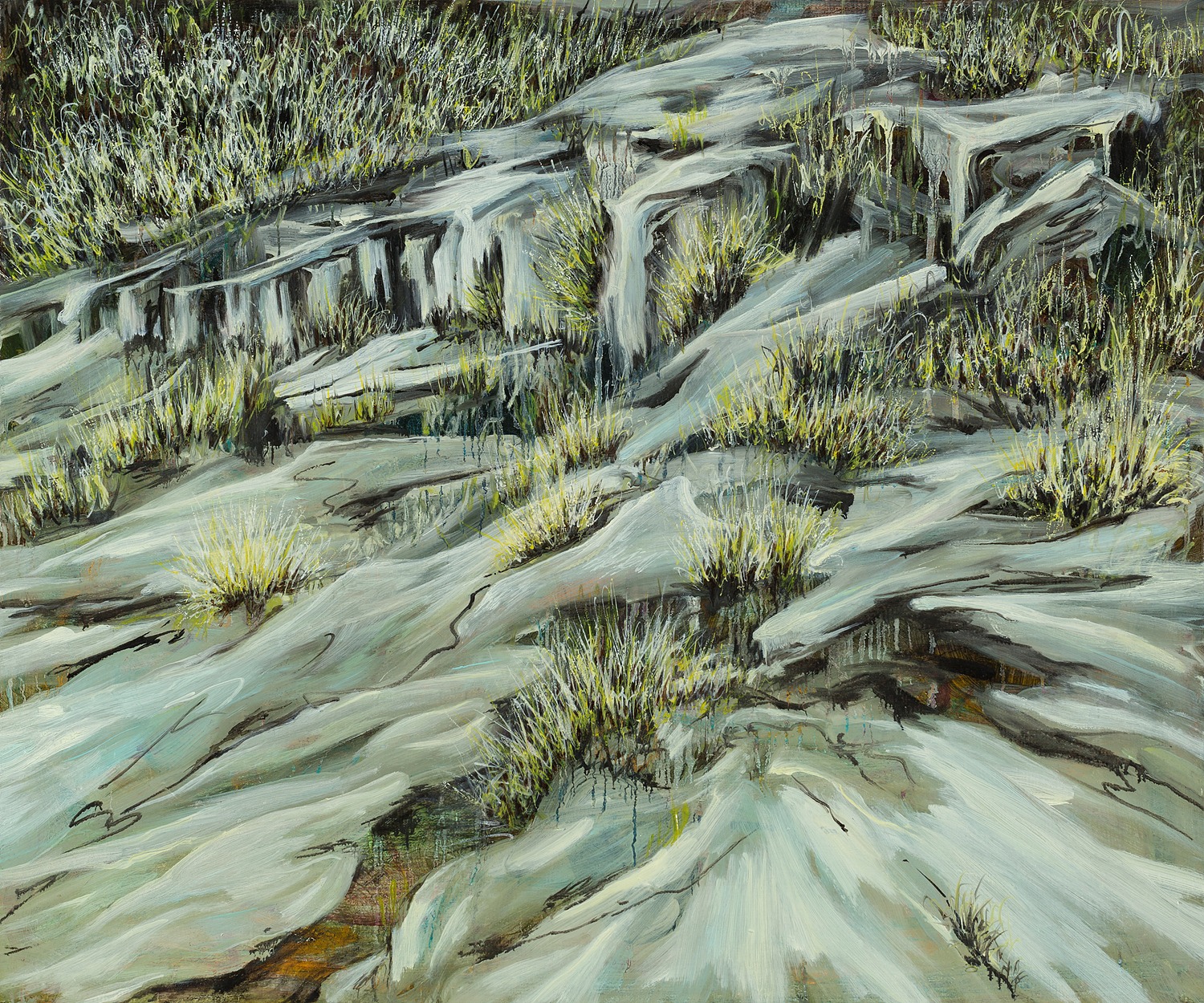
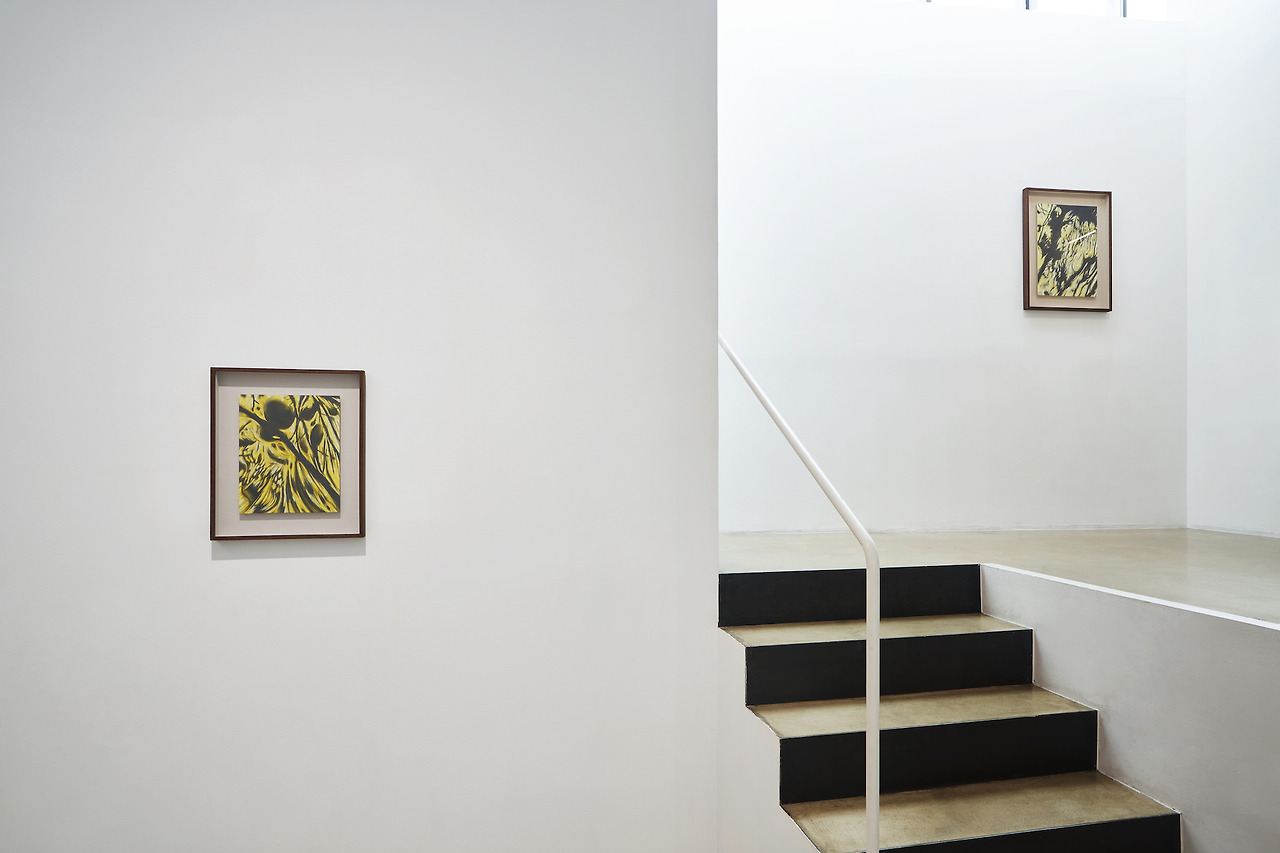
The Song of the Wind #4

2013
Oil on canvas
65.1 x 90.9 cm
About The Work

Han Jin has long been interested in translating the sensations and movements of memory left behind by what has disappeared into painting. Rather than documenting places or events from the past, her practice explores moments where presence and absence intersect by tracing sensory impressions that accumulate and transform over time. 

For the artist, memory is not something preserved in the past but an experience that is continually regenerated through present perception, and painting becomes an act of bringing that experience into the present once again.

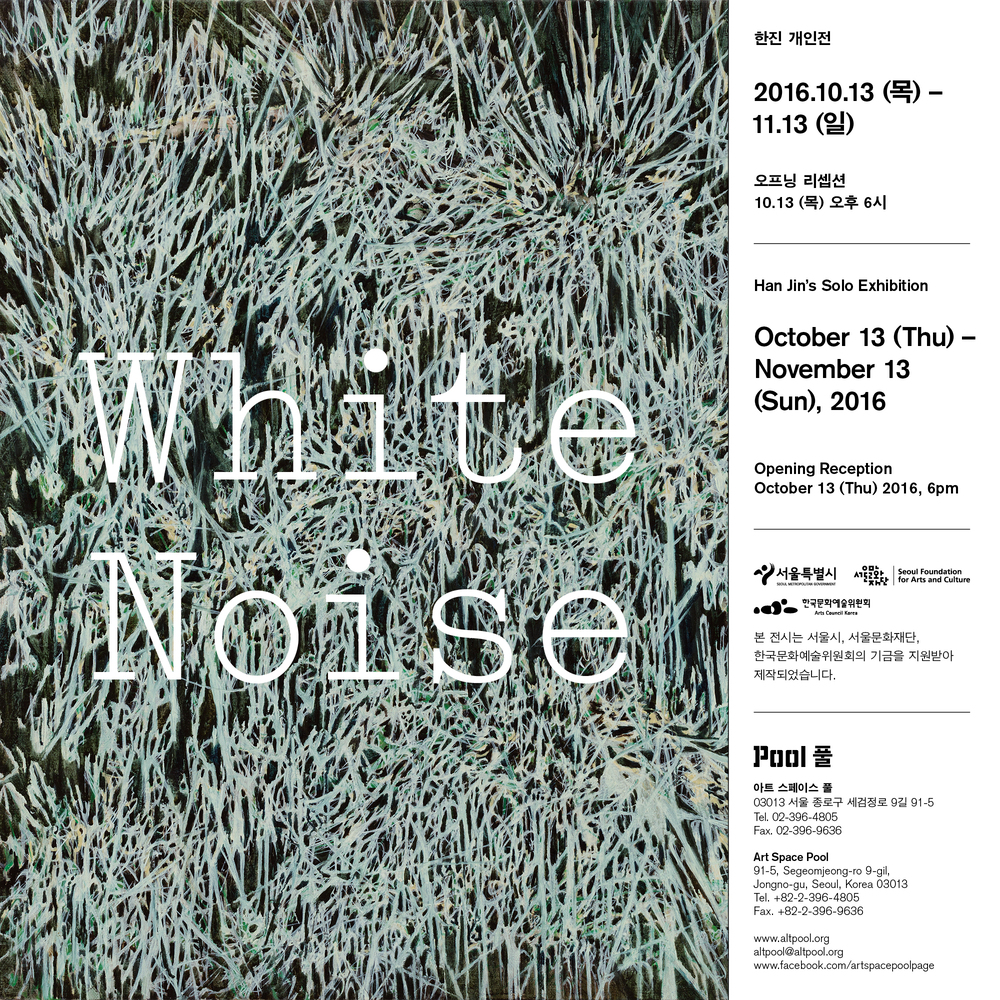
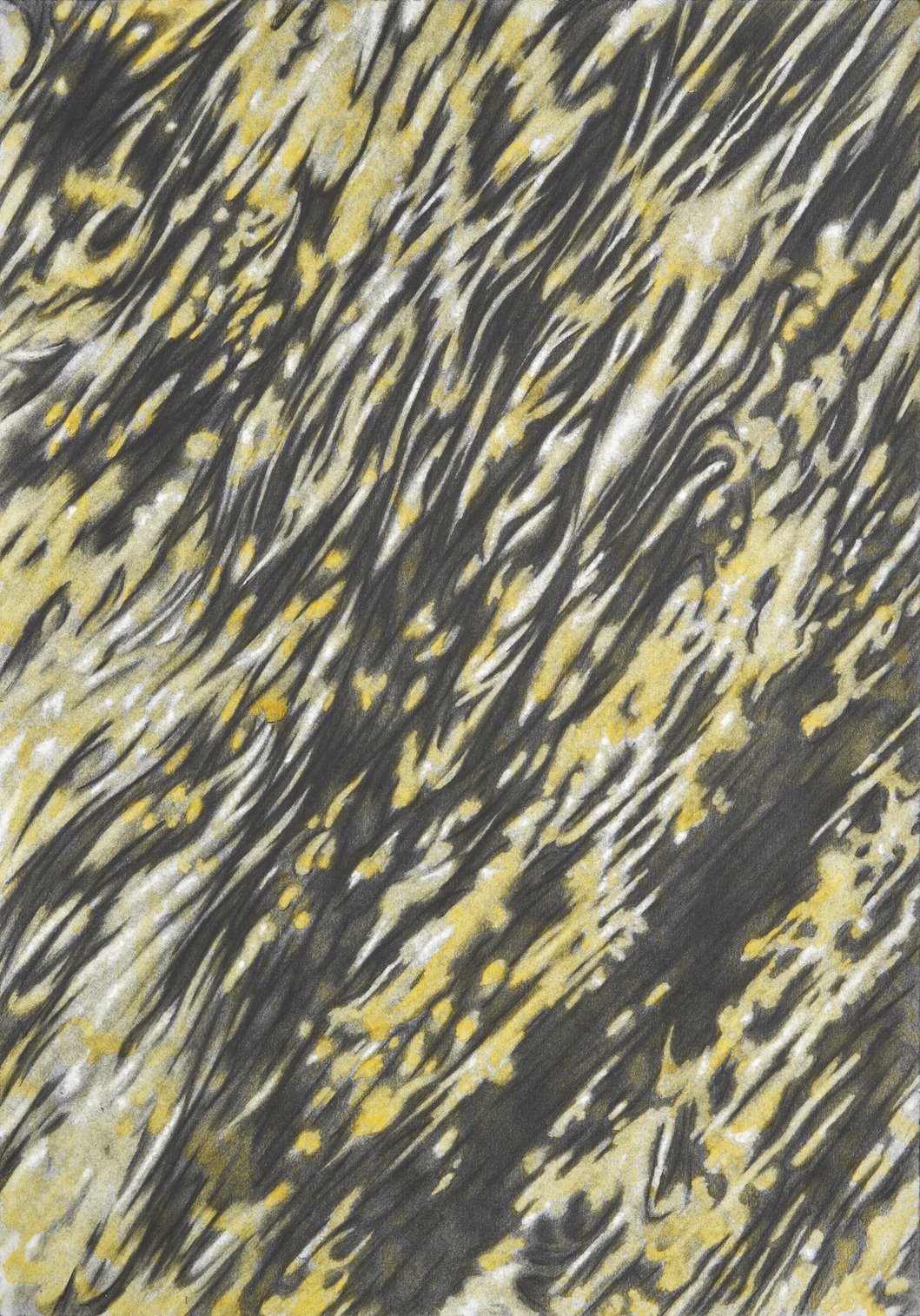
Han further extends painting beyond the primacy of vision by focusing on the intersections of hearing, touch, and bodily perception. Experiences accumulated through sustained field research, literature, and music are translated into lines, layers, density, and rhythm, transforming invisible sounds and traces of time into perceptible visual forms.

This process functions as a translation from one sensory register to another while also connecting different media, experiences, and modes of perception.

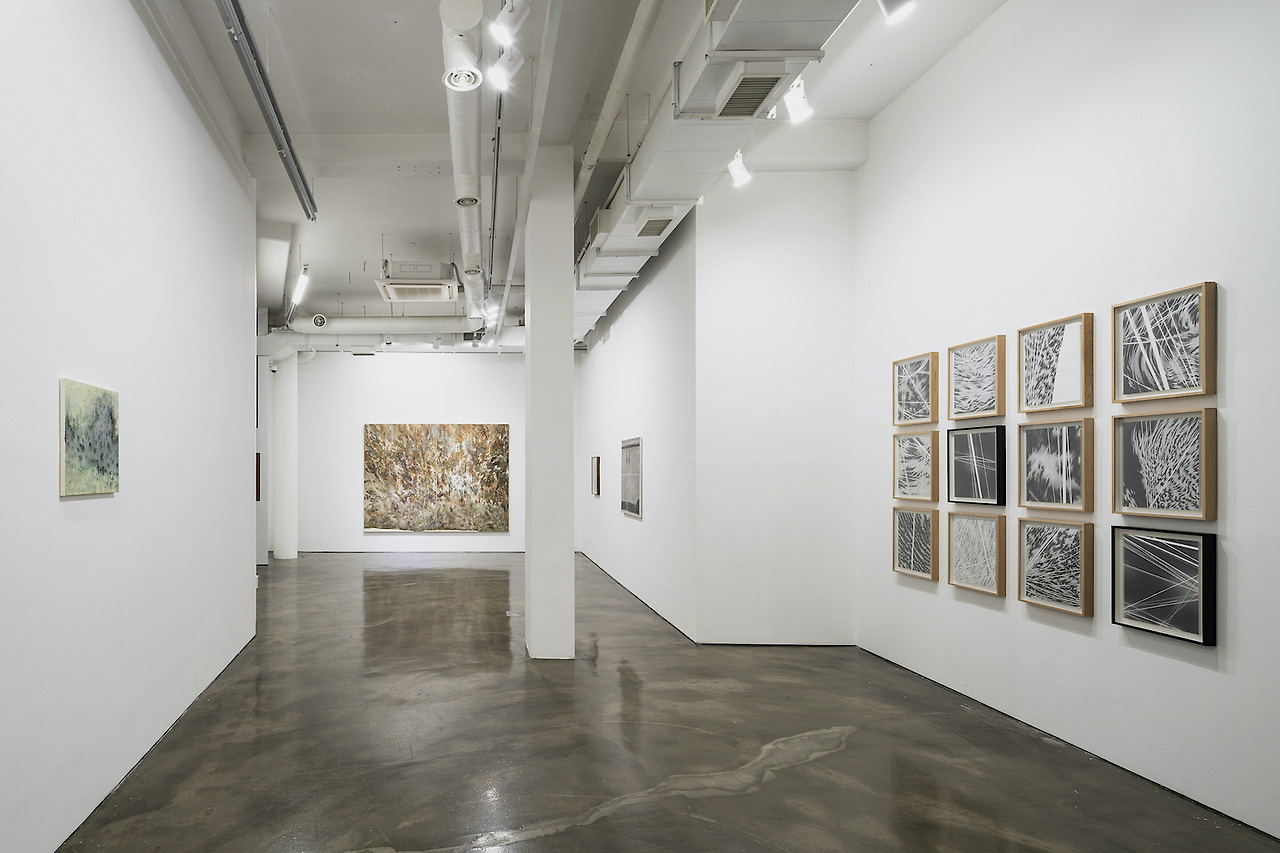
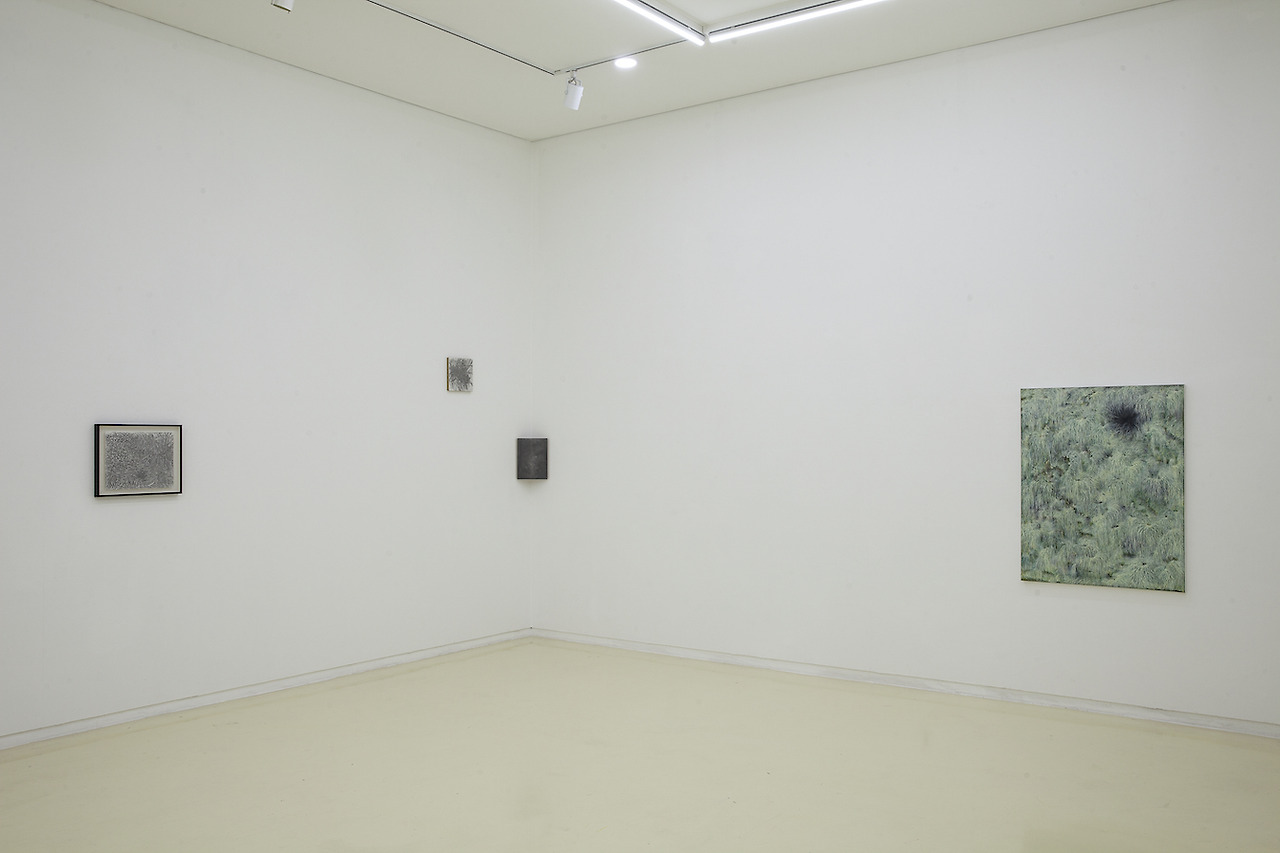
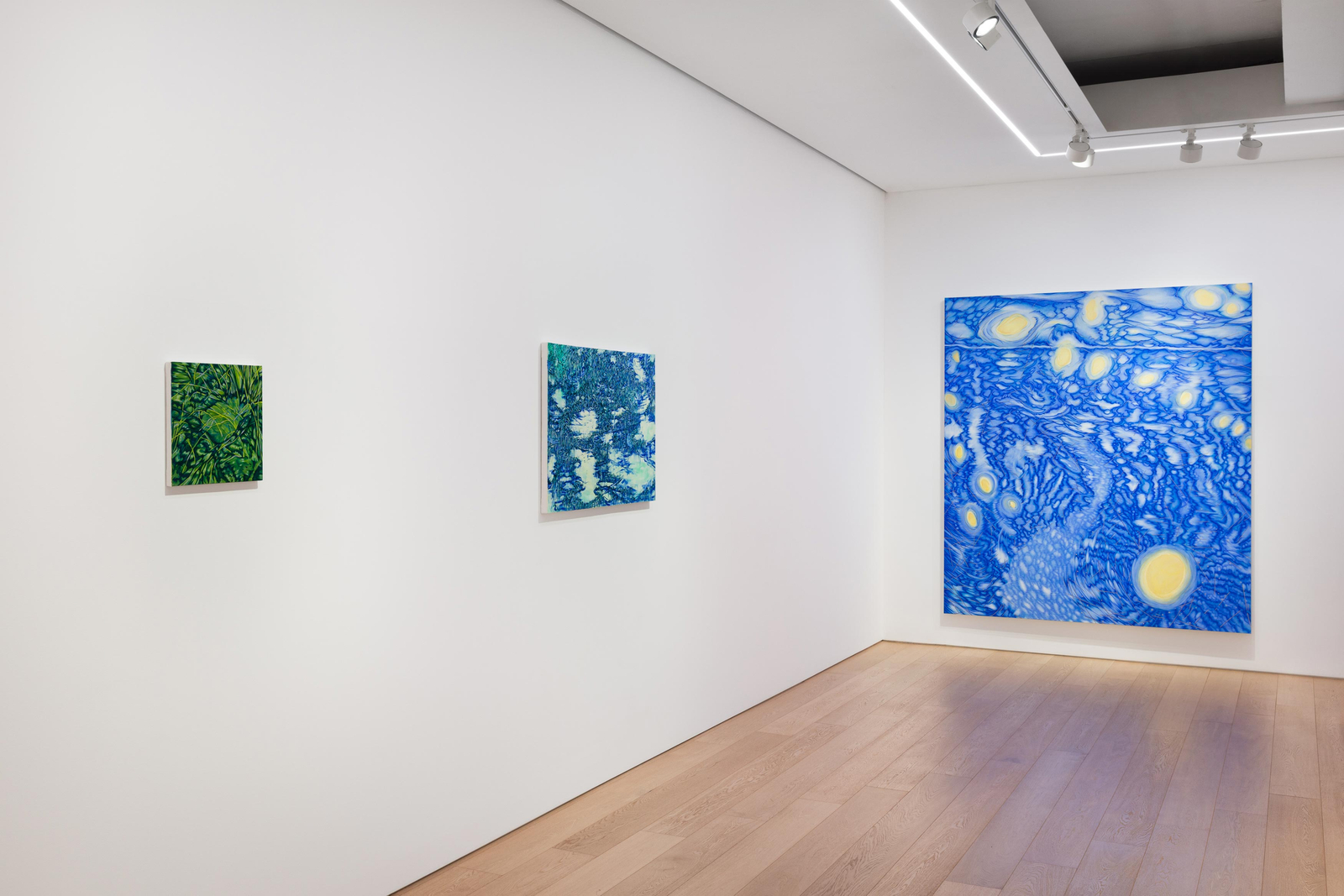
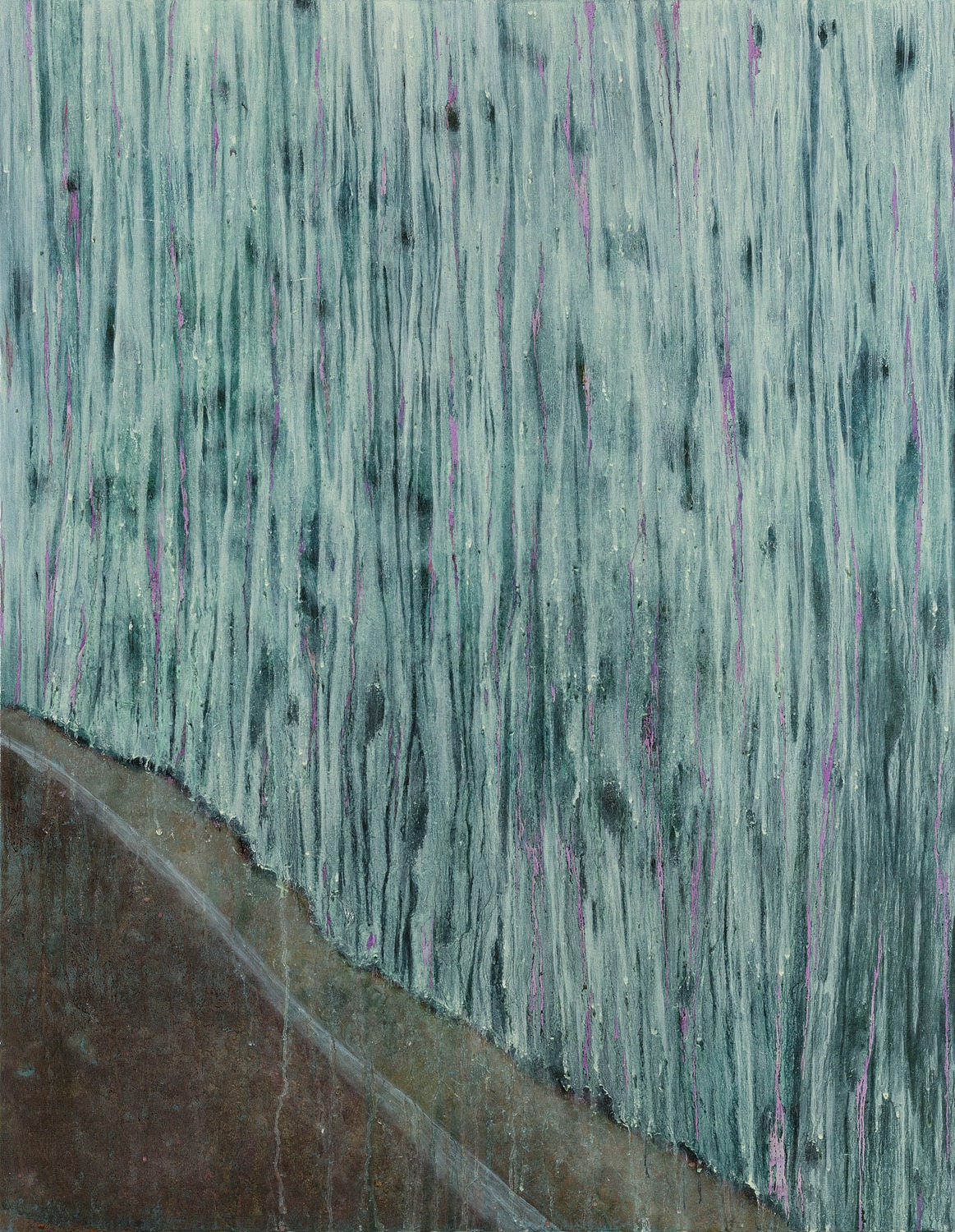
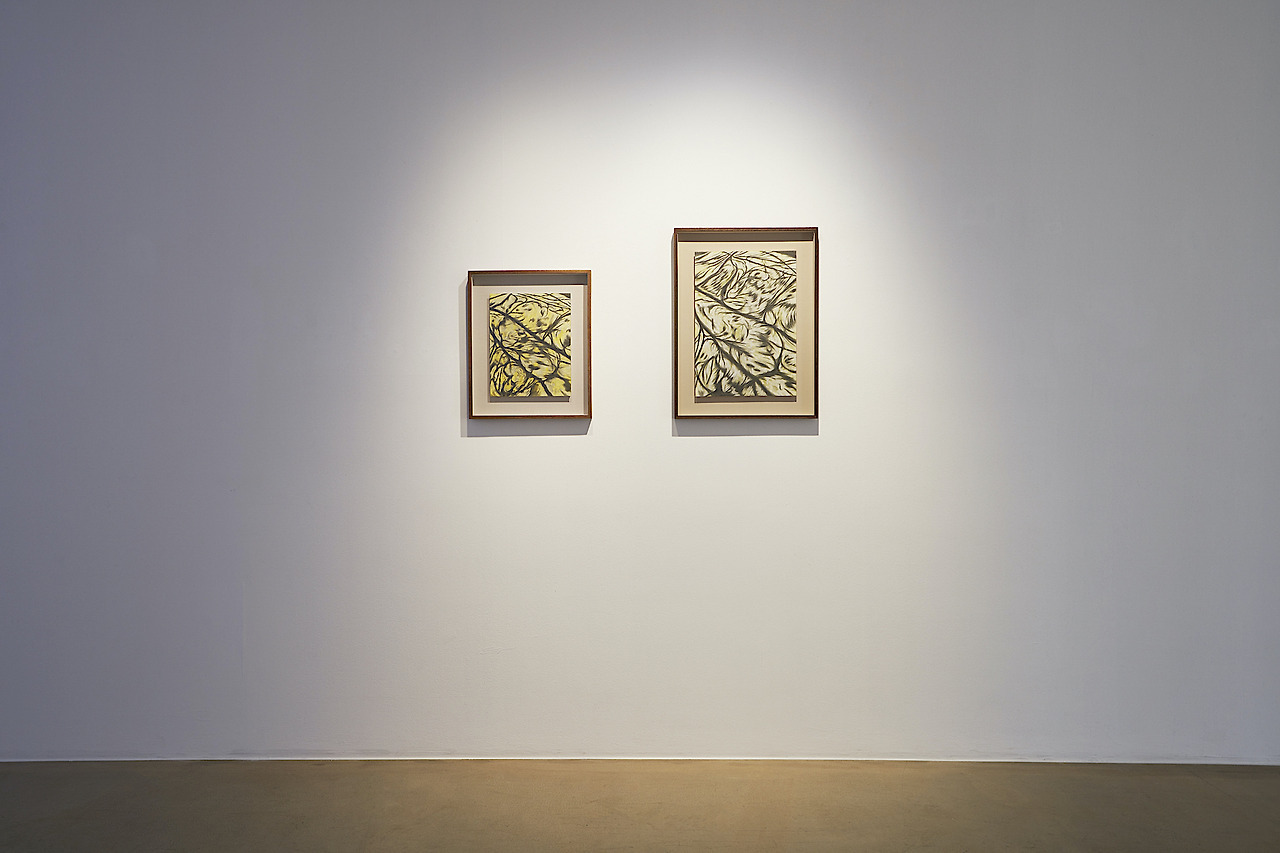
Han Jin repeatedly draws, layers, rubs, and scrapes the surface, gradually building a dense accumulation of time within each work. This process is less a technique of representation than a performative practice through which sensations encountered in the world are inscribed into the body and continually revisited. The traces left on the surface remain as a record of the continuous accumulation of time and sensation.

Solo Exhibitions (Brief)

Han Jin has presented solo exhibitions at venues including Gallery B105 at the School of Visual Arts, Korea National University of Arts (2010), Gallery DM, K-Arts Art Theater Gallery, Cheongju Art Studio, Art Space Pool, Gallery Chosun, and ONE AND J. Gallery, steadily expanding her artistic practice.

Group Exhibitions (Brief)

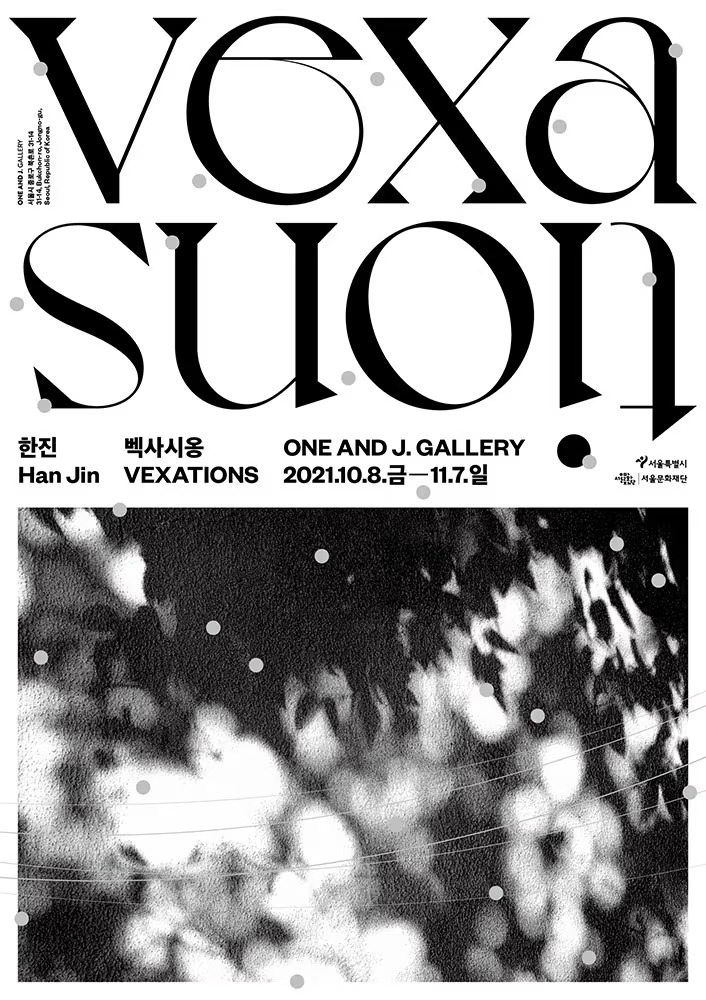
Han Jin has participated in major group exhibitions at venues including Art Sonje Center, Gyeonggi Museum of Modern Art, Space K, ONE AND J. Gallery, Artside Gallery, Lehmann Maupin, and Esther Schipper, presenting her work consistently in Korea and internationally.

Awards (Selected)

Han Jin has been selected for multiple visual arts funding programs by the Seoul Foundation for Arts and Culture and the Gyeonggi Foundation for Arts and Culture, including the Project Residency Research Program at Gyeonggi Creation Center in 2025.

Residencies (Selected)

Han Jin participated in the residency program at Cheongju Art Studio from 2015 to 2016.

Collections (Selected)

Han Jin’s works are held in the collections of X Museum, the Art Bank of the National Museum of Modern and Contemporary Art, Korea, and the Gyeonggi Cultural Foundation.
Works of Art

Where Presence and Absence Intersect

Originality & Identity

Han Jin has long been interested in translating the sensations and movements of memory left behind by what has disappeared into painting. Rather than documenting places or events from the past, her practice explores moments where presence and absence intersect by tracing sensory impressions that accumulate and transform over time.

For the artist, memory is not something preserved in the past but an experience that is continually regenerated through present perception, and painting becomes an act of bringing that experience into the present once again.

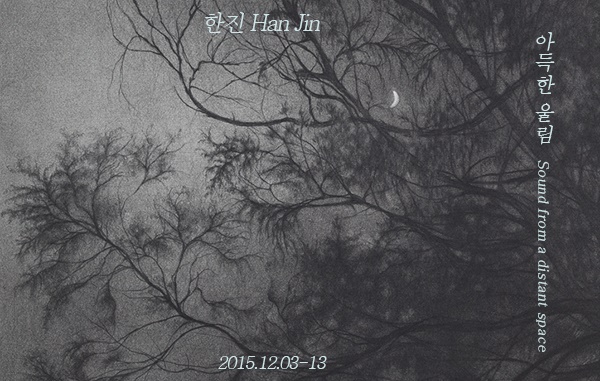
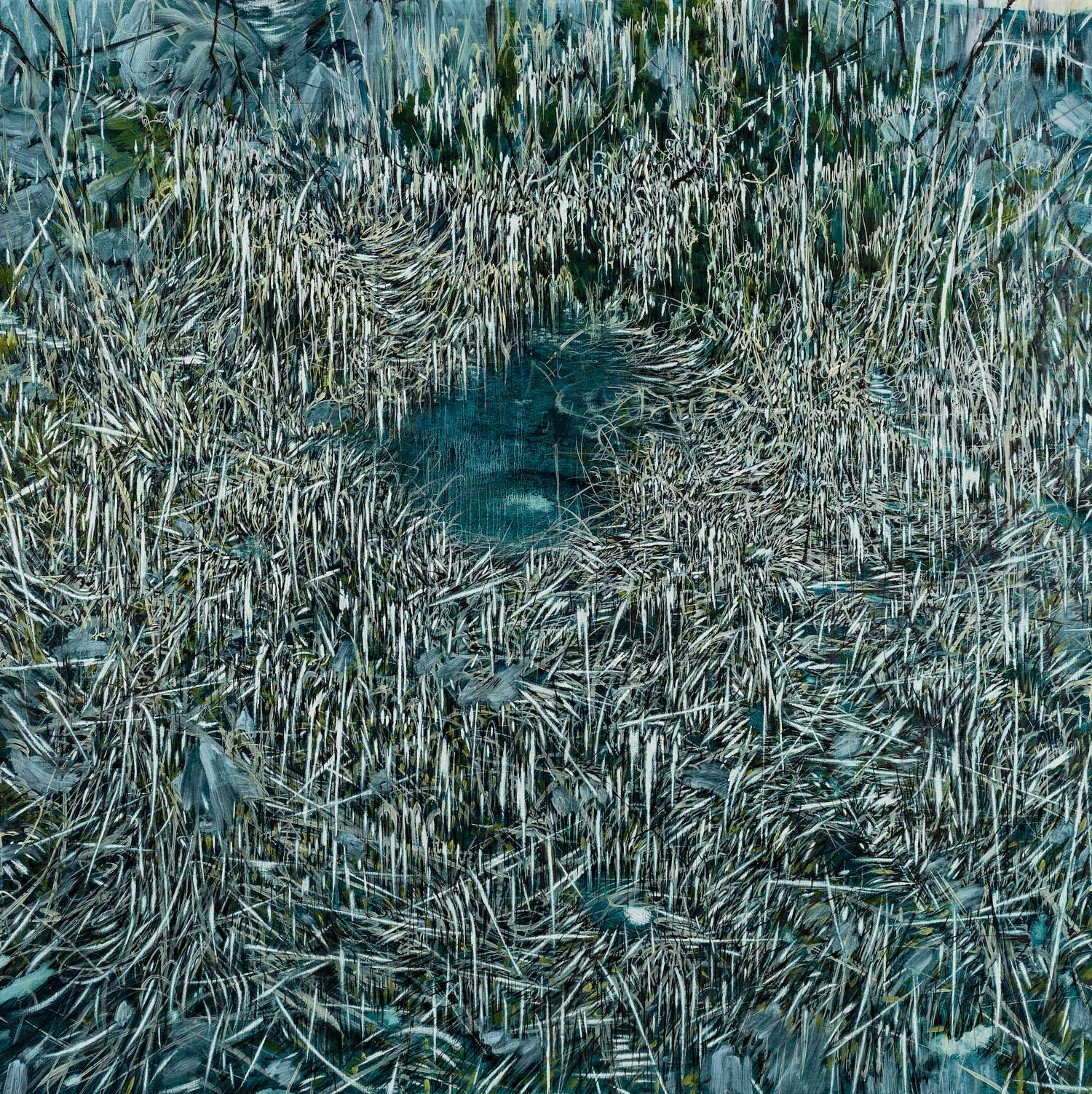
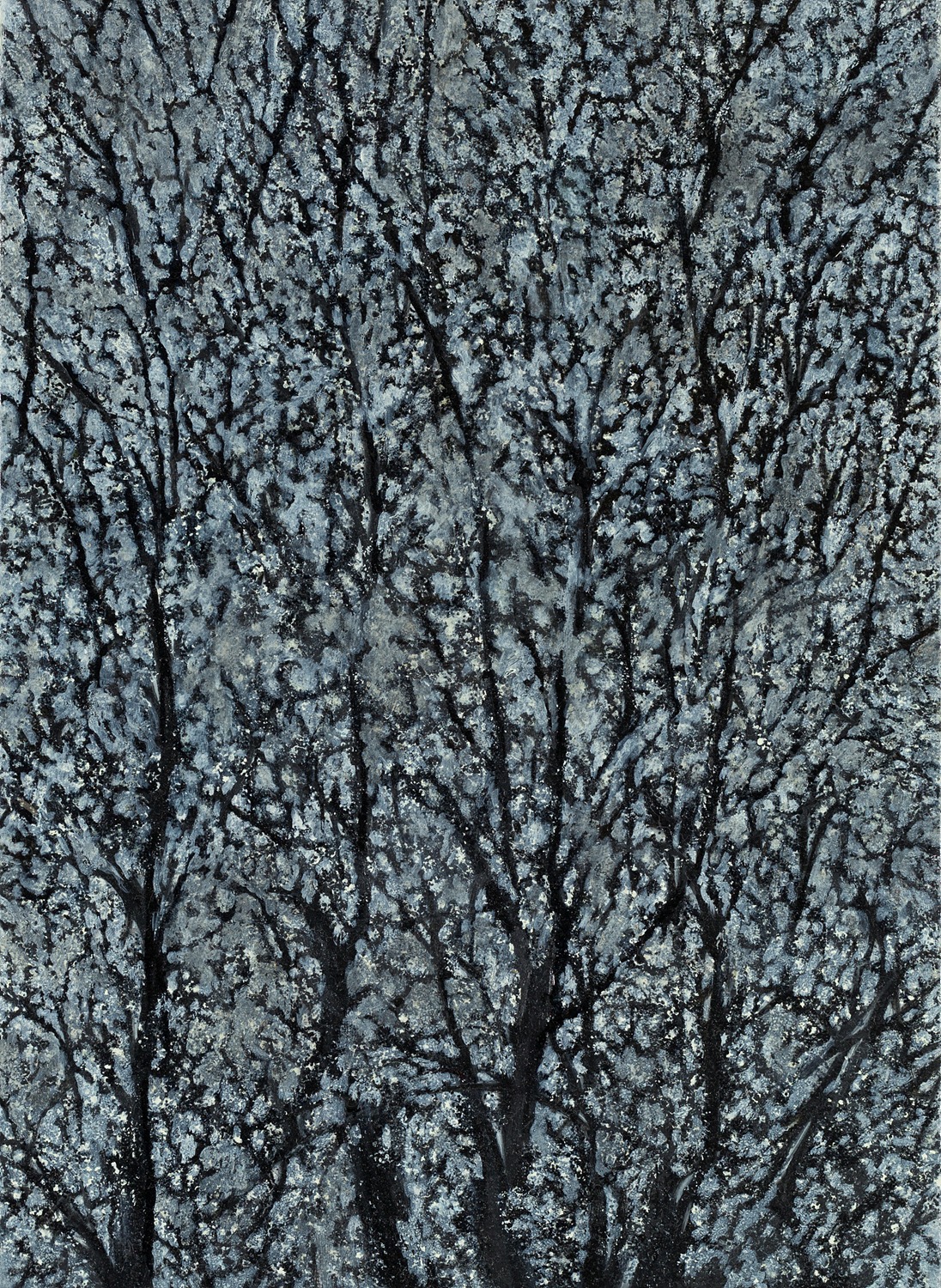
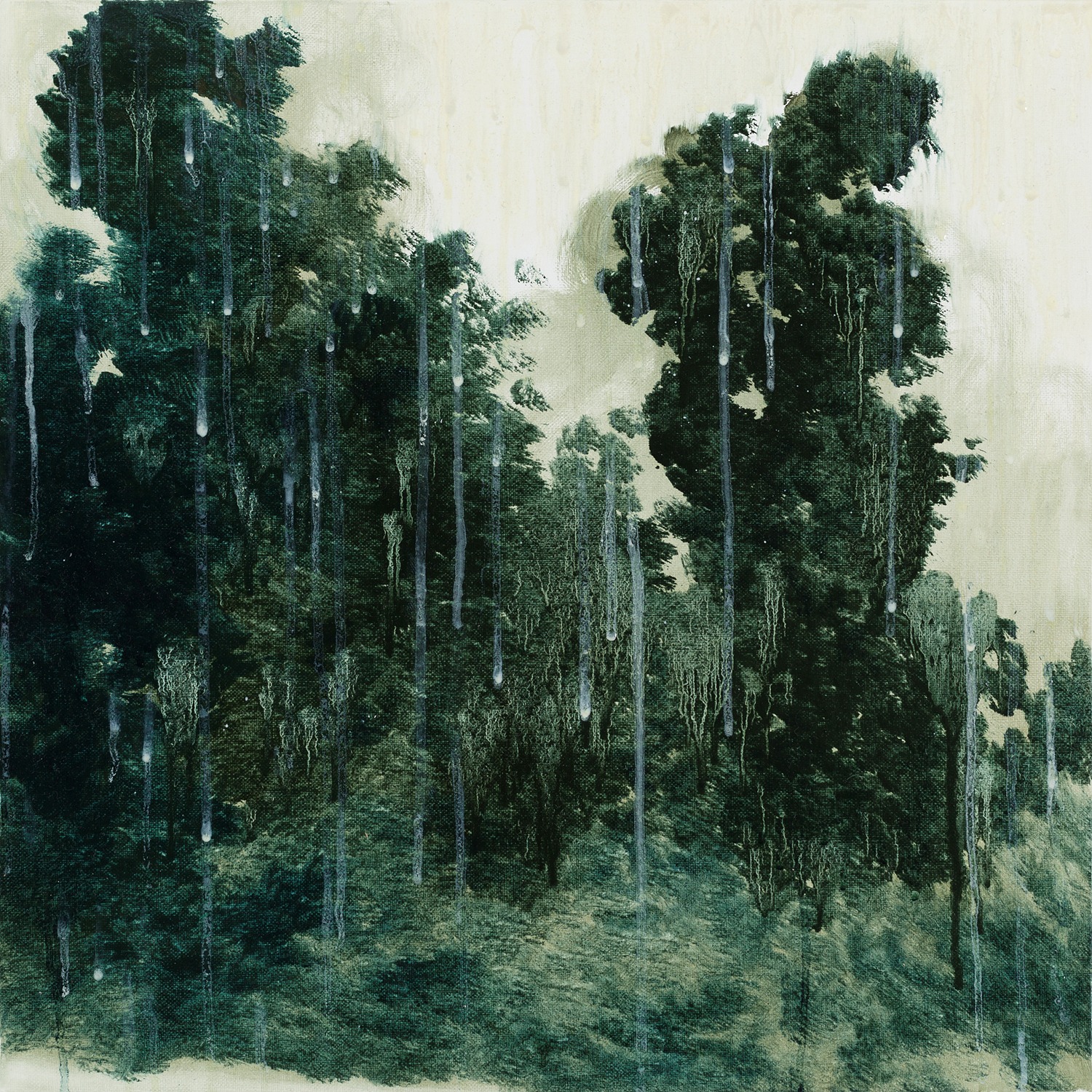
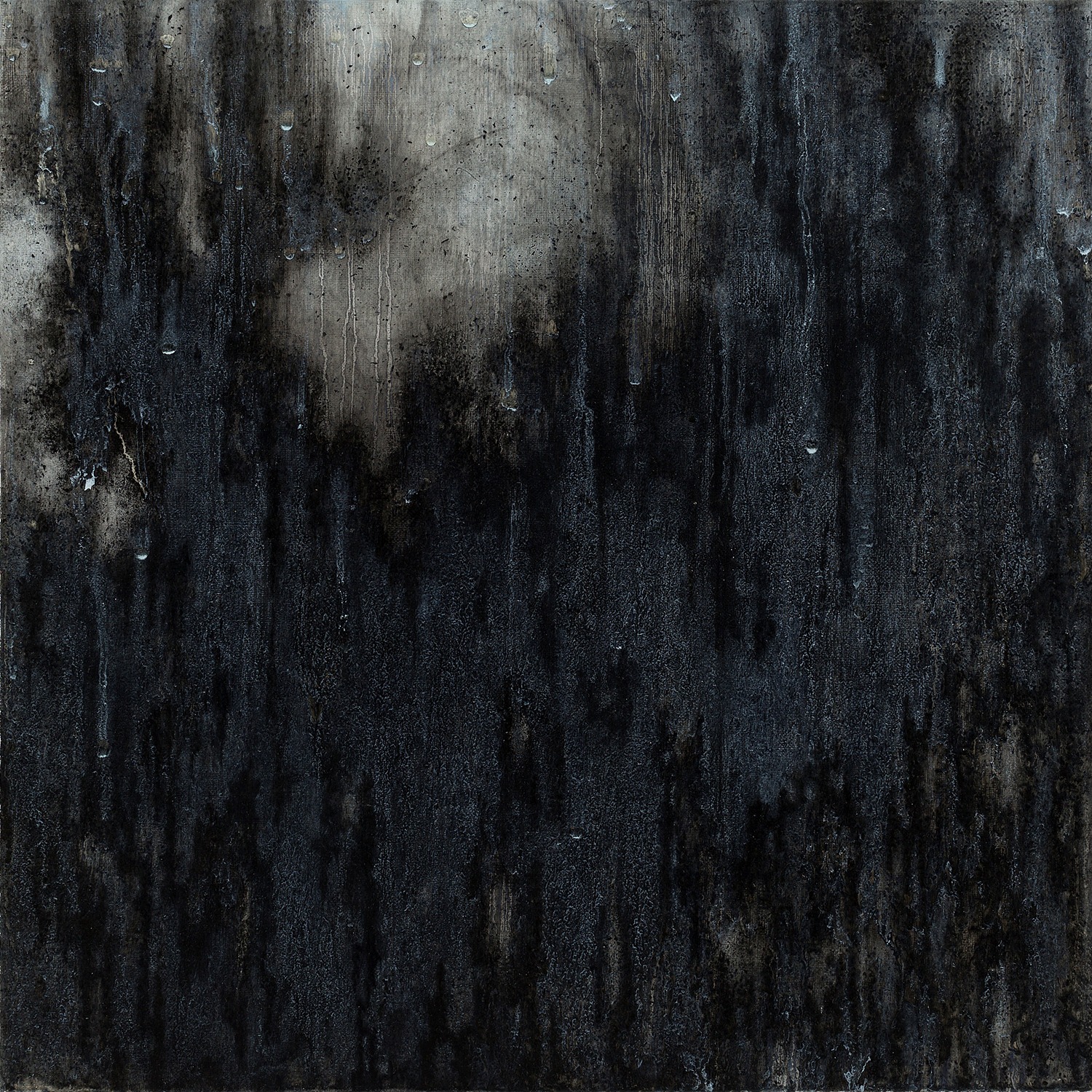
In her early works, Han repeatedly engaged with natural landscapes such as forests, wind, night, and shorelines. Yet her primary concern lay not in the landscape itself but in the movements of the body and the experience of time perceived within it.

Landscape functions as a medium that carries the rhythm and breathing of an encounter, while simultaneously accumulating layers of time in which memory and reality, sensation and imagination overlap. This perspective reflects the artist's ongoing interest in viewing the world as something continuously shifting rather than fixed or clearly defined.

Han further extends painting beyond the primacy of vision by focusing on the intersections of hearing, touch, and bodily perception. Experiences accumulated through sustained field research, literature, and music are translated into lines, layers, density, and rhythm, transforming invisible sounds and traces of time into perceptible visual forms. This process functions as a translation from one sensory register to another while also connecting different media, experiences, and modes of perception.

In her recent practice, Han has increasingly centered her work on the experience of encountering the world itself. The repeated acts of drawing and erasing, together with prolonged observation and contemplation, constitute a performative process through which the work gradually takes shape. Consequently, each painting exists not simply as a finished image but as a record of the continuous accumulation of time and sensation.

Style & Contents

Han Jin repeatedly draws, layers, rubs, and scrapes the surface, gradually building a dense accumulation of time within each work. This process is less a technique of representation than a performative practice through which sensations encountered in the world are inscribed into the body and continually revisited. The traces that remain on the surface reveal the accumulated duration and movement embedded in the act of making.

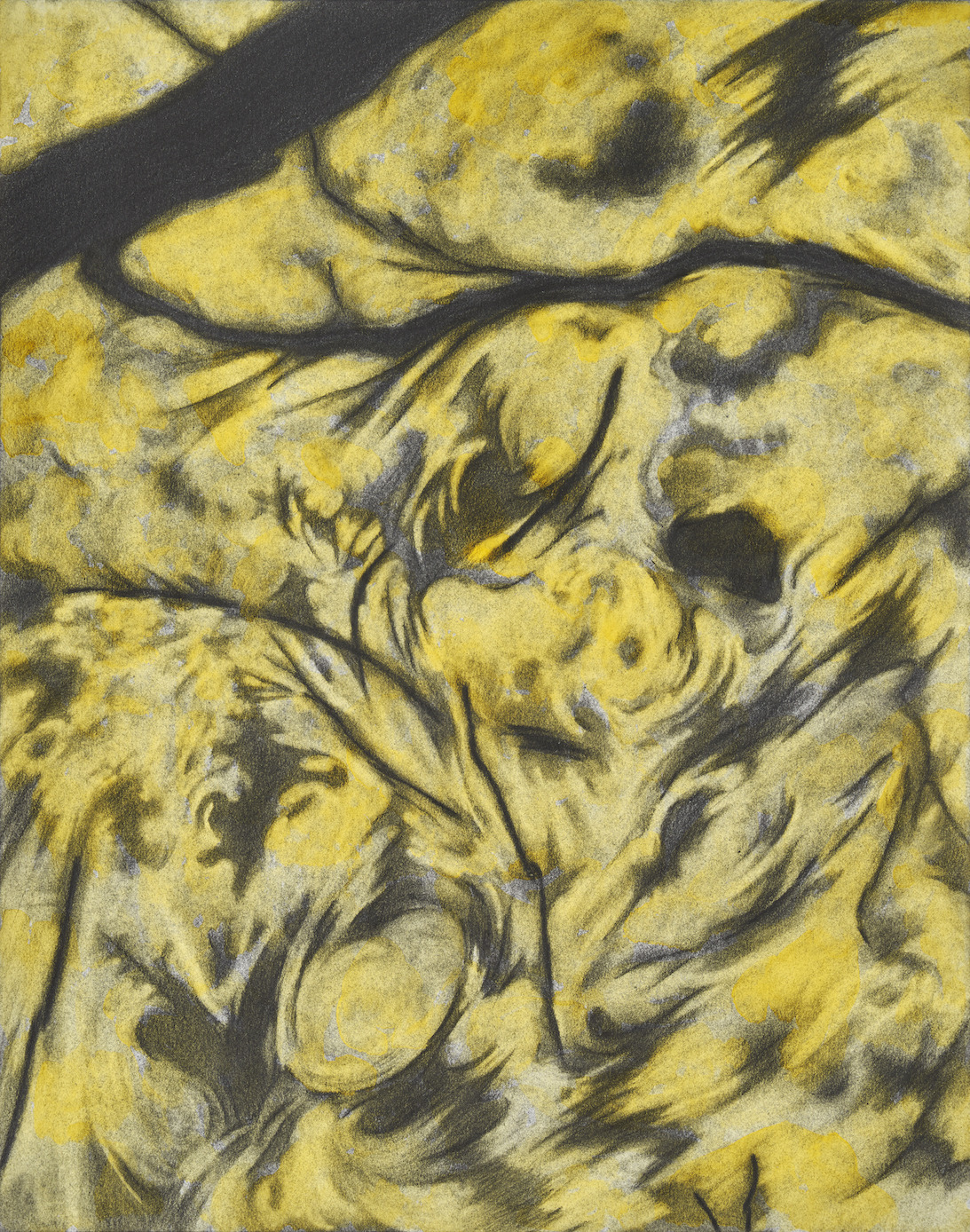
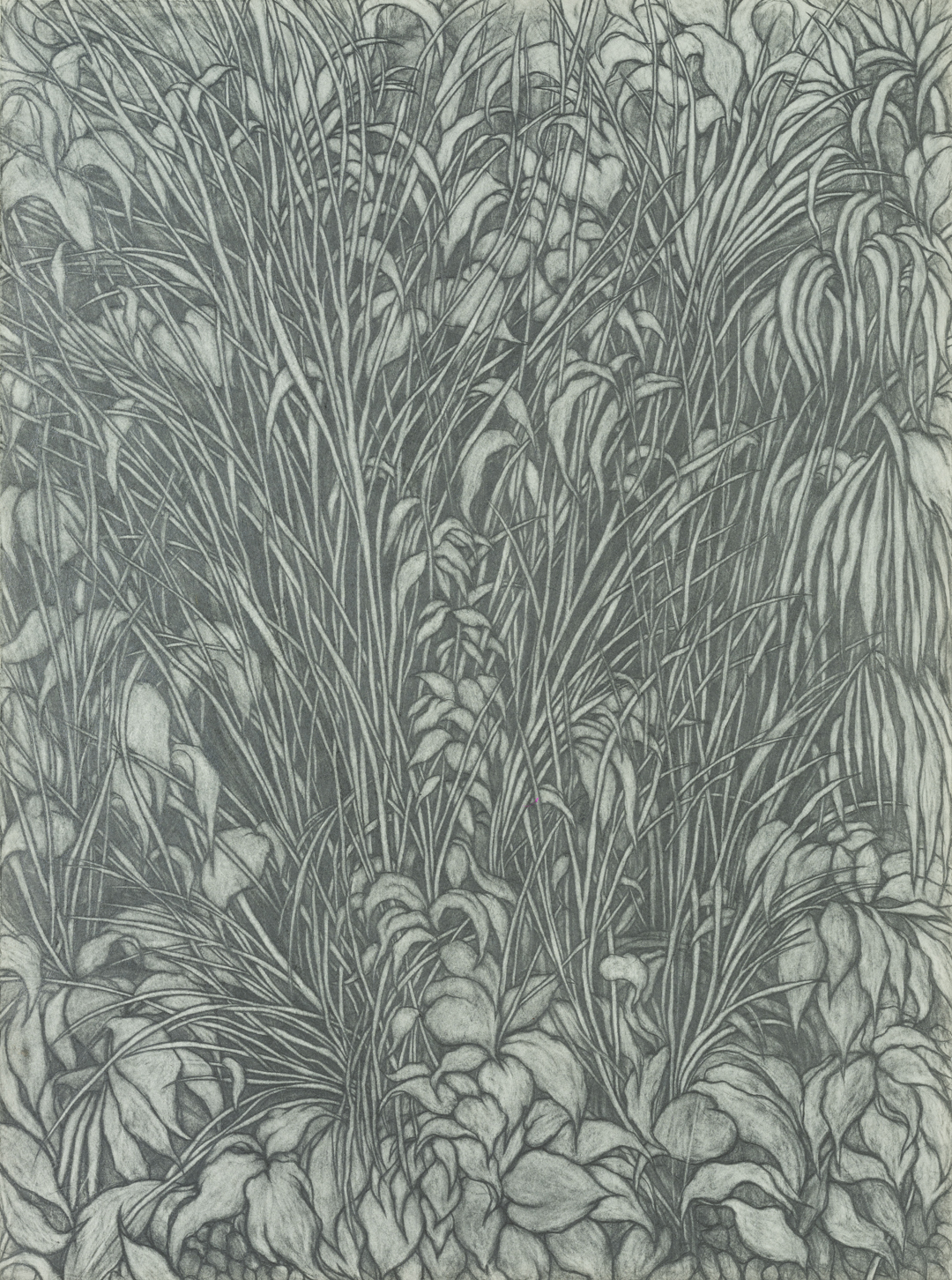
For each body of work, Han carefully selects different materials and tools to translate distinct sensory qualities into visual form. In her earlier works, she experimented with the material properties of paper and the density of graphite while using found branches and toothpicks in place of conventional brushes.

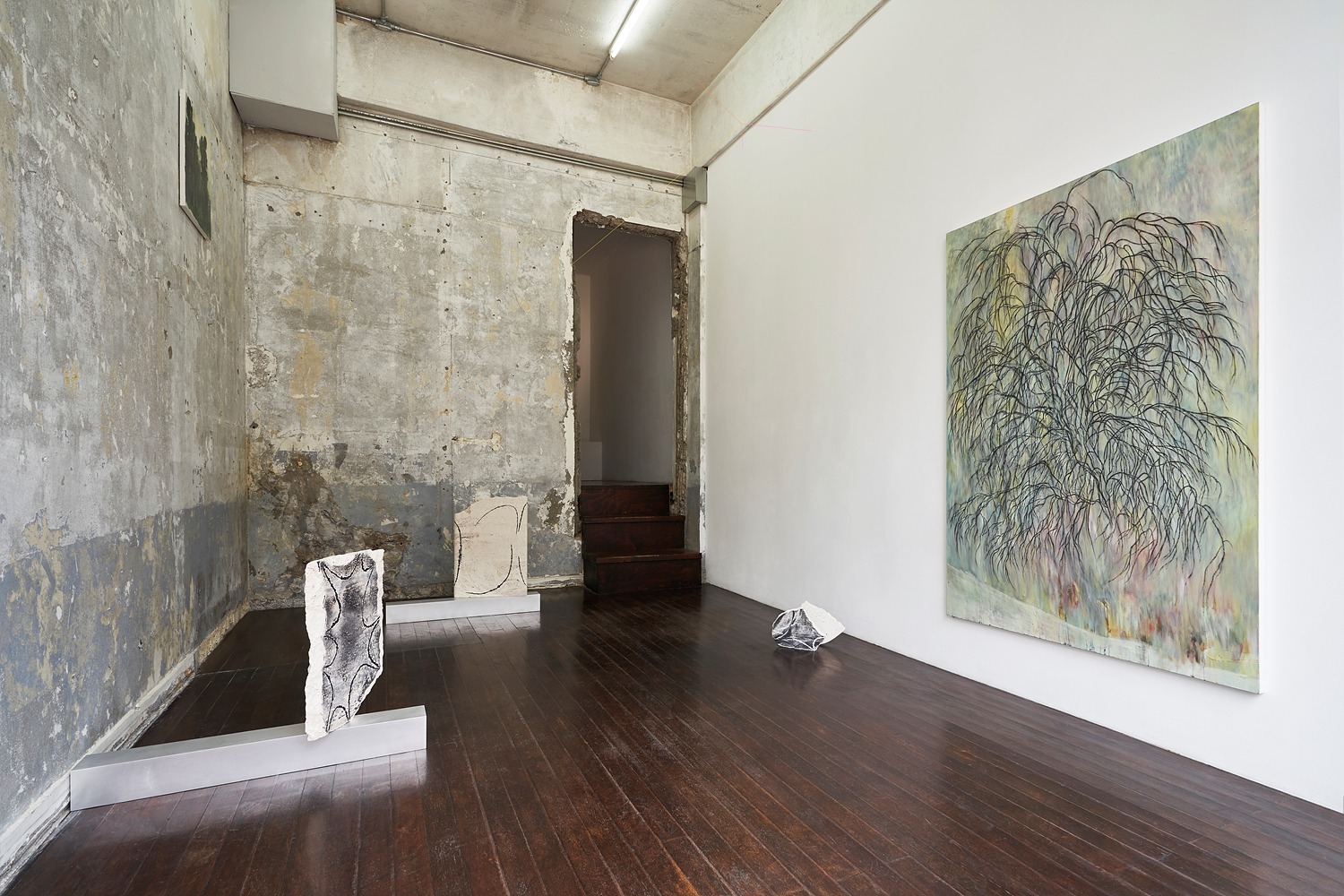
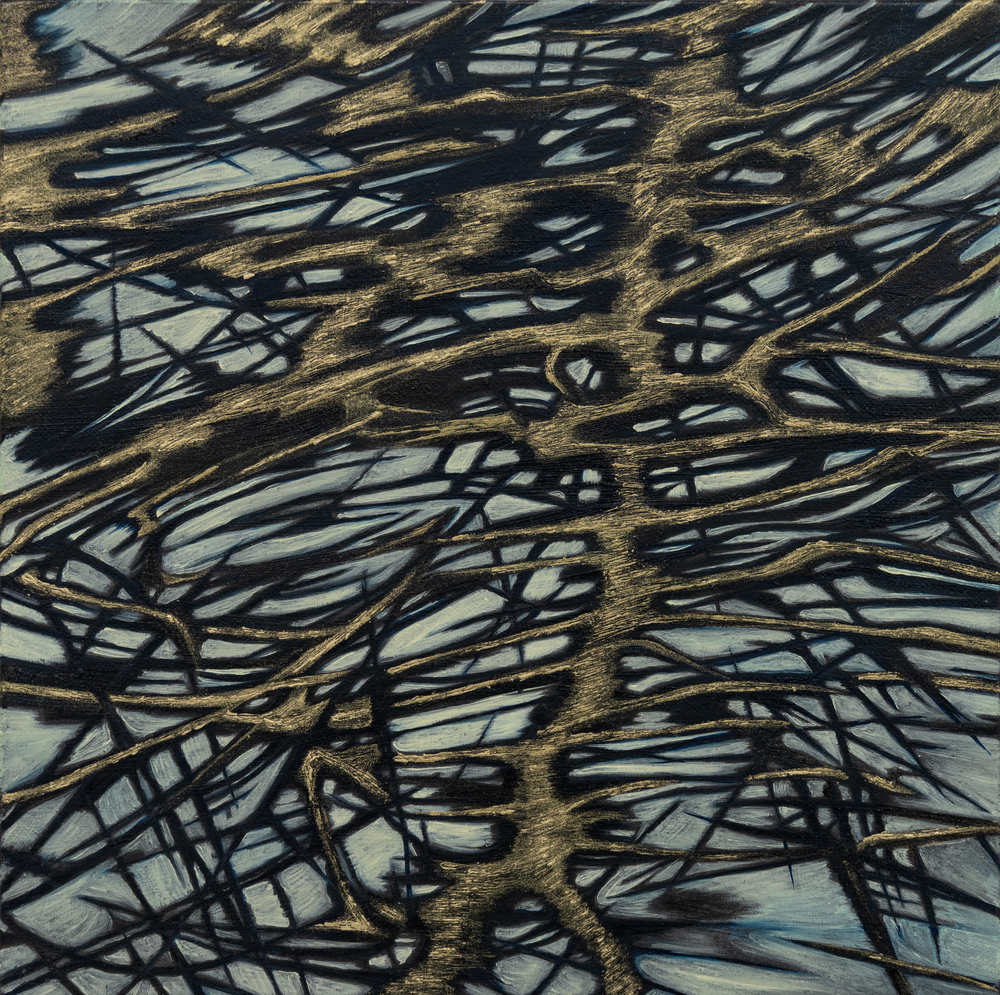
More recently, she has developed a process of repeatedly scraping away and rebuilding the pictorial surface using oil paint, charcoal, and metal chisels. These materials function not merely as expressive devices but as mediators of tactile sensation and rhythm, shaping both the temporal and material dimensions of her paintings.

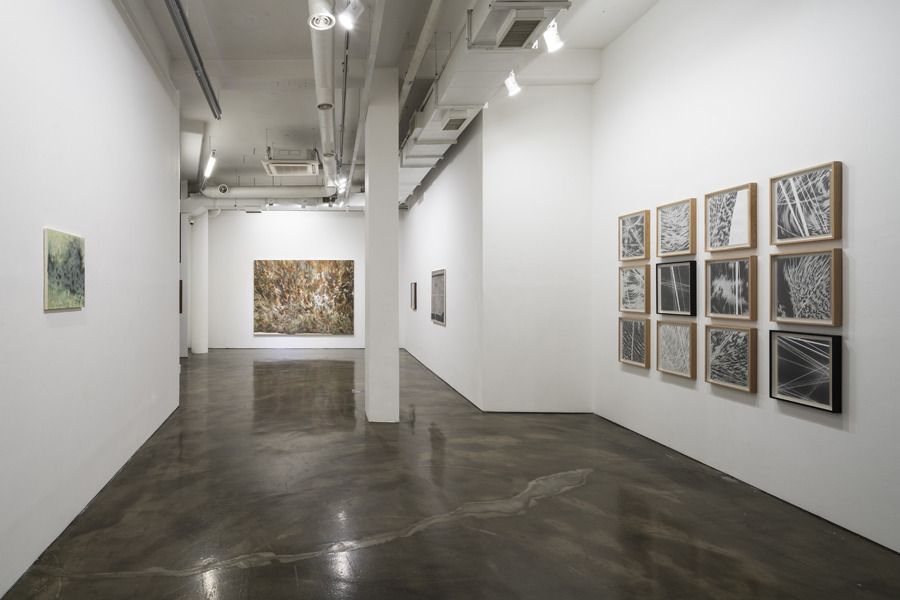
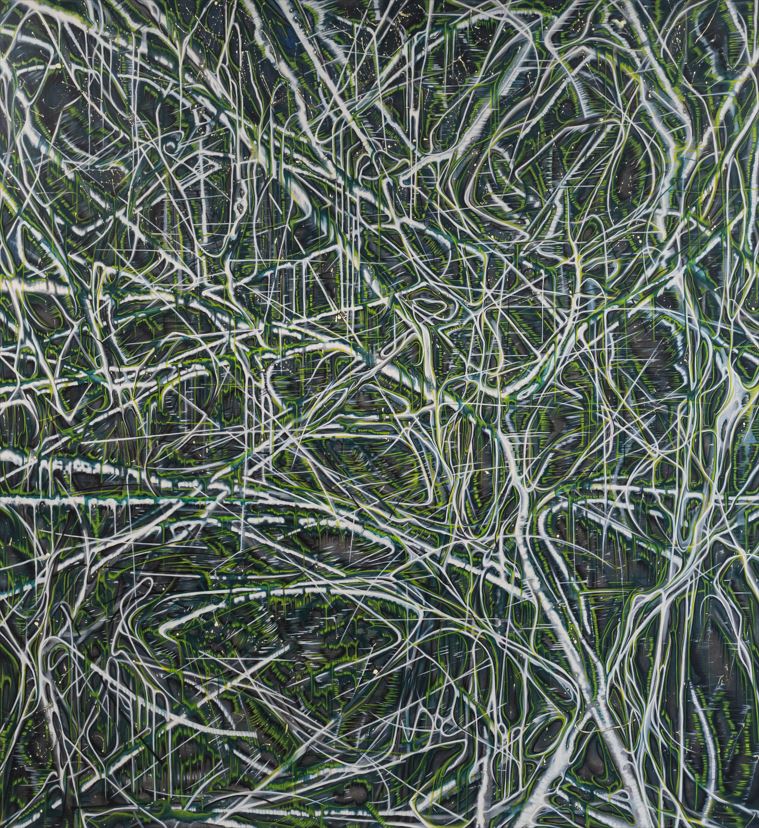
In her recent practice, Han has investigated ways of evoking hearing and touch through the inherently visual medium of painting. Repeated accumulations of lines suggest the resonance of sound, the movement of wind, and the gestures of the body, while overlapping layers generate rhythmic structures across the pictorial surface. Rather than simply reading images, viewers are invited to experience the density, texture, and movement embedded within the work.

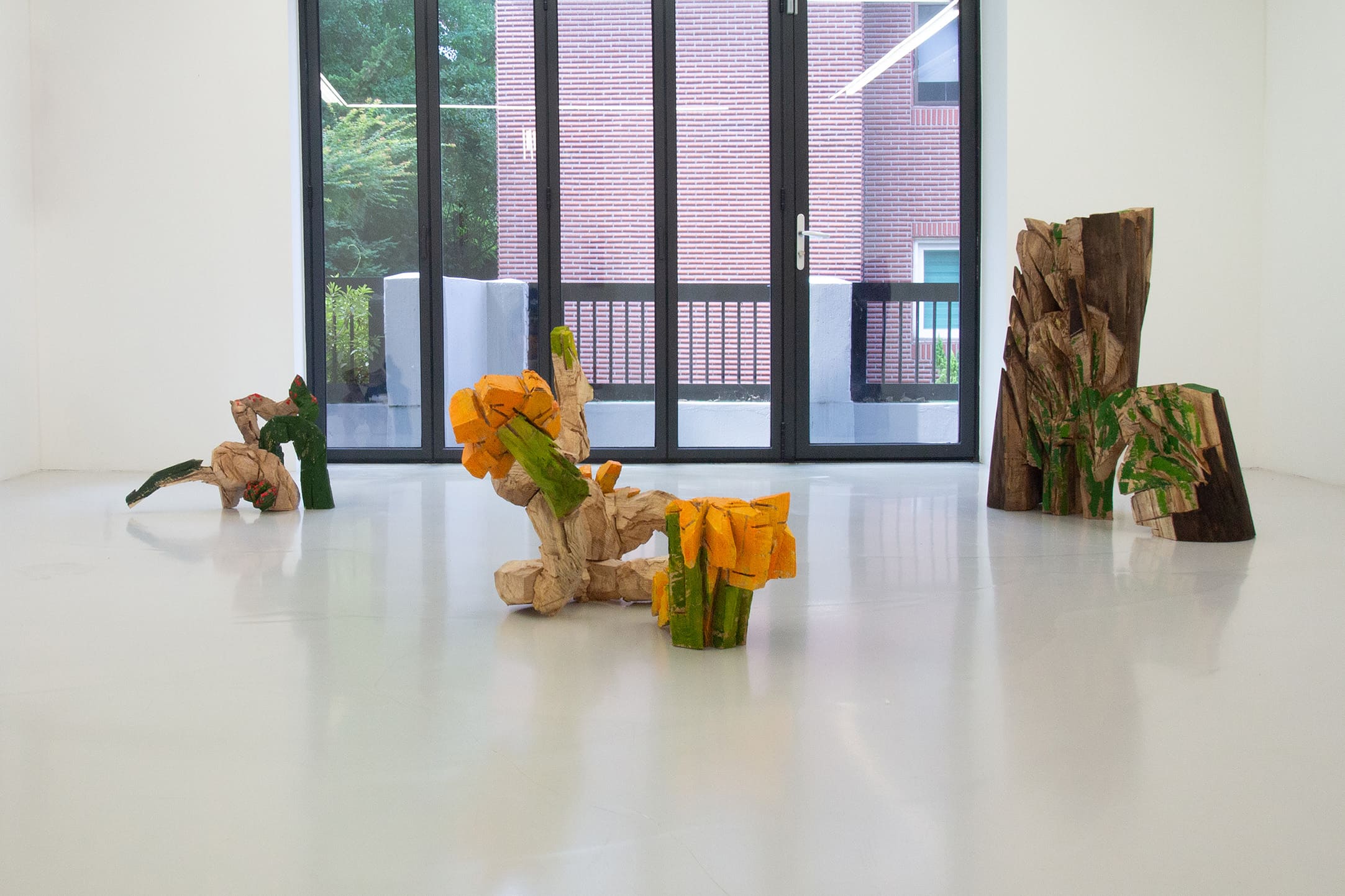
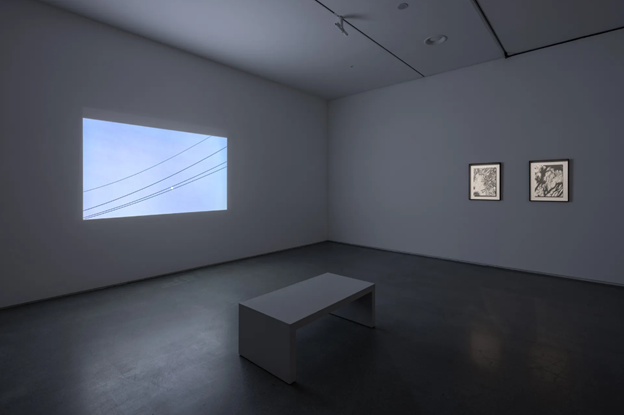
In recent years, Han has expanded her practice to include drawings, video works, and wall drawings, exploring how painting operates within physical space. By constructing situations in which artworks, viewers, space, and time continuously interact, she reconfigures painting not as a fixed image but as an event that unfolds through time and experience.

Topography & Continuity

Han Jin's practice engages with a range of landscapes—including forests, wind, night, shorelines, and coastal lagoons—yet throughout these varied subjects, she consistently approaches nature as a site that awakens perception rather than an object of representation.

These landscapes serve as mediators through which the body experiences rhythm and movement over time, allowing the artist to continually explore the intersections of presence and absence, memory and the present.

Another defining characteristic of her practice is the translation of one sensory register into another. Vision expands toward hearing and touch, while experiences accumulated through music, literature, and field research are transformed into lines, layers, density, and rhythm on the pictorial surface. Although her modes of expression have evolved over time, her commitment to translating perception into the language of painting has remained constant.

Equally enduring is Han's method of prolonged observation and gradual accumulation. Repeated cycles of drawing, erasing, layering, and scraping function not simply as revisions to an image but as a sustained process of engaging with the subject and reflecting upon it. Through this accumulation, the surface acquires both material depth and the density of memory and time.

While her recent practice has expanded painting into spatial forms, its central concerns remain unchanged. Across different media and formats, Han continues to explore how sensation, time, and rhythm can be translated into painting. Even as her materials and formal language evolve, her sustained engagement with subjects over time and her translation of accumulated perception into visual form remain the defining methodology of her artistic practice.

Works of Art

Where Presence and Absence Intersect

Articles

Exhibitions

Activities