Purple Mandarine's dream - K-ARTIST

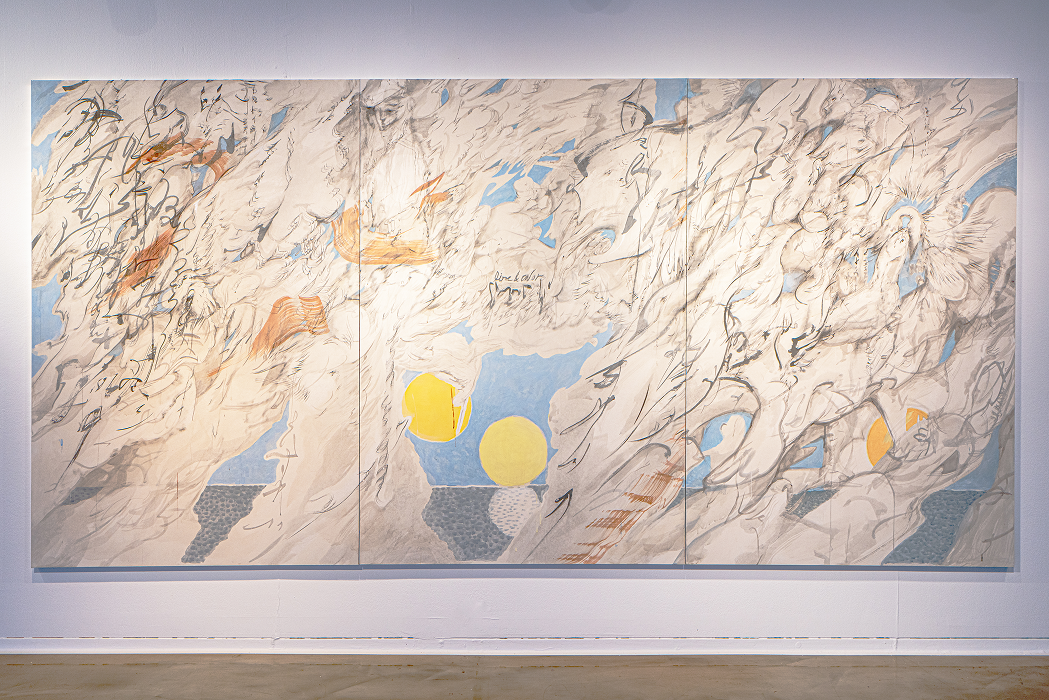
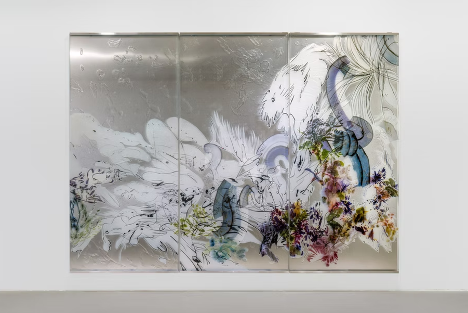
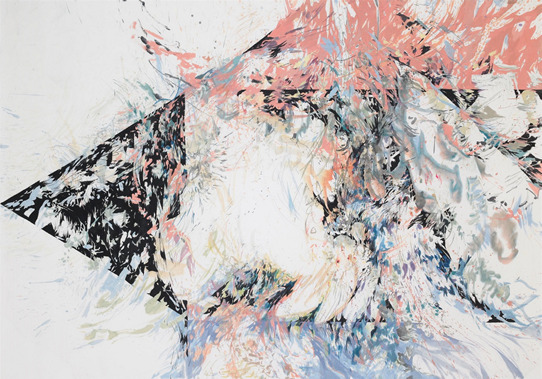
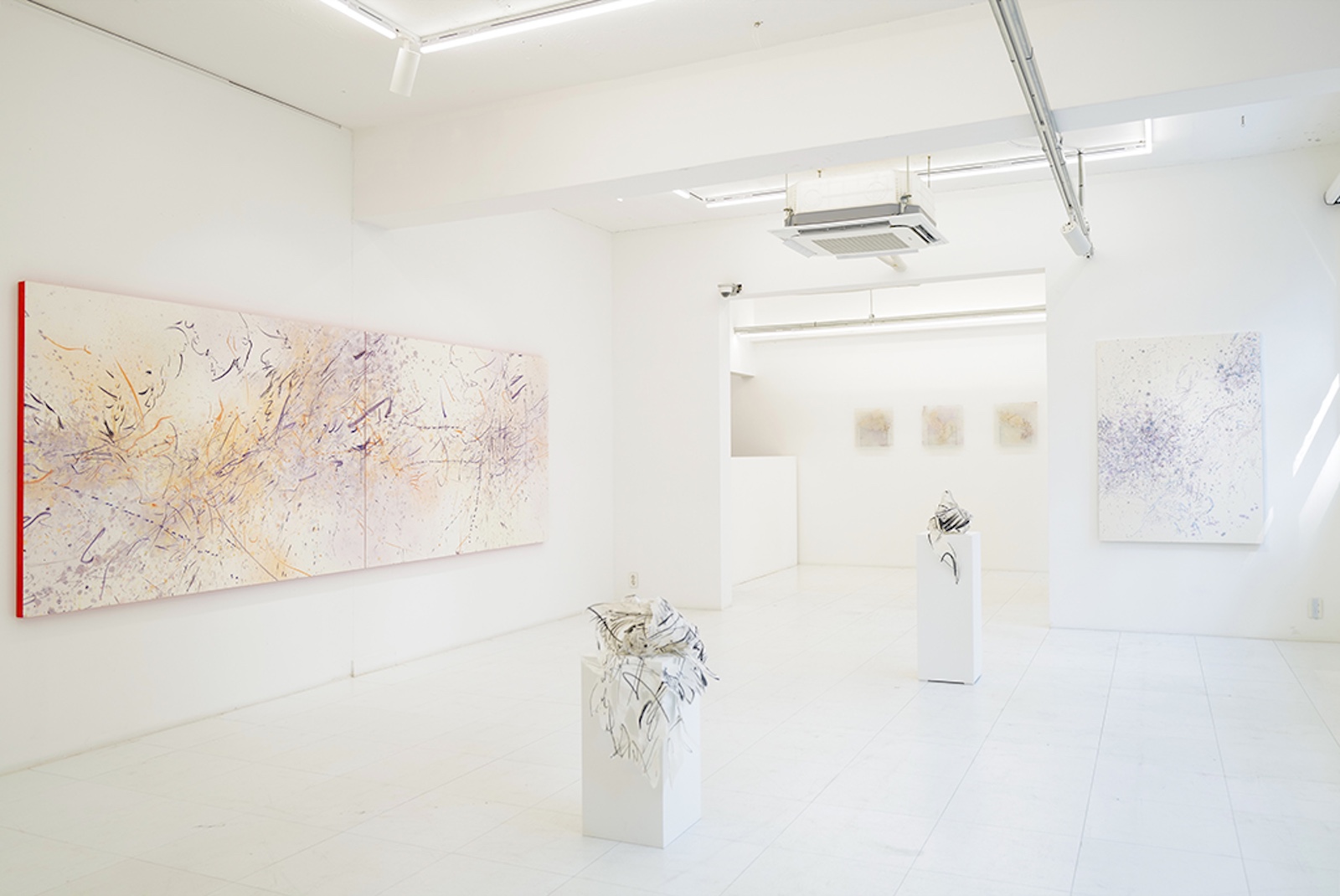
Purple Mandarine's dream

2024
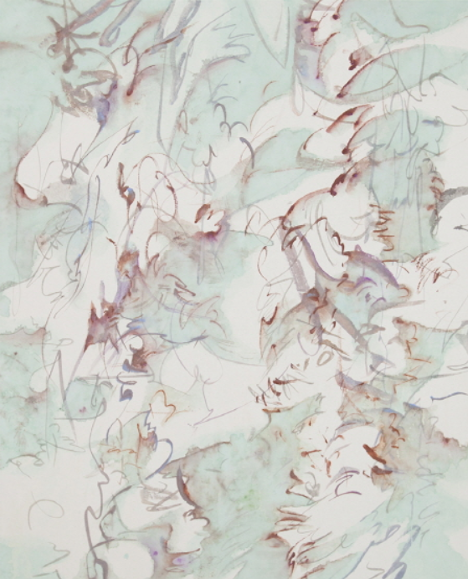
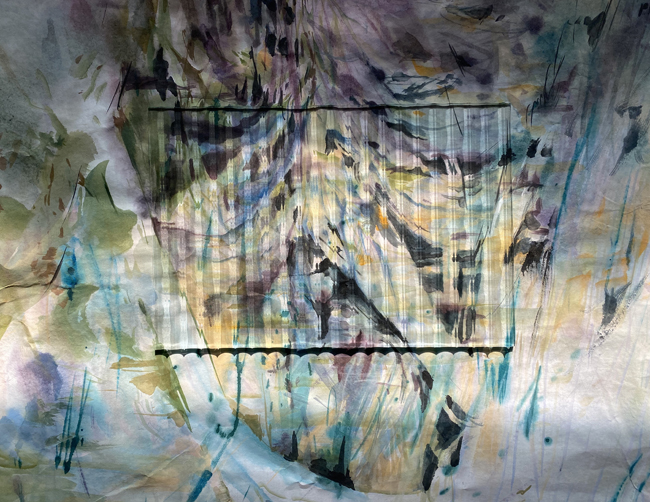
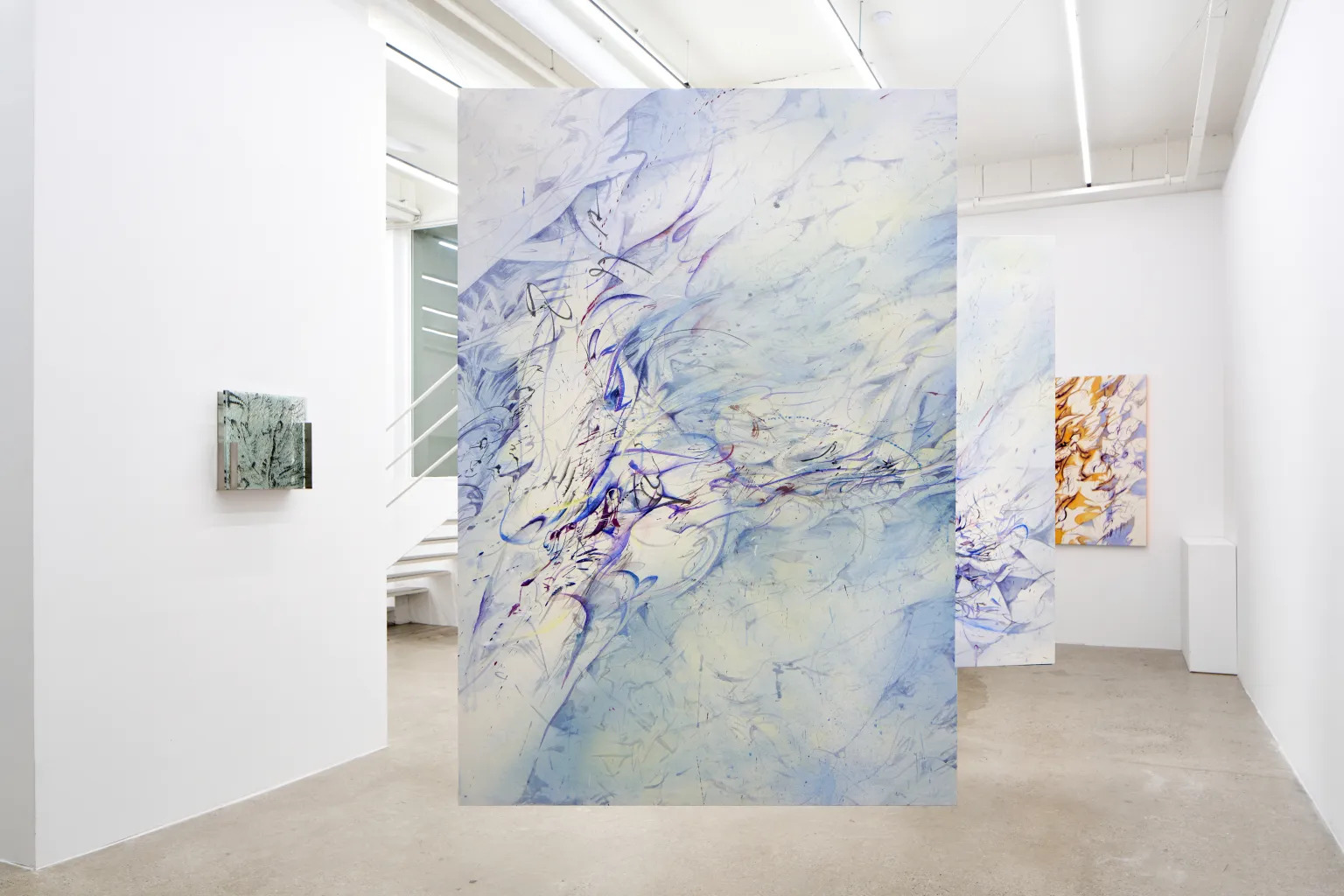
Colors on Hanji & acrylic on silk
138 x 594 cm (empty 108 cm)
About The Work

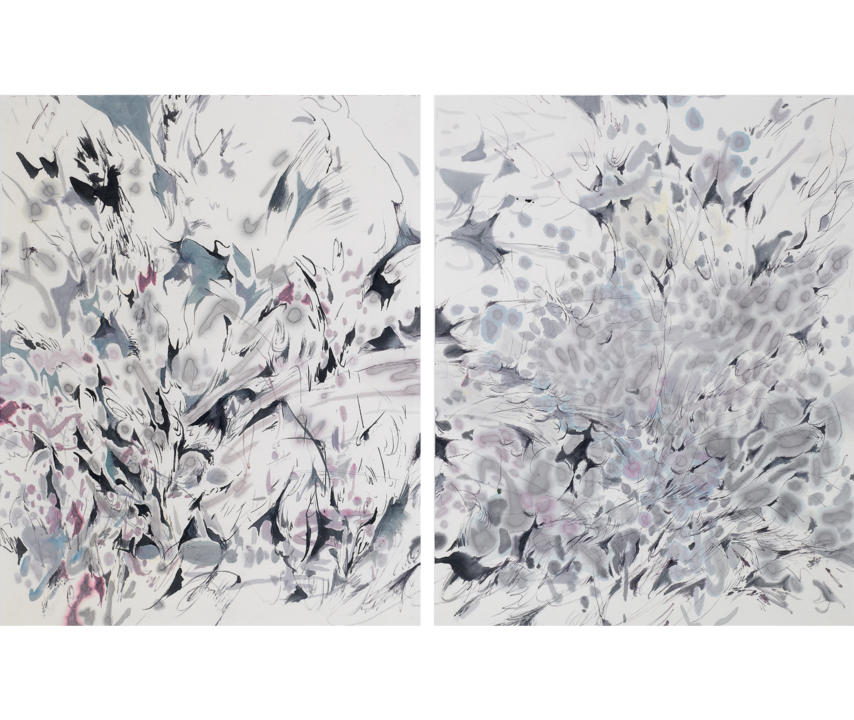
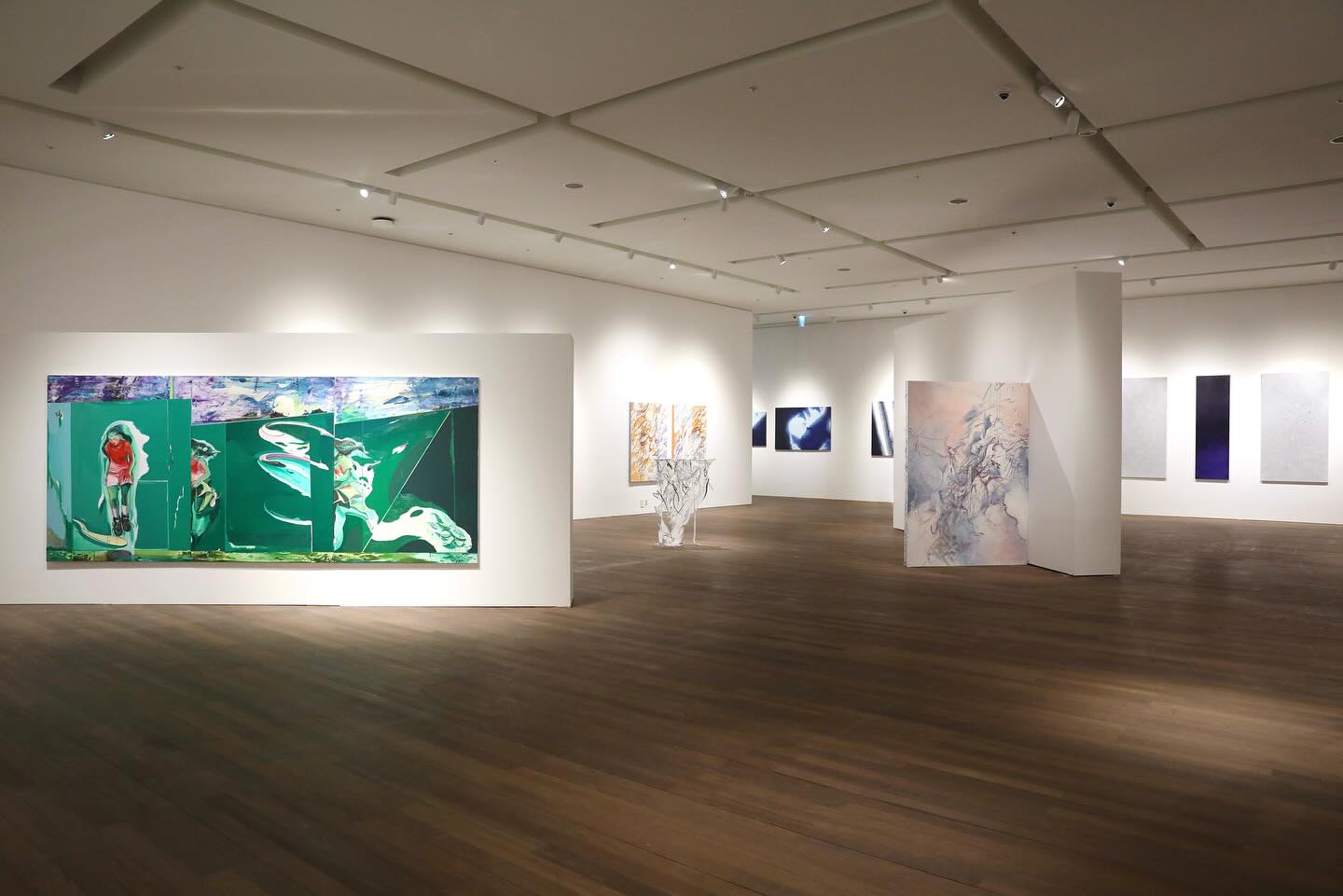
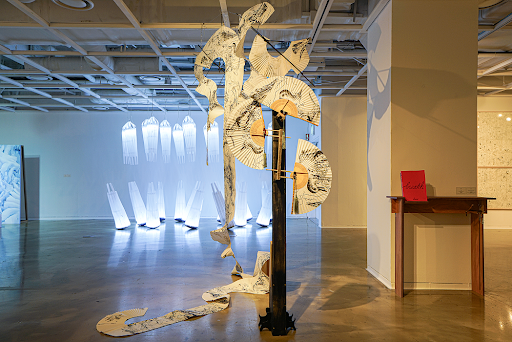
Minjung Key has developed a practice that elevates the subtle traces and delicate sensations embedded in hanji—the traditional Korean paper central to East Asian ink painting—into the realm of materiality. She is drawn to fleeting moments, such as thin hanji paintings slipping from the wall and hovering across the floor in unexpected formations, or a painting placed by a window casting painterly afterimages onto the wall through the paper's translucency.
 
Rooted in these experiences, Key seeks to endow the immaterial, ephemeral moments that arise through her relationship with paper—a fragile and delicate medium—with material presence and a sense of permanence. Much of Minjung Key's practice unfolds through an intimate engagement with her chosen materials. The hanji paper and ink she primarily employs demand a close understanding of and dialogue with the medium, owing to their inherent delicacy and sensitivity. 

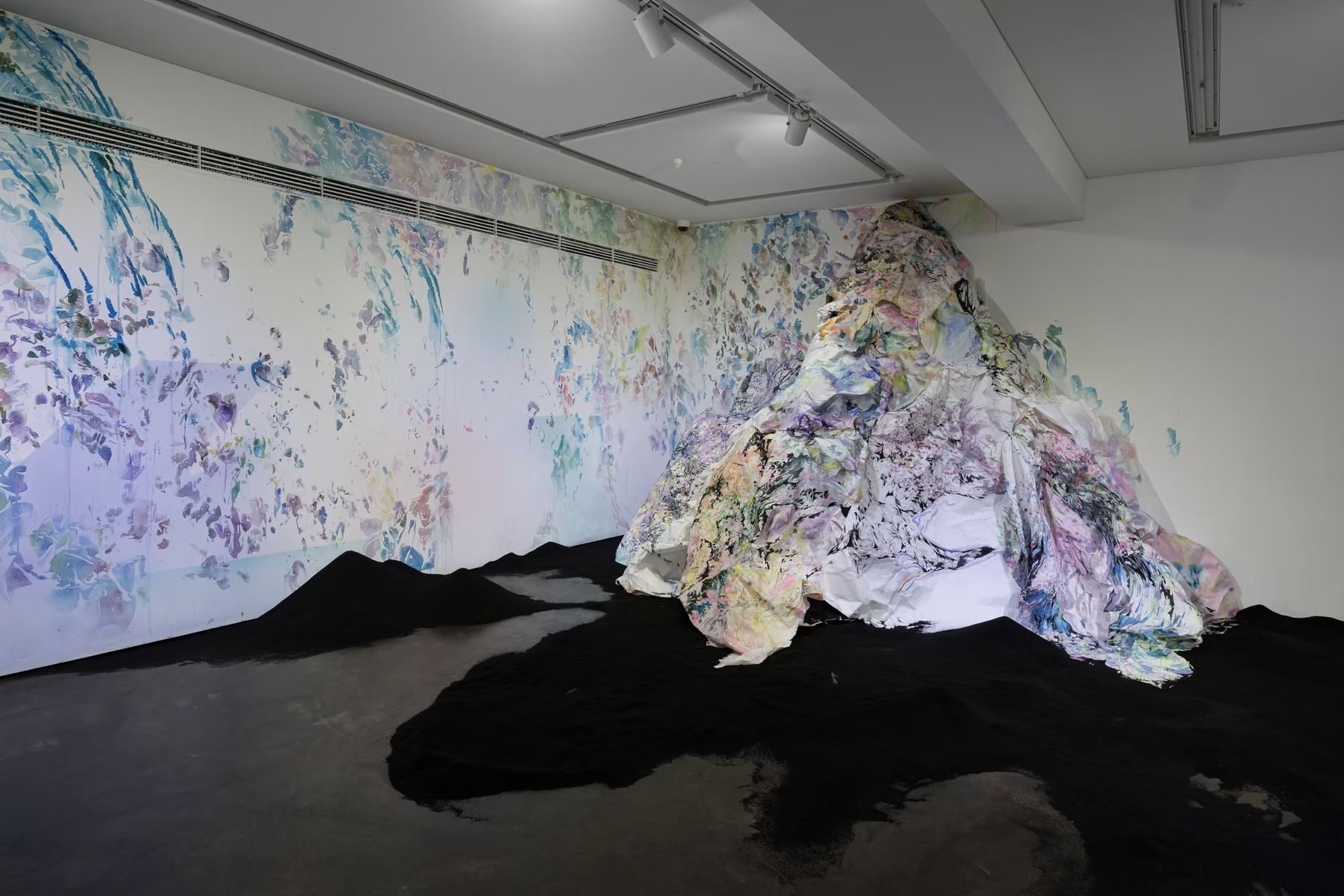
Working in close relation to the fragile nature of these traditional materials, Key has continually experimented with the act of painting itself. Through this process, she conceives of paper as a fluid body liberated from the frame, overturning the material's inherent flatness by allowing it to respond to the architectural elements of the space in which it is situated.

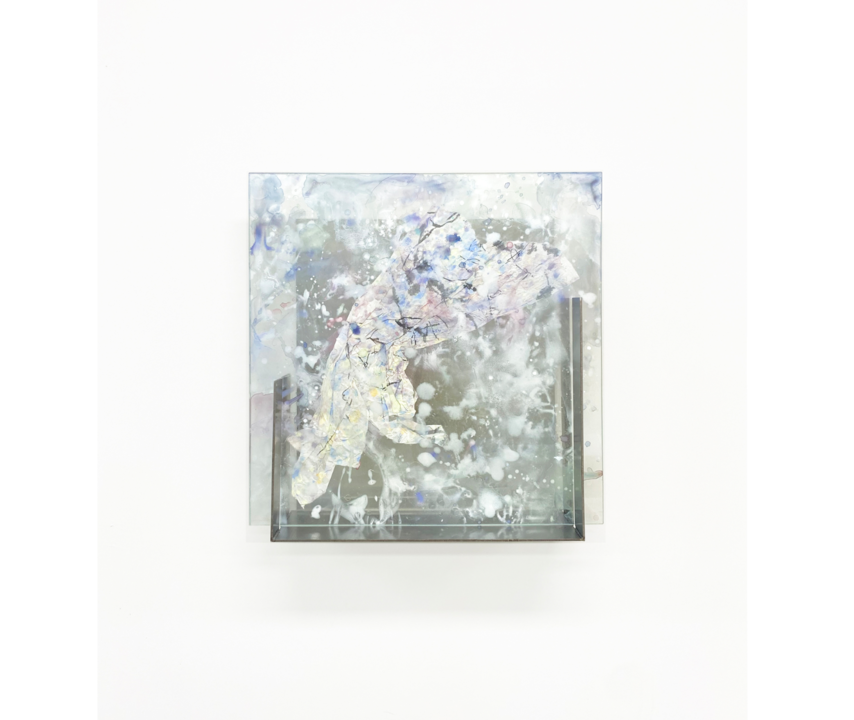
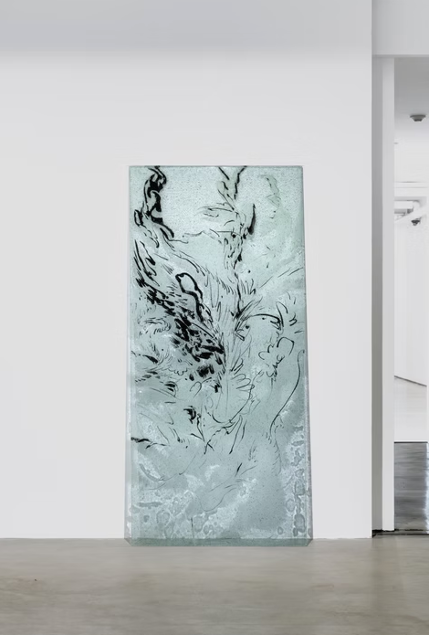
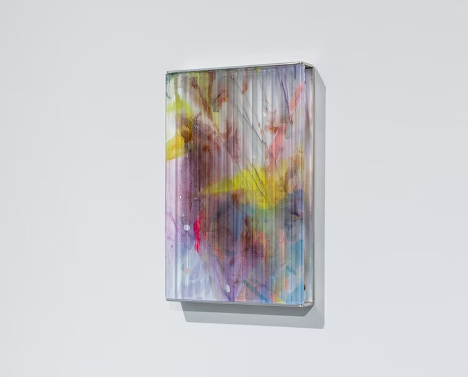
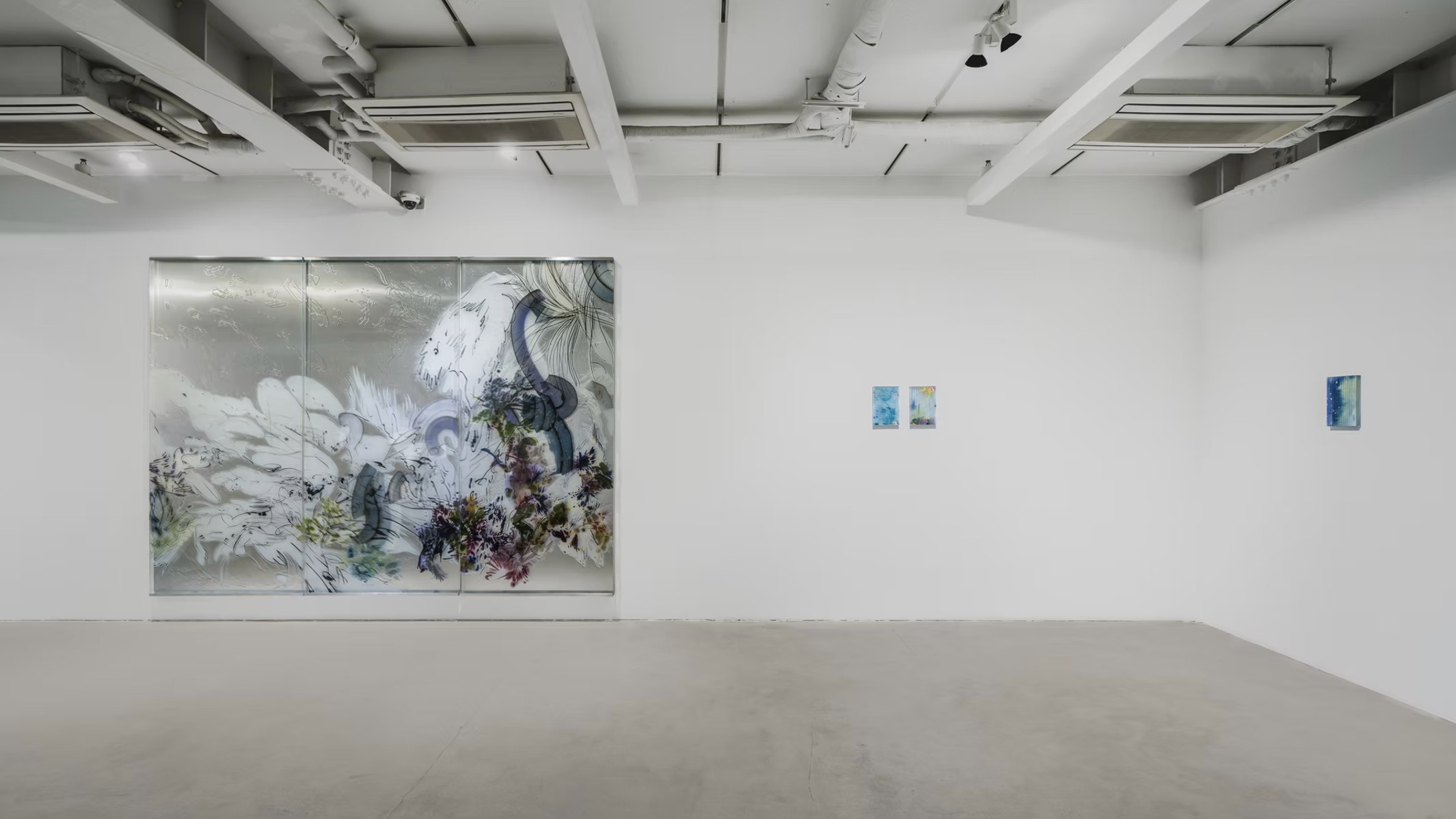
Alongside this, the artist has continued to explore the balance created through the tension between heterogeneous materials, combining light and fragile paper with contrasting materials such as glass and metal. These works encourage the pictorial surface to actively engage with the exhibition space while endowing delicate images with material presence and weight.

In this way, the sensations of collision and transformation that Minjung Key cultivates within the pictorial surface coalesce into visual events in which form and formlessness coexist. The diverse scenes that emerge through the collision, coexistence, and negotiation of heterogeneous sensations mirror our own attempts to find balance amid the complexities and contradictions of contemporary life.

Solo Exhibitions (Brief)

Key has held solo exhibitions including 《between fog and bone》 (MO BY CAN, Seoul, 2025), 《Salty Edge》 (Gallery Kabinett, Seoul, 2024), 《Mist of Flames》 (SONGEUN, Seoul, 2021), and 《Hoisting Paper, Rolling Up Stone, Floating Sprinkles and Then the Fabrics》 (OCI Museum of Art, Seoul, 2019).

Group Exhibitions (Brief)

Key has also participated in numerous group exhibitions, including 《Dimensionalists: Poetry·Image·Score·Code》 (Seoul National University Museum of Art, Seoul, 2025), the 9th 《Yeoreum Saengsaek Exhibition》 (Sejong Museum of Art, Seoul, 2025), 《Things That Hold: Layer by Layer》 (THEO, Seoul, 2025), 《Curved Spacetime》 (Gallery Playlist, Busan, 2024), and 《ONEPIECE》 (111CM, Suwon, 2023).

Awards (Selected)

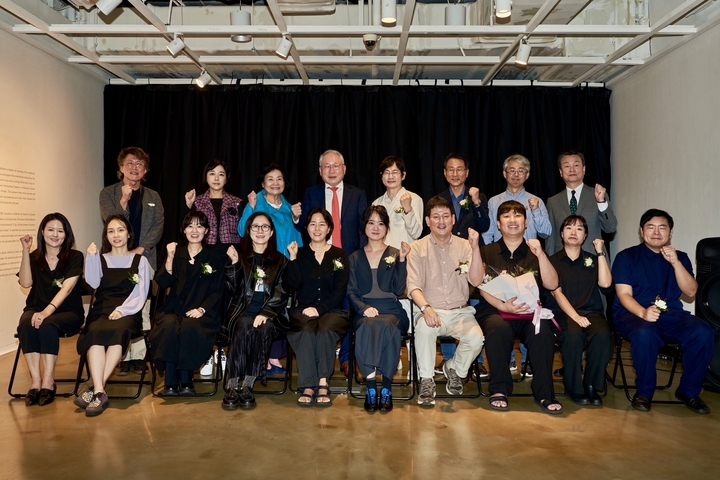
Key received the Excellence Award at the Dongwha Pharmaceutical Gasong Art Award in 2025 and was selected for OCI Young Creatives in 2019.

Residencies (Selected)

Key has been an artist-in-residence at Suwon Art Studio PRJD (2023–2024), the OCI Museum of Art Residency (2022), and the SONGEUN Artist Studio (2021).

Works of Art

Scenes Unfolding at the Point of Balance

Originality & Identity

Minjung Key's practice began with a small observation made around 2018, in a studio near Nodeul Station in Seoul that had more windows than walls. Sheets of xuan paper, left unmounted, responded to light and wind, drifting off the wall to settle on the floor in unplanned shapes; paintings taped by a window left painterly afterimages on the wall through the paper's translucency.

Key sought to give these immaterial, fleeting moments material presence and permanence, and this concern carried directly into her first solo exhibition, 《Hoisting Paper, Rolling Up Stone, Floating Sprinkles and Then the Fabrics》(OCI Museum of Art, 2019).
 
In her 2021 solo exhibition at SONGEUN, 《Mist of Flames》(SONGEUN, 2021), her focus shifted toward the tension and balance between two materials with opposing qualities: xuan paper and glass.

Layering fragile, voluminous paper against solid but visually negligible glass within a single composition, Key has described the impulse behind this practice in her own words — “Many people strive to find emotional balance amid the contradictions between ideals and reality. My work captures the various moments that unfold at the point where that balance is sought” — and the exhibition gave form to the ambivalent energy of a self that wishes to break from the current without simply swimming against it.
 
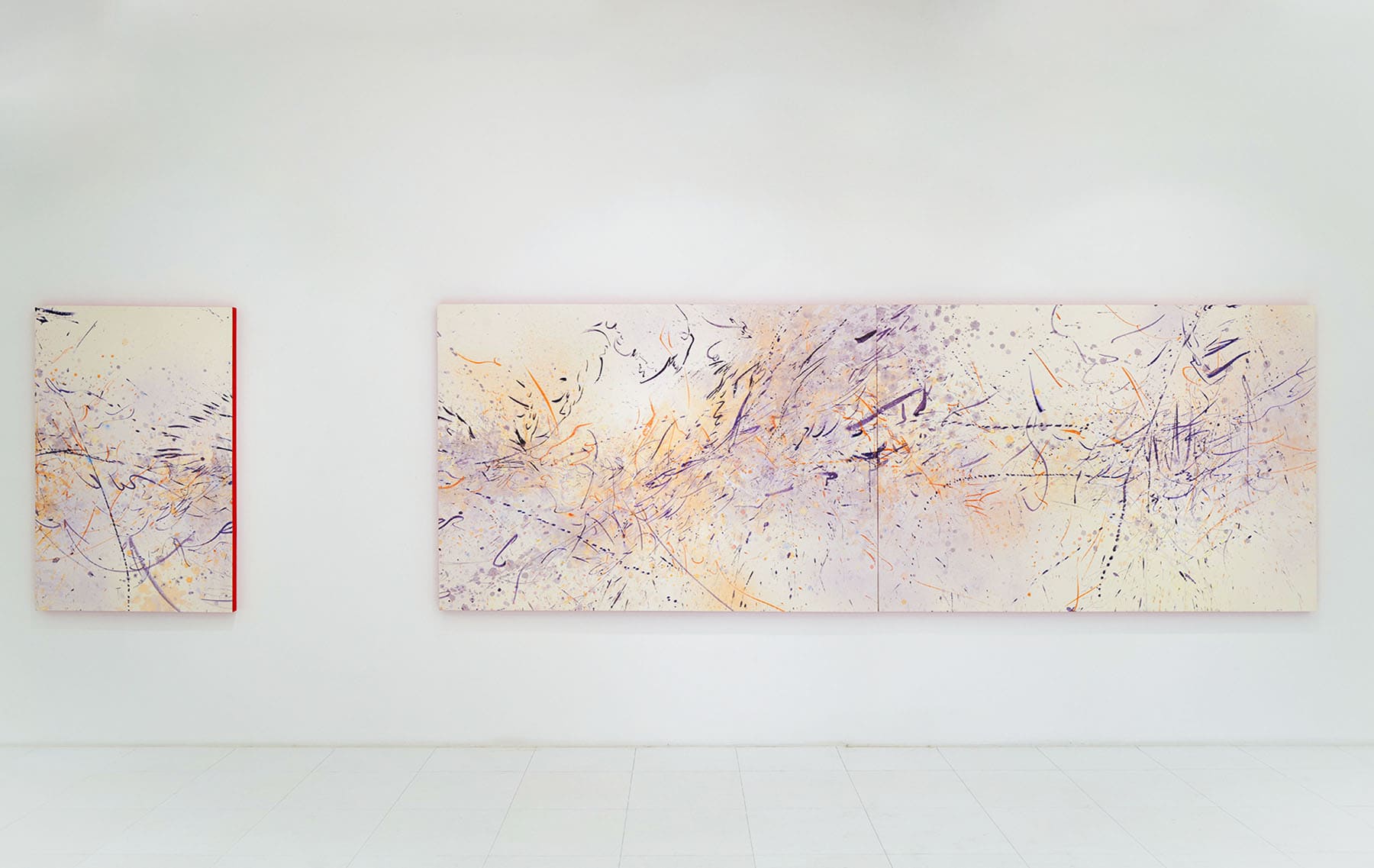
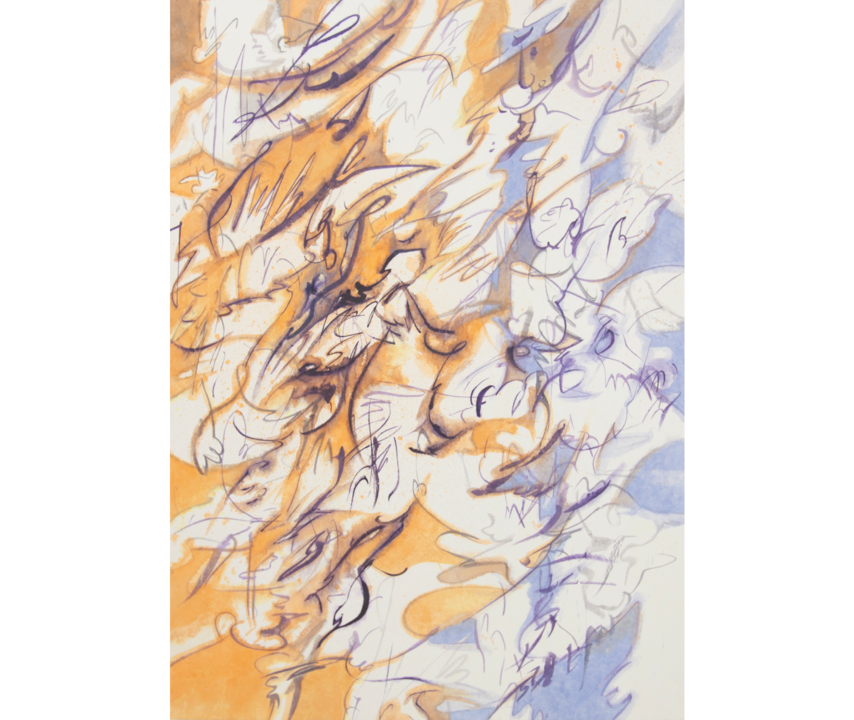
By 《Salty Edge》(Gallery Kabinett, 2024), Key says she moved away from her earlier habit of obsessively refining emotion before working, toward a more immediate, raw emotional register. The reddish ink and the sharp, unresolved lines that mark this shift are matched by a parallel move outward from the picture plane, as the work begins to engage the space around it — through silk-wrapped surfaces or drawing fragments compressed between sheets of glass.
 
In her 2025 exhibition 《between fog and bone》(MO BY CAN, 2025), Key connects a sensation of wind she found in a classical poem about scholar's rocks by Bai Juyi to the East Asian painting concept of golyuk (骨肉, bone and flesh) — the relationship between line (bone) and color (flesh) — moving fluidly between the old boundary separating baekmyo (白描), which builds form through line, and molgol (沒骨), which reveals form through color and diffusion alone.

Drawing clouds as though drawing bone, and cutting bone-like fragments that scatter like stains, she redefines the blank margin not as empty space but as a density that pools like gas.

Style & Contents

Key's practice begins with a close, sensitive understanding of traditional materials — hanji, xuan paper, and ink. Rather than mounting or backing individual sheets of xuan paper or sunji onto a rigid support, she has fixed them directly onto lime-plastered studio walls with paper tape, a method she recorded in her doctoral dissertation as: “Leaving traces on the wall / Absorbing light in front of the window / Falling away from the wall / Crumpling up in a corner when everything seems to have failed / Swaying when the wind blows.”
 
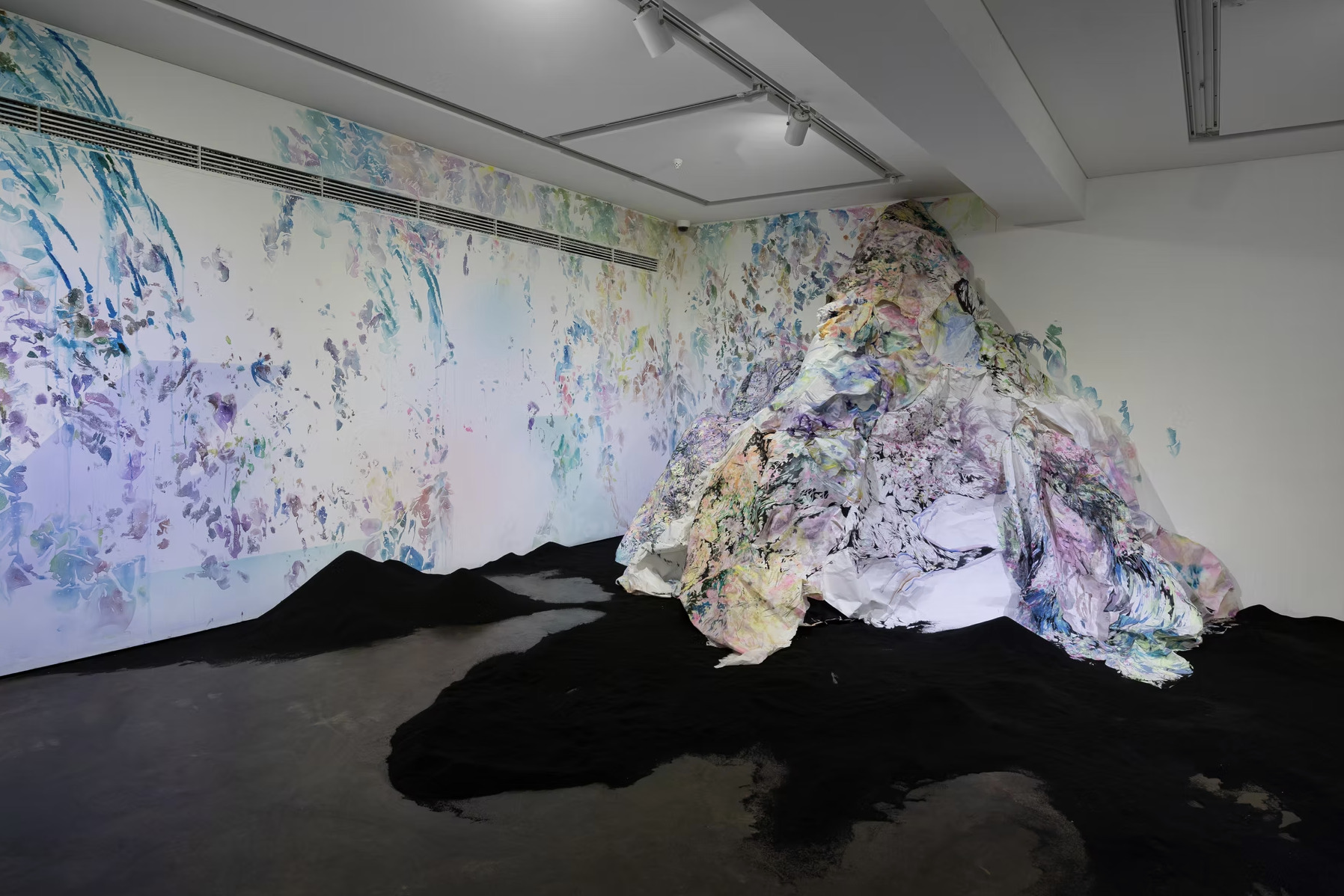
The exhibition space of 《Hoisting Paper, Rolling Up Stone, Floating Sprinkles and Then the Fabrics》 carried this studio scene over almost intact. Piles of stacked and crumpled paper, colorful artificial rocks wrapped in plaster, black powder flowing beneath them, and large dyed fabrics cascading down the walls and swaying in the air conditioning together redefined paper as a fluid body released from the frame. Summer of Monologia(2019), a work in pigment on xuan paper, is representative of this period.
 
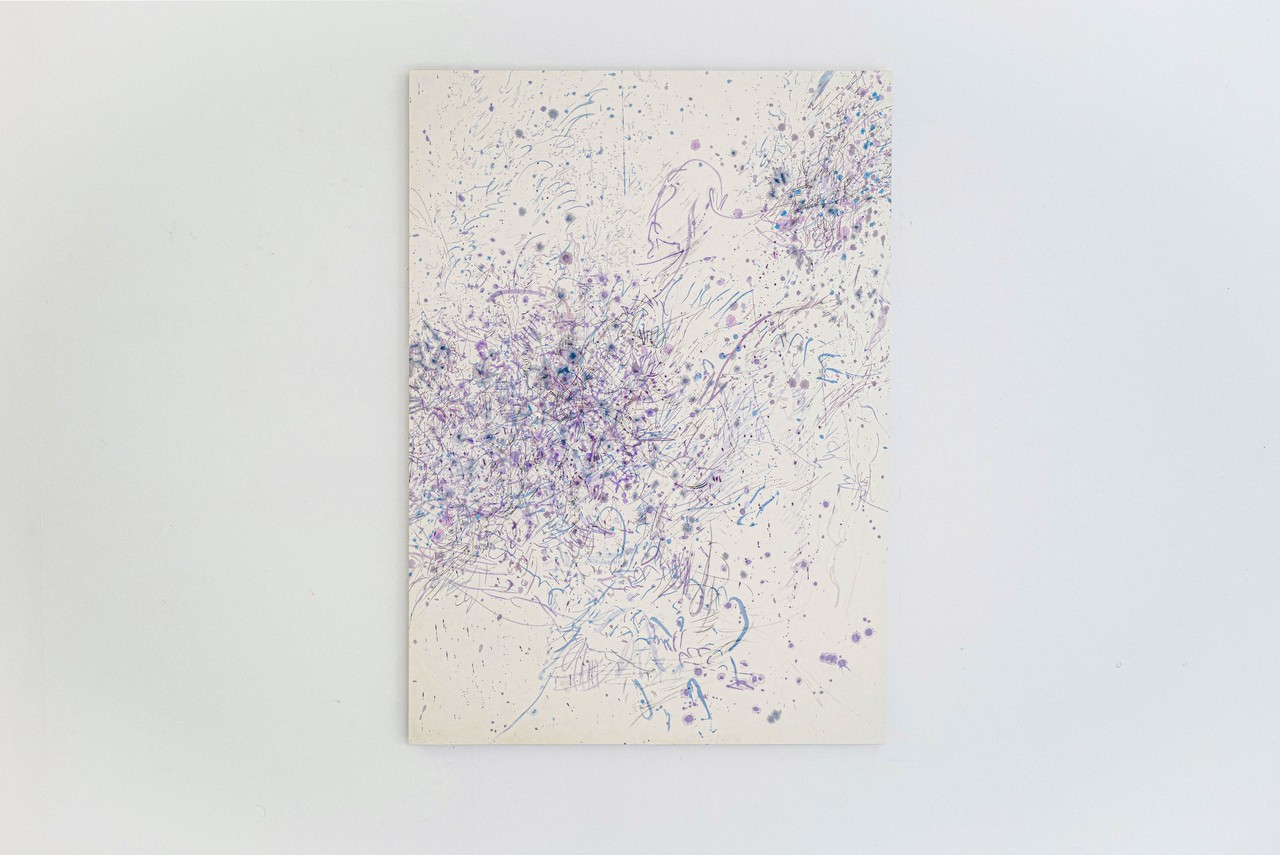
From 2021 onward, glass emerges as a material placed directly alongside xuan paper. Movement in the Misty Light(2021) layers low-iron tempered glass and epoxy over xuan paper, fixing the flow of pigment created by the brush beneath the glass, while the small-scale 'Paper on Glass'(2021) series applies the same method to more modest drawings, favoring a quiet, humid mood over vividness.
 
From 2024, her materials expand once more. In Purple Mandarine's dream(2024), hand-painted silk — drawing on the traditional mounting technique — wraps the surface like a reinterpreted frame alongside colors on hanji, while another body of work from 《Salty Edge》 compresses leftover fragments of unused flat paintings between sheets of glass.

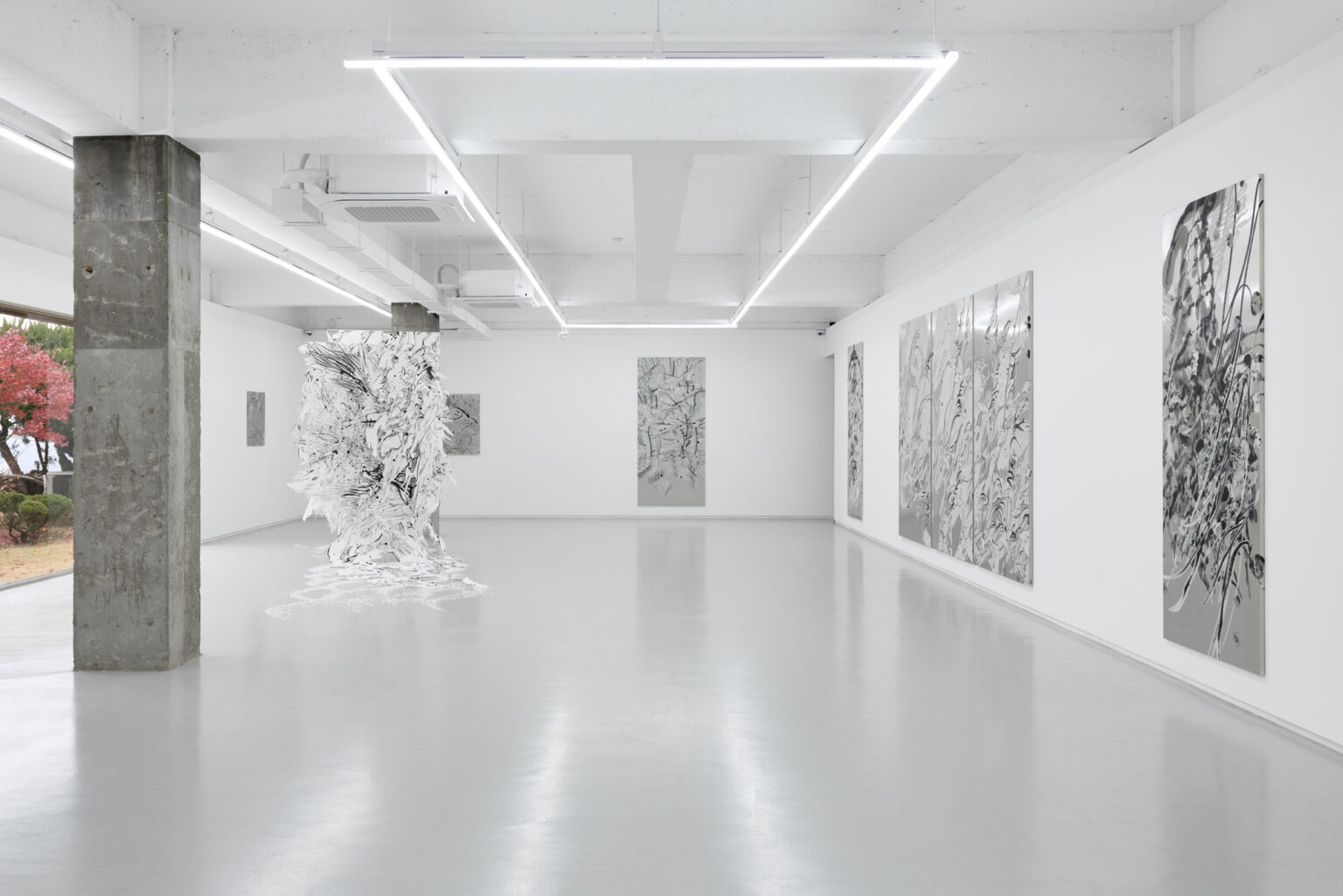
By 《between fog and bone》, metal panels enter the mix: cut xuan paper rests on metal, knife-carved inscriptions, broken glass, and scattered powder mingle together, completing a material trajectory that runs from paper to glass to silk to metal.

Topography & Continuity

What distinguishes Key's practice is her refusal to confine the traditional materials of East Asian painting within the frame of flat painting. Treating xuan paper as a body released from its frame and responsive to architectural space, and reinterpreting even baejeop, the traditional mounting technique, as a painterly gesture in itself, reflects an approach that engages traditional media without settling into nostalgia for their conventional form.
 
Key has recalled that around 2014, she felt the limits of translating narrative into figuration, and her subsequent work can be read as unfolding from a growing trust in the intuitive communicative power of material itself, rather than figuration. The line running from her chance observations in a window-filled studio (2019), through the tension between paper and glass (2021), to raw emotion and the turn to silk (2024), and the encounter with golyuk and metal (2025), holds steady even as the medium keeps changing: an ongoing effort to give weight and presence to immaterial sensation.
 
This practice has taken shape across a series of institutions centered in Seoul. Since being selected for OCI Young Creatives in 2019, Key has held residencies at the SONGEUN Artist Studio(2021), the OCI Museum of Art Residency(2022), and Suwon Art Studio PRJD(2023–2024), and has steadily broadened her visual language through various exhibitions.
 
Having trained systematically in traditional painting from her BFA through her PhD at Seoul National University's Department of Oriental Painting, Key has held onto the precision that training demands while continually making the material itself feel unfamiliar again. In her own words, her work gathers “the various moments that unfold at the point where balance is sought” — and given how that search has already moved from paper to glass, to silk, and now to metal, it seems likely to keep landing on new materials as it continues.

Works of Art

Scenes Unfolding at the Point of Balance

Articles

Exhibitions

Activities