The Kindly Guide for Newbies Collecting the Works of Art - K-ARTIST

The Kindly Guide for Newbies Collecting the Works of Art

2024
Single-channel video
21 min
About The Work

Byungsu Lee has explored and investigated specific places, reading the multiple layers of meaning accumulated within them and visualizing them from new perspectives to reconstruct them as fictional places. His attention is drawn to spaces that remain beyond the full reach of our experience and perception, ranging from overlooked parts of the city to restricted areas and places accessible only through maps and images.

The artist traces the memories, events, and social rules embedded in places, questioning the conditions through which we come to accept something as reality. Working across photography, video, archival materials, and installation, he has made the boundaries between reality and fiction, and between the visible and the concealed, a central concern throughout his practice.

In particular, when constructing spaces through digital technologies such as satellite imagery, Google Earth, 3D computer graphics, and VR, Lee does not seek to create seamless illusions. Instead, he reveals within his works the conditions and traces through which images are produced. By exposing the material structures and limitations of the viewing apparatus, he questions whether virtual images can ever exist completely apart from reality, and what determines the ways in which we experience space.

Lee’s practice lies at the intersection of site-specific practice, documentary investigation, media art, and institutional critique. Within changing technological and social environments, he continually renews questions such as “What is visible and what is concealed?” and “Who can access and experience a particular place?” Through these inquiries, he has continued to examine the conditions of place, media, and institutions that constitute our reality.

Solo Exhibitions (Brief)

Byungsu Lee has held solo exhibitions at Cheongju Art Studio (2012), Project Space SARUBIA (2018), Incheon Art Platform (2020), Post Territory Ujeongguk (2021), and Art Centre Art Moment (2024).

Group Exhibitions (Brief)

Byungsu Lee has participated in group exhibitions at Sungkok Art Museum (2010), Gyeonggi Museum of Modern Art (2012), Art Sonje Center and HITE Collection (2014), Asia Culture Center and Ilmin Museum of Art (2019), Incheon Art Platform (2020), and Platform-L Contemporary Art Center (2022).

Awards (Selected)

Byungsu Lee received the Graduate School Dean’s Award at the Seoul National University College of Fine Arts Degree Show (2011) and the Grand Prize at the New Discourse Competition by Cyart Institute & Gallery (2012).

Residencies (Selected)

Byungsu Lee has participated in residency programs at Seoul Art Space Geumcheon (2010), Cheongju Art Studio (2012), Gyeonggi Creation Center (2019), and Incheon Art Platform (2020).

Collections (Selected)

Works by Byungsu Lee are held in the collections of the Visual Arts Institute, Seoul National University, Cheongju Museum of Art, Museum of Contemporary Art Busan, Seoul Artists’ Platform_New&Young, and Incheon Foundation For Arts & Culture.

Works of Art

At the Intersection of Reality and Fiction, Visibility and Invisibility

Originality & Identity

Byungsu Lee’s practice begins with the observation and investigation of specific places. The sites that draw his attention include overlooked parts of the everyday city, restricted areas, and spaces encountered only through maps and images—places that remain partly beyond the reach of our direct experience and perception.

By tracing the memories, events, and social rules accumulated within these sites, Lee questions the conditions through which what we accept as reality is constructed. Throughout this process, the boundaries between reality and fiction, and between the visible and the concealed, have remained central concerns driving his practice.

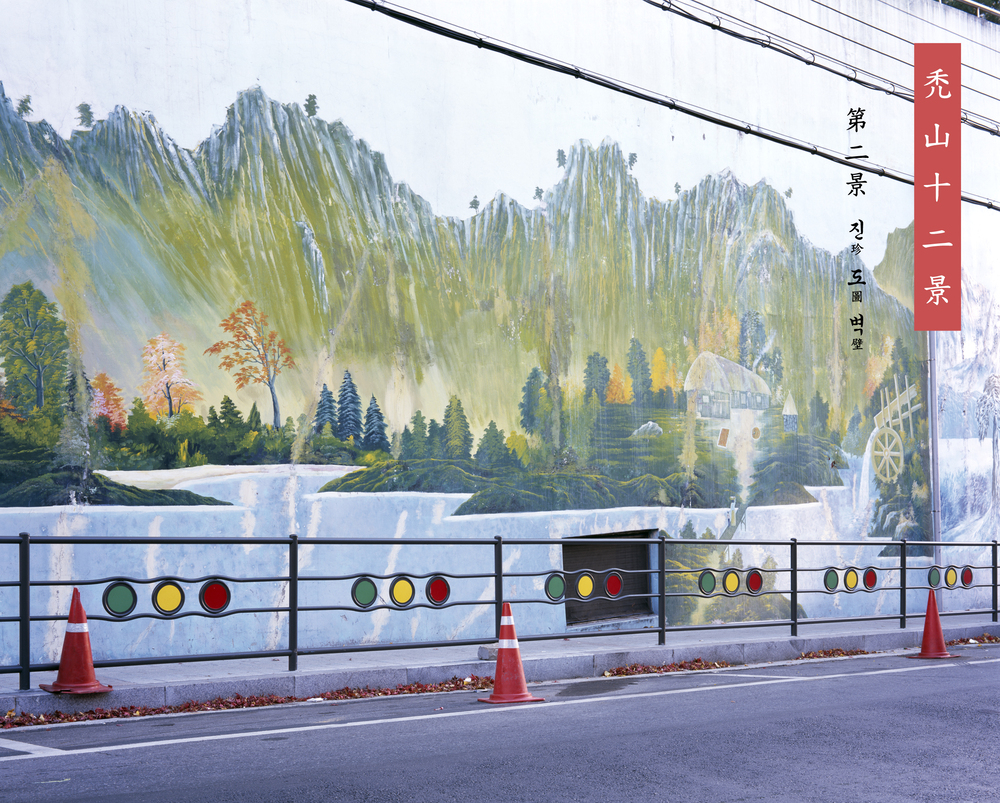
In his early works, this interest emerged through the insertion of fictional narratives into everyday places. In 12 Famous Places in Doksan, Lee combined photographs taken while walking through Doksan-dong with unfamiliar place names and invented stories, inviting viewers to encounter the familiar urban environment anew.

As actual places collide with constructed narratives, documentation moves beyond the role of objective evidence and becomes a means of reconsidering reality. In the “Gwanak Mountain Tiger Project,” he transformed the process of researching and tracking a tiger whose existence in the area was highly improbable into an event in itself.

What matters here is less the eventual proof of the tiger’s existence than the process of bringing imagination and belief—possibilities dismissed in advance as impossible—into the realm of reality and unsettling established modes of perception.

From the late 2010s onward, Lee expanded this concern toward the ways digital technologies shape our experience of place and reality. In One After Another, he reconstructed images of Mount Baekdu and Heaven Lake through satellite imagery, Google Earth, and 3D graphics, while 《Welcome to the Seamless World》 explored the gap between physically existing spaces and spaces experienced through digital images and virtual reality.

Technology in these works functions as more than a means of producing increasingly precise representations of reality. By examining what viewers see and where they perceive themselves to be within VR, as well as the extent to which technological devices permit or restrict the body and gaze, Lee questions how media themselves construct our sense of reality.

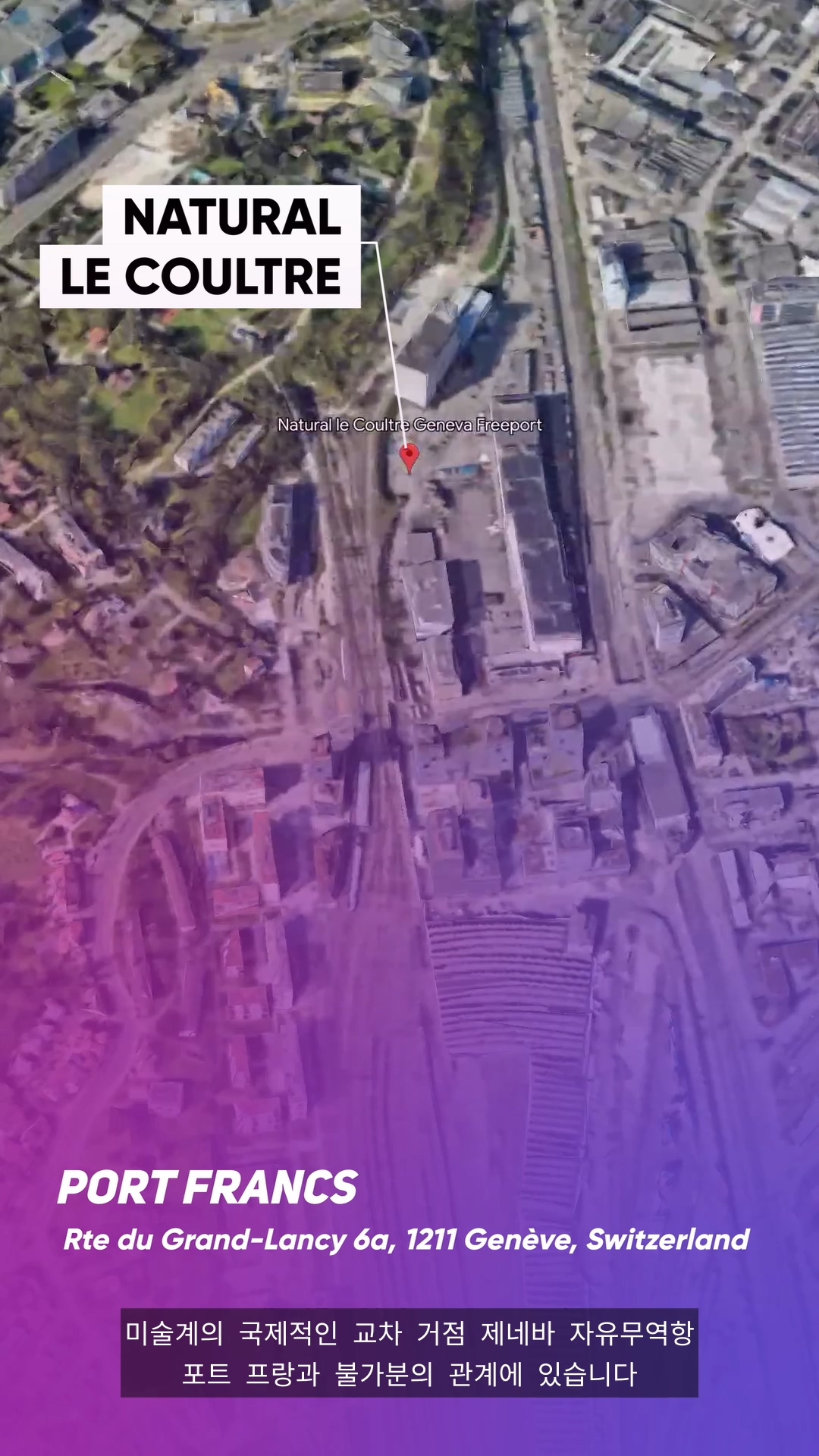
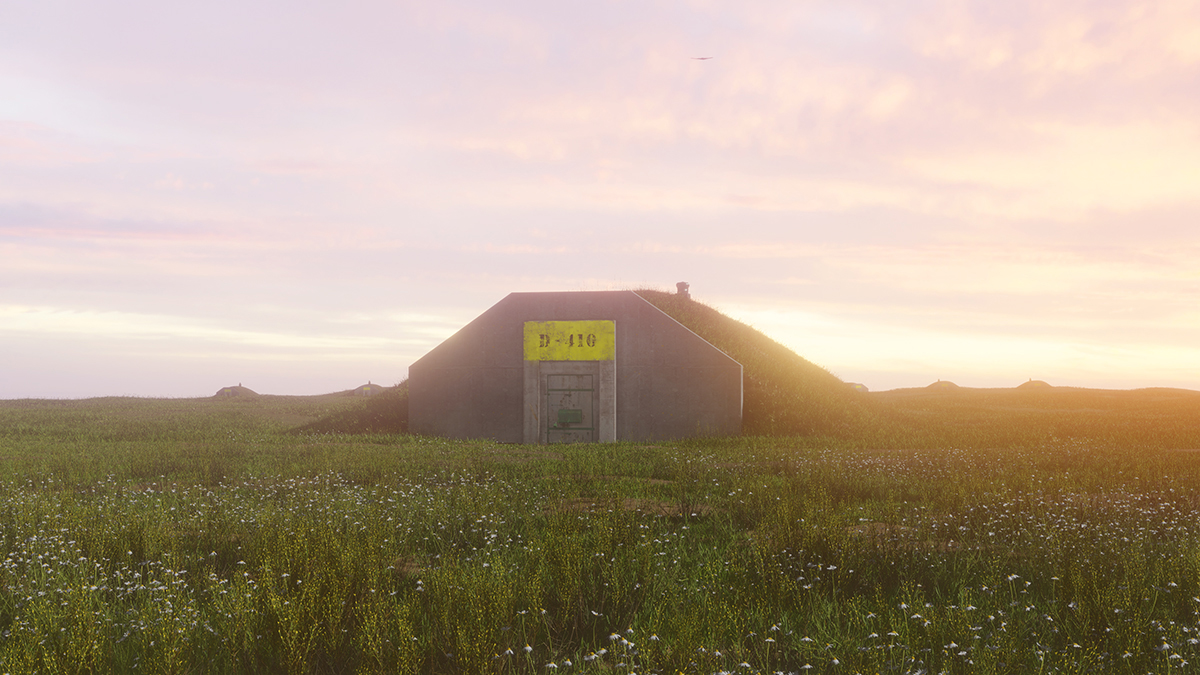
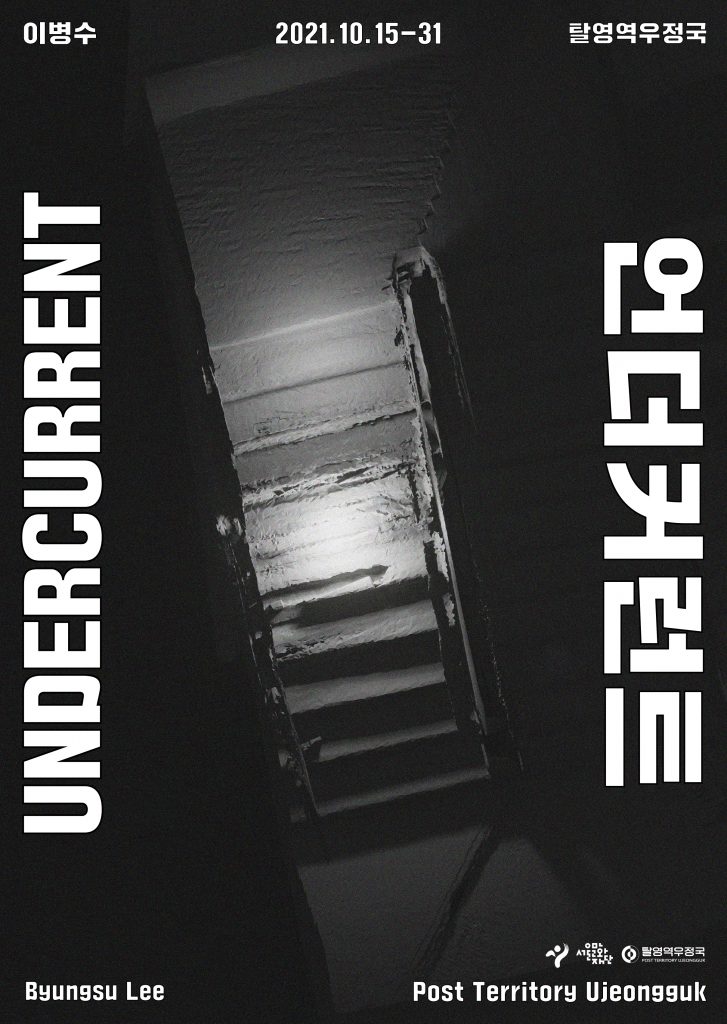
In Lee’s more recent practice, place emerges more explicitly as a site in which social structures and systems of value are concentrated. While 《Undercurrent》 addressed latent anxiety and threat through facilities built for military purposes or sites that had lost their original functions, 《The Ghost of a Flea》 examined how the logics of capital and ownership intervene in the value of art through Ports Francs, a Swiss freeport accessible only to a select few.

His subjects have shifted from everyday urban environments to military facilities, virtual spaces, and freeports, yet Lee has consistently sought to uncover the conditions concealed beneath the surfaces of places and reveal them through fictional situations and reconstructed images. His practice is distinguished by this persistent use of place as a means of locating fissures within reality and prompting us to perceive the familiar world differently.

Style & Contents

Byungsu Lee has worked across photography, video, documentation, and installation, incorporating the very process of researching actual places into the formal structure of his practice. In his earlier works, he experienced sites through walking, visiting, and conducting interviews, then combined the resulting photographs, testimonies, and documents with fictional narratives.

Representative examples include 12 Famous Places in Doksan, in which he added newly invented place names and stories to actual views of Doksan-dong and distributed them in the form of a local guide, and the “Gwanak Mountain Tiger Project,” which documented expert interviews and field investigations.

Here, documentation does not merely preserve events that have already occurred; it functions as a device through which the artist enacts a constructed event in reality and then narrativizes it again. The interweaving of fact and fabricated stories within the same image and documentary framework makes familiar places appear unfamiliar.

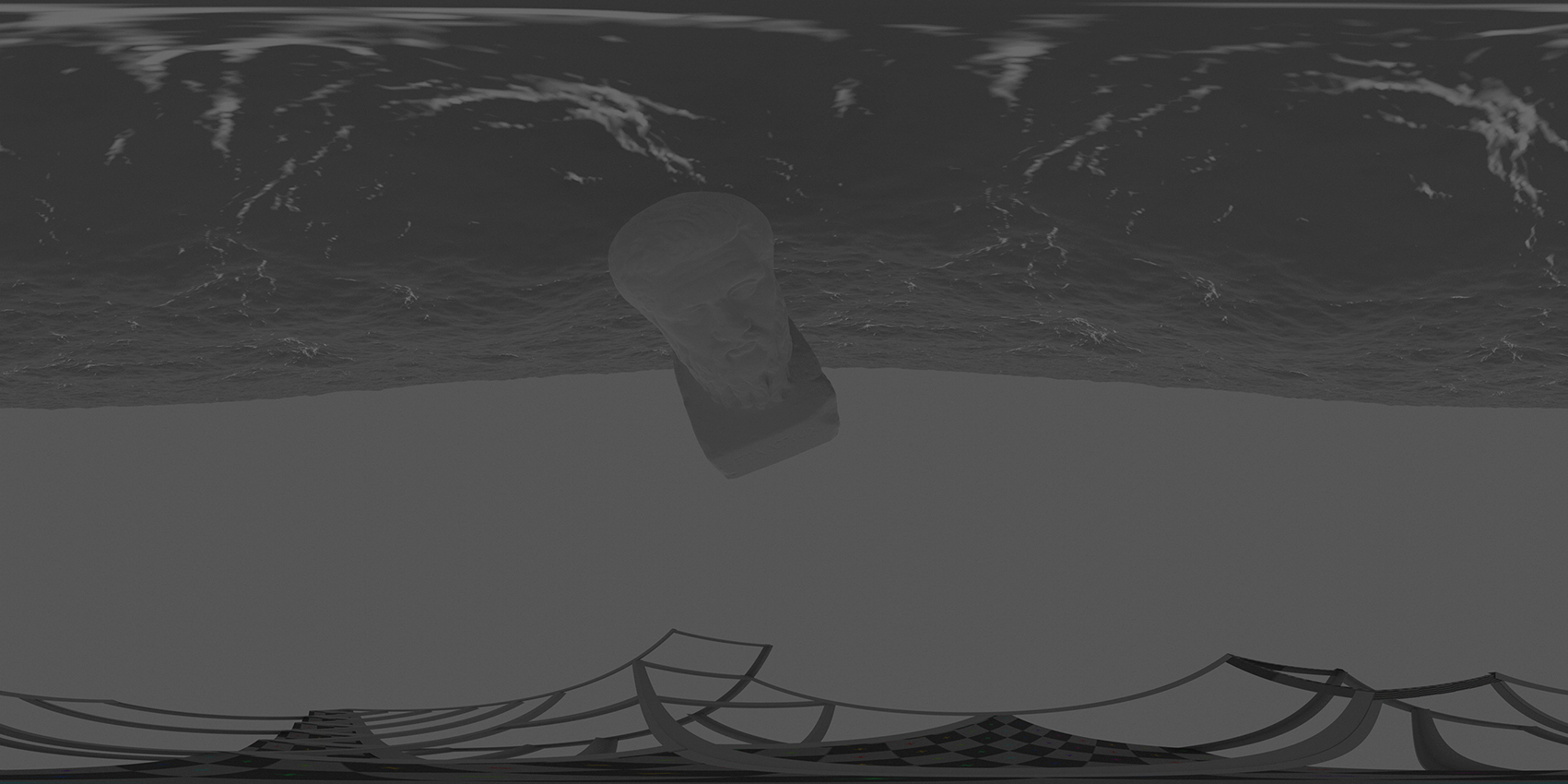
From the late 2010s onward, digital imaging technologies such as satellite photography, Google Earth, 3D computer graphics, and VR became important modes of production in Lee’s practice. One After Another reconstructs satellite images of Mount Baekdu and Heaven Lake through wireframes and computer graphics, exploring how existing maps and data represent place.

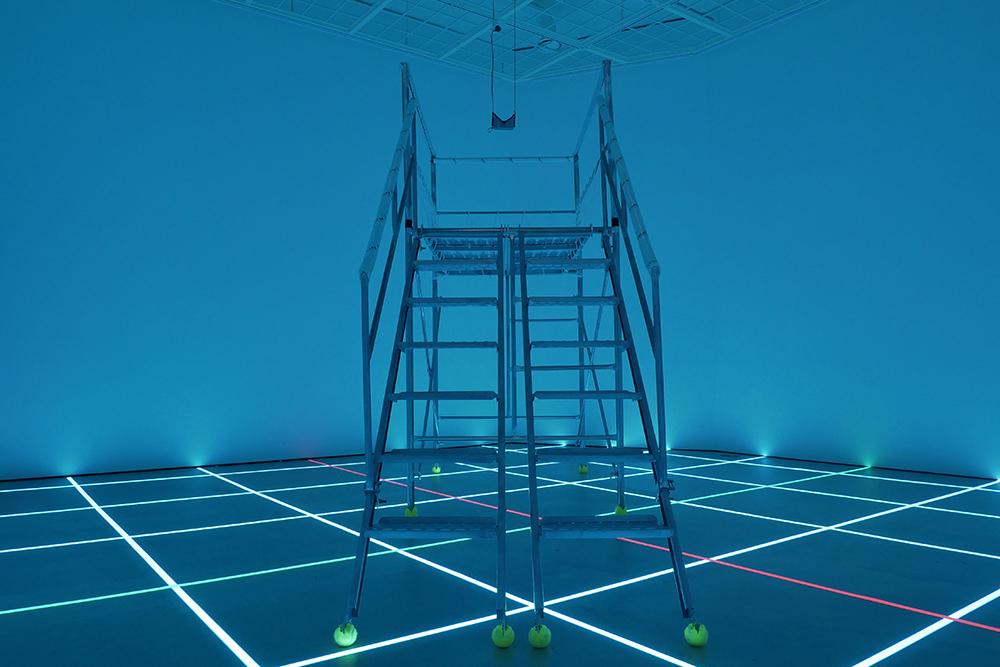
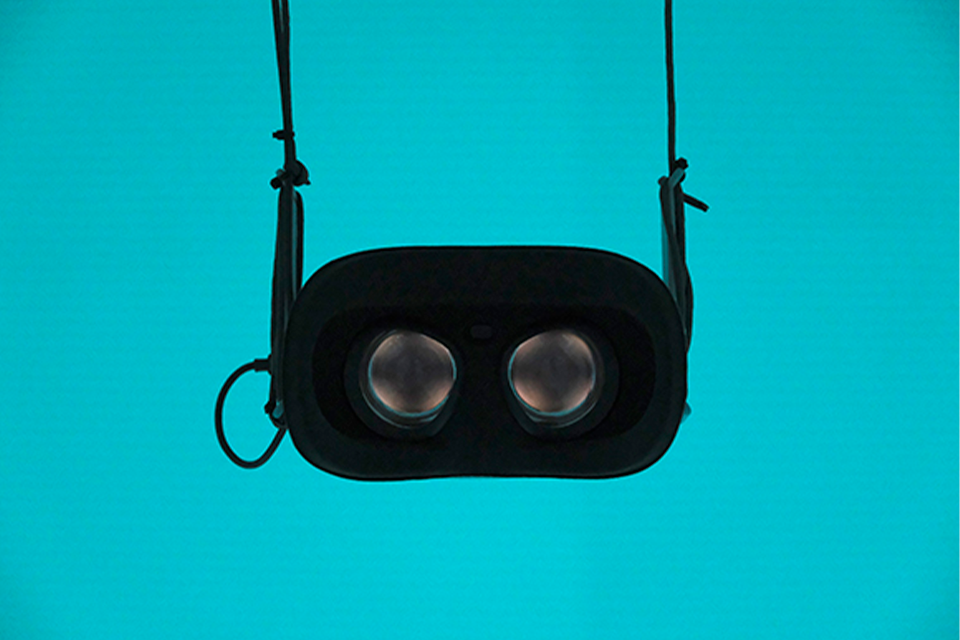
In Before Your Very Eyes and Double Bind, VR video, observation deck- or telescope-like structures, and the movements of viewers together form the environment of the work. While viewing a virtual space, audiences simultaneously experience physical restrictions imposed by narrow structures or by the movements of other viewers. For Lee, VR serves both as a device for immersion and as a means of making perceptible the disjunctions that arise between image and body.

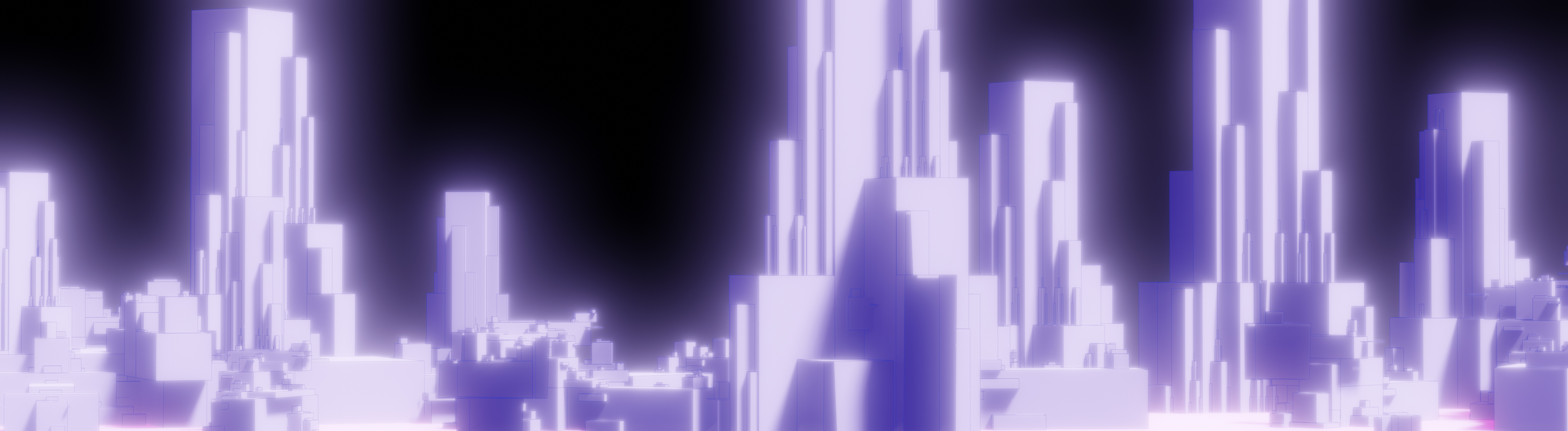
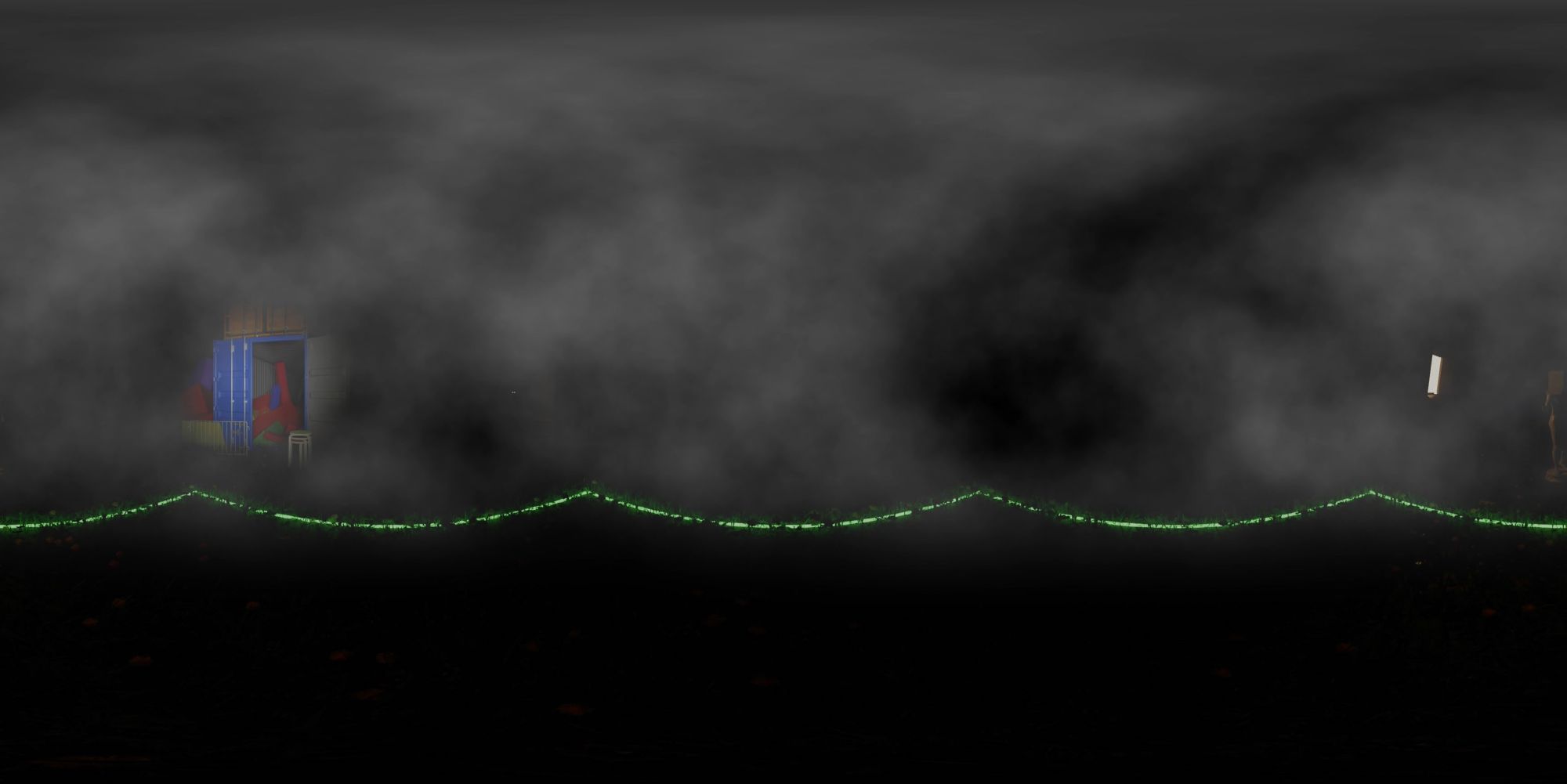
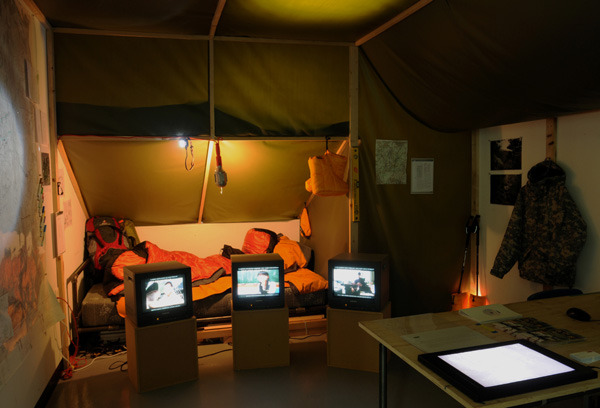
In constructing digital spaces, Lee does not seek to perfect a seamless illusion; instead, he leaves visible the conditions and traces through which images are produced. Gloomy Rendering and Double Bind feature 3D objects that resemble real things, along with debris and imagery suggestive of the aftermath of accidents, while in Screen Cave virtual human figures endlessly wander within the screens of old CRT televisions.

The VR works in 《Welcome to the Seamless World》 similarly foreground the material structures and limitations of viewing devices, questioning whether virtual images can ever exist in complete separation from reality. By deliberately exposing basic equipment and physical structures, Lee treats digital technology as both a subject of his work and an object of critical scrutiny.

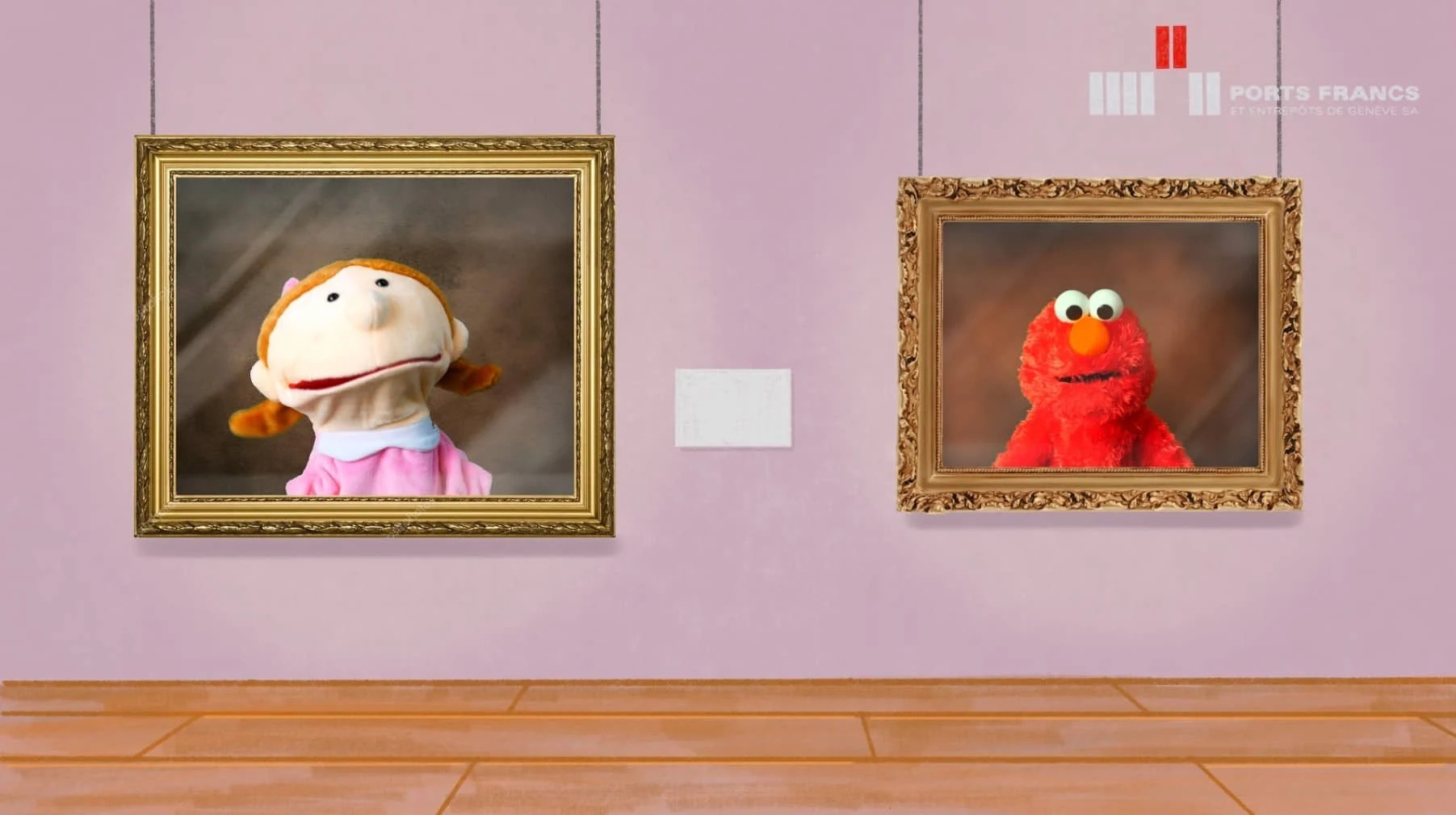
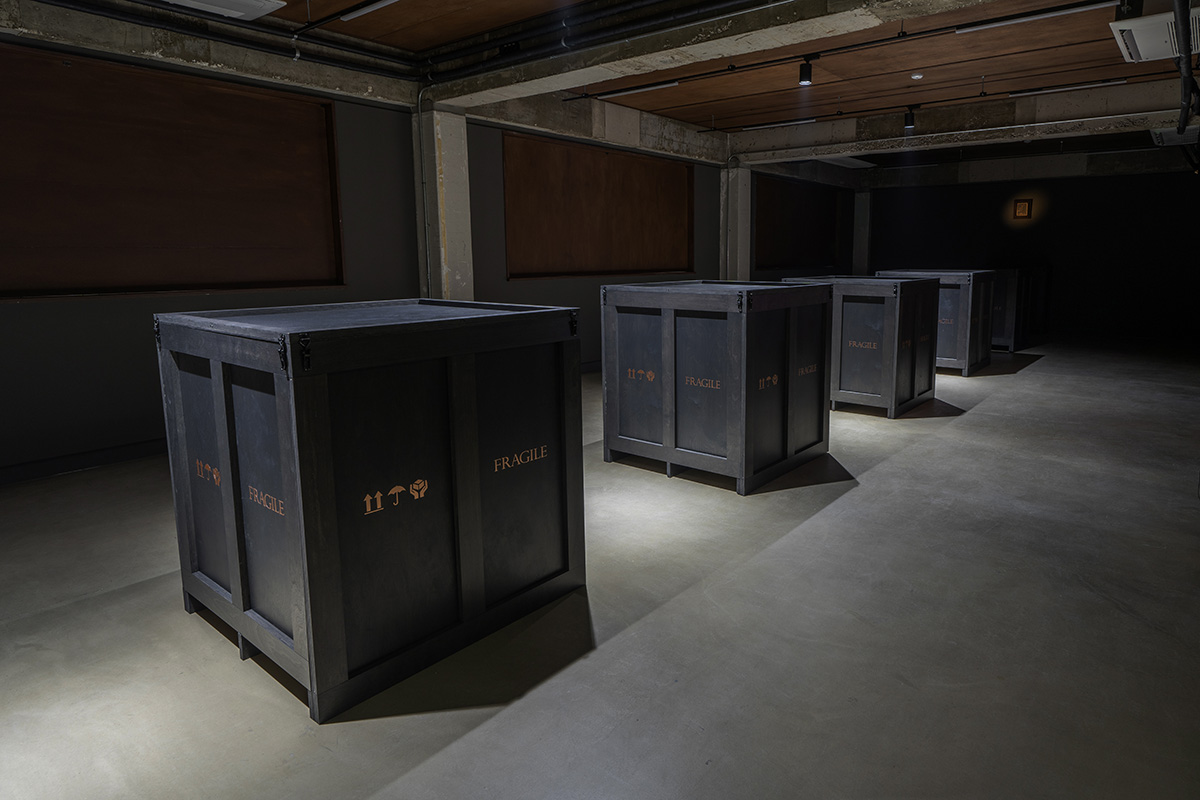
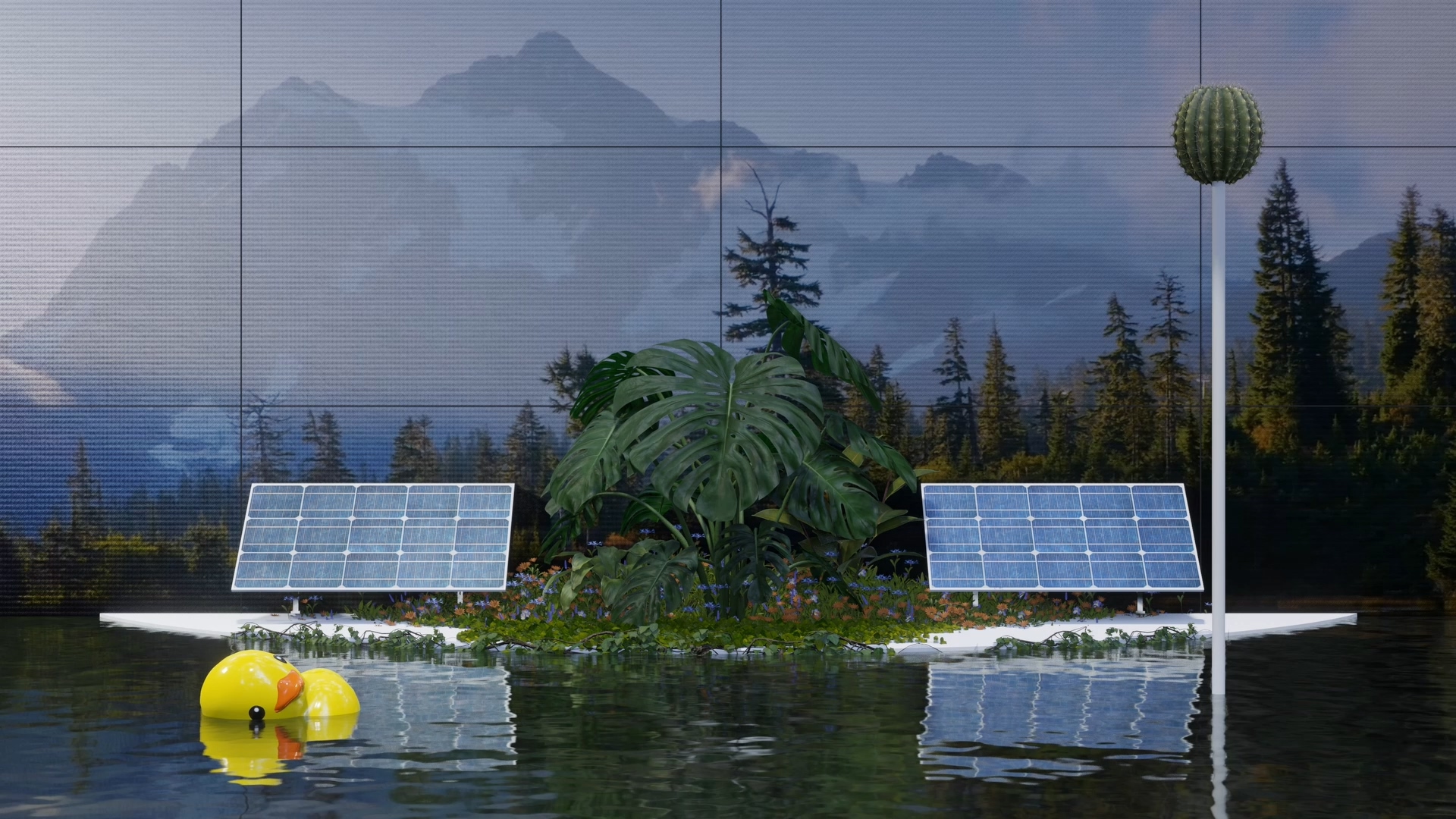
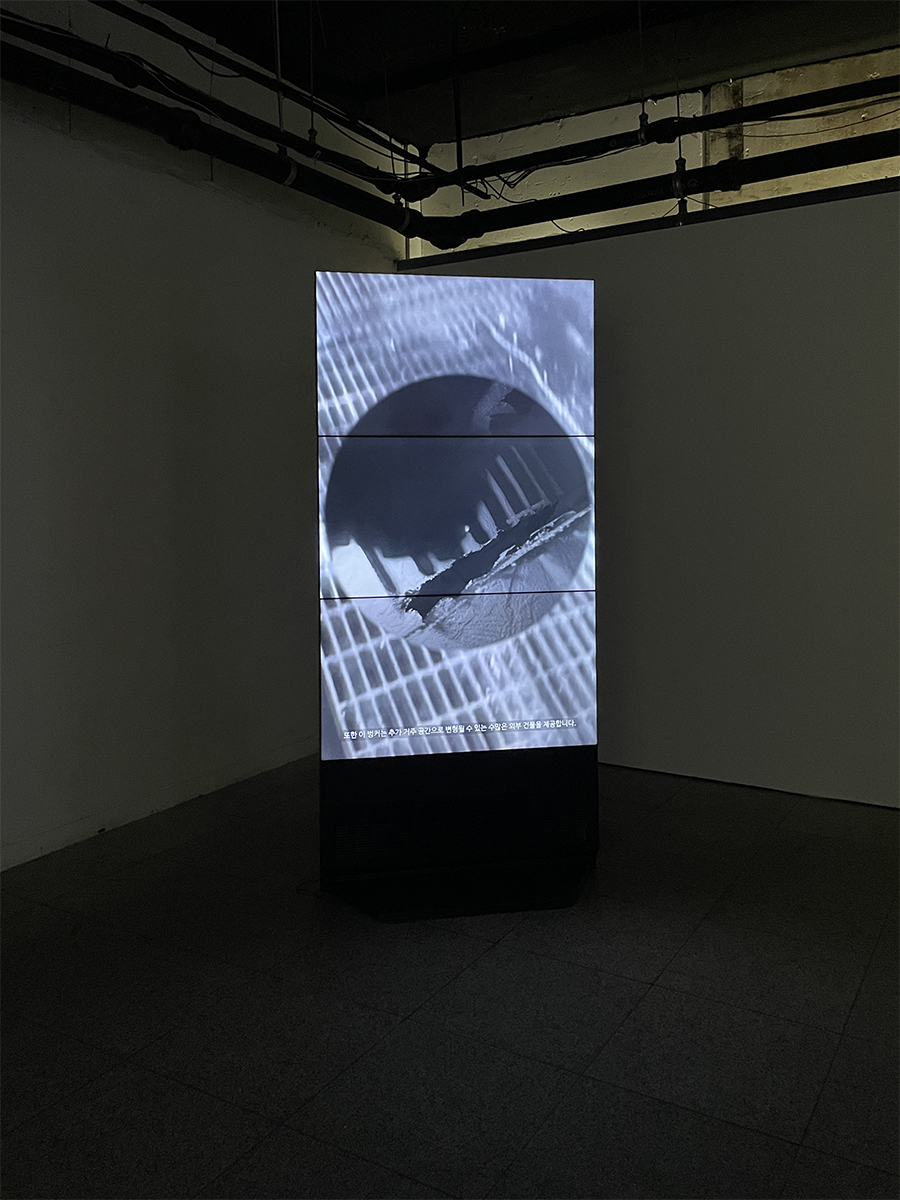
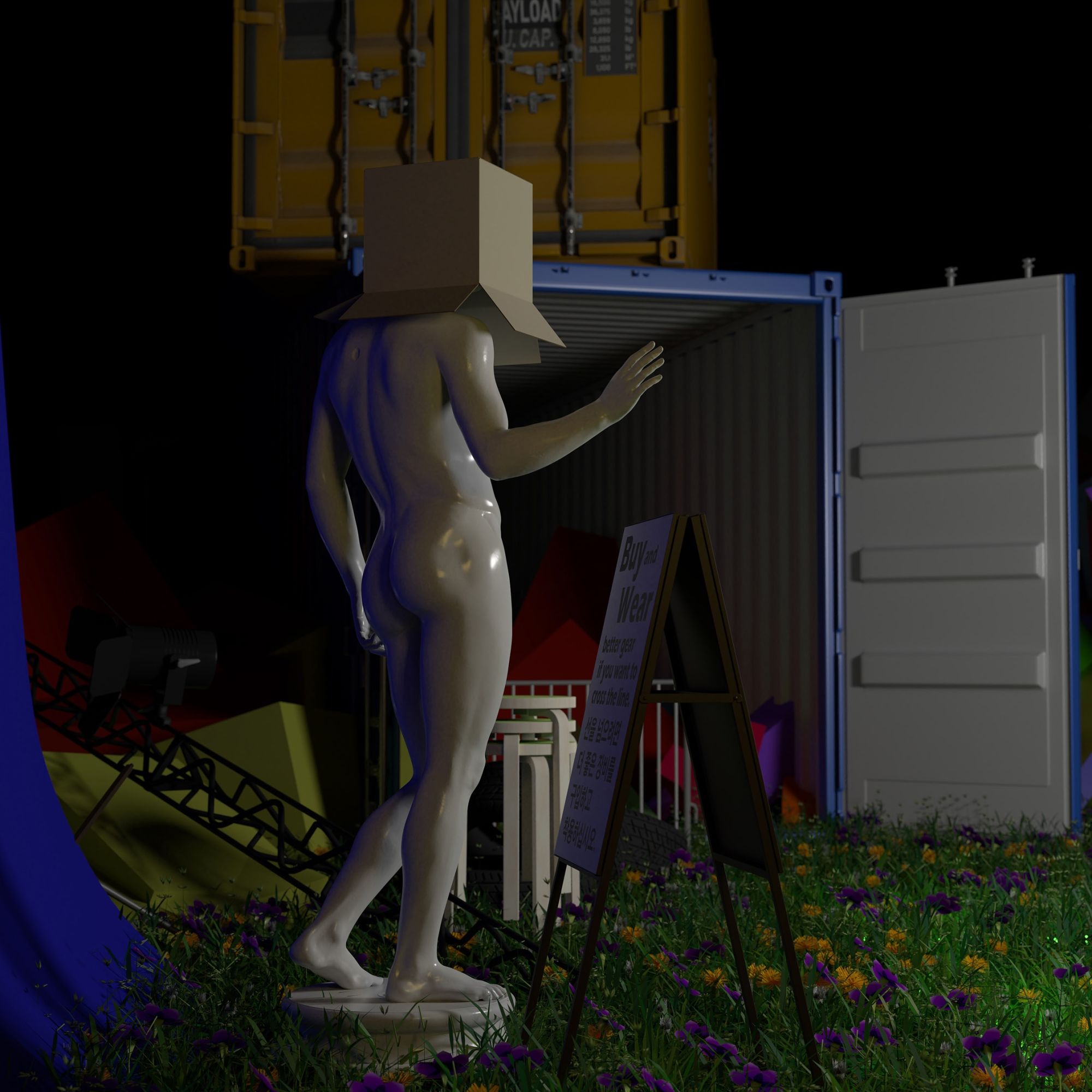
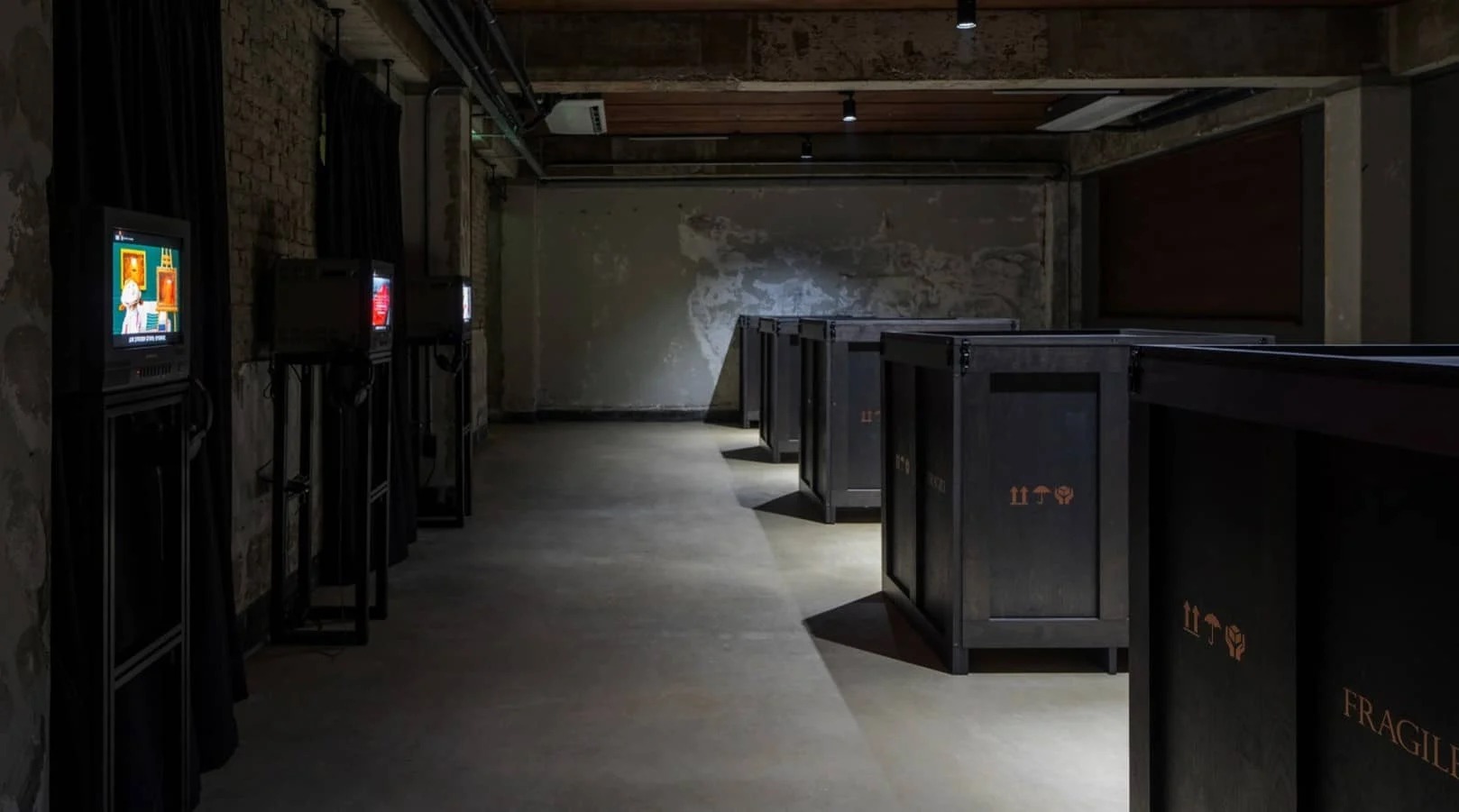
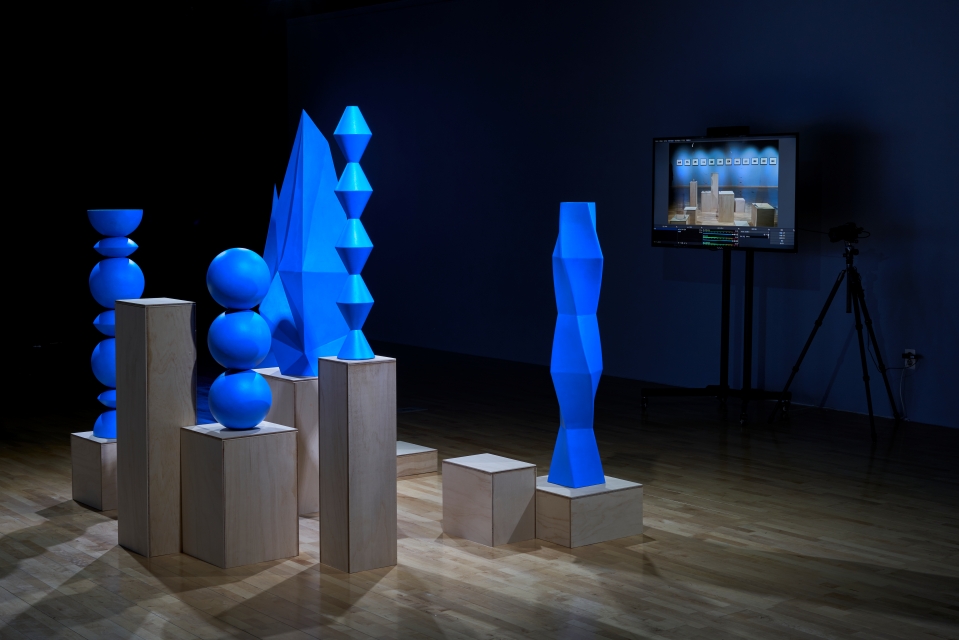
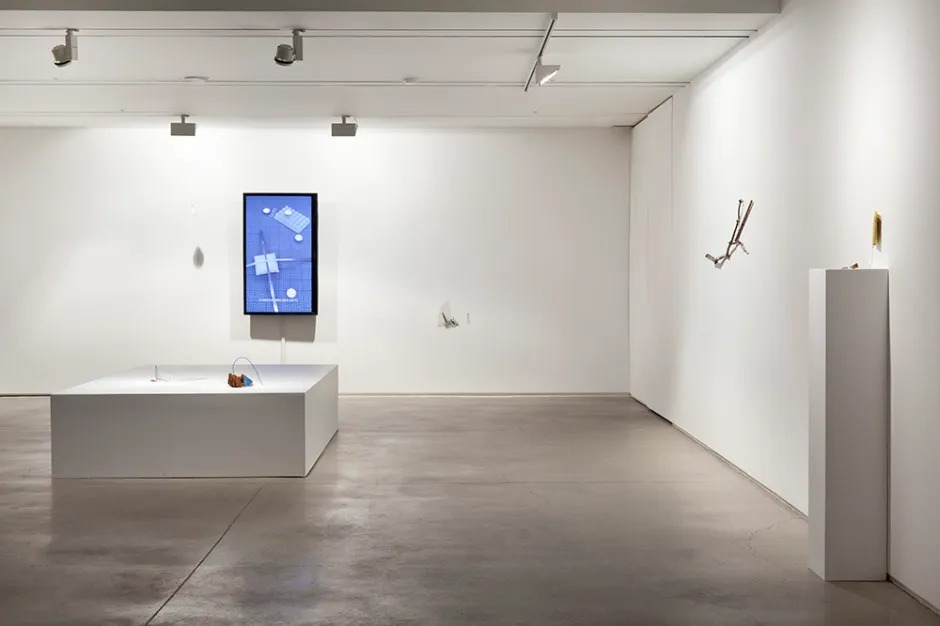
In his more recent practice, Lee has increasingly constructed elaborate fictional videos and exhibition environments based on actual information. In 《The Ghost of a Flea》, Welcome to the Freeport uses factual information about an art transportation and storage company to create a fictional corporate promotional video, while A Guide for Newbies Collecting Art combines the format of an investment tutorial with a puppet show for children. In Matrix, rows of luxurious wooden shipping crates transform the exhibition space into a vast storage facility reminiscent of Ports Francs.

Through such works, Lee appropriates and alters familiar visual formats from everyday reality—including documentaries, advertisements, instructional videos, and virtual simulations—to expose the structures of power and systems of value embedded within them. The media and exhibition formats of his works therefore function not simply as vehicles of delivery, but as integral components of the content that prompt viewers to reconsider how reality itself operates.


Topography & Continuity

Byungsu Lee’s practice has expanded from site-specific approaches and methods of documentation in the early 2010s to investigations into digital imagery, virtual reality, and social systems. In 12 Famous Places in Doksan, he walked through and observed Doksan-dong, reconstructing the everyday urban environment through fictional place names and narratives, while in the “Gwanak Mountain Tiger Project,” he carried out an almost impossible search through actual research and interviews.

From the outset, place has never functioned as a fixed backdrop in Lee’s work; instead, it has been presented as something whose meaning shifts according to experience, memory, and imagination. This approach became the foundation of a practice that simultaneously questions how we experience places and how we record and believe in them.

In the late 2010s, these concerns extended to maps, satellite imagery, 3D computer graphics, and VR, bringing the very conditions through which places are experienced to the forefront of his practice. While One After Another reconstructed Google Earth and satellite images to examine the implications of spaces that have been surveyed and converted into data, the works in 《Welcome to the Seamless World》 focused on the relationship between virtual environments and the physical body.

Lee does not simply accept the immersion and freedom promised by digital technology, but incorporates into his work the ways in which devices organize and restrict the viewer’s gaze and movement. His deliberate use of accessible, low-tech equipment and exposed physical structures further demonstrates his critical approach to technology.

Lee’s attention has since expanded toward the political and economic conditions that constitute places. 《Undercurrent》 traced spaces marked by histories of security and anxiety, including military facilities and bunkers, while 《The Ghost of a Flea》 examined the structures in which the ownership and storage of artworks intersect with investment and taxation through Ports Francs, a Swiss freeport.

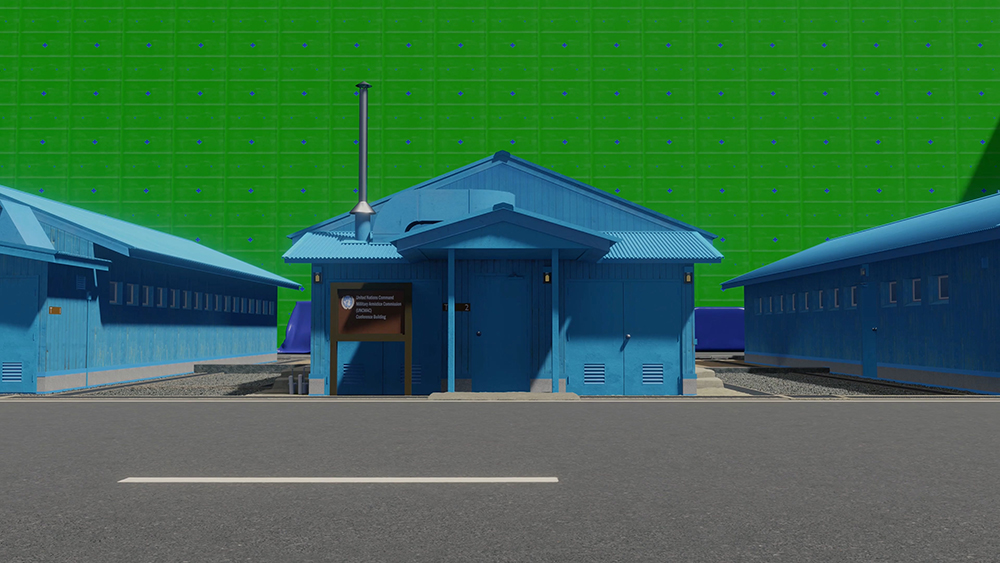
As his subjects have shifted from everyday urban landscapes to borders, military facilities, digital spaces, and closed sites of global capital, the social scope of his practice has likewise broadened. Nevertheless, his method has remained consistent: investigating specific places, uncovering rules and relationships that are not readily visible, and presenting them anew through the intersection of fact and fiction.

Within this trajectory, Lee’s practice occupies a point of convergence between site-specific practice, documentary research, media art, and institutional critique. His early works, which collected fragments of reality through photography and documentation, have expanded through 3D imagery and VR into fictional promotional videos and installations that transform entire exhibition spaces, yet these shifts in medium have not interrupted his existing concerns.

Instead, each new technological and social environment has prompted him to renew questions such as “What aspects of reality become visible, and what remains concealed?” and “Who is able to access and experience a given place?” The continuity of Byungsu Lee’s practice can thus be found in his sustained inquiry into the conditions of place, media, and institutions that shape reality.

Works of Art

At the Intersection of Reality and Fiction, Visibility and Invisibility

Articles

Exhibitions

Activities