Sangbin IM’s practice has developed since the 2000s around the integration of photography and digital technology. Trained in Western painting, he began working extensively with digital images in the mid-1990s, focusing on transforming, arranging, and constructing photographed reality on the computer.
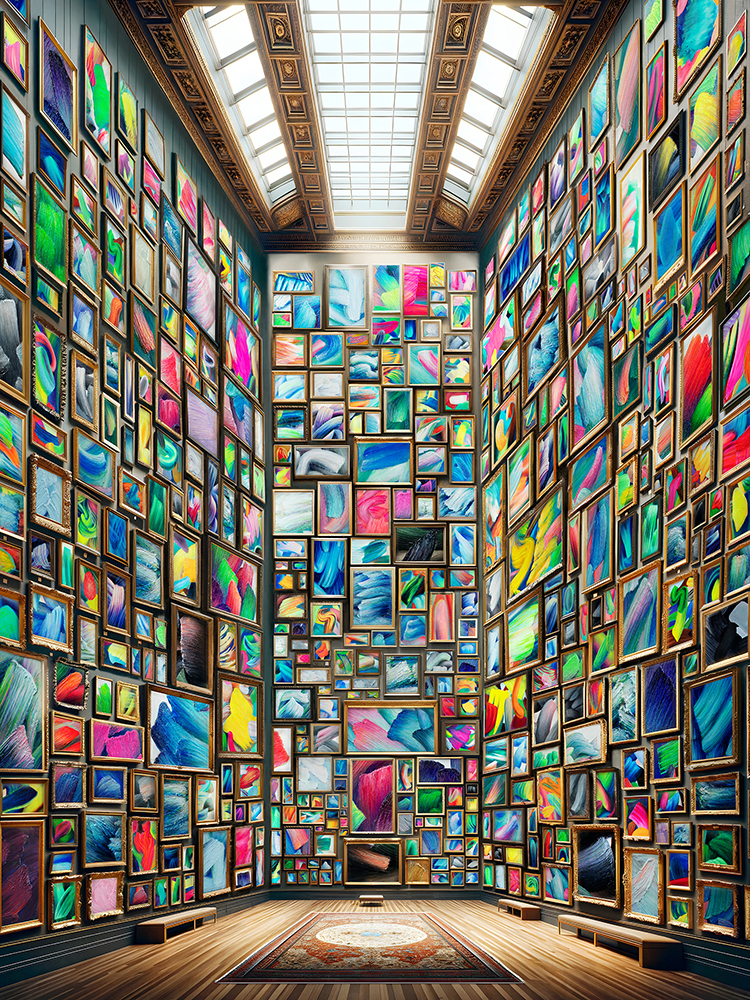
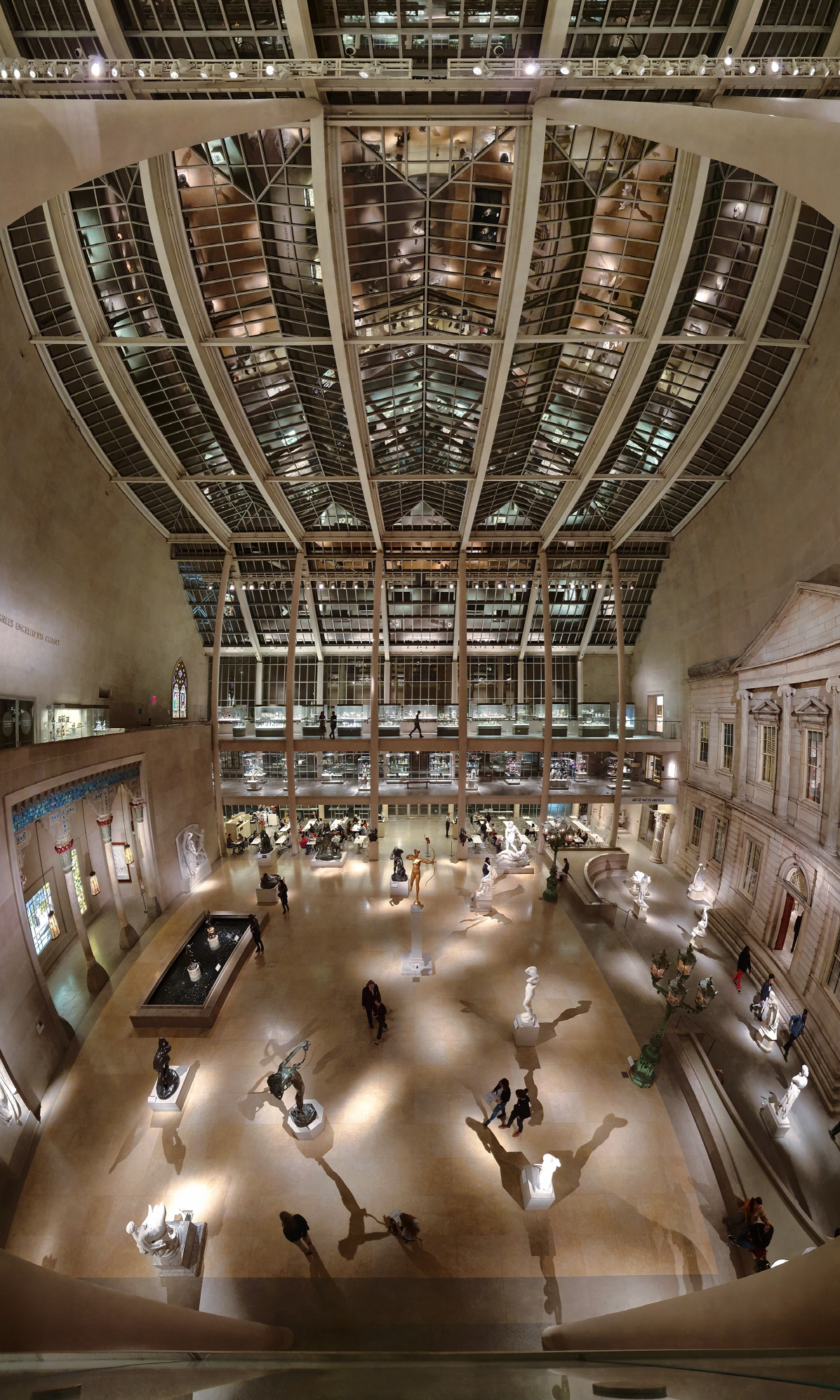
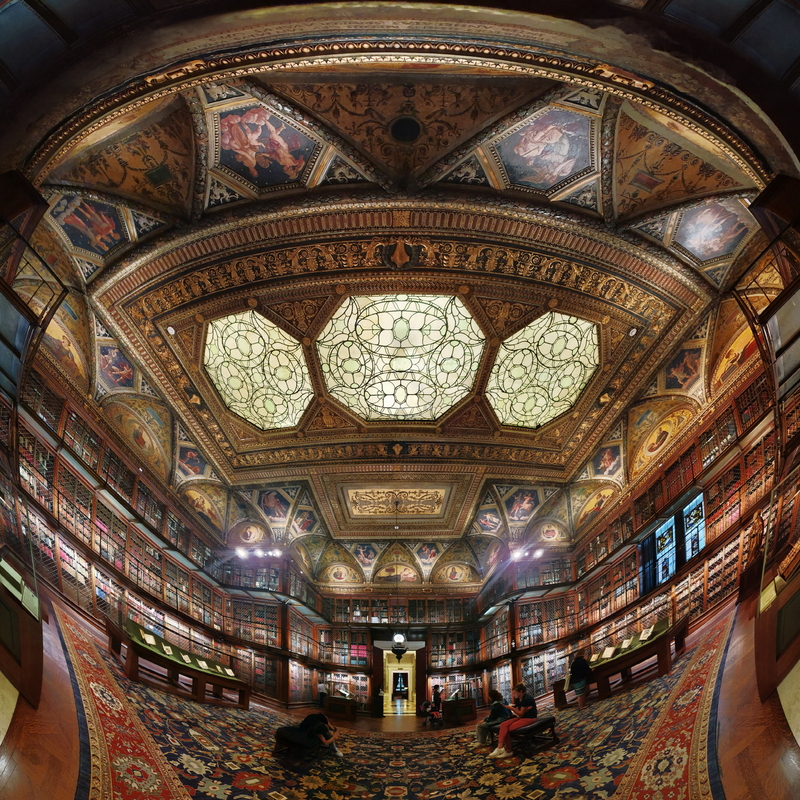
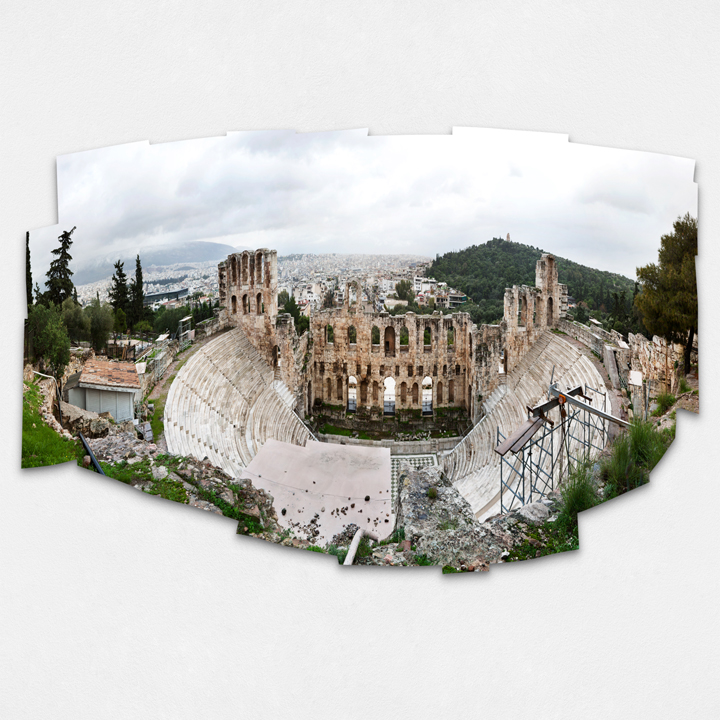
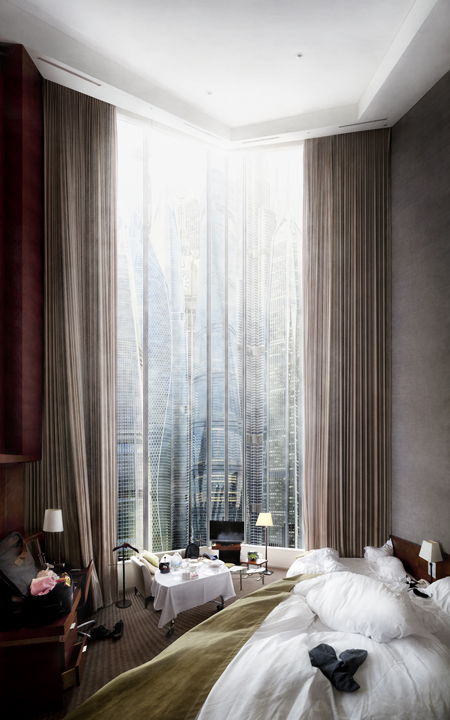
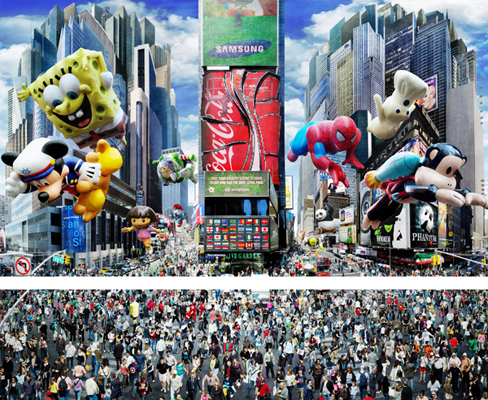
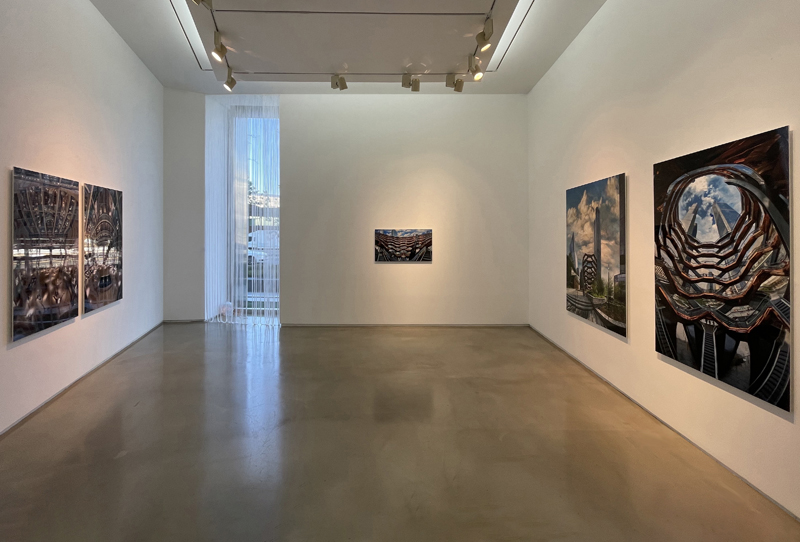
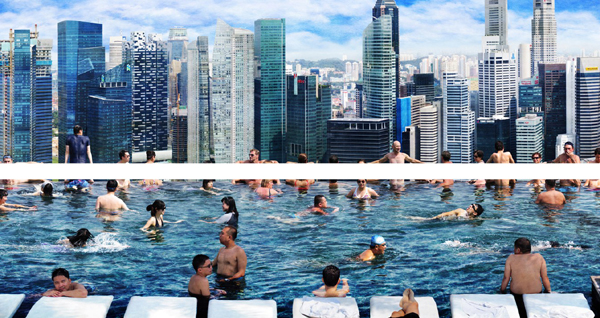
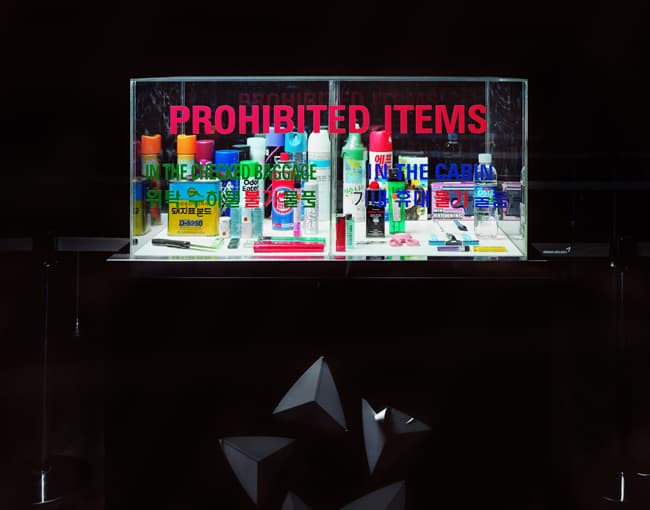
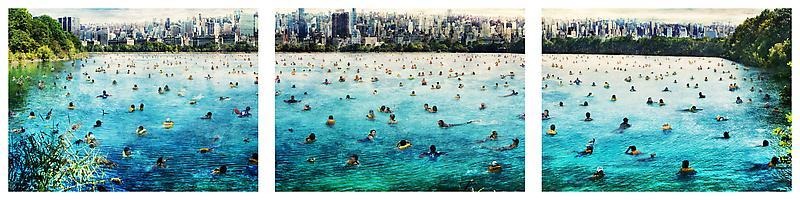
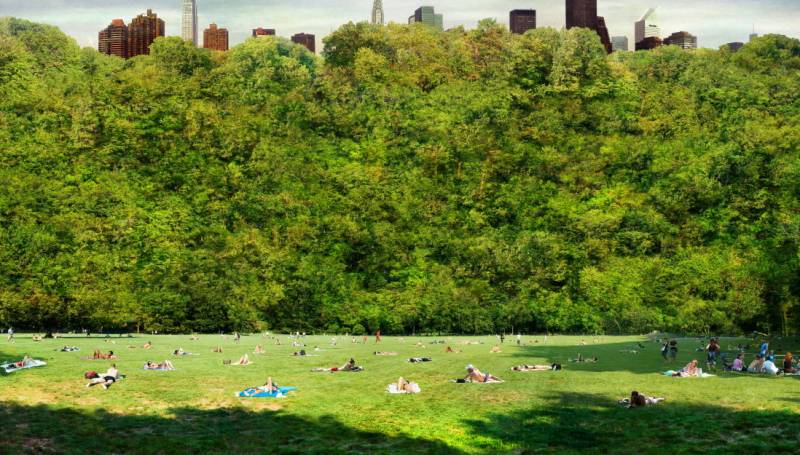
Around 2008, his works likewise presented images in which reality and unreality intersected by photographing contemporary cities, architecture, and museum spaces and then reconstructing their colors and spatial structures. Multiple viewpoints, image distortion and compositing, and the introduction of painterly textures, all of which became established during this period, have since developed into key formal strategies that continue to be varied throughout his practice.
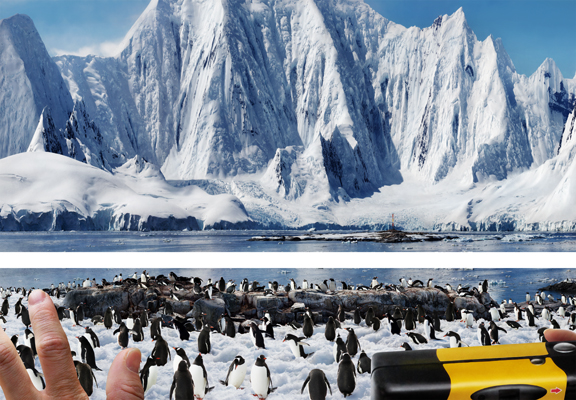
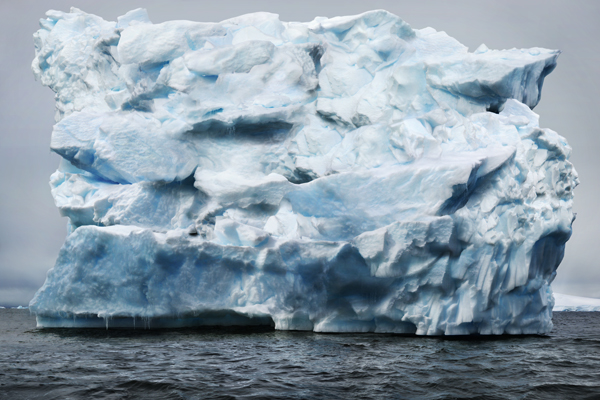
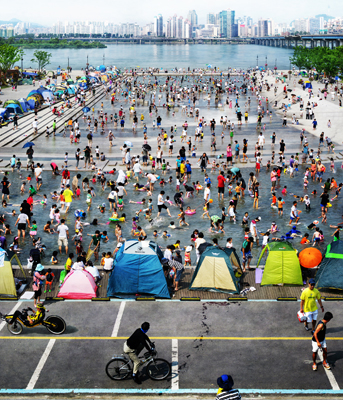
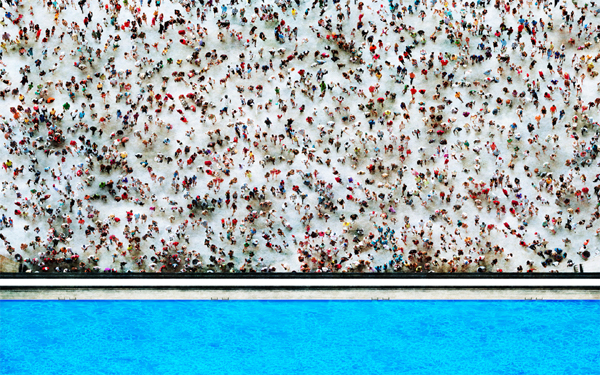
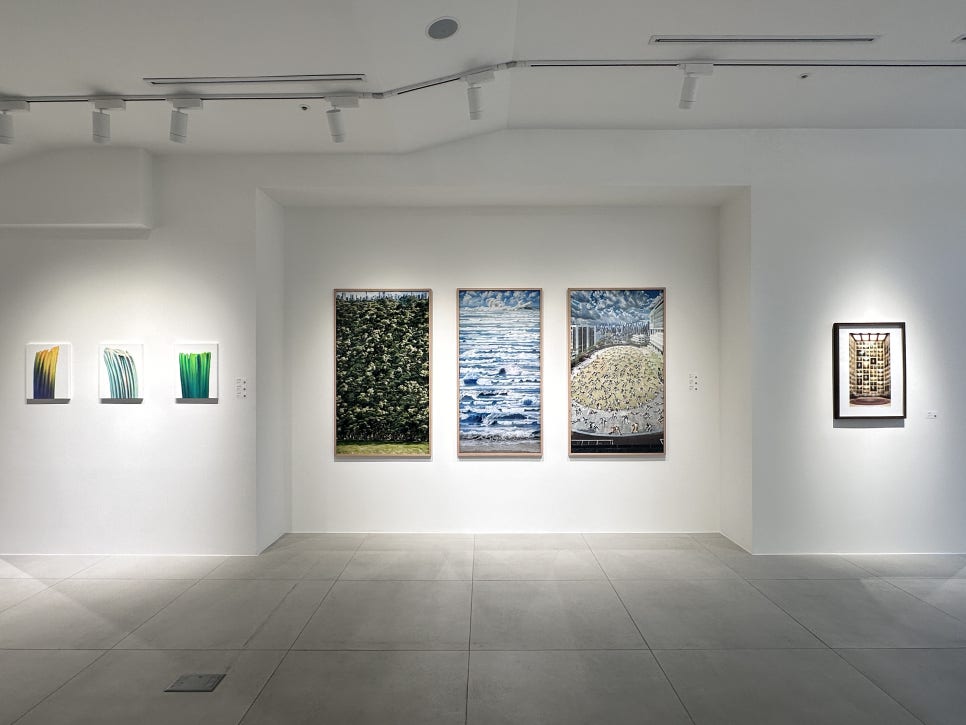
During the 2010s, the subjects and concerns of his work expanded further. His focus moved from the urban landscapes of Seoul and Manhattan to museums and cultural facilities, tourist destinations such as Iguazu Falls and Waikiki, and the natural environment of Antarctica. Although these places differ in scale and character, the artist reconstructs scenes collected from multiple locations to reveal the energy he experienced in each place and the desires intertwined within it.
In particular, his works on tourist destinations and Antarctica extend beyond the beauty of the landscape to consider tourism, capital, and environmental issues, broadening his earlier interest in the city into an exploration of how society and culture operate. During the same period, he also pursued video and sound installation projects, addressing issues such as artistic desire, frustration, and self-perception through other media.
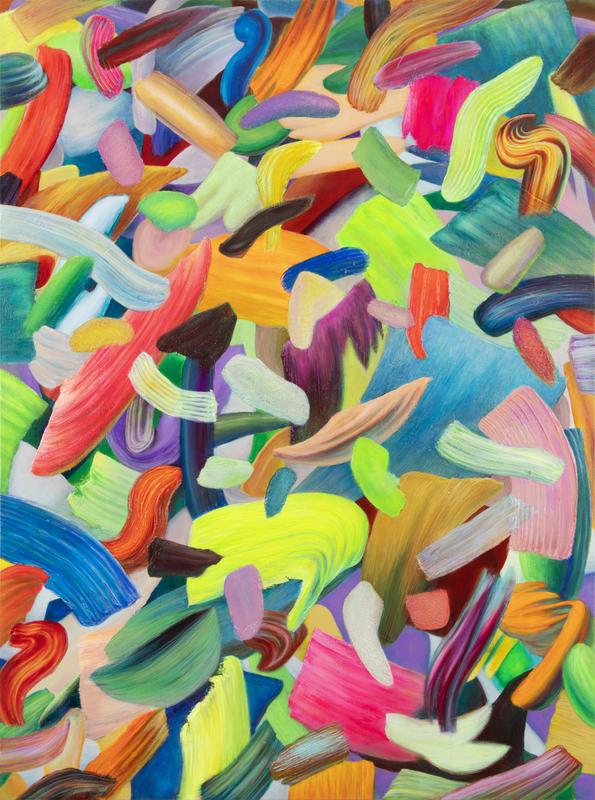
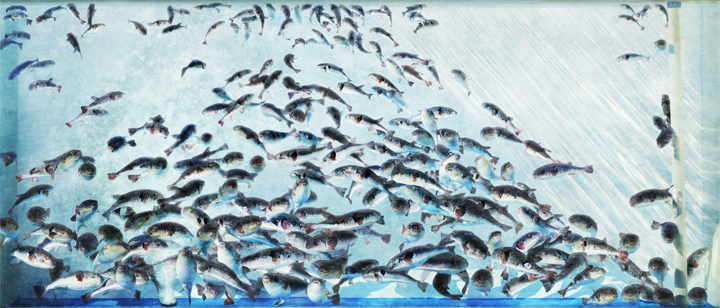
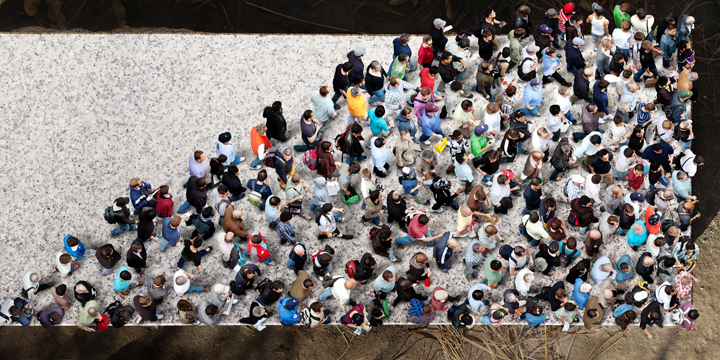
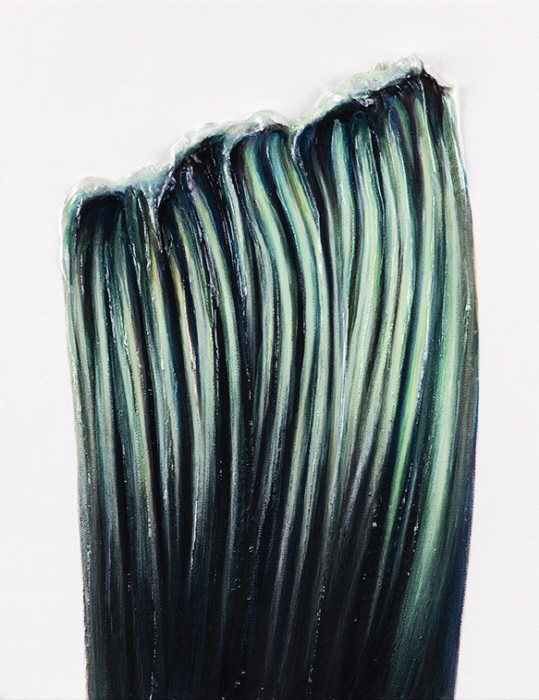
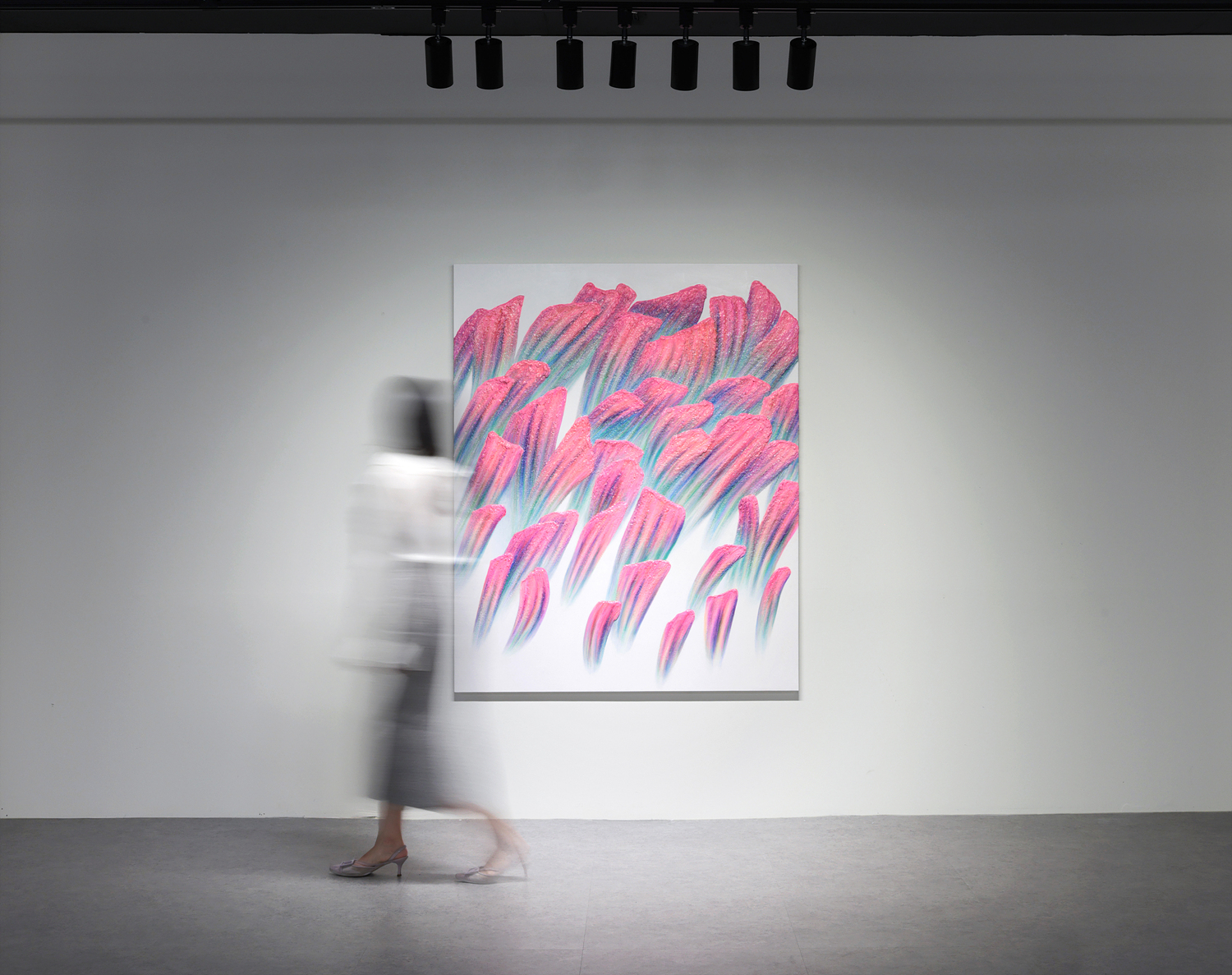
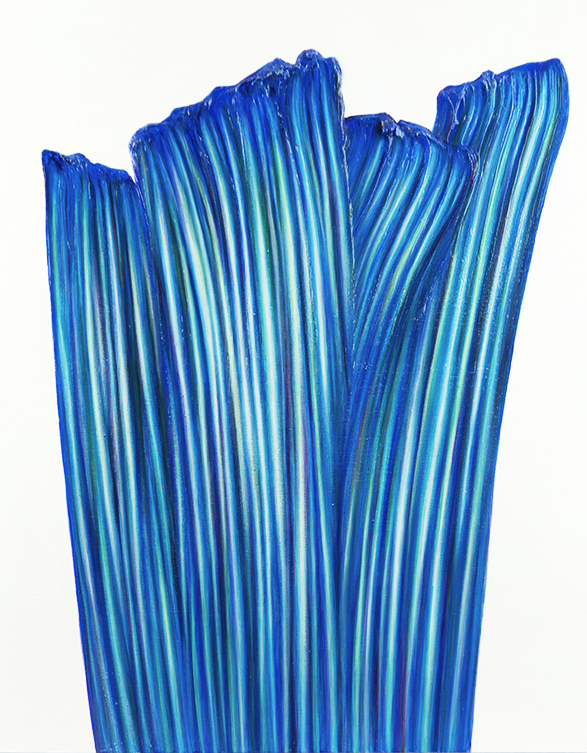
In the 2020s, Sangbin IM has further clarified the principles underlying his long-established photographic practice while expanding painting as a major axis of his work. In photography, he continues to ‘make’ an overall landscape by combining fragments collected from different viewpoints and moments in time, while in painting he accumulates form and texture by gathering multiple strokes or repeatedly layering brushstrokes over a particular stroke.
The processes of ‘collection’ and ‘retouching,’ which the artist describes as common to both photography and painting, provide an important link between works from different periods. While layer blending in photography combines heterogeneous images, glazing and repeated overpainting in painting accumulate color and brushstrokes to create depth across the surface.
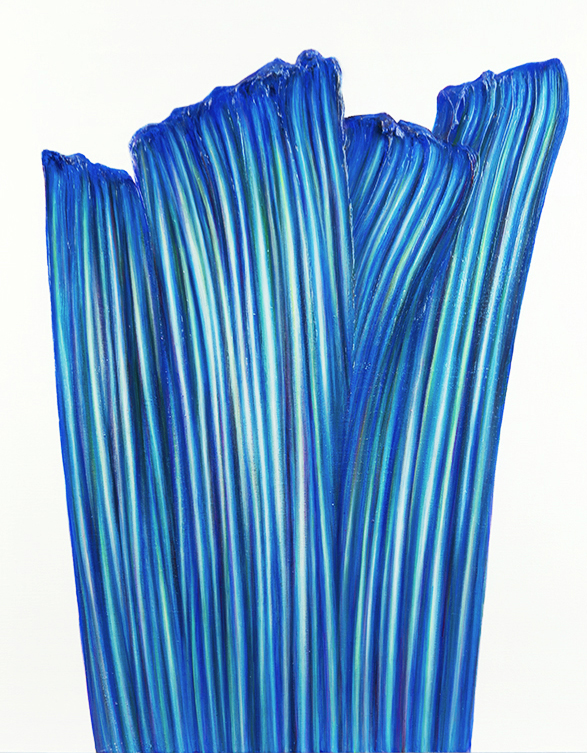
The recent 'One Stroke' series gives new form to this trajectory within painting. Brushstrokes with different directions, speeds, and colors meet and accumulate, generating meanings related to individuality and relationships, emergence and transformation. Whereas his earlier photography reconstructed time and space by combining numerous image fragments, his recent paintings address invisible energies and relationships through repeated brushstrokes and accumulated paint.
Over the course of roughly two decades, his media and subjects have continued to expand across the city, nature, cultural spaces, digital imagery, and abstract painting, yet his consistent approach remains: observing the world, reorganizing collected elements, and presenting them as his own ‘landscape of perception.’



.jpg)