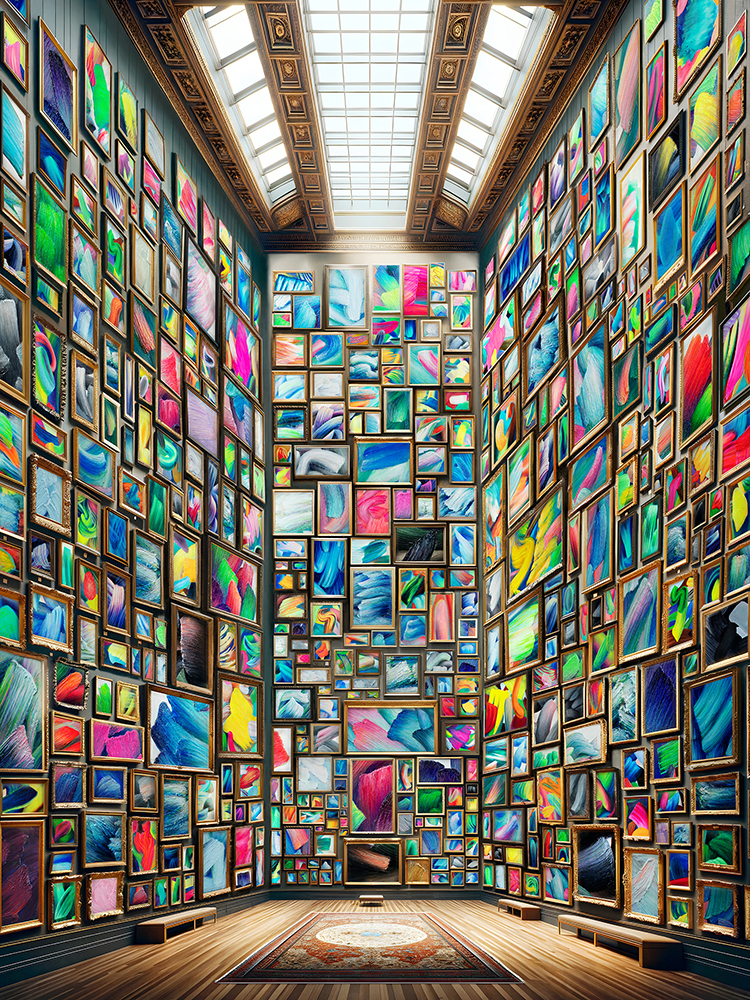
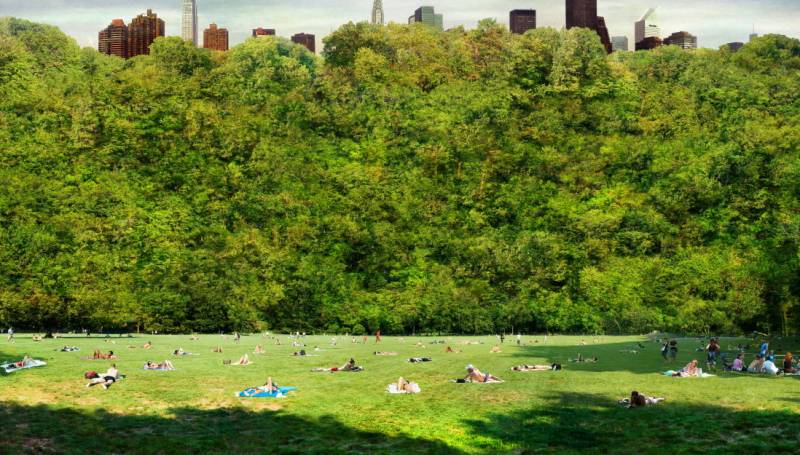
the Metropolitan Museum of Art 1 - K-ARTIST

the Metropolitan Museum of Art 1

2021
Dye sublimation on aluminium
139.7 x 83.8 cm
About The Work

Sangbin IM has explored the act of seeing and the ways in which the world is perceived through photographic works marked by a distinctly painterly sensibility. He distinguishes between the material reality that exists externally, which he calls the “real world,” and the world that manifests within the mind through individual experiences and values, which he calls the “actual world.” 

His practice is grounded in the idea that the same subject can acquire entirely different meanings depending on where, when, and from what perspective it is viewed. From this perspective, photography and painting, while distinct media, are connected as two different ways of constructing a “landscape of perception.”

Rather than determining a finished image in advance, IM develops his work by continuously collecting and combining photographed images and painted materials. Layer blending in photography and glazing in painting serve as key methods for connecting disparate materials and creating depth within the image. 

Through this process, the artist seeks a visually convincing result in which the resulting image feels like a landscape that had existed from the outset. Thus, while photography and painting differ greatly in their materials and appearance, they share a common approach in which images gradually take shape through accumulation, layering, transformation, and adjustment.

Through photography, IM visualizes new landscapes by combining fragments collected from different times and spaces. In painting, meanwhile, he reveals invisible inner energies and relationships through the repetition and accumulation of brushstrokes. 

If photography is akin to a “re-view,” a way of looking again at a world that already exists, painting is closer to a “preview,” a way of looking ahead at inner possibilities that have yet to take concrete form. Moving between these distinct media, the artist continues to explore the “gestures of perception” that constantly emerge between the world and the self.

Solo Exhibitions (Brief)

Sangbin IM has presented solo exhibitions at Gana Art Center in 2006, Mary Ryan Gallery in New York and PKM Trinity Gallery in Seoul in 2010, followed by a series of exhibitions at Soul Art Space from 2012 to 2021, three solo exhibitions at RYAN LEE in New York in 2013, 2016, and 2019, and exhibitions at gallery NoW in 2022 and 2025.

Group Exhibitions (Brief)

Sangbin IM has participated in group exhibitions at the Seoul Museum of Art in 2002 and 《Media City Seoul》 in 2006, as well as multiple exhibitions at the Gyeonggi Museum of Modern Art between 2009 and 2016, the National Museum of Modern and Contemporary Art, Korea in 2013, 2017, and 2020, the Seoul National University Museum of Art in 2015, and the Los Angeles County Museum of Art in 2024. 

Residencies (Selected)

Sangbin IM was an artist-in-residence at Gana Atelier as part of its third cohort in 2006.

Collections (Selected)

Sangbin IM’s works are held in the collections of the National Museum of Modern and Contemporary Art, Korea, Seoul Museum of Art, Gyeonggi Museum of Modern Art, North Carolina Museum of Art, Jule Collins Smith Museum of Fine Art, Artium Museoa, Museum of Contemporary Art of the Basque Country, and the MMCA Art Bank and Government Art Bank, among others.

Works of Art

The Landscape of Perception through Painting and Photography

Originality & Identity

At the core of Sangbin IM’s practice is an inquiry into ‘seeing’ and into how the world is perceived through that process. The artist distinguishes between the ‘real world,’ the material reality that exists outside us, and the ‘actual world,’ which takes shape within the mind through individual experience and systems of value. The same object may acquire entirely different meanings depending on where, when, and from what perspective it is viewed.

From this standpoint, photography and painting function as distinct yet interconnected ways of constructing a ‘landscape of perception.’ While photography is associated with ‘re-view,’ a way of seeing the world before one’s eyes anew, painting is connected to ‘preview,’ a mode of envisioning inner possibilities that have yet to take concrete form.

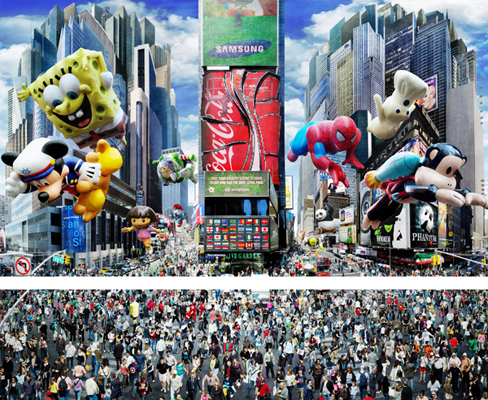
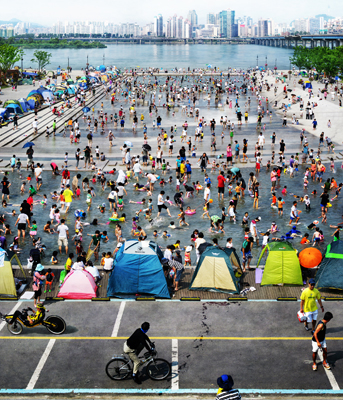
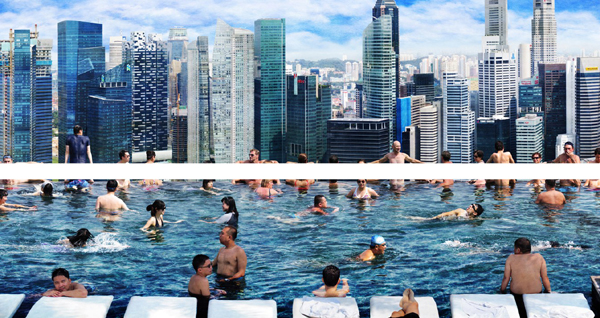
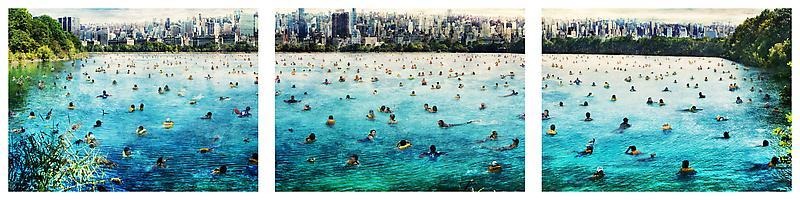
This question of perception is also clearly present in the urban and landscape works that have continued throughout his practice. Sangbin IM photographs a single place from multiple positions and at different times, then combines numerous images and alters the proportions and perspective of actual space to reconstruct his own experience of the site.

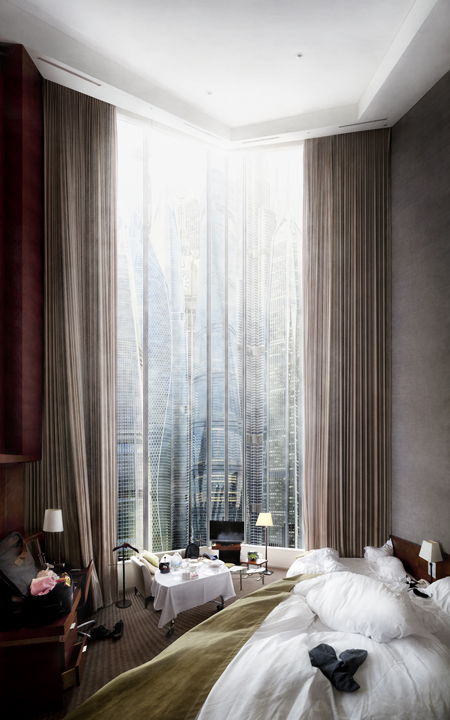
In works depicting Manhattan from various points across the river, the desires and psychology of an outsider looking toward the city become embedded in the image, while his works juxtaposing Seoul’s traditional palaces with high-rise buildings reveal the relativity of ‘spectacle,’ which shifts according to time and perspective. His use of painterly textures alongside digital compositing similarly reflects an attempt to convincingly organize the light, movement, distance, and energy he experienced, rather than simply reproduce an objective space.

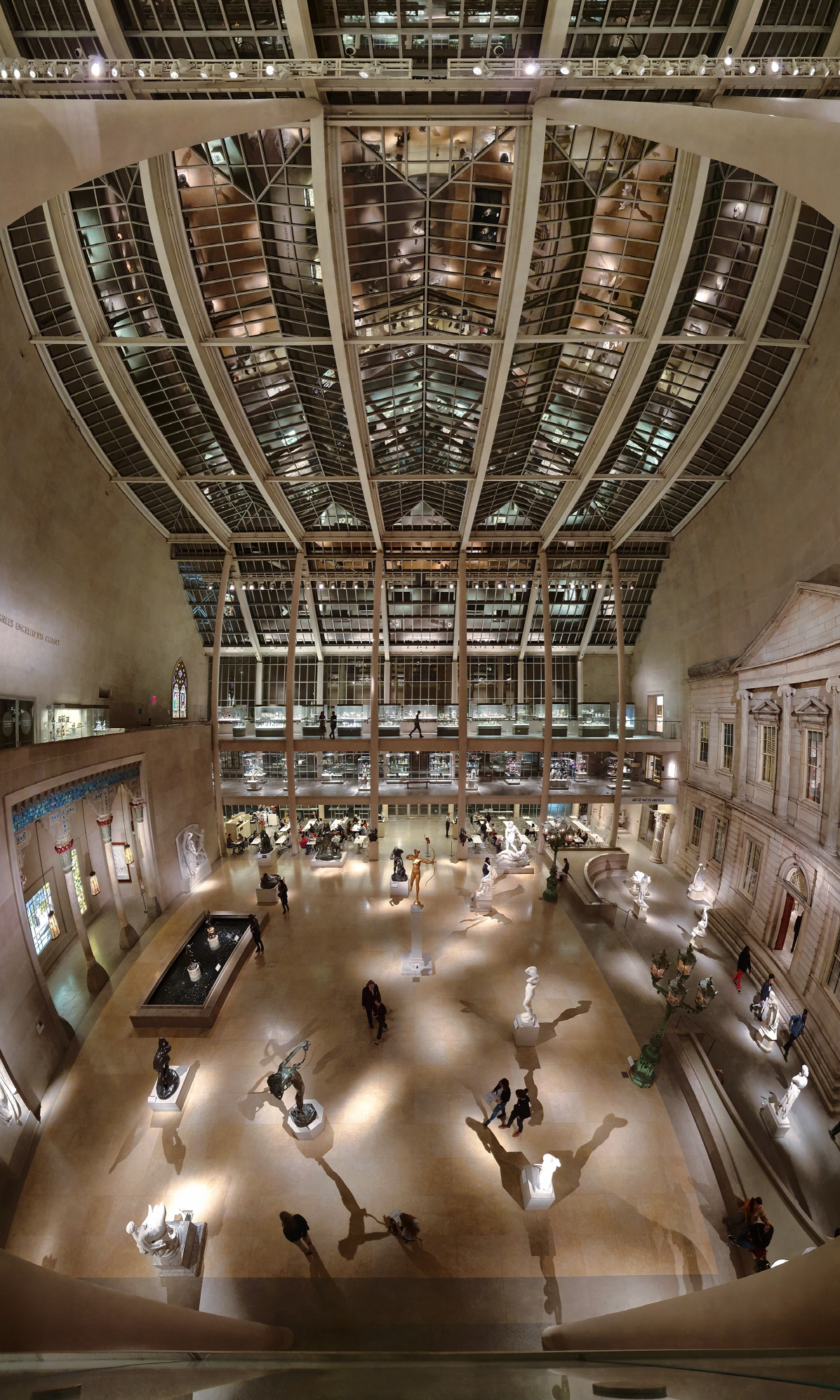
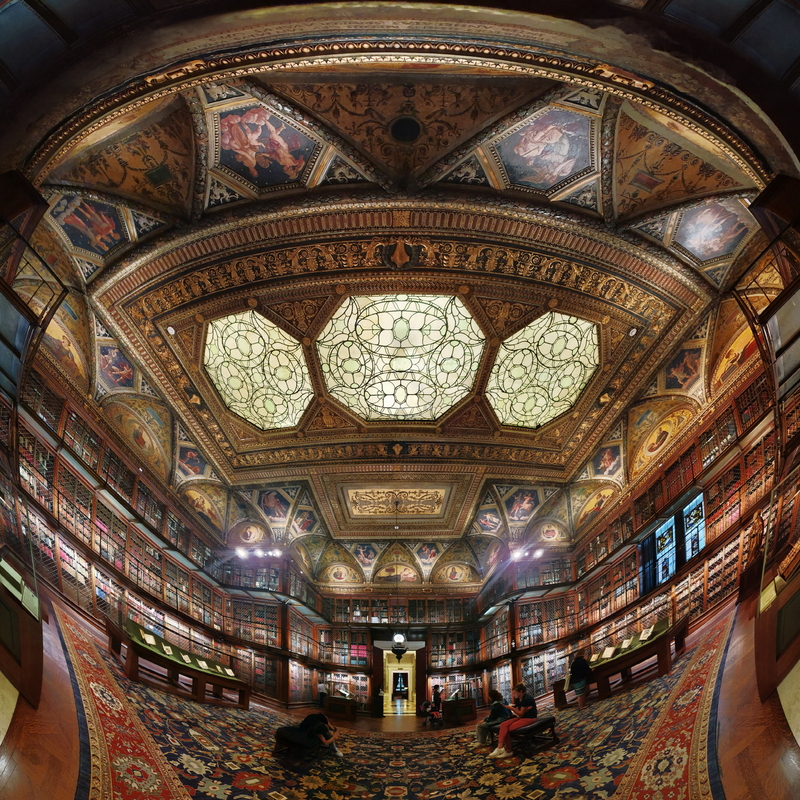
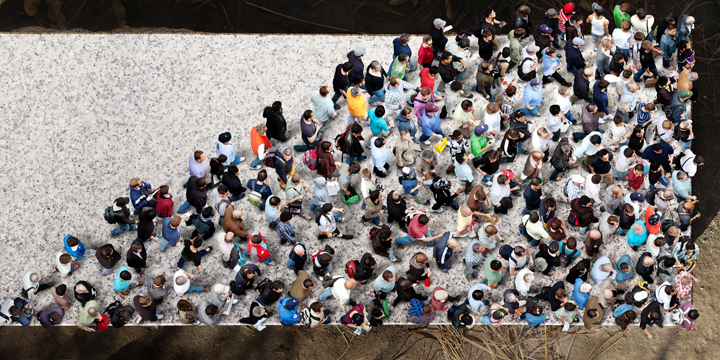
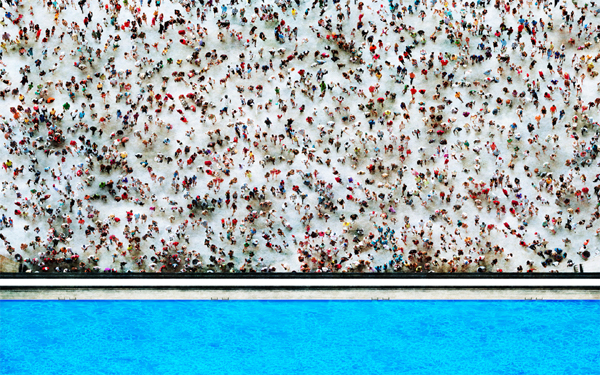
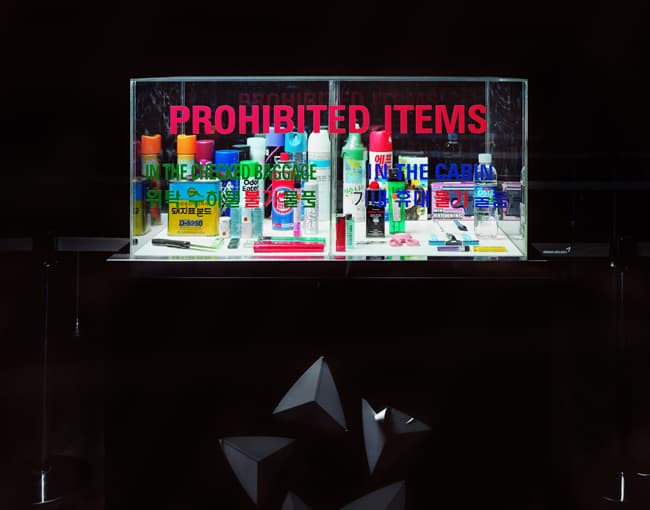
For IM, the city is not only an accumulation of architecture and landscape but also a social space in which desire, relationships, capital, and cultural authority continuously operate. Works that gather numerous artworks displayed in museums into a single image invite reflection on how artistic value and cultural power are formed through collecting and exhibition, while works depicting parks, stadiums, libraries, and other places where people gather focus on the reciprocal relationship between urban structures and human behavior.

Even in his works on famous tourist destinations and natural landscapes, the artist considers how individual desire, tourism, and capitalist consumption intersect with scenes of beauty and overwhelming spectacle. In this sense, landscape in his photography is presented as a configuration of relationships in which people and places encounter and collide with one another, continuously generating meaning.

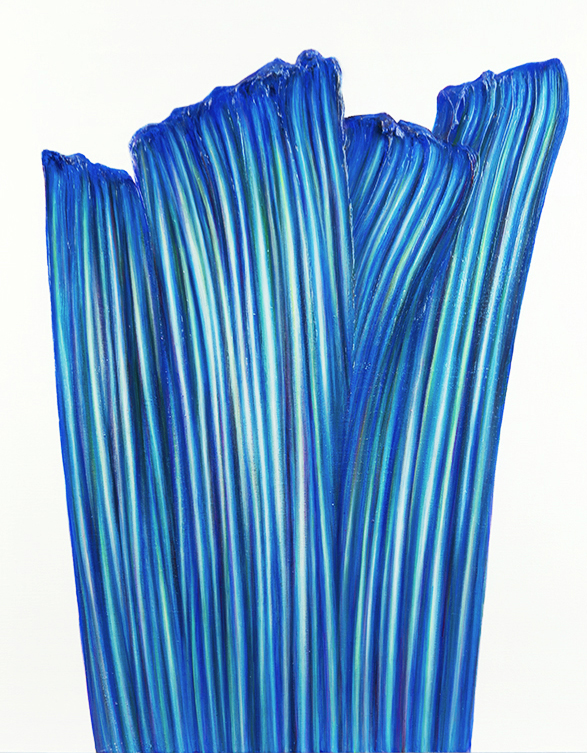
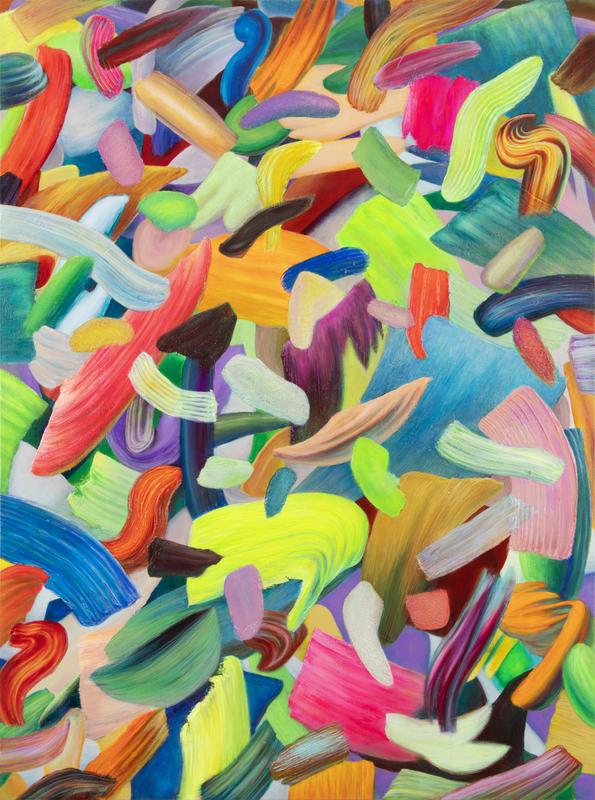
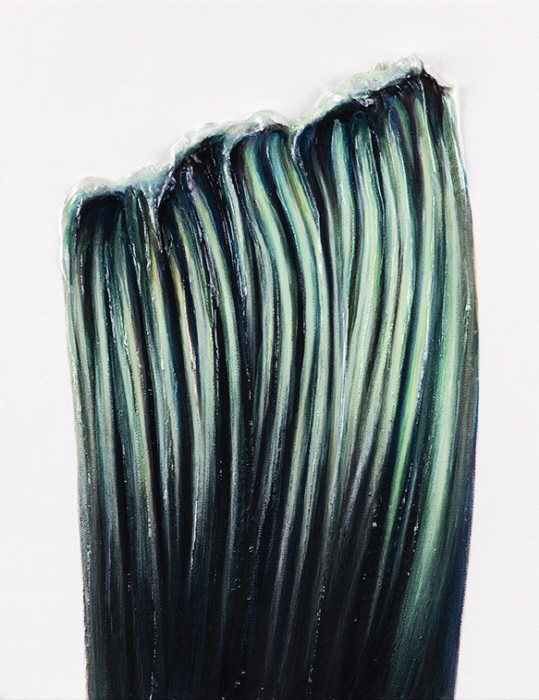
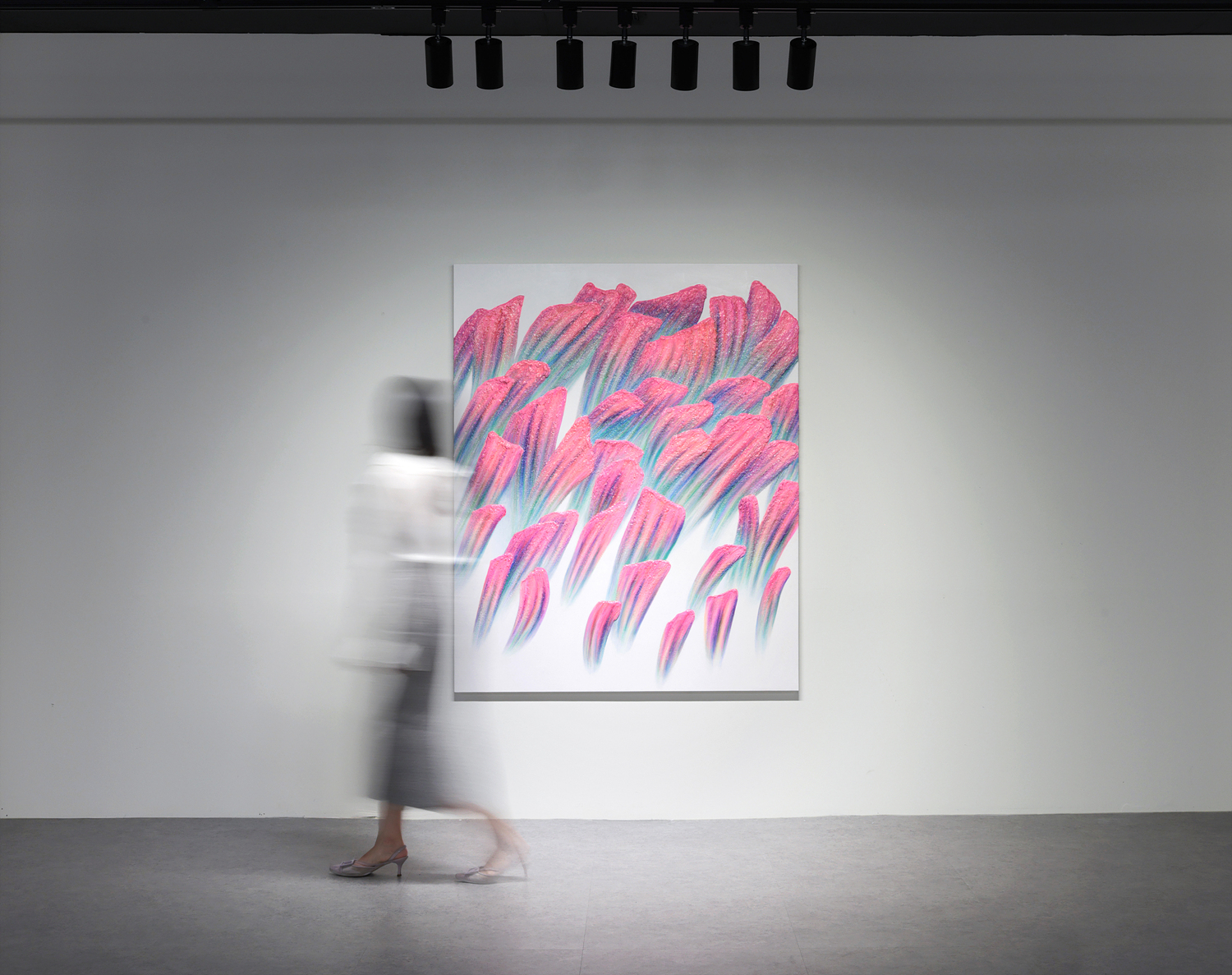
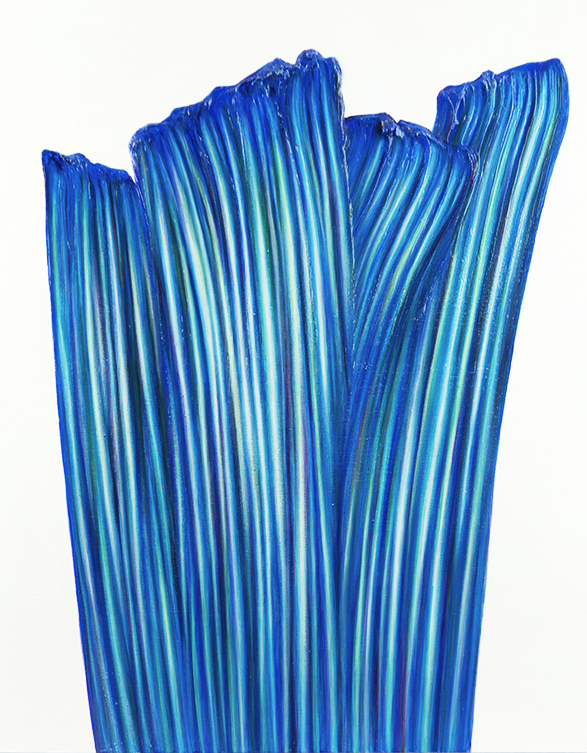
The recent 'One Stroke' series extends these longstanding concerns with perception and relationships from photography into abstract painting. The artist projects possibility and energy prior to the formation of recognizable form onto the ‘stroke,’ treating each brushstroke as an entity with its own vitality and character.

As independent strokes meet within the same pictorial space, creating harmony and tension, they also evoke the relationship between the individual and society, while the process of accumulation and transformation that begins with the first stroke reflects his interest in generation and growth.

If his photography has constructed new landscapes by assembling fragments of different times and spaces, his recent paintings visualize invisible inner energies and relationships through the repetition and accumulation of brushstrokes. Although the medium and form have changed, his exploration of the ‘gesture of perception’ arising between the world and the self remains central to his practice.

Style & Contents

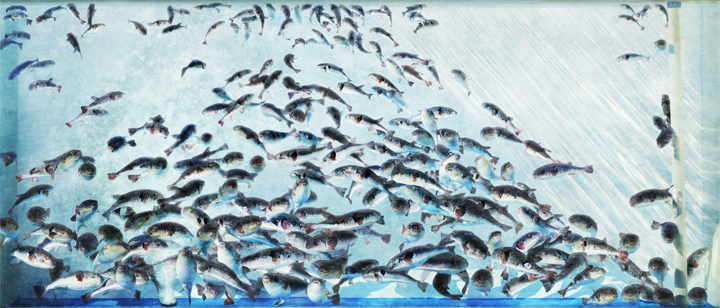
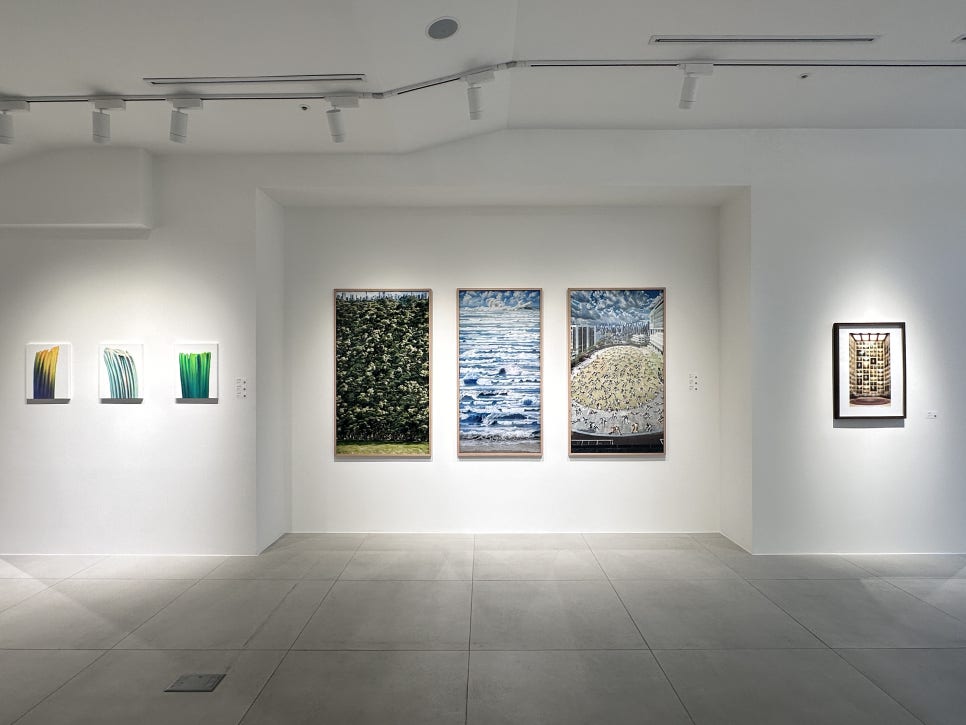
Sangbin IM’s formal language becomes particularly clear through a recurring process of ‘collection–retouching–construction.’ In his photography, he divides a place into multiple parts, photographs them separately, and then stitches them together, or gathers images of buildings, waves, and people captured at different times and locations into a single composition.

In his paintings, he likewise arranges multiple strokes in various directions or repeatedly layers brushstrokes over a particular form to strengthen it. Photographic fragments and painted strokes are both treated as accumulative visual materials, and new wholes are organized through the combination of these parts.

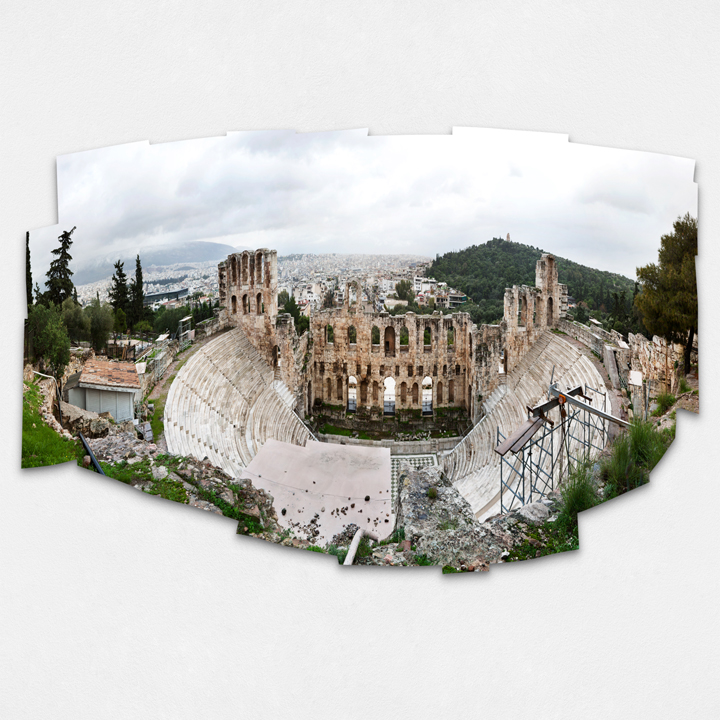
In his photographic practice, shooting functions as the starting point for constructing an image rather than as the moment of completion. Sangbin IM records the same place from multiple angles and at different times, then distorts, expands, and juxtaposes these images digitally to create landscapes that could never be seen all at once in reality.

As multiple viewpoints coexist within a single image, perspective bends, architecture becomes unnaturally elongated, and panoramas extend beyond the conventional limits of human vision. He also combines the crisp, hard edges produced by photography with the softer contours of painterly textures he creates himself, finely adjusting the contrasts between architecture and nature, the artificial and the fluid. This approach focuses on visually condensing the distance, movement, and energy he experienced in a place.

The density of the image is another defining feature of Sangbin IM’s photography. Works depicting cities, tourist destinations, and museums are densely populated with figures, buildings, waves, and collections, producing a state of visual saturation. This is also why the artist associates his photography with ‘Maximalism.’

In his recent 'One Stroke' series, this density shifts into the language of abstract painting. Individual strokes intersect with differing directions, speeds, and colors, while certain forms gain depth and tactility through glazing and repeated overpainting. If photographic fragments once constructed complex landscapes, in the paintings the direction, color, texture, and rhythm of the brushstrokes themselves guide the composition.

Chance and artistic judgment operate together throughout this process. Rather than fixing a complete image in advance, Sangbin IM gradually determines the direction of a work by continuously collecting, combining, and layering photographic or painterly materials. Layer blending in photography and glazing in painting are key methods through which disparate elements are integrated and depth is built across the surface, while the artist values a degree of visual plausibility that allows the resulting image to feel as though it might always have existed in that form.

His photography and painting therefore differ considerably in material and appearance, yet they share a common working principle: images gradually take shape through accumulation, transformation, and continuous adjustment.

Topography & Continuity

Sangbin IM’s practice has developed since the 2000s around the integration of photography and digital technology. Trained in Western painting, he began working extensively with digital images in the mid-1990s, focusing on transforming, arranging, and constructing photographed reality on the computer.

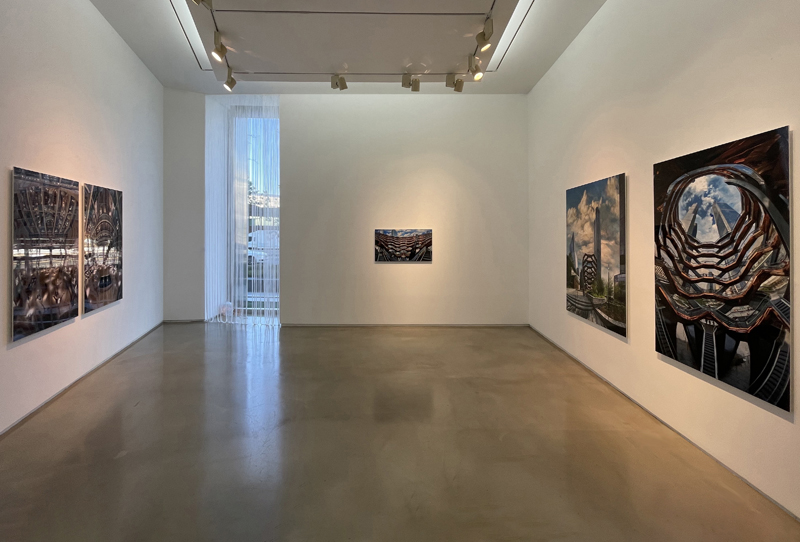
Around 2008, his works likewise presented images in which reality and unreality intersected by photographing contemporary cities, architecture, and museum spaces and then reconstructing their colors and spatial structures. Multiple viewpoints, image distortion and compositing, and the introduction of painterly textures, all of which became established during this period, have since developed into key formal strategies that continue to be varied throughout his practice.

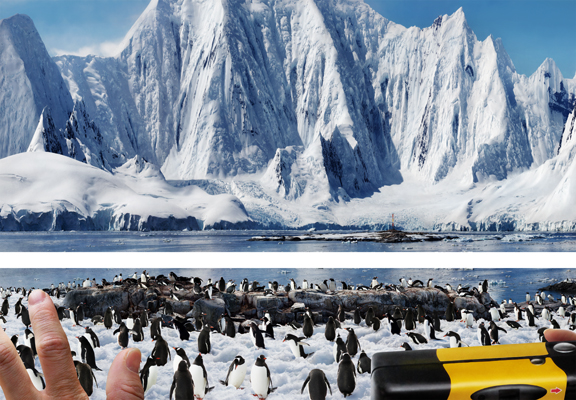
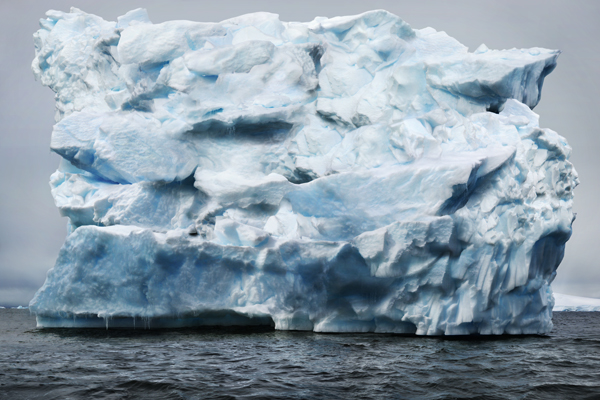
During the 2010s, the subjects and concerns of his work expanded further. His focus moved from the urban landscapes of Seoul and Manhattan to museums and cultural facilities, tourist destinations such as Iguazu Falls and Waikiki, and the natural environment of Antarctica. Although these places differ in scale and character, the artist reconstructs scenes collected from multiple locations to reveal the energy he experienced in each place and the desires intertwined within it.

In particular, his works on tourist destinations and Antarctica extend beyond the beauty of the landscape to consider tourism, capital, and environmental issues, broadening his earlier interest in the city into an exploration of how society and culture operate. During the same period, he also pursued video and sound installation projects, addressing issues such as artistic desire, frustration, and self-perception through other media.

In the 2020s, Sangbin IM has further clarified the principles underlying his long-established photographic practice while expanding painting as a major axis of his work. In photography, he continues to ‘make’ an overall landscape by combining fragments collected from different viewpoints and moments in time, while in painting he accumulates form and texture by gathering multiple strokes or repeatedly layering brushstrokes over a particular stroke.

The processes of ‘collection’ and ‘retouching,’ which the artist describes as common to both photography and painting, provide an important link between works from different periods. While layer blending in photography combines heterogeneous images, glazing and repeated overpainting in painting accumulate color and brushstrokes to create depth across the surface.

The recent 'One Stroke' series gives new form to this trajectory within painting. Brushstrokes with different directions, speeds, and colors meet and accumulate, generating meanings related to individuality and relationships, emergence and transformation. Whereas his earlier photography reconstructed time and space by combining numerous image fragments, his recent paintings address invisible energies and relationships through repeated brushstrokes and accumulated paint.

Over the course of roughly two decades, his media and subjects have continued to expand across the city, nature, cultural spaces, digital imagery, and abstract painting, yet his consistent approach remains: observing the world, reorganizing collected elements, and presenting them as his own ‘landscape of perception.’


Works of Art

The Landscape of Perception through Painting and Photography

Articles

Exhibitions

Activities