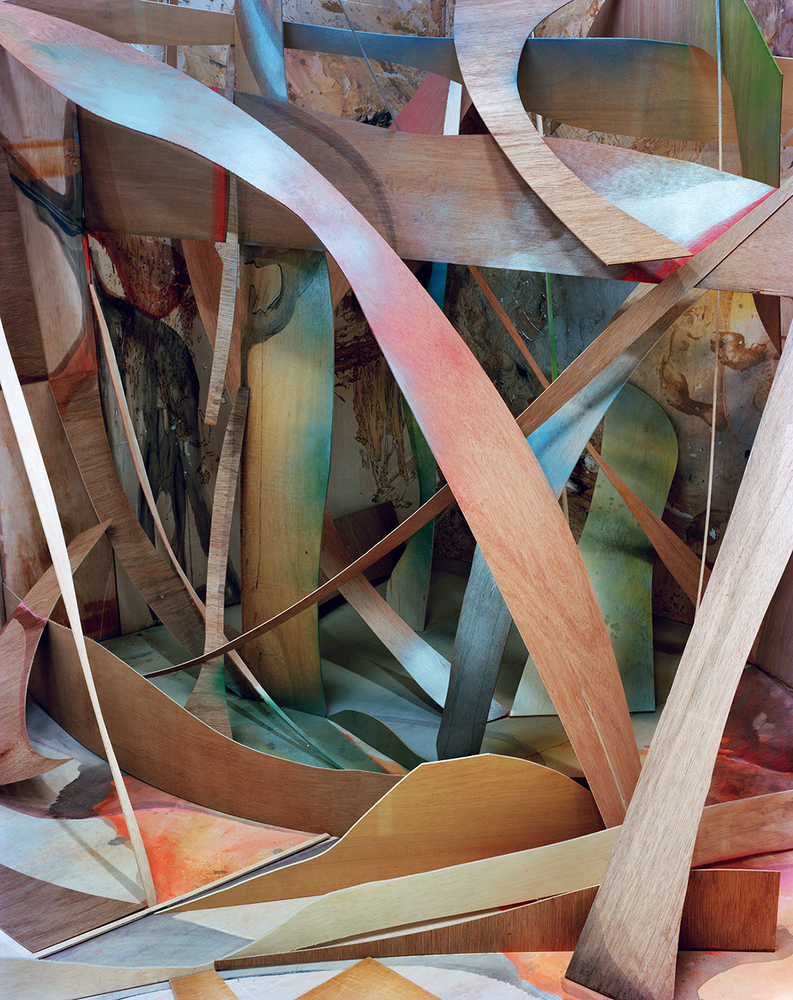
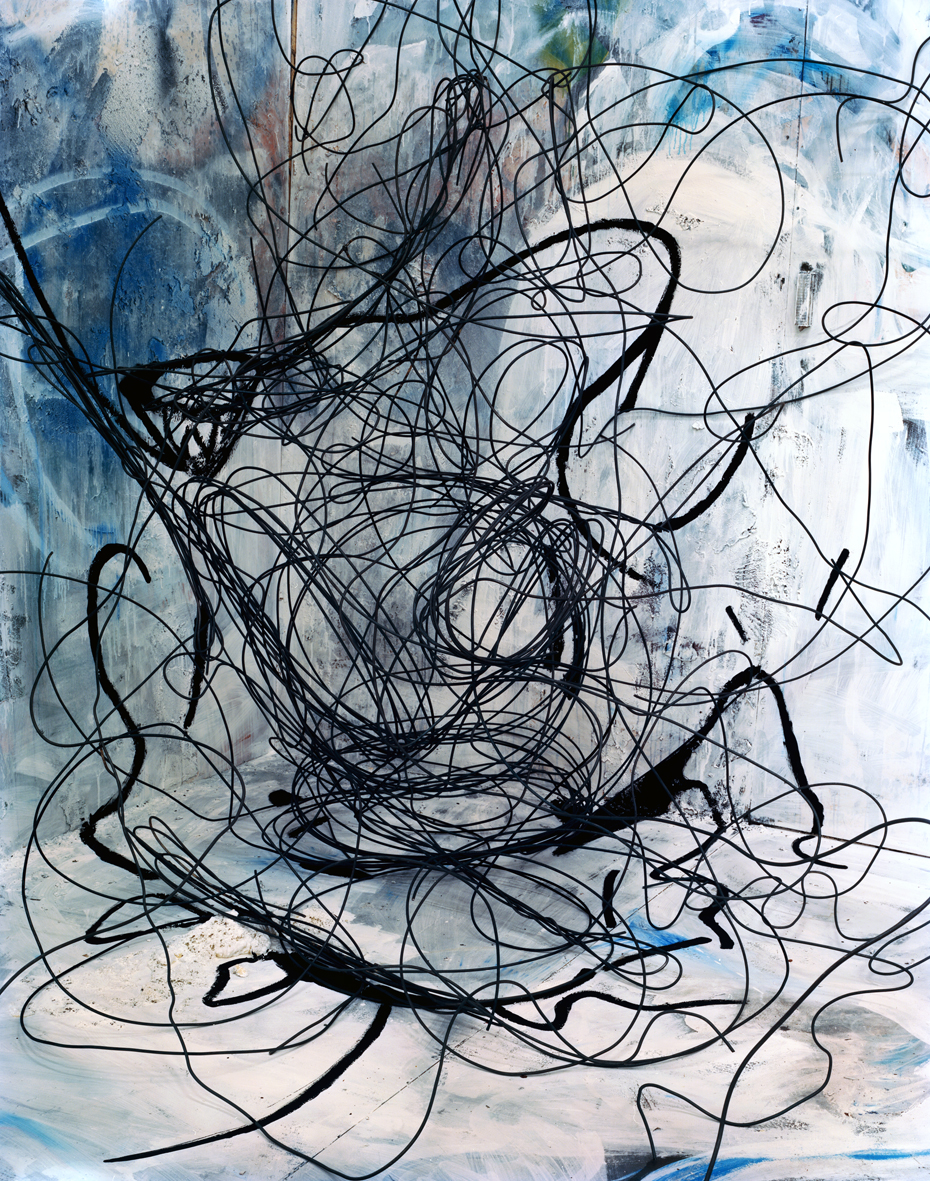
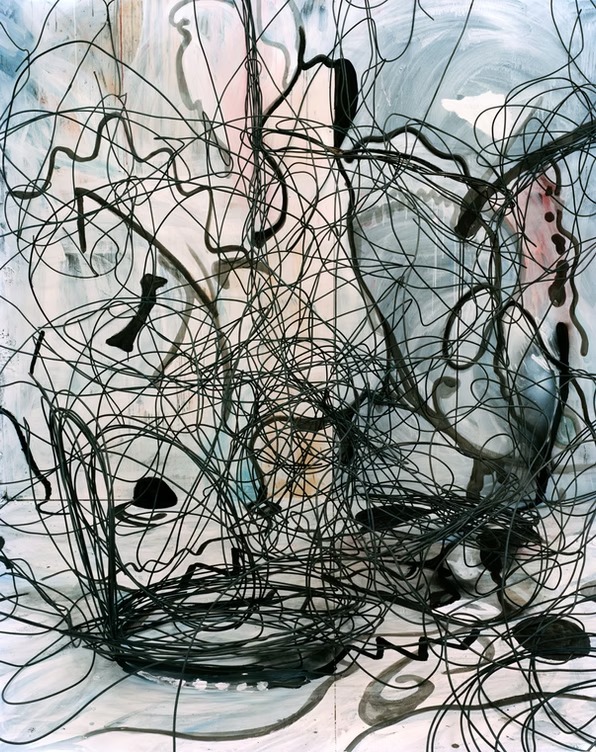
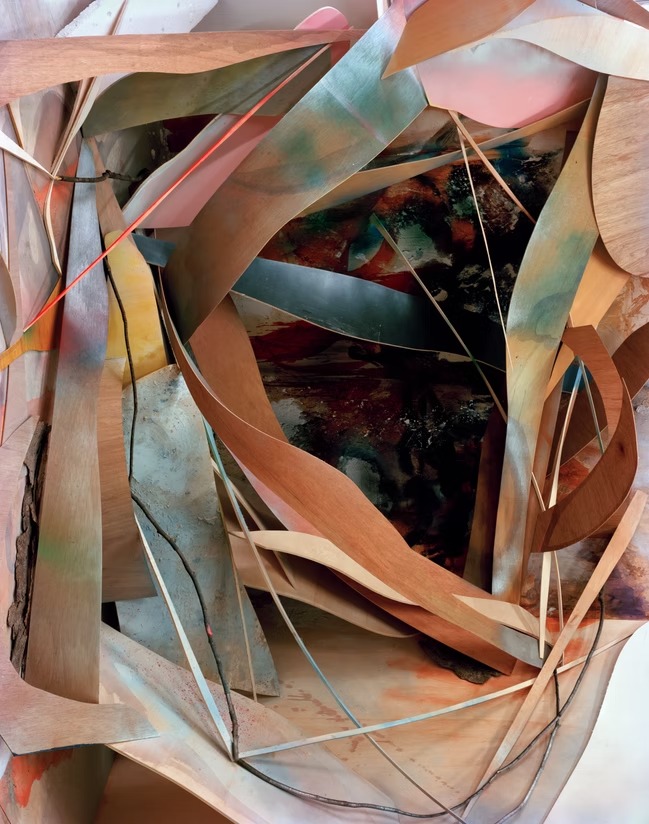
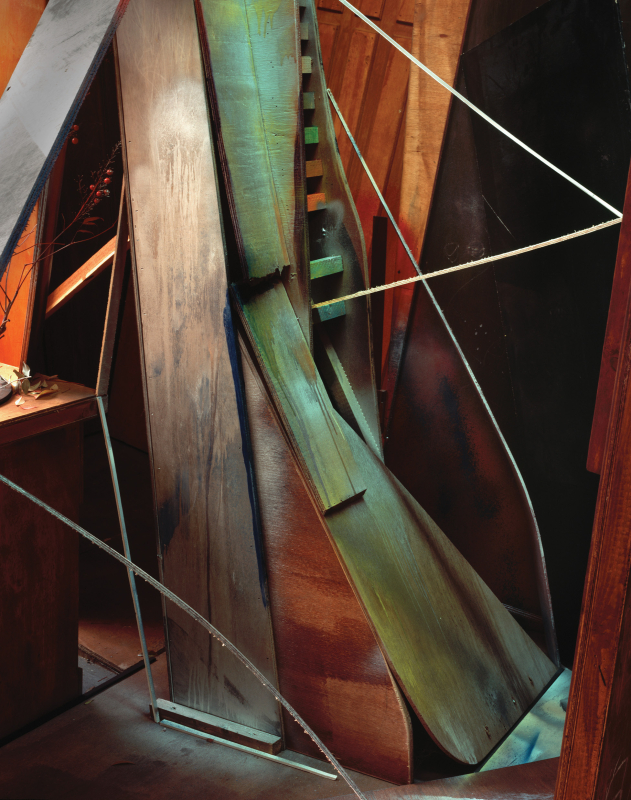
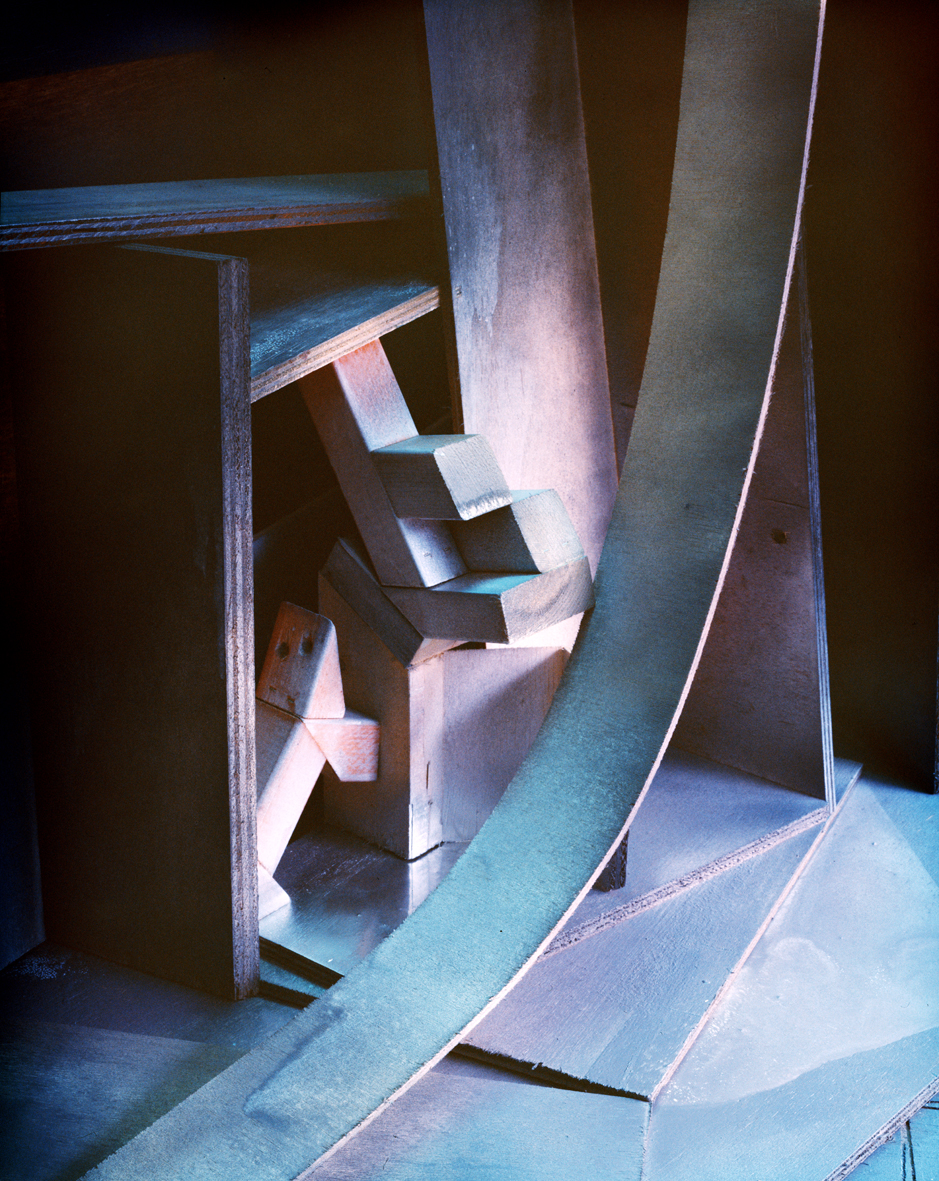
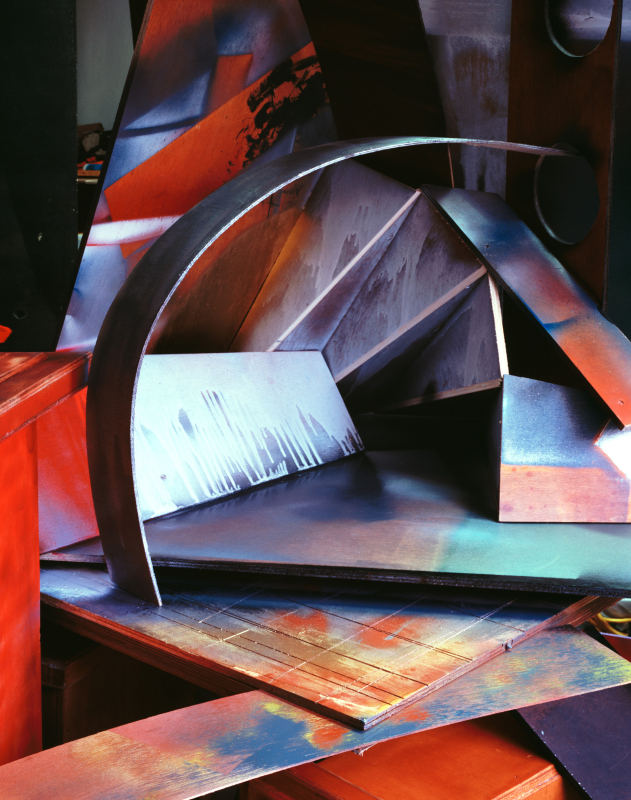
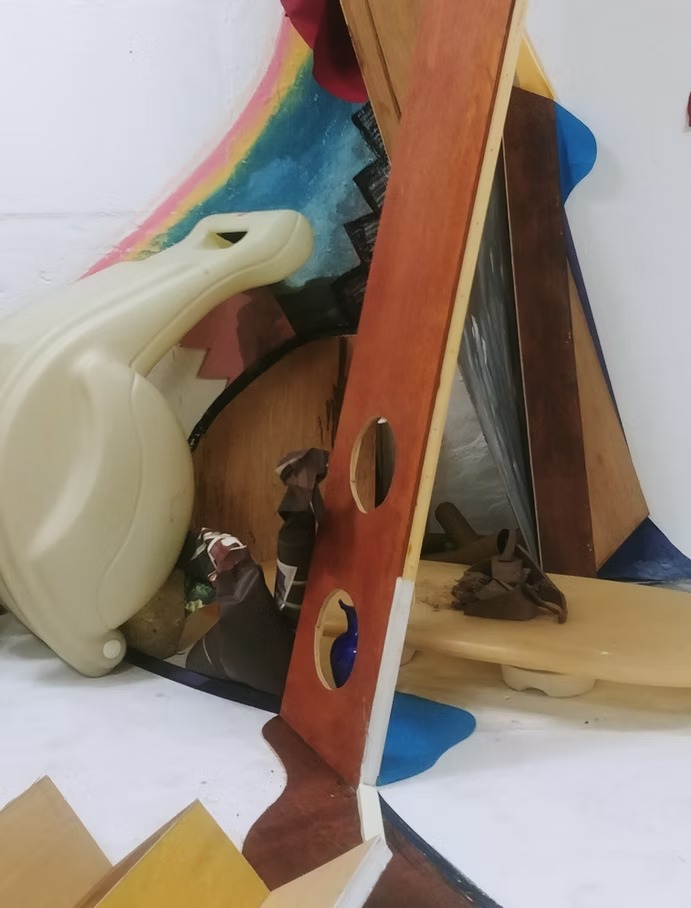
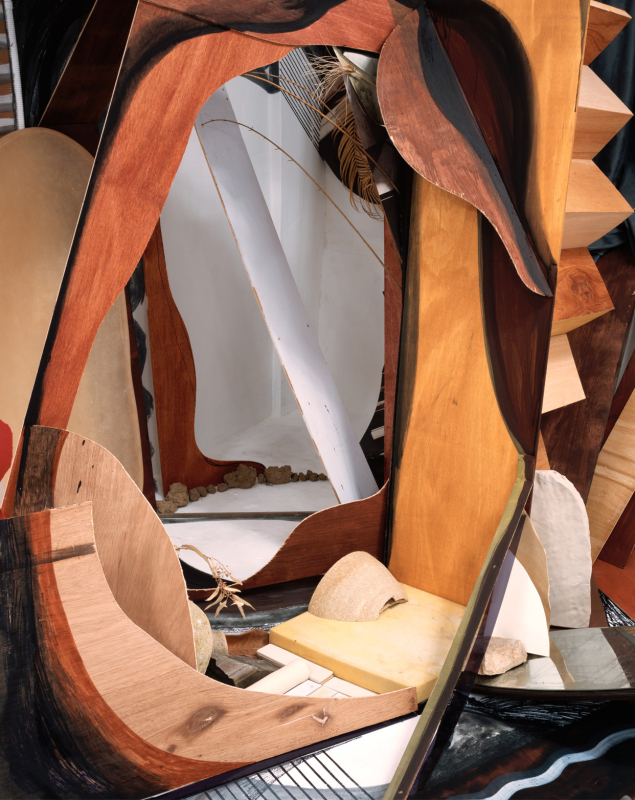
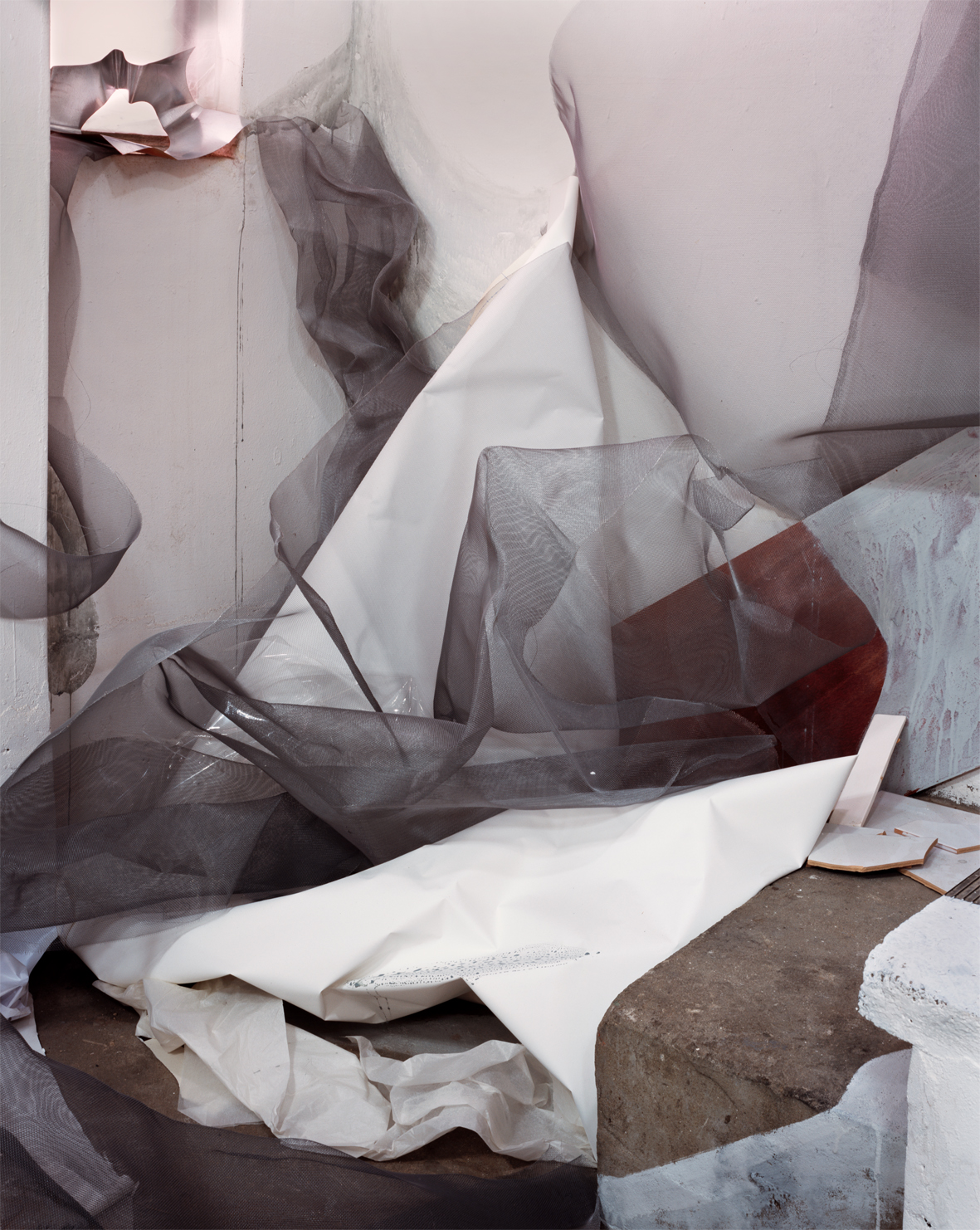
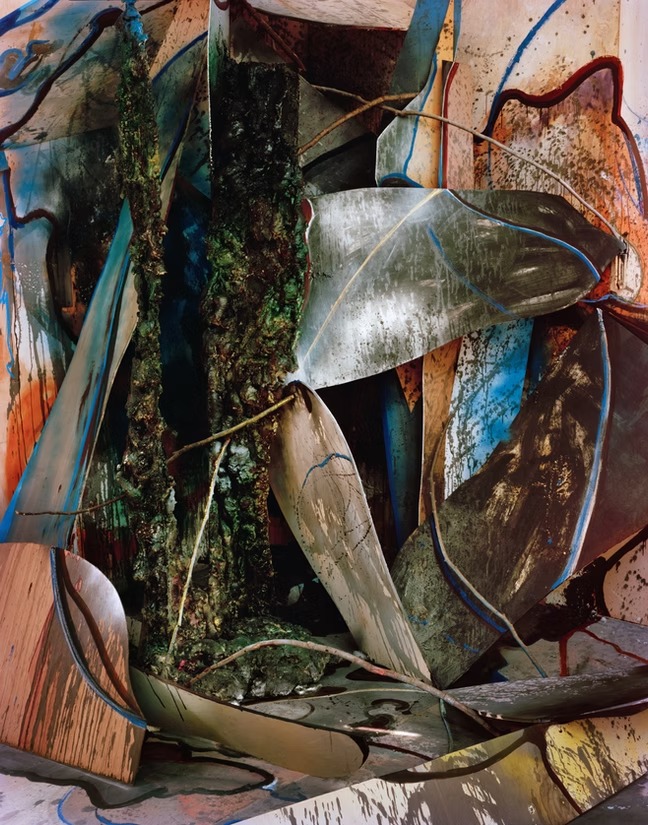
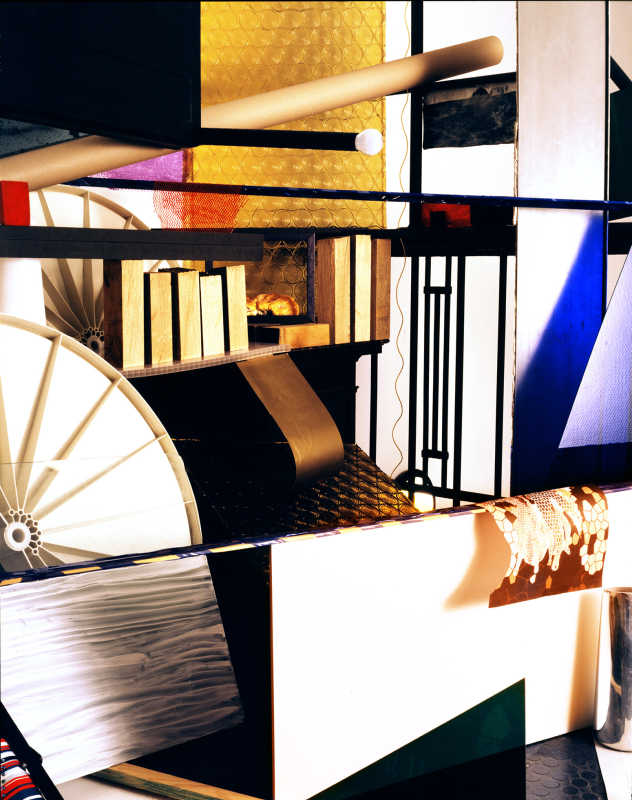
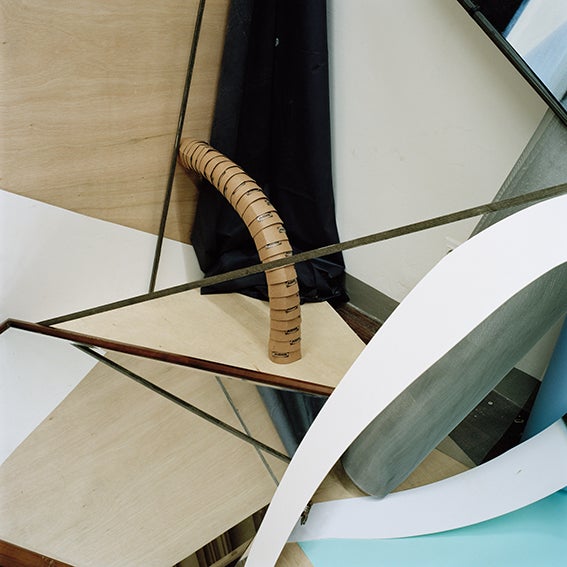
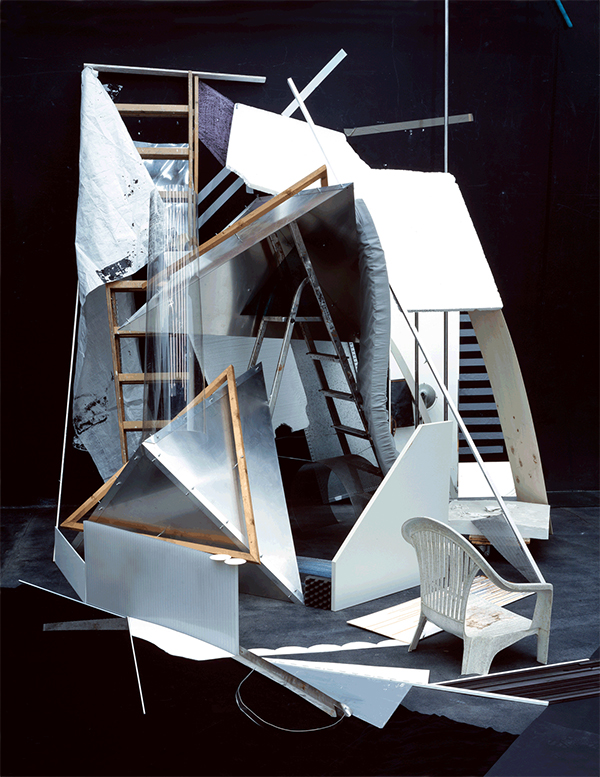
Cho Kyoungjae’s practice has developed since the early 2010s through an ongoing movement between the flatness of photography and the materiality of actual space. In early works such as Classroom 04 - 008 (2012), Wind 01 (2015), and Q (2016), he arranged physical objects in front of the camera so that elements occupying different distances and scales would be connected within the photographic image as compositions of lines and fields of color.
His method shares certain affinities with staged photography in its careful construction of actual space and its use of perspective and photographic flattening, yet his interest does not remain confined to the production of sophisticated illusion.
His direct handling of the forms, textures, and weights of collected materials, and his creation of accidental combinations among them, also reveal an assemblage-like sculptural sensibility. The combination of these two tendencies has formed a foundation for Cho’s sustained exploration of the relationship between photography’s visual structure and the material presence of objects.
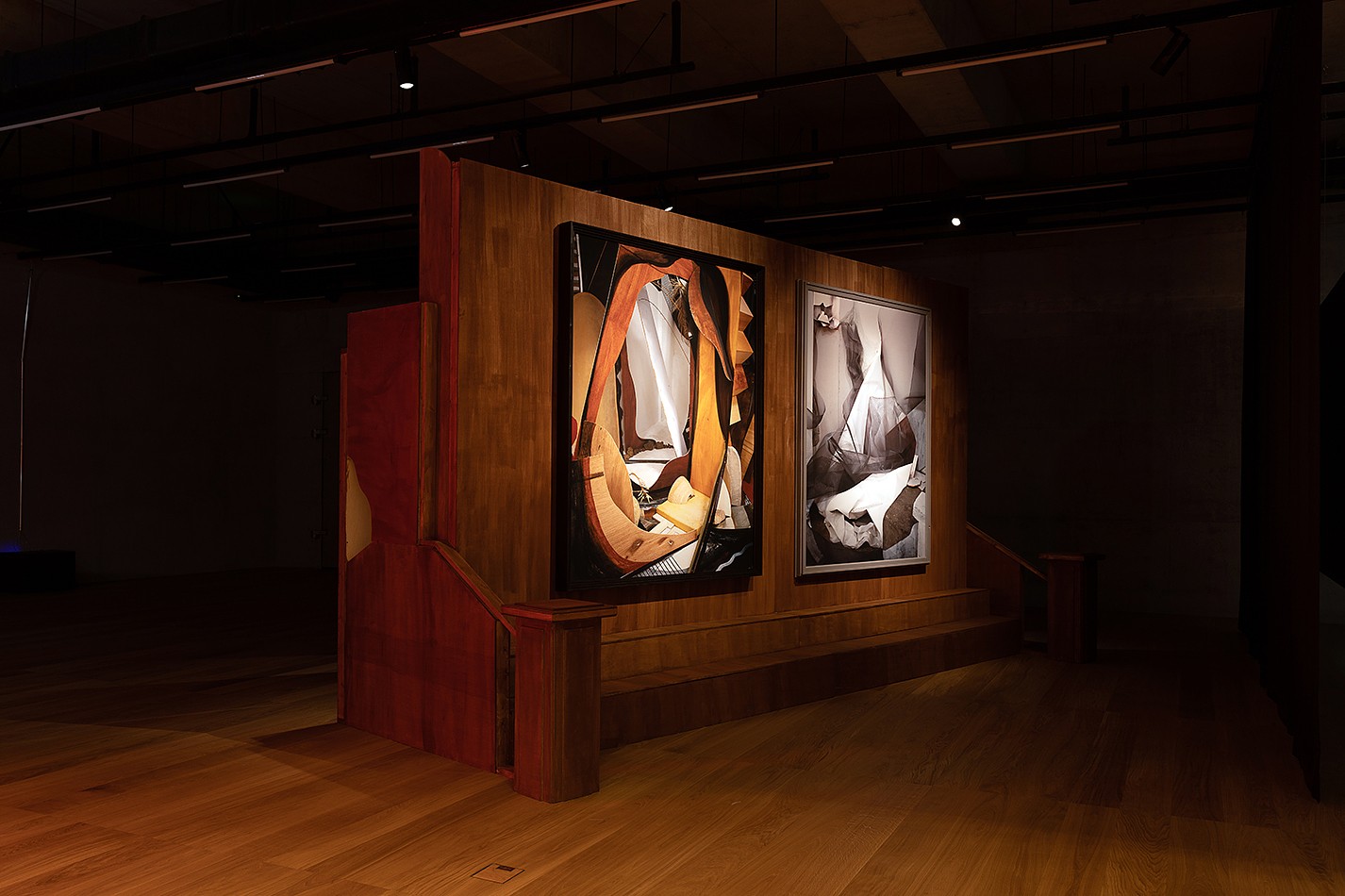
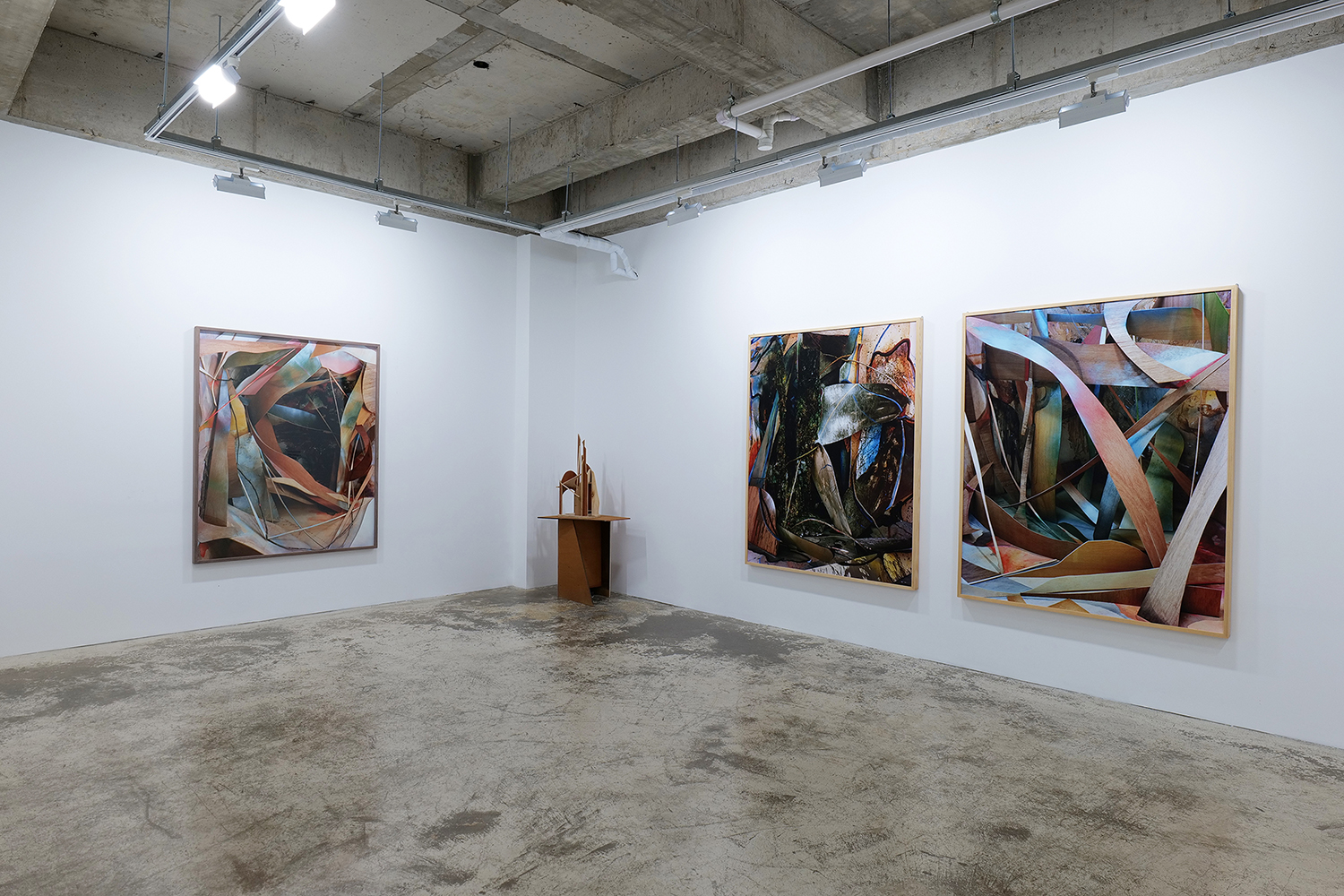
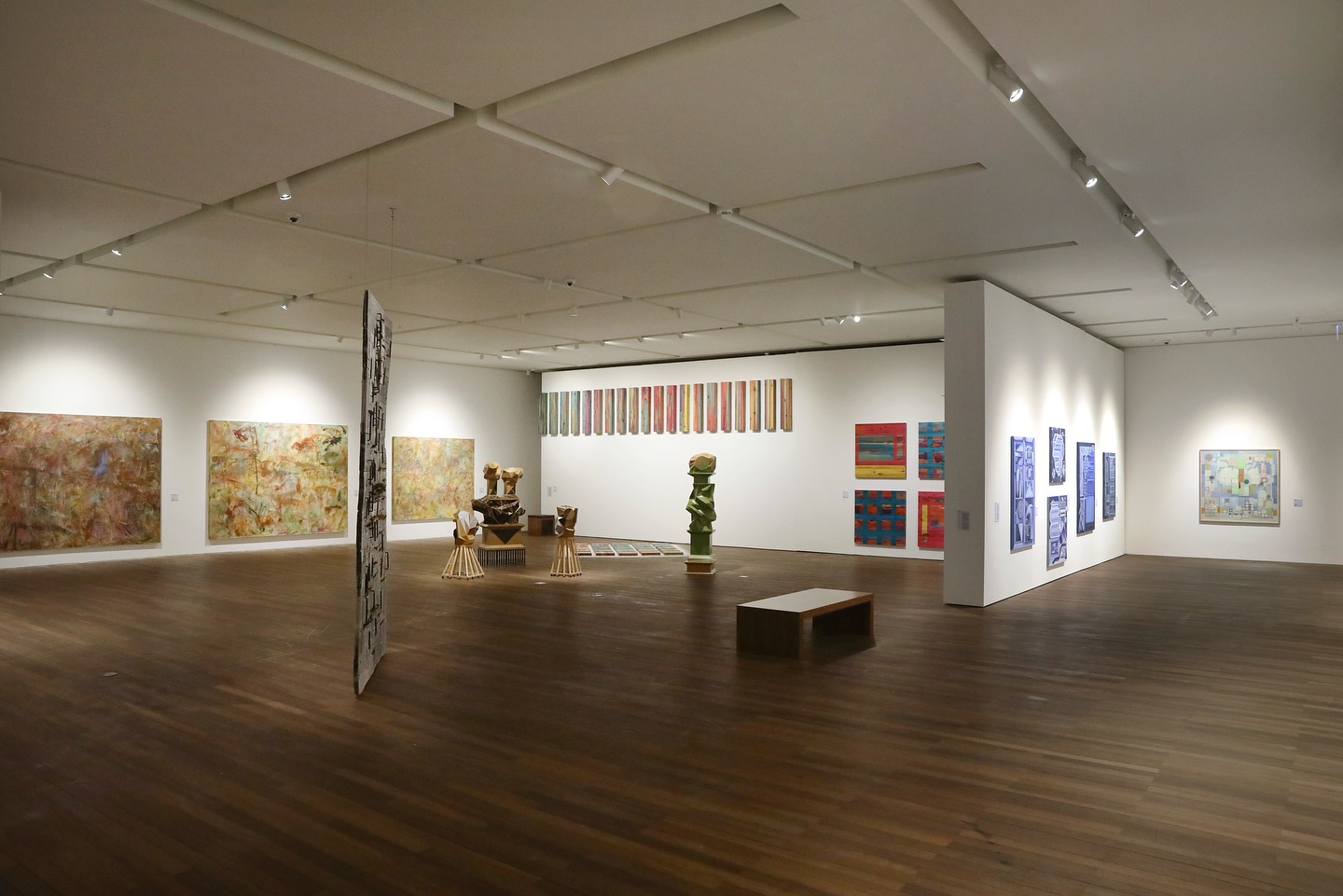
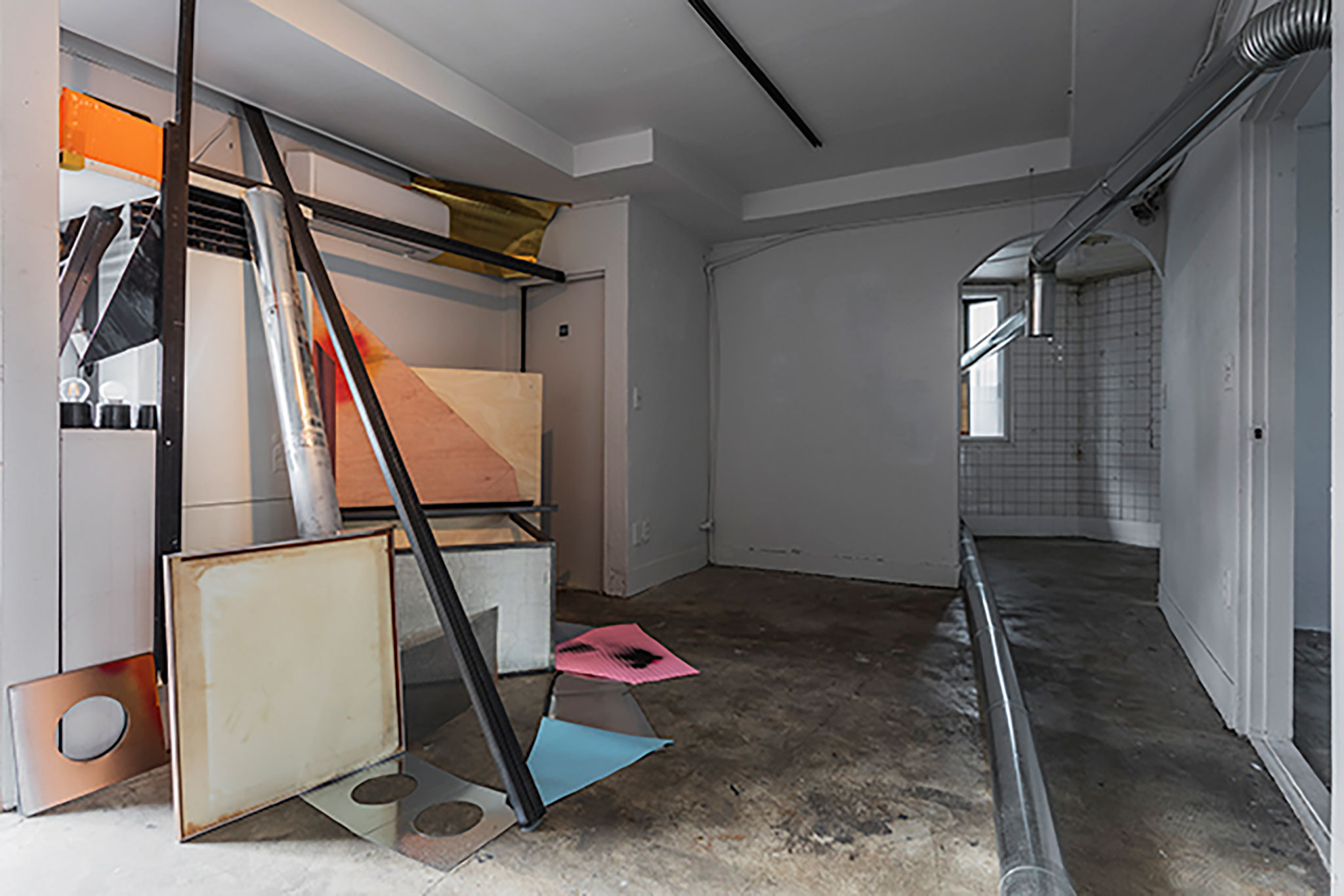
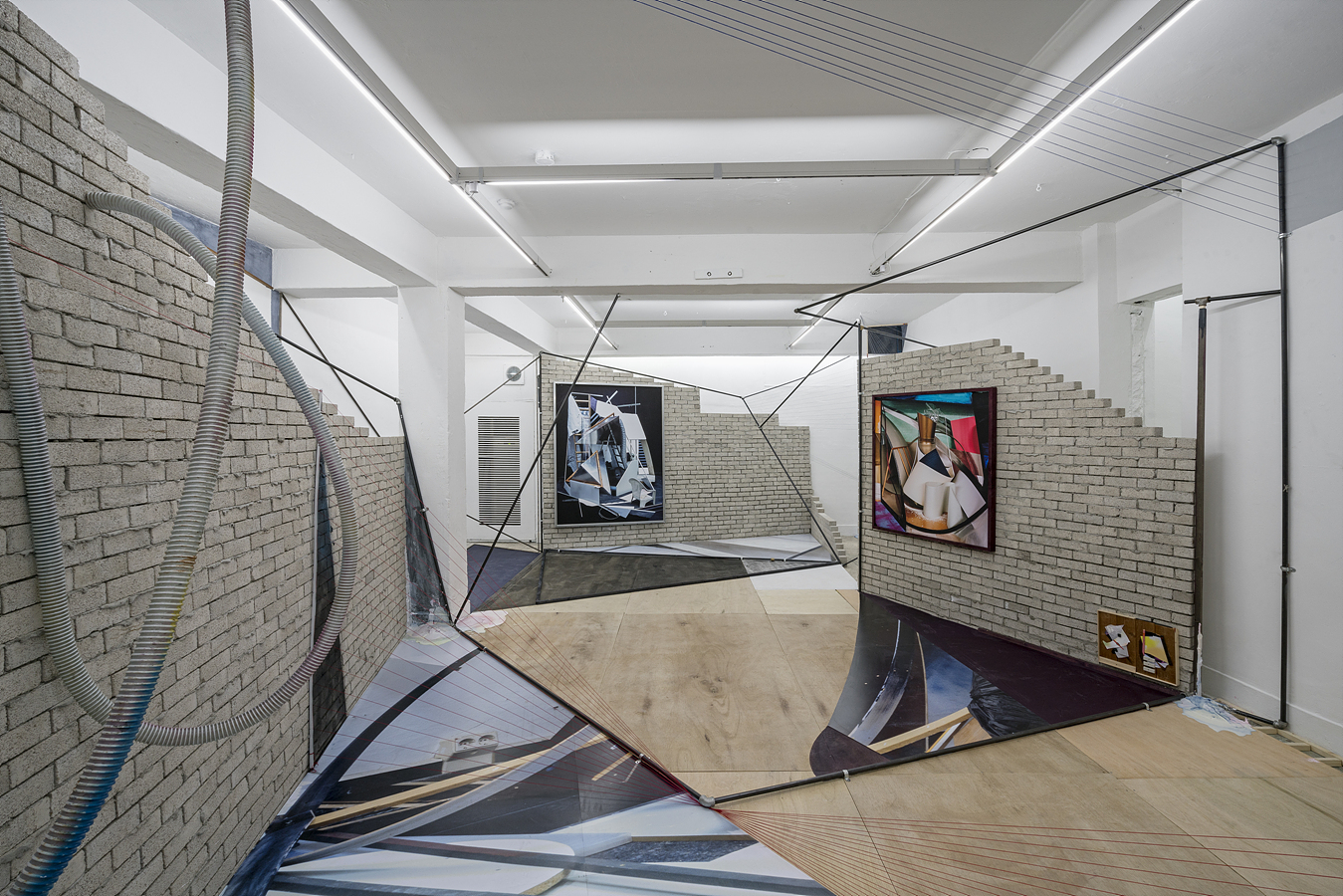
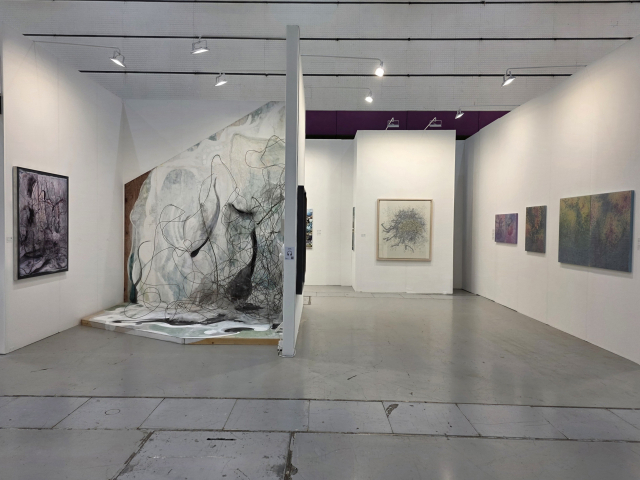
From the mid-2010s onward, spatial compositions previously constructed within the camera increasingly expanded into the exhibition space itself. Beginning with 5.5 (2016) and continuing through 《Broken Edges》 (2017) and 《A Transformed Space》 (2018), the lines, colors, and framing structures of photography became intertwined with physical elements such as steel pipes, wooden boards, thread, and photographic prints, extending across the exhibition environment.
This development can be understood not as a departure from photography toward another medium, but as a process of expanding photography by applying visual principles previously tested within the camera to actual exhibition spaces. The viewer’s movement through these spaces also became increasingly significant. Relationships of distance, angle, connection, and disjunction that had operated within still photographs continued to shift in actual space according to the viewer’s changing position.
This expansion also continued through collaborative works incorporating performance and sound. Collaborative practice, which Cho began in Germany in 2009 and later continued in Korea, embraced unexpected reactions and interventions without predetermining the relationships among artist, viewer, object, and space. The method used in his individual practice—arranging objects, observing the relationships among them, and leaving the outcome open—thus broadened in collaborative work to encompass people, actions, and communication.
Cho Kyoungjae’s practice can therefore be understood less through separate categories such as photography, installation, and performance than through his sustained experimentation with processes in which disparate elements encounter one another, are dismantled, and reconnect. His emphasis on individual viewing experiences and unforeseen responses, rather than on a fixed final form, also runs consistently throughout this trajectory.
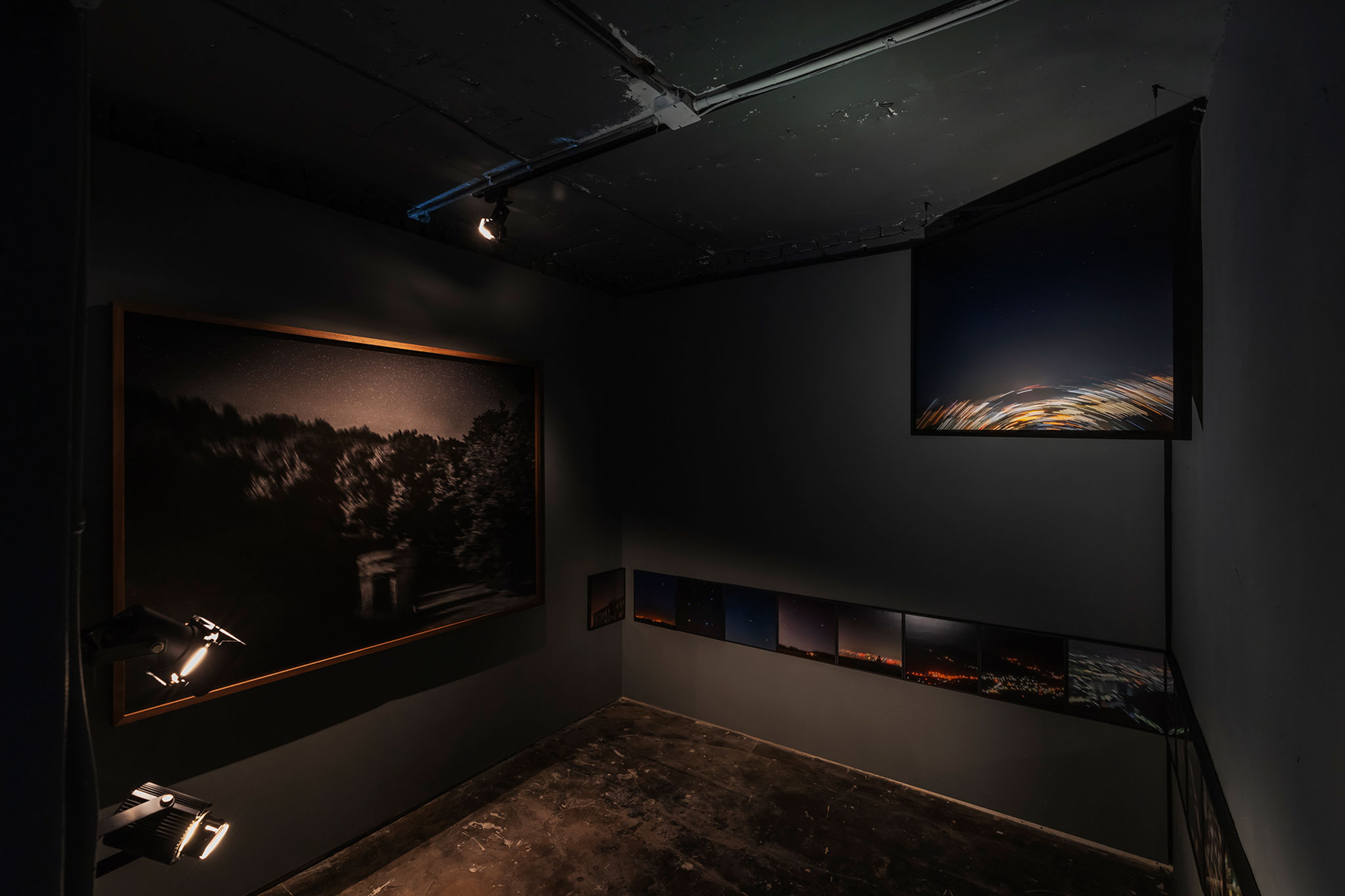
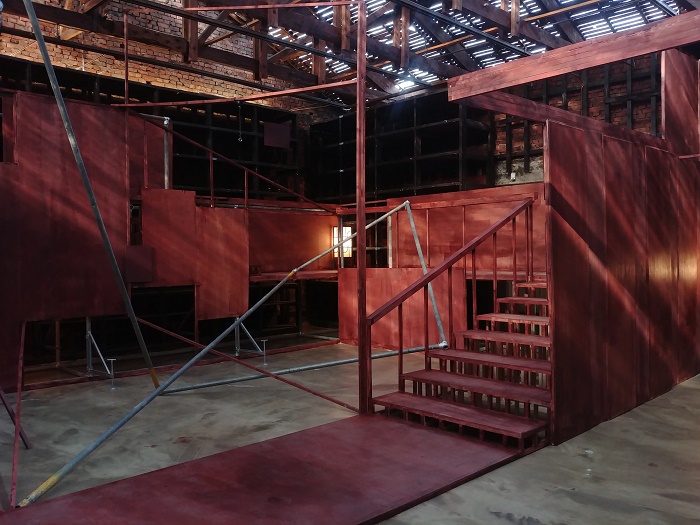
In the 2020s, light, time, and subtle movement have become increasingly active within his longstanding engagement with space and objects. In a 2021 exhibition, rather than presenting photographic works directly, he interpreted the exhibition space itself photographically, allowing light to move across walls, floors, columns, and stairs over time.
More recently, in 《Invisible Actors》, objects, light, and the passage of time are presented as presences that respond to one another. Even within these developments, his fundamental method of collecting, arranging, observing, and organizing relationships through the camera has remained consistent. In Cho Kyoungjae’s work, the optical illusions and geometric compositions prominent in his earlier practice have expanded through spatial experimentation and the movement of viewers toward an engagement with light, time, and the agency of presence.



.jpg)